
Explore the latest books of this year!
Bookbot

Roberto Bolaño

    April 28, 1953 – July 15, 2003

    Though always considering himself a poet at heart, Roberto Bolaño ultimately cemented his literary legacy through his novels, novellas, and short story collections. After a nomadic youth spent traveling across South America and Europe, he settled in Spain, taking on various manual labor jobs by day and writing at night. He eventually shifted to prose in his early forties, driven by a desire to provide for his family, though his work retained a profound poetic sensibility. Bolaño's writing is known for its raw honesty and exploration of life's darker facets, often imbued with a distinctive lyrical quality.

    Roberto Bolano: The Last Interview
    Last Evenings on Earth
    Distant Star
    Nazi Literature in the Americas
    2666
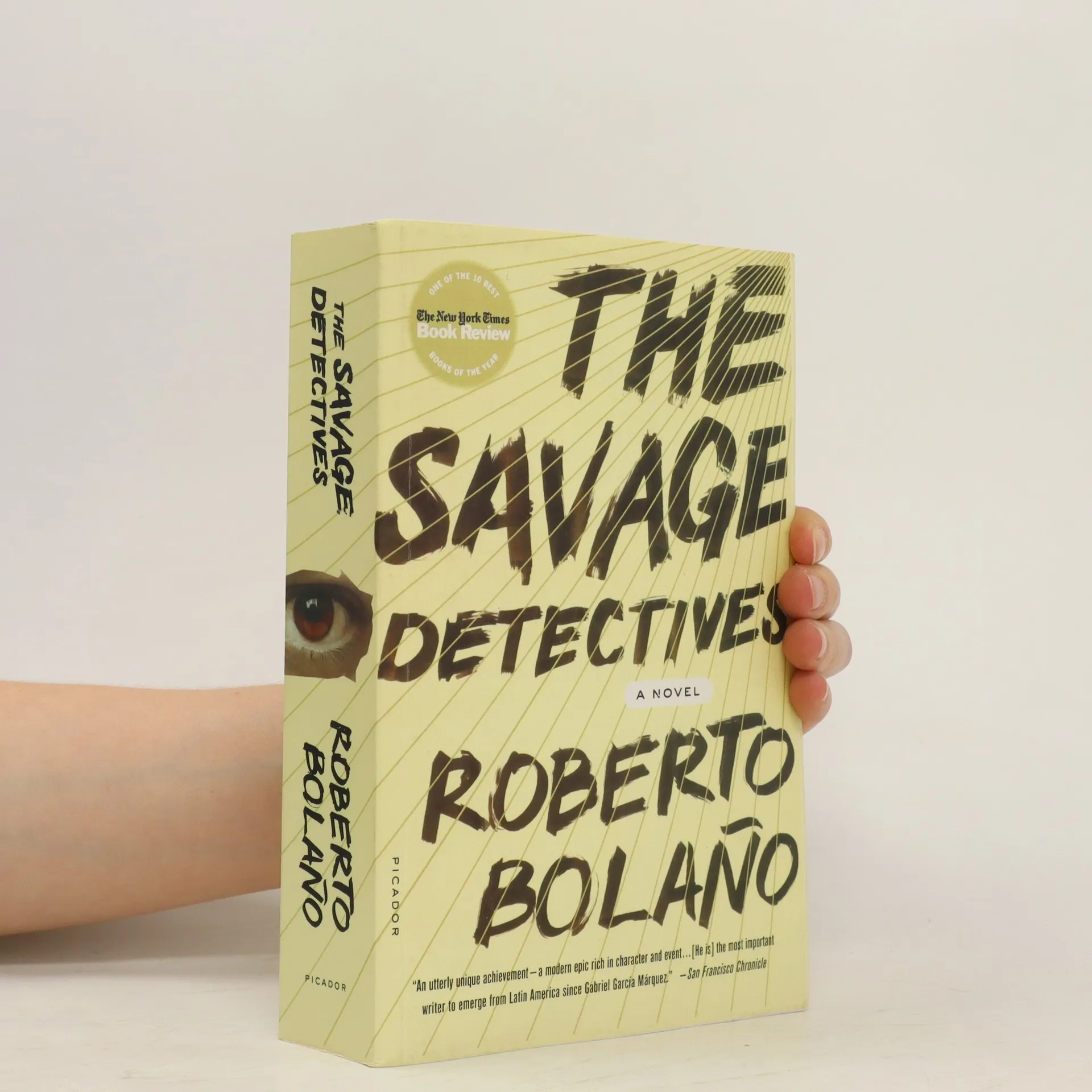
    The Savage Detectives
    • The Savage Detectives

      • 592 pages
      • 21 hours of reading

      Set against the backdrop of New Year's Eve 1975, two poets, Arturo Belano and Ulises Lima, embark on a quest from Mexico City in a borrowed white Impala to find the elusive Cesárea Tinajero, a vanished poet. Their journey takes a violent turn in the Sonora desert, forcing them into a life on the run for twenty years. This ambitious novel captures their experiences through the perspectives of various characters they encounter across Central America, Europe, Israel, and West Africa. Among them are the enchanting Font sisters, their father in a Mexico City asylum, a devoted follower of Octavio Paz, a brash American grad student, a French girl with a penchant for the Marquis de Sade, the great-granddaughter of Leon Trotsky, a Chilean stowaway gifted with numbers, an anorexic heiress to a Mexican underwear empire, and an Argentinian photojournalist in Angola, alongside a host of critics, lovers, and vagabonds. Roberto Bolaño, a literary descendant of Borges and Pynchon, explores the intricate relationship between literature and violence, revealing a world where national boundaries blur and death is ever-present in the avant-garde. This work stands as a remarkable testament to the vitality of contemporary Latin American literature.
      The Savage Detectives
      4.4
    • An American sportswriter, an elusive German novelist, and a teenage student interact in an urban community on the U.S.-Mexico border where hundreds of young factory workers have disappeared.

      2666
      4.1
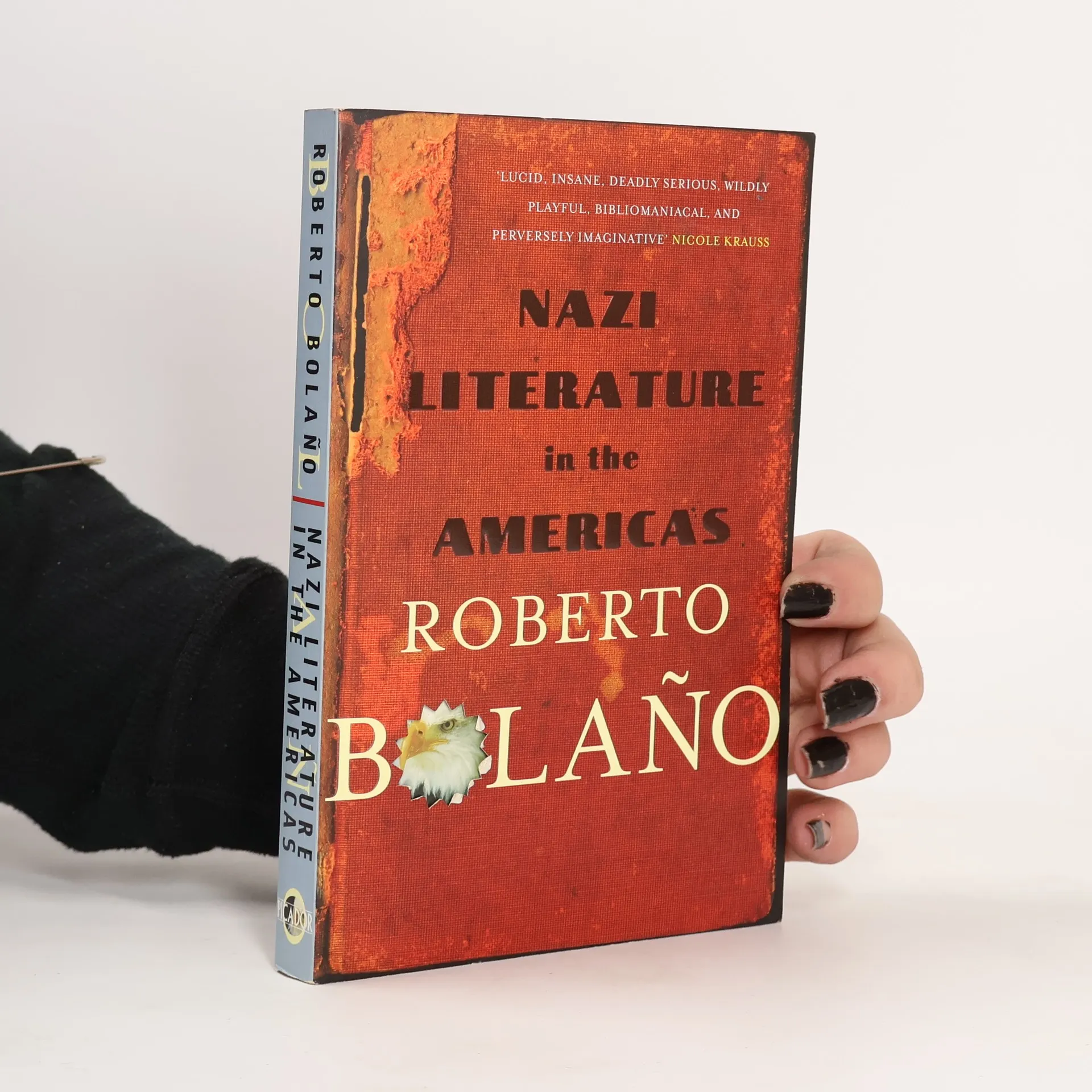
    • Nazi Literature in the Americas

      • 260 pages
      • 10 hours of reading

      Featuring several mass-murdering authors, two fraternal writers at the head of a football-hooligan ring and a poet who crafts his lines in the air with sky writing, Nazi Literature in the Americas details the lives of a rich cast of characters from one of the most extraordinarily fecund imaginations in world literature. Written with acerbic wit and virtuosic flair, this encyclopaedic cavalcade of fictional pan-American authors is the terrifyingly humourous and remarkably inventive masterpiece which made Bolaño famous throughout the Spanish-speaking world.

      Nazi Literature in the Americas
      4.0
    • Distant Star

      • 176 pages
      • 7 hours of reading

      Alberto Ruiz-Tagle was once the quiet, unknowable, unpromising member of Chile's young poetry scene. Known for his daring sky poems, penned in smoke high above the cities, Weider's dazzling trajectory is a cause for astonishment and speculation amongst his old poetry friends. číst celé

      Distant Star
      4.0
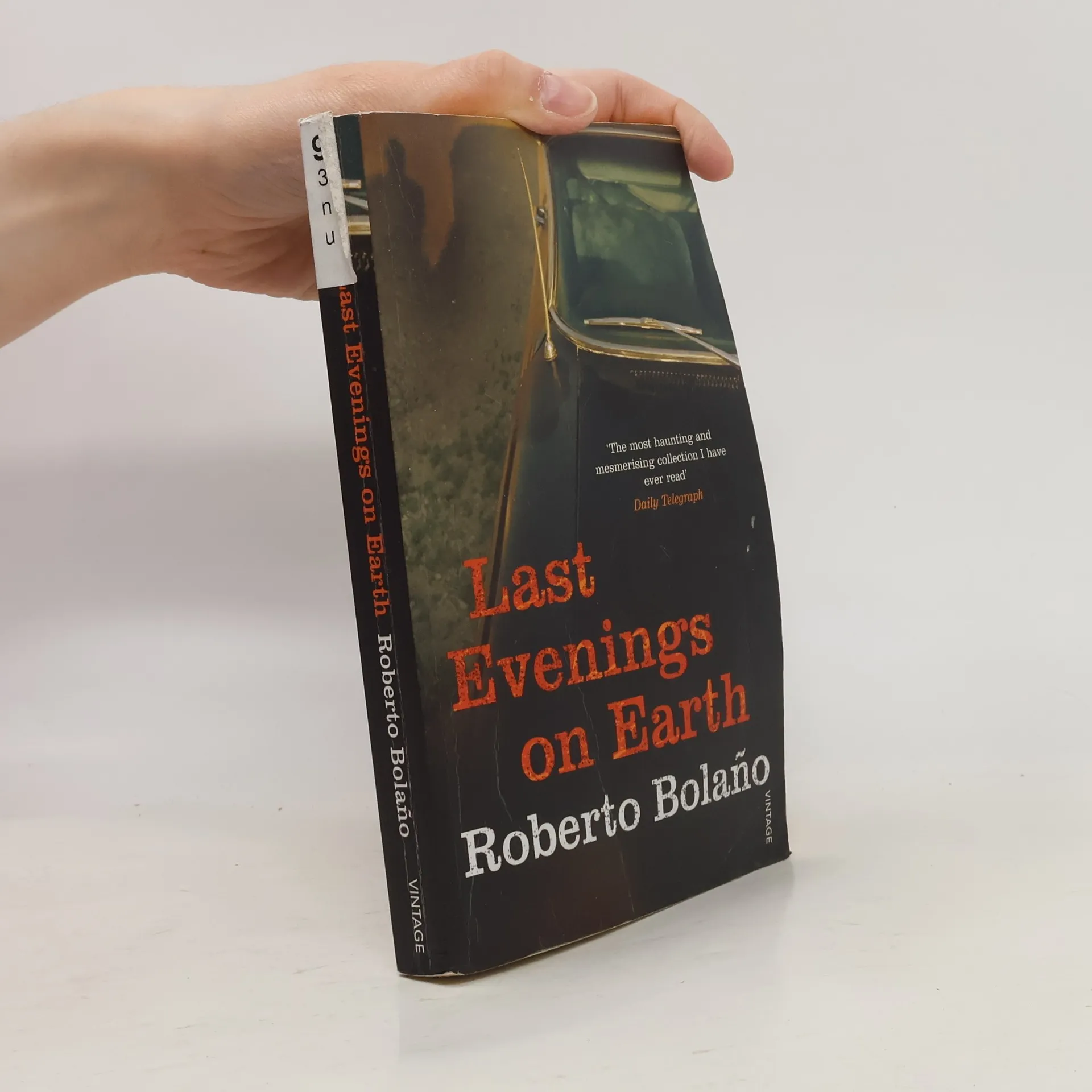
    • The acclaimed Chilean author's first collection of stories to be published in English. Here are fourteen stories set largely among those living in the margins, on the edge. "The most haunting and mesmerizing collection I have ever read."--"Daily Telegraph"

      Last Evenings on Earth
      3.9
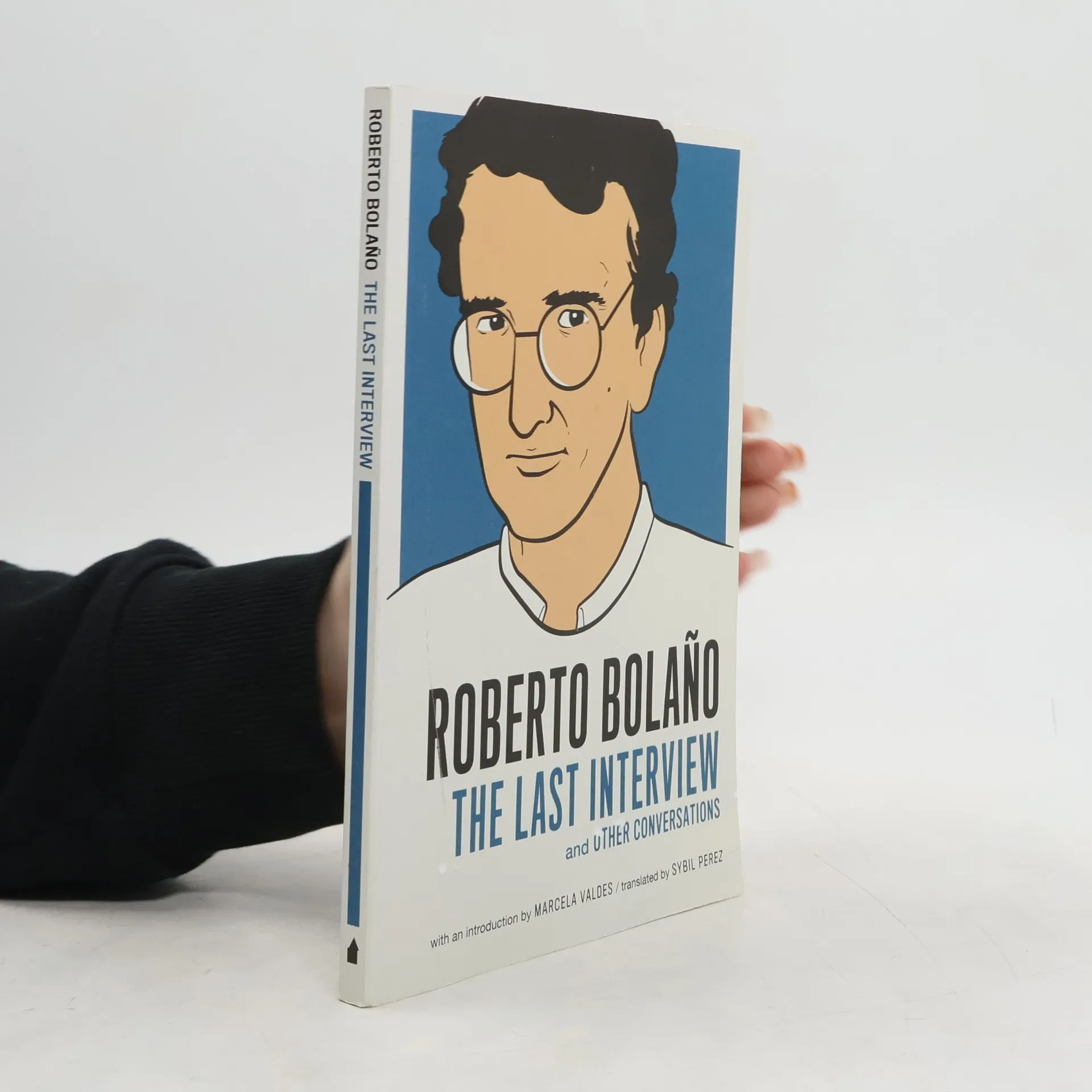
    • Roberto Bolano: The Last Interview

      • 128 pages
      • 5 hours of reading

      With the release of Roberto Bolaño’s The Savage Detectives in 1998,journalist Monica Maristain discovered a writer “capable of befriending his readers.” After exchanging several letters with Bolaño, Maristain formed a friendship of her own, culminating in an extensive interview with the novelist about truth and consequences, an interview that turned out to be Bolaño’s last. Appearing for the first time in English, Bolaño’s final interview is accompanied by a collection of conversations with reporters stationed throughout Latin America, providing a rich context for the work of the writer who, according to essayist Marcela Valdes, is “a T.S. Eliot or Virginia Woolf of Latin American letters.” As in all of Bolaño’s work, there is also wide-ranging discussion of the author’s many literary influences. (Explanatory notes on authors and titles that may be unfamiliar to English-language readers are included here.) The interviews, all of which were completed during the writing of the gigantic 2666, also address Bolaño’s deepest personal concerns, from his domestic life and two young children to the realities of a fatal disease.

      Roberto Bolano: The Last Interview
      3.9
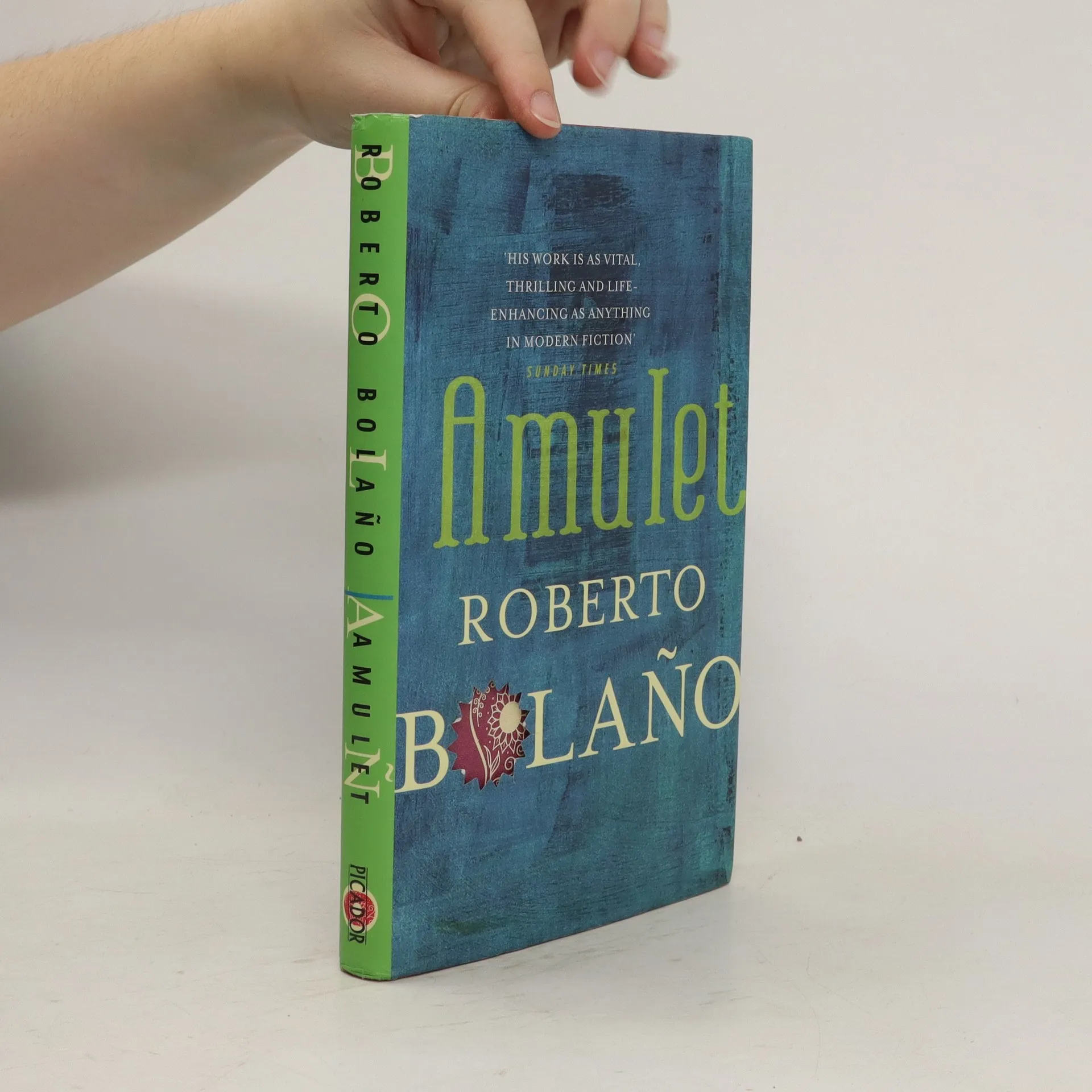
    • Amulet

      • 192 pages
      • 7 hours of reading

      It is September 1968 and the Mexican student movement is about to run head-on into the repressive right-wing government of Mexico: hundreds of young people will soon die. When the army invades the university, one woman hides in a fourth-floor ladies' room and for twelve days she is the only person left on campus. Staring at the floor, she recounts her bohemian life among the young poets of Mexico City—inventing and reinventing freely—and along the way she creates a cosmology of literature. As they grow ever more hallucinatory, her "memories" become mythologies before completely transforming into riveting dark prophecies. Hair-raising and enthralling, Amulet is a heart-breaking novel and another brilliant example of the art of Roberto Bolaño, 'the most admired novelist,' as Susan Sontag noted, 'in the Spanish-speaking world.'

      Amulet
      3.9
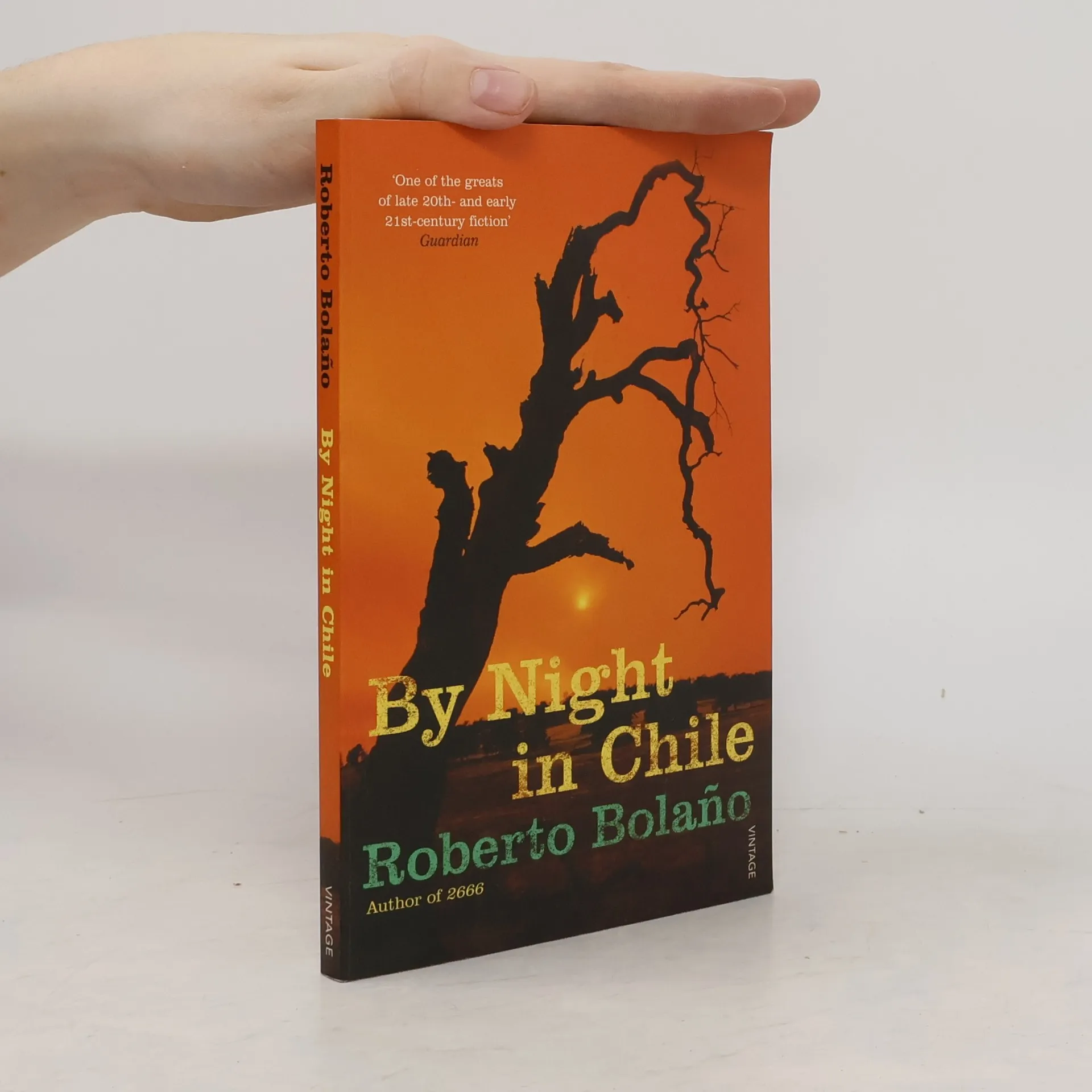
    • By Night In Chile

      • 144 pages
      • 6 hours of reading

      During the course of a single night, Father Sebastian Urrutia Lacroix, a Chilean priest, who is a member of Opus Dei, a literary critic and a mediocre poet, relives some of the crucial events of his life.

      By Night In Chile
      3.8
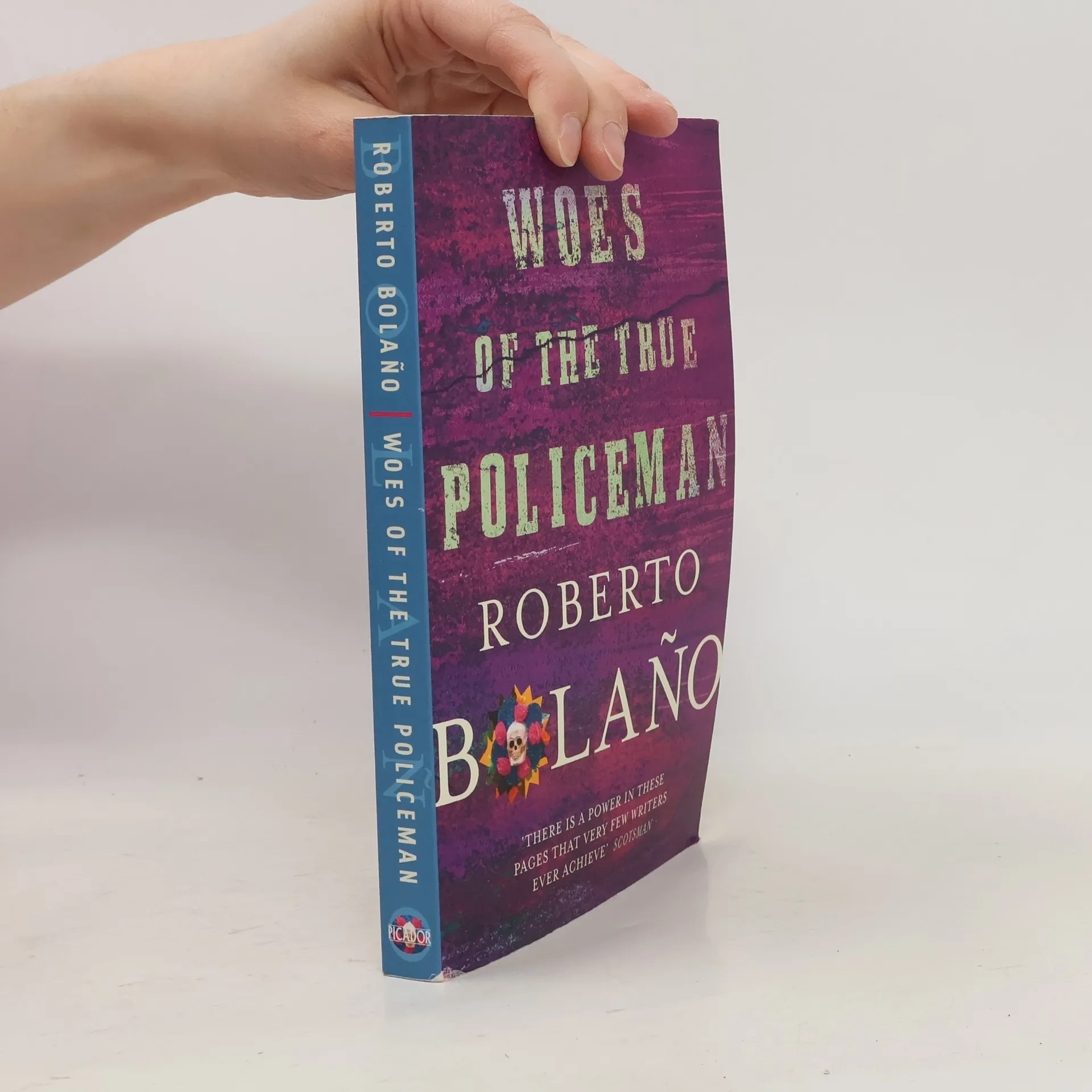
    • Woes of the True Policeman

      • 250 pages
      • 9 hours of reading

      Follows Amalfitano, exiled Chilean university professor and widower with a teenage daughter, as his political disillusionment and love of poetry lead to the scandal that will force him to flee from Barcelona and take him to Santa Teresa, Mexico. It is here, in this border town, that Amalfitano meets Arcimboldi, a magician and writer whose work highlights the provisional and fragile nature of literature and life.

      Woes of the True Policeman
      3.6
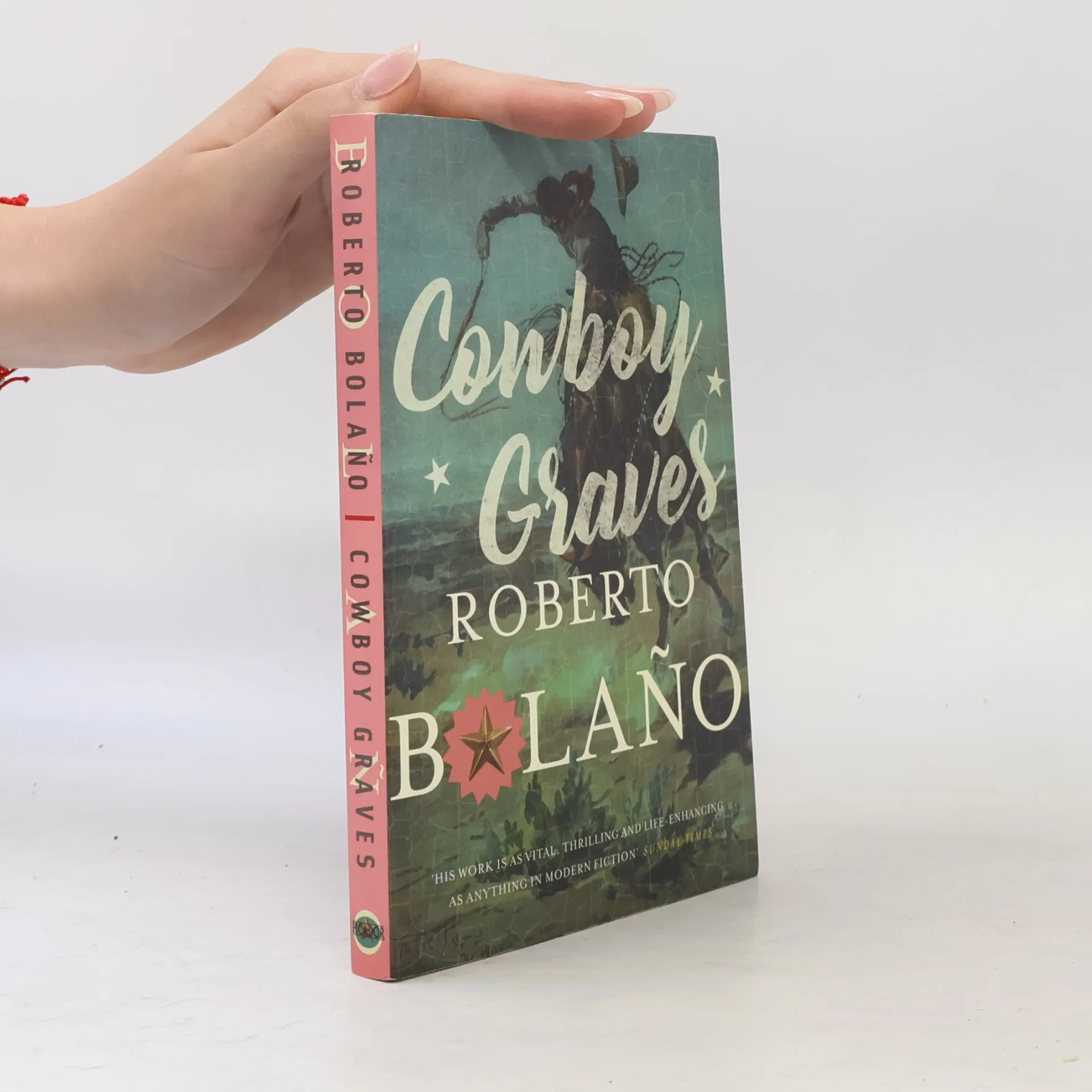
    • Found in the author's archive and published for the first time: a collection of three novellas - a joy for the many fans and followers of Roberto Bolano.

      Cowboy Graves
      3.6