Davis presents original case-histories of readers to delve into just what
reading is and how it works. Each chapter begins with a poem or excerpt which
becomes the scene either of a reading-group transcription or of a thought-
piece from an interviewed reader to explore therapeutic reading and how
culture might impact upon health.
These provocative essays take a modern look at the seventeenth-century thinker's dream, examining the influences of mathematics on society, particularly in light of technological advances. They survey the conditions that elicit the application of mathematic principles; the applications' effectiveness; and how applied mathematics transform perceptions of reality. 1987 edition.
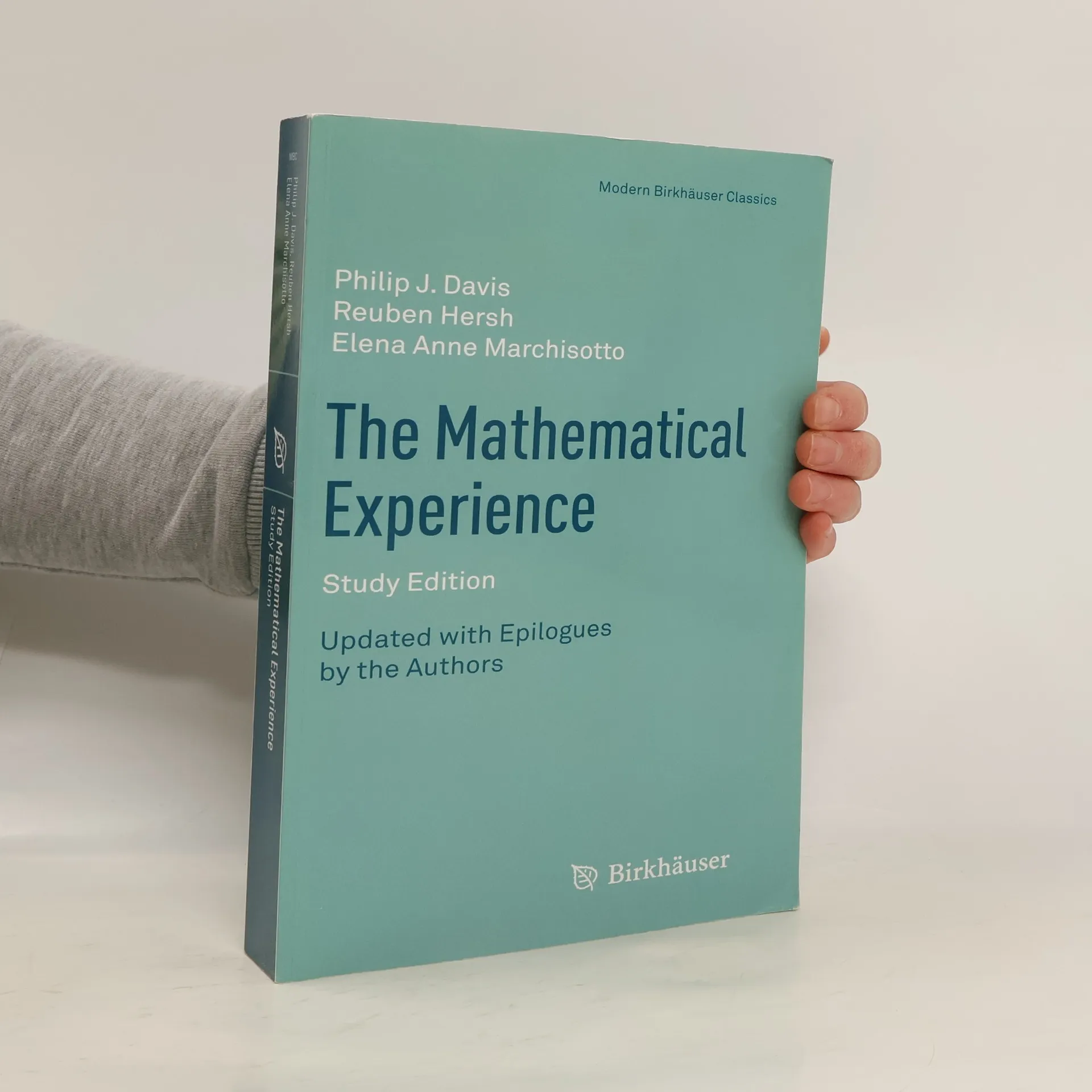
Winner of the 1983 National Book Award, this work offers a delightful exploration of mathematics, showcasing what mathematicians do and who they are. With clear exposition infused with wit and humor, it reveals the essence of mathematics as a long-standing human endeavor. The authors argue that professional mathematicians can effectively communicate their work to non-professionals and emphasize the importance of teaching mathematics in a way that highlights its beauty and power. Feedback from readers of the first edition has led to this revised version, which includes exercises designed to enhance student understanding. This edition aims to engage a new generation of readers and students eager to grasp the essence of mathematics. It serves as an invaluable resource for general mathematics appreciation courses, blending aesthetic appreciation with practical applications. The text is particularly suitable for Liberal Arts students, prospective teachers in Capstone courses, and writing courses for mathematics educators. Additionally, customizable online course materials are available upon request, further enriching the learning experience.
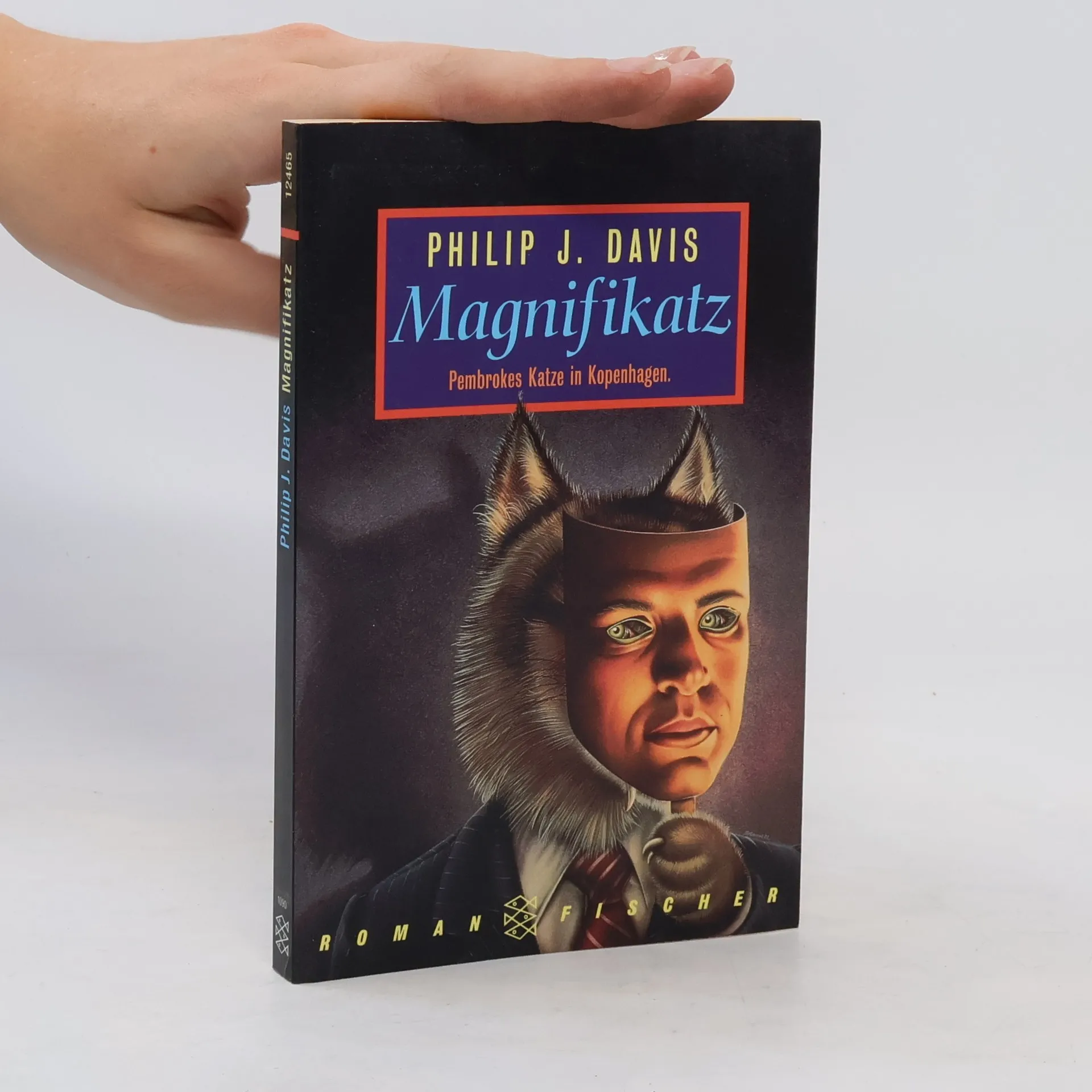
Die philosophierende Katze und der etwas exzentrische Mathematikhistoriker aus Cambridge suchen in Kopenhagen auf kuriosen Wegen ein verlorengegangenes Manuskript H.C. Andersens.