Against the Flow
- 436 pages
- 16 hours of reading
Uses the book of Daniel as a starting point for a wide-ranging critique of current Western thinking.


John Lennox is a respected author whose work delves into the intersection of science, philosophy, and theology. His writings explore how modern scientific understanding impacts our comprehension of existence and faith. Lennox offers insightful perspectives on the complex questions that arise at the boundary of scientific inquiry and theological reflection. Through his prose, he encourages readers to contemplate the nature of reality and the meaning of life.



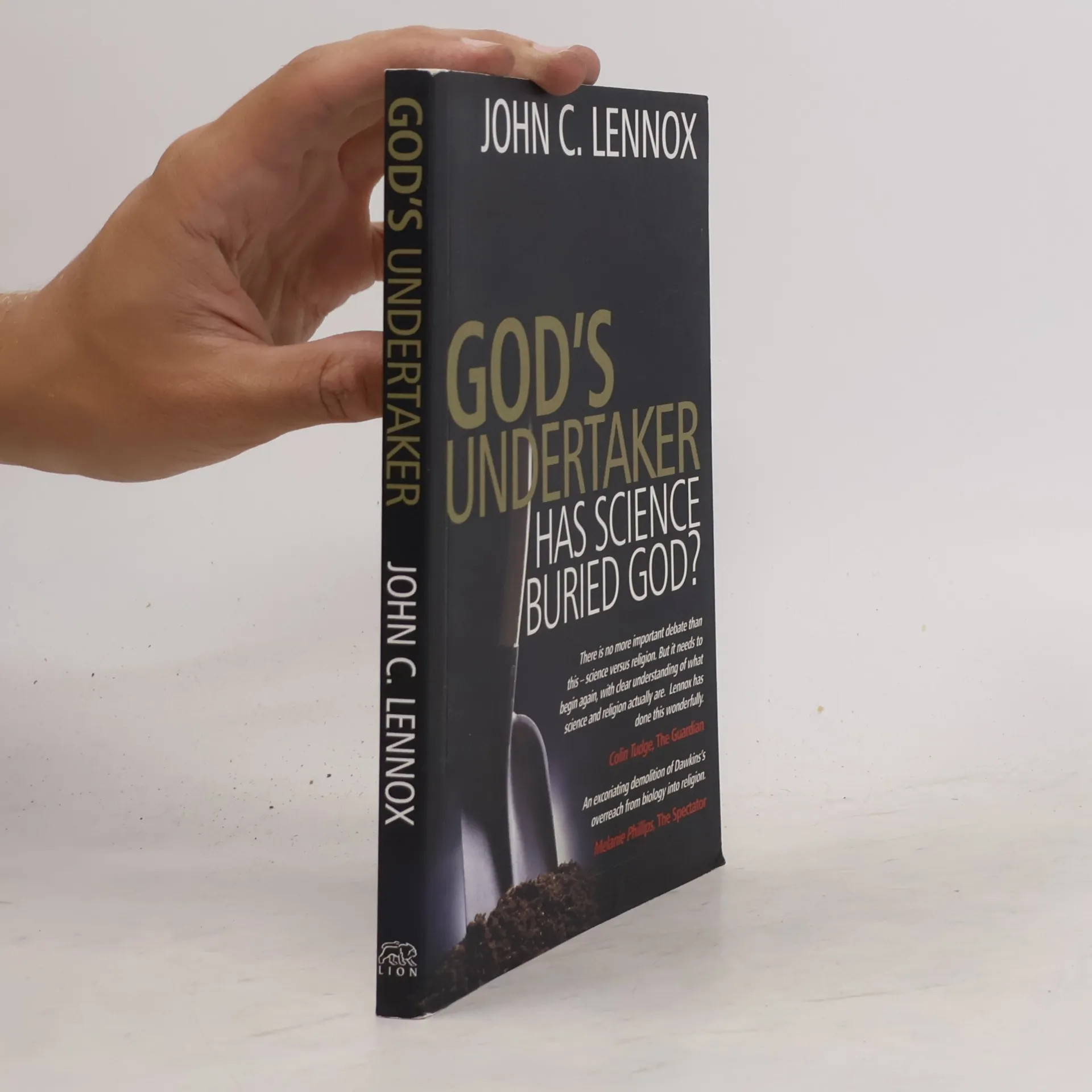
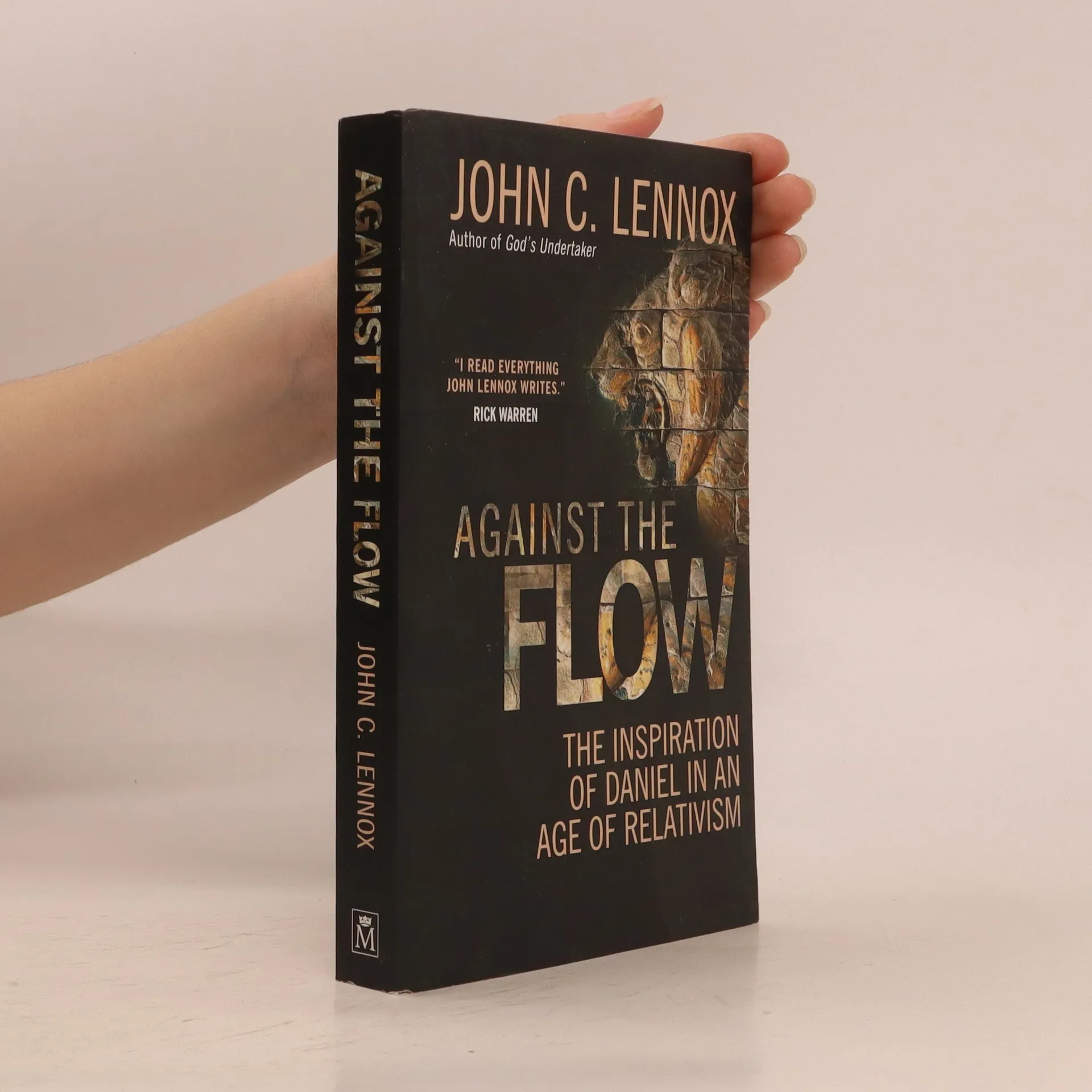
Uses the book of Daniel as a starting point for a wide-ranging critique of current Western thinking.
A new, updated edition of John Lennox's successful book, including a foreword by Francis Collins, Director of the Human Genome Project
We need a coherent picture of our world. Life's realities won't let us ignore its fundamental questions, but with so many opposing views, how will we choose answers that are reliable? In this series of books, David Gooding and John Lennox offer a fair analysis of religious and philosophical attempts to find the truth about the world and our place in it. By listening to the Bible alongside other leading voices, they show that it is not only answering life's biggest questions--it is asking better questions than we ever thought to ask. In Book 2 - Finding Ultimate Reality, they remind us that the authority behind ethics cannot be separated from the truth about ultimate reality. Is there a Creator who stands behind his moral law? Are we the product of amoral forces, left to create moral consensus? Gooding and Lennox compare ultimate reality as understood in: Indian Pantheistic Monism, Greek Philosophy and Mysticism, Naturalism and Atheism, and Christian Theism.
Evangelistic book looking at whether science and religion are opposed.
Emphasizing the major themes in the Joseph narrative--such as the sovereignty of God, suffering, temptation, forgiveness, and faith--John Lennox applies the life of Joseph to readers' lives today.
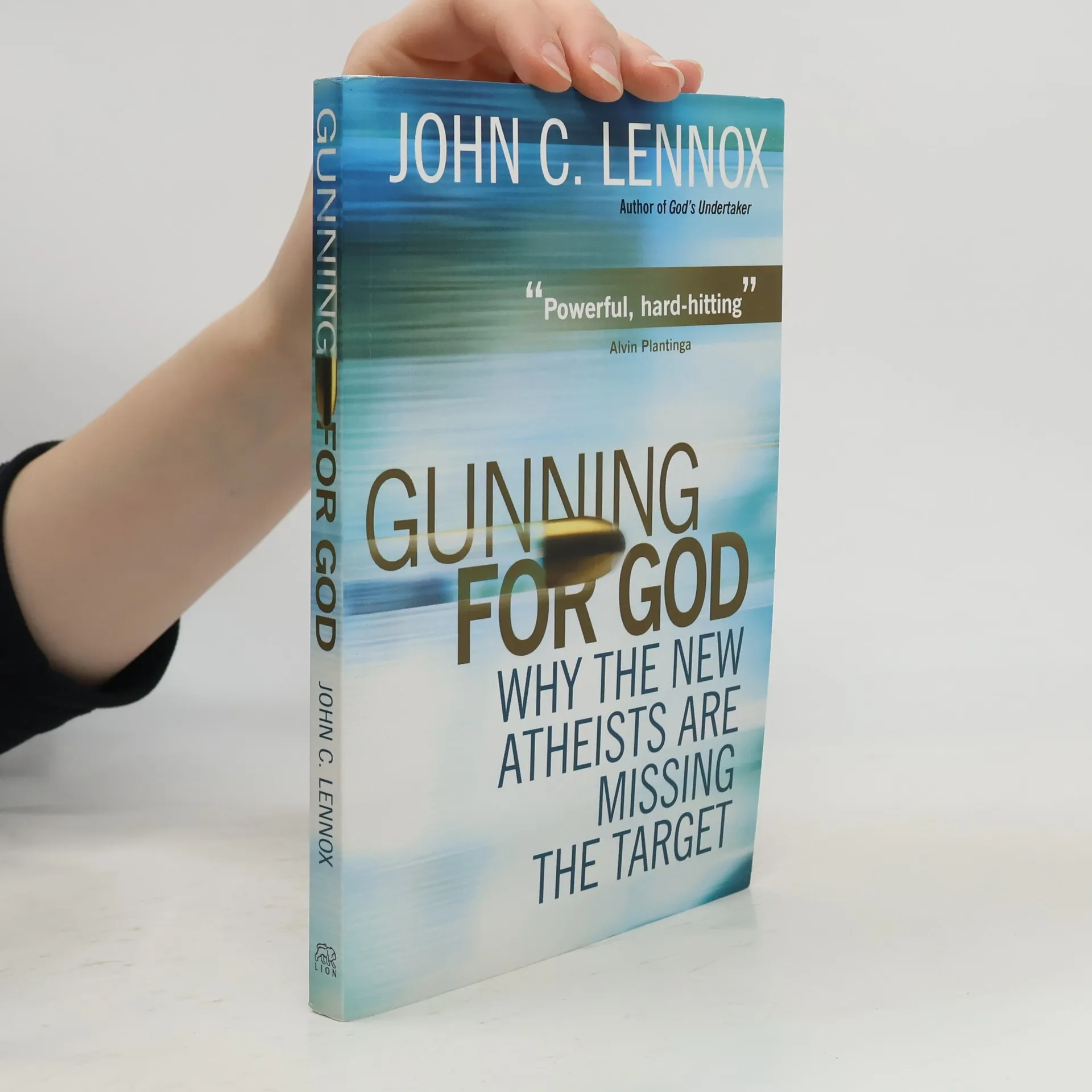
Packing a powerful punch, this compelling read is an argument against the new atheists
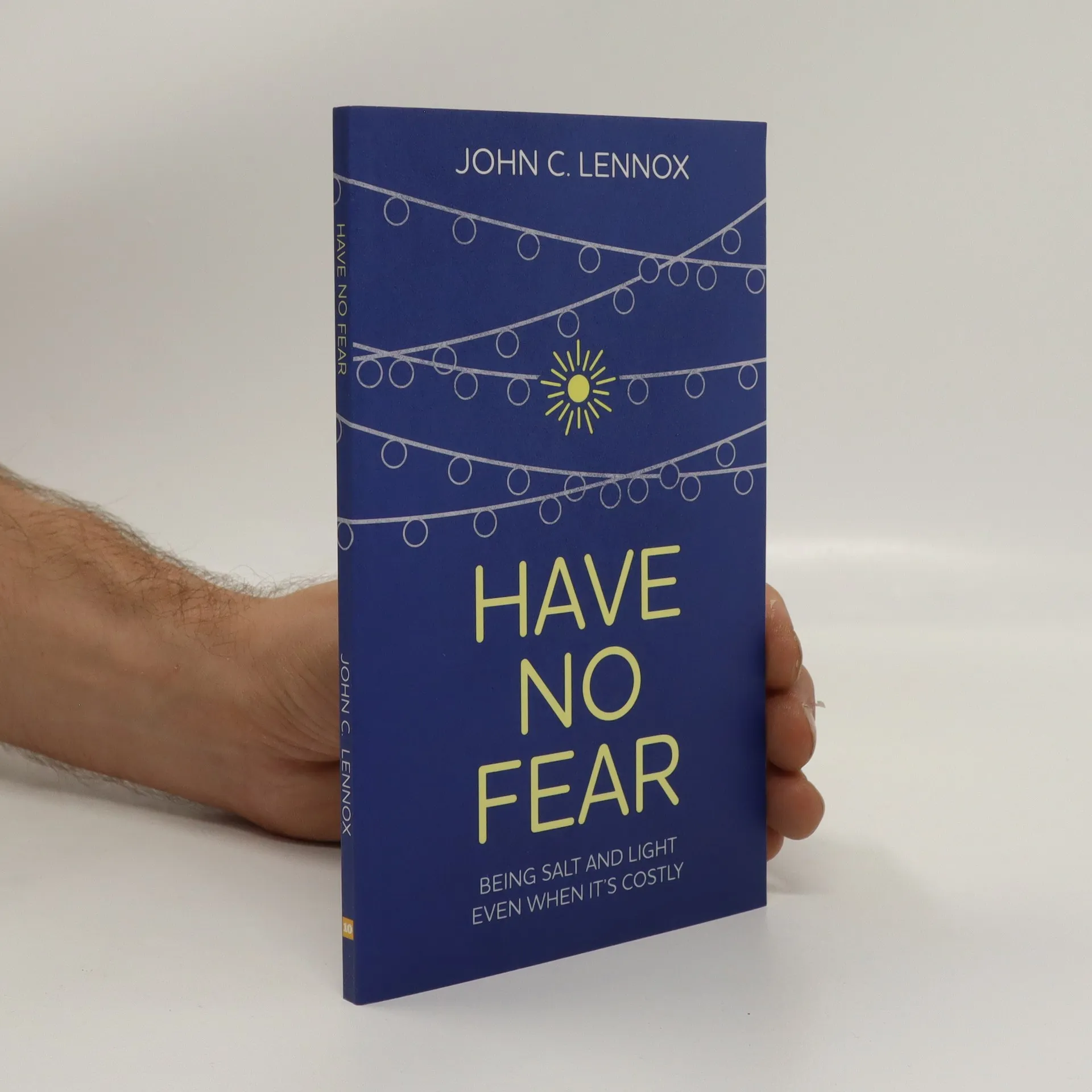
Christians are under increasing pressure to be silent. We're led to believe that, at best, our beliefs are outdated, and at worst they are dangerous. Silenced by fear, it s all too easy to keep quiet. But our Christian faith was never meant to be private. Jesus' followers are instructed to be deliberately and willingly different, seeking to share the life-changing good news they've heard with everyone, whatever the cost. We might feel that we fall very short of this confident evangelistic lifestyle, but John Lennox shows us that any one of us can become an effective gospel witness. Using examples from the Bible and from his own life, John explains practically how we can winsomely share Jesus with our friends, despite our fears. He argues that it is possible to stand up to the pressure society places on us, and in so doing we ll find our Christian life grows in strength and joy.
Gooding and Lennox acknowledge the problem with believing in a wise, loving and just God who doesn't stop natural disasters or human cruelty. Why does he permit diseases, human trafficking and genocide? Is he unable to do anything? Does he not care? They offer answers based on the Creator's purpose for the human race, and his entry into creation.
We need a coherent picture of our world. Life’s realities won’t let us ignore its fundamental questions, but with so many opposing views, how will we choose answers that are reliable? In this series of books, David Gooding and John Lennox offer a fair analysis of religious and philosophical attempts to find the truth about the world and our place in it. By listening to the Bible alongside other leading voices, they show that it is not only answering life’s biggest questions—it is asking better questions than we ever thought to ask. In Book 1 – Being Truly Human, Gooding and Lennox address issues surround¬ing the value of humans. They consider the nature and basis of morality, compare what morality means in different systems, and assess the dangerous way freedom is often devalued. What should guide our use of power? What should limit our choices? And to what extent can our choices keep us from fulfilling our potential?
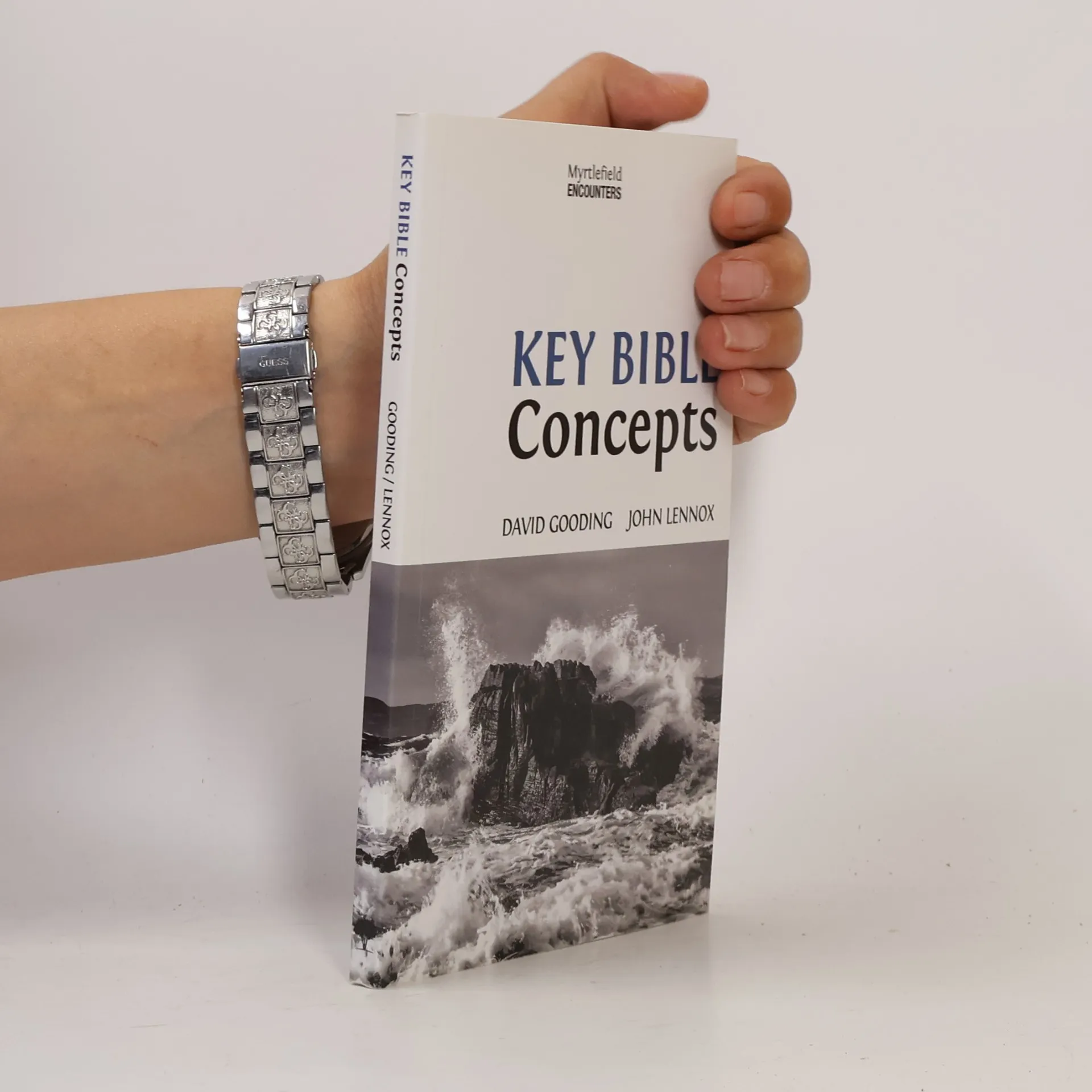
How can one book be so widely appreciated and so contested? Millions revere it and many ridicule it, but the Bible is often not allowed to speak for itself. Key Bible Concepts explores and clarifies the central terms of the Christian gospel. Gooding and Lennox provide succinct explanations of the basic vocabulary of Christian thought to unlock the Bible's meaning and its significance for today. Myrtlefield Encounters are complementary studies of biblical literature, Christian teaching and apologetics. The books in this series engage the minds of believers and sceptics. They show how God has spoken in the Bible to address the realities of life and its questions, problems, beauty and potential.
We need a coherent picture of our world. Life's realities won't let us ignore its fundamental questions, but with so many opposing views, how will we choose answers that are reliable? In this series of books, David Gooding and John Lennox offer a fair analysis of religious and philosophical attempts to find the truth about the world and our place in it. By listening to the Bible alongside other leading voices, they show that it is not only answering life's biggest questions--it is asking better questions than we ever thought to ask. In Book 3 - Questioning Our Knowledge, Gooding and Lennox discuss how we could know whether any of these competing worldviews are true. What is truth anyway, and is it absolute? How would we recognize truth if we encountered it? Beneath these questions lies another that affects science, philosophy, ethics, literature and our everyday lives: how do we know anything at all?
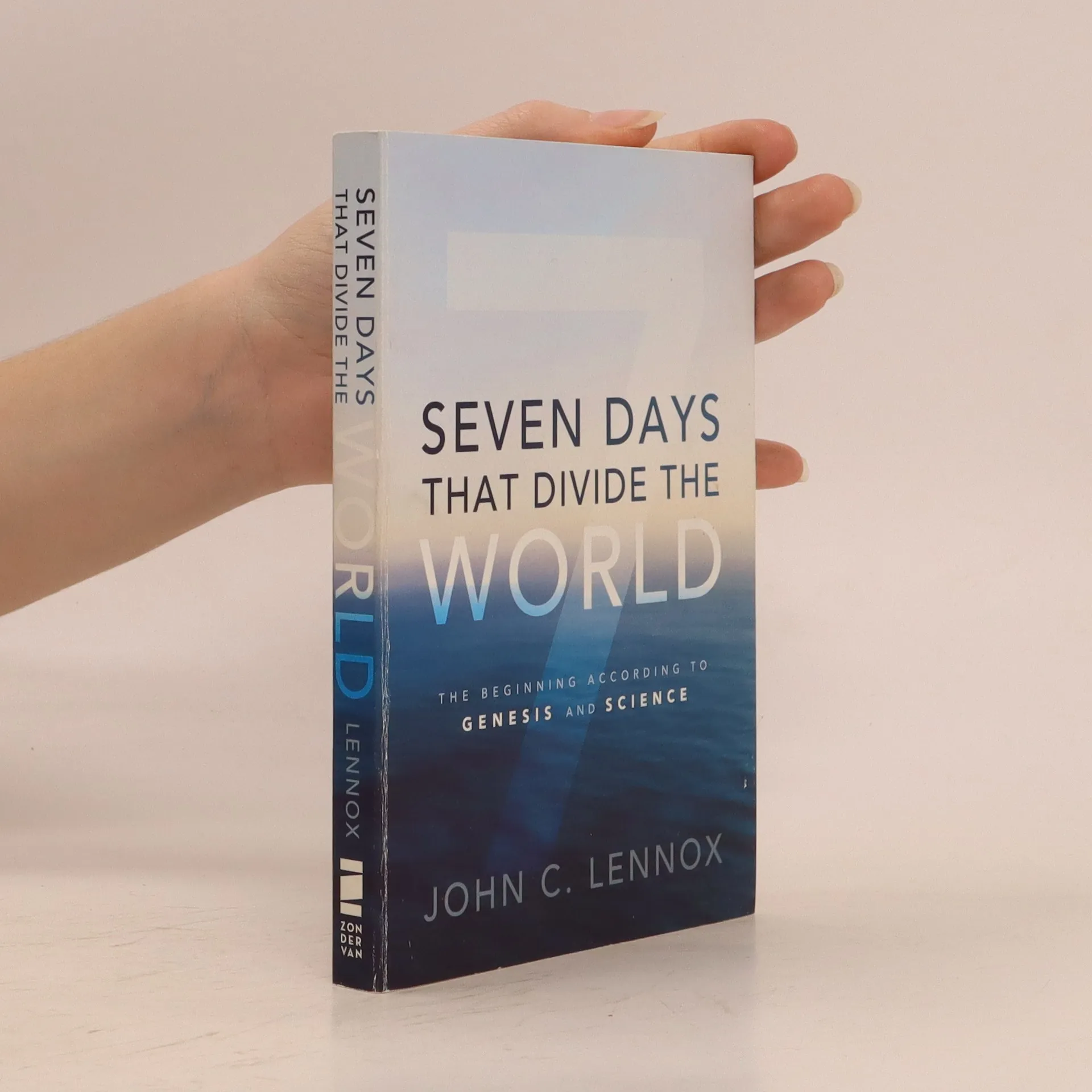
In response to the continuing controversy over the interpretation of the creation narrative in Genesis, John Lennox proposes a succinct method of reading and interpreting the first chapters of Genesis without discounting either science or Scripture.
In response to the continuing controversy over the interpretation of the creation narrative in Genesis, John Lennox proposes a succinct method of reading and interpreting the first chapters of Genesis without discounting either science or Scripture.
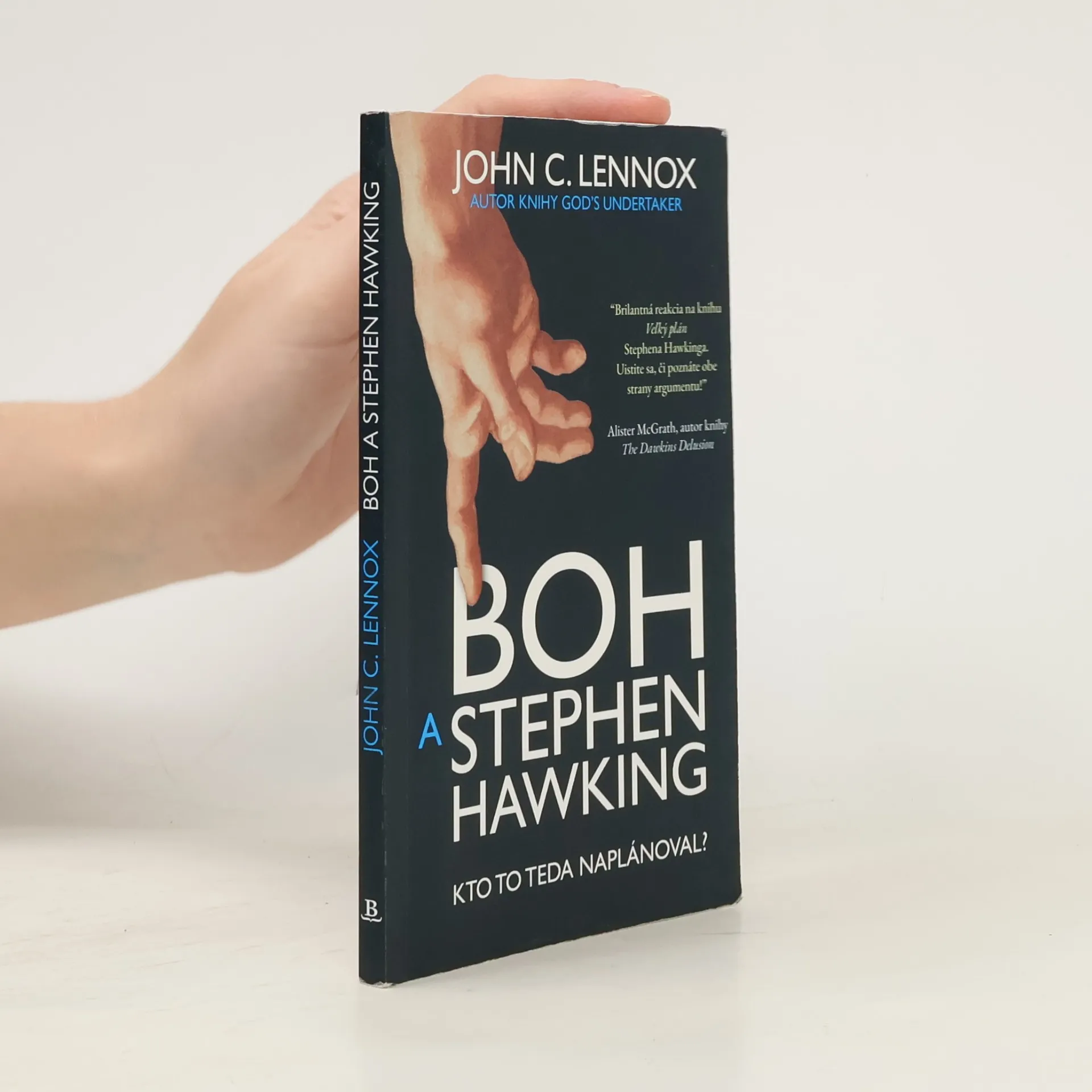
'The Grand Design', by eminent scientist Stephen Hawking, is the latest blockbusting contribution to the so-called New Atheist debate, and claims that the laws of physics themselves brought the Universe into being, rather than God. In this swift and forthright reply, John Lennox, Oxford mathematician and author of 'God's Undertaker', exposes the flaws in Hawking's logic. In lively, layman's terms, Lennox guides us through the key points in Hawking's arguments - with clear explanations of the latest scientific and philosophical methods and theories - and demonstrates that far from disproving a Creator God, they make his existence seem all the more probable.
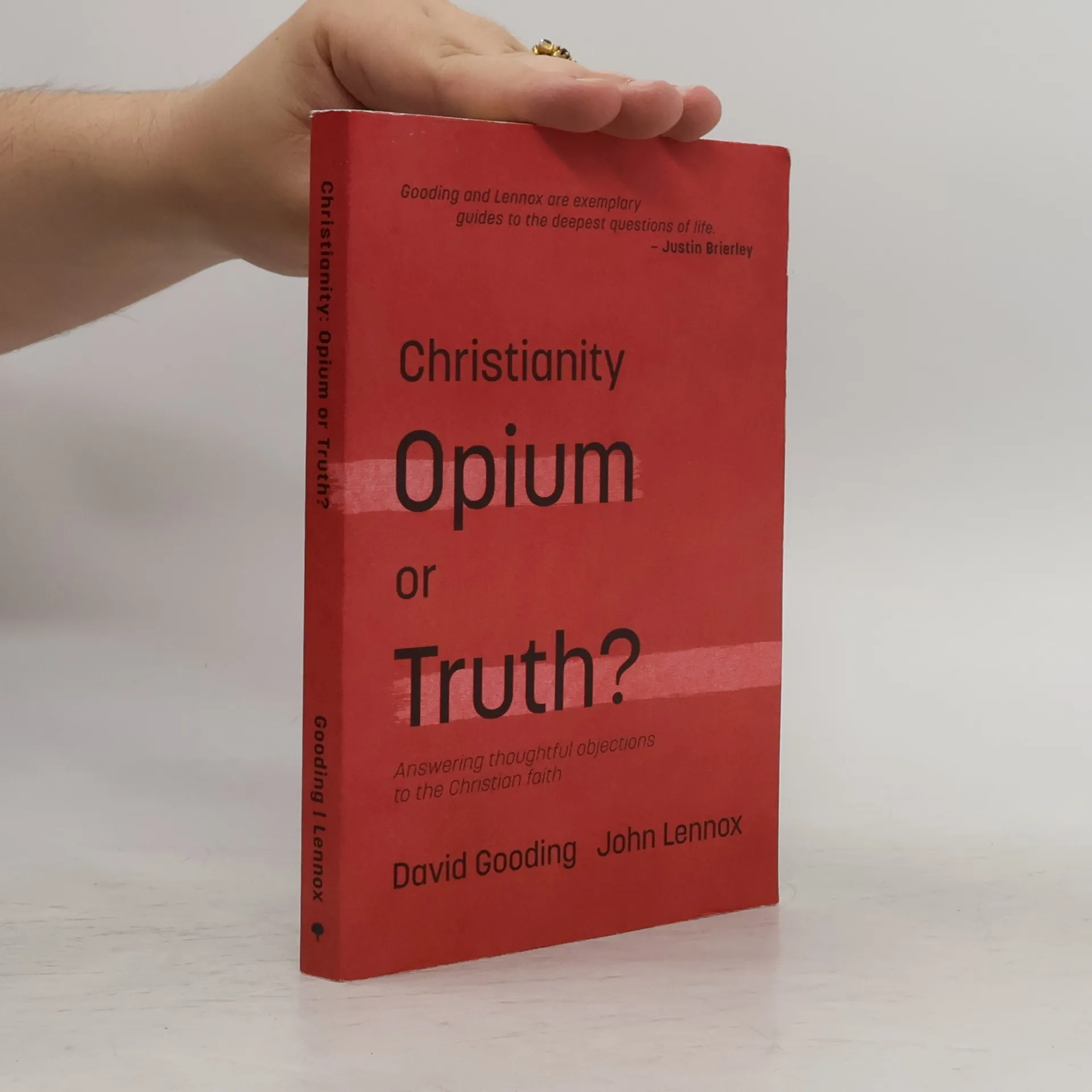
Is Christianity just a belief that dulls the pain of our existence with dreams that are beautiful but false? Or is it an accurate account of reality, our own condition and God’s attitude toward us? Gooding and Lennox address crucial issues that can make it difficult for thoughtful people to accept the Christian message. They answer those questions and show that clear thinking is not in conflict with personal faith in Jesus Christ.
A word of warning - if you are expecting to read a story about model children, you'd better read something else. Not one of the seven children in this story is truly good - Australian children never are.
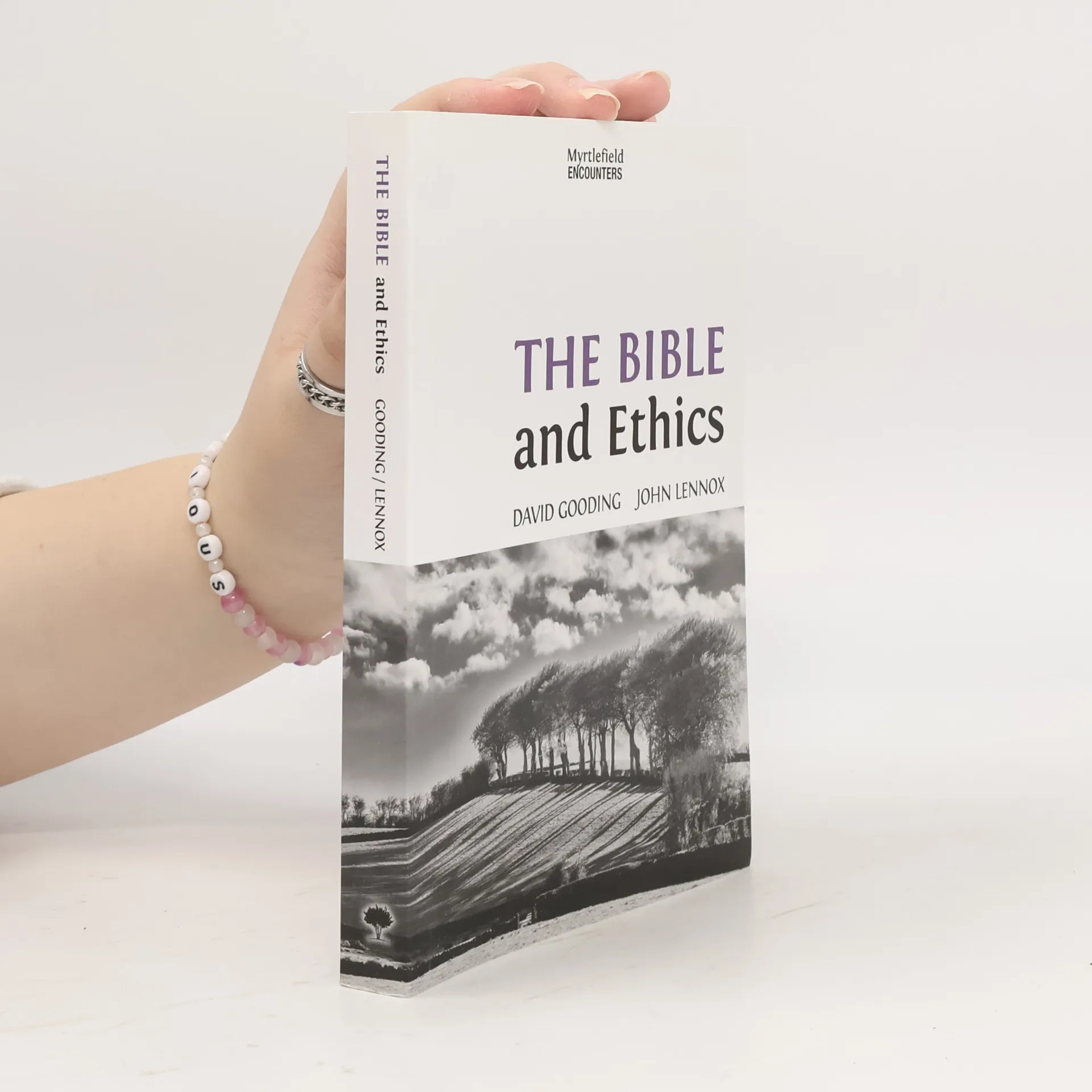
Why should we tell the truth or value a human life? Why should we not treat others in any way we like? Some say the Bible is the last place to find answers to such questions, but even its critics recognize the magnificence of Jesus' ethical teaching. To understand the ethics of Jesus we need to understand the values and beliefs on which they are based. Gooding and Lennox take us on a journey through the Bible and give us a concise survey of its leading events and people, ideas, poetry, moral values and ethics to bring into focus the ultimate significance of what Jesus taught about right and wrong.
Gooding and Lennox present ethical theories that claim to hold the basic principles everyone should follow. They compare the insights and potential weaknesses of each system by asking: what is its authority, its goal, its rules, and its guidance for life? They evaluate why even the best theories have proven to be impossible to follow consistently.
Why should we tell the truth or value a human life? Why should we not treat others in any way we like? Some say the Bible is the last place to find answers to such questions, but even its critics recognize the magnificence of Jesus’ ethical teaching. To understand the ethics of Jesus we need to understand the values and beliefs on which they are based. Gooding and Lennox take us on a journey through the Bible and give us a concise survey of its leading events and people, ideas, poetry, moral values and ethics to bring into focus the ultimate significance of what Jesus taught about right and wrong.
Das Jahr 2084 liegt für uns noch weit in der Zukunft. Doch wie wird die Welt, wie wir sie kennen, dann aussehen? Welche technischen Neuerungen werden dann unser Leben bestimmen? Was wird für uns normal sein, was jetzt noch utopisch klingen mag? Der bekannte Mathematikprofessor John Lennox zeigt, was künstliche Intelligenz, Biotechnik und neueste technologische Entwicklungen jetzt schon leisten, was Nutzen und Gefahren sind und wohin sie uns führen können. Ein hoffnungsvoller Blick in die Zukunft.
Wer bestimmt, was das Christentum bedeutet? Ist es möglich, seine ursprüngliche Botschaft nach Jahrhunderten von Tradition und widersprüchlichen Ideen zu verstehen? Gooding und Lennox werfen neues Licht auf diese Fragen, indem sie den historischen Bericht der Apostelgeschichte über die Botschaft verfolgen, die zur Zeit der Apostel Christi so wirksam war. Lukas' Aufzeichnung der Auseinandersetzungen mit konkurrierenden philosophischen und religiösen Systemen offenbart die eigene ursprüngliche und dauerhafte Definition des Christentums.
Warum Glaube und Wissenschaft zusammengehören
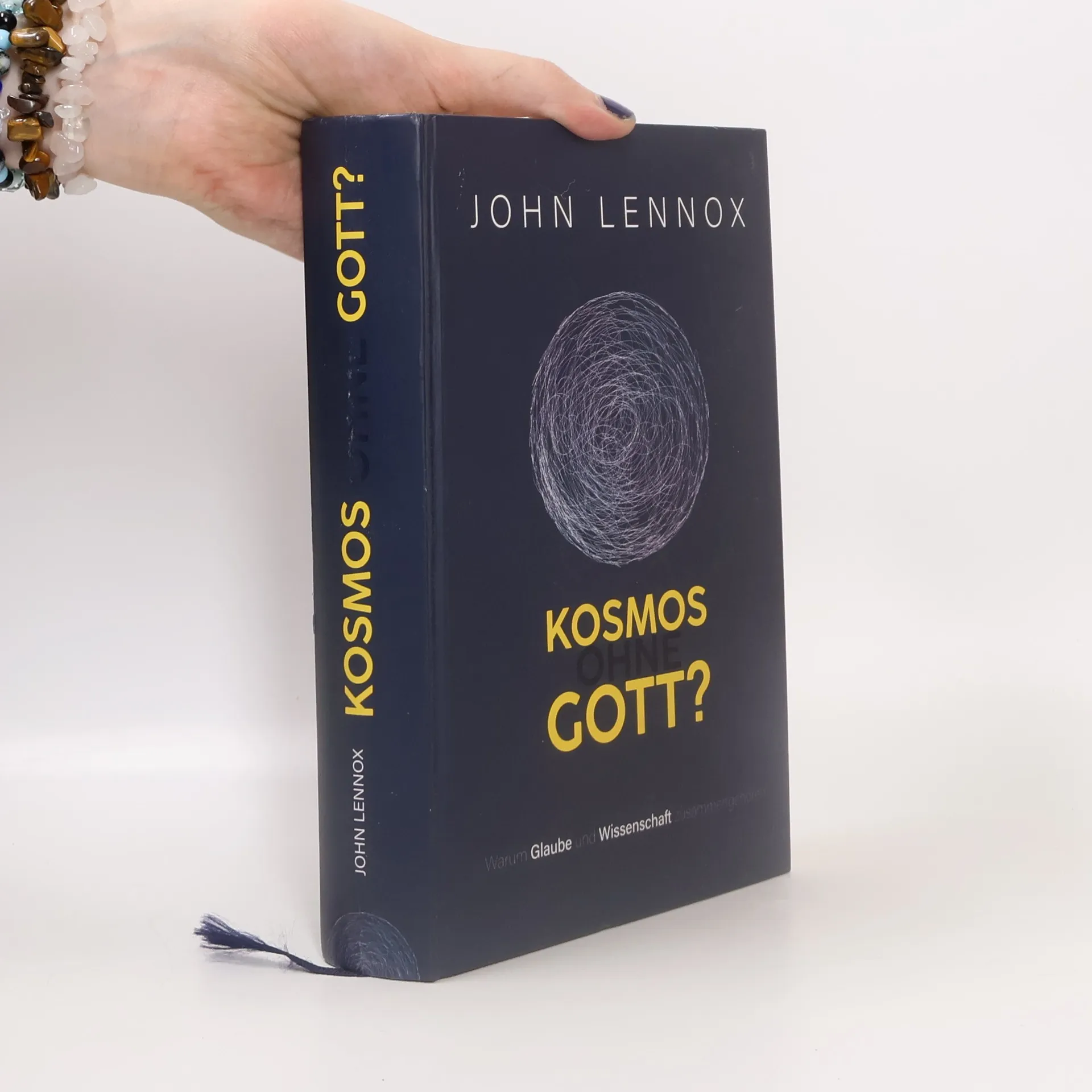
Wie sich Glaube und Wissenschaft ergänzen! Wenn man Richard Dawkins Glauben schenkt, dann hat die Wissenschaft Gott längst überholt, sogar »begraben«. Gute wissenschaftliche Arbeit sei nicht mit dem Glauben an einen Schöpfergott vereinbar. Aufbauend auf den Argumenten, die er in »Hat die Wissenschaft Gott begraben?« vorgebracht hat, untersucht der bekannte Mathematiker John Lennox erneut die Plausibilität einer christlichen Weltanschauung im Lichte neuester Entwicklungen. Am Ende ist er überzeugt: Gott passt sehr gut in die moderne Wissenschaft!
Nous traversons une période sans précédent, qui marquera à tout jamais notre histoire contemporaine. Il y aura un avant et un après. Beaucoup de nos anciennes certitudes se sont écroulées, quelles que soient notre vision du monde et nos croyances. La pandémie du coronavirus nous laisse tous perplexes et déconcertés. Sous quel angle faut-il aborder le problème pour le surmonter ? Dans ce livre court mais profond, John Lennox, professeur de mathématiques à Oxford, analyse la crise du coronavirus à la lumière de différents systèmes de croyance. Il montre comment la vision chrétienne du monde permet non seulement de lui donner un sens, mais offre aussi un solide espoir auquel nous pouvons nous accrocher. L’auteur nous explique dans quel état d’esprit il a rédigé ce livre : « J’ai rassemblé ici mes réflexions sur ce que nous sommes en train de vivre. Depuis que j’ai commencé à l’écrire, il y a une semaine, la situation a rapidement évolué et nul doute que les choses vont encore changer. […] Ce que je vous propose, avec ce livre, c’est de nous imaginer assis dans un café (si seulement nous pouvions le faire en ce moment !), et vous venez de me poser la question en titre du livre. Je pose ma tasse et je m’apprête à vous répondre le plus honnêtement possible. Ce qui suit est ce que j’aimerais dire pour vous apporter un peu de réconfort, d’encouragement et d’espoir ».
Die in diesem Heft abgedruckte Rede des bekannten Oxforder Mathematikers wurde vor britischen Parlamentariern gehalten. Auch wenn wir keine Mathematiker oder Briten sind und unabhängig davon, ob wir an Gott glauben oder nicht – wir werden sie mit Gewinn lesen! Der naturwissenschaftliche Fortschritt ist beeindruckend. Worauf basiert er? Wirklich auf Atheismus? Und: Naturwissenschaft als solche enthält keine Moral, kein "Sollen" und "Dürfen". Unser moralischer Kompass wird von unseren Grundannahmen geprägt, sie seien atheistisch oder christlich. Lennox argumentiert sachlich gegen eine Geschichte, die in Europa von manchen Denkern seit gut 200 Jahren erzählt wird - die Geschichte, ohne Gott sei die Welt besser zu verstehen und die Gesellschaft werde immer besser. Europa – jeder einzelne von uns, Christ wie Nichtchrist – sollte Lennox' Analyse kennen.
Was Wissenschaft und Bibel über den Ursprung der Welt sagen
Der Autor John Lennox untersucht die Schöpfungsgeschichte der Bibel und geht auf häufige Fragen und Zweifel ein, die sich um die Entstehung der Erde ranken. Mit einer fundierten Argumentation beleuchtet er die theologischen und wissenschaftlichen Aspekte der Schöpfung und lädt die Leser dazu ein, über die Bedeutung und Interpretation des biblischen Berichts nachzudenken.
Ist christlicher Glaube in einer Welt der Wissenschaft, die uns das Universum erklärt, überhaupt noch zeitgemäß? Wofür brauchen wir noch einen Gott, wenn wir (fast) alles wissen und selbst erschaffen können? Ist Gott ein Auslaufmodell? John Lennox sieht das anders: Glaube und Wissenschaft widersprechen sich nicht - sie ergänzen sich sogar! Wissenschaft muss nicht von Gott wegführen, sondern weist auf ihn hin. Es gibt gute und stichhaltige Argumente für den Glauben an Gott. Man kann auch "rational glauben".
Antworten einfordern – Den Schmerz des Lebens ertragen – Was ist Wirklichkeit?
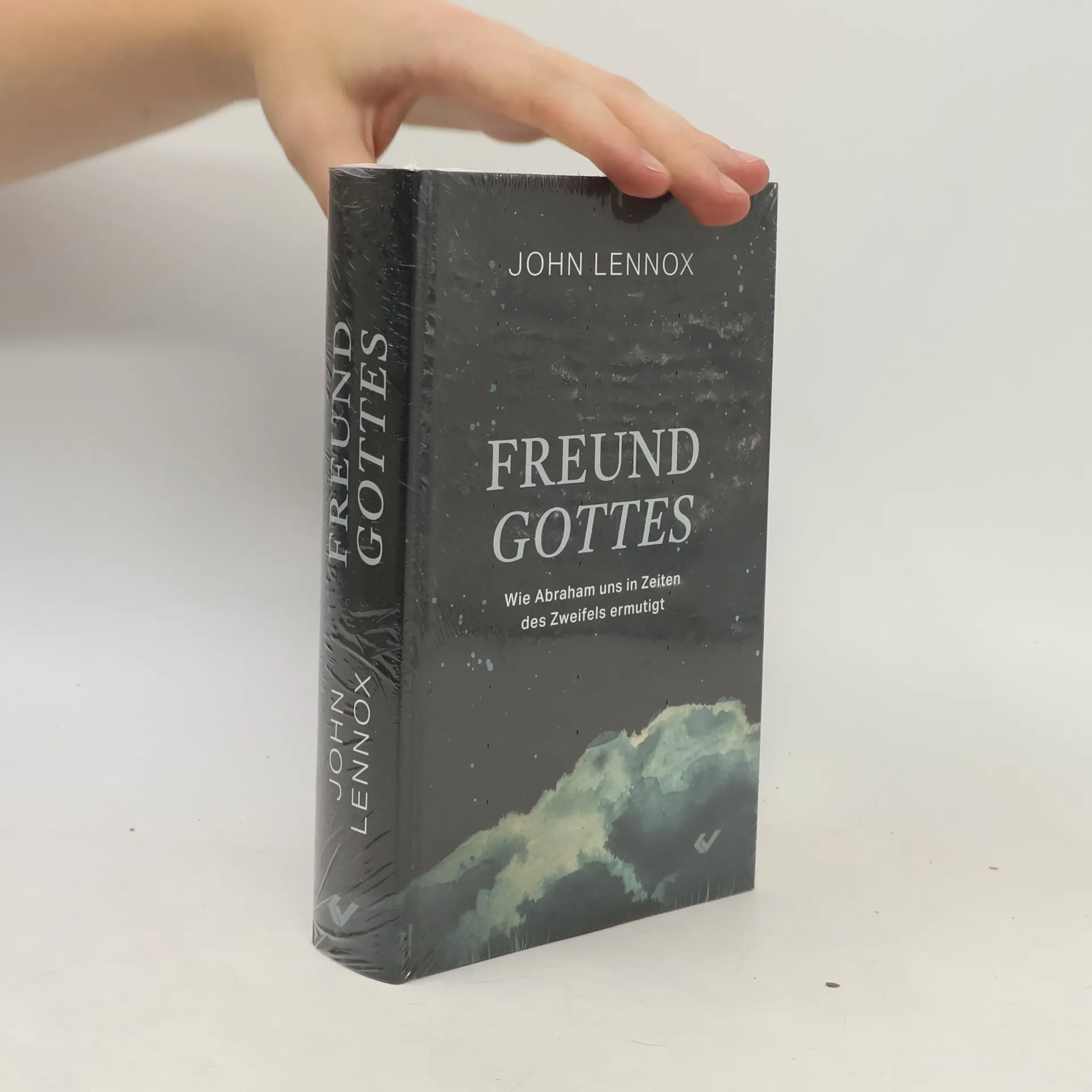
Wie Abraham uns in Zeiten des Zweifels ermutigt
Prežívame jedinečné obdobie, ktoré definuje našu éru. Mnohé z našich starých istôt sú preč bez ohľadu na náš svetonázor alebo presvedčenie. Či už sme kresťanmi, alebo nie, pandémia koronavírusu nás všetkých znepokojuje a uvádza do pomykova. Ako o nej premýšľame a ako sa s touto situáciou vyrovnávame?
Profesor matematiky tvrdí něco nečekaného: Věda a víra v Boha nejsou navzájem v rozporu. Ukazuje, že lze vidět tyto dva domnělé nepřátele jako dobré kamarády – a užívat si prospěchu z obou.
Tvrdenie o vyhostení Boha vyzerá určite grandiózne. Keď ide o tak veľa, musíme Hawkinga požiadať, aby predložil dôkazy na podopretie svojho tvrdenia. Obstoja jeho argumenty pri dôkladnom skúmaní? Myslím si, že máme právo to vedieť. Kniha Veľký plán od významného vedca Stephena Hawkinga je komerčne úspešným príspevkom do debaty na tému Nový ateizmus. Tvrdí, že samotné zákony fyziky sú pravdepodobnejšou príčinou existencie vesmíru než Boh. V tejto priamočiarej a výstižnej odpovedi sa John Lennox, oxfordský matematik, podrobnejšie zaoberá logikou Hawkinga. Jazykom zrozumiteľným aj pre laikov nás Lennox sprevádza kľúčovými bodmi Hawkingových argumentov. Jasnými vysvetleniami z oblasti vedy a filozofie ukazuje, že tieto argumenty nevedú k popretiu Boha Stvoriteľa, ale naopak, ešte viac poukazujú na jeho existenciu. John C. Lennox, profesor matematiky na Oxfordskej univerzite, je medzinárodne uznávaným rečníkom, ktorý sa venuje téme vzájomných vzťahov vedy, filozofie a náboženstva.
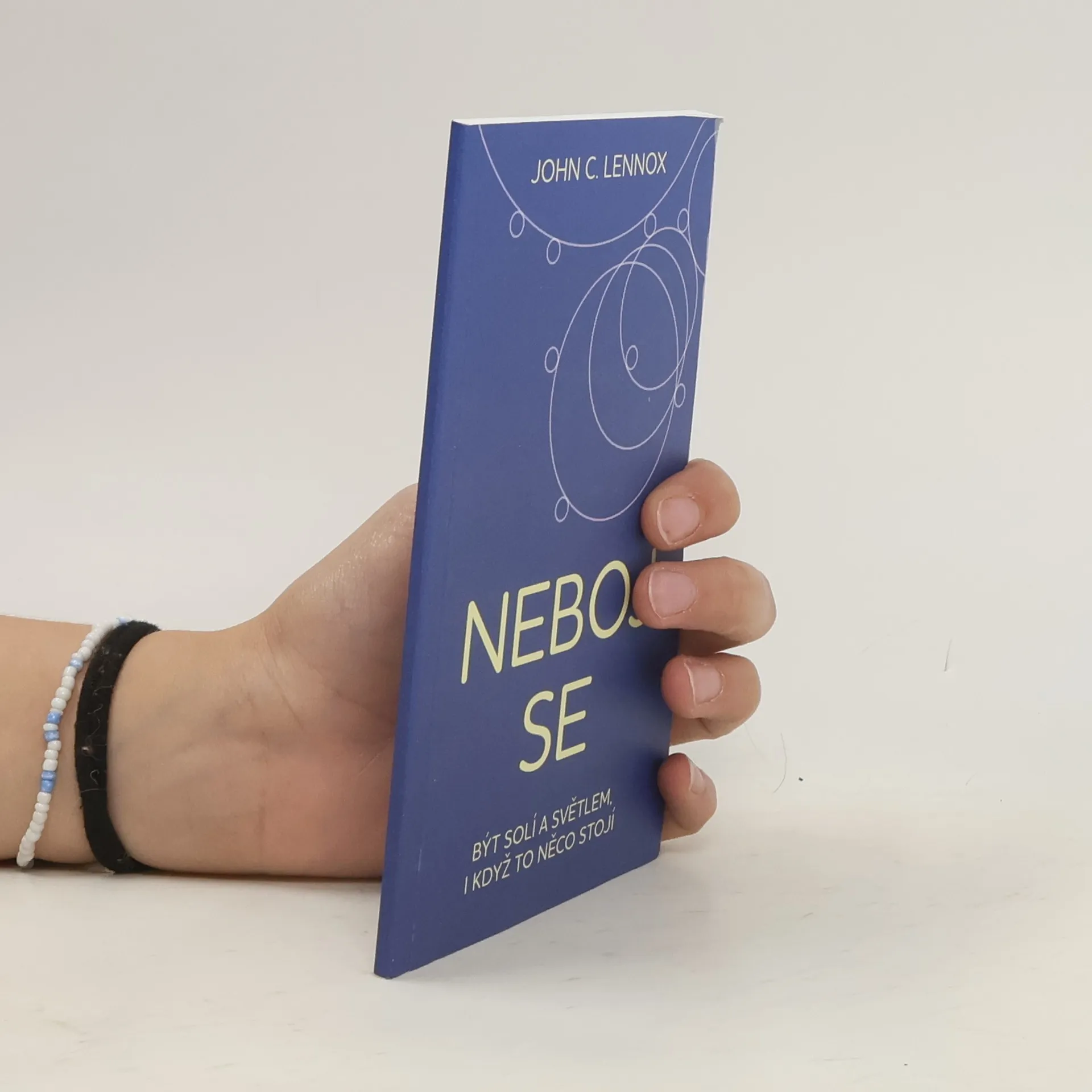
Světově známý profesor matematiky a obhájce křesťanství povzbuzuje, abychom se nebáli být hrdí na své křesťanství, a vysvětluje biblické principy, jak mluvit s lidmi o Kristu, aby to nebylo trauma nesplněné povinnosti, ale něco radostného a osvobozujícího. Jestliže lidem naznačíte, že máte pro jejich situaci naději − ať jde o jejich zdraví, výchovu dětí nebo jiné vztahy, hned vás začnou dychtivě poslouchat a vyptávat se. Tehdy s nimi můžete začít mluvit o Kristu. Křesťanství není soukromá záležitost, do které nikomu nic není! Křesťané se nemusí bát, že je jejich zpráva zastaralá a neaktuální, ale mohou odvážně mluvit o Kristu! Autor sype z rukávu jednu zkušenost za druhou o tom, jaký mají lidé zájem o evangelium, když se podá podle toho, jak o tom mluví Bible. Mluvit o Kristu odvážně a přirozeně má za následek, naše víra potom roste a dává radost.