An Italian historian whose interests span from the Italian Renaissance to early modern European history. His contributions also extend to art history, literary studies, popular cultural beliefs, and the theory of historiography. He approaches history with a keen eye for the interconnectedness of different fields, exploring the cultural and intellectual contexts that shape events.
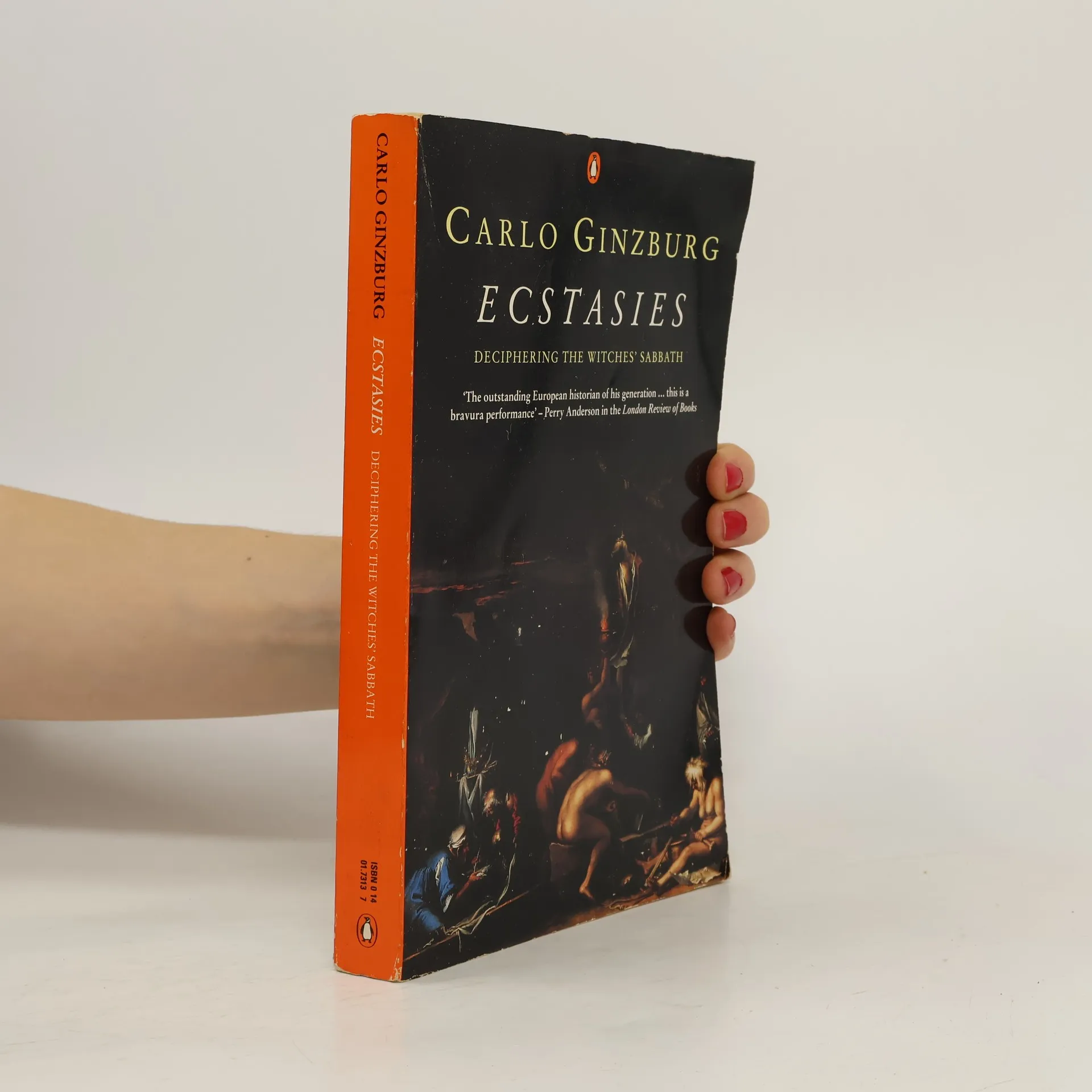
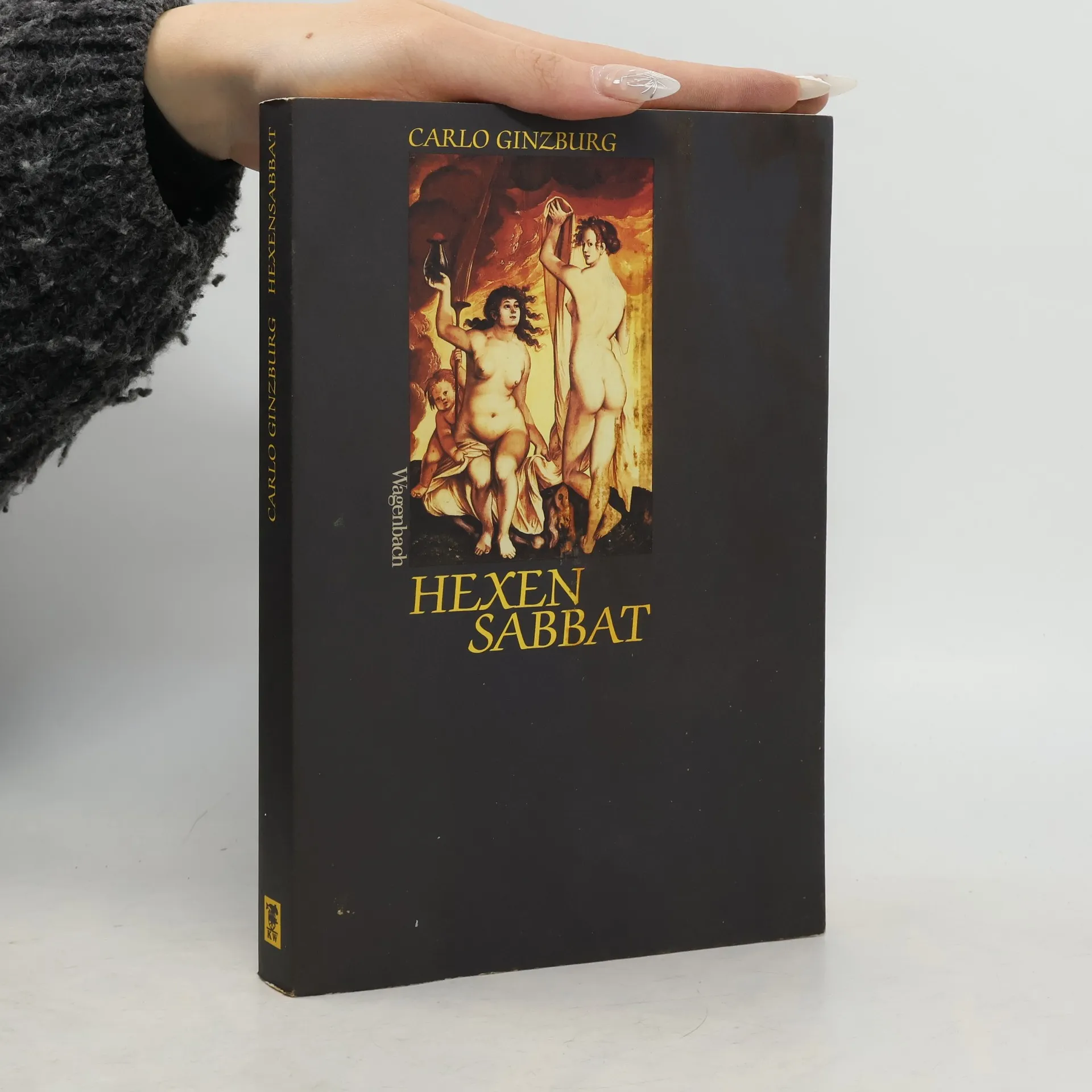
For centuries witches on trial admitted to taking part in "sabbaths" where they cast spells, enacted obscenely blasphemous rites and even devoured corpses. Many scholars believe that such confessions were just a reflection of their persecutors' fantasies. This book investigates.
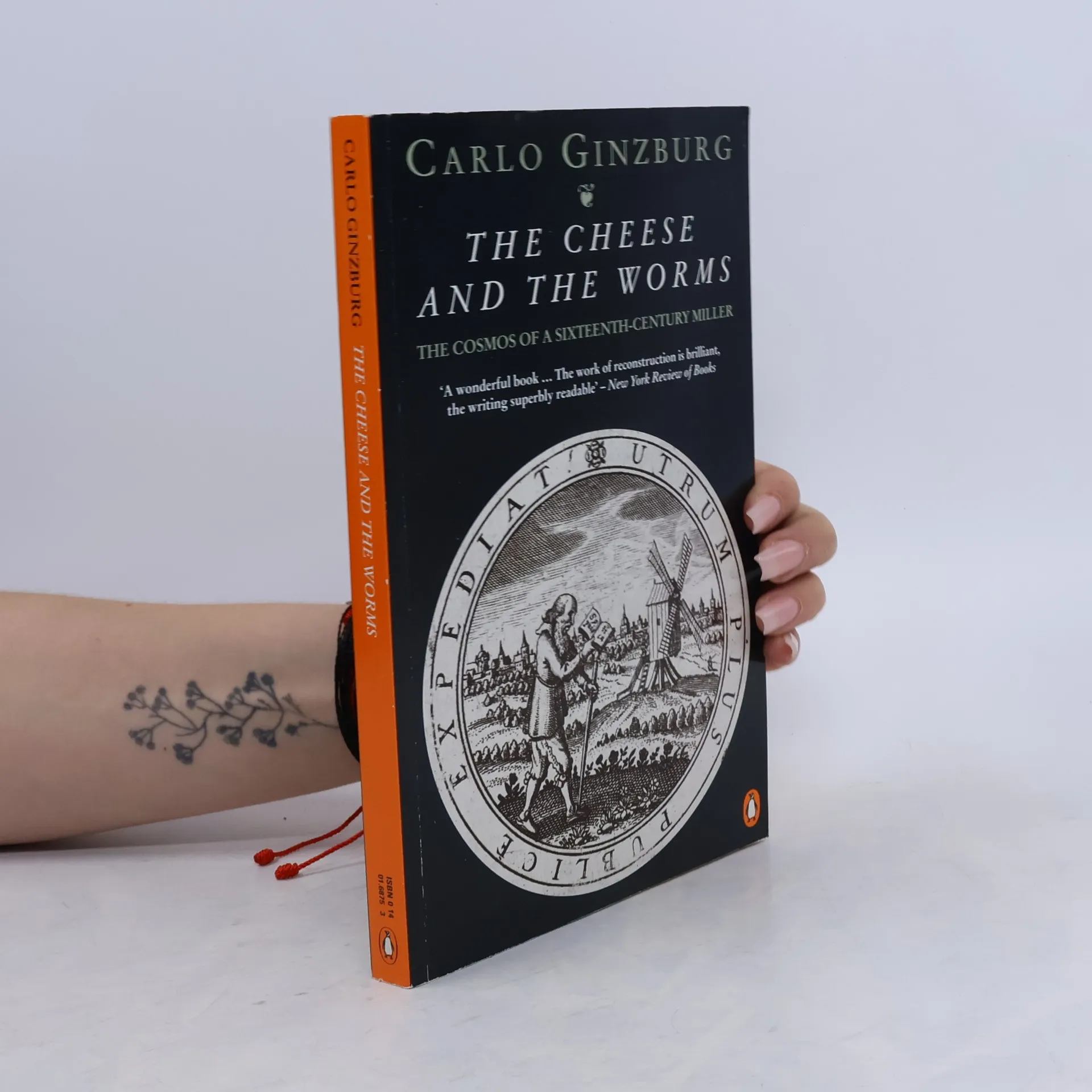
"A wonderful book... Ginzburg is a historian with an insatiable curiosity, who pursues even the faintest of clues with all the zest of a born detective until every fragment of evidence can be fitted into place." -- New York Review of Books
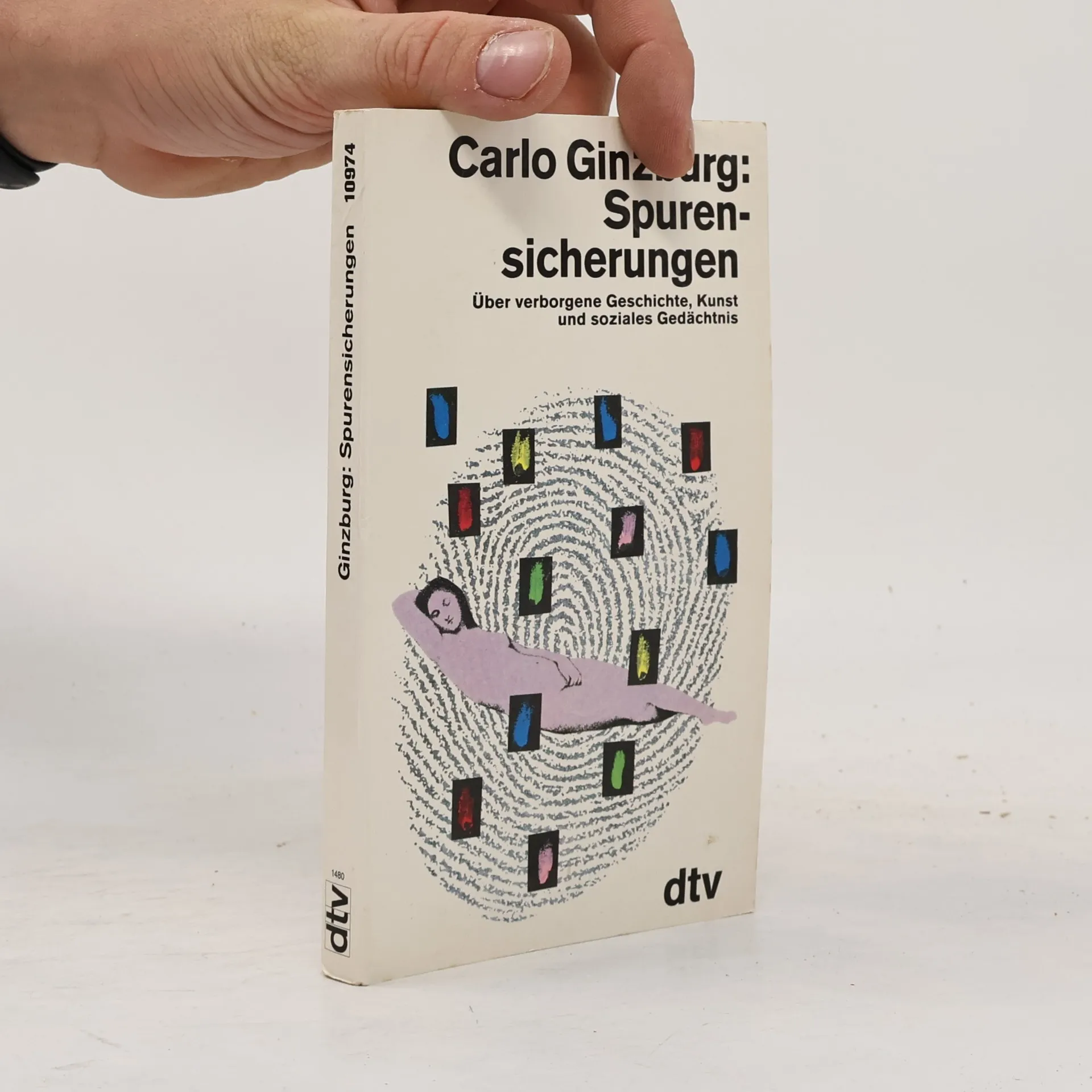
Von Beginn seiner Forschungen an hat Ginzburg nach Auswegen aus dem Dilemma bloßer Gegenüberstellung von »Irrationalismus« und »Rationalismus« gesucht; seine Untersuchung über die »Spurensicherung« in der Wissenschaft ist dafür der sichtbarste (und folgenreichste) Beleg. Diese Spurensicherung beginnt im 19. Jahrhundert mit dem Kunsthistoriker Morelli, der nebensächliche Details erstmals für die Zuschreibung von Gemälden benutzt. Anschließend beschreibt Ginzburg die beiden entscheidenden neuen geschichtswissenschaftlichen Ansätze der neueren Zeit, die Schulen von Marc Bloch und Aby Warburg.
Shows that the 'facts' of history are simply those which historians have selected for scrutiny. This title includes material which presents the conclusions of the author's notes.
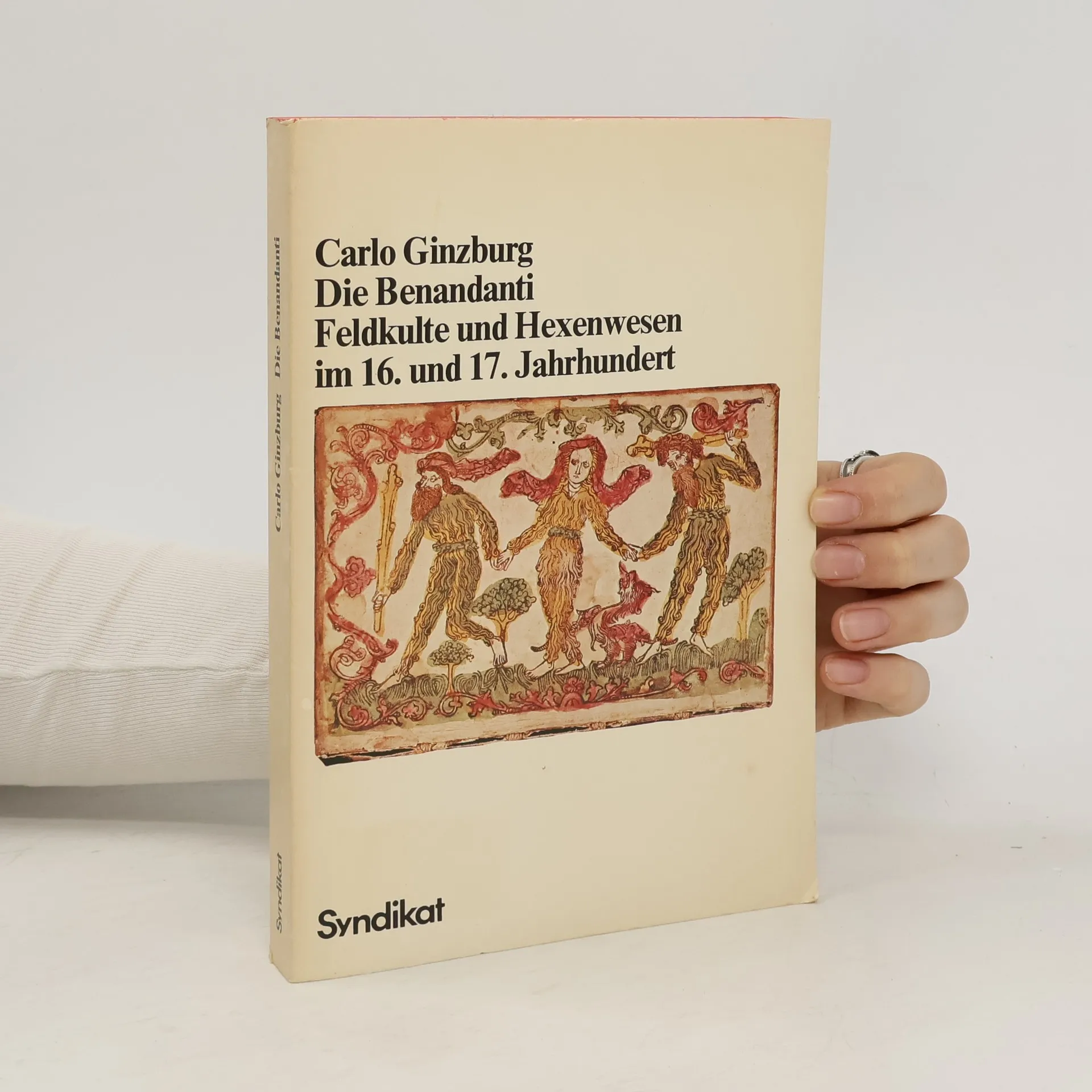
Kaum ein Historiker hat sich mit so vielen Personen beschäftigt wie Carlo Ginzburg: Aristoteles, Dante, Machiavelli, Diderot, Hegel, Heine, Flaubert, Tolstoi, Warburg, Proust, Picasso und viele andere. Vor allem aber ist Ginzburg berühmt für seinen speziellen Blick und seine Forschungsmethode, gehörte er doch zu den ersten Historikern, die sich mit der Kultur der sogenannten einfachen Leute befassten (siehe seine Bücher Hexensabbat und Der Käse und die Würmer). Und mittels der von ihm begründeten Mikrohistorie sucht er große geschichtliche Zusammenhänge aus der Betrachtung kleiner Details zu verstehen. In den Texten dieses Bandes lässt Ginzburg sein Forscherleben Revue passieren – er erklärt, wie er zu seinen Themen und seiner Betrachtungsweise kam und diese zum Teil über Jahrzehnte weiterentwickelte. Seine Rückschau wird zu einer persönlichen Selbstbefragung: Am Beispiel des Hexensabbat erzählt Ginzburg von den Märchenbüchern seiner Kindheit und von seiner Mutter Natalia. Und er fragt sich, ob es nicht auch seine eigene jüdische Familie und das Schicksal seines Vaters waren, die ihn immer wieder die Opfer von Verfolgung zum Gegenstand seiner Arbeit wählen ließen. Dieses Buch kann als Summe der Werke Carlo Ginzburgs gelesen werden und lädt zugleich dazu ein, einen der interessantesten Gelehrten unserer Zeit neu zu entdecken.
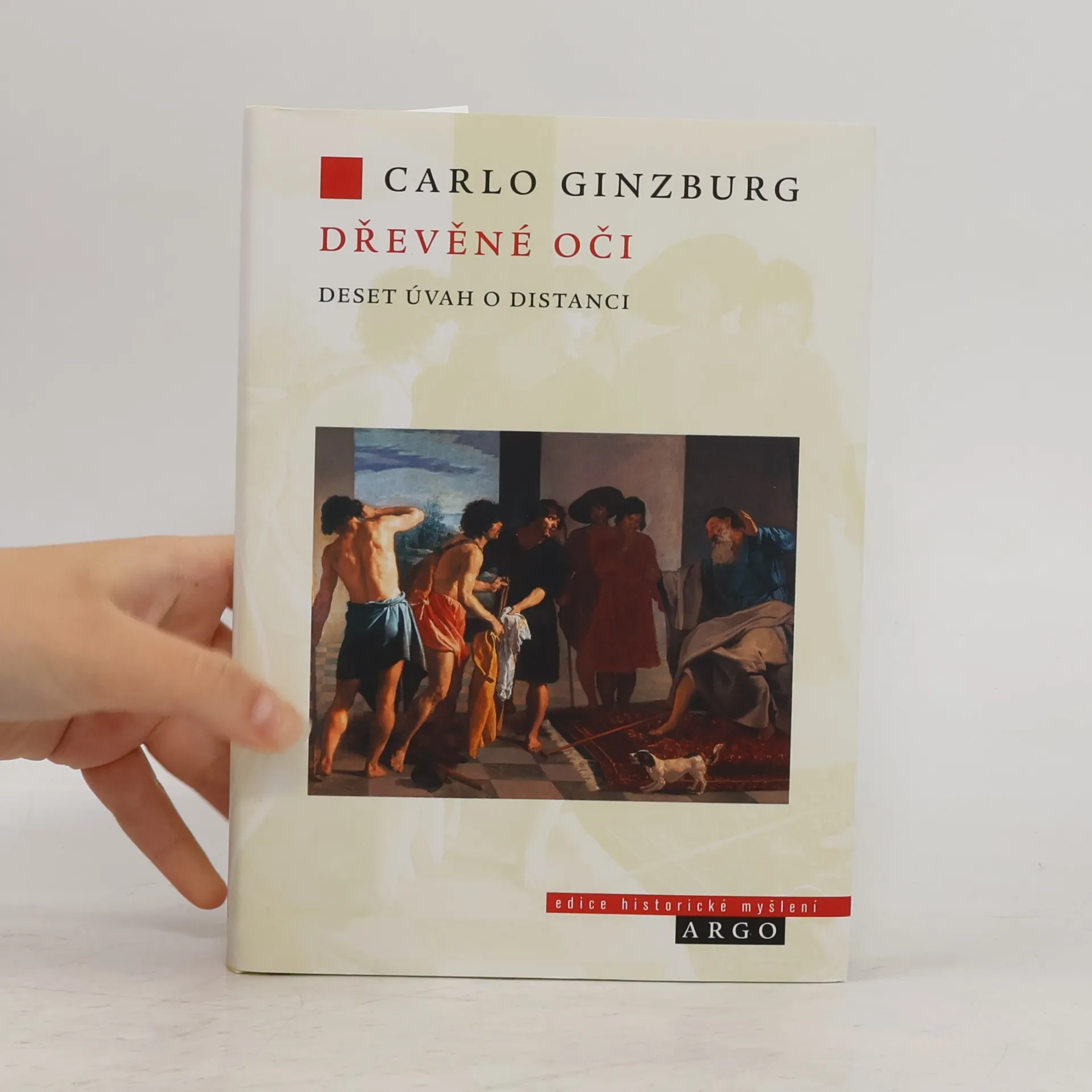
Was ist uns fremd, was nahe? In seinem Buch führt Carlo Ginzburg den Leser in ein weit angelegtes Wissenslabyrinth eigener und fremder Kulturen. Wer erinnert sich nicht an die berühmte Geschichte, in der der alte Gepetto aus einem zufällig gefundenen Stück Holz eine Puppe zu schnitzen beginnt, deren Augen ihn plötzlich lebendig und fragend anschauen? Es sind Pinocchios hölzerne Augen, die diesem Buch seinen Namen gaben. Und es ist ihr befremdeter Blick auf das menschliche Leben in Gegenwart und Geschichte, dem der Autor in neun spannenden Essays nachgeht. Carlo Ginzburg ist dafür aufgrund seiner eigenen Biografie bestens gerüstet: Seine jüdische Herkunft, das Aufwachsen im katholischen Italien und die langjährige Lehrtätigkeit in Amerika regten ihn zum Nachdenken über die vielfältige Tradition an, der er angehört, und lehrten ihn jene skeptische Distanz, die bekanntlich Blicke schärft.
Italský kulturní historik a teoretik Carlo Ginzburg proslul zejména svými „mikrohistorickými“ studiemi – texty zaměřenými na každodenní, lokální a individuální události, osoby či komunity, v jejichž příbězích zároveň prosvítají obecnější problémy dané doby. V této studii představuje nástup epistemologického modelu na konci devatenáctého století, založeného na čtení zdánlivě nepodstatných, nepatrných detailů coby symptomů nějaké komplexnější, přímo nepřístupné skutečnosti. Přístup osvětluje na třech vzájemně souvisejících případech: technice atribucí uměleckých děl Giovanniho Morelliho, psychoanalytické metodě Sigmunda Freuda a detektivních postupech Sherlocka Holmese. Všichni tři byli původním vzděláním lékaři. Právě z medicíny přenesli do svých jednotlivých oborů základní princip svých metod, model lékařské sémiotiky, který nemoci nerozeznatelné přímým pozorováním diagnostikuje na základě povrchních symptomů v kontextu každého jednotlivého případu. Totéž se dle Ginzburga týká i věd o člověku, jež z modelu lékařské sémiotiky vycházejí (včetně historiografie, jak ji sám chápe a praktikuje).
Za podmanivým názvem knihy Dřevěné oči se skrývá deset esejů, které Carlo
Ginzburg publikoval na přelomu druhého a třetího tisíciletí. Jejich společným
jmenovatelem jsou dějiny umění, literární teorie a sémantika. Autor v nich
pojednává témata biblická, antická, středověká i raně novověká, vztahy Židů,
pohanů a křesťanů. Perspektiva jeho uvažování je nejen italská, ale i
evropská, neboť si je vědom skutečnosti, že kultura není nikdy omezena na
jedno teritorium, že není izolovaná, ba naopak, je vždy rozkročena nejen do
minulosti, ale zároveň i do mnoha blízkých a vzdálených světů. V jednotlivých
esejích Ginzburg pojednává o utváření kulturních tradic, jež během staletí
podléhají radikálním změnám. V mnoha ohledech je Ginzburgovo myšlení
provokativní. Mistrně poukazuje na stereotypy, jichž se jejich hlasatelé
nedokáží zbavit, neboť si jich mnohdy nejsou vůbec vědomi. Spolu s tím klade
důraz na nejrůznější podoby násilí, jež ovlivňují výchovu a z ní plynoucí
omezování myšlenkové a kulturní svobody druhých. Oproti násilí staví
intelektuální jedinečnost, jež s oním násilím v dějinách vedla a dodnes vede
vyčerpávající, avšak společnost kulturně obohacují boj. Ginzburgovy eseje
představují ponor do jeho badatelské dílny a odhalují podstatu jeho uvažování,
jež se zrcadlí v jeho nejvýznamnějších monografických dílech, jež patří k
prazákladu moderního dějepisectví. Vydání knihy podpořil Státní fond kultury
České republiky.
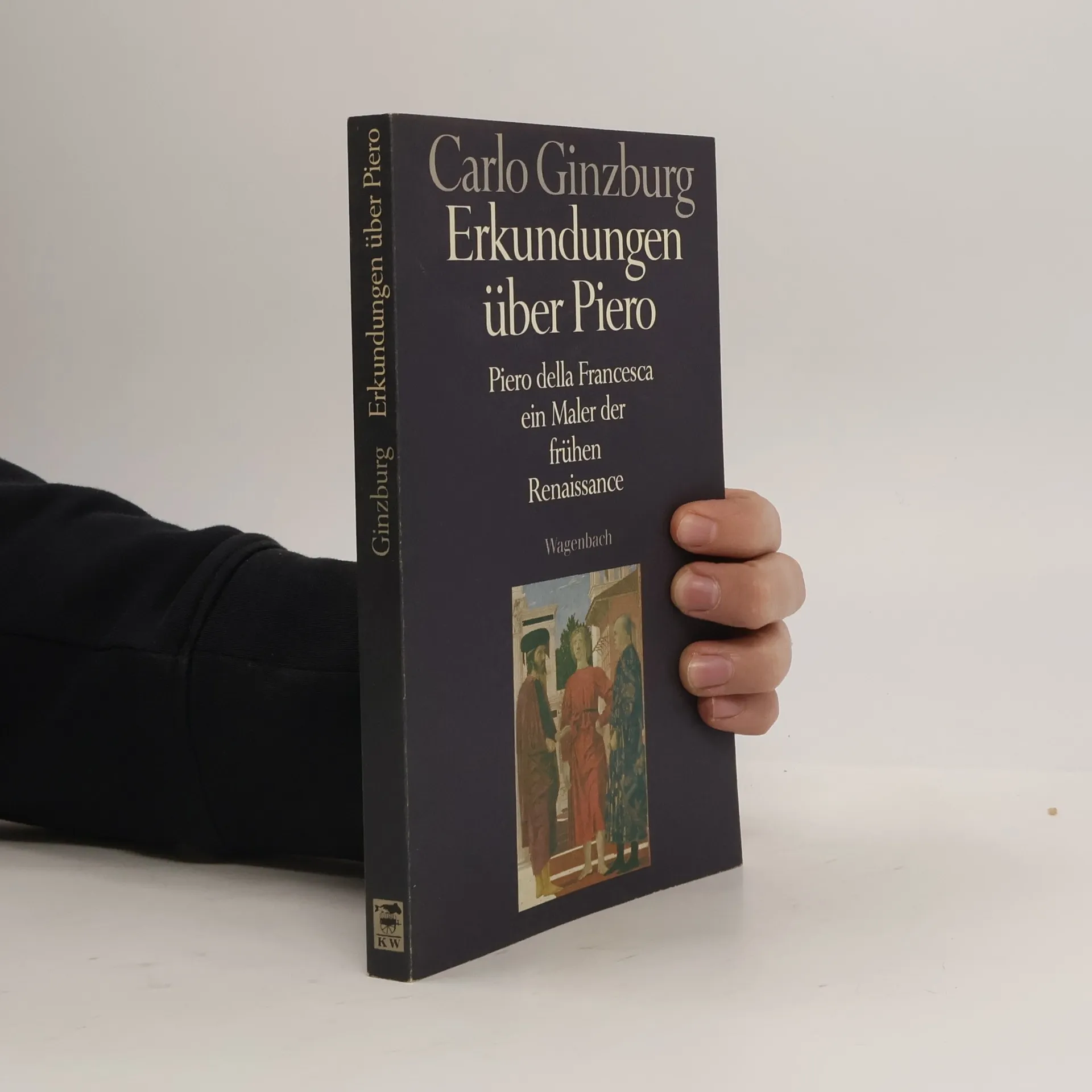
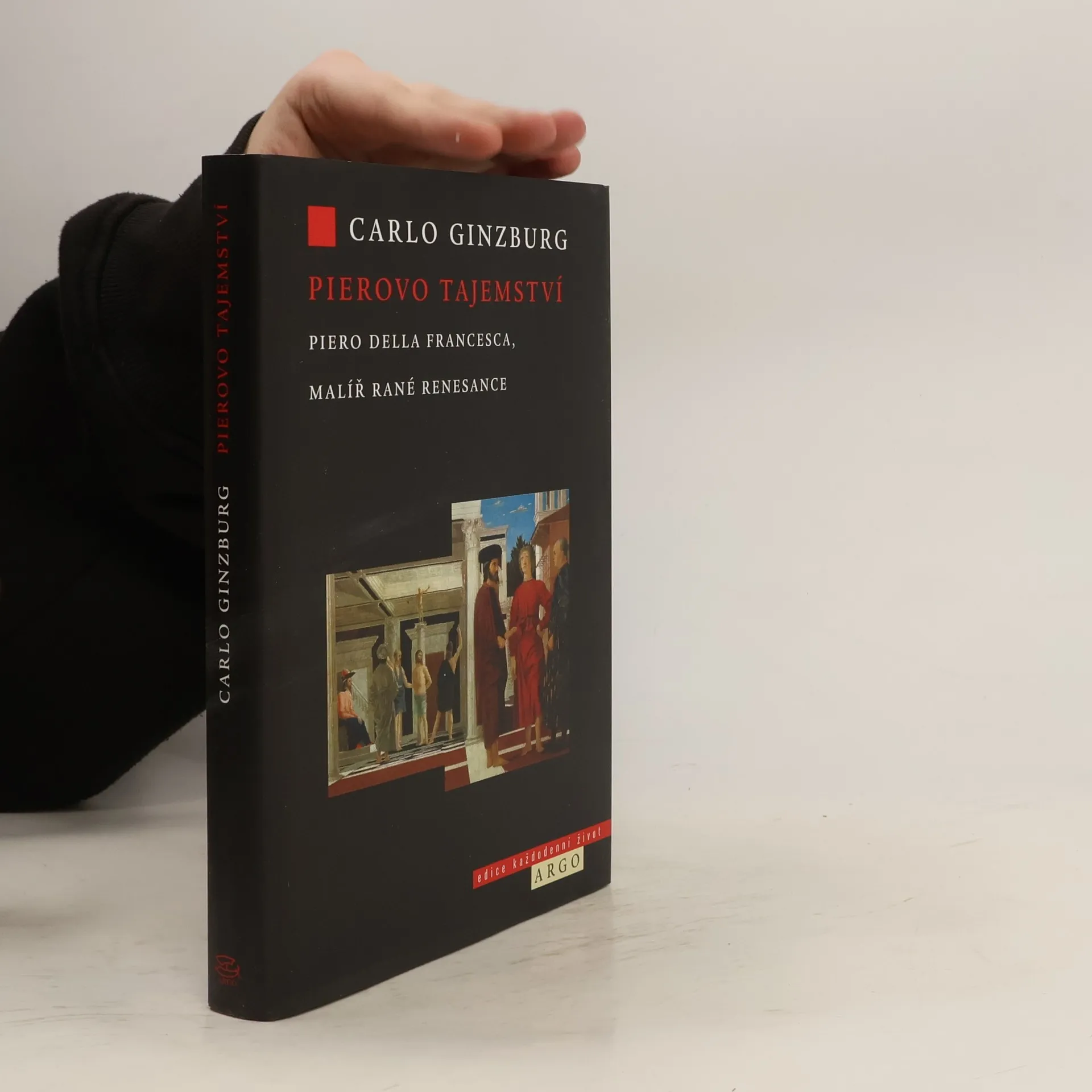
Kniha Pierovo tajemství je pokusem přenést koncept mikrohistorie do prostředí uměleckého světa 15. století. Ginzburg zde zkoumá společenské a kulturní vlivy, jež působily na malířské ztvárnění klasických biblických textů, Kristova křtu v Arezzu a Bičování Krista v Urbinu, jejichž autorem byl italský malíř Piero della Francesca. Na základě rozboru korespondence vzdělanců a humanistů, mezi nimiž nechyběli ani vlivní kardinálové usilující o unii s řeckou církví, kteří stáli v pozadí vzniku obou děl, ukazuje, jak se představy zadavatelů promítaly do umělecké řeči renesančního malíře, jak se vzájemně ovlivňovaly a do jaké míry působily na to, že v Pierově tvorbě představují obě fresky zcela výjimečná díla. Prostřednictvím psaných textů se tak Ginzburg snaží proniknout do nitra obrazu a velmi nápaditě přitom ukazuje cesty, jež mohou vést ke zcela novému čtení a chápání uměleckých děl, stejně jako k rozkrytí jejich druhého života.
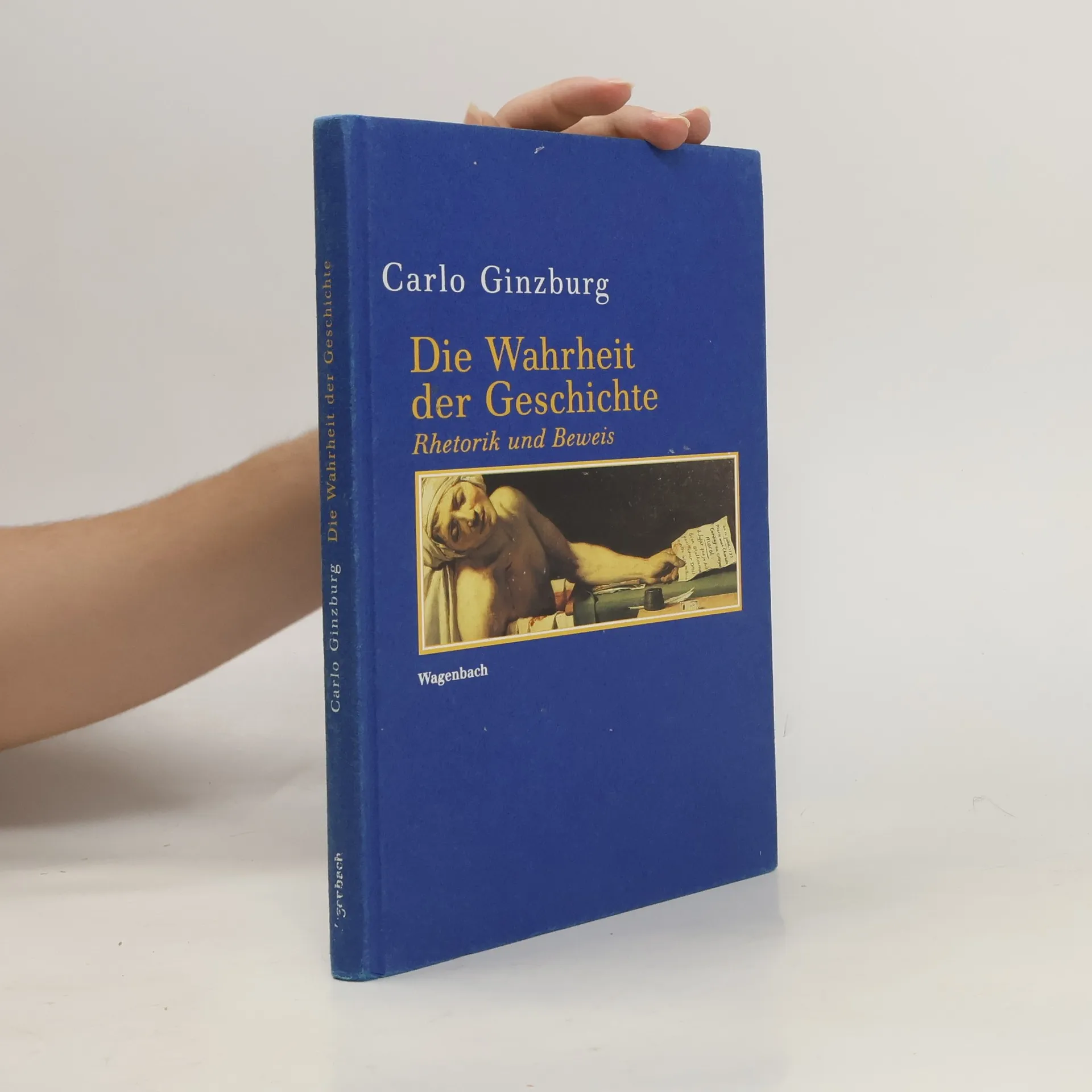
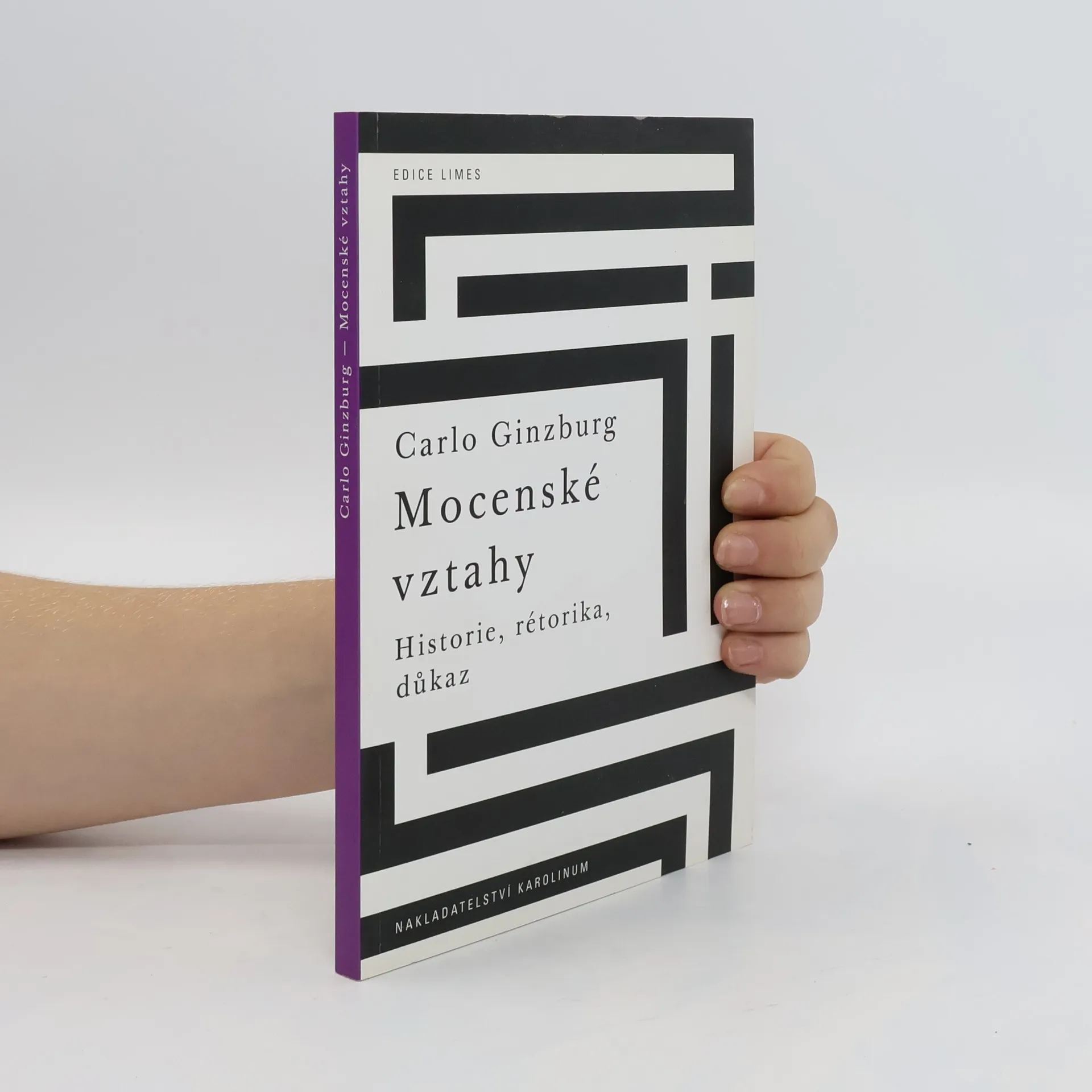
Carlo Ginsburg, autor dnes již legendární mikrohistorické studie Sýr a červi, se ve čtyřech jeruzalémských přednáškách přednesených na počest Menahema Sterna věnuje vztahům rétoriky a historiografie. Na základě značně odlišných textů – Aristotelovy Poetiky, Vallova prokázání nepravosti Konstantinovy donace, jezuitských historiografických záznamů z počátku 18. století a Proustova komentáře k Flaubertovu stylu – ukazuje, že rétorika se vztahuje nejen k ornamentu, ale i k historickému porozumění a pravdě. Spolu s autorem tak čtenář objevuje oblast na pomezí klasické pozitivistické historiografie a postmoderního přístupu, pro nějž je historický popis pouze jedním z nekonečného množství možných příběhů, vyprávěním opírajícím se spíše než o pravdu o rétorickou dovednost vypravěče.