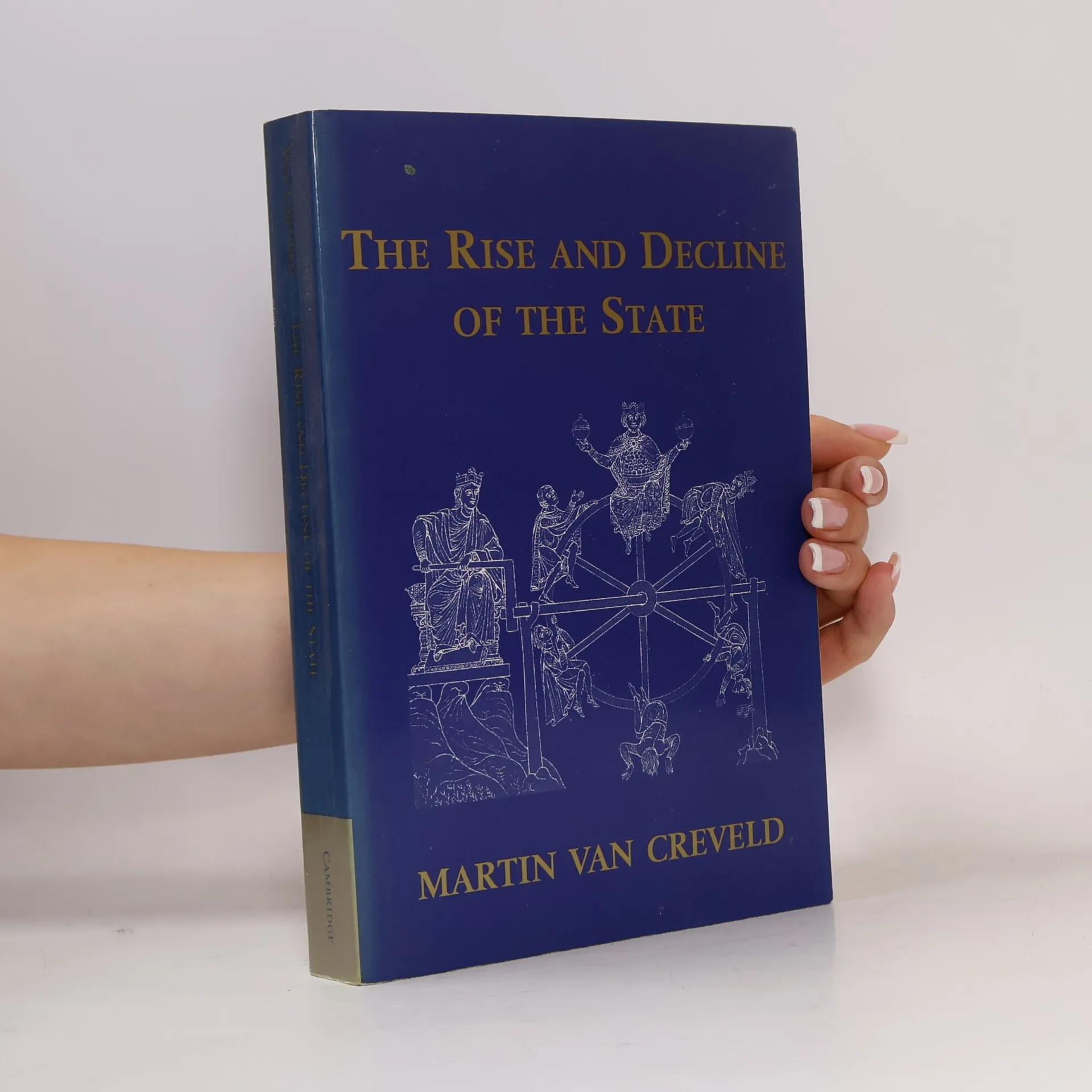
This unique volume traces the history of the state from its beginnings to the present day.
Martin van Creveld Books
March 5, 1946
Martin van Creveld is an Israeli military historian and theorist whose work delves into the intricacies of warfare, strategy, and logistics. He critically examines the evolution of conflict and the often-overlooked significance of supply lines in military success. Van Creveld's analyses offer profound insights into command structures and the development of states through a historical military lens. His extensive writings provide a deep understanding of the fundamental mechanics of war.

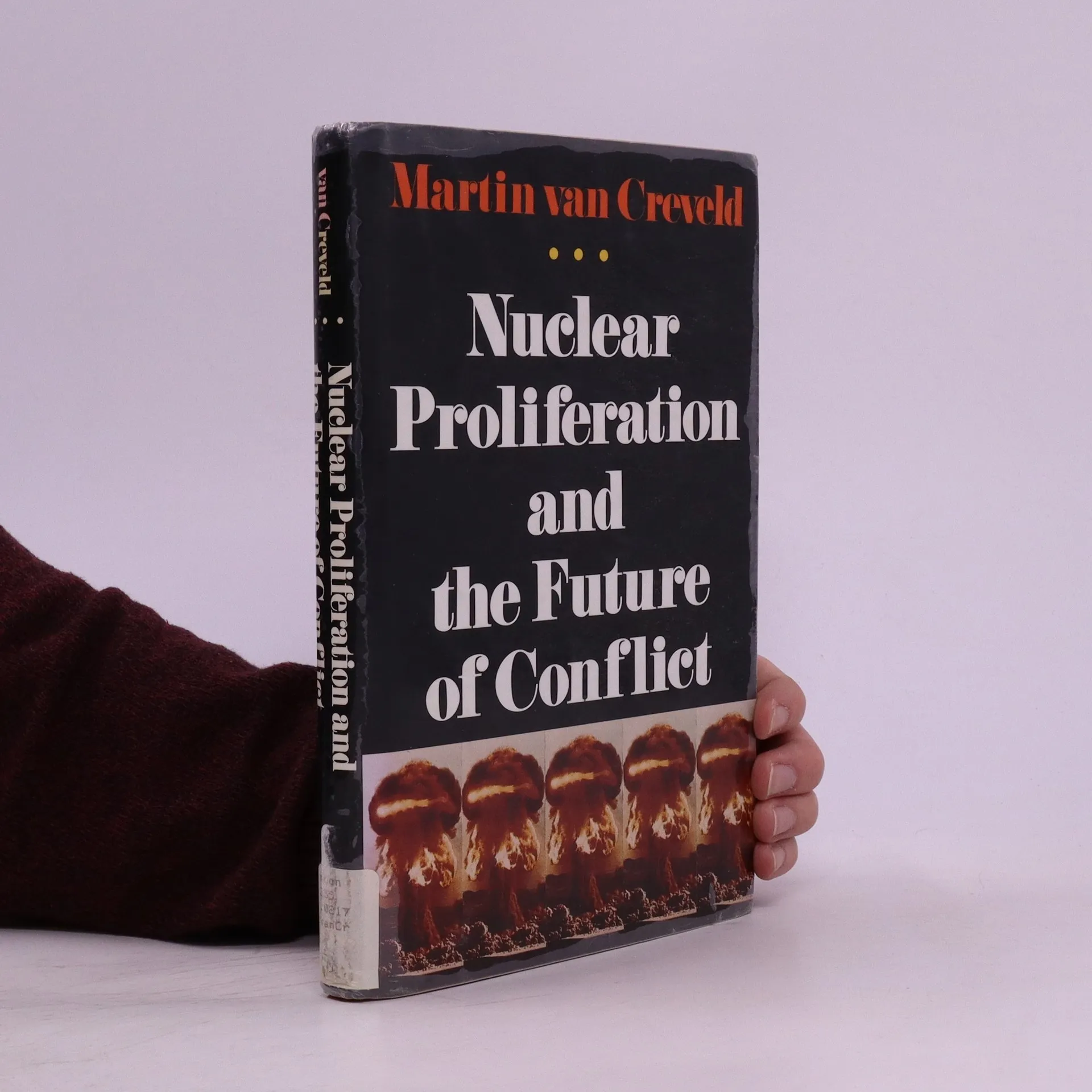
Instead of fearing a nuclear war between two superpowers, the world now watches smaller conflicts warily. This book addresses the question: Will fear and respect for nuclear weapons be sufficient to prevent their use despite the implacable hatred that characterizes many regional rivalries?
Martin van Creveld is a prominent military historian, and his work serves as a vital supplement to Clausewitz, especially in light of technological advancements since the Napoleonic era. While classic texts like The Art of War and On War are widely recognized, numerous lesser-known military writings have emerged over the past 2,327 years. Authors such as Vauban and Douhet focused on specific war aspects, while others like Onasander and Jomini addressed broader strategies, all aimed at enhancing military effectiveness. Dr. van Creveld, a Professor Emeritus at the Hebrew University in Jerusalem, is well-equipped to explore the history of military strategy, having authored over twenty influential works, including Technology and War and The Transformation of War. His concept of “nontrinitarian” warfare and contributions to 4GW literature underscore his expertise. This comprehensive history begins with Chinese military literature and progresses through Greek, Roman, and Byzantine texts, covering the Middle Ages and key figures from Machiavelli to Frederick the Great. The narrative continues with naval warfare literature and early 20th-century strategists like Moltke and Liddell Hart, concluding with modern concepts such as Mutually Assured Destruction and insurgency. This concise yet extensive overview serves as both an introduction for newcomers and a valuable summary for seasoned experts, illustrating the evolution of military th
Fighting Power
- 198 pages
- 7 hours of reading
Analyses the performance of two key parties engaged in fighting during World War II.
Supplying War
- 300 pages
- 11 hours of reading
A second edition of this classic work, commenting on the role of logistics in warfare.
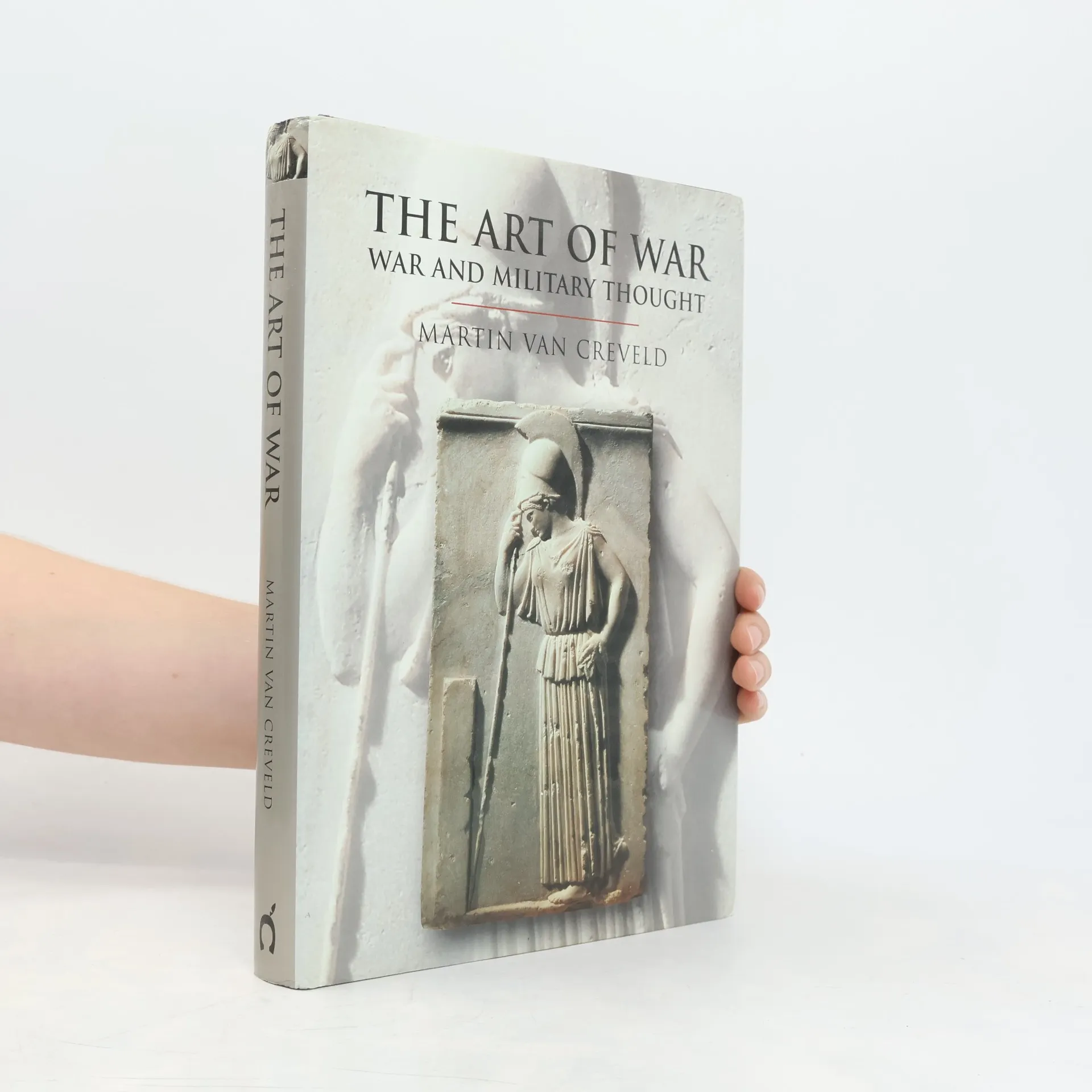
From Confucian China to the present day, warriors have understood that combat is an art, one requiring sharp, flexible minds capable of adapting quickly to constantly shifting situations. In a survey that looks widely across history and cultures, the theories of some of the finest thinkers and strategists unfold, illuminating the development of military thought. The story begins with ancient Chinese tacticians, especially Sun Tzu, who was among the first to compose written texts on how to wage war. It then proceeds to the age of classical antiquity, which saw the creation of many unsurpassed works on military history: to Byzantine and medieval Western thought; to the years between 1500 and the end of the Seven Years' War, when Machiavelli wrote; and then to some of the true greats like Clausewitz. We head into the modern age with a look at the 19th century, naval warfare, the two World Wars, nuclear strategy, and guerrilla insurrections. 224 pages, 70 color illus., 80 b/w illus., 7 3/4 x 10 3/8.
Air Power and Maneuver Warfare
- 288 pages
- 11 hours of reading
In the form it has finally assumed, this volume falls into two very different parts. Part 1 was written by Dr. Steve Canby, Ken Brower, and Martin van Creveld at the invitation of Air University, Maxwell Airforce Base, Alabama. It represents the authors joint attempt to clarify the relationship between air power and maneuver warfare since 1939, a subject that derives its importance from the fact that maneuver warfare has been the U. S. Army’s official doctrine since the early eighties and remains so to the present day. By contrast, part 2 was added ex post facto. It contains the collective wisdom of the military doctrine analysts of the Air University on the same subjects, as well as the way in which the authors in the first section have presented them. The reader is invited to wade through the entire volume and draw his/her own conclusions about the past, present, and future of air power on the one hand and maneuver warfare on the other, assuming indeed that they do have a future.
At a time when unprecedented change in international affairs is forcing governments, citizens, and armed forces everywhere to re-assess the question of whether military solutions to political problems are possible any longer, Martin van Creveld has written an audacious searching examination of the nature of war and of its radical transformation in our own time. -- Published description
Seeing into the Future
- 288 pages
- 11 hours of reading
A compelling guide to prediction, a subject that is vital to modern existence.
Wargames
- 342 pages
- 12 hours of reading
Explores the history and development of wargames, and how they relate to real war and society in general.
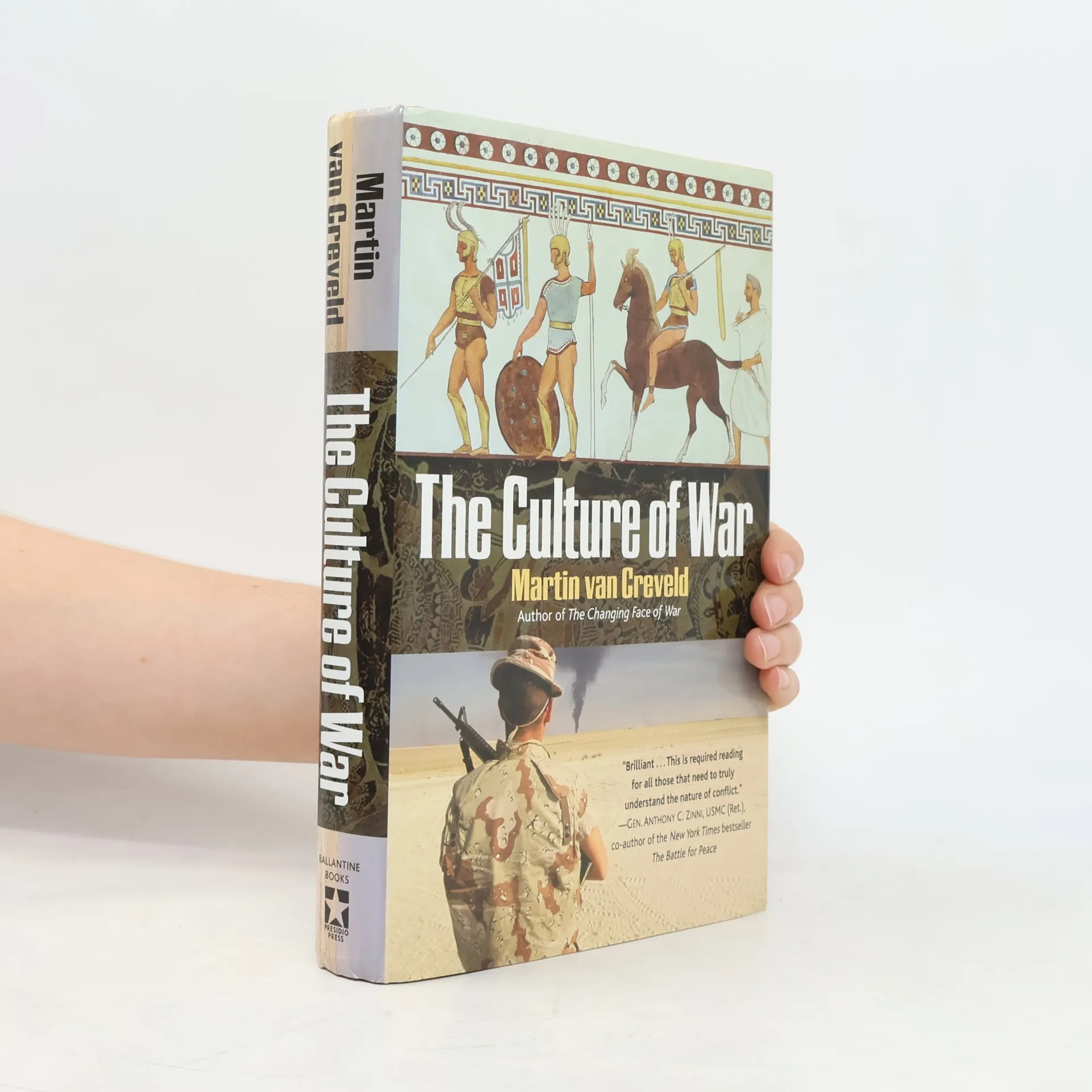
The Culture of War
- 485 pages
- 17 hours of reading
A renowned military historian explores the concept of the culture of war that details the human fascination with the art of war, describing such facets of the phenomenon as war games, literature, ceremonies, customs, art, literature, and other examples. 15,000 first printing.
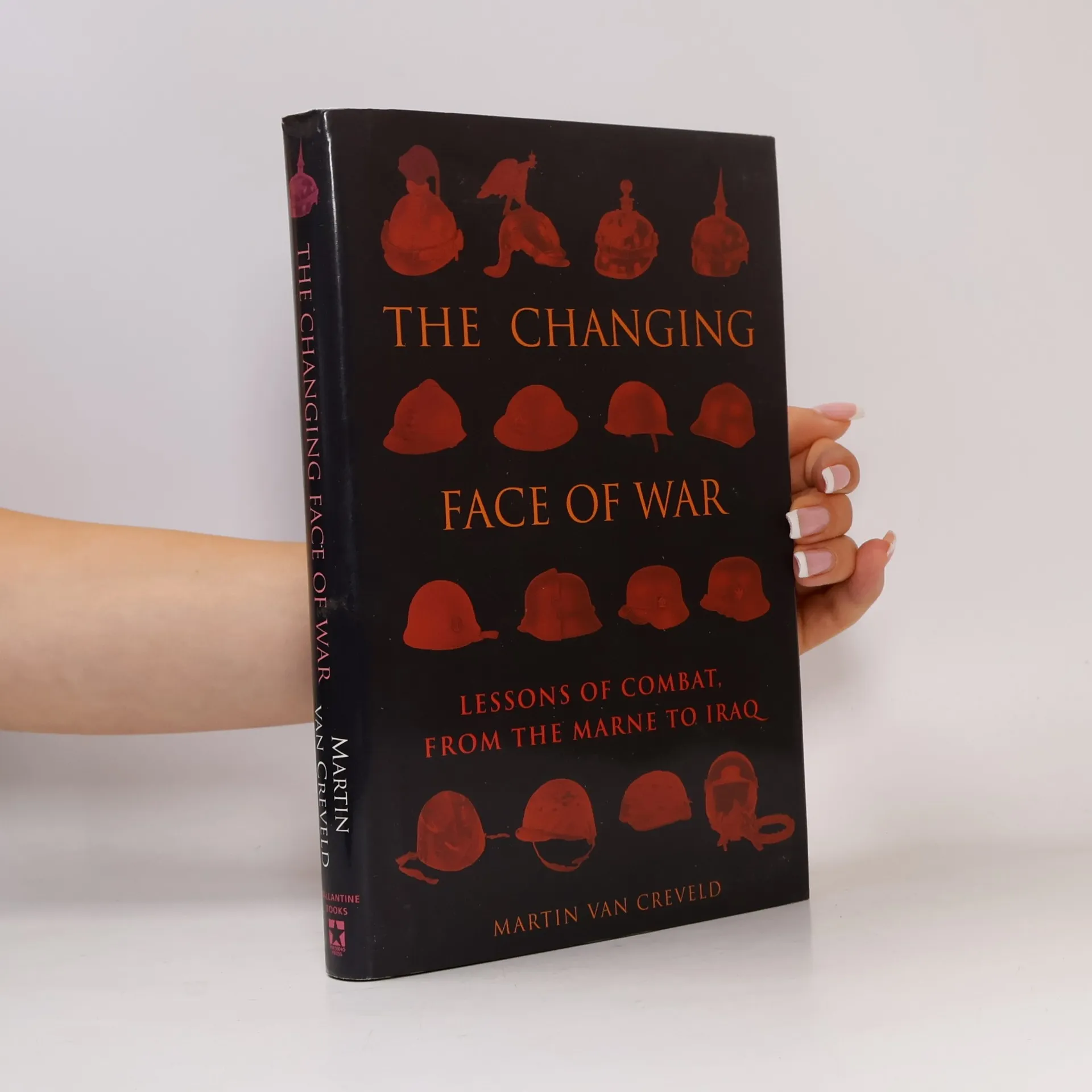
One of the most influential experts on military history and strategy presents an original and provocative account of the past century of global conflict. This work reveals the path to the impasse in Iraq, the helplessness of powerful standing armies against ill-equipped insurgents, and the future of national security. Martin van Creveld explores the unpredictable human element in warfare, tracing the evolution from massive armies in the last century to today’s high-tech skirmishes and frustrating quagmires. He describes the world of 1900, dominated by a few European great powers, where warfare was conducted with traditional methods. The advent of the telegraph, telephone, and radio revolutionized communication, while innovations like the Dreadnought battleship, tanks, and airplanes transformed combat. Van Creveld provides a gripping portrayal of World War I, highlighting the staggering casualties and the introduction of deadly weapons like poison gas. Germany’s failed strategies led to a stalemate, favoring those who could produce the most weaponry. The narrative progresses to World War II, where advancements in armored warfare and airpower, alongside breakthroughs like radar and the atomic bomb, complicated warfare further. The Cold War shifted focus from fighting wars to deterrence, leading to a decline in active troops and military influence. Today, state-of-the-art armies struggle against small guerrilla groups, illustr
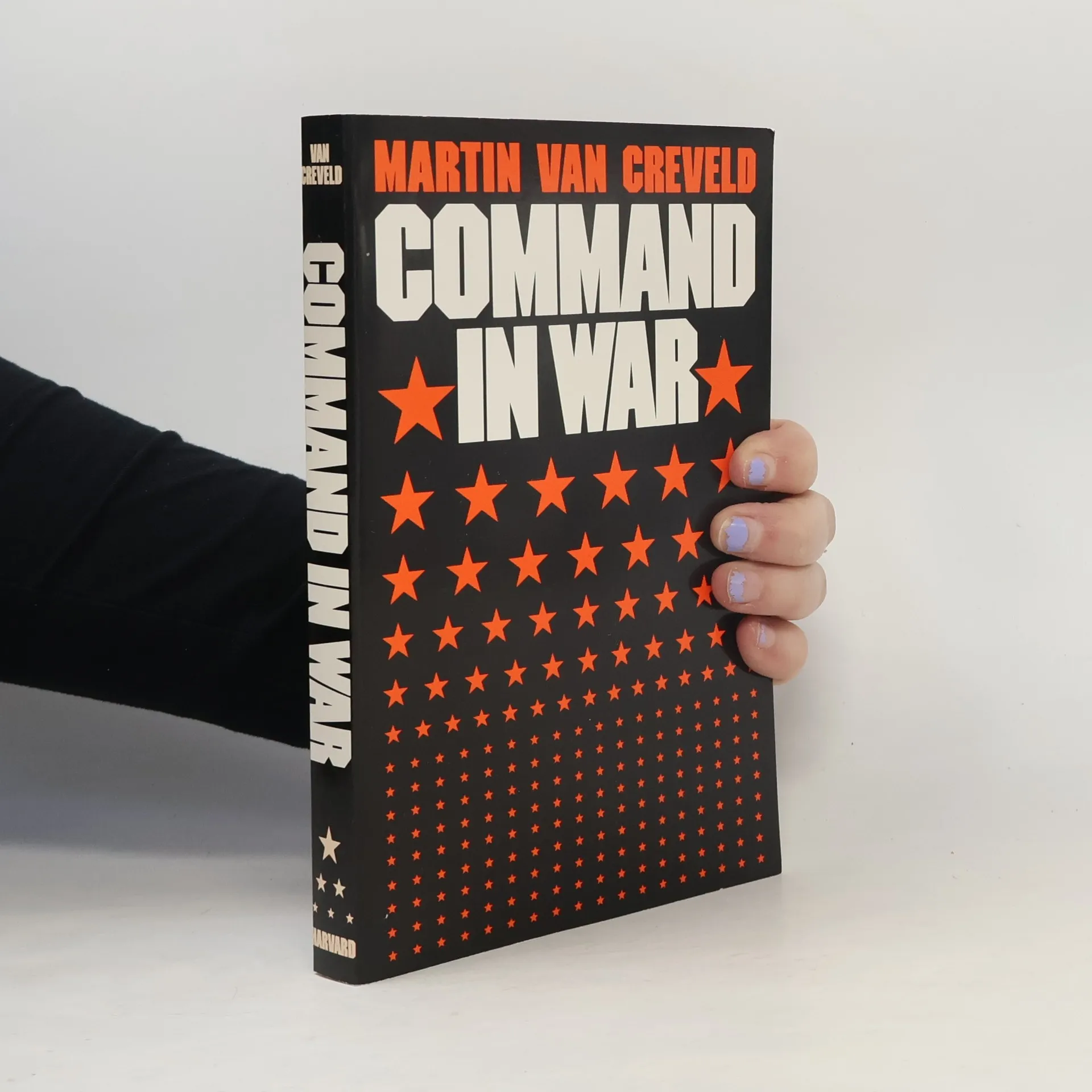
Command in War
- 352 pages
- 13 hours of reading
Many books have explored strategy, tactics, and renowned commanders, but this work uniquely focuses on the essence of command itself, tracing its evolution over two millennia from ancient Greece to Vietnam. It examines the diverse challenges of commanding armies, including staff organization, administration, communication methods, weaponry, and logistics, while analyzing their connection to military strategy. Through vivid accounts of pivotal battles and campaigns—such as Napoleon at Jena, Moltke’s Königgrätz campaign, the 1973 Arab–Israeli war, and the Vietnam conflict—Martin van Creveld highlights the practical implications of command and the impact of technological advancements. Innovations like railroads, breech-loading rifles, telegraphs, radios, tanks, and helicopters provided commanders with new tactical opportunities, yet also introduced new constraints. Despite significant shifts in military thought and technology, the quest for certainty remains a constant theme—certainty regarding enemy forces, the multifaceted environment of warfare, and one’s own troops. The conclusion drawn is that advancements in command have often stemmed not from adopting newer technologies, but from overcoming the limitations of those already in use.
The definitive one-volume history of Israel by its most distinguished historian From its Zionist beginnings at the end of the nineteenth century through the past sixty, tumultuous years, the state of Israel has been, as van Creveld argues, "the greatest success story in the entire twentieth century." In this crisp volume, he skillfully relates the improbable story of a nationless people who, given a hot and arid patch of land and coping with every imaginable obstacle, founded a country that is now the envy of surrounding states. While most studies on Israel focus on the political, this encompassing history weaves together the nation's economic, social, cultural and religious narratives while also offering diplomatic solutions to help Israel achieve peace. Without question, this is the best one-volume history of Israel and its people.
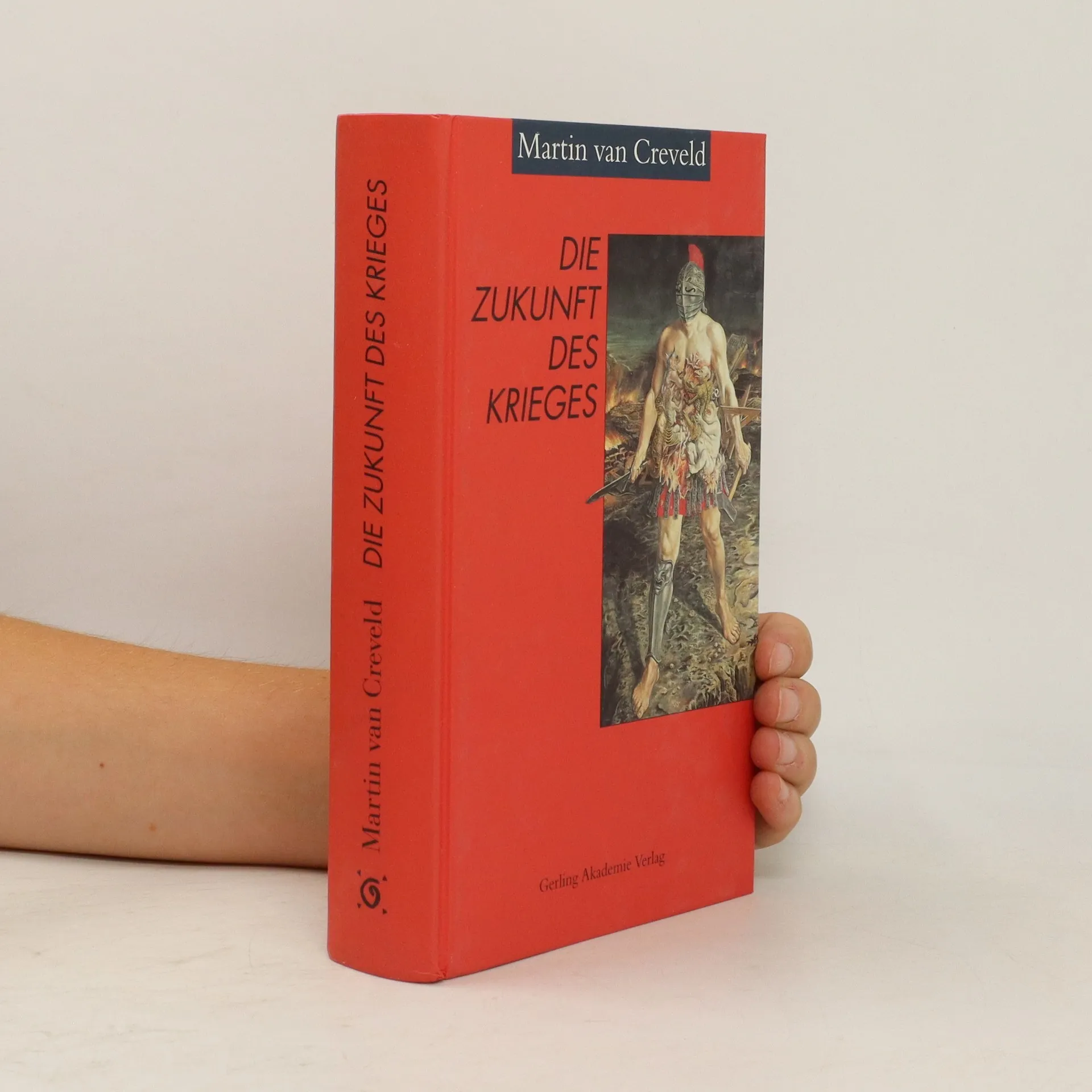
Die Zukunft des Krieges
- 349 pages
- 13 hours of reading
Der israelische Militärhistoriker Martin van Creveld ist bekannt für seine klare historische Diagnostik, die oft provokant für unvorbereitete Leser ist. Mit dem Gestus eines Universalhistorikers kehrt er überkommene Denkmuster um und hat dadurch in Fachkreisen und darüber hinaus erhebliches Gewicht. Als Professor an der Hebrew-Universität in Jerusalem berät er verschiedene Regierungen und ist häufig im Pentagon zu Gast. Dort wird man sich an seine Mahnungen erinnert haben, dass der Krieg in seiner bisherigen Form der Geschichte angehört und durch neue Formen des bewaffneten Kampfes ersetzt wird, die neue Strategien erfordern. Die Rede ist von organisiertem Terror und "Low Intensity Conflicts", in denen die Akteure nicht mehr eindeutig identifizierbare staatliche Armeen sind, sondern schwer fassbare Netzwerke. Die Zukunft des Krieges ist eine Rückschau auf seine Entwicklung in taktischer, technischer und (völker-)rechtlicher Hinsicht. Entstanden in den späten 80er-Jahren, als die Umwälzungen in der Sowjetunion noch nicht absehbar waren, zeigt van Crevelds Weitsicht, da vieles seiner Prognosen bereits Realität geworden ist. Seine Aussage, dass die Grenzen zwischen Öffentlichem und Privatem, Regierung und Volk, Militärischem und Zivilem verschwimmen, hat heute eine alarmierende Relevanz. Ein bemerkenswertes Werk, das große Aufmerksamkeit verdient.
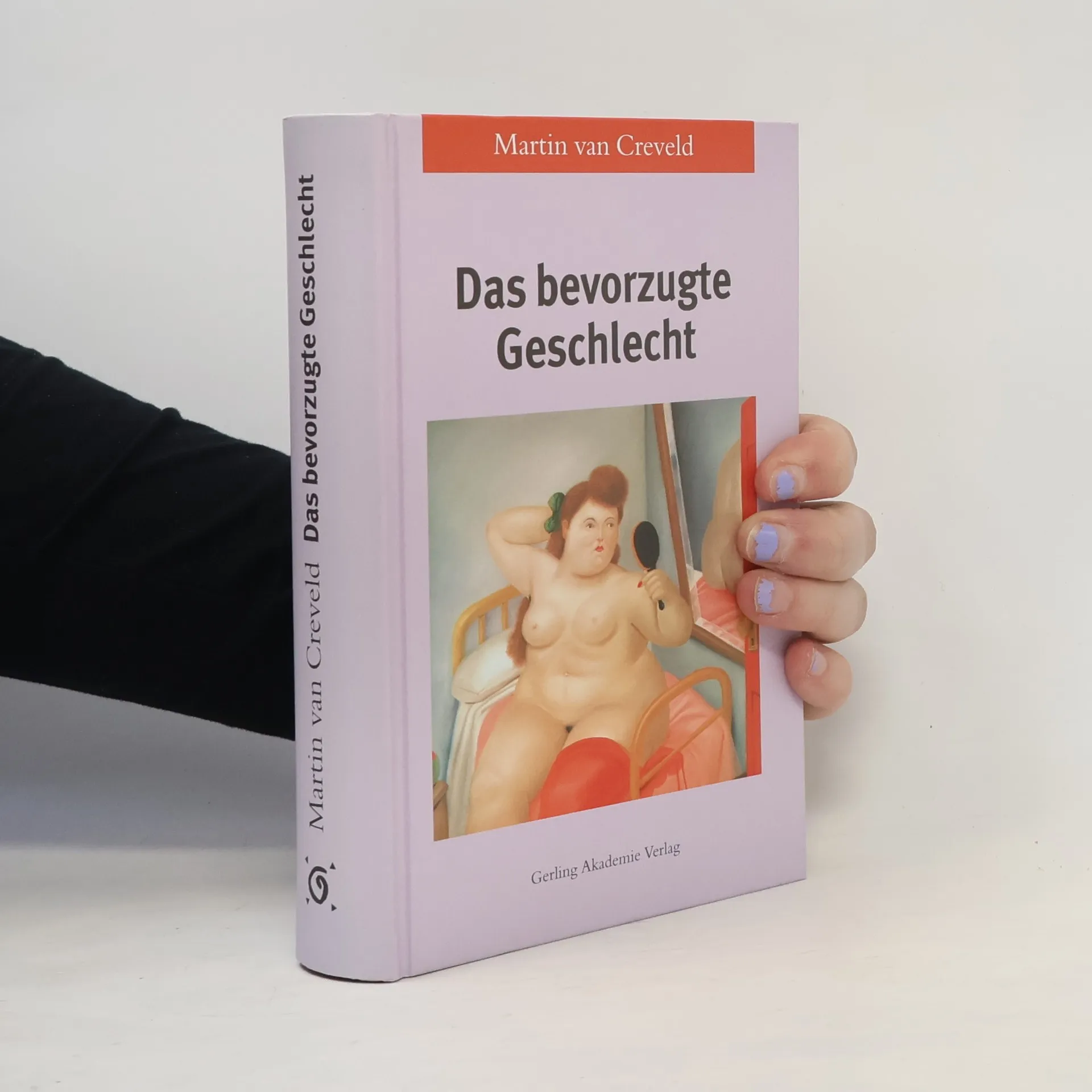
Das bevorzugte Geschlecht
- 492 pages
- 18 hours of reading
Martin van Creveld hat mit seinem jüngsten Buch eine antifeministische Polemik verfaßt. Seine provokante These lautet: Frauen werden nicht unterdrückt und sind nie unterdrückt worden. Sie sind das eigentlich privilegierte Geschlecht und sind dies auch in der Vergangenheit immer gewesen. Dazu führt Creveld zahlreiche Beispiele aus Geschichte und Gegenwart an. Als Kinder werden Frauen sanfter behandelt. Als Erwachsene stehen sie unter geringerem Druck, sich zu behaupten und ihren Verpflichtungen nachzukommen. Im Berufsalltag übernehmen sie weniger als die Hälfte der Arbeit. Und im Wirtschaftsleben sind sie oft in der beneidenswerten Situation, Geld ausgeben zu können, ohne es verdienen zu müssen.
Frauen und Krieg
- 325 pages
- 12 hours of reading
Im Laufe der Geschichte wurden Frauen vor den Schrecken des Krieges geschützt, ihre Rolle beschränkte sich darauf, die Männer zu unterstützen, die tatsächlich kämpfen. Nun hat sich das geändert, und zum ersten Mal haben Frauen ihren Platz an der Front eingenommen. Aber gehören sie dort tatsächlich hin? Ein angesehener Militärhistoriker beantwortet die Frage mit einem vehementen Nein und argumentiert, dass Frauen körperlich weniger leistungsfähig, verletzungsanfälliger, unter milderen Bedingungen eingesetzt werden und sich nachteilig auf die Moral und die militärische Einsatzbereitschaft auswirken. Bahnbrechend und umstritten.
Gesichter des Krieges
- 352 pages
- 13 hours of reading
Martin van Creveld schildert, wie sich Krieg und Gewalt im 19. und 20. Jahrhundert dramatisch veränderten und untersucht, was wir den neuen Formen terroristischer Kriegsführung entgegensetzen können. Er bietet einen faszinierenden Blick in die Vergangenheit, um die kriegerischen Auseinandersetzungen von heute und morgen zu verstehen. Seit der Schlacht an der Marne 1914 hat sich das Gesicht der Kriegsführung grundlegend gewandelt. Van Creveld beschreibt den Übergang von den Massenbewegungen und Stellungsschlachten der Weltkriege über die Konflikte im Schatten des Kalten Kriegs bis zu den ungleichen Auseinandersetzungen zwischen regulären Armeen und irregulären Guerillatruppen in den letzten Jahrzehnten. Er thematisiert die wechselhaften Gesetze des Krieges, alte und neue Theorien der Kriegführung, technische Innovationen, das zunehmende Leiden der Zivilbevölkerung sowie die schwierigen Fragen nach Verantwortung und Kriegsschuld. Historische Betrachtungen verknüpft er mit einer eindringlichen Analyse aktueller Probleme und einem Ausblick auf mögliche Krisen: Was bedeutet es für die Zukunft bewaffneter Konflikte, wenn hochgerüstete Armeen wie die amerikanische im Irak oder die israelische in Gaza scheitern? Welche Art militärischer Auseinandersetzungen sind zu erwarten? Diese umfassende Geschichte der Kriegführung im 20. Jahrhundert hilft, aktuelle Kriege besser zu verstehen und einzuschätzen. Der Autor zählt zu den führenden
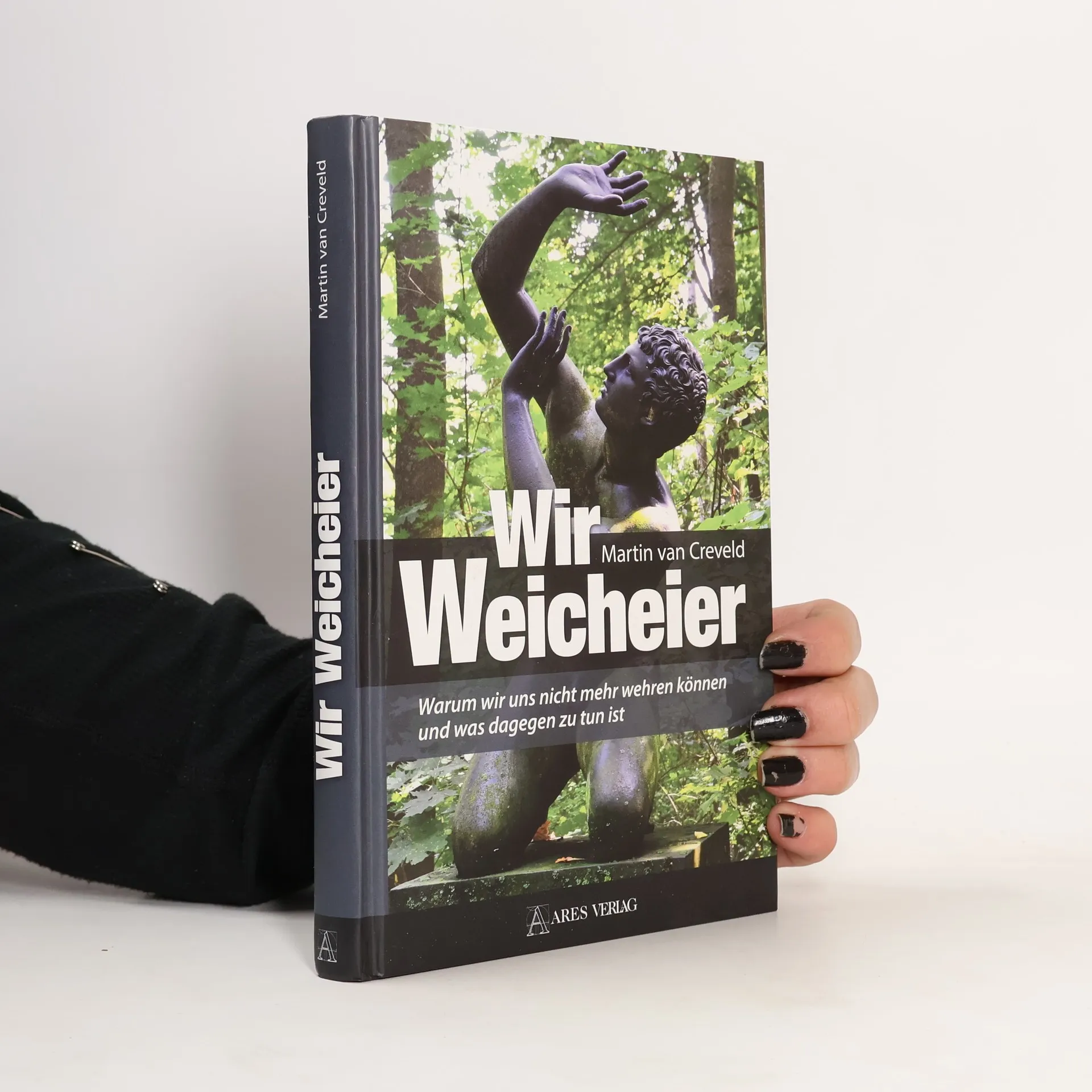
Wir Weicheier
Warum wir uns nicht mehr wehren können und was dagegen zu tun ist
Der Terror hat Europa erreicht, und die Regierungen scheinen machtlos. Die grundlegende Aufgabe der Grenzsicherung gelingt der EU nicht, und es stellt sich die Frage, ob Europa sich militärisch verteidigen kann. Der Autor, ein Militärexperte, ist skeptisch und bezieht die gesamte westliche Welt in seine Analyse ein. Er kritisiert die Erziehung von Kindern und Jugendlichen, die stärker überwacht, aber weniger gefordert werden als früher. Auch Politik und Medien tragen zur Schwächung der Verteidigungsbereitschaft bei. Detailliert wird aufgezeigt, wie den Streitkräften schrittweise die Einsatzfähigkeit entzogen wurde. Zudem wird das Thema Frauen in Kampfeinheiten kritisch betrachtet, gestützt auf umfangreiche Dokumentationen. Besorgniserregend ist die Zunahme von posttraumatischen Belastungsstörungen (PTBS) unter westlichen Soldaten, ein Phänomen, das in den Weltkriegen kaum vorkam, obwohl die psychischen Belastungen damals höher waren. Der Autor zieht das Fazit, dass Europa unfähig zur Selbstverteidigung geworden ist, was negative Auswirkungen auf seine weltpolitische Stellung haben wird. Er warnt, dass die westliche Welt nur gerettet werden kann, wenn dringend notwendige Maßnahmen ergriffen werden. Solange jedoch die Rechte der Staatsbürger über deren Pflichten dominieren, bleiben diese Schritte unmöglich.
Wehrmacht kontra US ARMY
- 272 pages
- 10 hours of reading
Analiza porównawcza armii niemieckiej i amerykańskiej w latach 1939–1945 to wieloaspektowe badanie, które rzuca światło na różnice w kulturze wojennej obu narodów. Książka bada, która z armii była bardziej wojownicza, jak kształcono i nagradzano oficerów, oraz jak uzupełniano jednostki bojowe. Zawiera również refleksje na temat znaczenia medali dla morale oraz psychicznej odporności żołnierzy. Martin van Creveld, autor książki, kieruje swoje zainteresowanie nie tylko do miłośników historii wojskowości, ale także do osób zafascynowanych psychologią i socjologią, a także zarządzaniem w różnych organizacjach. Jego podejście do historii II wojny światowej koncentruje się na człowieku, analizując zarówno zalety, jak i wady systemów doboru i kształcenia kadr. Ta perspektywa prowokuje do głębszego zrozumienia konfliktu. Van Creveld, urodzony w Holandii i obecnie mieszkający w Izraelu, jest uznawanym naukowcem w dziedzinie strategii i historii wojskowości, autorem dwudziestu jeden książek. Publikacja ta inauguruje serię „Biblioteki Wojskowej”, mającą na celu przybliżenie polskiemu czytelnikowi dzieł wybitnych autorów wojskowych.
Kampfkraft
Militärische Organisation und Leistung der deutschen und amerikanischen Armee 1939 – 1945
- 216 pages
- 8 hours of reading