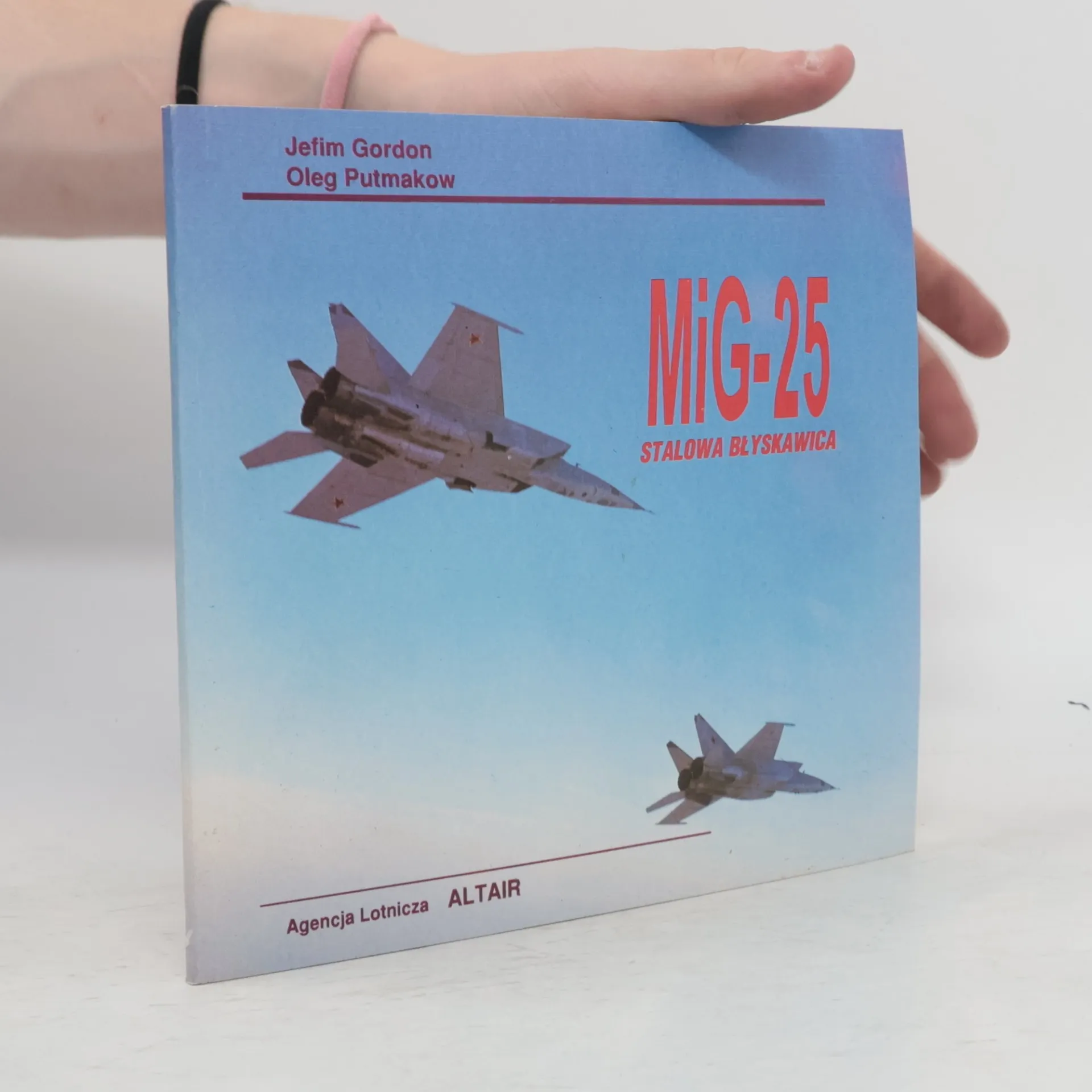
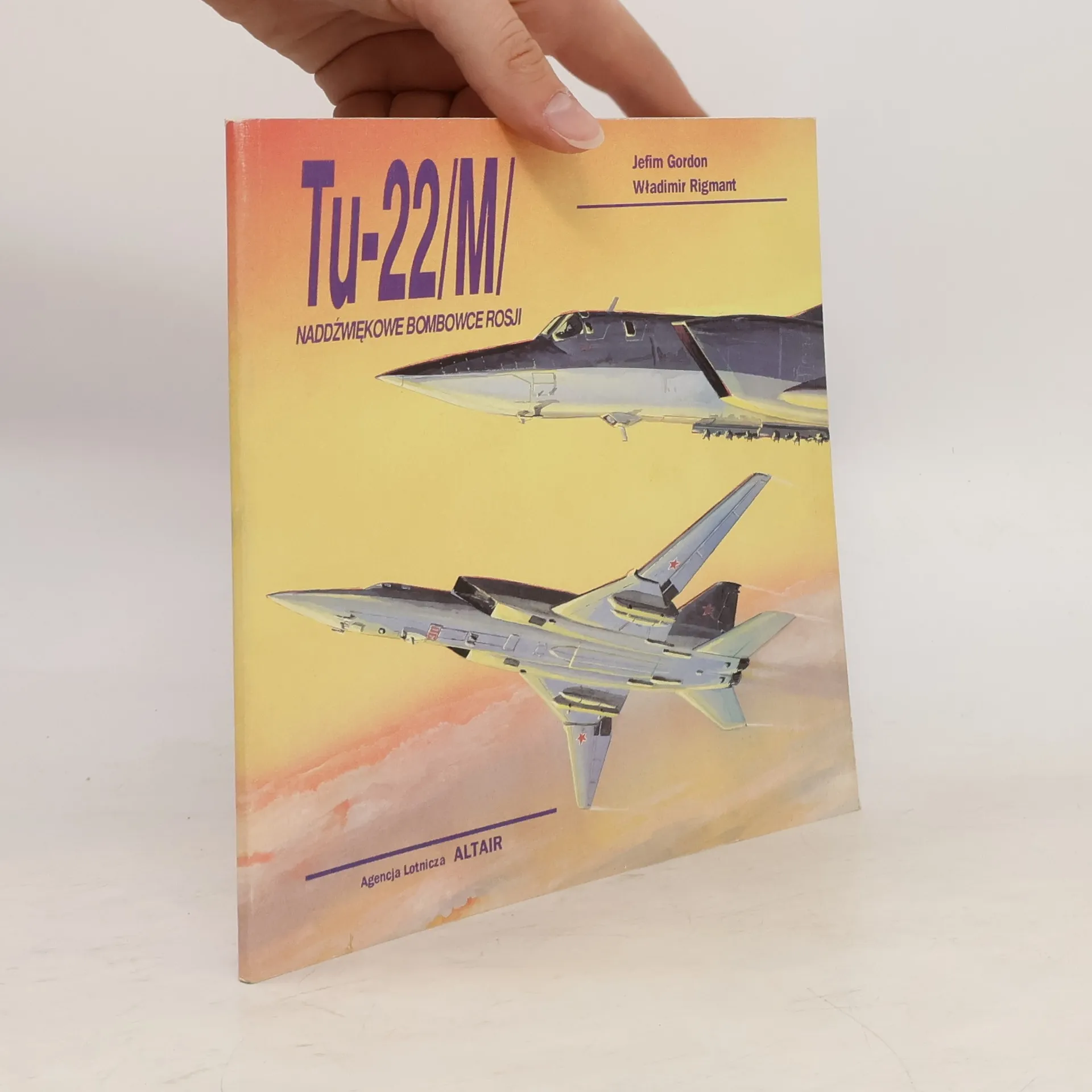
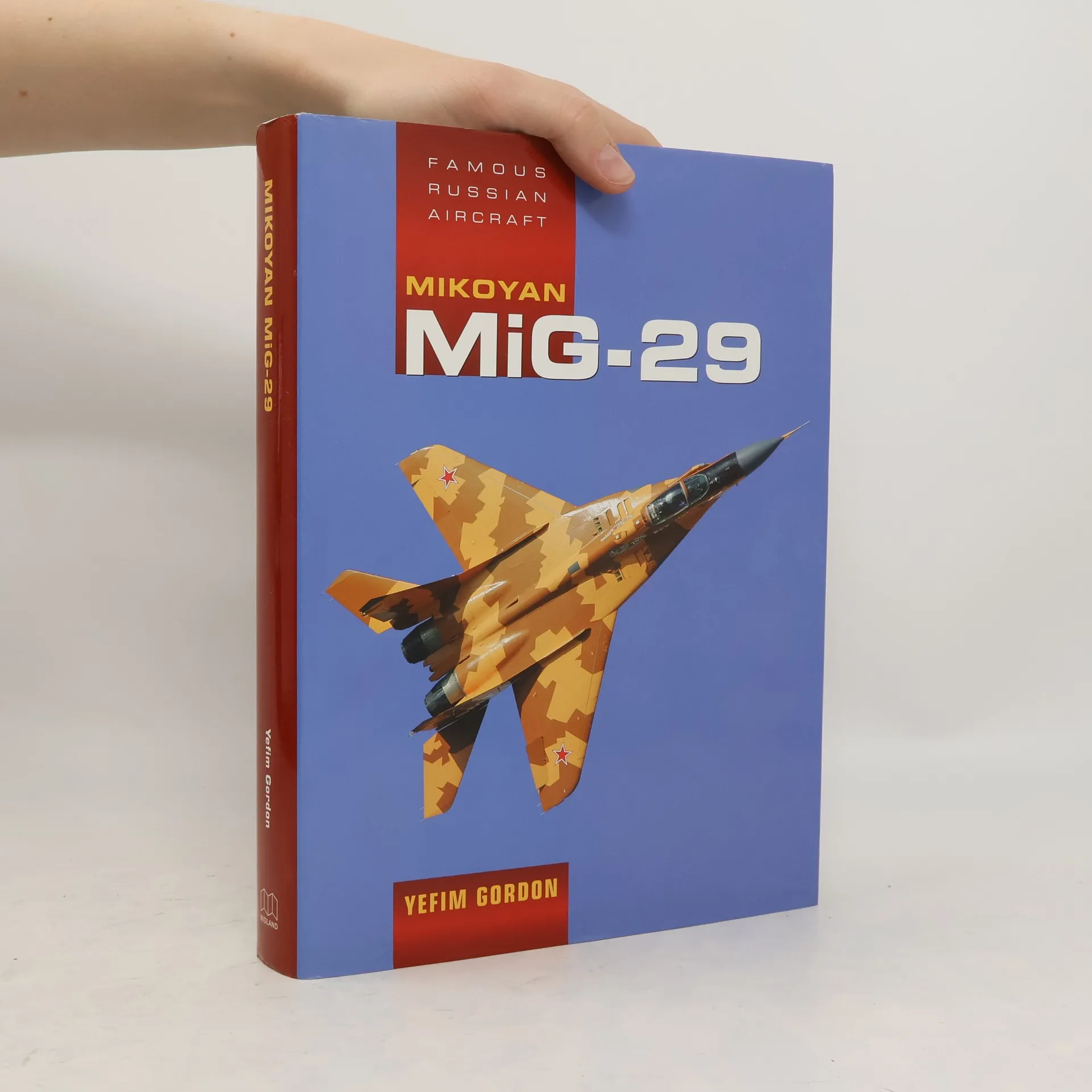
This is the second title in the Midland Famous Russian Aircraft series, which examines in great detail some of the most significant aircraft produced by the Soviets over the years. This complete monograph covers the MiG-29 from every possible angle. It not only details all the latest versions of the MiG-29 which have not been covered in the Western press, such as the MiG-29M2 (MRCA), MiG-29OVT, and the Indian version of the MiG-29K/KUB currently under development, but it also covers the insignia carried by the MiG-29 in the various air forces operating the type, including regimental and squadron badges and nose art. The book also includes a full listing of the Russian air force units operating the MiG-29 and fleet lists of the MiG-29s operated by non-Russian air arms which acquired the aircraft. As well as being of great interest to aviation historians, the book will also attract aviation modelers. Much of the content will appeal to this market, as it contains a large selection of scale drawings of MiG-29 variants from the files of the Mikoyan Design Bureau, as well as three cutaway drawings. Numerous color side views depict the MiG-29 in service with Russian air force units and those of other nations.
Jefim Gordon Books
Yefim Gordon stands as a preeminent global authority on Russian aviation history. His extensive research and archival work delve deeply into the intricacies of Soviet aviation, establishing him as a leading expert in the field. Gordon's contributions are distinguished by their meticulous detail and comprehensive scope, offering invaluable insights into this specialized area.


Mikoyan MiG-21
- 512 pages
- 18 hours of reading
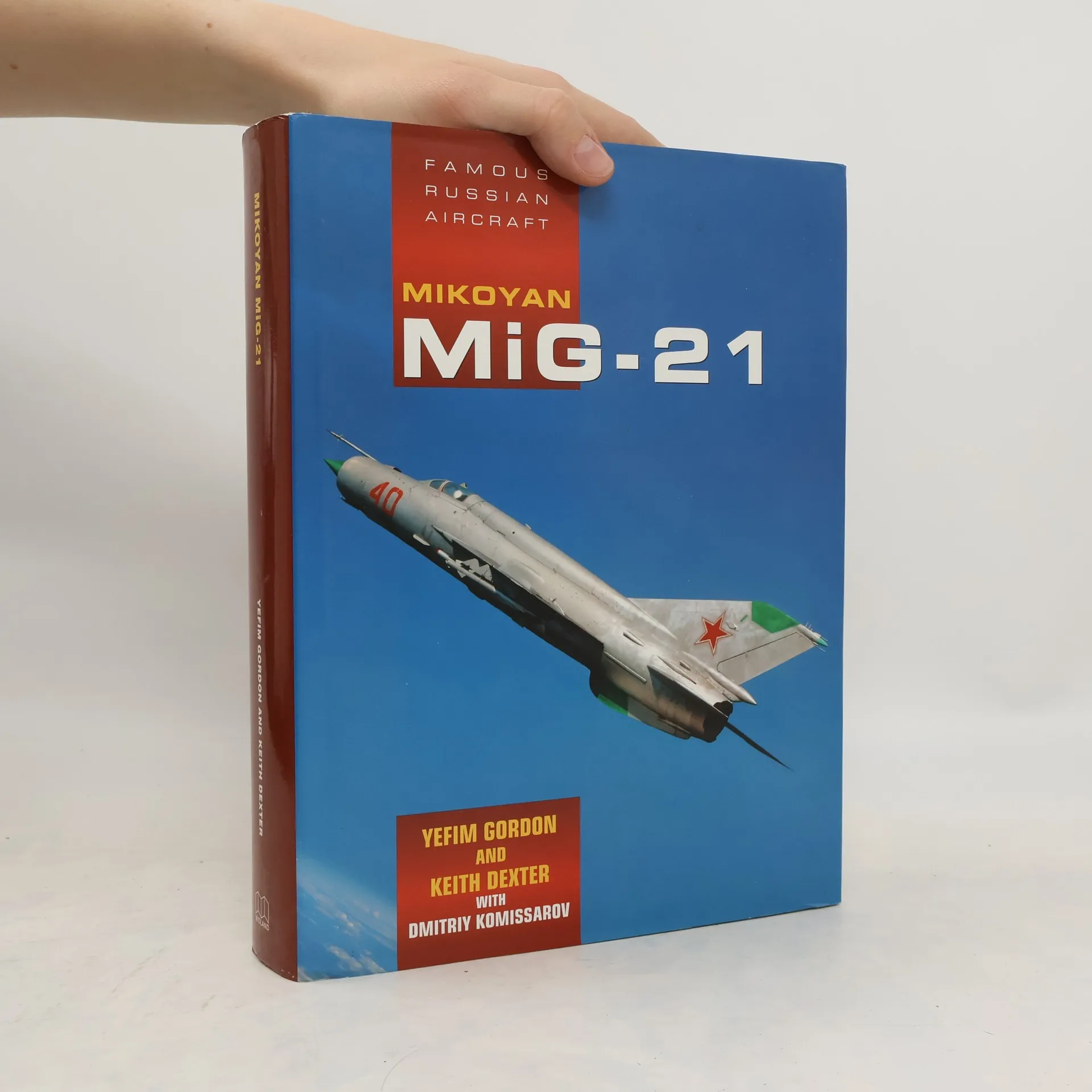
First flown in 1956 and entering service in 1959, the MiG-21 'Fishbed' has proved to be one of the most successful of all Soviet era jet fighters, seeing service not only with the Soviet air force but with numerous other air forces worldwide. Among jet fighters, theMiG-21 holds a wide range of records covering total production figures and the number of nations that operated it. For the first time this book will provide a detailed description of every single member of the MiG-21 family, from the Ye-2 swept-wing development aircraft to the latest 'distant relatives' of the 'Fishbed' developed in China. The book covers the MiG-21's combat career, including the Vietnam War, the Arab-Israeli conflicts, the Indo-Pakistani clashes, and various local wars in Africa. Also included are the fleet lists for each operator featuring known serials and construction numbers. A separate well-illustrated chapter will deal with the Chinese derivatives that were supplied to Pakistan, Sri Lanka, Iraq, Iran, and other nations.For many years the Soviet designers deemed the MiG-21 to be the best light fighter in its category - until a Northrop F-5E Freedom Fighter captured in Vietnam found its way to the Soviet Union and met the MiG-21 in mock combat. The book details results of this 'flyoff', which came as a rude awakening for Soviet pilots and designers. Today, upgraded MiG-21s with state-of-the-art avionics still serve with the air arms of Romania.
Sukhoi Su-27
- 544 pages
- 20 hours of reading
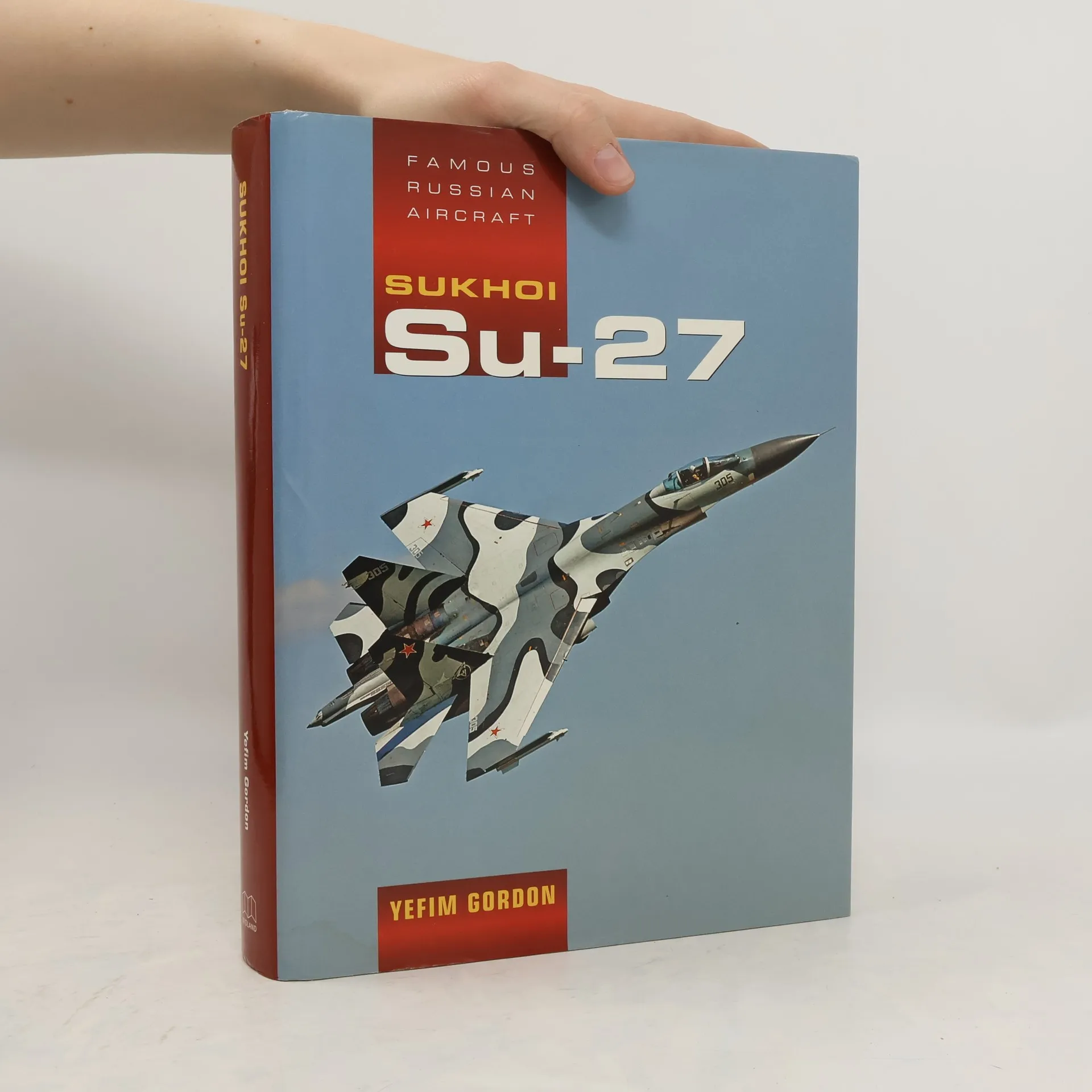
In the late 1960s, the Soviet Union became aware that the U.S. was developing a new generation of jet fighters that had an exceptional range, heavy armor, and great agility in the air. These U.S. aircraft, the F-14 Tomcat, F-15 Eagle, F-16 Fighting Hornet, and F/A-18 Hornet dominated U.S. air power for three decades. In the context of the Cold War, the Soviets could not be seen to be lagging behind the Americans. Their response to these new U.S. aircraft was the Sukhoi Su-27 Flanker, which was designed as a long-range air superiority aircraft and interceptor. The first of the modified pre-production aircraft appeared in 1981, but it was not until 1984 that significant numbers of the Su-27 started to enter service. Eventually some 680 Su-27 were built for the Soviets, of which 400 remain in service with the Russian Tactical Air Force today. Outside of Russia, the Su-27 is also in service with the Chinese, and on the inventories of the air forces of Vietnam, Malaysia, Ethiopia, Indonesia, Syria, and Angola. This book describes in depth the development, operational career, history, and variants within the Su-27 family. The book incorporates color and black and white photos to portray some of the various camouflage schemes carried by the type in Soviet, Russian, and other air forces over the past two decades.
The book explores the development and operational history of the M-4 "Bison," a high-speed strategic bomber created by the Myasishchev design bureau in response to NATO threats. Notable for its innovative design features, including a bicycle landing gear and powerful jet engines, the Bison served as a crucial nuclear deterrent for 40 years. The narrative also covers the evolution of its variants, particularly the 3M, which was adapted for space transport as the VM-T Atlant. The text highlights both the challenges faced and the bomber's significant impact during its service.
Famous Russian Aircraft: Mikoyan Mig-31
- 320 pages
- 12 hours of reading
The development of the MiG-31, a two-seat interceptor designed for the vast regions of Siberia and the Soviet Far East, began in 1965 alongside the MiG-25 program. With its first flight on September 16, 1975, and operational capability achieved in 1980, the MiG-31, initially known as Super Foxbat, underwent significant upgrades, including in-flight refueling in 1989 and enhanced avionics with the MiG-31B model in 1990. These advancements ensured the aircraft remained a formidable presence in aerial defense.
Soviet Air Defence Aviation 1945-1991
- 320 pages
- 12 hours of reading
This unique book provides an in-depth look at an active-duty Russian supersonic bomber, offering insights that are not available in any other English-language publication. It explores the aircraft's design, capabilities, and operational history, making it an essential resource for aviation enthusiasts and military history buffs. The detailed analysis sheds light on the strategic significance of this powerful bomber within modern warfare.
The narrative explores the development of Myasishchev's M-50 and M-52 prototypes, highlighting their significance as supersonic strategic bombers in the late 1950s. It delves into the engineering challenges, design innovations, and the geopolitical context that influenced their creation. The book provides insights into the technological advancements of the era and the impact these aircraft had on military aviation and strategy during the Cold War.
Chinese Air Power
- 320 pages
- 12 hours of reading
By the turn of the century, China had established itself as a leading military power, focusing on fleet renewal. The People's Liberation Army Air Force (PLAAF) and Naval Aviation are now emphasizing indigenously developed aircraft and helicopters over local derivatives of Russian or Western designs. This volume examines the current PLAAF/PLANAF order of battle, detailing advanced aircraft in service or set to enter service. Among those featured are the Chengdu J-10, a single-engine fourth-generation fighter operational since 2003, and fifth-generation fighters like the twin-engine Chengdu J-20 and the lighter Shenyang J-31. The Xian H-6K missile carriers, a Chinese version of the Tupolev Tu-16 bomber, continue to be delivered, with the H-6N, which has in-flight refueling capabilities, entering service in 2019. The book also covers transport aviation and the development of an aircraft carrier fleet, including the Shenyang J-15 Flying Shark, derived from the Sukhoi Su-33. Additionally, the Harbin Z-20 medium utility helicopter, resembling the Sikorsky S-70 Black Hawk, and operational numbers of the CAIC Z-10 and Harbin Z-19 attack helicopters are highlighted. Unmanned aerial vehicles are also included in this comprehensive survey.
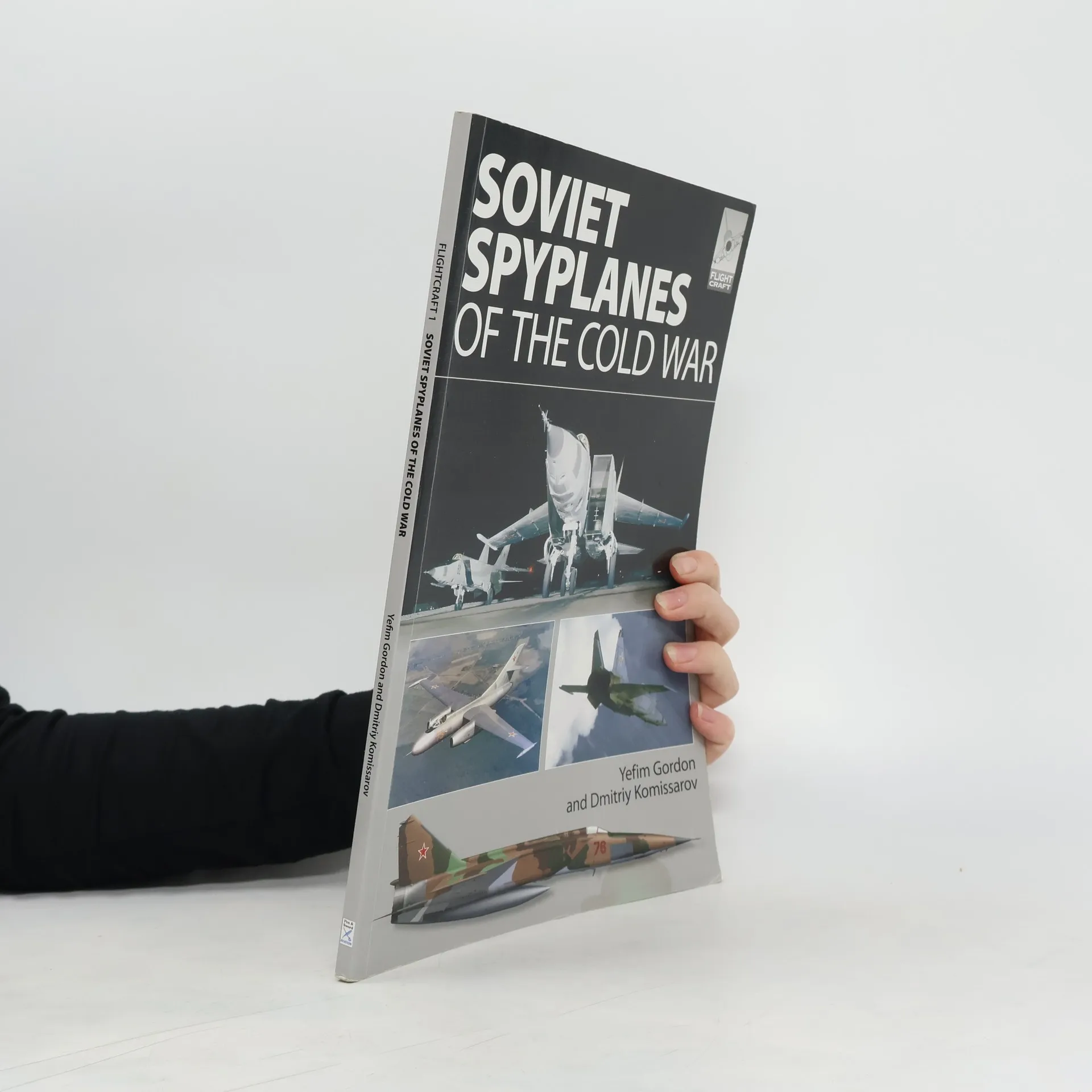
Soviet Spyplanes of the Cold War
- 96 pages
- 4 hours of reading
Profiles of iconic types including the Yakovlev Yak-25RV 'Mandrake' and the MiG-25R 'Foxbat'. Summary of design histories and careers Colour reference for paint schemes Critical review of available kits Over 180 colour and black and white illustrations, including 20 full colour side-views and a range of various 3-view line-drawings.
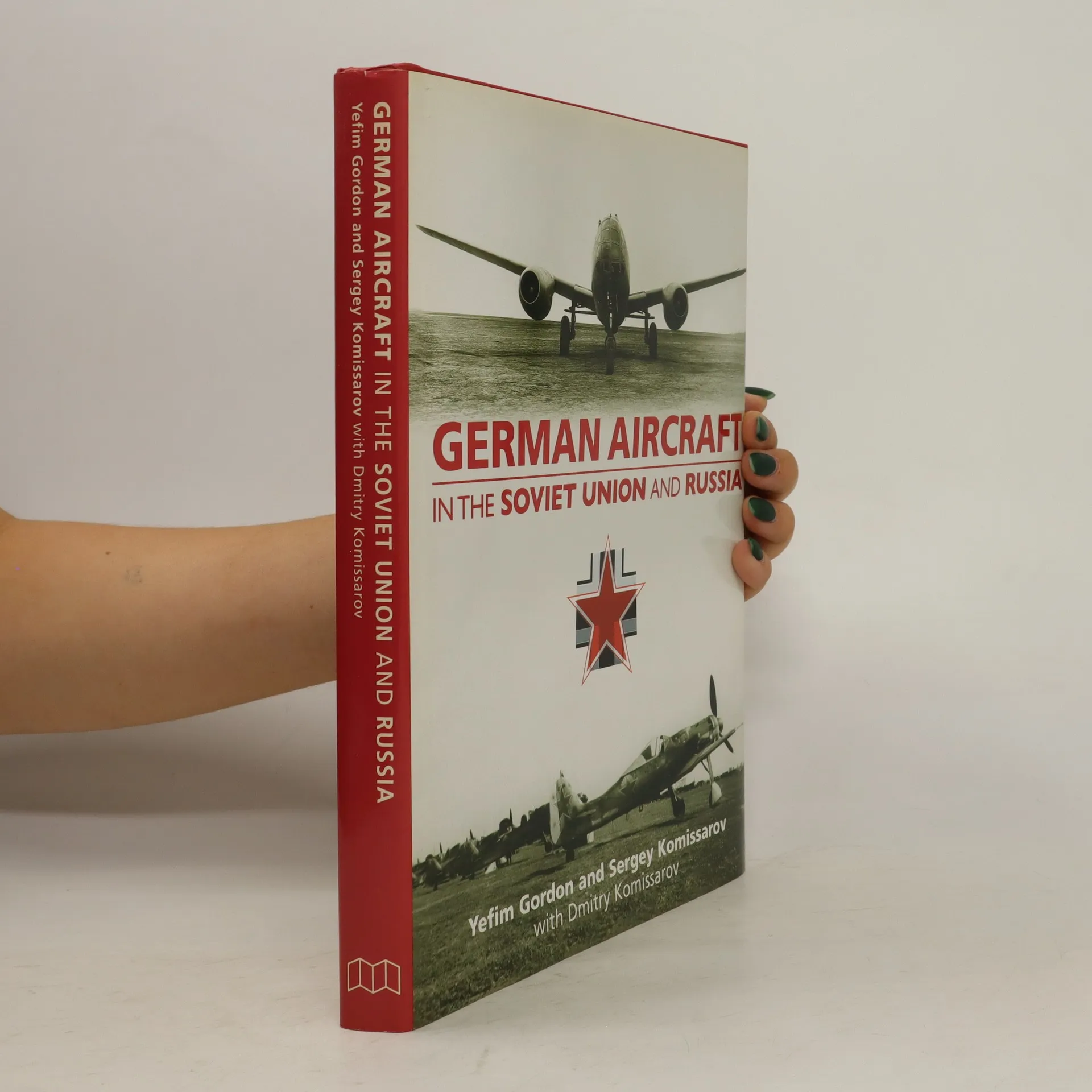
German Aircraft in the Soviet Union and Russia
- 320 pages
- 12 hours of reading
This comprehensive book shows how the imports of German aircraft and engines and the use of German scientific and technical achievements in the field of aeronautics have influenced the development of aircraft construction, air transport, and military aviation in Russia and the Soviet Union.The book covers the very first aircraft to reach Russia before World War I, plus the Russian design bureaus' efforts to copy aircraft that were captured during the war. It goes on to cover all of the various imports throughout the years, right up through the renewed cooperation between Germany and Russia in the 1990s.Aircraft covered in the book include the Heinkel HD-37c fighter, Heinkel He 5c, Heinkel HD-55 flying boats (known as the KR-1 in Soviet service), Dornier Wal flying boats, the Messerschmitt Bf 109b, the Heinkel He 111B bomber, the Bf 109E, Bf 110c, He 100, Ju 88A-1, He 111E, Do 17, Do 215B-3, Focke-Wulf Fw 58, Bücker Bü 131 Jungmeister, Bü 133 Jungmann, and Fieseler Fi-156 Storch.
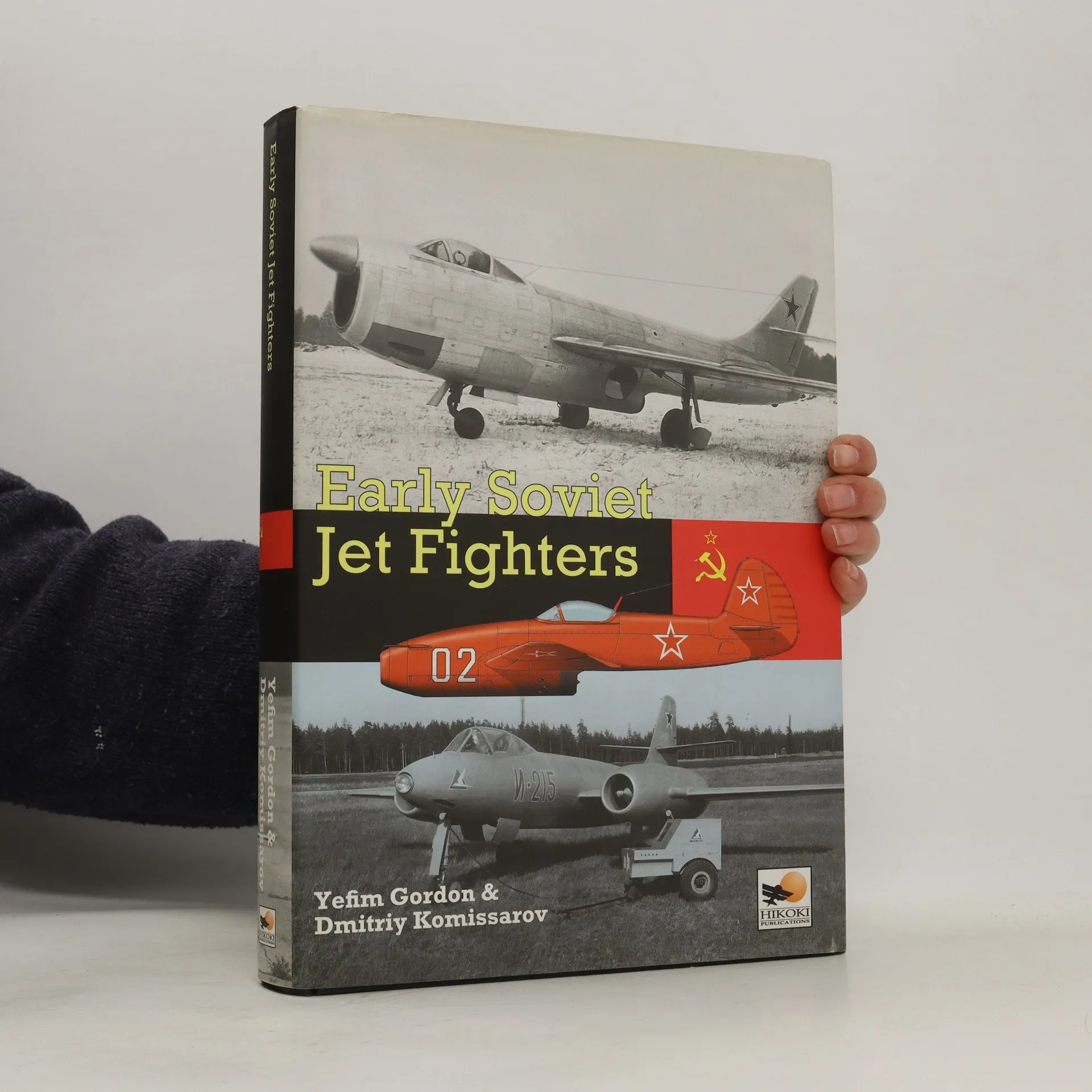
Early Soviet Jet Fighters
- 432 pages
- 16 hours of reading
Sukhoi Interceptors
The Su-9, Su-11, and Su-15: Unsung Soviet Cold War Heroes
- 320 pages
- 12 hours of reading
The narrative details the evolution of the Sukhoi Design Bureau after its 1949 closure, focusing on its development of fast interceptors in response to NATO threats. Key aircraft include the Su-9, Su-11, and the more advanced Su-15, which played a significant role in Soviet air defense despite its controversial history involving the downing of South Korean airliners. The book thoroughly covers all known variants and their operational details, complemented by rare and unpublished photographs, providing an in-depth look at this pivotal chapter in aviation history.
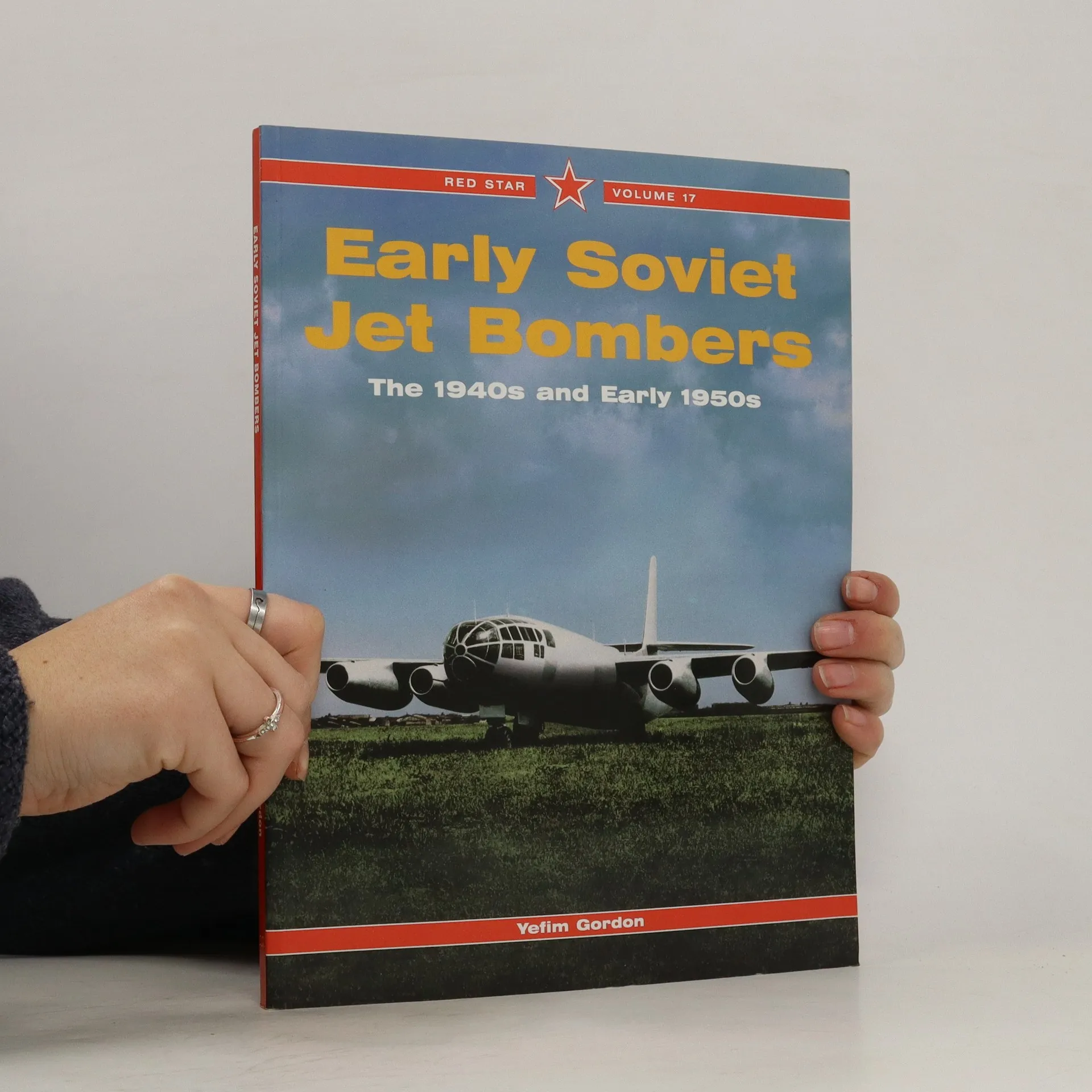
Early Soviet Jet Bombers
- 128 pages
- 5 hours of reading
As World War II drew to a close, the Soviet government was well aware that today's allies would soon be tomorrow's adversaries. This meant new bombers had to be developed for dealing strikes at the potential adversaries' military and political centers. Having gained access to German jet aircraft technology and the men behind it in 1945, the Soviet Union put them to good use when developing its own jet bombers. The first jet bomber to fly in the USSR was the Junkers EF131. Built in 1946, it was based on the unconventional forward-swept wing Ju 287 V2, which had been captured in incomplete form. This was followed by the EF140 (a similar FSW design differing in powerplant) and the equally unusual T-tailed, bicycle-gear 'aircraft 150' developed by Brunolf Baade which was ultimately rejected in favor of the Tupolev Tu-16. The first wholly indigenous Soviet jet bomber came from the Ilyushin design bureau; it was the four-engined IL-22 of 1947. Other experimental Ilyushin bombers - the IL-30, IL-46 and IL-54 which lost out to competing designs - are described in this book, as are the Tupolev 'aircraft 77', 'aircraft 82' and the 'aircraft 72/73/78' series which culminated in the Tu-14 twinjet bomber built on a small scale, mainly for the Soviet Navy.
The New Science of Strong Materials
- 288 pages
- 11 hours of reading
All questions about the nature of materials are vital to engineers but also fascinating as scientific problems. Using both SI and imperial units, Gordon's account of material science is a demonstration of the sometimes curious and entertaining ways in which scientists isolate and solve problems.
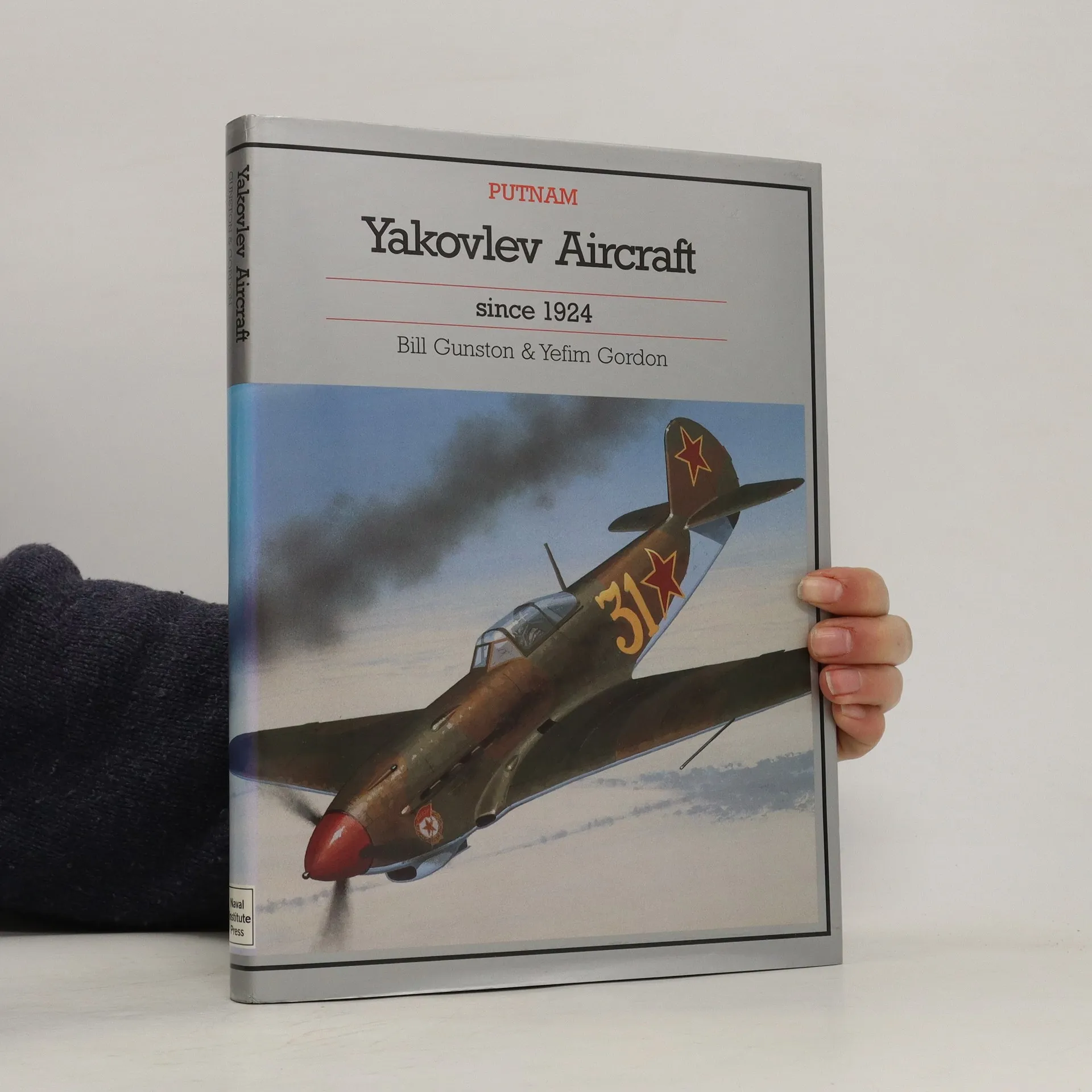
Yakovlev Aircraft Since 1924
- 235 pages
- 9 hours of reading
Alexandr S. Yakovlev was one of the most versatile aircraft designers of his age, but he had the misfortune to work in the USSR which made him almost unknown to the outside world. In 1926-27 he built his first aeroplane and from then on he designed structures which were, time and again, ahead of their time. In 1934, he was offered a derelict bed factory which he shortly transformed into a major design and manufacturing plant. From those premises came, to mention just some, a spate of sporting and training aircraft which gained many world-class the chief family of Soviet single-seat fighters of World War II, the Yak-1, -3, -7 and -9 of which 36,769 were built. He built the first jet to fly in the USSR and the first Soviet transport helicopters. Later came the principal Soviet radar-equipped interceptors, from which stemmed many other types of tactical twin-jet, including the Soviet counterpart to the U-2. Yakovlev died in 1989, and today his design bureau, still on the site of the old bed factory, is the giant Yak Aircraft Corporation. It produces the most important Russian twin-jet airliner, a diverse group of general-aviation aircraft, an advanced jet trainer and light-attack aircraft and, in conjunction with the Museum of Flying in California, replicas of the Yak-3 wartime fighter. This volume is a detailed analysis of all these and many other aircraft.
Focusing on the Antonov design bureau's innovations, the book details the evolution of its heavy transport aircraft, starting with the An-22, which debuted in the 1960s as the heaviest transport plane. It highlights the An-124, renowned for its impressive payload capacity and versatility in military and humanitarian missions. The unique An-225 "Mriya," initially designed for the Buran space shuttle, also plays a key role in the narrative, showcasing its adaptability in cargo transport. The book features numerous photographs, color illustrations, and line drawings.
Soviet and Russian Special Mission Aircraft
- 336 pages
- 12 hours of reading
Soviet Combat Aircraft of the Second World War, Vol. 2
Twin-Engined Fighters, Attack Aircraft and Bombers
- 176 pages
- 7 hours of reading
Arranged by designers, this second installment of a two-volume set includes the aircraft of such famous names as Ilyushin, Petlyakov, and Tupolev, as well as lesser-known types. In preparing this volume, the authors combed untapped archives in the Soviet Union to uncover a wealth of data that rewrites longheld Western beliefs.
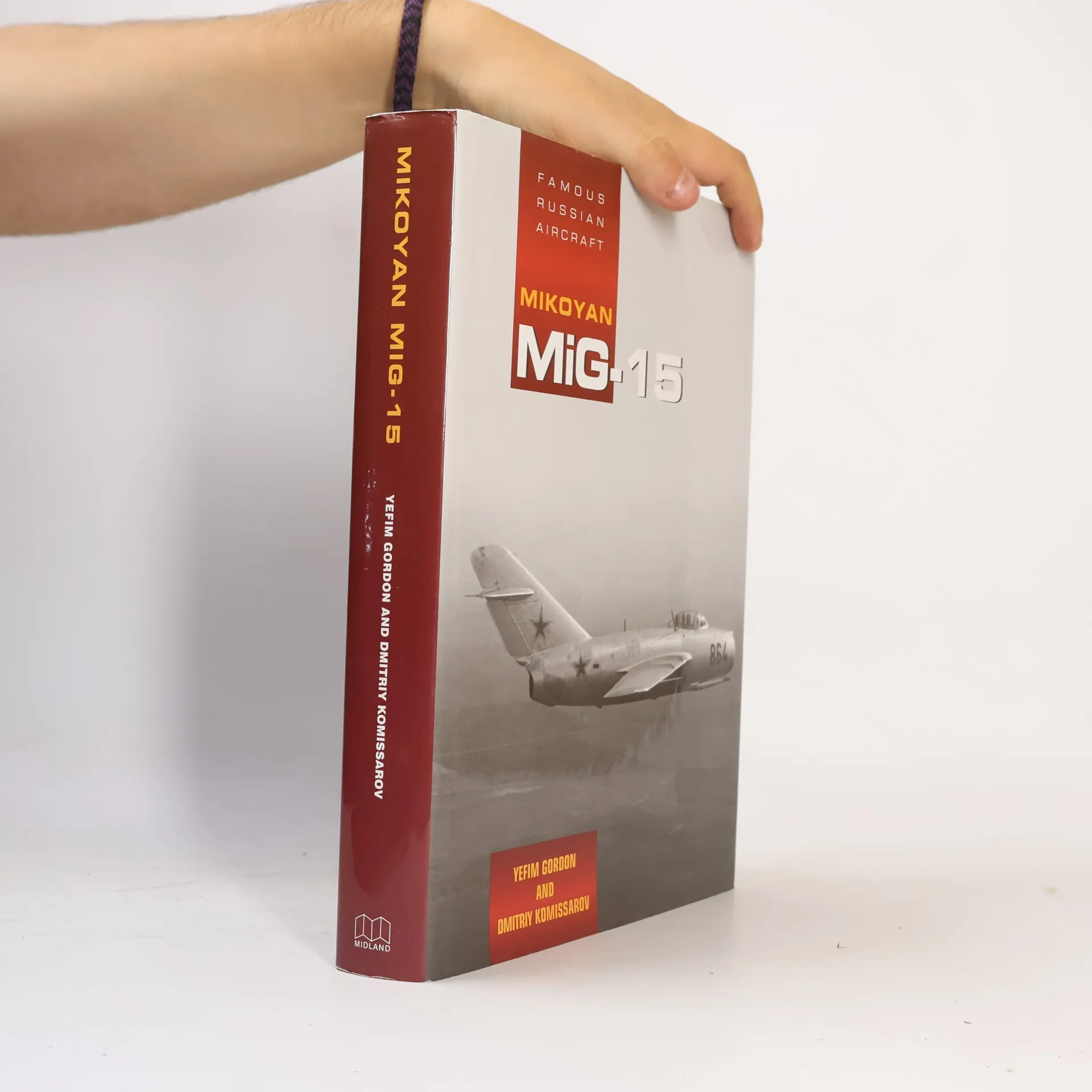
Famous Russian Aircraft: Mikoyan MiG-15
- 576 pages
- 21 hours of reading
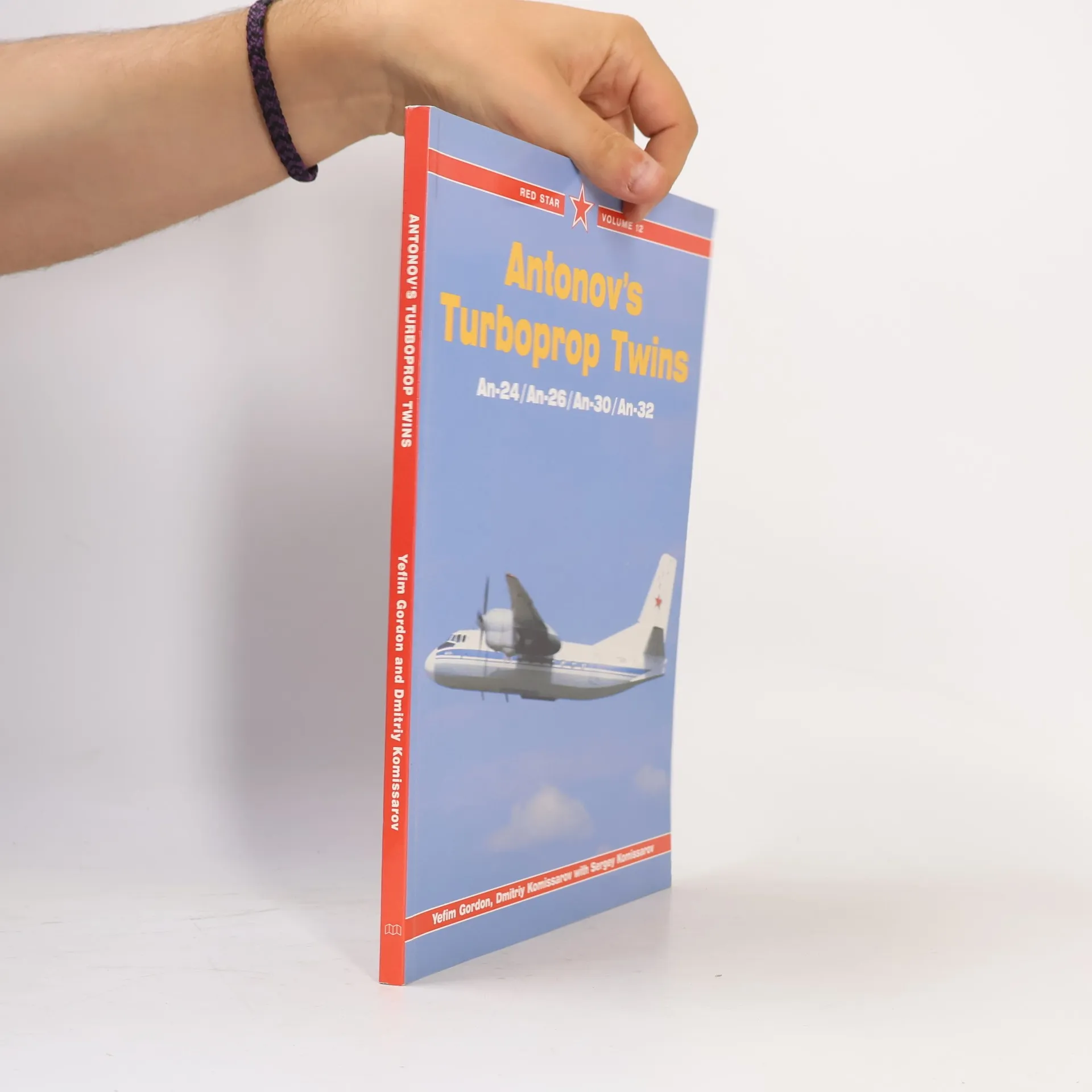
The An-24 was designed in the late 1950s as the Soviet counterpart of the Fokker F.27 in both appearance and capabilities. The twin-turboprop An-24 was produced by three Soviet aircraft factories; many remain in operation. The Soviet Air Force needed a modern turboprop tactical transport with paradropping capability. Thus the airliner evolved first into the 'quick-fix' An-24T and then into the An-26, which introduced a unique sliding cargo ramp developed by Antonov and protected by many international patents. This paved the way for the 'hot-and-high' An-32 and the 'big-head' An-30, a specialized aerial photography machine. Antonov's twin-turboprop family has seen civil and military service in Europe, Asia, the Middle East, Africa, North, Central and South America, making it a best-seller among Soviet commercial designs. This book lists all known operators on a country-by-country basis and is richly illustrated with photos in the collections of assorted civil and military operators.
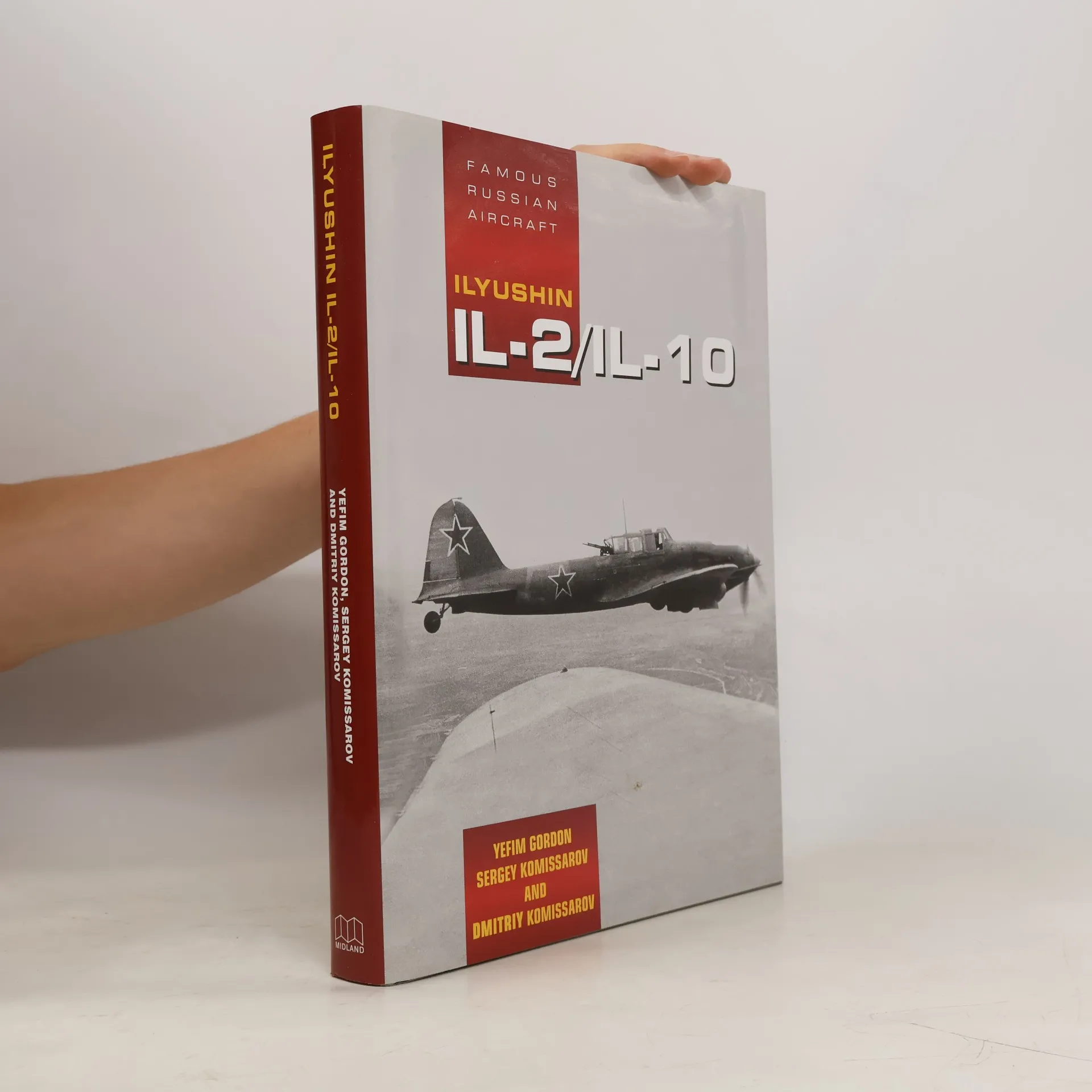
Famous Russian Aircraft: Ilyushin Il-2/Il-10
- 431 pages
- 16 hours of reading
This is the definitive history of the Ilyushin Il-2 Sturmovik and provides detailed coverage on every aspect of this famous warplane. This is perhaps the most famous aircraft in the history of Russian and Soviet aviation. During World War 2 this rugged ground attack aircraft was arguably the Soviets’ most effective weapon. Protected by its heavy armor, the low-flying aircraft was incredibly difficult to shoot down, and its powerful array of weaponry included a cannon, machine guns, rockets, and special HEAT antitank bombs. It was capable of penetrating the armor of every German tank in the field at the time, including the Panther and Tiger tanks, as well as reaping destruction among the ranks of enemy infantry on the ground. The Il-2 was so successful that the design was produced in greater numbers than any other military aircraft in history, with over 40,000 being built between 1941 and 1955.
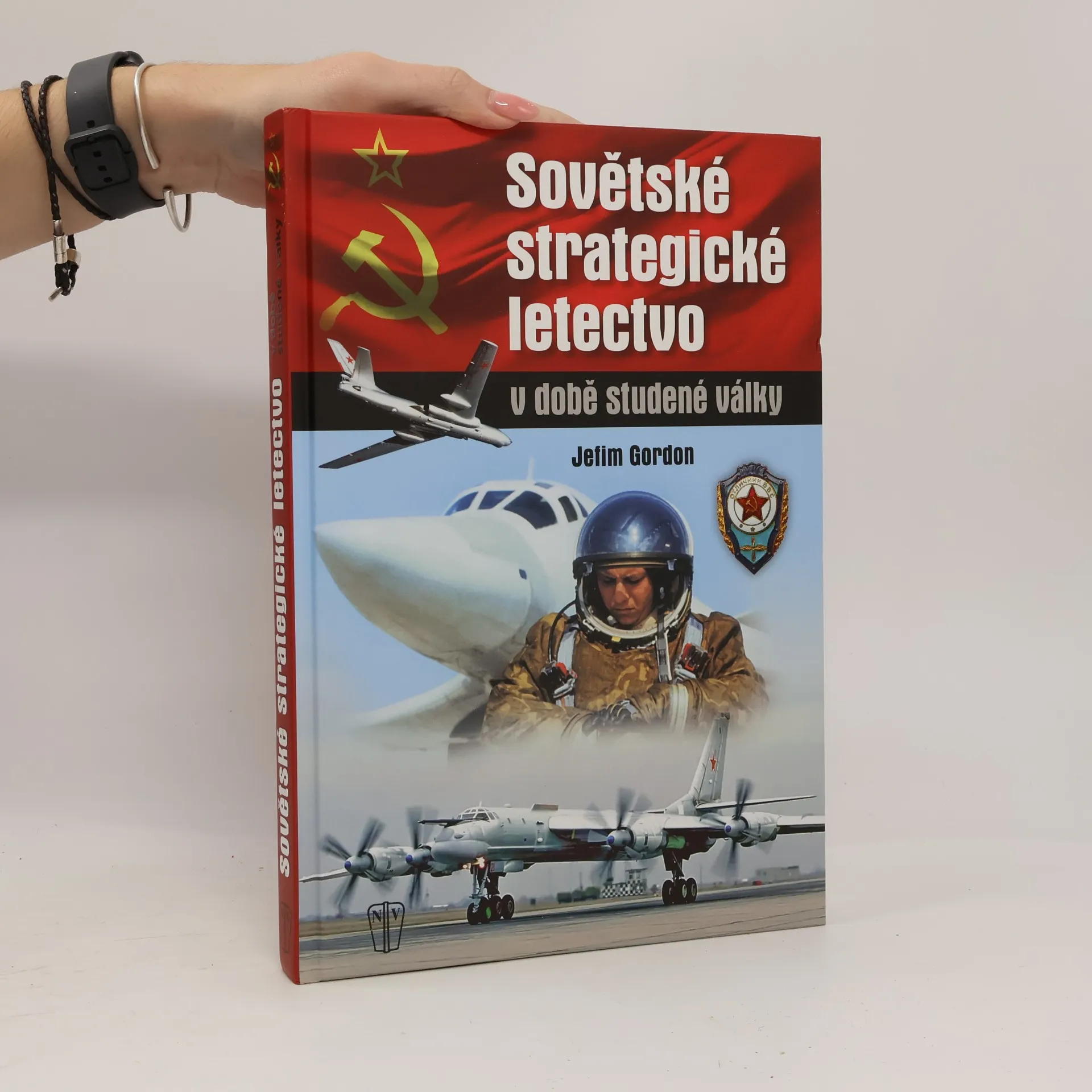
Sovětské strategické letectvo v době studené války
- 272 pages
- 10 hours of reading
Kniha sleduje vývoj sovětských letadel dálkového letectva od 2. světové války až do rozpadu Sovětského svazu v roce 1991, včetně počátečních kroků při vzniku střel vzduch-země, prvních nadzvukových dálkových bombardérů až po výkonné Tu-160, které jsou schopné nést až 12 střel s plochou dráhou letu. Text doplňuje více než 500 fotografií, které dříve nebyly mimo Rusko publikovány, dále 61 barevných kreseb a perokreseb letadel a jejich výzbroje, díky čemuž je tato kniha nepostradatelným zdrojem informací pro všechny letecké nadšence daného období.
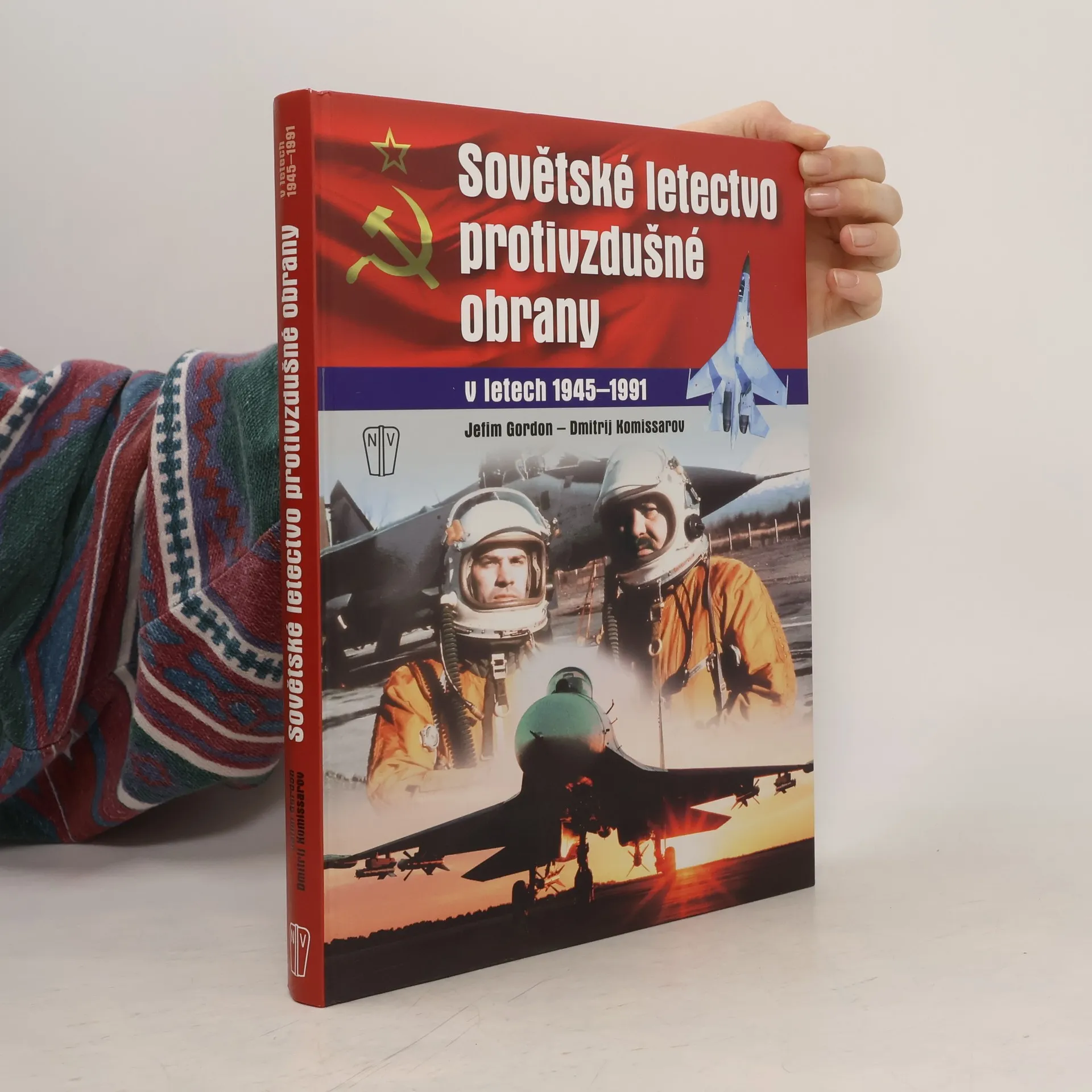
Sovětské letectvo protivzdušné obrany v letech 1945-1991
- 320 pages
- 12 hours of reading
Hlavním úkolem stíhací složky sovětské PVO bylo záchytné stíhání a ničení nepřátelských letadel a nepilotovaných vzdušných prostředků. Prvními proudovými stíhacími letadly ve výzbroji PVO byly MIGy-15 a MIGy-17; postupně přicházely také specializované záchytné stíhačky pro každé počasí: MIG-17PF a MIG-17PFU. Brzy následovaly nadzvukové MIGy-19PM a dvoumotorové dálkové záchytné Jaky-25/25M. V dalších letech používala PVO nadzvukové záchytné stíhačky včetně Su-9, Jaků-28, Tu-128 a MIGů-31. Kniha Sovětské letectvo protivzdušné obrazy v letech 1945-1991 detailně popisuje historii samotné PVO v době studené války, některé bojových akcí, bojovou sestavu a typy letadel, které u PVO sloužily. Text doplňuje více než 400 fotografií a 50 barevných kreseb.
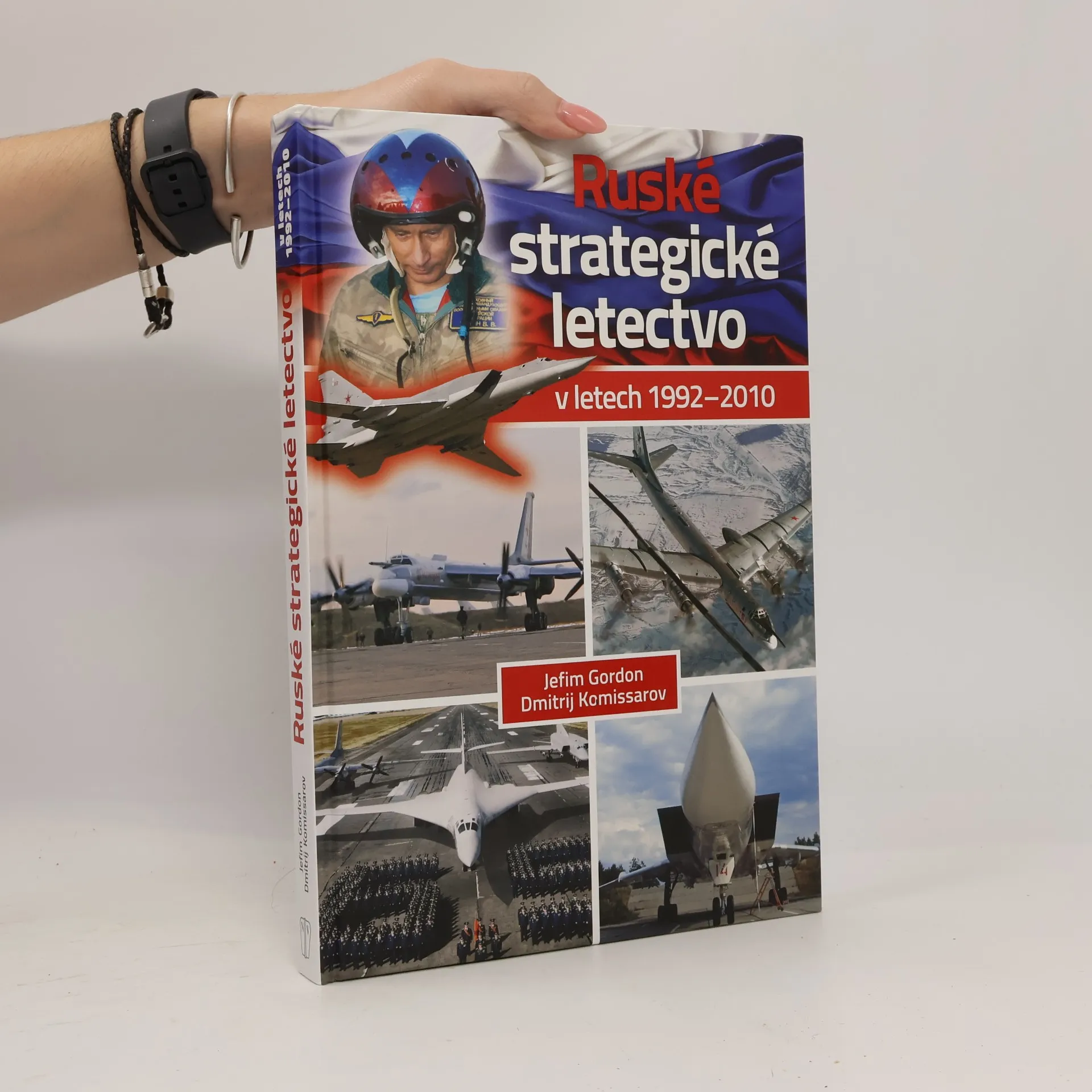
Ruské strategické letectvo v letech 1992–2010 rozebírá všechny aspekty ruských bombardérů a nosičů střel Tu-160, Tu-95 a Tu-22M. Kniha začíná v době, kdy ruské letectvo zdědilo po rozpadu Sovětského svazu sovětské strategické bombardéry. Mimo více než 500 fotografií, z nichž mnoho nebylo dříve publikováno, jsou zde vyobrazeny znaky a další insignie ruských strategických bombardovacích jednotek. Také obsahuje detailní barevné kresby letadel. Společně s knihou Sovětské strategické letectvo v době studené války poskytuje komplexní pohled na téměř 60 let existence sovětského a ruského strategického letectva.
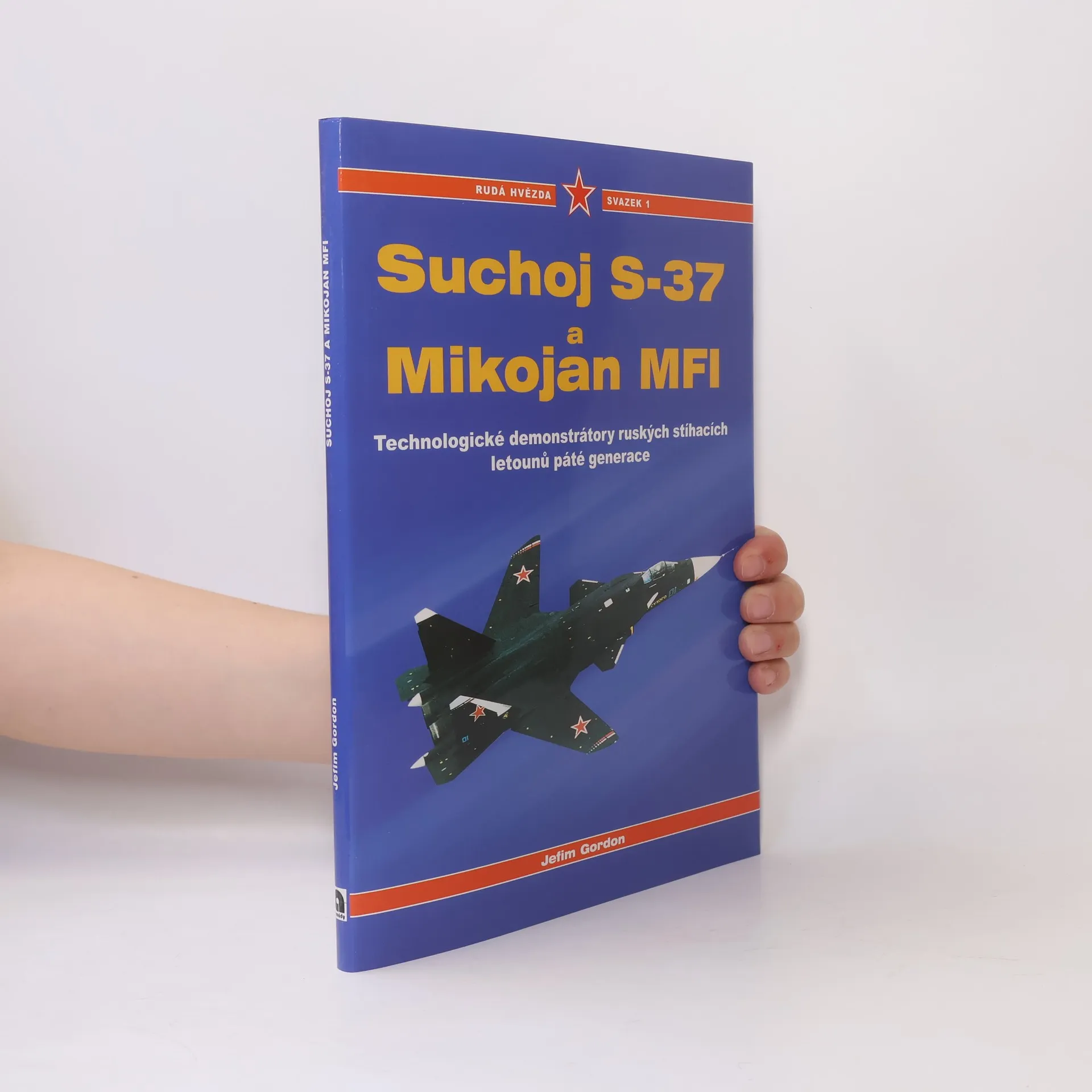
Příběh stíhacích letadel nové generace z rýsovacích prken Mikojana a Suchého, který začal v polovině 70. let, kdy se sovětský letecký průmysl a zbrojní průmysl pustily do tří rozsáhlých výzkumných a vývojových programů. Jejich cílem bylo vyvinout stíhací, bitevní a strategické bombardovací letouny nové generace, které by mohly být zařazeny do služby u sovětského letectva a protivzdušné obrany v 90. letech. Autor knihy vycházel z neutajovaných informací uveřejněných v různých zdrojích, m.j. i z tiskových zpráv ruských aerokosmických firem a ze záznamů z tiskových konferencí konaných u příležitosti různých leteckých výstav. Knihu doprovází velké množství dokumentujících fotografií. Monografie věnovaná historii vývoje ruských stíhacích letounů nové generace popisuje vstup nových modelů do současného vojenského letectví. Publikace s vojenskou leteckou tématikou popisuje vývoj dvou moderních modelů stíhacích letounů, které byly vyvinuty po objednávce sovětského leteckého průmyslu v 70. letech. Z modelů, které konstruovali Mikojan, Suchoj a Jakovlev, se nakonec realizovaly Mikojanův dvoumotorový taktický letoun MiG a Suchojův S-37.