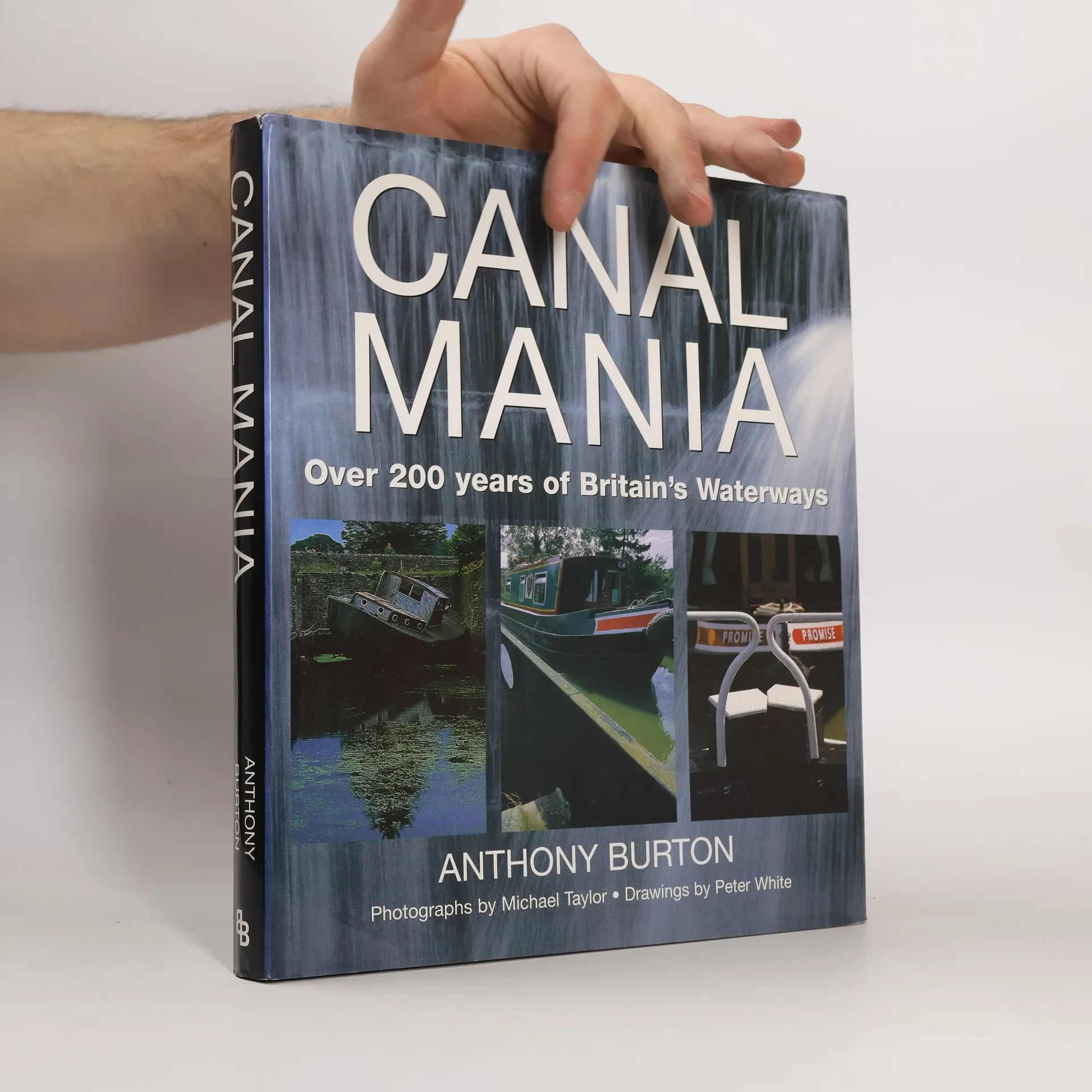
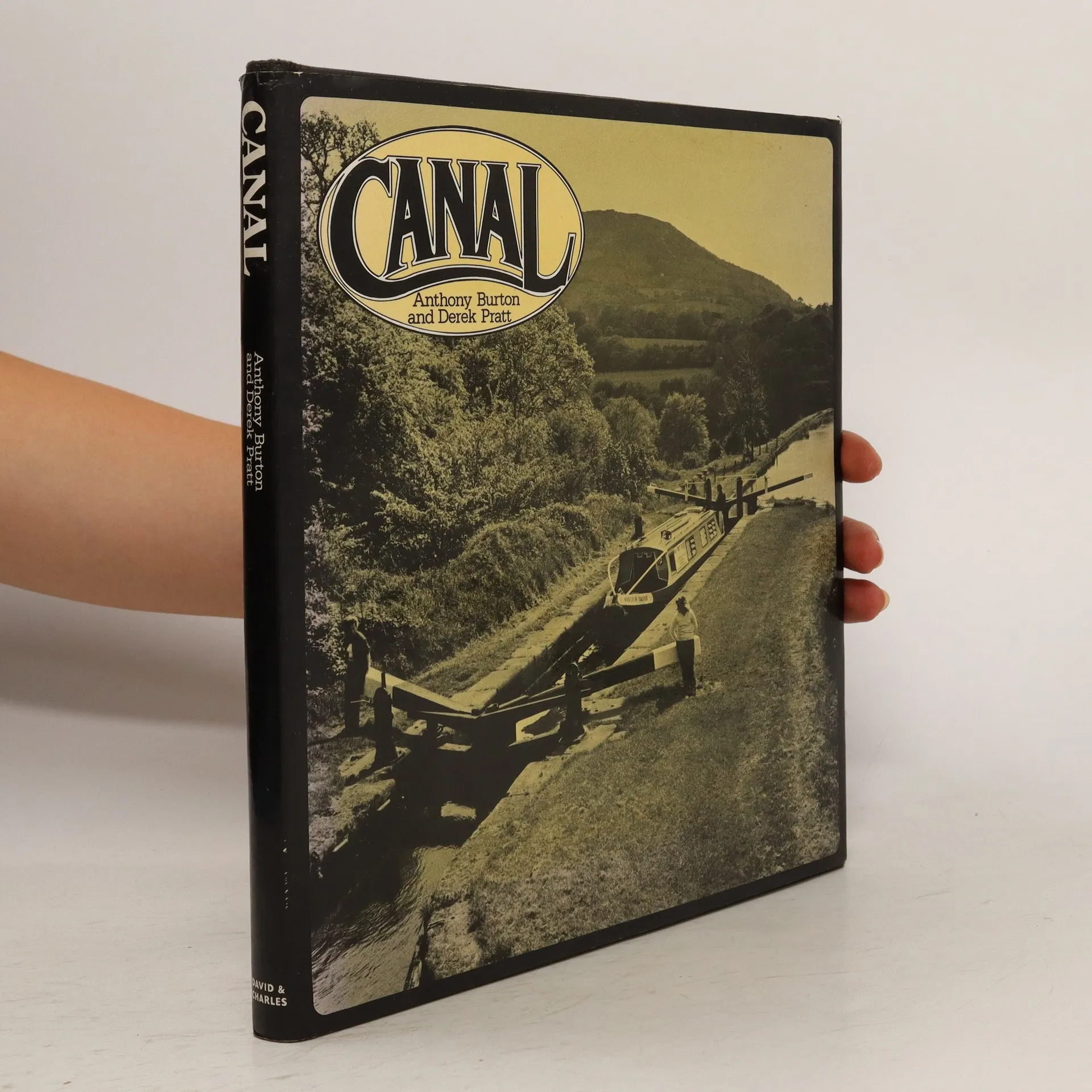
The Great Days of the Canals
- 224 pages
- 8 hours of reading
First published David and Charles, 1989


Anthony Burton is an author and broadcaster with a primary focus on industrial and transport history, beginning with his first book on the subject in 1972. Beyond canals, railways, and other modes of transit, his interests also encompass the countryside and landscape history. His works invite readers into the fascinating realms of the industrial sectors and transportation networks that have shaped our modern world. With a keen eye for detail and accessible prose, Burton breathes life into historical narratives, illustrating their enduring impact on the present. His writing is both engaging and informative, offering a distinct perspective on the evolution of technology and the landscapes it has transformed. Readers will appreciate his talent for making complex subjects approachable and for painting vivid pictures of the past.

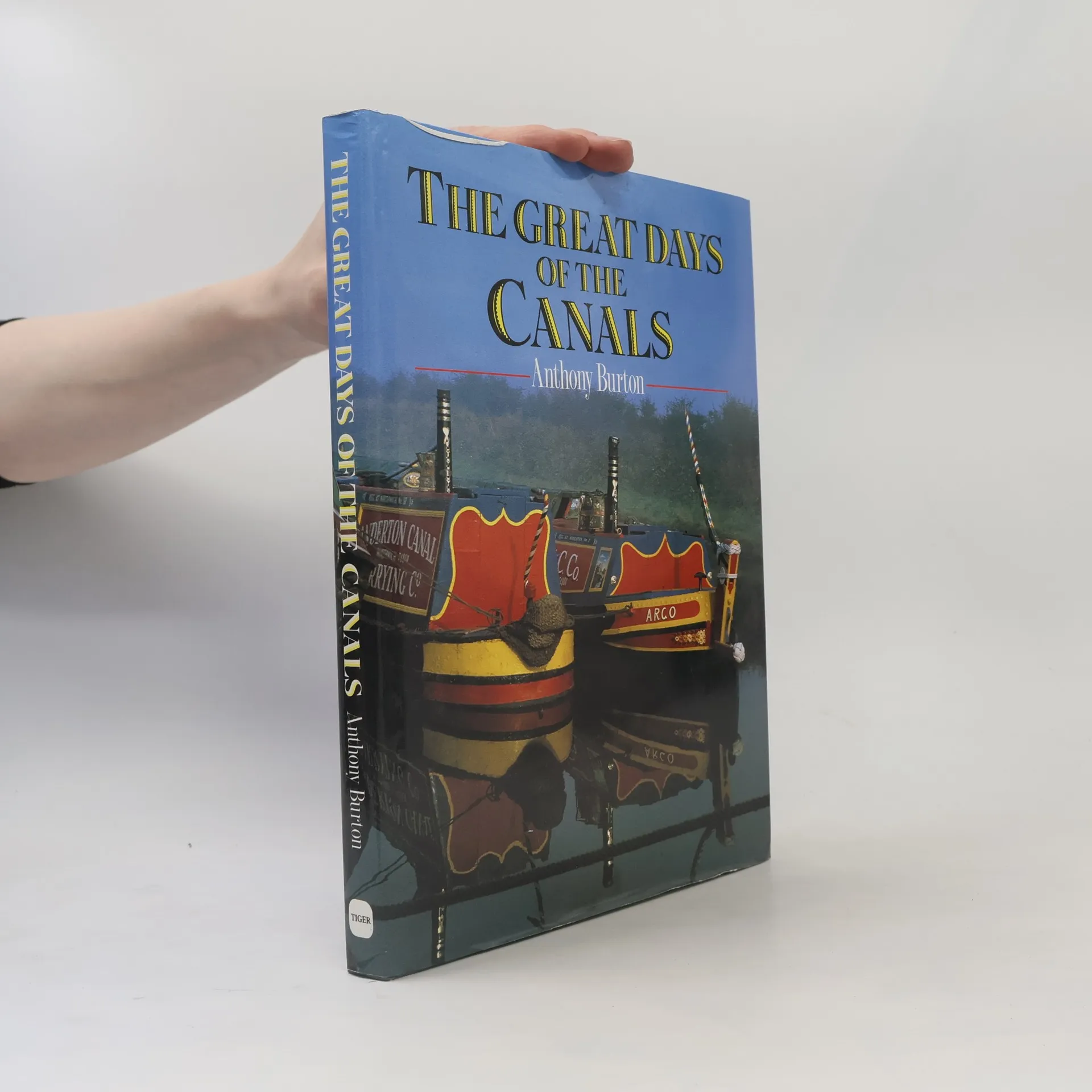
First published David and Charles, 1989
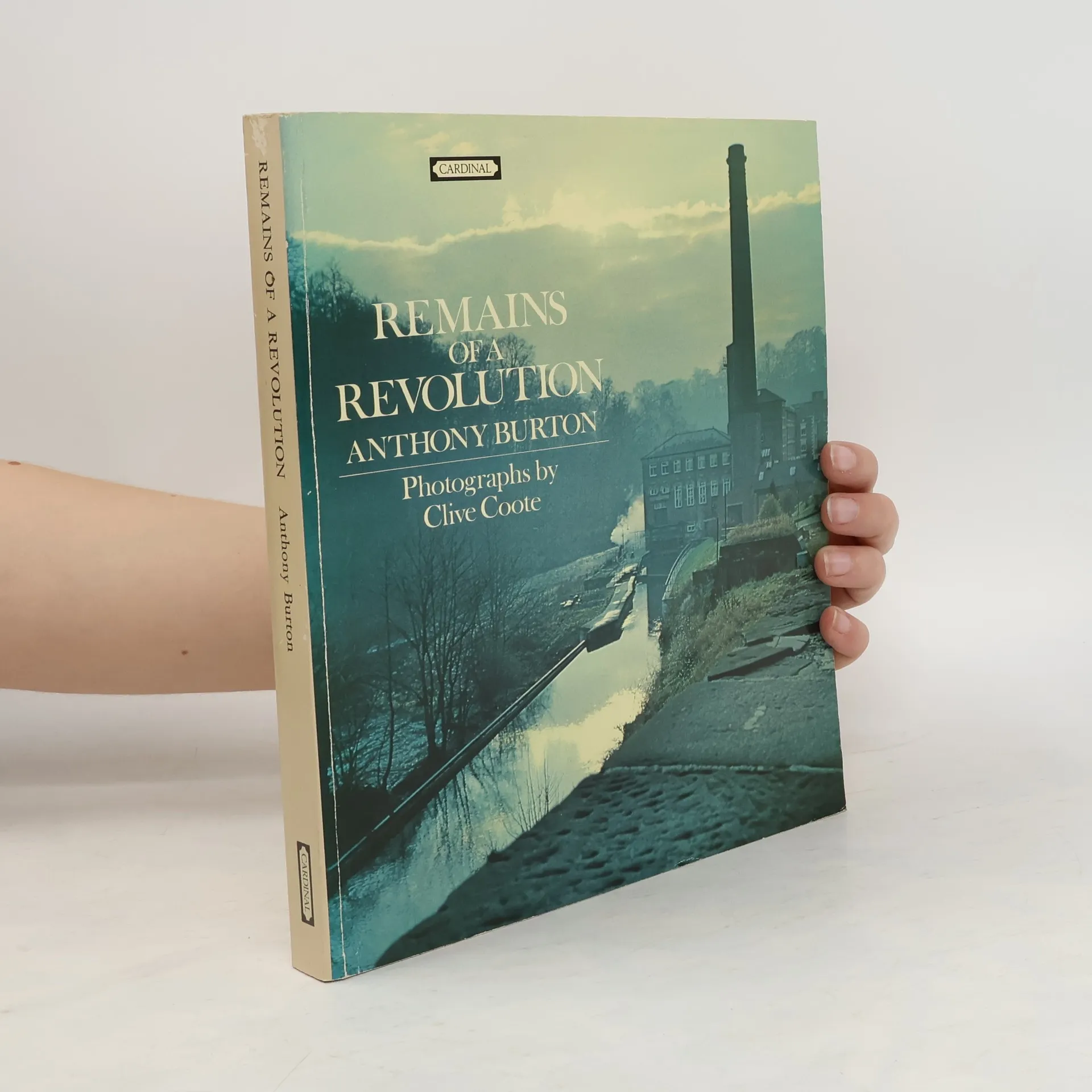
The Industrial Revolution was one of the greatest changes in the history of society. It transformed Britain's "green and pleasant land" from an agricultural world into one dominated by spinning and weaving were mechanized; roads, railways and canals spread across the country; mining and factories wiped out the cottage industries and eroded a rural way of life for ever. Man's immense inventiveness and skill also created appalling suffering and cruelty, sacrificing humanity for profit in a society riven with inequalities that remian today. Yet, as the photographs in this book show, the "dark, satanic mills" and machines that changed the world are brilliantly, often beautifully designed, and the industrial landscape is haunting in its vast, imposing grandeur. Combined with lively writing and dramatic historical accounts, they transport our imaginations back to the revolutionary age of smoke and steam.
Canals In Colour
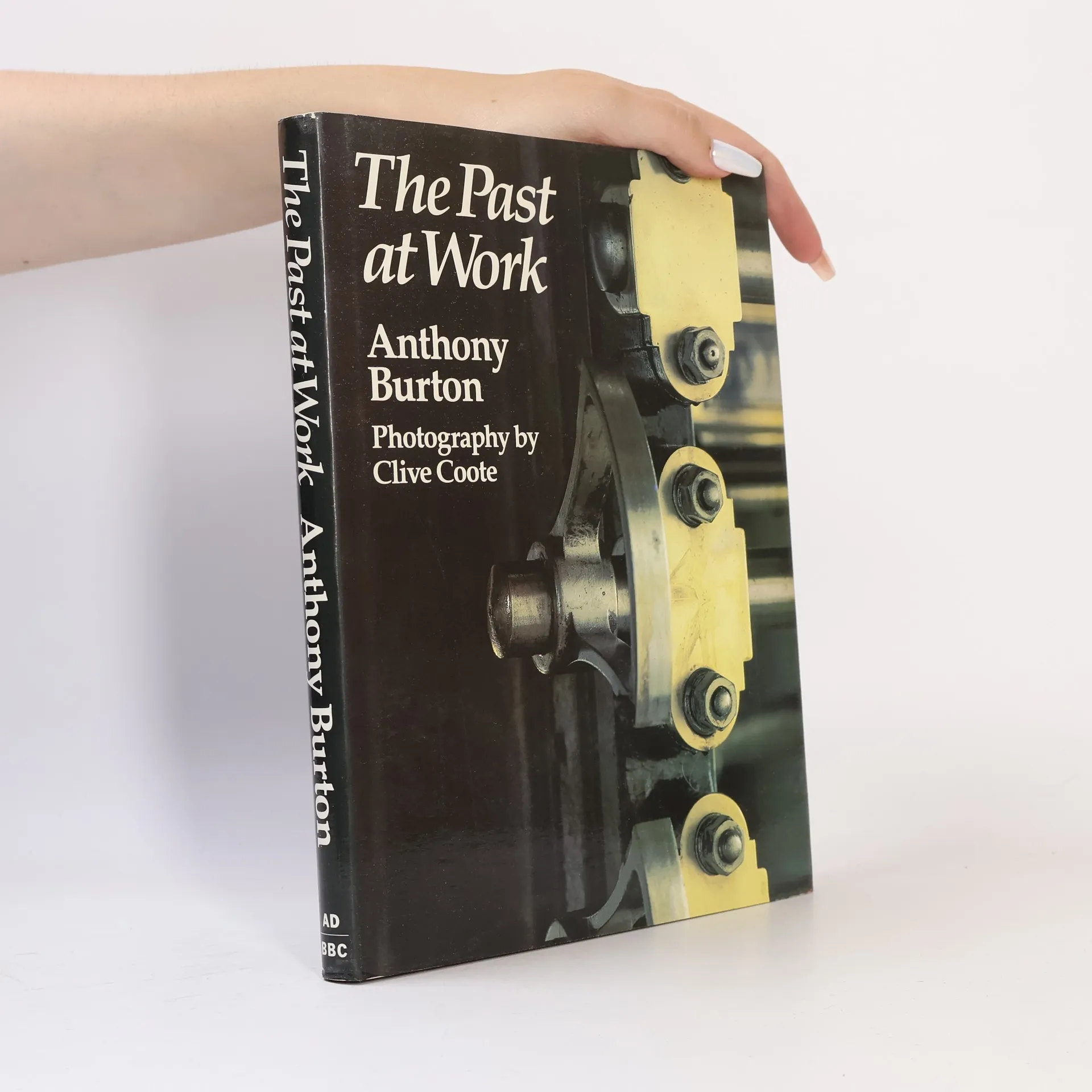
The Past at Work [hardcover] Burton, Anthony [Jan 01, 1980]… 0233971912
This text explores over 200 years of British waterways history. It tells the stories of the great engineers, from James Brindley through to William Jessop and Thomas Telford. It also includes archive illustrations and detailed architectural drawings.