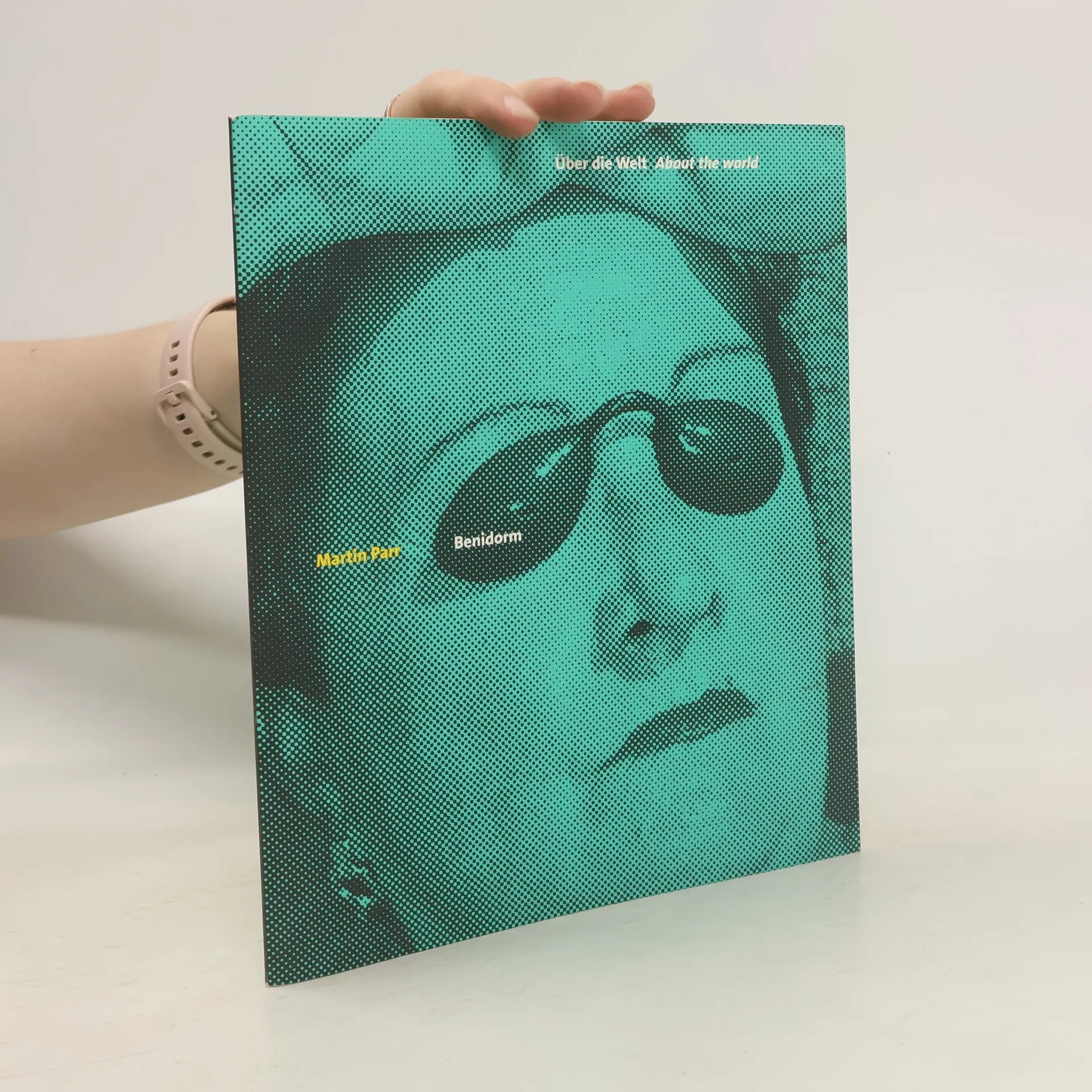
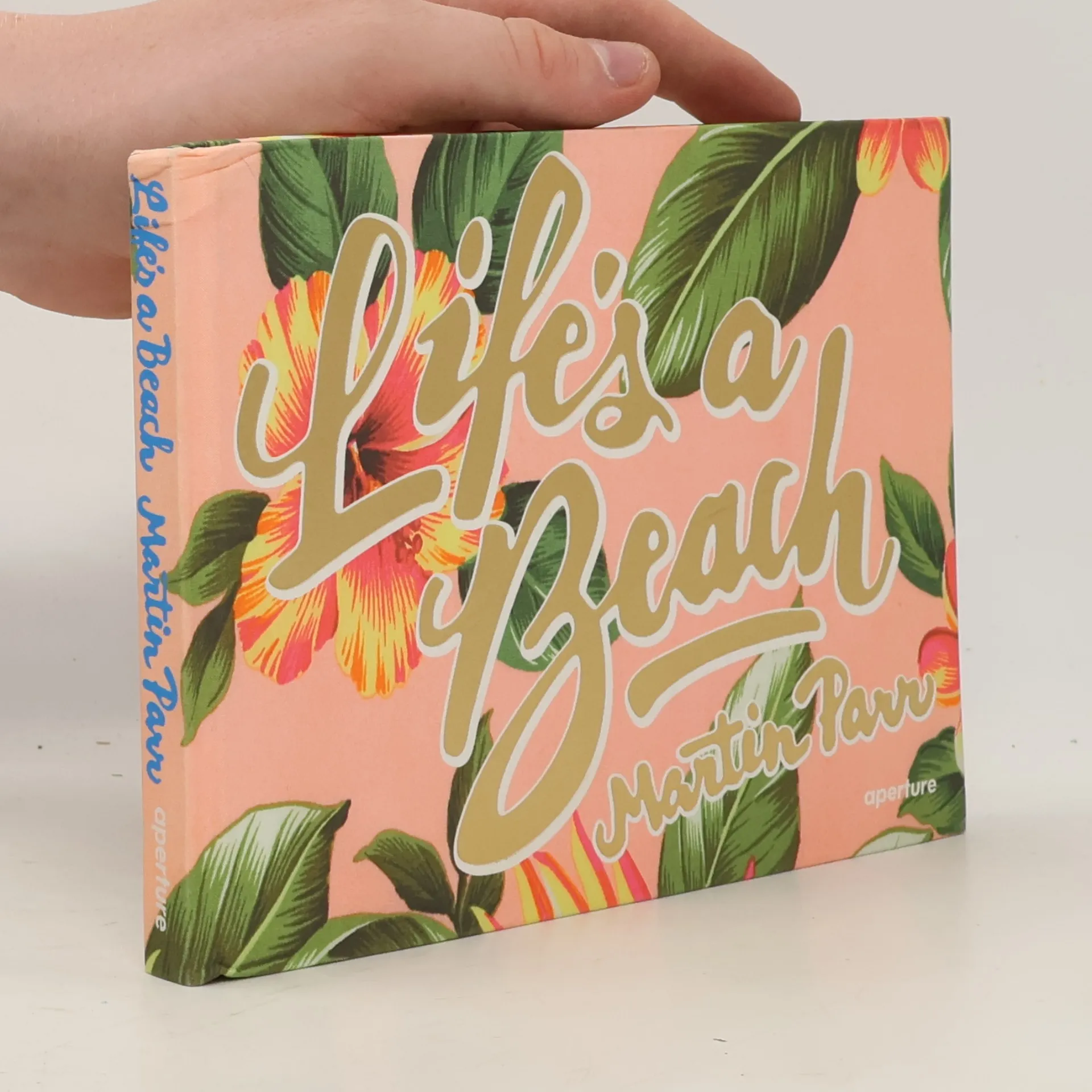
Martin Parr is an internationally acclaimed photographer renowned for his innovative approach to social documentary. His work often explores themes of leisure, consumption, and mass tourism through a unique and sometimes satirical lens. Parr's style is characterized by vibrant colors and unconventional compositions that draw the viewer into everyday scenes with striking immediacy. Through his photography, he offers a remarkable commentary on modern society and its visual culture.
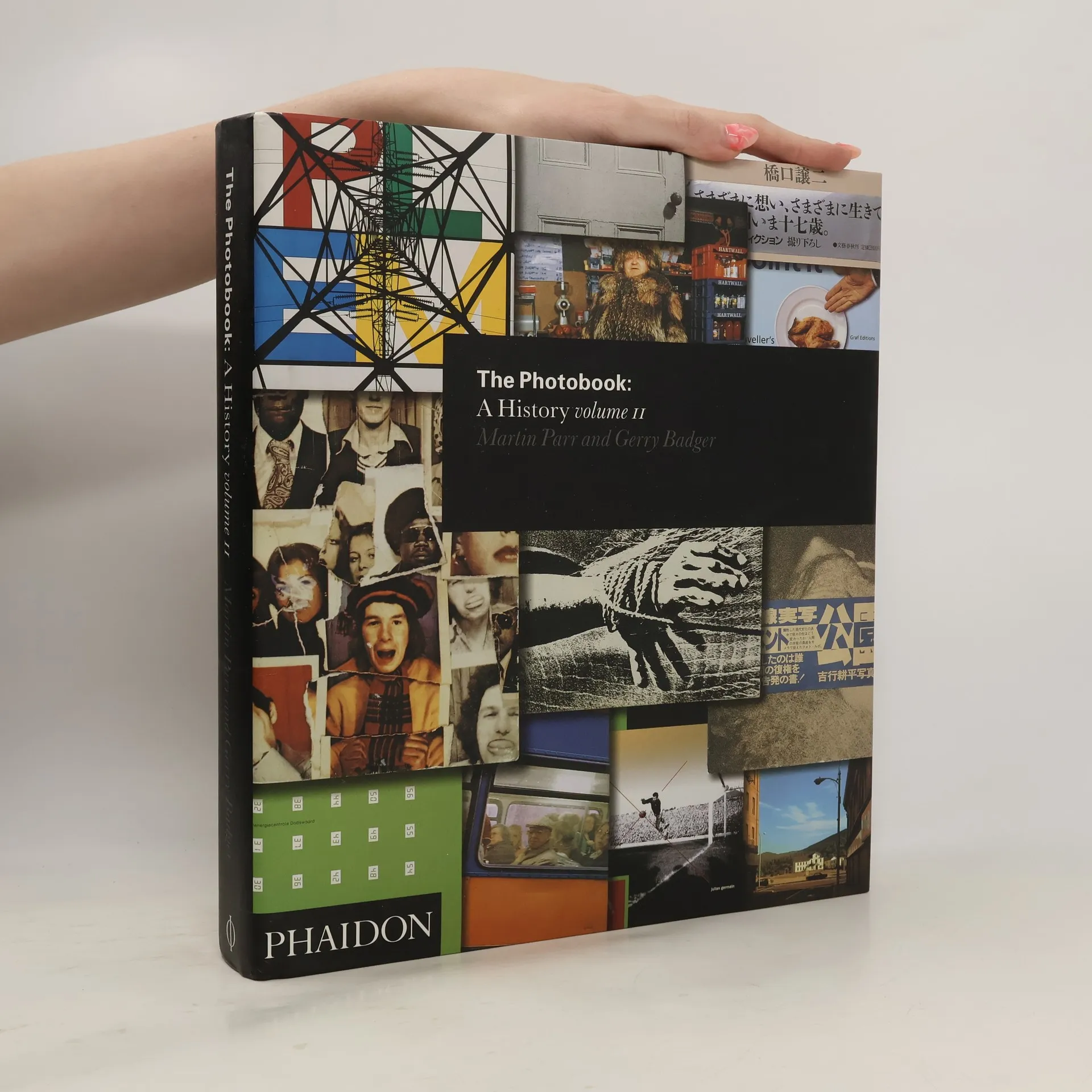
This book provides a unique perspective on the story of photography through the particular history of the photobook. The second of two extensive volumes, it completes Martin Parr and Gerry Badger’s study of the major trends and movements that have shaped the photobook genre since the birth of photography. It represents a valuable catalogue of rare and important photobooks. This volume continues where Volume 1 left off by bringing the story of the photobook fully up to date.
When Martin Parr's 'The Last Resort' was first published and exhibited in 1986 it divided both critics and audience alike. Some saw it as the 'finest achievement to date' of colour photography in Britain whilst others viewed it as 'an aberration'. The book is now recognised as a 'classic'
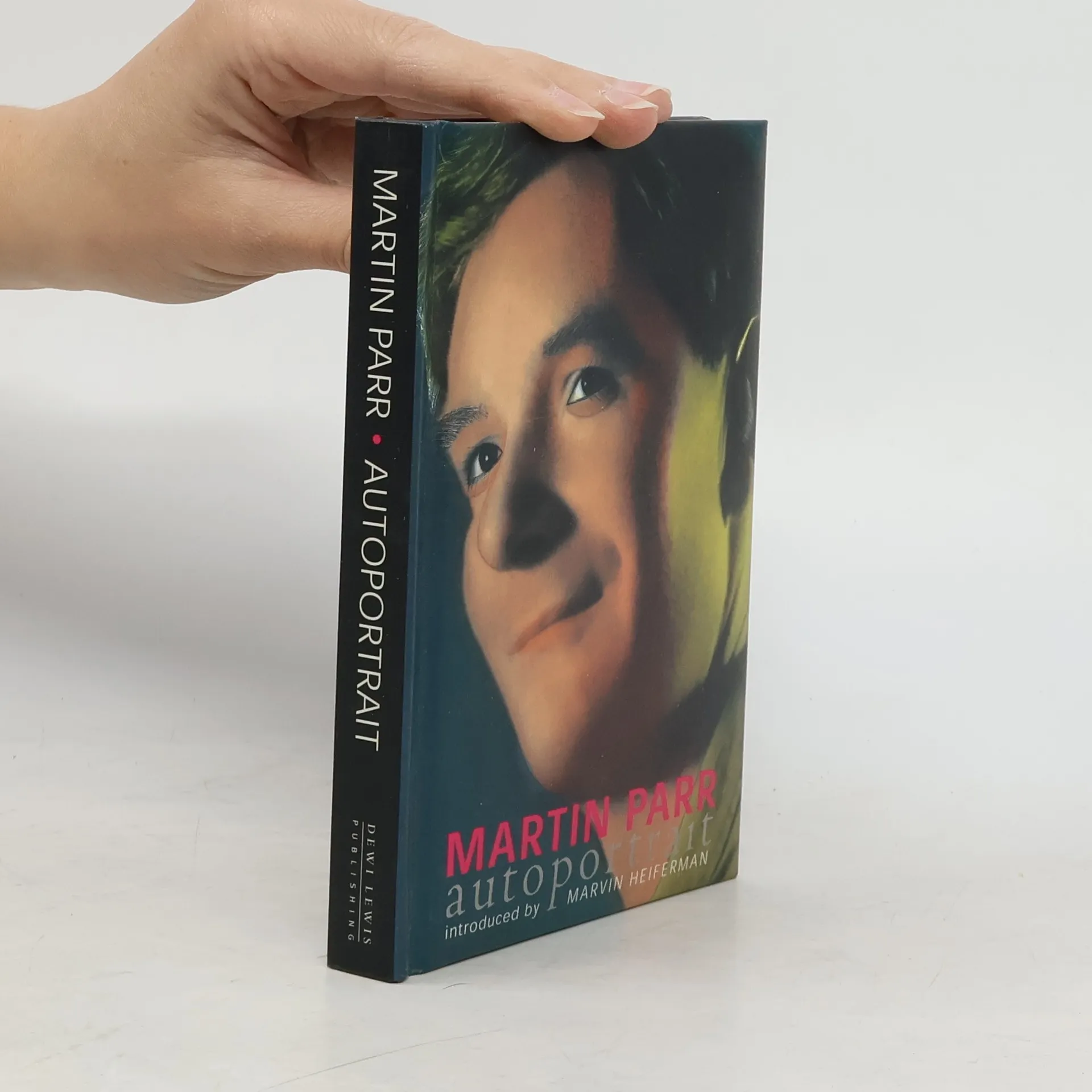
An unusual and hilarious collection of photographs not by but of Martin Parr. For several years now, when Parr has travelled on assignment he has wherever possible had his picture taken by a local studio photographer, or street photographer, or in a photo booth. The result is a wonderfully varied portfolio of portraits ranging from elaborate studio sets reminiscent of the heyday of the Victorian studio photographer, through to digitally manipulated images of Parr as Mr Universe. Includes 42 full-colour plates.
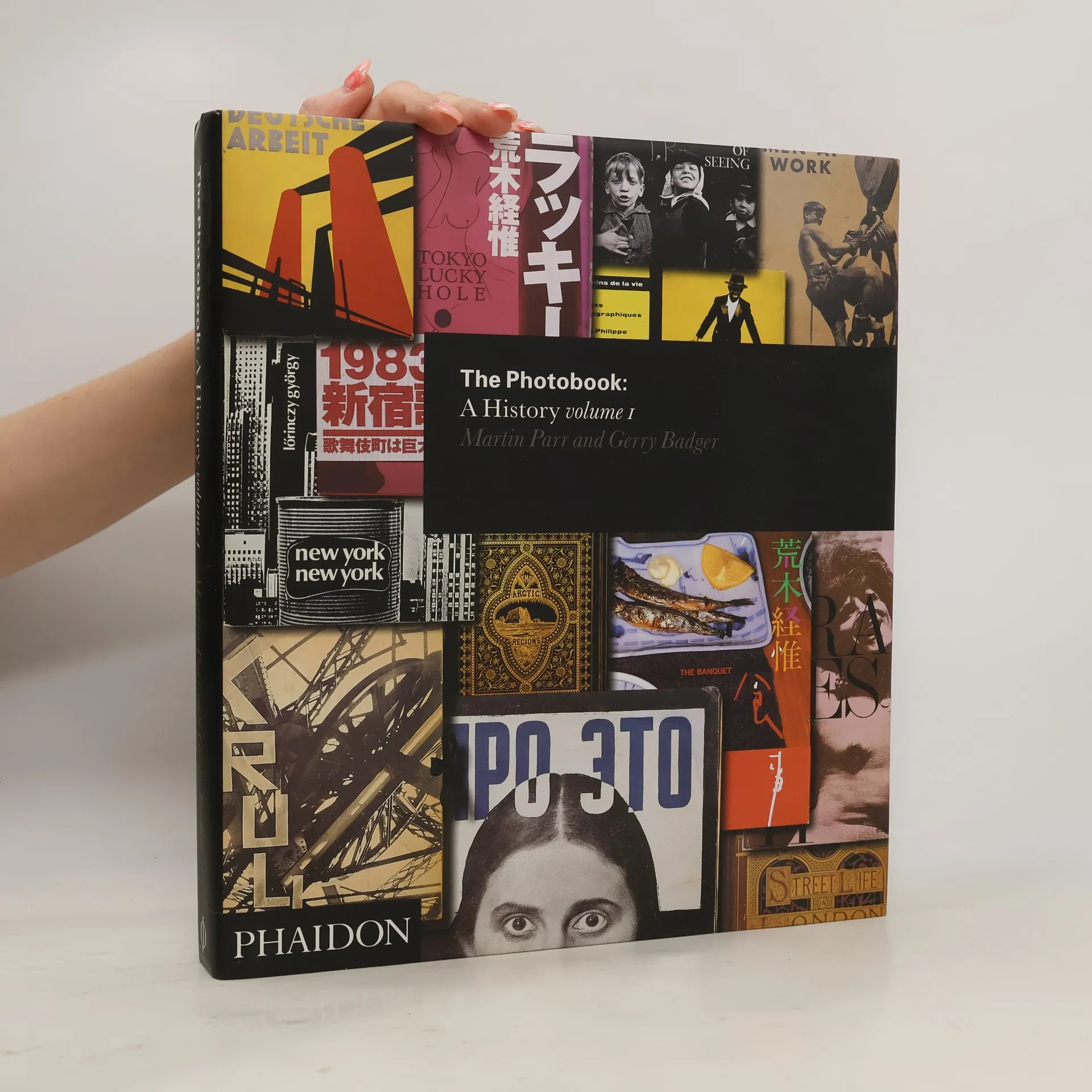
While the history of photography is well-established, the photobook has received less critical attention, despite being a vital medium for photographers to showcase their work and communicate their vision. This first volume, co-edited by Martin Parr and Gerry Badger, offers a comprehensive overview of the photobook's evolution, tracing its origins from the early nineteenth century to the innovative Japanese photobooks of the 1960s and 70s, including modernist and propaganda works from the 1930s and 40s. Badger's introduction emphasizes the significance of the photobook as a photographic genre, challenging the traditional view that photography's history is best represented by original prints. This study corrects the conventional narrative by presenting a selection of photographers that redefines the popular canon, revealing a complex web of influences among global photographers and movements. Organized into thematic and chronological chapters, the book includes introductory texts that provide context and highlight political and artistic influences, followed by detailed discussions of individual photobooks. Accompanying these texts are images from over 200 essential photobooks, showcasing their artistic and cultural significance. Volume One also features Badger's insightful introduction, ‘The Photobook: Between the Film and the Novel,’ alongside a preface by Parr.
A book of Martin Parr's Vienna work released to coincide with his 2016 exhibition at the Anzenberger Gallery. A simultaneous exhibition of Parr's older black and white work will be up at the Kunst Haus Wien. The book explores the know cliches of Vienna - the balls, the patisseries and the tourists. Martin photographed 5 of the 36 balls that make up the "ball season" in Vienna - the highest concentration of balls anywhere in the world. And also visited the most famous cafes, such as Cafe Central and Aida, with their glittering array of cakes as well as documenting the tourists relaxing on the Danube.
Focusing on the theme of tourism and its impact on global culture, this revised edition of a classic photobook features over 80 iconic images by Martin Parr. Through sharp satire, it critiques the homogenization of cultures and the consequences of consumerism, highlighting the paradox of tourists as both willing participants and victims of larger societal forces. With renewed relevance in today's context of climate crisis, the book reflects on the complexities of travel, freedom, and the insatiable desire for spectacle in Western society.
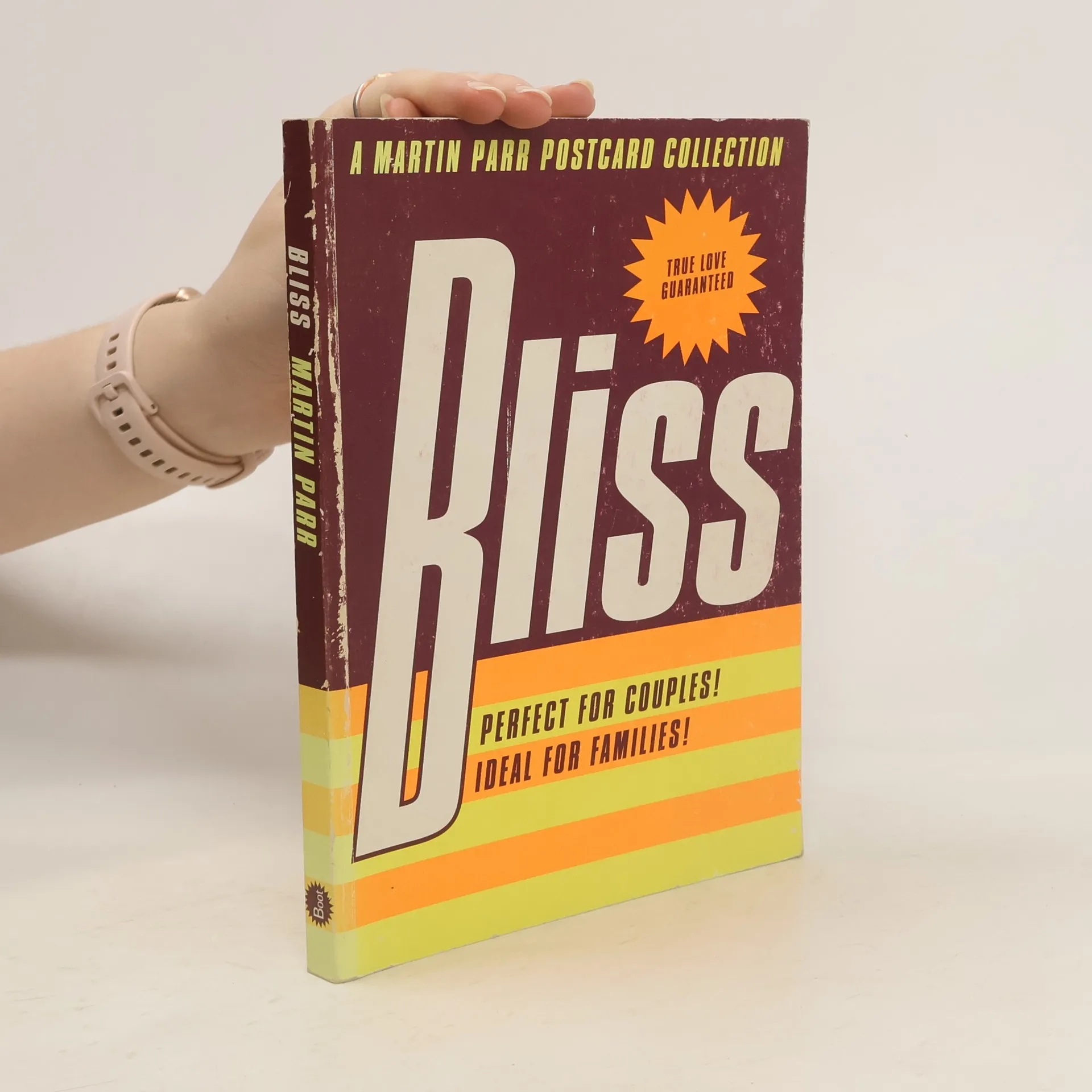
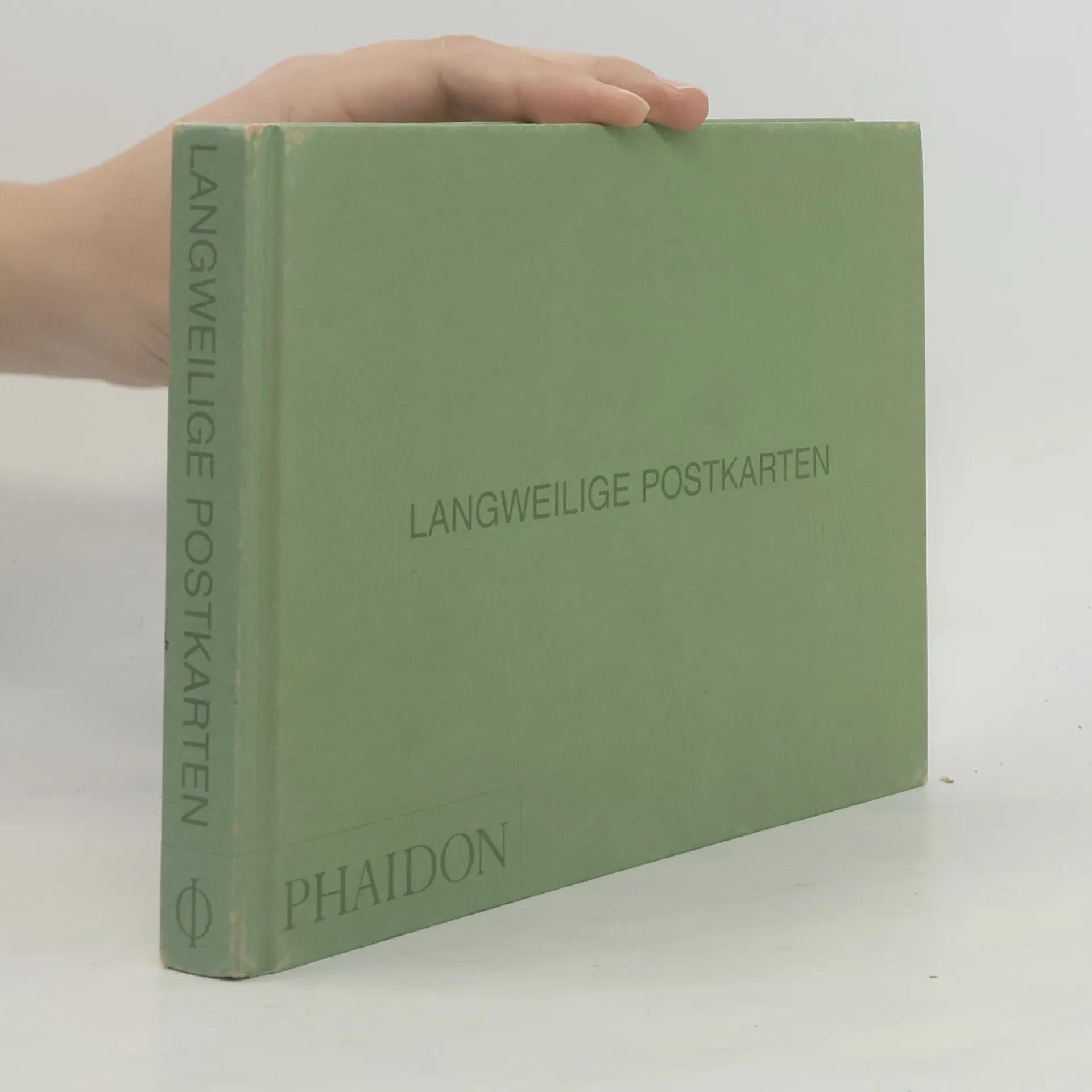
Following Martin Parr's celebrated Boring Postcards series, a new installment of his bizarre postcard collection. Domestic icons in a Catholic tradition, these cards were produced in the countries of Southern Europe during the 1970s, showing shamelessly idealized photographs of romantic lovers--frolicking in the hills, holding hands in the sunset, staring dreamily into each others eyes--and of perfect families--greeting Dad after work, in the kitchen baking a cake with Mom, singing together at the piano... A revealing social-historical document and very funny, for all fans of Martin Parr and connoisseurs of photographic kitsch.
Martin Parr was born in Epsom in 1952. When he was a boy, his budding interest in the medium of photography was encouraged by his grandfather. Martin studied photography at Manchester Polytechnic, from 1970 to 1973 and since that time he has worked on numerous photographic projects. This book explores his work.
Martin Parr's photography spans 40 years of Ireland's transformation, capturing key events from the Pope's visit in 1979 to modern developments like gay weddings and tech startups in 2019. His work reflects the shift from traditional rural life to contemporary urban growth, with insights into societal changes and a new tourist boom post-Conflict.
In 1969 Gian Butturini was just over 30 years old and a successful graphic designer working in advertising. His journey as a photographer began at Victoria Station when he saw a young man staggering by with a syringe embedded in a vein. He began investigating 1960s London through the Nikon hanging from his neck.00Butturini?s photographs of London are full of pain and sarcasm but also joy and lyricism?hippies and fashionable young women share space with the homeless, the pacifist demonstrations and the orators at Speakers? Corner. Butturini?s London, in the photographer?s own words,?is true and bare ... I did not ask it to pose.?00'Gian Butturini: London' is the new facsimile edition of Butturini?s cult 1969 photobook, which interspersed his black-and-white photographs with text by Allen Ginsberg. No less an authority than Martin Parr?who contributes a text to this new edition?has credited Butturini?s photobook with containing some of the best photographs ever taken of the British capital
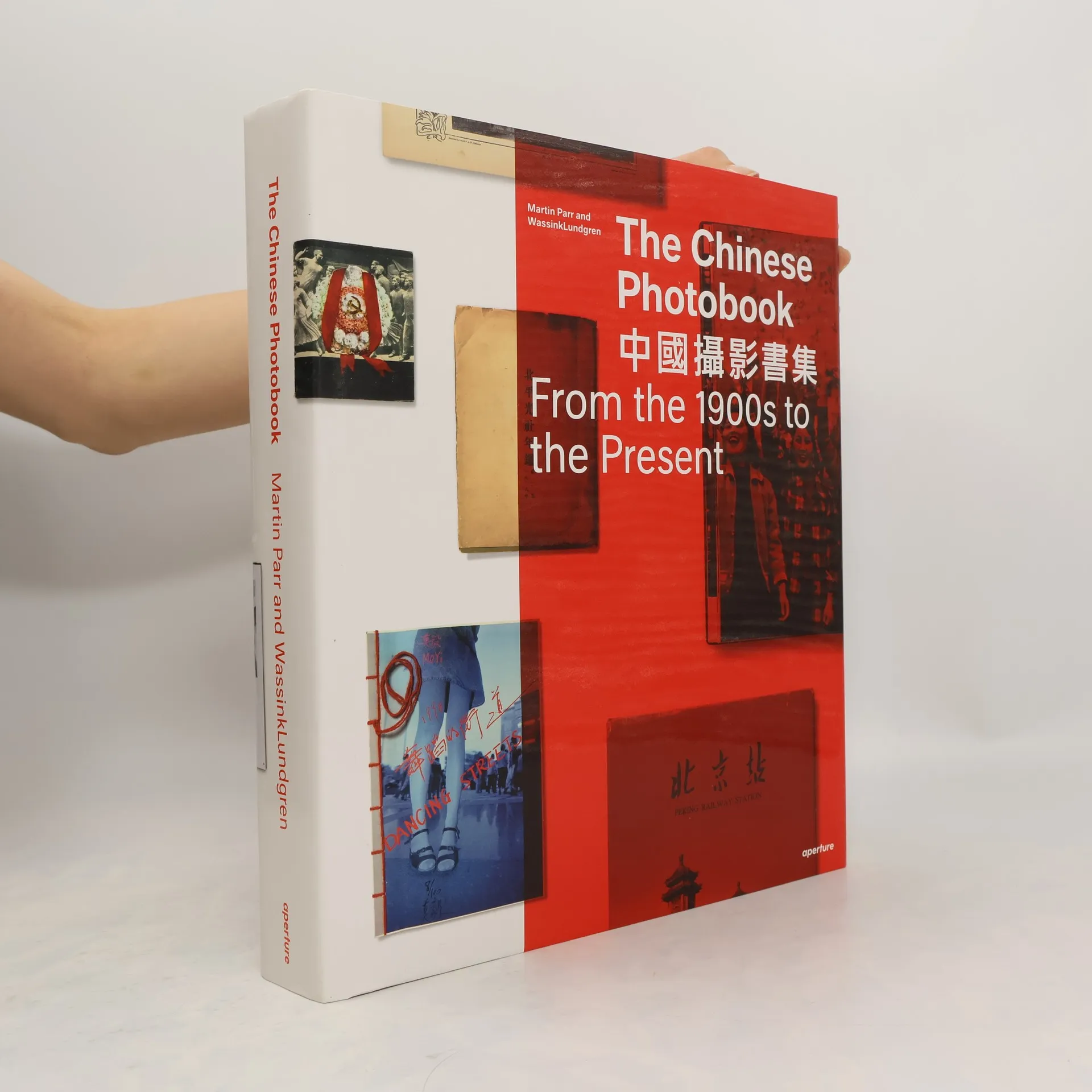
In the last decade there has been a major reappraisal of the role and status of the photobook within the history of photography. This book focuses on key volumes published as early as 1900, as well as contemporary volumes by emerging Chinese photographers.
Leading photographer Martin Parr has put together another wonderful book from his personal collection. This time he shows us the American Christmas Card. These are a fascinating eye opener into American culture, as proud families everywhere (pets included) pose before the camera to send their Christmas Greetings across the nation. Magnum photographer Martin Parr ’s work features in newspapers and magazines worldwide and has been exhibited in every continent. A dedicated collector of cards, his books Boring Postcards and Boring Postcards USA have been major publishing successes.
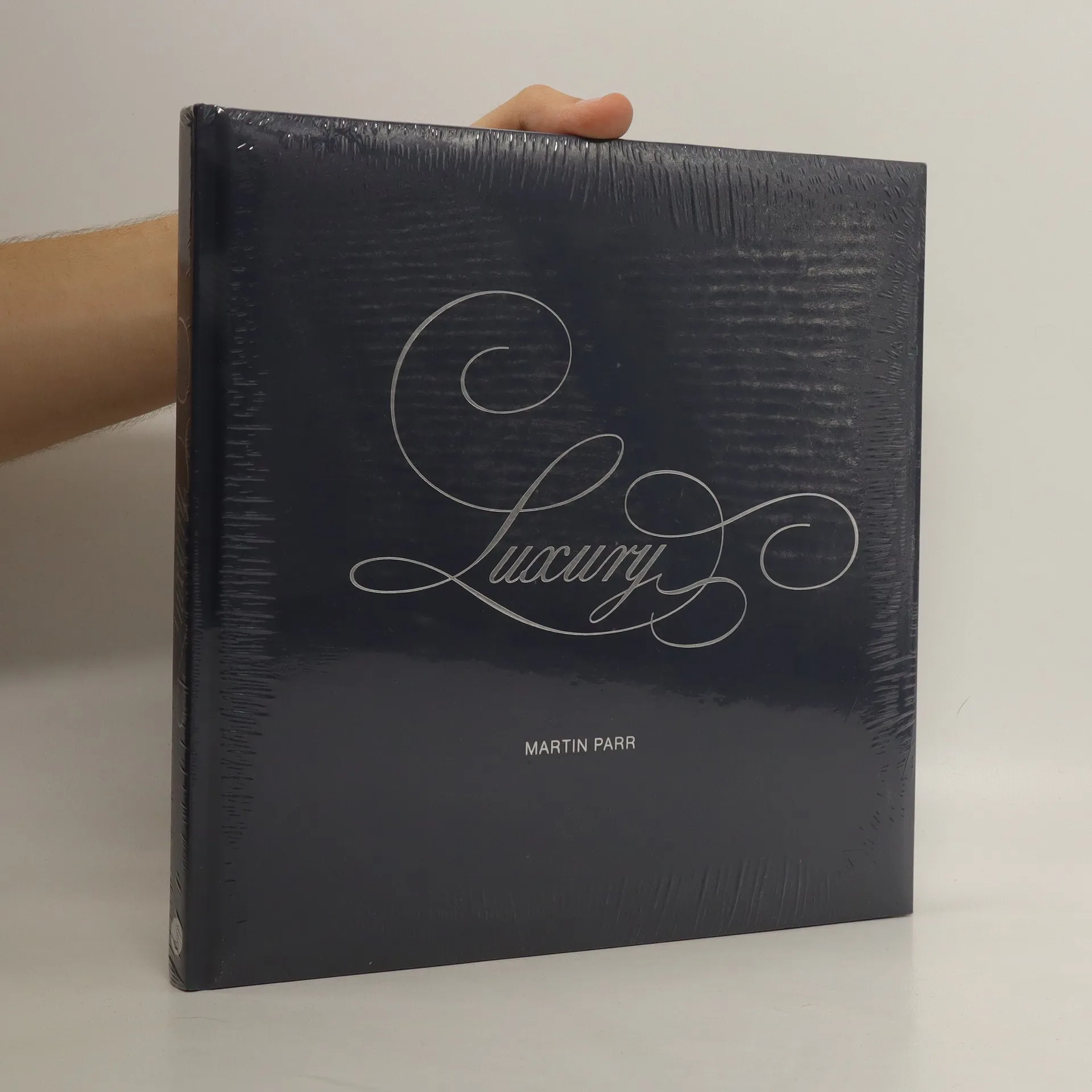
British photographer Martin Parr is known for creating fiction out of reality through his satirical images of the wealthy. His work, "Luxury," serves as a commentary on conspicuous consumption, showcasing candid moments from the international party circuit, including champagne lunches, horse races, and high-profile fairs in Moscow, Dubai, and Beijing. This series, consisting of 35 pieces created between 2003 and 2009, is part of the touring exhibition Parrworld.
Parr adeptly documents the trends and social norms of the bourgeoisie—featuring diamond-encrusted jewelry, purebred puppies, racecars, and excess food and drink—while highlighting the cliche-laden tedium of wealth. His unique perspective likens him to a housefly, buzzing around the affluent, capturing their lives in a vivid, exaggerated manner. Critic Neal Brown describes this style as landing on the edges of plates and viewing the world as a grotesquely colorful feast.
Exquisitely designed, this volume features a padded, gilt-foiled mock-leather cover, making it a fitting memento of a pre-bubble era. An introduction by renowned fashion designer Paul Smith, a fan of Parr, adds further insight into the work.
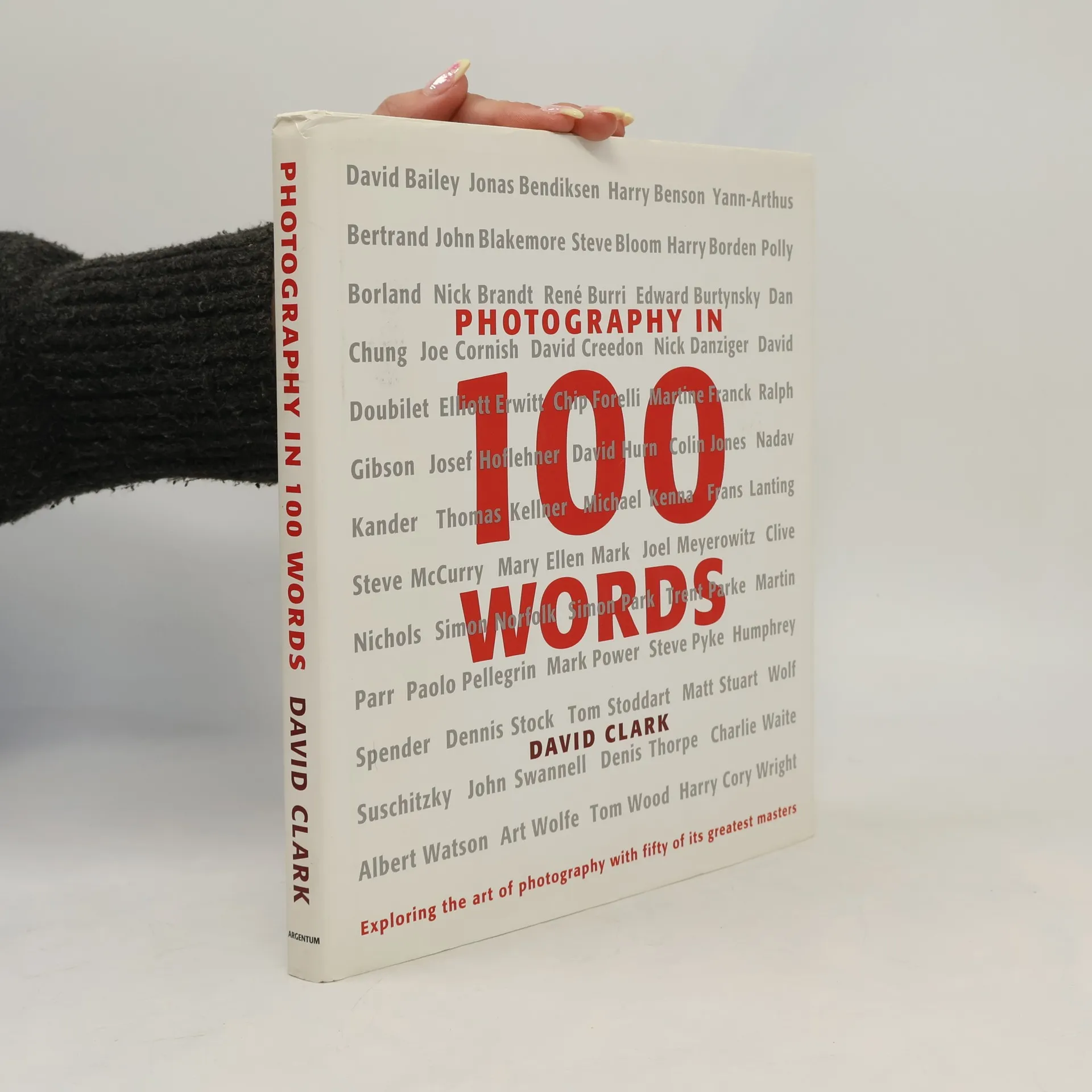
Exploring the Art of Photography With Fifty of Its Greatest Exponents
128 pages
5 hours of reading
Acknowledging that photography is impossible to define, this intriguing reference strives to distil the meaning of photography in order to obtain the very essence of the medium without diminishing its importance as an art form. 50 iconic images by some of the world’s greatest photographers are paired with excerpts from interviews that explain each artist’s unique philosophy and detail their creative approach in relation to the photograph. Together they provide insights on function, perspective, and meaning. Thought-provoking, insightful, and ultimately inspirational, this engaging resource will appeal to all artists and photographers, and anyone who seeks a better understanding of the medium.
Signed copy by Martin ParrIt is a softcover with French folds in a protective sleeve. The text by Gerry Badger is in English and German. 36 pages of full-bleed color photos. . This is an exceptional photobook published on the occasion of the Expo in Hannover 1999. There were just 1000 produced.
Martin Parr: „I was immediately struck when I saw “Be bold with Bananas” It had some wonderful sexual undertones, and was just plain surreal. The title is also very ambivalent, so when invited to participate in this project, I had no hesitation in selecting this title. Published by the South African Banana board, it is a surprisingly scarce title.“
The book showcases Martin Parr's extensive photography of beaches, capturing the vibrancy and quirks of beach life across the globe. From sunbathers to playful swimmers, the images highlight the unique rituals and absurdities found in this cherished public space. This compilation marks Parr's first focused exploration of beaches, featuring diverse locations such as Argentina, Japan, and the U.K. With a keen eye for detail, Parr immerses viewers in the cultural nuances and traditions associated with coastal leisure, reflecting his long-standing fascination with this subject.
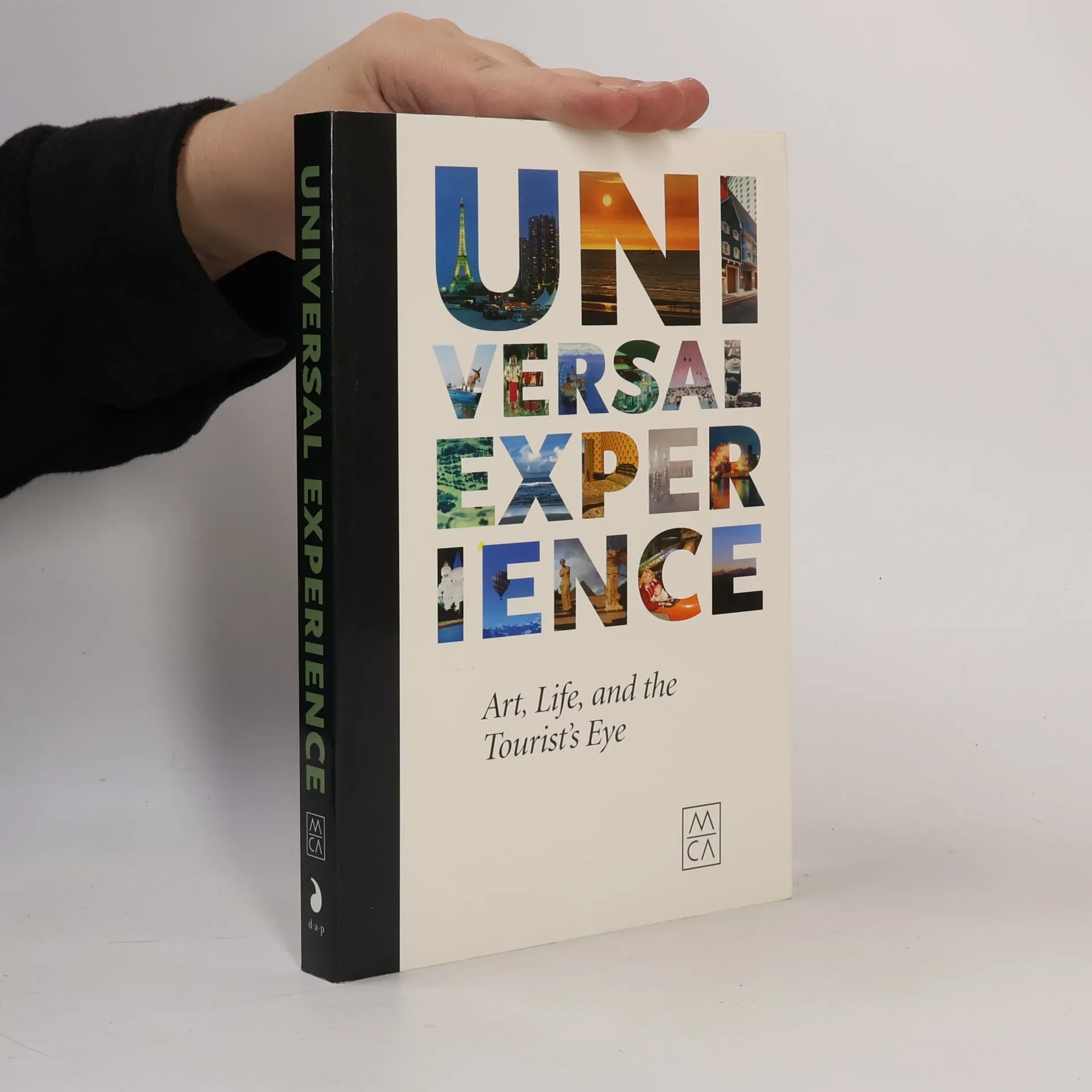
"Tourism, the largest industry in the world, is a significant force in contemporary society, with far-reaching economic, cultural, and geopolitical importance. Rather than seeking to represent tourism or travel itself, Universal Experience: Art, Life, and the Tourist's Eye considers art, history, and the social construction of places, spaces, and identities from the heightened perception of the tourist. Functioning as a guide book, a reader, and a souvenir, this lavish catalogue of the exhibition presents over 275 illustrations of thought-provoking artworks as icons and as tourist sites for exploration. A wide-ranging anthology of texts presents divergent routes and avenues through which to explore the symbols and cultural conventions created, deciphered, and disseminated by an increasingly mobile, international group of artists."--Jacket
With „allotment gardeners“ Martin Parr created a new series which he realized in five allotments in Düsseldorf and Krefeld. He met Mathis, just 15 years old, who runs the garden for his father, a multi-generational operation growing strictly organic fruit and vegetables, and he also spoke with young parents who share a garden, with Ingo the cactus breeder, with Michael the miniature train enthusiast, and with Petra the “tomato woman”. „Allotment gardeners“ is the loving view on one of the original German clichés: the allotment gardeners. With his own British-humorous look, Martin Parr created portraits of allotment gardeners that go beyond the persons.
David Goldblatt, geb. 1930 in Johannesburg/Südafrika, zählt dank seiner einzigartigen Bildsprache zu den bedeutenden Vertretern zeitgenössischer Fotografie. Sein Werk handelt eminent von Südafrika. Goldblatt hat die sozialen und politischen Strukturen sowie die gesellschaftlichen Spannungen vom Beginn der Apartheid bis in die Gegenwart als Fotograf und Autor dokumentiert und analysiert. Dabei entstand ein beeindruckendes fotografisches Zeugnis der südafrikanischen Kultur, das uns gleichzeitig über die Machtverhältnisse auf der ganzen Welt nachdenken lässt.
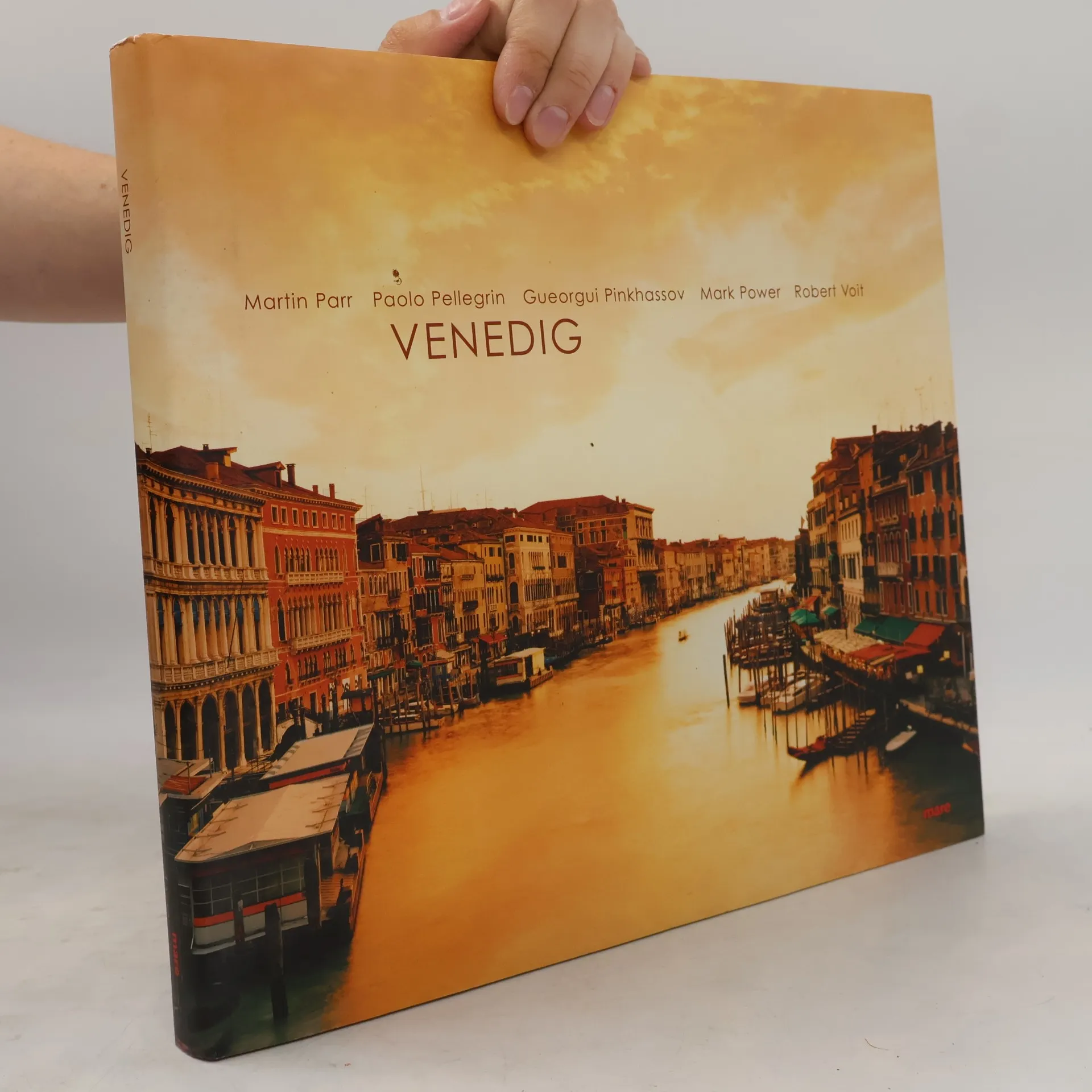
Wer glaubt sie nicht zu kennen, die stolzeste Stadt der Welt, wie sie seit Jahrhunderten einem Traum gleich in einer verwunschenen Lagunenlandschaft liegt? Venedig ist eine Legende, ein Abbild einer fernen Realität und doch auch ganz real. Ein jeder trägt sein eigenes Venedigbild in sich, und ein jedes ist ganz anders. mare hat fünf der weltweit besten Fotografen - vier Magnum-Mitglieder und einen Thomas-Ruff-Schüler - beauftragt, uns ihre Ansicht Venedigs, seiner Gewässer und seiner Menschen zu zeigen. Entstanden ist ein Bildband, der uns ins Innerste eines Mythos blicken lässt.