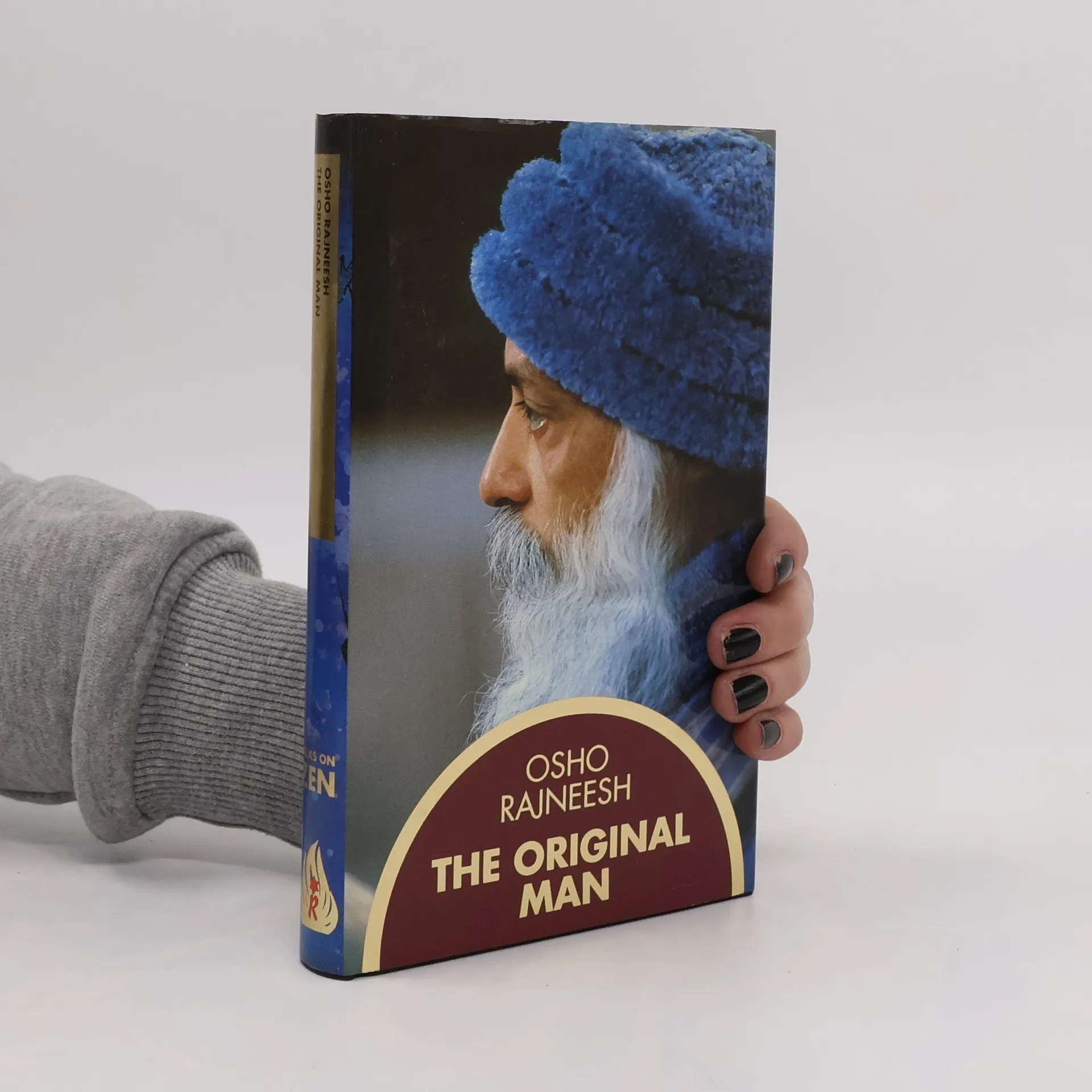
The Great Pilgrimage From Here to Here
- 333 pages
- 12 hours of reading



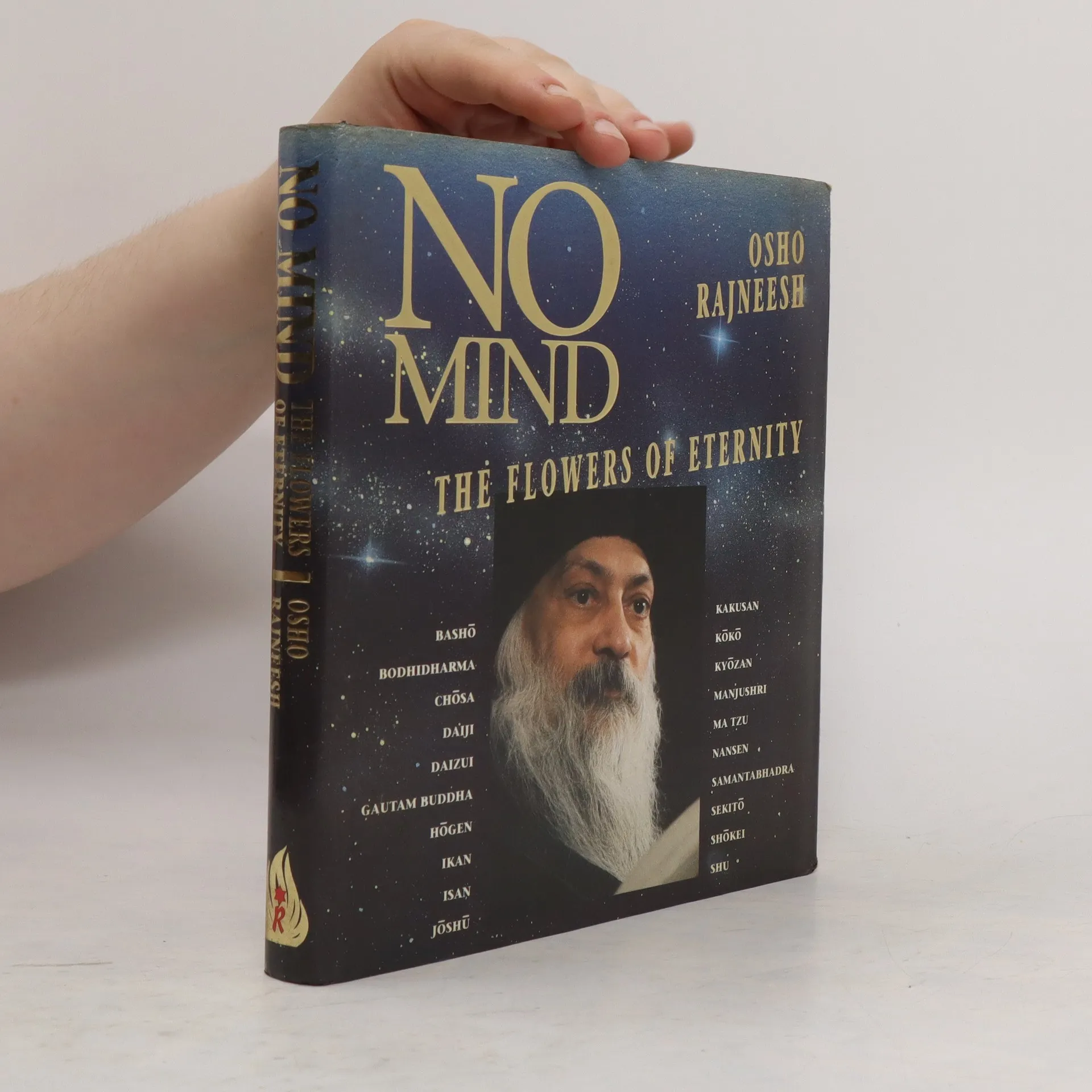
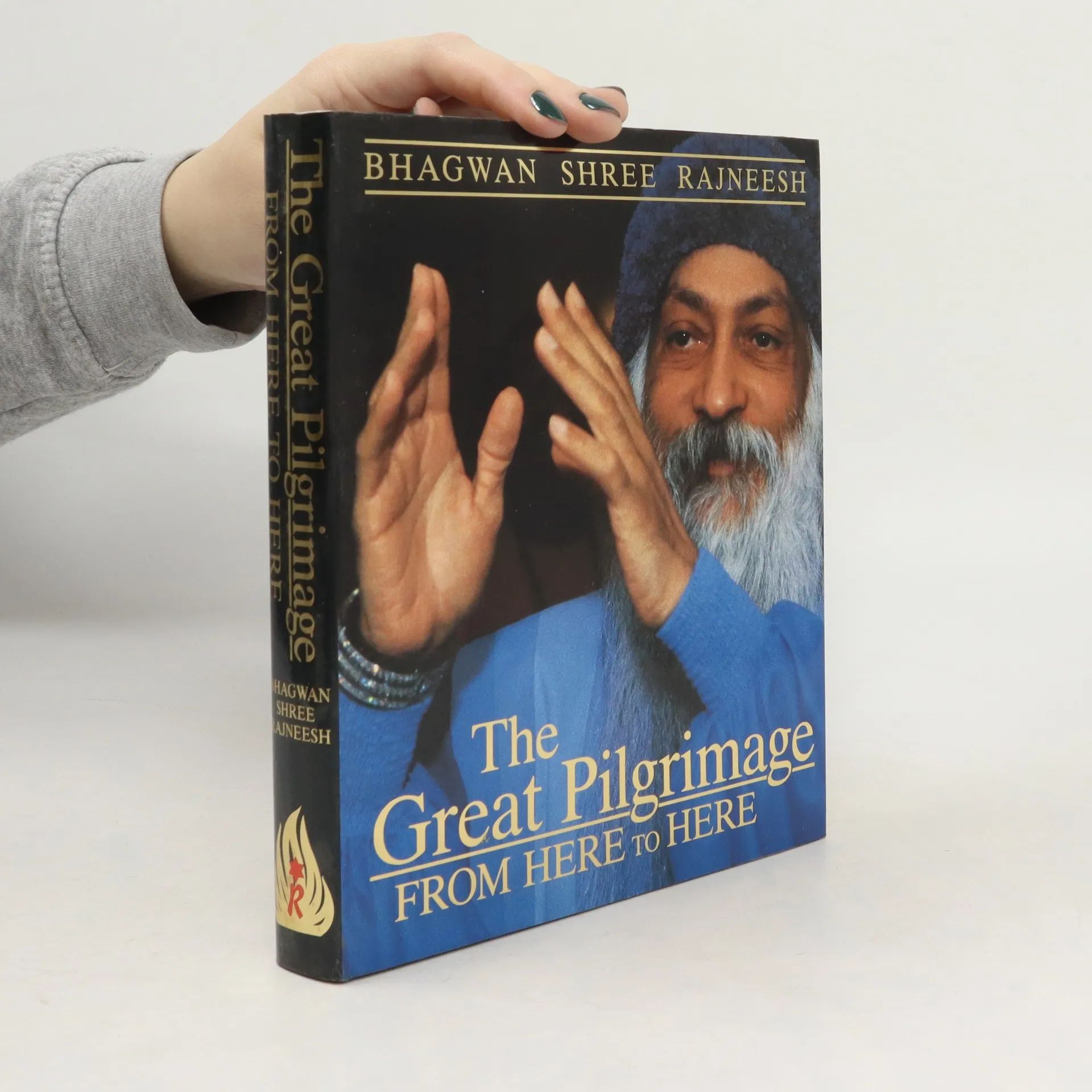
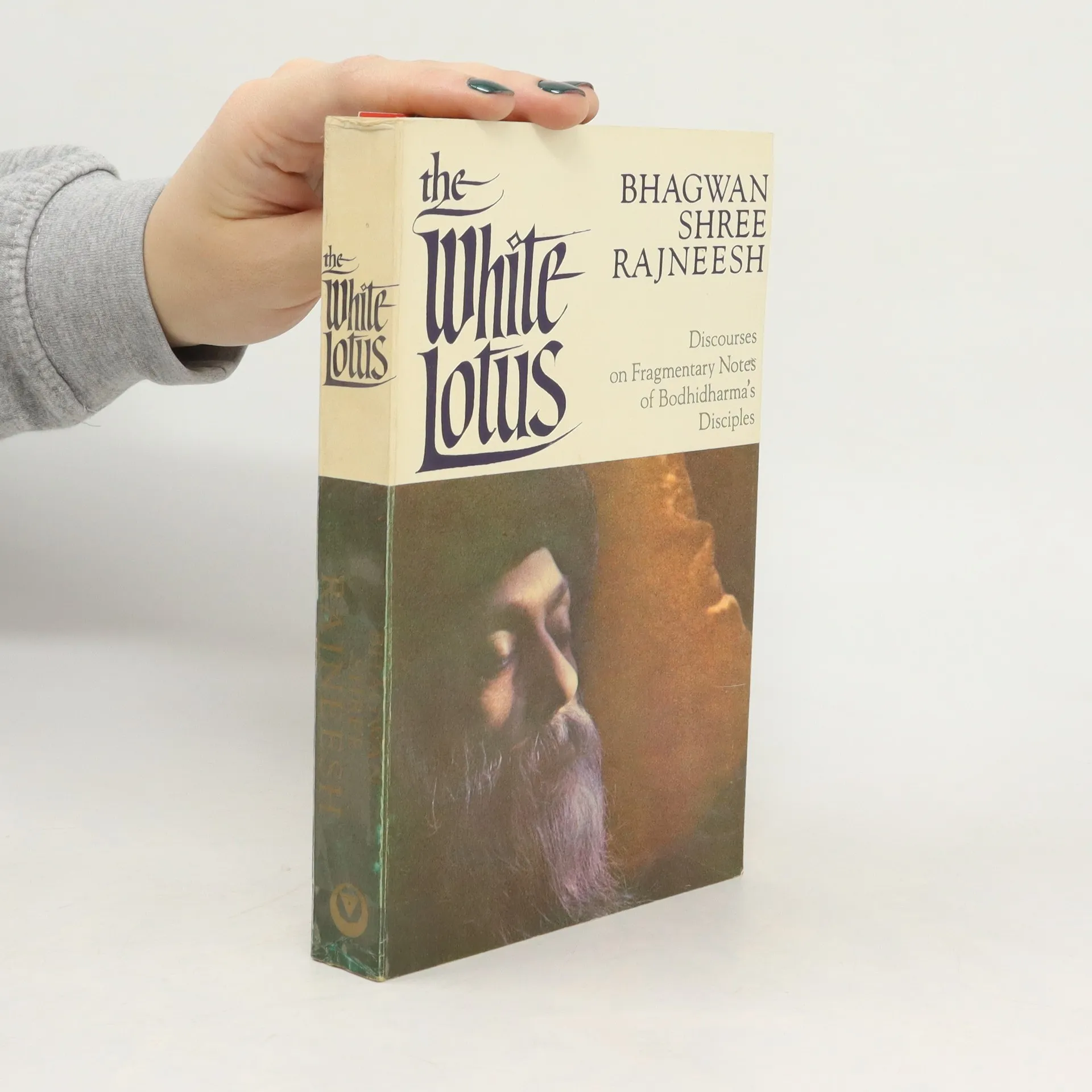
Talks given to the Rajneesh Mystery School in the Himalayan foothills of Kulu-Manali, India and Kathmandu, Nepal December 1985 - February 1986
This book is dedicated to the full moons. Not only is the moon a symbol for the mirror of our consciousness, but it is also a transforming agent. The master is the possibility for this transformation...the universe our university. The running theme of Dogen's message of 800 years is the eternity of our consciousness, a consciousness with no limitations and that exists through all changes of form. Something inner which moves from one climate to another, which is beyond form, birth, death, beyond life, which simply is - isness.
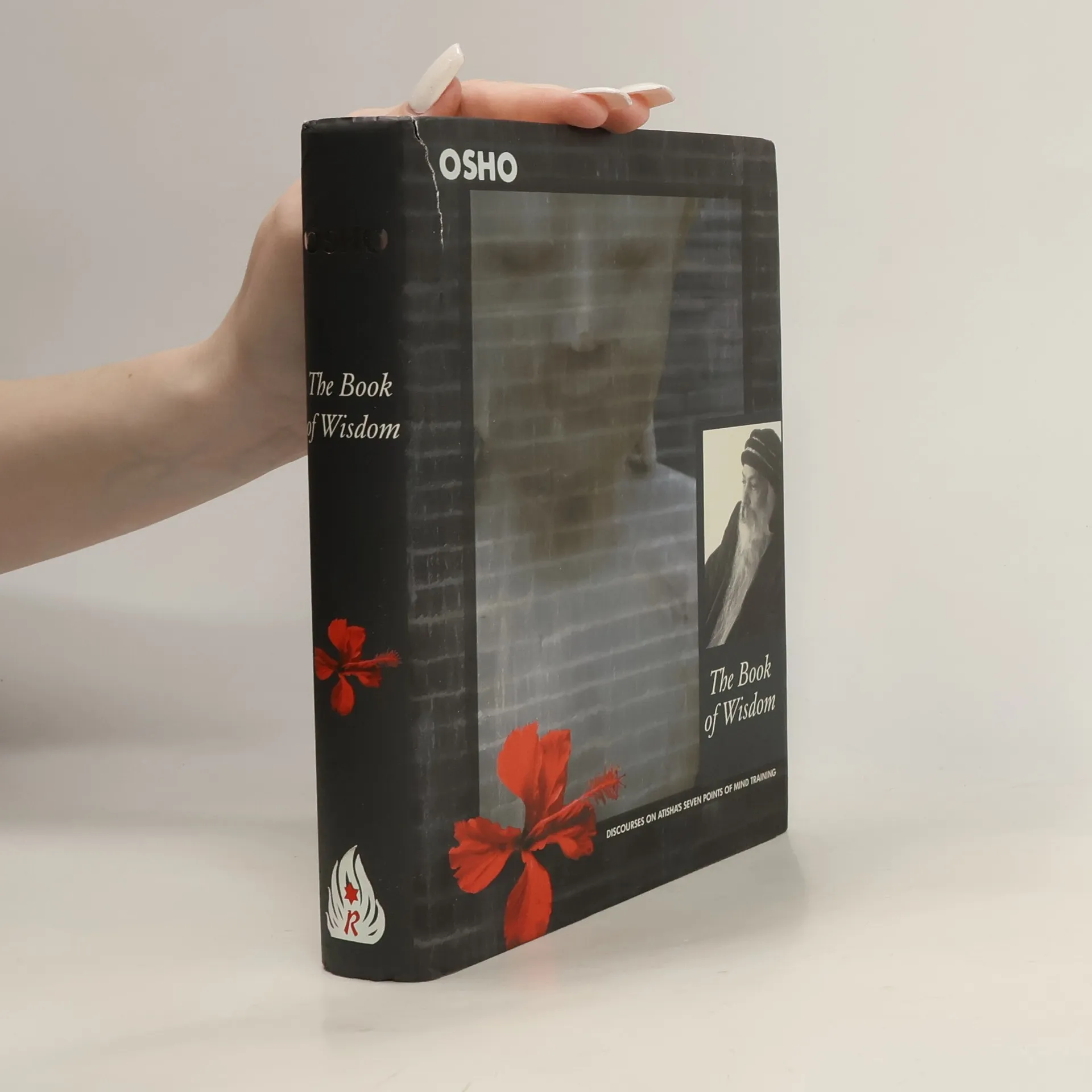
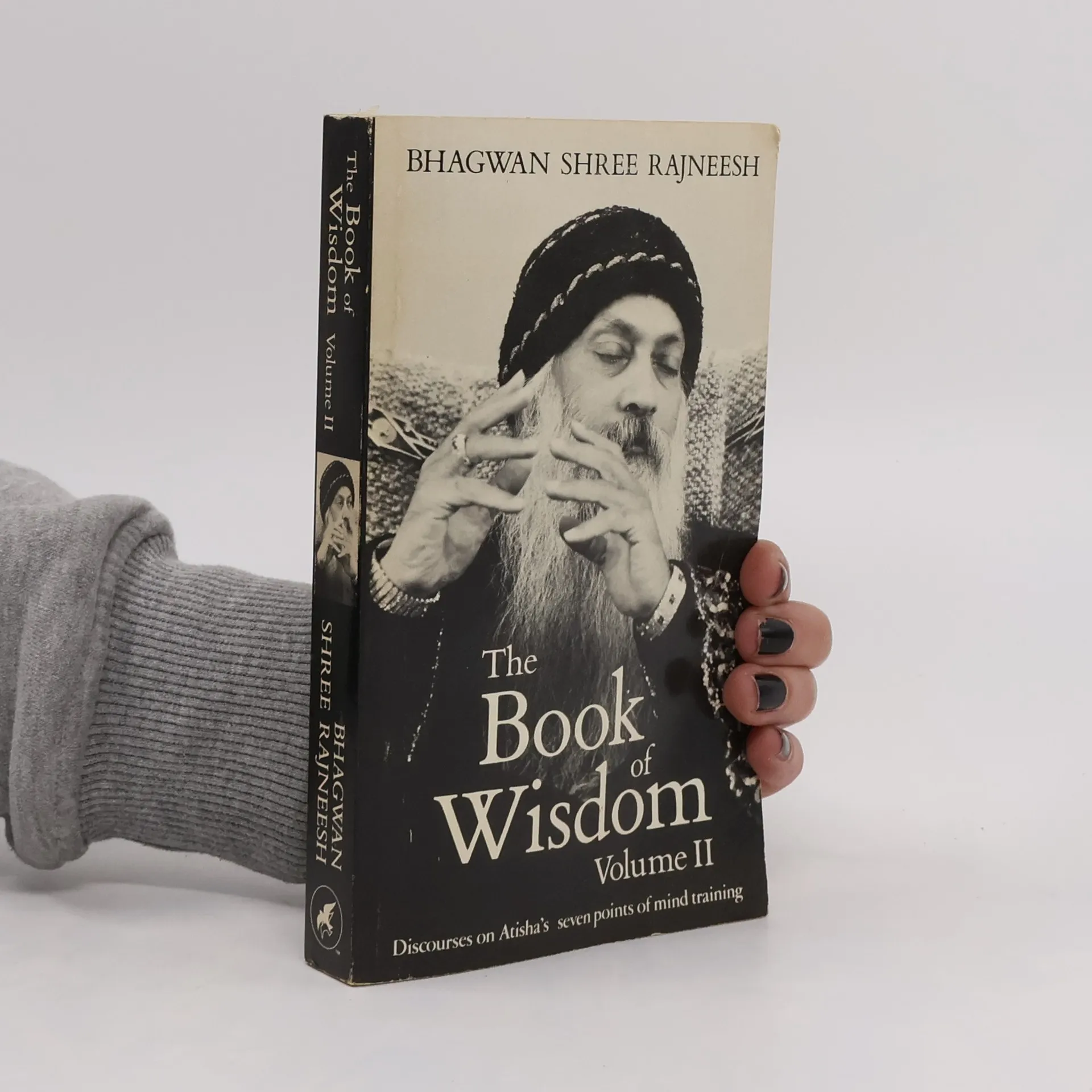
Osho is known around the world for his pioneering contribution to meditation -- the science of inner transformation -- with the unique approach of his "Osho Active Meditations" acknowledging the accelerated pace of the contemporary world and bringing meditation into modern life. Based on the Seven Points of Mind Training by the 11th-century Buddhist mystic Atisa, The Book of Wisdom removes the dust of tradition that has gathered around meditation, conveying the essential science and methodology of the practice with a freshness and spontaneity that is rarely found in contemporary spiritual works. The book is a guide for inner discipline and transformation that is also highly accessible, incorporating light, often humorous question-and-answer sessions between the author and his audience that help readers make the practical connection between spiritual theory and meditation as a lifestyle.
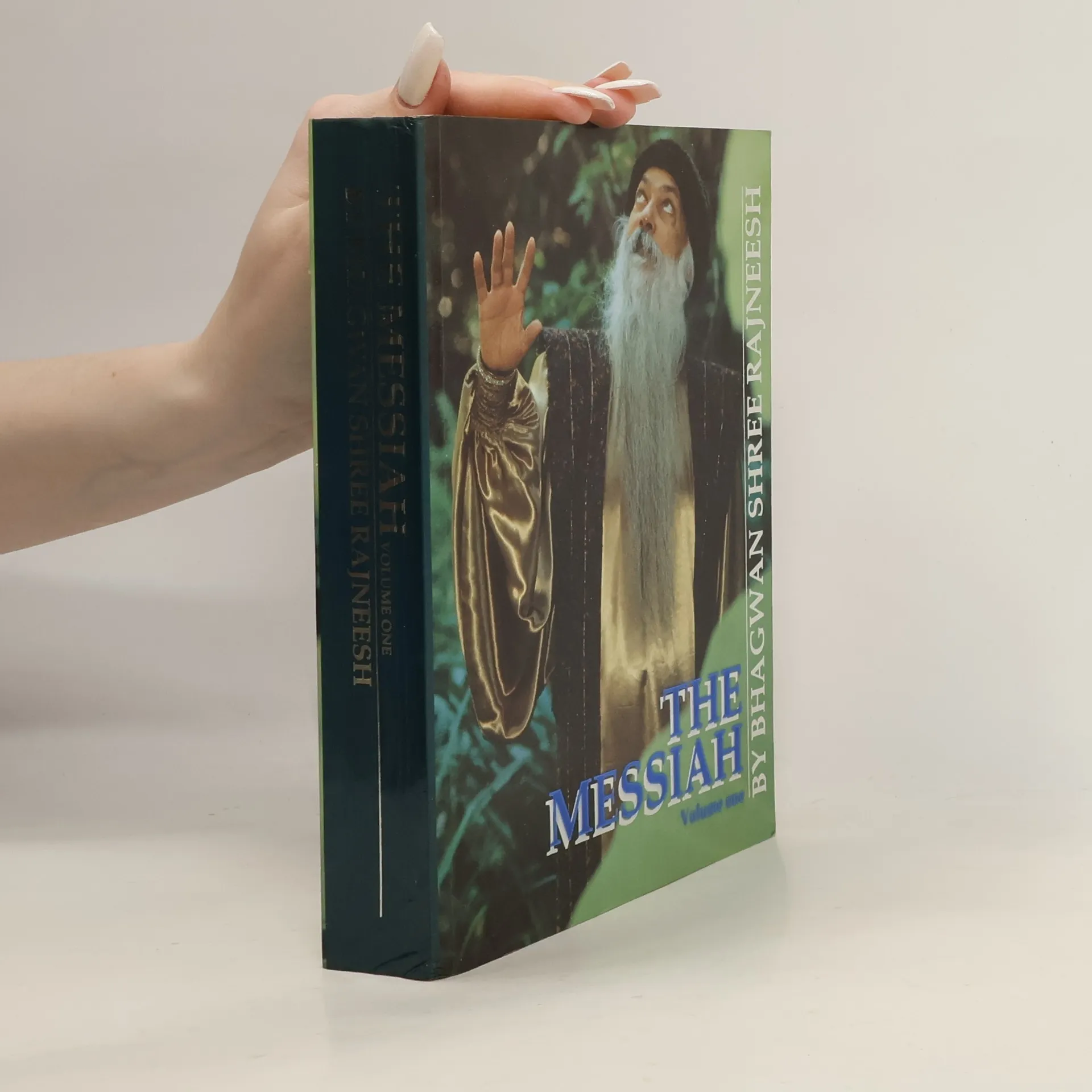
Commentaries by Bhagwan Shree Rajneesh on Kahlil Gilbran's The Prophet
Early in this century a Lebanese poet, Kahlil Gibran, produced a book that has become universally known and loved for its beauty and the timeless themes it addresses. But because Gibran was a poet, not a mystic, in The Prophet he could give us only a work of imagination, a glimpse into the dream that is the mystic's everyday reality. The Messiah, Osho's two-volume commentary on The Prophet, must find itself as a companion to Gibran's work in the hands of every lover of truth and beauty. In this volume Osho speaks on the themes that Gibran addresses through the fictional prophet, love, children, giving, work; eating and drinking, and clothes; joy and sorrow; houses and homes, buying and selling; crime and punishment.
Something connects us to the world as we know it, as we perceive it; it is something illusory that drives us to do and be what we can never be, while forcing us to ignore what we are. Zen is a clear tradition of the True - because it is free from attachments to forms of ritual, myth, or writing - capable of transmitting an undeniable experience of awakening to reality and life. Osho refers to that intent of fullness, helping the reader reconnect with their inner truth, strengthening their awareness and perception of their most authentic aspiration. Addressing the themes of everyday life, with respect for the human being and their complex needs, he shares a proposal, a hymn to joy that inspires a revolution capable of regenerating and opening up to a destiny of fulfillment. Relevant for the way existential themes and the questions that accompany us are treated, is Osho's art in offering insights and advice deeply connected to real life and to what human nature is, never judged nor an invitation so much to improve, but to understand what we are in the design of life.
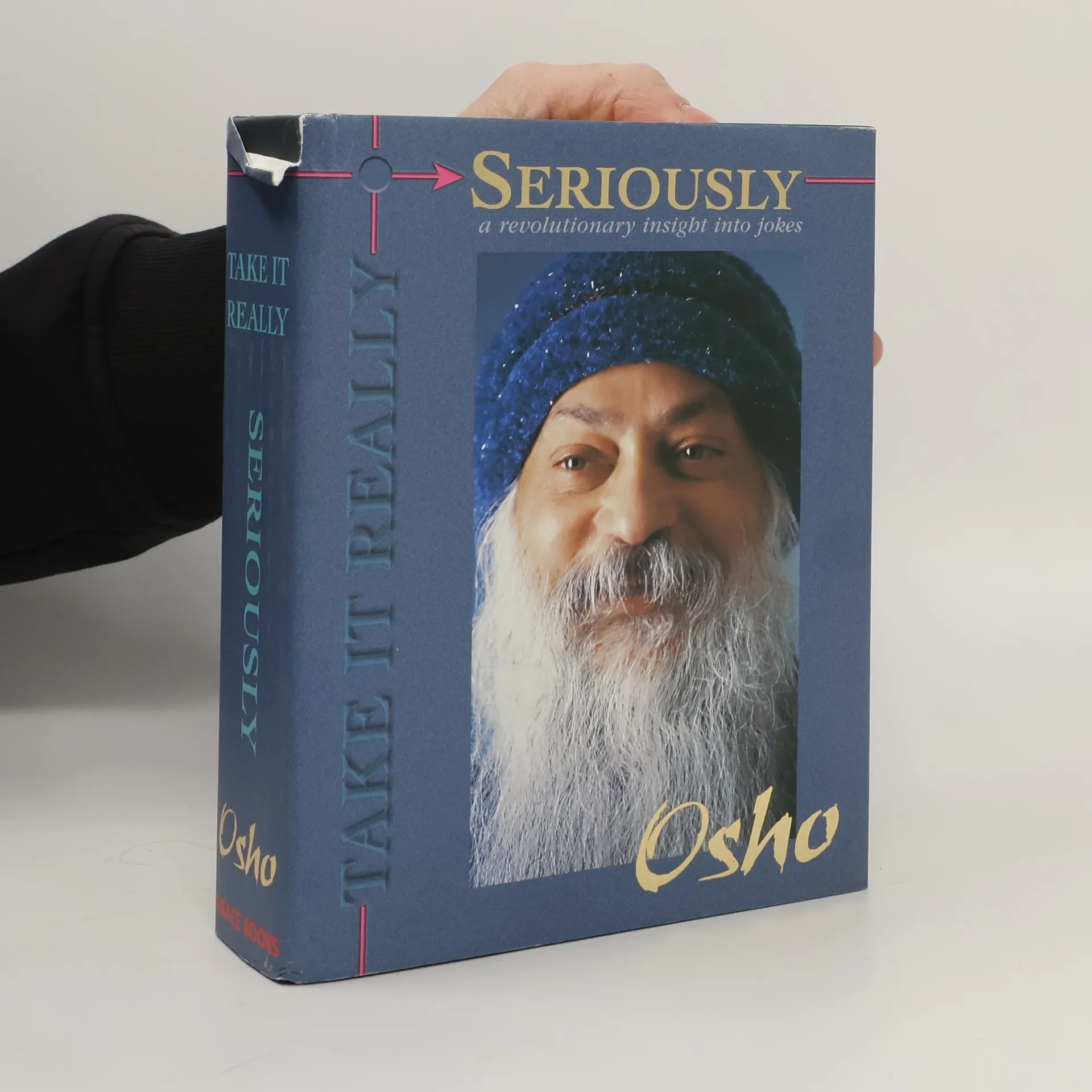
An insights into Jokes. Osho has an immense sense of humor. Osho Used Jokes as a medium to bring you back to the present during his discourses. This book is a great compilations of Joke that he told during his discourses. If you love humor. This IS the book for you.
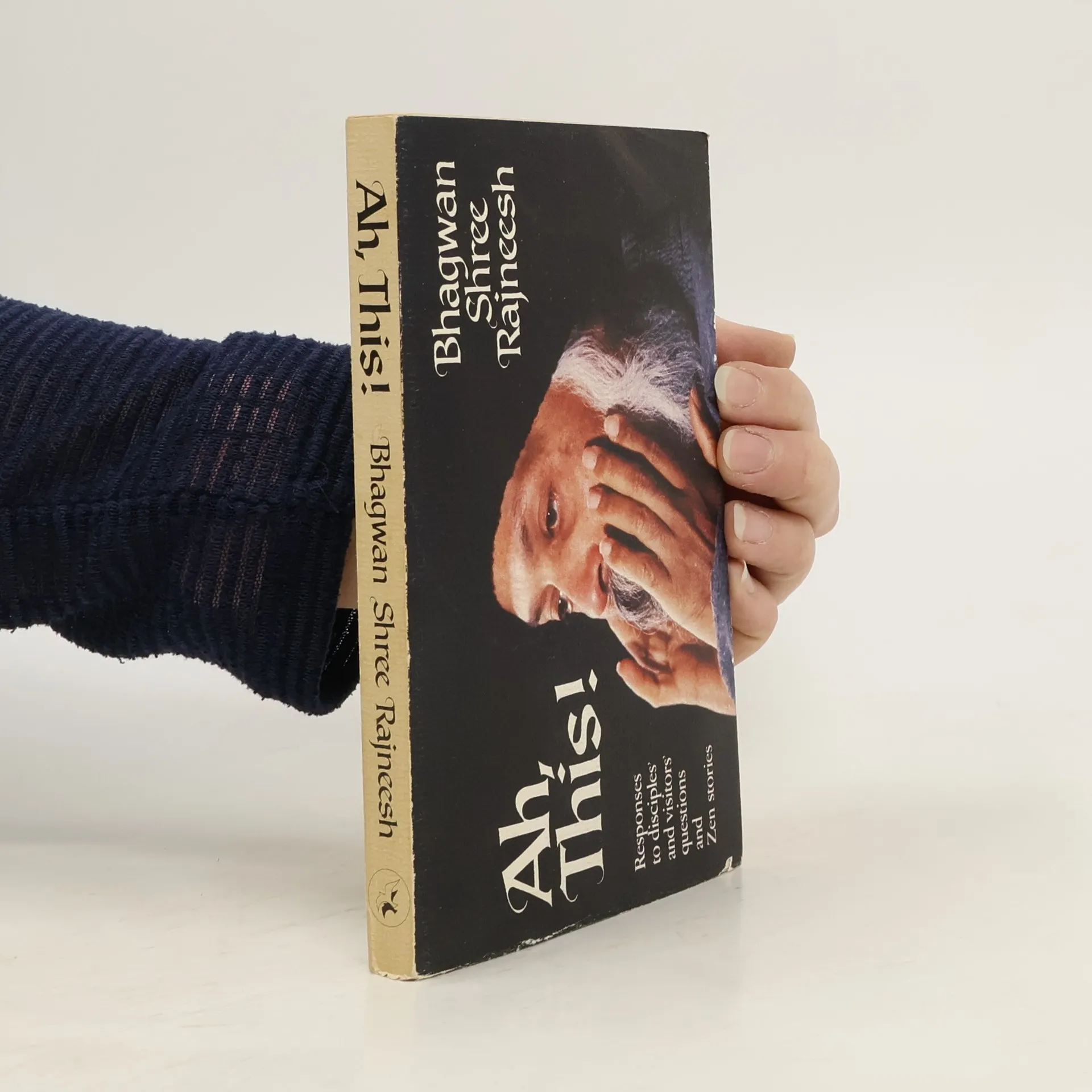
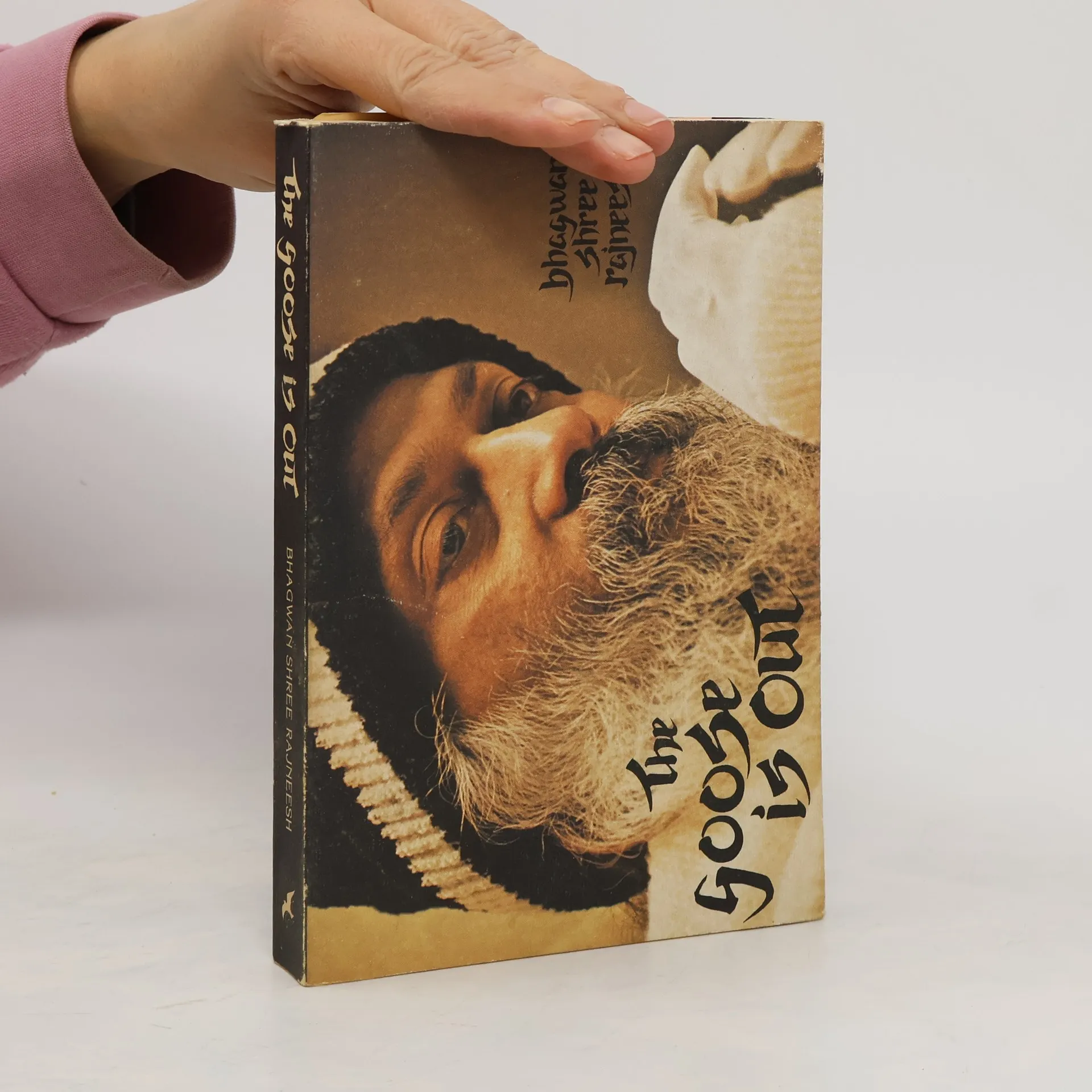
There is a famous Zen story about a disciple, Riko, who once asked his master, Nansen, to explain to him the old Zen koan of the goose in the bottle. Namely, if a man puts a gosling into a bottle and feeds the gosling through the bottle's neck until it grows and becomes a goose - and then there is simply no more room inside the bottle - how can the man get it out without killing the goose or breaking the bottle? In response, Nansen shouts, "Riko!" and gives a great clap with his hands. Startled, Riko replies, "Yes master!" And Nansen says, "See! The goose is out!" In this Zen-flavored series of responses to questions, the contemporary mystic, Osho, cuts through the mad complexity of the contemporary human mind and its self-created "problems" with humor, compassion, and even an occasional shout and clap of his hands. The goose in the questioner's bottle may be a philosophical problem or an existential dilemma, a relationship drama or an emotional crisis - in each case, Osho's unique and transformational response sets the goose free, allowing us to rediscover the simple and innocent clarity each of us brings with us when we come into the world. From this space, problems are not solved but rather are dissolved: "The goose is out." This is a beautiful audio series giving an experience of a mystic working with people who are searching for themselves.
A deeply moving account of a rare and provocative experiment in human growth, these are Osho's last discourses given in the US. While most of his disciples are experiencing the fruition of their efforts to manifest a living community based on Osho's vision, the attempt of a small, power-motivated group's secret attempts to take control of the commune, and to poison Osho and his doctor is revealed as they flee the country. Through it all, Osho answers the questions of disciples and friends devastated and confused by the wanton disregard of his teachings by these few corrupted people. His answers expose the truth with uncompromising compassion as he talks on fascism, power games and individual responsibility. As always Osho indicates how absolutely everything can be used by the seeker to wake up and be more aware.
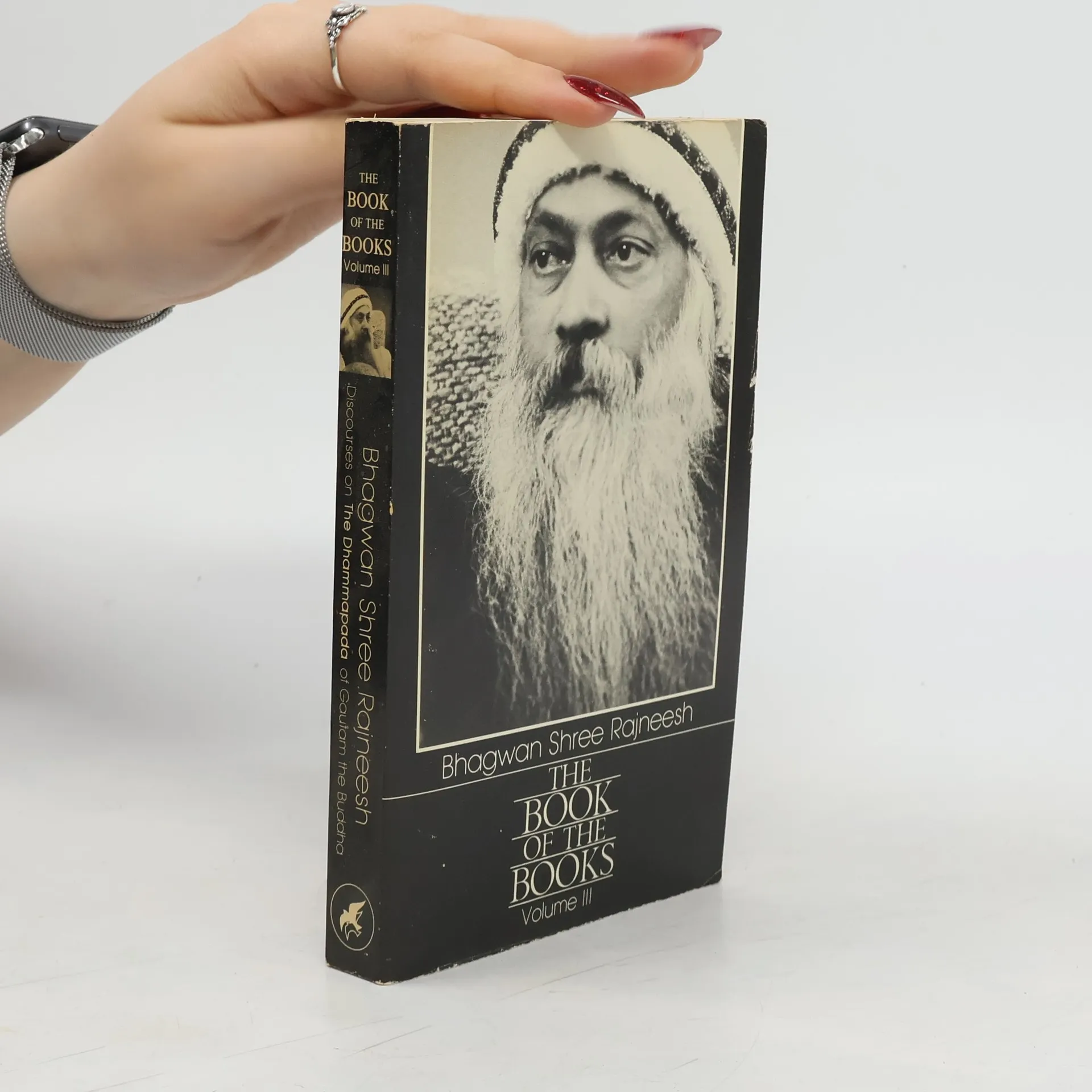
Discourses on the Dhammapada of Gautam the Buddha
Commenting on Buddhist sutras, Osho speaks on ego, disciplehood, and trust and doubt.
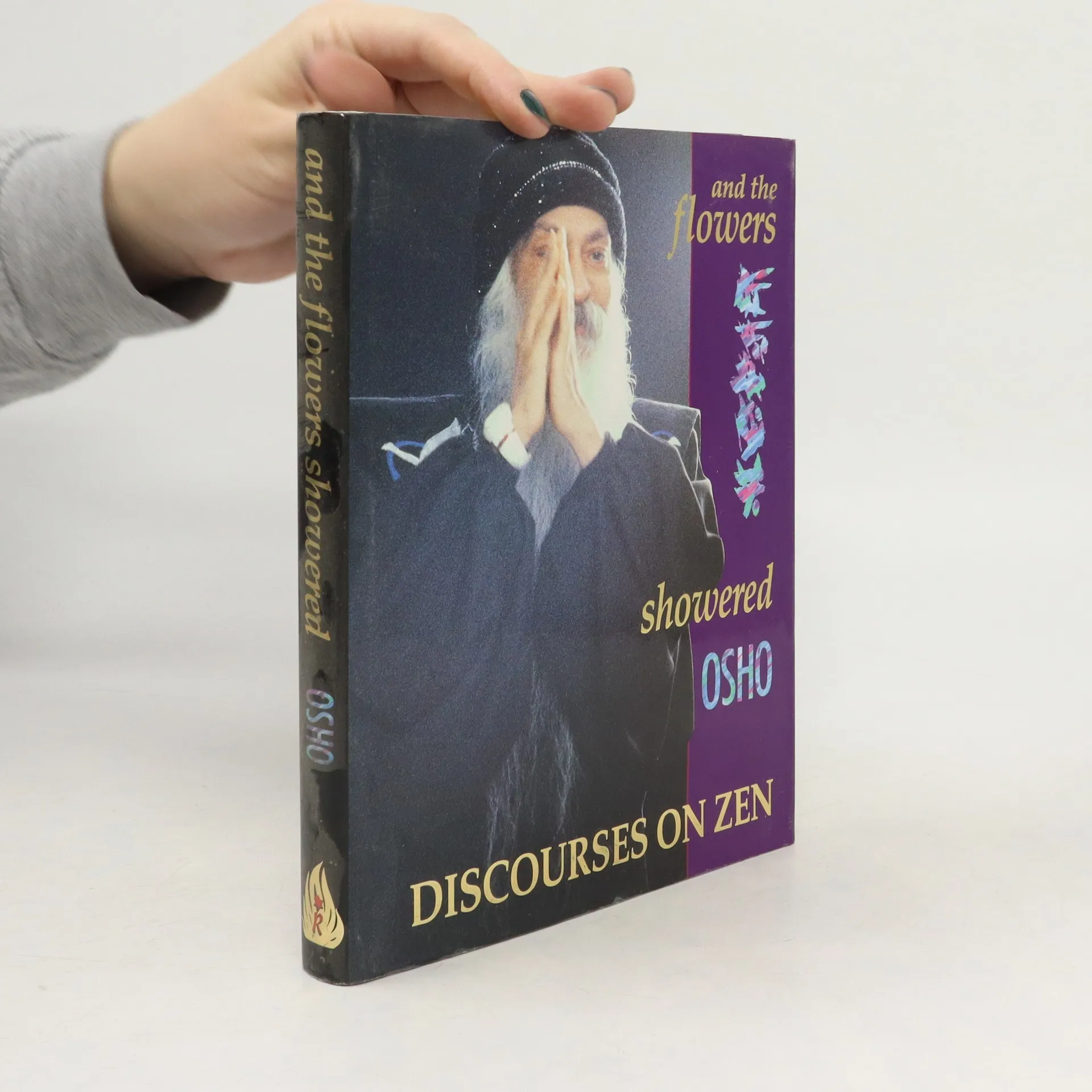
Using eleven Zen stories as a starting point and diving deep into their mysterious world, he then weaves his magical clarity on many diverse contemporary topics. From the true meaning of happiness to an understanding of the process of death, it's all here. To begin reading this book is to commence a journey into the world of wonder. Buddha’s disciple Subhuti is showered with blossoms upon experiencing sublime emptiness. But isn’t emptiness usually an absence of something? Through his commentary on this seemingly strange tale, Osho illuminates the vast difference between a negative and a sublime emptiness.
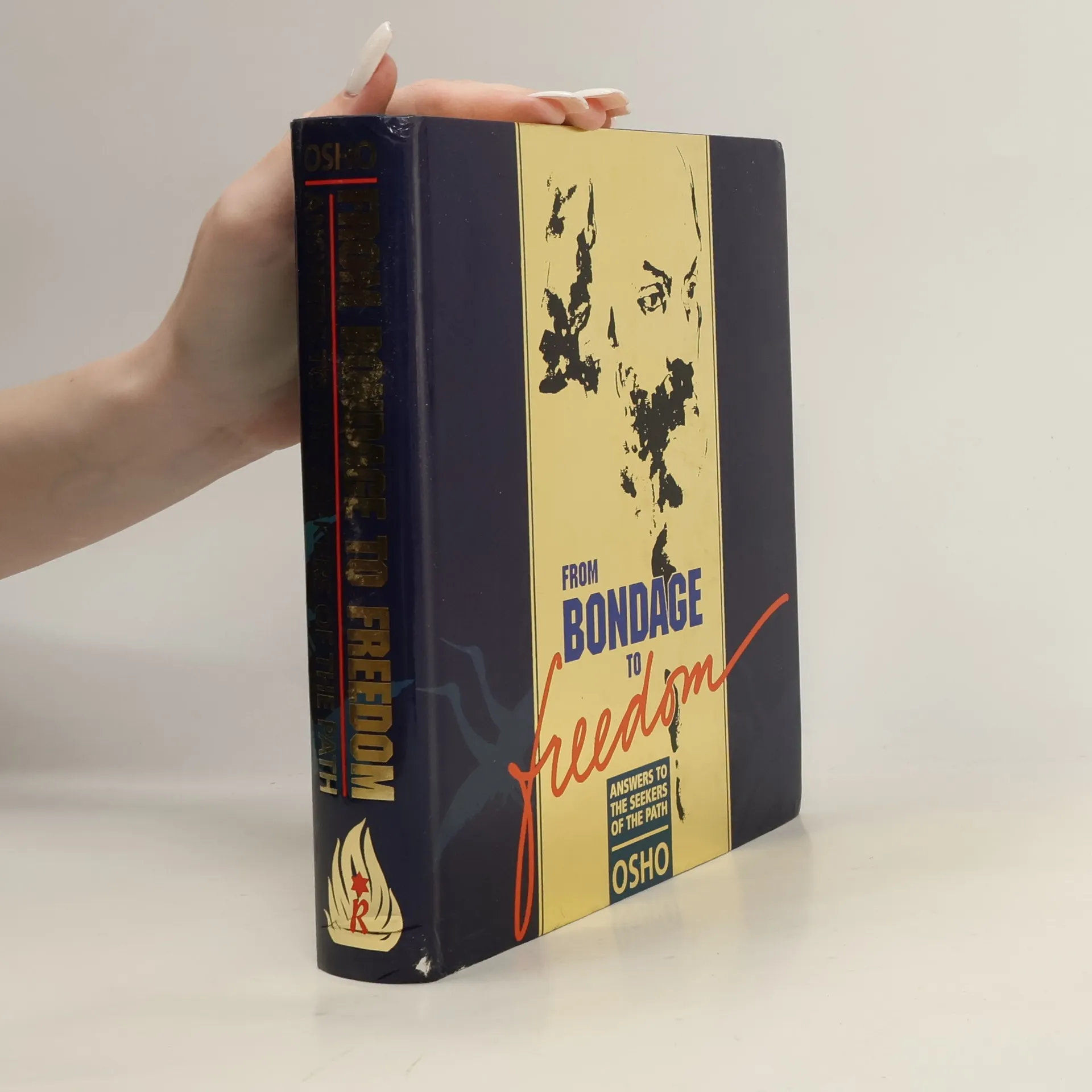
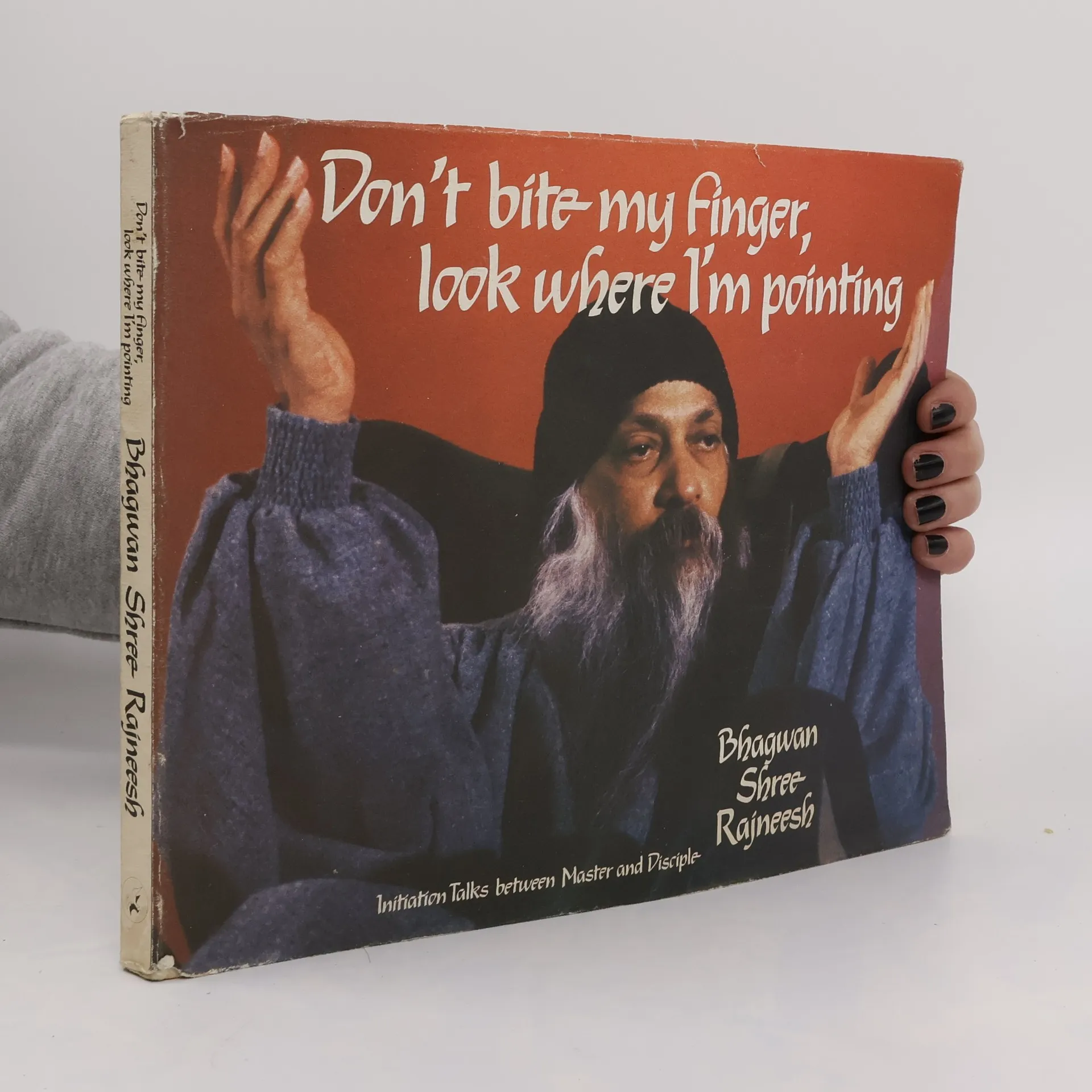
Don't Bite My Finger, Look Where I'm Pointing. Initiation talks between master and disciple, by Bhagwan Shree Rajneesh. 212 pages paperback. (C)1982.
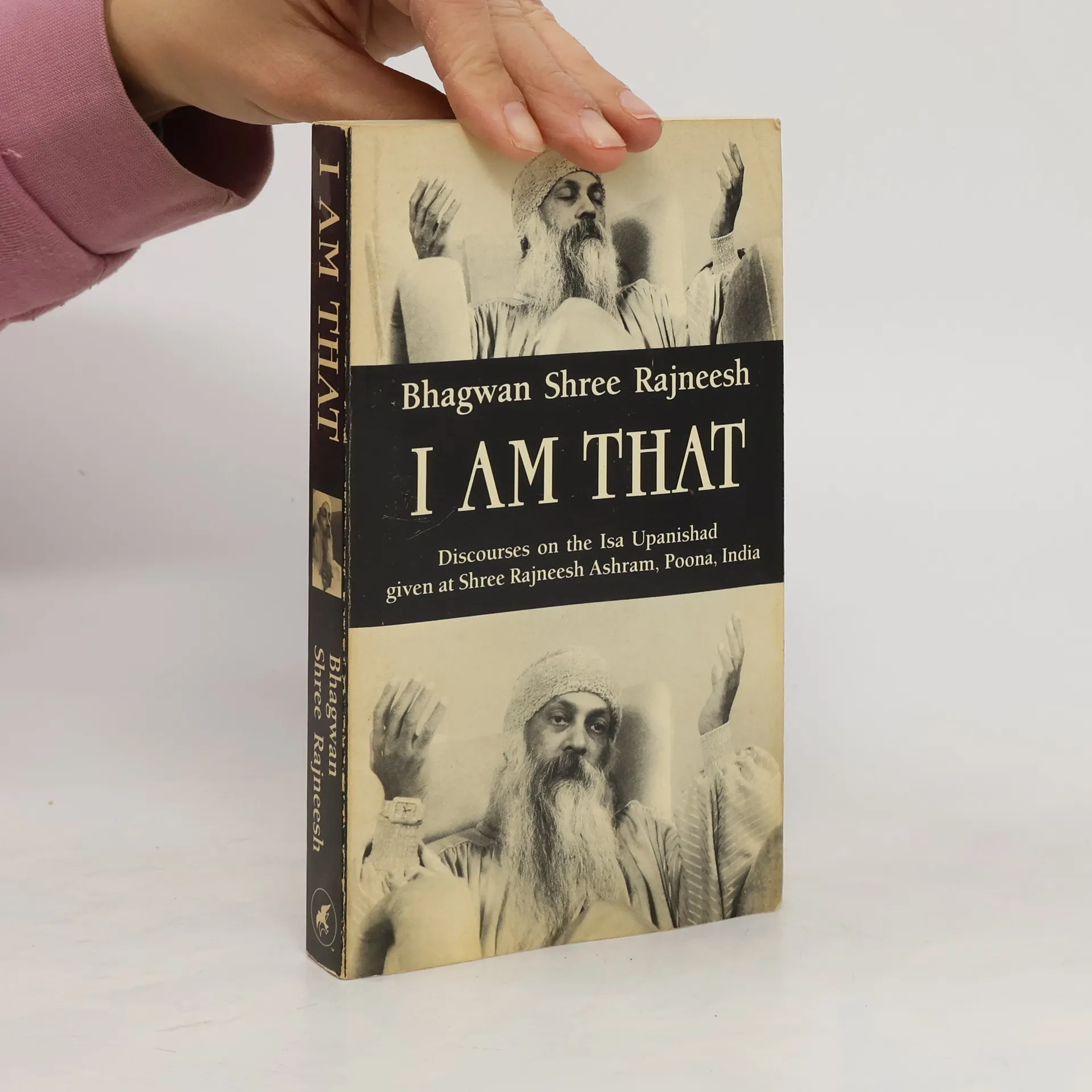
"This Upanishad...is the smallest - it can be written on a postcard - and yet it is the greatest document in existence," Osho declares. "There is no document of such luminosity, of such profoundness anywhere in the whole history of humanity." These sutras are amongst the most ancient wisdom available to mankind - transmitted from masters to their disciples twenty-five centuries before even Buddha. With clear metaphors, stories and jokes, we are introduced to the perspective of an enlightened master - a world view so total that it embraces the cosmic, a rebirth of the spirit of the Upanishads.SubjectUpanishadsTranslated fromNotesTime Period of Osho's original Discourses/Talks/Lettersfrom Oct 11, 1980 to Oct 26, 1980Number of Discourses/Chapters16
In this third book which covers much of the esoteric side of the spiritual search, Osho responds to questions from the small group of sannyasins with him on tour. He explains 'witnessing' or 'watching' as a 24-hour technique that can be done anytime, anywhere; and talks on astral projection, past lives, and the origins of depression.
Extemporaneous Talks Given to Seekers and Friends at a Meditation Camp in Ranakpur, Rajasthan, India
These series of talks were given at Osho's first meditation camp in Rajasthan. This is a provocative introduction to an extraordinarily ordinary man's vision for humanity - a vision that continues to inspire people the world over who are searching for meditation, transformation and relaxation in the midst of the everyday challenges of their lives.
This volume captures the fast pace of Osho's six-week stay in Nepal, the birthplace of Buddha. He answers questions from his sannyasins in his hotel suite in the mornings, from representatives of the press every evening in the hotel conference room: What is your message to the modern Nepalese Buddhists? What is your message for the Pope who is in India now? What do you think about the New Age movement? You teach us to be thankful to existence, but how can I be thankful to those who speak against you and try to destroy your work? With no white lies, no beating around the bush, no platitudes and no mincing of words, Osho's truth cuts clean with the skill of a master swordsman, and with the compassion symbolized in the lotus.
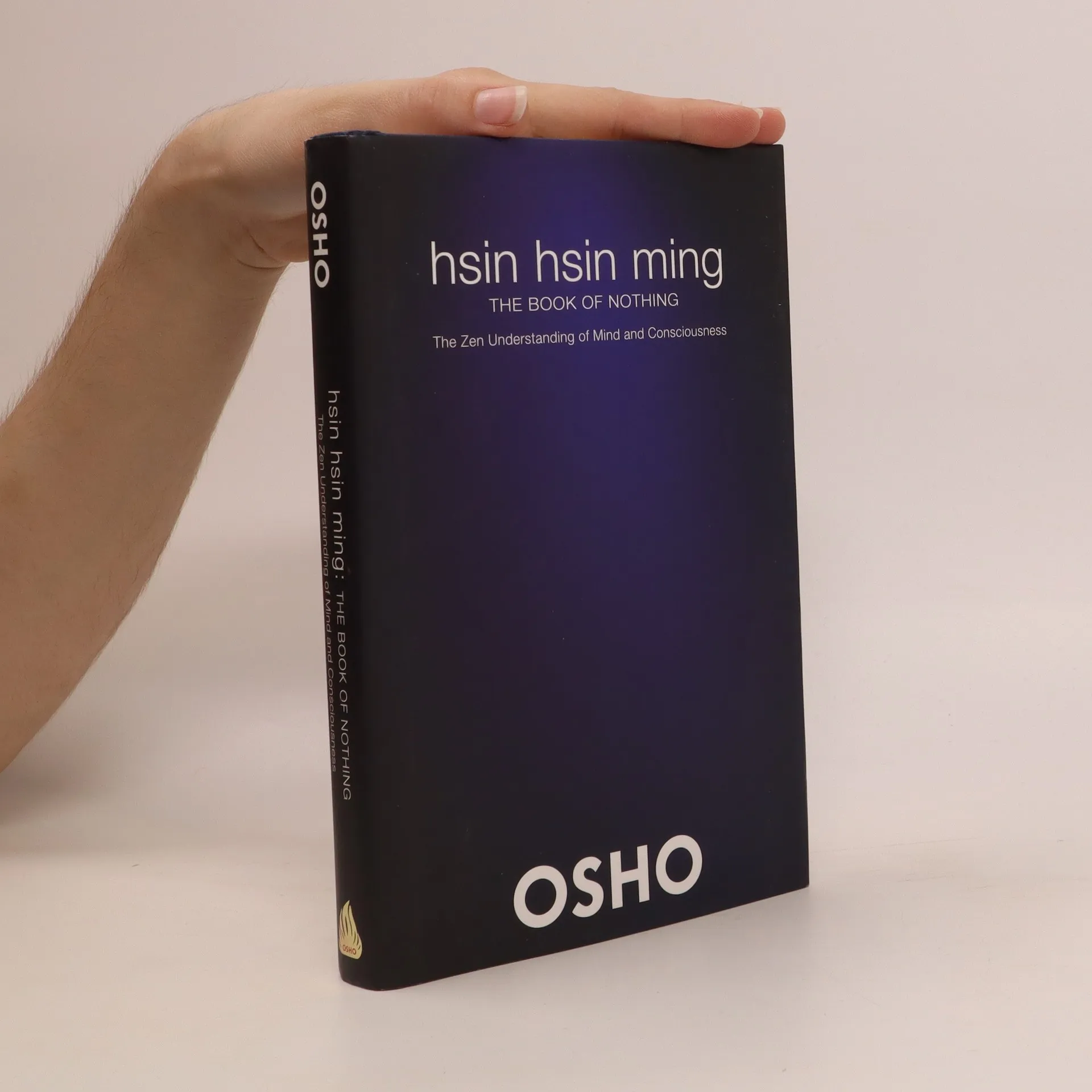
The Hsin Hsin Ming, Verses on the Faith-Mind by Sosan [Seng-t'san] the third Chinese patriarch of Zen, is considered to be the first Chinese Zen document. As such, it is extraordinarily straightforward in its message, cutting straight to the point of what Zen practice really means and where it aims to take the practitioner - to a state of thought-free awareness in the present moment, without judgment or attachment: "If you wish to see the truth," these verses begin, "then hold no opinion for or against?. The struggle of what one likes and what one dislikes is the disease of the mind." Step by step, Osho unlocks the meaning within each of Sosan's verses, showing their relevance and practical application to daily living. Along the way he lays out a clear understanding and approach to such puzzles as the difference between mind and consciousness, between meditation as practice and as a state of being, and what choiceless awareness really means in everyday life and relating. Each verse of Sosan's text is illuminated with examples from ordinary life and its common conflicts, problems, and self-created dramas, offered up with a mix of unflinching honesty and light-hearted humor that brings us to the point where problems simply dissolve ... often first into laughter, and then into silence.
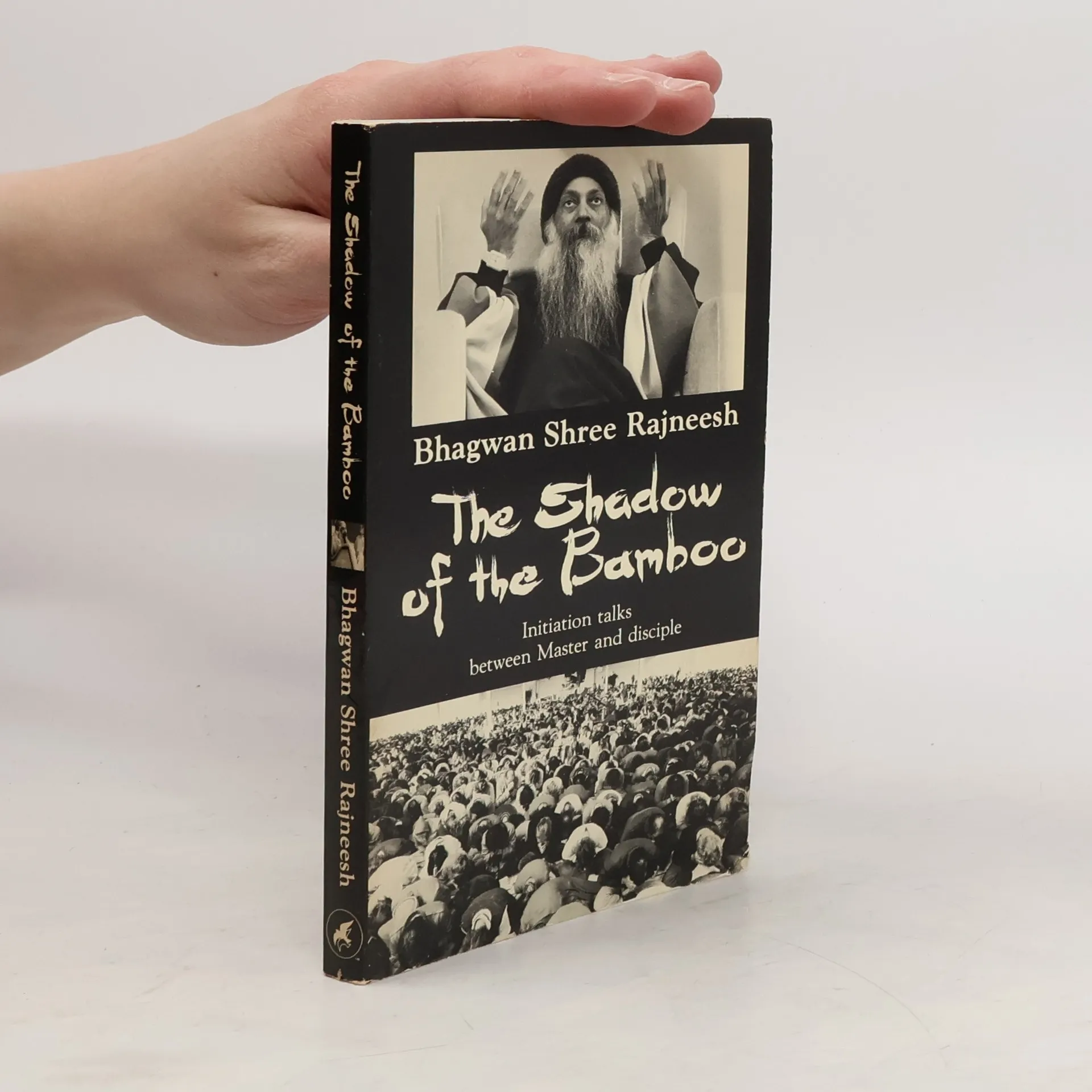
Initiation Talks Between Master and Disciple During the Period April 1 to 30, 1979, Given at Shree Rajneesh Ashram, Poona,
The Shadow of the Initiation Talks Between Master and Disciple During the Period April 1 to 30, 1979, Given at Shree Rajneesh Ashram, Poona, dated 1984.
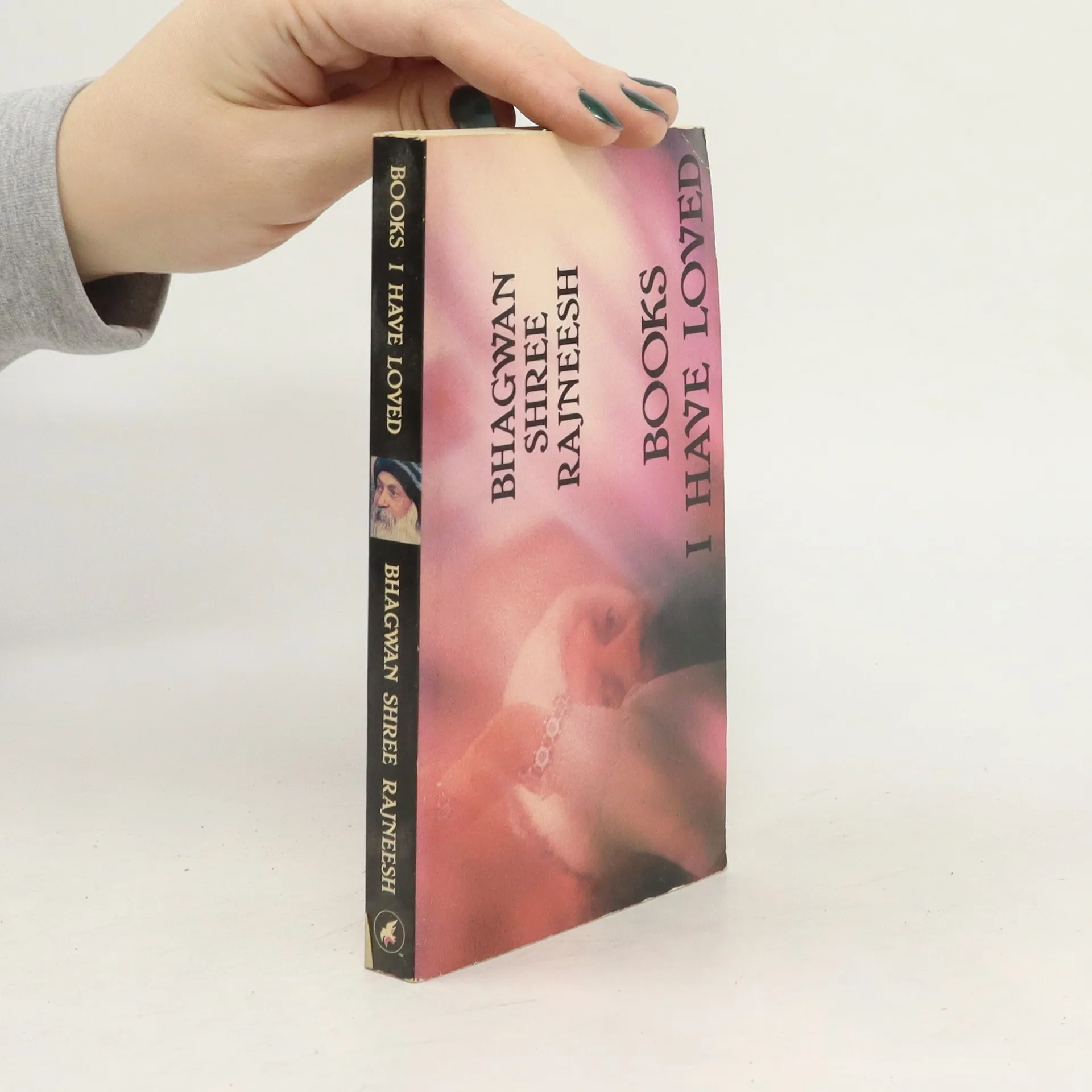
An extraordinary book written under extraordinary circumstances. Osho, the enlightened master who has over six hundred books to his name, speaks not in his usual lecture hall to thousands of seekers but in an intimate and eccentric setting to only four disciples. He tells stories and gives poetic and profound descriptions of books that had helped him '...when nothing else was shining in the darkness.' Osho talks about one hundred and sixty-eight books in all, from the great seers of the Far East and Indian mystics, to Nietzsche and Western philosophers and novelists. Here is a whole rainbow of the world's literary genius, woven together with wonderfully humorous personal comments and swings of the zen stick from Osho to his notetakers.
In this book, Osho reveals some of the best kept secrets of the East. With clear, direct language, these pages show the complete path that goes from sex to superconsciousness, from our roots in the world of nature to our final destination: merging with the divine. Throughout the book, readers will learn to know where they are and how to recognize those who can help.
Discourses on The Dhammapada of Gautam the Buddha Osho reveals, through Buddha's teachings, the workings of the human mind.
Through a dissection of anecdotes about Zen masters and their disciples, Osho introduces us to Zen, "the only living religion." He experiments in these discourses with an existential understanding of Zen through the introduction of No-mind Meditation, leading the assembly through the three stages of it at the end of each discourse.
Talks given to the Rajneesh International University of Mysticism, April 8, 1987 - April 19, 1987. In this Commentary on Friedrich Nietzsche's Thus Spake Zarathustra, Osho unravels the mystery of man's three metamorpbhoses from camel to lion to child, and in setting the record straight about the meaning of Nietzsche's concept of the superman shows us how we ourselvers can become the New Man. Zarathustra, through Osho's eyes, is first and shed tears just like the rest of us. He speaks to us as a friend, sorting methodically through to ins and out on the path of truth, giving each aspert a athorough and single-pointed attention. Each of Osho's talks thus becomes a lesson on a very specific theme, and each theme is a step deeper into the journey toward becoming "a god that can dance" a person who dares to shed all the bondages of false virtues and values and dance in innocence and joy with each moment of life.
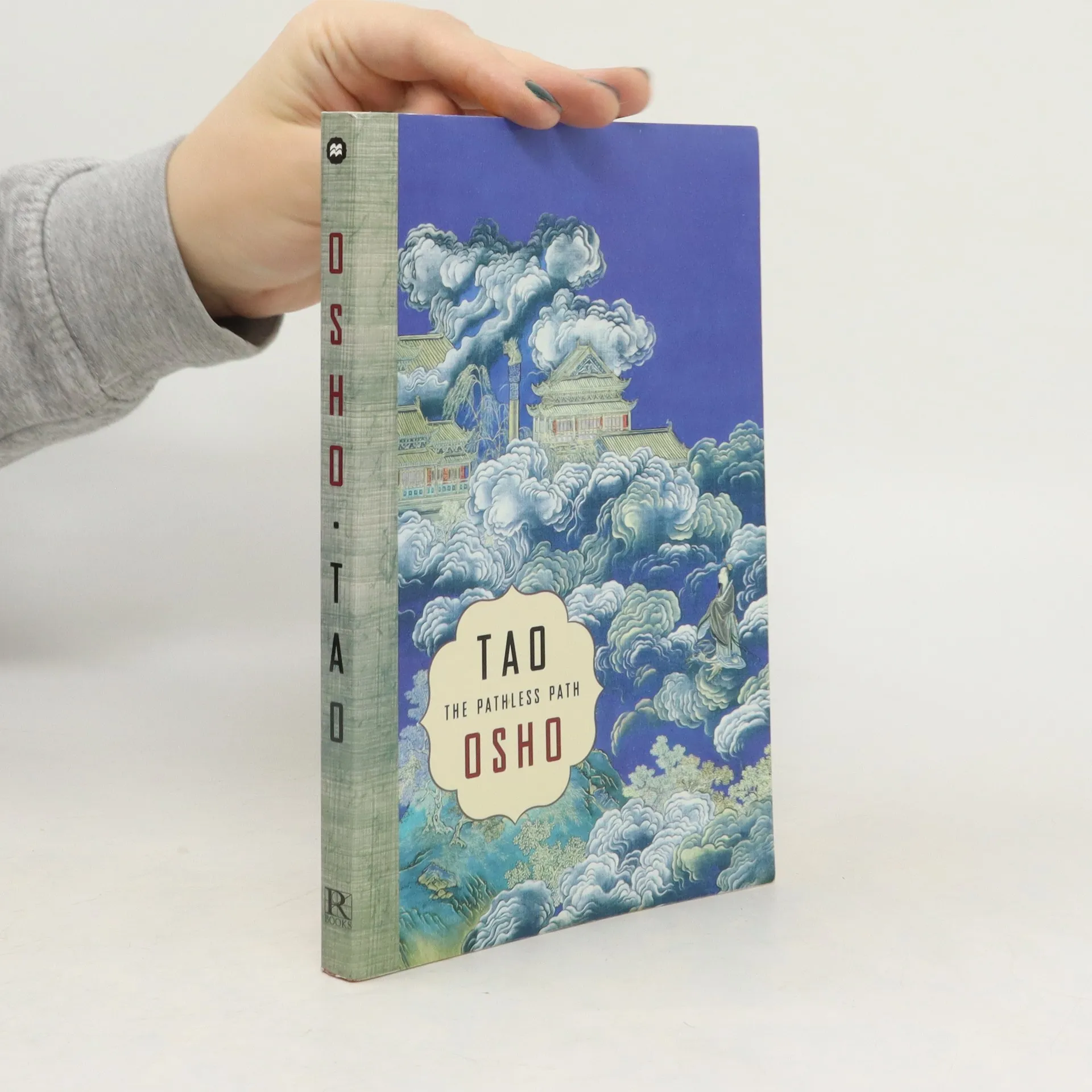
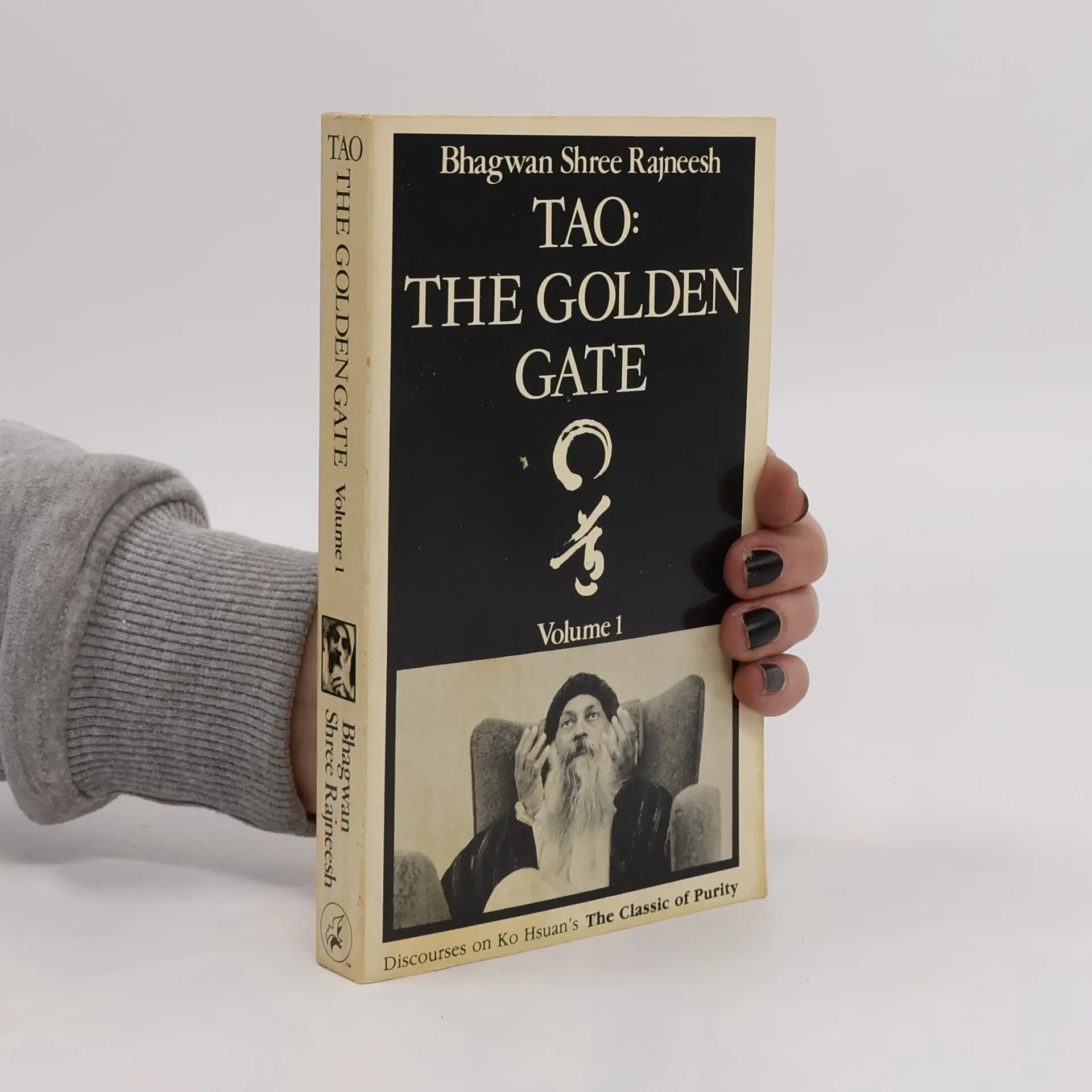
InTao,Osho takes readers on an exciting journey into the world of Lao Tzu, Chuang Tzu, Lieh Tzu, Ko Hsuan, and the world of Taoism, one of the four major traditions of China. According to Osho, "Tao is no-method, simple spontaneity — living life according to nature with no fight." The 3000-year-old Taoist message of self-realization comes alive through the stories of these Chinese mystics. Osho describes Tao as "the pathless path" because, he says, it has a different quality, the quality of freedom, anarchy, and chaos.
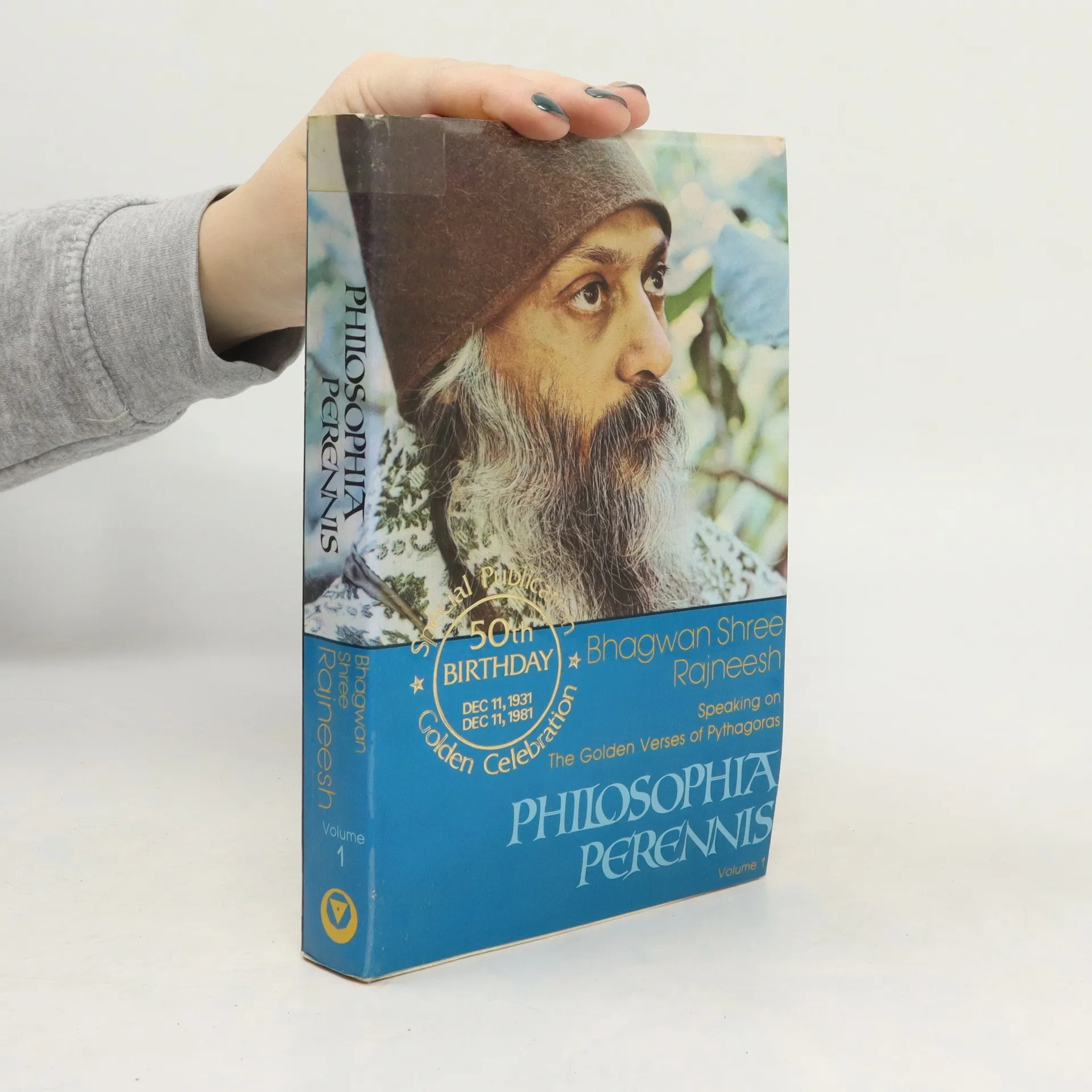
Osho declares that if the Greek mathematician and mystic Pythagoras had been listened to and understood, humanity's history would have been totally different. Pythagoras is a man close to Osho's heart, with his understanding that materialism and spiritualism - East and West, body and soul - exist together, are not opposing forces but complementary facets of a harmonious whole. In this series of talks Osho discusses the verses of Pythagoras and responds to seekers' questions.
In this volume, Bhagwan illumines the final sutras of the Taoist Master Ko Hsuan, and answers questions from visitors.
Osho is known around the world for his pioneering contribution to meditation -- the science of inner transformation -- with the unique approach of his "Osho Active Meditations" acknowledging the accelerated pace of the contemporary world and bringing meditation into modern life. Based on the Seven Points of Mind Training by the 11th-century Buddhist mystic Atisa, The Book of Wisdom removes the dust of tradition that has gathered around meditation, conveying the essential science and methodology of the practice with a freshness and spontaneity that is rarely found in contemporary spiritual works. The book is a guide for inner discipline and transformation that is also highly accessible, incorporating light, often humorous question-and-answer sessions between the author and his audience that help readers make the practical connection between spiritual theory and meditation as a lifestyle.
The book presents the insights of a twentieth-century spiritual teacher as he addresses questions from seekers yearning for deeper understanding. Through Osho's reflections, readers are invited to explore the mysteries of existence and confront the challenges of spiritual awakening. The text encourages a journey beyond superficial perceptions, appealing to those who feel an inner thirst for enlightenment and a greater connection to life’s profound truths.
In this extraordinary series, The Special Transmission, Osho introduces us in 10 talks to the world of Zen. In alternating chapters, he comments on Zen sutras and responds to questions of his audience.Osho unlocks these ancient sutras and brings their wisdom to light in contemporary language and context. This extraordinary series transfers us into a different "We enter today into the very special world of Zen. It is very special because it is the most ordinary state of consciousness - that's its specialty." In the world of today, so ego driven, Osho's insights open a refreshing vision into what could be.
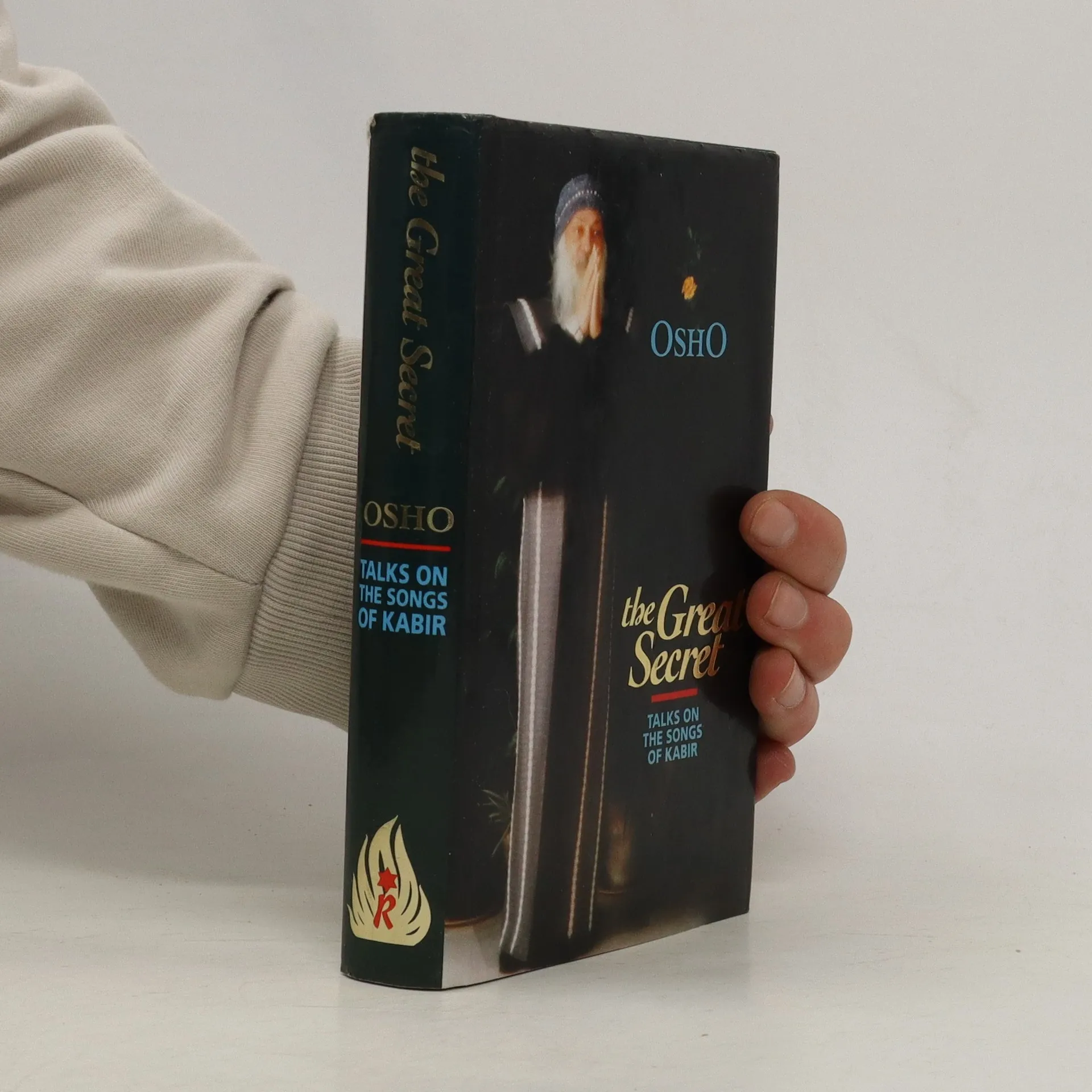
For first-time readers of Osho (disgraced cult leader) this book will be introduction enough. Those familiar with Osho's recent books will need to remember that these discourses were delivered in 1975 to a predominantly Hindu gathering. By then only a few hundred Westerners had found him. The discourses are commentaries on ten of Kabir's poems, in which Kabir sings of his love of God.
Reflects on Tao, the way of wholeness, using simple language that creates the impression of listening rather than reading, providing a deeper understanding of meditation.
This is a collection of 365 letters written by Osho to seekers and friends. These letters have a rare and beautiful quality as Osho recalls incidents from his own life, tells stories and parables and reflects on the nature of truth and the journey of a seeker. Anyone drawn to truth will treasure this book - the perfect bedside companion, to be savored one cup at a time. It is an excellent introduction to the wisdom of this extraordinary man, and all will find encouragement and inspiration within its pages.
Talks given to the Rajneesh International University of Mysticism in Gautama the Buddha Auditorium, Poona, India, October 23-31, 1988.
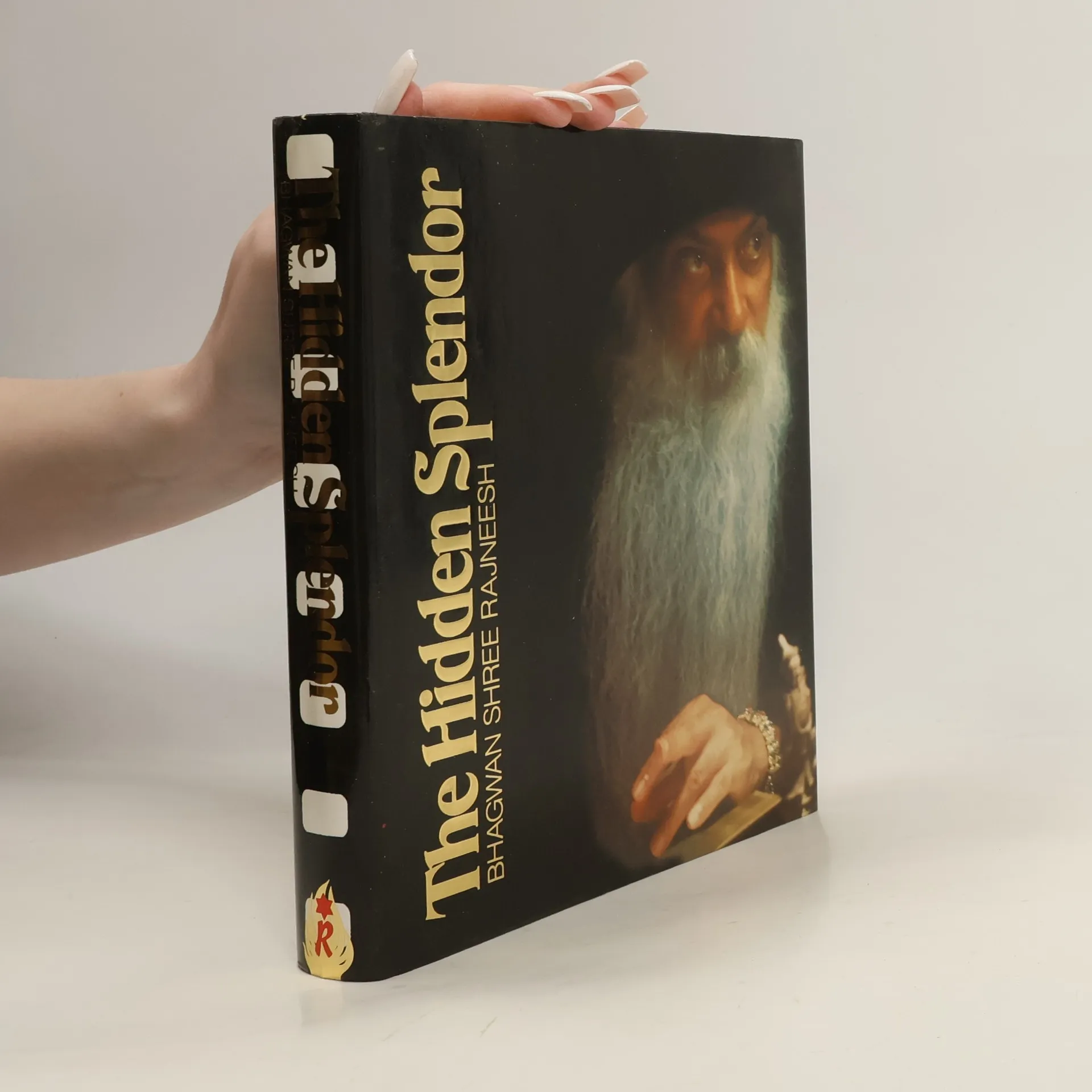
Here, Osho unfolds the basic search for childlike innocence in all its joy, playfulness, and fearlessness...a state of being which Osho describes as our "hidden splendor." In underlining the reality of a world heading toward self-destruction he calls on the reader to work to change its course before it is too late. Time Period of Osho's original Discourses/Talks/Letters from Mar 12, 1987 to Mar 26, 1987"Talks given to the Rajneesh International University of Mysticism"Distributed in the United States by Chidvilas Foundation, Inc., Boulder, Colorado.Distributed in Europe by Neo-Sannyas International, Zurich, Switzerland.Printing by Mohndruck, Guetersloh, West GermanyIntroduction: Ma Deva Sarito, Poona, India, September, 1987
Straight to the Point of Enlightenment
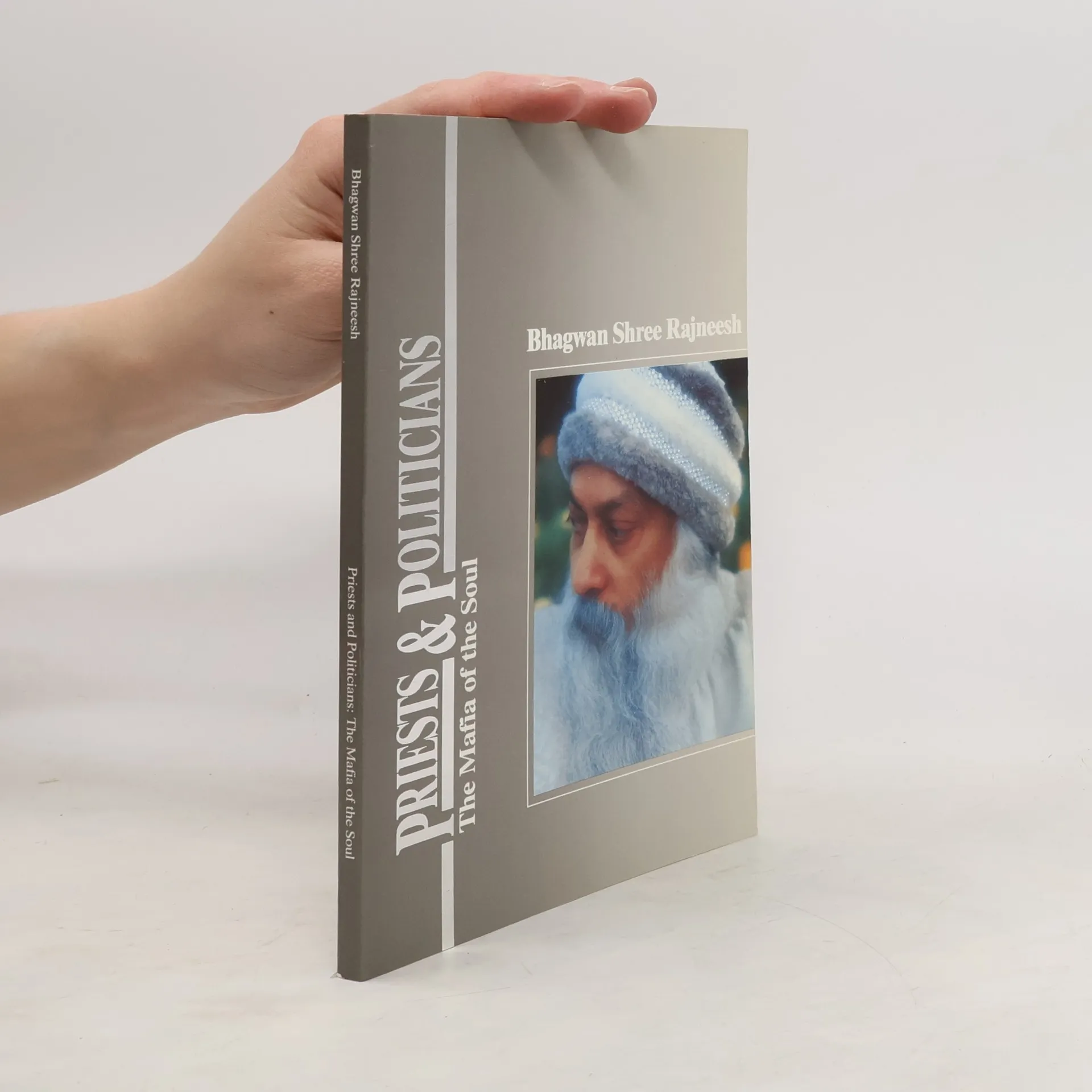
You have to be aware who the real criminals are. The problem is that those criminals are thought to be great leaders, sages, saints, mahatmas. So I have to expose all these people because they are the causes. For example, it is easier to understand that perhaps politicians are the causes of many problems: wars, murders, massacres, burning people. It is even more difficult when it comes to religious leaders, because nobody has raised his hand against them. they have remained respectable for centuries, and as time goes on their respectability goes on growing. The most difficult job for me is to make you aware that these people – knowingly or unknowingly, that does not matter – have created this world.
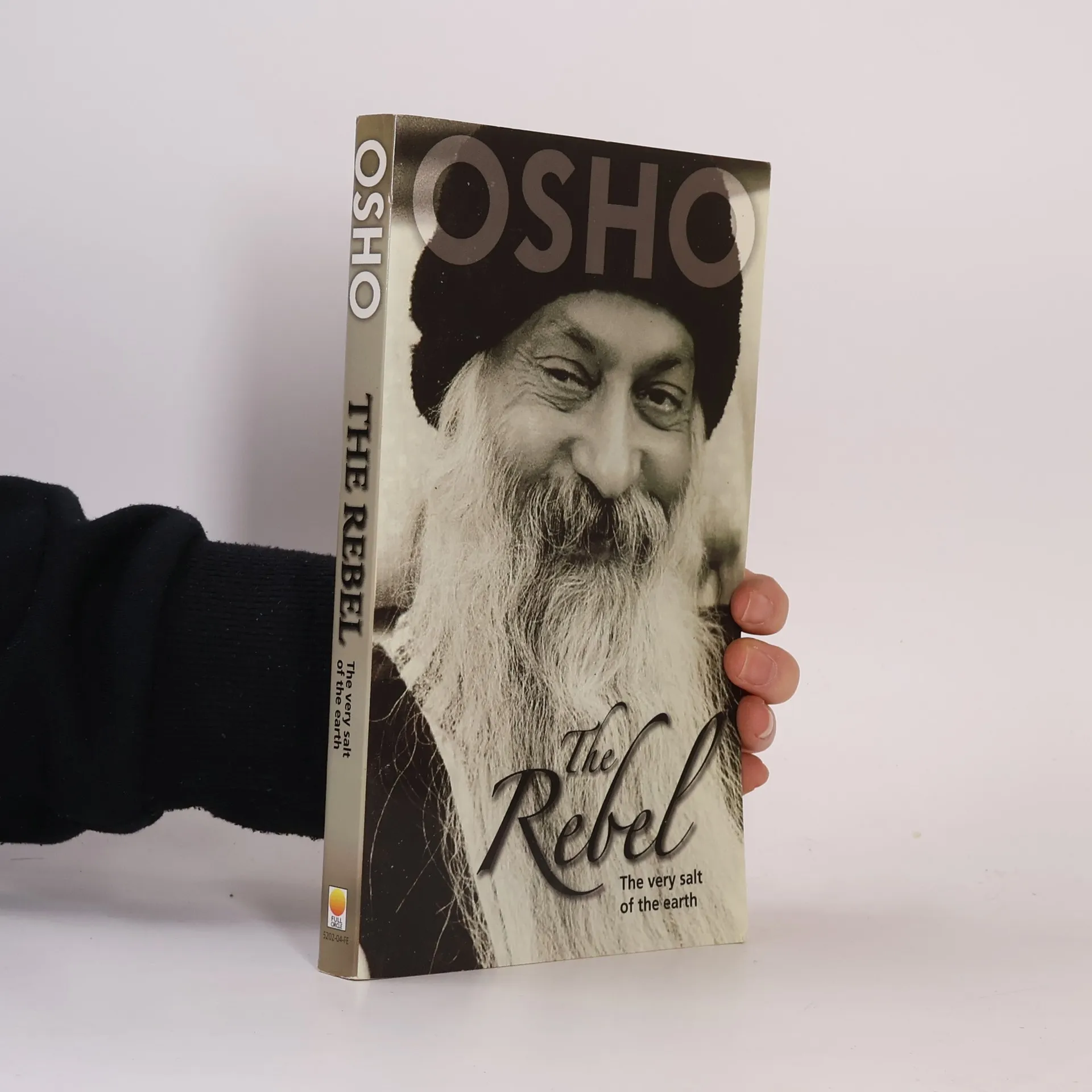
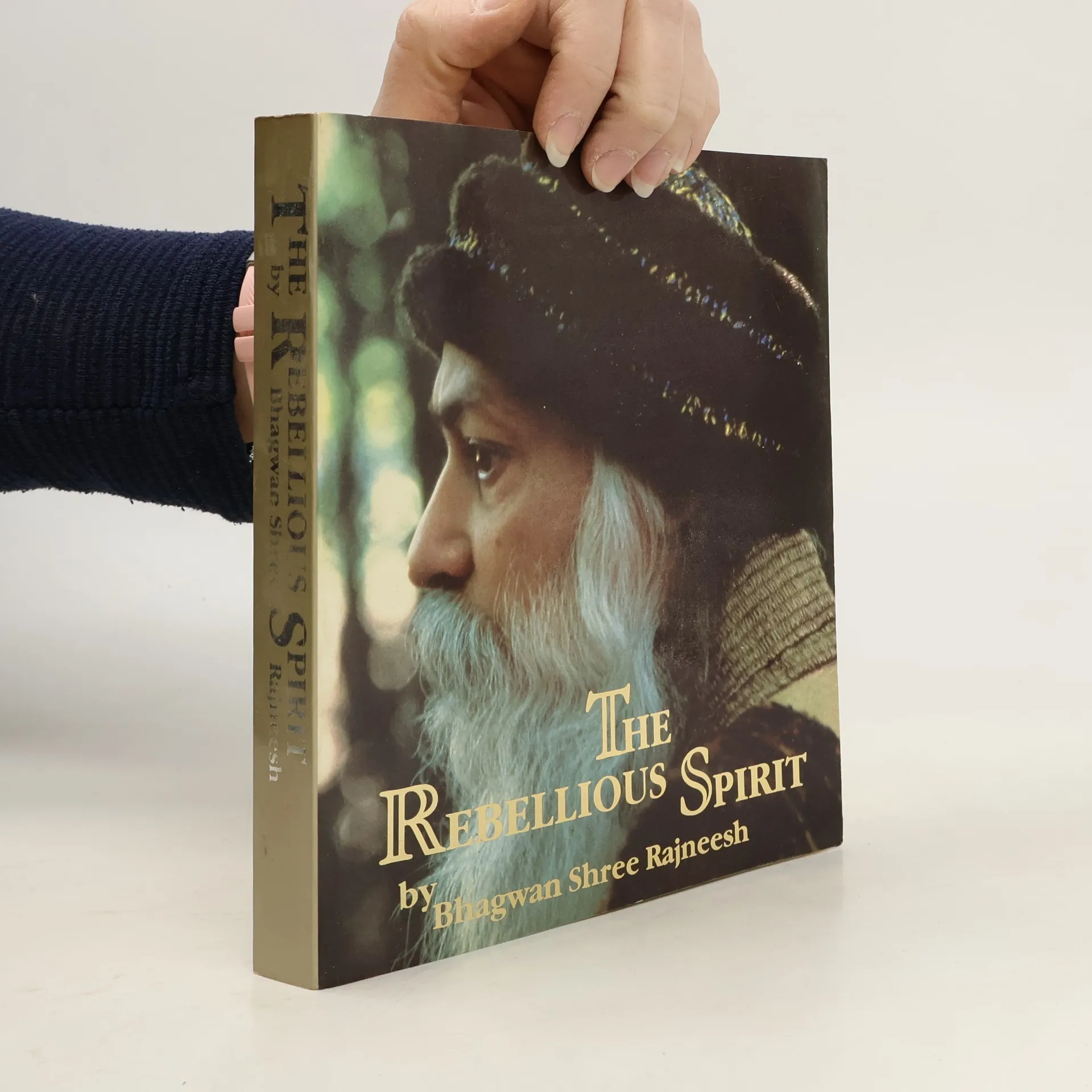
The Rebel is a guide that contains the lectures that were delivered by Osho between 01/06/87 to 25/02/87. In the Rebel, readers will come across questions from various seekers and answers from Osho. He speaks about overthrowing the past to forge a new future. The first lecture, delivered on 1 June, 1987 in the Chuang Tzu Auditorium, is titled the Rebel: The Very Essence of Religion. One of the questions in here is about the difference between a rebel and a revolutionary. In the second chapter, readers will be able to understand the relationship between enlightenment and language. The fourth chapter, the Rebel Is Utterly Innocent, lists the qualities of a rebel in Herald A New Dawn, Osho explains that a rebel does not belong to any existent category and instead is a new category by himself. to understand what justice means to a rebellious man, readers should focus on the ninth chapter. In the thirteenth chapter of the Rebel, a disciple asks Osho why he refers to the word 'rebel' in a positive sense, when it usually implies something negative. Readers who are wondering if rebels are born or made, will find their answers within the same chapter. The Rebel contains many more such questions and even more interesting answers. Those who are looking for answers to life's many questions can find this book to be informative, interesting and enlightening. The Rebel, published by HPB/FC in 2007, is available as a paperback.
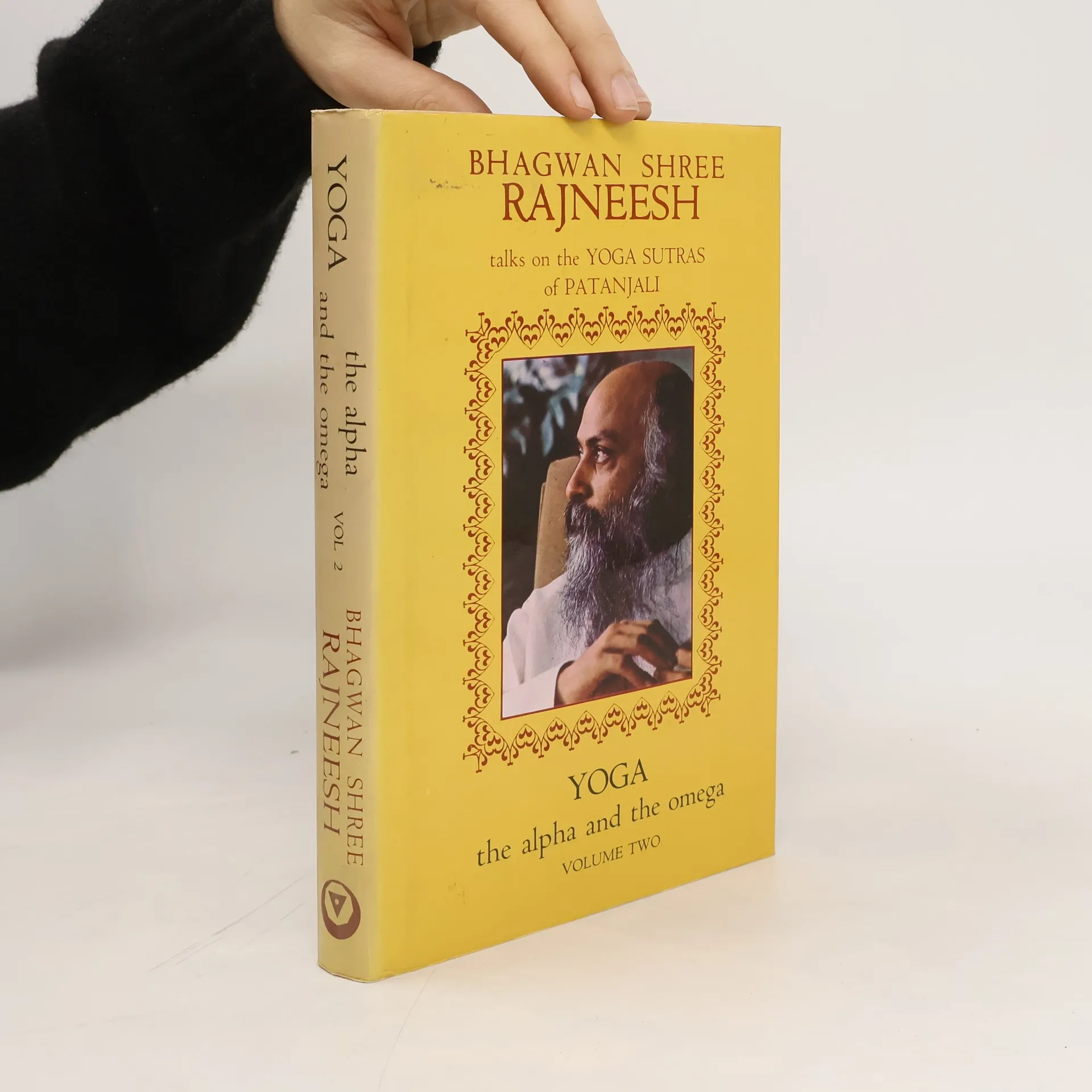
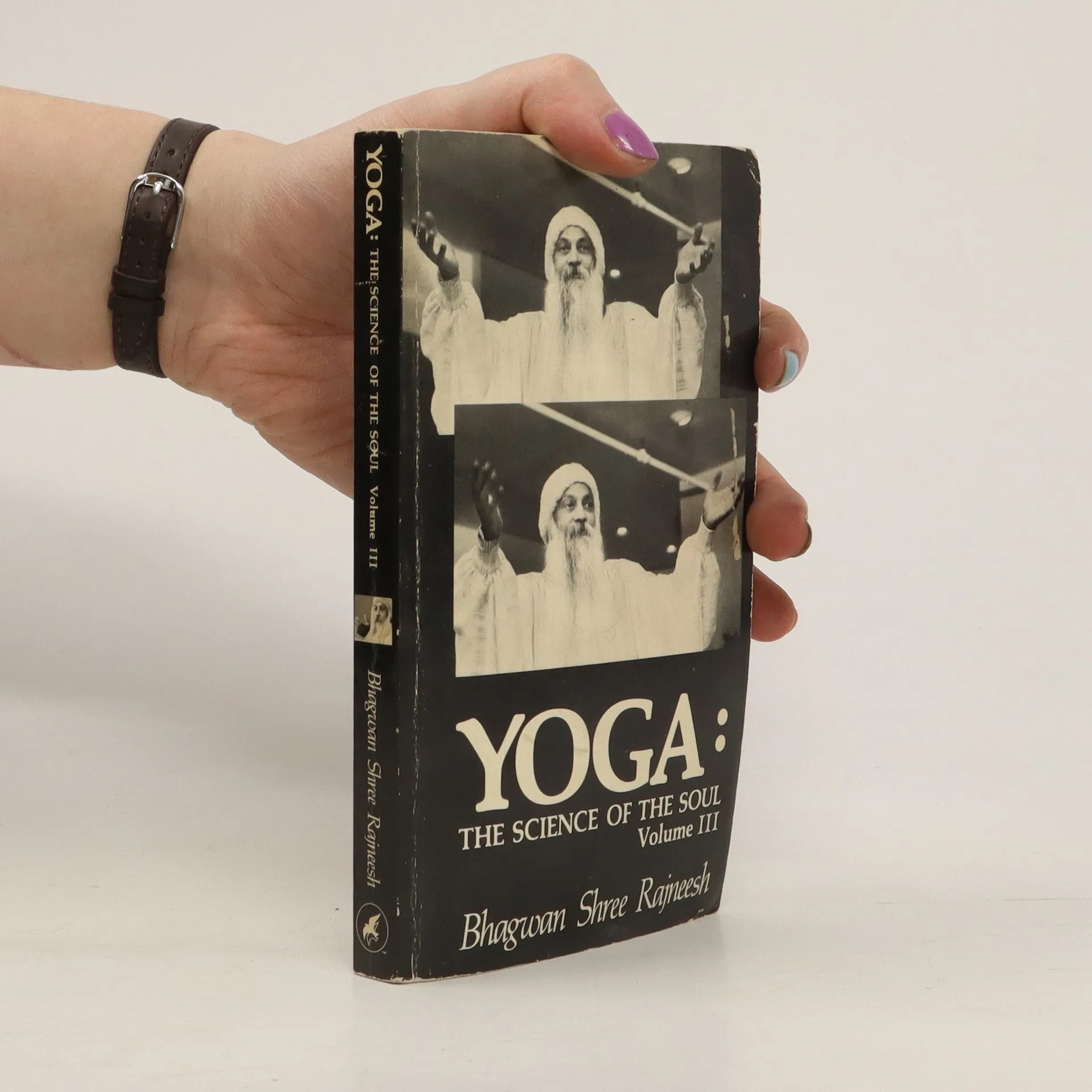
Commentaries about the Yoga sutras of Patanjali by the great master and spiritual leader Osho.
Commentaries about the Yoga sutras of Patanjali by the great master and spiritual leader Osho.
In this volume, Bhagwan illumines the final sutras of the Taoist Master Ko Hsuan, and answers questions from visitors.
Zen is so strange as far as intellectual understanding is concerned. It looks almost absurd. That is one of the reasons why it has not grown into a vast tree around the world, but has remained a small stream of only those who can see beyond the mind, who can feel it, even though it is illogical, irrational. Once Picasso was sitting in his garden with a beautiful rosebush; many roses had blossomed on it. A friend asked him, ”What is the meaning of the roses?” Picasso said, ”There is no meaning in anything at all, but there is immense significance in even the smallest piece of grass.” You have to understand these two words, ‘meaning’ and ‘significance’. In the dictionary they have the same meaning, but in existence, in life, in truth, they are from different sources. Meaning is of the mind and significance is of the no-mind. Meaning is utilitarian, the bicycle has a meaning; but a roseflower? – it is utterly meaningless.
Osho's first words spoken after a period of three years of silence herald a completely new dimension to his work. It is as if he has drawn a sword and slices through the deceit of history. Man, his politics and so-called religions all come under the scalpel of Osho's master surgery. Responding to questions solely from his disciples, Osho exposes the psychology of all creeds based on the idea of "following" and takes apart the whole question of belief in God. He also answers questions such as whether he considers himself to be a messiah, and lambastes the attitude of traditional holy men towards women. He lets us in on his understanding of the political mind-set; how he feels about communism, why his sannyasins lead such a rich life and whether they are brainwashed or hypnotized, and much, much more.
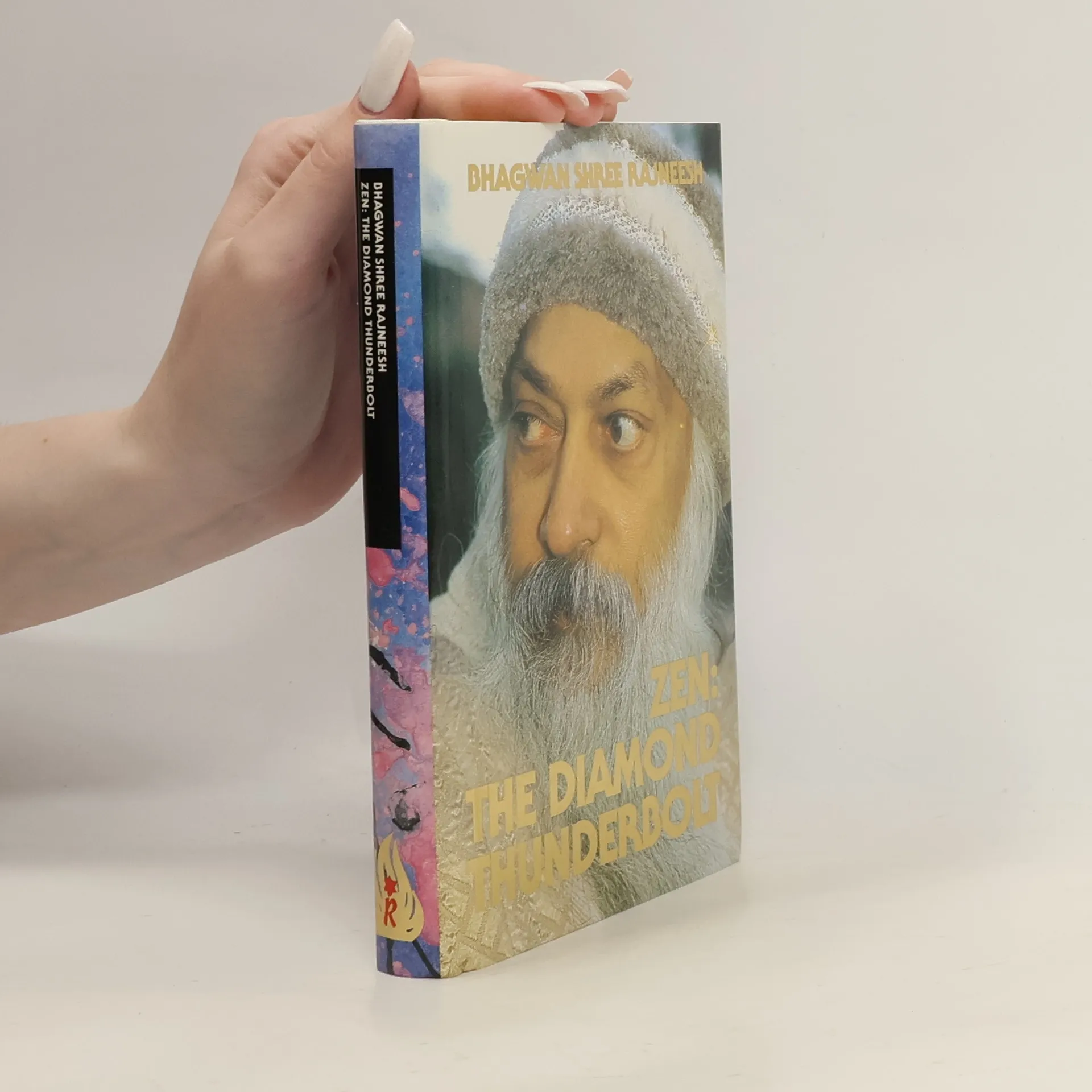
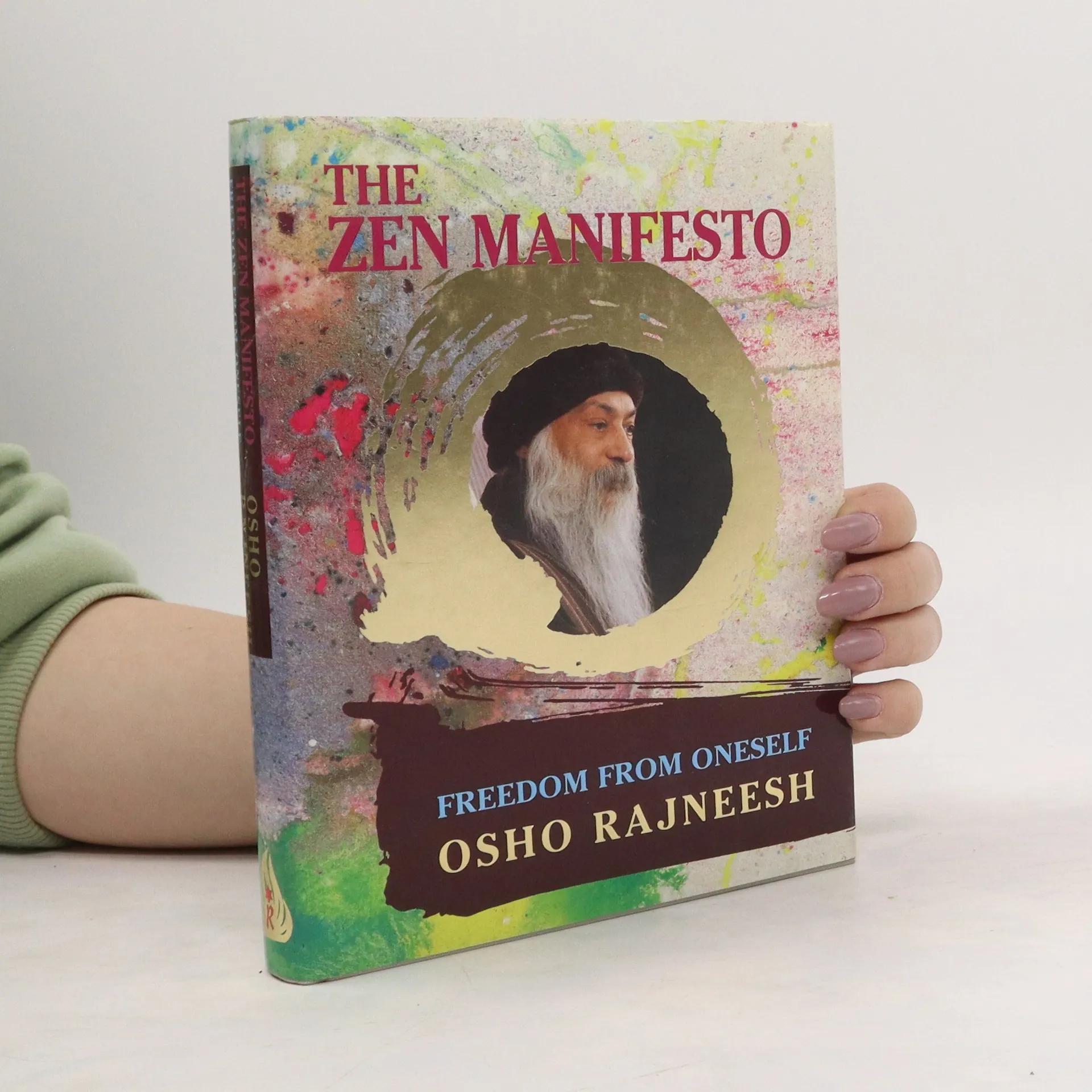
Osho makes it clear that the West’s comprehension of Zen is still largely intellectual rather than recognizing the penetrating experiential truth that Zen points to – which extends far, far beyond the mind. "It is time, ripe time for a Zen manifesto. The Western intelligentsia have become acquainted with Zen, have also fallen in love with Zen, but they are still trying to approach Zen from the mind. They have not yet come to the understanding that Zen has nothing to do with mind. Its tremendous job is to get you out of the prison of mind. It is not an intellectual philosophy; it is not a philosophy at all. Nor is it a religion, because it has no fictions and no lies, no consolations. It is a lion’s roar. And the greatest thing that Zen has brought into the world is freedom from oneself." Osho
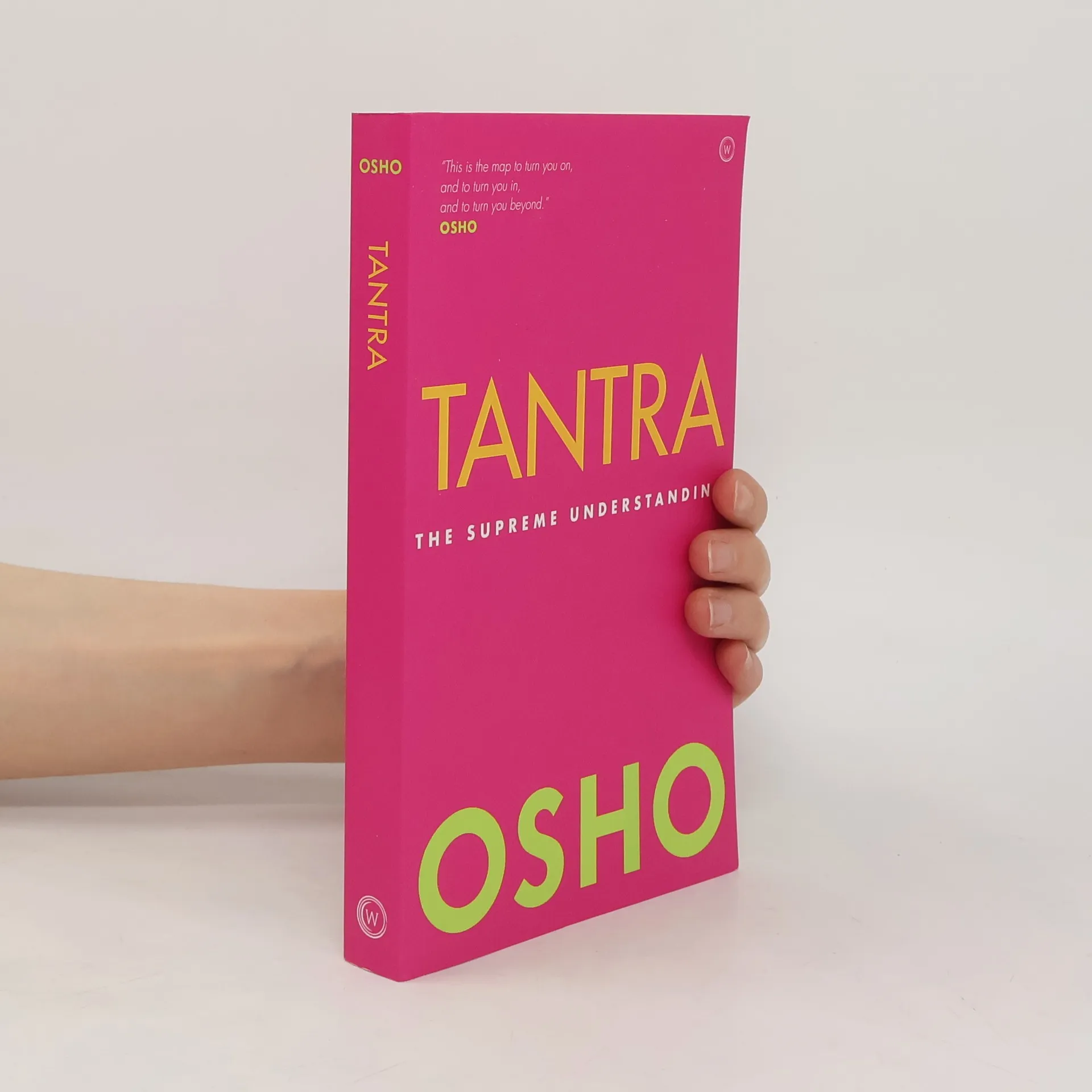
ALL-TIME BESTSELLER: Join one of the most influential spiritual teachers of our time as he explores the mystical wisdom of the Tantra. “Tantra is freedom; freedom from all mind-constructs, from all mind-games; freedom from all structures; freedom from the other. Tantra is space to be.” —Osho The tradition of Tantra or Tantric Buddhism is known to have existed in India as early as the 5th century AD. In this all-time bestseller, using the contemporary idiom and his own unique blend of wisdom and humor, Osho talks about the mystical insights found in the ancient Tantric writings. He also explores many significant Tantric meditation techniques, demonstrating how they are as relevant to the modern-day seeker as they were to those in earlier times. No matter how complex, obscure, or mystical the subject, Osho always brings his uniquely refreshing perspective—introducing the most difficult concepts to the widest possible audience with irreverent wit and thought-provoking inspiration.
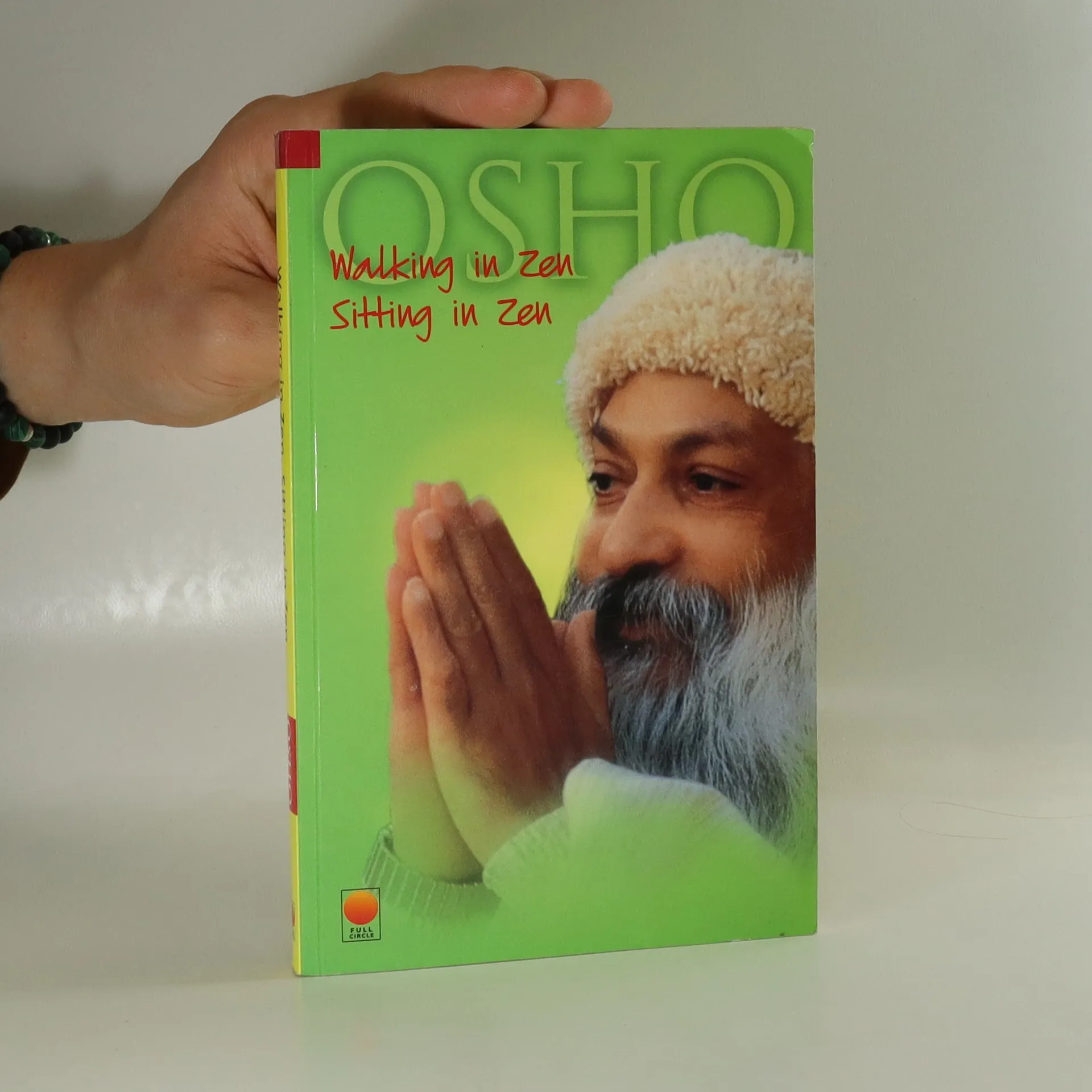
"Walking In Zen, Sitting In Zen" explores Osho's unique dynamic meditation techniques, emphasizing the need for modern individuals to undergo a deep cleansing process to reach a thought-less, relaxed state of meditation. Osho addresses the burdens of archaic traditions and contemporary anxieties, guiding readers towards a deeper understanding of Zen practices.
In today's world, freedom is our basic condition, and until we learn to live with that freedom, and learn to live by ourselves and with ourselves, we are denying ourselves the possibility of finding love and happiness with someone else.Love can only happen through freedom and in conjunction with a deep respect for ourselves and the other. Is it possible to be alone and not lonely? Where are the boundaries that define "lust" versus "love"...and can lust ever grow into love? In Love, Freedom, Aloneness you will find unique, radical, and intelligent perspectives on these and other essential questions. In our post-ideological world, where old moralities are out of date, we have a golden opportunity to redefine and revitalize the very foundations of our lives. We have the chance to start afresh with ourselves, our relationships to others, and to find fulfillment and success for the individual and for society as a whole.
A collection of reflections on three things that make us human - our longing to know the meaning of life, our capacity for love, and our ability to laugh. It mixes ancient Zen stories and contemporary jokes - and helps us to find love, laughter, and ultimately, happiness.
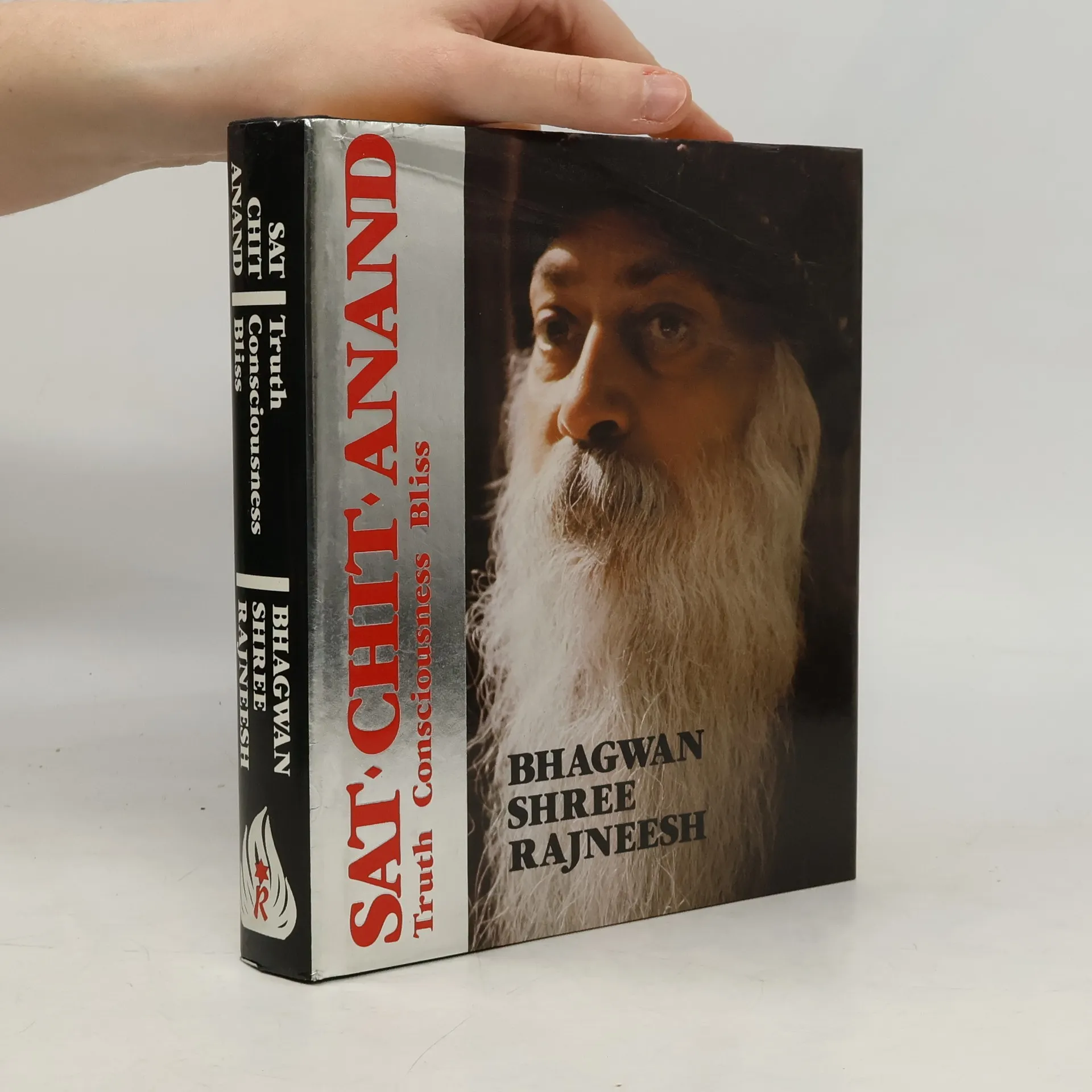
Sat Chit Anand - Truth Consciousness Bliss - This mantra is the expression of the ultimate for mystics like Buddha, Socrates, and Lao Tzu, and for all those who are contemplative rather than poetic by nature. Explaining that meditation is the master key, Osho emphasizes the treasures of the inner world and the urgent need for the quantum leap from mind to being.
What does enlightenment mean? - spiritual awakening, discovering the truth about life? Or is it less defined, just a formless sense of something to work towards on a journey of personal exploration? Whatever you may have thought or read up to now, this book will take you further. It is not about enlightenment, it is words spoken by a man who has known about enlightenment - and left it far behind. Through his responses to the questions of people from all walks of life, Osho explores the subject the inside, revealing the inner workings of a mystic. One starts to have a glimpse that enlightenment is something achievable by anyone ready to take the jump from here and now.And yet, while it is the peak of all beautiful, blissful experiences, it is still an experience. So what is beyond that, when goes beyond individuality to the universal, dissolving one's separation from existence...?
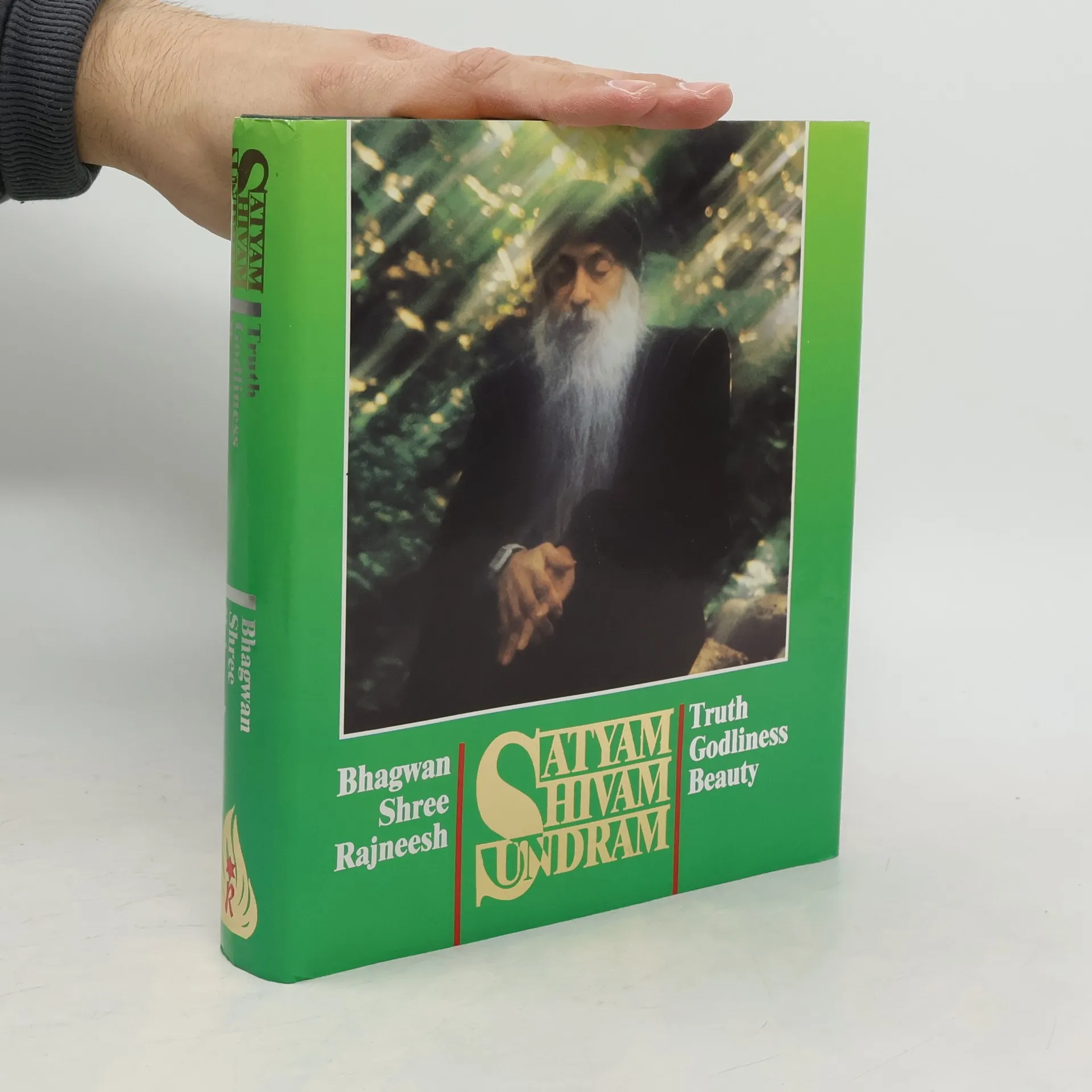
Title: Satyam Shivam Sundaram Truth Godliness Beauty Author: Osho Format/binding: PAPERBACK Binding: Paperback ISBN 10: 8172611927 ISBN 13: 9788172611927 Publisher: Tao Publishing Pvt. Ltd. This edition first published: c2004
Examines the natures of God and love and provides guidance on how to live a spiritual life and achieve happiness
Fourteen talks given by Osho (Bhagwan Shree Rajneesh) in response to questions from disciples and visitors."The wild geese do not intend to cast their reflections. The water has no mind to receive their image."
In a lively, ABC of the spiritual life, Osho redefines words in contemporary language that lead to practical enlightenment. Osho's redefinitions offer readers ways to experience those words spiritually--often by shocking them out of what they think the word means: On Mantras: ""Chanting a mantra can only dull your mind; all repetition dulls the mind, makes you stupid...the real silence is positive; it has energy in it, it is intelligent, aware, full of life and zest."On Sex: ""Sex should be more fun than such a serious affair as it has been made in the past. It should be like a game, a play: two persons playing with each other's bodily energies."
Book by Osho, Rajneesh
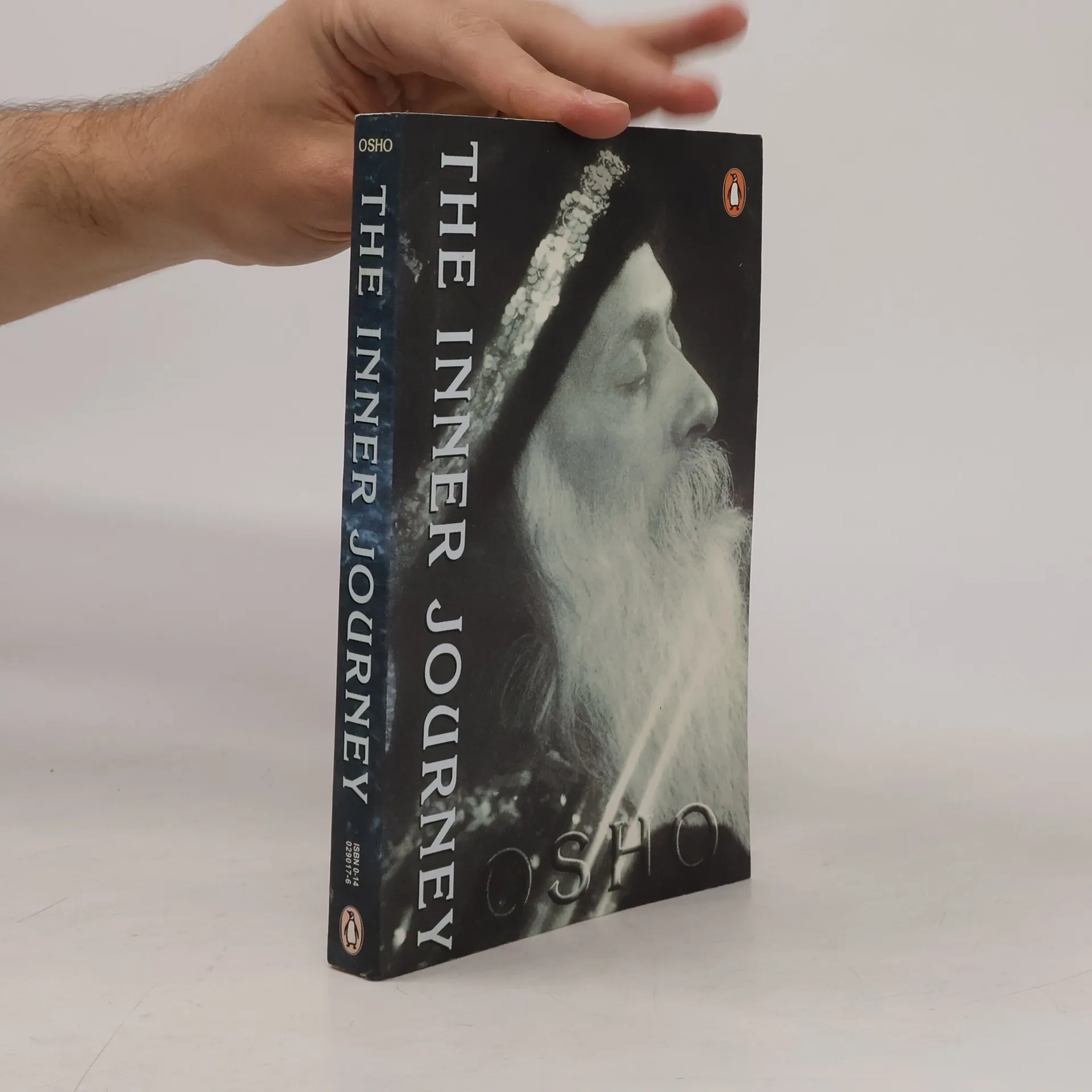
Love Is Not Something To Be Obtained From The Outside. Love Is The Music Of Your Inner Being. Nobody Can Give You Love. Love Can Arise Within You, But It Cannot Be Obtained From The Outside. There Is No Shop, Market, No Salesman From Whom You Can Purchase Love. Love Cannot Be Purchased, At Any Price. Love Is An Inner Flowering. It Arises From Some Dormant Energy Within, Yet All Of Us Search For Love On The Outside. But All Of Us Search For Love In The Beloved& -Osho The Inner Journey Is A Precise Manual For Tuning The Instrument-Body, Mind, Heart, Hara-To An Inner Balance And Harmony That Will Pave The Way For The Experience Of Meditation. Osho Speaks Of Meditation As A Music That Naturally Flows In A Well-Tuned Instrument, And Of Love As The Dance That Moves To This Music.
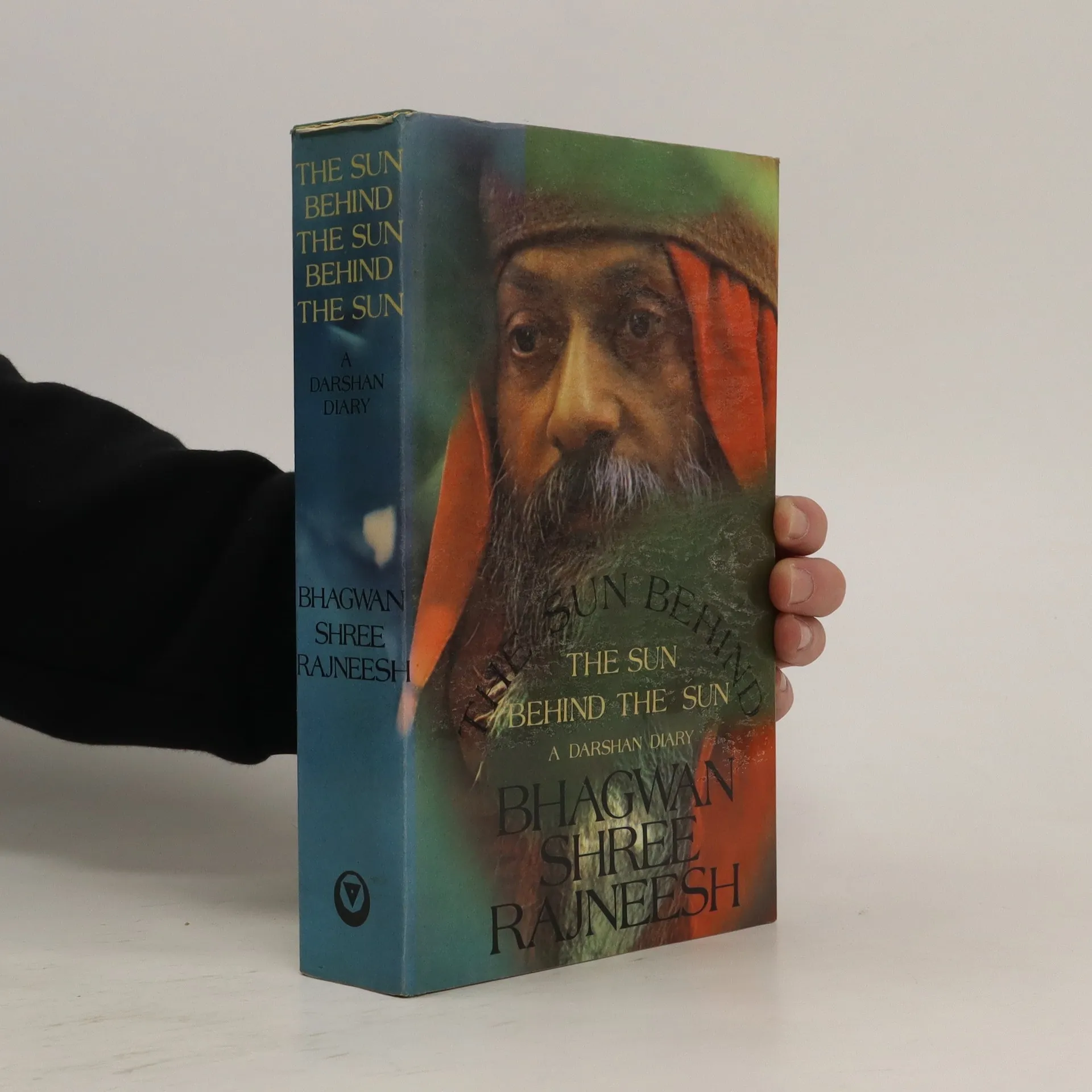
Bound in publisher's green cloth decorated in gilt; with color image of Rajneesh tipped in following copyright page. Very Good. Boards bowed. One of 5,000 copies originally printed. A rare early Indian English-language publication by the leader of the Rajneesh movement, before the founding of the Pune ashram and Rajneeshpuram in rural Oregon.