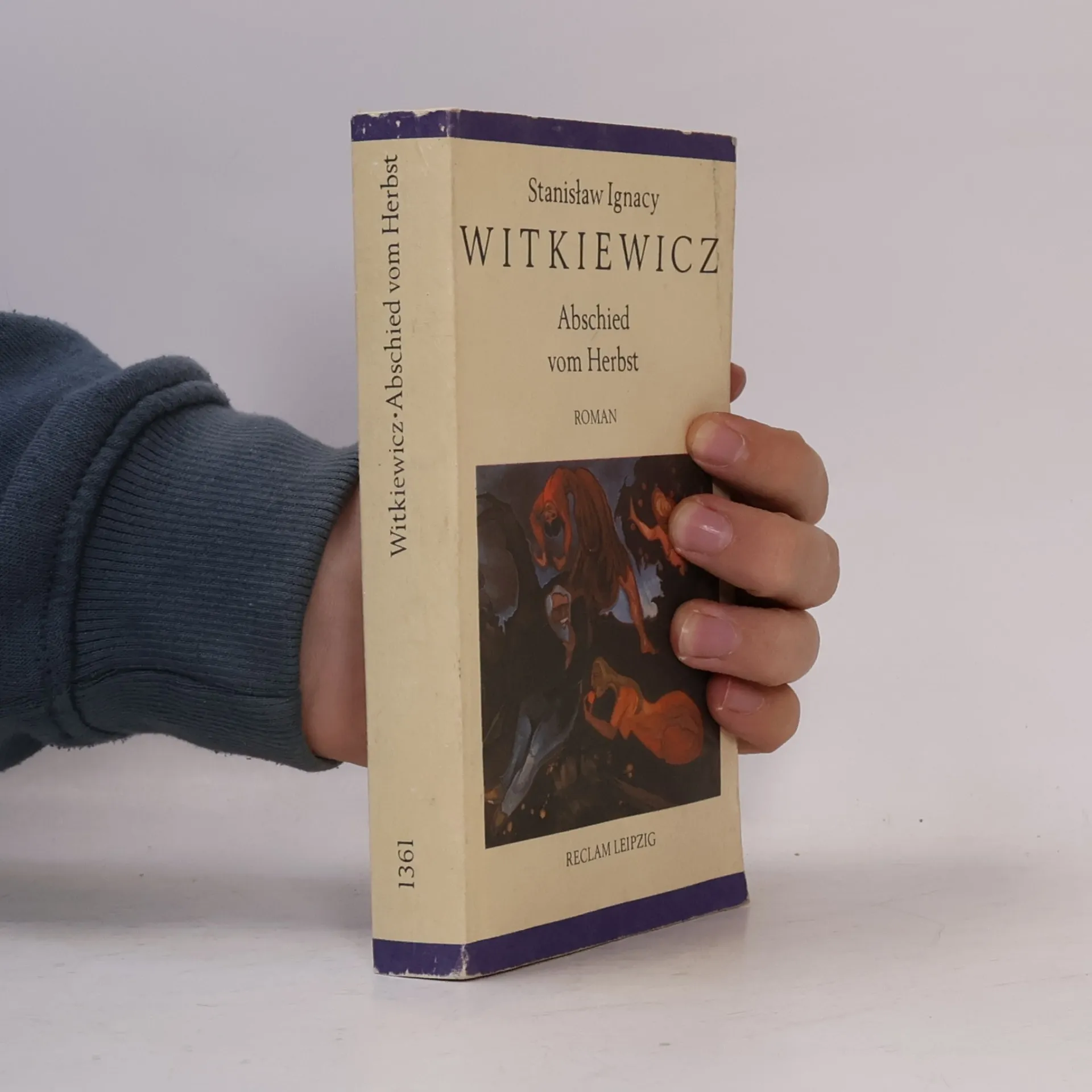
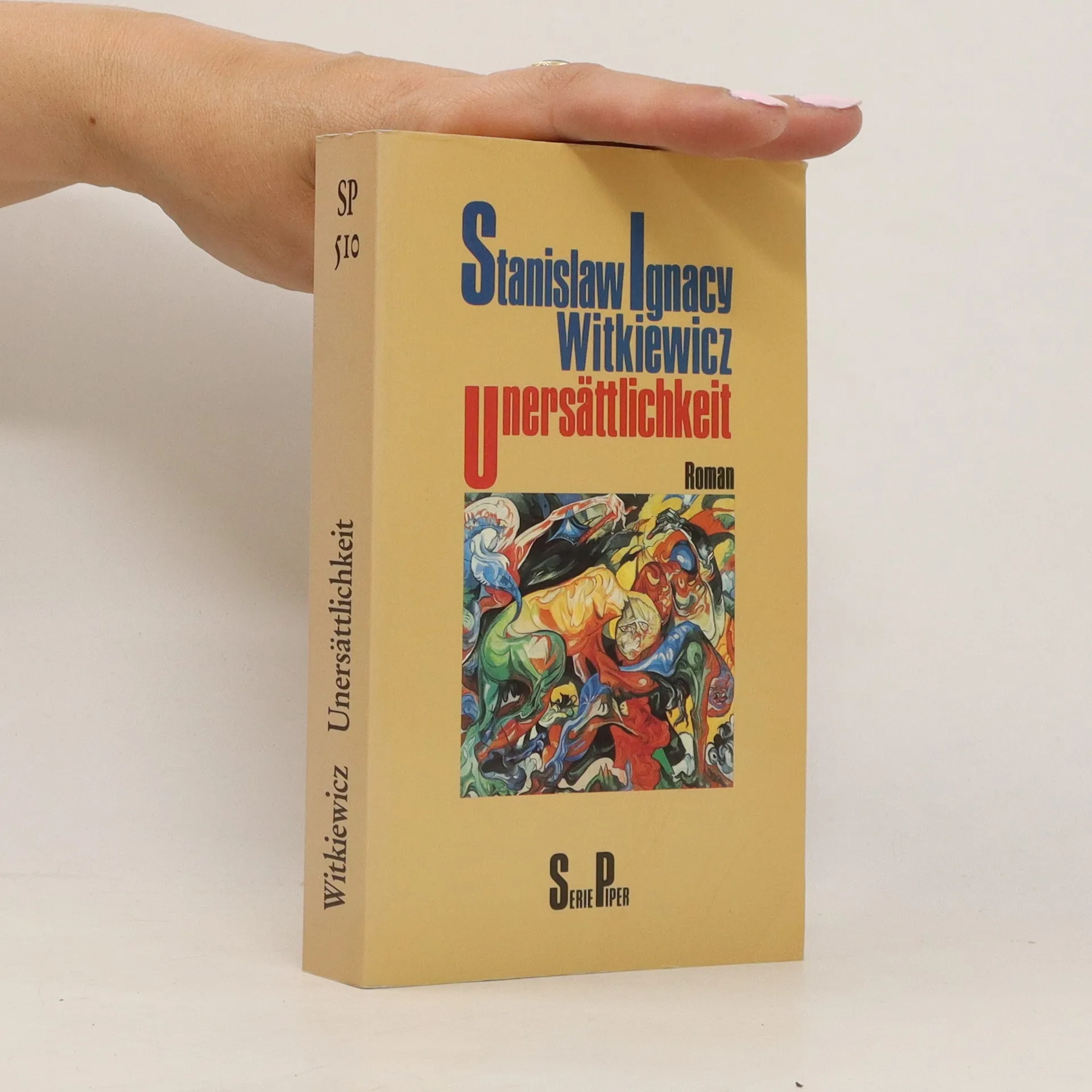
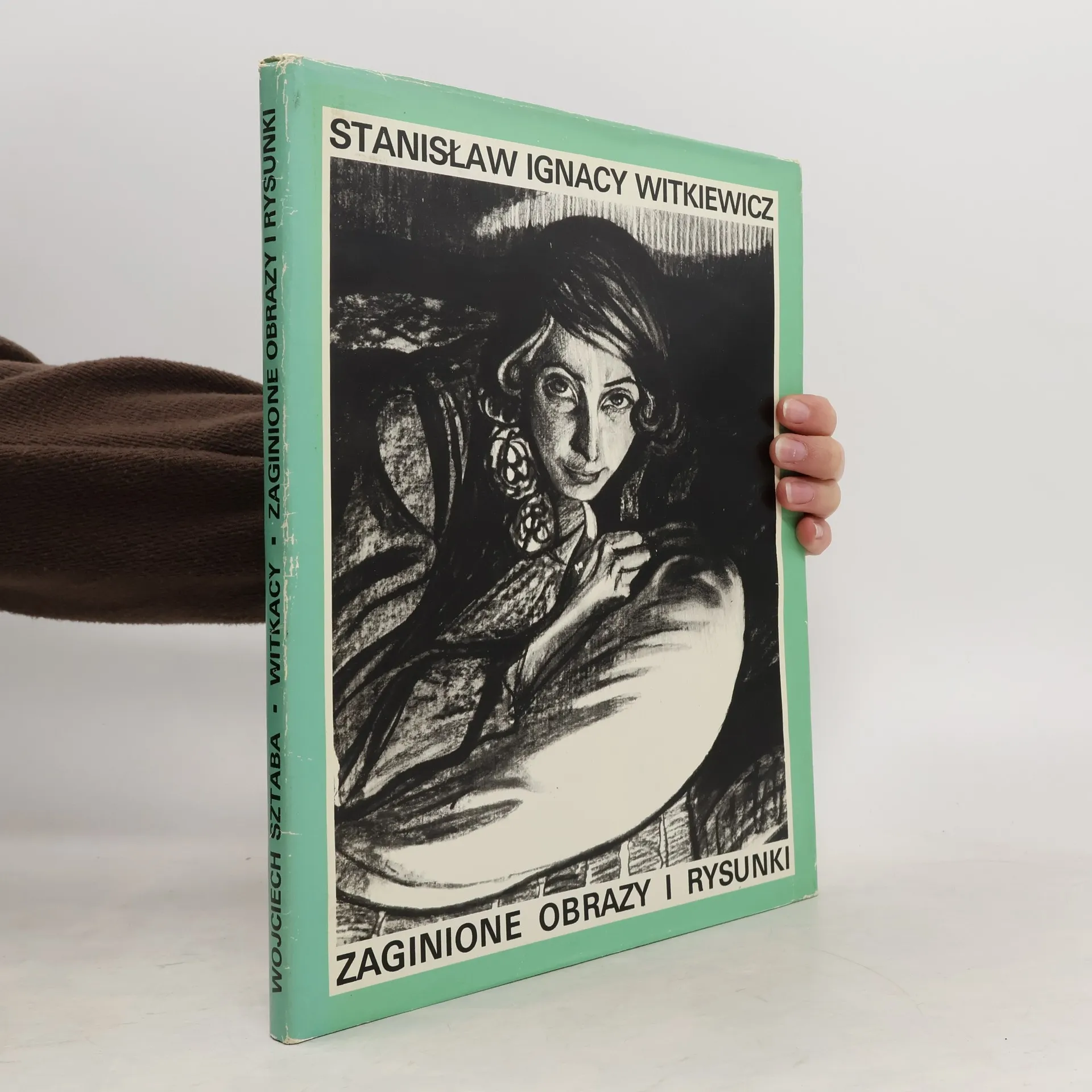
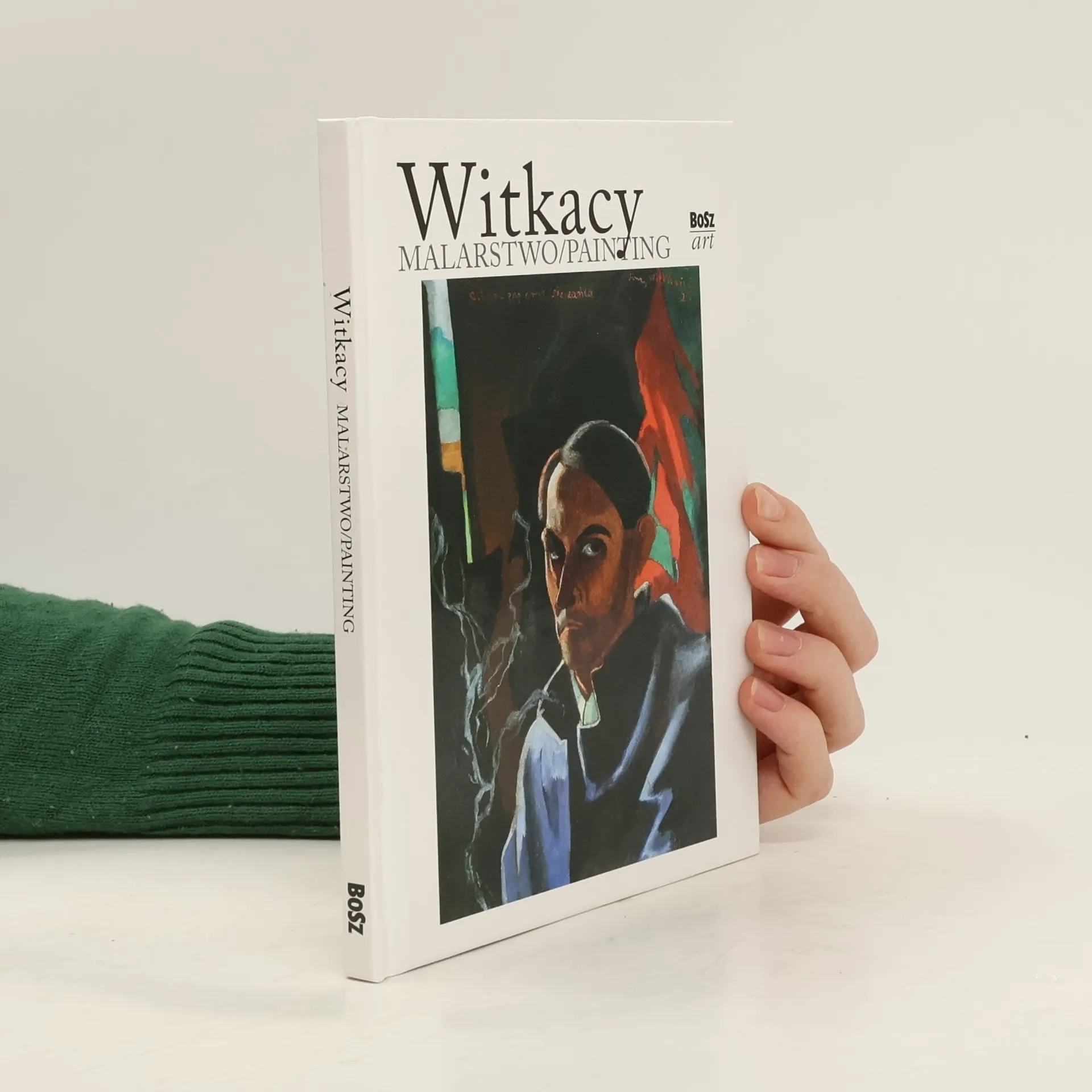
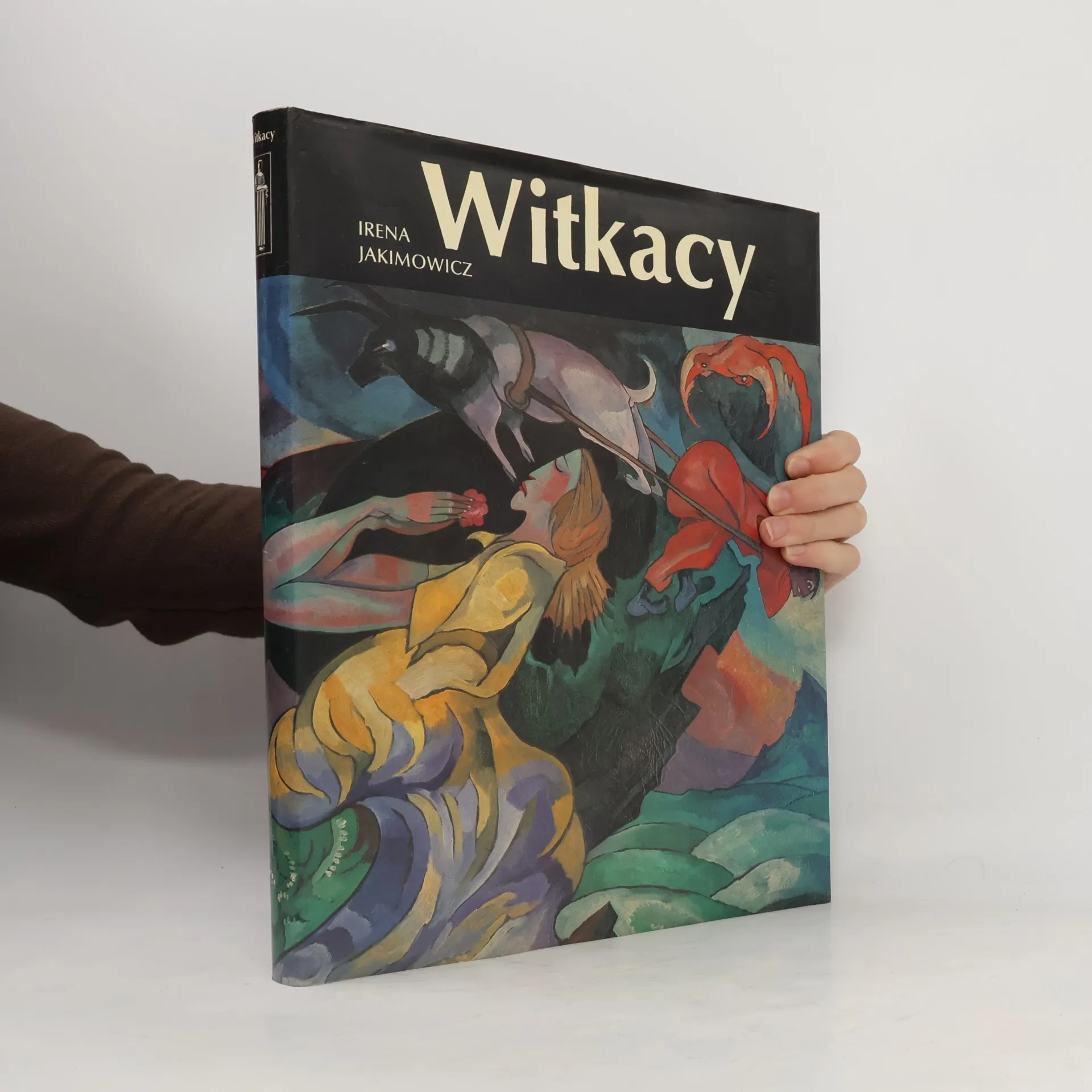
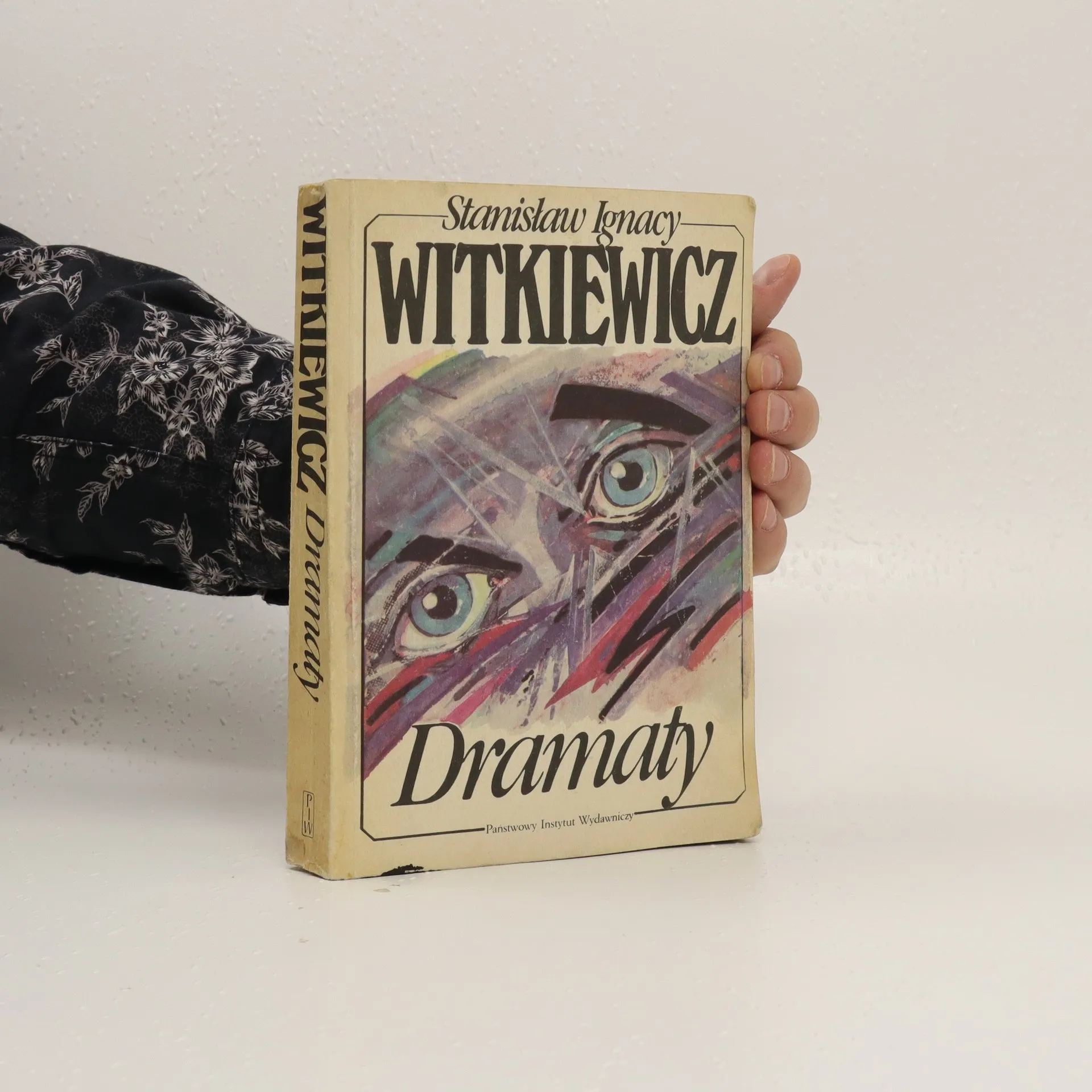
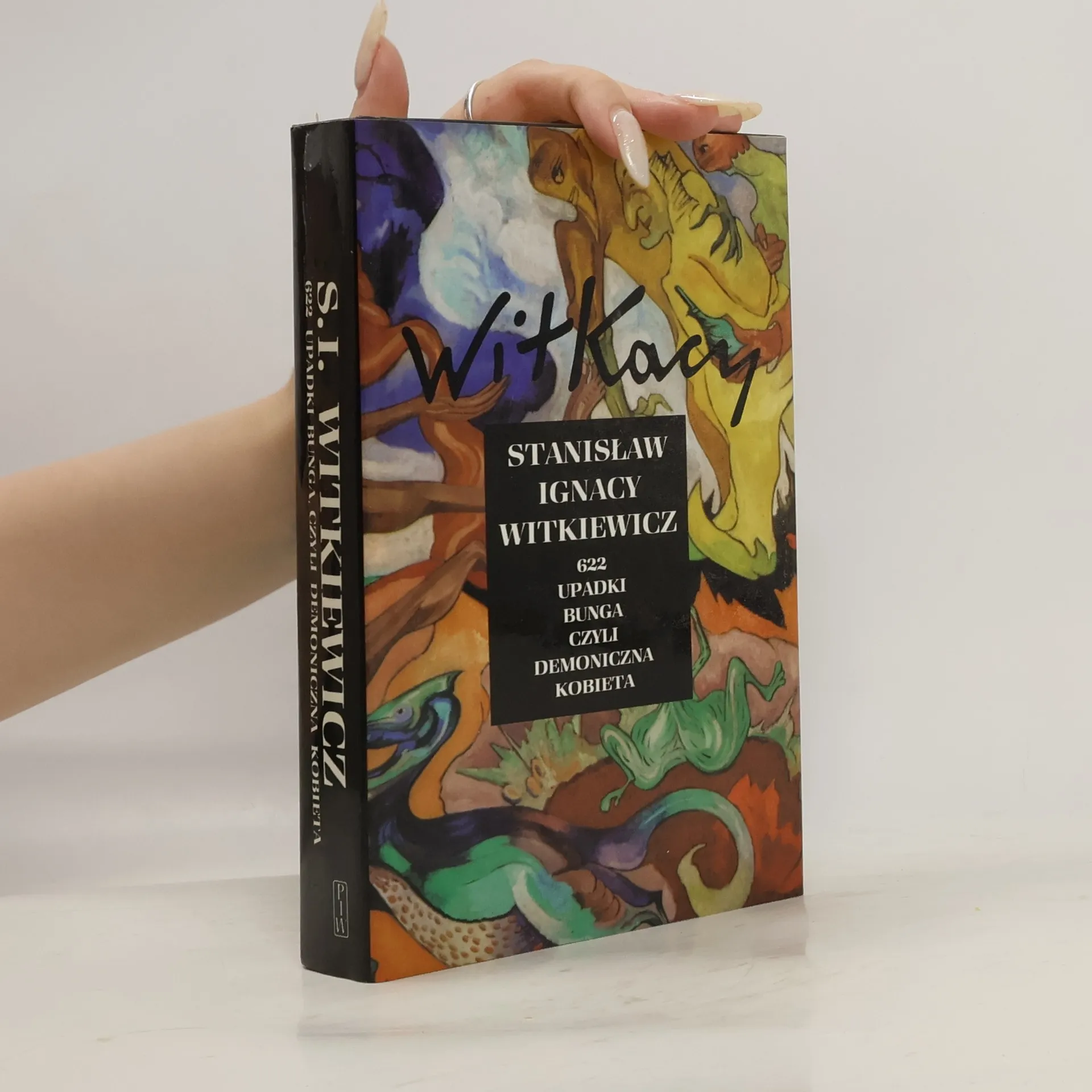
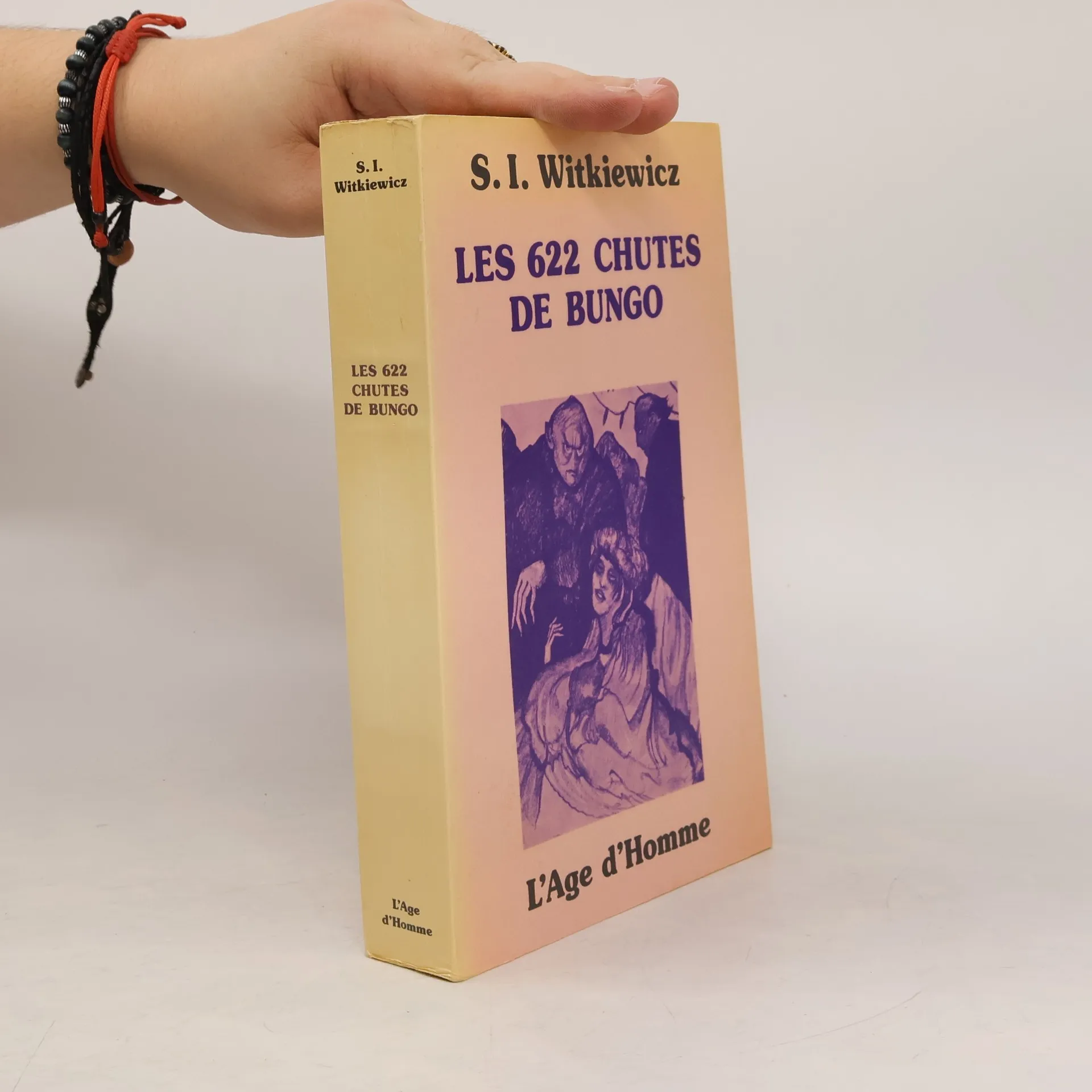
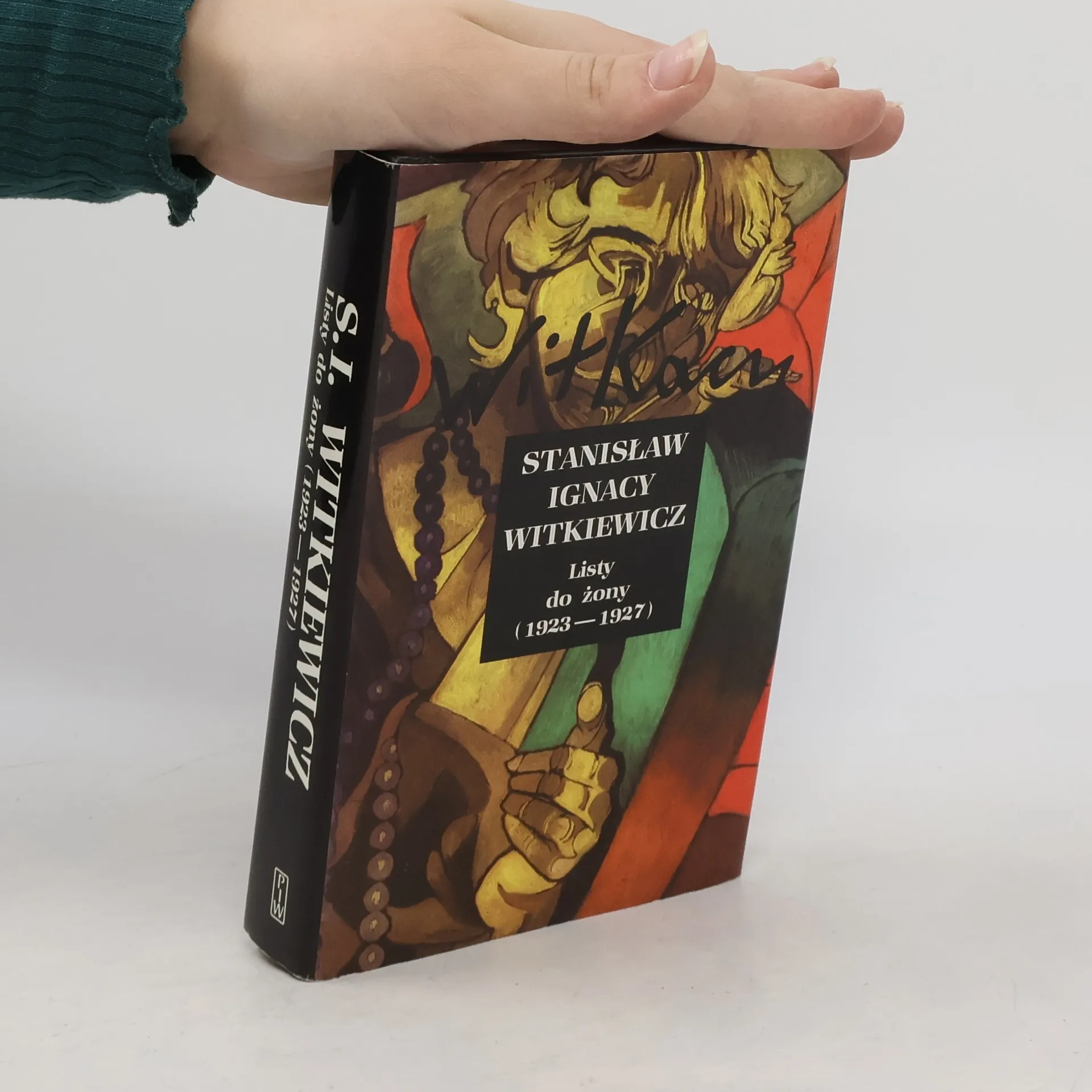
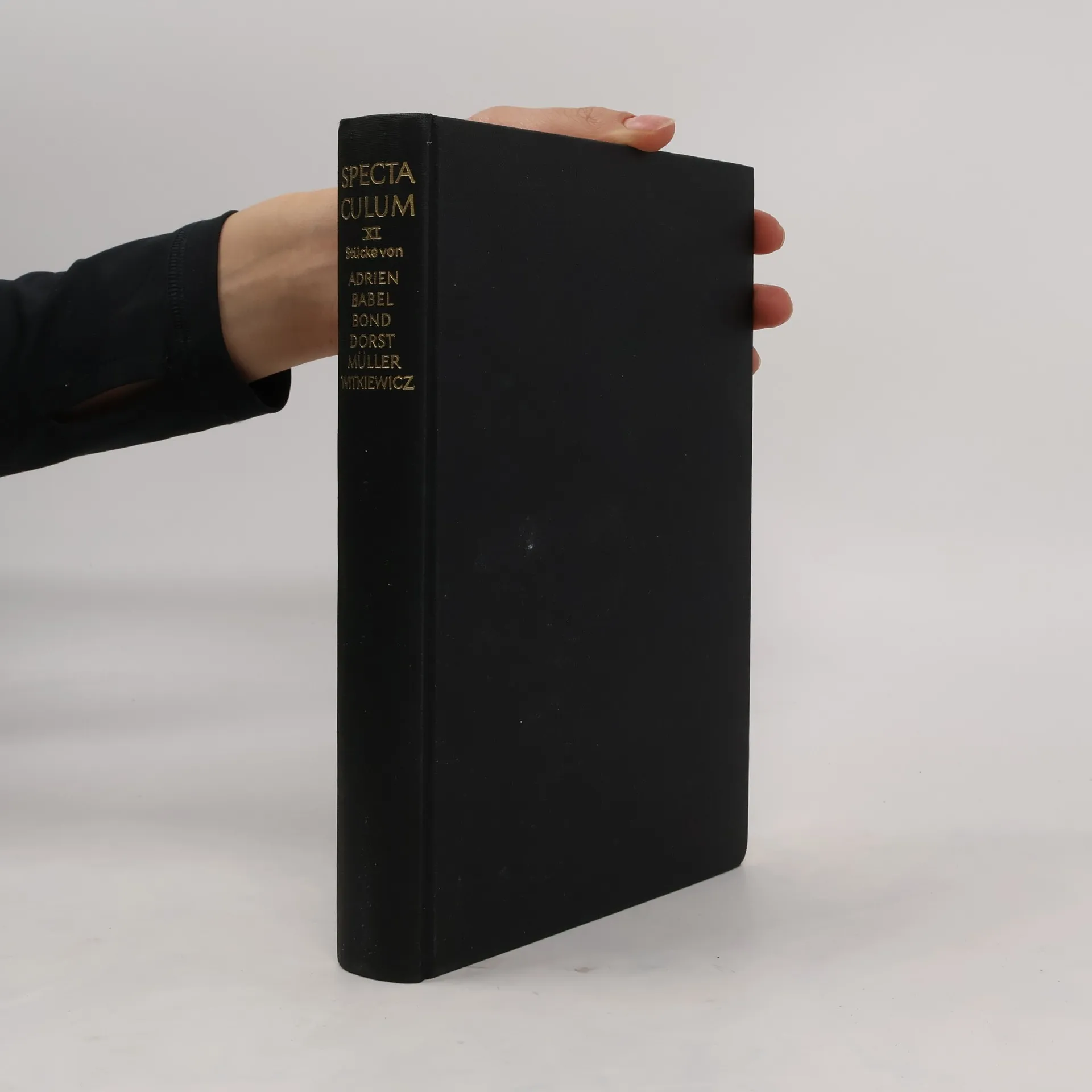
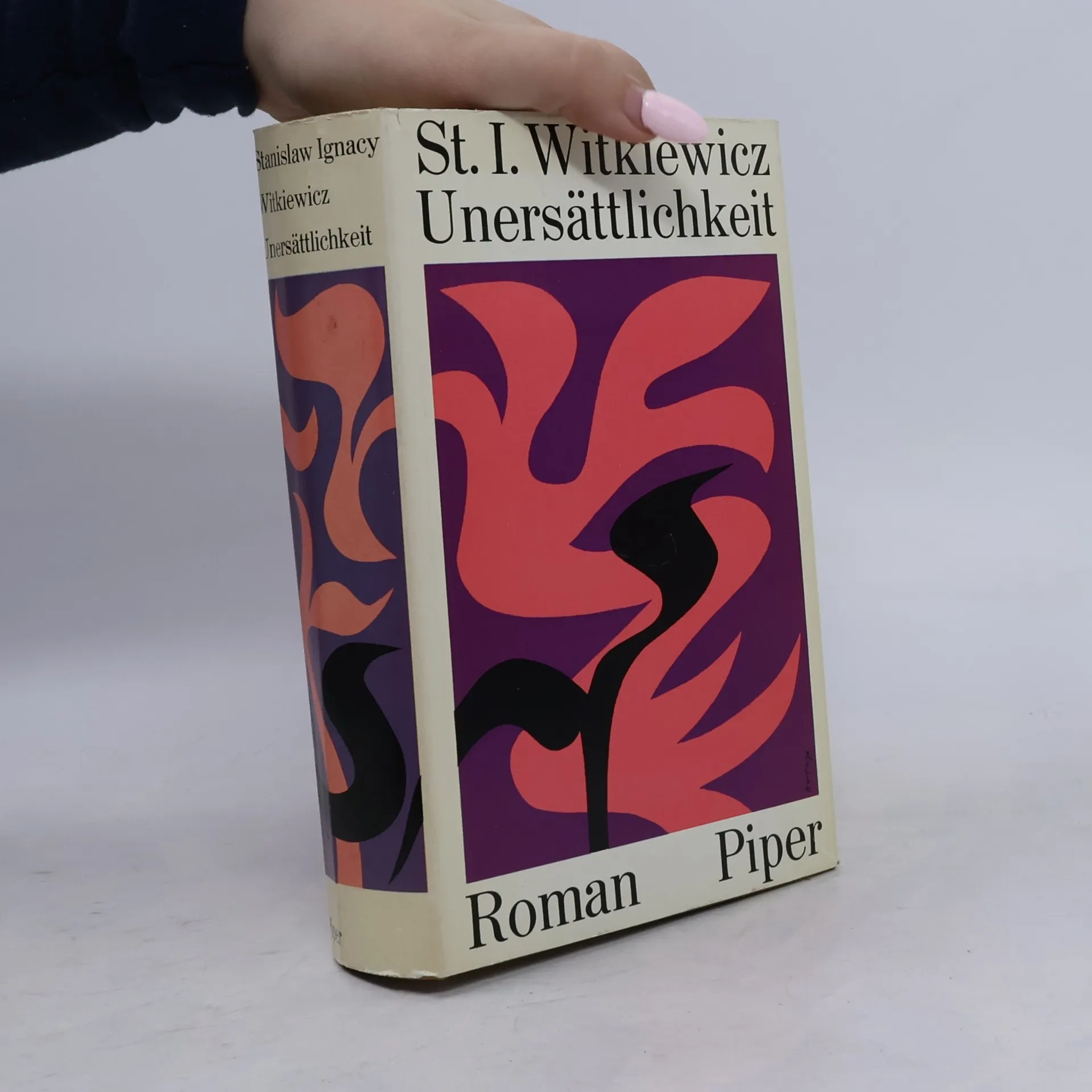
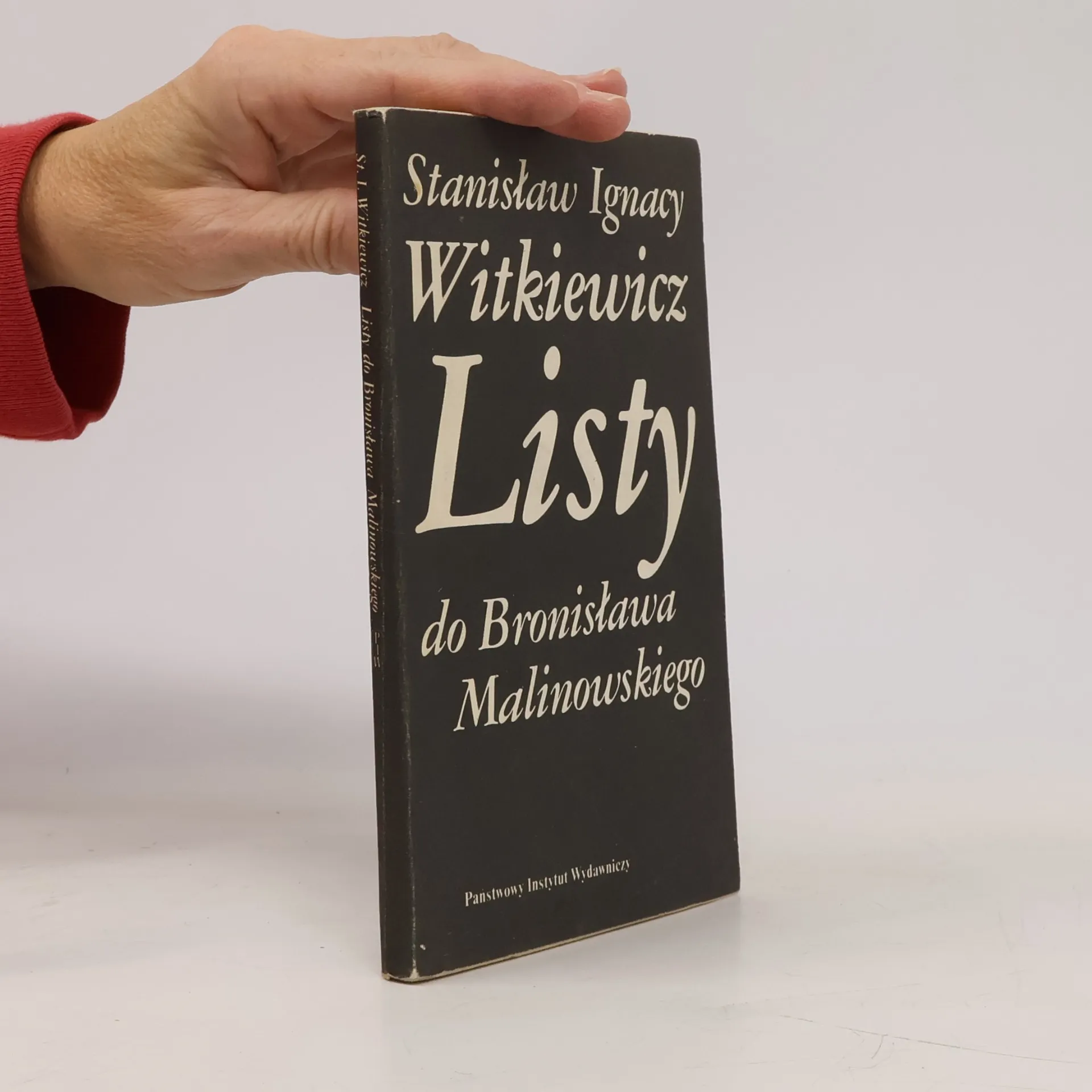
Witkacy was a Polish artist whose work defies easy categorization. As a writer, playwright, painter, philosopher, and art theorist, he delved into the depths of the human psyche and society. His visions were ahead of their time, and his sharp judgment continues to resonate. Witkacy's oeuvre, with its prophetic insights and biting intellect, consistently captivates new generations.
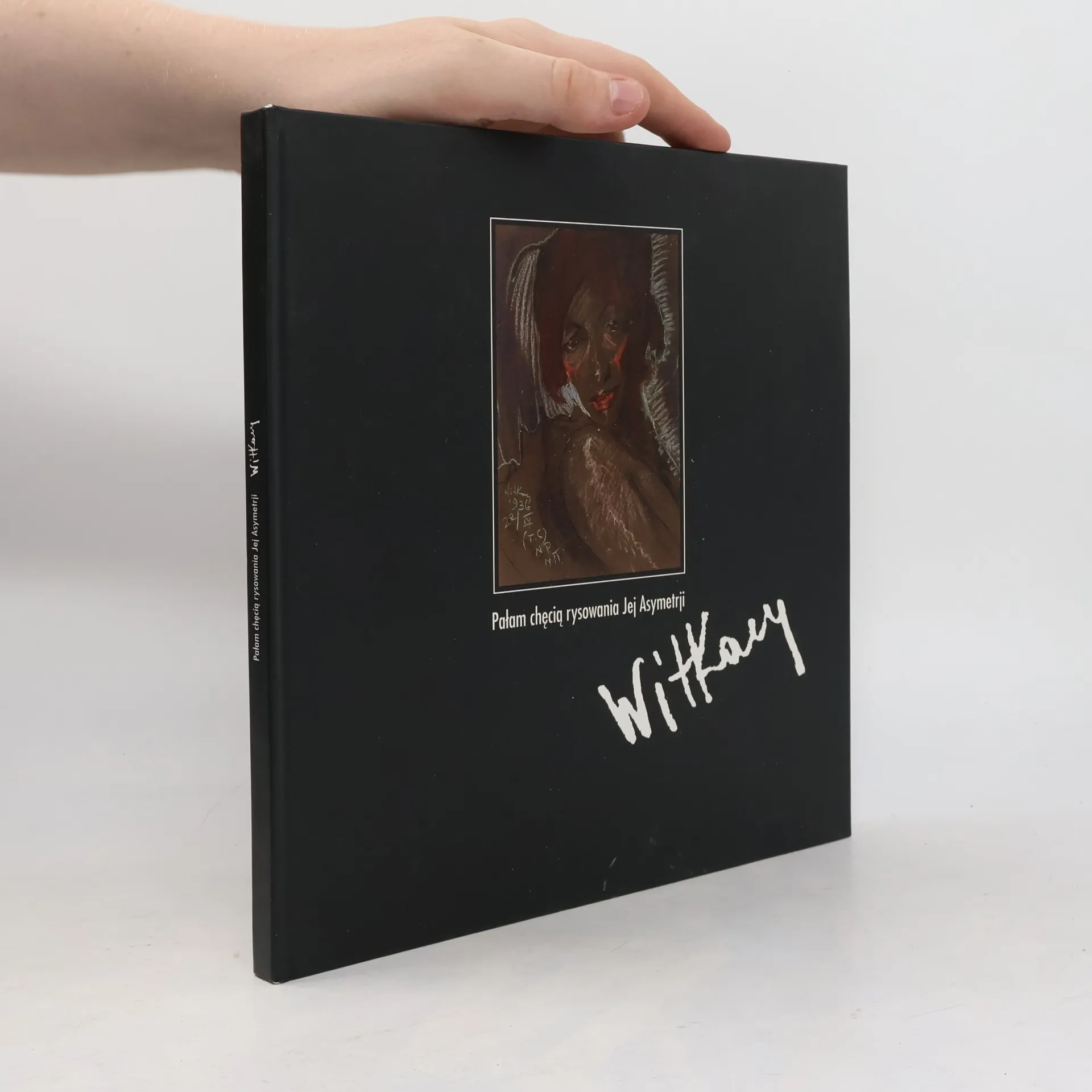
In den frühen zwanziger Jahren suchte Stanislaw Ignacy Witkiewicz, kurz Witkacy genannt, neue Wege, um das »intuitive Bild« einer Person treffender festzuhalten. Das veranlaßte ihn, sich mit der spontanen oder »automatischen« Zeichnung zu beschäftigen oder unter dem Einfluß von Rauschmitteln zu arbeiten. Einige dieser Experimente fanden im Rahmen seiner »Portrait-Firma« statt.
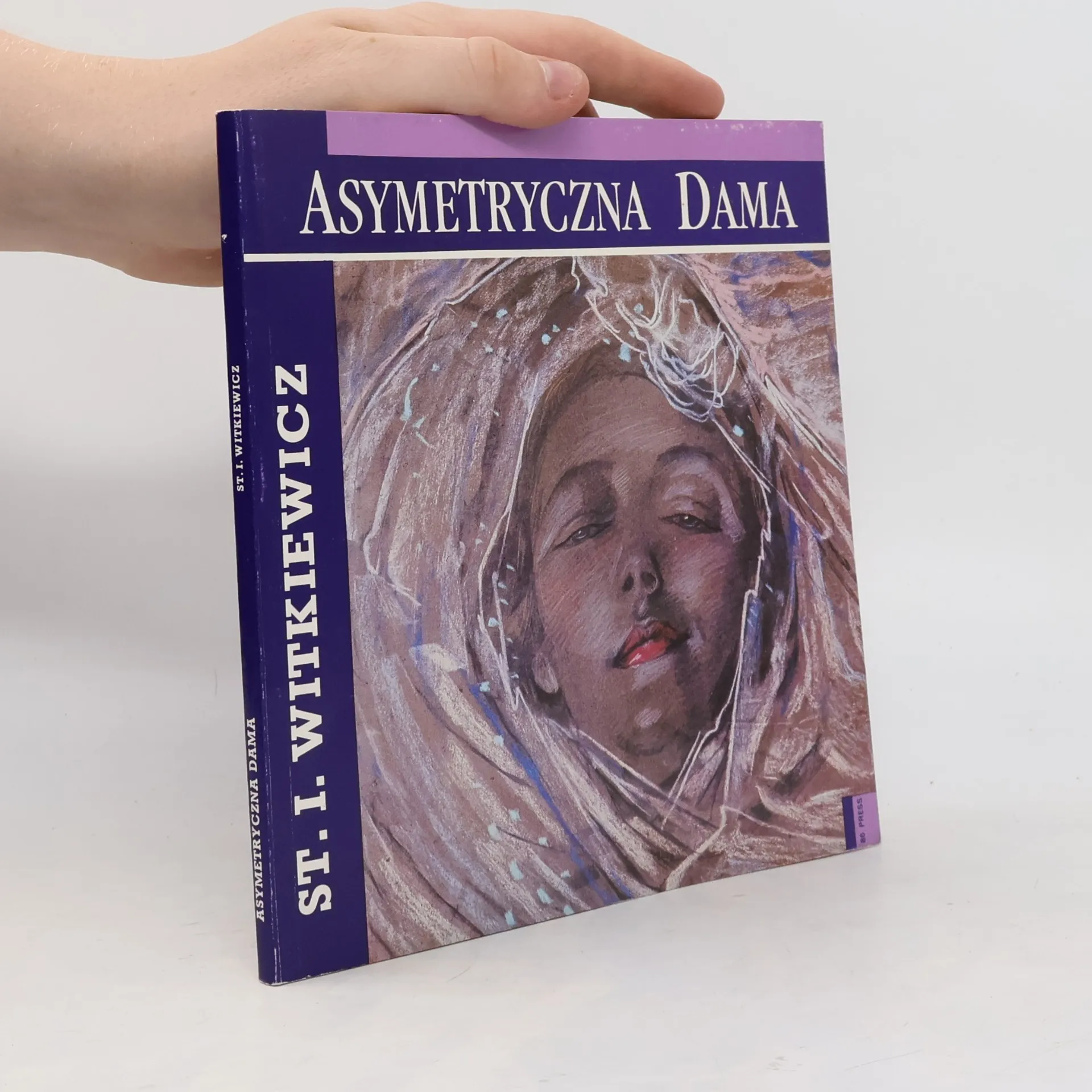
Stanisław Ignacy Witkiewicz, zwany Witkacym (1885–1939), był nie tylko malarzem, także – filozofem, pisarzem, dramaturgiem, teoretykiem sztuki, fotografem. W każdej z tych dziedzin osiągnął mistrzostwo i w każdej z nich nieustannie zaskakiwał. Jako malarz był twórcą zarówno tradycyjnych pejzaży i portretów, jak i ekspresyjnych kompozycji z pogranicza abstrakcji. Najbardziej jednak znane są jego pastelowe portrety wykonywane w ramach jednoosobowej Firmy Portretowej „S.I. Witkiewicz”.Album zawiera wybór najważniejszych reprodukcji dzieł pochodzących z poszczególnych okresów twórczości wybitnego artysty. Całość opatrzona wstępem znanego witkacologa dr Anny Żakiewicz.
Witkiewicz established rules for his portrait work, marking paintings with symbols indicating the substances he had consumed or abstained from. Type C portraits were created under the influence of alcohol and "narcotics of a superior grade," resulting in abstract compositions he termed "Pure Form." Various drugs produced distinct distortions and effects, often reflecting the subject's preferences. Some portraits indicated the number of days without smoking or drinking, while type D works aimed for similar results without artificial means. Different substances influenced color combinations and highlighted various aspects of the subject's features or psyche, exemplified by a series of self-portraits created with beer and cocaine.
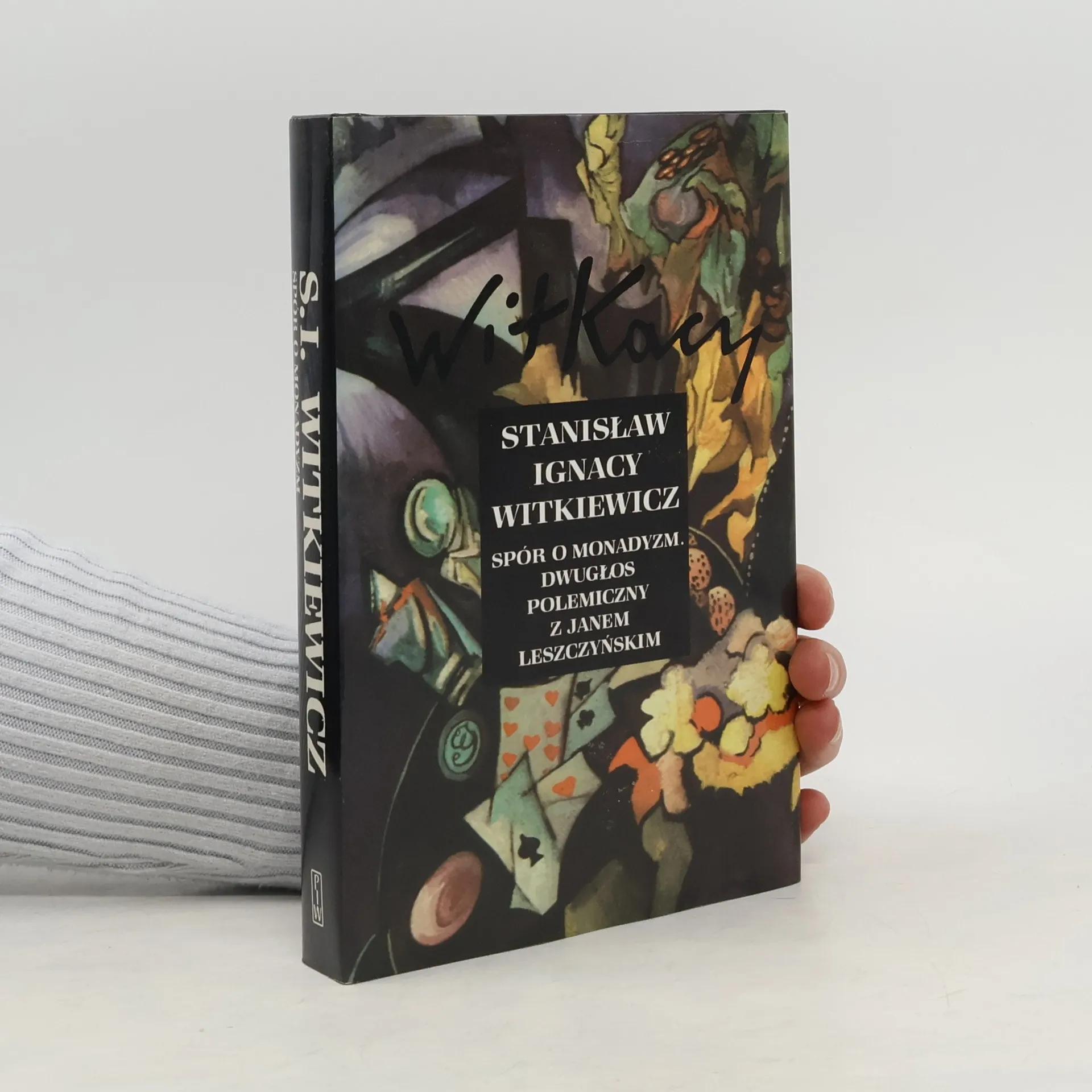
Informed by earlier drug writings and anticipating future explorations of psychoactive substances, Witkacy's 1930 work discusses his experimentation and the nature of addiction, critiquing societal attitudes toward drugs deemed "acceptable." As life mechanized, he believed metaphysical experiences could only be achieved artificially, paralleling Henri Michaux's extensive visual art created under substance influence.
Witkacy's acerbic, meandering prose, filled with neologisms and multilingual expressions, critiques Polish society and the art world, exposing the hypocrisy surrounding drug use. Since its 1930s publication, this work has gained cult status in Poland as a modernist classic. This edition fe
Das bedeutendste Werk des polnischen Autors ist ein antiutopischer und psychologischer Roman, der das turbulente Leben des jungen Barons Genezyp Kapen, genannt Zypek, darstellt. Er verfolgt das plötzliche Erwachsenwerden der Hauptfigur, ihre Schulbildung und die Rückkehr in die Heimat, die später nationalisiert wird, sowie die sexuelle Reifung. Die Bedeutung der Vaterfigur im Leben eines jungen Polen wird hervorgehoben, in einer Zeit, als Polen im Chaos des bolschewistischen Regimes versinkt und die große Macht Russlands und Chinas bezeugt. Die Handlung spielt in einer damaligen Zukunft und zeigt nicht nur das Chaos des Raumes, sondern auch das Chaos der (Selbst)erkenntnis der Hauptfigur. Besonderes Augenmerk wird auf die Analyse der beschämenden zwischenmenschlichen Beziehungen im Leben von Zypek gelegt. Der Autor bietet gleichzeitig eine detaillierte Synthese seiner eigenen Sicht auf die sozialen Prozesse, die er im Roman beschreibt, und äußert sich dazu mit grotesker Provokation, um seine tatsächliche Frustration über die Zeit, in der er lebt, auszudrücken.
Der polnische Avantgardist beschreibt in dieser politisch-sozialen Groteske den Verfall der europäischen Kultur, die zum Opfer eines neuen Gesellschaftskonzepts wird. Atanazy, ein junger Adliger, ist mit der hübschen Zosia verlobt. Dann lernt er die faszinierende Hela Bertz kennen, deren teuflische Schönheit im Zerfallsprozess der polnischen Salonwelt zum erregenden Ferment wird. Die exklusive Gesellschaft flieht in die Karpaten, wo sie sich in der Idylle eines Kurorts Sex- und Alkoholexzessen hingeben. Zosia erträgt es jedoch nicht länger, Atanazy mit Hela zu sehen und nimmt sich das Leben. Doch auch Hela bringt ihm kein Glück, auf der Flucht vor den Schergen eines totalitären Polens stirbt Atanazy im Kugelhagel. »Visionen des Untergangs, düstere Zukunftsprognosen entwirft Witkacy in seinen Romanen.« Die Zeit (Lisaweta von Zitzewitz)
W trzecim tomie Dramat�w znalazły się następujące utwory: Jan Maciej Karol
Wścieklica, Wariat i zakonnica, Janulka, c�rka Fizdejki, Matka, Sonata
Belzebuba, Szewcy, ocalałe fragmenty Nowej homeopatii zła, Straszliwego
wychowawcy, Normalnego człowieka, Wampira we flakonie, Persy
Zwierżontkowskiej, Tak zwanej ludzkości w obłędzie, dwa utwory
autoparodystyczne Negatyw szkicu i Romans schizofrenika oraz dwa przekłady
(polski i francuski) Szalonej lokomotywy, kt�rej oryginał zaginął.
Czwarty tom korespondencji Witkacego z żoną zawiera 336 list�w, kart
pocztowych, widok�wek i odcink�w pocztowych z lat 1936-1939.To w życiu
Witkiewicza trudny okres. Dokuczają mu nasilające się dolegliwości fizyczne.
Niepowodzeniem zakończyły się starania o wydanie powieści Jedyne wyjście oraz
studium społeczno-obyczajowego Niemyte dusze.Ma kłopoty z Izbą Skarbową z
powodu niezapłaconych podatk�w. Źle układają się stosunki z ciotką Mery i
kuzynką Dziudzią, właścicielką Witkiewicz�wki.
Trzeci tom korespondencji Witkacego z żoną zawiera 382 listy, poczt�wki, karty
pocztowe i telegramy z lat 1932?1935, w kt�rych otwarcie informuje on Jadwigę
o wszystkich sprawach osobistych, nieustannych problemach ze zdrowiem, wielu
podr�żach w poszukiwaniu klient�w Firmy Portretowej oraz kłopotach z
realizacją plan�w tw�rczych.Pisze wtedy pierwszą część powieści Jedyne
wyjście, ale do dalszej pracy zniechęcają go nieudane starania o jej wydanie.
Tom obejmuje 38 tekst�w. Są wśr�d nich szkice o tw�rczości m.in. futuryst�w,
Jerzego Mieczysława Rytarda, Tadeusza Micińskiego, Antoniego Słonimskiego i
Brunona Schulza (wnikliwe studium o Sklepach cynamonowych) oraz kilka
artykuł�w poświęconych problemom krytyki, jej założeniom, funkcjom i
kryteriom. Witkacy uparcie dowodził, że krytyk powinien mieć solidne
przygotowanie filozoficzne i skrystalizowane poglądy estetyczne. Szczeg�lne
znaczenie przypisywał polemikom i zgodnie z wyznawaną zasadą, że autor
powinien odpowiadać krytykom, wdawał się w dyskusje m.in. z Irzykowskim,
Boyem, Słonimskim oraz Chwistkiem, kt�remu poświęcił obszerną rozprawę Leon
Chwistek ? Demon Intelektu. Z furią atakował ?Wiadomości Literackie? za
szerzenie kultury ?dowcipiarstwa?, lekceważenie problematyki filozoficznej,
schlebianie gustom ?kurierkowej publiczności?. Kilkanaście tekst�w z lat
1931?1936 dotyczy aktualnych problem�w życia umysłowego, społecznego i
artystycznego w Polsce. Trafnie wskazywał w nich zagrożenia, jakie niesie
rozw�j kultury masowej i starał się bronić tych wartości, kt�rych ocalenie
mogło op�źnić nieuchronny ? jego zdaniem ? upadek sztuki. Wszystkie teksty
zostały sprawdzone z pierwodrukami i rękopisami oraz opatrzone szczeg�łowymi
przypisami i notami edytorskimi.
Ostatni, monumentalny tom listów Witkacego próbuje sprostać beznadziejnemu w
istocie zadaniu publikacji całości tej korespondencji. Co rusz bowiem okazuje
się, że „Witkacy ciągle pisze”. Dowodem na to jest choćby odnaleziona
korespondencja z dr. Rouhierem. W tomach znalazły się dwa bloki listów o
wymiarze filozoficznym – do Romana Ingardena i Hansa Corneliusa, a wśród
pozostałych adresatów m.in.: Jan Leszczyński, Maria Zarotyńska, Bruno Schulz,
Tadeusz Langier, Jerzy Eugeniusz Płomieński, Karol Ludwik Koniński, Zofia
Żeleńska, Józef Mehoffer, Kazimierz Twardowski, Maria Kasprowiczowa.
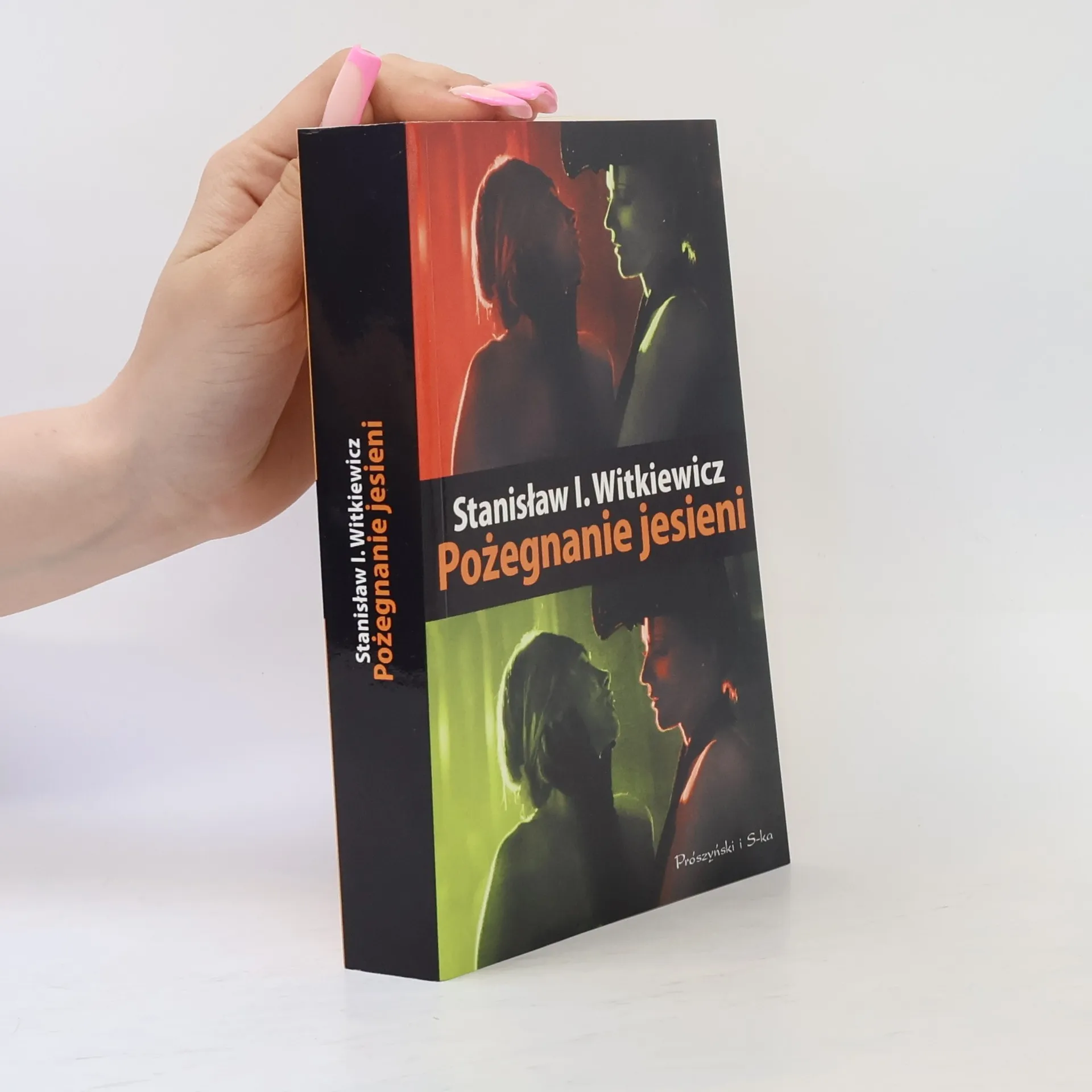
Pożegnanie jesieni to najsłynniejsza powieść Stanisława Ignacego Witkiewicza, w której autor kreśli katastroficzno-erotyczną wizję upadku dekadenckiego świata w literacko brawurowy sposób. W obliczu zbliżającej się rewolucji bohaterowie Witkacego usiłują nadać sens swemu kończącemu się życiu – poszukując tajemnicy Istnienia, szamocą się między sztuką a życiem, erotyką, narkotykami a filozofowaniem. Głównym tematem powieści są, wg słów samego autora, przeżycia bandy zdegenerowanych byłych ludzi na tle mechanizującego się życia. Atanazy Bazakbal, Hela Bertz, Zofia Osłabędzka oraz hrabia Łohoyski powiązani ze sobą skomplikowaną siecią sympatii i animozji „tańczą na wulkanie” – oto wybucha najprawdziwsza rewolucja mas, świat wyrafinowania, nudy i perwersji zostaje zdmuchnięty zawieruchą dziejową jak domek z kart.
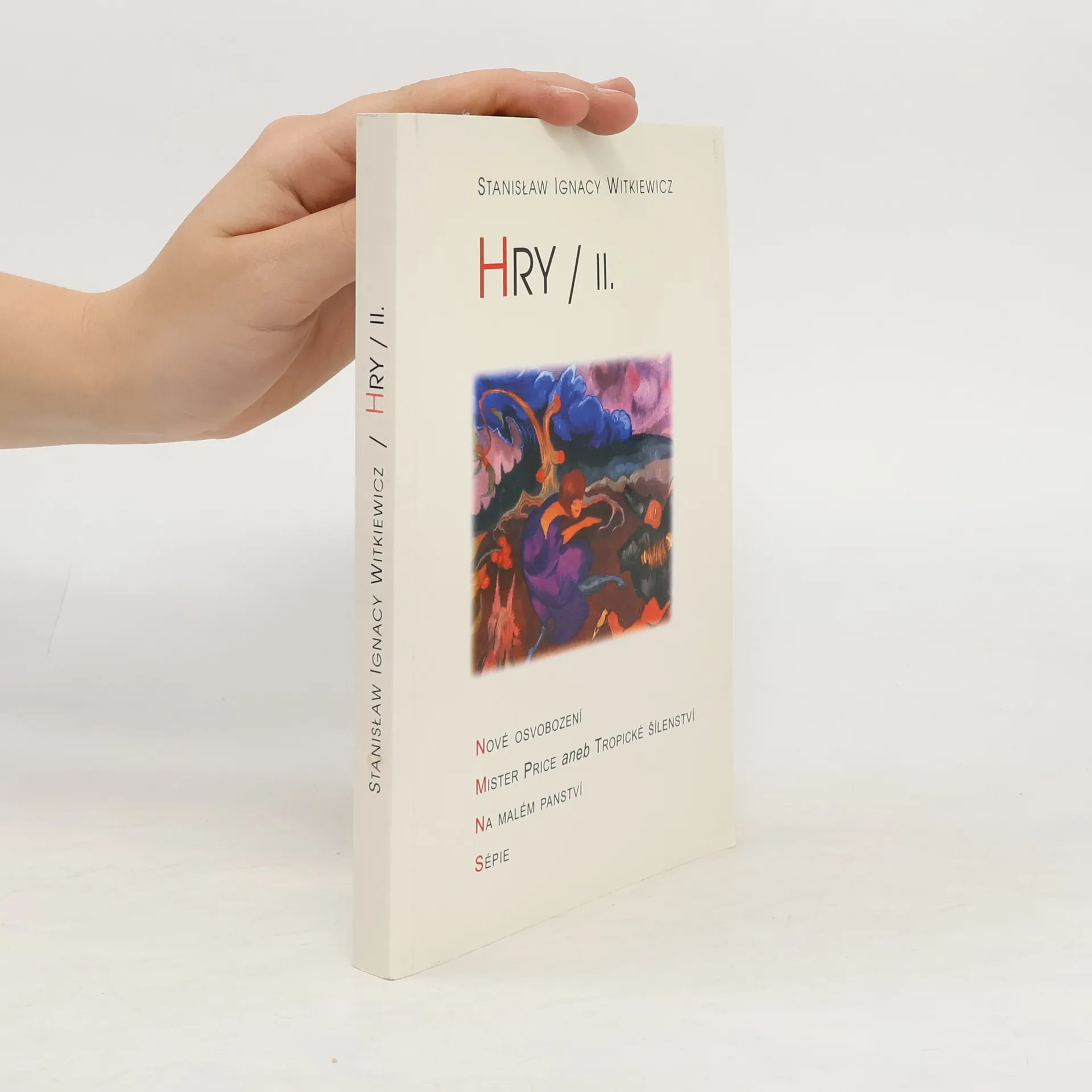
Výbor her proslulého polského dramatika, malíře a teoretika umění. Obsahuje dramata: Nové Osvobození; Mister Price aneb Tropické šílenství; Na malém panství; Sépie.