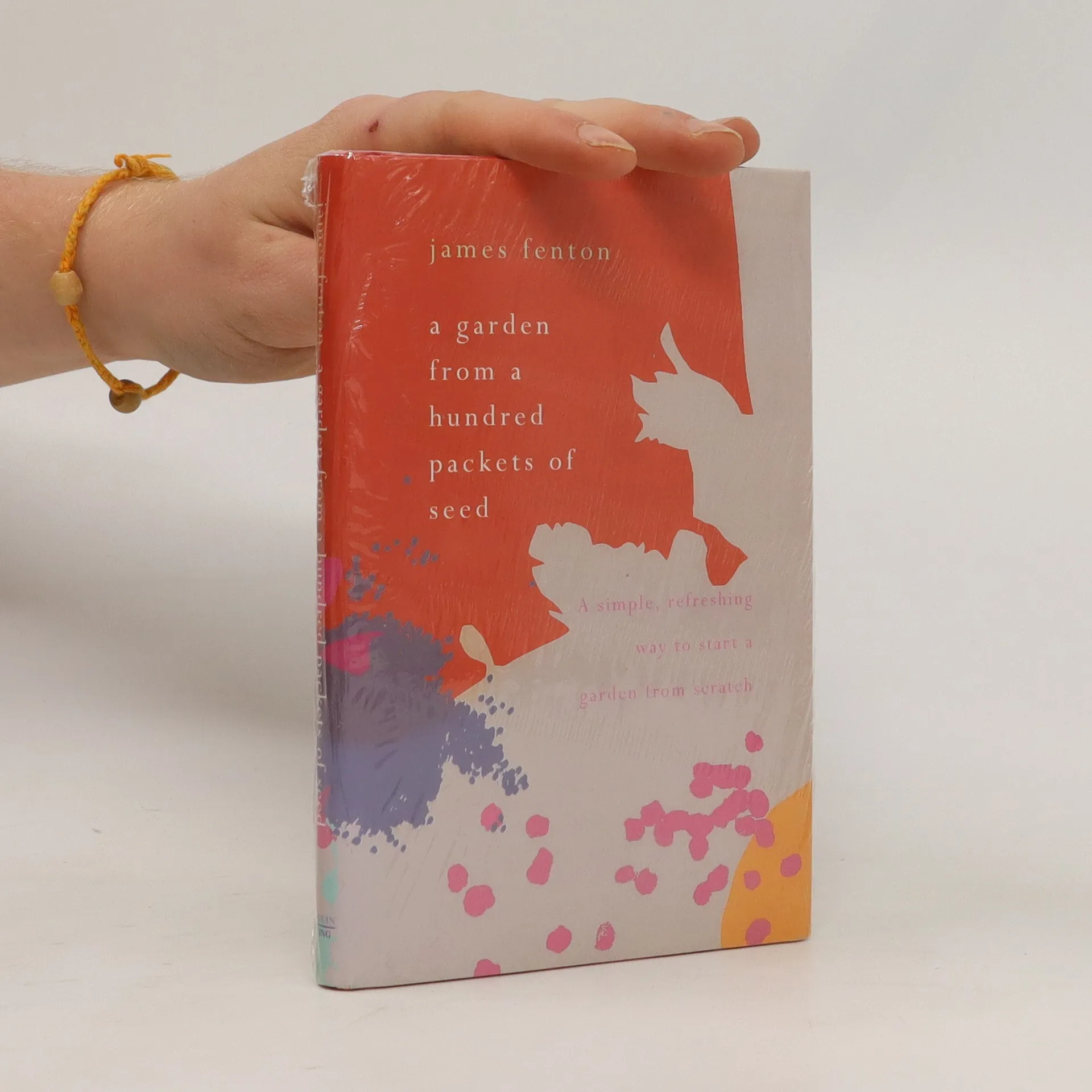
What plants would you choose to grow, given an empty patch, and given the stipulation that you don't want to spend six months first designing it on a piece of graph paper and that everything you grow in this garden must be raised by you from seed? What would you like to eat next year, which flowers would give you most pleasure? With this simple premise, James Fenton sets out his happy vision of a garden, and devises the perfect starter kit for gardens as modest as a face flannel on a windowsill, or as grand as Versailles.
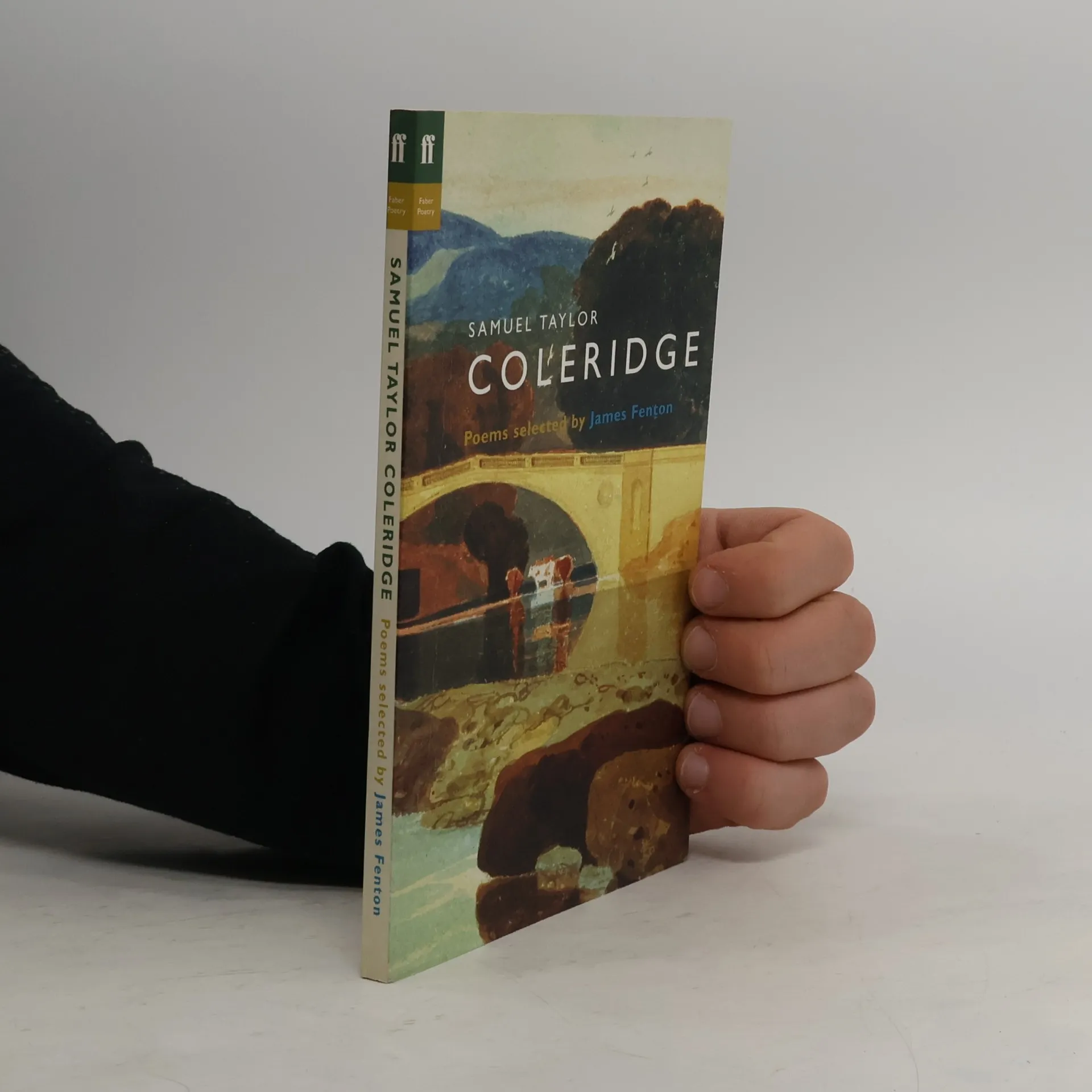
James Fenton Books
James Fenton is a poet whose work is marked by keen observation and political insight. His early experiences in journalism and as a war correspondent shaped his ability to capture the essence of events and human fates. Fenton's style is precise yet evocative, often weaving personal reflections with broader social commentary. His poetry explores the complexities of the modern world with a unique blend of intelligence and empathy.


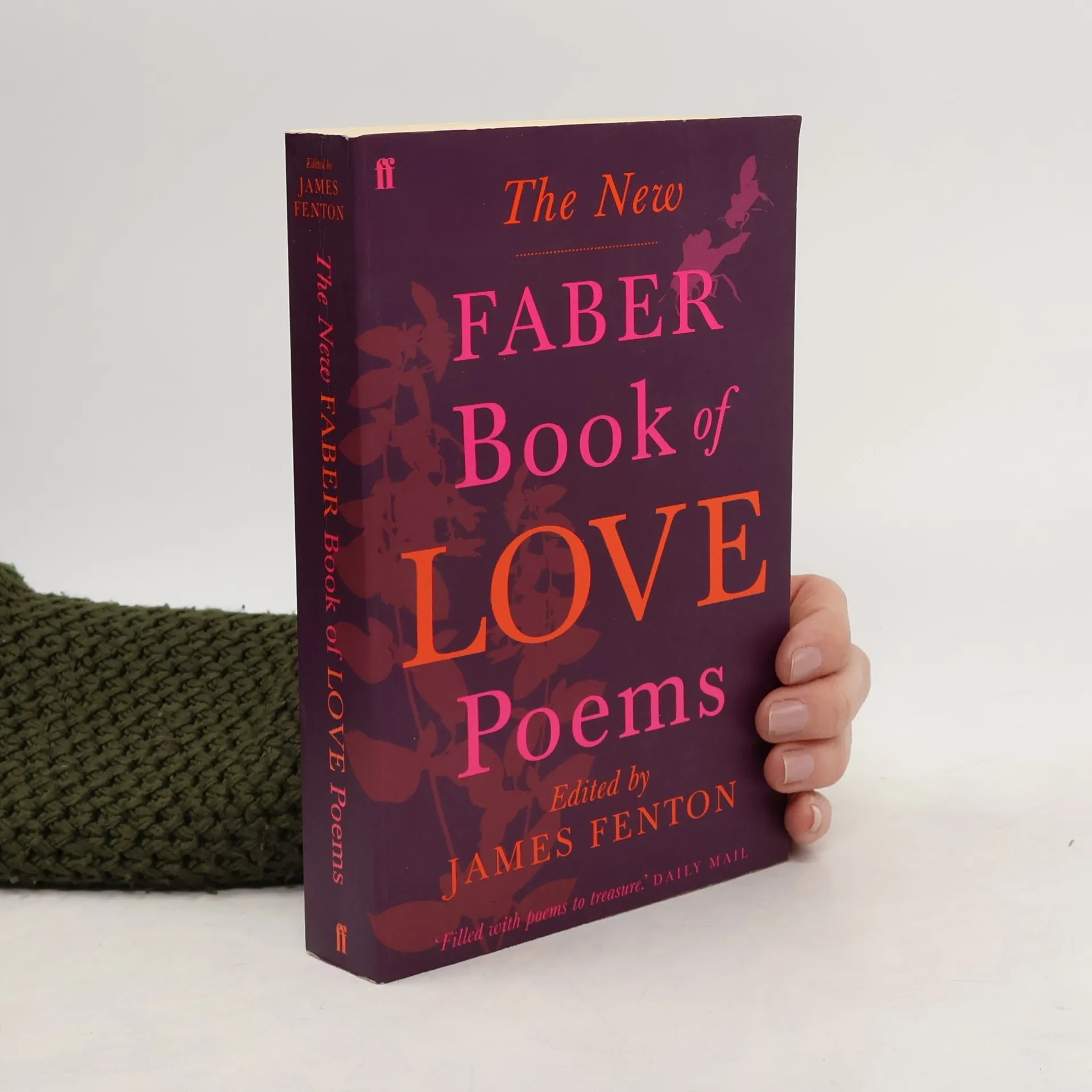
The New Faber Book of Love Poems
- 496 pages
- 18 hours of reading
'The New Faber Book of Love Poems' presents some of the most emotive and memorable lyric poems produced in the English language from the Renaissance to the present.
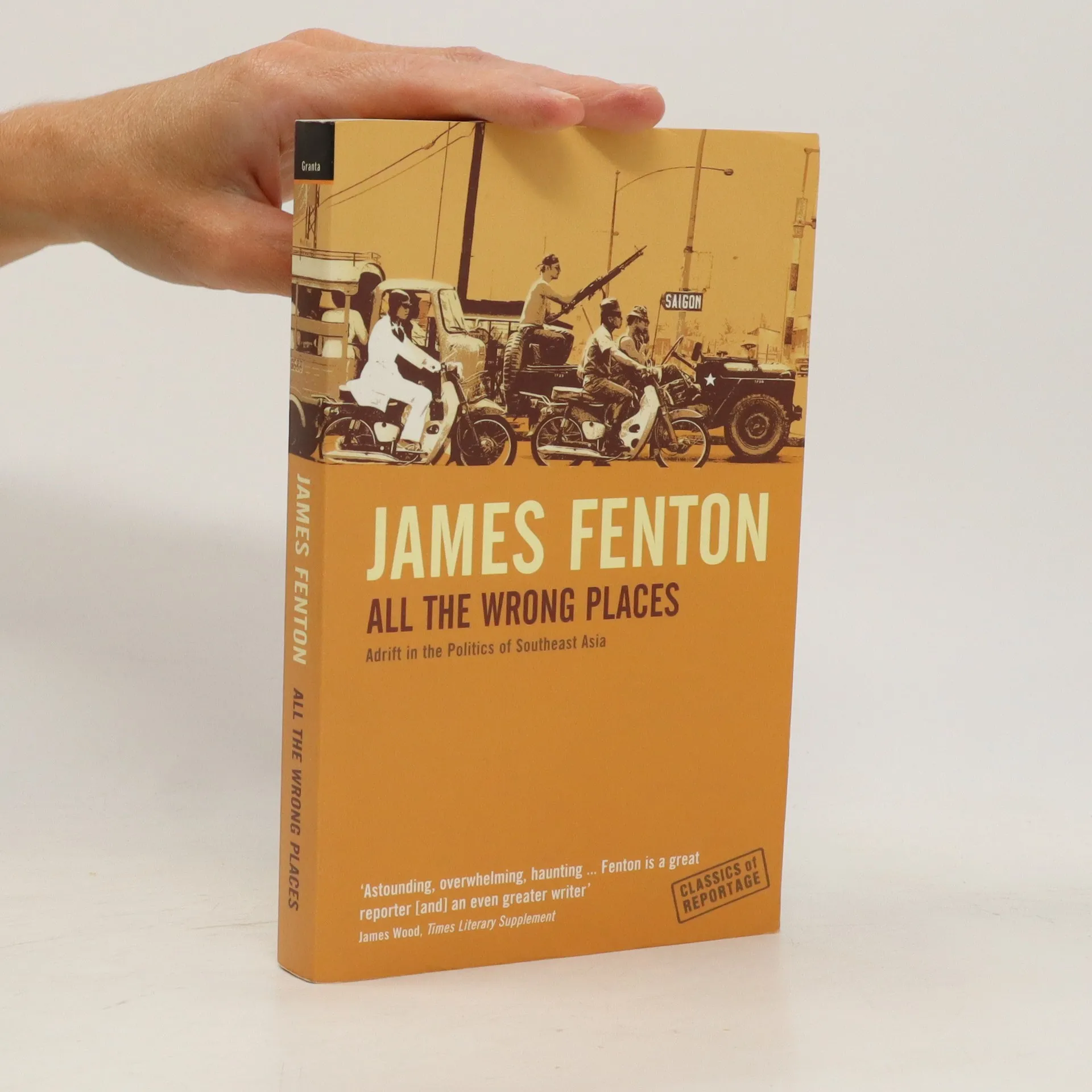
All the Wrong Places
- 288 pages
- 11 hours of reading
Reportage resists easy definition and comes in many forms - travel essay, narrative history, autobiography - but at its finest it reveals hidden truths about people and events that have shaped the world we know. This new series, hailed as 'a wonderful idea' by Don DeLillo, both restores to print and introduces for the first time some of the greatest works of the genre. A visceral, on-the-spot, and unforgettable account of the fall of Saigon, war-ravaged Cambodia, and the Philippines in the midst of revolution from James Fenton, the right man in the wrong place in dangerous times.
New volume in the Frick Diptych series focuses on an a remarkable Renaissance bronze oil lamp, pairing an essay by Frick director Ian Wardropper with a new poem by James Fenton.
An overview of landscape change in the Scottish Highlands over the millennia and its continuing change. It analyses and challenges the common view that the Highlands were deforested by people.