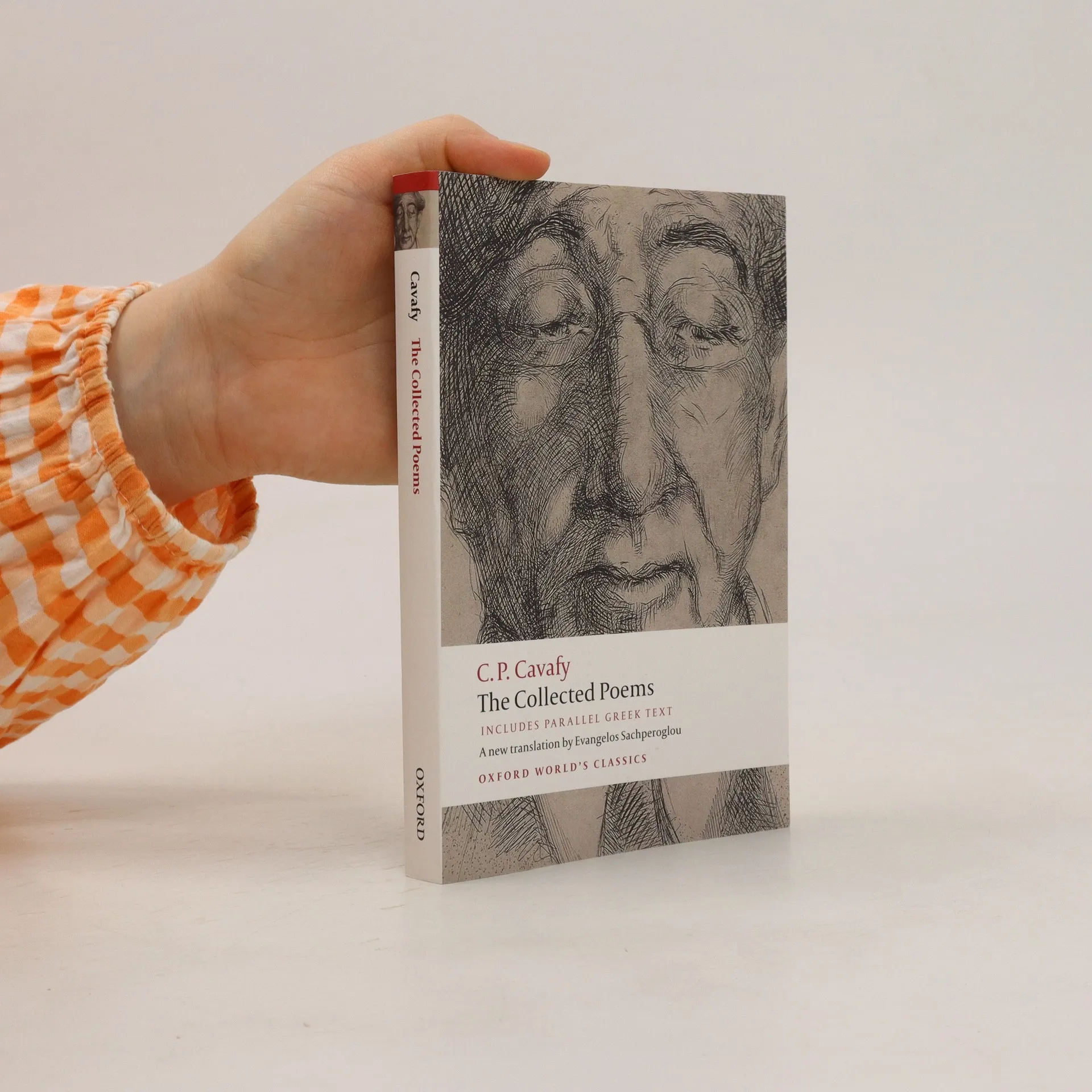
"A Greek gentleman in a straw hat, standing absolutely motionless at a slight angle to the universe." E. M. Forster's famous description of C. P. Cavafy--the most widely known and best loved modern Greek poet--perfectly captures the unique perspective Cavafy brought to bear on history and geography, sexuality and language. Cavafy wrote about people on the periphery, whose religious, ethnic and cultural identities are blurred, and he was one of the pioneers in expressing a specifically homosexual sensibility. His poems present brief and vivid evocations of historical scenes and sensual moments, often infused with his distinctive sense of irony. They have established him as one of the most important poets of the twentieth century. The only bilingual edition of Cavafy's collected poems currently available, this volume presents the most authentic Greek text of every poem he ever published, together with a new English translation that beautifully conveys the accent and rhythm of Cavafy's individual tone of voice. In addition, the volume includes an extensive introduction by Peter Mackridge, explanatory notes that gloss Greek historical names and events alluded to in the poems, a chronological list of the poems, and indexes of Greek and English titles. - Publisher
Konstantinos P. Cavafy Books


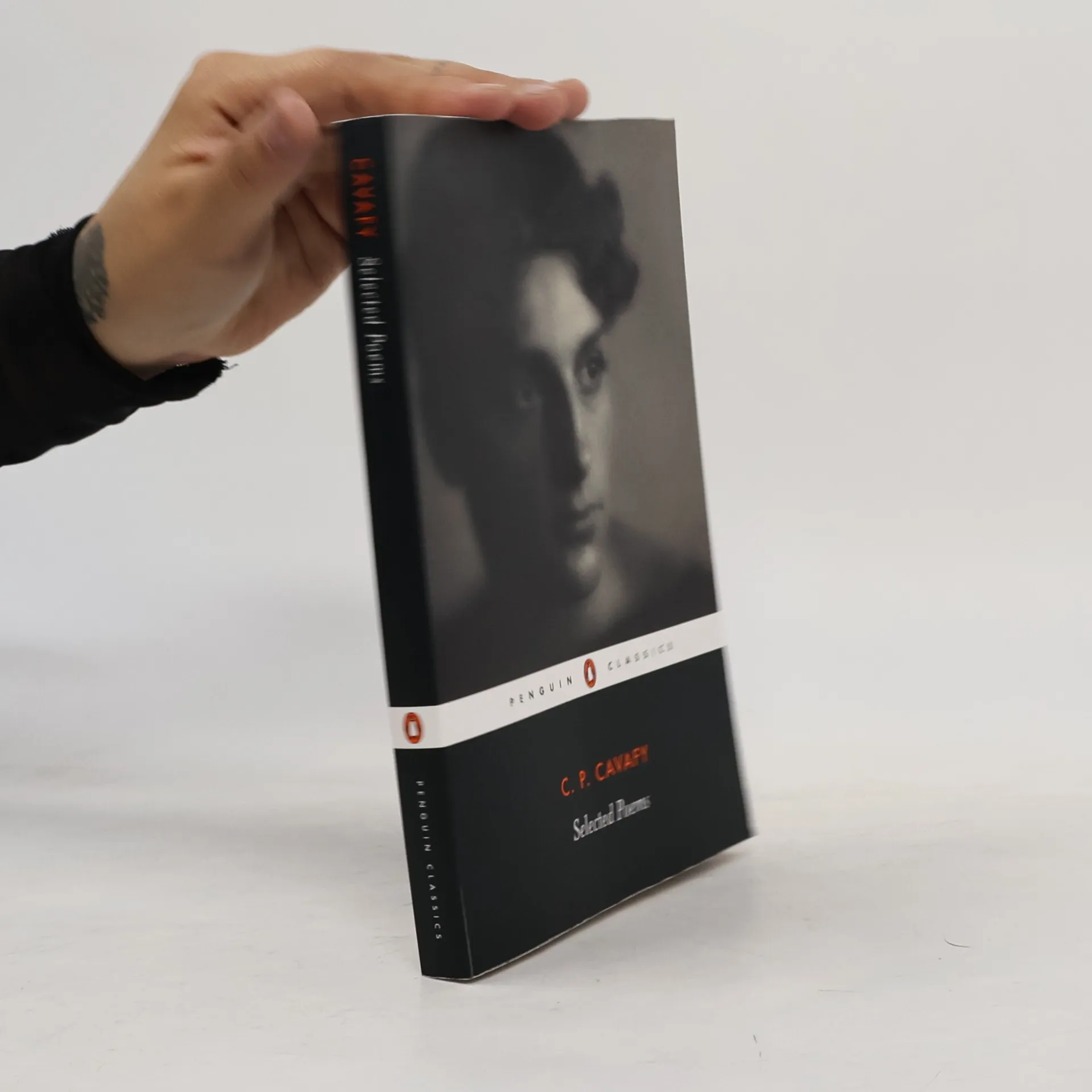
Penguin Classics: The Selected Poems of Cavafy
- 256 pages
- 9 hours of reading
C P Cavafy is one of the most singular and poignant voices of twentieth- century European poetry, conjuring a magical interior world through lyrical evocations of remembered passions, imagined monologues and dramatic retellings of his native Alexandria's ancient past. This title includes selected poems of Cavafy.
Um zu bleiben
- 110 pages
- 4 hours of reading
Michael Schroeder, geboren 1954 in Trier, studierte Klassische Altertumswissenschaften, forschte in Süditalien, Griechenland und Syrien. Er ist Lektor, Autor und Herausgeber sowie Übersetzer der Gedichte von Konstantinos Kavafis. Zuletzt erschienen: »Die schönsten Liebesgedichte der Antike« (it 3163) und »Sappho von Lesbos – Europas erste Dichterin. Biographie« (2008) Michael Schroeder, geboren 1954 in Trier, studierte Klassische Altertumswissenschaften, forschte in Süditalien, Griechenland und Syrien. Er ist Lektor, Autor und Herausgeber sowie Übersetzer der Gedichte von Konstantinos Kavafis. Zuletzt erschienen: »Die schönsten Liebesgedichte der Antike« (it 3163) und »Sappho von Lesbos – Europas erste Dichterin. Biographie« (2008)
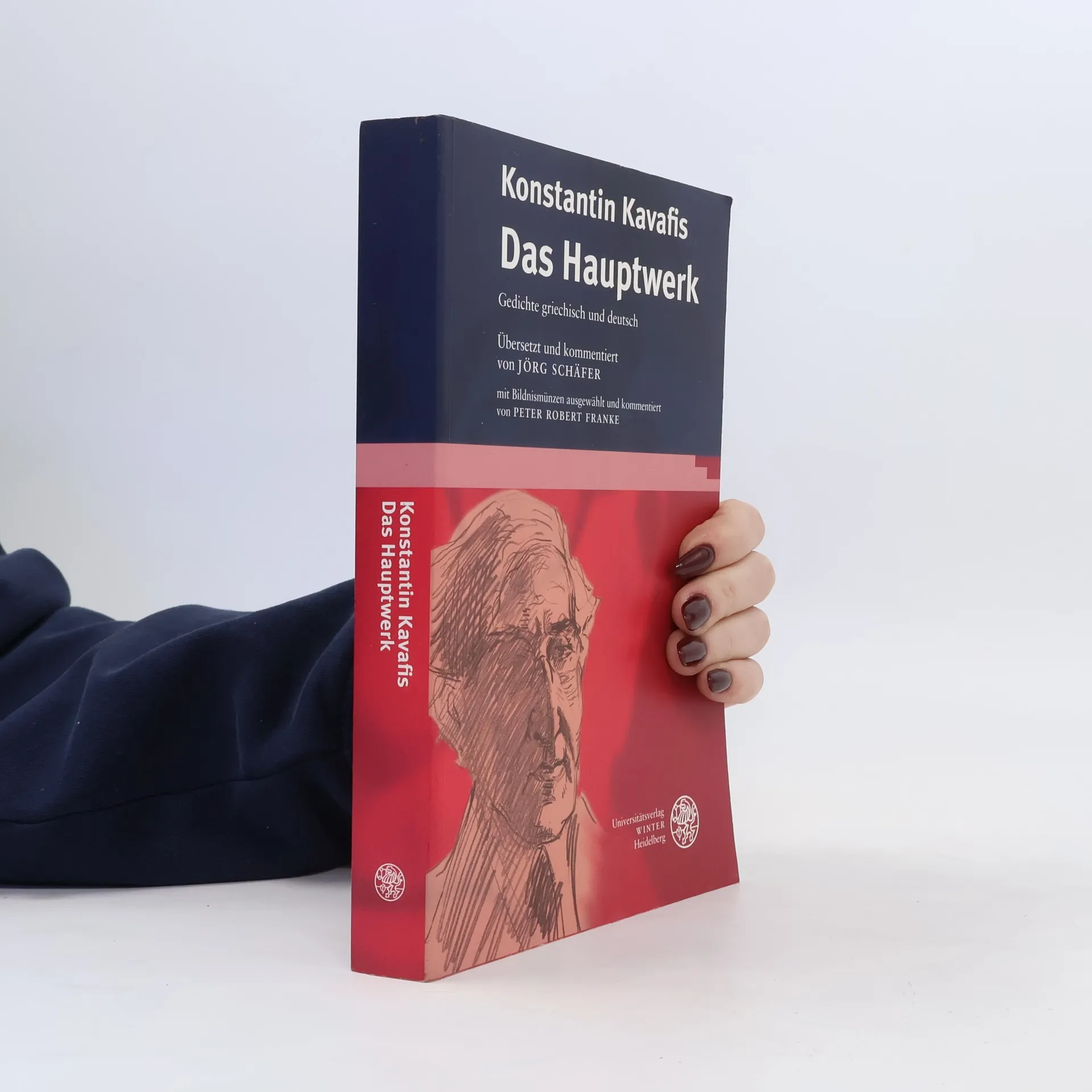
Das Hauptwerk. Gedichte griechisch und deutsch
- 478 pages
- 17 hours of reading
Der griechische Dichter Konstantinos Kavafis (1863-1933) gehort zu den grossen europaischen Lyrikern seiner Generation. Hier werden in deutscher Ubersetzung und im griechischen Urtext 159 seiner Gedichte vorgestellt. Die Thematik umfasst Lebensphilosophisches, oft auch homoerotisch Gepragtes. Zahlreiche dieser Gedichte schopfen aus historischen und literarischen Quellen, insbesondere der Antike und der byzantinischen Epoche. Dieser Hintergrund wird zum besseren Verstandnis als Kommentar den betreffenden Gedichten an die Seite gestellt. In direktem Bezug zu diesen 'historischen' Gedichten stehen die Abbildungen von antiken Munzen mit Herrscherportrats und mythologischen Symbolen. Einige Gedichte werden von Abbildungen antiker Kunstwerke begleitet, welche die Realitat dichterischer Motive verdeutlichen.Fur die erste Auflage dieses Buches wurde dem Autor im Februar 2005 vom griechischen Kultusministerium der Preis fur die "beste Ubersetzung eines Werkes der neugriechischen Literatur in eine fremde Sprache" verliehen.
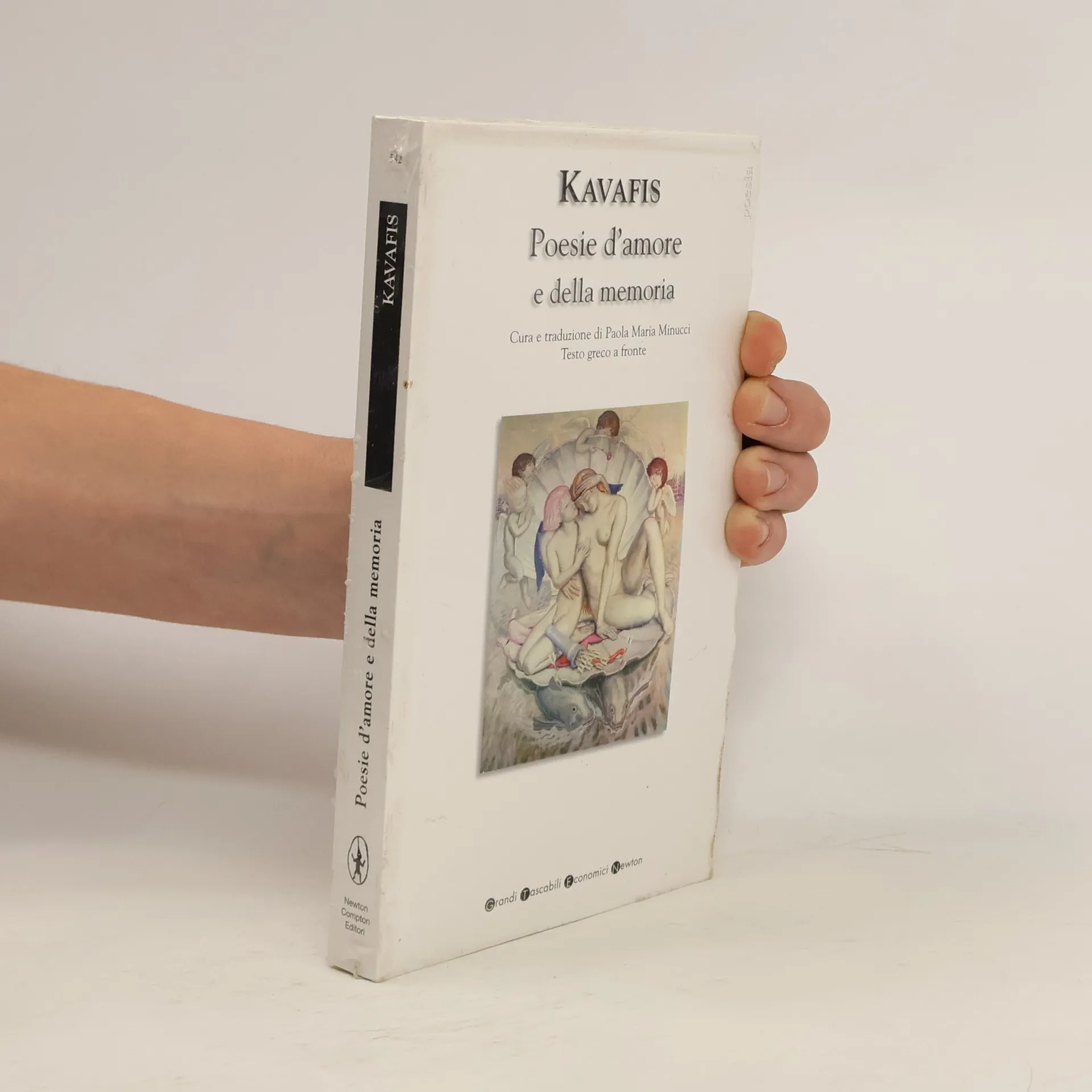
Poesie d'amore e della memoria
Cura e traduzione di Paola Maria Minucci - Testo greco a fronte
- 293 pages
- 11 hours of reading
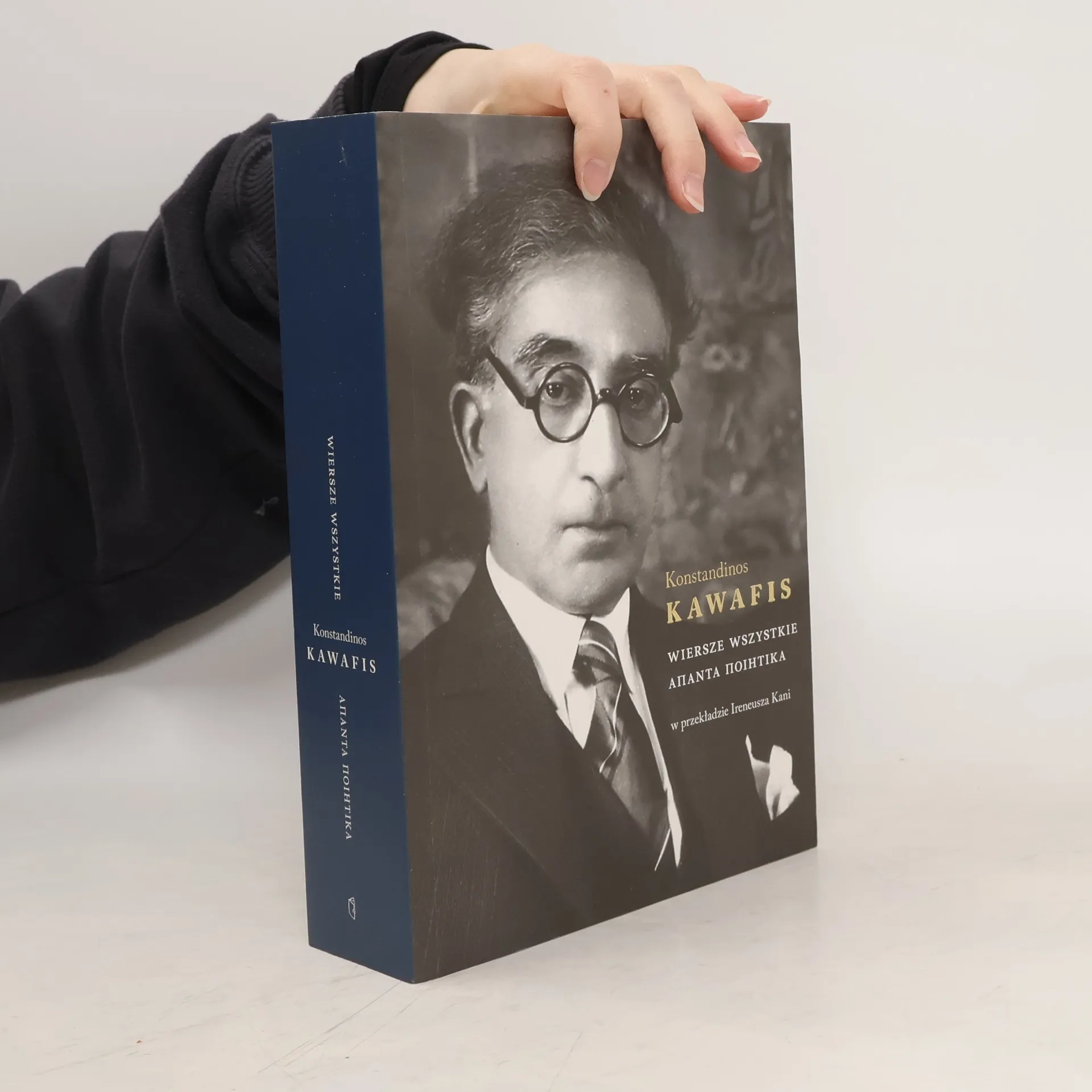
Wiersze wsystkie
- 660 pages
- 24 hours of reading
Eine kurze Erzählung von Konstantinos Kavafis, eine Seltenheit in seinem Werk. Mit dieser Geschichte begibt sich der Autor in das fantastische Genre, das im 20. Jahrhundert so stark gepflegt wurde. Sicherlich wurde er von Autoren wie E. T. Hoffman oder E. A. Poe beeinflusst, deren ästhetisches Denken sich auch in der Poesie von Kavafis widerspiegelt.
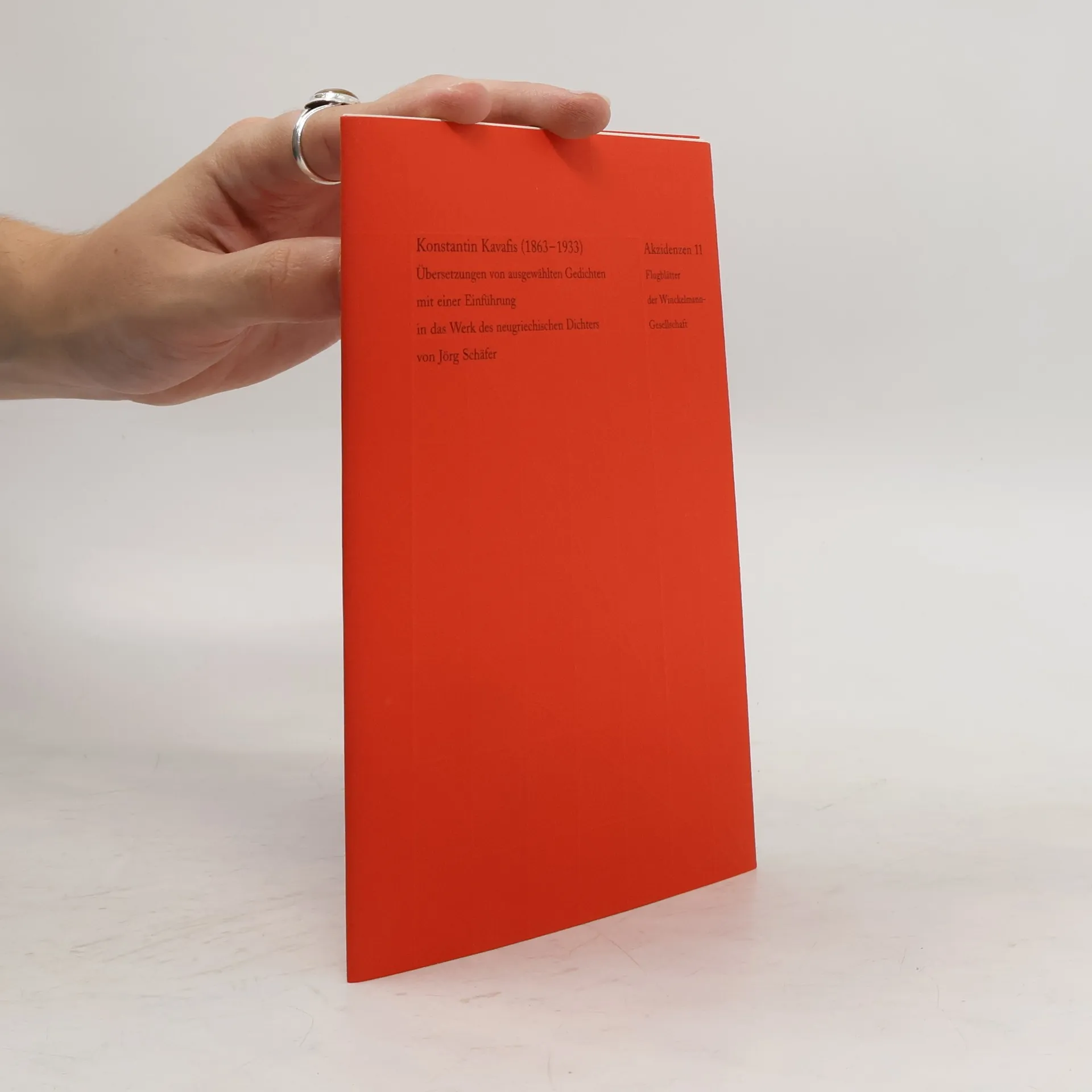
Konstantin Kavafis
(1863 - 1933) ; Übersetzungen von ausgewählten Gedichten
- 29 pages
- 2 hours of reading
La nouvelle traduction ici proposée se veut une transcription scrupuleuse des 184 poèmes de l'oeuvre poétique complète du poète alexandrin Constantin Cavafy (1863-1933). Sous les dehors volontiers compassés d'un recueil bien choisi d'anecdotes historiques, l'auteur nous livre, en effet, une oeuvre subversive et mordante, aux antipodes du dilettantisme annoncé, constamment autobiographique
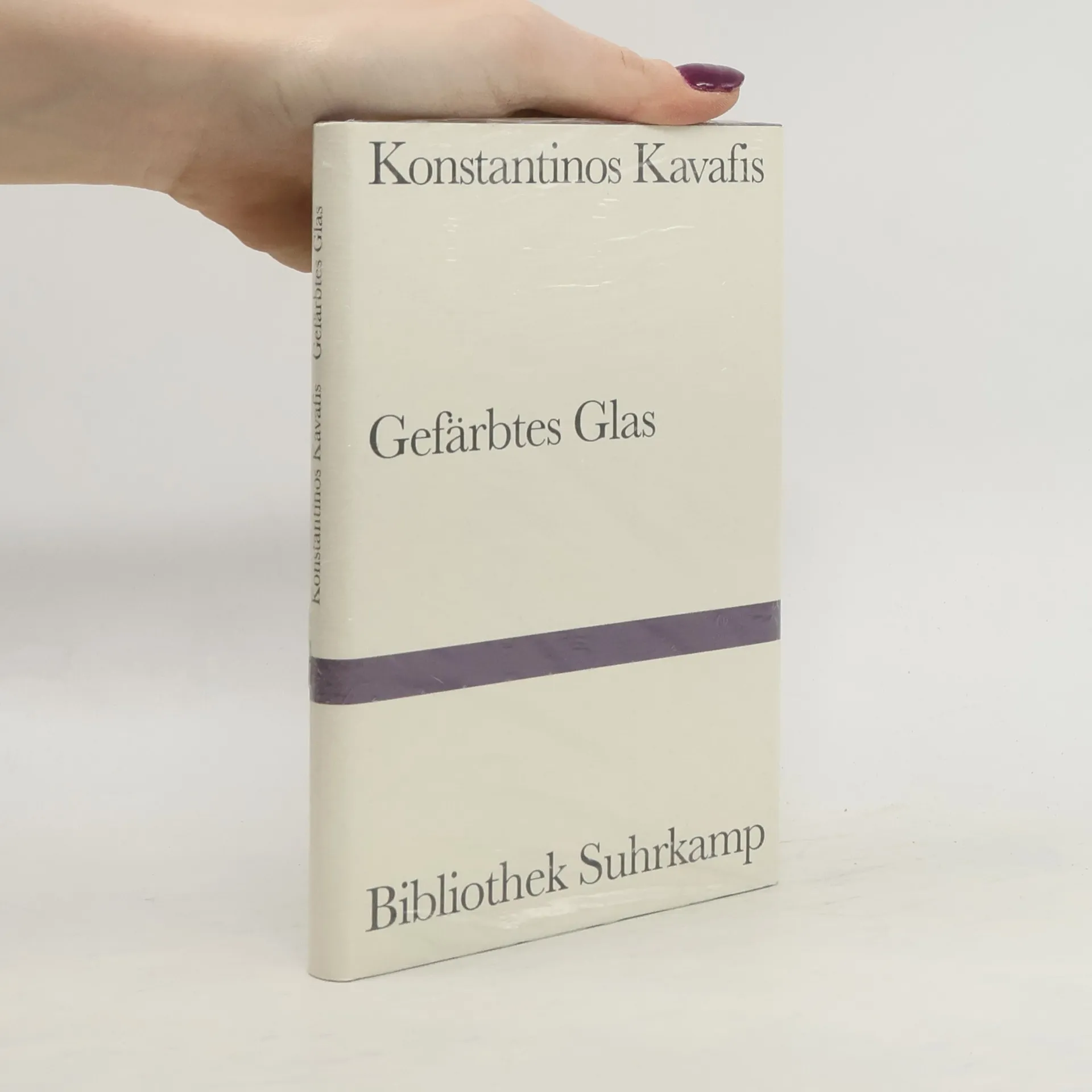
Gefärbtes Glas
- 125 pages
- 5 hours of reading
Weil im Zentrum des dichterischen Werks von Konstantinos Kavafis (1863-1933), Begründer der modernen griechischen Dichtung, gleichberechtigt neben den Liebesgedichten die historischen Gedichte stehen, tritt neben Um zu bleiben , den erfolgreichen Band mit Liebeslyrik (BS 1020; Radierungen von David Hockney), eine Auswahl der historischen Gedichte - wiederum in Übertragungen von Michael Schroeder. In den historischen Gedichten umkreist Kavafis, der in Konstantinopel und Alexandria lebte, Betrug und Täuschung, Fallen und tapferes Ausharren, Angst und Vermessenheit, stolze Erwartung und vergebliche Mühe - den sicheren, nie aber konkret absehbaren Untergang des Bestehenden. Die Dramaturgie der Personen und Ereignisse ist dicht, auf der Bühne befinden sich die hellenistische Welt und das sterbende Byzanz, Kleinasien, Syrien, Ägypten, der melting pot des östlichen Mittelmeers, die Zentren des Durcheinanders: Alexandria, Antiochia, Konstantinopel. Nicht Sternstunden der Geschichte, sondern den vergänglichen Augenblick hält Kavafis fest. Illusionslos, ohne Klage, mit melancholischer Ironie umfahren seine Gedichte die persönliche Wunde: den unwiederbringlichen Verlust einer großen Vergangenheit.
Weil im Zentrum des dichterischen Werks von Konstantinos Kavafis (1863–1933), Begründer der modernen griechische Dichtung, gleichberechtigt neben den Liebesgedichten die historischen Gedichte stehen, tritt neben Um zu bleiben, den erfolgreichen Band mit Liebeslyrik (BS 1020; Radierungen von David Hockney), eine Auswahl der historischen Gedichte – wiederum in Übertragungen von Michael Schroeder. In den historischen Gedichten umkreist Kavafis, der in Konstantinopel und Alexandria lebte, Betrug und Täuschung, Fallen und tapferes Ausharren, Angst und Vermessenheit, stolze Erwartung und vergebliche Mühe – den sicheren, nie aber konkret absehbaren Untergang des Bestehenden. Die Dramaturgie der Personen und Ereignisse ist dicht, auf der Bühne befinden sich die hellenistische Welt und das sterbende Byzanz, Kleinasien, Syrien, Ägypten, der »melting pot« des östlichen Mittelmeers, die Zentren des Durcheinanders: Alexandria, Antiochia, Konstantinopel. Nicht Sternstunden der Geschichte, sondern den vergänglichen Augenblick hält Kavafis fest. Illusionslos, ohne Klage, mit melancholischer Ironie umfahren seine Gedichte die persönliche Wunde: den unwiederbringlichen Verlust einer großen Vergangenheit.
Dreizehn Liebesgedichte
- 55 pages
- 2 hours of reading
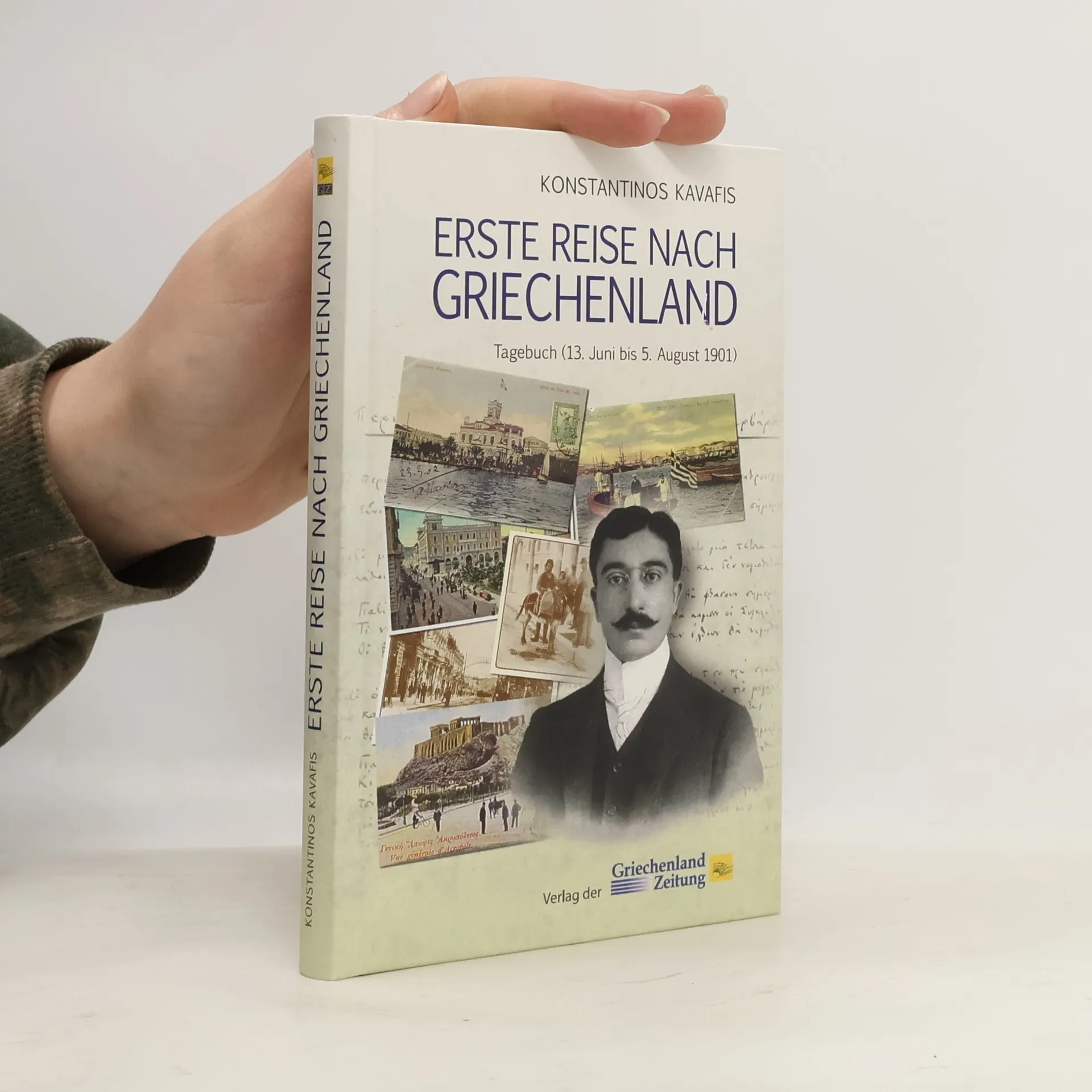
"Dieses hier ist für ein Tagebuch von Ereignissen gedacht und nicht für Eindrücke oder Ideen", schreibt Kavafis selbst und beginnt dieses Tagebuch seiner ersten Reise nach Griechenland im Sommer 1901. Die sorgfältige Aufzeichnung seiner Spaziergänge und Begegnungen in Athen (und nicht nur) der damaligen Zeit macht diesen seltenen Text zu einer nostalgischen Postkarte, dezent gefärbt mit dem eigenwilligen Stil des Alexandriners. Die Begegnung mit dem attischen Licht eines Dichters, der es gewohnt war, im Halbdunkel der Kerzen zu schreiben...
Als ik over mijn liefde niet kan spreken
- 39 pages
- 2 hours of reading
Kalliope - Studien zur griechischen und lateinischen Poesie - 1: Gedichte
Das Hauptwerk griechisch und deutsch - 2. Auflage
- 495 pages
- 18 hours of reading
Der griechische Dichter Konstantinos Kavafis (1863-1933) gehort zu den grossen europaischen Lyrikern seiner Generation. Hier werden in deutscher Ubersetzung und im griechischen Urtext 159 seiner Gedichte vorgestellt. Die Thematik umfasst Lebensphilosophisches, oft auch homoerotisch Gepragtes. Zahlreiche dieser Gedichte schopfen aus historischen und literarischen Quellen, insbesondere der Antike und der byzantinischen Epoche. Dieser Hintergrund wird zum besseren Verstandnis als Kommentar den betreffenden Gedichten an die Seite gestellt. In direktem Bezug zu diesen 'historischen' Gedichten stehen die Abbildungen von antiken Munzen mit Herrscherportrats und mythologischen Symbolen. Einige Gedichte werden von Abbildungen antiker Kunstwerke begleitet, welche die Realitat dichterischer Motive verdeutlichen.Fur die erste Auflage dieses Buches wurde dem Autor im Februar 2005 vom griechischen Kultusministerium der Preis fur die "beste Ubersetzung eines Werkes der neugriechischen Literatur in eine fremde Sprache" verliehen.
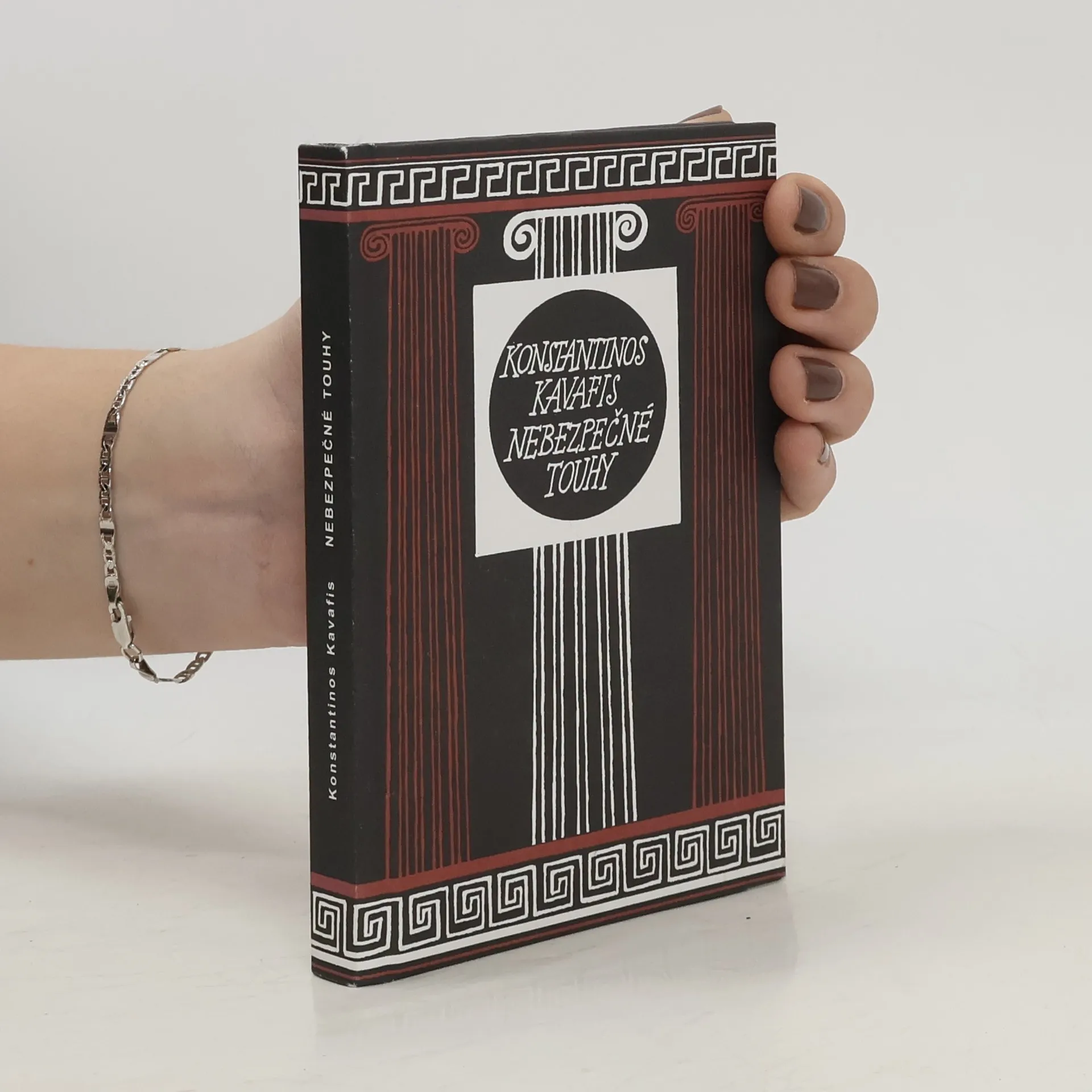
První český knižní výbor z díla řeckého básníka. Básně jsou doplněny o oddíl Básník o sobě, a o Záznamy a listy z deníku.
Dokonané je
- 152 pages
- 6 hours of reading
Výber z poézie Konstantina Kavafisa usporiadaný do troch častí: 1. Môj svet (úvahy, dojmy a názory), 2. Nárek nesmrteľných koní (pohľady na dejinné udalosti a postavy), 3. Tiene mojich lások (erotické ideály, sny a vidiny).
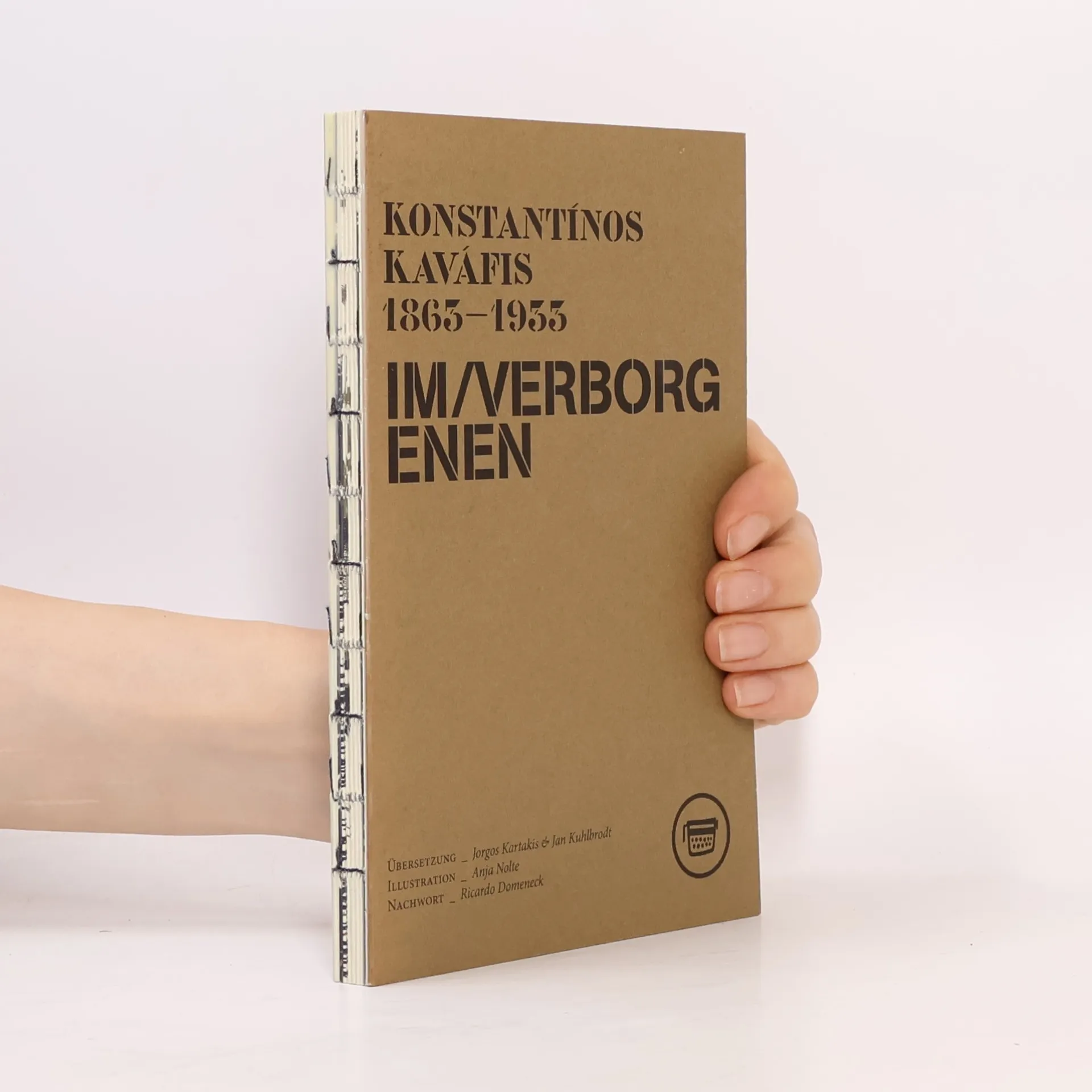
Konstantínos Kaváfis (1863–1933) ist zweifelsohne einer der einflussreichsten neugriechischen Dichter des 20. Jahrhunderts. Mit »Im Verborgenen: Hidden Poems« erscheinen erstmalig Gedichte von Kaváfis in deutscher Übersetzung von Jorgos Kartakis und Jan Kuhlbrodt, die Kaváfis zu seinen Lebzeiten versteckte. Diese Gedichte, die u. a. seine Homosexualität offen thematisieren, versteckte Kaváfis in Schubladen und Schränken seiner Freunde, seiner Liebhaber. Sie fanden keine Aufnahme in die deutsche Gesamtausgabe, da sie in Griechenland erst Anfang der Neunzigerjahre veröffentlicht wurden. Kaváfis’ Texte zeugen von großer Liebes- und Leidensfähigkeit. Sie sind gleichzeitig ein Dokument gesellschaftlicher Ächtung von Homosexualität zu Beginn des 20. Jahrhunderts. In seinen Gedichten zeigt Konstantínos Kaváfis Größe und Freiheit: Er nimmt die unabgeschlossenen Emanzipationsbewegungen des 20. Jahrhunderts vorweg. Denn das Verbergen ist zugleich ein Offenbaren: Die Texte waren geschrieben und somit in der Welt. Illustriert ist dieser Band von Anja Nolte. Die Illustrationen stellen sich den Texten Kaváfis’ und interpretieren sie neu. Im engen Austausch mit den Übersetzern hat Anja Nolte eine eigene Bildsprache für diesen Band entwickelt: Die Illustrationen stellen Transformationen der Texte dar, Überführungen in einen kontemporären Kontext.