Robin Lane Fox Book order (chronological)
October 5, 1946
Robin Lane Fox is a distinguished British historian specializing in antiquity. His work delves into the depths of ancient history, offering readers insightful perspectives on Greek and Roman culture. Lane Fox's scholarly approach, informed by his extensive tenure at Oxford University, illuminates the complexities of the ancient world with depth and nuance. His expertise extends beyond classical history to encompass early Islamic history and literature, reflecting the breadth of his academic inquiry.



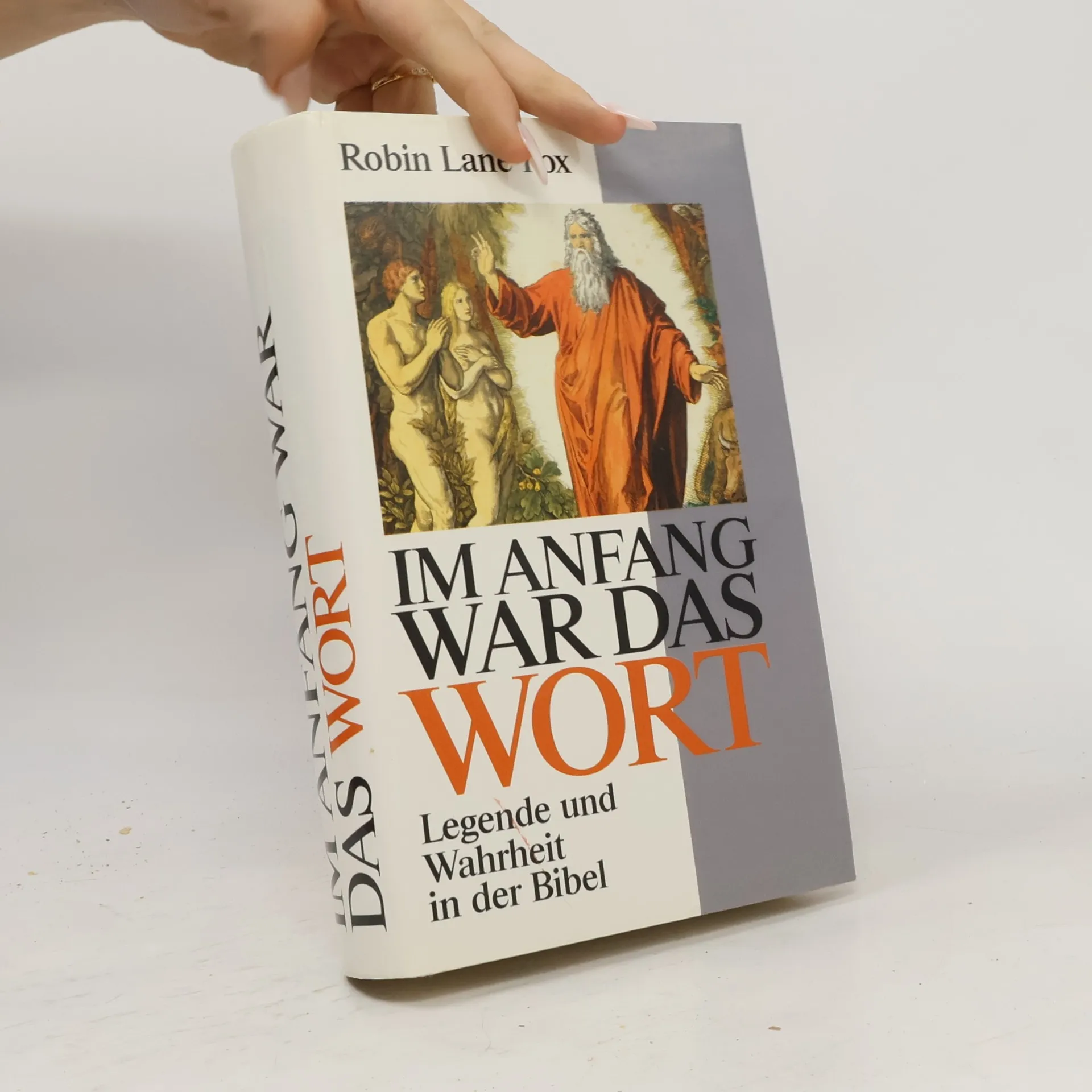
Die klassische Welt. Eine Weltgeschichte von Homer bis Hadrian
- 720 pages
- 26 hours of reading
Robin Lane Fox präsentiert in seinem Werk eine lebendige Schilderung von 1000 Jahren antiker Geschichte, die sowohl für Neulinge als auch für Enthusiasten spannend ist. Er folgt dem römischen Kaiser Hadrian und thematisiert Freiheit, Gerechtigkeit und Luxus, während er die bedeutendsten Ereignisse von der Antike bis zur Kaiserzeit beleuchtet.
Homer and His Iliad
- 464 pages
- 17 hours of reading
This compelling exploration delves into the intricacies of the greatest epic poems, offering insights from a renowned classicist. The author analyzes themes, characters, and narrative techniques, providing readers with a deeper understanding of the poem's significance and its impact on literature. With a blend of scholarly analysis and engaging commentary, the book invites both enthusiasts and newcomers to appreciate the enduring legacy of this monumental work.
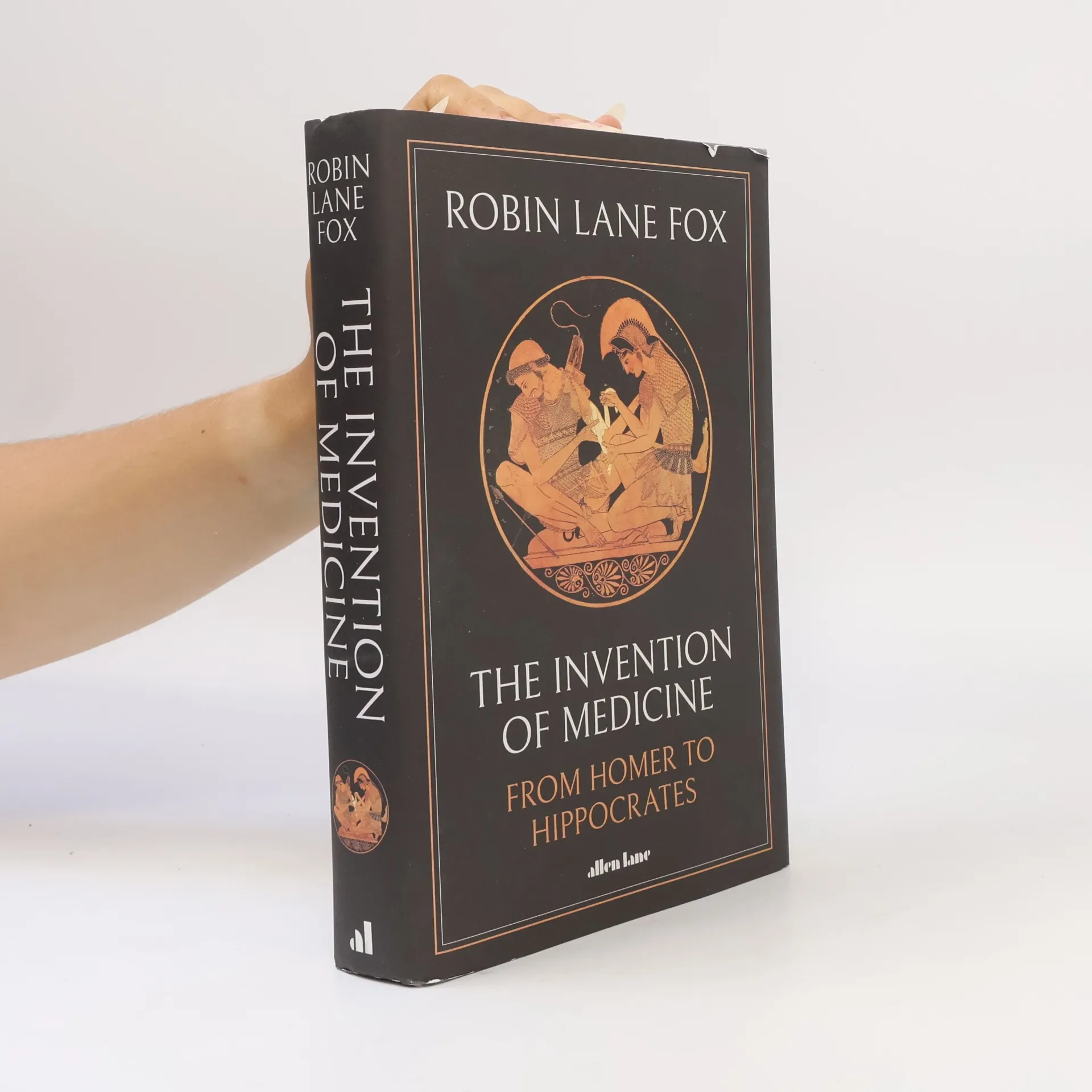
The Invention of Medicine
- 304 pages
- 11 hours of reading
Medicine stands out as a significant achievement of the Ancient Greeks, with Hippocrates recognized as the father of medicine and the Hippocratic Oath revered as a foundational ethical statement in the medical profession. In the fifth century BC, the Greeks regarded medicine as a newly discovered craft. Robin Lane Fox's insightful work contextualizes this invention, tracing its evolution from Homer's epic poems to the earliest known Greek physicians. He explores the enigmatic figure of Hippocrates, his Oath, and the various writings attributed to him. Focusing on seven pivotal texts that detail the case histories of specific individuals, Fox argues that certain texts were composed much earlier than previously thought, impacting our understanding of medical awareness among notable Greek dramatists and historians like Herodotus and Thucydides. By analyzing Hippocrates' concise observations, Fox connects them to the broader history of Greek prose and intellectual thought. This engaging book illuminates various facets of the classical world, including women's medicine, urban life, empire, art, sport, sexuality, and botany. It offers a fresh perspective on a previously obscure decade and guides readers through an extraordinary journey from Homer's narratives to the legacy of Greek medical case histories in the Islamic world and early modern Europe.
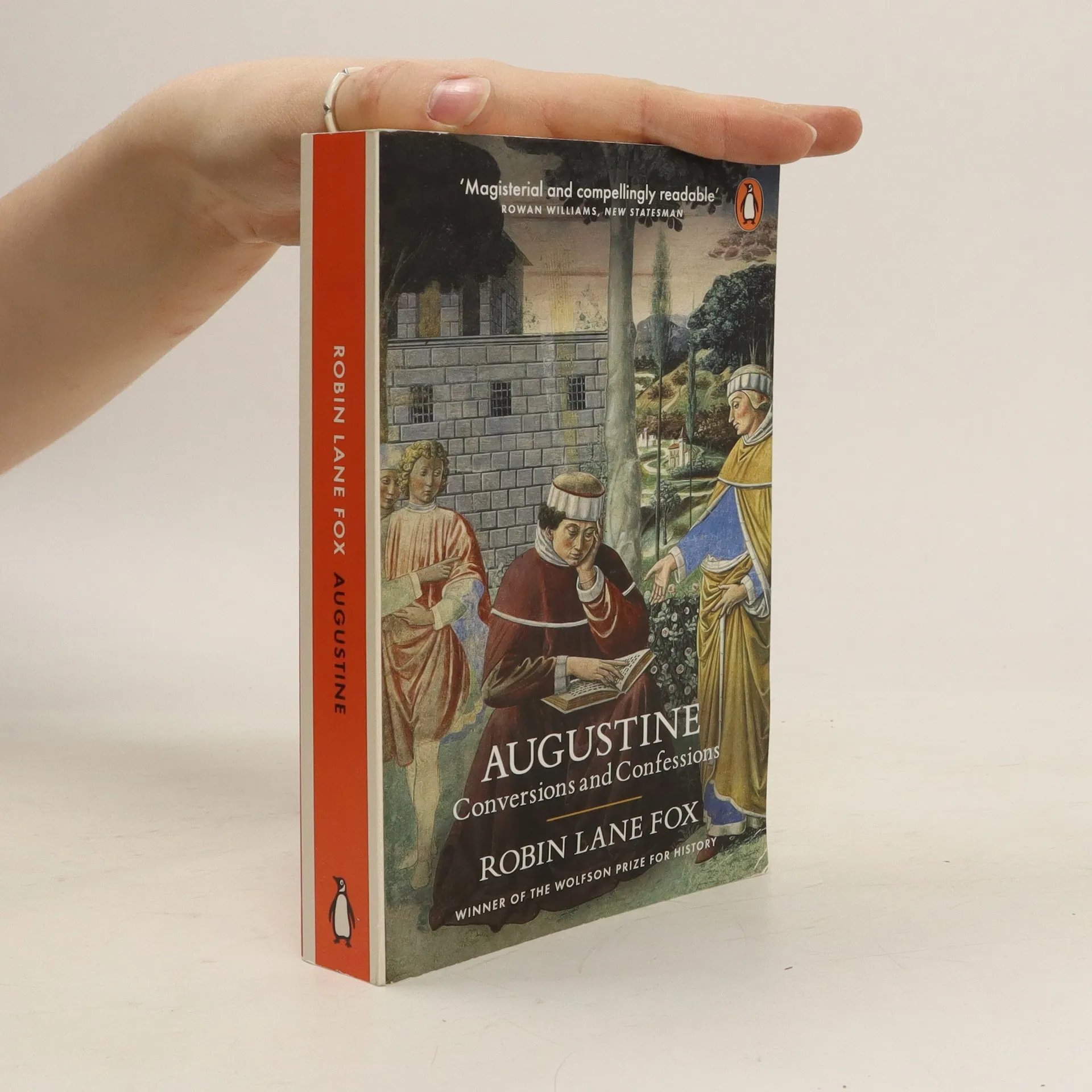
Augustine
- 672 pages
- 24 hours of reading
"In Augustine, celebrated historian Robin Lane Fox follows Augustine of Hippo on his journey to the writing of his Confessions. Unbaptized, Augustine indulged in a life of lust before finally confessing and converting. Lane Fox recounts Augustine's sexual sins, his time in an outlawed heretical sect, and his gradual return to spirituality. Magisterial and beautifully written, Augustine is the authoritative portrait of this colossal figure at his most thoughtful, vulnerable, and profound." --Publisher
Suitable for those setting out on a new garden or taking stock of one, this title takes a look at fashions of the moment and is full of advice, ranging from problems with badgers to how to take root-cuttings or choose flowering trees, as well as examples of gardens at home and abroad which the author has visited over many years.
The Tribal Imagination
- 417 pages
- 15 hours of reading
Fox traces our ongoing struggle to maintain open societies in the face of profoundly tribal human needs that, paradoxically, hold the key to our survival. This latest book ranges from incest and arranged marriage to poetry and myth, from human rights and vengeance to pop icons such as Seinfeld.
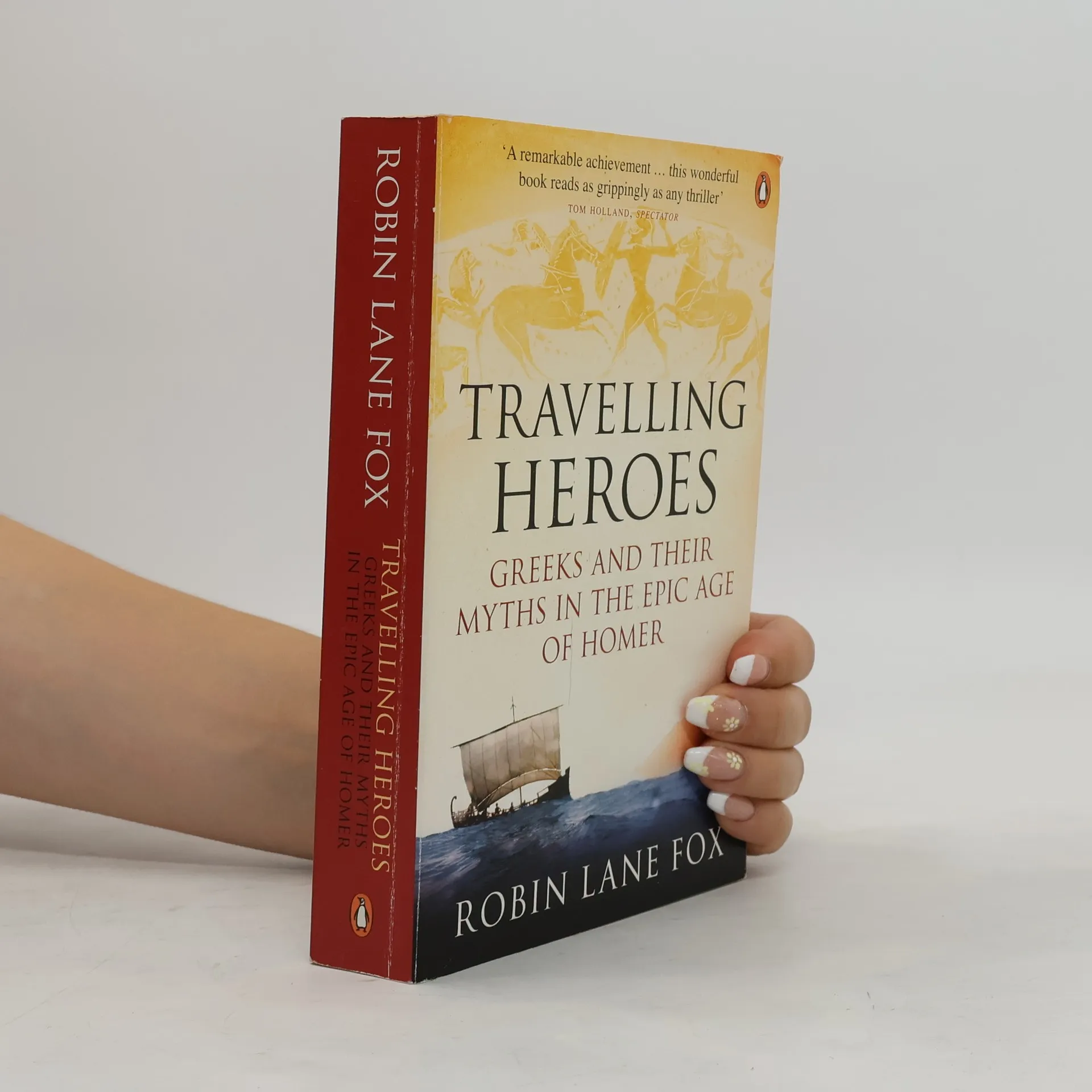
Explores how the intrepid seafarers of eighth-century Greece sailed around the Mediterranean, encountering strange new sights - volcanic mountains, vaporous springs, huge prehistoric bones - and weaving them into the myths of gods, monsters and heroes that would become the cornerstone of Western civilization: the Odyssey and the Iliad.
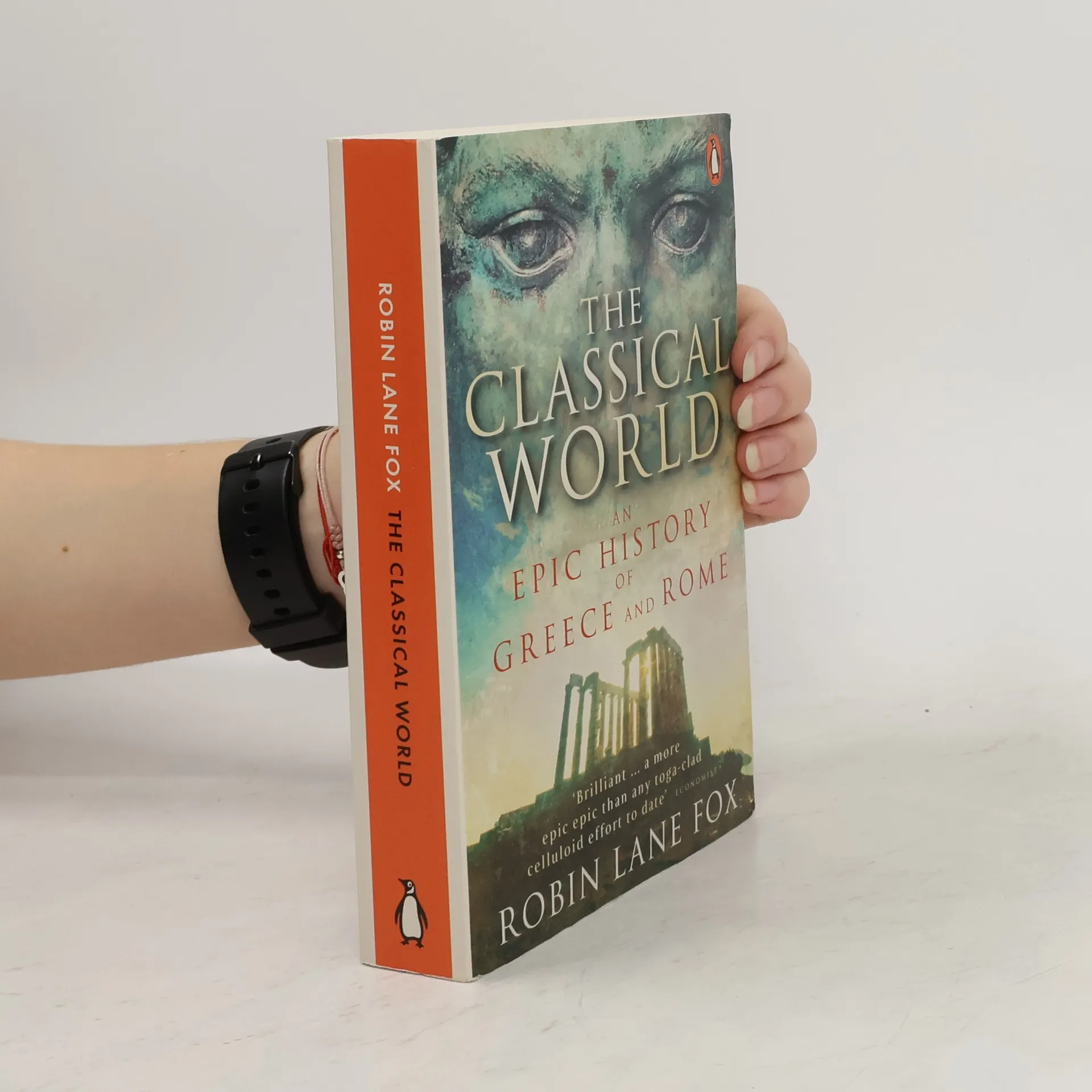
The Classical World : An Epic History of Greece and Rome
- 720 pages
- 26 hours of reading
From the foundation of the world's first democracy in Athens to the Roman Republic and the Empire under Hadrian, this title presents the turbulent histories of Greece and Rome together. Discussing figures such as Homer, Socrates, Alexander, Julius Caesar, Augustus and the first Christian martyrs, it explores freedom, justice, and luxury.
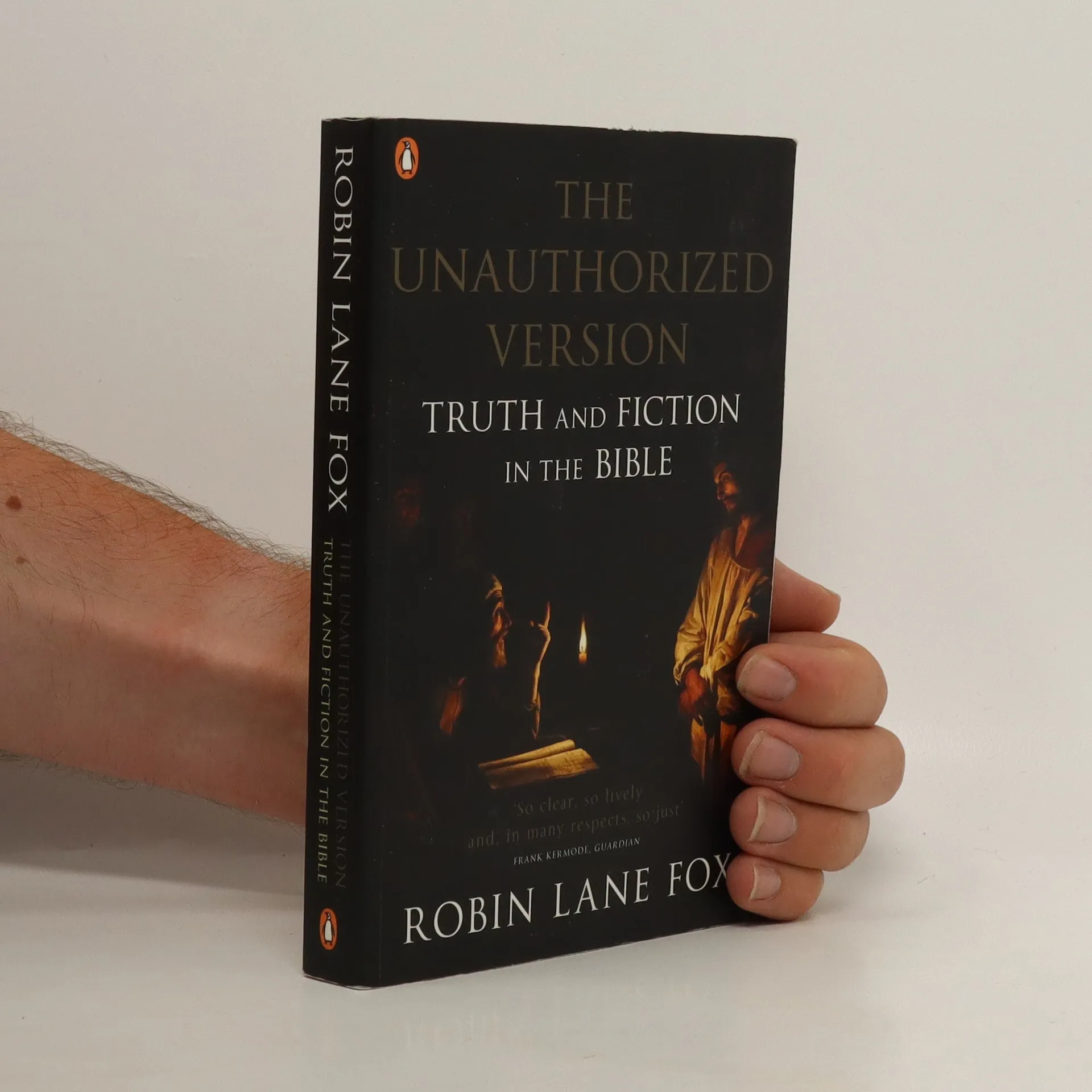
The Unauthorized Version: Truth and Fiction in the Bible
- 480 pages
- 17 hours of reading
The Bible is moving, inspirational and endlessly fascinating - but is it true? Starting with Genesis and the implicit background to the birth of Christ, the author sets out to discover how far biblical descriptions of people, places and events are confirmed or contradicted by external written and archaeological evidence.
Die Suche nach Alexander
- 333 pages
- 12 hours of reading
The Illustrated Garden Book
- 192 pages
- 7 hours of reading
A glorious full-color celebration of the world famous garden at Sissinghurst, in England. 75 color paintings and 18 color photographs.
Pagans and Christians
- 799 pages
- 28 hours of reading
"Religion and the religious life from the second to the fourth century A.D. when the gods of Olympus lost their dominion and Christianity, with the conversion of Constantine, triumphed in the Mediterranean world"--Jacket subtitle
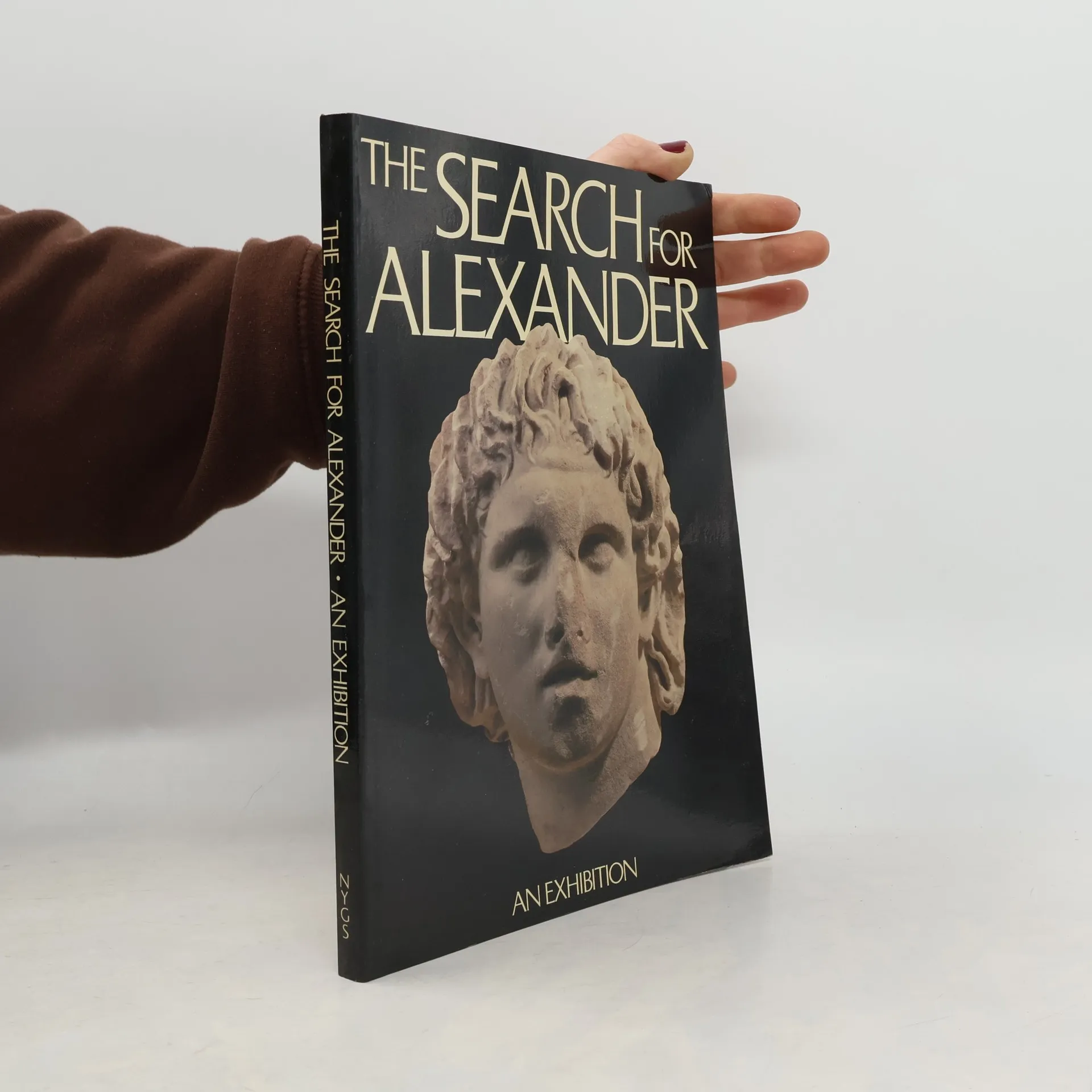
The Search for Alexander
- 192 pages
- 7 hours of reading
Documents artifacts discovered in a tomb believed to be Alexander's father's
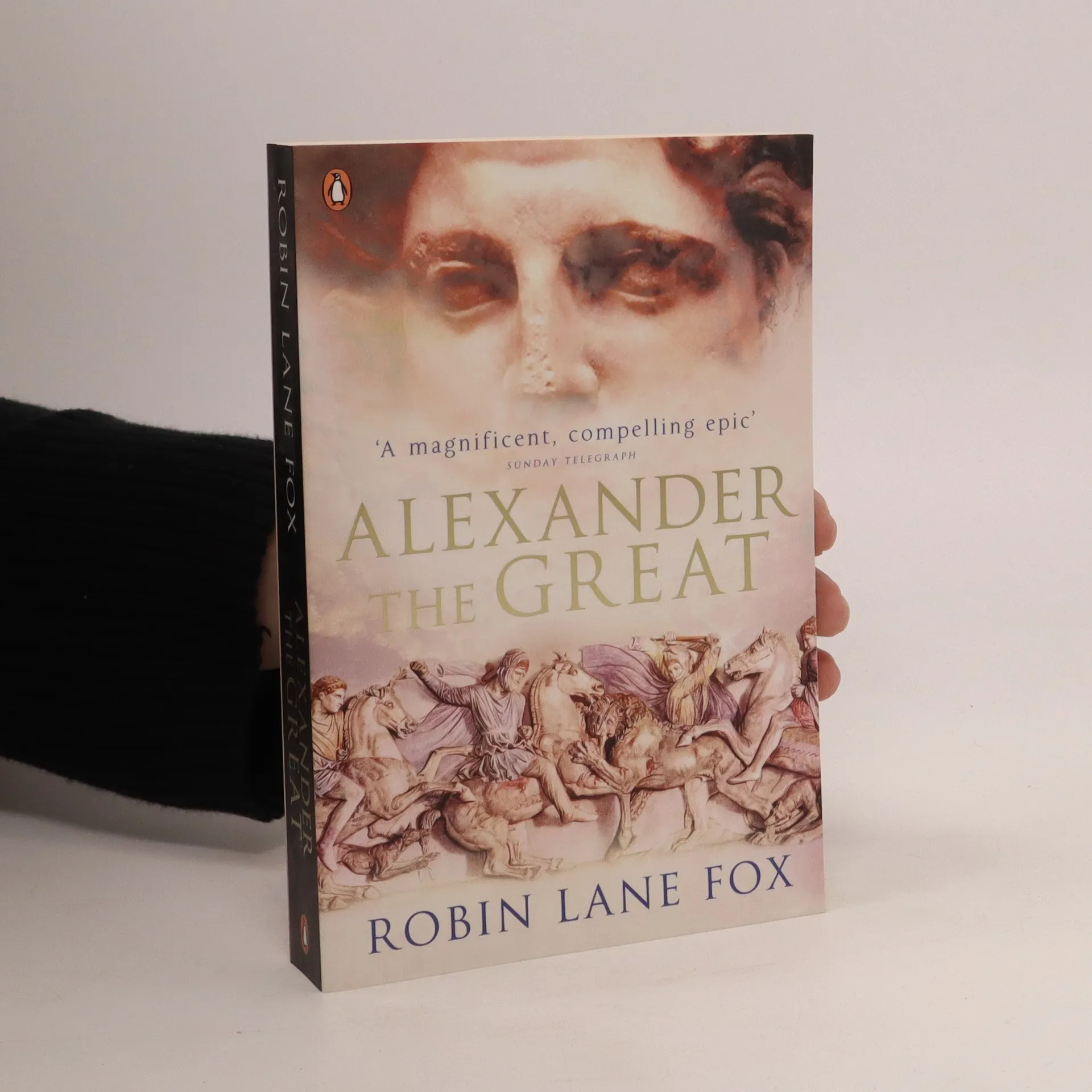
Alexander the Great
- 576 pages
- 21 hours of reading
Tough, resolute, fearless, Alexander was a born warrior and ruler of passionate ambition who understood the intense adventure of conquest and of the unknown. When he died in 323 BC aged thirty-two, his vast empire comprised more than two million square miles, spanning from Greece to India. His achievements were unparalleled - he had excelled as leader to his men, founded eighteen new cities and stamped the face of Greek culture on the ancient East. The myth he created is as potent today as it was in the ancient world. Robin Lane Fox�s superb account searches through the mass of conflicting evidence and legend to focus on Alexander as a man of his own time. Combining historical scholarship and acute psychological insight, it brings this colossal figure vividly to life.