

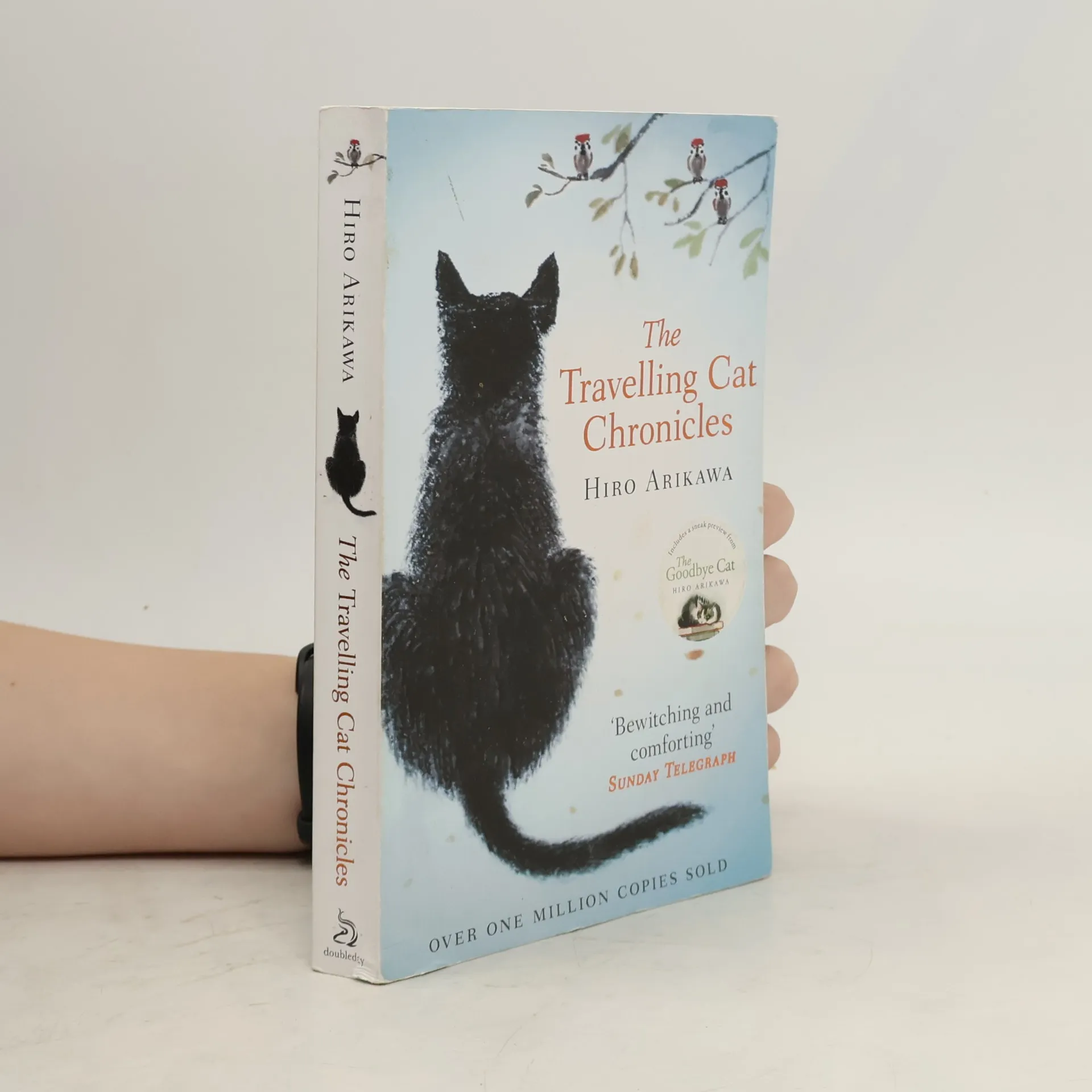
RECOMMENDED BY THOUSANDS OF INTERNATIONAL READERS, this tender feel-good story follows a man's journey around Japan with his streetcat. Translated by Philip Gabriel, known for his work with Murakami, it features specially commissioned line drawings. Recognized as a Waterstones Paperback of the Year 2017, it resonates deeply with anyone who has loved an animal, capturing an emotion that enriches our humanity, as noted by Lynne Truss in the Guardian. The narrative is described as "bewitching" and comforting, reminiscent of a cat, by the Sunday Telegraph, while the Financial Times likens its warmth and tenderness to a Studio Ghibli film. The tale centers on Nana, who embarks on a road trip with his beloved owner, Satoru, unsure of their destination but content to be by his side. Satoru intends to visit three old friends from his youth, though he keeps his reasons to himself. Set against Japan's changing seasons, the story unfolds with gentleness and humor, exploring the value of friendship and solitude, and the balance of giving and taking. This narrative has touched thousands of readers, emphasizing kindness and the transformative power of love, both great and small. John Boyne from the Irish Times praises Arikawa's lightness of touch, highlighting the story's themes of loyalty and companionship.
Jean-Louis de la Couronne Books
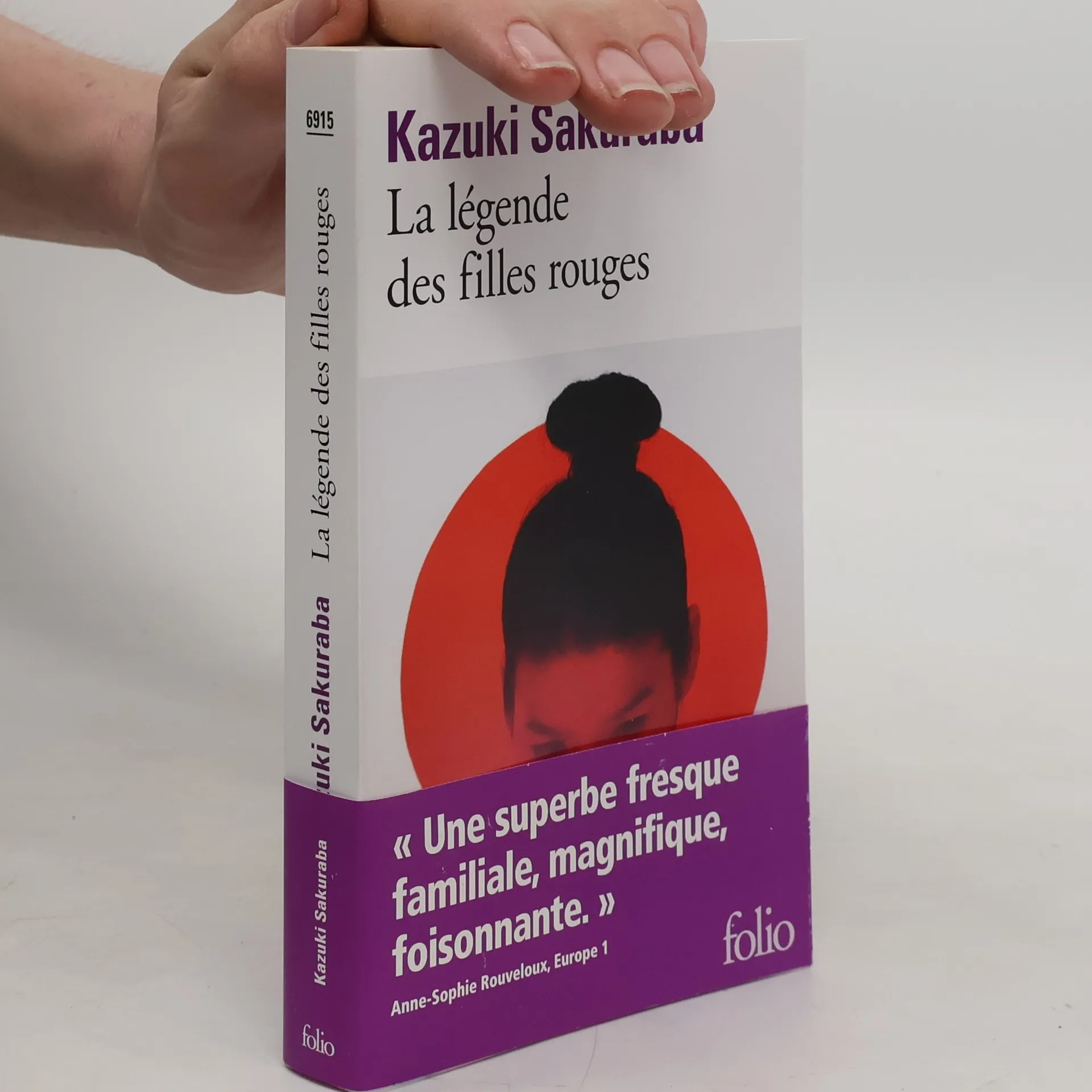
La légende des filles rouges
- 480 pages
- 17 hours of reading
Une saga familiale japonaise qui s'étend sur trois générations. Japon 1953 : Manyo, la fille des montagnes, a un don particulier : elle peut voir l'avenir. Mais elle ne révèle pas ce que contiennent ses visions. Lorsque son propre clan la rejette pour cette raison, elle doit vivre dans la vallée. Avec ses longs cheveux noirs et ses grands yeux, elle attire l'attention dans la petite communauté villageoise. Des années plus tard, le fils de la famille la plus respectée et la plus riche l'épouse. Mais pourquoi choisit-il précisément la pauvre Manyo ? Ce secret ne sera révélé à la petite-fille de Manyo, Toko, que des décennies plus tard. Et aussi pourquoi sa grand-mère a dit sur son lit de mort : « Je suis une meurtrière. »