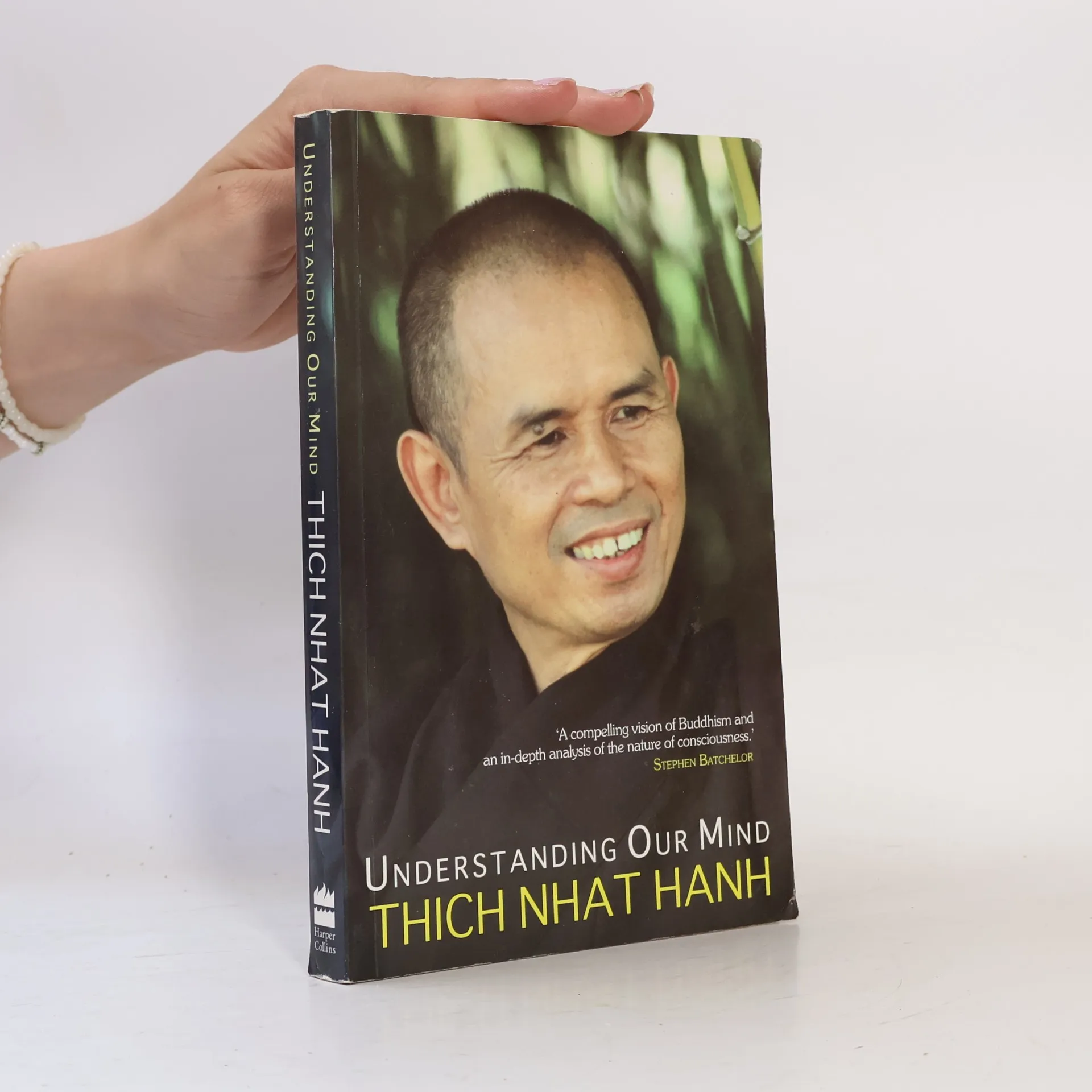
Understanding Our Mind is an accessible guide for anyone who is curious about the inner workings of the mind. Originally released as Tranformation at the base, a finalist for the 2001 Nautilus Award, this seminal work on Buddhist applied psychology features a new introduction by Dharma teacher Reb Andersen.
Losing weight and maintaining a healthy body is not simply a matter of exercising more and eating less. It is the awareness of the present moment, the realisation of why we do what we do, that enables us to stop feeling bad and start changing our behaviour. With Mindful Eating, world-renowned Zen master Thich Nhat Hanh and Harvard nutritionist Dr Lilian Cheung show us how to end our struggles with weight once and for all. Offering practical tools, including personalised goal setting, a detailed nutrition guide, and a mindful living plan, the authors help us to uncover the roots of our habits and then guide us as we transform our actions. Mindful Eating teaches us how to easily adopt the practice of mindfulness and integrate it into eating, exercise and all facets of our daily life, so that being conscious and present becomes a core part of our being. Mindful Eating not only helps us achieve the healthy weight and well-being we seek, but it also brings to the surface the rich abundance of life available to us in every moment.
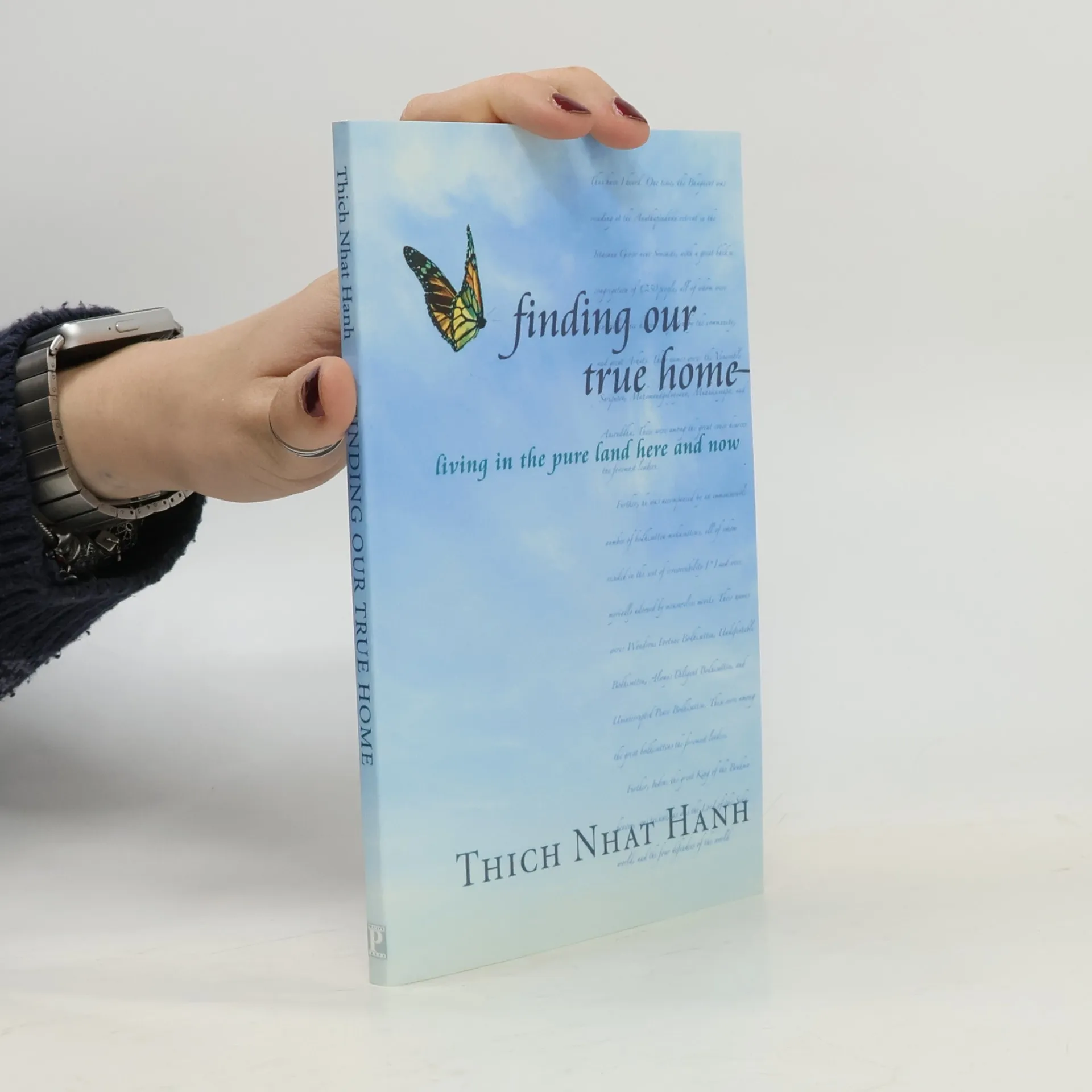
Finding Our True Home presents a new definitive translation of the Amitabha Sutra along with Thich Nhat Hanh’s first commentary on one of the most practiced forms of Buddhism in the world, the Pure Land school.Introduced in the Buddha’s own lifetime, Pure Land practice puts us in touch with the beauty in our own world and brings us the security, solidity, and freedom we need in order to truly enjoy it. Realizing that Buddha is within us, we see that the Pure Land (paradise) is here and now, rather than in the future. Finding Our True Home will open a new Dharma door to many students of meditation.
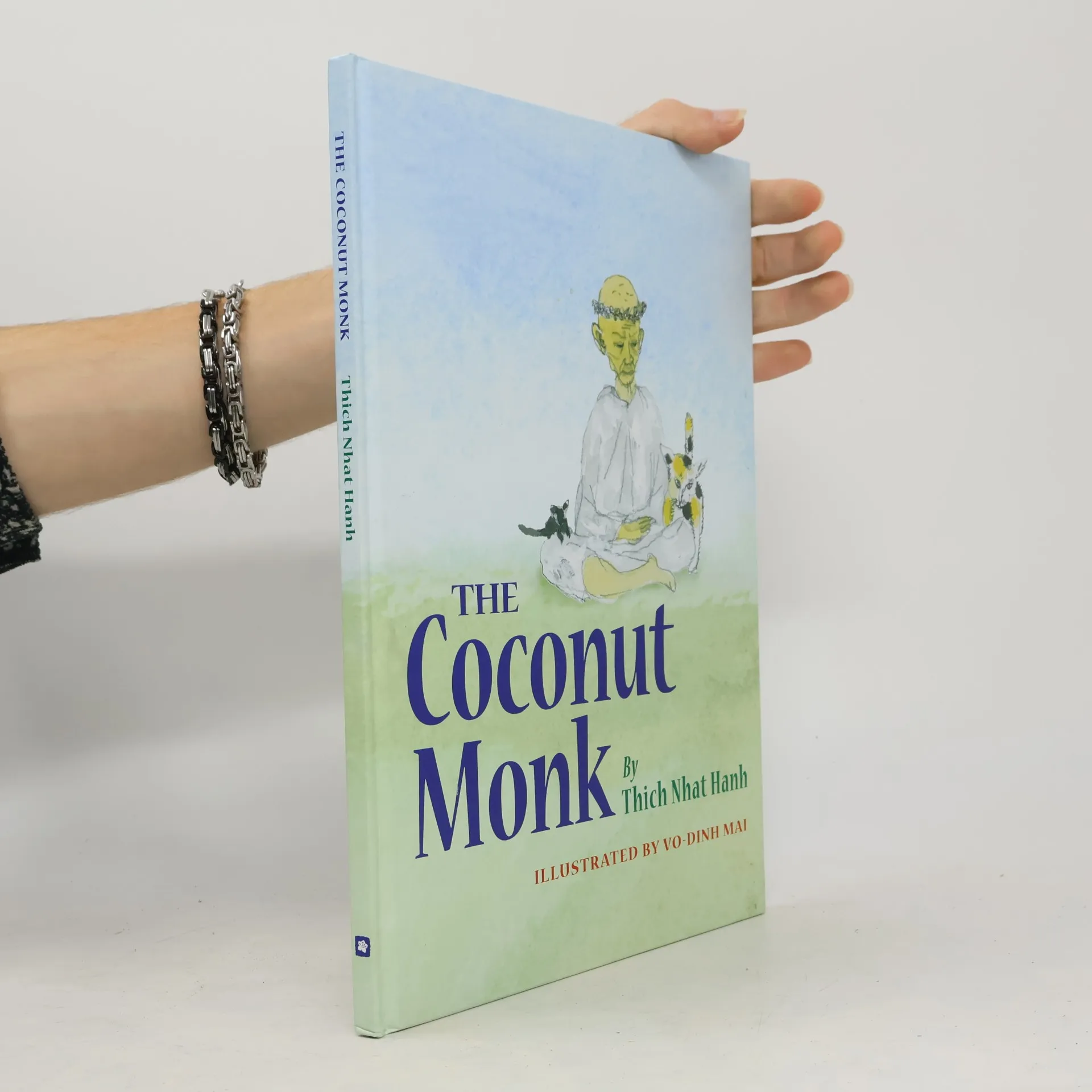
In a war-torn world filled with images of violence, Zen Master Thich Nhat Hanh offers young readers reassurance and a reminder that peace can be found through empathy. Based on a talk given directly to children, this timely book uses the image of a cat and a mouse and their smiling friend the Coconut Monk as metaphors for overcoming seemingly unconquerable divides of nature, nation, and belief. Teaching equanimity, compassion, and perseverance, the book includes full-color oil paintings by Vietnamese-American painter Vo-Dinh Mai that further enhance the author’s message.
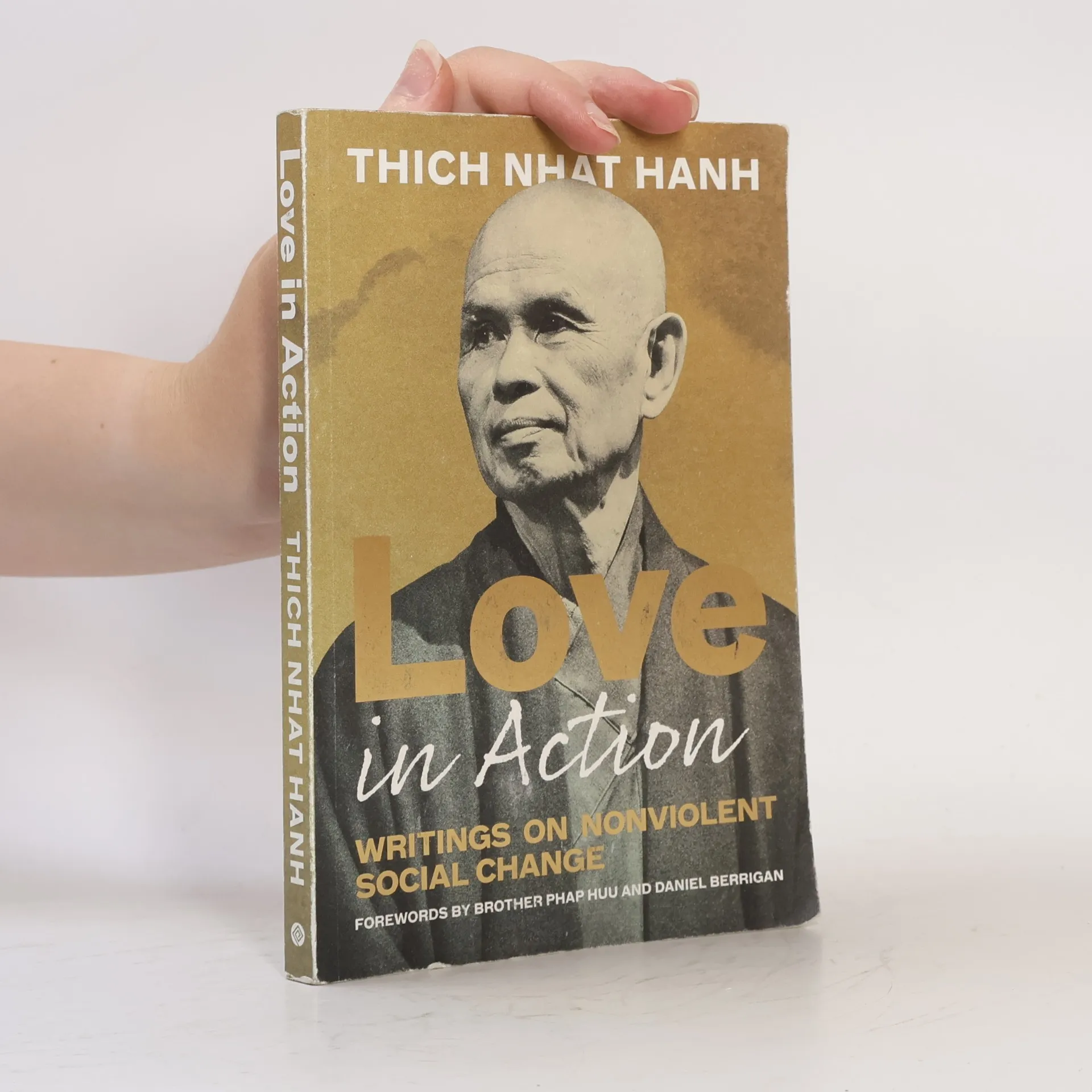
Writings On Nonviolent Social Change, Second Edition
208 pages
8 hours of reading
Be inspired by 21 key writings on nonviolence and reconciliation by Vietnamese peace activist and refugee advocate Zen master Thich Nhat Hanh. "The essence of nonviolence is love," he asserts, emphasizing that selfless love naturally leads to effective nonviolent strategies. This collection of essays, written during pivotal moments of social change, serves as a vital resource for those involved in social work, community organizing, and political activism. Thich Nhat Hanh reflects on the devastation of war, arguing that ethical, altruistic love rooted in mindfulness is essential for sustainable political action. Having been a key figure in the Buddhist nonviolent movement for peace in Vietnam during the 1960s and participating in the Paris Peace Accords, he embodies the belief that "There is no way to peace. Peace is the way." This anthology includes essays linking outer engagement with inner peace work, as well as poetry and the poignant script of the 1972 play, The Path of Return Continues the Journey. The characters are based on the author's experiences, particularly the young volunteers from his School of Youth for Social Service, many of whom lost their lives for their efforts. Thich Nhat Hanh recounts a tragic event in which five young men were abducted and killed, highlighting their commitment to healing and reconstruction amidst war. This work serves as both an elegy and a prayer for peace, showcasing his deep sorrow an
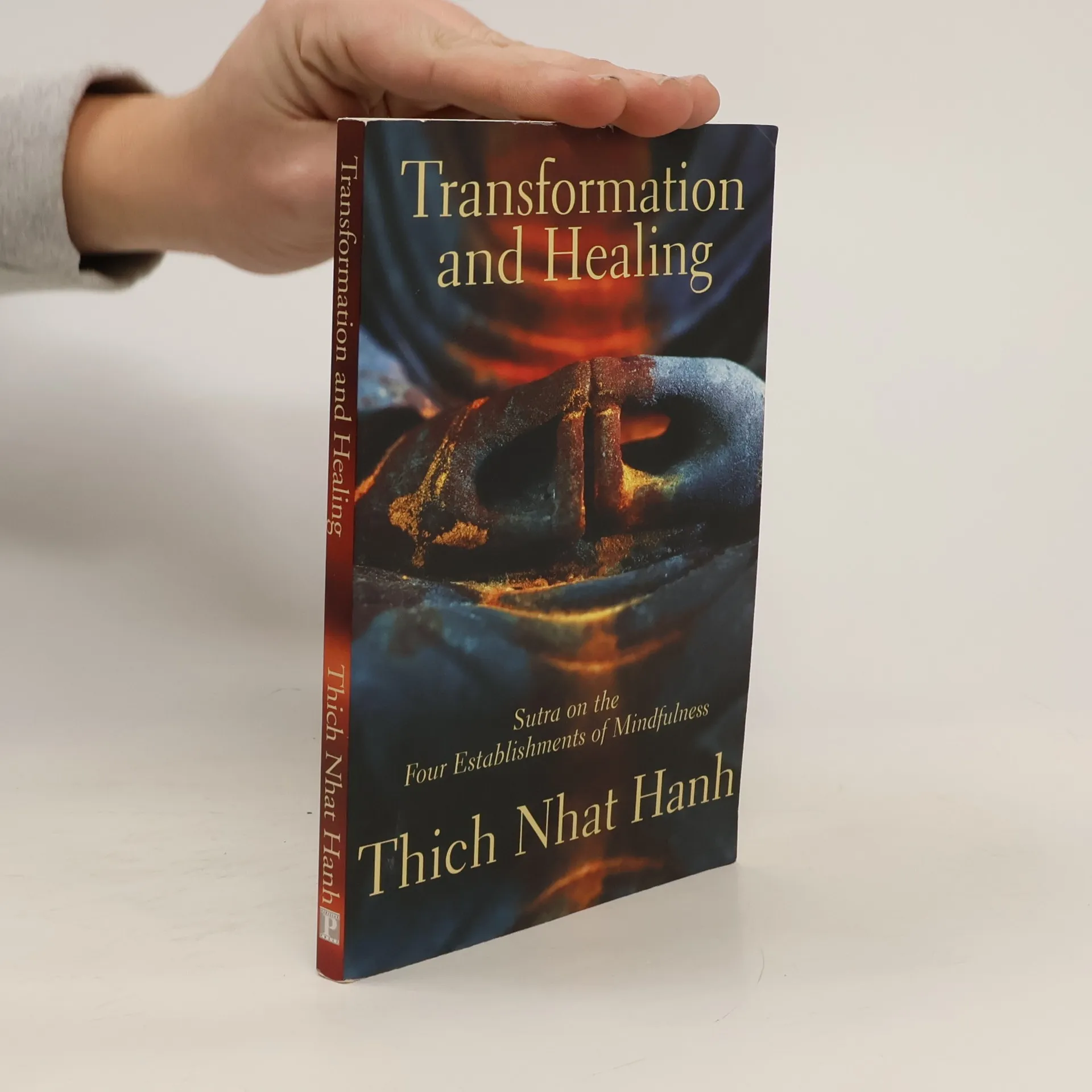
The teachings contained in this The Sutra on the Four Establishments of Mindfulness are fundamental to the practice of meditation, and constitute the foundation of all mindfulness practice.The Sutra has been studied, practiced and handed down with special care from generation to generation for 2,500 years. In his commentaries Thich Nhat Hanh guides the reader to an understanding of the fundamental basis of the Buddhist practice and encourages application in daily life.It describes the four methods of mindfulness of the body, the feelings, the mind, and the object of mind. It teaches how to deal with anger and jealousy, to nurture the best qualities in our children, spouse, and friends, and to greet death with compassion and equanimity.Three versions of the Sutra on the Four Establishments of Mindfulness are presented here, along with Thich Nhat Hanh's insightful commentary and twenty-three exercises-or contemplations-to aid in the practice of mindfulness in daily life.Thich Nhat Hanh's presentation of the sutra is easy to follow making it accessible for novice Buddhist as well as more advanced practitioners. It gives you the basics of breathing and how to use your breathing for meditation and contemplation.With a new introduction by Thich Nhat Hanh.
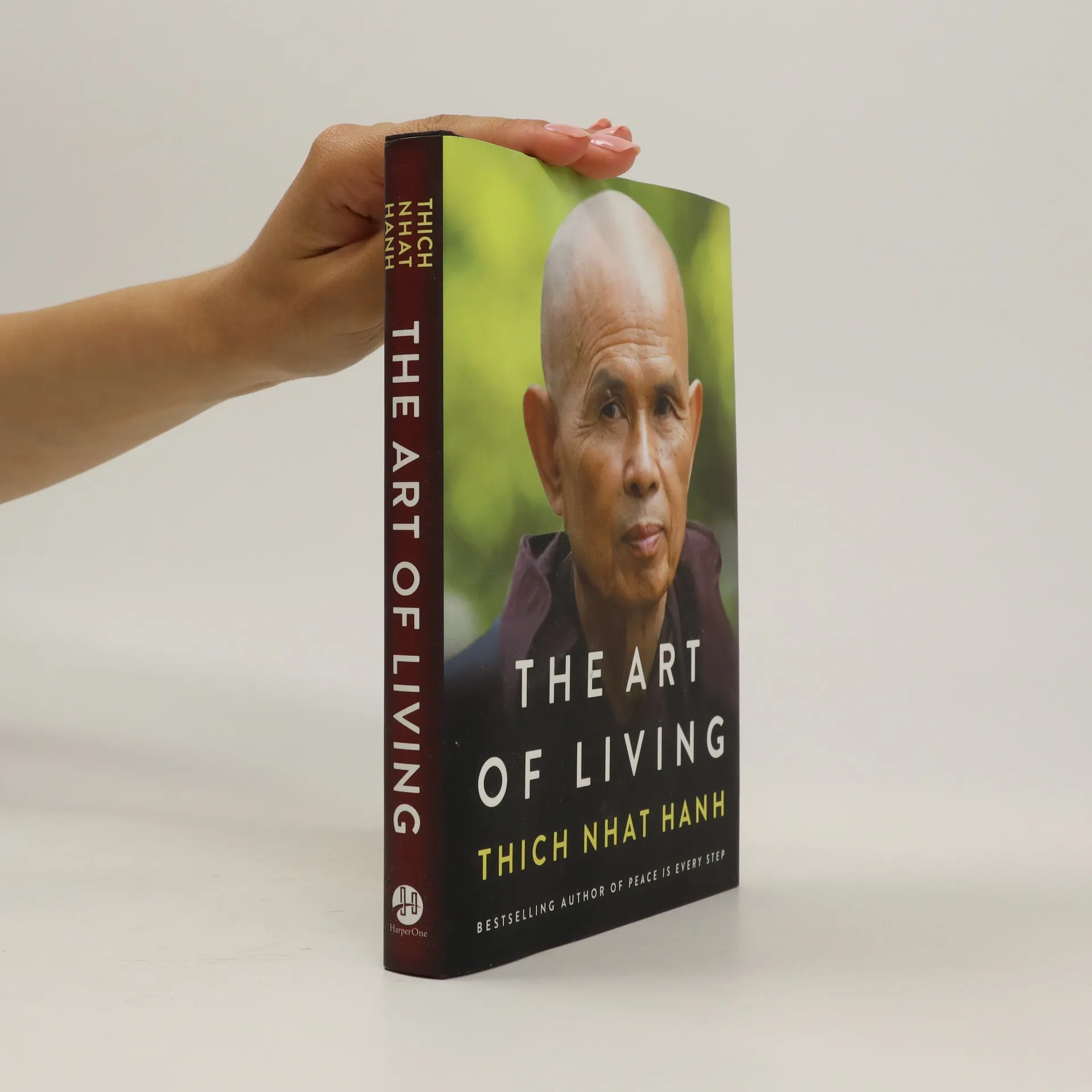
In troubled times, there is an urgency to understand ourselves and our world. We have so many questions, and they tug at us night and day, consciously and unconsciously. In this important volume Zen Master Thich Nhat Hanh——one of the most revered spiritual leaders in the world today——reveals an art of living in mindfulness that helps us answer life’s deepest questions and experience the happiness and freedom we desire. Thich Nhat Hanh presents, for the first time, seven transformative meditations that open up new perspectives on our lives, our relationships and our interconnectedness with the world around us. Based on the last full talks before his sudden hospitalization, and drawing on intimate examples from his own life, Thich Nhat Hanh shows us how these seven meditations can free us to live a happy, peaceful and active life, and face aging and dying with curiosity and joy and without fear. Containing the essence of the Buddha’s teachings and Thich Nhat Hanh’s poignant, timeless, and clarifying prose, The Art of Living provides a spiritual dimension to our lives. This is not an effort to escape life or to dwell in a place of bliss outside of this world. Instead, this path will allow us to discover where we come from and where we are going. And most of all, it will generate happiness, understanding, and love, so we can live deeply in each moment of our life, right where we are.
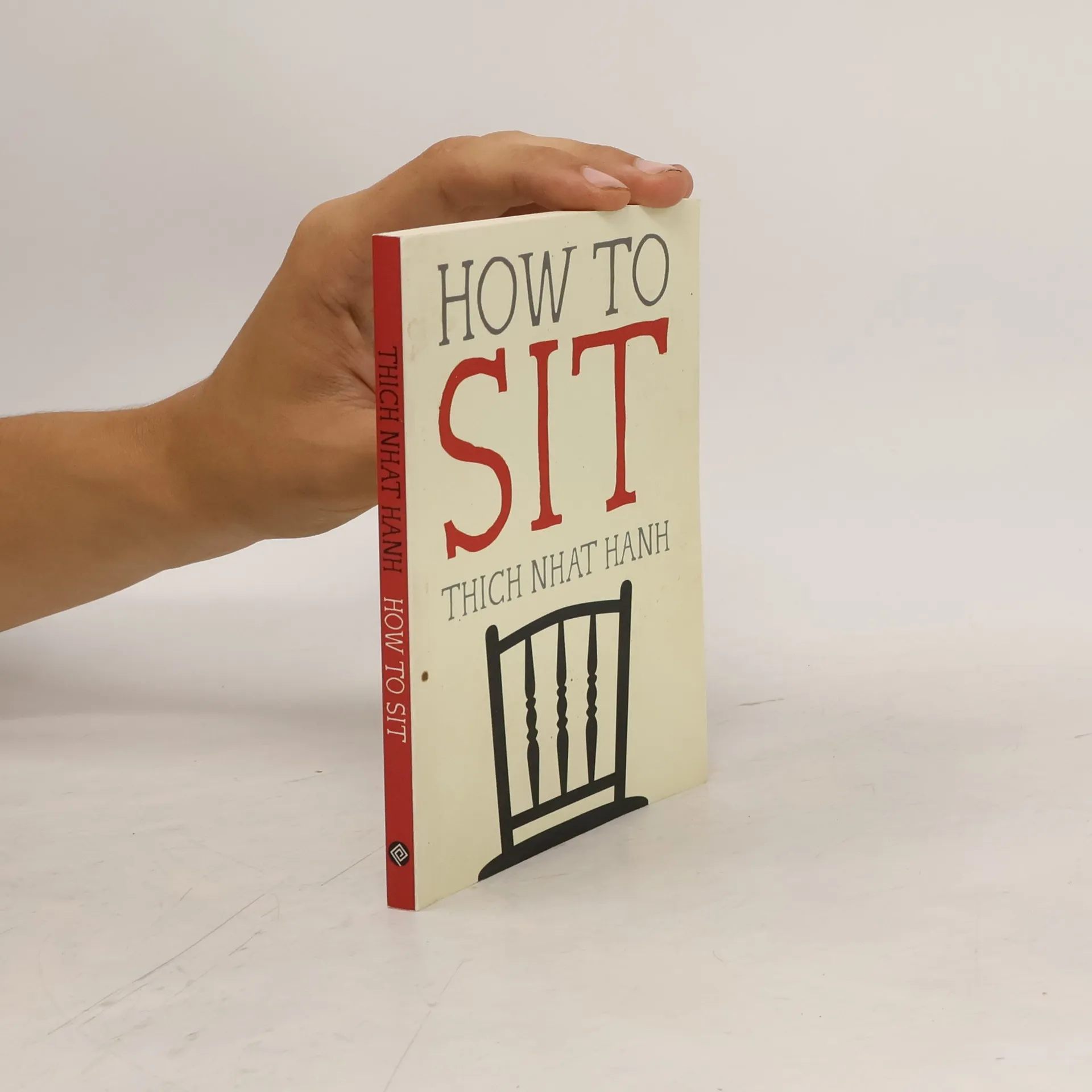
"Sit" = "Meditate." Clear, simple directions for anyone wanting to explore mindfulness meditation. The first book in The Mindfulness Essentials series, a back-to-basics collection from world-renowned Zen master Thich Nhat Hanh that introduces everyone to the essentials of mindfulness practice. In short, single-paragraph chapters, Nhat Hanh shares detailed instructions, guided breathing exercises and visualizations, as well as his own personal stories and insights. This pocket-sized book is perfect for those brand new to sitting meditation as well as for those looking to deepen their spiritual practice. With sumi-ink drawings by Jason DeAntonis.
Thich Nhat Hanh is the subject of the major documentary Walk With Me narrated by Benedict Cumberbatch 'Thich Nhat Hanh is a holy man...a scholar of immense intellectual capacity' Martin Luther King Learn how to bring love and compassion into an angry situation. Many of us don't know how to handle strong emotions and our distorted perceptions can make us feel angry or filled with despair. Here, 'the father of mindfulness' teaches us to look deeply at the root of our anger. To see clearly, we must calm down. He shows us how, when insight is born, we will be free. How To Fight is a pocket-sized guide to life by one of the best known Zen masters in the world, who was nominated for the Nobel Peace Prize.
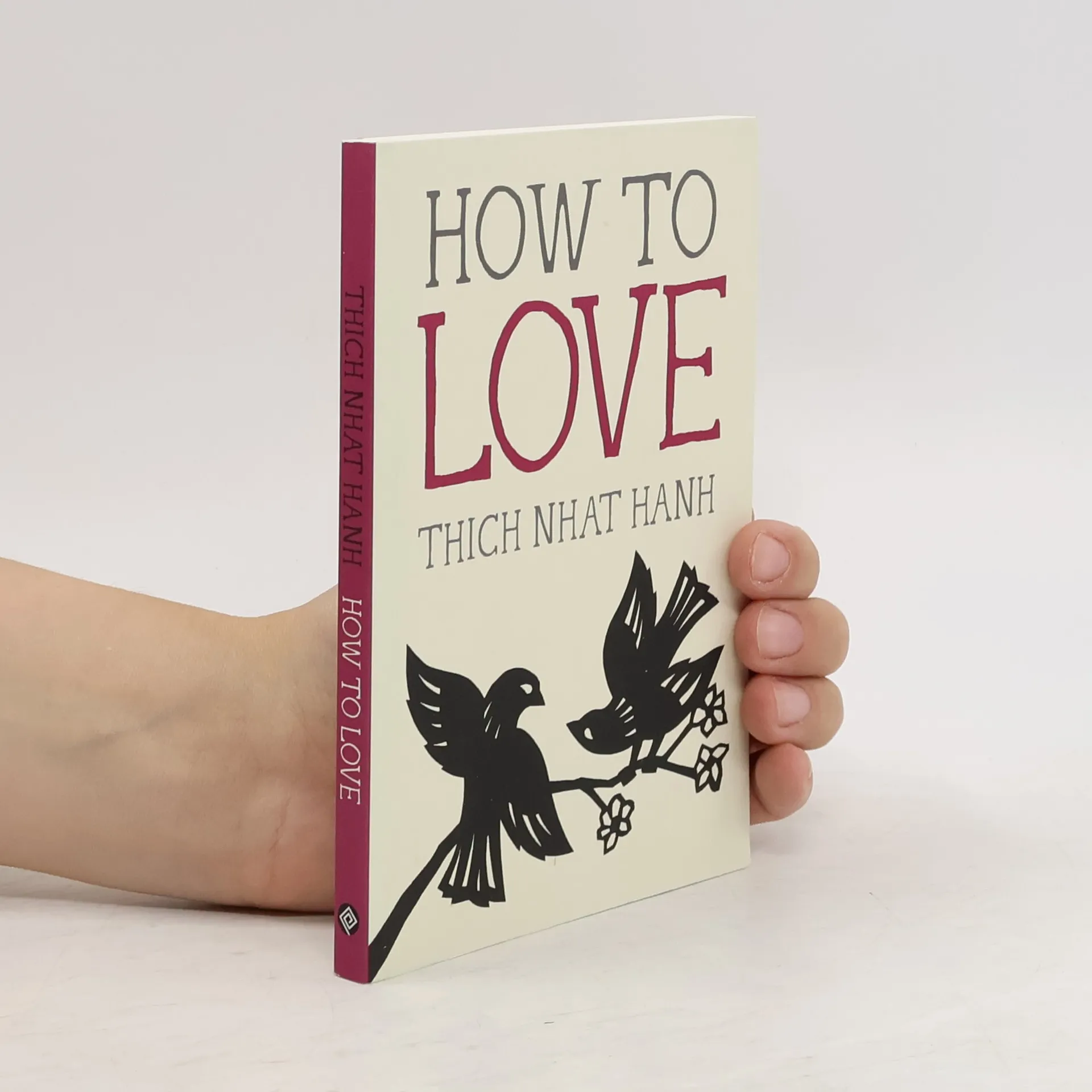
The third title in Parallax's "Mindfulness Essentials Series" of how-to titles by Zen Master Thich Nhat Hanh, "How to Love" introduces beginners and reminds seasoned practitioners of the essentials of mindfulness practice. This time Nhat Hanh brings his signature clarity, compassion, and humor to the thorny question of how to love and distills one of our strongest emotions down to four essentials: you can only love another when you feel true love for yourself; love is understanding; understanding brings compassion; and deep listening and loving speech are key ways of showing our love. Featuring original illustrations by Jason DeAntonis, "How to Love" shows that when we feel closer to our loved ones, we are also more connected to the world as a whole. With sections on Love vs. Need, Being in Love, Reverence, Intimacy, Children and Family, Reconciling with Parents, and more, "How to Love" includes meditations readers can do alone or with a partner to expand their capacity to love. This comprehensive guide to understanding the many different kinds of love also includes meditative practices that expand the understanding of and capacity for love, appropriate for those practicing in any spiritual tradition, whether seasoned practitioners or new to meditation.
'Eine gut lesbare Darstellung der buddhistischen Lehre der vier Edlen
Wahrheiten und des Edlen Achtfachen Pfades für ein besseres Verständnis der
Menschen füreiander.' Save Tibet, 01.09.2014
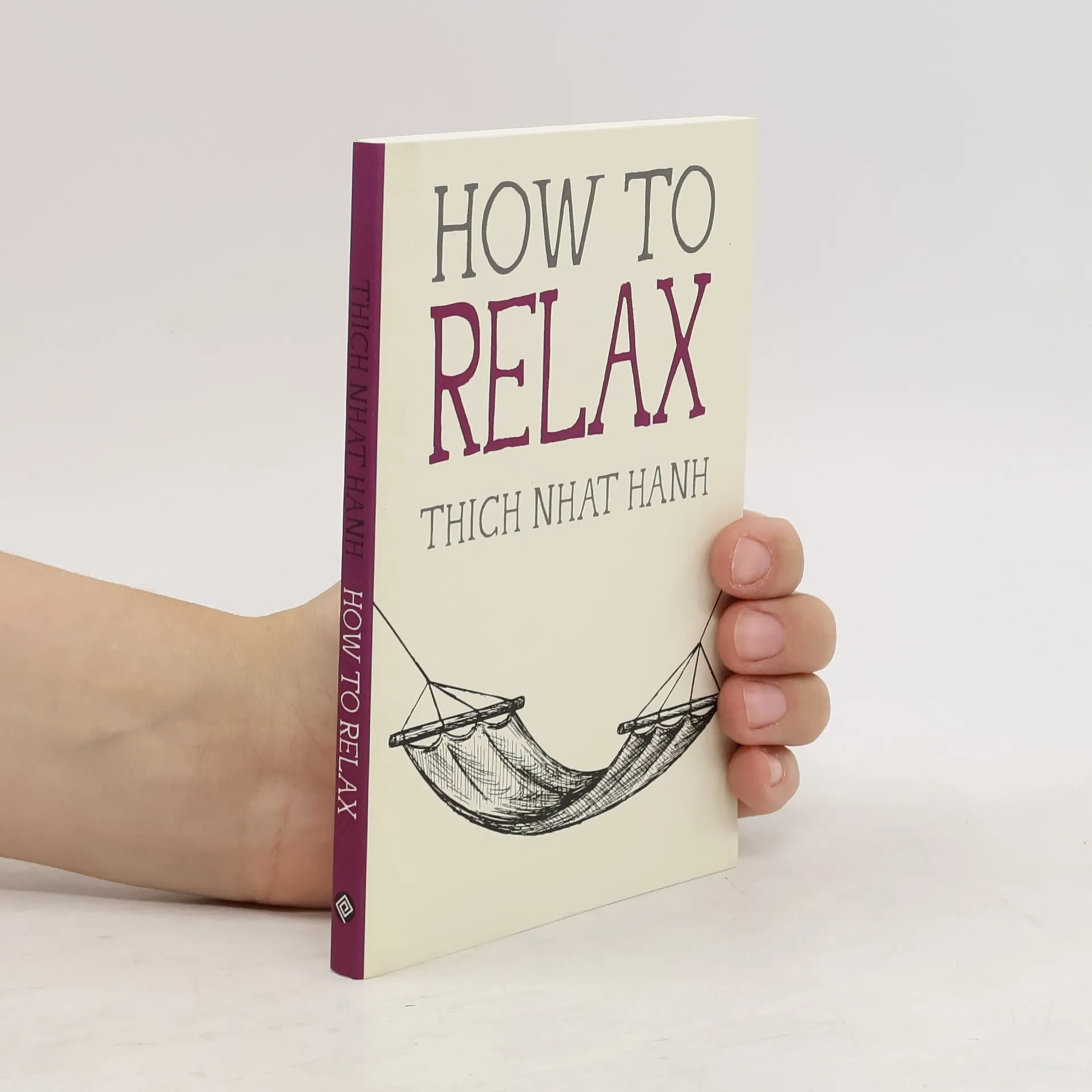
Stop, relax mindfully, and recharge to control stress and renew mental freshness and clarity. The fifth book in the bestselling Mindfulness Essentials series, a back-to-basics collection from world-renowned Zen Master Thich Nhat Hanh that introduces everyone to the essentials of mindfulness practice. Thich Nhat Hanh says that when we relax, we "become calm water, and we will reflect reality as it is. If we’re not calm, the image we reflect will be distorted. When the image is distorted by our minds, it’s not the reality, and it causes lots of suffering." Relaxation is essential for accessing the tranquility and joy that lead to increased personal well-being. With sections on healing, relief from nonstop thinking, transforming unpleasant sounds, solitude, being peace, and more, How to Relax includes meditations you can do to help you achieve the benefits of relaxation no matter where you are. Scientific studies indicate that meditation contributes tremendously to well-being, general health, and longevity. How to Relax is a unique gift for those who want a simple guide to achieving deep relaxation, controlling stress, and renewing mental freshness and clarity, appropriate for those practicing in any spiritual tradition, whether seasoned practitioners or new to meditations. With sumi-ink drawings by celebrated artist Jason DeAntonis.
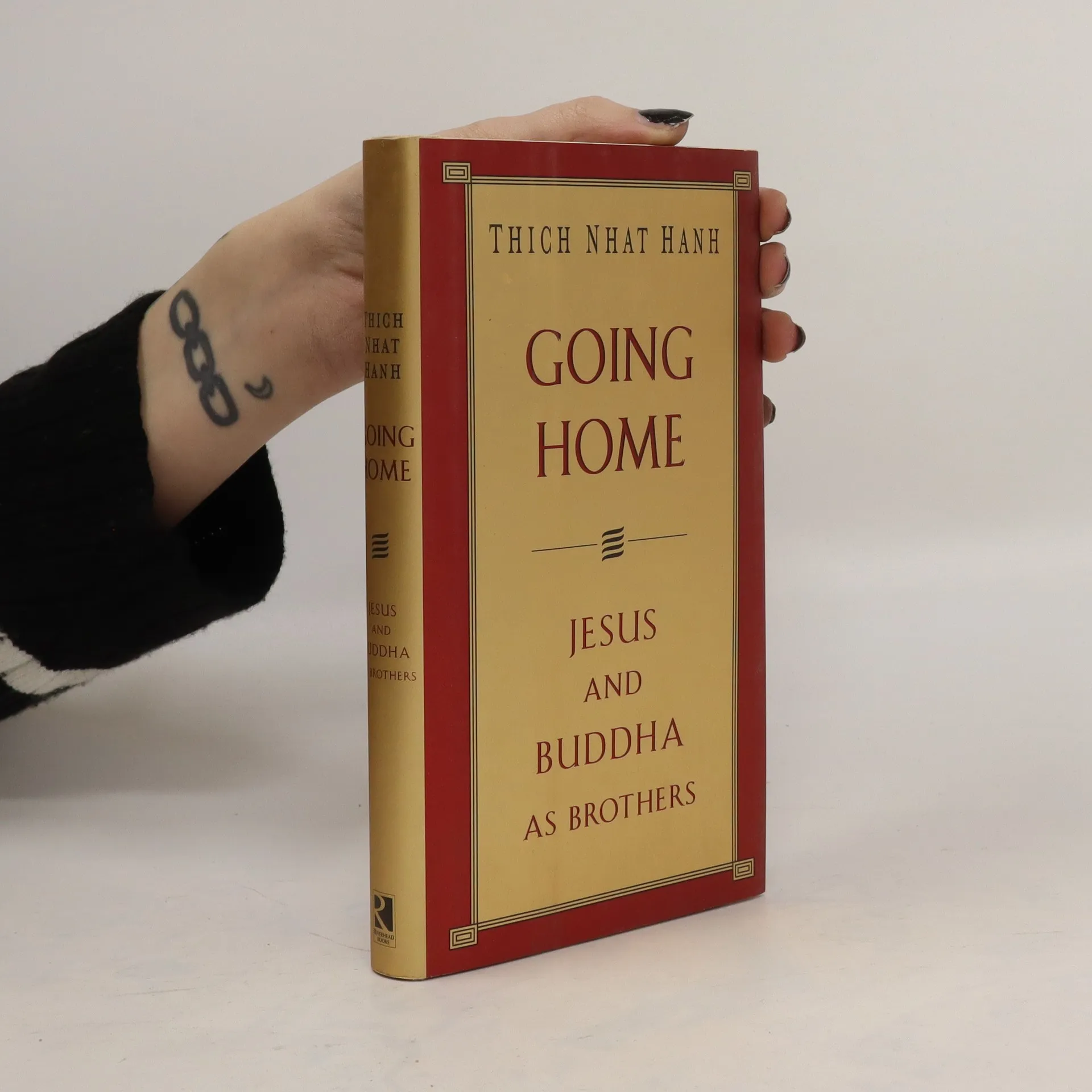
A respected Buddhist teacher explores the nature of modern humankind's spiritual displacement, offers a discussion of the roots of Christianity and Buddhism, and builds a revitalizing dialogue between the two faiths.
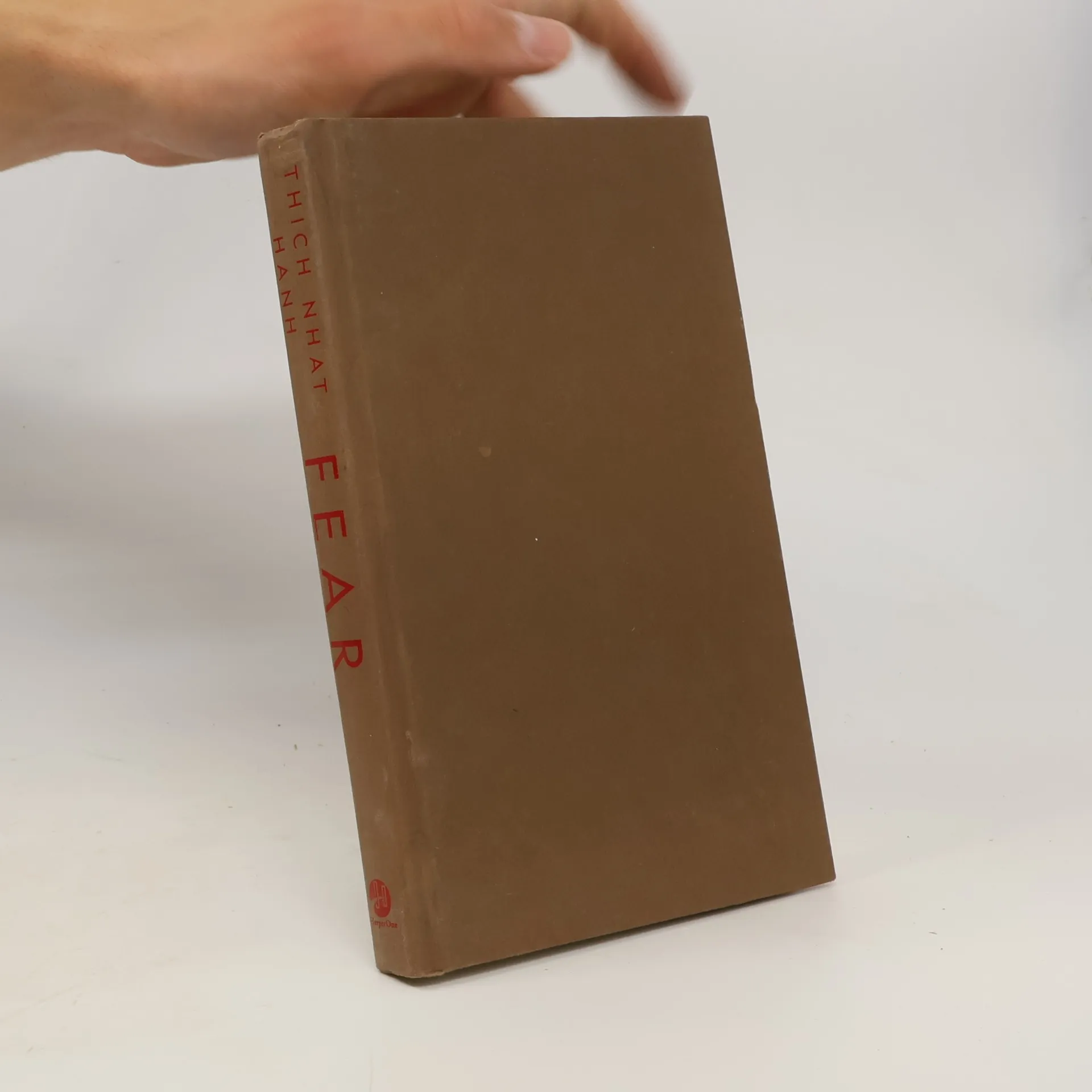
Addressing a human fear of nothingness after death, the author explains how readers can conquer fears and live happier lives through a close examination of who we are and how we live.
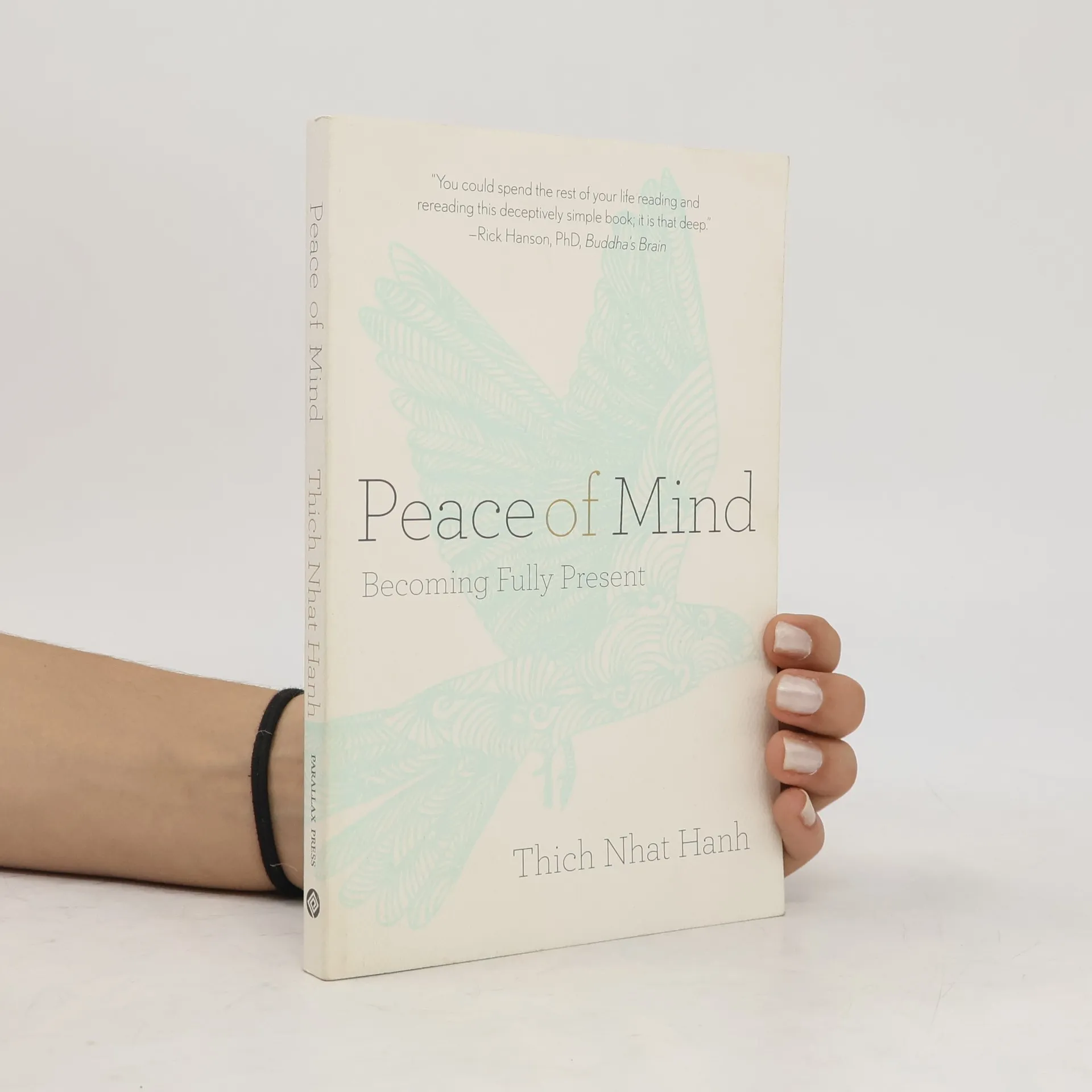
We can’t heal with our minds alone. Thinking can be something productive and creative, but without integrating body and mind, much of our thinking is useless and unproductive. In Peace of Mind, Zen master Thich Nhat Hanh reminds us that integrating body and mind is the only way to be fully alive in each moment, without getting lost in our thoughts while walking, cooking, driving, and going about our everyday lives. Only by cultivating a mindful body and an embodied mind can we be fully alive. Bringing together ancient wisdom and contemporary thinking, Thich Nhat Hanh says it's like hardware and software—if you don't have both, you can't do anything. Peace of Mind provides a foundation for beginning mindfulness practices and understanding the principles of mind/body awareness. By learning how our physical body and mind are inseparable in creating our own perceptions and experiences we can begin to trust and nourish our ability to create well-being.
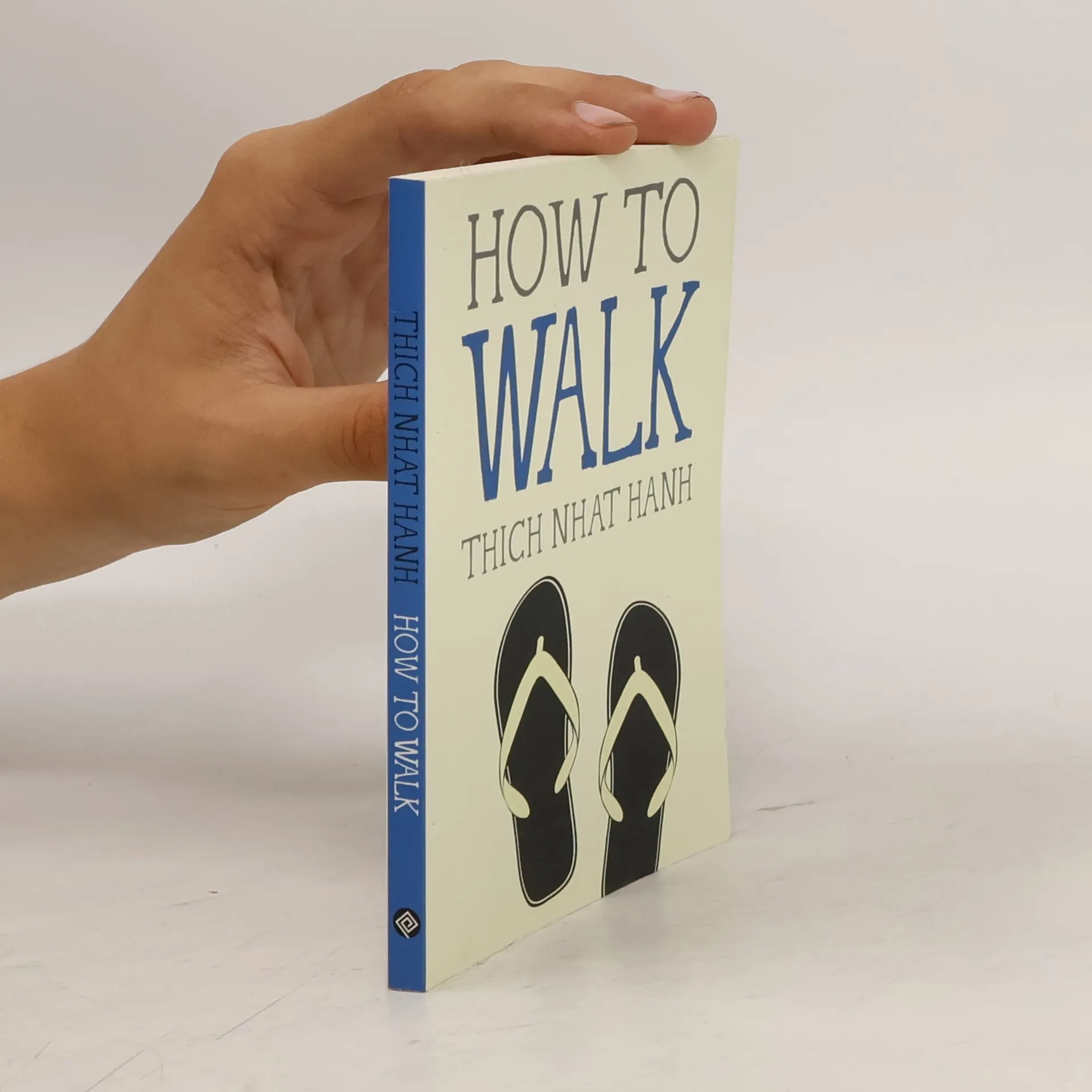
An introduction to mindful walking, which can be done anywhere, at any time—even on a commute to work or school. The fourth book in the bestselling Mindfulness Essentials series, a back-to-basics collection from world-renowned Zen Master Thich Nhat Hanh that introduces everyone to the essentials of mindfulness practice. Slow, concentrated walking while focusing on in- and out-breaths allows for a unique opportunity to be in the present. There is no need to arrive somewhere—each step is the arrival to concentration, joy, insight, and the momentary enlightenment of aliveness. When your foot touches the Earth with awareness, you make yourself alive and the Earth real, and you forget for one minute the searching, rushing, and longing that rob our daily lives of awareness and cause us to "sleepwalk" through life. Thich Nhat Hanh shares amusing stories of the impact mindful walking has on both the walker and those who notice him, and shows how mindful walking can be a technique for diminishing depression, recapturing wonder, and expressing gratitude. Pocket-sized, with original two color illustrations by Jason DeAntonis, How to Walk is a unique gift for all ages, sharing a simple practice that can have a profound effect on practitioners.
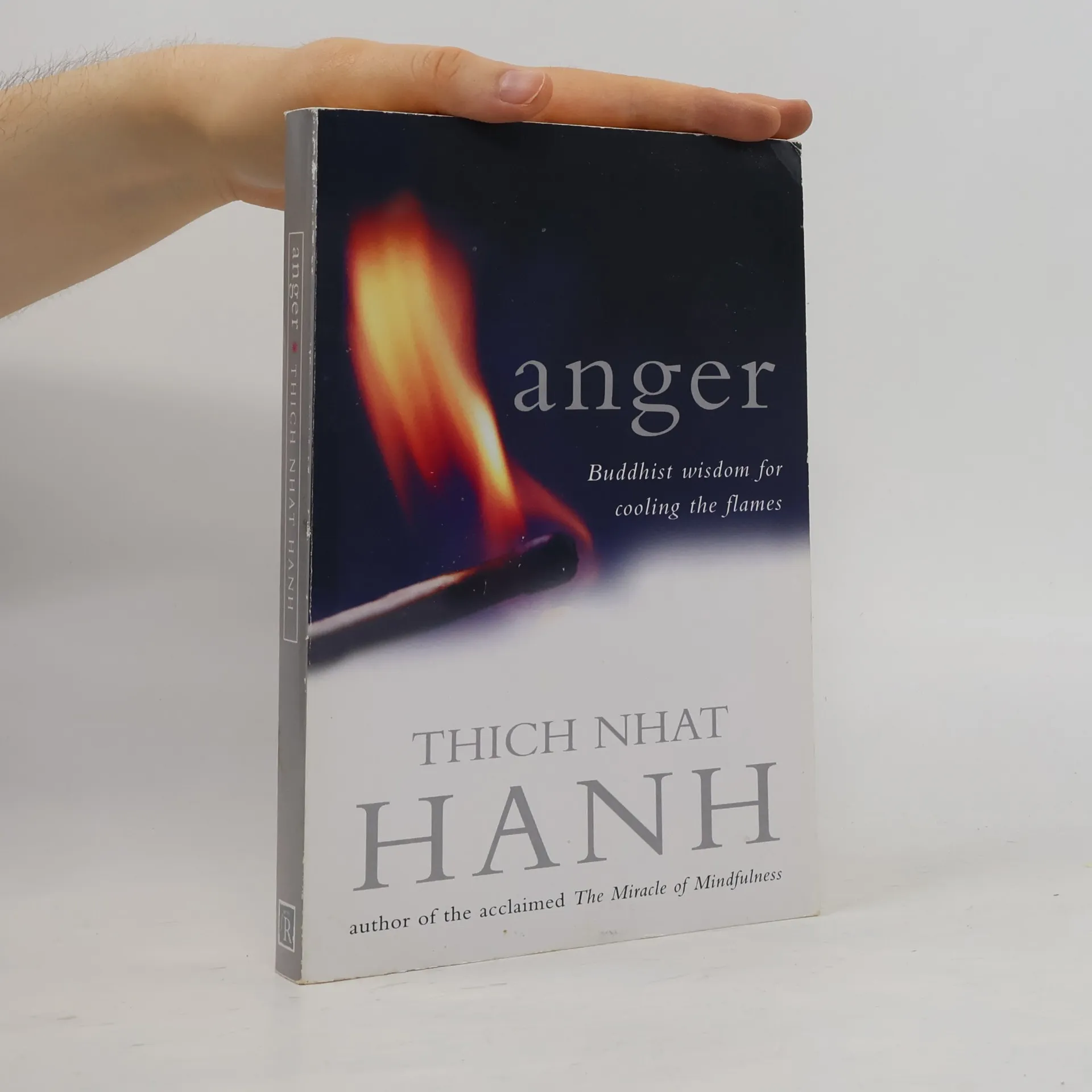
'Thich Nhat Hanh's work has proven to be the antidote to our modern pain and sorrows' Ocean VuongMindfulness recognizes anger, is aware of its presence, accepts and allows it to be there.
Wie wirklich ist unsere Wirklichkeit? Wie entstehen unsere Gedanken und Gefühle, und wie können wir sie beeinflussen? Ist ein Umgang mit negativen, hemmenden Gefühlen wie Wut oder Angst möglich, der uns zu freien, mutigen Menschen werden lässt? Antworten auf diese Fragen gibt Thich Nhat Hanh in seinem grundlegenden Buch zur buddhistischen Psychologie. Er zeigt, dass letztlich wir selbst die Schöpfer unserer Lebenswirklichkeit sind.
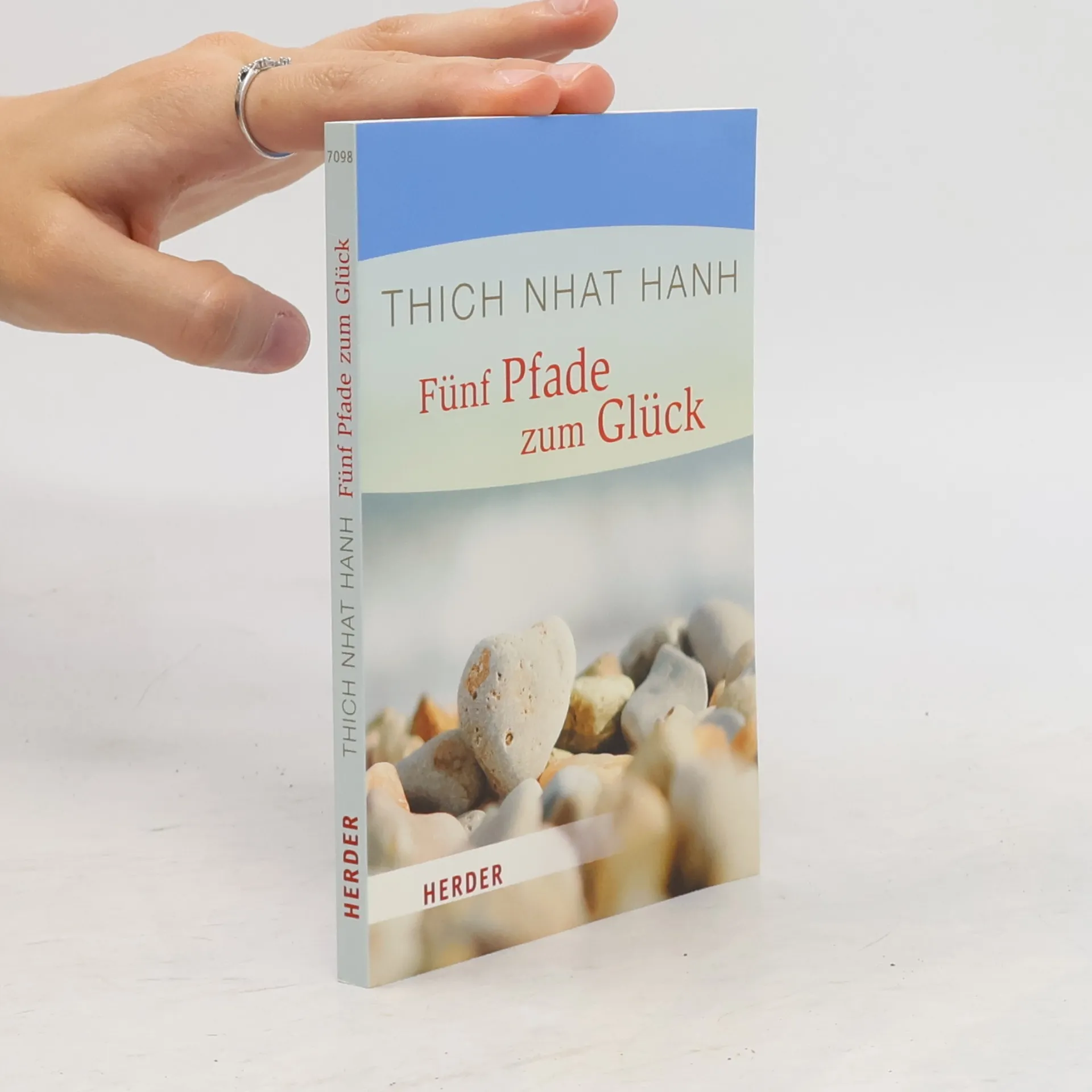
Fünf zentrale Übungen der Achtsamkeit, die wir Schritt für Schritt in die Herausforderungen unseres täglichen Lebens integrieren können, leiten uns zu einem liebevollen Miteinander, Respekt gegenüber allem Leben und einem angemessenen Umgang mit materiellen Gütern. Eine Orientierungshilfe für ein glückliches Leben die jeden Tag zu einer faszinierenden spirituellen Übung macht.
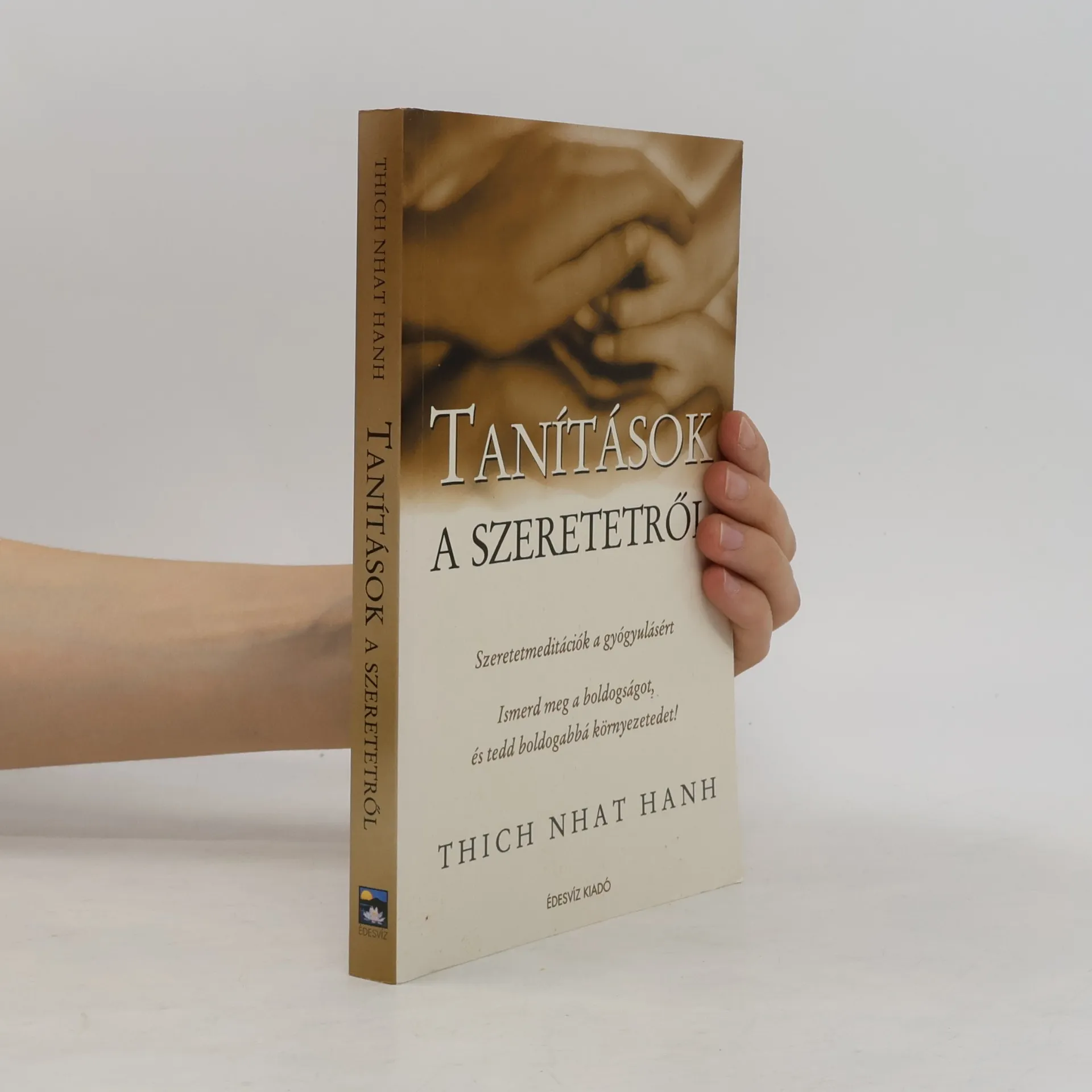
Valamennyien mély, örömteli szeretetre áhítozunk, és szeretni akarunk. A kötetben rejlő szeretetmeditációk és módszerek egészségesebbé tehetik szerelmi és családi kapcsolatainkat, mert az együttélés művészetére tanítanak, s nem utolsósorban kitűnő válságkezelő technikák is. A szerző a hagyományra, valamint a modern világ történeteire és felismeréseire támaszkodva, olyan gyakorlatokat ajánl, amelyeknek a segítségével megszeretjük önmagunkat, közelebb kerülhetünk a kedvelt vagy a számunkra közömbös emberekhez, legvégül pedig azokat is el tudjuk majd fogadni, akiket korábban látni sem bírtunk. Ez a gondolatébresztő és földönjáró könyv elősegíti, hogy megértsük önmagunkat és kapcsolatainkat, s így meghittebbé is avatja ezeket. „A nap huszonnégy órájában szeretnünk kell. Ne adjuk ennél alább. Meg kell tanulnunk, hogyan válhatunk olyan emberré, akiből a nap minden órájában szeretet, együttérzés, öröm és egyensúly árad. Kérem tehát, gyakorolják az éberség, a boldogság és a boldoggá tevés művészetét. Nem más ez, mint a szeretetmeditáció, a jelen pillanat mély átélése. Számítok önökre, hogy elsajátítják.
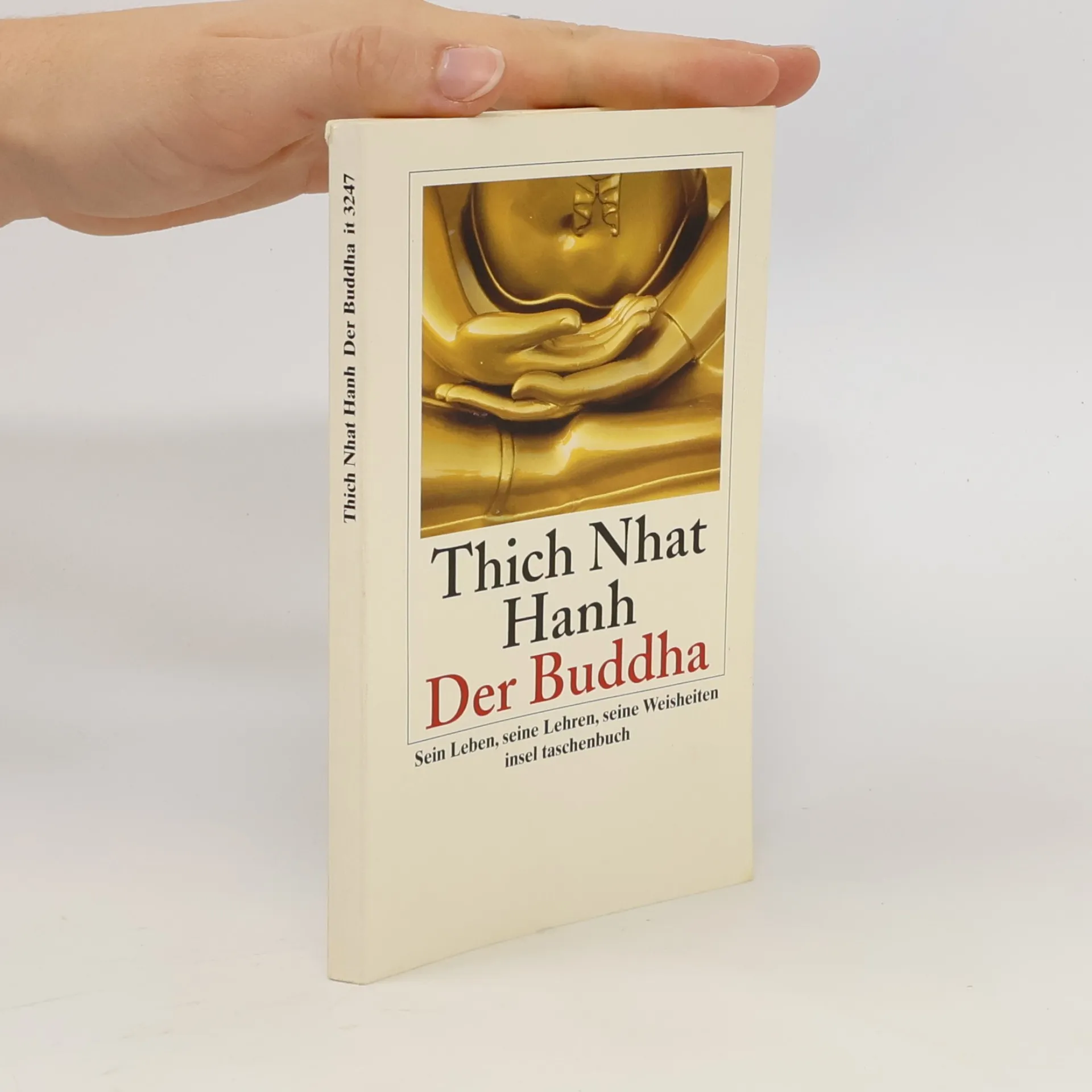
Die spannend erzählte Lebensgeschichte des Prinzen Siddharta, der sein wohlbehütetes Leben aufgab, seine Familie verließ und nach vielen Jahren der spirituellen Suche zum Buddha, zum Erwachten, wurde, steht im Mittelpunkt dieses Buches. Thich Nhat Hanh zeigt den Buddha als einen Menschen, der sich mit Fragen auseinandersetzt, die auch unsere sind. Thich Nhat Hanh verbindet die Beschreibung der wichtigsten Lebensstationen des Buddha mit dessen zentralen Lehren. Über eine Biographie weit hinausreichend, stellt dieses Buch eine unterhaltsame und lehrreiche Einführung in den Buddhismus dar.