
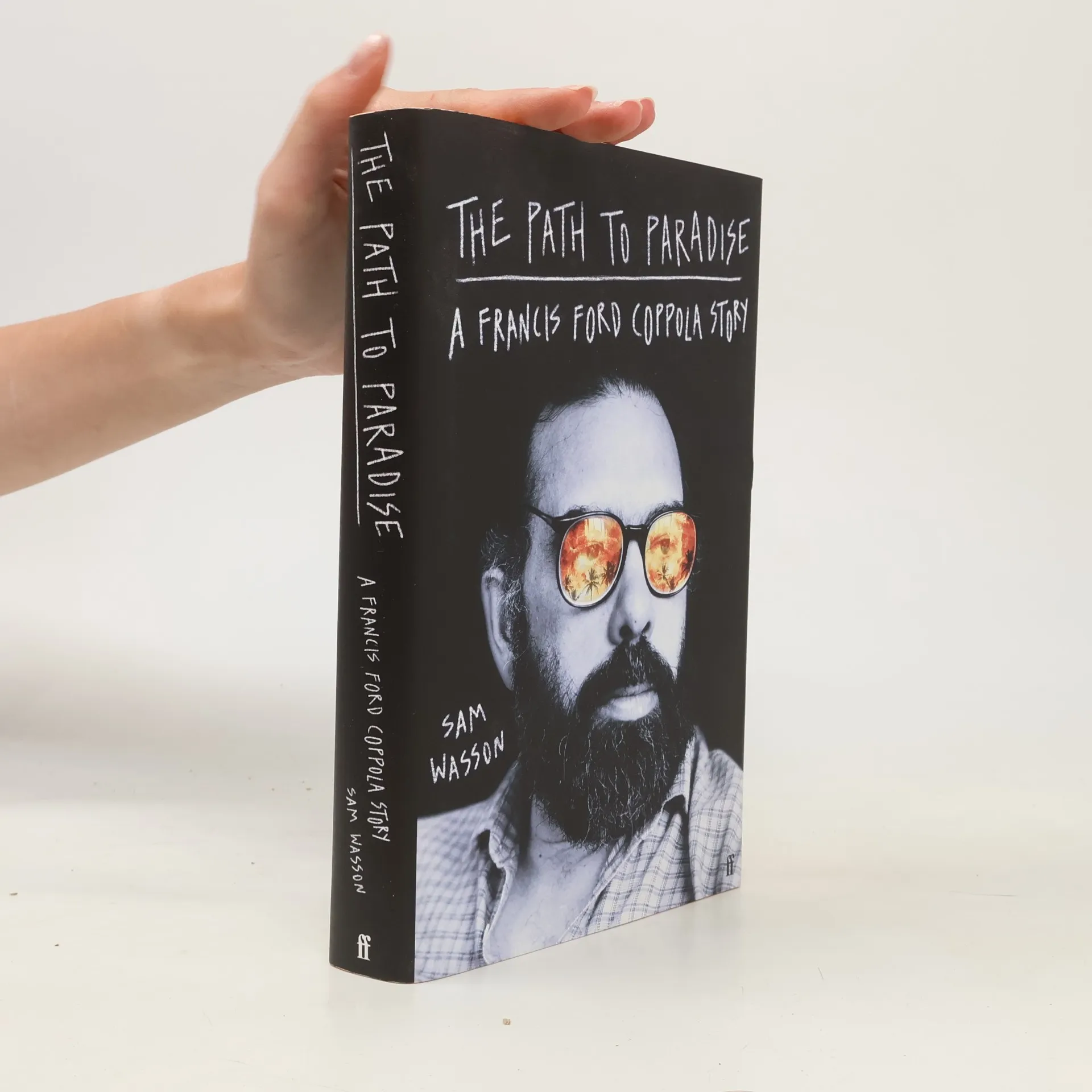
The narrative explores Francis Ford Coppola's ambitious quest to transform American cinema and his broader vision for the film industry. It delves into his creative processes, challenges, and the impact of his groundbreaking work, offering an engaging and insightful look at his legacy. With praise for its entertainment value, the account captures the essence of Coppola's influence on filmmaking and the cultural landscape.
Sam Wasson Books
Sam Wasson is the author of New York Times bestselling works and several other volumes of film criticism. His writing frequently explores the intersection of fashion, culture, and cinema, examining how these elements shaped modern identity and style. Wasson's analysis is insightful, and his prose possesses a remarkable ability to bring past eras and their icons to life with captivating elegance. His expertise in film and cultural history provides a unique perspective to his works.



"From the New York Times bestselling author of Fifth Avenue, Five A.M. and Fosse comes the revelatory account of the making of a modern American masterpiece. Chinatown is the Holy Grail of 1970s cinema. Its twist ending is the most notorious in American film and its closing line of dialogue the most haunting. Here for the first time is the incredible true story of its making. In Sam Wasson's telling, it becomes the defining story of the most colorful characters in the most colorful period of Hollywood history. Here is Jack Nicholson at the height of his powers, as compelling a movie star as there has ever been, embarking on his great, doomed love affair with Anjelica Huston. Here is director Roman Polanski, both predator and prey, haunted by the savage death of his wife, returning to Los Angeles, the scene of the crime, where the seeds of his own self-destruction are quickly planted. Here is the fevered dealmaking of "The Kid" Robert Evans, the most consummate of producers. Here too is Robert Towne's fabled script, widely considered the greatest original screenplay ever written. Wasson for the first time peels off layers of myth to provide the true account of its creation. Looming over the story of this classic movie is the imminent eclipse of the '70s filmmaker-friendly studios as they gave way to the corporate Hollywood we know today. In telling that larger story, The Big Goodbye will take its place alongside classics like Easy Riders, Raging Bulls and The Devil's Candy as one of the great movie-world books ever written. Praise for Sam Wasson: "Wasson is a canny chronicler of old Hollywood and its outsize personalities...More than that, he understands that style matters, and, like his subjects, he has a flair for it." - The New Yorker "Sam Wasson is a fabulous social historian because he finds meaning in situations and stories that would otherwise be forgotten if he didn't sleuth them out, lovingly." - Hilton Als"-- Provided by publisher
"Hollywood: The Oral History covers the history of Hollywood from the Silent era up to the 21st century. What makes this book unique from any other survey of Hollywood's history is that it is the history of an art form through the words of those people who created it - from Harold Lloyd to Katharine Hepburn to Warren Beatty to Jane Fonda and beyond, including directors, writers, producers, editors, designers of sets and costumes. As such, the authenticity of the text is irrefutable. The material in the book - gathered over the decades by the American Film Institute - has never been published before, has never been heard before"--Publisher's description
The Big Goodbye
- 416 pages
- 15 hours of reading
Here is director Roman Polanski, both predator and prey, haunted by the savage murder of his wife, returning to Los Angeles, where the seeds of his own self- destruction are quickly planted. Here too is Robert Towne's fabled script, widely considered the greatest original screenplay ever written.
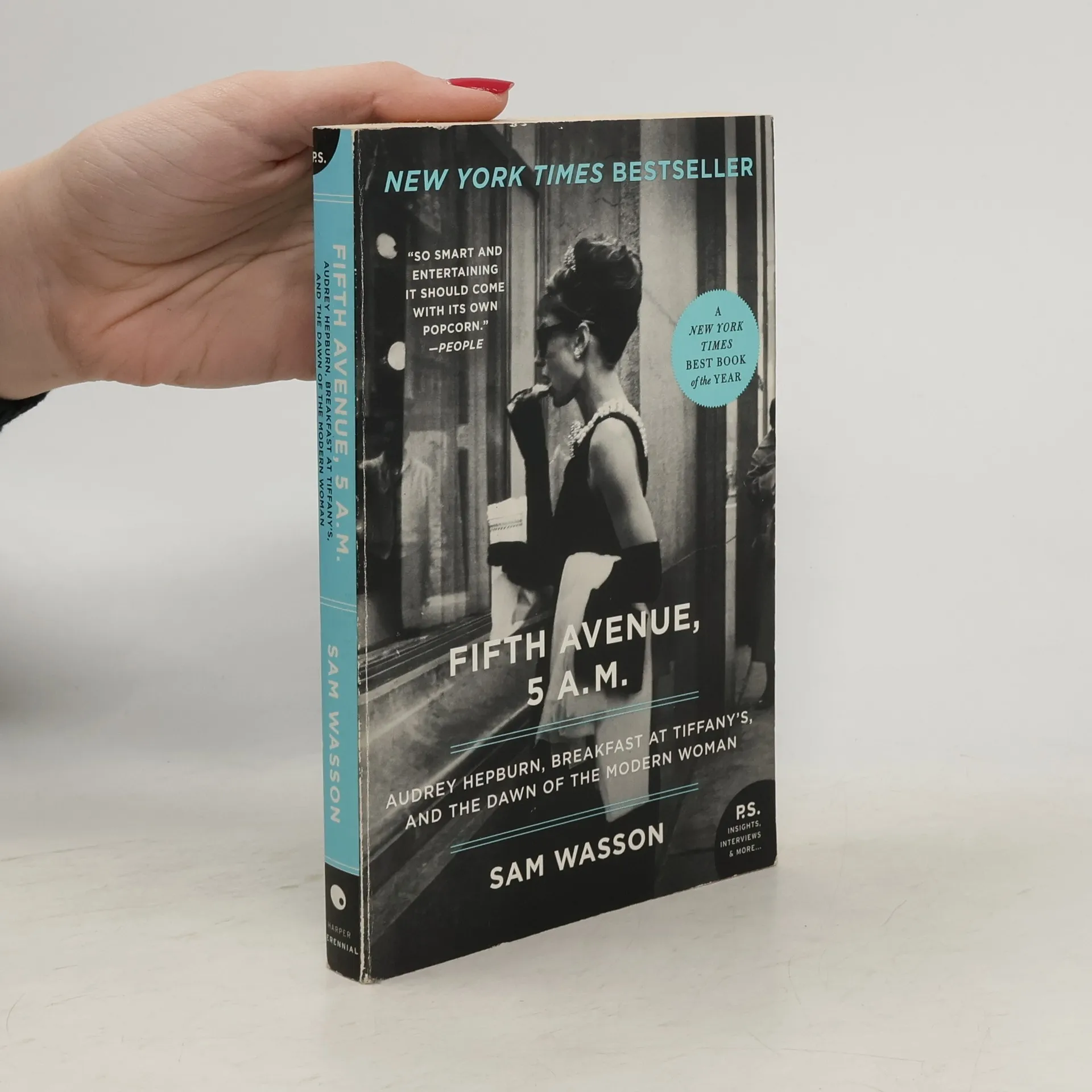
Audrey Hepburn is an icon like no other, yet the image many of us have of Hepburn—dainty, immaculate—is anything but true to life. Here, for the first time, Sam Wasson presents the woman behind the little black dress that rocked the nation in 1961. With a colorful cast of characters including Truman Capote, Edith Head, Givenchy, “Moon River” composer Henry Mancini, and, of course, Hepburn herself, Wasson immerses us in the America of the early sixties before Woodstock and birth control, when a not-so-virginal girl by the name of Holly Golightly raised eyebrows across the country, changing fashion, film, and sex for good.
Ein eher leichtes Mädchen namens Holly Golightly sorgte 1961 in Amerika für Kopfschütteln und Naserümpfen. Als unverheiratete, selbstbewusste Frau, die selbst entscheidet wie sie lebt und mit wem sie schläft, brachte sie das Rollenverständnis ihrer Zeit gehörig durcheinander. Bis dahin durften sich amerikanische Frauen ausschließlich um Ehemann, Haushalt und Kinder sorgen. Doch Audrey Hepburn veränderte in Frühstück bei Tiffany ein für alle Mal das Verhältnis der Geschlechter, den Film und die Mode. Was alles bis zu ihrem legendären Auftritt geschah, erzählt Sam Wasson in diesem sorgfältig recherchierten und äußerst unterhaltsamen Buch: Er berichtet vom Streit der Produzenten mit Truman Capote, der für die Verfilmung seines Romans Marilyn Monroe in der Titelrolle sah. Von den diplomatischen Winkelzügen, um die Filmzensurbehörde zu umgehen. Und von Hepburns eigenen Bedenken, die fürchtete, mit dem Film ihren Ruf zu ruinieren. Wer dieses Buch gelesen hat, sieht Frühstück bei Tiffany, Audrey Hepburn und die Stadt New York mit völlig neuen Augen. Sam Wasson studierte Film an der Wesleyan University und an der USC School of Cinematic Arts. Er hat mehrere filmhistorische Arbeiten unter anderem über Blake Edwards – Regisseur von Frühstück bei Tiffany – veröffentlicht. Als Journalist schreibt er regelmäßig in The Hollywood Reporter, Variety, Angeleno Magazine und The Huffington Post. Er lebt in Los Angeles und New York.
Jesienią 1960 roku na nowojorskiej Piątej Alei o piątej rano padł pierwszy klaps na planie jednego z najsłynniejszych filmów w historii – Śniadania u Tiffany’ego. W pełnej porywających faktów i anegdot opowieści Wasson przedstawia nie tylko kulisy powstawania filmu, lecz także dokumentuje burzliwą epokę przełomu lat pięćdziesiątych i sześćdziesiątych w Ameryce – przed rewolucją seksualną dzieci kwiatów, powszechnym dostępem do antykoncepcji i zanim mała czarna stała się symbolem elegancji. Autor pokazuje plan filmowy, przybliża stosunki panujące wśród członków ekipy i narastające między nimi animozje. Jednocześnie szerokim spojrzeniem ogarnia wpływ Audrey Hepburn na modę, politykę dotyczącą płci i budzenie się nowej moralności. Pojawiają się wielkie postacie tamtych czasów: Truman Capote, Audrey Hepburn, Blake Edwards, Henry Mancini, a także Marylin Monroe, Billy Wilder czy Akira Kurosawa. Dlaczego filmowa opowieść o Holly Golightly miała kłopoty z cenzurą? Czym różni się od powieści Capote’a? Co zmieniła w życiu milionów młodych kobiet, które nie chciały żyć jak ich matki? Tę książkę – pełną smakowitych szczegółów – czyta się jak powieść o dawnym Hollywood, pełnym uroku i mrocznych tajemnic. Sam Wasson – studiował filmoznawstwo na Uniwersytecie Wesleya oraz w USC School of Cinematic Arts. W 2010 roku jego Piąta Aleja, piąta rano została uznana za jedną z najlepszych książek roku według „New York Timesa” i „Publishers Weekly”. Została przetłumaczona na kilkanaście języków i okrzyknięta jedną z najlepszych pozycji popkulturowych wszech czasów. Wasson jest także autorem między innymi wywiadu rzeki z Paulem Mazurskim (Paul on Mazursky, 2011) oraz znakomicie przyjętej biografii Boba Fosse’a (Fosse, 2013). Pisuje do „New York Timesa”, „Variety”, „LA Weekly” i „The Wall Street Journal”, a jako znawca filmowy jest konsultantem Film Society of Lincoln Center i wykładowcą na filmoznawstwie. Mieszka w Los Angeles. Ta książka jest tak dobrze skrojona jak mała czarna, której Śniadanie u Tiffany’ego przyniosło sławę. Janet Maslin, „New York Times” Sam Wasson jest fantastycznym gawędziarzem, jeśli chodzi o sprawy towarzyskie… Piąta Aleja jest zarazem melancholijna i błyskotliwa, tak jak opowieść Capote’a o Holly Golightly. „The New Yorker” Porywający portret Audrey Hepburn, który odsłania jej słodką fasadę, ukazując ją jako skomplikowaną i interesującą kobietę. Wasson uchwycił także fascynujący punkt zwrotny w amerykańskiej historii – moment, w którym kobiety pozbyły się ciasnych sznurów pereł i zahamowań. Karen Abbott, autorka Sin in the Second City Pełna soczystych szczegółów opowieść o kulisach powstawania filmu ukazuje Audrey Hepburn w nowej odsłonie: jako przykład nowoczesnej kobiety. Molly Haskell, krytyczka filmowa
