

Explore the latest books of this year!
Bookbot

Howard Zinn

    August 24, 1922 – January 27, 2010

    Howard Zinn was a historian, playwright, and social activist whose work reframes American history from the perspective of the marginalized and oppressed. His writing is characterized by a sharp critique of power and a commitment to uncovering the untold stories of those often excluded from traditional historical accounts. Zinn aimed to make complex social and political issues accessible to readers through his clear and engaging prose. His contributions underscore the importance of continually challenging dominant narratives and actively pursuing justice.

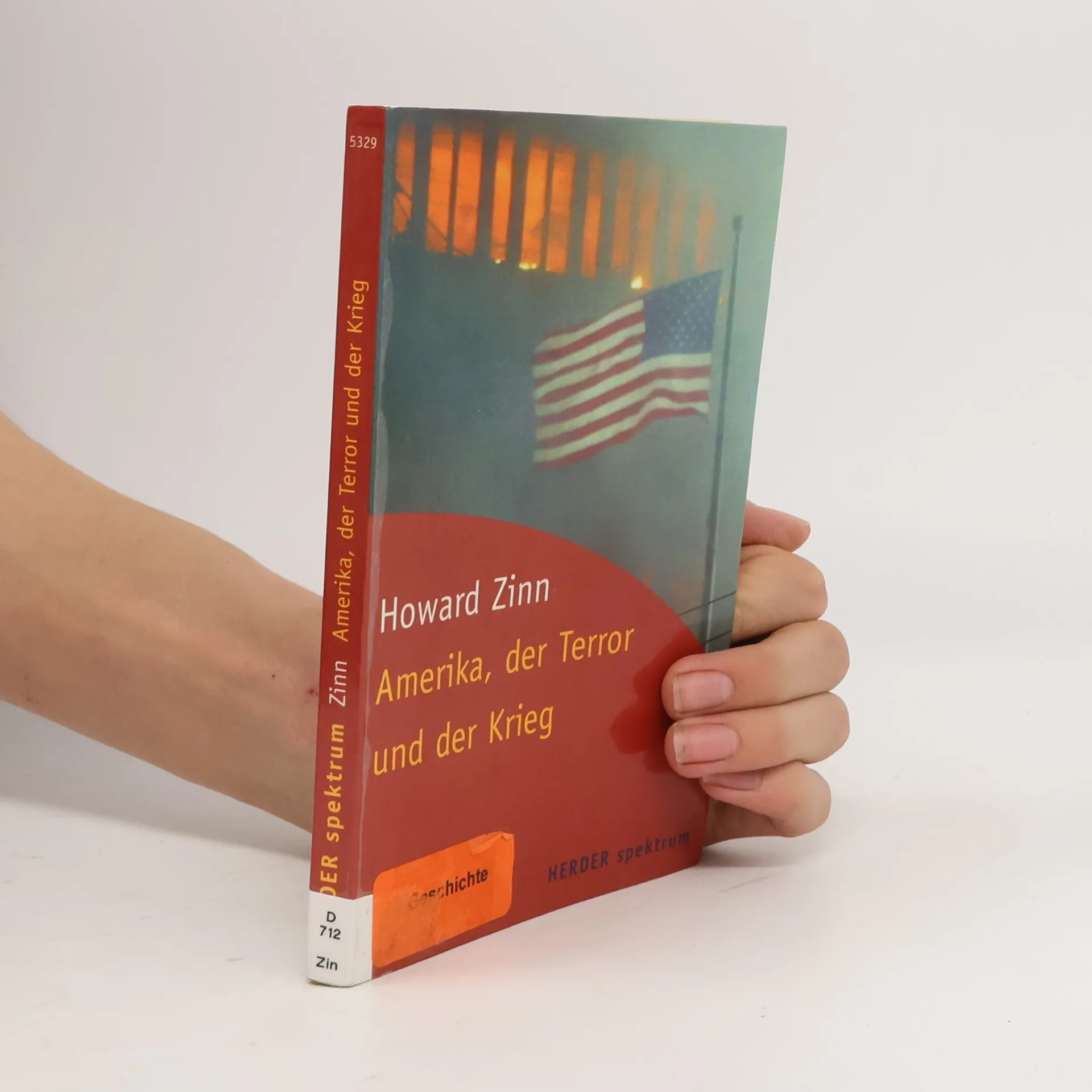
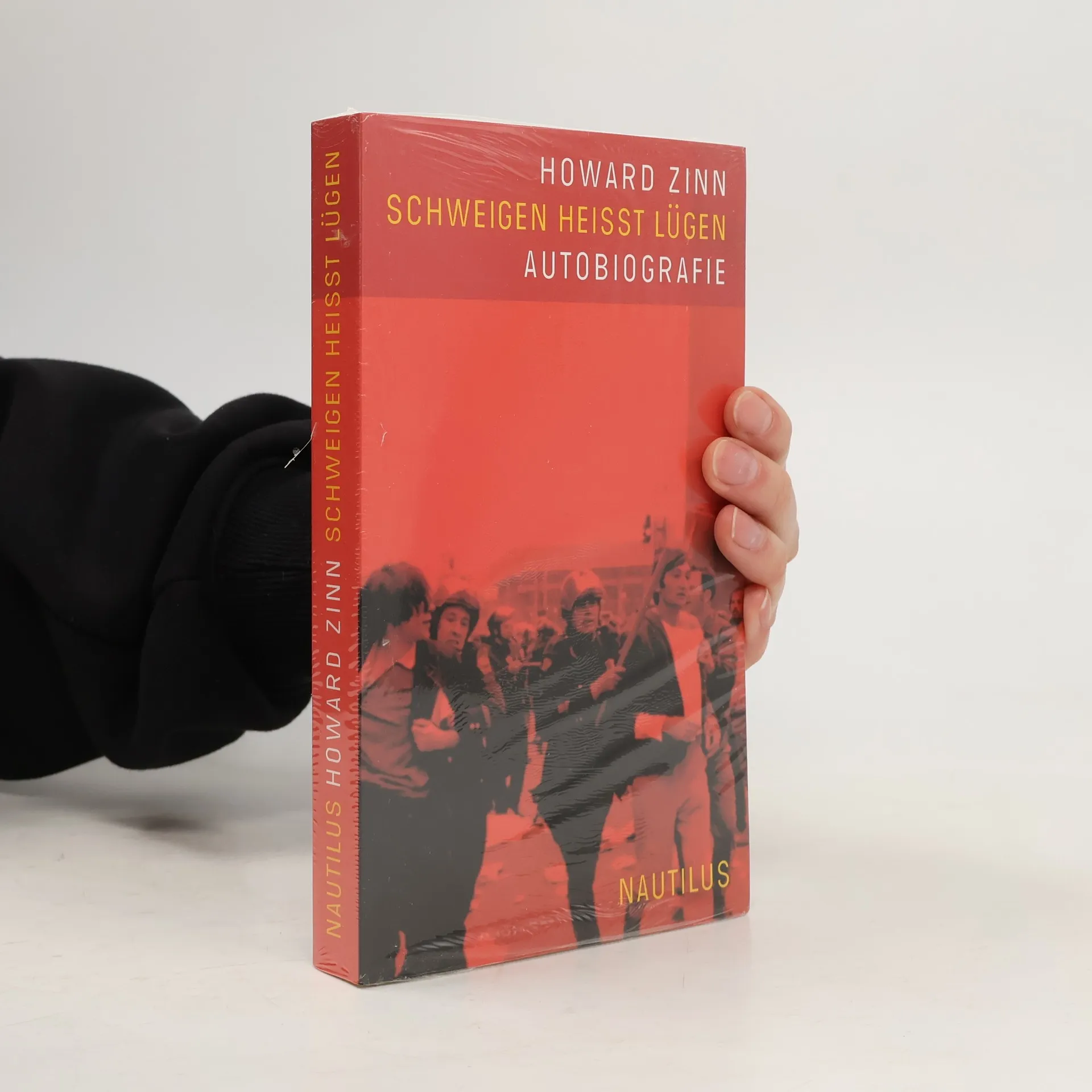
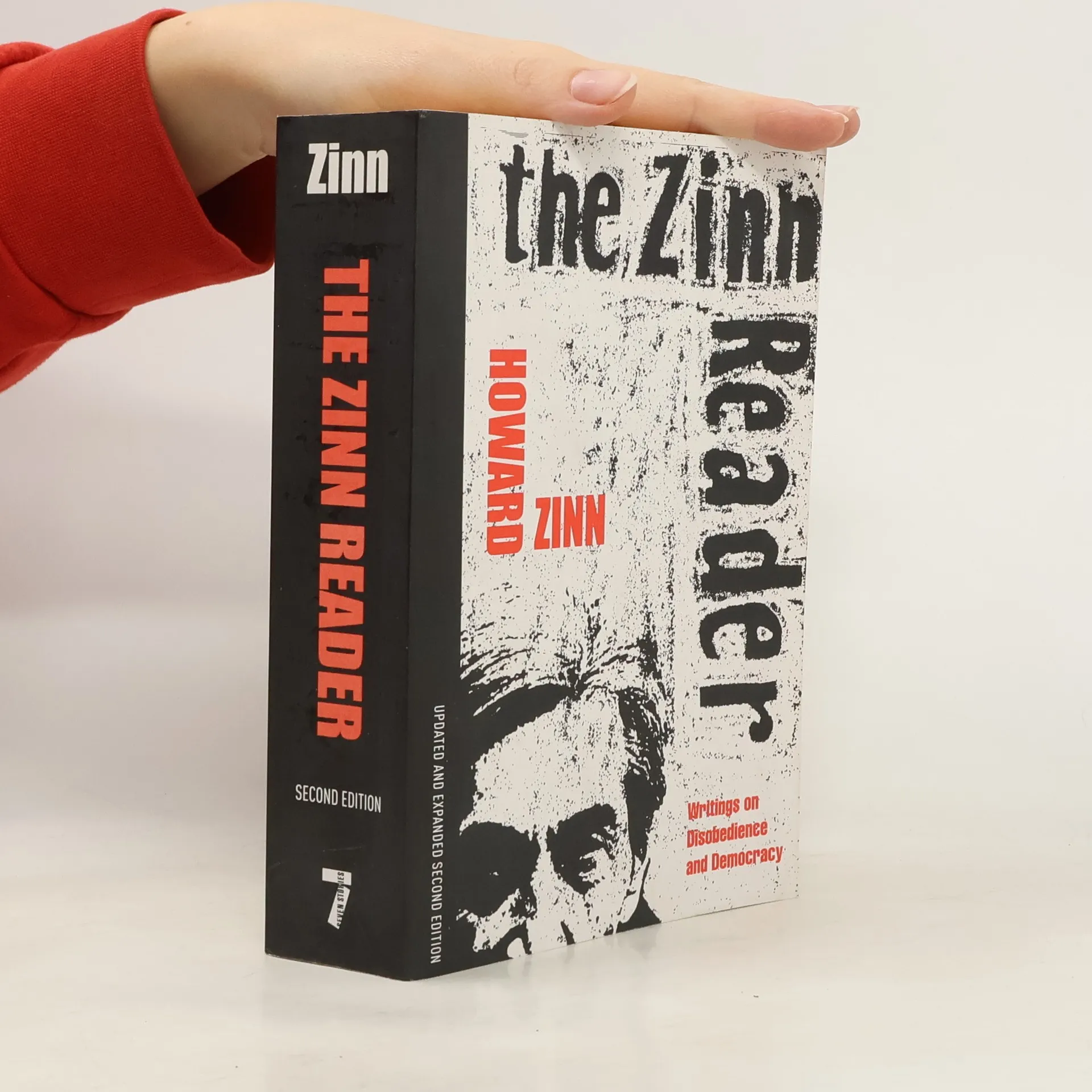
    Howard Zinn
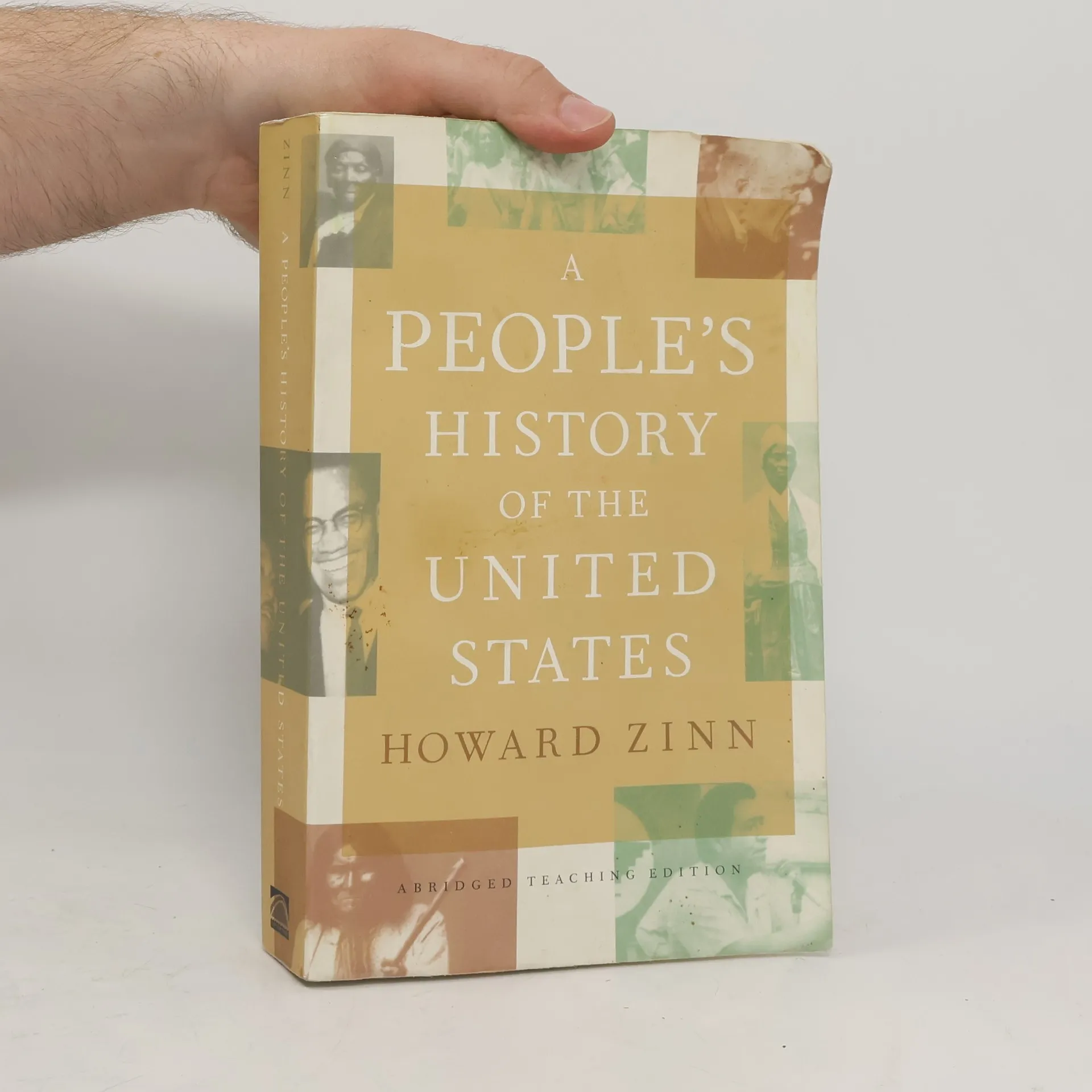
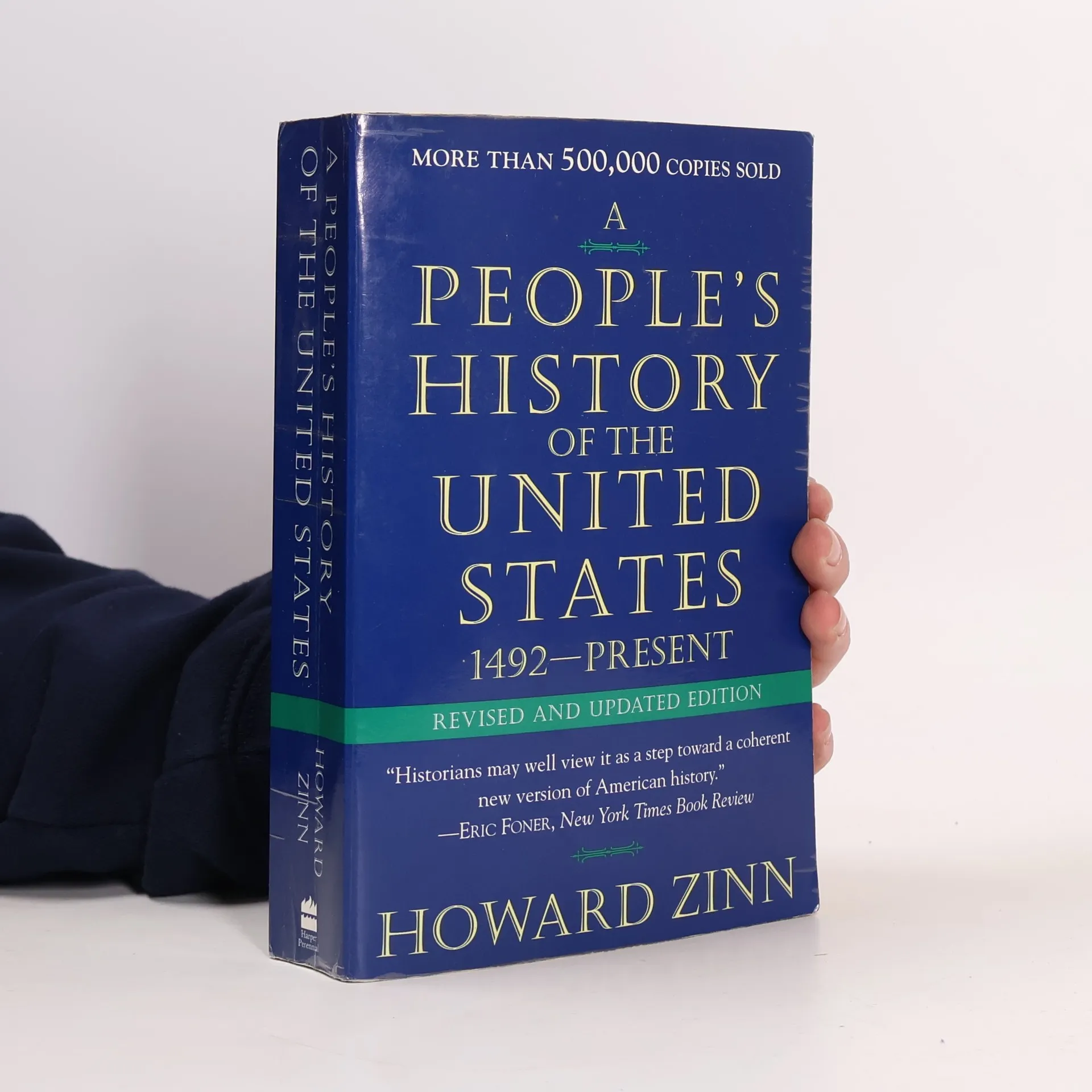
    A People's History of the United States. 1492-Present
    A People's History of the United States
    You Can't Be Neutral on a Moving Train
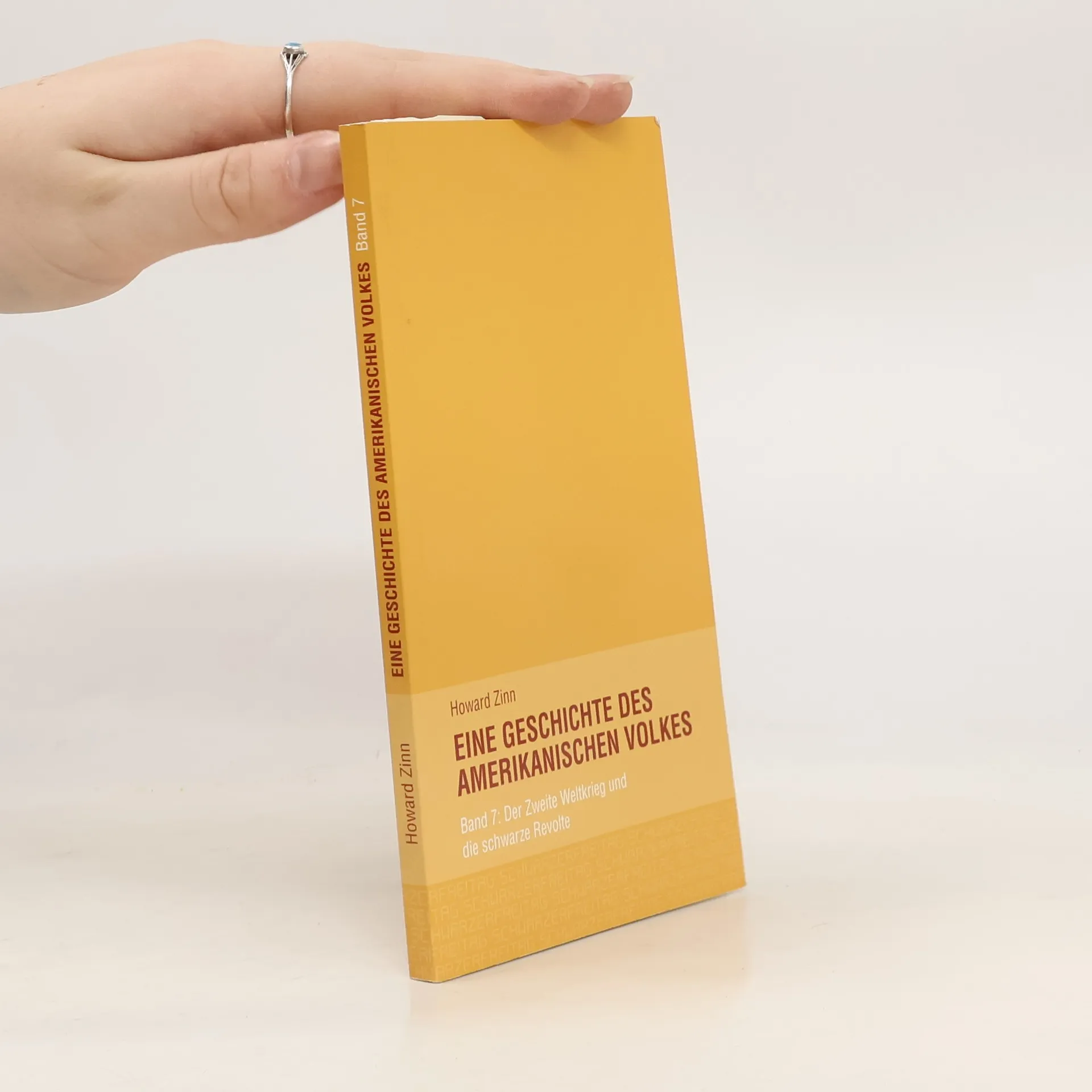
    A People's History of the United States. Eine Geschichte des amerikanischen Volkes, englische Ausgabe
    Howard Zinn on Race
    Howard Zinn on War
    • Howard Zinn on War

      • 272 pages
      • 10 hours of reading
      4.5(14)Add rating

      The collection features twenty-six writings by Howard Zinn, showcasing his reflections on various conflicts, including the wars in Iraq and Vietnam, as well as World War II and Kosovo. Zinn delves into the pervasive nature of war and its implications in a world plagued by violence. These pieces, originally published in notable magazines and his previous works, highlight his critical perspective on the human condition and the recurring cycle of destruction among nations.

      Howard Zinn on War
    • Howard Zinn on Race

      • 240 pages
      • 9 hours of reading
      4.4(132)Add rating

      Exploring America's challenging racial landscape, this collection features Howard Zinn's impactful writings and speeches, reflecting his commitment to civil rights and social justice. Drawing from his experiences at Spelman College, Zinn highlights the grassroots efforts behind racial equality, emphasizing the importance of collective action and civil disobedience. His essays cover pivotal moments in history, from the Abolitionists to the Selma march, advocating for unity across races as a pathway to a more compassionate society. Zinn's clear and passionate prose resonates with the belief in the power of the people to instigate change.

      Howard Zinn on Race
    • A classic since its original landmark publication in 1980, Howard Zinn’s A People’s History of the United States is the first scholarly work to tell America’s story from the bottom up—from the point of view of, and in the words of, America’s women, factory workers, African Americans, Native Americans, working poor, and immigrant laborers. From Columbus to the Revolution to slavery and the Civil War—from World War II to the election of George W. Bush and the “War on Terror”—A People’s History of the United States is an important and necessary contribution to a complete and balanced understanding of American history.

      A People's History of the United States. Eine Geschichte des amerikanischen Volkes, englische Ausgabe
    • You Can't Be Neutral on a Moving Train

      • 214 pages
      • 8 hours of reading
      4.5(63)Add rating

      If you’re both overcome and angered by the atrocities of our time, this will inspire a “new generation of activists and ordinary people who search for hope in the darkness” (Keeanga-Yamahtta Taylor). Is change possible? Where will it come from? Can we actually make a difference? How do we remain hopeful? Howard Zinn—activist, historian, and author of A People’s History of the United States—was a participant in and chronicler of some of the landmark struggles for racial and economic justice in US history. In his memoir, You Can’t Be Neutral on a Moving Train, Zinn reflects on more than thirty years of fighting for social change, from his teenage years as a laborer in Brooklyn to teaching at Spelman College, where he emerged in the civil rights movement as a powerful voice for justice. A former bombardier in World War II, he later became an outspoken antiwar activist, spirited protestor, and champion of civil disobedience. Throughout his life, Zinn was unwavering in his belief that “small acts, when multiplied by millions of people, can transform the world.” With a foreword from activist and scholar Keeanga-Yamahtta Taylor, this revised edition will inspire a new generation of readers to believe that change is possible.

      You Can't Be Neutral on a Moving Train
    • A People's History of the United States

      • 571 pages
      • 20 hours of reading
      4.1(239620)Add rating

      The New Press's Abridged Teaching Edition of A People's History of the United States has made Howard Zinn's original text available specifically for classroom use. With exercises and teaching materials to accompany each chapter, this edition spans American Beginnings, Reconstruction, the Civil War and through to the present, with new chapters on the Clinton Presidency, the 2000 elections, and the "War on Terrorism."

      A People's History of the United States
    • A Young People's History of the United States brings to US history the viewpoints of workers, enslaved people, immigrants, women, Black people, Latino Americans, Asian Americans, American Indians, and others whose stories, and their impact, are rarely included in books for young people. Beginning with a look at Christopher Columbus’s arrival through the eyes of the Arawak Indians, then leading the reader through the struggles for workers’ rights, women’s rights, and civil rights during the nineteenth and twentieth centuries, and ending with the current protests against continued American imperialism, Zinn presents a radical new way of understanding America’s history. In so doing, he reminds readers that America’s true greatness is shaped by our dissident voices, not our military generals. A Young People's History of the United States is also a companion volume to The People Speak, the film adapted from A People's History of the United States and Voices of a People’s History of the United States.

      A Young People's History Of The United States
    • Open Media Series: Dear President Bush

      • 156 pages
      • 6 hours of reading

      In writings, speeches, and an interview conducted in the wake of the famous Camp Casey summer in Crawford, Texas, Cindy Sheehan embraces her personal transformation into America’s most outspoken advocate for peace. From her trip to the World Social Forum in Venezuela to her ouster from the State of the Union address, Sheehan continues to speak out on topics such as civil disobedience, US foreign policy, New Orleans, military recruitment, her son Casey’s death on his fifth day in Iraq, and soldiers who resist.

      Open Media Series: Dear President Bush