
Explore the latest books of this year!
Bookbot

Martin J. Whitman

    Distress Investing
    Value Investing
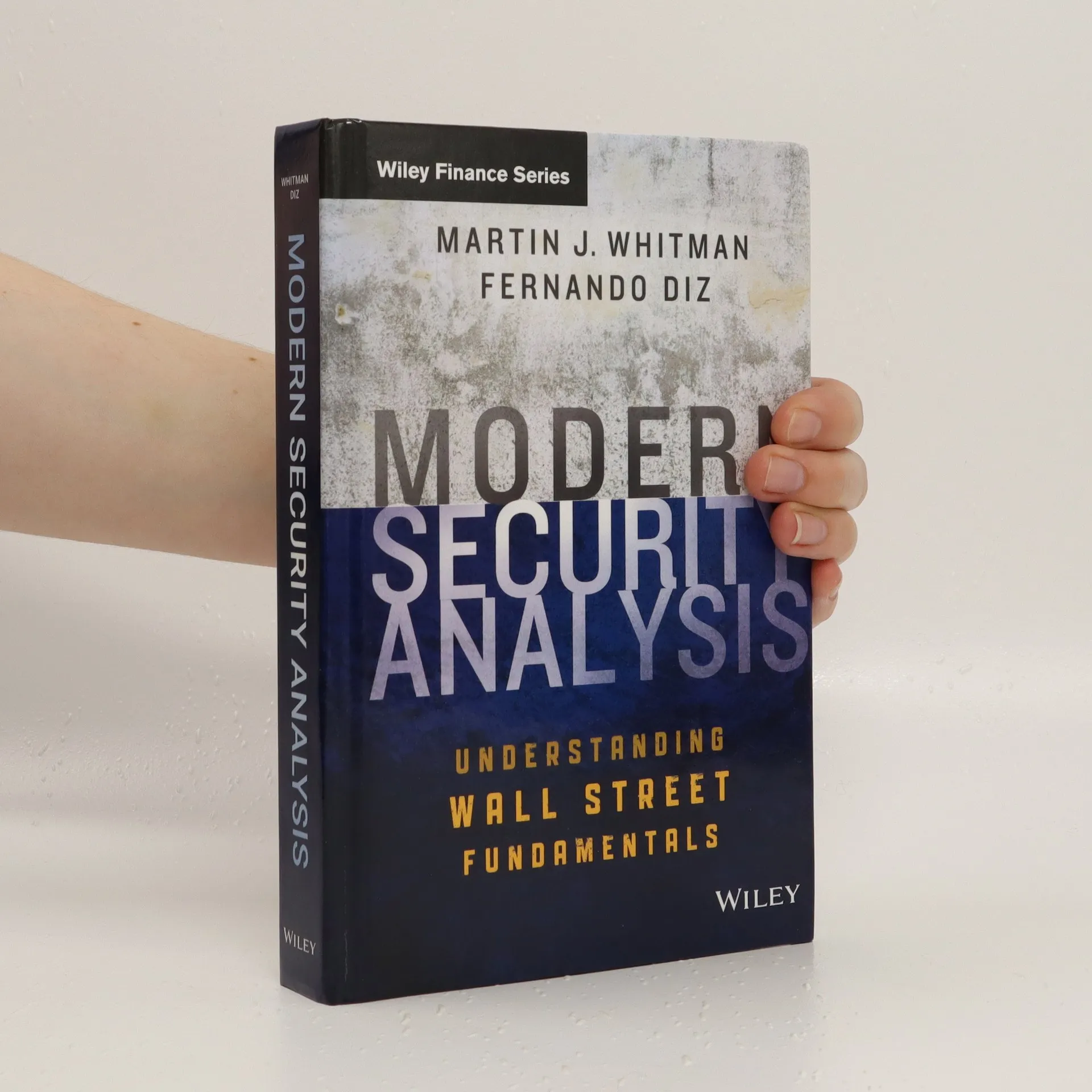
    Modern security analysis : understanding Wall Street fundamentals
    • 2013

      A legendary value investor on security analysis for a modern era This book outlines Whitman's approach to business and security analysis that departs from most conventional security analysts. This approach has more in common with corporate finance than it does with the conventional approach. The key factors in appraising a company and its securities: 1) Credit worthiness, 2) Flows—both cash and earnings, 3) Long-term outlook, 4) Salable assets which can be disposed of without compromising the going concern, dynamics, 5) Resource conversions such as changes in control, mergers and acquisitions, going private, and major changes in assets or in liabilities, and 6) Access to capital. Offers the security analysis value approach Martin Whitman has used successfully since 1986 Details Whitman's unconventional approach to security analysis and offers information on the six key factors for appraising a company Contains the three most overemphasized factors used in conventional securities investing Written by Martin J. Whitman and Fernando Diz, Modern Security Analysis meets the challenge of today's marketplace by taking into account changes to regulation, market structures, instruments, and the speed and volume of trading.

      Modern security analysis : understanding Wall Street fundamentals
    • 2009

      Distress Investing

      Principles and Technique

      • 272 pages
      • 10 hours of reading

      Financial innovation, new regulations, and the 2007–2008 financial meltdown have significantly influenced today's distress investment landscape. Distress investing often defies conventional wisdom, making it a challenging area in finance. Martin Whitman, founder of Third Avenue Management LLC and a pioneer in distressed markets, alongside Dr. Fernando Diz from Syracuse University, authored this resource to navigate these complexities. Emerging from their annual seminars at Syracuse's Martin J. Whitman School of Management, this guide offers essential principles and techniques for distress investing, applicable in real-world scenarios. The book is structured into four parts: the General Landscape of Distress Investing, Restructuring Troubled Issuers, the Investment Process, and Cases and Implications for Public Policy. It covers buy-and-hold strategies in distressed credits, including performing loans and reorganized issuers' issues. Readers will learn to analyze distressed situations, including pricing issues, arbitrage opportunities, tax disadvantages, and funding reorganization. Case studies from notable distress investing deals, such as Kmart and Home Products International, provide valuable insights. In today’s turbulent economic climate, distress investing offers enticing opportunities, and this guide positions you to excel in this endeavor.

      Distress Investing
    • 1999

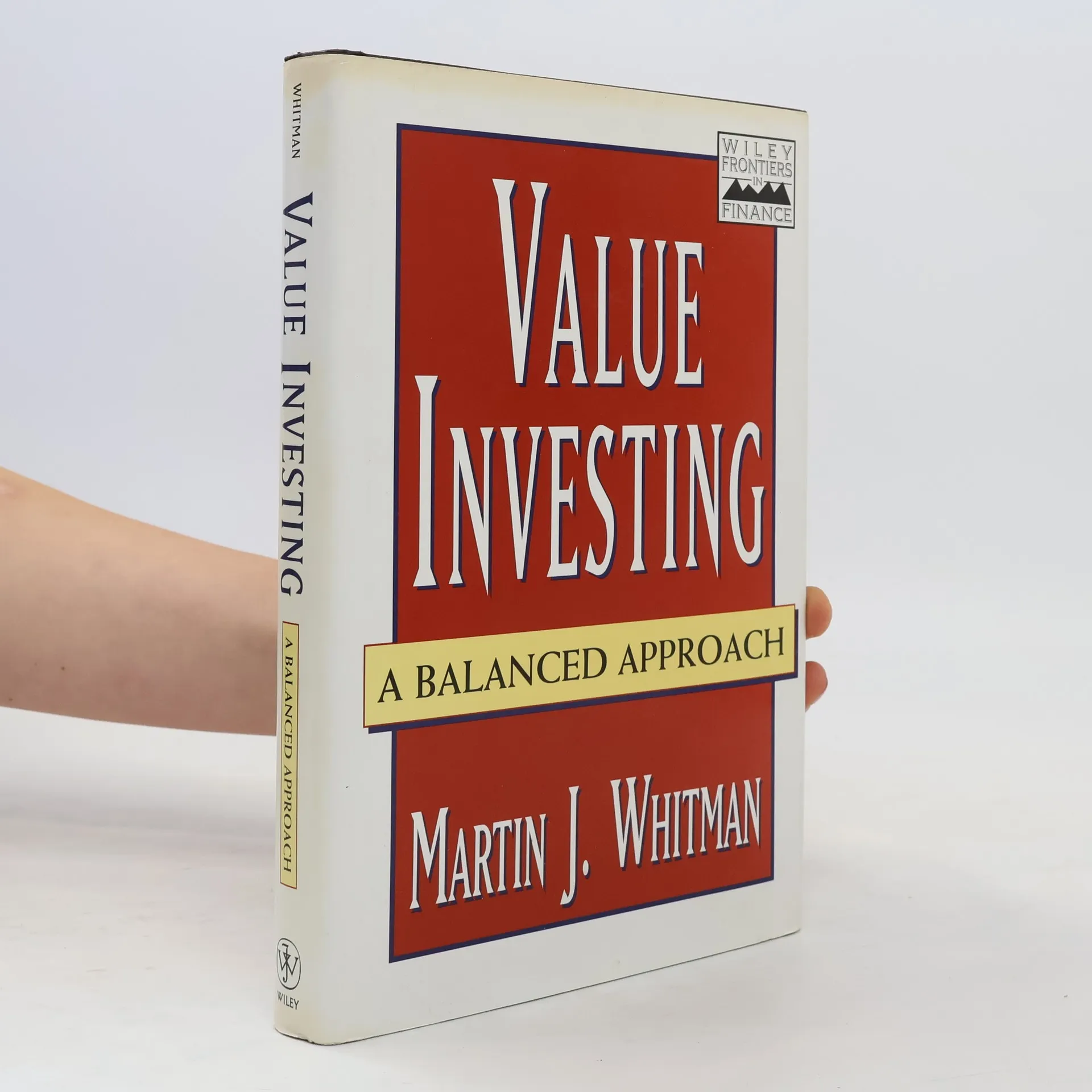
      Value Investing

      A Balanced Approach

      Provides a modern analytical framework for assessing a company's true value Written by a true value investor known for his ability to buy undervalued companies and re-sell them at a substantial profit, Value Investing provides an analytical framework that evaluates the impact of real events-including restructuring, regulations, mergers and acquisitions, and other important factors-on a company's value. Well-known for his success with distressed corporations and value investing, author Martin Whitman wages a controversial attack on the modern financial practice of focusing on price movements and short-term trading. In Value Investing, Whitman identifies fundamental factors affecting the value of companies and entire markets from the ground up and takes value investing one step further by demonstrating how industry movement and public policy decisions can lead to greater returns. He also highlights the shortcomings of all the popularly applied analytical techniques.

      Value Investing