
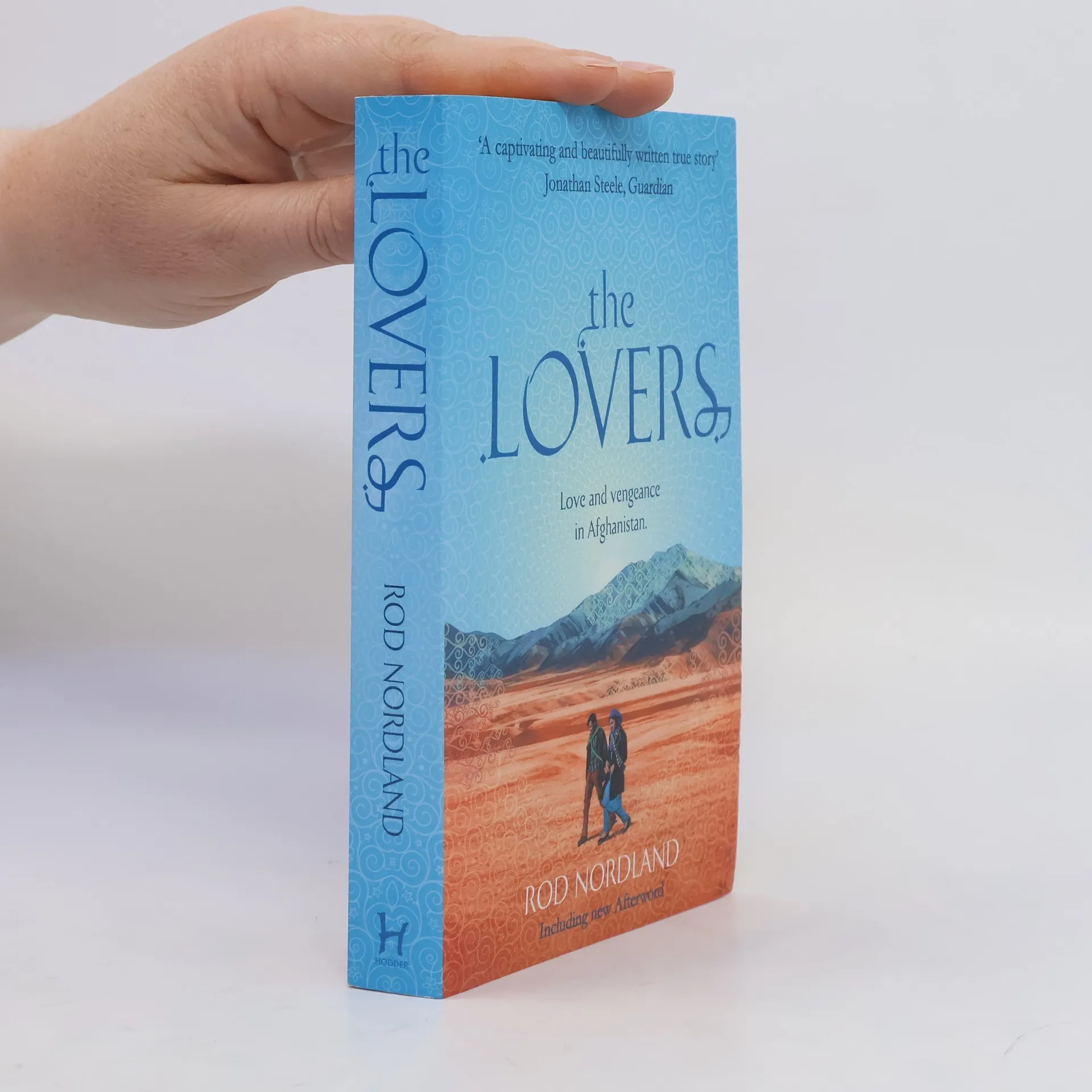

The story follows Zakia and Ali, two young lovers from different Muslim sects in Afghanistan, who elope to escape familial and cultural constraints. Their journey unfolds amidst the challenges of seeking safety and acceptance in a society that opposes their union. Journalist Rod Nordland, who previously shared their plight in the New York Times, feels compelled to assist them but realizes the limitations of his ability to ensure their safety. The narrative explores themes of love, sacrifice, and the struggle against societal norms.
In the tradition of When Breath Becomes Air, a legendary war correspondent delivers a deeply moving meditation on life inspired by his sudden battle with terminal brain cancer. After three decades shadowing death as a preeminent war correspondent, including roles in Kabul and Baghdad, he collapsed during a jog in Delhi's Lodhi Gardens on July 5, 2019. Diagnosed with a terminal brain tumor, he found himself confined to a hospital bed, a stark contrast to his years spent chasing conflicts worldwide. This unexpected pause allowed him to reflect and reconnect with loved ones from whom he had been distant for years. Embracing love and intimacy, he forged peace with his children and rekindled a friendship broken for two decades. The arrogance and certitude that once defined him faded, revealing a deeper understanding of life's richness. He candidly states that his tumor became "the best thing that ever happened to me," enriching his life in unforeseen ways. His initial account of those hospital days, published in the New York Times, resonated with readers for its honesty and beauty. Now, he expands on those experiences, sharing the profound lessons learned in the face of adversity. This inspiring narrative highlights the human capacity to persevere through life's most challenging moments.
This is the heartrending account of Zakia and Mohammad Ali, a couple from opposing ethnic sects, who defying their society's norms have left behind everything they know and are quite literally risking their lives for their love. Friends from childhood, Zakia and Mohammad Ali could never have predicted that their love would anger their families so much that they would be forced to leave their homes finding refuge only in the harsh terrain of the Afghani mountains. Without money or passports they rely on the kindness of strangers to house them for a couple of days at a time as they remain on the run, never deterred. New York Times journalist, Rod Nordland, has chronicled the plight of the young lovers telling their extraordinary story of courage, perseverance and love in one of the world's most troubled countries. This moving love story is told against the bigger backdrop of the horrific but widespread practices that women are subjected to in Afghanistan.
A riveting real-life story of a young couple risking everything for love, this powerful narrative sheds light on women's rights in the Muslim world. Zakia and Ali, from different tribes, grew up on neighboring farms in Afghanistan. As teenagers, they fell in love, defying their families, sectarian differences, and cultural conventions. They ran away together, facing constant threats from Zakia's vengeful family, who vowed to kill her to restore their honor. Despite a decade of American efforts, Afghan women still endure severe human rights violations. Rod Nordland, then the Kabul bureau chief of the New York Times, witnessed these abuses and chronicled Zakia and Ali's plight while helping them navigate danger. This story will do for women's rights what Malala's journey did for women's education, illustrating self-determination and love's true meaning. It highlights the limits of Western influence on fundamentalist Islamic culture while emphasizing the urgent need for change.
Zakia bola Tadžička, Ali bol Hazár, ona sunnitská moslimka, on šiitský moslim. Odmala vyrastali ako nerozluční priatelia v odľahlej provincii Bamján, ich priateľstvo sa postupne zmenilo na lásku. Zakiina rodina mala však s dcérou iné plány, a tak sa mladí odvážne vzopreli tradičným afganským zvykom a islamskému právu. Zakia utiekla do ženského útulku, no nemohla sa vídať s Alim. Zaľúbenci sa opäť ocitli na úteku, neustále prenasledovaní Zakiinou rodinou. Rod Nordland ich príbeh zverejnil vo svetových médiách a rozhodol sa im pomôcť. Po mesiacoch života v jaskyniach a v domácom väzení sa mladý pár s pomocou Roda a finančných darov pokúšal utiecť do Tadžikistanu. Zakiina rodina ich po nútenom návrate do Kábulu naďalej prenasledovala. Nordland ponúka pútavý príbeh o tom, aké zložité je vybojovať pre Zakiu a Alia základné ľudské práva, aj napriek podpore zo Západu. Dokumentuje aj hlboké zakorenenie krutých praktík v afganskej kultúre. Modernizovaný súdny systém zohľadňuje práva žien, no mnohé zvyky pretrvávajú. Mladí manželia dnes vychovávajú dcérku a dúfajú, že z krajiny raz uniknú. Ich príbeh je o nezlomnej sile citov a túžbe po dôstojnom živote v represívnej kultúre.