

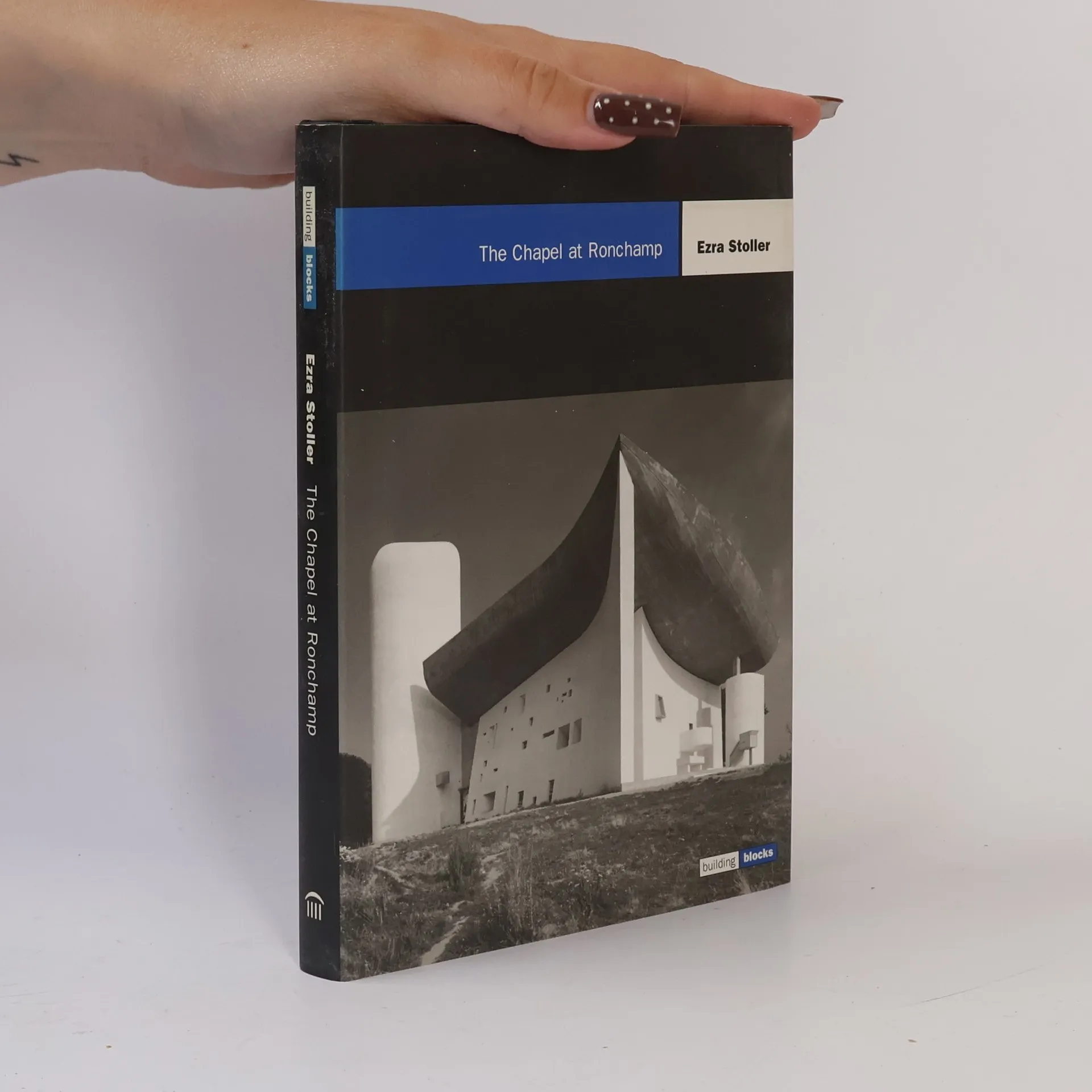
The Building Blocks series presents icons of modern architecture as interpreted by the most significant architectural photographers of our time. The first four volumes feature the work of Ezra Stoller, whose photography has defined the way postwar architecture has been viewed by architects, historians, and the public at large. The buildings inaugurating this series--Eero Saarinen's TWA Terminal, Wallace Harrison's United Nations complex, Le Corbusier's Chapel at Ronchamp, and Paul Rudolph's Yale Art and Architecture Building--all have bold sculptural presences ideally suited to Stoller's unique vision. Each cloth-bound book in the series contains at least 80 pages of rich duotone images. Taken just after the completion of each project, these photographs provide a unique historical record of the buildings in use, documenting the people, fashions, and furnishings of the period. Through Stoller's photographs, we see these buildings the way the architects wanted us to know them. In the preface to each volume Stoller tells of his personal relationship with the architect of each project and recounts his experience photographing it. Brief introductions reveal the unique history of each building; also included are newly drawn plans.
Ezra Stoller Books
Ezra Stoller was a visual storyteller who captured the essence of modern architecture. His photographs are not mere documentation; they are considered portrayals of form, light, and space that aided in defining and disseminating the Modern Movement. Stoller's artistic eye transformed buildings into iconic images, influencing how architectural innovation was perceived and appreciated. His work left an indelible mark on the history of both photography and architecture.
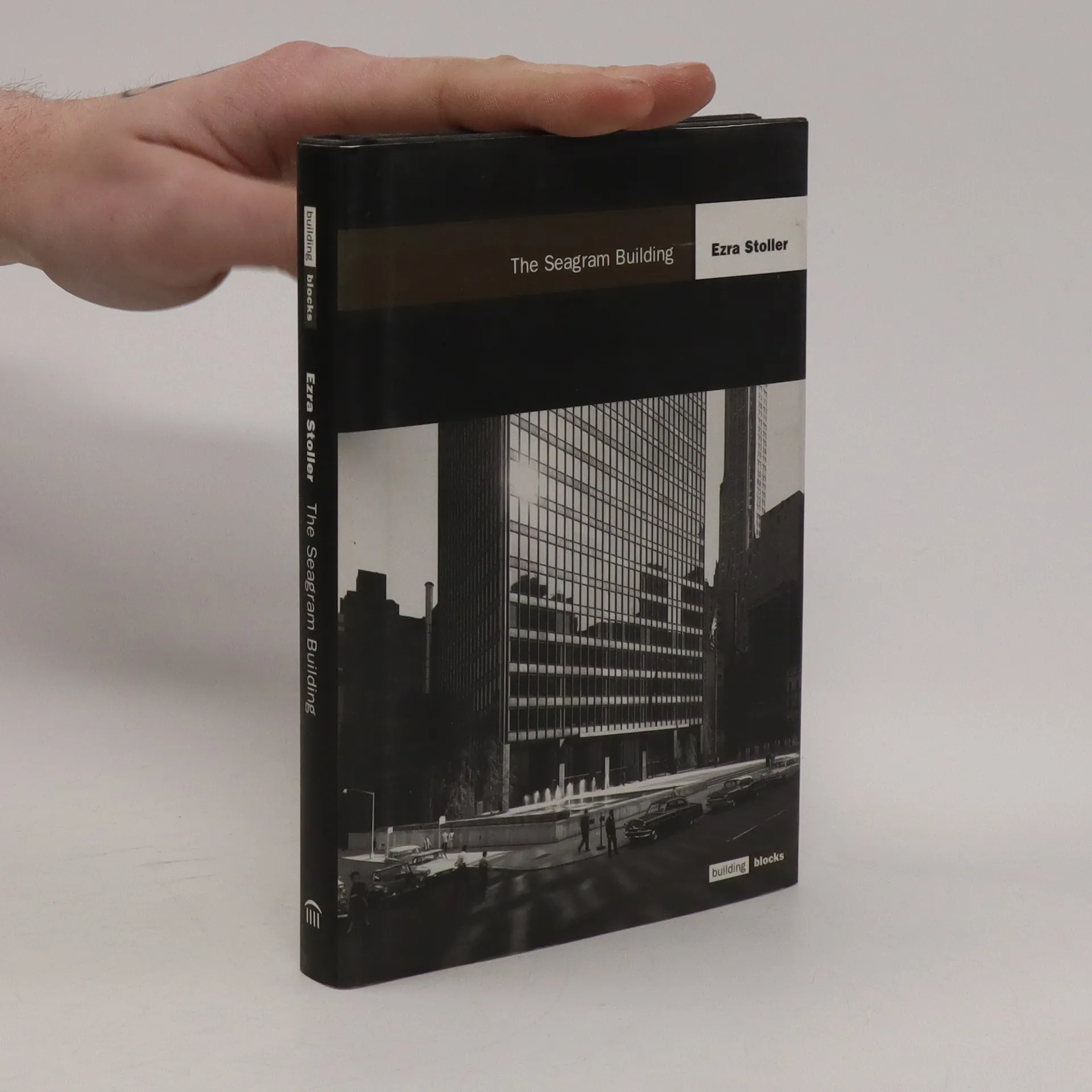
These new titles in the Building Blocks series showcase four more icons of modern architecture, as portrayed by renowned architectural photographer Ezra Stoller. Two buildings by Frank Lloyd Wright, Fallingwater and Taliesin West, Louis Kahn's Salk Institute, and Mies van der Rohe's Seagram Building are shown in original condition, with original furnishings, as the architects intended them to be seen. Wright's integration of architecture and landscape, Kahn's dramatic yet humane monumentality, and Mies's austere elegance are revealed and preserved in Stoller's classic compositions. Small, elegant, and affordable, each volume presents the photo-graphs that made these structures famous. With 60 rich duotone plates (and 16 color plates for Taliesin West), a brief introduction, and newly drawn plans, sections, and elevations, these books constitute the essential photographic histories of the most important works of modernism.