

This memoir delves into the complexities of a Jewish family, exploring themes of delusion and unspoken truths with an off-beat and irreverent tone. The author, known for the cult classic "Submarine," uses humor and subversion to navigate personal and cultural narratives, offering a unique perspective on family dynamics and identity.
Ariana Neumann Book order (chronological)
This author, driven by an insatiable curiosity, delves into the depths of family history, dedicating over a decade to uncovering untold stories and solving the mysteries of her father's past. Her literary work, inspired by this personal quest, offers an intimate exploration of complex legacies and the enduring spirit of those who navigated extraordinary circumstances. Through a distinctive narrative voice and a profoundly empathetic lens, she weaves compelling accounts that examine themes of memory, identity, and the resilient bonds of human connection across generations.

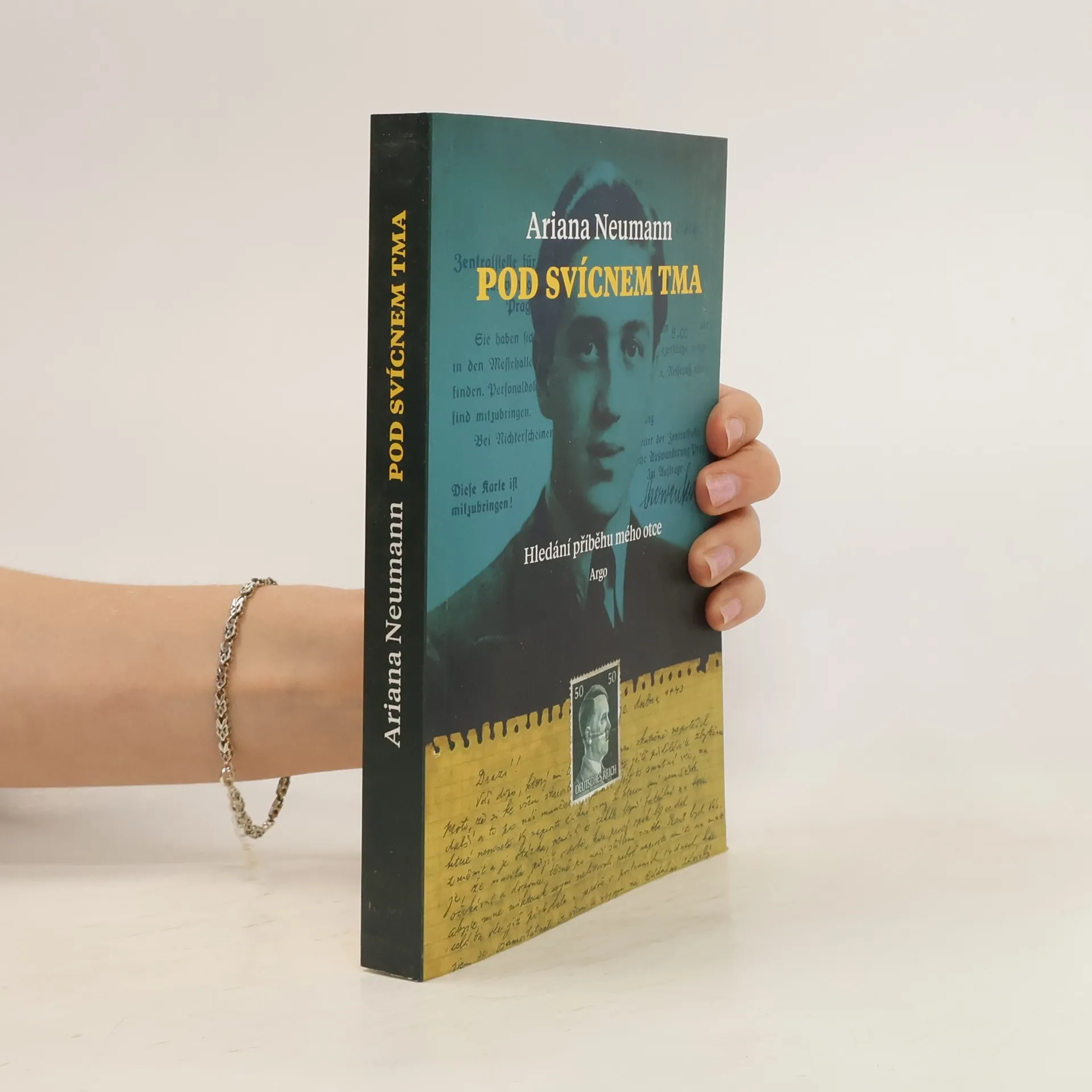
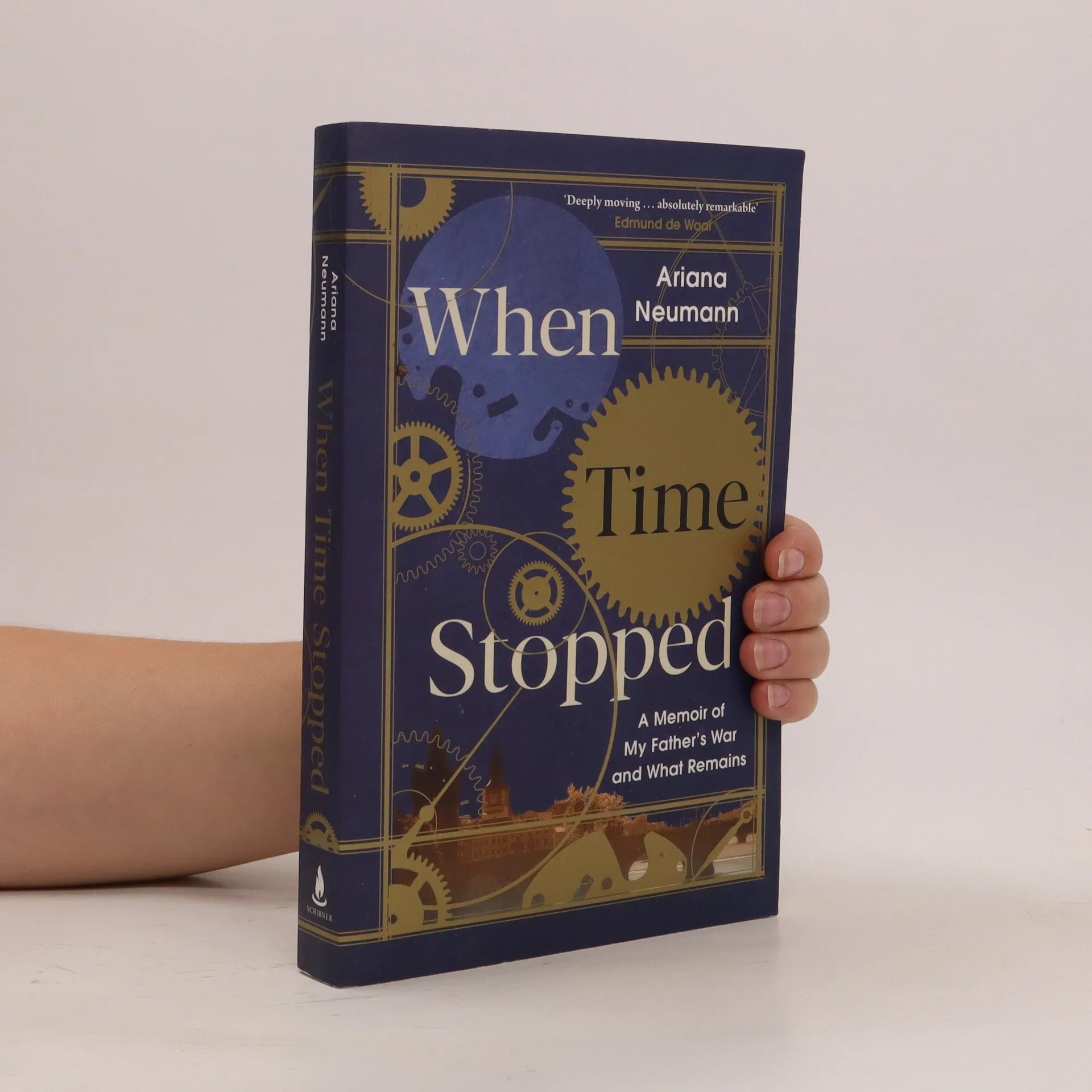
A brilliantly written memoir by a Venezuelan-born British journalist uncovers her father's hidden past: the annihilation of his family in the Holocaust, his courageous decision to rebuild his life, and his extraordinary commitment to concealing the truth from his own family. Growing up in 1970s Venezuela, Ariana's childhood curiosity led her to investigate her father, a successful industrialist who would wake screaming in an unfamiliar language. Her quest began when she discovered an old identity document with his picture but a different name. Her father never spoke of his past, but this discovery was just the first clue in a series of revelations. After his death in 2001, Ariana found a box of wartime documents that unveiled his extraordinary escape from Nazi-occupied Prague and the threat of deportation to the camps. Her meticulous investigation took her across Europe, revealing his inspiring choice to assume a false identity and live undercover, spying for the Allies in Berlin. Through her powerful literary detective work, she uncovers the truth about her father's survival against the odds, reconnecting with the family he lost and ultimately understanding her beloved father on a deeper level.
Ariana Neumann, narozená v sedmdesátých letech ve Venezuele, vypráví příběh své rodiny, zejména svého otce, úspěšného průmyslníka. V dětství pro ni byl symbolem síly, avšak trpěl nočními můrami a tajemstvím své minulosti. Otec nikdy neprozradil, co prožil, dokud Ariana nenalezla starý doklad s jeho fotografií a neznámým jménem. Toto odhalení ji vedlo k dalšímu pátrání, které začalo po jeho smrti v roce 2001, kdy zdědila krabici s válečnými dokumenty. Ariana objevila šokující pravdu o otcově osudu, jeho útěku z nacisty okupované Prahy pod falešnou identitou, čímž se vyhnul transportu do Berlína. Po dvou letech se vrátil do Prahy, kde se snažil obnovit rodinnou továrnu po tragédiích, které postihly jeho rodinu. Po únoru 1948 se opět ocitl v nebezpečné situaci a emigroval do Venezuely, kde se znovu oženil, avšak nikdy neprozradil své skutečné jméno ani minulost své rodiny. Tento hluboký příběh se zaměřuje na přežití, identitu, paměť a ztráty, a je doplněn obrazovým materiálem z otcovské pozůstalosti. Vydání knihy podpořilo Ministerstvo kultury České republiky a Nadační fond obětem holokaustu.