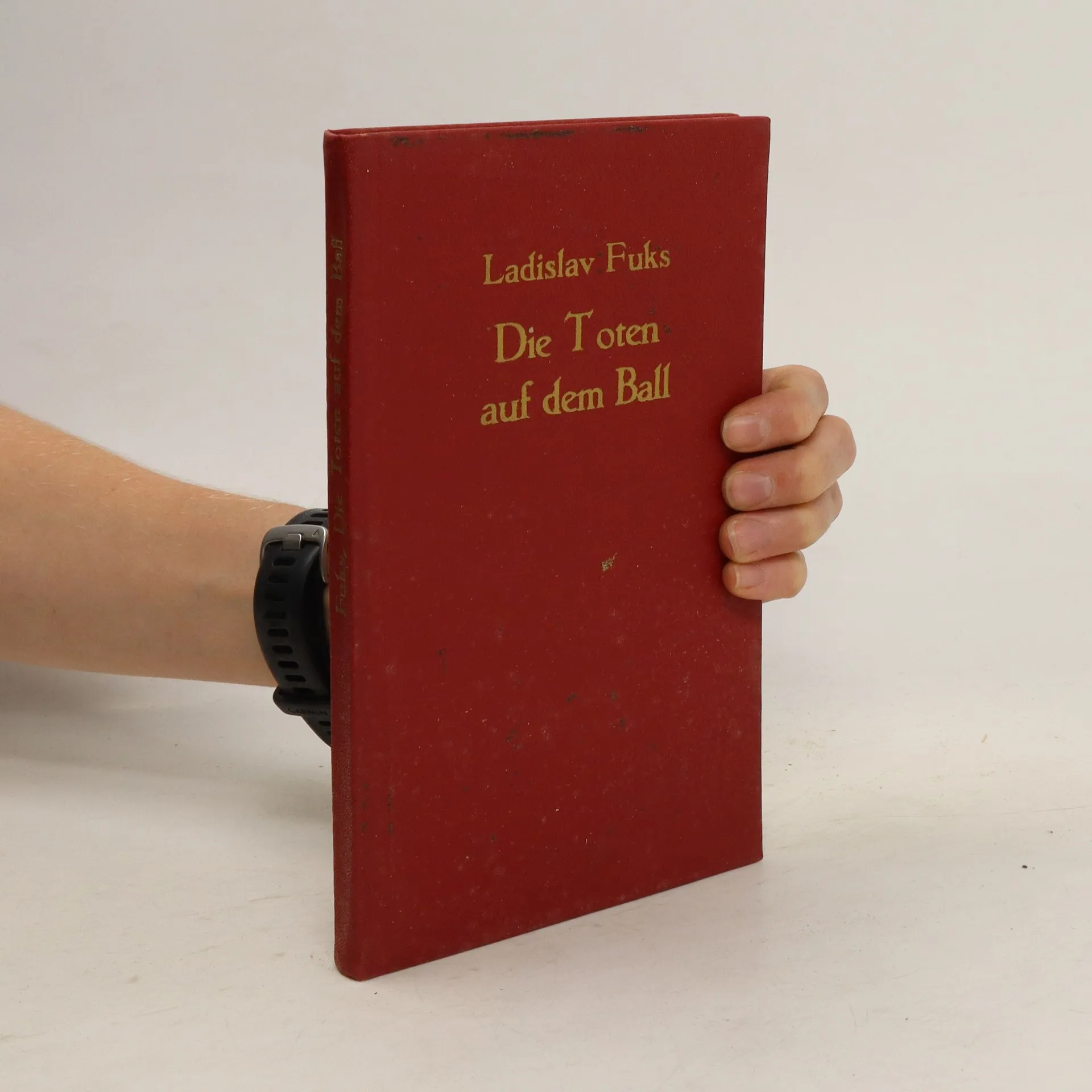
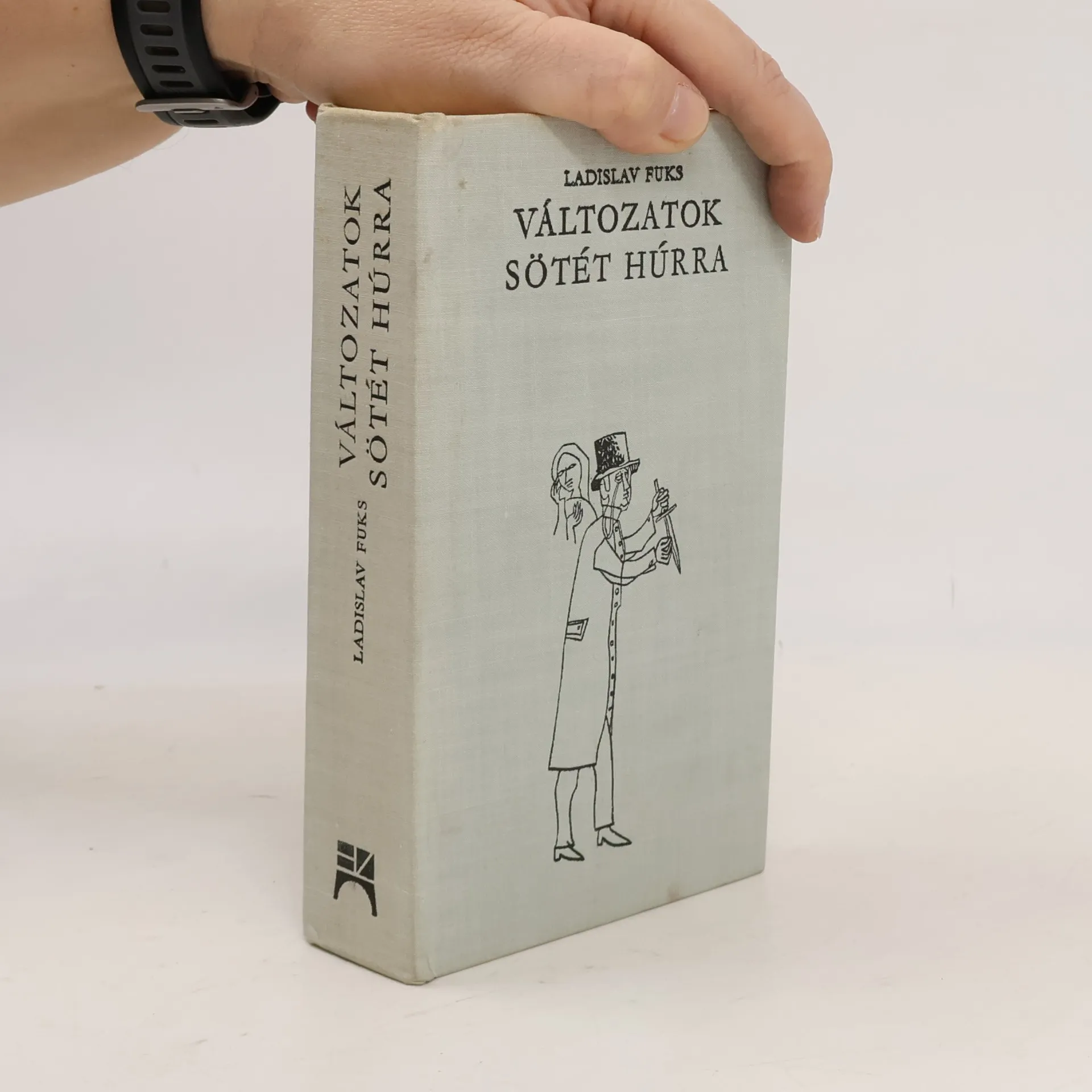
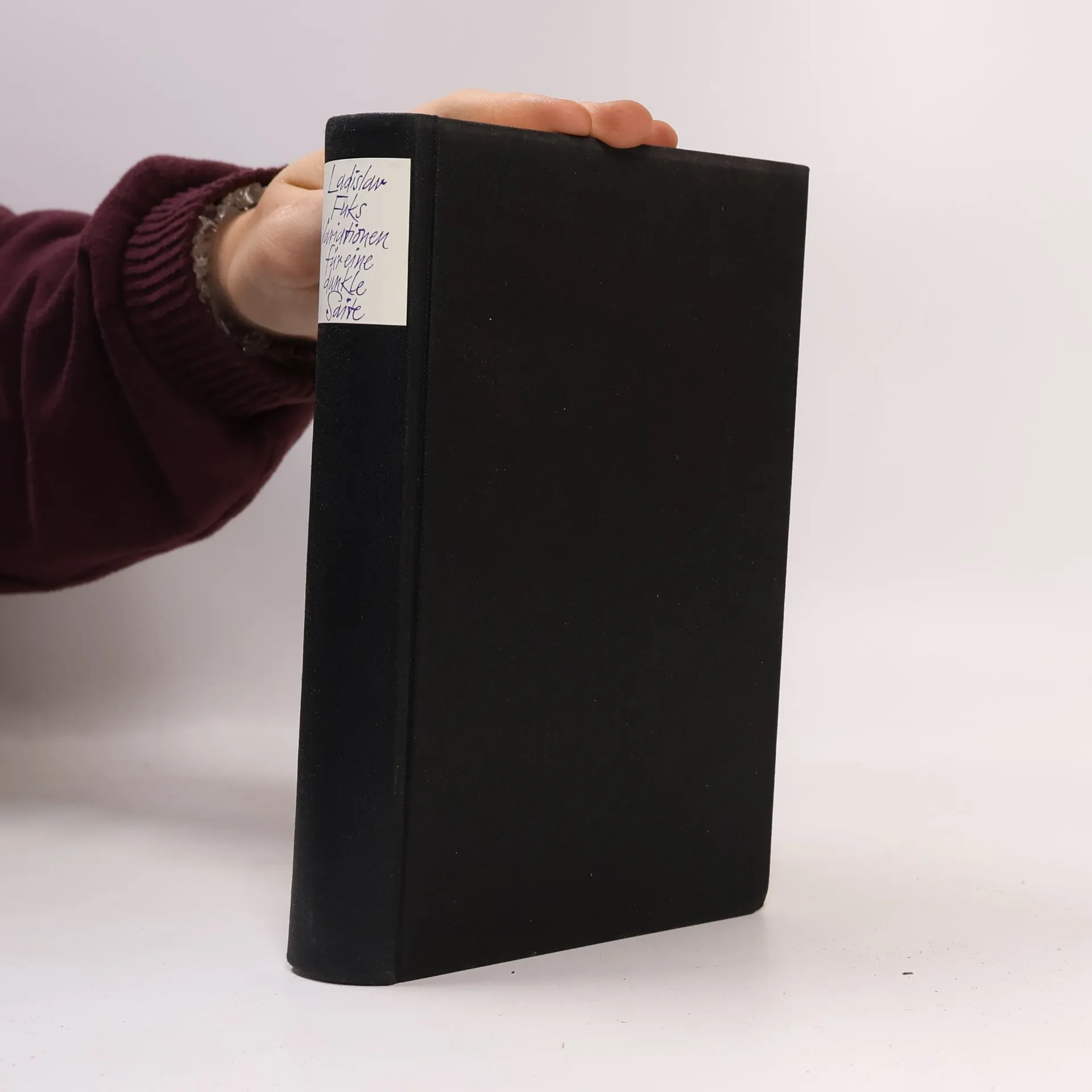
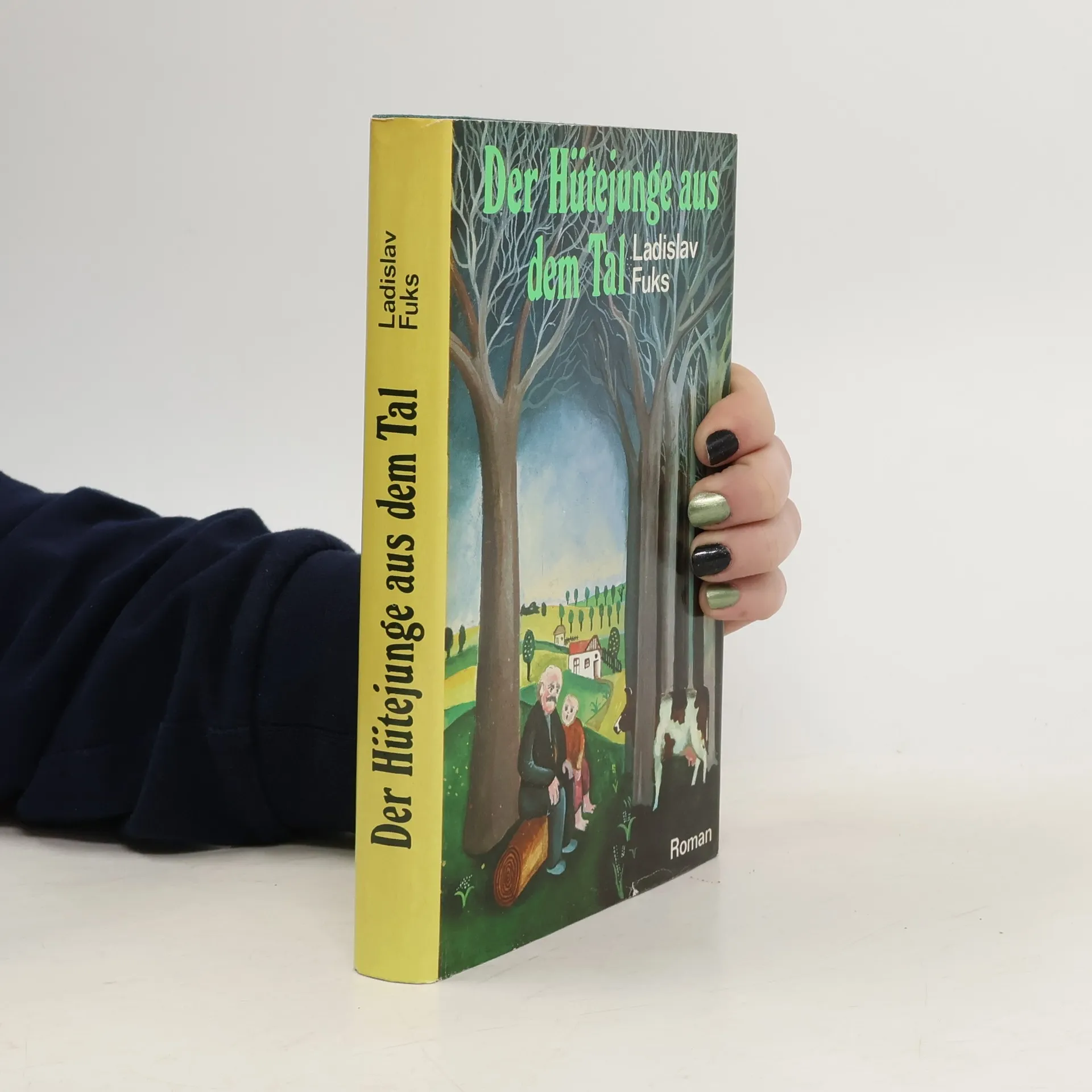
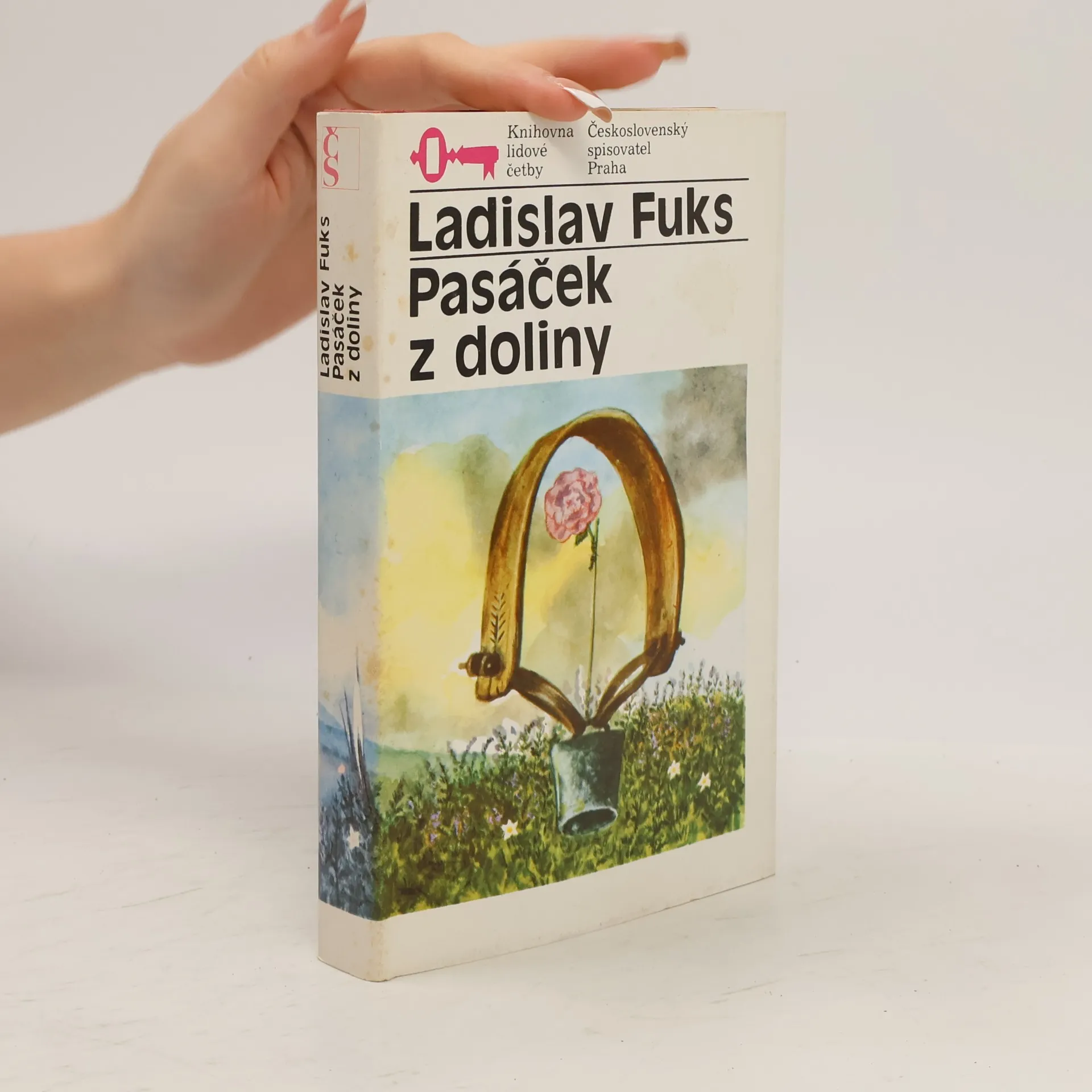
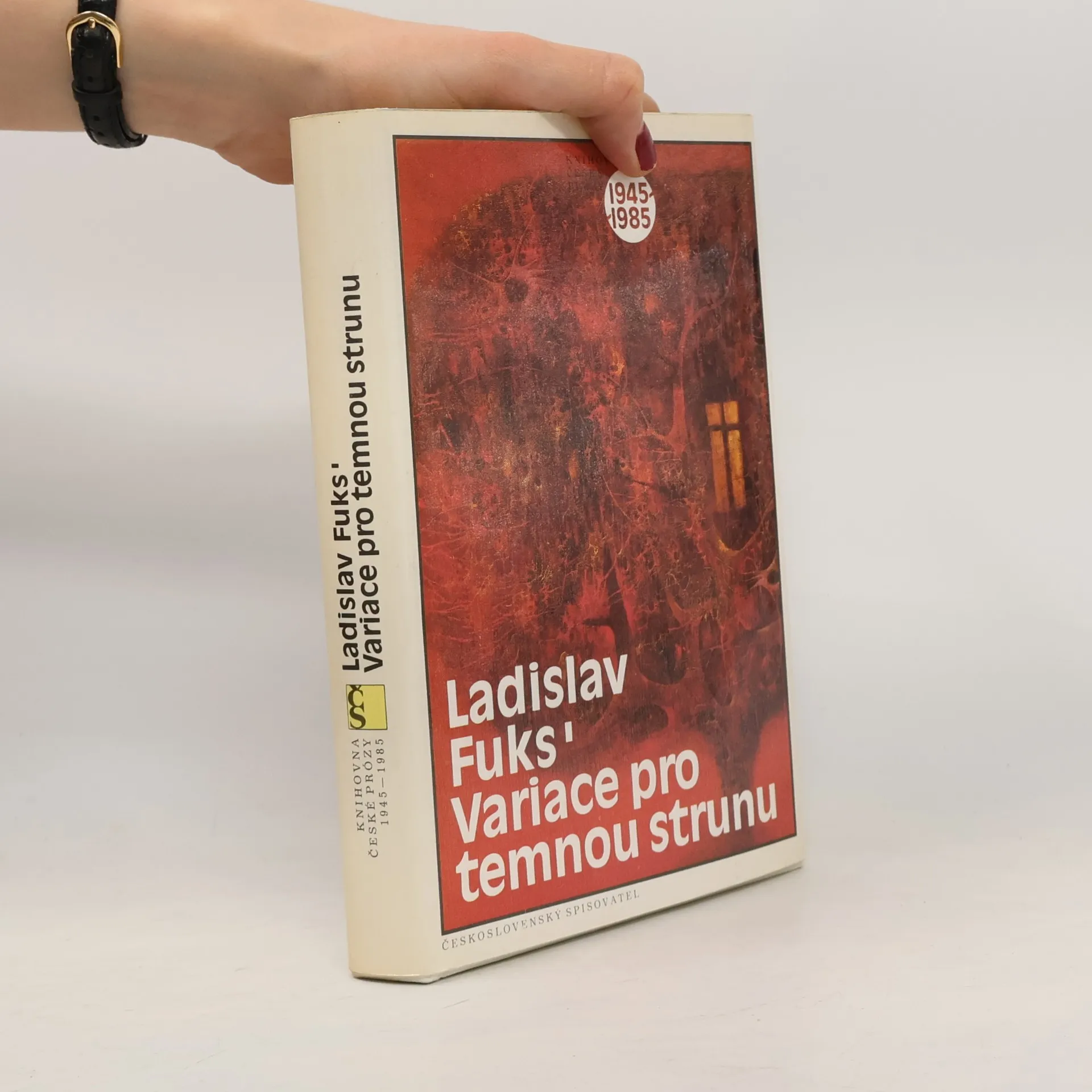
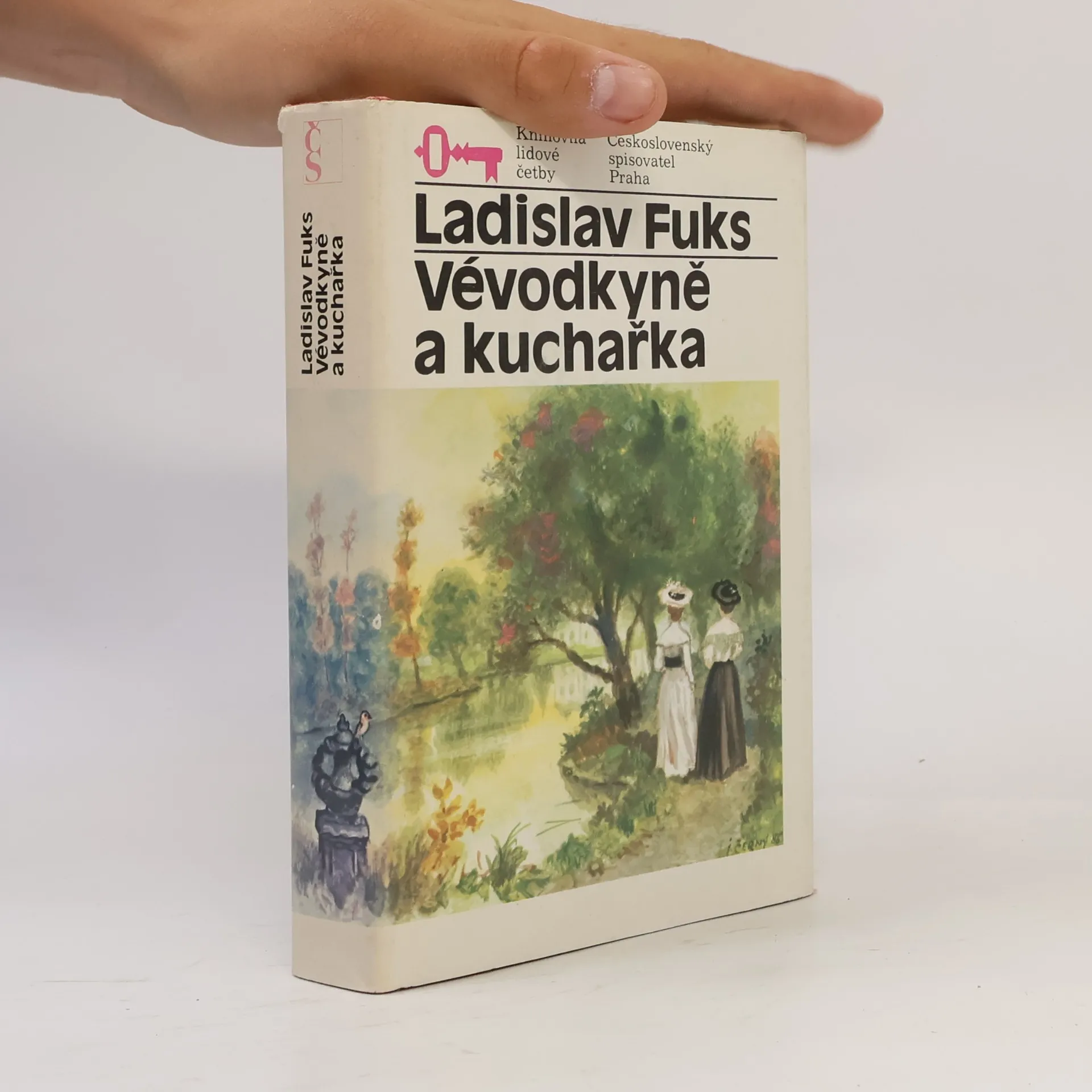
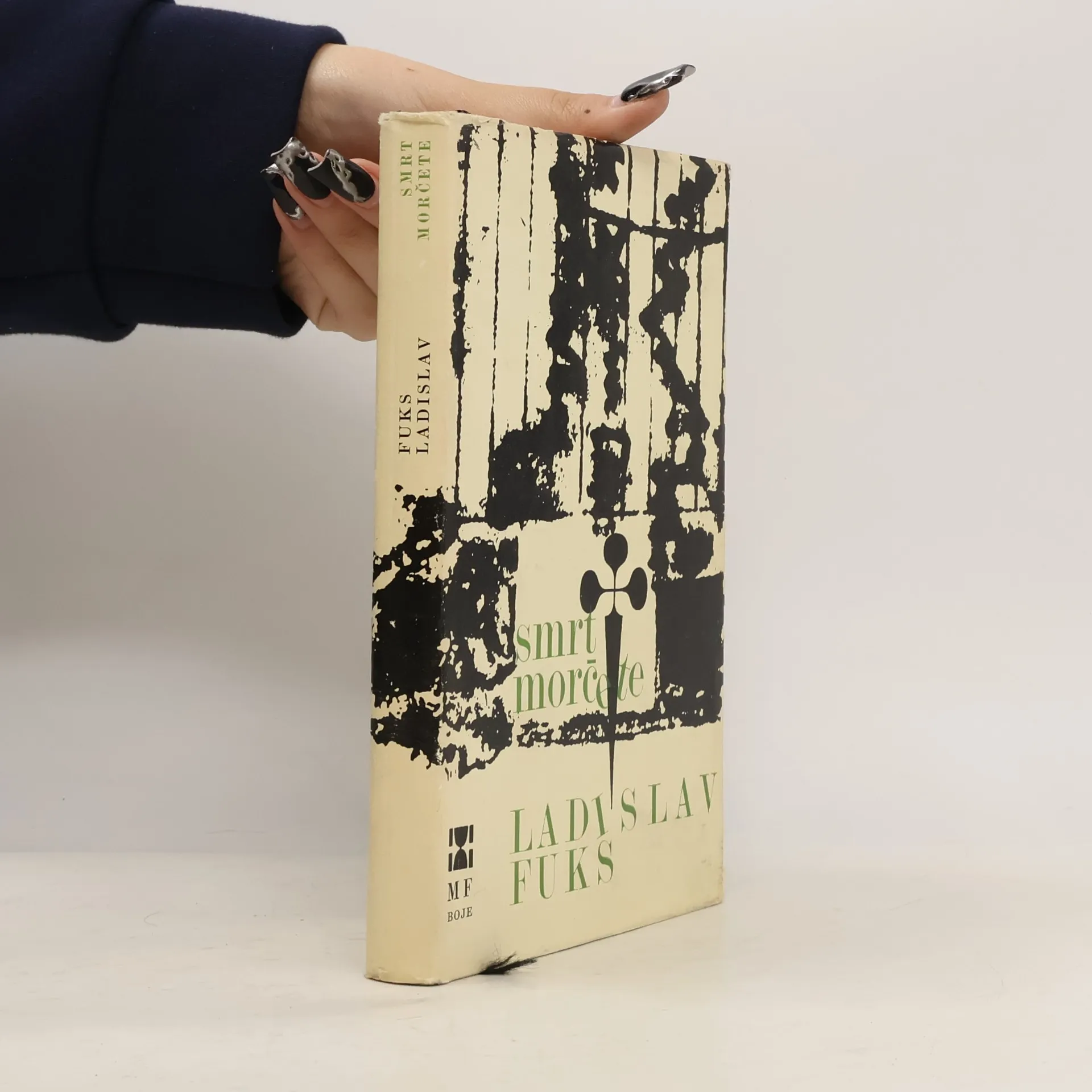
Of Mice and Mooshaber
- 300 pages
- 11 hours of reading
Offers an unsettling comic analysis of the psychological experience of oppression set in an unnamed, futuristic Central European setting. --Adapted from publisher description


Ladislav Fuks was a Czech prose writer, renowned for his psychological fiction that delves into human anxiety when confronted by oppression and violence. He frequently employs World War II and the Holocaust as potent symbols within his narratives. Much of his work carries an autobiographical undercurrent, exploring the sensitive, introverted boy yearning for connection, a recurring figure that mirrors his own life. Fuks masterfully utilizes masks, allusions, and intricate games with his readers, often subtly commenting on the era in which he wrote.

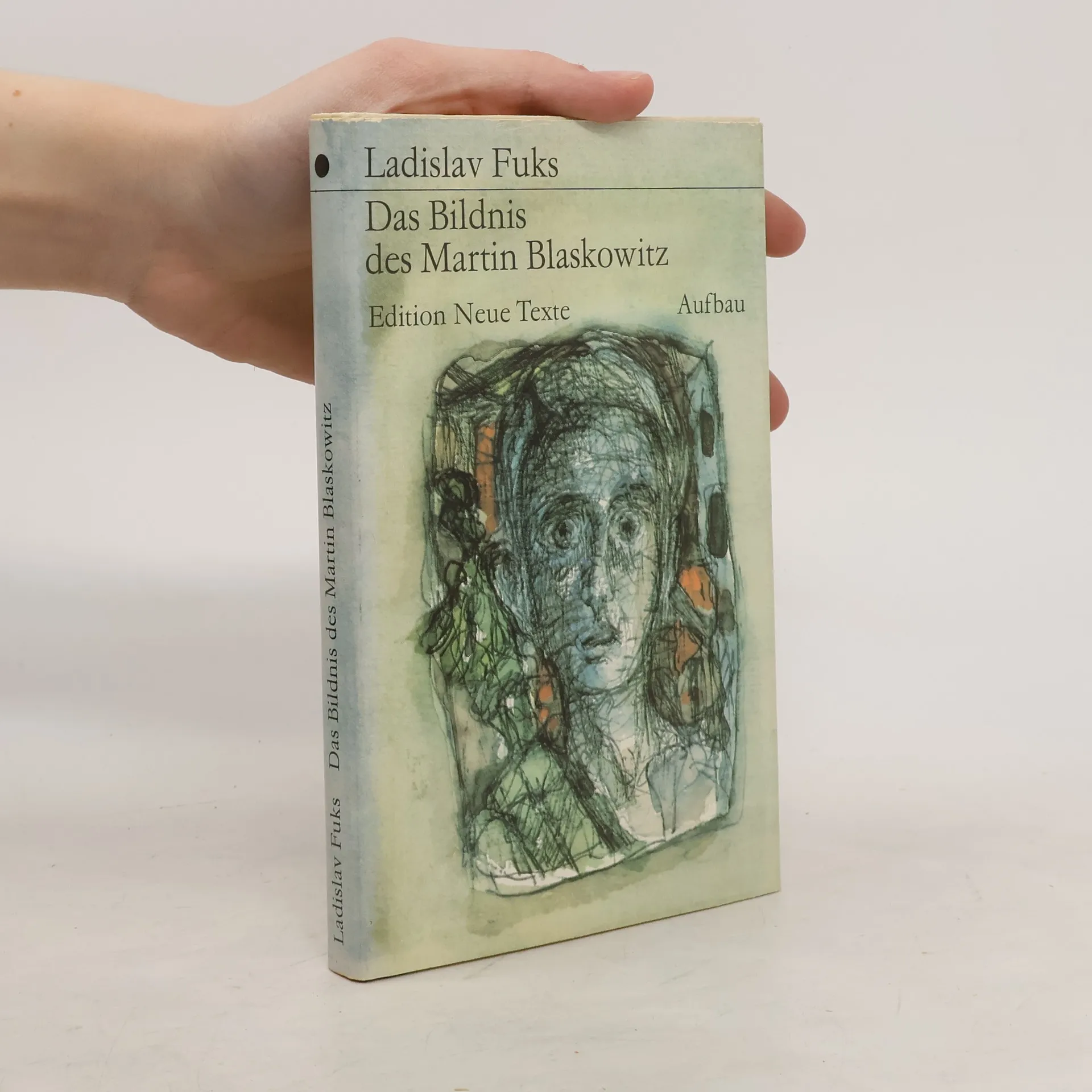
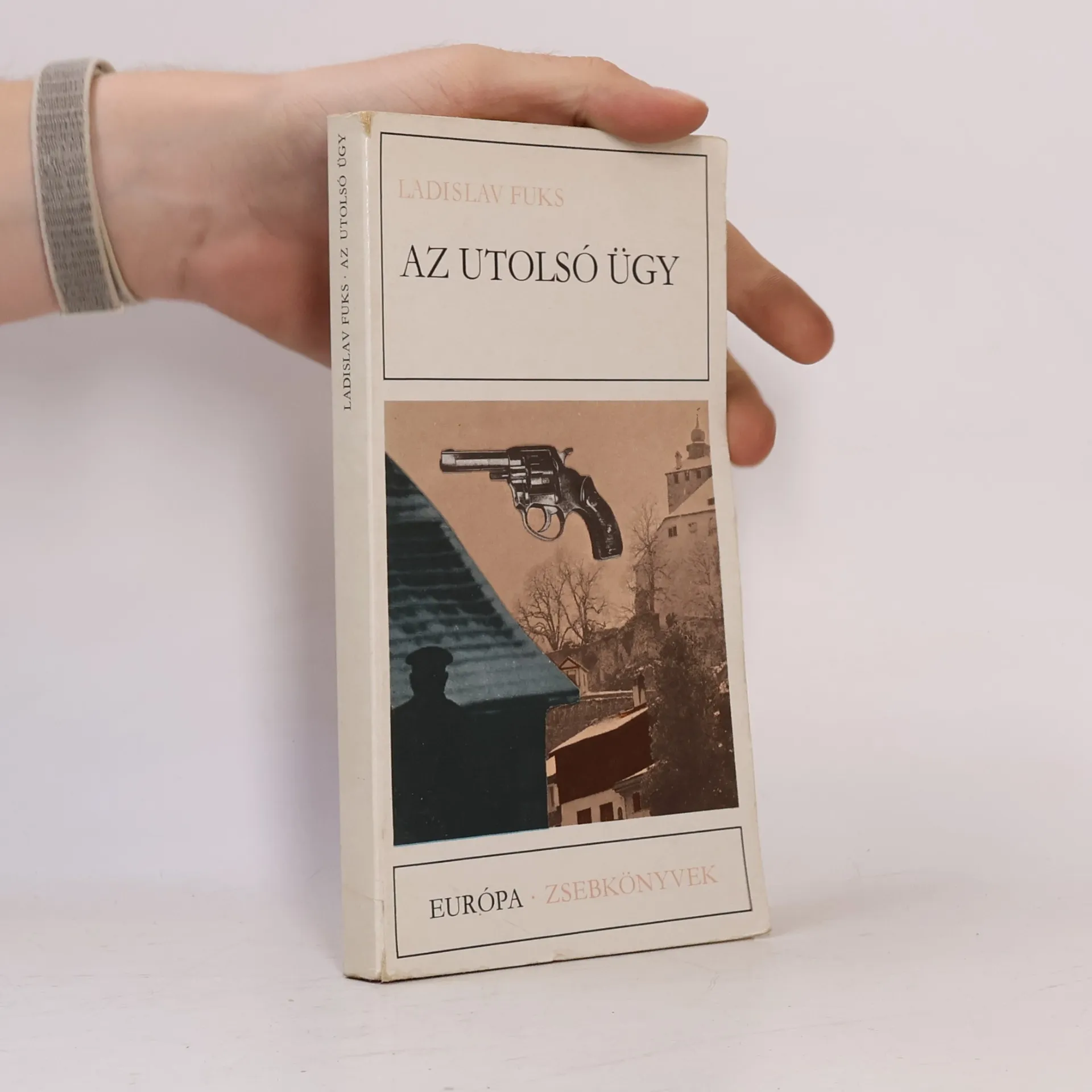

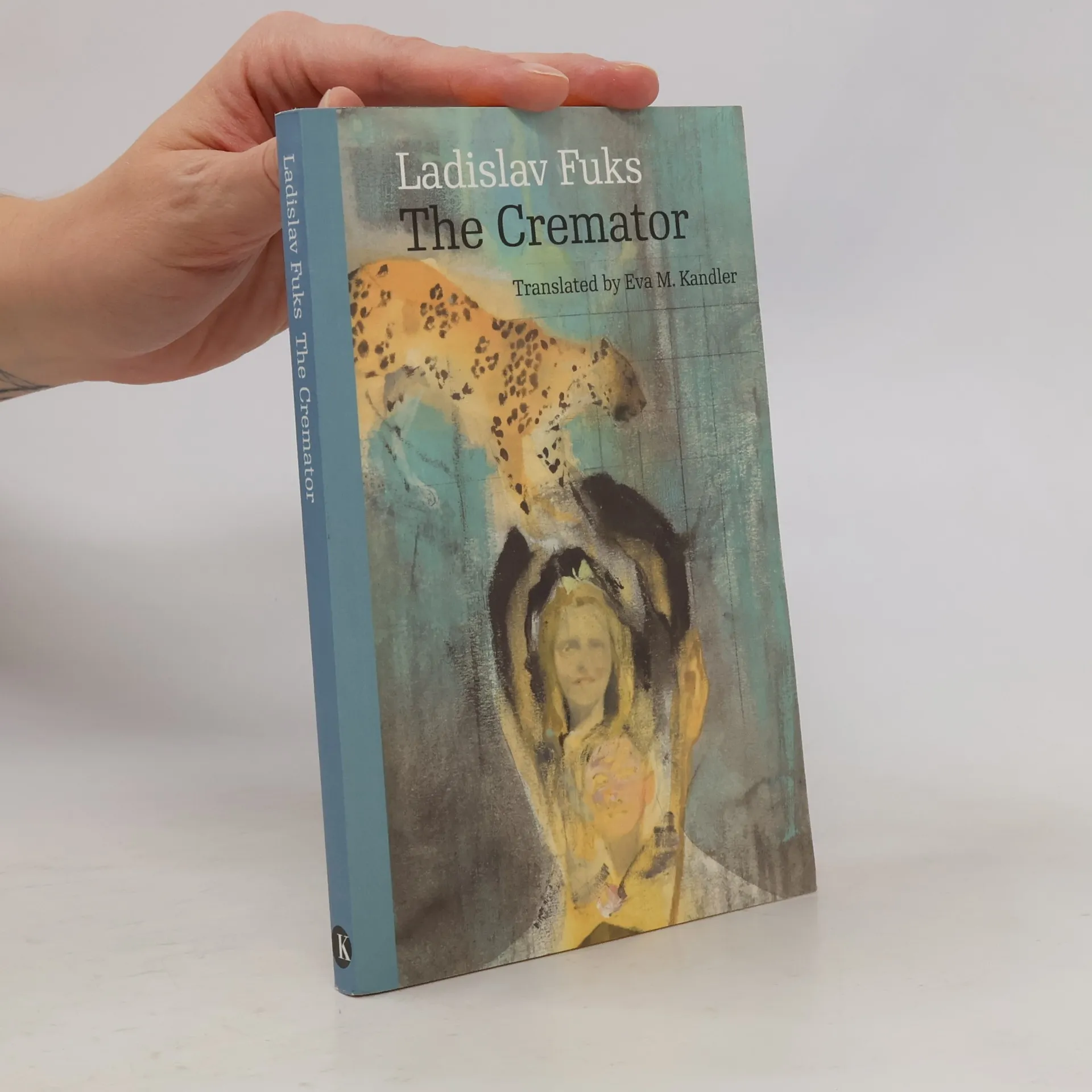
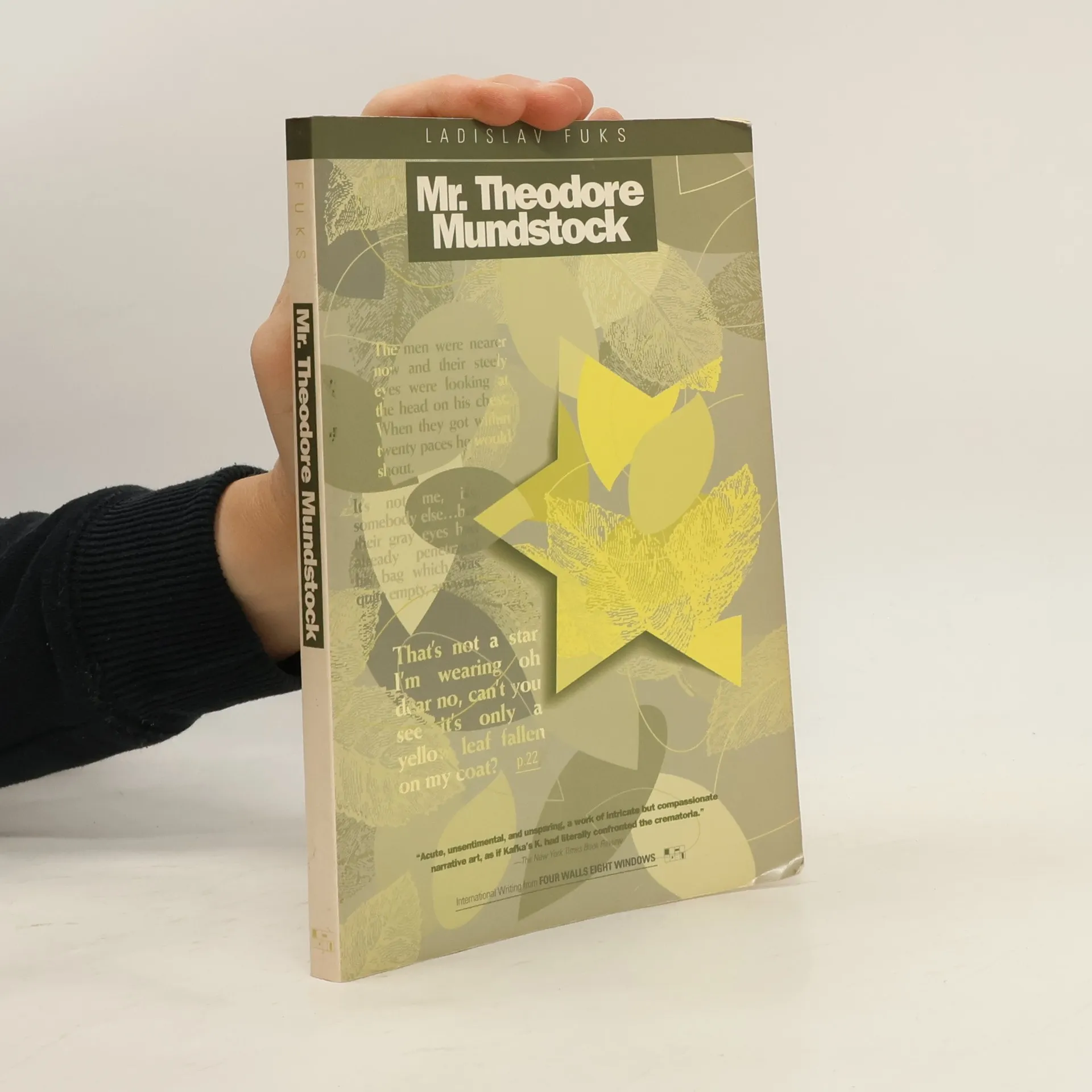
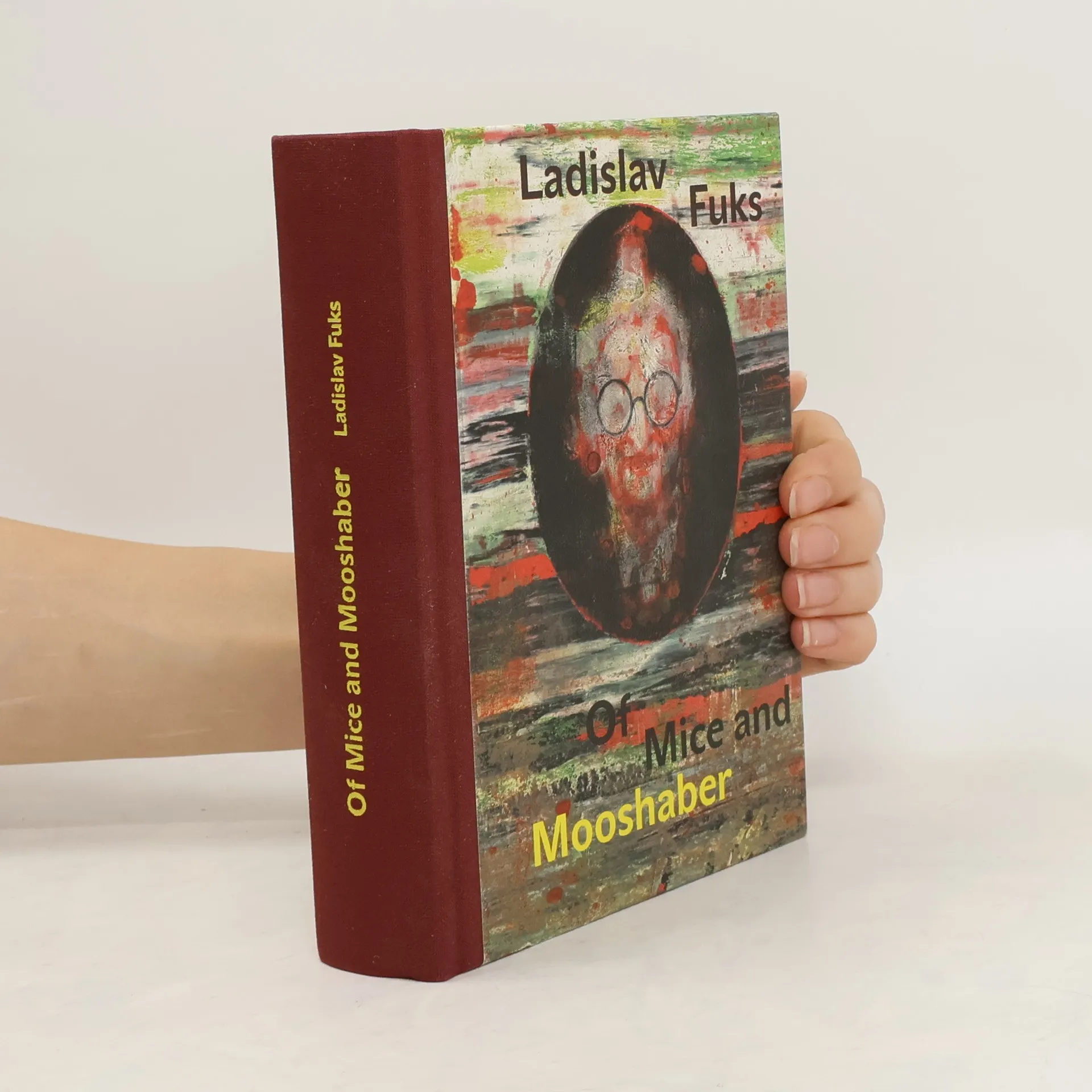
Offers an unsettling comic analysis of the psychological experience of oppression set in an unnamed, futuristic Central European setting. --Adapted from publisher description
1969, mass market paperback reprint edition, in English (translated from the Czech), Ballantine, NY. 223 pages. "This title will haunt you long after you finish reading it ... a beautifully written book."
“The devil’s neatest trick is to persuade us that he doesn’t exist.” It is a maxim that both rings true in our contemporary world and pervades this tragicomic novel of anxiety and evil set amid the horrors of World War II. As a gay man living in a totalitarian, patriarchal society, noted Czech writer Ladislav Fuks identified with the tragic fate of his Jewish countrymen during the Holocaust. The Cremator arises from that shared experience. Fuks presents a grotesque, dystopian world in which a dutiful father, following the strict logic of his time, liberates the souls of his loved ones by destroying their bodies—first the dead, then the living. As we watch this very human character—a character who never ceases to believe that he is doing good—become possessed by an inhuman ideology, the evil that initially permeates the novel’s atmosphere concretizes in this familiar family man. A study of the totalitarian mindset with stunning resonance for today, The Cremator is a disturbing, powerful work of literary horror.
Dann endlich ab... in die Altersgelassenheit. Bier am Nachmittag, Rentnergespräche, wirr; letzter Sonnenstrahl auf der Parkbank. Schirmmütze, Krankenkassenbrille mit Klappblende. Alphörner, verhallende Dreiklange in der Ferne, Geissendieter schmettert den Rollator den Berg hinunter. Alpenglühen.
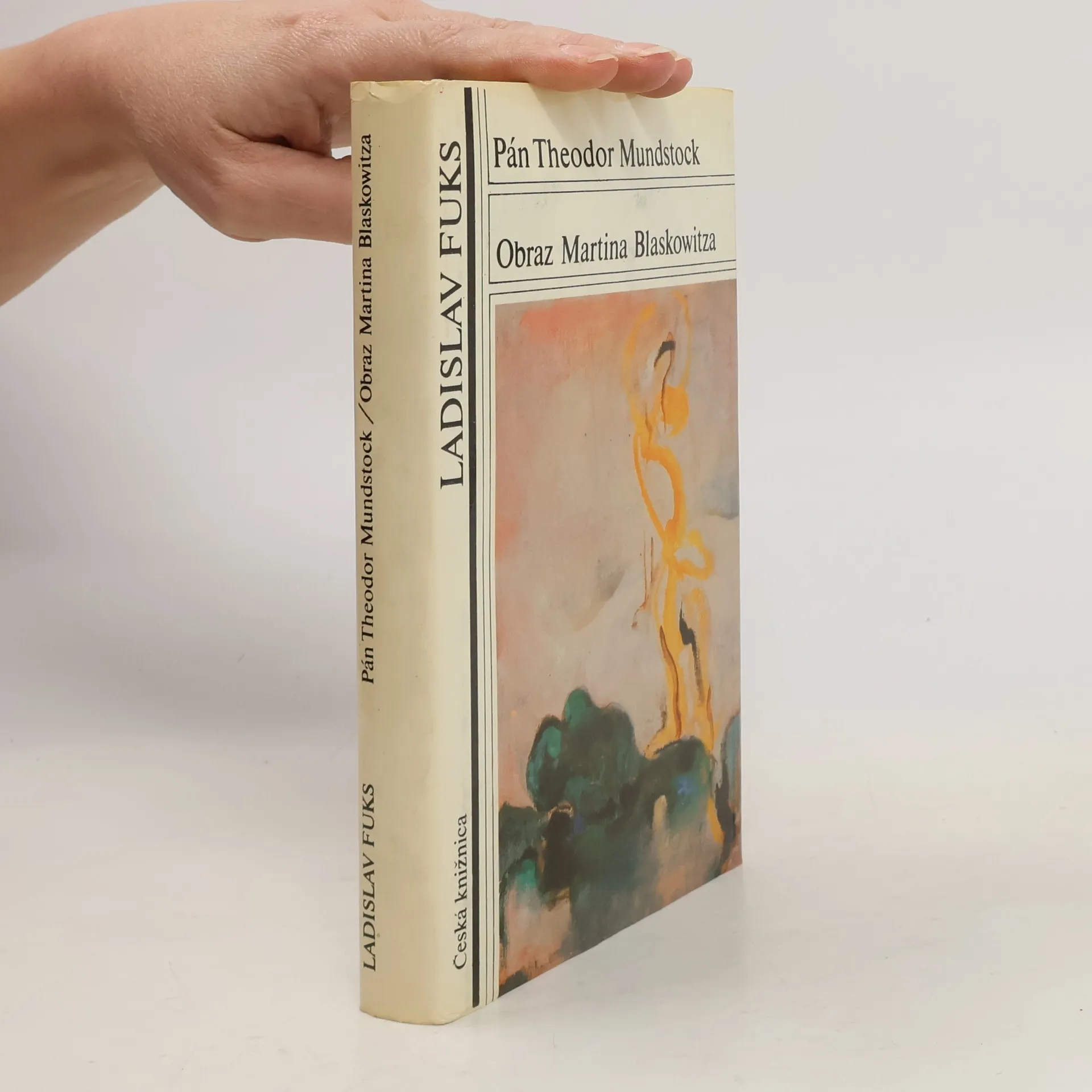
Šedesátá léta představovala v tvorbě Ladislava Fukse (1923–1994) nejproduktivnější dekádu, z níž Česká knižnice vybírá tři reprezentativní, čtenářsky velmi oblíbené prózy. Autorův literární debut Pan Theodor Mundstock (1963), v němž Fuks vylíčil úzkostný vnitřní svět duševně vyšinutého člověka vyrovnávajícího se s obludností nastupujícího fašismu, následuje panoptikálně hororový Spalovač mrtvol (1967), kterého proslavila filmová adaptace Juraje Herze, a doplňuje mrazivě groteskní Cesta do zaslíbené země (1969). Doprovodný komentář sleduje vývoj Fuksovy poetiky s důrazem na kontext druhé světové války a rozličné uchopení tematiky šoa.
Fuksova novela není pouhým detektivním příběhem. Autor před námi rozehrává psychologické drama, jež vyvěrá z konfliktů mezi otcem a synem. Odkrývá pohled na svět deformovaných vzájemných lidských vztahů. Viki, syn kriminálního rady, muže strohého, nesmlouvavého, ba až despotického, velmi trpí otcovou bezcitností. Příležitost vidí v dlouhém, bezúspěšném pátrání po vrahu dvou dětí, v němž se otec velmi angažuje. Ve své fantazii si představuje, že vraha vypátrá sám, a tak otce pokoří. Pečlivě studuje veškeré spisy týkající se případu (otec je má doma v pracovně), do plánu zasvětí i kamarády...
Novelka z prostředí východního Slovenska o chudém pasáčkovi. Je jednou z mála knížek, v nichž se autor umělecky vyslovujek poválečnému světu, a tento svět, náš svět, je v knize pochopen a umělecky vyjádřen ve své podstatě, v momentu, kdy se odvíjí první dějství jeho dramatické proměny a je uchopen básnicky silně a opravdově.
Druhá hodina je maďarčina. Profesorom maďarčiny je mladý suplent, ktorému v istom peštianskom časopise vyšli zo dve básne, nuž ho pokladajú za úžasne veľkého básnika. Je on vlaste dozorcom v konvikte, inak skončeny bohosloves, ktorý učí niekoľko hodín na -......
Román je vrcholem Fuksových próz odehrávajících se těsně před válkou. Vypravěčem je uzavřený chlapec, marně hledající citový kontakt, kterého traumatizuje prostředí ovládané dominantním otcem, vysokým policejním úředníkem. Michal se formou zápisků zpovídá o školních letech, zklamaných kamarádstvích, o dopadu autority i o době poznamenané neblahými historickými událostmi - a především o stísněnosti a osamělosti. Jde o mimořádně sugestivní a dramatické čtení plné magie.
Rozsáhlý historický román, na nejž se Fuks dlouho připravoval, ba dokonce jej odkládal jako osudový námět. Rozhodl se pro odlišnou vypravěčskou perspektivu a našel si nečekanou masku: na prahu stáří jako by se transvestoval do dámy z nejvyšších kruhů a v nejlepších letech a poskytl jí hlavní roli. Titul však složil z divokého kontrastu ze setkání dvou zcela vzdálených osob, jako by je chystal pro frašku. Vévodkyně, jež šokovala rozhodnutím zařídit na okraji Vídně luxusní hotel, to jest projektem pro urozenou osobu tenkrát nemístným; a v závěru, když se plán podařil, znovu udivila tím, že na inzerát přijala výjimečnou kuchařku, aby vedla exkluzivní restauraci. S groteskní a smutnou fantazií připravil Fuks široce rozložené vyprávění umístěné do vznešených starých časů. Atmosféra Vídně a konce mocnářství je tu plasticky podána s duchaplnými i prázdnými okamžiky, pompézními hostinami i pohřby. Jde o jedinečným stylem podaný obraz reality a fikce, hororu a komiky, snu a naděje.
Doprovodná publikace ke stejnojmenné výstavě pořádané ke 100. výročí autorova narození v letohrádku Hvězda ve dnech 20.6.-31.10.2023.Zdroj: Národní knihovna ČR
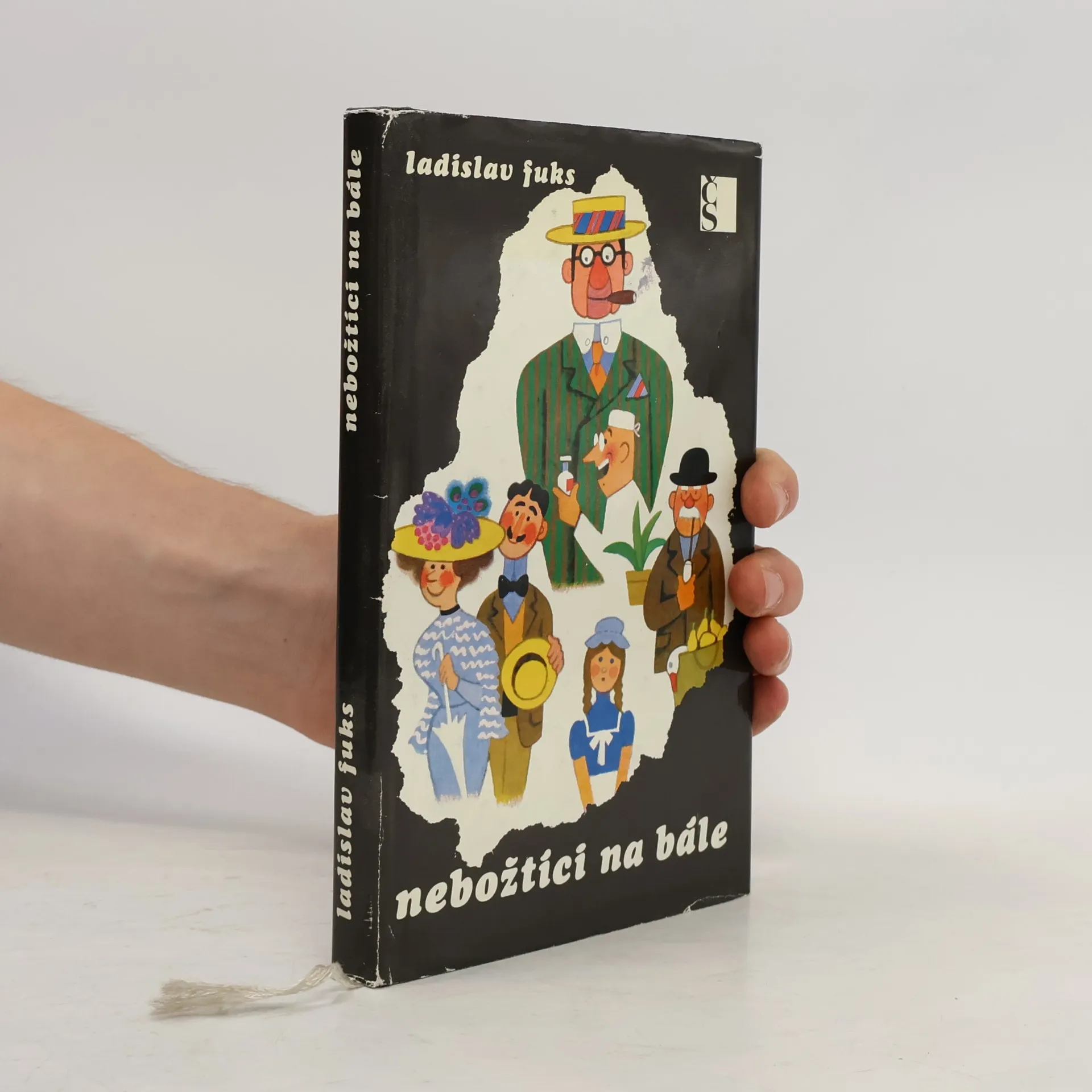
Fraškovitý příběh o záměně dvou nebožtíků je zasazen do doby krásného a poklidného života za panování Františka Josefa.
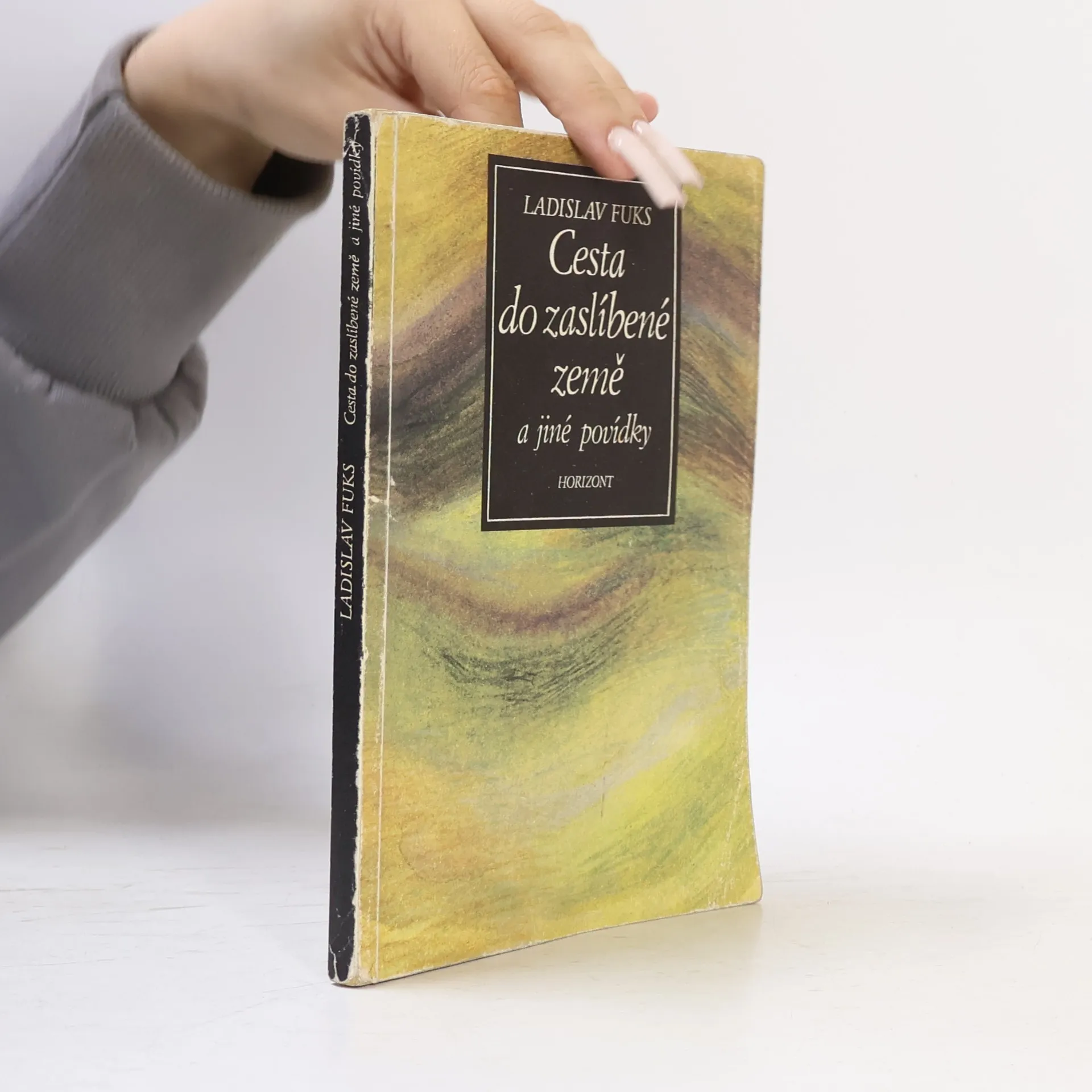
Strhující příběh o patnácti bohatých vídeňských Židech, kterým je po anšlusu "dovoleno" emigrovat po Dunaji na vratké kocábce. "Nemáte průjezdní víza, loď nesmí nikde přistát..." Nejprve si cestu užívají, ale pak dojde k poruše motoru. Třikrát se pokoušejí s lodí s hákovým křížem přistát, třikrát jsou zahnáni zpět na řeku. Přistanou na liduprázdném slovenském břehu, opraví závadu ale mezitím klesne voda a loď je na suchu, nemají sílu ji dostat k vodě, hledají řeku, postupně ztrácí veškerou naději. Zbytky trosečníků nalezne slovenský kněz, přesvědčuje je ....aby se pokusili, nevdzali, zachránili .... Rabbi říká: Pořád někdo někoho pronásleduje a bere volnost, pořád někdo někoho viní, štve a bere mu život. Pořád někdo utlačuje jiné ve jménu pravdy....pořád někdo někomu brání jíst, spát, bydlet, hledat štěstí a žít. A Židé na to od počátku dopláceli nejvíc. Proto volají šalom, mír vzdáleným i blízkým, mír všem. Cesta do zaslíbené země vede už jen vzhůru. V den, kdy začala válka, volí dobrovolně smrt. Představuje vrchol Fuksovy povídkové tvorby. Motivem, kdy se ze ctihodných, slušných lidí během krizové situace velmi rychle stanou špinavé a jakékoli akce neschopné trosky, může poněkud připomínat Goldingova Pána much.
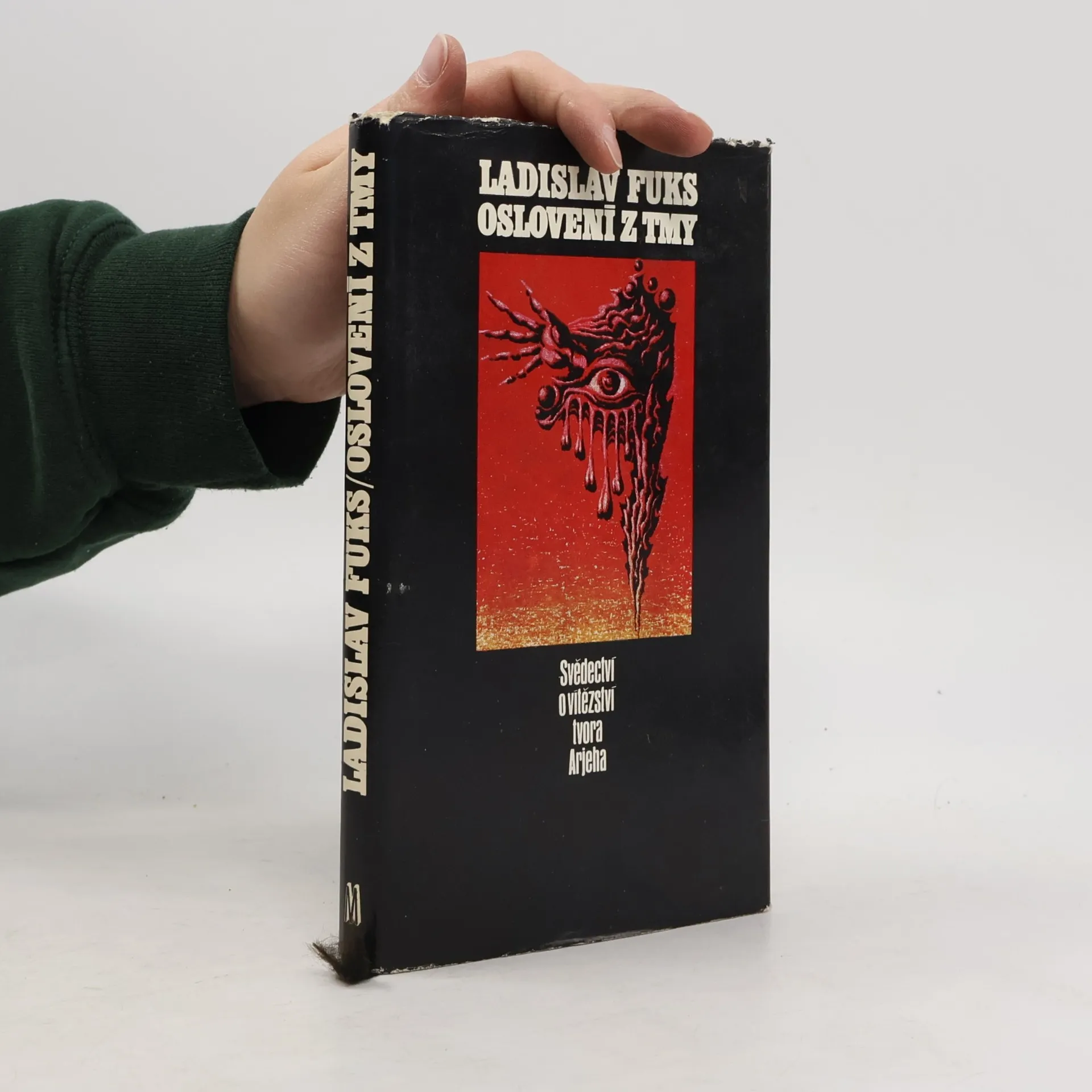
Svědectví o vítězství tvora Arjeha
Novela s prvky záhady a tajemství, jejímž tématem je apokalyptická vize zániku světa po jaderné katastrofě. Román je vyprávěn chlapcem, umírajícím v rozvalinách rozbombardovaného města. Příběh je psán velmi obtížnou, náročnou formou. Kniha je fantastická atmosférou a časem příběhu: v době, kdy lidé pronikli na Mars, Venuši a Saturn, kdy v imaginárním válečnickém státě po strašlivém výbuchu vodíkové pumy hoří tisíce ohňů, město vylétlo do vzduchu, bylo rozmetáno v prach a lidé zešíleli, dochází v hořícím vesmíru k přeludnému setkání vysíleného chlapce Arjeha s jakýmsi člověkem v masce elegantního filosofa, který nevinného mámí svým věděním a nutí ho k přijetí podmínek, za něž jeho rodu slibuje štěstí a bezpracné bohatství. Sugestivní atmosféra knihy, osobitá umělecká metoda a úzkostlivá práce s jazykem, váha dialogu duše s ďáblem a posun k oblasti science-fiction násobí přitažlivost díla. Oslovení z tmy není snadná četba, ale je hlubokým zážitkem pro náročné čtenáře. Na jejím konci náhle pocítíme přesně to co u předchozích Fuksových prací: Jediná věc opravňuje naši existenci: být dárcem i příjemcem lidskosti.
Soubor šesti na sebe navazujících povídek ze života 16letého chlapce Michaela v době okupace Československa, který zažívá hrůzy nacistické zvůle, jež jej připraví o židovské kamarády. Michael tu vzpomíná na své tři nejlepší kamarády, židovské chlapce, kteří s ním až do tragického roku 1938 chodili do školy. Společně sní o tom, jak po ukončení školy budou cestovat. Do jejich plánů patří i sen o cestě do Palestiny, který trvá až do okamžiku odsunu židovských rodin do koncentračního tábora.
Po letech snad nejvíc zasažených dobovou bezradností se autor v románu vrátil k rokům války a ke krušným osobním zážitkům. Tématem se stala soukromá dramata a historické události, jež podstatně rozhodovaly o osudech a životech. Fuks se rovněž vrátil k napínavému a trochu tajemnému stylua soustředil se hlavně na psychologii. Příběh se odehrává na chatě, kam vypravěč Michal pozval známého, ale komerčního spisovatele, aby mu nabídl příběh o českých a německých kamarádech v předvečer války. O dějinných katastrofách, o rozdílných cestách českých a německých školáků a o zraněných duších mladých lidí vyprávěl tak Fuks v jedné z próz, jež nezapřou osobní inspiraci, a které autor napsal s promyšlenou fabulí a ironií.
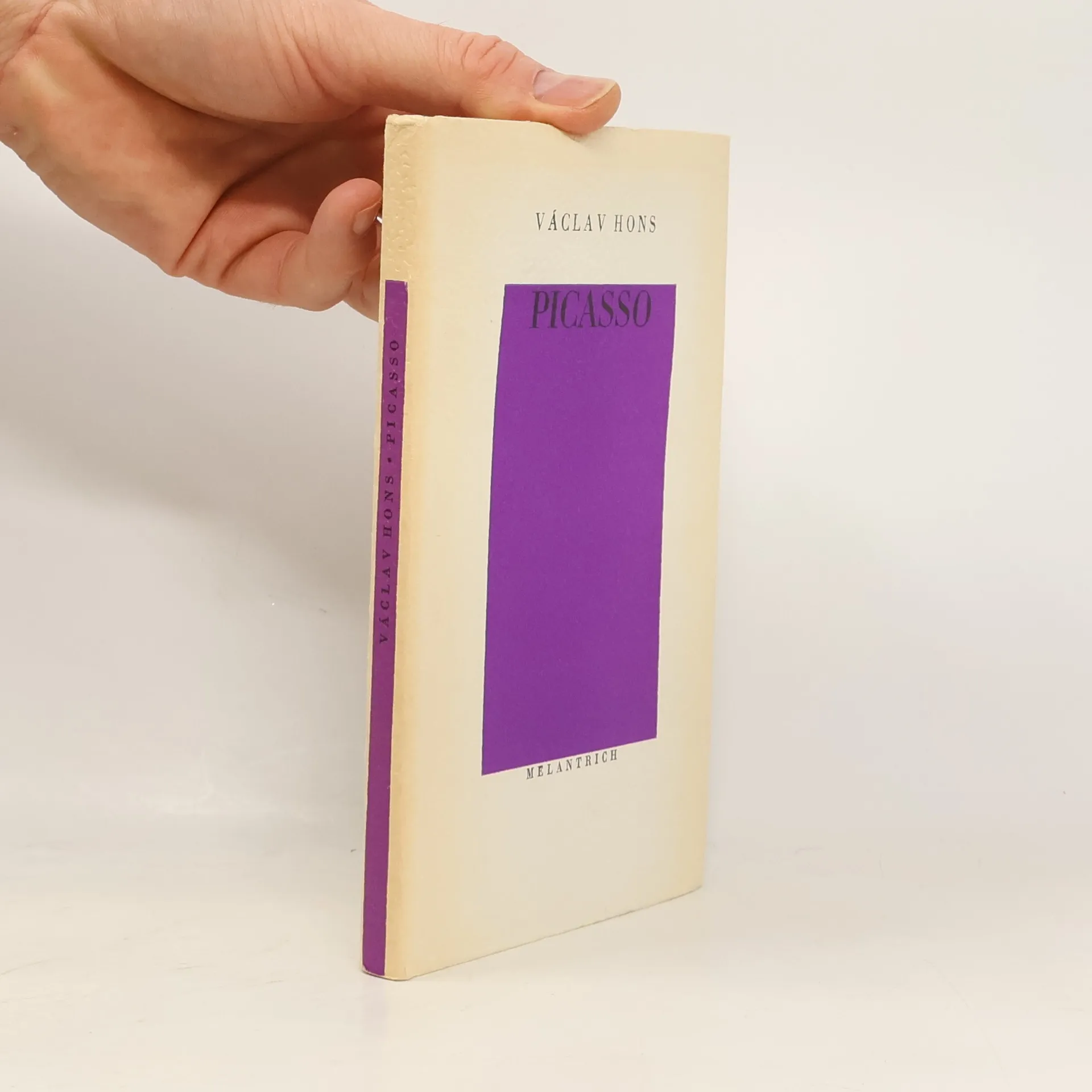
Trojí zamyšlení nad básnickým dílem Václava Honse. Poesie. Svazek stý pátý.
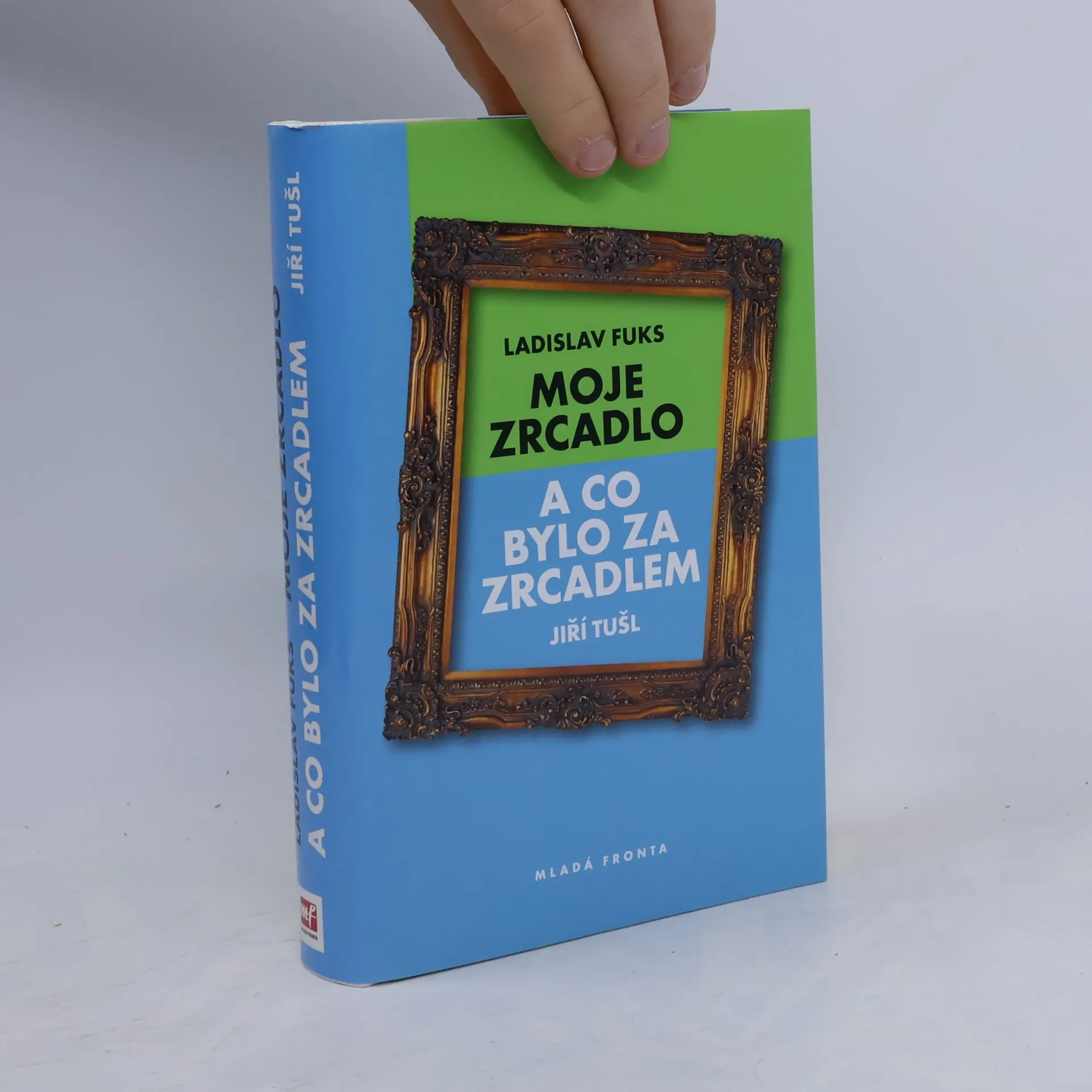
A co bylo za zrcadlem
Své paměti dopsal Ladislav Fuks koncem roku 1993, kdy odevzdal poslední dvě kapitoly redaktoru a příteli Jiřímu Tušlovi. V následujících měsících oba spolupracovali na konečné úpravě knihy. Po smrti Ladislava Fukse rozšířil Jiří Tušl paměti o svá intermezza podle dohody, uzavřené již při vzniku rukopisu v roce 1992. Vzniklo tak pozoruhodné svědectví o velkém českém spisovateli. Kniha v současné podobě je rozšířeným a doplněným vydáním z roku 1995...
Jan Bárta je student filozofie. Prožil citové zklamání, které mu způsobilo velký otřes a celkovou krizi. Pochybuje o smyslu života, o svých schopnostech, možnostech uplatnění, realizaci svých tužeb a plánů. V tomto kritickém depresívním stavu ho zastihuje Únor 1948, nepřipraveného, plného skepse a nevíry, jak v budoucnost vlastní, tak své země. Jediným východiskem se mu zdá útěk za hranice spolu s přítelem Mirkem, který mu vsugeruje, že jen na Západě budou mít možnost se plně realizovat. Jede domů, do rodné vsi, aby se rozloučil s rodiči a bratrem...
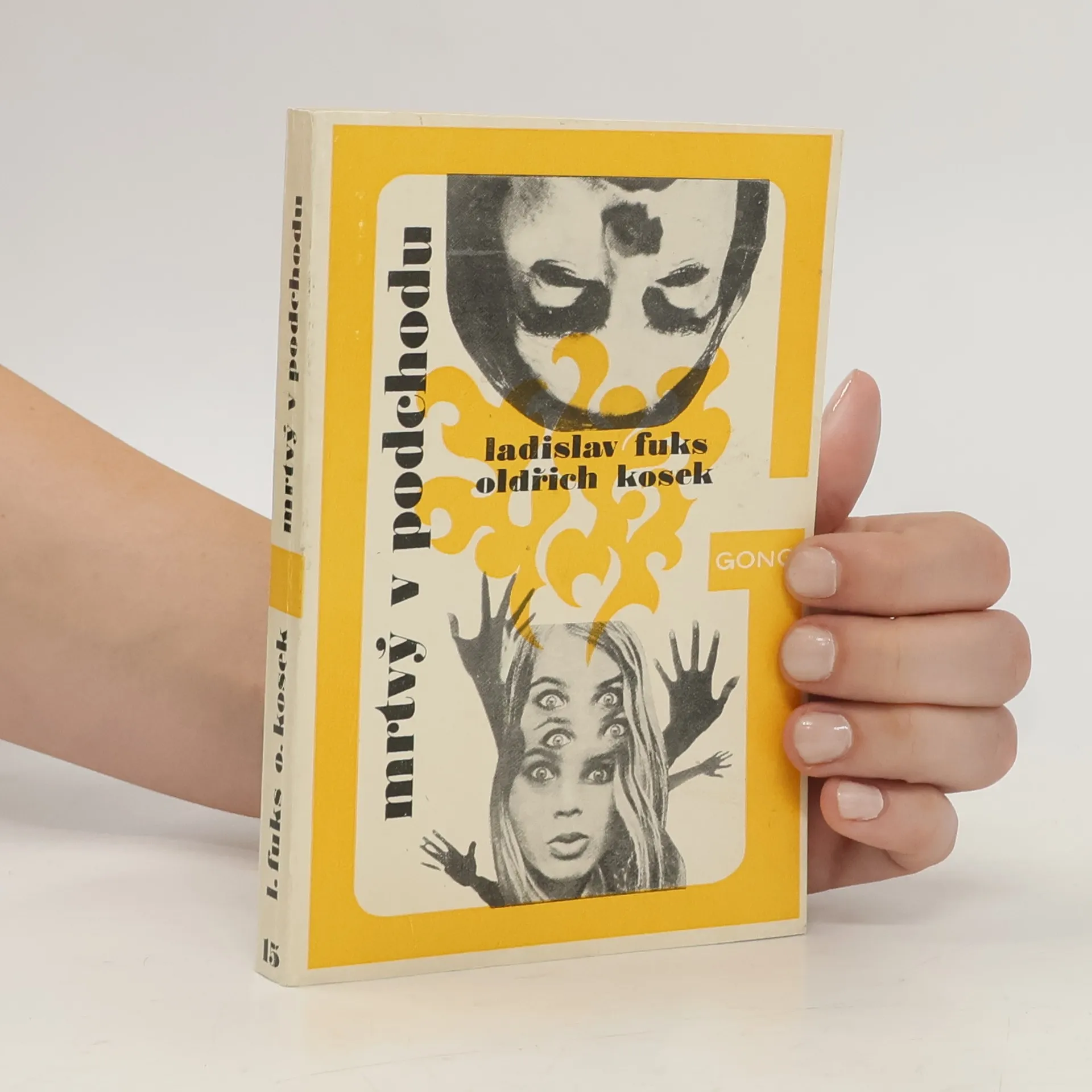
V podchodu pod Václavským náměstím byl časně ráno nalezen mrtvý muž. Vyšetřování případu vedlo na stopu překupníků heroinu, pašovaného přes naše území. V souvislosti s pátráním dochází k dalším dvěma záhadným vraždám, pokaždé úderem karate. Vyšetřování kapitánky Veřejné bezpečnosti Evy Renčové za spolupráce vyšetřovatelů Drozda a Břízy odhalí obratného vraha, jenž se po celou dobu pátrání snažil zmást detektivy a obrátit pozornost na nevinnou osobu. 1. vydání. 32-008-76
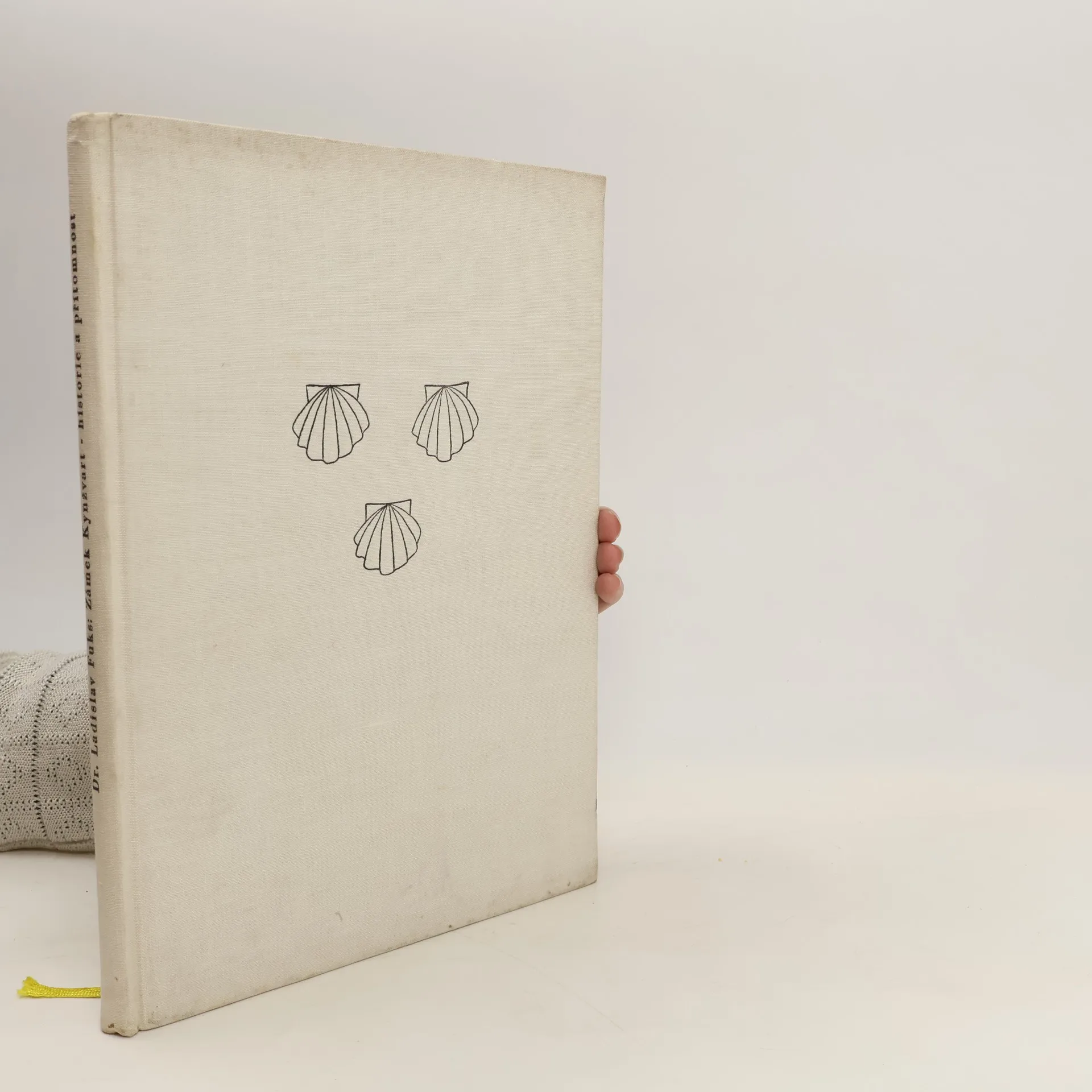
Kniha která je čtenáři předkládána, je první rozsáhlejší prací, která seznamuje s kynžvartským zámkem, jeho historií a jeho uměním i s historickým obdobím a činností jeho nejvýznamějšího majitele- rakouského kancléře Klimenta Václava Metternicha
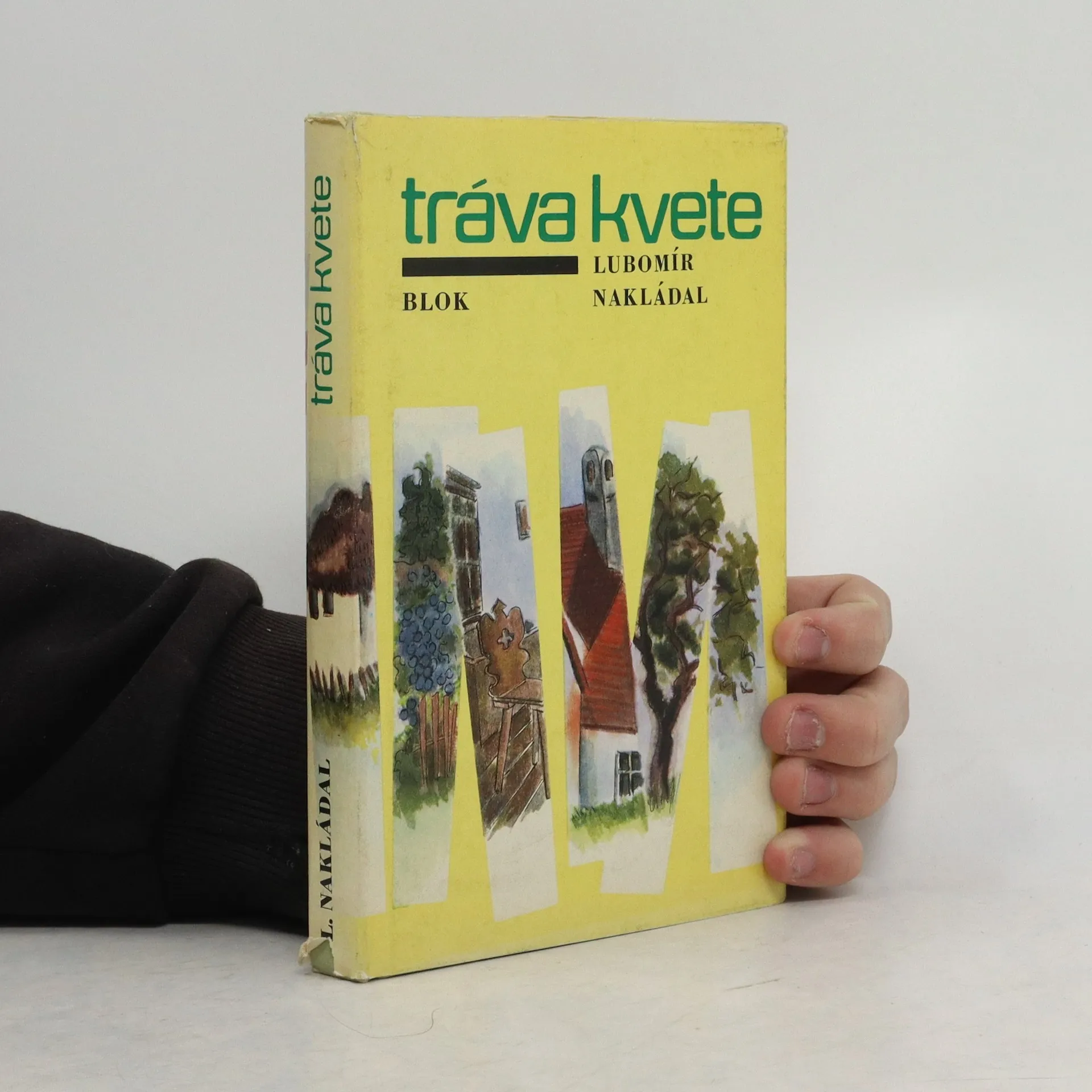
Druhá autorova básnická sbírka zahrnuje básnickou prózu a verše volné i rýmované. Básnická próza řadí vedle sebe vizuální vjemy z venkovské návsi a všímá si „rozeschlé archy školy“, na kterou se celý život vzpomíná. Verše pak představují poezii roztříštěného a nepostižitelného obsahu, v němž tušíme téma ženy, míjejícího času a světa; inspiruje se mytickými a kulturními zážitky, dále příběhy a jazykem bible a spojuje kontrastní a někdy nesouměřitelné obrazy v nové metafory.
Soubor deseti povídek úspěšného českého prozaika navazuje na jeho předchozí dílo, charakterizované neobyčejnou sugestivností, básnivým šerosvitem popisu a výrazovou mistrností. Mezi povídkami najdeme půvabné grotesky,
Soubor povídek a črt z vesnického prostředí představuje situace, kdy si lidé uvědomují plynutí času a blízkost smrti.
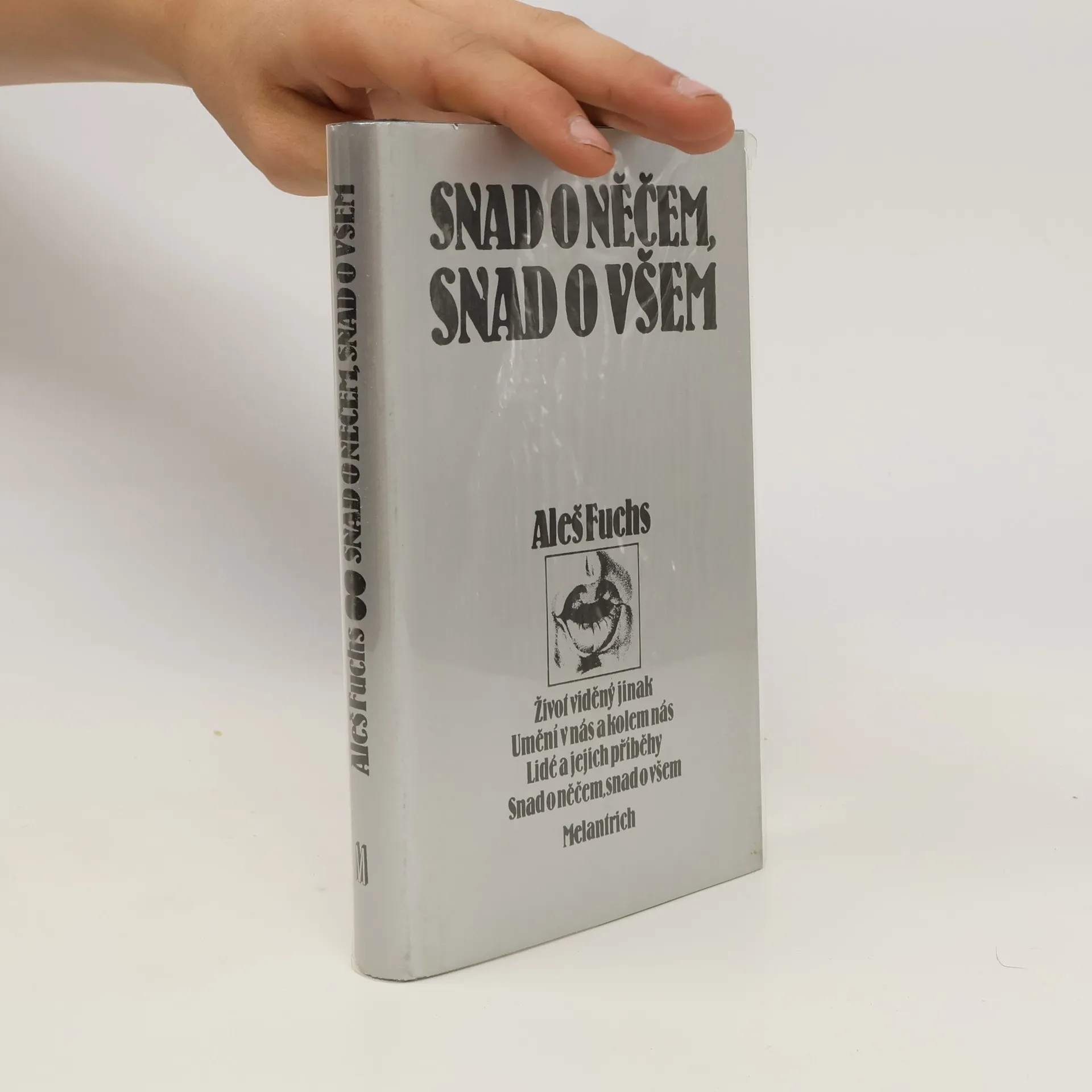
Život viděný jinak, Umění v nás a kolem nás, \lidé a jejich příběhy. Kniha představuje výběr z nejlepších fejetonů a esejí divadelního kritika a novináře Aleše Fuchse.
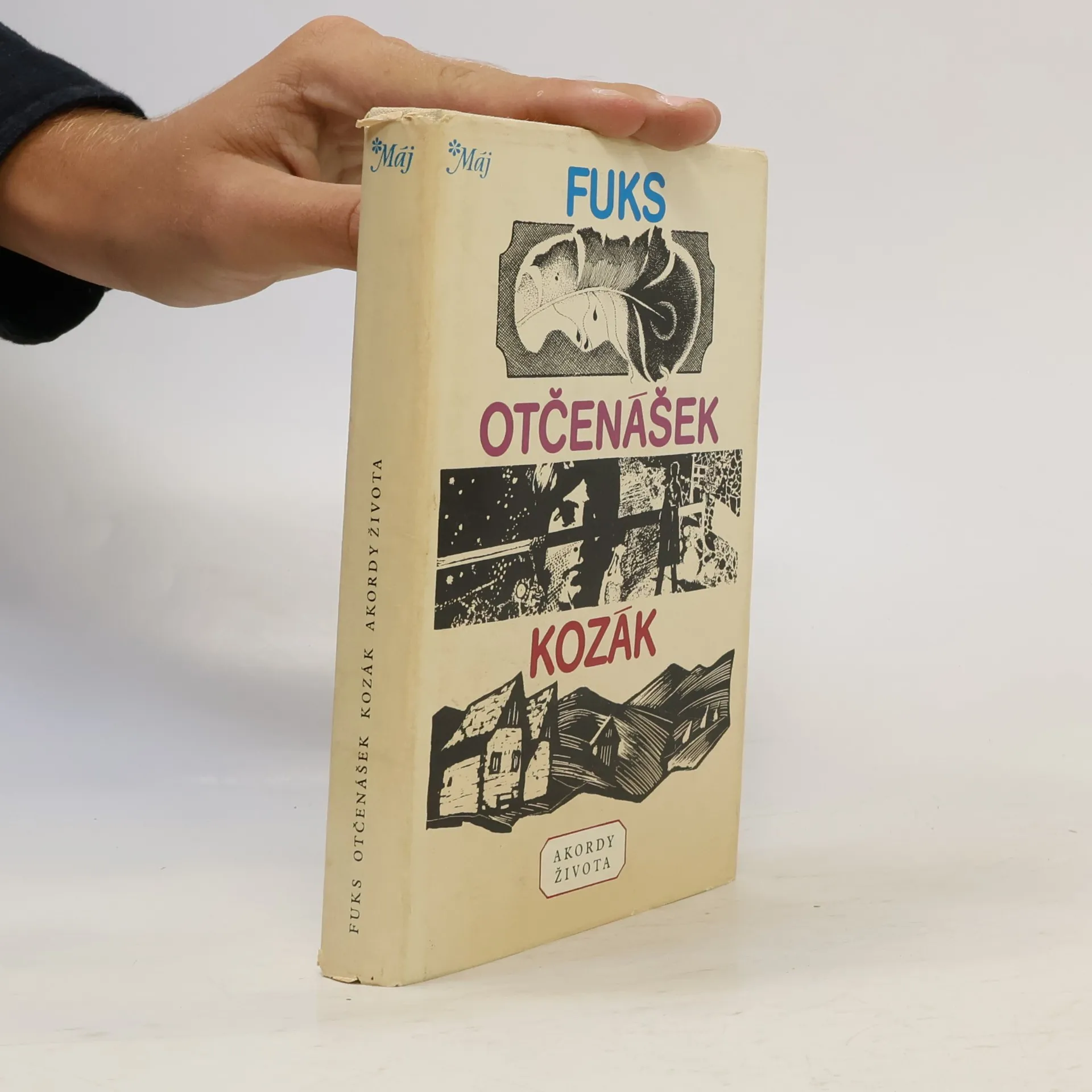
Pan Theodor Mundstock. Romeo, Julie a tma. Mariana Radvaková
Kniha obsahuje 3 příběhy:1. Ladislav Fuks - Pan Theodor Mundstock : Psychologický román Ladislava Fukse vydaný roku 1963. Patří k vrcholům Fuksovy tvorby. Šílený člověk, konající dobro, v ještě šílenějším světě musí nutně dojít k tragickému konci. Dílo zobrazuje, jak obyčejného člověka ponižuje a pokřivuje diskriminace a strach.,2. Jan Otčenášek - Romeo, Julie a tma: Rozvíjí tragický příběh několikadenní lásky studenta a židovské dívky v dusné atmosféře Prahy za heydrichiády.,3. Jan Kozák - Mariana Radvaková: Pravdivý a nezkreslený obraz východoslovenské vesnice. Staří lidé tu dlouho žili v zajetí pověr a žena neměla postavení rovnoprávného člověka. I sem však začíná pronikat průmyslová výstavba, združstevňování a mechanizace zemědělství, vesnice spojil se světem autobus. Do tohoto prostředí je zasazen konflikt ženy a dvou mužů. Mariana Radvaková je bez věna provdána do bohaté selské rodiny. Vzbouří se proti moci peněz i vesnickým tradicím. Najde sílu a i se svým dítětem odchází nejen od rodiny, ale i z vesnice.