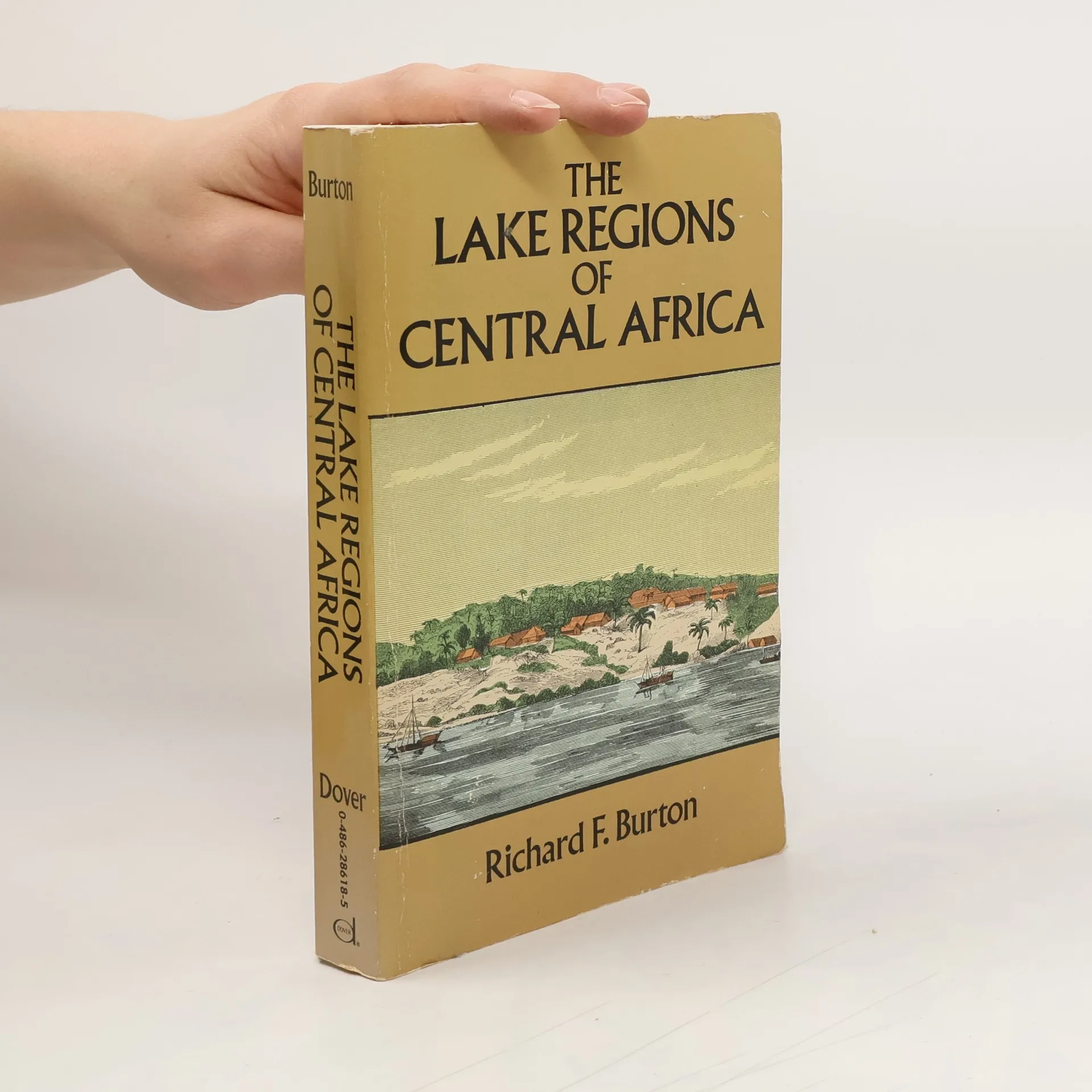
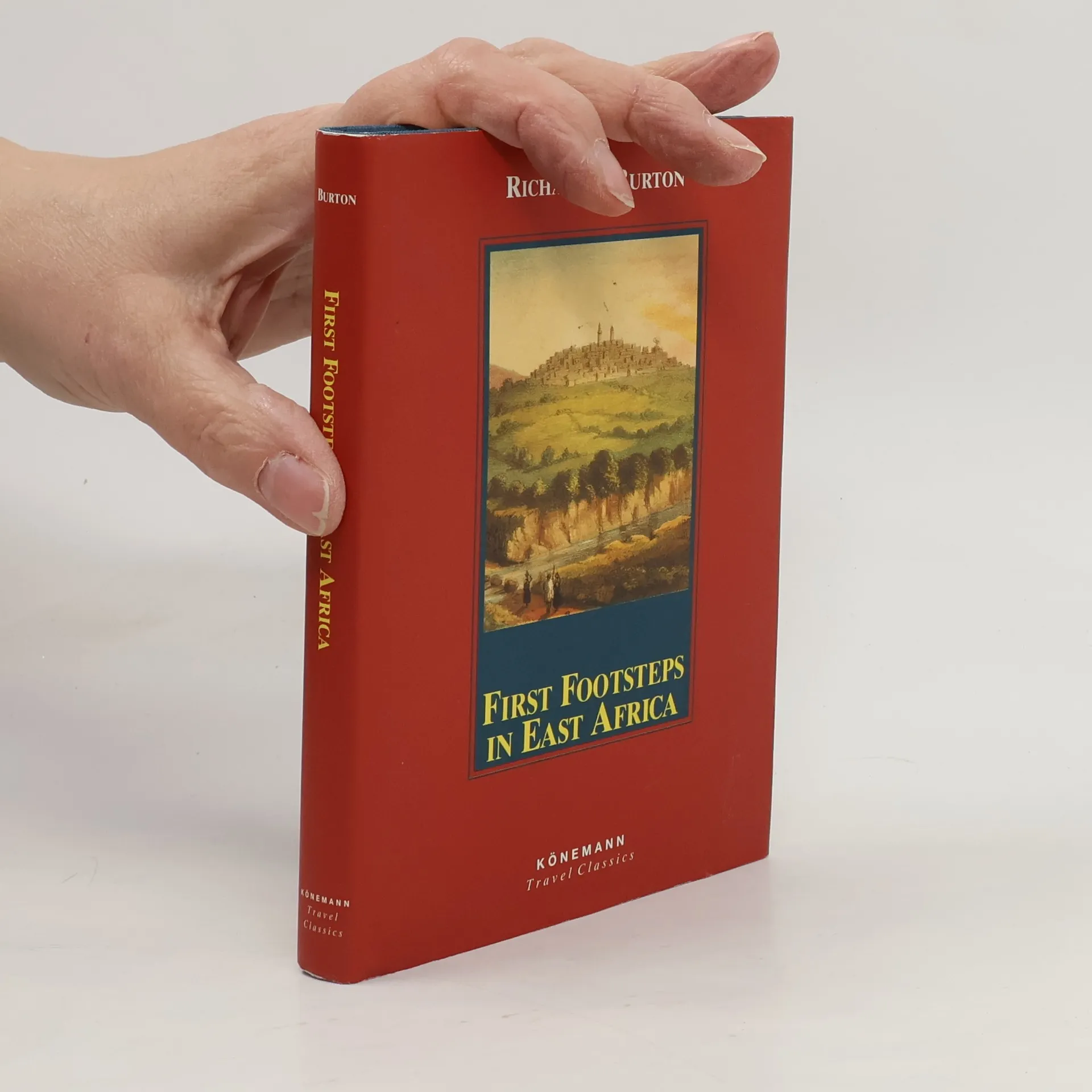
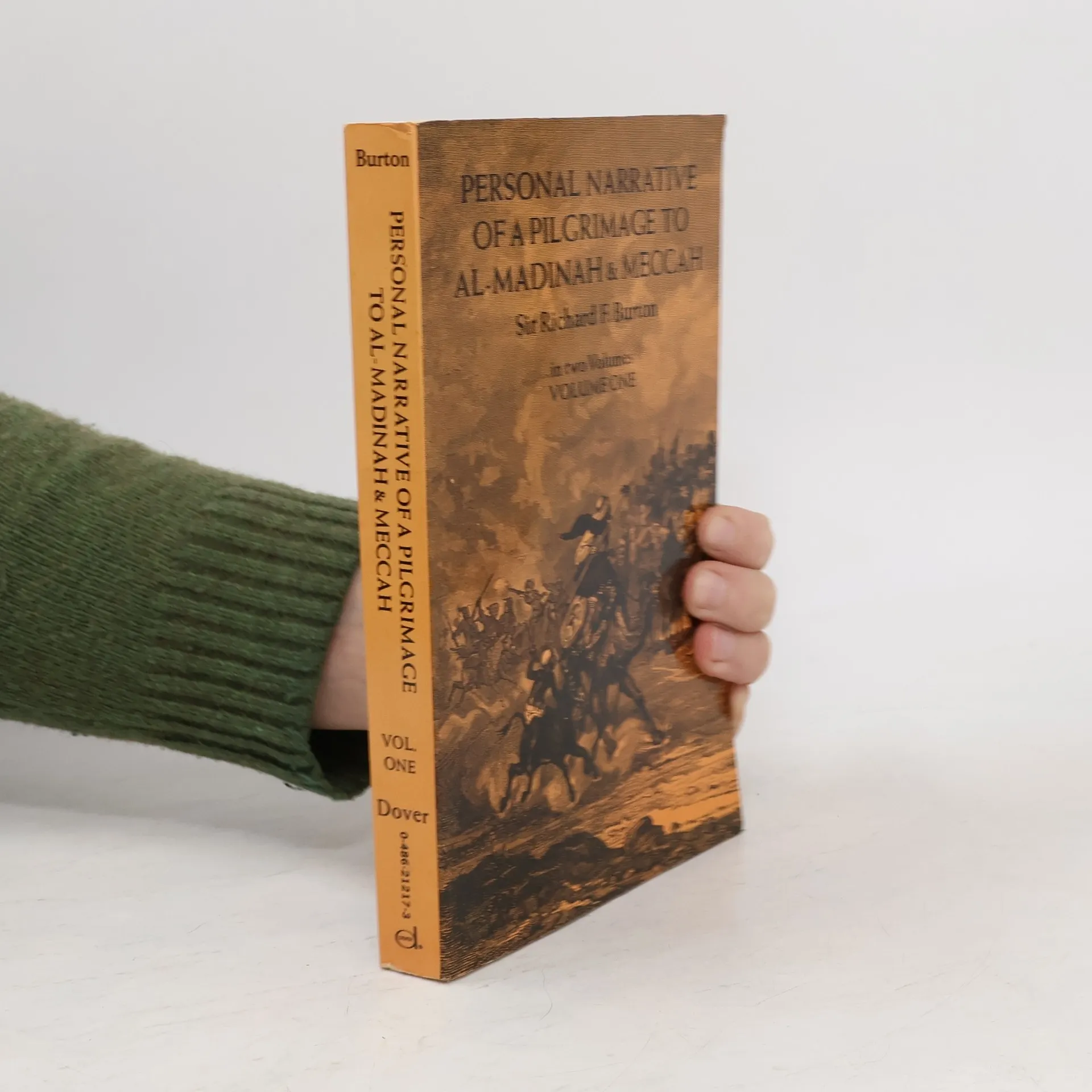
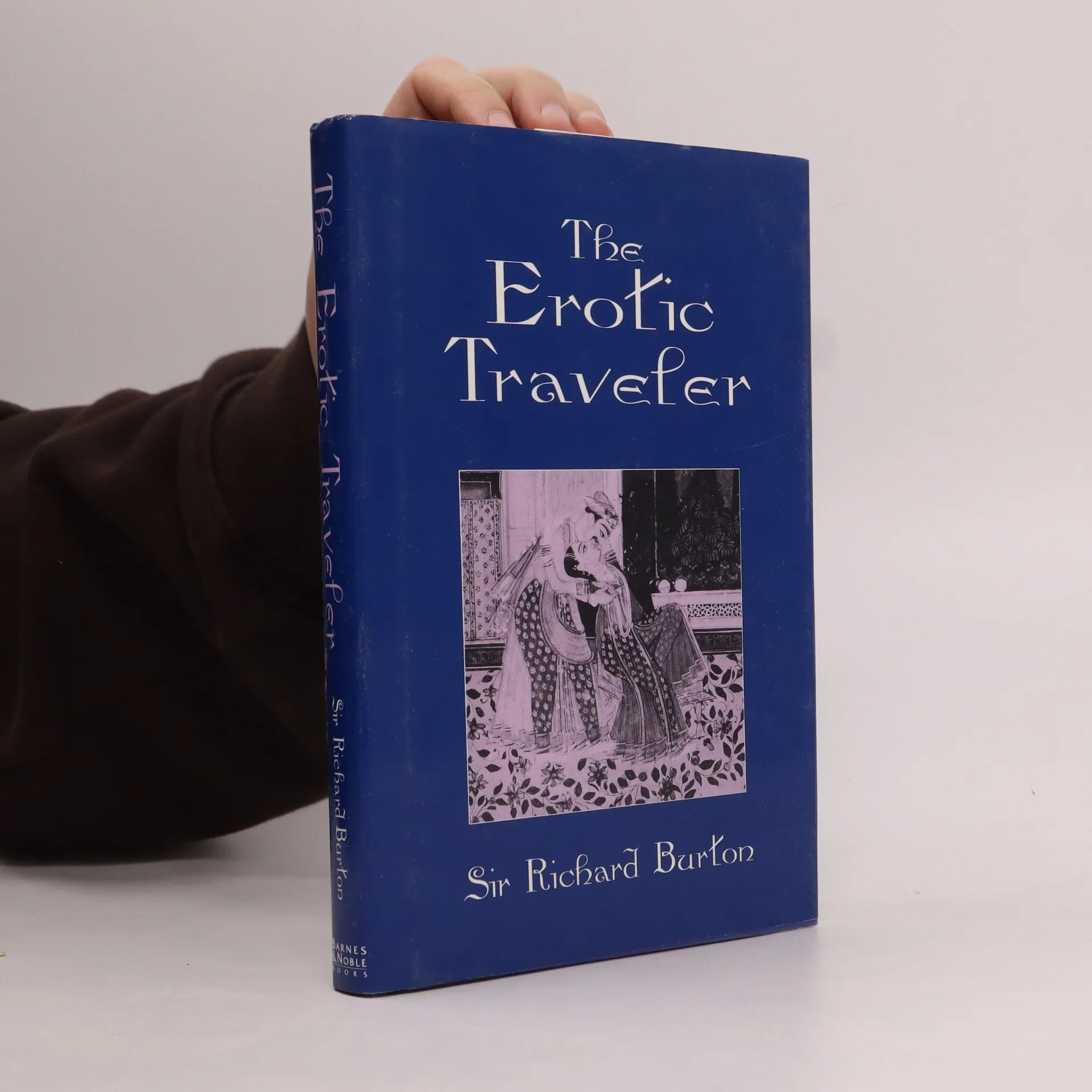
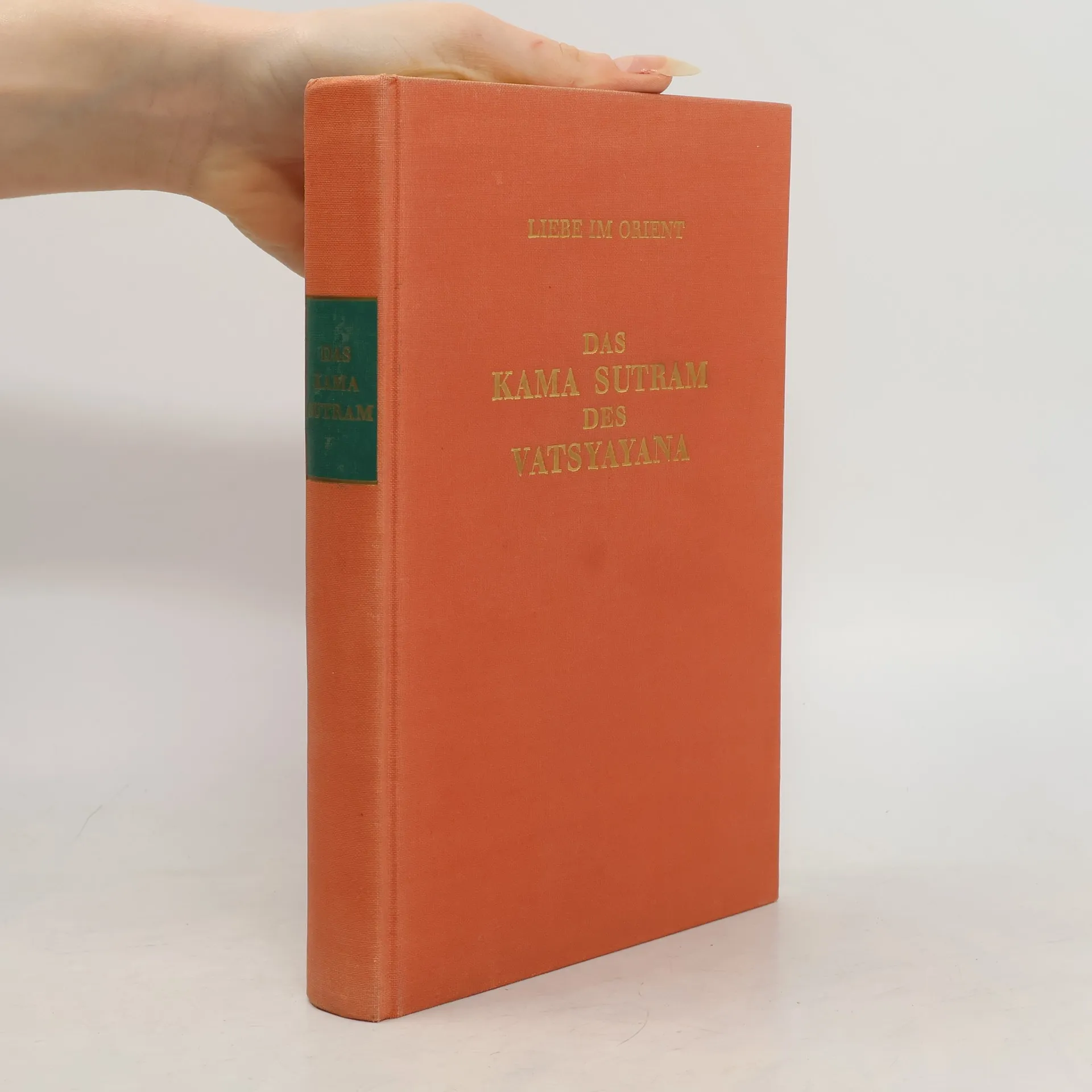
This author is renowned for his extraordinary linguistic and cultural insights, reflected in his prolific body of work. His writings delve deeply into human behavior and diverse cultures, often enhanced by copious footnotes presenting remarkable observations. The author also critically examined colonial policies within his works, adding a layer of authenticity and depth. His contributions offer a fascinating perspective on the world through the eyes of a learned traveler and astute observer.
The book is a facsimile reprint of a scarce antiquarian work, preserving its historical significance despite potential imperfections like marks and flawed pages. It aims to protect and promote important literature by providing an affordable, high-quality edition that remains faithful to the original.
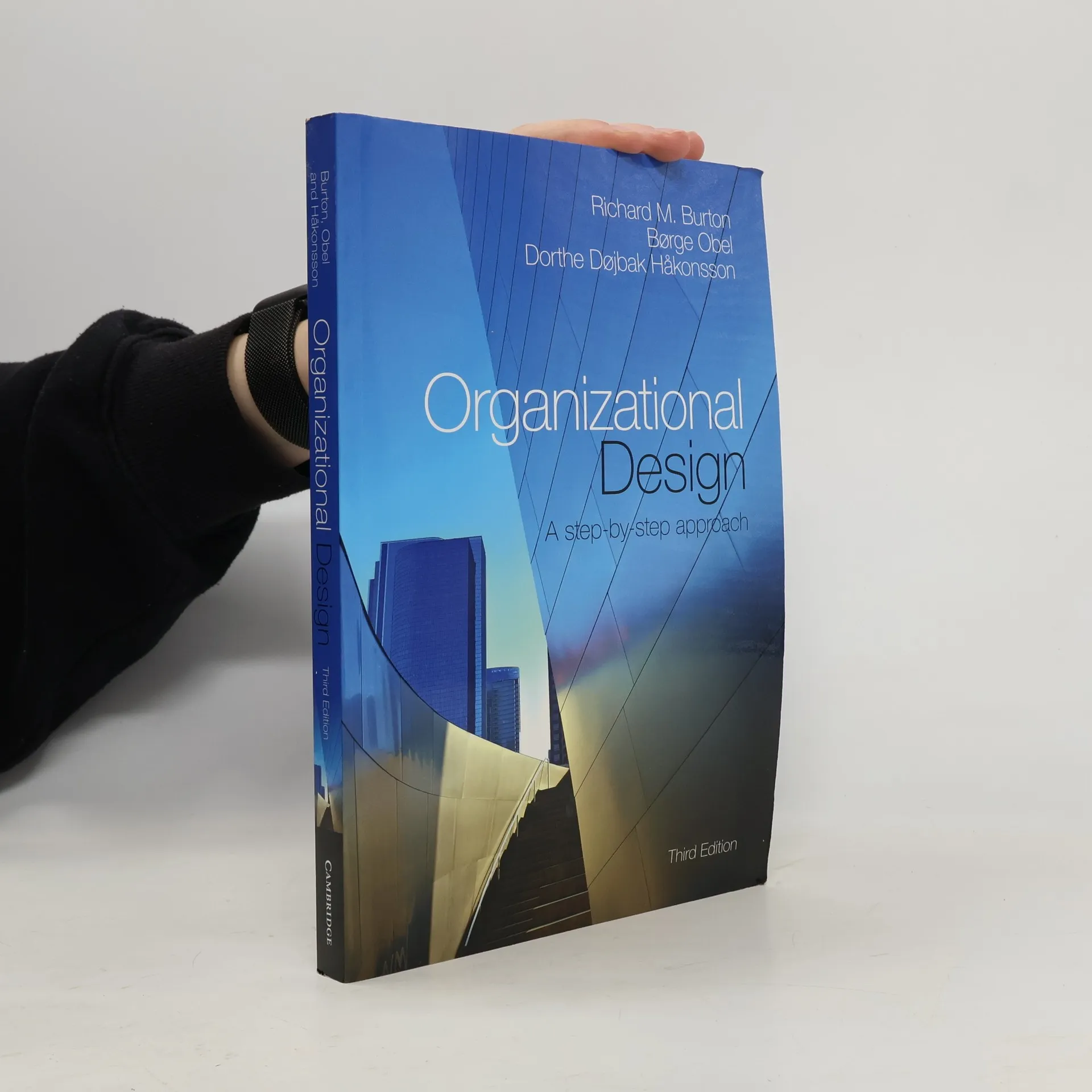
Written specifically for executives and MBA students, the third edition of this successful textbook provides a step-by-step guide to designing an organization, from diagnosis, to design and implementation. It includes a new chapter on project management, additional case studies and a rich package of online tools.
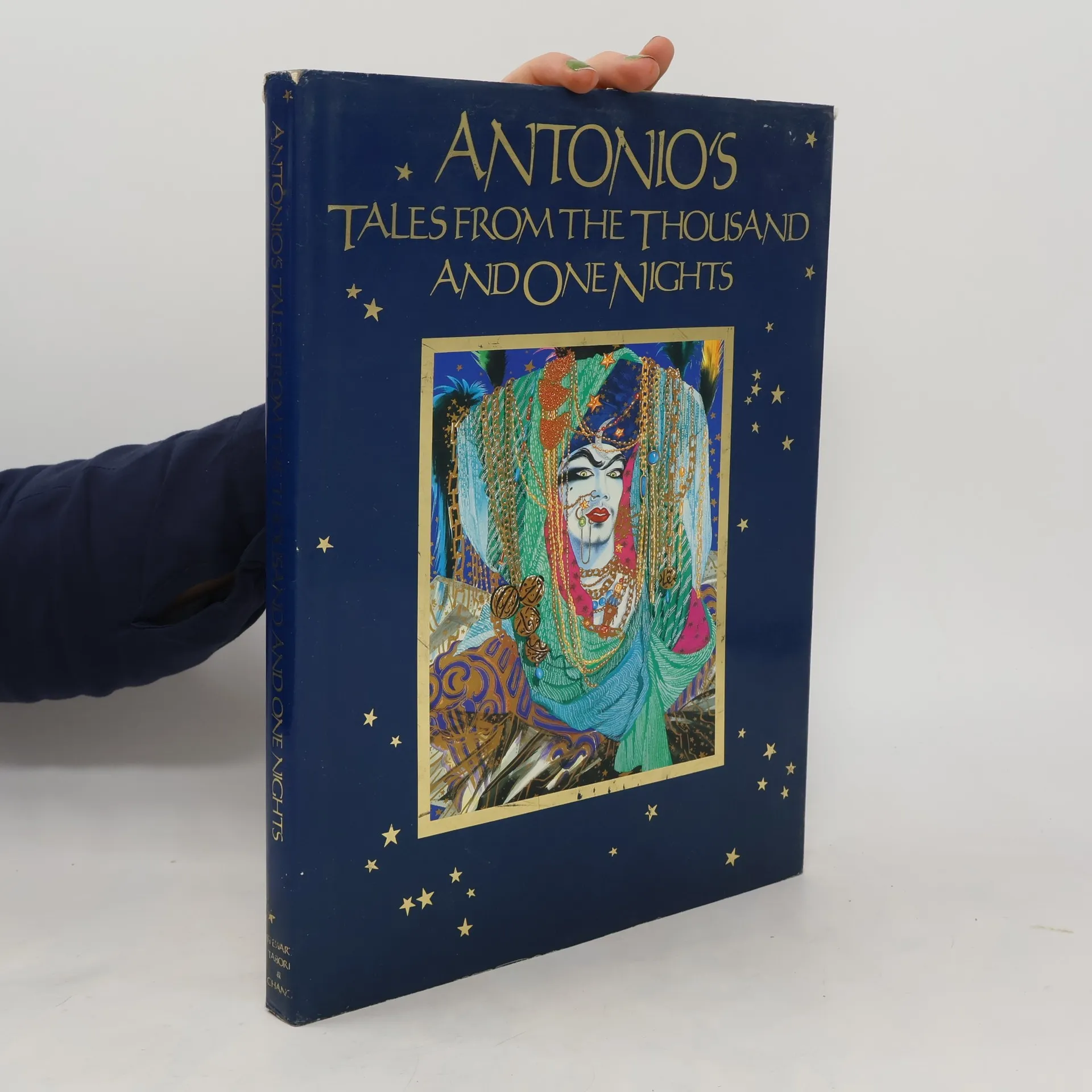
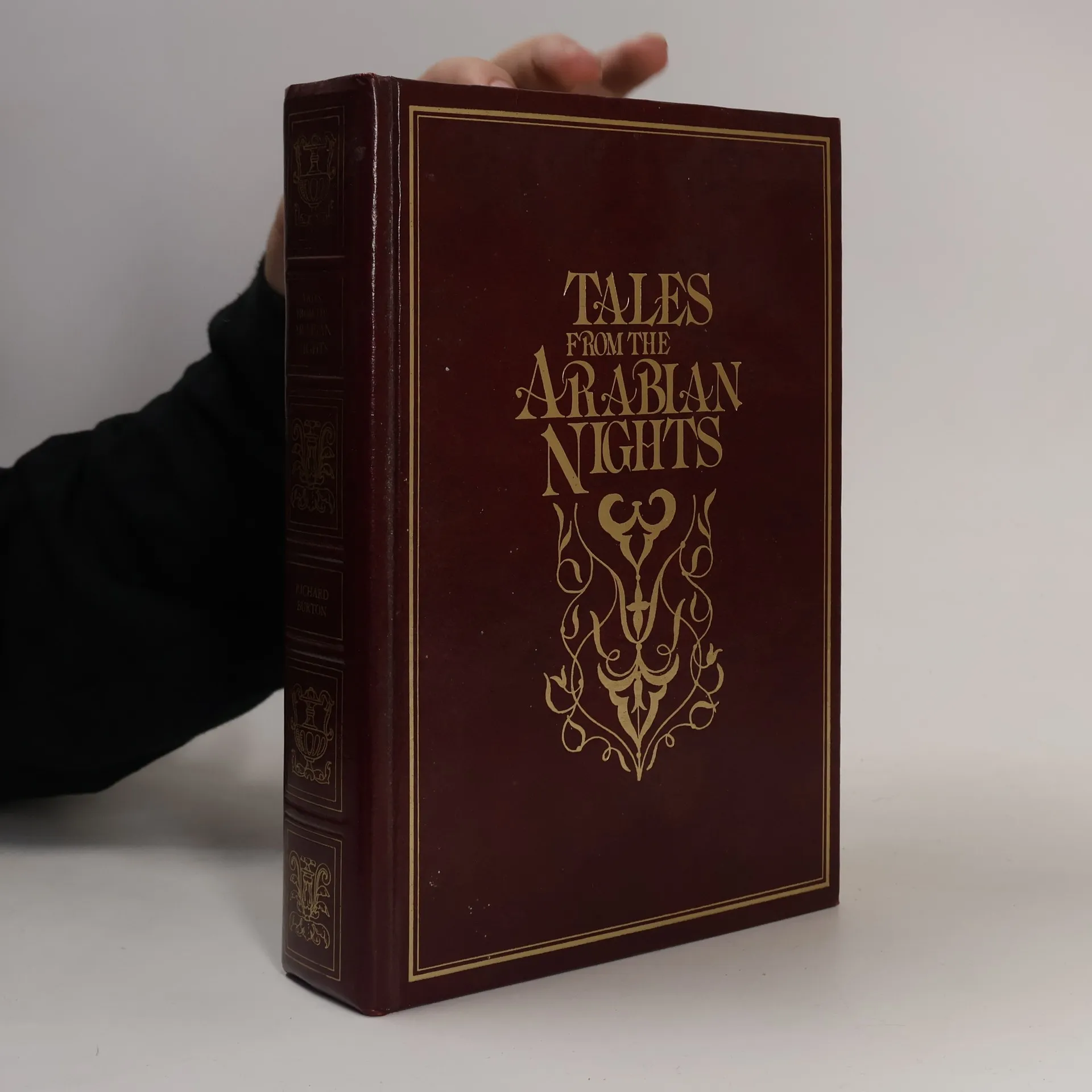
A world renowned illustrator interprets thirteen of Shahrazad's most captivating stories from the Arabian Nights, adapted from the famed translation by Sir Richard Burton
Written in the classical Arabic qasida style, this long poem explores moral and philosophical themes through the voice of Hâjî Abdû El-Yezdî. Sir Richard Francis Burton, known for his explorations and linguistic prowess, presents a work that reflects on higher laws and spiritual insights, blending literary artistry with deep reflections on existence. The poem stands out for its cultural richness and Burton's unique perspective as both an author and an adventurer.
King Vikramaditya embarks on a thrilling journey filled with supernatural encounters and moral lessons in this collection of ancient Hindu tales. Compiled and translated by Richard F. Burton, the stories center around Vikram's challenge with a mysterious vampire, blending adventure, magic, and romance. Each tale showcases mythical creatures and extraordinary quests, exploring themes of bravery, loyalty, and the triumph of good over evil. Burton's translation brings the richness of these folklore tales to life, offering readers a captivating glimpse into Hindu mythology.
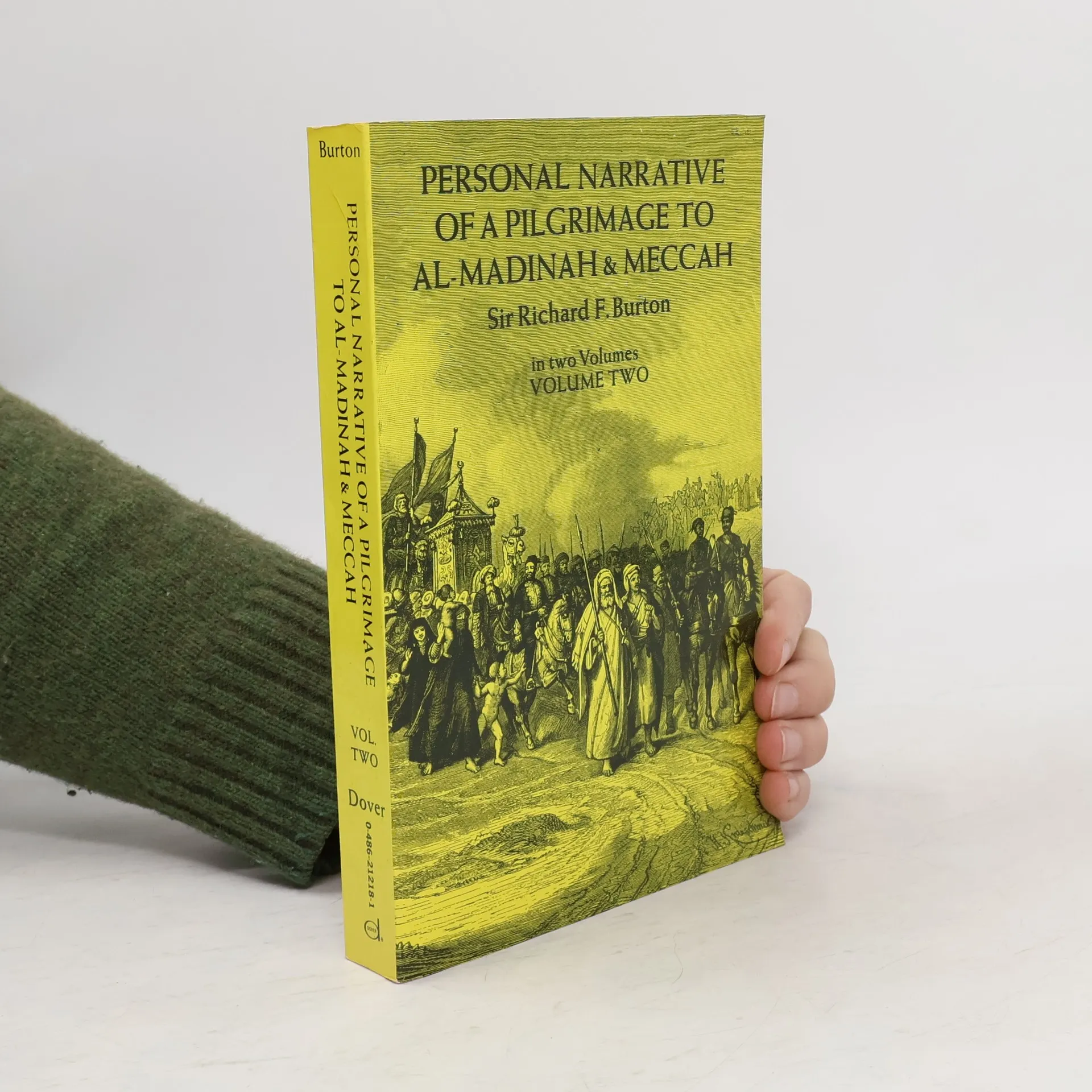
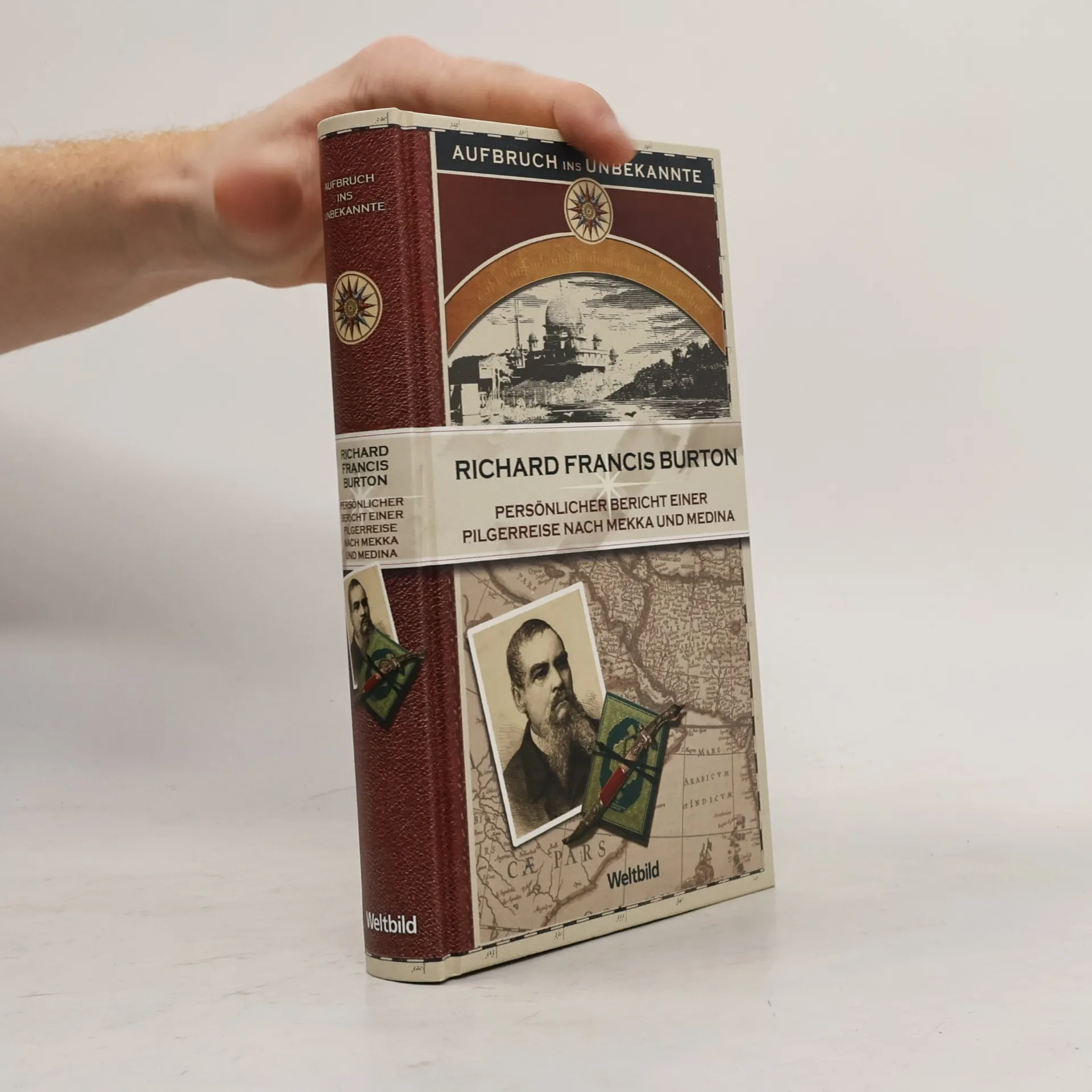
Sir Richard Burton (1821-1890) was one of the great traveler-explorers of history. But it is for his pilgrimage in 1853 to Mecca and Medina and the most sacrosanct shrines of Islam that Burton is best known -- and for his celebrated book that recorded his experiences during the journey. Successfully posing as a wandering dervish, he gained admittance to the holy Kaabah and to the Tomb of the Prophet at Medina and participated in all the rituals of the Hadj (pilgrimage). He is still one of the very few non-Moslems to visit and return from Mecca. Above all, Burton was a sharp observer of character, customs, and physical surroundings. These pages contain a treasury of material on Arab life, beliefs, manners and morals; detailed descriptions of religious ceremonies, mosques, temples, etc.' and a variety of ethnographic, economic, and geographical information. Whether telling of the crowded caravan to Mecca, engaging in minute analysis of Bedouin character, waxing lyrical about a desert landscape, or reporting conversations with townsfolk or fellow pilgrims, Burton gives us a vivid picture of the region and its people.
Originally published in 1857, this reprint offers a glimpse into the historical context and literary style of its time. The book encapsulates themes and narratives that reflect the societal norms and challenges of the 19th century, providing readers with a rich, authentic experience of the era. Its enduring relevance and classic storytelling continue to engage modern audiences, making it a significant addition to any literary collection.
The diaries of Richard Burton (born Richard Walter Jenkins), written between 1939 and 1983 - throughout his career and the years of his marriages to Elizabeth Taylor
Presents a retelling of traditional tales from the Middle East, including Ali Baba and the forty thieves, Aladdin and his magic lamp, and Sinbad the sailor.
Life without adventure would be intolerable, more stagnant than a marsh and monotonous like a desert. In both, there exists the potential for risk, discovery, and the grandeur of solitude. Adventure, in this context, refers to the exploration of unknown lands and peoples. While there are various forms of adventure—such as campaigns, battles, and explorations of thought—most commonly, the term evokes images of the world's explorers. The great periods of exploration often align with remarkable discoveries in truth and beauty, marked by figures like Herodotus, Caesar, Columbus, Drake, and Livingstone. These eras are notable for their contributions to wisdom, art, invention, and scientific thought. The discovery of unfamiliar lands, languages, and customs serves to challenge human complacency and disrupt habitual thinking, urging us to venture beyond established frontiers of knowledge and belief. The quest for adventure is not just about physical exploration; it encompasses any act of devotion where life, reputation, or possessions are risked for a greater purpose than mere self-advancement. This spirit of exploration remains vital to human progress and understanding.
Posing as a wandering dervish, Burton gained admittance to the holy Kaabah and to the tomb of the prophet at Medina and participated in all the rituals of the Hadj (pilgrimage). A treasury of material on Arab life, beliefs, manners and morals, and much more. Volume One starts with the Preface to the Memorial Edition by his wife, Isabel Burton
Outlines the life of Sir Richard Burton--explorer, adventurer, translator of the Kama Sutra and the unexpurgated Arabian Nights -- who contradicted the typical Victorian profile. Interweaves Burton's writings on strange rites and sex customs from around the world.
A treasure house of Gothic, baroque and modernist architecture, Prague is also a city of icons and symbols: statues, saints and signs reveal a turbulent history of religious and cultural conflict. As Kafka's nightmare city and home of the Good Soldier Svejk, the Czech capital also produced two of the twentieth century's emblematic writers. Richard Burton explores this metropolis of theatrical allusion, in which politics and drama have always been intertwined. His interpretation of the city's cultural past and present encompasses opera and rock music, puppetry and cinema, surrealism and socialist realism.
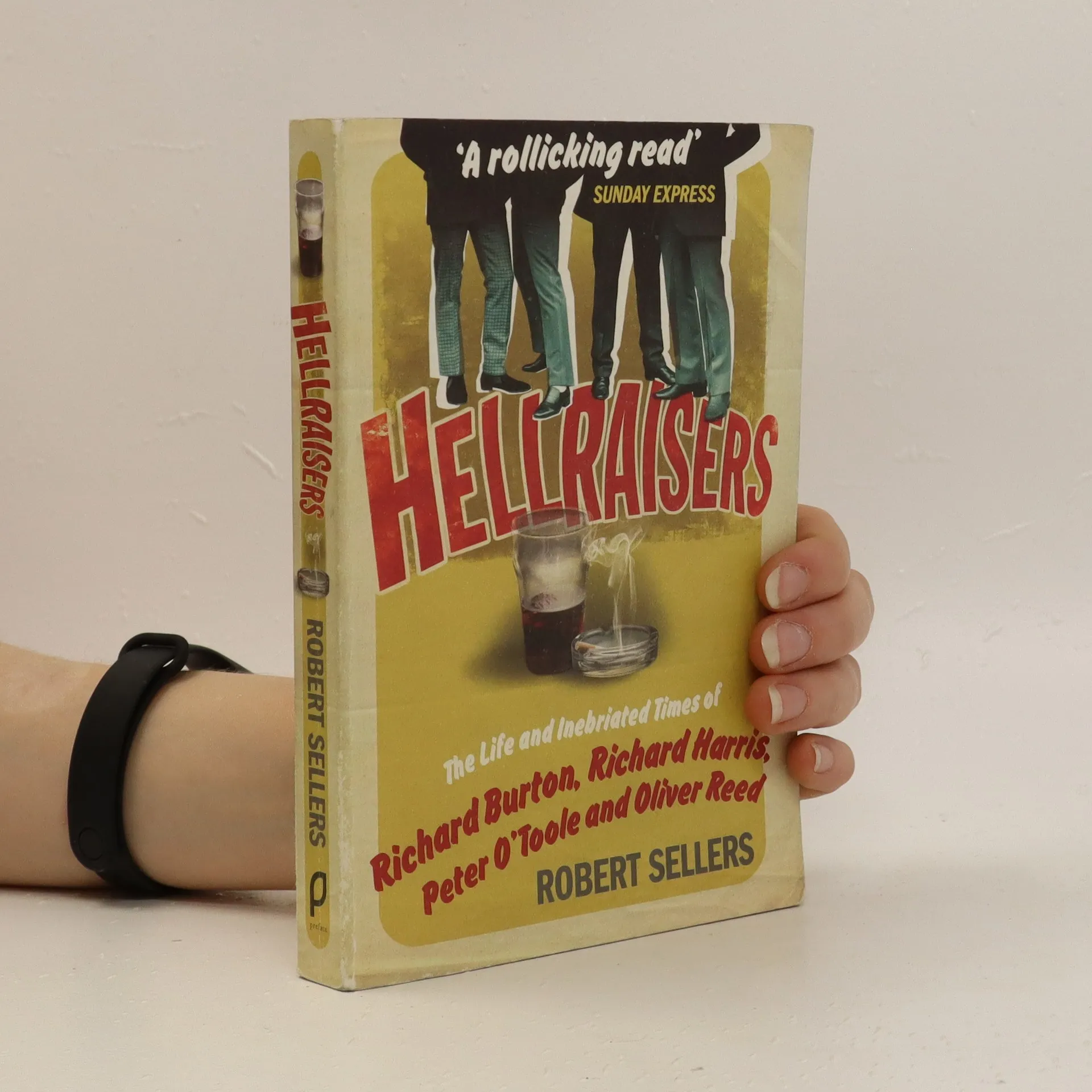
The highly entertaining biography of four charismatic and much-loved actors follows them through five decades of boozing, brawling and braggadocio. "God put me on this earth to raise sheer hell." Richard Burton "I was a sinner. I slugged some people. I hurt many people. And it's true, I never looked back to see the casualties." Richard Harris "Booze is the most outrageous of all drugs, which is why I chose it." Peter O'Toole "I don't have a drink problem. But if that was the case and doctors told me I had to stop, I'd like to think I would be brave enough to drink myself into the grave." Oliver Reed This is the story of four of the greatest thespian boozers who ever walked -- or staggered -- off a film set into a pub. It's a story of drunken binges of near biblical proportions, parties and orgies, broken marriages, drugs, riots and wanton sexual conquests. And yet these piss-artists were seemingly immune from the law. They got away with it because of their extraordinary acting talent and because the public loved them. They were truly the last of a breed, the last of the movie hellraisers.
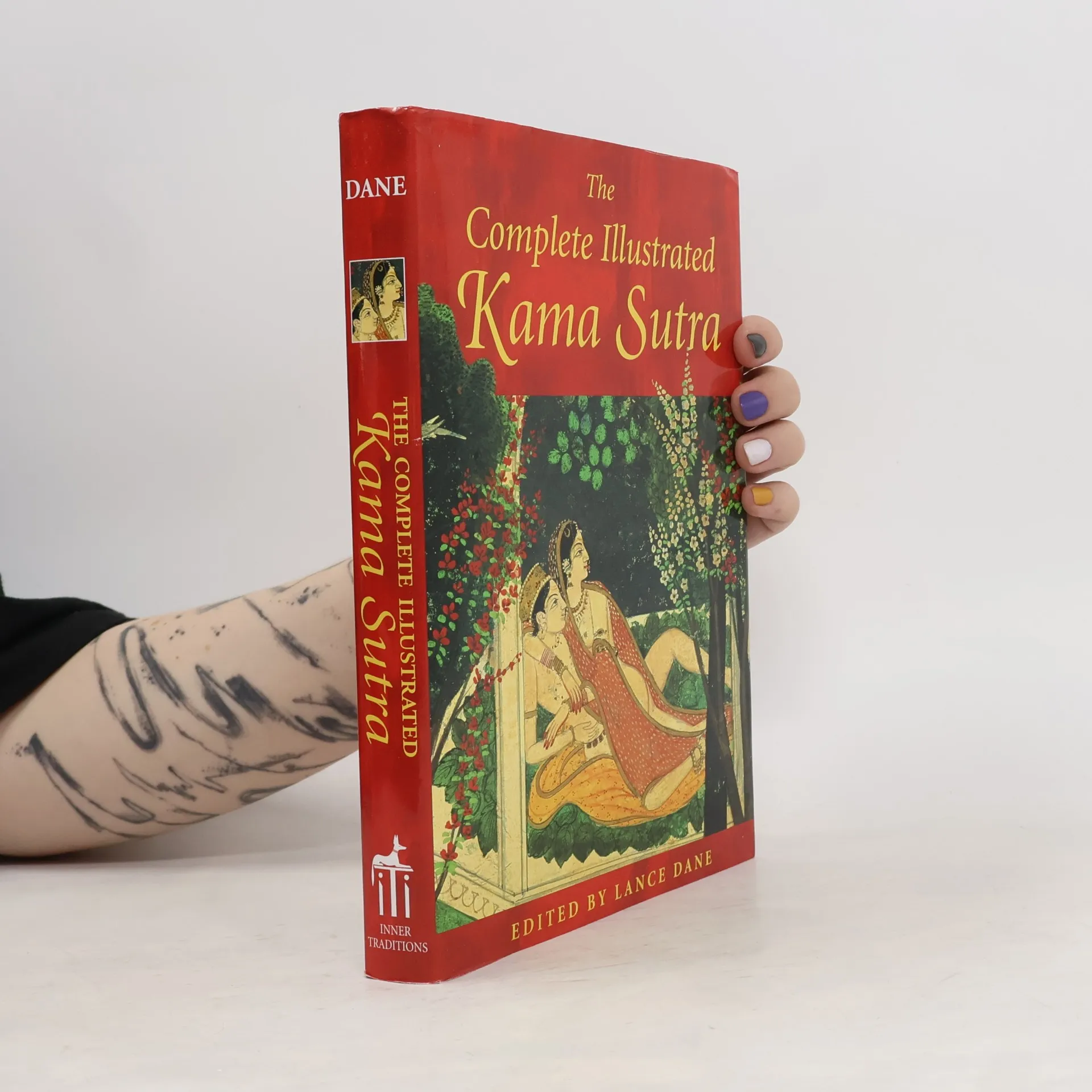
A fully illustrated Kama Sutra from the extraordinary and rare art collection of Lance Dane • The first complete translation to illustrate all 64 sexual postures described in the Kama Sutra • Includes 269 rare images • Composed by one of the world’s foremost scholars of the Kama Sutra and Indian art The erotic sentiments described in the Hindu love classic the Kama Sutra constitute the most famous work on sex ever created. Written almost 2,000 years ago, the Kama Sutra deals with all aspects of sexual life, including the principles and techniques of sexual pleasure and how to best achieve ecstatic expression of life’s beauty. In this complete and illustrated guide Lance Dane accompanies the Kama Sutra text with 269 illustrations and great works of art that encompass coins, palm leaf manuscripts, sculptures, ancient toys, jewelry, architecture, ivory combs, birch bark, cloth, paintings, frescoes, and scrolls. Gathered from museums and private collections around the world—as well as the author’s own collection of over 300,000 photographs—these rare images clearly illustrate all 64 sexual positions and the erotic instructions set forth in the Kama Sutra. The result is a dazzling and sensuous reading experience through which the teachings of the Kama Sutra spring to life.
Focusing on accessibility, this book is a reproduction of a historical work by the publishing house Megali, which specializes in large print editions. This initiative aims to enhance readability for individuals with impaired vision, ensuring that important historical texts are available to a wider audience.
Focusing on the adventurous spirit of Sir Richard Burton, this travel book chronicles his remarkable journeys from 1853 to 1870 across three continents. Notably, it details his daring expeditions to Mecca and Medina, revealing his courage and cultural curiosity as he navigated diverse environments. Through vivid narratives, the book highlights Burton's significant contributions to exploration and understanding of distant lands, cementing his legacy as a pioneering figure in travel literature. It serves as a testament to his insatiable curiosity and lasting influence.
Focusing on accessibility, this book is a reproduction of a historical work presented in large print, catering specifically to individuals with impaired vision. Published by Megali, a house dedicated to making literature more accessible, it emphasizes the importance of inclusivity in reading, ensuring that everyone can enjoy historical texts without the strain of small print.
The book is a reproduction of an original historical work, specifically designed in large print to enhance accessibility for readers with impaired vision. Published by Megali, a house dedicated to making historical texts more readable, it aims to preserve important literature while ensuring inclusivity for all readers.
Focusing on accessibility, this book is a reproduction of a historical work published by Megali, a house dedicated to producing large print editions. This initiative aims to enhance readability for individuals with impaired vision, ensuring that classic literature remains available and enjoyable to a broader audience.
The book is a reprint of a classic work originally published in 1857, preserving its historical significance and literary value. It offers readers a glimpse into the themes and styles of the time, reflecting the cultural and societal norms of the 19th century. The reprint ensures accessibility to modern audiences while maintaining the authenticity of the original text, making it a valuable addition for both collectors and new readers interested in historical literature.
This book is a reproduction of a historical work, specifically designed in large print to enhance readability for individuals with impaired vision. Published by Megali, a publishing house dedicated to making historical texts accessible, it aims to preserve the original content while ensuring it is easier to read for those who may struggle with standard print sizes.
The publishing house Megali focuses on reproducing historical works in large print, catering specifically to individuals with impaired vision. This initiative aims to enhance accessibility and ensure that classic literature remains available to a broader audience, allowing more people to engage with historical texts comfortably.
Originally published in 1857, this reprint offers a glimpse into the historical context and themes of its time. The book delves into the intricacies of its characters and the societal norms they navigate, providing readers with a rich understanding of the era's challenges and dynamics. Its enduring relevance speaks to universal themes that resonate even today. This edition preserves the original text, allowing contemporary audiences to experience the narrative as it was first intended.
The book is a reproduction of a historical work, presented in large print format by the publishing house Megali. This initiative aims to enhance accessibility for individuals with impaired vision, ensuring that important texts are easier to read and enjoy.
This book is a reproduction of a historical work, published by Megali, a house dedicated to creating accessible large print editions for individuals with impaired vision. The focus on readability enhances the experience for those who may struggle with standard text sizes, making important historical literature more inclusive.
Focusing on accessibility, this book is a reproduction of an original historical work, designed specifically for individuals with impaired vision. Published by Megali, a house known for its large print editions, it aims to enhance the reading experience for those who may struggle with standard text sizes.
This book is a reproduction of a historical work, published by Megali, which focuses on making literature accessible through large print. Aimed at individuals with impaired vision, it preserves the original text while enhancing readability, ensuring that important historical narratives remain available to a broader audience.
The book is a reproduction of a historical work, published in large print to enhance readability for individuals with impaired vision. Megali, the publishing house behind this edition, focuses on making classic literature accessible to a wider audience by prioritizing clarity and ease of reading.
The book is a reproduction of a historical work, published by Megali, which focuses on making literature accessible to individuals with impaired vision through large print. This initiative highlights the importance of inclusivity in reading and preserves the original text while enhancing readability.
This book is a reproduction of a historical work presented in large print, specifically designed to enhance readability for individuals with impaired vision. Published by Megali, a house dedicated to making historical texts accessible, it aims to preserve the original content while ensuring that it is easier to read.
The book is a reproduction of a historical work, presented in large print to enhance accessibility for readers with impaired vision. Published by Megali, a house dedicated to making historical texts more readable, it aims to preserve the original content while catering to the needs of visually impaired individuals.
The narrative captures Sir Richard Francis Burton's adventurous exploration of the Arabian Peninsula, focusing on the historically rich region of Midian, now part of Saudi Arabia. Published in 1879, it offers insights into the geography, culture, and people he encountered, blending travelogue with ethnographic observations. Burton's vivid descriptions and experiences provide a unique perspective on a lesser-known area of the Middle East during the 19th century.
Focused on accessibility, this publication by Megali aims to reproduce historical works in large print, catering specifically to individuals with impaired vision. The initiative emphasizes the importance of making literature more inclusive, allowing a broader audience to engage with historical texts.
The book is a reproduction of a historical work, specifically designed in large print to enhance accessibility for readers with impaired vision. Published by Megali, a house dedicated to making historical texts more readable, it aims to preserve the original content while ensuring it is accessible to a wider audience.
This edition focuses on making historical works accessible through large print, catering specifically to readers with impaired vision. Megali, the publishing house behind this initiative, emphasizes the importance of inclusivity in literature by reproducing original texts in a format that is easier to read.
This historical work is presented in large print to enhance accessibility for readers with impaired vision, reflecting the commitment of the publishing house Megali to make literature more inclusive. The reproduction aims to preserve the original text while ensuring readability for those who benefit from larger fonts.
The publishing house Megali focuses on reproducing historical works in large print, catering specifically to individuals with impaired vision. This initiative aims to enhance accessibility and make reading more enjoyable for those who face visual challenges, ensuring that important historical texts remain available to a broader audience.
Focusing on accessibility, this book is a reproduction of a historical work presented in large print, catering specifically to readers with impaired vision. Published by Megali, a house dedicated to making significant texts more readable, it highlights the importance of inclusivity in literature.
The publishing house Megali focuses on making historical works accessible by producing them in large print, catering specifically to individuals with impaired vision. This reproduction of the original text emphasizes the importance of inclusivity in reading, ensuring that classic literature remains available to a wider audience.
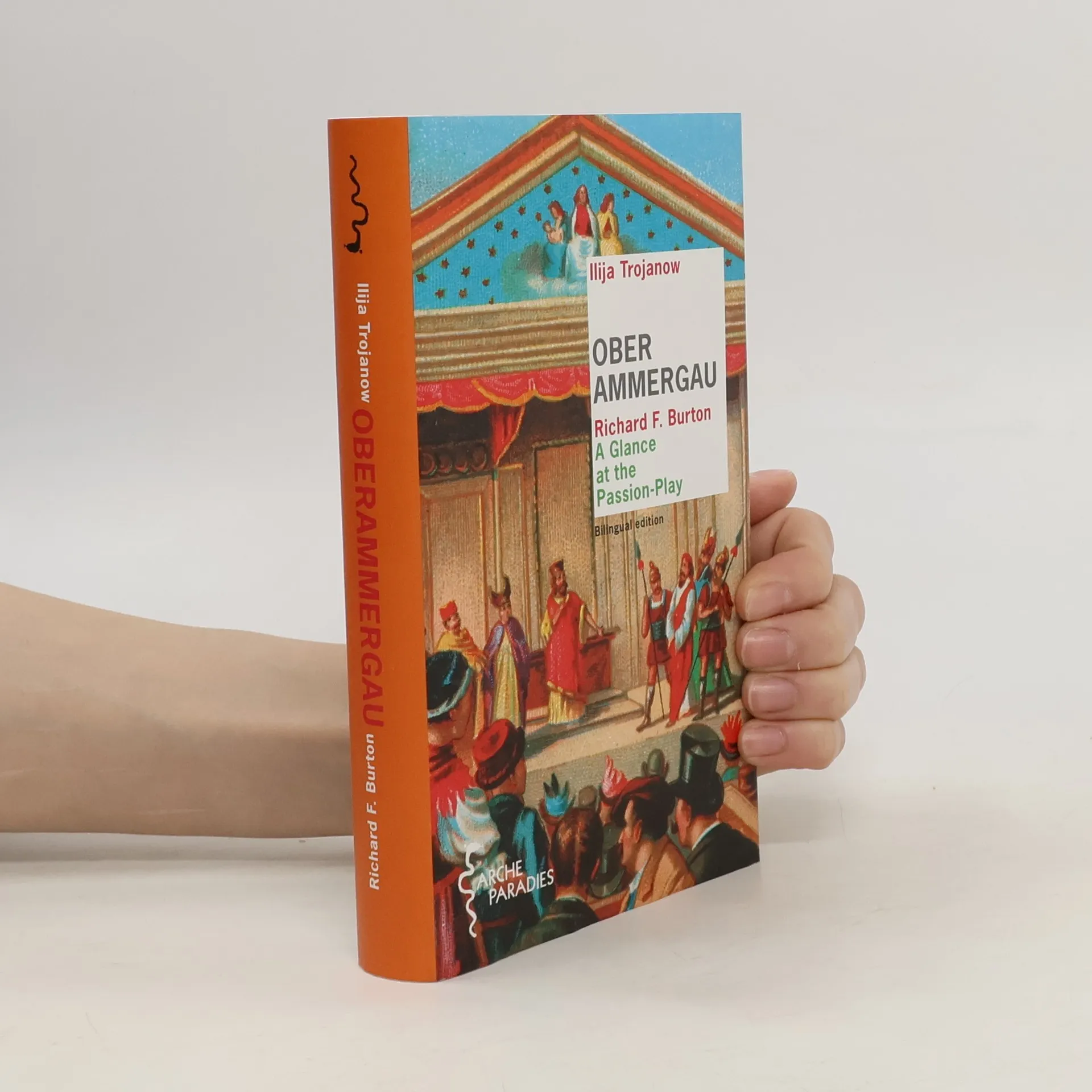
Der Weltensammler geht ins Theater - Ilija Trojanow folgt seiner Spur. "Meine Schlussfolgerung: Wenn Sie unbedingt das Passionsspiel sehen wollen, tun Sie dies, lassen Sie sich so gut als möglich 'erbauen' und verlassen Sie dann den Ort raschen Schrittes.„ Richard F. Burton Im Jahr 1880 bricht der britische Entdeckungsreisende Sir Richard F. Burton zu einer Expedition ins finsterste Ammergebirge auf. Nachdem der exzentrische Sir als Moslem getarnt den Hadsch unternommen und unter Lebensgefahr bis nach Mekka vorgedrungen ist, nachdem er in Afrika die Quellen des Nils und in Indien die Mysterien Kalis erforscht hat, fasziniert ihn ein letztes exotisches Ziel: das Passionsspiel von Oberammergau. Während die anderen Besucher der Passionsspiele als Gläubige anreisen, kommt Burton als Theaterkritiker. Richard F. Burton findet sich wieder in einem Land namens Bayern - ein Land voller unverschämter Einwohner, starrend vor unvorstellbarem Dreck und geschlagen mit einer Sturheit, vor der selbst die Götter kapitulieren. Ilja Trojanow, der Burton in seinem Roman “Der Weltensammler" ein Denkmal gesetzt hat, fragt sich in ausführlichen Kommentaren, die den gesamten Text begleiten, ob sich daran bis heute irgendetwas geändert hat, und geht den Mysterien und Absurditäten dieser einzigartigen Passionsspiele auf den Grund.
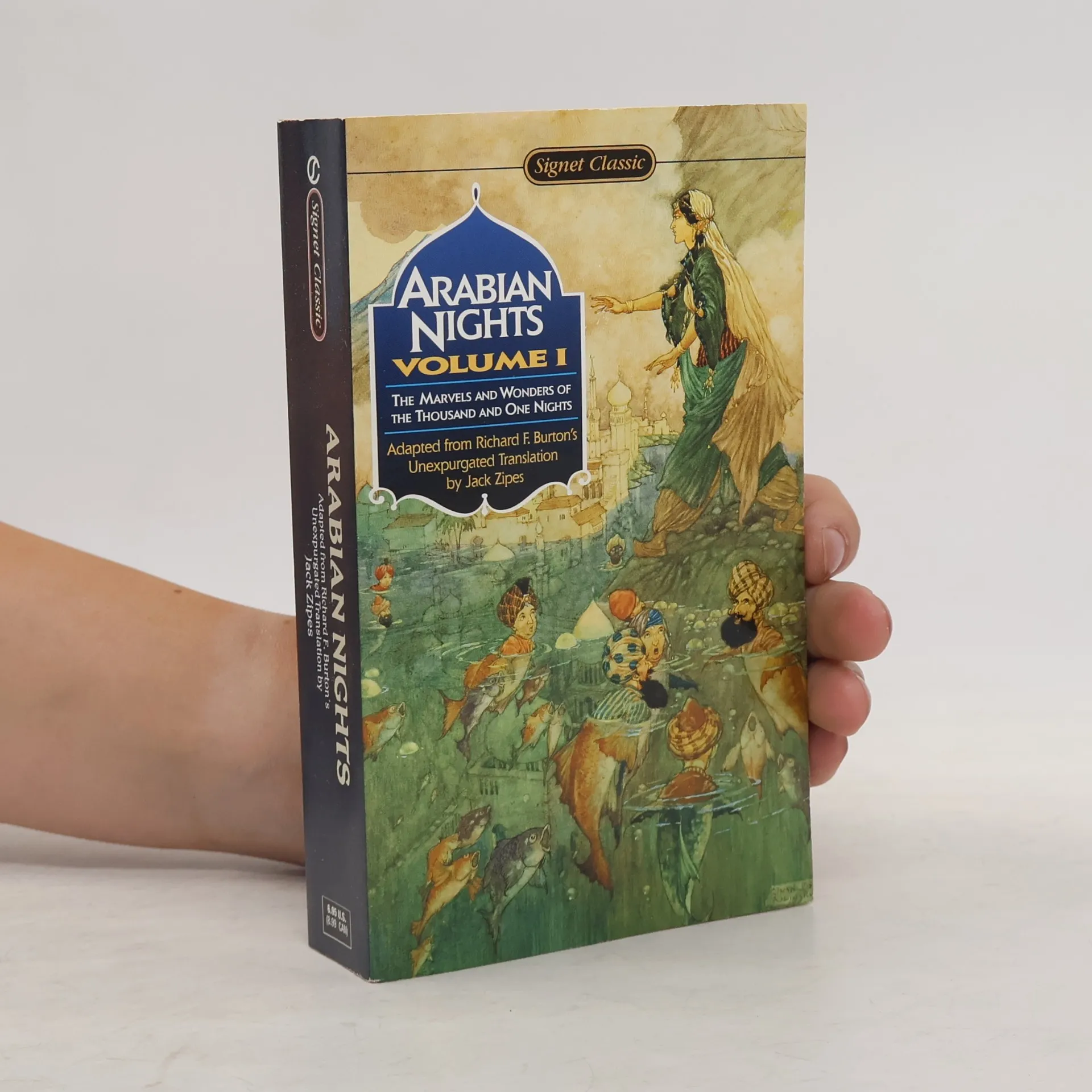
The Marvels and Wonders of the Thousand and One Nights, Volume I
595 pages
21 hours of reading
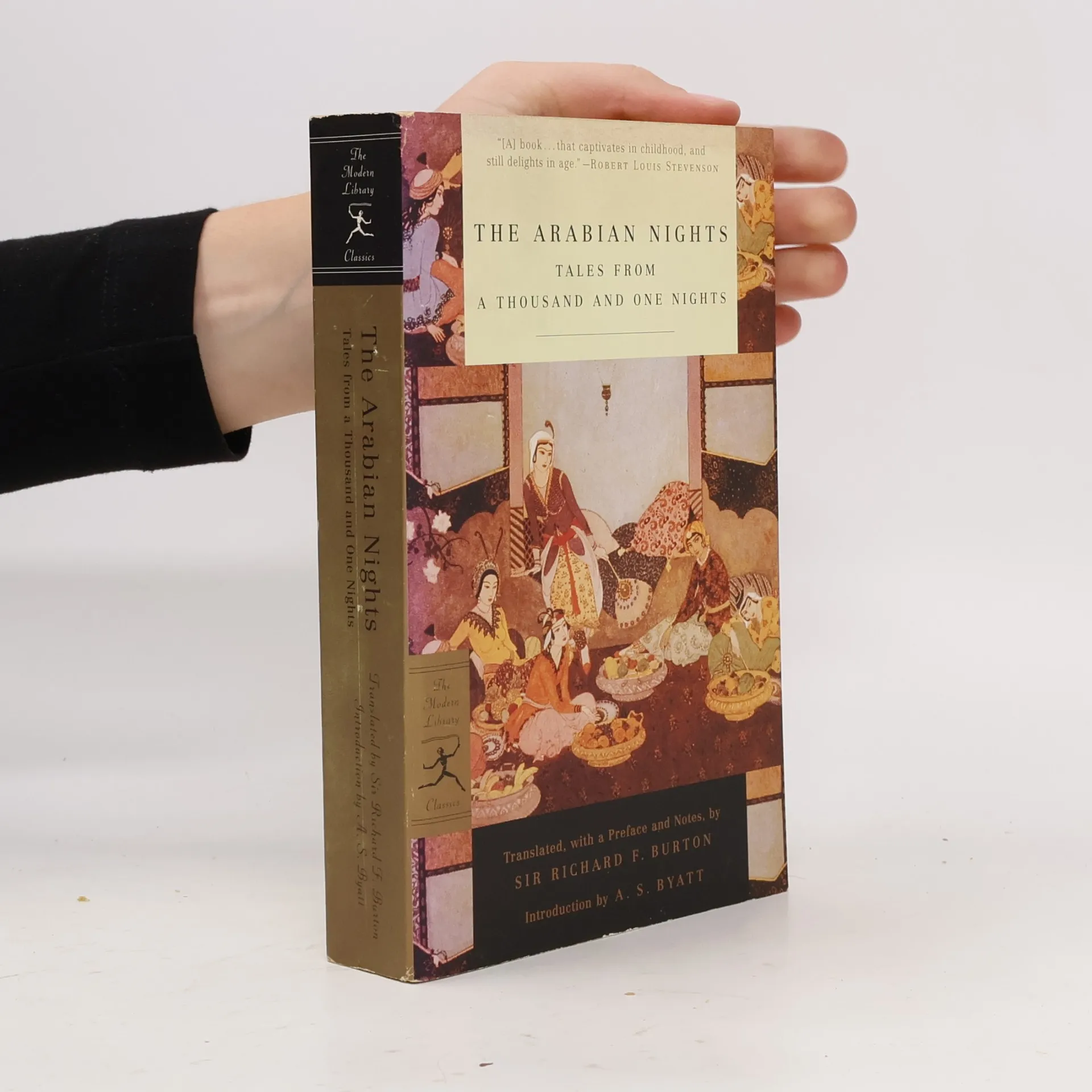
Bawdy and exotic, Arabian Nights , features the wily, seductive Scheherazade, who saves her own life by telling tales of magical transformations, genies and wishes, flying carpets and fantastical journeys, terror and passion to entertain and appease the brutal King Shahryar. First introduced into the West in 1704, the stories of The Thousand and One Nights are most familiar to American readers in sanitized children's versions. This modern edition, based on Richard F. Burton's unexpurgated translation, restores the lushness of the original Arabic. Here are the famous adventures of Sinbad, "Ali Baba and the Forty Thieves," and "Aladdin and the Magic Lamp." Here too are less familiar stories, such as "Prince Behram and the Princess Al-Datma," a delightful early version of The Taming of the Shrew , and "The Wily Dalilah and her Daughter Zaynab," a hilarious tale about two crafty women who put an entire city of men in their place. Intricate and imaginative, these stories-within-stories told over a thousand and one nights continue to captivate readers as they have for centuries.
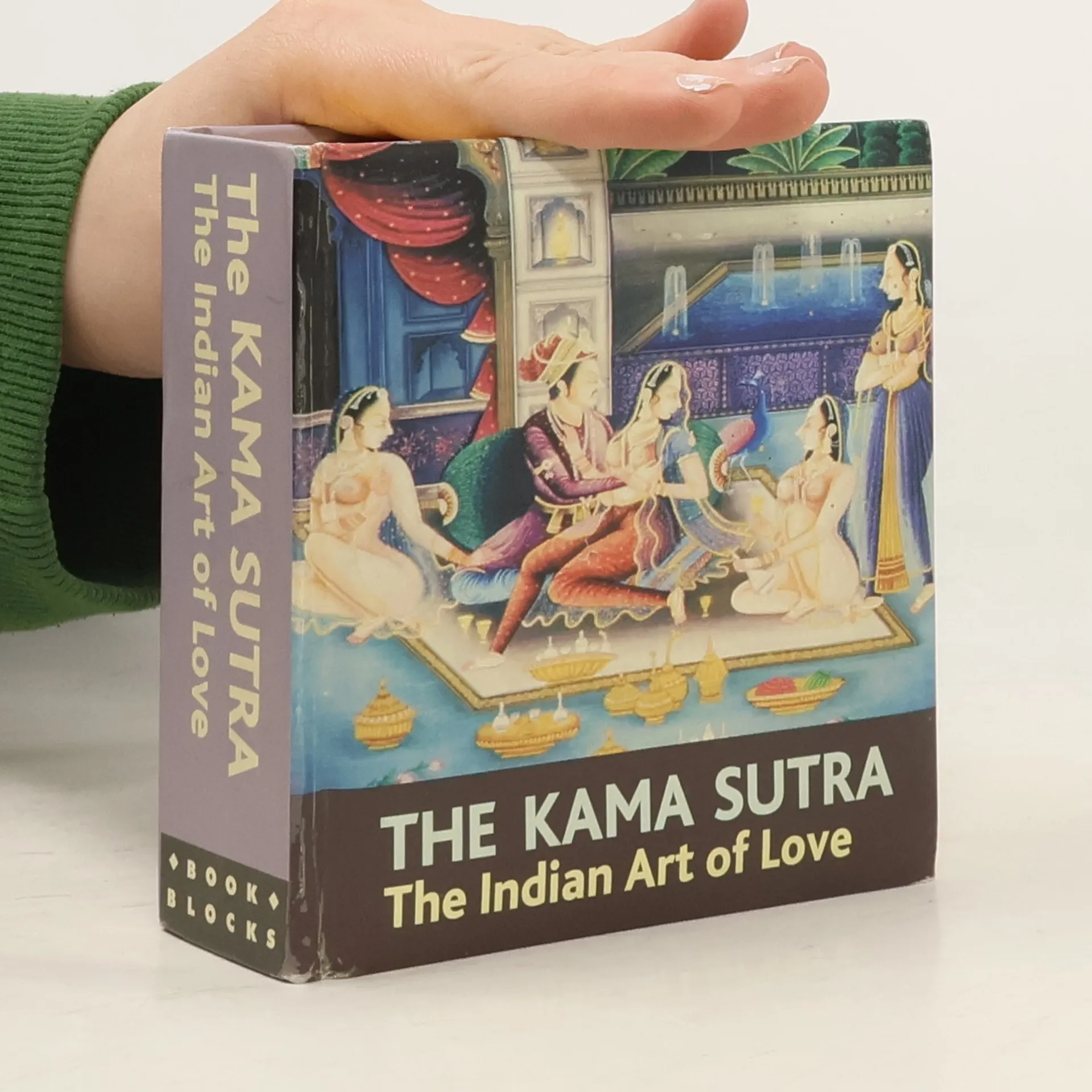
The Classic Hindu Treatise on Love and Social Conduct
252 pages
9 hours of reading
Sir Richard F. Burton’s translation of The Kama Sutra remains one of the best English interpretations of this early Indian treatise on politics, social customs, love, and intimacy. Its crisp style set a new standard for Sanskrit translation. The Kama Sutra stands uniquely as a work of psychology, sociology, Hindu dogma, and sexology. It has been a celebrated classic of Indian literature for 1,700 years and a window for the West into the culture and mysticism of the East. This Modern Library Paperback Classic reprints the authoritative text of Sir Richard F. Burton’s 1883 translation.
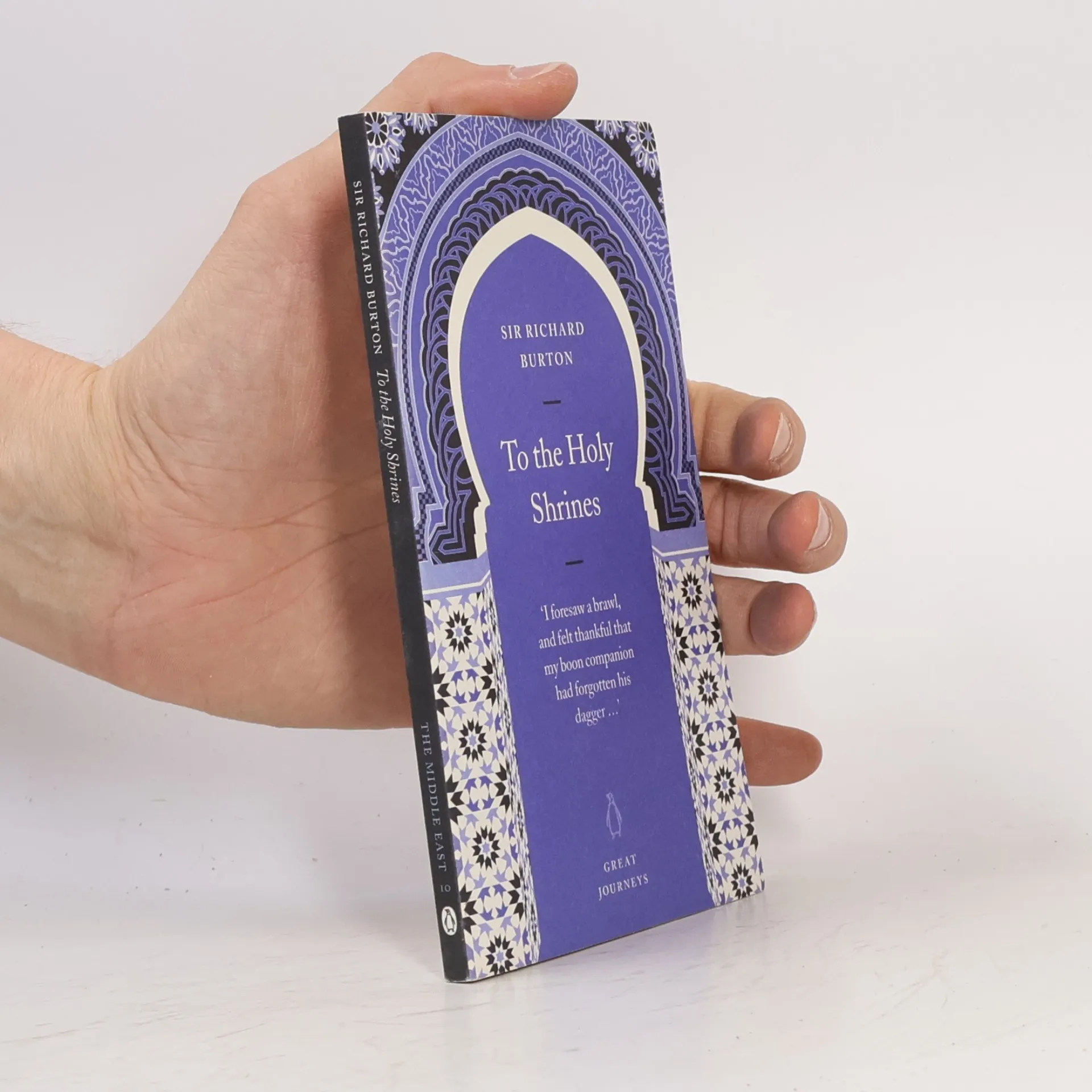
Disguised as a Persian dervish, Sir Richard Burton (1821-1890) set out to become the first Christian to penetrate the Muslim shrines of Medina and Mecca - a reckless stunt that would have resulted in his being executed if discovered. Endlessly observant, amused, boastful and engaging, Burton here describes his time in Cairo (including a memorable drinking contest with a ferocious Albanian mercenary captain), his crossing of the Red Sea in a crazily overloaded pilgrim boat and his arrival in the fabled Nejd. "Great Journeys" allows readers to travel both around the planet and back through the centuries - but also back into ideas and worlds frightening, ruthless and cruel in different ways from our own. Few reading experiences can begin to match that of engaging with writers who saw astounding great civilisations, walls of ice, violent and implacable jungles, deserts and mountains, multitudes of birds and flowers new to science. Reading these books is to see the world afresh, to rediscover a time when many cultures were quite strange to each other, where legends and stories were treated as facts and in which so much was still to be discovered.
The Kama Sutra was written in the 3rd century, and is the basis for all later Indian writings about love. It teaches that love should be an ecstatic experience, but sexual happiness is only likely if both partners have a good understanding of sex. Therefore it includes comprehensive details about the practical aspects of sex with regard to love, pleasure and sexual gratification: kissing, embracing, congress, courtship and marriage. This edition is a translation of the ancient classic text by the remarkable Orientalist, Sir Richard Burton.
Focusing on accessibility, this publication by Megali is a reproduction of a historical work presented in large print. It aims to facilitate reading for individuals with impaired vision, ensuring that important texts remain available and enjoyable for all.
Focusing on accessibility, this book is a reproduction of a historical work presented in large print, catering specifically to individuals with impaired vision. Published by Megali, a house dedicated to enhancing readability, it aims to bring historical literature to a broader audience while ensuring ease of reading for those in need.
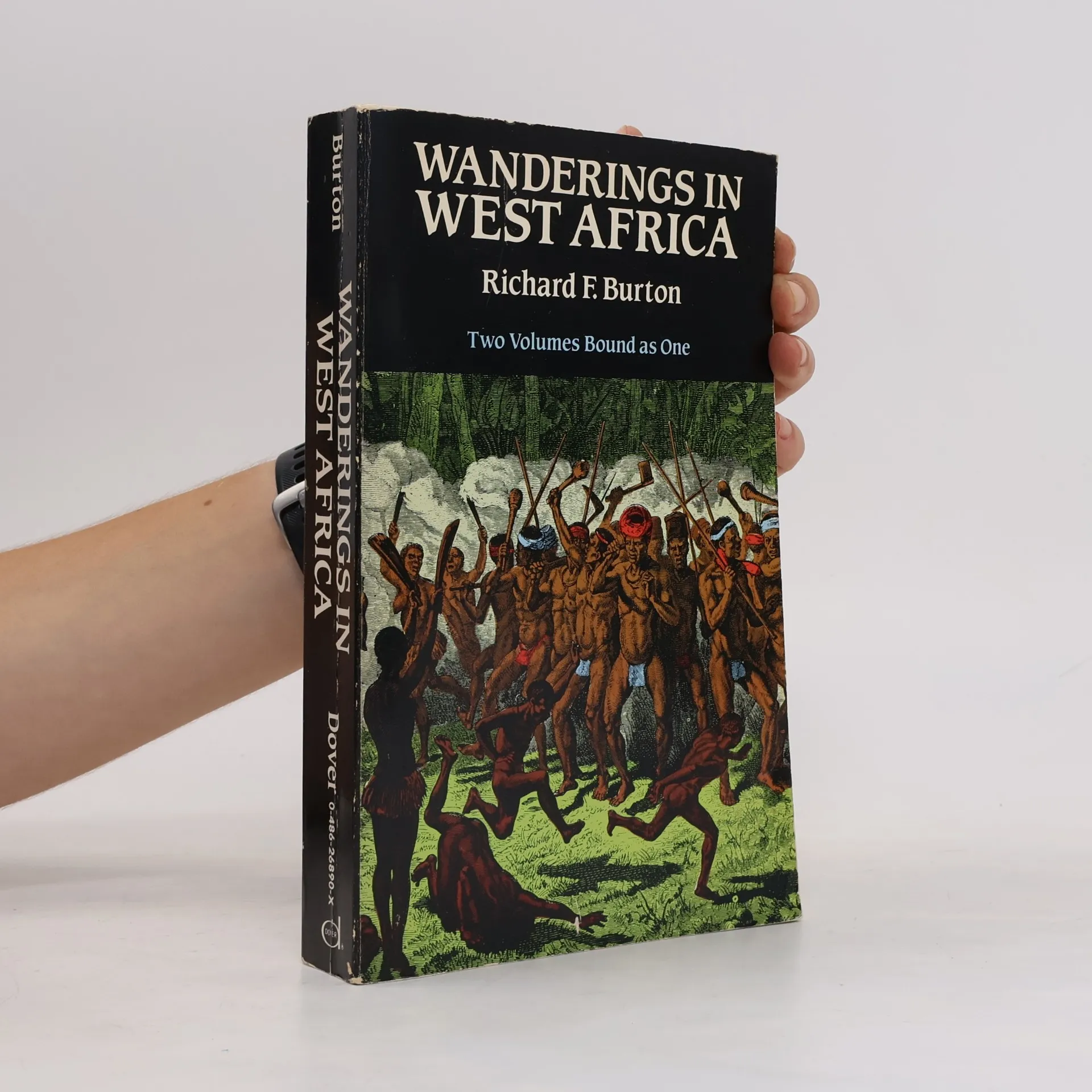
Great Victorian scholar-adventurer recounts long journey to British diplomatic post at Fernando Po, expeditions to African mainland. Invaluable descriptions of African tribal rituals concerning birth, marriage and death, and of tribal fetishism, ritual murder, cannibalism, exotic sexual practices, more. Preface. 1 illustration. 1 foldout map.
Ich denke, dass die Lektüre dieser schönen Übersetzung von Sir Richard F. Burton für diejenigen ausreicht, die sich für alte Geschichten interessieren, da sie mehr aus diesen weisen Sprüchen und witzigen Bemerkungen aus den zehn Geschichten des Vampirs lernen können. Interessanterweise ist dieses in Sanskrit geschriebene Buch, "die Sprache der Götter" (S. xvii), seit Jahrhunderten berühmt. Ich frage mich jedoch, ob es im Vergleich zu "1001 Nights" weithin bekannt / gelesen ist.Darüber hinaus könnte die Lektüre von Sir Richards Vorwort zur Erstausgabe (1870) einige Neulinge interessieren
Richard Francis Burton war einer der größten Abenteurer aller Zeiten. Er sprach über 30 Sprachen, hatte als Muslim verkleidet Mekka und Median besucht und auf einer sensationellen Expedition zu den Quellen des Nils den Tanganjikasee entdeckt. Als ihm 1877 vom in finanzielle Nöte geratenen Vizekönig von Ägypten der Auftrag erteilt wird im legendären biblischen Land Midian nach Gold für die Schatzkammern zu suchen, wittert Burton die Chance auf neue Abenteuer und Ruhm ...
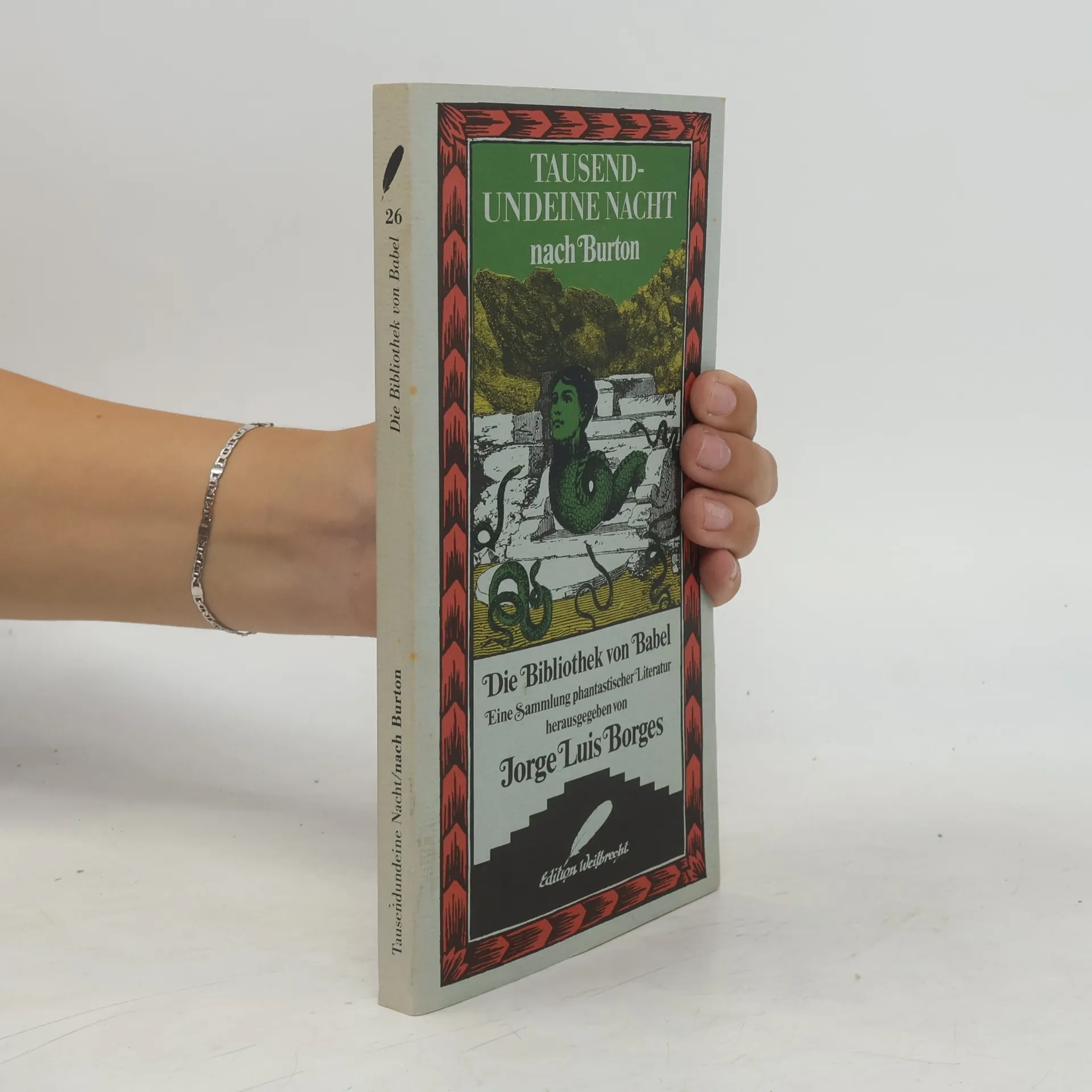
Im Gegensatz zur wissenschaftlich korrekten Übersetzung nach Galland neigt der Tausendsassa Richard Burton in seiner Übertragung von Tausendundeiner Nacht zur Ausschmückung und zur Umdichtung. Die Erzählung der Schlangenkönigin ist eine geschickt konstruierte, ineinander verschachtelte Erzählung von drei Söhnen, die – aus jeweils unterschiedlichen Gründen – ihr Elternhaus verlassen und auf ihren Reisen in die phantastischen und ungeheuren Welten der Träume, Geister und Zauberwesen zahlreiche Prüfungen bestehen müssen. Alle kehren sie nach vielen Jahren in ihre Heimat zurück, wo sie sich – nun weise und wohlhabend – niederlassen und zur Ruhe kommen.
Reisen und Forschungen im biblischen Land ; 1876 - 1877
319 pages
12 hours of reading
Im Jahr 1876 unternahm Richard Francis Burton eine Expedition nach Nordafrika, motiviert von der Suche nach Gold. Beauftragt vom in Geldnöten steckenden Vizekönig von Ägypten, reiste er in das geografisch unklare, aber biblisch bedeutende Land Midian, wo Moses einst Zuflucht fand. Burton, ein faszinierender Forscher, Abenteurer und Sprachwissenschaftler, beherrschte fünfundzwanzig Sprachen und wurde berühmt durch seine Übersetzung von „Tausendundeine Nacht“ ins Englische. Er hatte zahlreiche Abenteuer erlebt, darunter eine Pilgerreise nach Mekka und die Entdeckung des Tanganjikasees. Uwe Pfullmann, der Herausgeber, hat Arabistik und arabische Geschichte studiert und sich intensiv mit der Region beschäftigt. Er hat zahlreiche Fachbücher veröffentlicht und widmet sich historischen Forschungsreisen in Nordafrika. Mit seiner Übersetzung von Burtons Reisebericht liegt dieser nun erstmals in deutscher Sprache vor. Burton, gelangweilt von seiner diplomatischen Tätigkeit in Triest, erinnerte sich an einen Freund, der von goldhaltigen Sanden im nordwestlichen Teil der Arabischen Halbinsel berichtet hatte. Diese Region, einst von Nomaden bewohnt, war von Gideon vor 3000 Jahren vertrieben worden. Burtons Interesse an Gold und Bergbau wurde durch seine Reisen in Indien geweckt. Währenddessen war der Khedive von Ägypten, Ismael I., verzweifelt auf der Suche nach neuen Ressourcen, um seine finanziellen Probleme zu lösen, die durch extra