Simon Schama is renowned for his captivating narrative style, bringing history and art to life with vibrant prose and compelling storytelling. His work is characterized by a flair for description that makes even arcane subjects accessible, drawing readers into the past with vivid detail and engaging language. While celebrated for his ability to connect with a broad audience, his approach sometimes invites criticism of subjectivity and populism from academic circles. Schama's method emphasizes the importance of narrative and stylistic flair, aiming to evoke the atmosphere and historical context rather than merely presenting facts.
The words that failed were words of hope. But they did not fail at all times and everywhere. These gripping pages teem with words of defiance and optimism, sounds and images of tenacious life and adventurous modernism, music and drama, business and philosophy, poetry and politics.
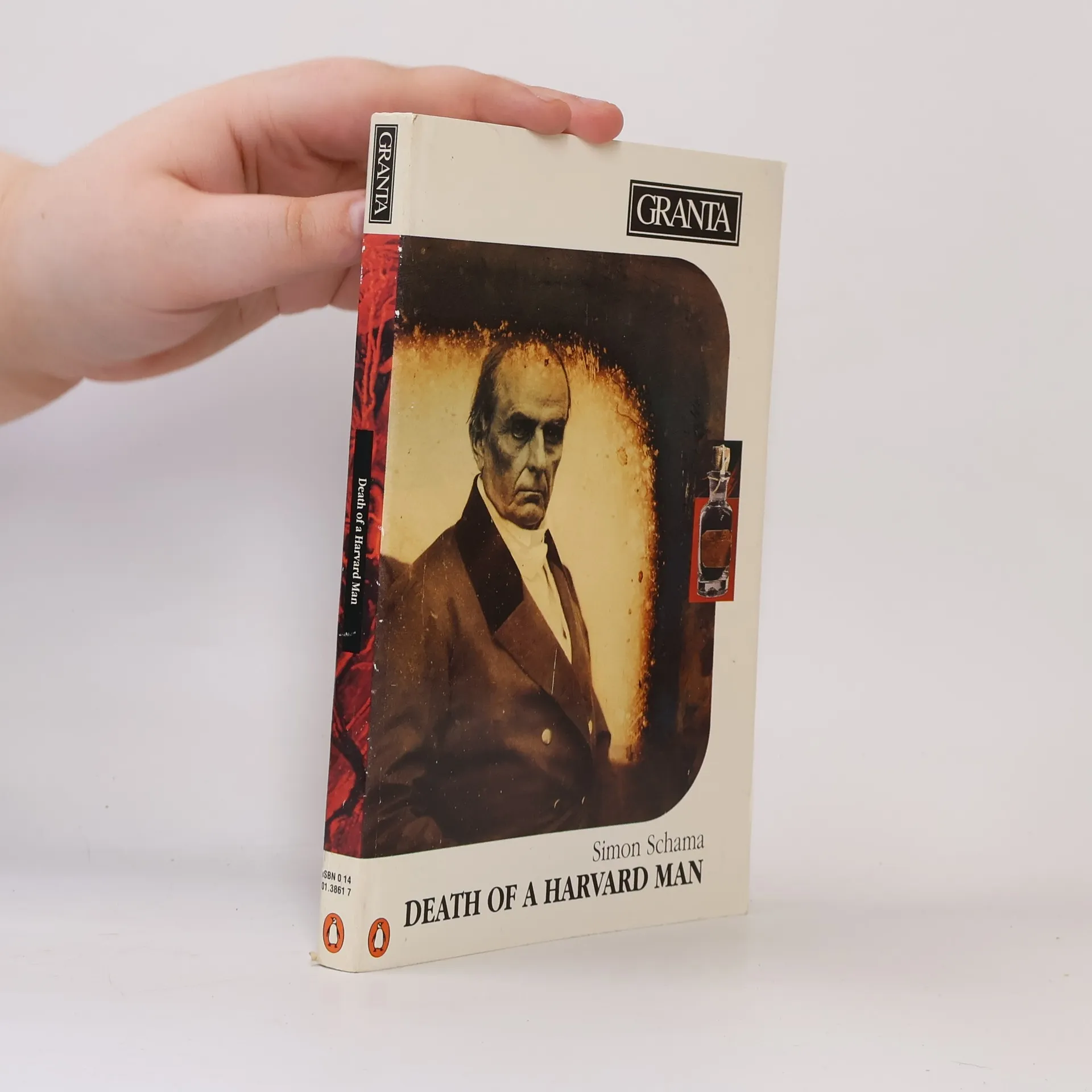
Simon Schama sets out to discover which story, if any story, is the story of the many stories of the disappearance of Doctor George Parkman, the perfect Yankee. Plus: William Boyd, Geoffrey Wolff, Louise Erdrich, Don DeLillo, Amitav Ghosh, and Martin Amis’s Time’s Arrow (part two).
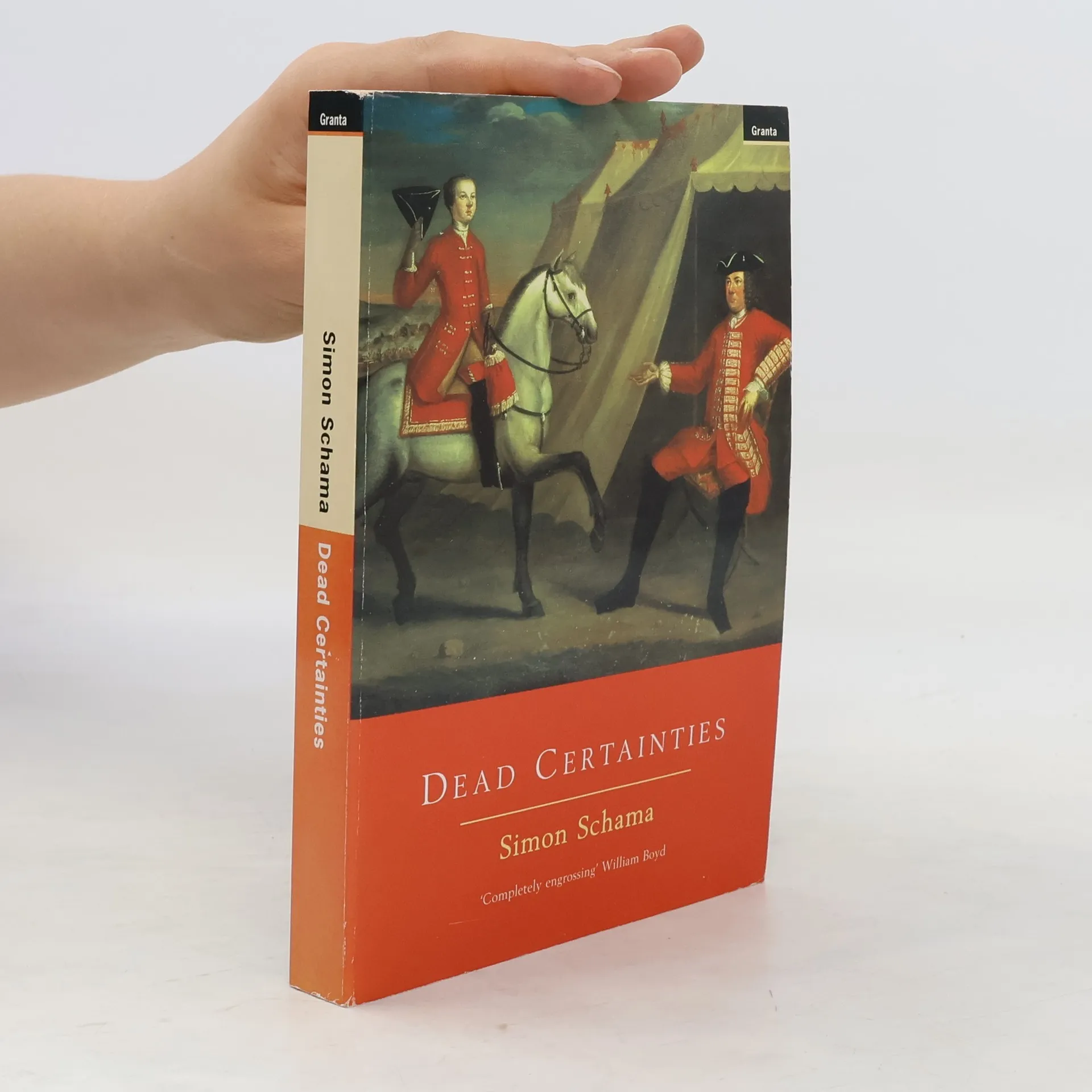
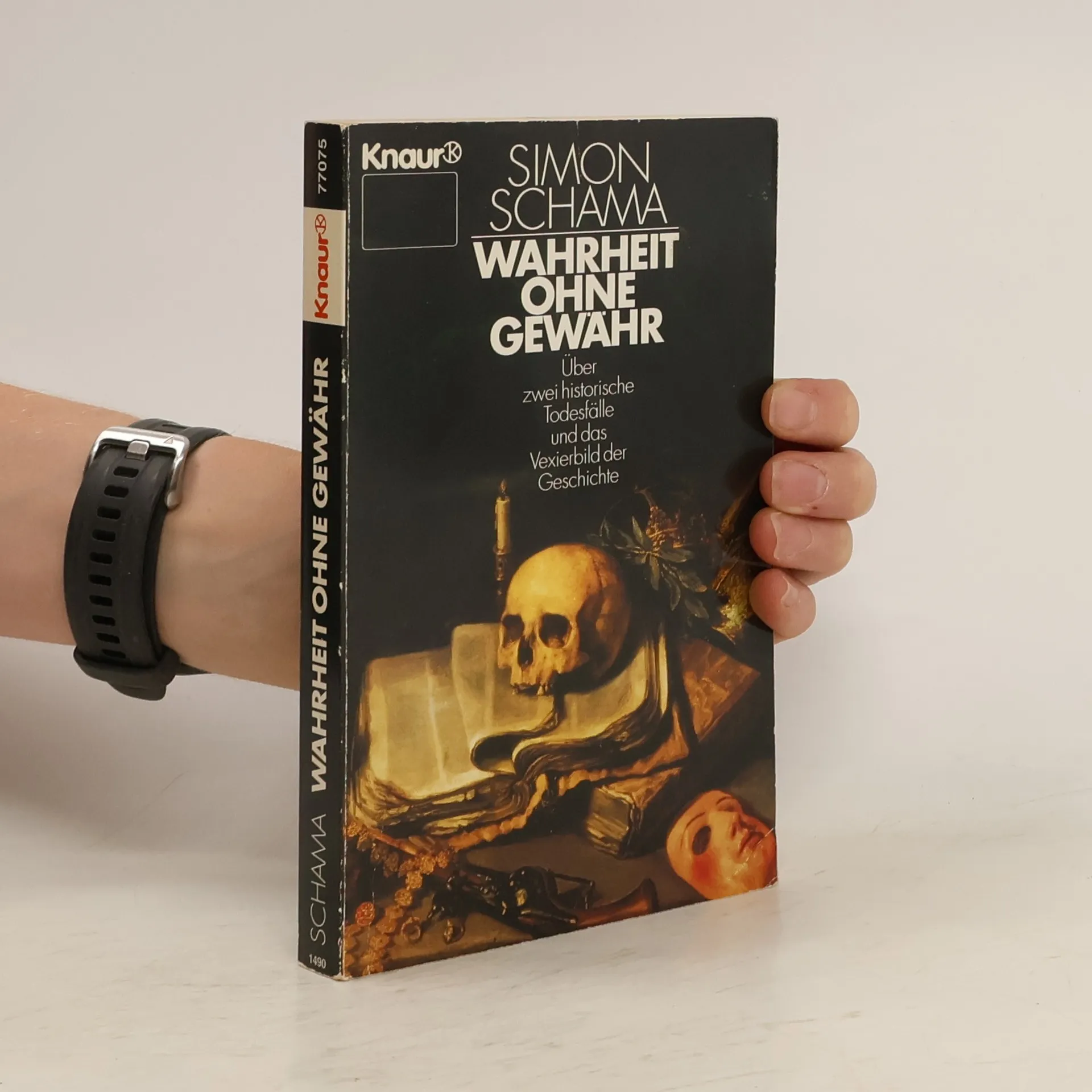
Simon Schama, the author of "The Embarrassment of Riches" and "Citizens", sets out to tell the history of two certainties, of two deaths. In discussing the "speculations" surrounding them, he finds himself involved in a history he cannot classify - the unpredictable history of stories. On 13 September 1759, General James Wolfe, having led the British troops up the St Lawrence to victory in the Battle of Quebec, died on the Heights of Abraham. Schama examines this death, and how Wolfe was made to die again - through the spectacular painting by Benjamin West, and through the writings of the 19th-century historian Francis Parkman. Schama's second death concerns Parkman's uncle, George Parkman of Harvard Medical College, who disappeared in 1849 in mysterious circumstances and who was rumoured to have been murdered by a colleague. Through these incidents, Schama sheds light on the writing of history, the history of history, and the relationship of "story" to "history".
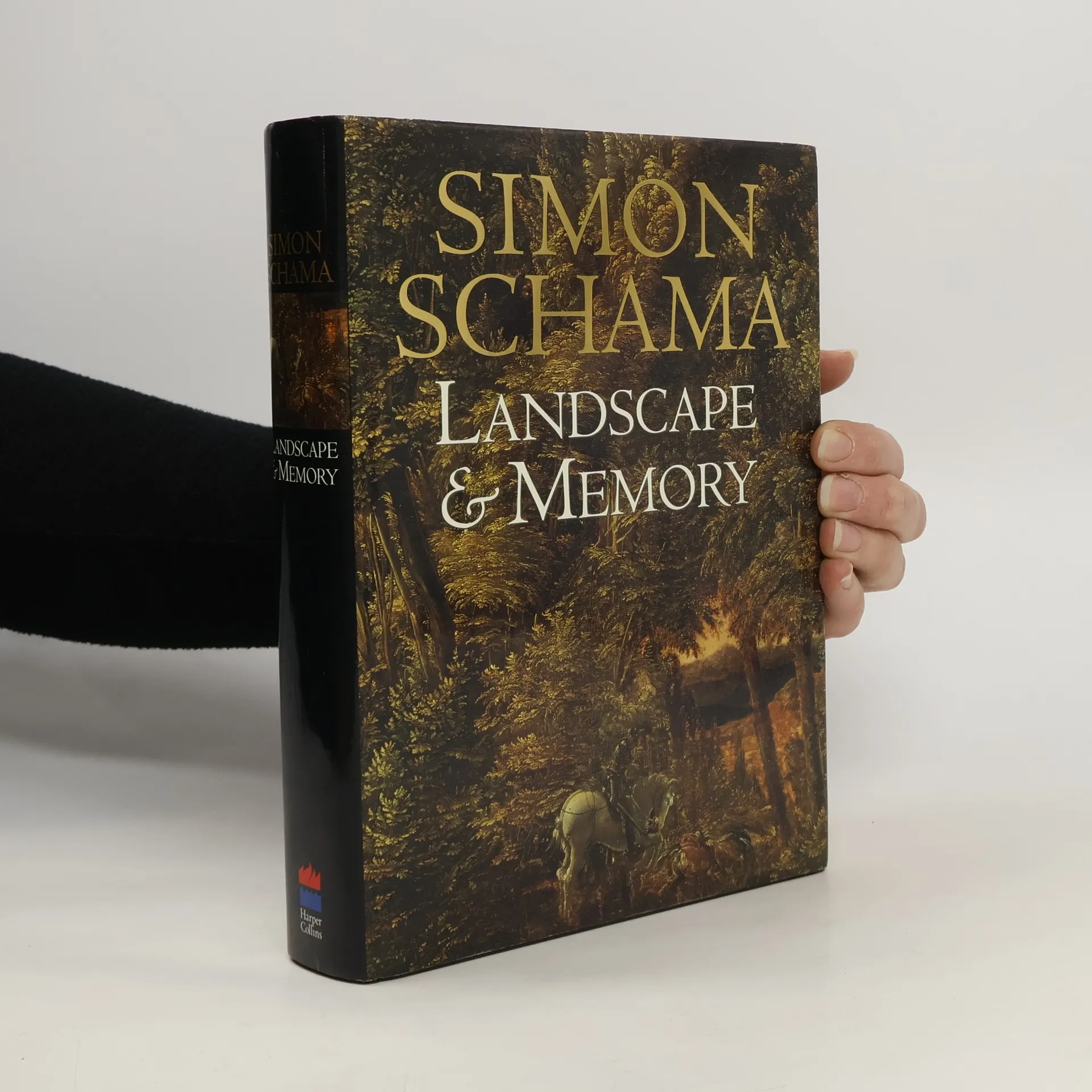
An extraordinary book that explores how the earth itself has shaped the Western imagination and how, as a result, our interaction with the environment is far richer and more complex than today's doomsayers would have us believe.
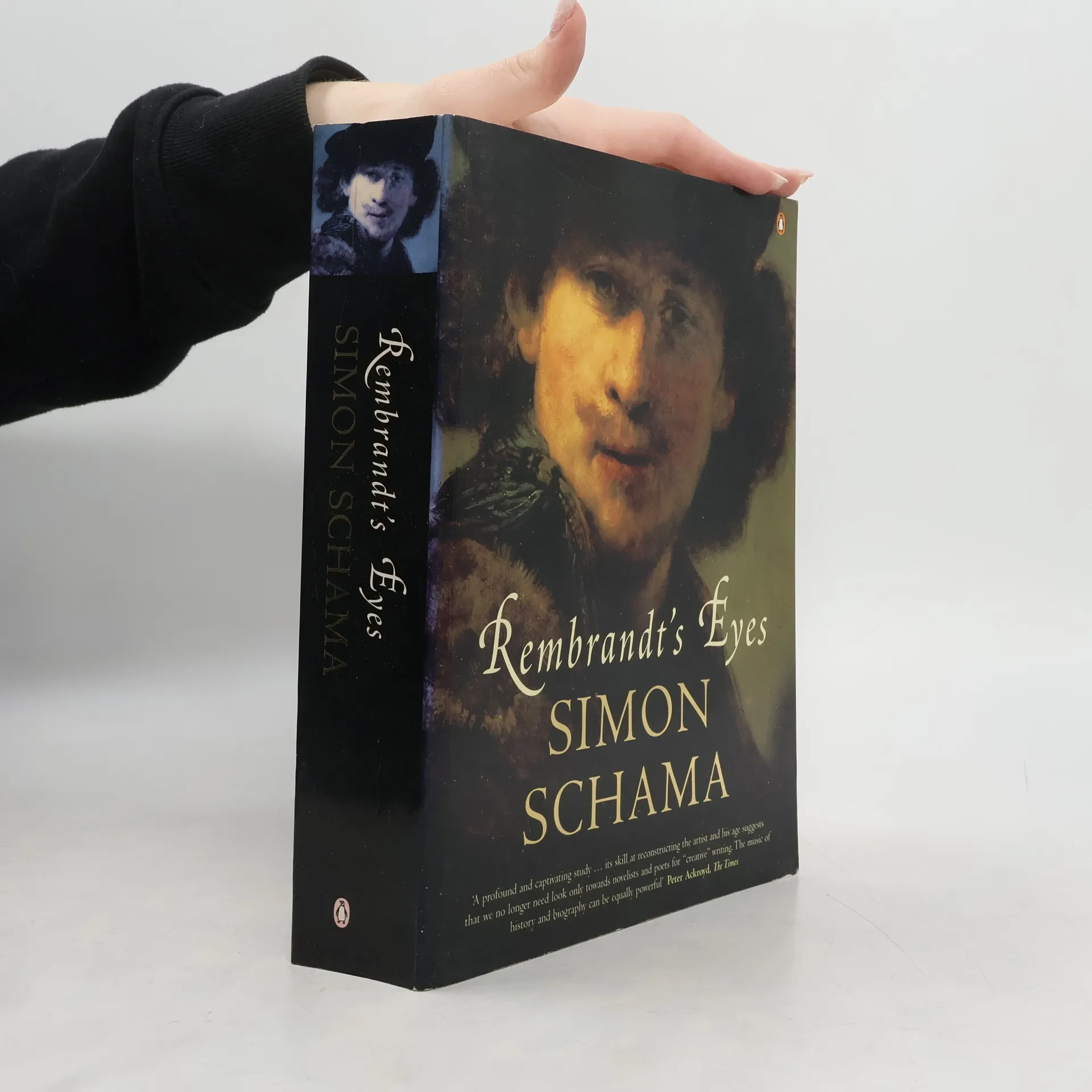
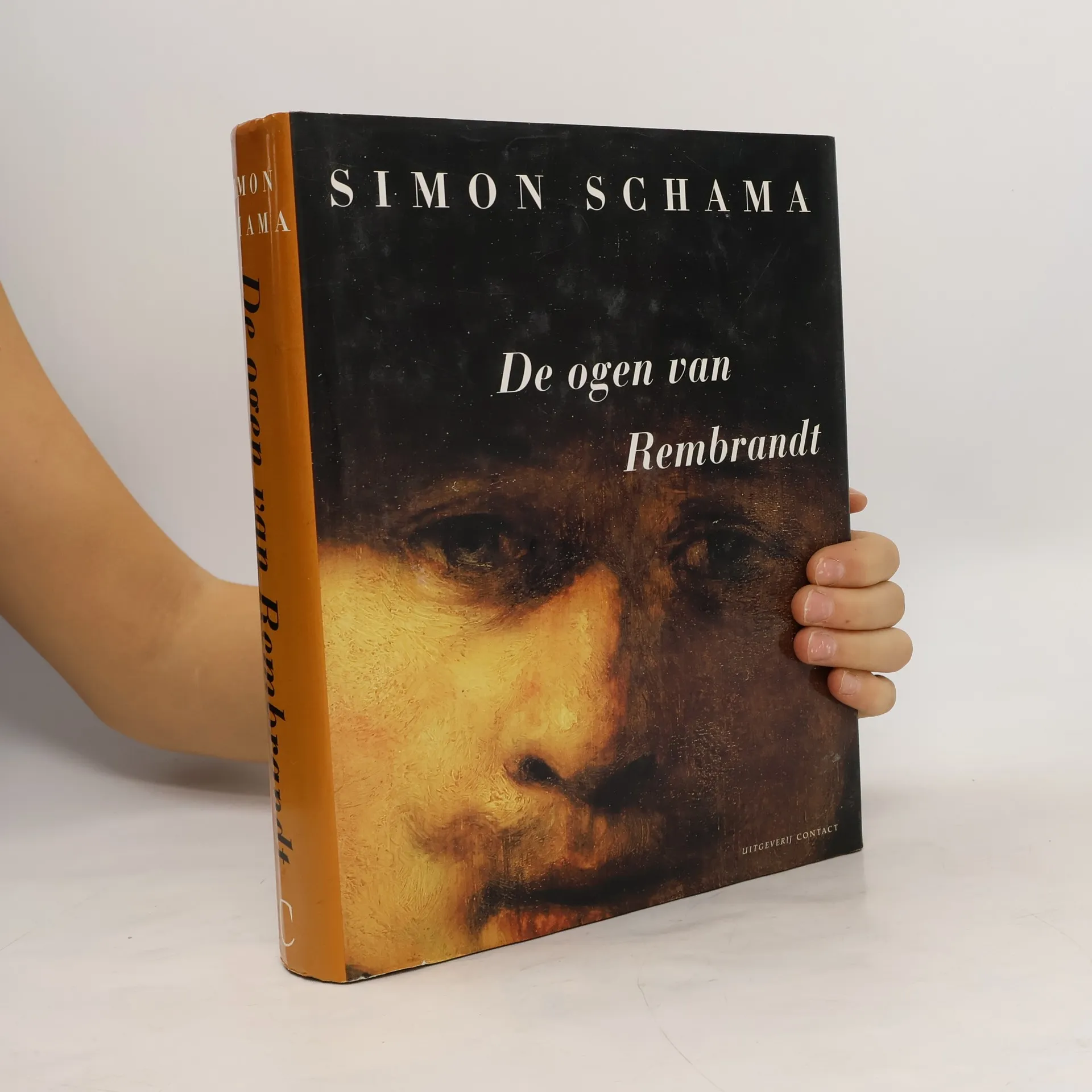
For Rembrandt, as for Shakespeare, all the world was indeed a stage, and he knew in exhaustive detail the tactics of its performance: the strutting and mincing, the wardrobe and face-paint, the full repertoire and gesture and gimace, the flutter of hands and the roll of the eyes, the belly-laugh and the half-stifled sob. He knew what it looked like to seduce, to intimidate, to wheedle and to console; to strike a pose or preach a sermon, to shake a fist or uncover a breast; and how to sin and how to atone. No artist had ever been so fascinated by the fashioning of personae, beginning with his own. No painter ever looked with such unsparing intelligence or such bottomless compassion at our entrances and our exits and the whole rowdy show in between.
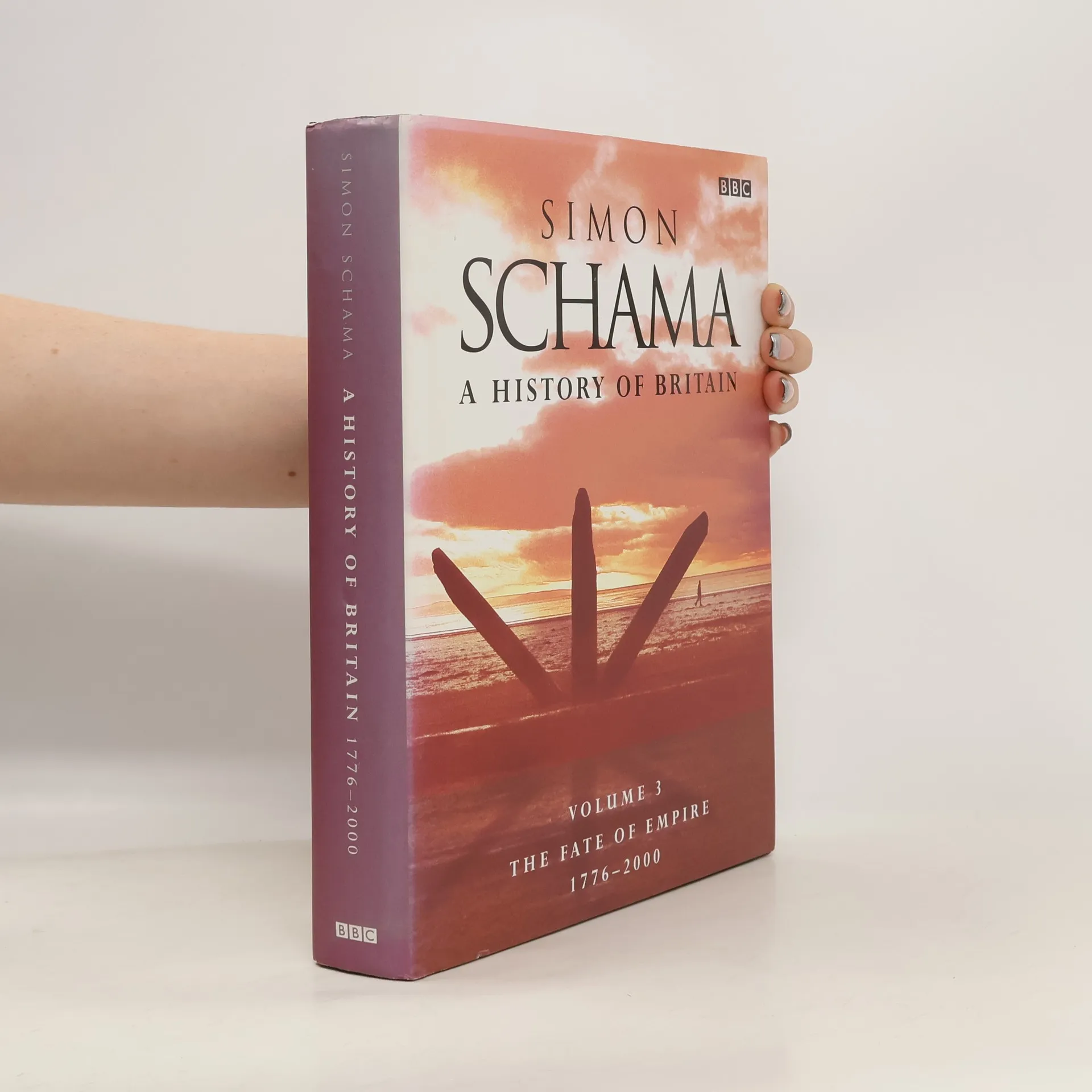
This work takes us from the mid-1770s when the country was intoxicated by a great surge of political energy through to the massive advances of technology and industrialisation during the Victoria era, and the burgeoning of the British Empire
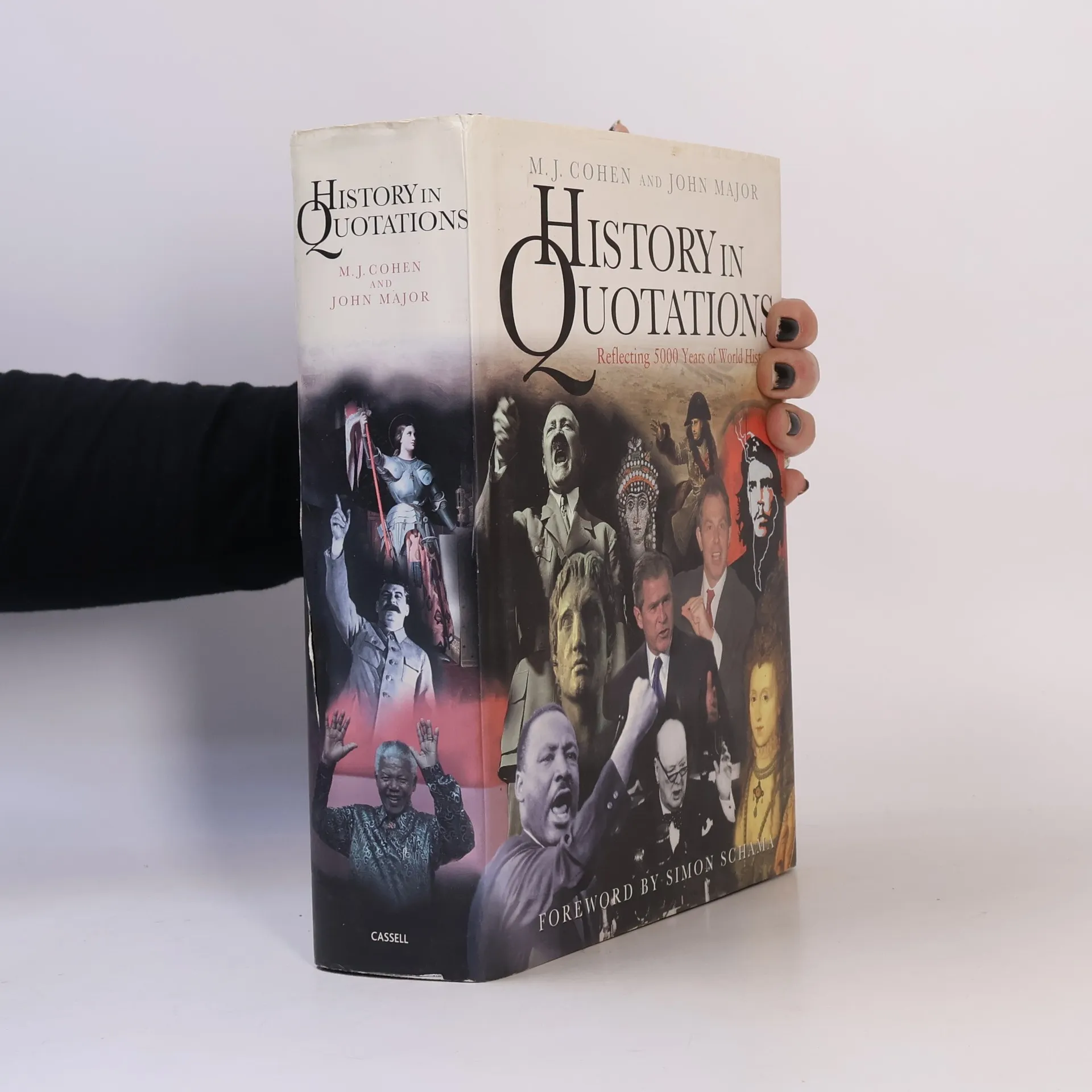
With a foreword by Simon Schama, one of the world’s foremost historians, and with 9000 chronological quotations arranged in 90 thematic chapters, this huge treasury is bursting with historical gems. The verbal banquet comes courtesy of such diverse figures as Herodotus, Charlemagne, Dante, Shakespeare, Thomas More, Marie Antoinette, Napoleon, Harriet Tubman, Rasputin, Lenin, Nehru, Al Capone, Churchill, Charles Lindbergh, Mao, Gloria Steinem, Susan Sontag, and hundreds more. These aren’t quick one-liners, but richly detailed and generous excerpts from speeches, documents, literature, and other sources. Every continent and every major civilization receives representation and enlightening commentary, with topics ranging from the toppling of nations to the changes in science. All the quotations have annotations, with details about sources.
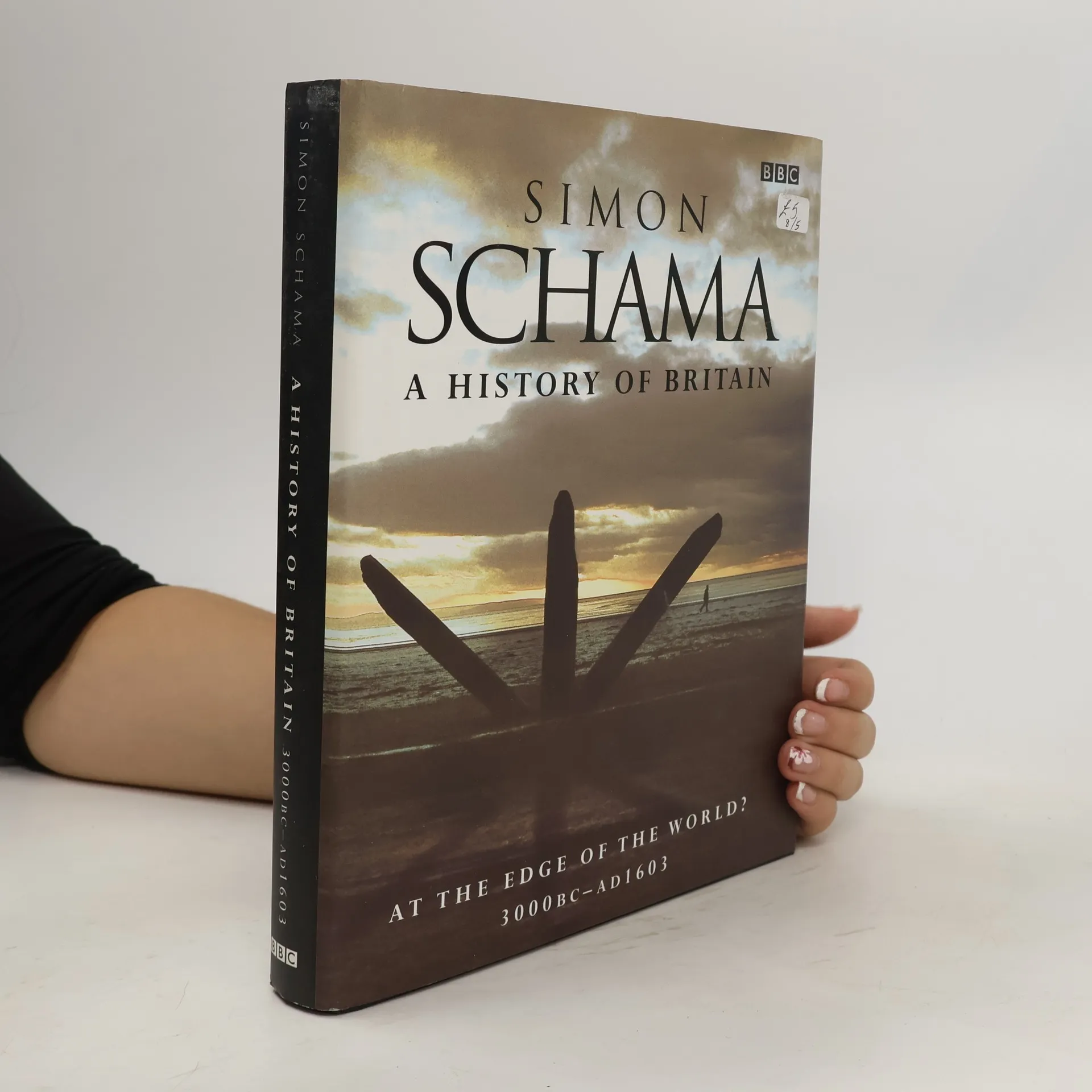
'History clings tight but it also kicks loose,' writes Simon Schama at the outset of At the Edge of the World?, the first book in his three-volume journey into Britain's past. And change - sometimes gentle and subtle, sometimes shocking and violent - is the dynamic of Schama's unapologetically personal and grippingly written history.
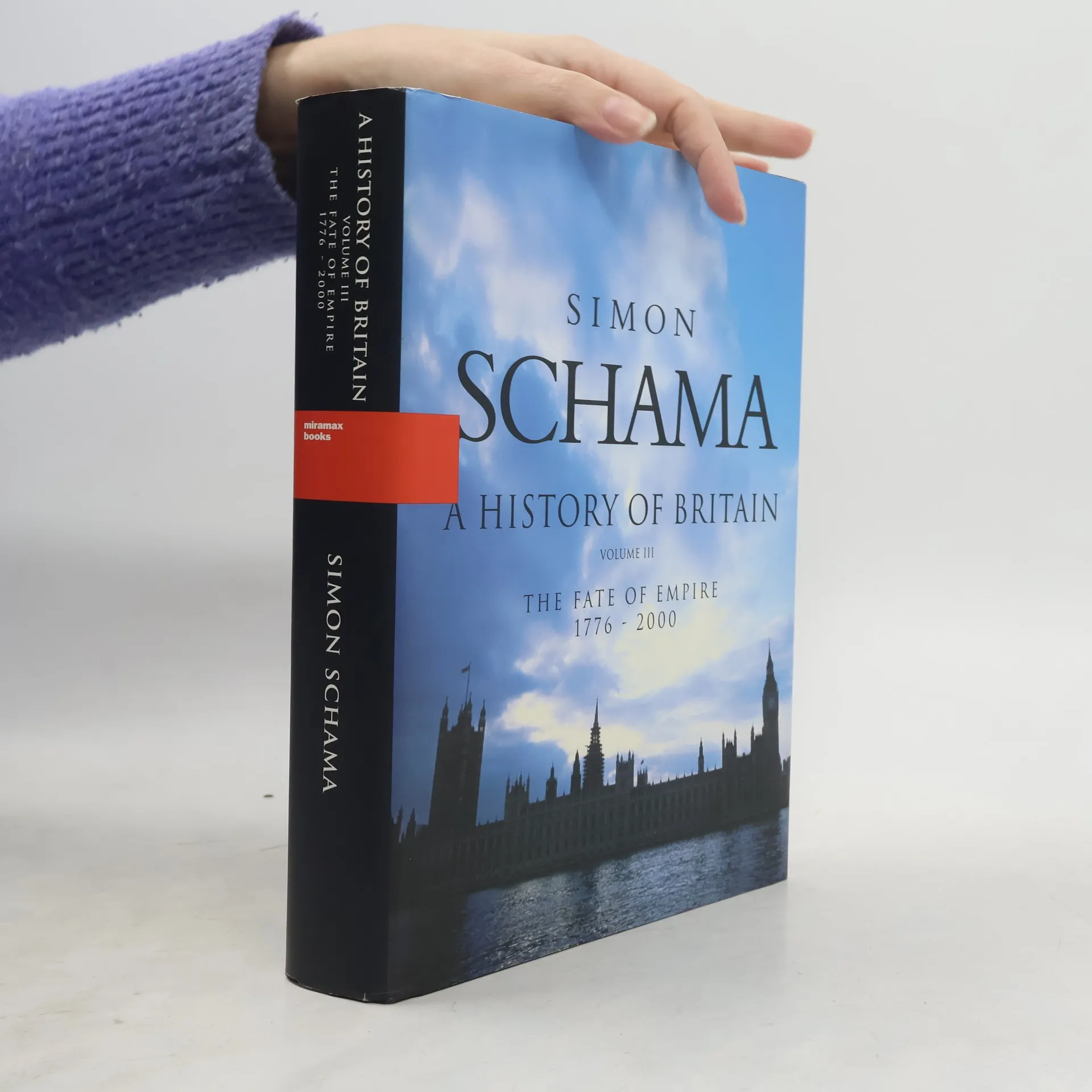
Simon Schama’s dramatic, broad-ranging, and immensely readable epic history of Britain reaches its triumphant conclusion in this third and final volume, which stretches from the American Revolution to the present.
Simon Schama explores the forces that tore Britain apart during two centuries
of dynamic change - transforming outlooks, allegiances and boundaries. But as
wars of religious passions gave way to campaigns for profit, the British
people did come together in the imperial enterprise of 'Britannia
Incorporated'.
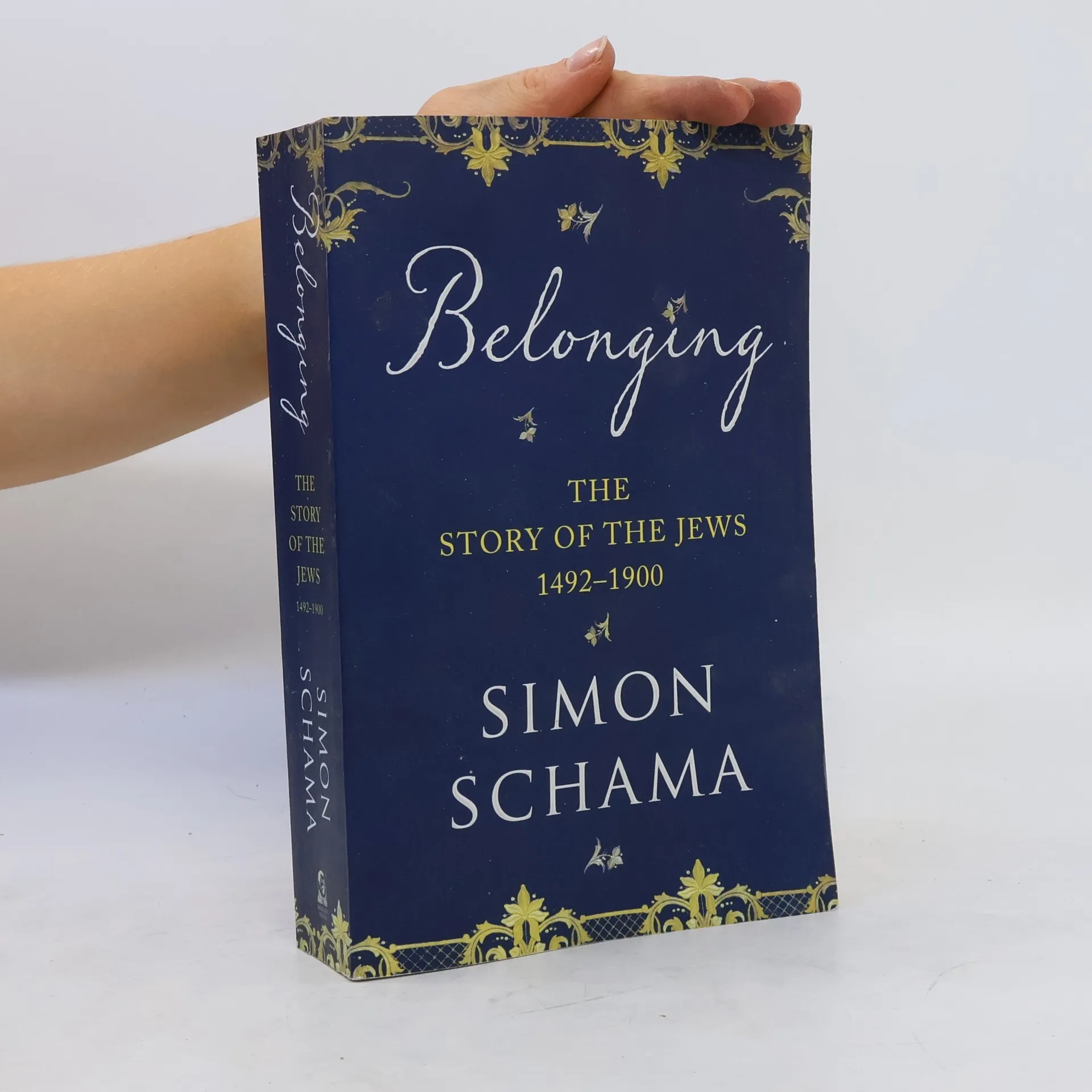
It is a story like no other: an epic of endurance against destruction, of creativity in oppression, joy amidst grief, the affirmation of life against the steepest of odds. It spans the millennia and the continents âe" from India to Andalusia and from the bazaars of Cairo to the streets of Oxford. It takes you to unimagined places: to a Jewish kingdom in the mountains of southern Arabia; a Syrian synagogue glowing with radiant wall paintings; the palm groves of the Jewish dead in the Roman catacombs. And its voices ring loud and clear, from the severities and ecstasies of the Bible writers to the love poems of wine bibbers in a garden in Muslim Spain. Within these pages, the Talmud burns in the streets of Paris, massed gibbets hang over the streets of medieval London, a Majorcan illuminator redraws the world; candles are lit, chants are sung, mules are packed, ships loaded with spice and gems founder at sea. And a great story unfolds. Not âe" as often imagined âe" of a culture apart, but of a Jewish world immersed in and imprinted by the peoples among whom they have dwelled, from the Egyptians to the Greeks, from the Arabs to the Christians. Which makes the story of the Jews everyoneâe(tm)s story, too.
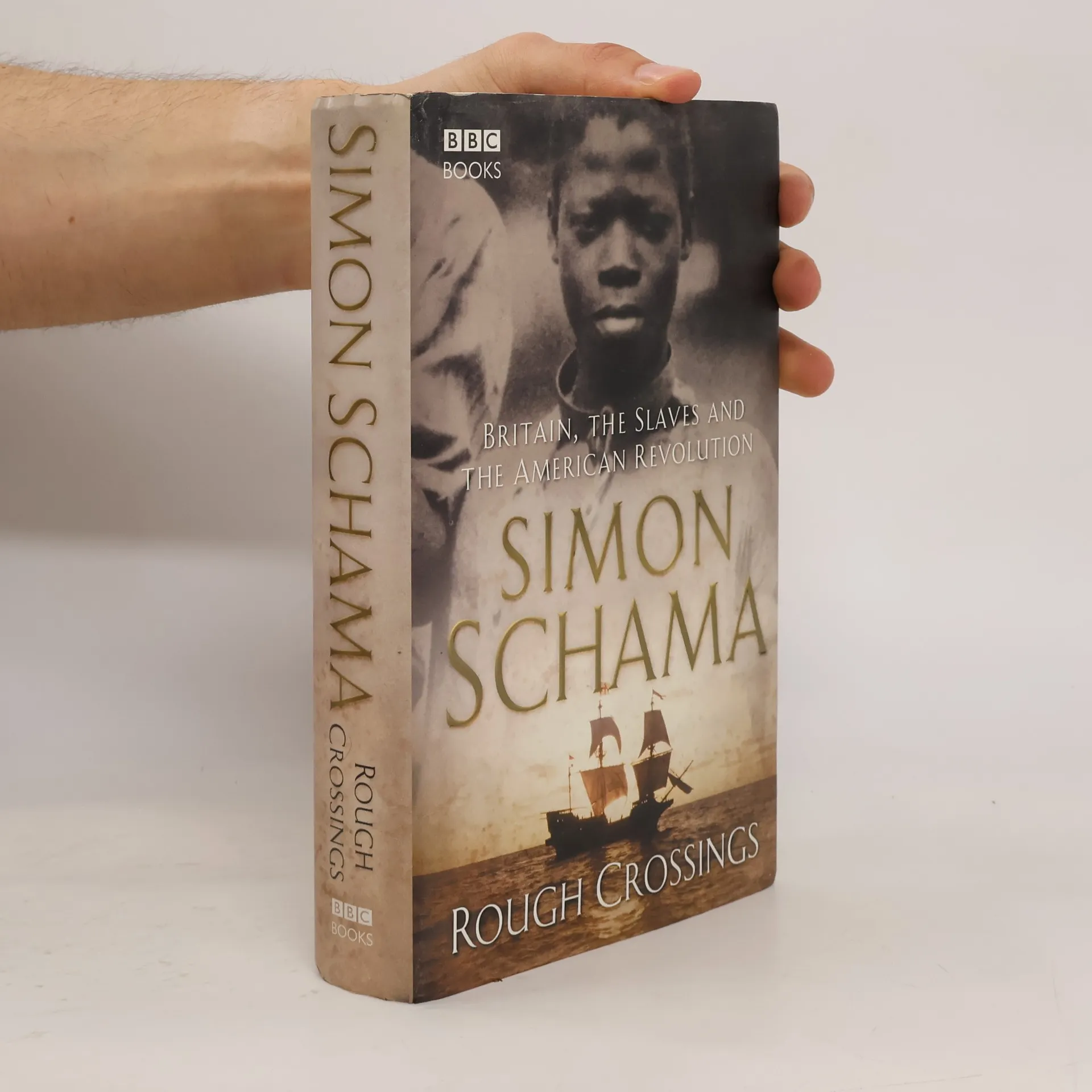
In response to a declaration by the last royal governor of Virginia that any rebel-owned slave who escaped and served the King would be emancipated, tens of thousands of slaves--Americans who clung to the sentimental notion of British freedom--escaped from farms, plantations and cities to try to reach the British camp. This mass movement lasted as long as the war did, and a military strategy originally designed to break the plantations of the American South had unleashed one of the great exoduses in American history. Schama details the odyssey of the escaped blacks through the fires of war and the terror of potential recapture at the war's end, into inhospitable Nova Scotia, where thousands who had served the Crown were betrayed and, in a little-known hegira of the slave epic, sent across the broad, stormy ocean to Sierra Leone.--From publisher description.̓
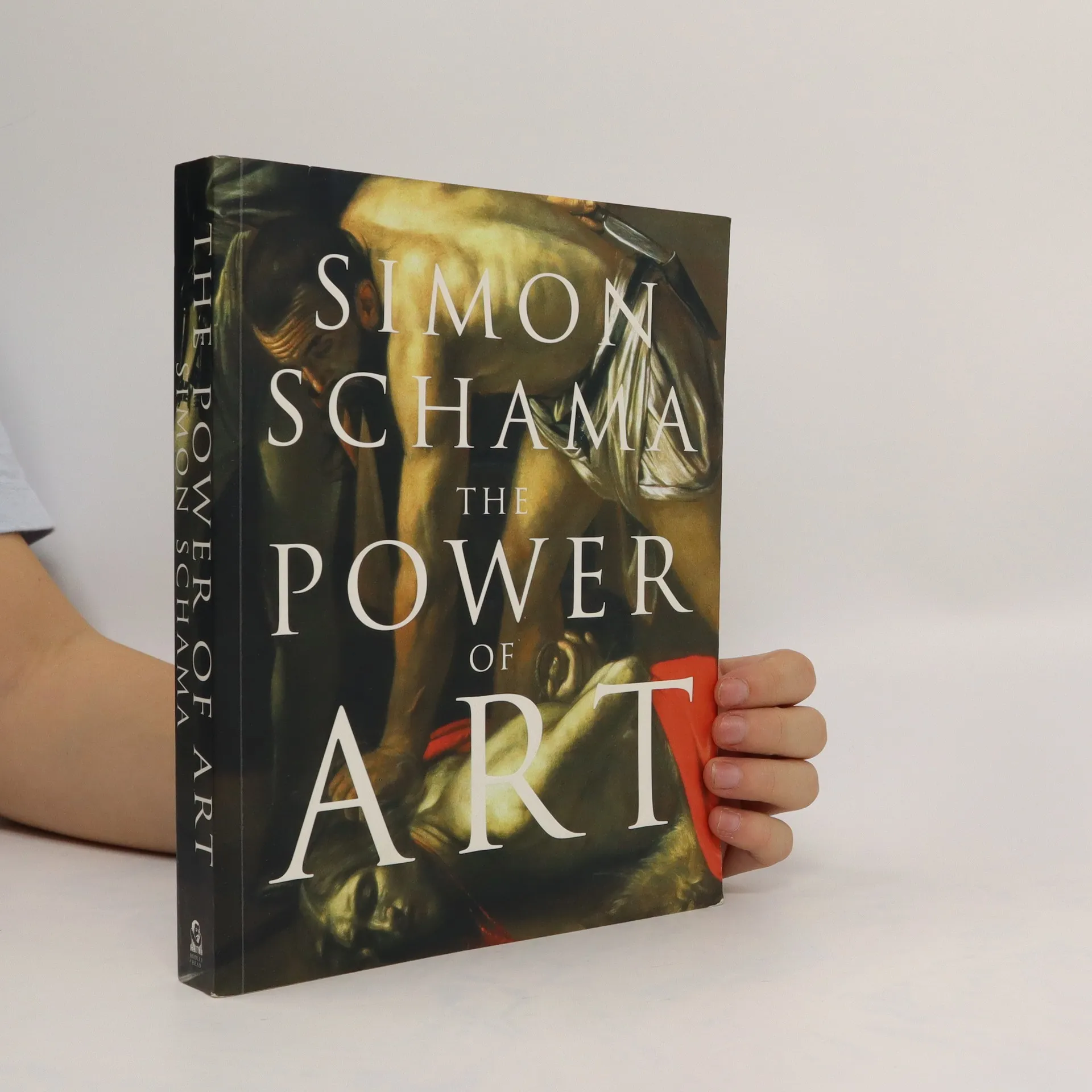
Traces the extraordinary evolution of eight world-class works of art. Created in a bolt of illumination, such works tell us something about how the world is, how it is to be inside our skins, that no more prosaic source of wisdom can deliver
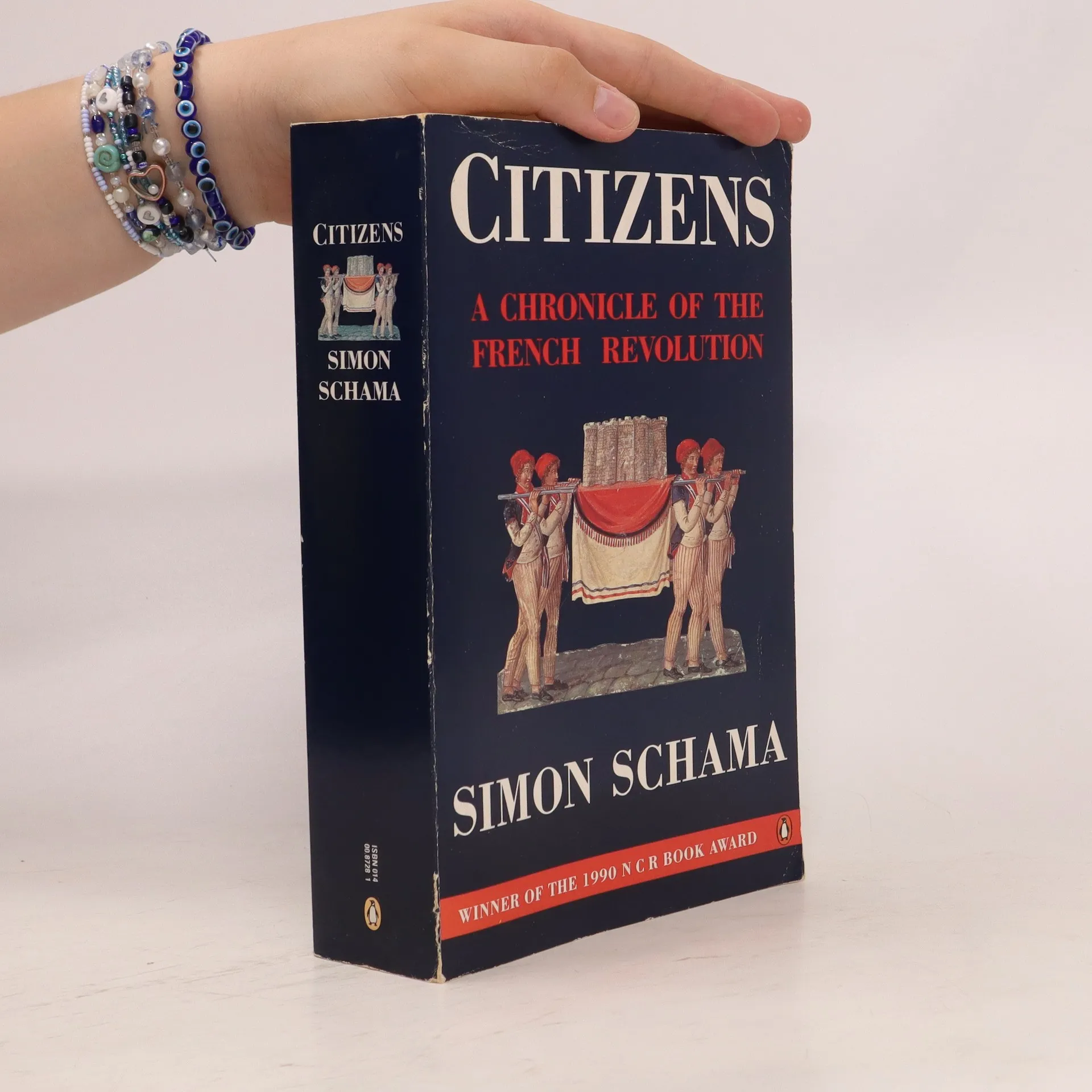
A narrative history of the French Revolution by the author of "Patriots and Liberators" and "The Embarrassment of Riches". Drawing on resources of social and cultural history, Schama focuses on the transformation of the initial euphoric vision of the Revolution into the reality of the Terror.
An epic story of love, sacrifice and redemption amidst horrific violence and world changing events, interweaving one family's intensely personal drama with the terror and chaos of the French Revolution.
Passionate, provocative, entertaining and informative, Scribble, Scribble,
Scribble ranges far and wide: from cookery and family to Barack Obama, from
preaching and Shakespeare to Victorian sages, from Charlotte Rampling and
Hurricane Katrina to 'The Fate of Eloquence in the Age of The Osbournes'.
A reissue of Simon Schama's landmark study of the Netherlands from 1780-1813,
this is a tale of a once-powerful nation's desparate struggle to survive the
treacheries and brutality of European war and politics.
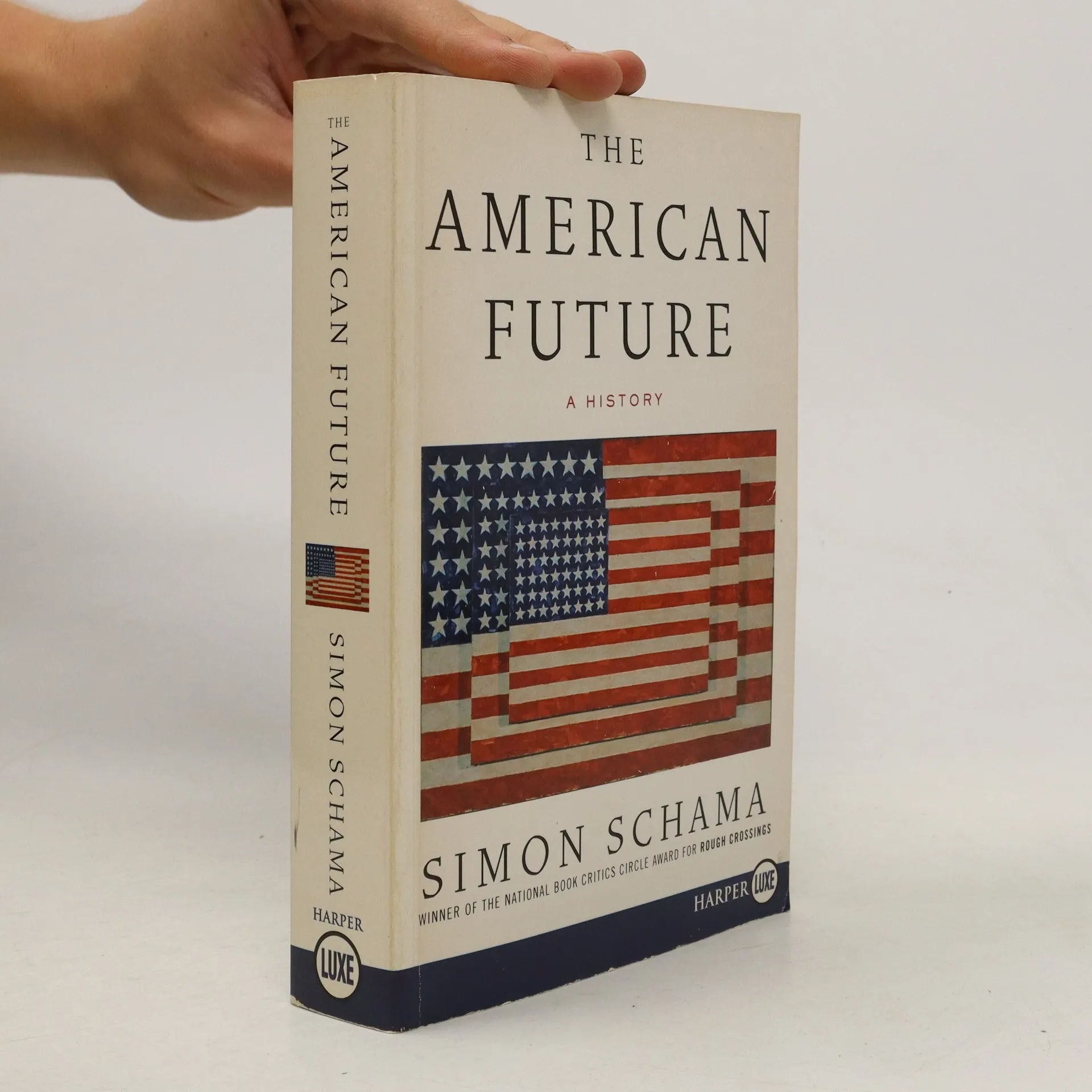
“With eloquence, wit, passion, and irony, The American Future traces the history of an that of our national destiny….A book of beautiful writing, peppered with wisecracks, slashed with rapier thrusts.” — Philadelphia Inquirer A De Tocqueville for the 21 st century, Simon Schama, NBCC Award winning author of Rough Crossings offers an essential, historical, long view analysis of the American character in The American Future. Shama examines four themes—war, race and faith, immigration, and custodianship of the land—through the prism of the historic 2008 presidential election in a magnificent work that the Wall Street Journal calls a “celebration of American resiliency.” Niall Ferguson says, “I hope Obama will have this book on his bedside table.”
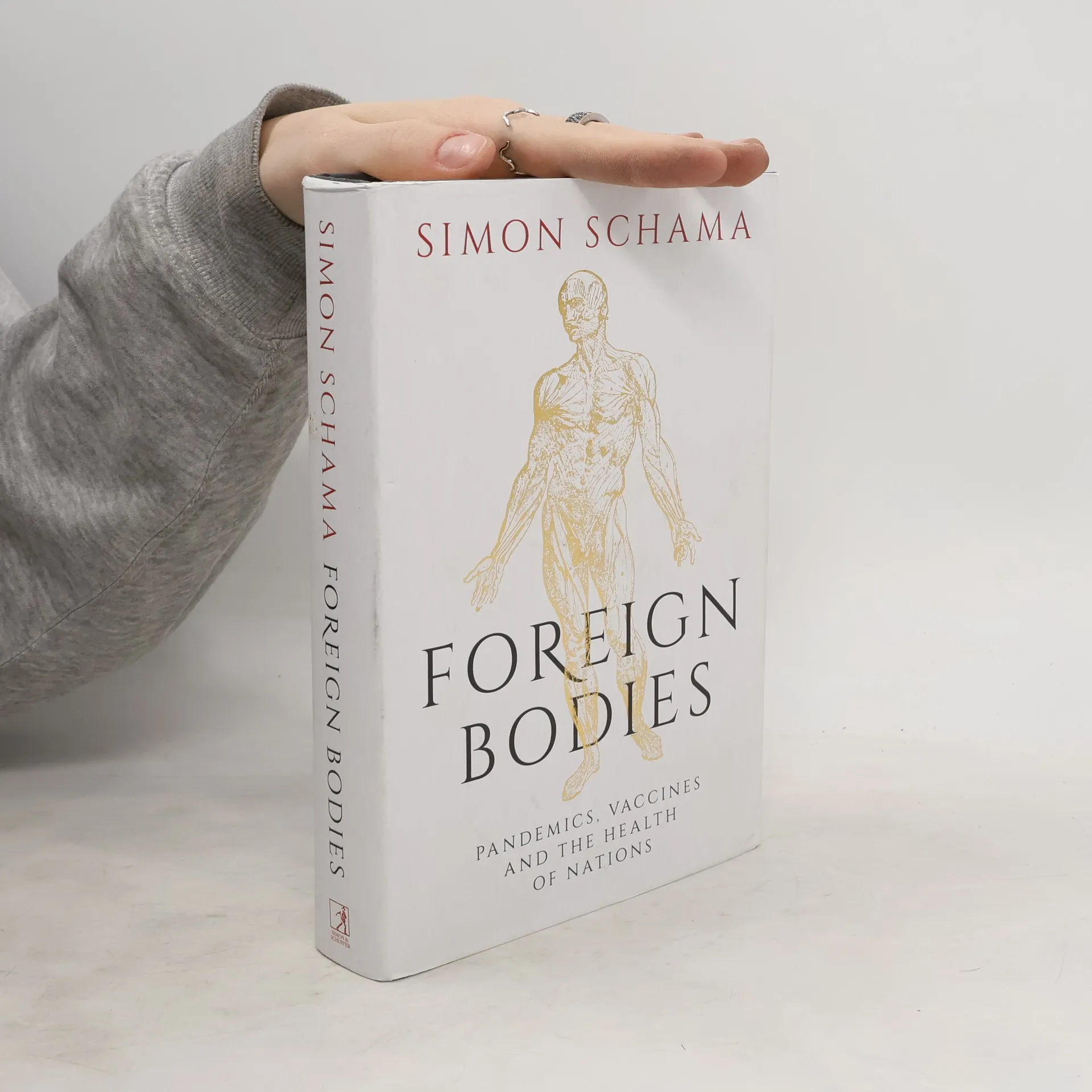
Cities and countries gripped by panic and death, desperate for vaccines yet fearful of inoculation—this mirrors the global experience during Covid-19. Simon Schama illustrates that history has seen similar crises before. Through compelling narratives set in the eighteenth and nineteenth centuries, he recounts the devastation of smallpox in London, cholera in Paris, and plague in India. The stories unfold in hospitals, prisons, palaces, and slums, featuring unforgettable characters: a philosopher-playwright suffering from smallpox in a chateau, a doctor making house calls in Halifax, and a woman doctor in India navigating her inoculator-carriage through devastated streets. The narrative also takes us into laboratories where life-saving breakthroughs occur in Paris, Hong Kong, and Mumbai. Central to this tale is Waldemar Haffkine, a Jewish student turned microbiologist at the Pasteur Institute, celebrated in England as 'the saviour of mankind' for vaccinating millions against cholera and bubonic plague in British India, despite facing rejection from the medical establishment. Creator of the first mass vaccine production line in Mumbai, he ultimately suffers a tragic injustice. This work traverses borders between east and west, rich and poor, politics and science, emphasizing the interconnectedness of humanity and nature. Schama asserts that as we confront modern challenges, "there are no foreigners, only familiars."
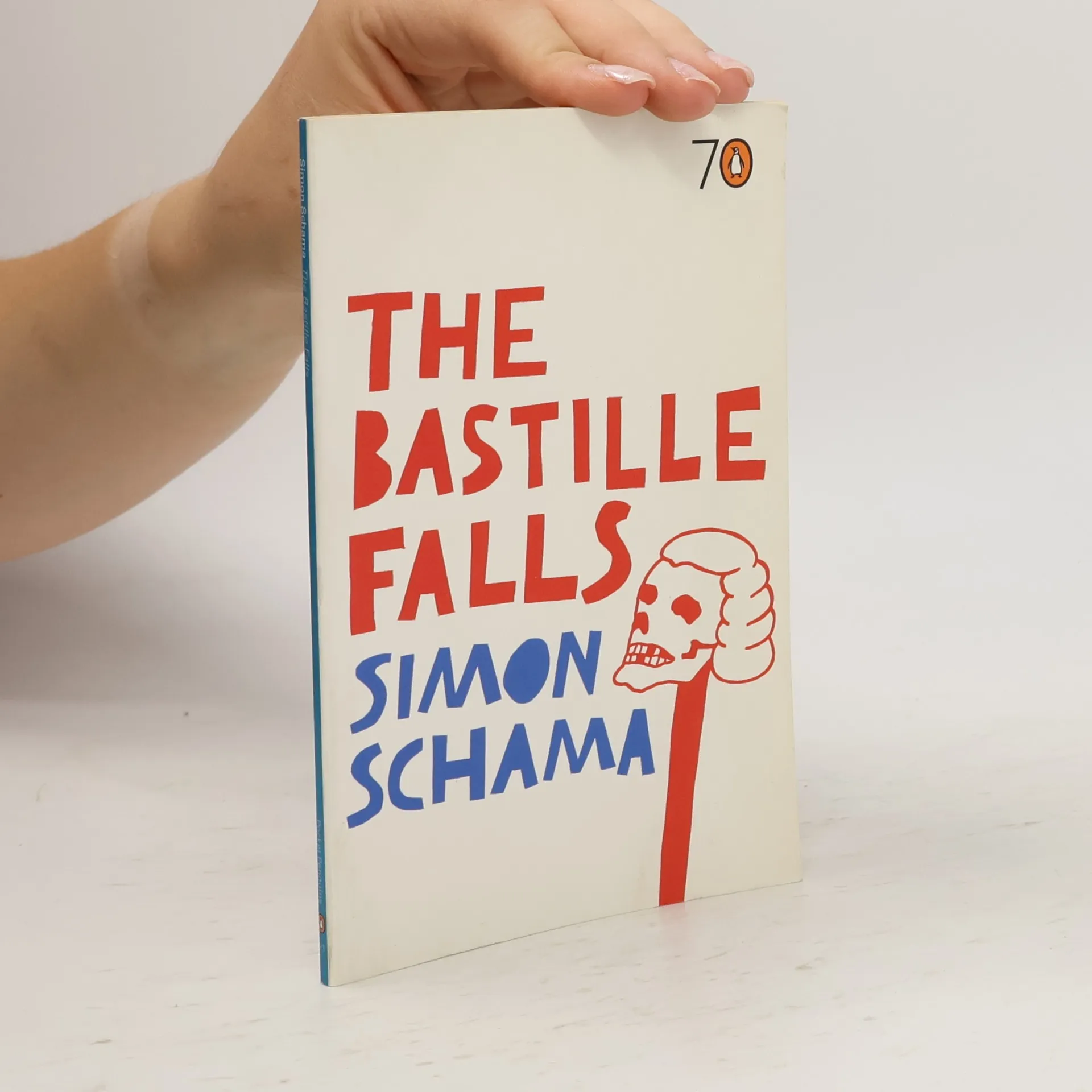
In May 2005 Penguin will publish 70 unique titles to celebrate the company's 70th birthday. The titles in the Pocket Penguins series are emblematic of the renowned breadth of quality of the Penguin list and will hark back to Penguin founder Allen Lane's vision of good books for all'. whose books and TV series have enthralled huge audiences through their gripping storytelling. Citizens, his award-winning account of the French Revolution, has continued to be one of Penguin's most popular history titles since it was first published in 1989. This extract takes us into the heart of the revolution's ferment as the angry crowd storm the Bastille
Writings on Ice Cream, Obama, Churchill & My Mother
427 pages
15 hours of reading
Wednesday brought a pungent sheepy smell emanating from the greyish lamb and barley soup my mother optimistically called 'Taste of the Garden of Eden'. Expel me, please. Haddock in the air? That would be Thursday
Voor De universiteit van het leven voerde Rob Riemen indringende vraaggesprekken met negentien bijzondere vrienden. Het zijn uitgevers, musici, schrijvers, filosofen, wetenschappers en een vakbondsman, die met hun intellectuele, politieke of artistieke talenten internationale faam hebben verworven. Zij hebben een lange levensreis achter de rug en zijn bij uitstek in staat antwoord te geven op de vraag die in elk gesprek centraal stond: wat heeft het leven je geleerd?Wat geven de negentien levensreizigers aan inzicht en ervaring door aan ons, lezers, die in zekere zin allemaal hun erfgenamen zijn? Rob Riemen, die met dit boek de vijfenzestigste uitgave van Nexus presenteert, tekende de levensverhalen op uit de mond van zijn vrienden en schildert zo hun onvergetelijk portret, vol melancholie, humor, verontwaardiging en troost. Een unieke groep mensen laat ons delen in de wijsheid die zij hebben opgedaan aan de universiteit van het leven.
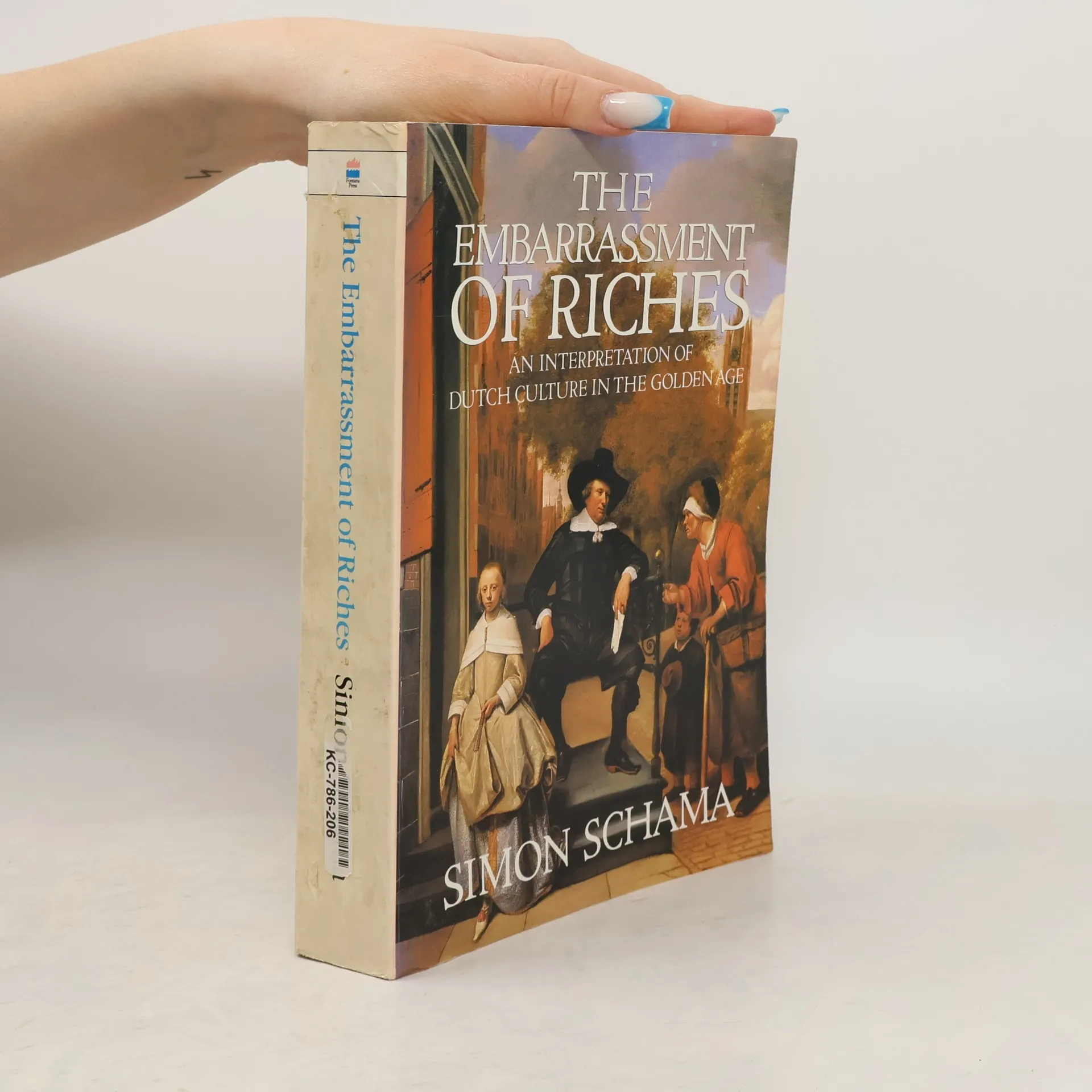
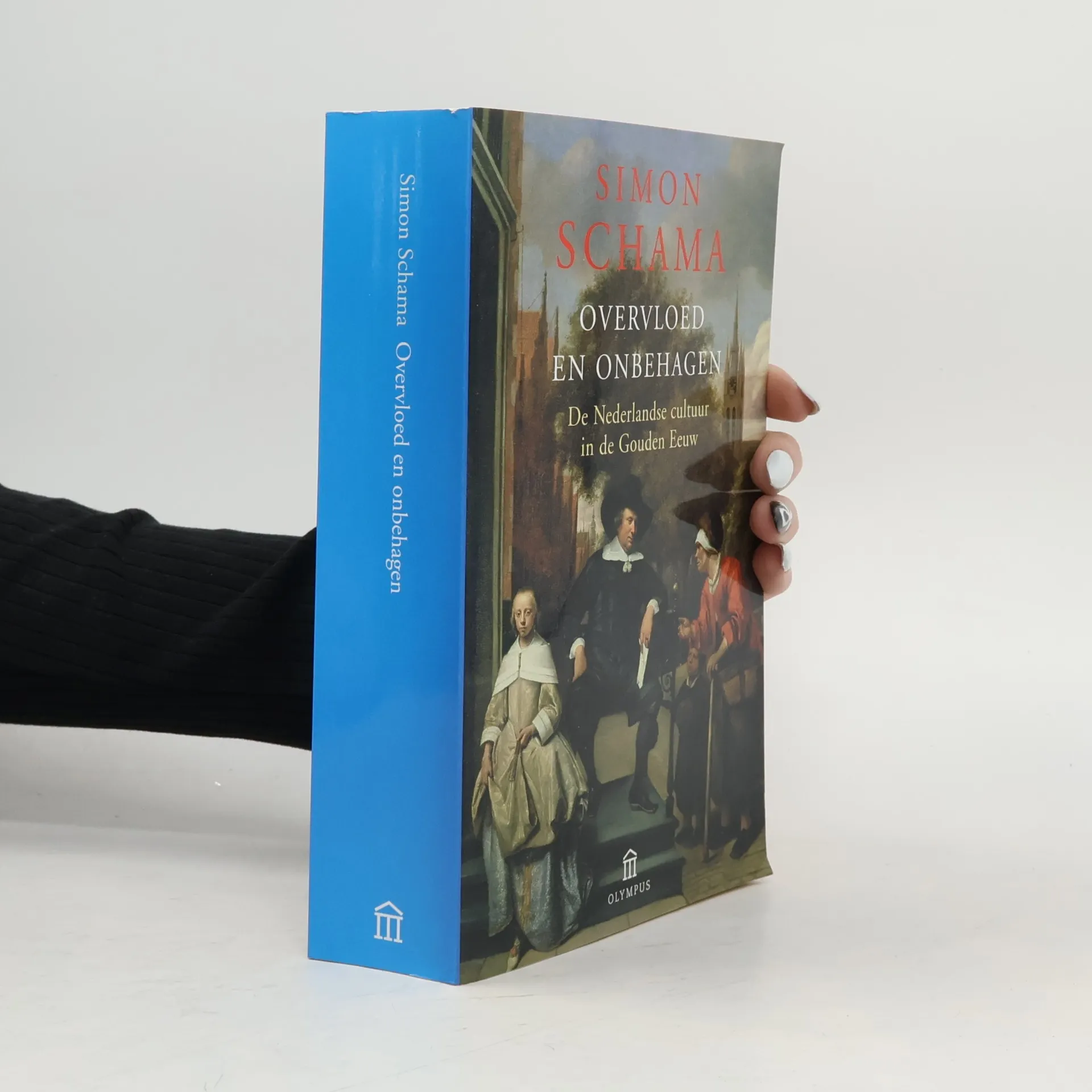
De Engelse historicus Simon Schama heeft met Overvloed en onbehagen een sociale en culturele geschiedenis geschreven waarin hij onderzoekt hoe een aantal boerendorpen, vissersplaatsen en havensteden zonder gemeenschappelijke taal, godsdienst of regering zich in de zeventiende eeuw kon verenigen tot de Republiek der Nederlanden. Hij beschrijft de zeden en gewoonten van een volk dat zijn eigen onafhankelijkheid niet zocht, maar die opgedrongen kreeg door de meedogenloze Spaanse monarchie, waartegen het uiteindelijk in opstand kwam. Een volk dat in twee generaties een indrukwekkend wereldrijk opbouwde. De cultuur in de ruimste zin van het woord vormt het bronnenmateriaal van dit boek: kookboeken, faillissementsinventarissen, prenten, schilderijen en gebrandschilderde ramen. Ook kunst, bijgeloof, de opvoeding van kinderen en de zedenleer in de tijd dat Nederland een supermacht was neemt Schama onder de loep. Hij belicht in zijn boek vertrouwde dingen op ongebruikelijke wijze. Met de beschrijving van het mysterieuze en onwaarschijnlijke geeft hij ons de werkelijke sleutel tot de collectieve persoonlijkheid van de Nederlanders.
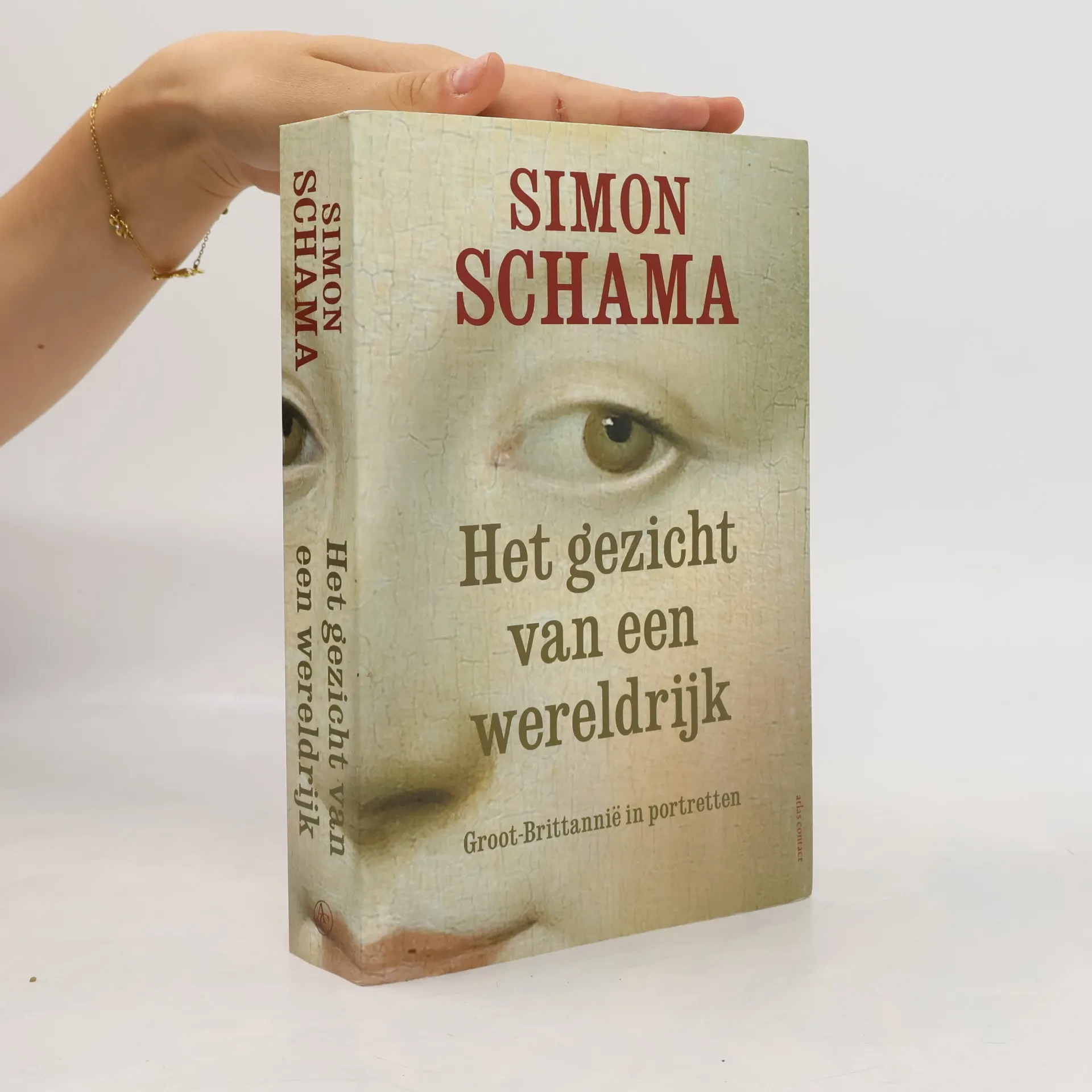
A portrait opens a window into a person's life: who they were and wanted to be, who the artist saw and how everyone else looked on. From the divine paintings of Elizabeth I to the iconic photograph of 'bulldog' Churchill; from Victorian portraits of dead children to Hockney's of his elderly parents; from anonymous workers to the artists themselves, Simon Schama uses a stunning and surprising array of images to tell the story of the British from the Tudors to the present day. He will change the way we see Britain and each other.
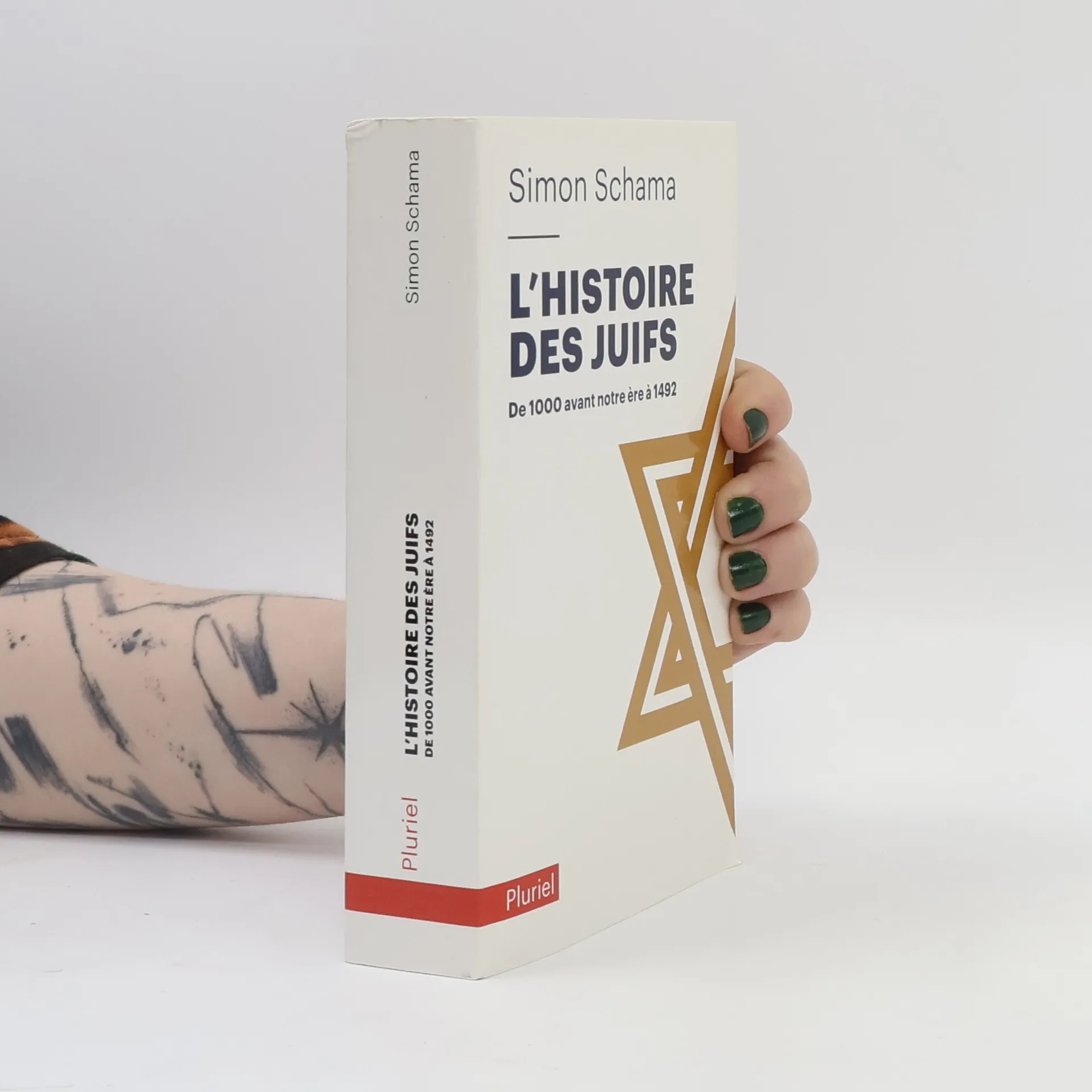
L'histoire que Simon Schama entreprend de nous conter ici est à nulle autre pareille.Tout au long des dernières décennies, des découvertes archéologiques ont renouvelé notre vision de la manière dont a vu le jour la Bible, qui allait devenir le patrimoine d'une bonne partie de la planète. D'une extrémité du monde juif à l'autre ont été exhumées des mosaïques qui bouleversent notre idée de ce qu'étaient une synagogue et le culte juif, mais aussi de tout ce que cette religion, dans ses formes, partageait avec le paganisme et le christianisme primitif.Cette histoire s'étend sur les millénaires et les continents - de l'Inde à l'Andalousie, des bazars du Caire aux rues d'Oxford. Elle nous emmène d'un royaume juif dans les montagnes de l'Arabie du Sud à une synagogue syrienne aux murs peints étincelants, en passant par la colonie juive installée dans l'île d'Éléphantine, en Haute-Égypte, dès le vie siècle avant notre ère. Simon Schama nous conte avec maestria cette épopée où l'héroïsme de la vie quotidienne côtoie les grandes tragédies, et pose son regard d'historien de l'art sur les trésors qu'elle nous a légués. L'histoire des Juifs n'est pas, comme on l'imagine souvent, celle d'une culture à part, mais celle d'un monde juif immergé dans les peuples au milieu desquels il a vécu et marqué par eux, des Égyptiens aux Grecs, des Arabes aux chrétiens. C'est en cela qu'elle est l'histoire de tous.Première édition Fayard 2016.
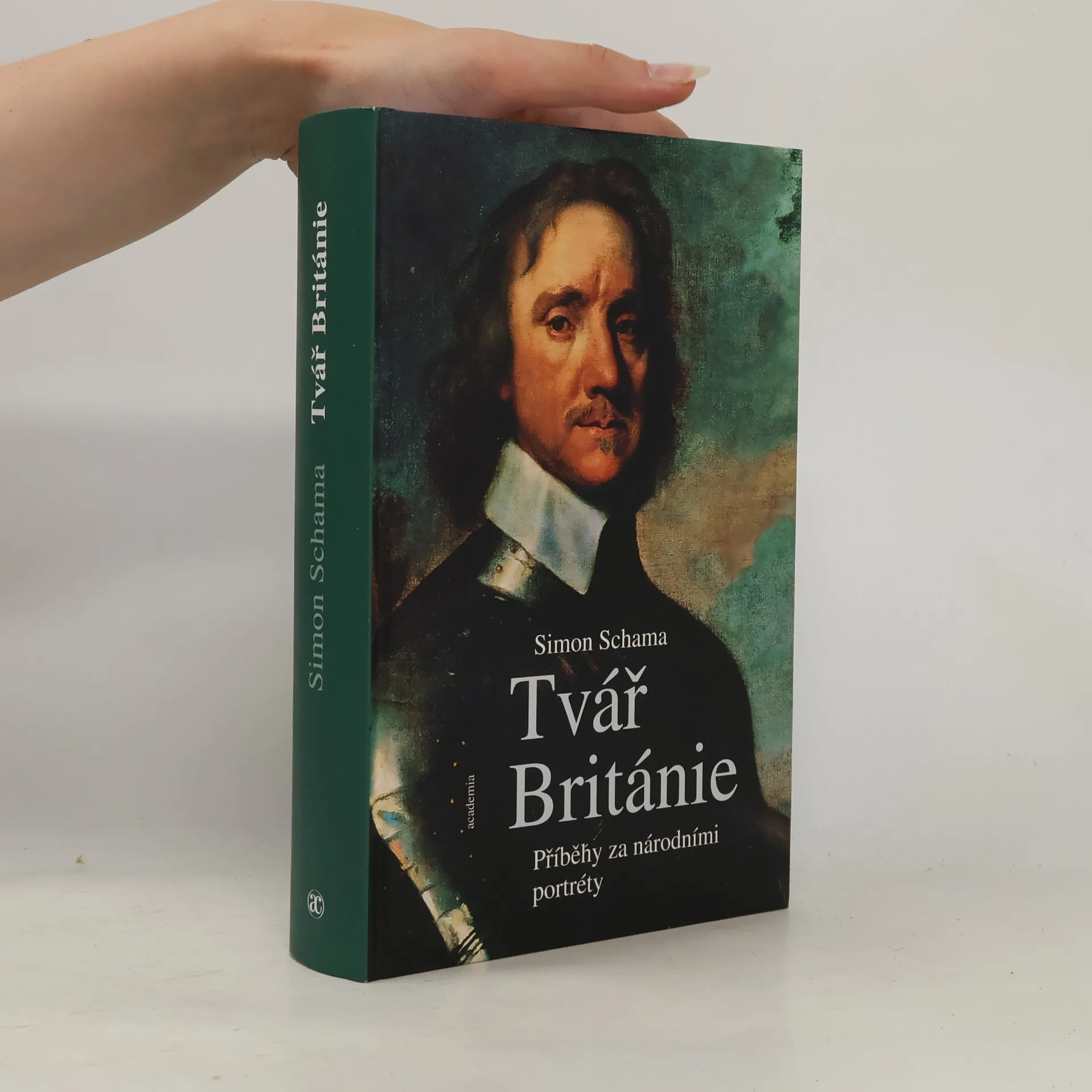
Simon Schama, známý popularizátor umění, nás zve na procházku po Národní portrétní galerii v Londýně a zároveň po dějinách Velké Británie. Pohlédneme do tváře řady významných osobností – monarchů, šlechticů, umělců a dalších, kteří ve tváři ostrovního impéria zanechali výrazný otisk. Schama jako skvělý vypravěč podniká výpravy do hloubi dějin, koření je barvitými příběhy, každá kapitola je dobrodružnou cestou do vzdálenější i nedávné historie; najdeme v nich odpovědi na otázky, proč se portréty malují a jaký byl jejich význam ať už z uměleckého nebo třeba i z politického hlediska. Kniha je také pobídkou zamyslet se nad osobnostmi, které většinou známe z učebnic, nad jejich osudy, touhami a nad tím, čím se zapsaly do dějin.