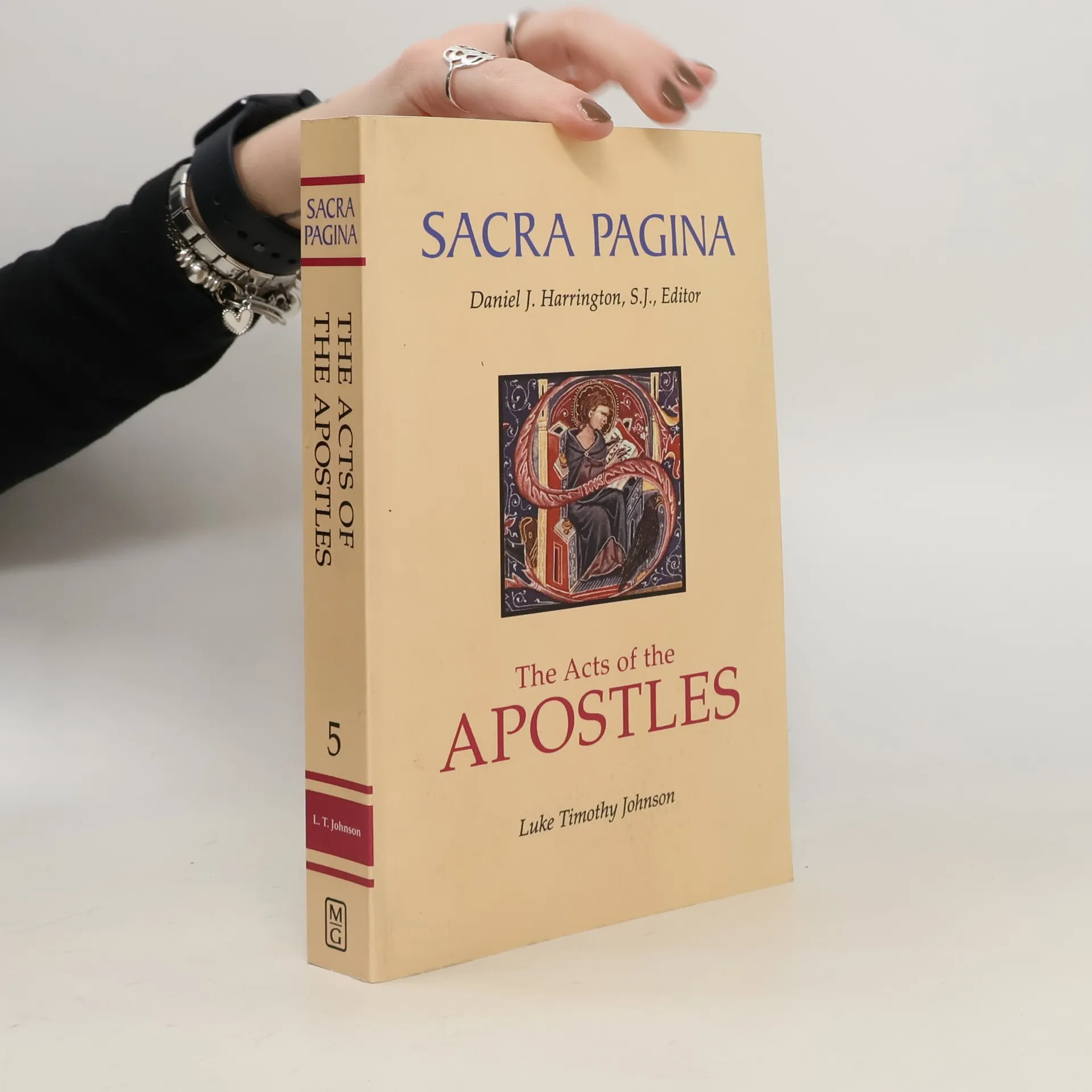
Luke Timothy Johnson is an American New Testament scholar and historian of early Christianity. His research interests delve into the Jewish and Greco-Roman contexts of early Christianity, with a particular focus on moral discourse. He also examines the Gospel of Luke and the Book of Acts, alongside the Pastoral Epistles and the Epistle of James, illuminating the complex intellectual currents of the early church.
Focusing on the interpretation of the "Letter of James," this book explores its historical significance and the enduring appreciation it has received throughout the centuries. It asserts that the letter's authorship can be traced back to James, the brother of Jesus Christ, providing insight into its origins and impact on early Christian thought.
Featuring a diverse collection of homilies and sermons, this book highlights reflections on lectionary texts during "Ordinary Time" and their relevance to Christian life. The pieces range from brief talks in a monastery setting to more formal sermons aimed at theology students and congregations throughout the US. Additionally, some sermons address significant ritual moments, providing a rich tapestry of spiritual guidance and insight for various audiences.
The collection features sermons delivered over fifty years, intricately connected to the church's liturgical calendar. These homilies demonstrate how lectionary texts, worship cycles, and the realities faced by modern believers can interact dynamically, fostering a rich dialogue that enhances the spiritual experience.
A witness to the peculiar way of being that is the scholar's Luke Timothy Johnson is one of the best-known and most influential New Testament scholars of recent decades. In this memoir, he draws on his rich experience to invite readers into the scholar's life--its aims, commitments, and habits. In addition to sharing his own story, from childhood to retirement, Johnson reflects on the nature of scholarship more generally, showing how this vocation has changed over the past half-century and where it might be going in the future. He is as candid and unsparing about negative trends in academia as he is hopeful about the possibilities of steadfast, disciplined scholarship. In two closing chapters, he discusses the essential intellectual and moral virtues of scholarly excellence, including curiosity, imagination, courage, discipline, persistence, detachment, and contentment. Johnson's robust defense of the scholarly life--portrayed throughout this book as a generative process of discovery and disclosure--will inspire both new and seasoned scholars, as well as anyone who reads and values good scholarship. But The Mind in Another Place ultimately resonates beyond the walls of the academy and speaks to matters more universally human: the love of knowledge and the lifelong pursuit of truth.
Focusing on the life and thought of the apostle Paul, this second volume delves into discerning his unique voice and addresses various interpretive challenges within the Pauline letters. It aims to provide readers with a deeper understanding of Paul's theological insights and contextual influences, enriching the study of his epistles.
In his latest work, Luke Timothy Johnson moves beyond his critique of the historical Jesus movement to guide readers toward the living Jesus of authentic Christian faith. For Johnson, the real Jesus transcends historical analysis; he is the resurrected Lord, a living savior who can be encountered today. Being a Christian involves learning about this living Jesus by "putting on the mind of Christ" and undergoing transformation in his image. Johnson begins with the mystery of Jesus' resurrection, emphasizing its significance in understanding his ongoing life. He illustrates how Jesus is present within the Christian Church, which plays a crucial role in helping us learn about him. The traditions embodied by the Church—such as canon, creed, worship, prayer, and charity—are not mere dilutions of Jesus' message but vital components of genuine spirituality. Johnson also emphasizes the importance of Scripture in this journey, leading readers through the New Testament to reveal how each book highlights different aspects of Jesus as the living one. He asserts that all Gospels provide true witness to Christ's ministry, with each offering unique insights. This remarkable book illuminates the path to experiencing the Jesus of faith, inspiring readers to model their lives on his teachings and deepen their connection to him.
The Misguided Quest for the Historical Jesus and the Truth of the Traditional Go
208 pages
8 hours of reading
Challenging the findings of the Jesus Seminar, this book presents a compelling argument for understanding Jesus through faith rather than speculative historical analysis. Respected New Testament scholar Luke Timothy Johnson draws on rigorous biblical and historical scholarship to assert that the authentic Jesus is experienced in the present. The latest edition includes a new preface where Johnson shares his insights on the ongoing debate surrounding Jesus' identity and teachings, positioning the book as a significant contribution to the discussion known as the "Jesus Wars."
Running your own business is nowhere near as tough as you might think. So what
are you waiting for? In this title, the author sets out to inspire - and guide
- every budding entrepreneur. It tackles the issues that really matter:
finding the right idea, sourcing funds, and getting the best from the people
you meet on the way - chiefly yourself.
Luke Timothy Johnson offers a compelling interpretation of the New Testament as a witness to the rise of early faith in Jesus. Critically judicious and theologically attuned to the role of the New Testament in the life of the church, Johnson deftly guides his reader through a wealth of historical and literary description and invites critical reflection on the meaning of these ancient writings for today.
SACRA PAGINA
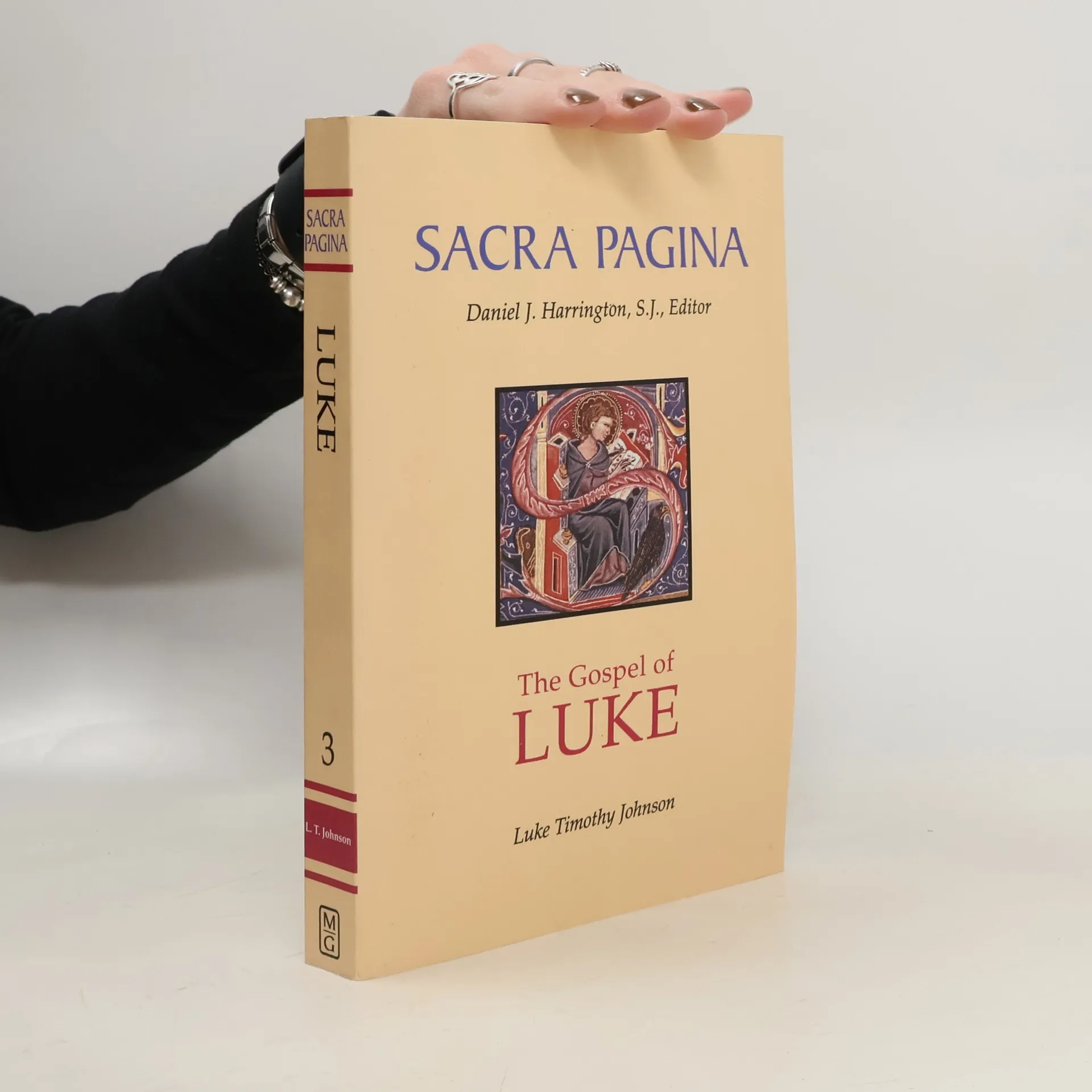
Tento komentář pojímá Lukášovo evangelium jako první svazek dvoudílného spisu, který biblisté nazývají Lukáš-Skutky. S předpokladem literární jednoty těchto dvou kanonických spisů se celé Lukášovo dílo jeví jako určitý typ apologetické dějepravy, jehož cílem je ukázat, jak radostná zvěst, počínající u Ježíše, naplnila Boží zaslíbení židovskému lidu a jak zaujala legitimní místo mezi pohany.
Komentář se především soustřeďuje na celek Lukášova vyprávění, ale zároveň demonstruje, v jaké souhře je obraz Ježíše, jeho následovníků, jeho oponentů i jeho učení s Lukášovými širšími literárními i teologickými záměry.