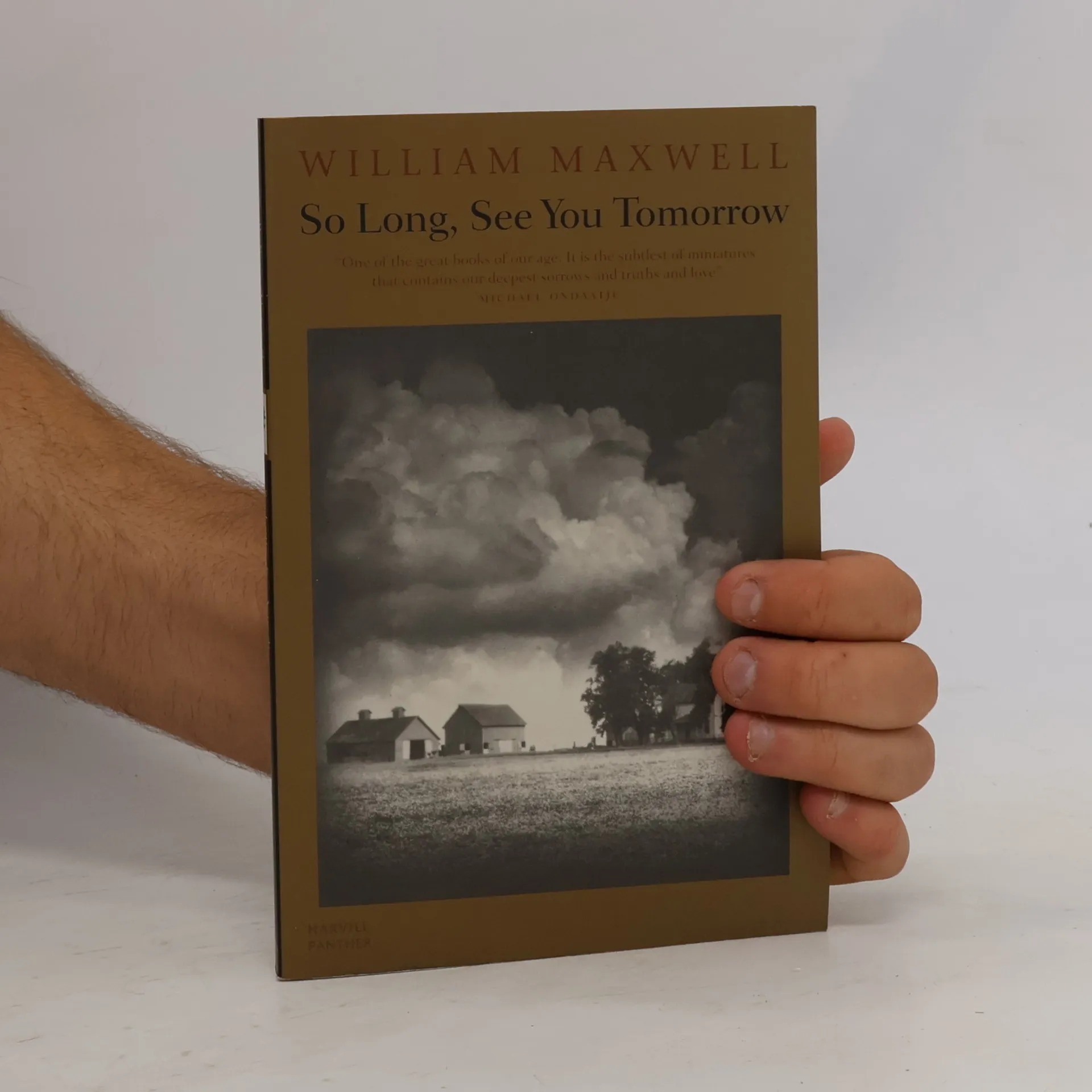
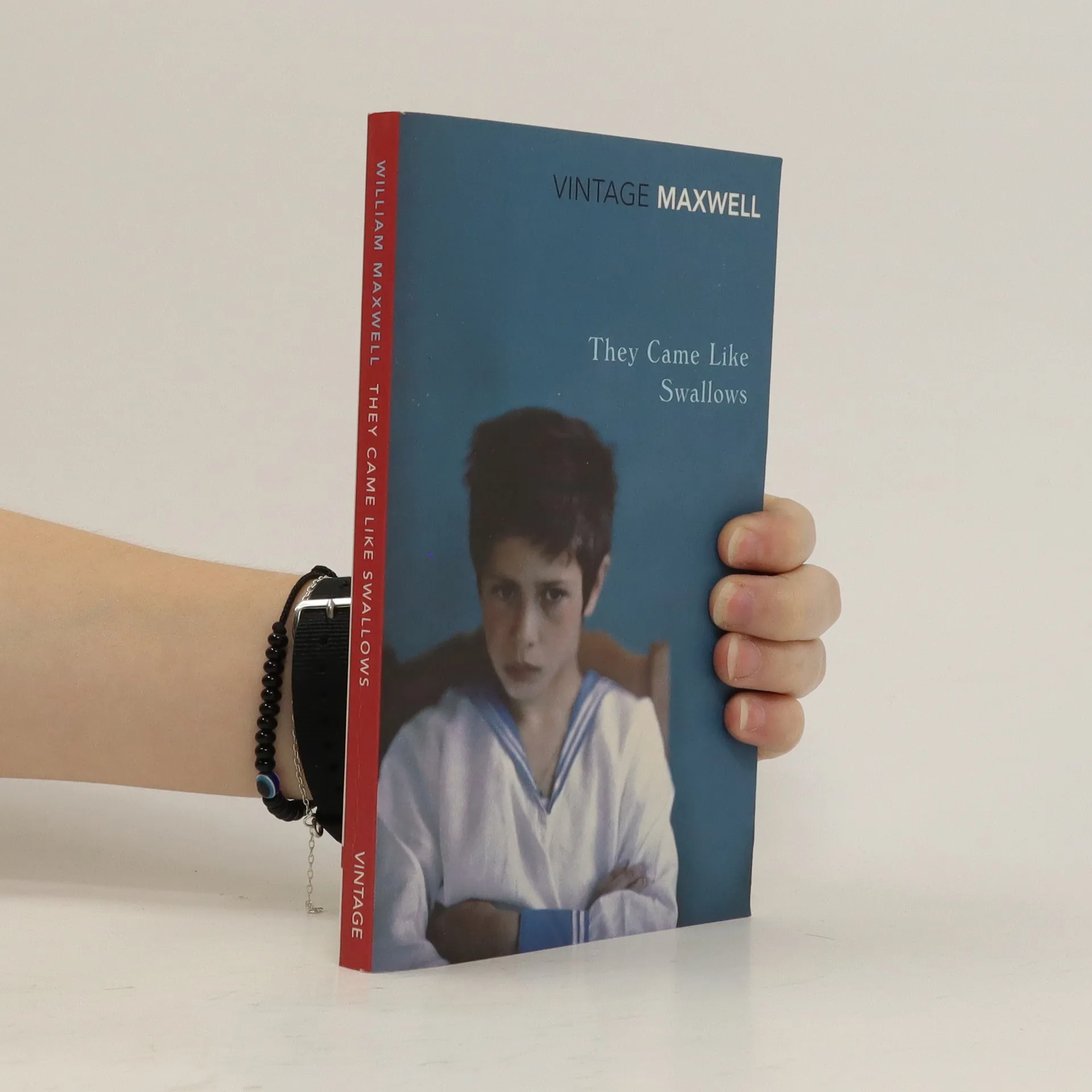
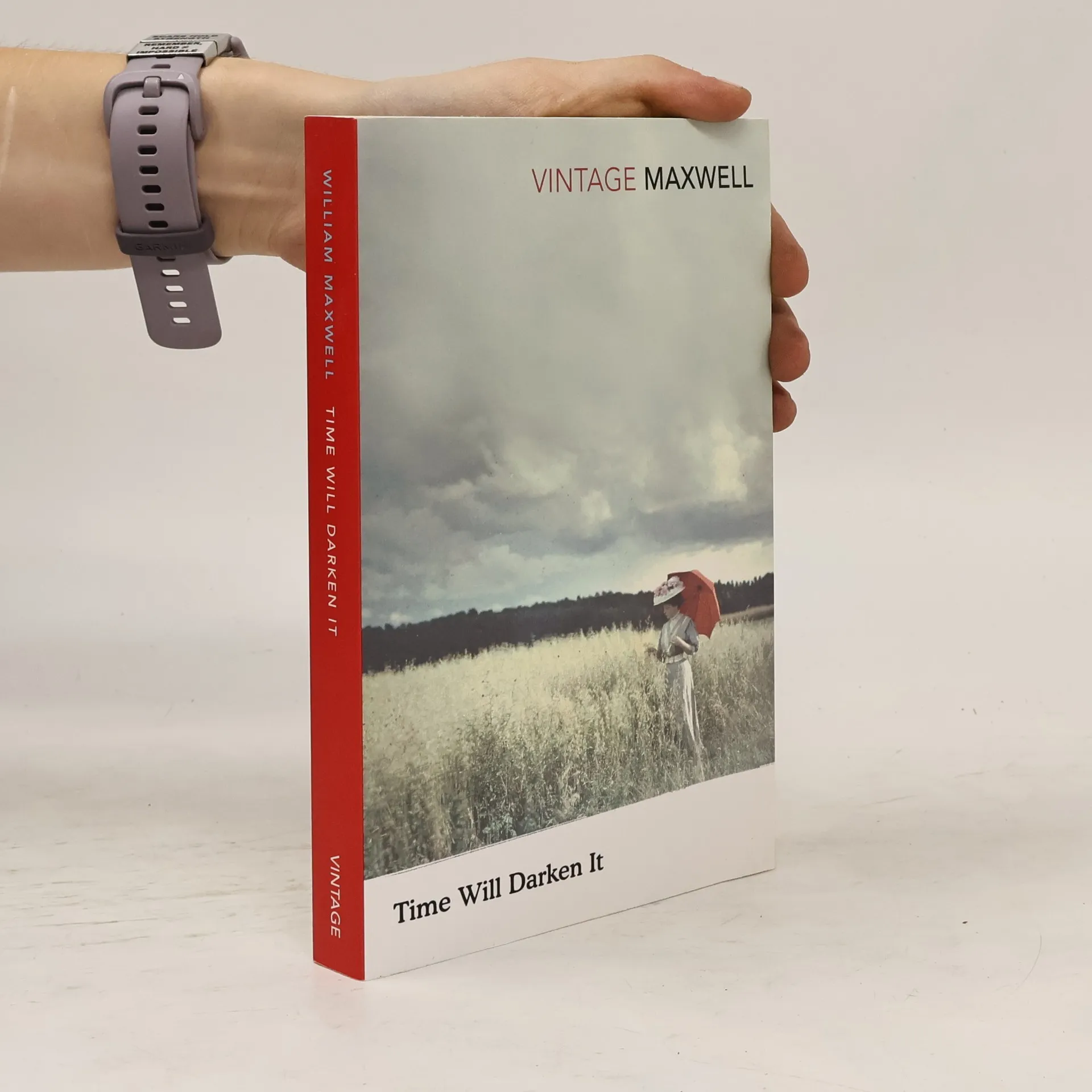
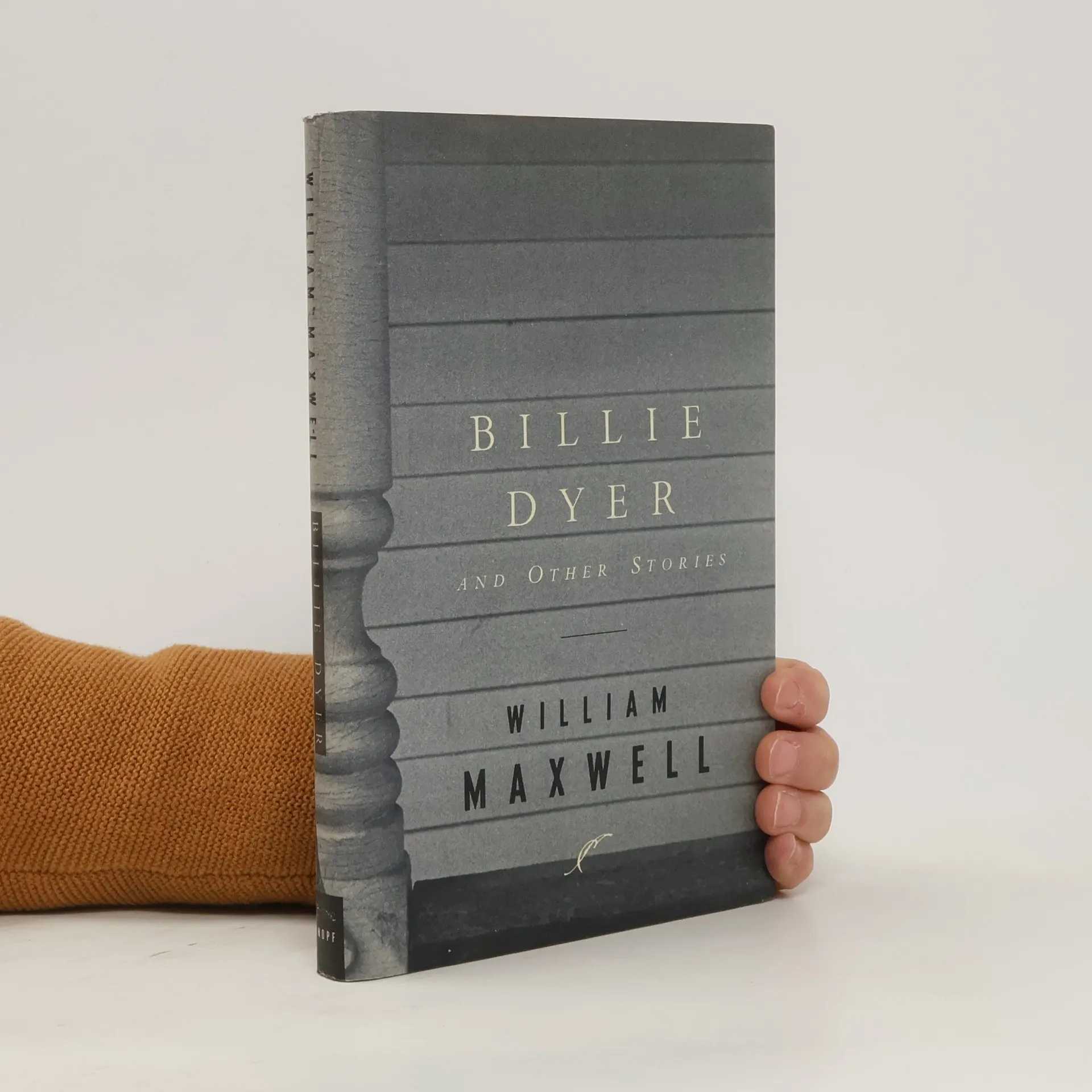
William Maxwell was an American novelist and fiction editor at The New Yorker. His acclaimed fiction, increasingly viewed as some of the most important of the 20th Century, frequently explores themes of childhood, family, loss, and lives quietly and irrevocably changed. Much of his work is autobiographical, particularly concerning the loss of his mother in childhood, which profoundly shaped his worldview. Maxwell's writing is characterized by a poignant reflection on life's transience and a deep, resonant sense of place.
Through seven wonderfully moving stories, 40-year New Yorker editor William Maxwell revisits his native town of Lincoln, Illinois, in the early 1900s and brings back some of its inhabitants who peopled his youth and have, through the years, haunted his memories. Billie Dyer -- Love -- The man in the moon -- With reference to an incident at a bridge -- My father's friends -- The front and the back parts of the home -- The holy terror
The decision to invite his Southern relatives to stay proves a fateful one for
Austin King. Against the perfectly-drawn background of small-town Illinois at
the turn of the 20th century, Maxwell once again uncovers the seeds of
potential tragedy at the heart of a happily-established family.
Discover William Maxwell's classic, heart-breaking portrait of an ordinary American family struck by the 1918 Spanish Flu pandemic 'A story of such engaging warmth that it would thaw the heart of any critic... Will melt many a reader to tears' TIME Elizabeth Morison is an ordinary woman. Yet, to eight-year-old Bunny, his mother is the centre of his universe. To Robert, her elder son, she is someone he must protect against the dangers of the outside world. And to her husband, James, she is the foundation on which his family rests and life without her is unimaginable. As the dark winter of 1918 dawns and the shadow of Spanish flu starts to disturb day-to-day life, a moving portrait of Elizabeth takes shape, set against the lives and fate of the Morison family. 'As you read They Came Like Swallows, you catch yourself from time to time being astonished at how tightly you're gripping the pages... There isn't a word that has dated. It could have been written yesterday, or tomorrow' Nicholas Lezard, Guardian
Few institutions seem more opposed than African American literature and J. Edgar Hoover's white-bread Federal Bureau of Investigation. But behind the scenes the FBI's hostility to black protest was energized by fear of and respect for black writing. Drawing on nearly 14,000 pages of newly released FBI files, F.B. Eyes exposes the Bureau's intimate
On an Illinois farm in the 1920s, a man is murdered, and in the same moment the tenuous friendship between two lonely boys comes to an end. In telling their interconnected stories, American Book Award winner William Maxwell delivers a masterfully restrained and magically evocative meditation on the past.
Spud Latham is slow at school but quick to fight and a natural athlete - Lymie
Peters, thin, pigeon-chested and terrible at games, is devoted to him. It is
Lymie who first meets Sally Forbes, but it is Spud she falls in love with.
This signals the end of their friendship and the rift is almost more than
Lymie can bear.
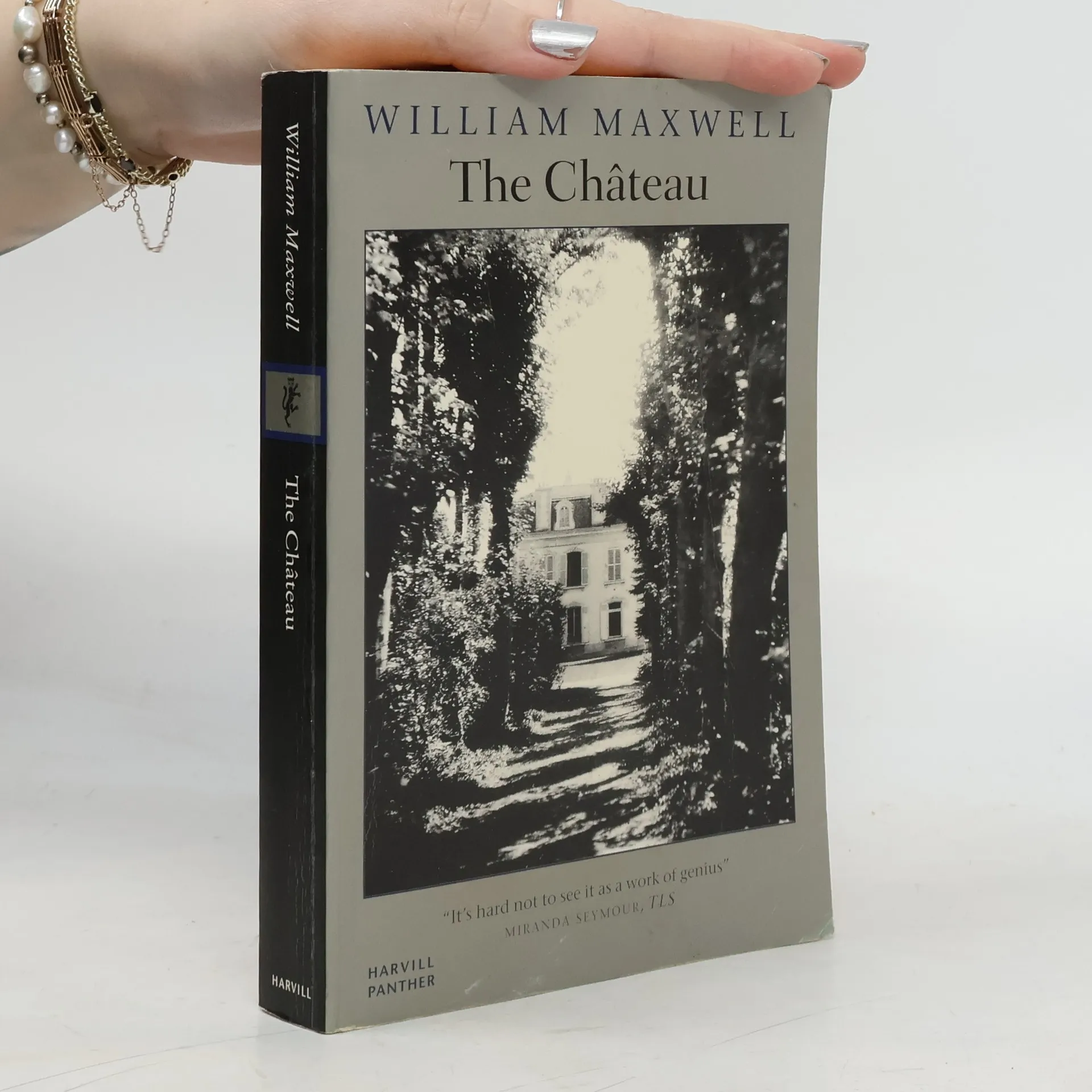
It is 1948, and a young American couple arrive in France for a holiday, full of anticipation and enthusiasm. But the countryside and people are war-battered, and their reception at the Chateau Beaumesnil is not all the open-hearted Americans could wish for.
Mariti e mogli prigionieri in matrimoni dove l’amore è assottigliato e sciupato, ma non esausto, abitati da ricordi gioiosi e da strane solitudini, vittime di ossessioni sottili, in fuga – solo immaginaria – dalle regole di una riservatezza che scivola in sofferenza. In sei racconti implacabili, che parlano di disamore, di gesti marmorizzati nell’abitudine, di desiderio struggente di felicità, Maeve Brennan sorprende, raggela e incanta.