
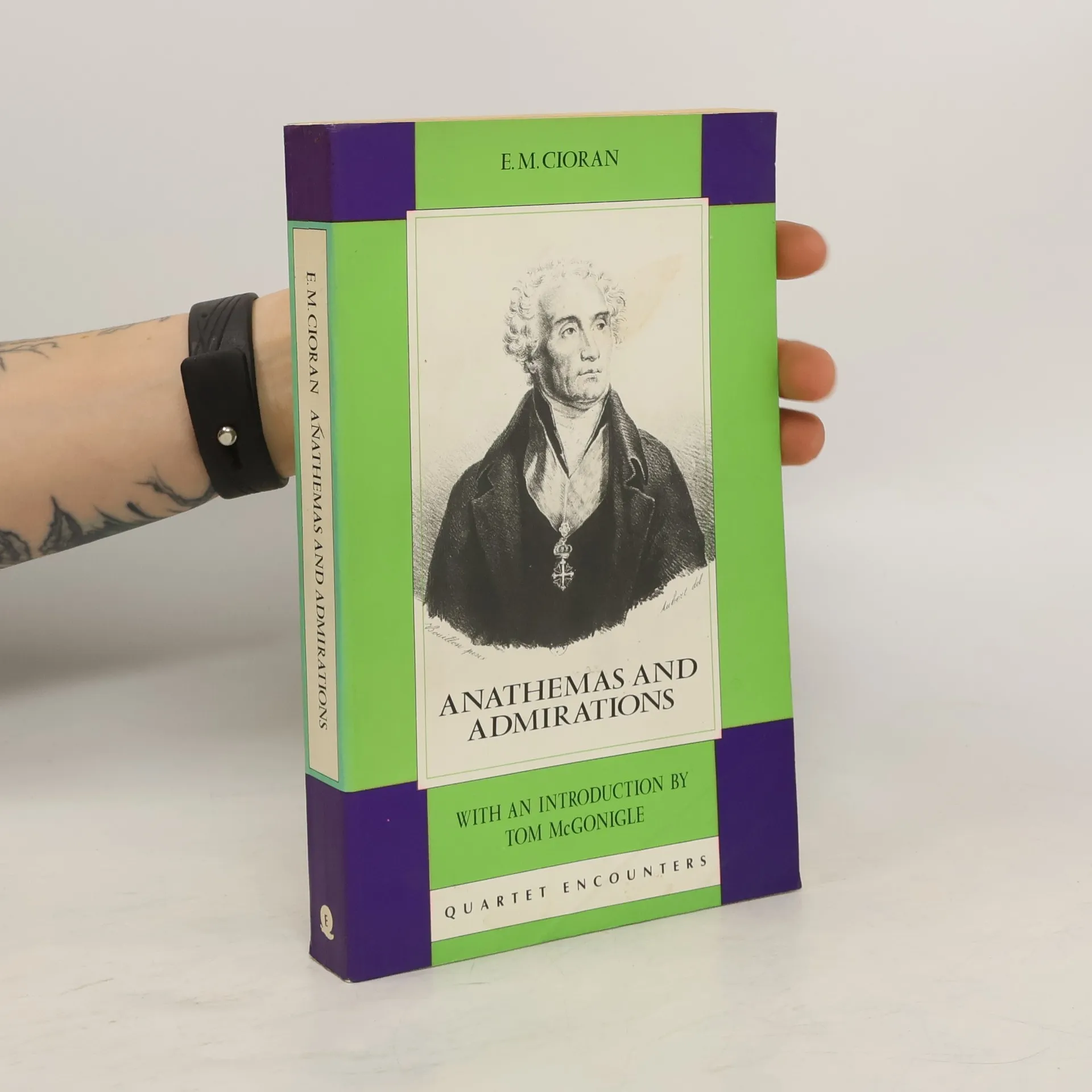
In this collection of essays and epigrams, E.M. Cioran gives us portraits and evaluations—which he calls "admirations"—of Samuel Beckett, Jorge Luis Borges, F. Scott Fitzgerald, the poet Paul Valery, and Mircea Eliade, among others. In alternating sections of aphorisms—his "anathemas"—he delivers insights on such topics as solitude, flattery, vanity, friendship, insomnia, music, mortality, God, and the lure of disillusion.
Emil Cioran Books
April 8, 1911 – June 20, 1995
Emil Cioran is renowned for his aphoristic and essayistic explorations of profound existential themes like despair, solitude, and the nature of history, often delving into metaphysical territories. Initially writing in Romanian, his early work featured lyrical meditations influenced by German Romantics and philosophers such as Nietzsche and Schopenhauer. Upon relocating to Paris, he adopted French, viewing it as a rigorous, almost constricting form that helped temper his excesses and enhance his philosophical precision. His subsequent French writings, characterized by a classical style, continued to dissect his persistent obsessions with increasing detachment, earning him recognition for his intellectual subversion and ironic, albeit bitter, humanism.




Drawn and Quartered
- 200 pages
- 7 hours of reading
Cioran's work exemplifies the philosophical essay genre with its brilliance and originality, prompting deep reflection and emotional responses from readers. His thought-provoking ideas challenge conventional thinking, making his essays both compelling and unsettling. With a unique style that engages the intellect, Cioran's writings invite readers to explore profound themes of existence, despair, and the human condition, leaving a lasting impression and stimulating further contemplation.
A Short History of Decay
- 192 pages
- 7 hours of reading
'A Short History of Decay' is a nihilistic and witty collection of aphoristic essays concerning the nature of civilisation in mid-20th century Europe.
Disaster, according to the caustically brilliant philosopher E. M. Cioran, lies not in the prospect of our deaths, but in the fact of our birth, that 'laughable accident'. In these pessimistic, nihilistic and darkly funny aphorisms, he strips the human condition down to its most basic and grapples with questions such as the passing of time, our inability to live in the world or just make ourselves get out of bed in the morning.
History and Utopia
- 128 pages
- 5 hours of reading
E. M. Cioran, a Romanian philosopher, challenges readers to confront reality without illusions, suggesting that only a "monster" can embrace the truth of existence. His philosophical insights draw comparisons to the works of Samuel Beckett, emphasizing themes of despair and the human condition. Through his provocative ideas, Cioran invites an exploration of deep existential questions, encouraging a raw and unfiltered perspective on life and its inherent struggles.
Opublikowany w roku śmierci francusko-rumuńskiego filozofa Emila Ciorana (19111995) tom wywiadów z nim stanowi bardzo szczególną publikację. Na początku lat 70. XX wieku Cioran pisał do znajomego: Mam sześćdziesiąt lat i nigdy nie występowałem publicznie. Nie cenił życia literackiego, nie przyjmował nagród, a swoje pisarstwo uważał za terapeutyczne. Żył paradoksalnie: uznawał życie za bezsensowne, lecz je kochał i cieszył się nim. W późniejszym okresie jednak, w miarę rosnącej sławy, zaczął udzielać wywiadów, czasem nawet rozmowy z nim odbywały się przed zgromadzoną publicznością. Niniejszy zbiór zawiera dwadzieścia takich wywiadów i rozmów z Cioranem z ostatniego ćwierćwiecza jego życia, głównie z lat osiemdziesiątych XX wieku. Mówi on o sobie i swoim stosunku do świata, opowiada o dzieciństwie, młodości i powodach, dla których, osiadłszy na stałe we Francji, w latach 40. porzucił ostatecznie język rumuński i zaczął pisać po francusku. Wiele miejsca w rozmowach zajmują kwestie egzystencjalne: sens (bezsens) życia, a zarazem czerpanie z niego, samobójstwo, religia, Bóg. Wywiady powstały przy różnych okazjach, rozmaici byli rozmówcy i dlatego mamy tu całą gamę tematów, a także zróżnicowaną głębię refleksji. Niektóre wątki powtarzają się, oświetlane zarazem z różnych perspektyw. Dzięki temu czytelnik otrzymuje wielostronny obraz osobowości filozofa poświadczony przez niego samego.
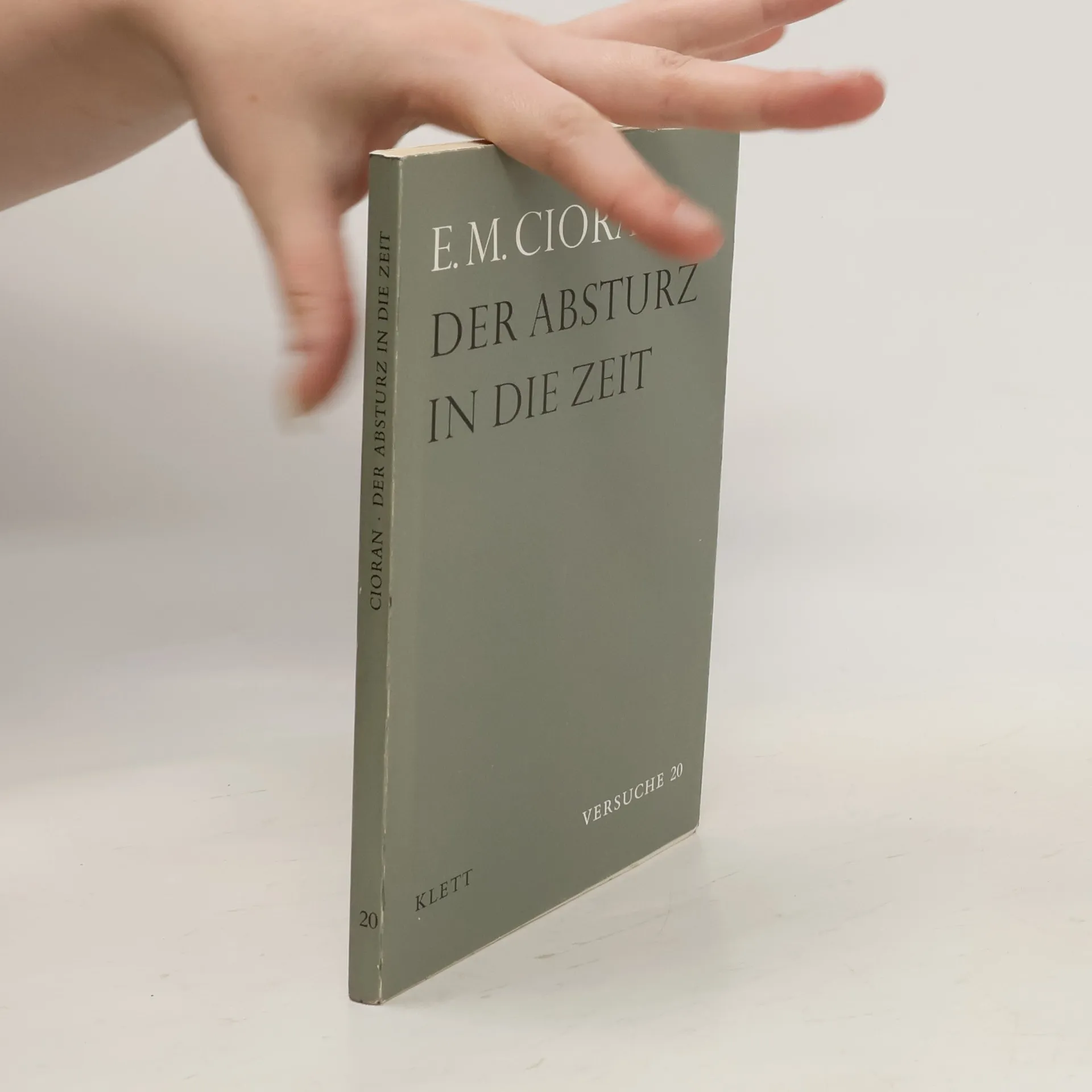
Der Mensch, der sich dem Abenteuer des Bewußtseins verschrieben hat, ist am Gegenpol seiner ursprünglichen Unschuld angekommen. Die Form des Wissens, für die er optierte, hat ihn der Welt entfremdet. Gefangen in seinem Größenwahn, verwechselt er Werden mit Fortschritt. Wohl wandelt sich alles - aber kaum, eigentlich nie, zum Besseren; denn der Fortschritt ist die profane Gestalt des Absturzes.
„Wer ist wie er? ... ein verzweifelter Privatnachdenker, der mit der Komik seiner Lage spielt ... Nur eines läßt der ins Scheitern verliebte Schriftsteller gelten: seine Notizen – ‚Ich werde mich an diese Cahiers klammern, denn sie sind der einzige Kontakt, den ich mit dem Schreiben habe.‘“ Hennning Ritter, Frankfurter Allgemeine Zeitung . „Was im autorisierten Werk nur anspielungshaft ausgedrückt ist, kann man nun namentlich identifi zieren... Die... nunmehr vollstän- dige Übersetzung der Notizen ist eine bedeutende verlegerische Leistung.“ Jürgen Große, Information Philosophie „Ohne Übertreibung läßt sich sagen, daß einem in diesem Band der eloquenteste Misantthrop des 20. Jahrhunderts begegnet.“ Roderich Schmitz, Junge Freiheit „Wortgewaltiger hat wohl niemand vor ihm die Verzweifl ung un- seres Seins beschrieben ...“ Peter Kampits, Wiener Zeitung
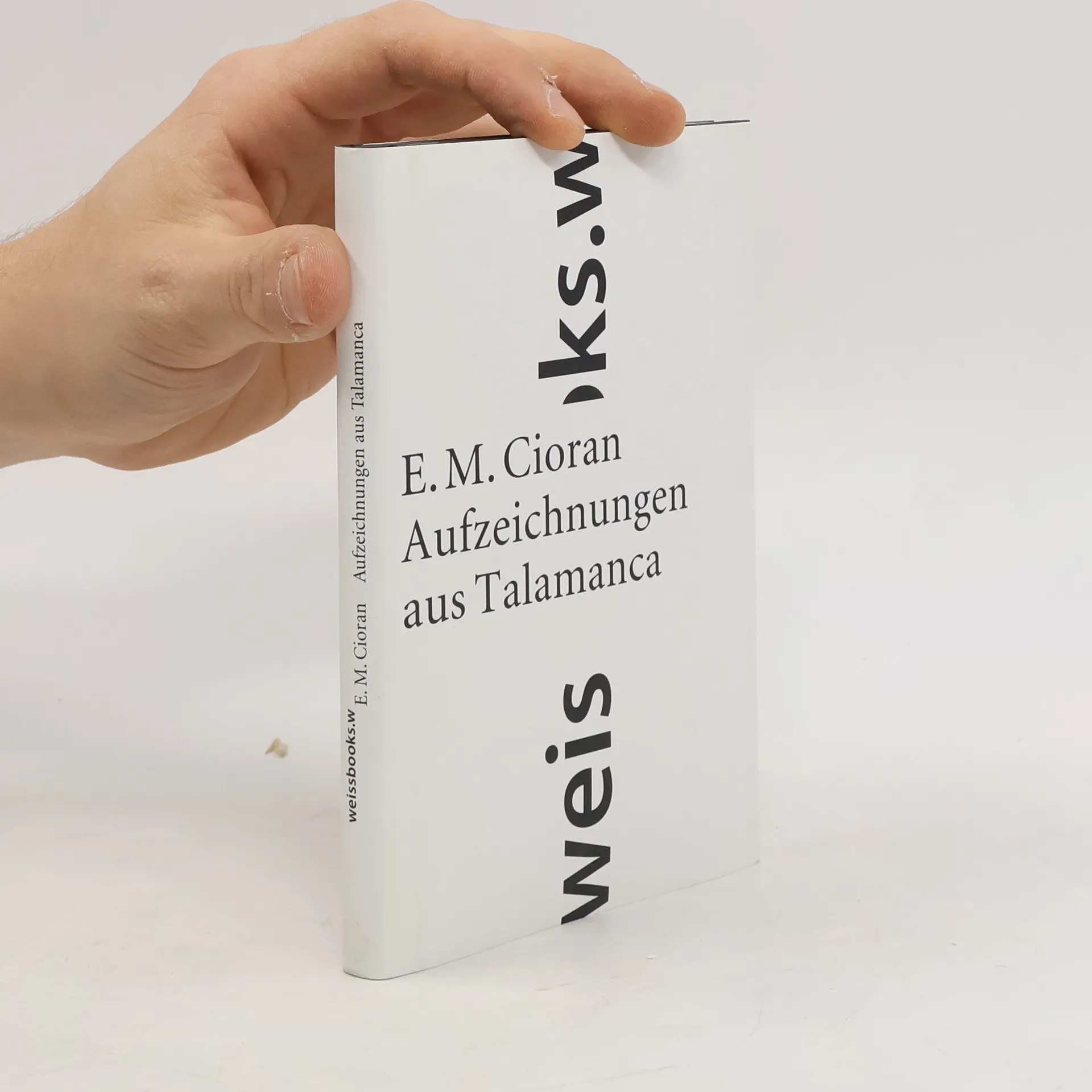
E.M. Cioran verbrachte 1966 einen Sommer in Talamanca, Ibiza, und fand dort nicht die erhoffte Ruhe. Stattdessen litt er unter Schlaflosigkeit und Hitze, was ihn zum Schreiben eines Tagebuchs über eine vergangene Liebe inspirierte. Sein Werk ist voller geistreicher Gedanken und Reflexionen über seine Befindlichkeit.
Pensées étranglées
- 86 pages
- 4 hours of reading
"Premier devoir, au lever : rougir de soi". "Je rêve d’une langue dont les mots, comme des poings, fracasseraient les mâchoires". "Frivole et décousu, amateur en tout, je n’aurai connu au fond que l’inconvénient d’être né". "Rien ne pourra m’ôter de l’esprit que ce monde est le fruit d’un dieux ténébreux dont je prolonge l’ombre et qu’il m’appartient d’épuiser les conséquences de la malédiction suspendue sur lui et sur son œuvre". Dans cet essai, Cioran réfléchit sur l’impossible conciliation entre l’idée de Dieu et l’omniprésence du mal. Malgré des pages très sombres, il conclut pourtant : "Nous sommes au fond d’un enfer dont chaque instant est un miracle". Une pensée d’une exigence radicale, entre désespoir absolu et humour ravageur. Ces deux textes sont issus de l’essai intitulé "Le Mauvais Démiurge" (NRF essais, 1969).