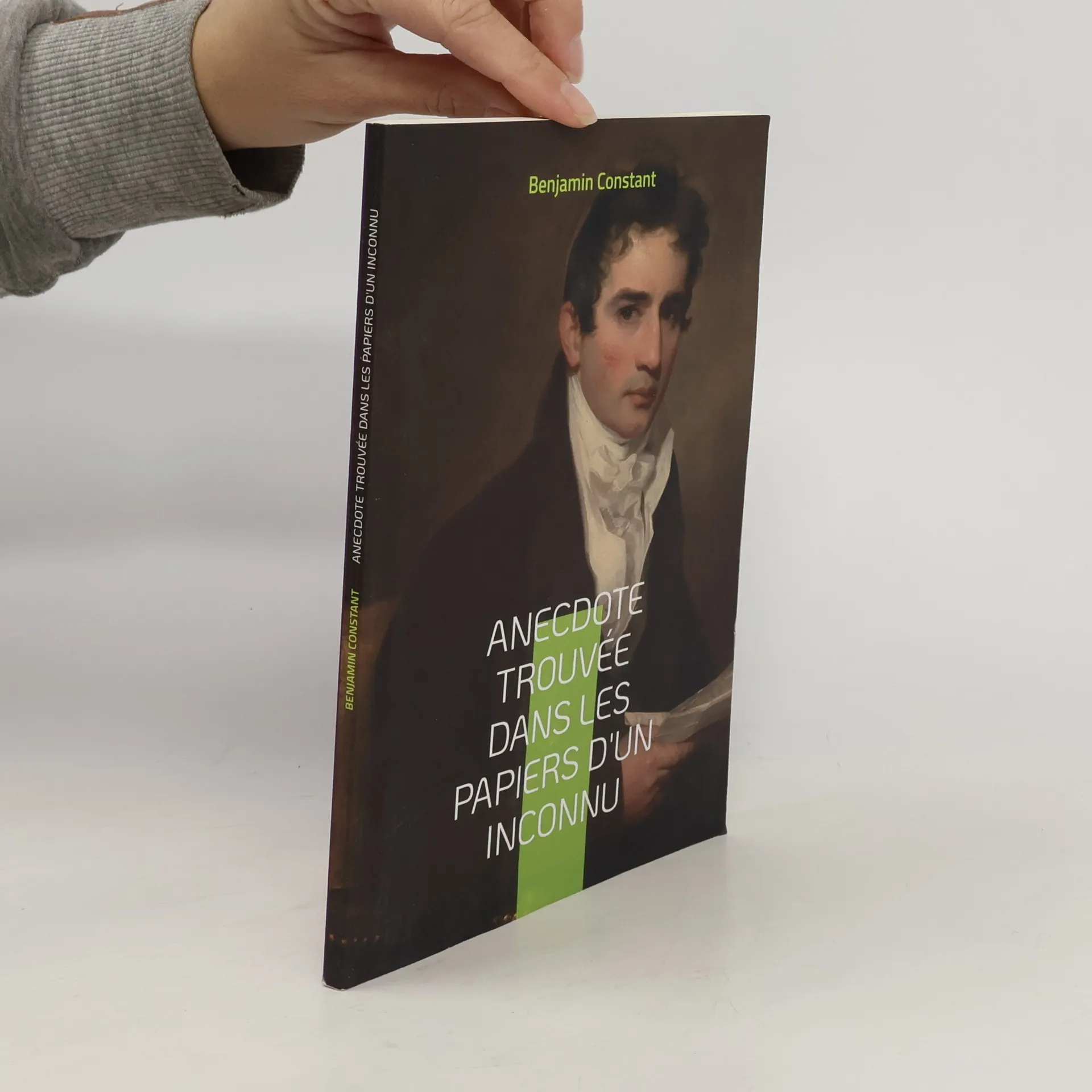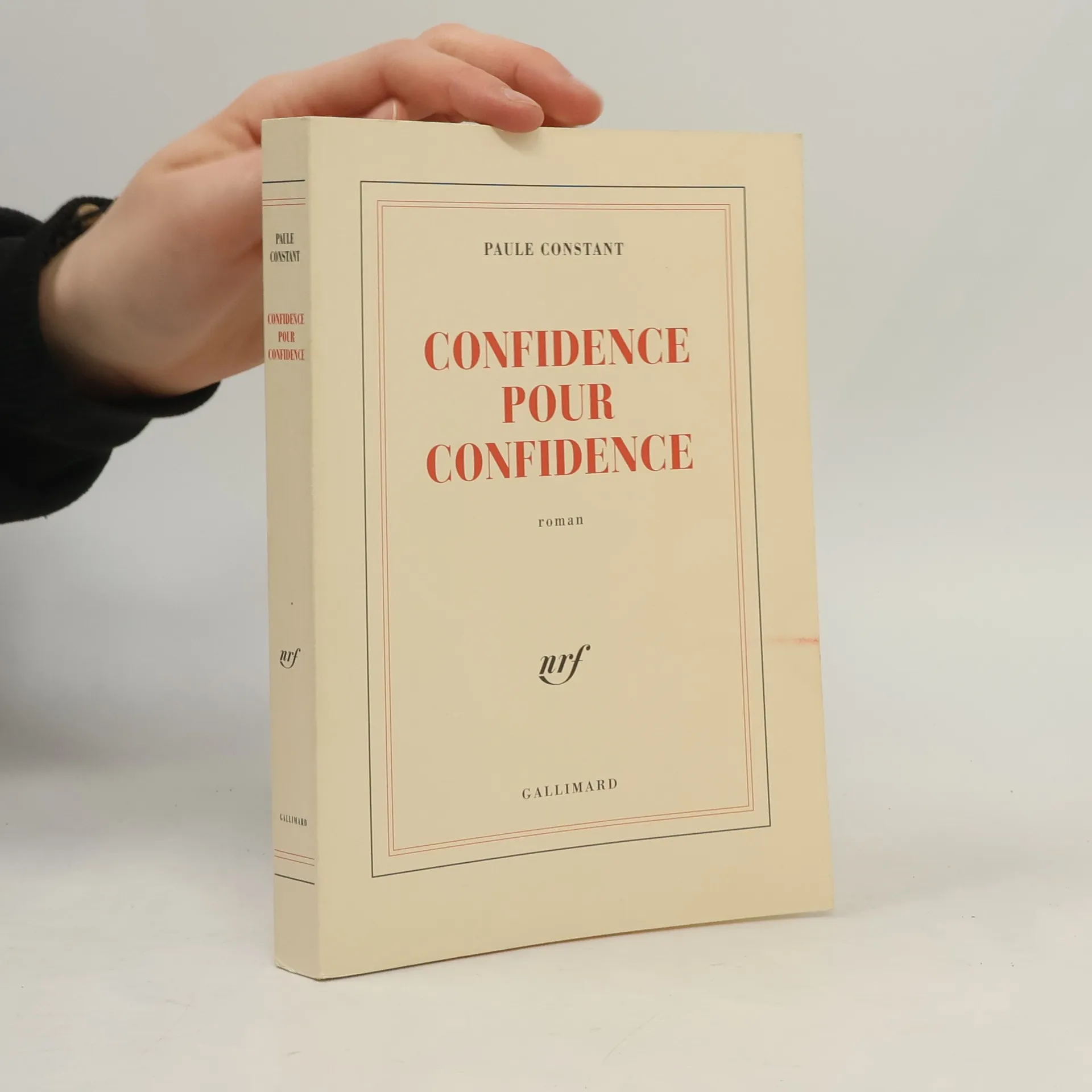
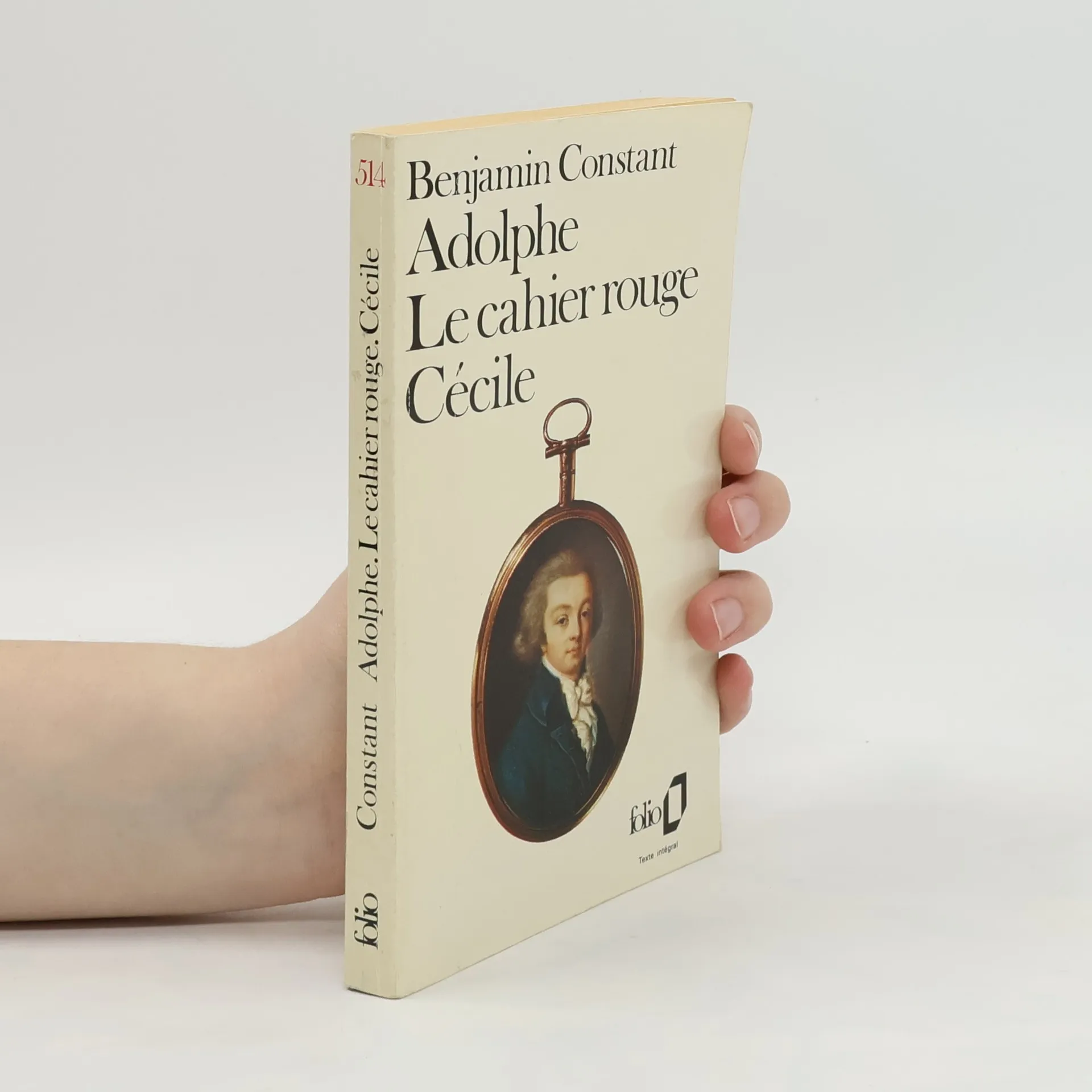

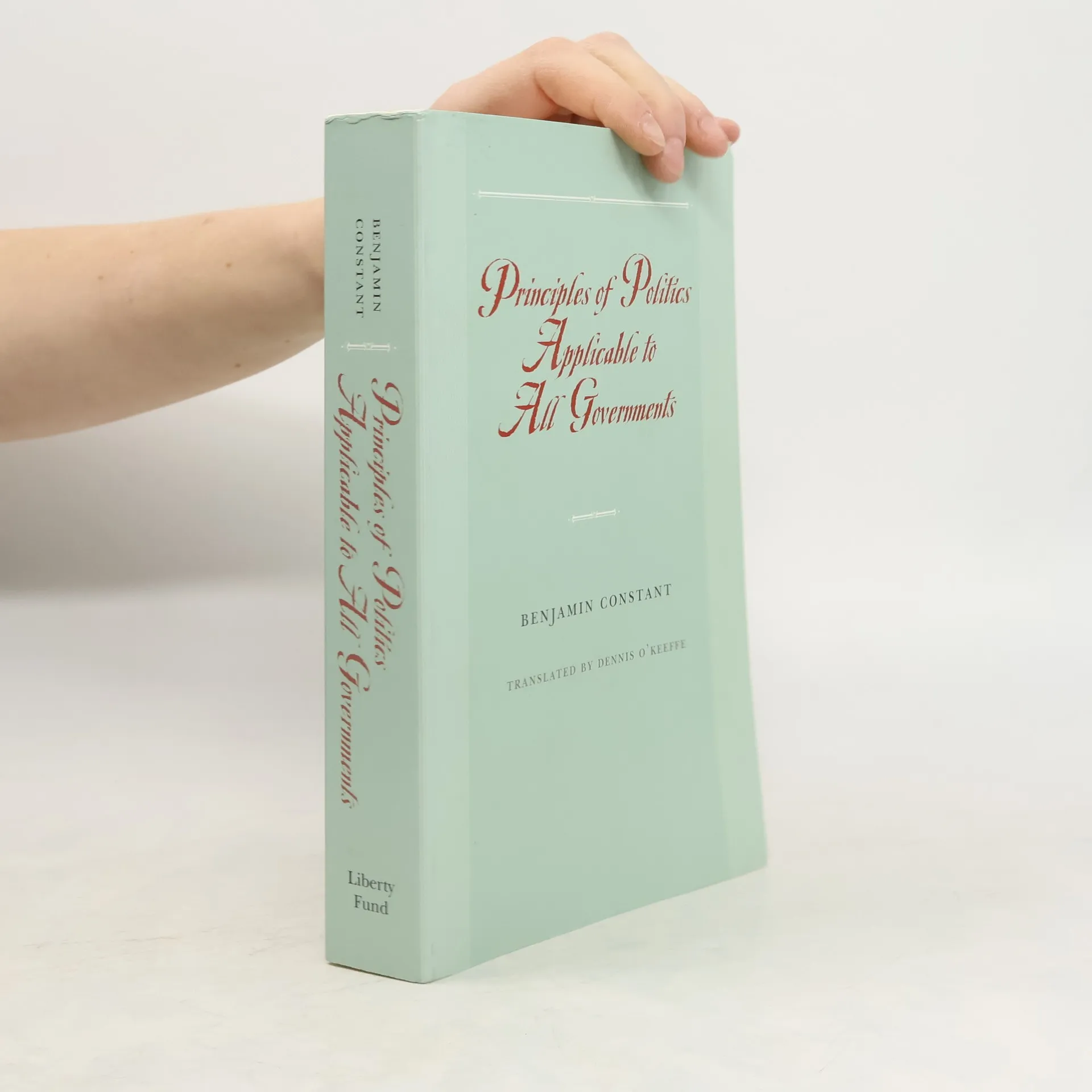
Constant de Rebecque was a nobleman and thinker whose literary work and political views profoundly influenced liberal thought. He explored the nature of liberty and modern life, analyzing the tensions between individual autonomy and societal forces. His writings are characterized by keen psychological and political insight, examining the perpetual struggle to maintain personal independence within a dynamic world.
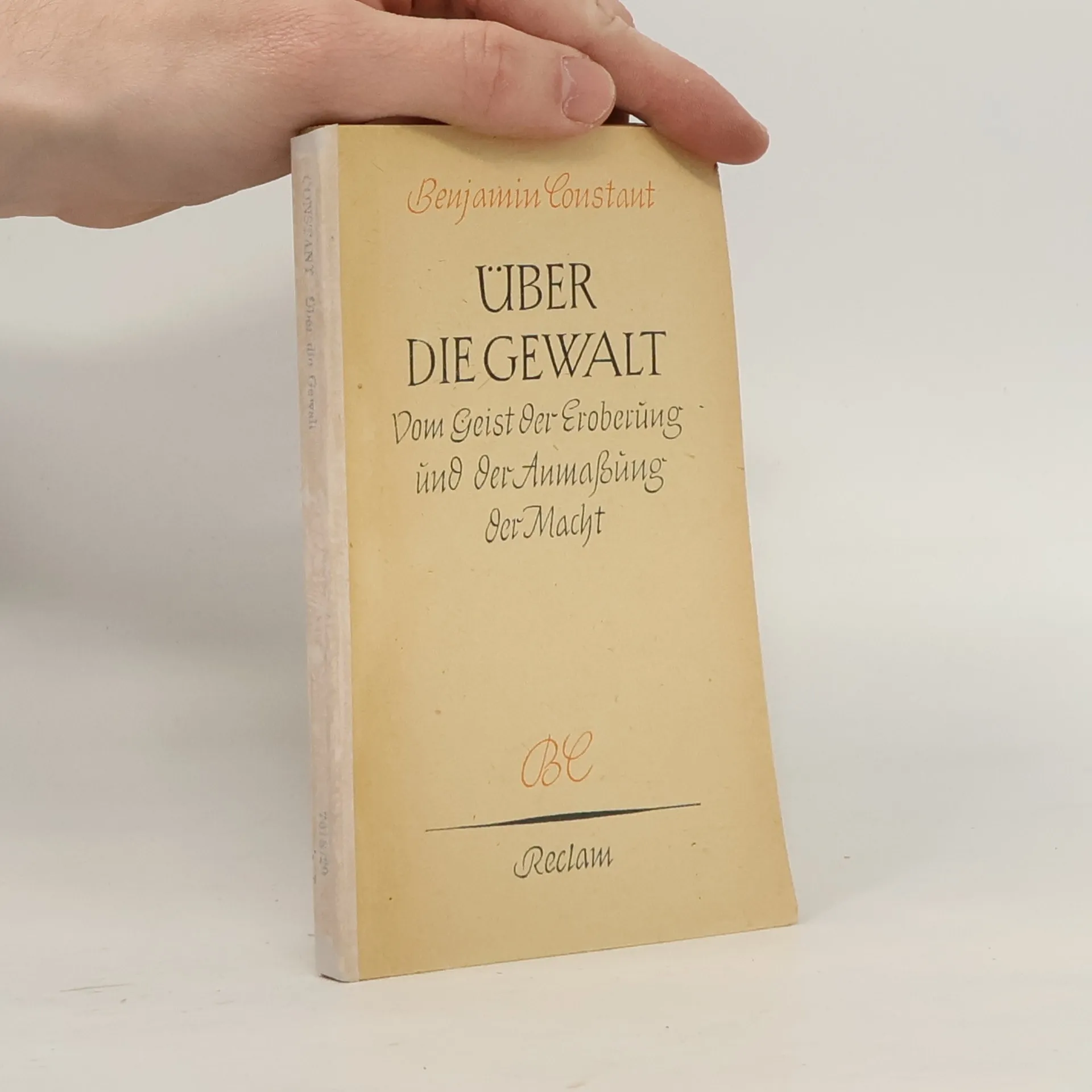
Focusing on fundamental political concepts, this work delves into law, sovereignty, and representation, examining the dynamics of power and accountability. It addresses critical issues such as government, property rights, taxation, and the societal impacts of wealth and poverty. Additionally, the text explores the complexities of war and peace, the importance of public order, and the essential freedoms of individuals, including those of the press and religion, offering a comprehensive analysis of political philosophy in the early 19th century.
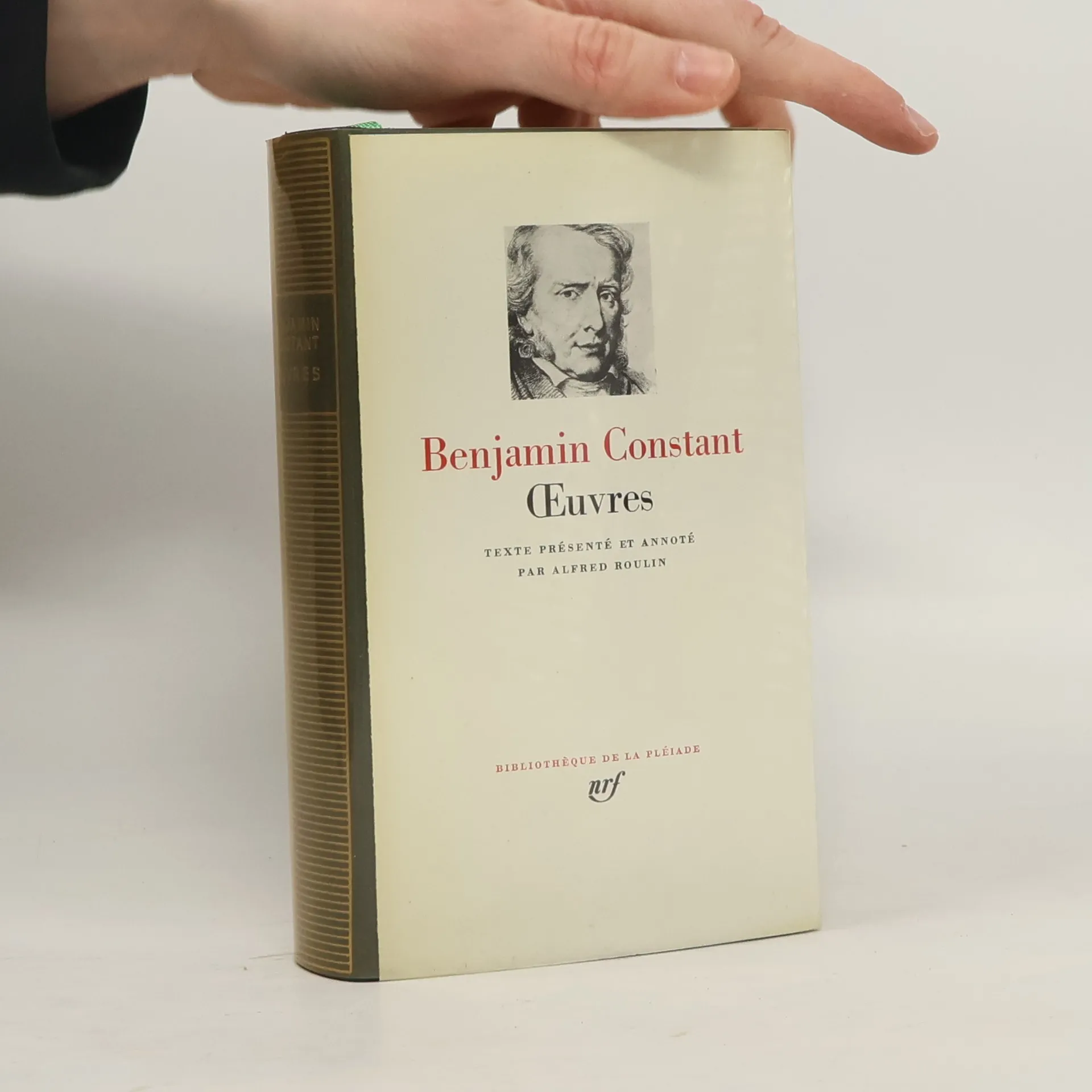
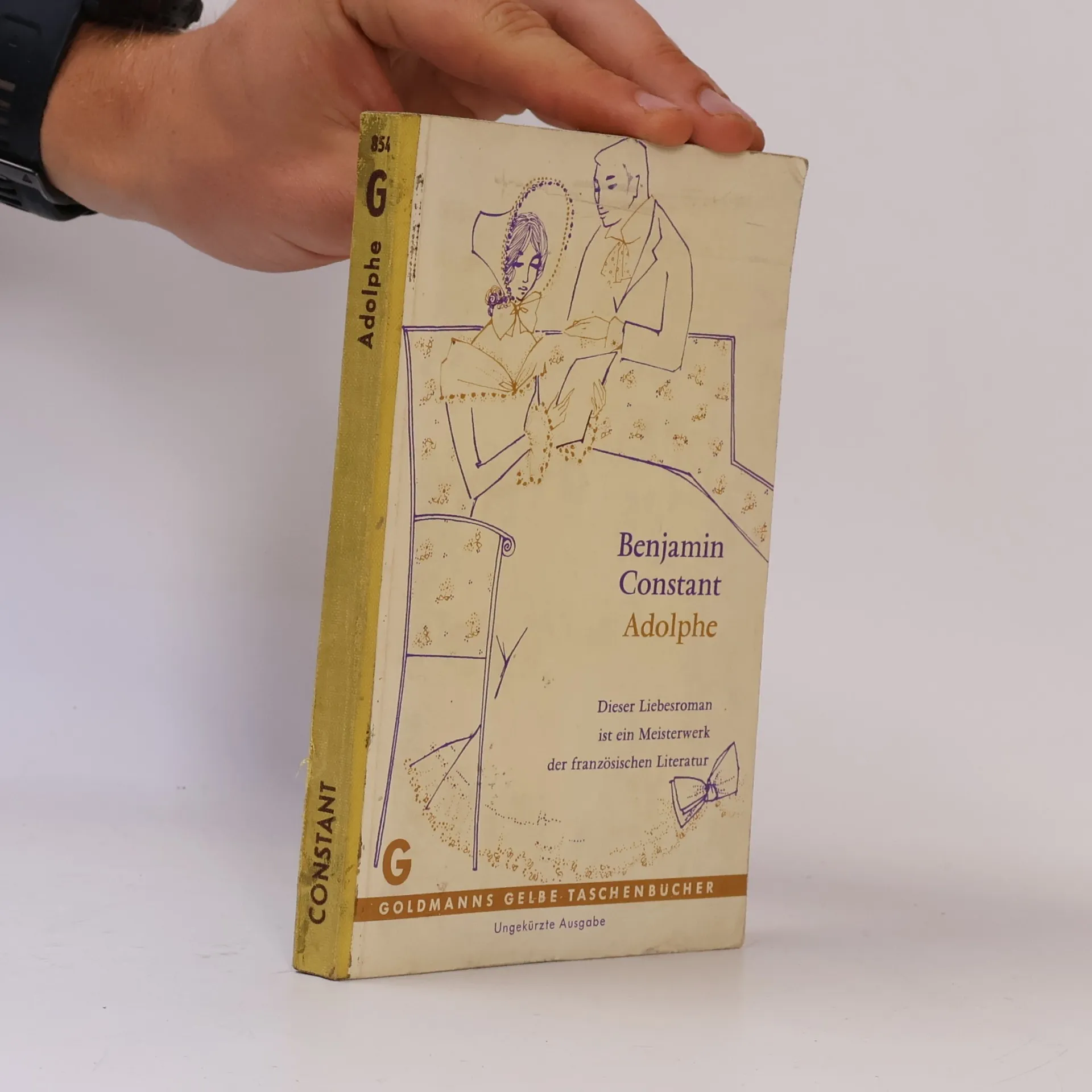
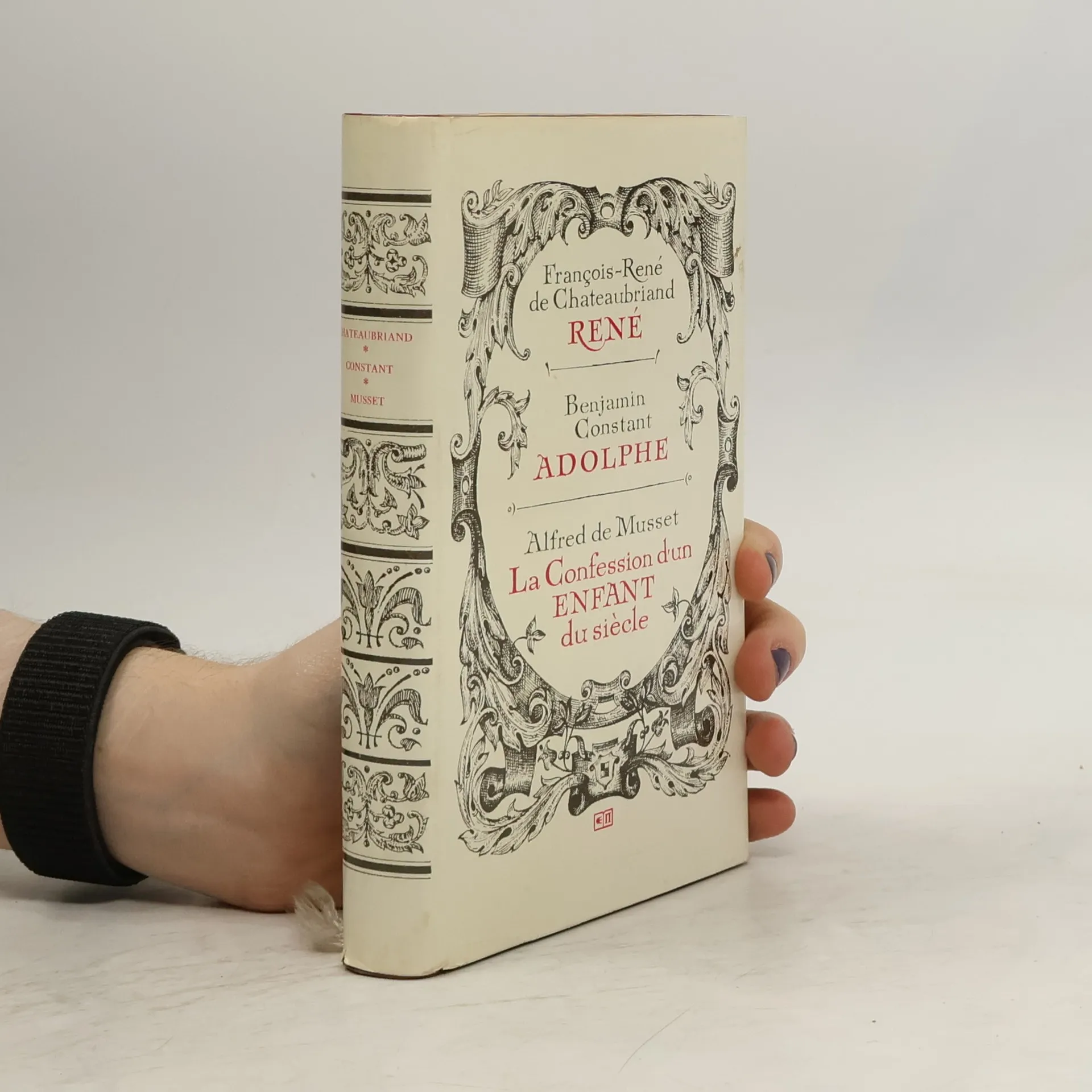
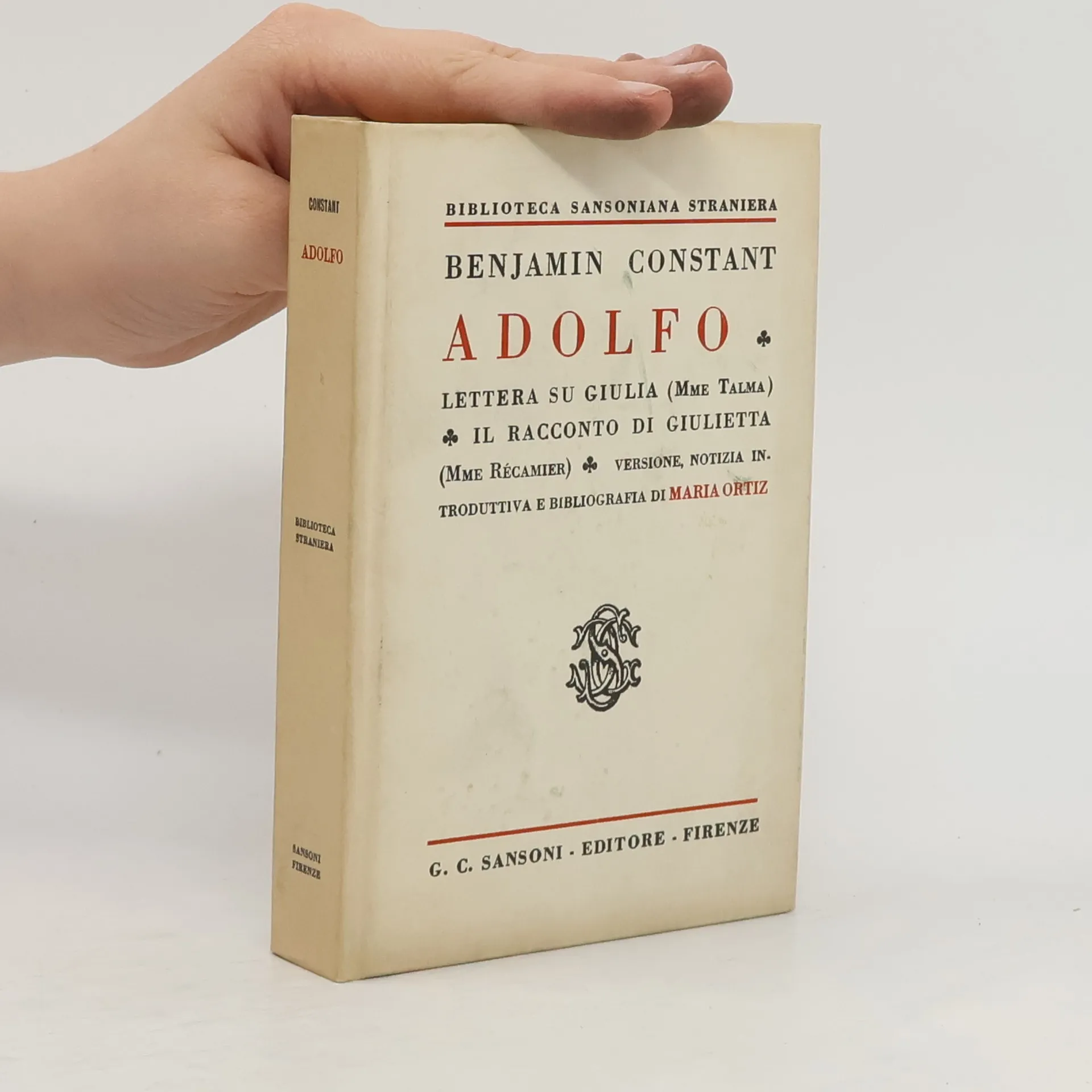
Adolphe enjoys all the advantages of a noble birth and an intellectual ability, yet he is haunted by the meaninglessness of life. Thus, he merely seeks distraction in the pursuit of the beautiful, but older and married Ellenore. The young Adolphe, inexperienced in the language of love, falls for her unexpectedly and falters under the burden of an illicit love that is destructive to his public career. Unable to commit himself fully to Ellenore, and yet unwilling to face the pain he would cause by leaving her, Adolphe finds himself incapable of resolving an increasingly tragic situation. Written in a clear and thoughtful style, Adolphe (1816) reveals Constant's own experiences in love, while reflecting his anxieties for the possibility of any authentic commitment to someone other than ourselves, whether emotional or political, in a disenchanted world. About the Series: For over 100 years Oxford World's Classics has made available the broadest spectrum of literature from around the globe. Each affordable volume reflects Oxford's commitment to scholarship, providing the most accurate text plus a wealth of other valuable features, including expert introductions by leading authorities, voluminous notes to clarify the text, up-to-date bibliographies for further study, and much more.
Pris Adolphe ou la première grande histoire d'amour romantique française. Avec cet ouvrage, Benjamin Constant inaugure un long siècle de romantisme, d'amours douloureuses et mortelles.
Voyages à travers l'Europe, lectures fiévreuses et désordonnées, découverte de la société et de ses travers, rencontres amoureuses et passionnées... tels sont les premiers pas dans le monde du jeune Benjamin Constant. A l'heure du bilan, l'auteur d'Adolphe pose sur sa jeunesse un regard tendre et amusé.
This 12 th volume gathers all of Constant’s interventions at the French Chamber of deputies from April 1819 to July 1820, after his success at the complementary election of the Sarthe department in March 1819. In his speeches, Constant offers a powerful defense of his political convictions against the conservative turn imposed by successive governments: the liberal Restauration is living its last moments, suffocated by the Ultras’ comeback.
Die Erzählung thematisiert die komplexen emotionalen und psychologischen Konflikte des Protagonisten Adolphe, der in eine leidenschaftliche, aber destruktive Beziehung verwickelt ist. Der Roman, ursprünglich zwischen 1806 und 1807 entstanden, bietet einen tiefen Einblick in die Themen Liebe, Freiheit und das Streben nach Identität. Diese Ausgabe ist eine sorgfältige Bearbeitung des Textes, die an die neue deutsche Rechtschreibung angepasst wurde, und präsentiert die Geschichte in einem lesefreundlichen Großdruck. Die ansprechende Umschlagabbildung von Ingres ergänzt das literarische Werk.