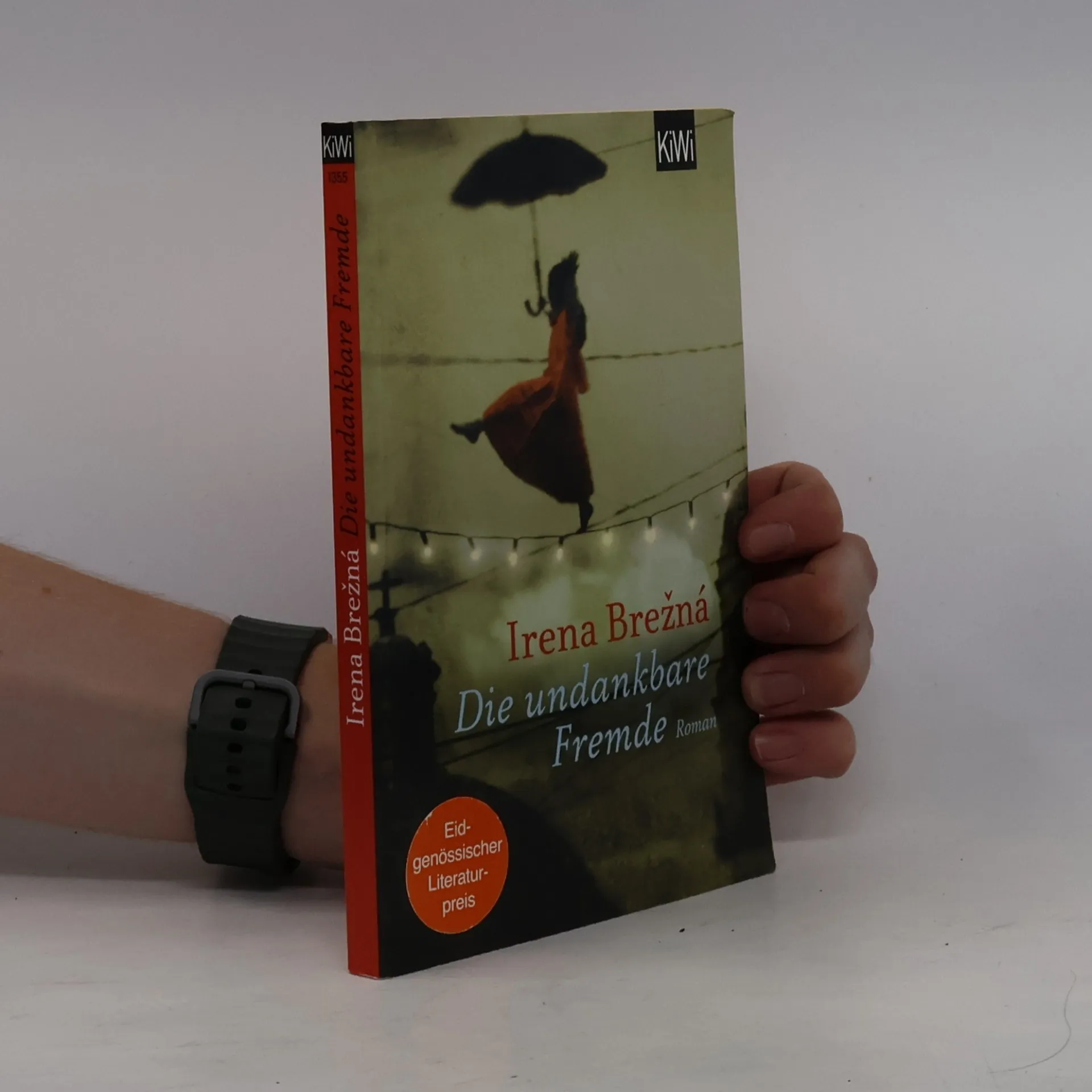
A novel that offers a timely and important viewpoint on the immigration experience about the need for resistance to blind assimilation in a host country. In 1968, in search of a better world, a young person flees her country and ends up in Switzerland, the land of hard cheese. There she's told not to talk nonsense, or not to "talk cheese," as they say in the local dialect. Home is where you can grumble, but here you have to be grateful. Her new environs seem unwieldy, aloof, and she rebels against this host country that insists on her following its rules, that won't let her be herself. But as an interpreter, she meets many others who have ended up here--petty criminals, depressives, hustlers, refugees, victims of exploitation, and others who have gone out of their way to assimilate, people who share a hope that they can make something new of their lives. Gradually she learns to experience the richness of exile and foreignness, to build bridges between cultures. A brilliantly written novel about the search for identity between assimilation and resistance, Irena Brezná's The Thankless Foreigner is a significant addition to the important literature of immigrant experience.
Irena Brežná Books
Irena Brežná's writing delves into themes of exile, displacement, and the search for identity in unfamiliar surroundings. Her work is infused with a profound understanding of human suffering, particularly within the context of political conflicts and oppression. With a keen eye for detail and a deeply empathetic approach, she illuminates the complex lives of individuals marginalized by circumstance. Brežná expertly blends her linguistic and psychological insights to craft compelling and thought-provoking narratives.


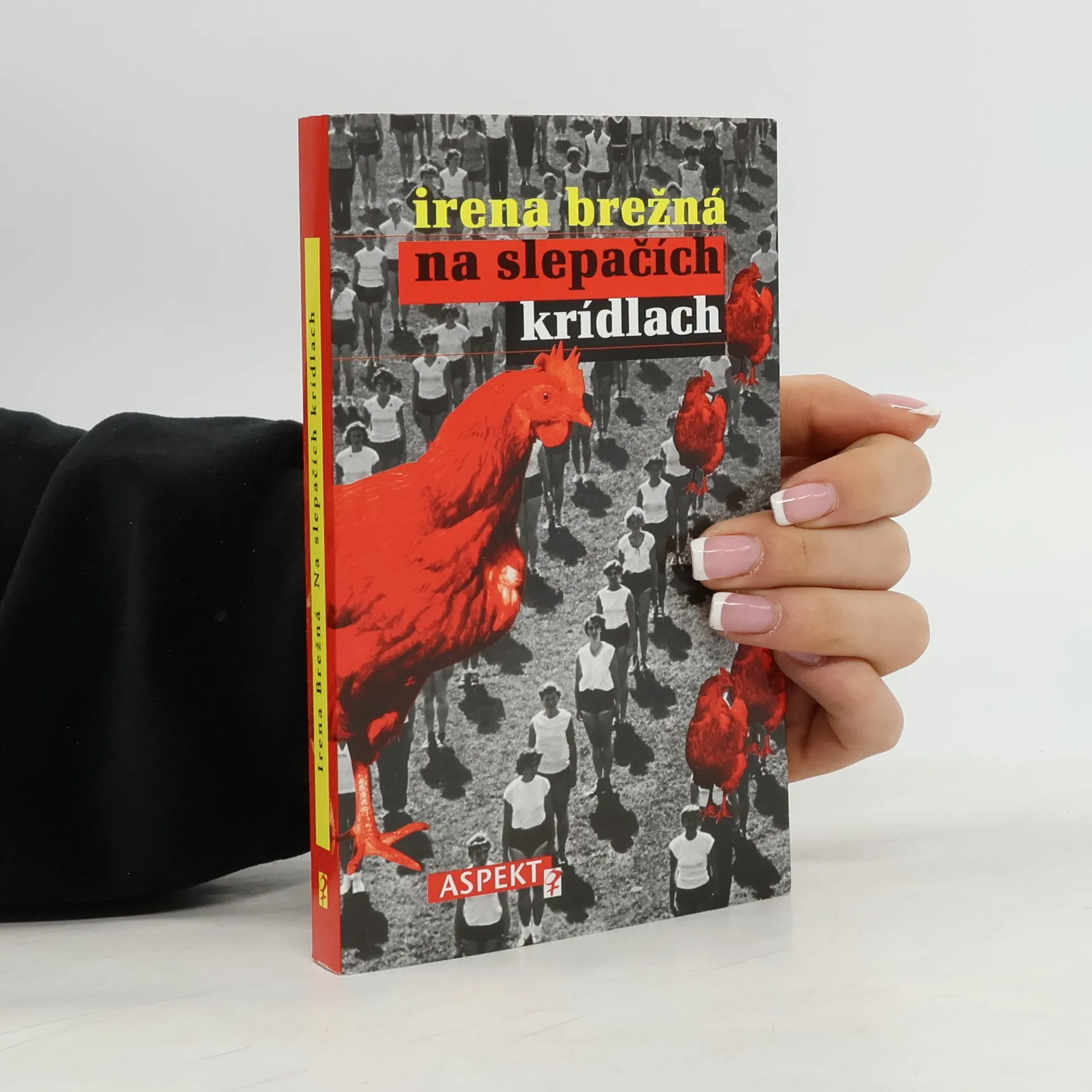
Na slepačích krídlach
- 220 pages
- 8 hours of reading
Autorka žijúca vo Švajčiarsku píše svoje súkromné dejiny z Trenčína päťdesiatych rokov. Spomienky na detstvo filtruje cez poučene naivistický pohľad, rafinovane zarámovaný kontextom životnej skúsenosti zrelej ženy, ktorej nechýba zmysel pre humor, ba až satiru. „Páči sa mi ostať ležať a byť mŕtva, keď som sa obetovala za druhých. Škoda, že je už po vojne aj po Veľkej revolúcii a naši proletári sú slobodní. Všetko dôležité je vykonané, teraz už len musíme byť šťastní, a to je strašne ťažké.“
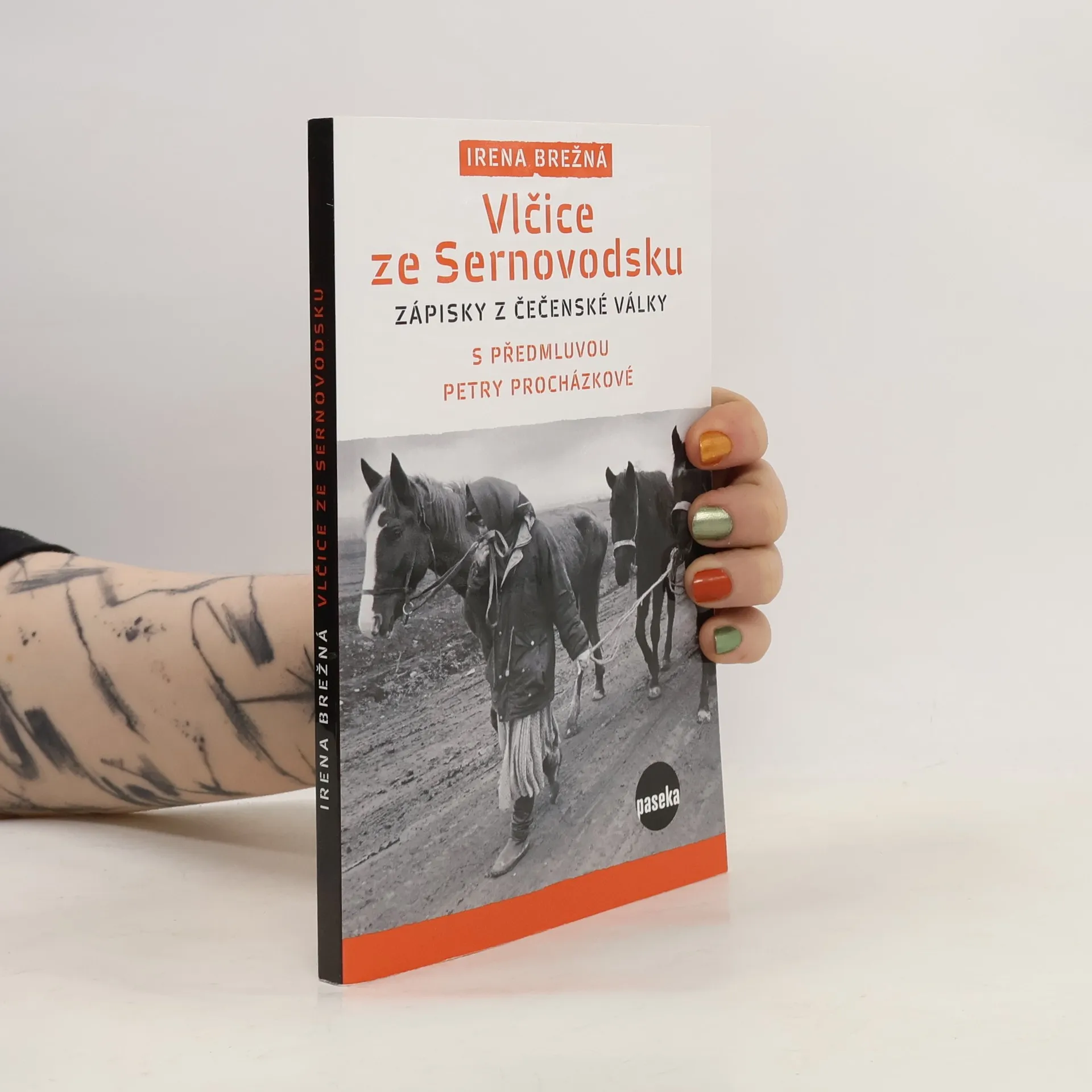
Irena Brežná se opakovaně zúčastnila jako válečná reportérka švýcarského listu Tageseinziger Zürich Magazin první čečenské války (1995–1996) a v přestrojení za čečenskou ženu navštívila zničené vesnice, později jako novinářka i města a tábory severního Kavkazu. Ve svých reportážích se však nezaměřovala na průběh bojů ani na příběhy partyzánů, teroristů, politiků a vojáků, ale především na osudy čečenských žen, kterých se válka dotkla možná ještě krutěji než válčících mužů. V reportážích popisuje s velkým smyslem pro detail a sugestivním jazykem nejrůznější situace každodenního života za války, nesmyslné krutosti ruské armády i čečenských teroristů. Svoji zkušenost z války reflektuje ve svých esejích, kde se snaží dopátrat příčin onoho zla. Soubor reportáží a esejů z čečenské války doplňují texty Ireny Brežné věnované gulagu, mafii, ruské povaze i každodenním problémům Ruska. Zápisky z čečenské války s předmluvou Petry Procházkové
Schuppenhaut : ein Liebesroman
- 111 pages
- 4 hours of reading
In einer bildhaften und poetischen Sprache e rzählt Irena Brežná – im Wechsel zwischen Nähe und Distanz – von einer aufwühlenden, radikalen Liebe
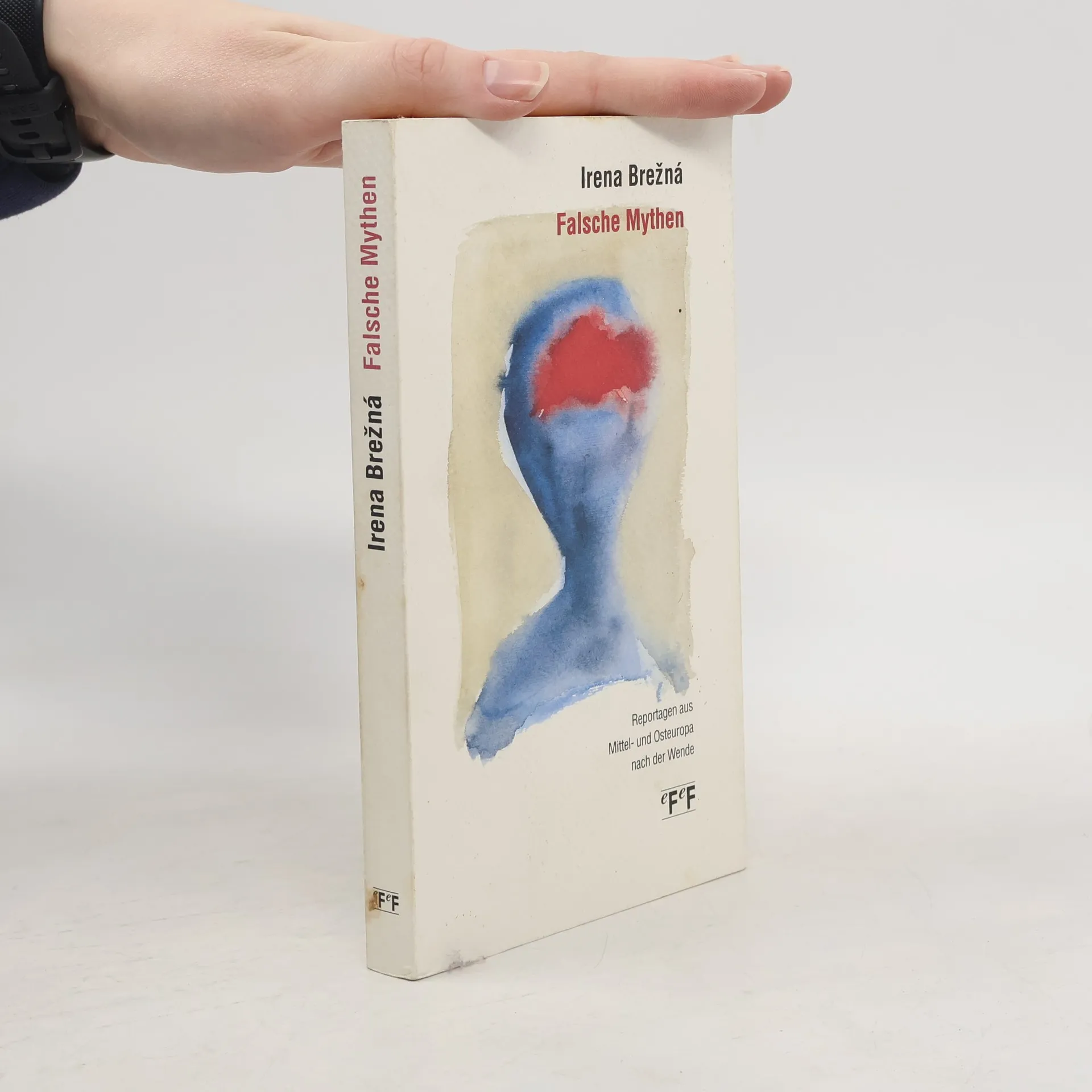
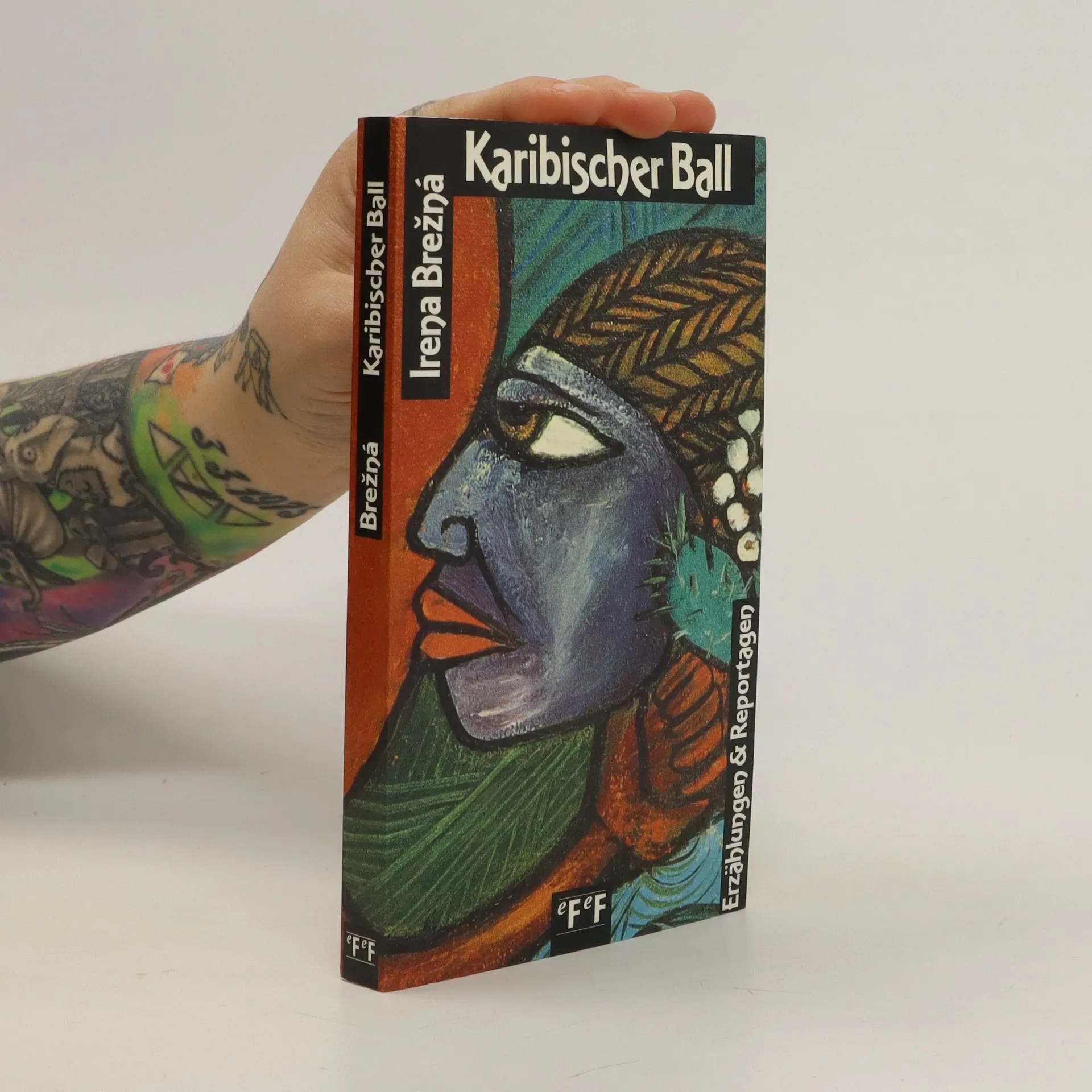
Irena Brezná gibt Menschen eine Stimme, die entwurzelt sind, sich an Traditionen klammern oder mit ihnen brechen, ihr Leben meistern oder darum bangen müssen. Im Porträt einer Tschetschenin, die den Westen aufrütteln will, in den Reportagen über eine polnische Goralenhochzeit, über Bauern und Nonnen in Siebenbürgen oder Moldawien und über Flüchtlinge aus dem Kosovo, in grotesken Skizzen und Tagebuchnotizen variiert sie ihr Grundthema Heimat und Fremde. Ihre faktenreichen und wahrhaftigen Texte, die über den Realismus der Details und des Alltags hinausweisen, erschließen die Fülle und Vielfalt der Dinge und ermutigen zu Freiheit und Menschlichkeit. Ein lebenbejahendes Buch.
»Amüsant, temperamentvoll und wunderbar ungerecht« Die Zeit Auf der Suche nach einer besseren Welt verschlägt es 1968 eine Jugendliche in die Schweiz, das Land des harten Käses, wo sie, so lernt sie im Sprachkurs, dennoch keinen Käse reden soll. Zuhause ist da, wo man motzen darf, hier aber soll sie dankbar sein. Die neue Umgebung scheint ihr sperrig, distanziert, sie rebelliert gegen das Gastland, das sie unter seine Regeln zwingt und sie nicht sie selbst sein lässt. Aber sie trifft auch auf viele andere Gestrandete, die hoffen, etwas aus ihrem Leben machen zu können: kleine Diebe, Depressive, Schlawiner, Kriegsflüchtlinge, Ausgebeutete, Überangepasste und Naive. Und sie lernt, Exil und Fremdheit als Reichtum zu erfahren, sie wird Brückenbauerin zwischen den Kulturen.