Explore the latest books of this year!
Bookbot

Ngũgĩ wa Thiong’o

    January 5, 1938
    Ngũgĩ wa Thiong’o
    Wrestling with the Devil
    In the House of the Interpreter: A Memoir
    Wizard of the Crow. Herr der Krähen, englische Ausgabe
    Wizard of the Crow
    Moving the Centre
    Decolonising the Mind
    • 2024

      In this collection of essays on African and Caribbean literature, culture, and politics, Ngugi wa Thiong'o delivers a groundbreaking critique of colonialism and capitalism in postcolonial Africa. In these essays, Ngugi wa Thiong'o eloquently interweaves a range of issues including religious oppression, consumerism, and independence with the powerful intellect and passion that has come to characterise his writing. These pieces are essential for readers wishing to uncover a critical perspective on African society and culture. Homecoming is a groundbreaking collection intended to provoke and encourage thoughtful debate on how best to 'restore the creative glory of Africa and of all Africans' in the wake of postcolonialism. 'One of the greatest writers of our time.' Chimamanda Ngozi Adichie 'A tremendous writer... It's hard to doubt the power of the written word when you hear the story of Ngugi wa Thiong'o.' Guardian 'One of Africa's greatest writers.' New York Times

      Homecoming
    • 2023

      "With clear, conversational prose, this is the first book dedicated entirely to Ngũgĩ wa Thiongʼo's writings on translation. Through his many critically acclaimed novels, stories, essays, plays, and memoirs, Kenyan writer Ngũgĩ wa Thiongʼo has been at the forefront of world literature for decades. He has also been, in his own words, 'a language warrior,' fighting for indigenous African languages to find their rightful place in the literary world. Having begun his writing career in English, Ngũgĩ shifted to writing in his native language Gikũyũ in 1977, a stance both creatively and politically significant. For decades now, Ngũgĩ has been translating his Gikũyũ works into English himself, and he has used many platforms to champion the practice and cause of literary translations, which he calls 'the language of languages.' This volume brings together for the first time Ngũgĩ's essays and lectures about translation, written and delivered over the past two decades. Here we find Ngũgĩ discussing translation as a conversation between cultures; proposing that dialogue among African languages is the way to unify African peoples; reflecting on the complexities of auto-translation or translating one's own work; exploring the essential task translation performed in the history of the propagation of thought; and pleading for the hierarchy of languages to be torn down. He also shares his many experiences of writing across languages, including his story The Upright Revolution, which has been translated into more than a hundred languages around the globe and is the most widely translated text written by an African author. At a time when dialogues between cultures and peoples are more essential than ever, The Language of Languages makes an outspoken case for the value of literature without borders"-- Publisher description

      The Language of Languages
    • 2021

      Der gekreuzigte Teufel

      Roman. Aus dem Englischen von Susanne Koehler

      Der gekreuzigte Teufel von Ngũgĩ ist ein kraftvoller Roman, der die Themen Korruption und Unabhängigkeit in Kenia behandelt. Protagonistin Wariinga flieht nach Ilmorog und wird mit den Machenschaften von Dieben konfrontiert. Ngũgĩ verbindet traditionelle Erzähltechniken mit modernen Themen und hinterfragt westlichen Symbolismus.

      Der gekreuzigte Teufel
    • 2020

      Gikuyu and Mumbi settled on the peaceful and bounteous foot of Mount Kenya after fleeing war and hunger. When ninety-nine suitors arrive on their land, seeking to marry their famously beautiful daughters, called The Perfect Nine, the parents ask their daughters to choose for themselves, but to choose wisely. First the young women must embark on a treacherous quest with the suitors, to find a magical cure for their youngest sister, Warigia, who cannot walk. As they journey up the mountain, the number of suitors diminishes and the sisters put their sharp minds and bold hearts to the test, conquering fear, doubt, hunger and many menacing ogres, as they attempt to return home. But it is perhaps Warigia's unexpected adventure that will be most challenging of all. Blending folklore, mythology and allegory, Ngugi wa Thiong'o chronicles the adventures of Gikuyu and Mumbi, and how their brave daughters became the matriarchs of the Gikuyu clans, in stunning verse, with all the epic elements of danger, humour and suspense.

      The Perfect Nine
    • 2019
    • 2018
    • 2017

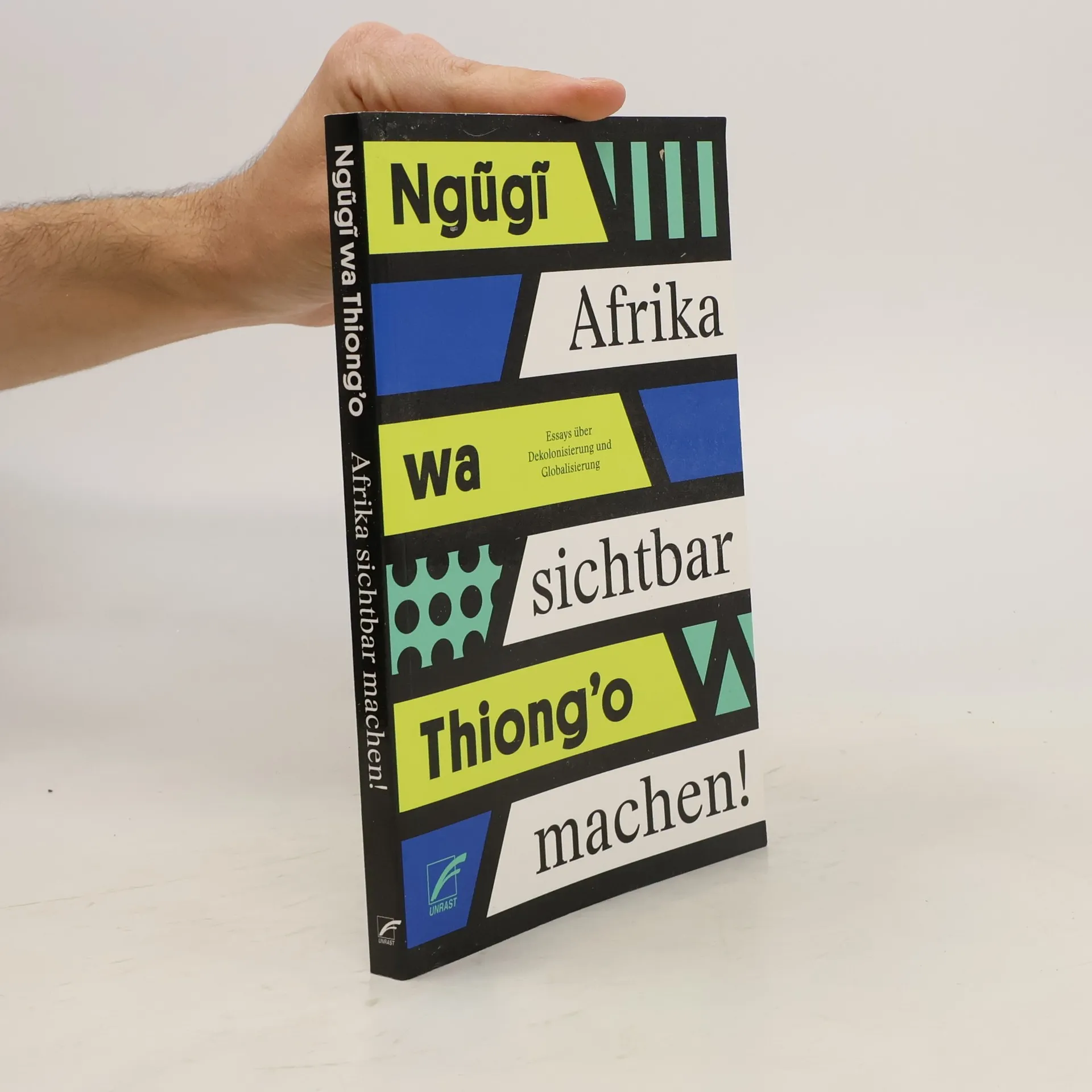
      Dekolonisierung des Denkens

      Essays über afrikanische Sprachen in der Literatur

      4.6(21)Add rating

      Sein literarisches Werk macht den kenianischen Kulturwissenschaftler und Schriftsteller Ngugi wa Thiong’o [Autor u.a. von ›Herr der Krähen‹, ›Der gekreuzigte Teufel‹ oder ›Träume in Zeiten des Krieges‹] seit vielen Jahren zu einem Kandidaten für den Literaturnobelpreis. In seiner Essay-Sammlung Dekolonisierung des Denkens analysiert er die geistigen Folgen des europäischen Kolonialismus, der Unterdrückung der Sprachen Afrikas und damit auch der Zerstörung von Kulturen. Als das Ende der kolonialen Herrschaft erkämpft war, bestand die europäische kulturelle Dominanz fort. Europas Sprachen, sein Denken, sein Blick auf Geschichte und Gegenwart beeinflussen das afrikanische Selbstverständnis bis heute. Durch die Essays von Ngugi wa Thiong’o wird deutlich, dass die afrikanischen Sprachen ein wesentliches Mittel zur Befreiung von kolonialen Herrschafts- und Denkstrukturen sind. Denn die Sprache bildet den Grundstein für die Vermittlung von Kultur und Geschichte. Die nun erstmals auf Deutsch vorliegende Essaysammlung wird durch aktuelle Beiträge afrikanischer Autor*innen und Wissenschaftler*innen ergänzt, die sich mit der Bedeutung auseinandersetzen, die Ngugi wa Thiong’os Thesen in ihrer Heimat erlangt haben: Boubacar Boris Diop (Senegal), Achille Mbembe (Kamerun), Petina Gappah (Simbabwe), Sonwabiso Ngcowa (Südafrika) und Mukoma wa Ngugi, einem Sohn Ngugi wa Thiong’os. Quelle: Klappentext

      Dekolonisierung des Denkens
    • 2016

      Im Haus des Hüters

      Jugendjahre

      • 256 pages
      • 9 hours of reading

      ›Im Haus des Hüters‹ ist nach ›Träume in Zeiten des Krieges‹ der zweite Band der Lebenserinnerungen des kenianischen Schriftstellers Ngugi wa Thiong’o: ein einzigartiges Dokument der gesellschaftlichen Umbrüche in Kenia gegen Ende der britischen Kolonialzeit. Es herrscht Ausnahmezustand in Kenia, der bewaffnete Aufstand der Mau-Mau-Bewegung für die Unabhängigkeit des Landes ist 1955 auf dem Höhepunkt. Für den sechzehnjährigen Ngugi wa Thiong’o wird seine Schule zum Refugium, das die Grausamkeiten des Krieges fernhält. Als er in den Ferien erstmals nach Hause zurückkehrt, findet er sein Dorf zerstört vor. Die politische Wirklichkeit bricht mit unbarmherziger Härte auch in seine Welt ein. Mit suggestiver Kraft beschreibt Ngugi wa Thiong’o einen Heranwachsenden auf der Suche nach seinem Platz in der Welt.

      Im Haus des Hüters
    • 2016

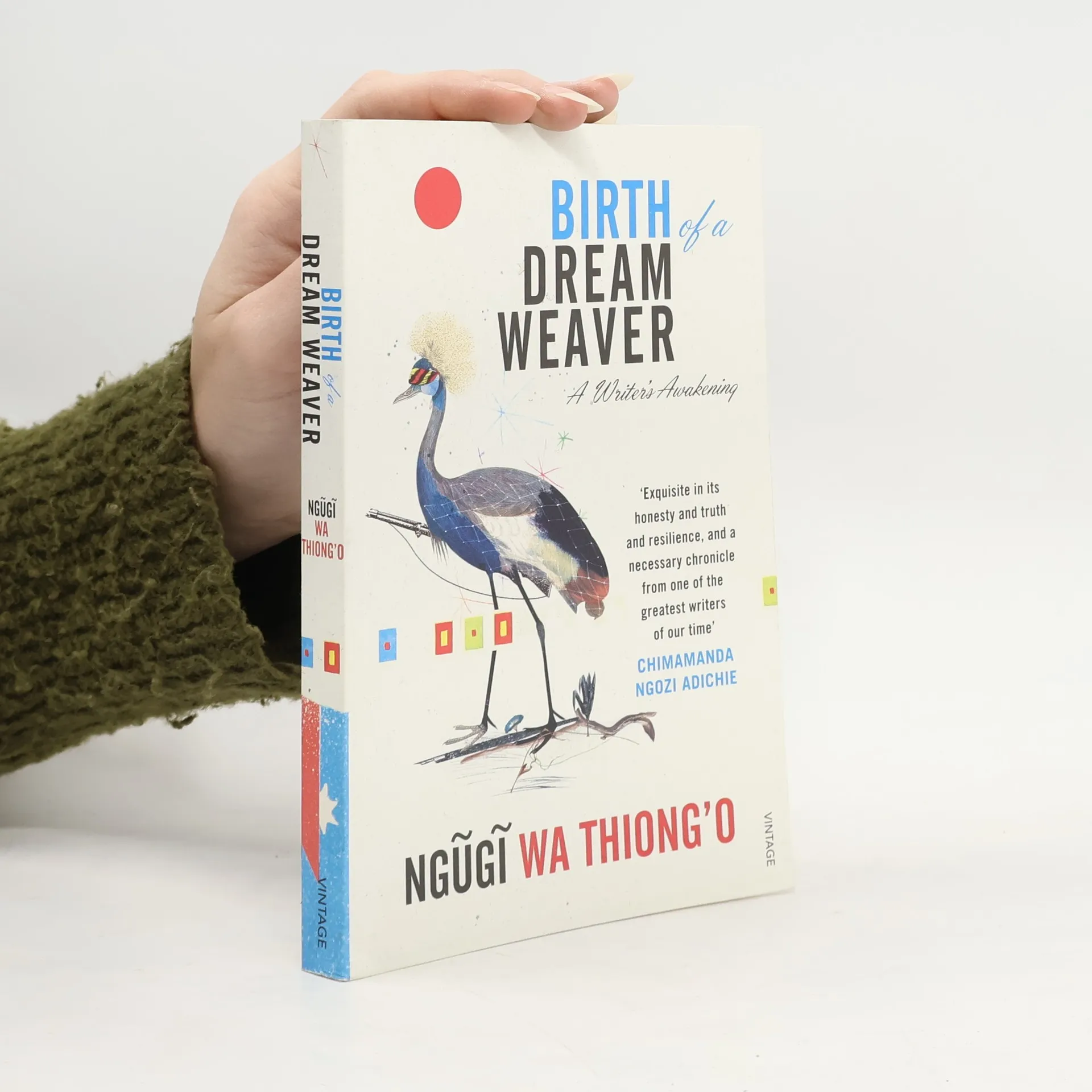
      "As a young student, internationally renowned author Ngugi wa Thiong'o found his voice as a playwright, journalist and novelist, writing his first, pivotal works just as the countries of East Africa were in the final throes of their independence struggles. For Ngugi, an ambitious student leaving Kenya for the first time, the prestigious Makerere University embodies all the potential and excitement of the early 1960s. Campus is a haven of opportunity for the brightest African students, a meeting place for great thinkers and writers from all over the world, and its alumni, including Milton Obote and Julius Nyerere, are filling Africa's emerging political and cultural positions. Despite the challenges he faces as a young black man in a British colony, it is here that Ngugi begins to write, weaving stories from the fibres of memory, history and a shockingly turbulent present. Birth of a Dream Weaver is a moving and thought-provoking memoir of the birth of one of the most important writers today, and the death of one of the most violent periods in global history."

      Birth of a Dream Weaver
    • 2013
      3.9(13)Add rating

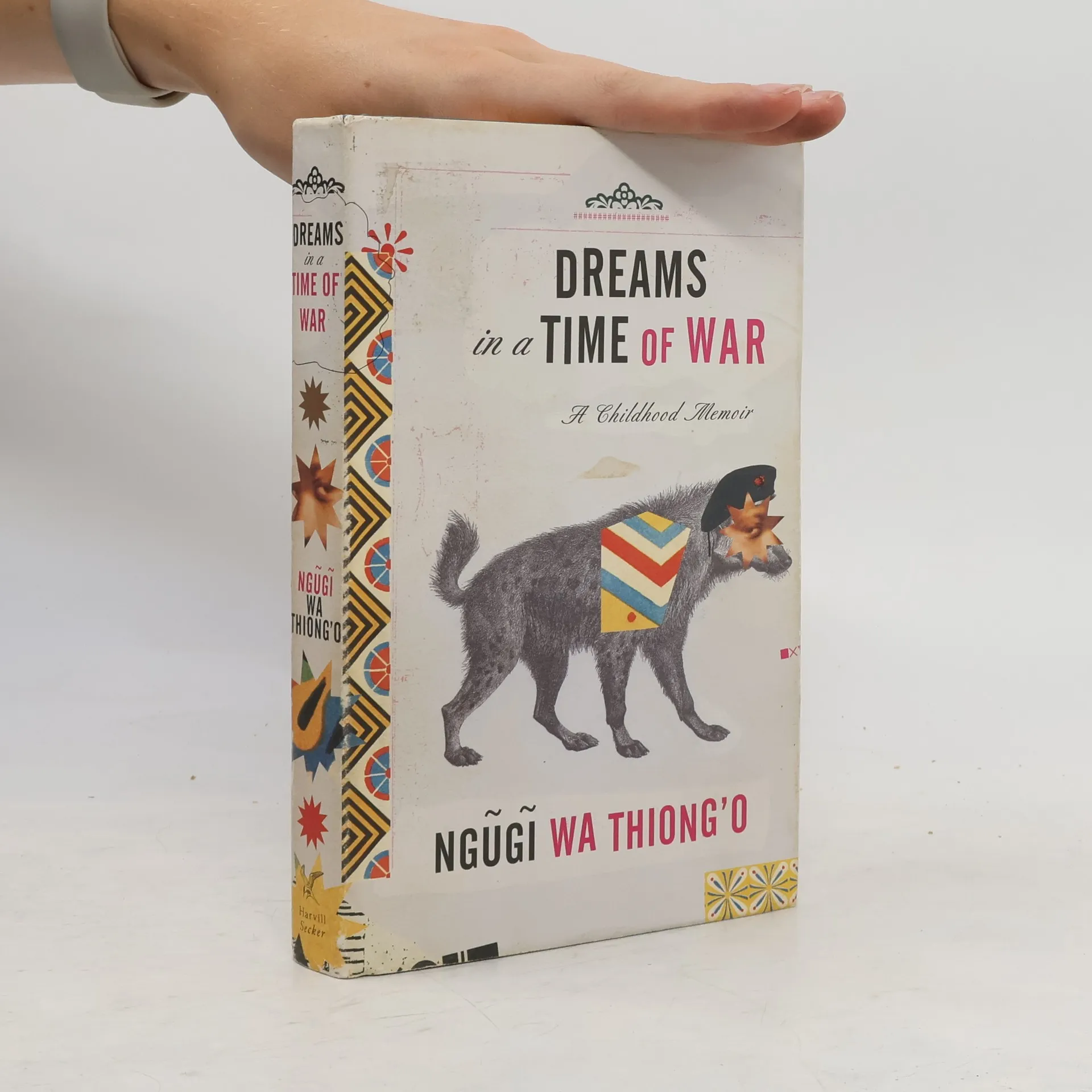
      Renowned novelist, poet, playwright, and literary critic Ngũgĩ wa Thiong’o was a student at a prestigious, British-run boarding school near Nairobi when the tumultuous Mau Mau Uprising for independence and Kenyan sovereignty gripped his country. While he enjoyed scouting trips and chess tournaments, his family home was razed to the ground and his brother, a member of the insurgency, was captured by the British and taken to a concentration camp. But Ngũgĩ could not escape history, and eventually found himself jailed after a run in with the forces of colonialism. Ngũgĩ richly and poignantly evokes the experiences that would transform him into a world-class writer and, as a political dissident, a moral compass to us all. A winning celebration of the implacable determination of youth and the power of hope, here is a searing account of the history of a man—and the story of a nation.

      In the House of the Interpreter: A Memoir