
Explore the latest books of this year!
Bookbot

Karl Marx

  • Glückskind
May 5, 1818 – March 14, 1883
Karl Marx
Wage Labour and Capital / Value Price and Profit
The Marx Reader
Wage Labour and Capital and Value, Price, and Profit
A Contribution To The Critique Of The Political Economy
Value, Price and Profit
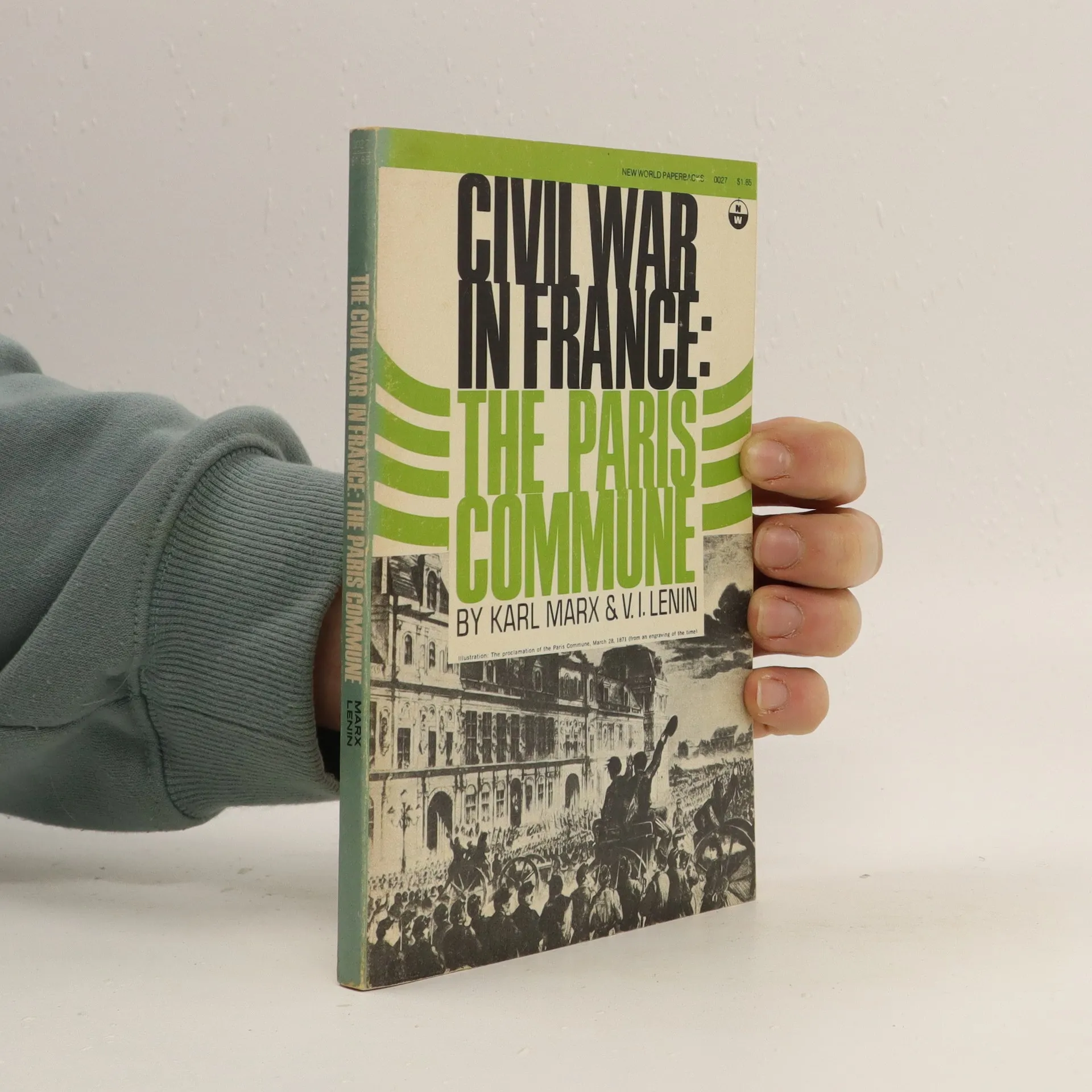
Civil War in France: The Paris Commune
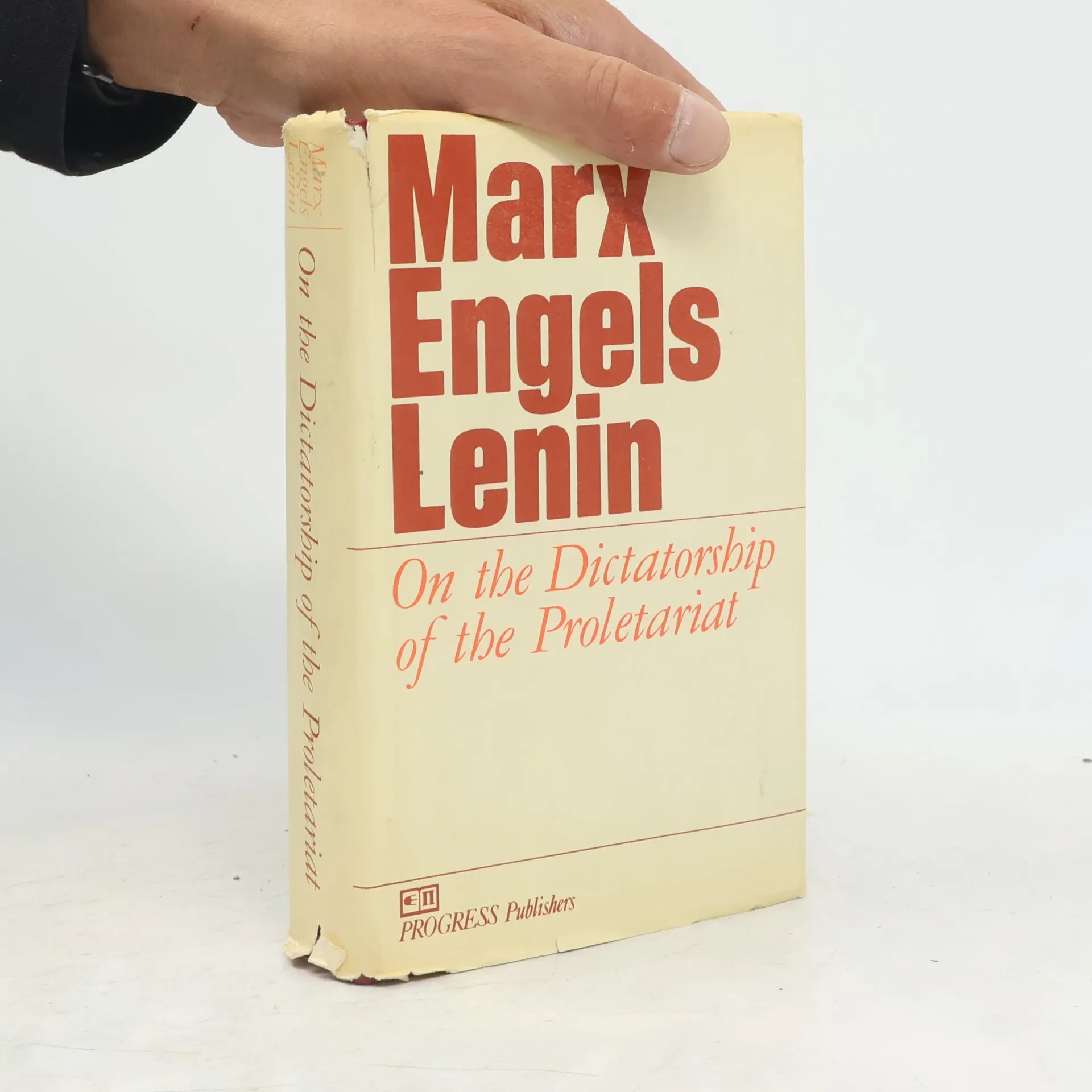
  • A reprint of the 1934 'enlarged edition', a volume that added newly translated material to the title essay. It includes an introduction by Engels ["Do you want to know that this dictatorship of the proletariat looks like? Then look at the Paris Commune. That was the dictatorship of the proletariat"], Marx's first and second 'Manifesto On The Franco-Prussian War', the correspondence of Marx & Engels on the Commune, and Engels' 'The Program of the Blanquist Fugitives from the Paris Commune'.


    Civil War in France: The Paris Commune
  • Delivered as a lecture series in 1865, this work by Karl Marx explores the concepts of value, price, and profit within the context of labor and capitalism. It was created during the preparation of his seminal work, Capital, Volume I, and reflects Marx's economic theories aimed at the working class. The text was later published posthumously by his daughter in 1898, providing insight into Marx's thoughts on economic relationships and their implications for laborers.

    Value, Price and Profit
  • A Contribution To The Critique Of The Political Economy

    Translated From The Second German Edition By N. I. Stone With An Appendix

    • 158 pages
    • 6 hours of reading

    Focusing on the foundations of political economy, this work critiques classical economic theories and explores the relationship between labor, value, and capital. It delves into the dynamics of capitalist society and the impact of economic structures on social relations. The translation includes an appendix featuring Marx's introduction to the critique, providing additional insights into his revolutionary ideas. This edition is significant for those studying Marx's contributions to economic thought and its implications for political theory.

    A Contribution To The Critique Of The Political Economy
  • Exploring the economic theories of Karl Marx, this edition features two pivotal essays that delve into the dynamics between labor, value, and profit. "Wage Labour and Capital" lays the groundwork for concepts later expanded in "Das Kapital," while "Value, Price, and Profit" articulates Marx's belief that workers, who generate value, deserve a share in the profits through fair wages. Marx's insights into class struggle and economic inequality continue to resonate, making his work essential for understanding contemporary economic issues.

    Wage Labour and Capital and Value, Price, and Profit
  • The Marx Reader

    Manifesto of the Communist Party; Wage Labour & Capital; and Value, Price & Profit

    • 154 pages
    • 6 hours of reading

    Exploring the foundations of Marxist economic theory, this collection includes three pivotal works that delve into the critique of political economy, the nature of capitalism, and the dynamics of labor and value. Each treatise offers profound insights into the workings of capitalist societies, addressing issues such as exploitation, class struggle, and the relationship between labor and production. Together, they provide a comprehensive understanding of Marx's revolutionary ideas and their enduring impact on economic thought and social theory.

    The Marx Reader
  • Since their first appearance as separate brochures Wage-Labour and Capital and Value, Price and Profit have served as popular introductions to the study of political economy, each complementing the other. The first is based on lectures delivered by Marx before the German Workingmen's Club of Brussels in 1847, the second is an address by Marx before two sessions of the General Council of the First International in London in 1865. Both classics are included in this volume.

    Wage Labour and Capital / Value Price and Profit
  • Paris Commune 150

    • 112 pages
    • 4 hours of reading

    The book explores the Paris Commune of 1871, highlighting its brief but impactful experiment in democracy and workers' governance. It includes Marx's address on the Commune, Lenin's reflections on its significance for building socialism, and Bertolt Brecht's poetic tribute. Additionally, it features the Manifesto of the Paris Commune's Federation of Artists, showcasing the cultural and political aspirations of the time. Together, these texts provide insights into revolutionary thought and the enduring legacy of the Commune in shaping socialist ideals.

    Paris Commune 150
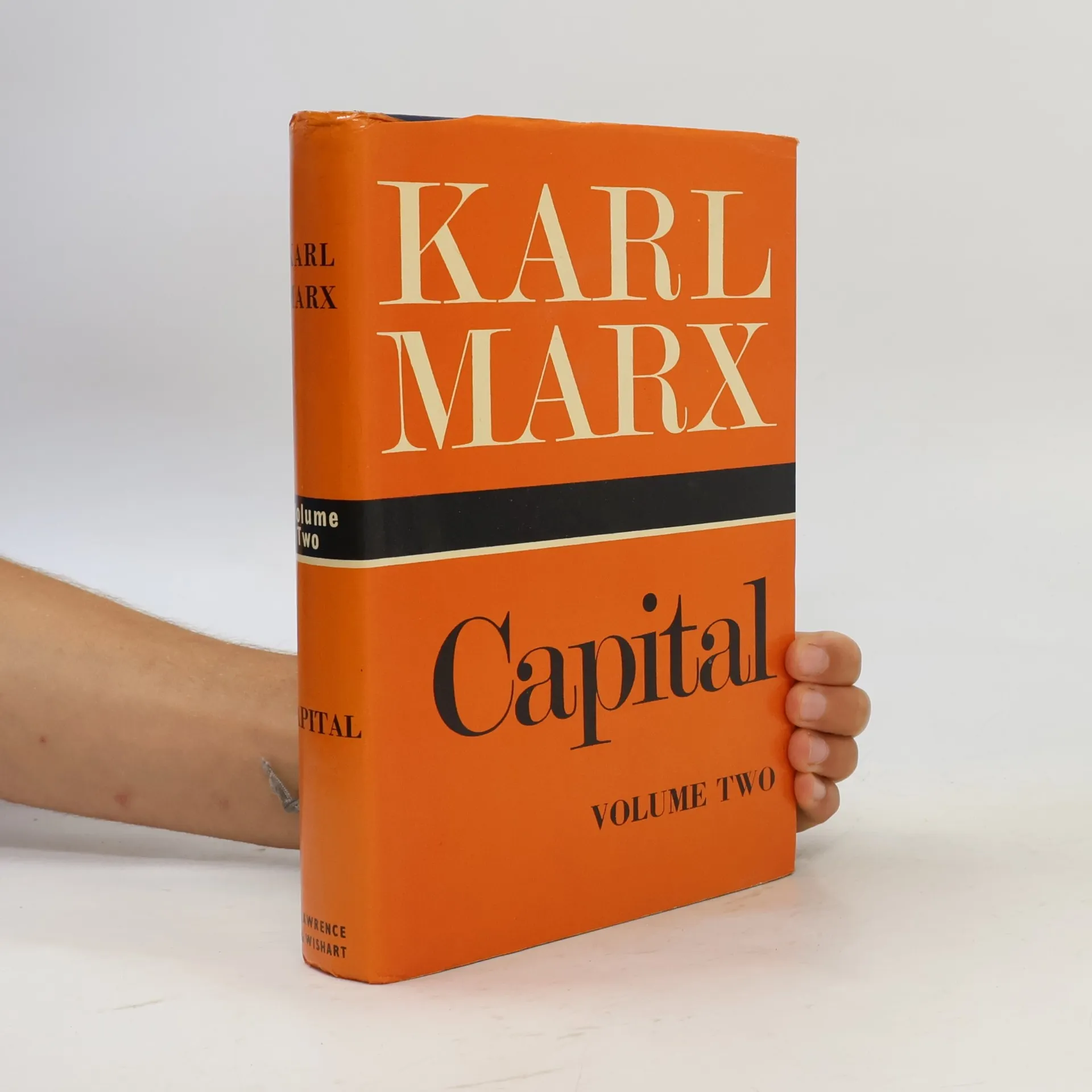
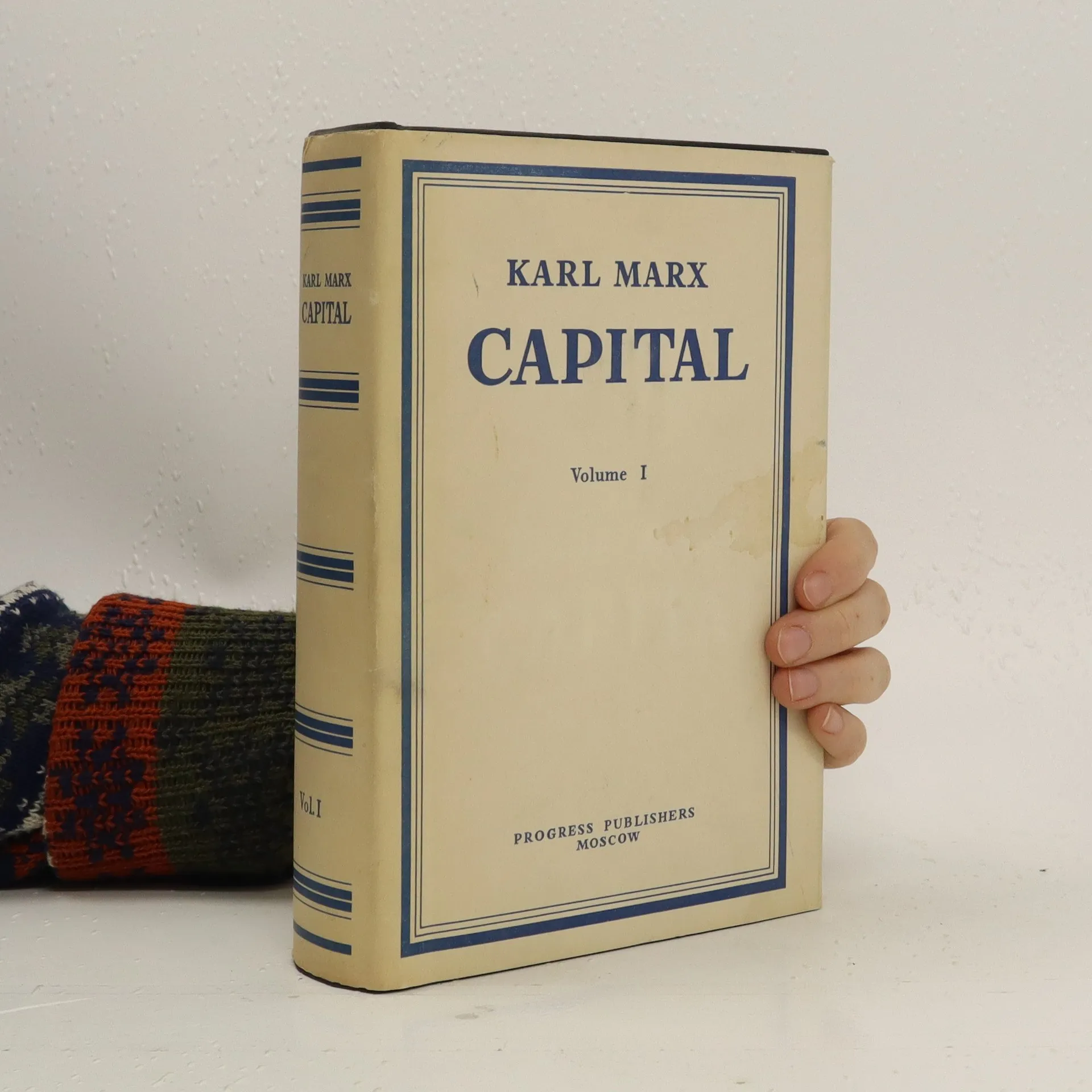
  • Capital Volume 1

    • 1152 pages
    • 41 hours of reading
    4.3(10836)Add rating

    The first volume of a political treatise that changed the world One of the most notorious works of modern times, as well as one of the most influential, Capital is an incisive critique of private property and the social relations it generates. Living in exile in England, where this work was largely written, Marx drew on a wide-ranging knowledge of its society to support his analysis and create fresh insights. Arguing that capitalism would cause an ever-increasing division in wealth and welfare, he predicted its abolition and replacement by a system with common ownership of the means of production. Capital rapidly acquired readership among the leaders of social democratic parties, particularly in Russia in Germany, and ultimately throughout the world, to become a work described by Marx friend and collaborator Friedrich Engels as “the Bible of the working class.” For more than seventy years, Penguin has been the leading publisher of classic literature in the English-speaking world. With more than 1,700 titles, Penguin Classics represents a global bookshelf of the best works throughout history and across genres and disciplines. Readers trust the series to provide authoritative texts enhanced by introductions and notes by distinguished scholars and contemporary authors, as well as up-to-date translations by award-winning translators.

    Capital Volume 1
  • Grundrisse

    • 912 pages
    • 32 hours of reading
    4.3(1799)Add rating

    Written during the winter of 1857-8, the Grundrisse was considered by Marx to be the first scientific elaboration of communist theory. A collection of seven notebooks on capital and money, it both develops the arguments outlined in the Communist Manifesto (1848) and explores the themes and theses that were to dominate his great later work Capital. Here, for the first time, Marx set out his own version of Hegel's dialectics and developed his mature views on labour, surplus value and profit, offering many fresh insights into alienation, automation and the dangers of capitalist society. Yet while the theories in Grundrisse make it a vital precursor to Capital, it also provides invaluable descriptions of Marx's wider-ranging philosophy, making it a unique insight into his beliefs and hopes for the foundation of a communist state. For more than seventy years, Penguin has been the leading publisher of classic literature in the English-speaking world. With more than 1,700 titles, Penguin Classics represents a global bookshelf of the best works throughout history and across genres and disciplines. Readers trust the series to provide authoritative texts enhanced by introductions and notes by distinguished scholars and contemporary authors, as well as up-to-date translations by award-winning translators.

    Grundrisse