
Explore the latest books of this year!
Bookbot

Nathaniel Branden

    April 9, 1930 – December 3, 2014

    Nathaniel Branden was known for his works in psychology and self-esteem, often stemming from a deep engagement with philosophical ideas. His writing sought to connect psychological principles with moral and ethical stances. Branden explored the impact of values on human action and psychological well-being. His approach to psychology was often influenced by a desire to elucidate individual liberty and responsibility.

    Breaking Free
    The psychology of romantic love : Romantic love in an anti-romantic age
    A Woman's Self-Esteem
    Self-Esteem at Work
    The six pillars of self-esteem
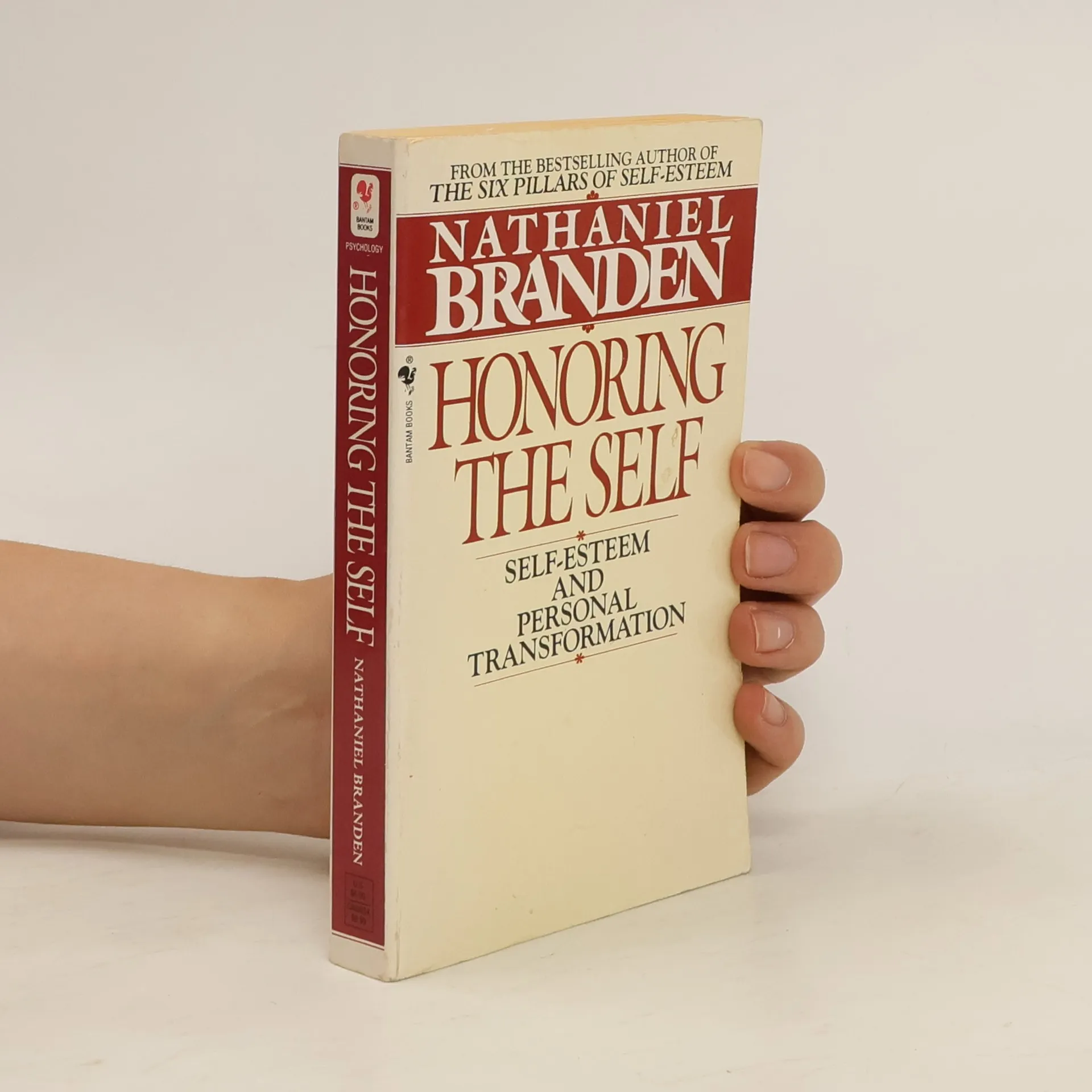
    Honoring the Self
    • Die 6 Säulen des Selbstwertgefühls

      Erfolgreich und zufrieden durch ein starkes Selbst | Eine Anleitung für mehr Selbstvertrauen

      Machen Sie SICH SELBST zur Priorität. Sie sind es wert. Kein Urteil ist wichtiger, als das über uns selbst. Für persönliches Glück und berufliche Karriere gilt ein einfaches Grundprinzip: Sich selbst zu fördern. Nathaniel Branden offenbart anhand der sechs Säulen des Selbstwertgefühls, wie sich das Leben einfach erfolgreicher gestalten lässt. Er zeigt, dass der Weg zum Erfolg ganz maßgeblich davon abhängt, wie wir zu uns selbst stehen. Was ist Selbstwertgefühl? Warum ist das Selbstwertgefühl wichtig? Was können wir tun, um unser Selbstwertgefühl zu erhöhen? Inwieweit haben andere Einfluß auf unser Selbstwertgefühl? Die Basis erfolgreicher und glücklicher Menschen ist vor allem die gute Beziehung zum eigenen Selbst. Entwickeln Sie ihr Selbstvertrauen mit der Hilfe des renommierten Psychologen. Mit vielen praktischen Übungen und Reflektionstechniken zur Stärkung des Selbstwertes und einer positiven Lebensgestaltung.


      Die 6 Säulen des Selbstwertgefühls2023
    • The Virtue of Selfishness

      • 173 pages
      • 7 hours of reading

      A collection of essays that sets forth the moral principles of Objectivism, Ayn Rand's controversial, groundbreaking philosophy. Since their initial publication, Rand's fictional works—Anthem, The Fountainhead, and Atlas Shrugged—have had a major impact on the intellectual scene. The underlying theme of her famous novels is her philosophy, a new morality—the ethics of rational self-interest—that offers a robust challenge to altruist-collectivist thought. Known as Objectivism, her divisive philosophy holds human life—the life proper to a rational being—as the standard of moral values and regards altruism as incompatible with man's nature. In this series of essays, Rand asks why man needs morality in the first place, and arrives at an answer that redefines a new code of ethics based on the virtue of selfishness. More Than 1 Million Copies Sold!

      The Virtue of Selfishness2018
      3.5
    • Biblioteca Nathaniel Branden - 7: El respeto hacia uno mismo

      Cómo vencer el temor a la desaprobación de los demás, el sentimiento de culpa y la inseguridad

      • 256 pages
      • 9 hours of reading

      El concepto más importante que podemos formarnos es el concepto sobre nosotros mismos. Nuestra autoestima constituye la clave de nuestro éxito o de nuestro fracaso. En palabras de Nathaniel «Díganme cómo juzga una persona su autoestima y les diré cómo actúa esa persona en el trabajo, en el amor, en el sexo, como padre, en cada aspecto importante de su existencia…, y hasta dónde puede ascender su vida. La reputación que nos forjamos ante nosotros mismo – nuestra autoestima- es el único factor de fundamental importancia para alcanzar la plenitud.» «La lectura de El respeto hacia uno mismo nos permitirá acceder a la necesaria confianza en nosotros mismos; liberarnos de la sensación de culpabilidad; dejar de temer la desaprobación del prójimo; fomentar la autoestima en los demás y, especialmente, en los niños; en suma, encontrar las claves para alcanzar un pleno respeto por la propia persona».

      Biblioteca Nathaniel Branden - 7: El respeto hacia uno mismo2011
    • Este libro demuestra que casi todos los problemas psicológicos, desde la ansiedad hasta la depresión, pueden atribuirse a una baja autoestima. Nathaniel Branden, uno de los precursores del estudio de la autoestima, nos muestra las razones por las que una alta autoestima es esencial para mantener buena salud psicológica y lograr que nuestras relaciones sean satisfactorias. Además, nos enseña cómo adquirir progresivamente una mayor conciencia de nosotros mismos y de nuestra efectividad personal. Los seis pilares de la autoestima nos señala la importancia de la autoestima en el puesto de trabajo, la paternidad, la educación, la psicoterapia y la sociedad en general. La conclusión es que, en el mundo caótico y competitivo en que vivimos, tanto la felicidad personal se basa en nuestra forma de comprender y fomentar la autoestima.

      Los seis pilares de la autoestima2007
      4.0
    • The Art of Living Consciously

      The Power of Awareness to Transform Everyday Life

      • 256 pages
      • 9 hours of reading

      The author critiques the "victim mentality," advocating for self-responsibility as a means to enhance clarity of thought and promote longevity. By challenging conventional beliefs about self-esteem, the book encourages readers to take charge of their lives, ultimately leading to greater personal empowerment and well-being.

      The Art of Living Consciously1999
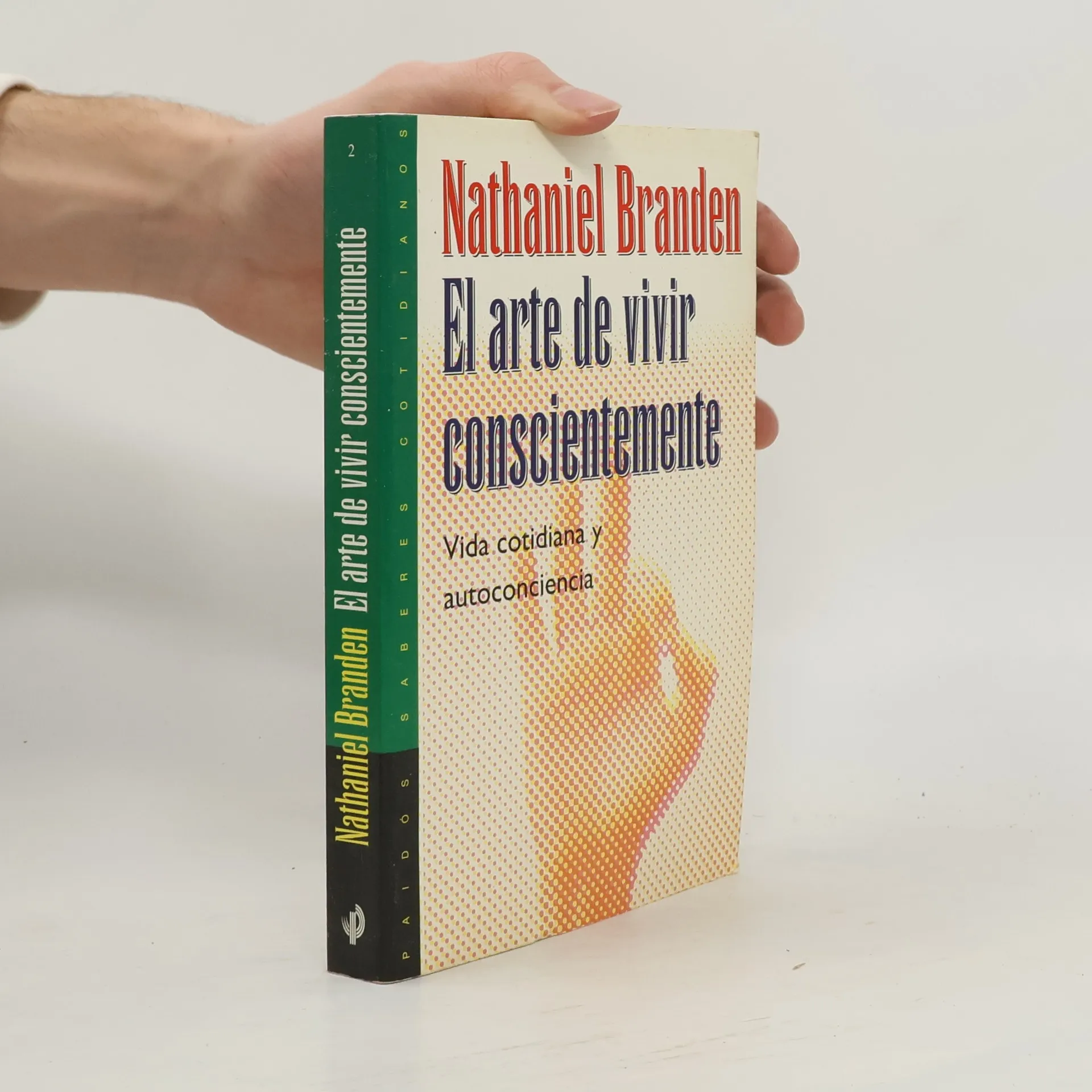
    • Saberes Cotidianos - 2: El arte de vivir conscientemente/ The Art of Living Consciously

      The Power of Awareness to Transform Everyday Life (Saberes Cotidianos / Daily Wisdom)

      • 300 pages
      • 11 hours of reading

      La conciencia es la mejor herramienta de que disponemos para adaptarnos con exito a la realidad. Cuanto mas conscientes seamos en una situacion determinada, mayores seran nuestras probabilidades de percepcion, nuestras opciones, el incremento de nuestro poder y quizas, incluso, nuestras expectativas vitales. Asi pues, vivir conscientemente significa buscar el conocimiento que subyace en todos nuestros objetivos, valores, acciones e intenciones: vivir coherentemente con lo que vemos y sabemos. Una costumbre que, si se practica con regularidad, puede conducirnos a plantearnos ciertas preguntas en los principales ambitos de nuestra vida: En el trabajo: que significa trabajar conscientemente? En el terreno amoroso: que significa amar conscientemente? En la educacion de los hijos: que significa educar conscientemente? En el desarrollo personal: que significa participar conscientemente en el proceso de nuestra evolucion personal? La practica de vivir conscientemente, en fin, nos invita a reflexionarsobre las creencias que atanen a nuestra cotidianeidad, a nuestra moral y a nuestra existencia en la era de la informacion: un manual indispensable para nuestra supervivencia basica.

      Saberes Cotidianos - 2: El arte de vivir conscientemente/ The Art of Living Consciously1998
    • Drawing on more than thirty years of psychotherapy practice and study, the author of The Six Pillars of Self-Esteem gives women the precise tools and insights they need to transform themselves, build healthy relationships, and enhance or rejuvenate their careers. 25,000 first printing. Tour.

      A Woman's Self-Esteem1998
      4.1
    • Develop your self-esteem to increase psychological health, achievement, personal happiness, and positive relationship—from a leading psychotherapist “Brilliant, laser-focused and critically relevant, Dr. Nathaniel Branden’s ‘pillars’ give us a lifelong set of foundations upon which to build our families, our schools and our businesses.”—Dennis Waitley, Ph.D., author of The Psychology of Winning. Six Pillars of Self-Esteem is the culmination of a lifetime of clinical practice and study, already hailed as a classic and the most significant work on the topic. Immense in scope and vision and filled with insight into human motivation and behavior, it is essential reading for anyone with a personal or professional interest in self-esteem. Dr. Nathaniel Branden introduces the six pillars—six action-based practices for daily living that provide the foundation for self-esteem—and explores the central importance of self-esteem in five areas: the workplace, parenting, education, psychotherapy, and the culture at large. Six Pillars of Self-Esteem provides concrete guidelines for teachers, parents, managers, and therapists who are responsible for developing the self-esteem of others. And it shows why—in today’s chaotic and competitive world—self-esteem is fundamental to our personal and professional power.

      The six pillars of self-esteem1994
      4.1