This centenary edition features a new Introduction by Robert Shaughnessy that places Bradley's work in the critical, intellectual and cultural context of its time. Shaughnessy summarises the content and argumentative thrust of the book, outlines the critical debates and counter-arguments that have followed in the wake of its publication and, most importantly, prompts readers to engage with Bradley's work itself. Book jacket.
John Russell Brown Books
September 15, 1923 – August 26, 2015
John Brown was a Scottish physician and essayist, best known for his three-volume collection Horae Subsecivae, which featured essays and papers on art, medical history, and biography. His writings reveal a deep engagement with art, the history of medicine, and biographical subjects, often exploring the complex relationship between scientific advancement and patient well-being. Brown held firm views on the limitations of examinations in assessing student progress and questioned the assumption that scientific advances always served patients' best interests. Through essays like "Rab and his Friends" and "Pet Marjorie," he demonstrated a thoughtful and humane literary voice.

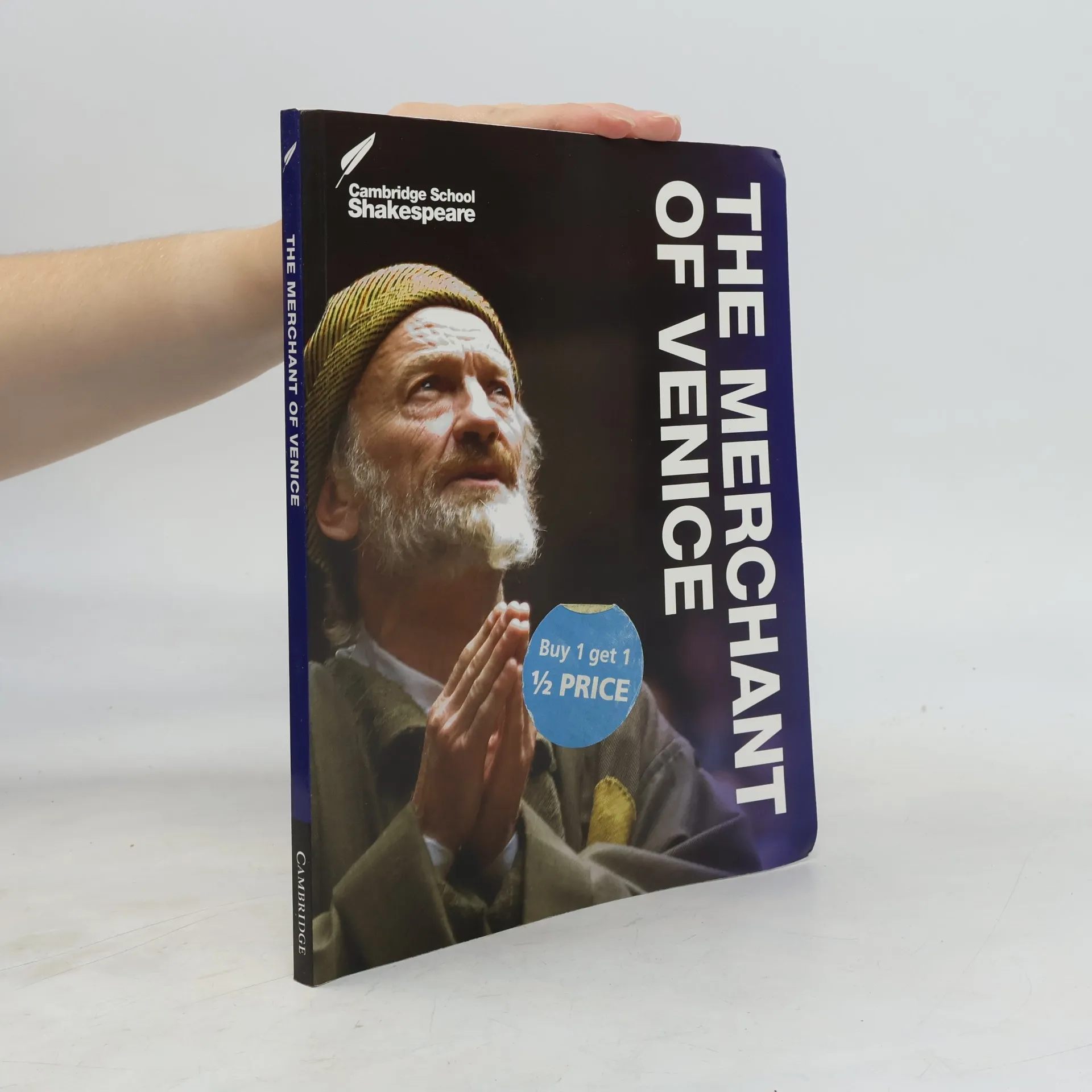
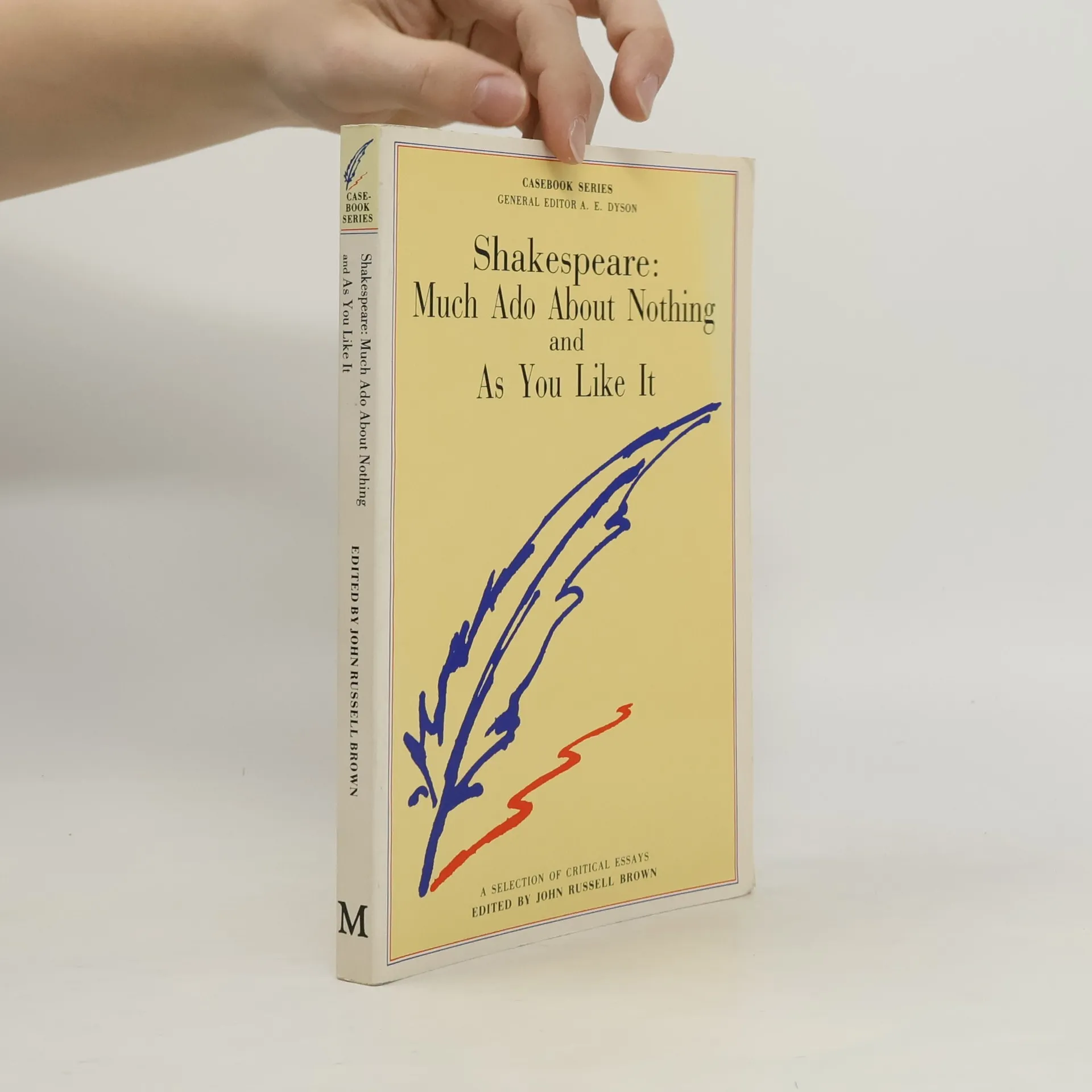

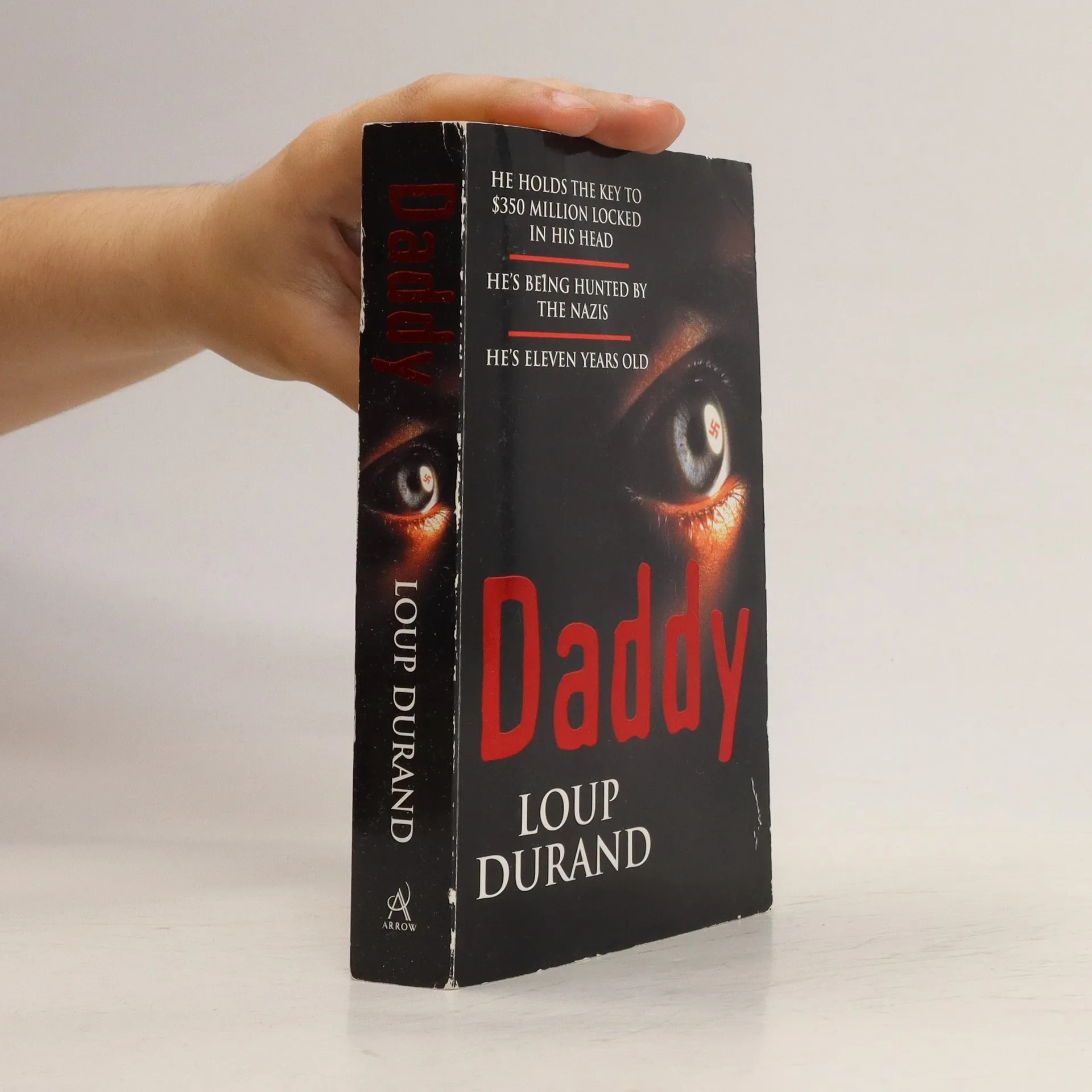
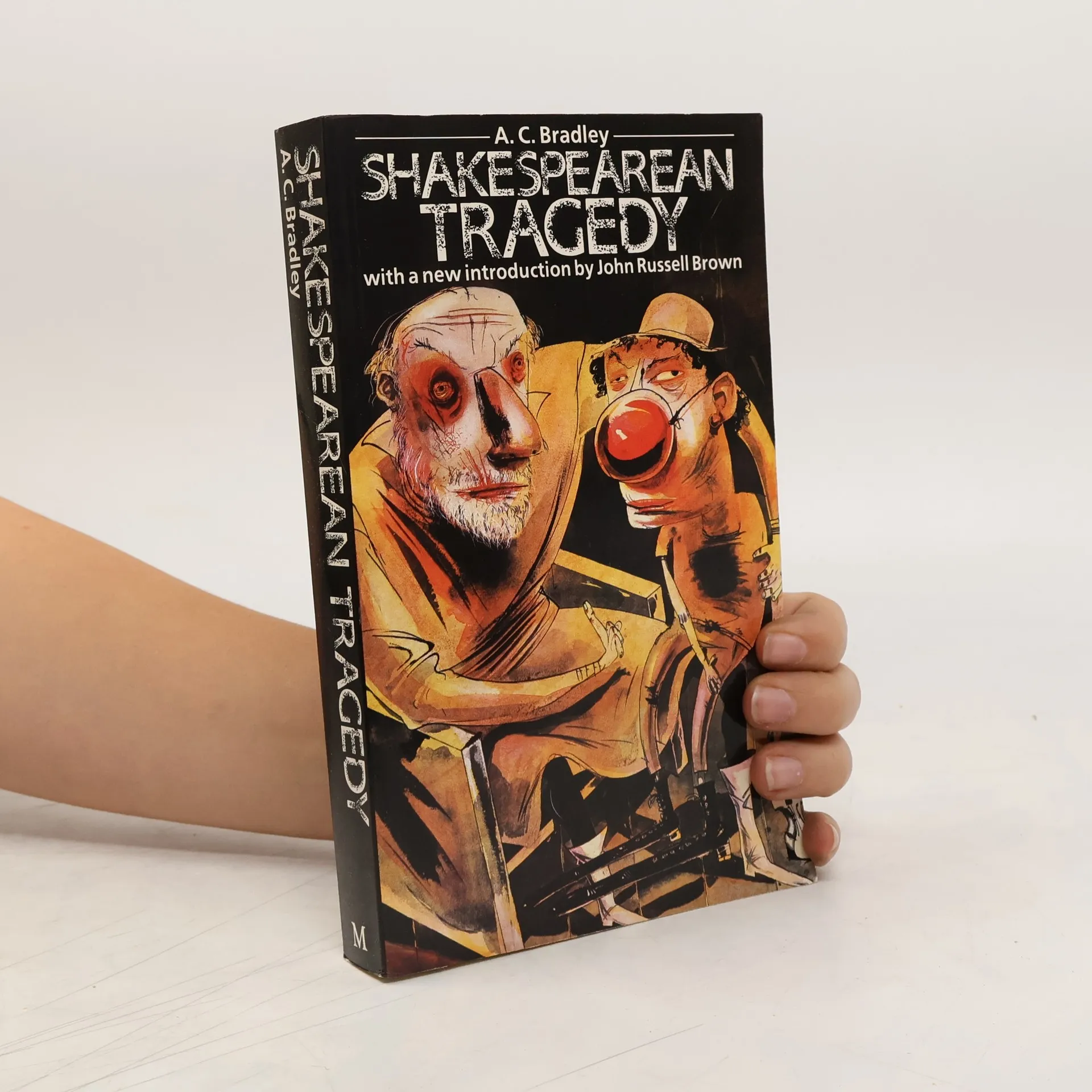
Thriller involving the pursuit of 11-year old Thomas by the Gestapo. A chase leads through Europe and Thomas uses his brilliant chess-player's mind to outwit his pursuers to be reunited with his father.
A Dragon Walks into a Meeting: A Tactical Guide to Client Management
- 170 pages
- 6 hours of reading
Whether you were just thrust into a client-facing role or are already in one and want to hone your skills, A Dragon Walks into a Meeting presents valuable tips, tricks, and tools for client success. Focusing on everything that happens after the sale, including some of the hardest pitfalls and challenges in business, John Brown and Fred Fuller share tested and proven methodologies, Relationship management (and how to handle sticky client situations) may not be covered in business school, but don’t worry. John and Fred are here to teach you what they wish they’d known when they started.
Cambridge School Shakespeare: The Merchant of Venice
- 216 pages
- 8 hours of reading
An improved, larger-format edition of the Cambridge School Shakespeare plays, extensively rewritten, expanded and produced in an attractive new design.
Deepening Democracy in Post-Neoliberal Bolivia and Venezuela
Advances and Setbacks
- 236 pages
- 9 hours of reading
Offering a detailed examination of political dynamics in Bolivia and Venezuela, the book explores the successes and challenges faced in transitioning from market democracy. It delves into the complexities of governance, social movements, and economic policies, providing insights into how these nations navigate their unique political landscapes. Through a critical lens, the analysis highlights both achievements and obstacles in the pursuit of alternative democratic models.
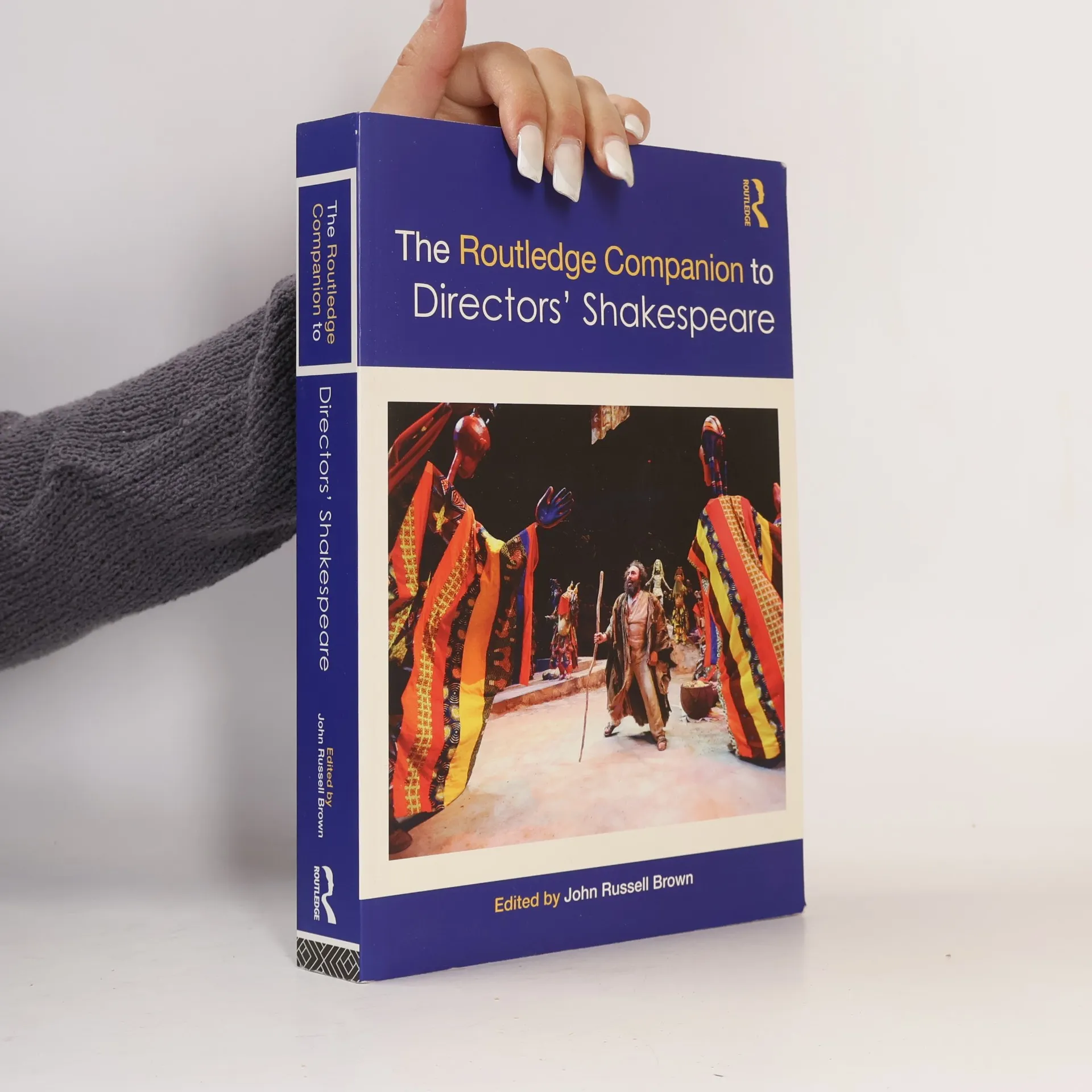
Routledge Companions: The Routledge Companion to Directors' Shakespeare
- 608 pages
- 22 hours of reading
The Routledge Companion to Directors' Shakespeare is a major collaborative book about plays in performance. Thirty authoritative accounts describe in illuminating detail how some of theatre's most talented directors have brought Shakespeare's texts to the stage. Each chapter has a revealing story to tell as it explores a new and revitalising approach to the most familiar works in the English language. A must-have work of reference for students of both Shakespeare and theatre, this book presents some of the most acclaimed productions of the last hundred years in a variety of cultural and political contexts. Each entry describes a director's own theatrical vision, and methods of rehearsal and production. These studies chart the extraordinary feats of interpretation and innovation that have given Shakespeare's plays enduring life in the theatre. Notable entries include: Ingmar Bergman * Peter Brook * Declan Donnellan * Tyrone Guthrie * Peter Hall * Fritz Kortner * Robert Lepage * Joan Littlewood * Ninagawa Yukio * Joseph Papp * Roger Planchon * Max Reinhardt * Giorgio Strehler * Deborah Warner * Orson Welles * Franco Zeffirelli
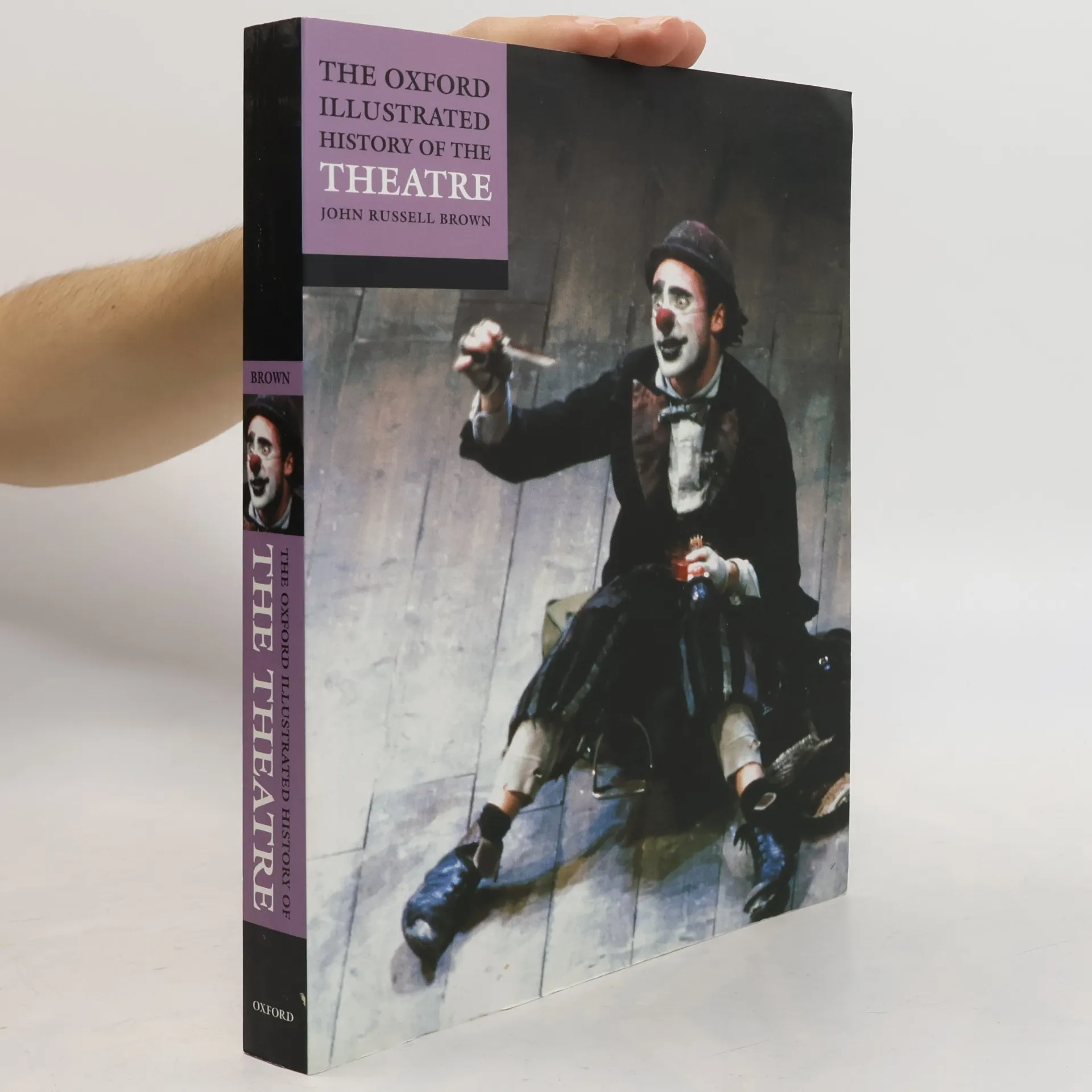
The Oxford Illustrated History of Theatre
- 592 pages
- 21 hours of reading
This is an authoritative and comprehensive guide to the history of theatre, ranging from Ancient Egyptian festivals to contemporary performance arts. Lavishly illustrated in black and white and colour throughout, this is the perfect book for theatre goer and student alike schovat popis
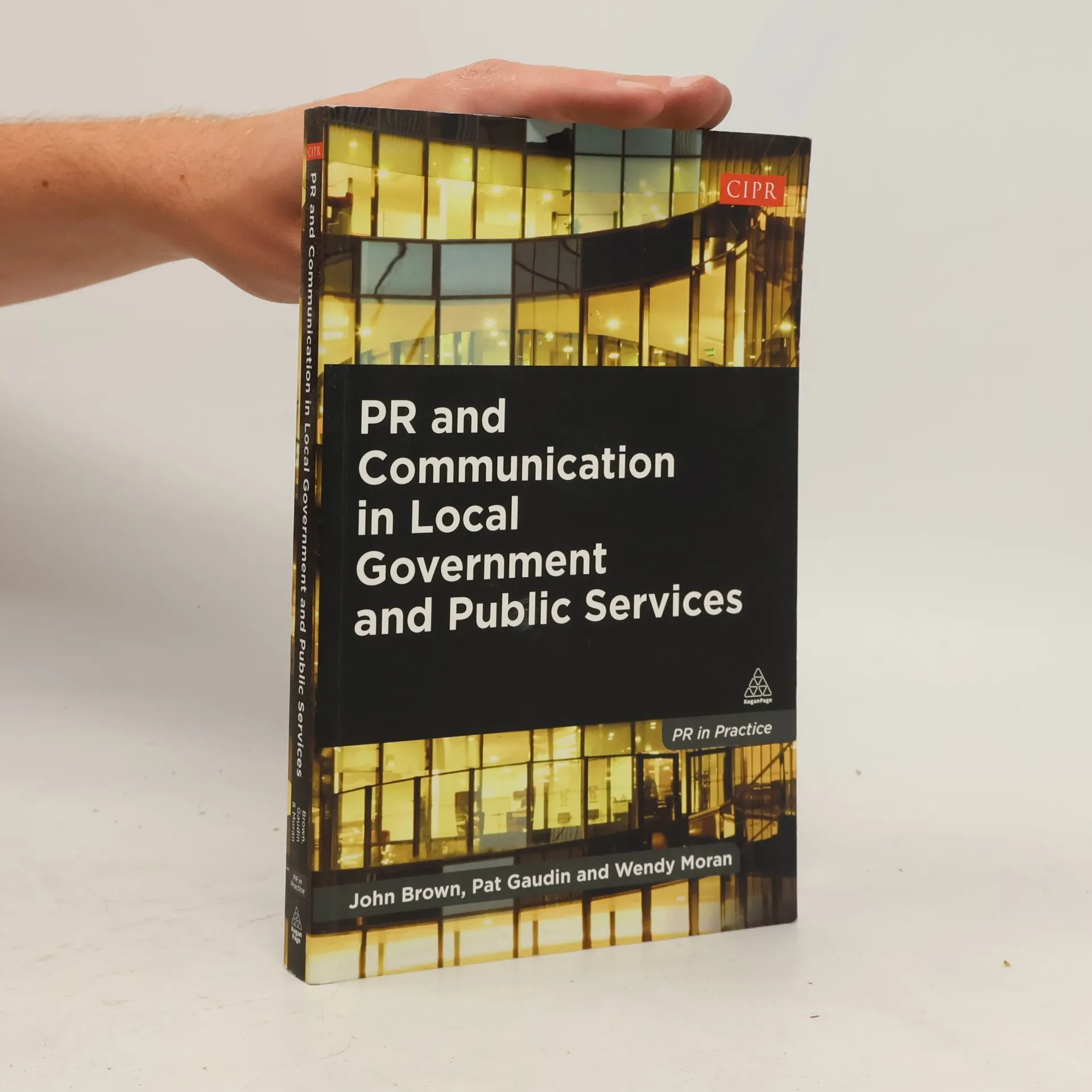
PR and Communication in Local Government and Public Services
- 320 pages
- 12 hours of reading
Full of expert advice, tools and case studies, this book is a practical reference guide to internal and external communication issues for anyone working in local councils or regional governmental offices. It offers a detailed analysis of the issues that are unique to this challenging and fast-moving environment, whilst reinforcing the importance of effective and meaningful communication to both local democracy and the planning and delivery of quality services.
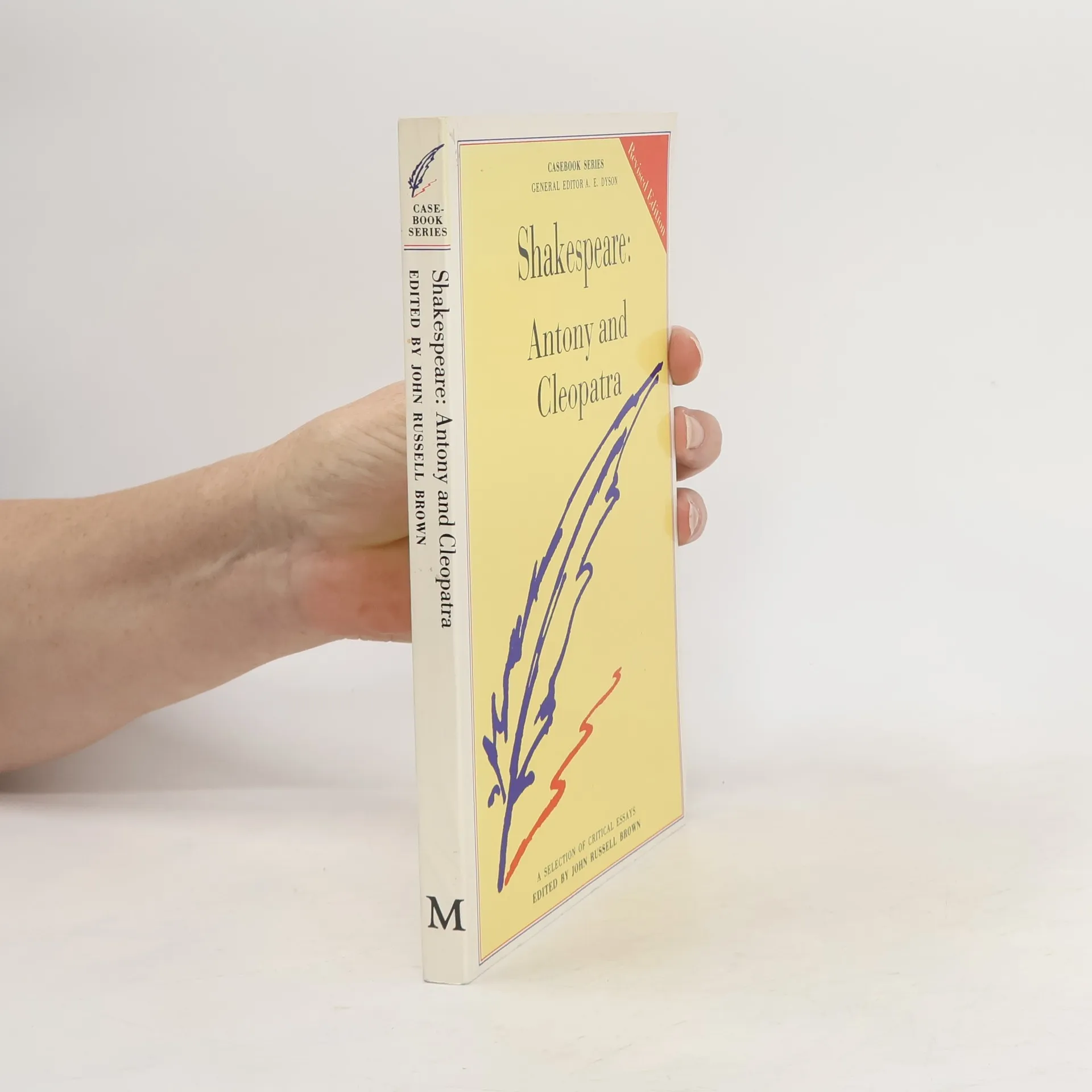
This revision of the successful Casebook first published in 1968, brings the book up-to-date for the 1990's, both with new criticism and with reviews of new productions. The detailed 'Critical Reactions before 1900' section is retained, including comment from such critics as John Dryden, Johnson and Coleridge, the 'Play in Performance' section includes some of the most recent performances and the 'Twentieth-century Criticism' section ranges over the varied work of such critics as A.C.Bradley, L.C.Knights, Kay Stockholder, Michael Long and Leonard Tennenhouse.
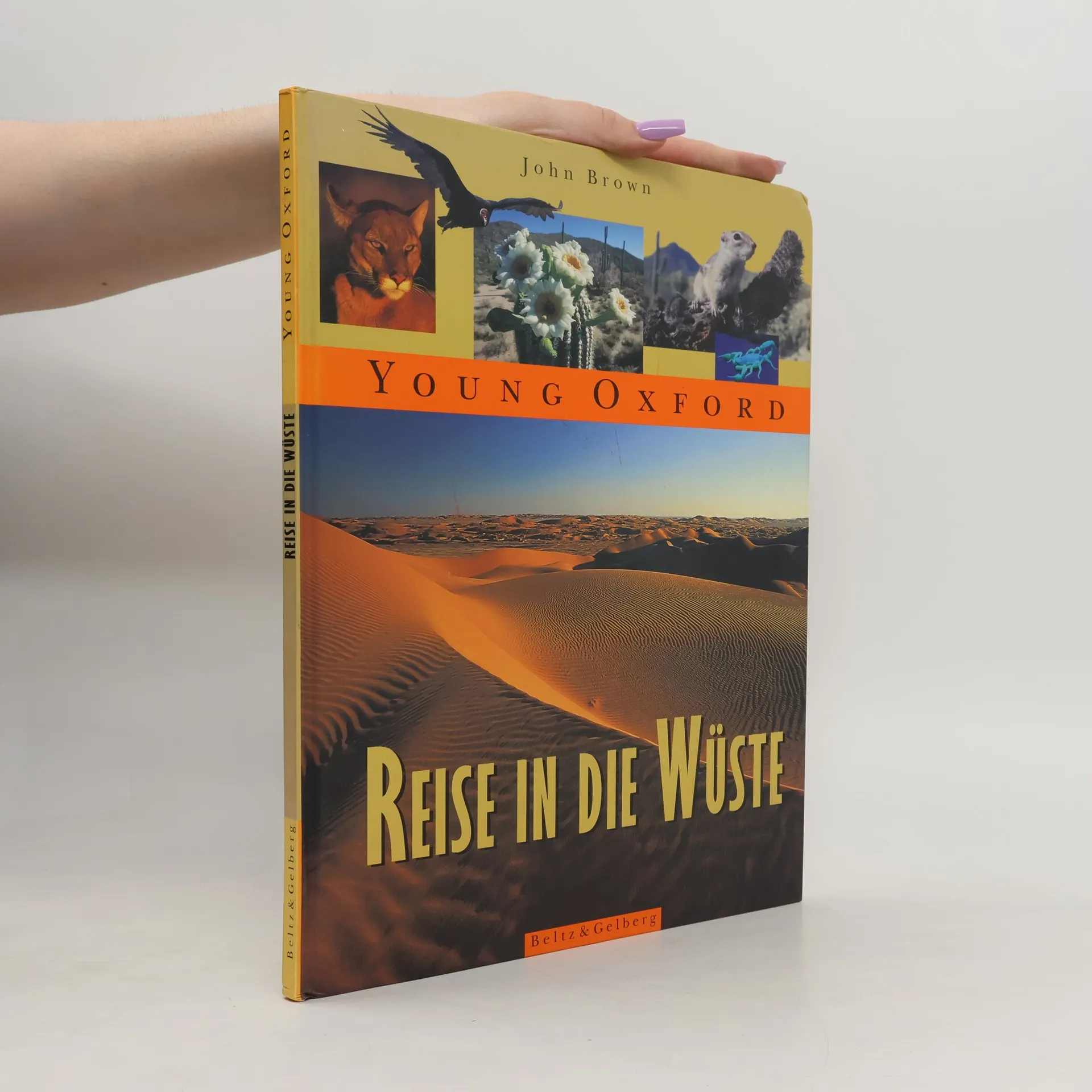
Reise in die Wüste
- 48 pages
- 2 hours of reading
Eine abenteuerliche Reise in ein scheinbar ausgestorbenes Gebiet: die Wüste. Eine Entdeckungsreise durch die Wüste wird zum großen Abenteuer. Denn die Wüste ist alles andere als ausgestorben: Tiere und Pflanzen haben sich außergewöhnlich gut an die extremen Bedingungen angepasst. Die Reise geht an Kakteen vorbei, die so groß sind wie zweistöckige Häuser. Man entdeckt faszinierende Pflanzen und Tiere: wandernde Kakteen, Skorpione, die in der Nacht leuchten, Echsen, die ihren Feinden Blut in die Augen spritzen, Vögel, die 25 km/h schnell rennen können, und Schafe, die an fast senkrechten Felswänden entlang laufen. Dies alles vor einer atemberaubenden Landschaftskulisse mit gewaltigen Vulkanen und steinigen, tiefen und ausgetrockneten Flusstälern. Mit Young Oxford - Reise in die Wüste taucht der Leser tief ein in die scheinbar öde Welt der Wüste und macht dabei unglaubliche und aufregende Entdeckungen.
La schiavitù è uno stato di guerra
- 144 pages
- 6 hours of reading
Život kolonistů na nově osídleném území většinou nebývá lehký, tím spíše, když se jedná o členy porobeného národa žijícího v područí vítězných kmenů. Jako by nestačil samotný boj s neznámým prostředím plným odkazů dávné minulosti a nutnost čelit nájezdům barbarských Kostěných obličejů, Koramité v Nové zemi musí nyní čelit dalšímu problému – obvinění, že se mezi nimi nacházejí požírači duší. Ve světě, ve kterém žije mladík Talen, mohou být dny lidského života sklízeny, kupovány a kradeny. Pouze Obdaření, kteří vládnou jednotlivým zemím, a požírači duší, zvrhlé bytosti sloužící Temnému bohu, které kradou duše lidem i zvířatům, znají tajemství této moci. Nyní se však Obdařený v Talenově zemi ztratil a požírači duší volně chodí mezi lidmi. V houstnoucí atmosféře podezřívavosti a rasové nesnášenlivosti nezbývá Talenovi nic jiného, než svést nelehký boj s vlastním nitrem i bezprostřední hrozbou smrti. Polapený v síti lží a prastarých tajemství musí teprve přijít na to, kdo je tím skutečným nepřítelem...
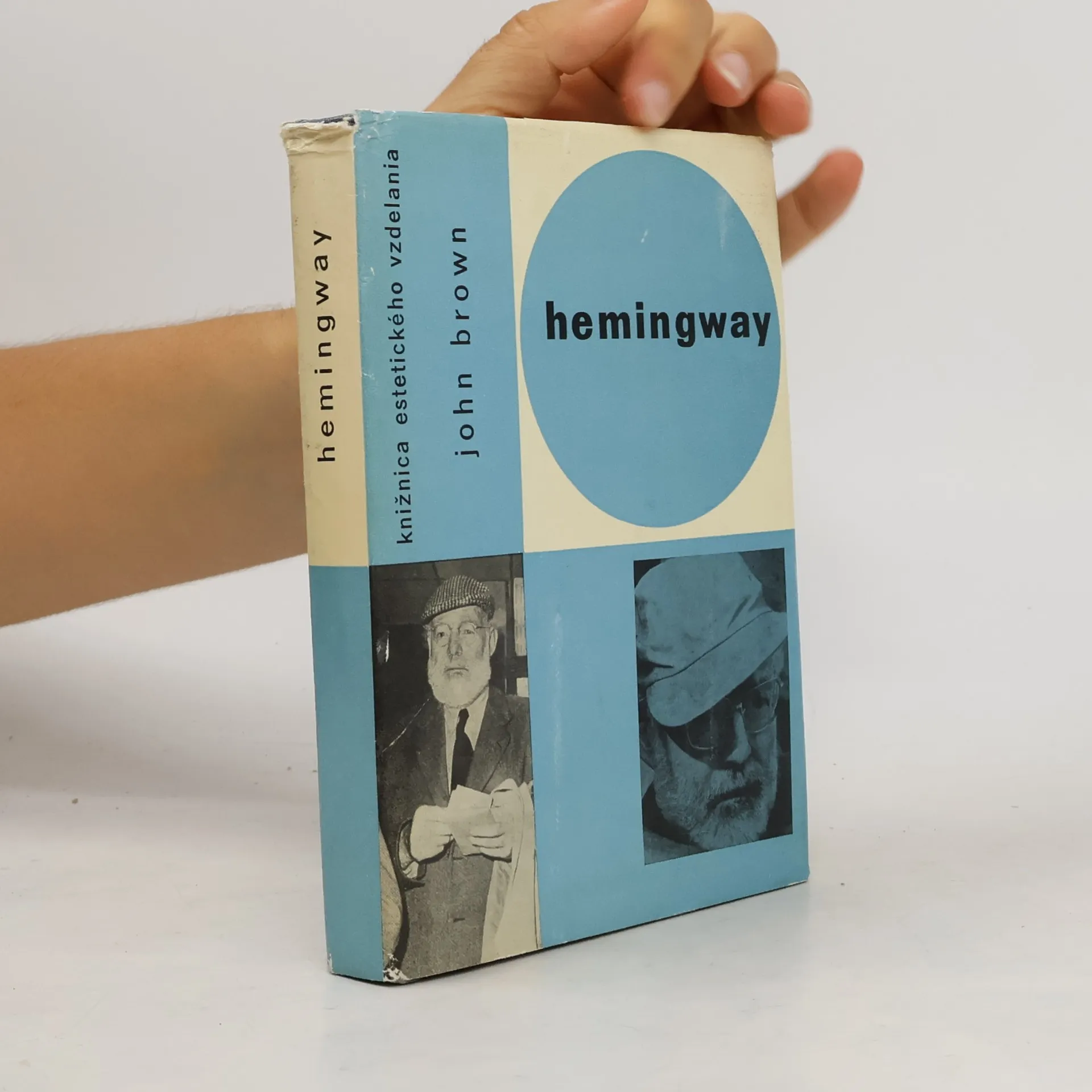
Brownova kniha o Hemingwayovi nie je a ani nechce byť náhradou za nejakú monografiu. Je to skor kaleidoskop, ktory sa usiluje predovšetkým svojou pestrosťou vzbudiť záujem o veľkého autora modernej prózy, ukázať jeho osobnosť, život, dielo v rozmanitom, neraz i križujúcom sa osvetlení, pričom svojou fragmentárnosťou iba naznačuje základné črty Hemingwayovej osobnosti, hlavné linie Hemingwayovho života, podsatné vlastnosti Hemingwayovho diela.