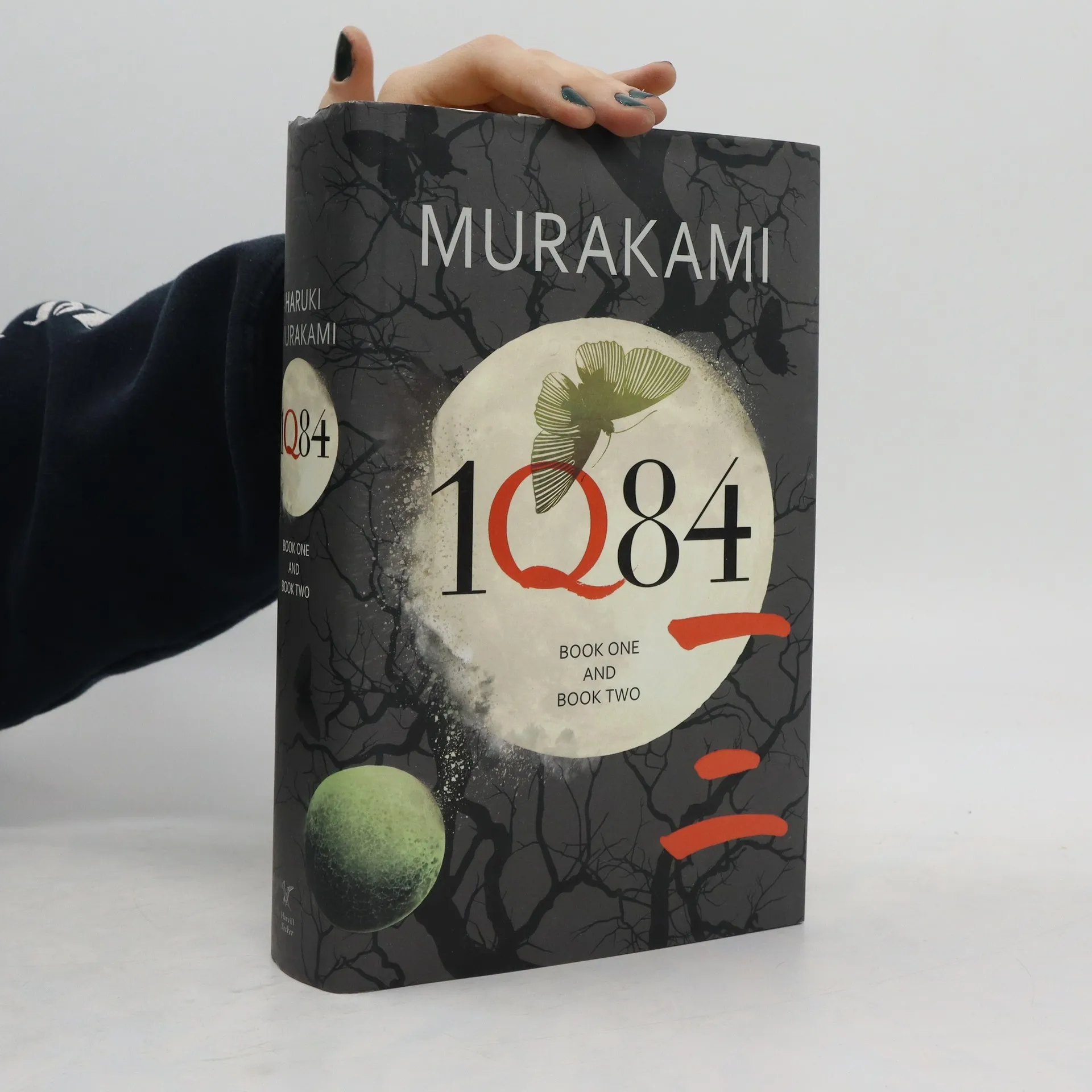
1Q84: Book One and Book Two
- 623 pages
- 22 hours of reading
Vol. 2: book three translated from the Japanese by Philip Gabriel


Philip Gabriel stands as a primary translator of the works of Japanese novelist Haruki Murakami into English. His translation efforts bring Murakami's distinctive style and thematic concerns to a global readership. Gabriel's profound understanding of Japanese culture and literature ensures his translations faithfully capture the spirit of the original while remaining accessible to an English-speaking audience. His academic background further enriches his ability to interpret complex literary works.

Vol. 2: book three translated from the Japanese by Philip Gabriel
How can you save your friend's life if she doesn't want to be rescued? In a tranquil neighbourhood of Tokyo, seven teenagers wake to find their bedroom mirrors are shining. At a single touch, they are pulled from their lonely lives to a wondrous castle filled with winding stairways, watchful portraits and twinkling chandeliers. In this new sanctuary, they are confronted with a set of clues leading to a hidden room where one of them will be granted a wish. But there's a catch: if they don't leave the castle by five o'clock, they will be punished. As time passes, a devastating truth emerges: only those brave enough to share their stories will be saved.
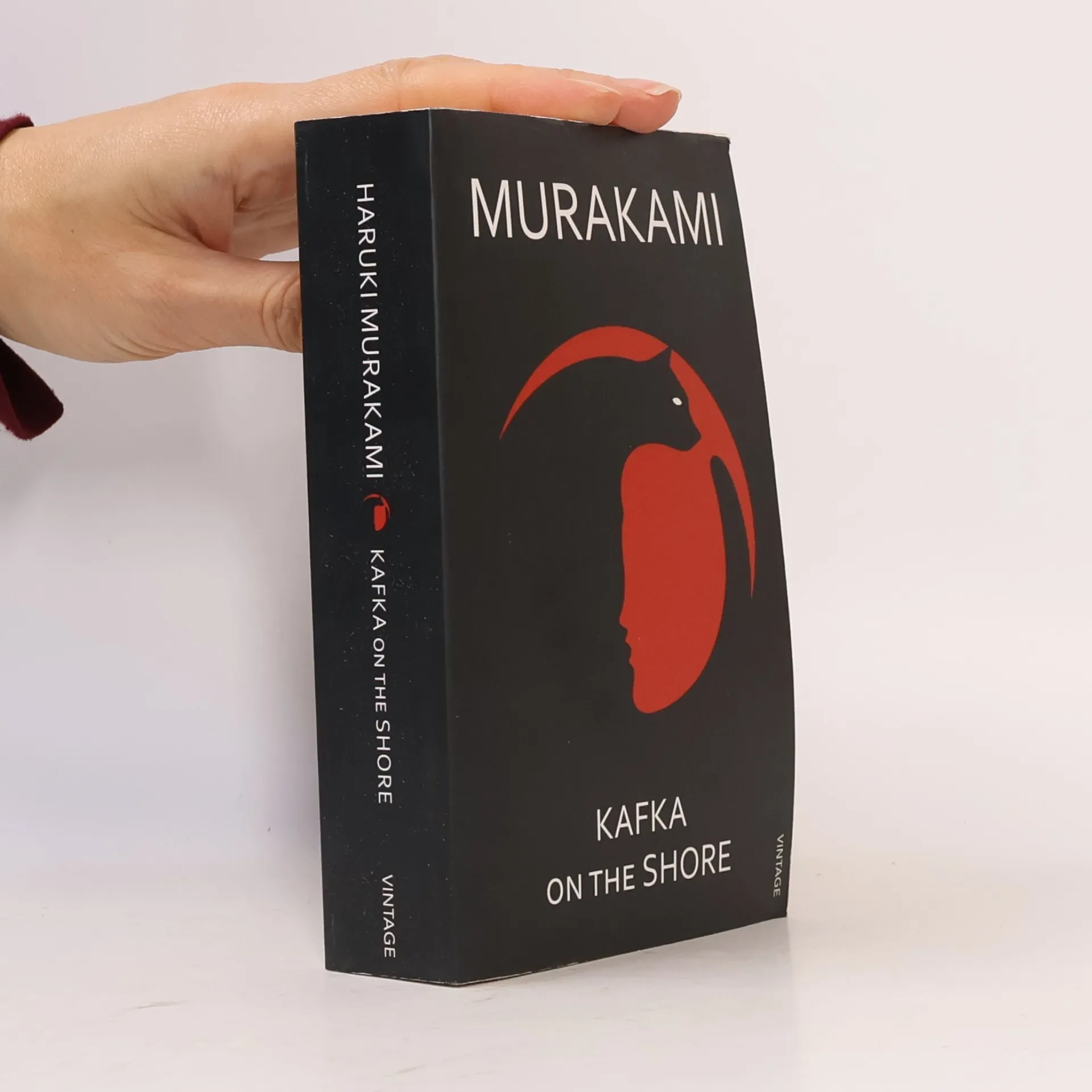
" ... A novel of metaphysical reality, it is powered by two remarkable characters: a teenage boy, Kafka Tamura, who runs away from home either to escape a gruesome oedipal prophecy or to search for his long-missing mother and sister; and an aging simpleton called Nakata, who never recovered from a wartime affliction and now is drawn toward Kafka for reasons that, like the most basic activities of daily life, he cannot fathom."--Publisher's description
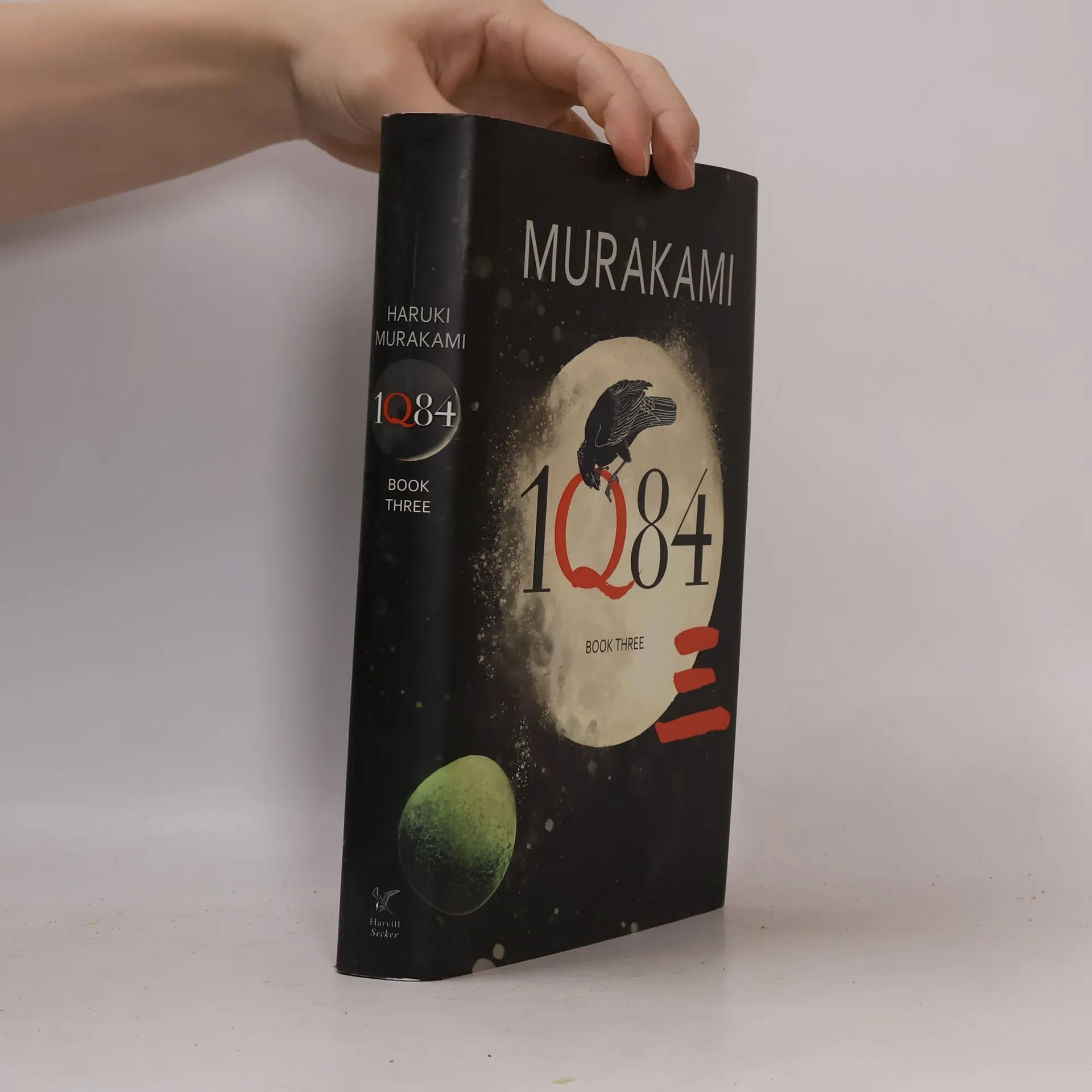
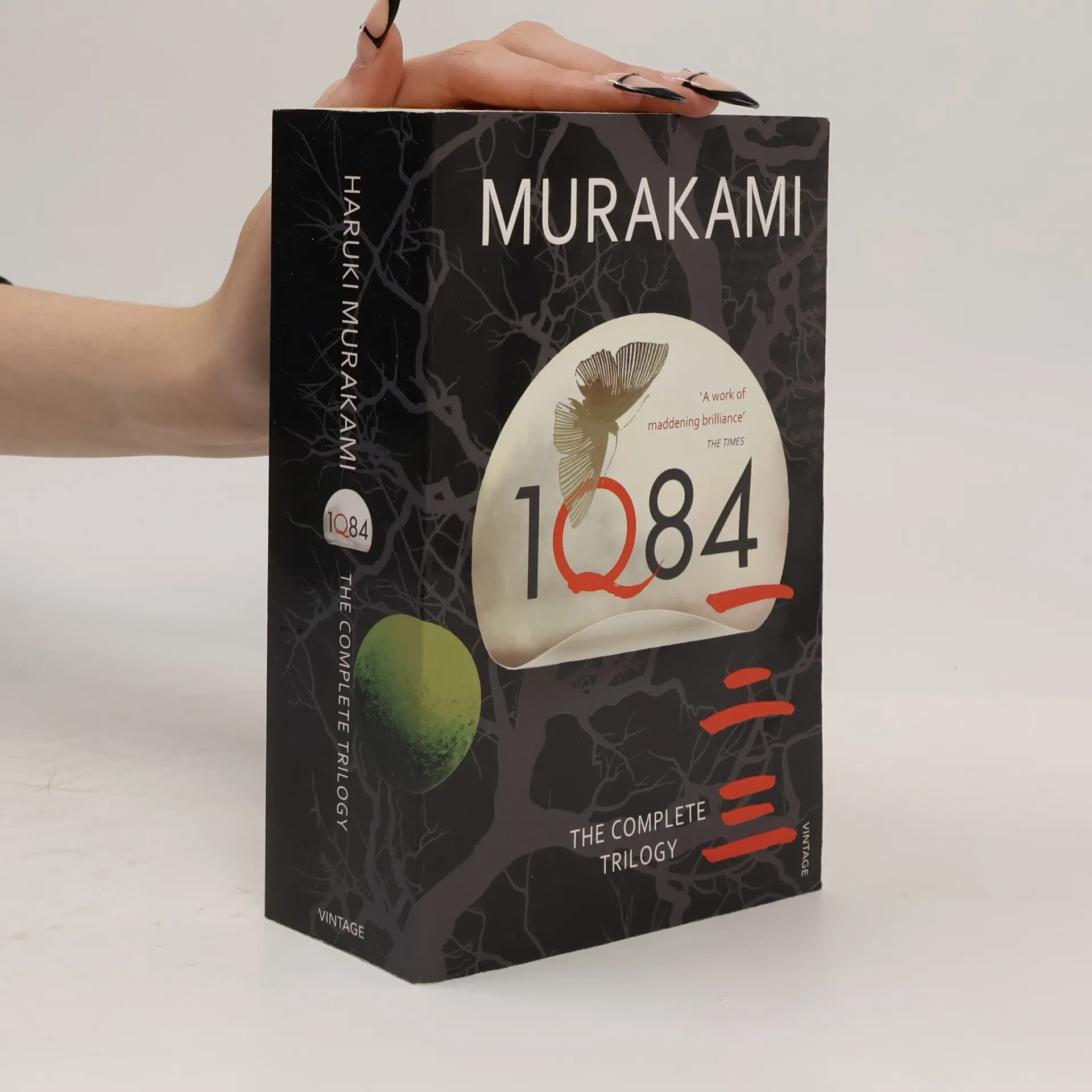
A mesmerising, epic, utterly involving masterpiece from Haruki Murakami The year is 1Q84. This is the real world, there is no doubt about that. But in this world, there are two moons in the sky. In this world, the fates of two people, Tengo and Aomame, are closely intertwined. They are each, in their own way, doing something very dangerous. And in this world, there seems no way to save them both. Something extraordinary is starting. *PRE-ORDER HARUKI MURAKAMI'S NEW NOVEL, THE CITY AND ITS UNCERTAIN WALLS, NOW* '1Q84 has a range and sophistication that surpasses anything else in his oeuvre. It is his most achieved novel; an epic in which form and content are neatly aligned' Independent on Sunday
While their stories influence one another, at times by accident and at times intentionally, the two come closer and closer to intertwining.
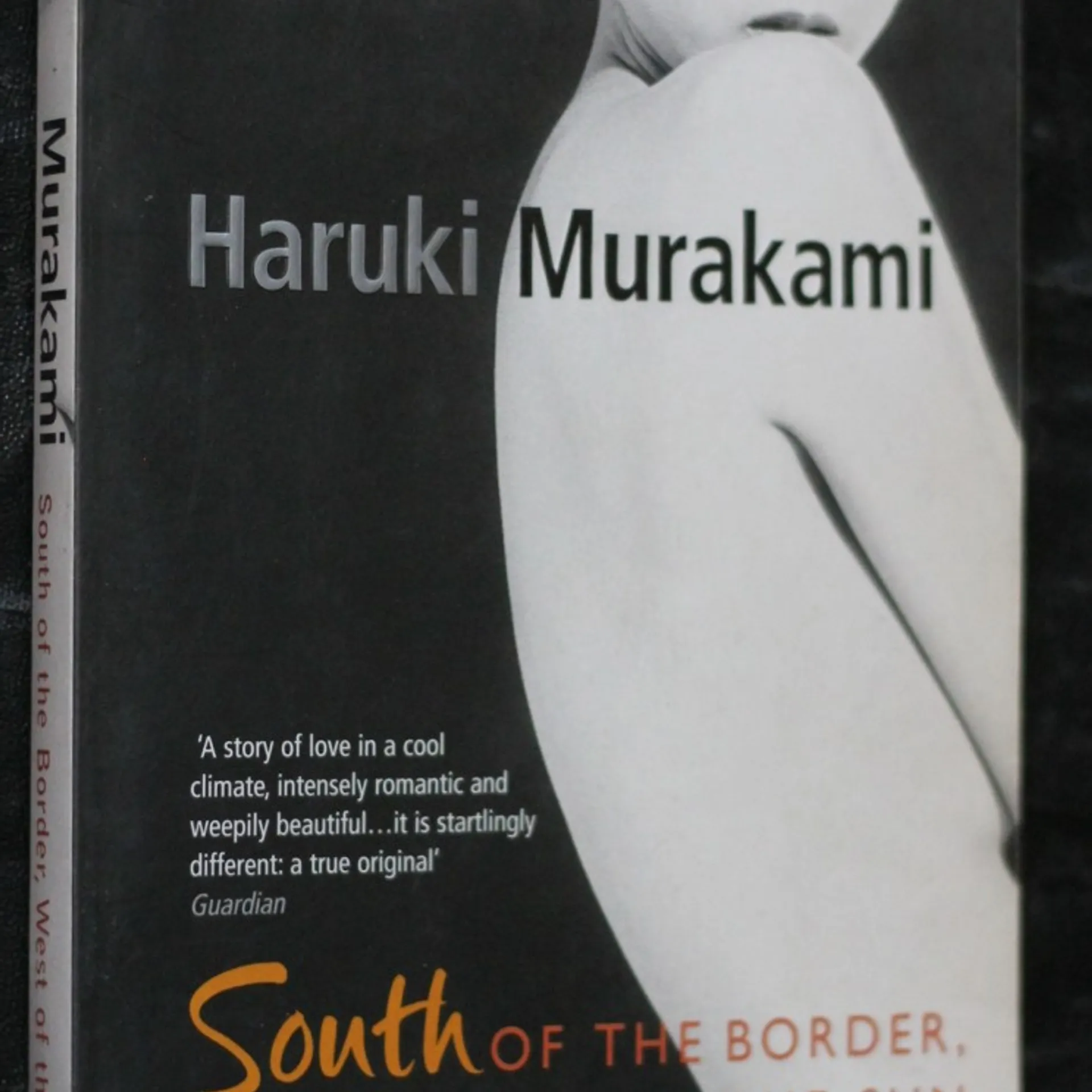
Growing up in the suburbs in post-war Japan, it seemed to Hajime that everyone but him had brothers and sisters. His sole companion was Shimamoto, also an only child. Together they spent long afternoons listening to her father's record collection. But when his family moved away, the two lost touch. Now Hajime is in his thirties. After a decade of drifting he has found happiness with his loving wife and two daughters, and success running a jazz bar. Then Shimamoto reappears. She is beautiful, intense, enveloped in mystery. Hajime is catapulted into the past, putting at risk all he has in the present. 'A story of love in a cool climate, intensely romantic and weepily beautiful...it is startlingly different: a true original' Guardian 'Casablanca remade Japanese style...It is dream-like writing, laden with scenes which have the radiance of a poem' The Times 'This wise and beautiful book is full of hidden truths' New York Times 'This book aches...an eloquent treatise on the vertiginous, irrational powers of love and desire' Independent on Sunday 'A beautiful, atmospheric novel sustained by Murakami's flair for philosophical mediation at its most human' Irish Times
We all live our lives carrying secrets we cannot disclose. 'Beguiling... Murakami is brilliant at folding the humdrum alongside the supernatural; finding the magic that's nested in life's quotidian details' Guardian When a thirty-something portrait painter is abandoned by his wife, he holes up in the mountain home of a famous artist. The days drift by, spent painting, listening to music and drinking whiskey in the evenings. But then he discovers a strange painting in the attic and unintentionally begins a strange journey of self-discovery that involves a mysterious ringing bell, a precocious thirteen-year-old girl, a Nazi assassination attempt and a haunted underworld. A stunning work of imagination, Killing Commendatore is a surreal tale of love and loneliness, war and art.
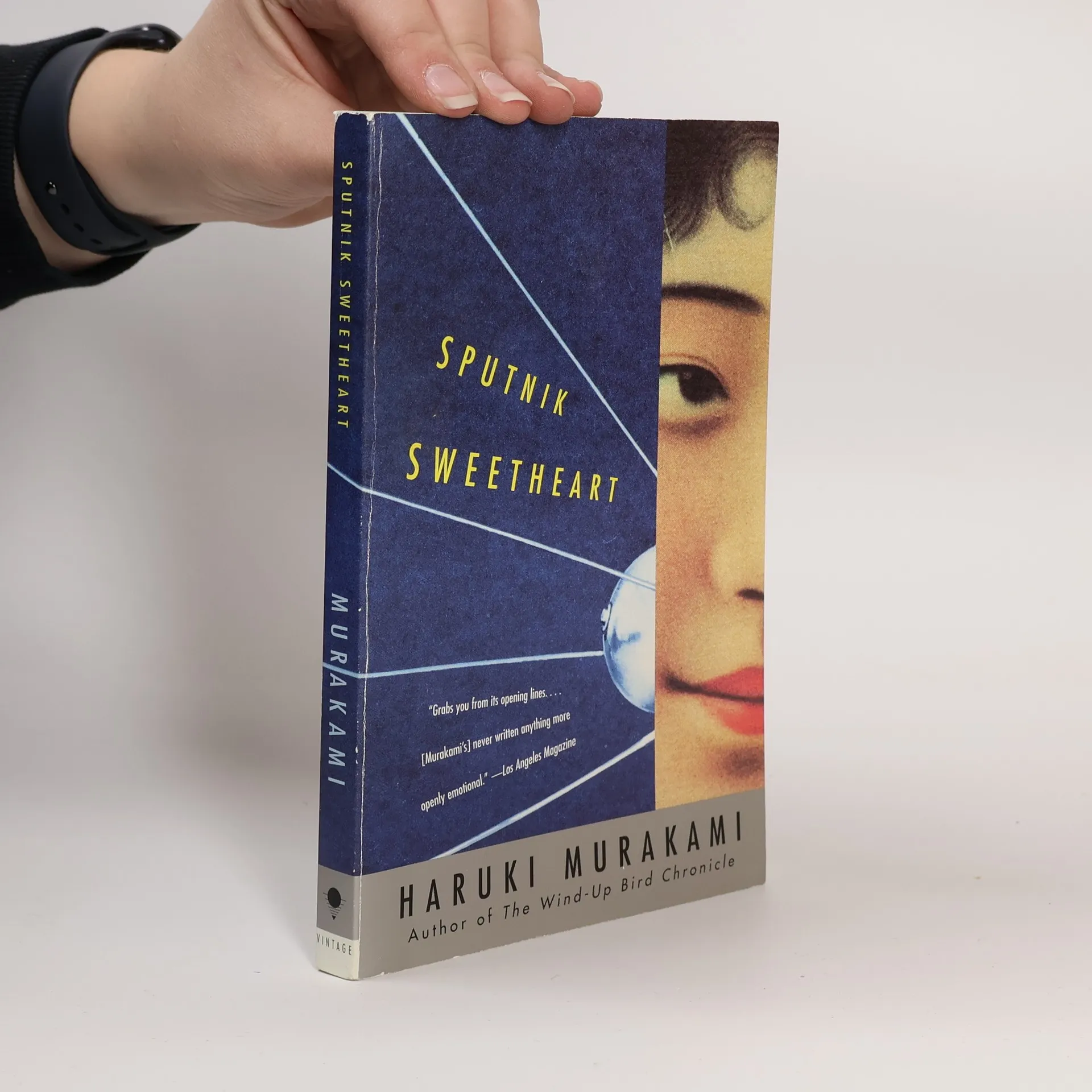
Part romance, part detective story, Sputnik Sweetheart tells the story of a tangled triangle of uniquely unrequited love. Now with a new introduction from the author. K is madly in love with his best friend, Sumire, but her devotion to a writerly life precludes her from any personal commitments. At least, that is, until she meets an older woman to whom she finds herself irresistibly drawn. When Sumire disappears from an island off the coast of Greece, K is solicited to join the search party—and finds himself drawn back into her world and beset by ominous visions. Subtle and haunting, Sputnik Sweetheart is a profound meditation on human longing.
A young man accompanies his cousin to the hospital to check an unusual hearing complaint and recalls a story of a woman put to sleep by tiny flies crawling inside her ear;Blind Willow, Sleeping Woman is Murakami's most eclectic collection of stories yet, and spans five years of his writing.
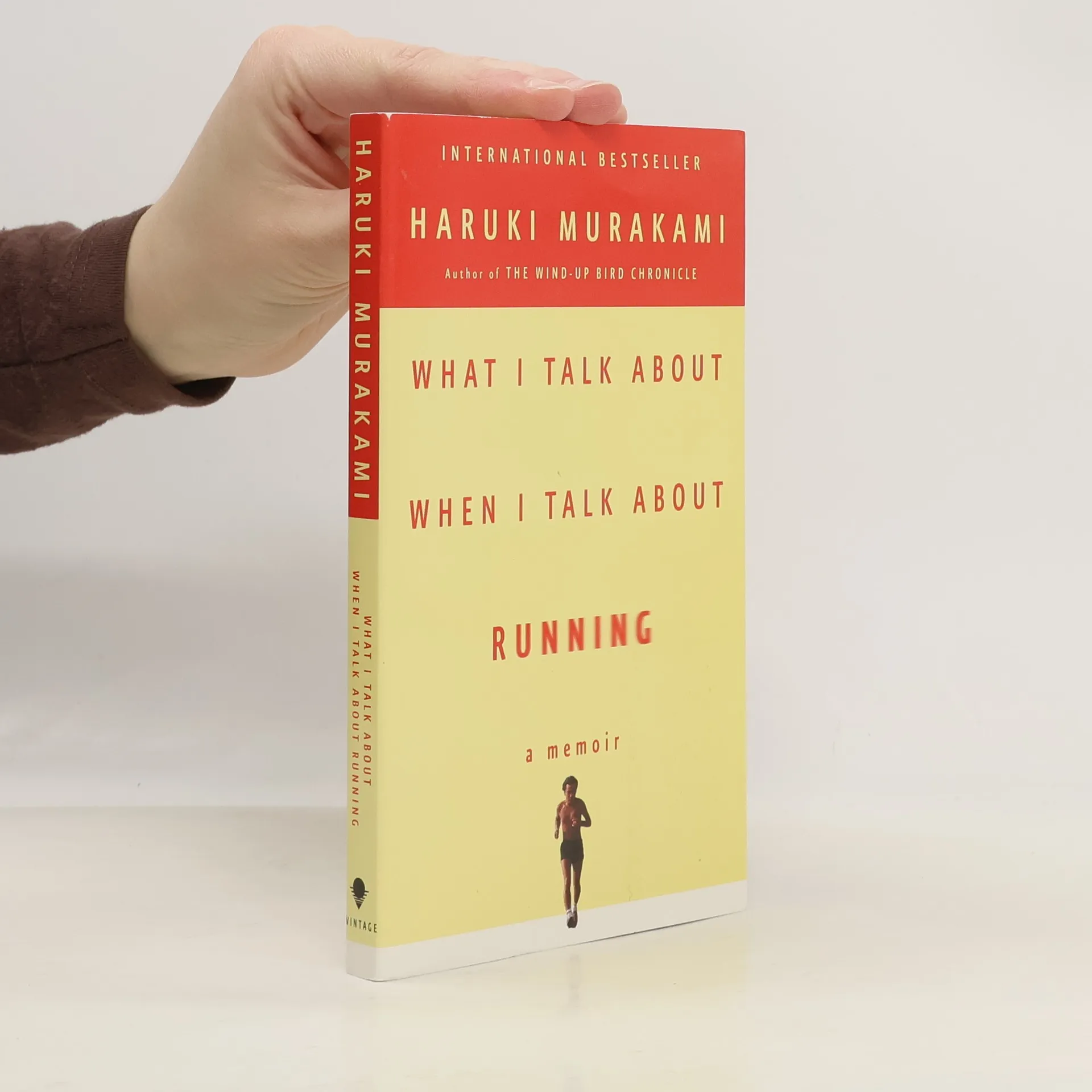
An intimate look at writing, running, and the incredible way they intersect, from the incomparable, bestselling author Haruki Murakami. While simply training for the New York City Marathon would be enough for most people, Haruki Murakami decided to write about it as well. The result is a beautiful memoir about his intertwined obsessions with running and writing, full of vivid memories and insights, including the eureka moment when he decided to become a writer. By turns funny and sobering, playful and phulosophical, What I Talk About When I Talk About Running is rich and revelatory, both for fans of this masterful yet guardedly private writer and for the exploding population of athletes who find similar satisfaction in athletic pursuit.
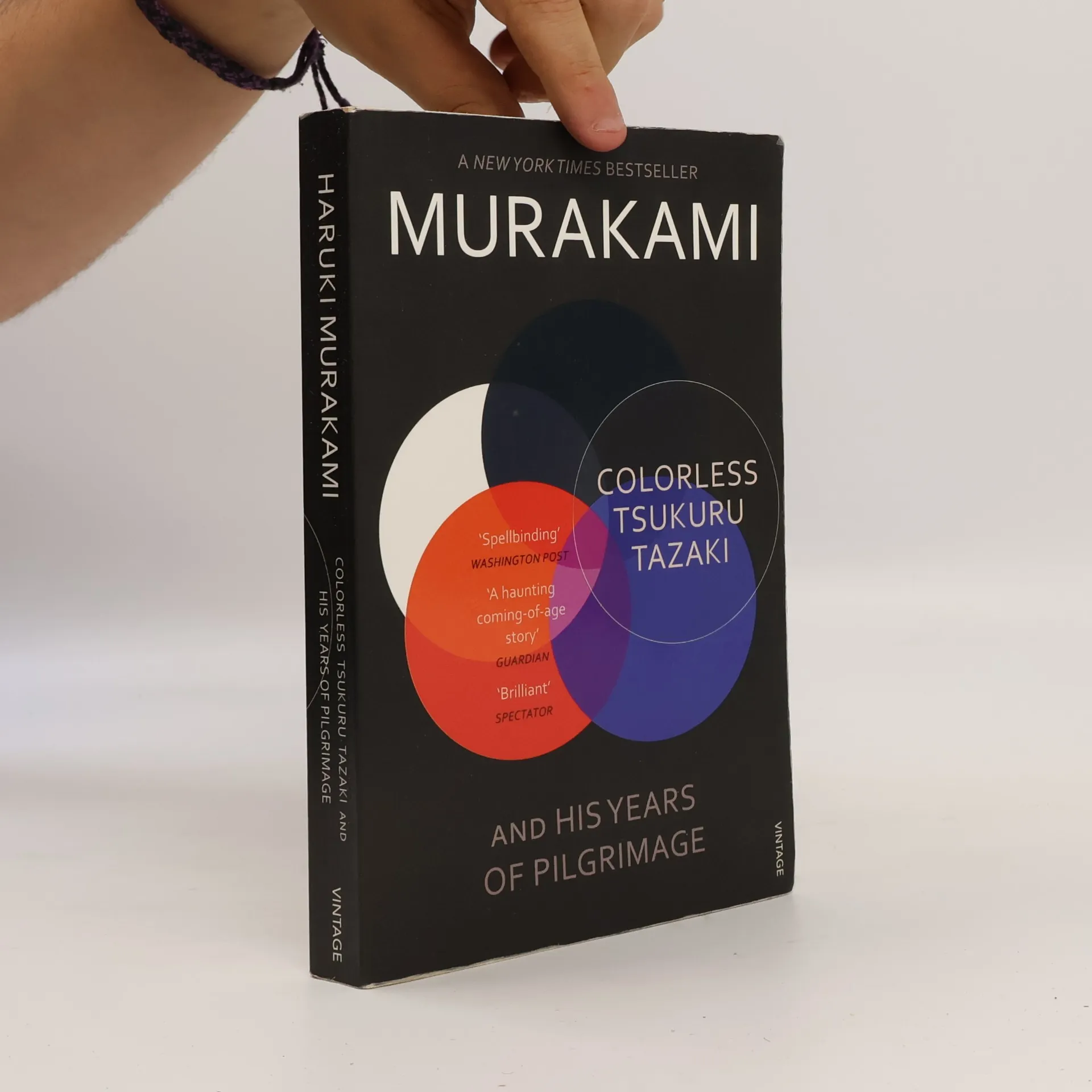
Tsukuru Tazaki had four best friends at school. By chance all of their names contained a colour. The two boys were called Akamatsu, meaning 'red pine', and Oumi, 'blue sea', while the girls' names were Shirane, 'white root', and Kurono, 'black field'. Tazaki was the only last name with no colour in it.
NATIONAL BESTSELLER • Including the story "Drive My Car”—now an Academy Award–nominated film—this collection from the internationally acclaimed author "examines what happens to characters without important women in their lives; it'll move you and confuse you and sometimes leave you with more questions than answers" (Barack Obama). Across seven tales, Haruki Murakami brings his powers of observation to bear on the lives of men who, in their own ways, find themselves alone. Here are lovesick doctors, students, ex-boyfriends, actors, bartenders, and even Kafka’s Gregor Samsa, brought together to tell stories that speak to us all. In Men Without Women Murakami has crafted another contemporary classic, marked by the same wry humor and pathos that have defined his entire body of work.
Tomura is startled by the hypnotic sound of a piano being tuned in his school. It seeps into his soul and transports him to the forests, dark and gleaming, that surround his beloved mountain village. From that moment, he is determined to discover more. Under the tutelage of three master piano-tuners -- one humble, one cheery, one ill-tempered -- Tomura embarks on his training, never straying too far from a single, unfathomable question: do I have what it takes? Set in small-town Japan, this warm and mystical story is for the lucky few who have found their calling -- and for the rest of us who are still searching. It shows that the road to finding one's purpose is a winding path, often filled with treacherous doubts and, for those who persevere, astonishing moments of revelation
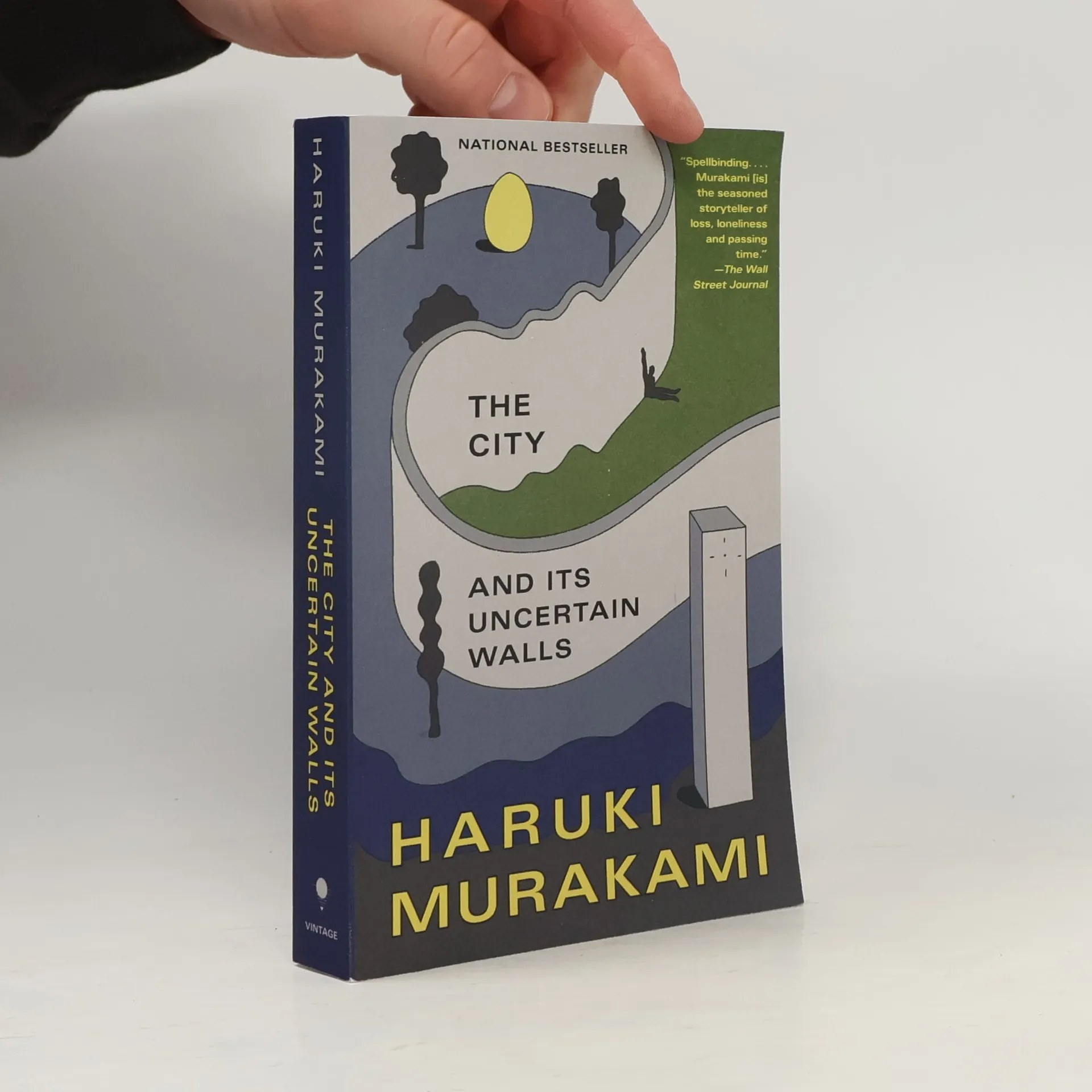
NEW YORK TIMES BESTSELLER • A GLOBE AND MAIL BEST BOOK OF THE YEAR • A REAL SIMPLE BEST BOOK OF THE YEAR From the author of Norwegian Wood and Hard-Boiled Wonderland and the End of the World comes a poignant love story and quest, celebrating books and the libraries that house them. When a young man's girlfriend mysteriously disappears, he is heartbroken and determined to find the imaginary town where he believes she has gone. This lifelong search leads him into middle age and a job at a remote library filled with its own mysteries. He journeys between the real world and a shadowless city where unicorns roam and willow trees grow. There, he discovers his beloved working in a dream library, but she has no memory of their past together. As seasons change and the man grapples with the blurred lines between these two worlds, he must confront what he is willing to sacrifice. This narrative serves as a parable for our times, exploring themes of love, loss, and the transformative power of stories. "Truth is not found in fixed stillness, but in ceaseless change/movement. Isn't this the quintessential core of what stories are all about?” —Haruki Murakami, from the afterword.
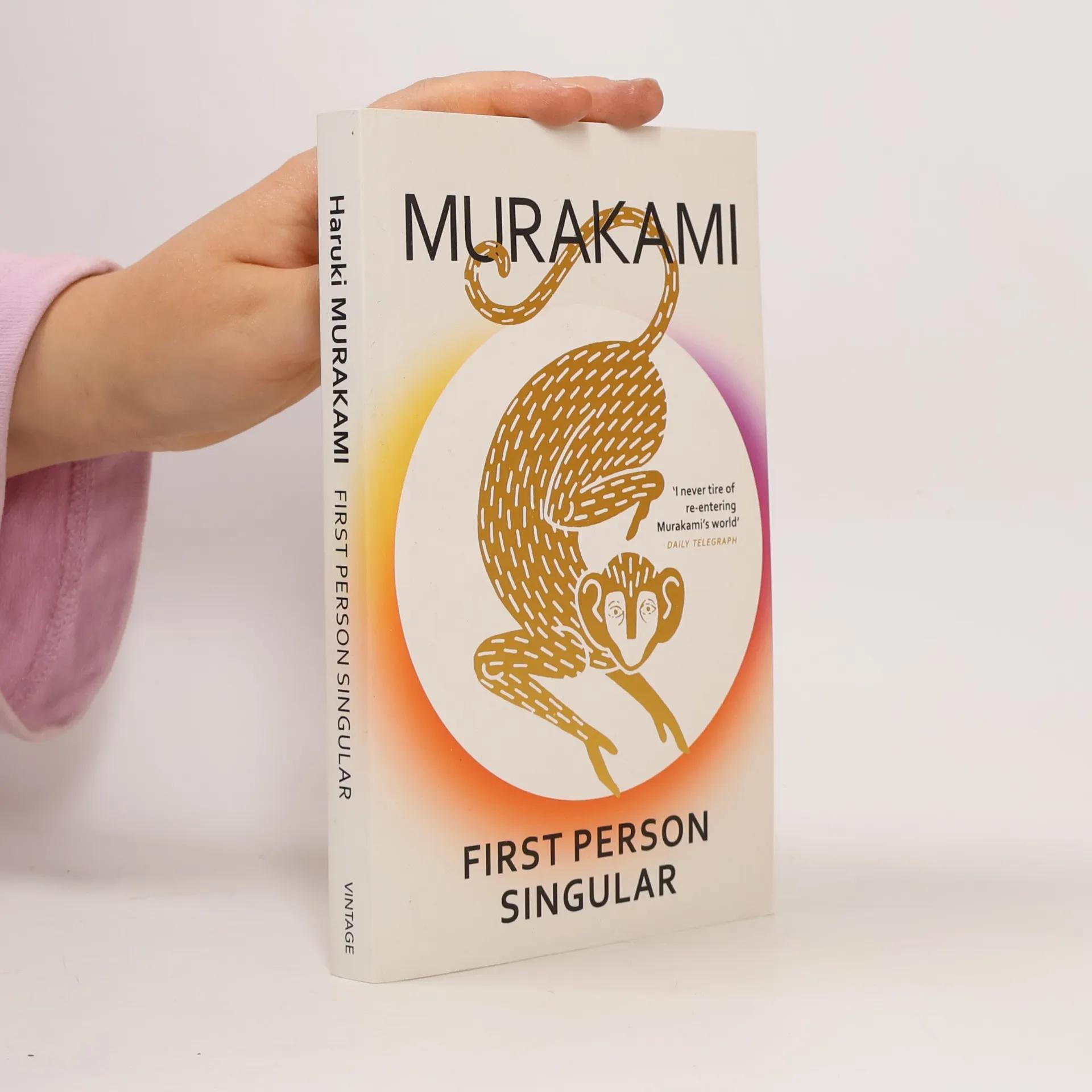
The eight stories in this new book are all told in the first person by a classic Murakami narrator. From memories of youth, meditations on music, and an ardent love of baseball, to dreamlike scenarios and invented jazz albums, together these stories challenge the boundaries between our minds and the exterior world. Occasionally, a narrator may or may not be Murakami himself. Is it memoir or fiction? The reader decides. Philosophical and mysterious, the stories in First Person Singular all touch beautifully on love and solitude, childhood and memory. . . all with a signature Murakami twist.