

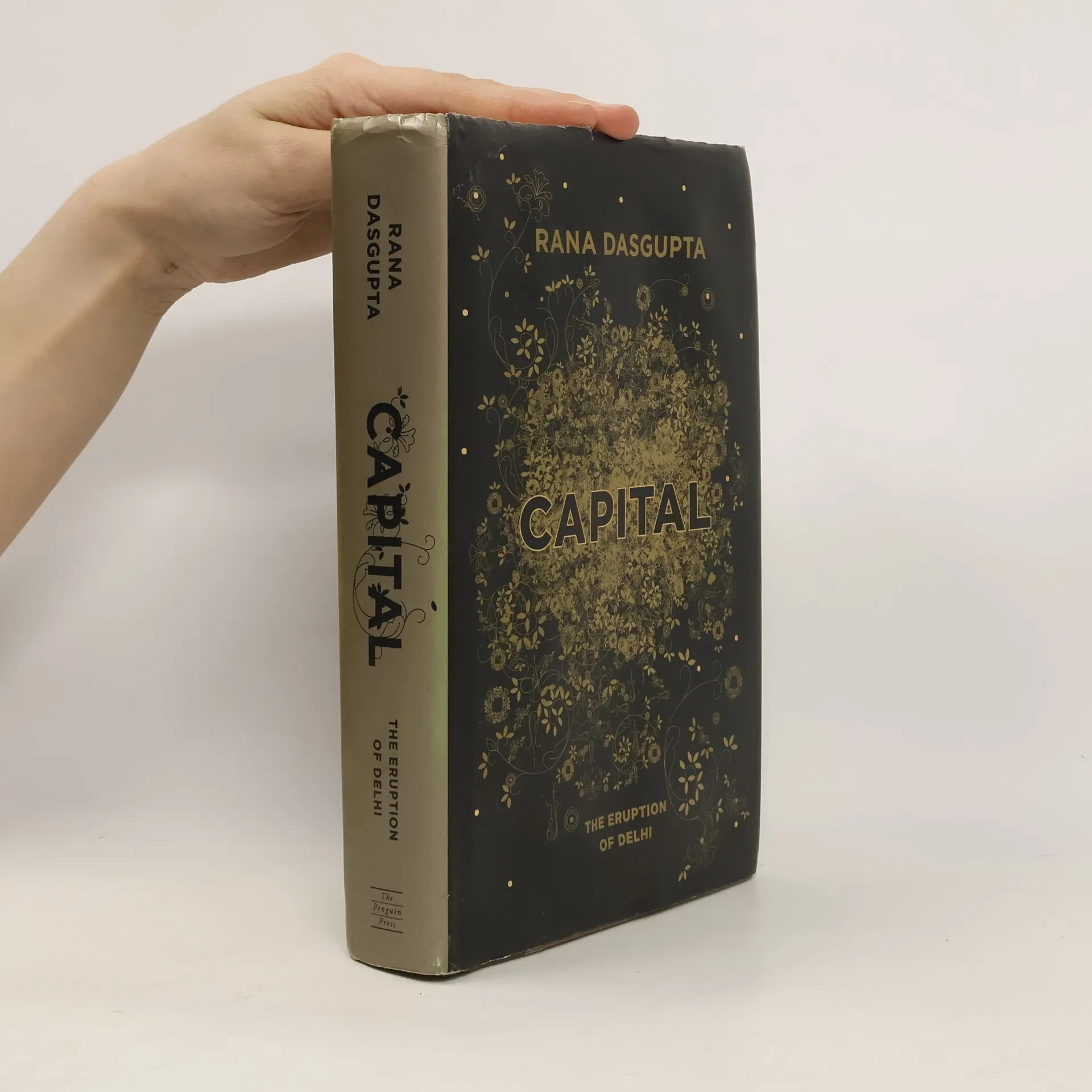
In this compelling exploration, the author delves into the rise of the global elite through the lens of Delhi, capturing the city's dramatic transformation. The narrative reflects the tumultuous changes following India's economic liberalization, where slums were replaced by shopping malls and luxury apartments, creating an environment of stark inequality. Amid this upheaval, fortunes were amassed, and the city pulsated with ambition and unrest, marked by violent crimes and a palpable tension. Drawing inspiration from V.S. Naipaul's personal journeys, the author presents a vivid portrayal of Delhi through diverse encounters with its inhabitants—billionaires, bureaucrats, drug dealers, and slum dwellers. Each interaction reveals the complexities of life in a city undergoing rapid capitalist transformation, echoing the experiences of a generation reminiscent of Gilded Age New York. Intertwining over a century of history with personal reflections, the narrative offers a literary portrait of one of the fastest-growing cities of the twenty-first century. This dark yet insightful depiction not only illuminates Delhi's unique story but also provides a lens through which to understand our shared global future.
Rana Dasgupta Books
Rana Dasgupta delves into the forces and experiences of globalization, crafting narratives that blend contemporary life with mythic and surreal elements. His work broadly explores twenty-first-century existence through a diverse cast of characters, from billionaires to migrant laborers. He further examines historical ideological experiments and anticipates future worlds populated by extraordinary figures. Dasgupta's writing is characterized by an epic scope and a philosophical reflection on the trajectory of human life.



Tokyo Cancelled
- 383 pages
- 14 hours of reading
A major international debut novel from a storyteller who couples a timelessly beguiling style with an energetically modern worldscape.
After Nations
- 784 pages
- 28 hours of reading
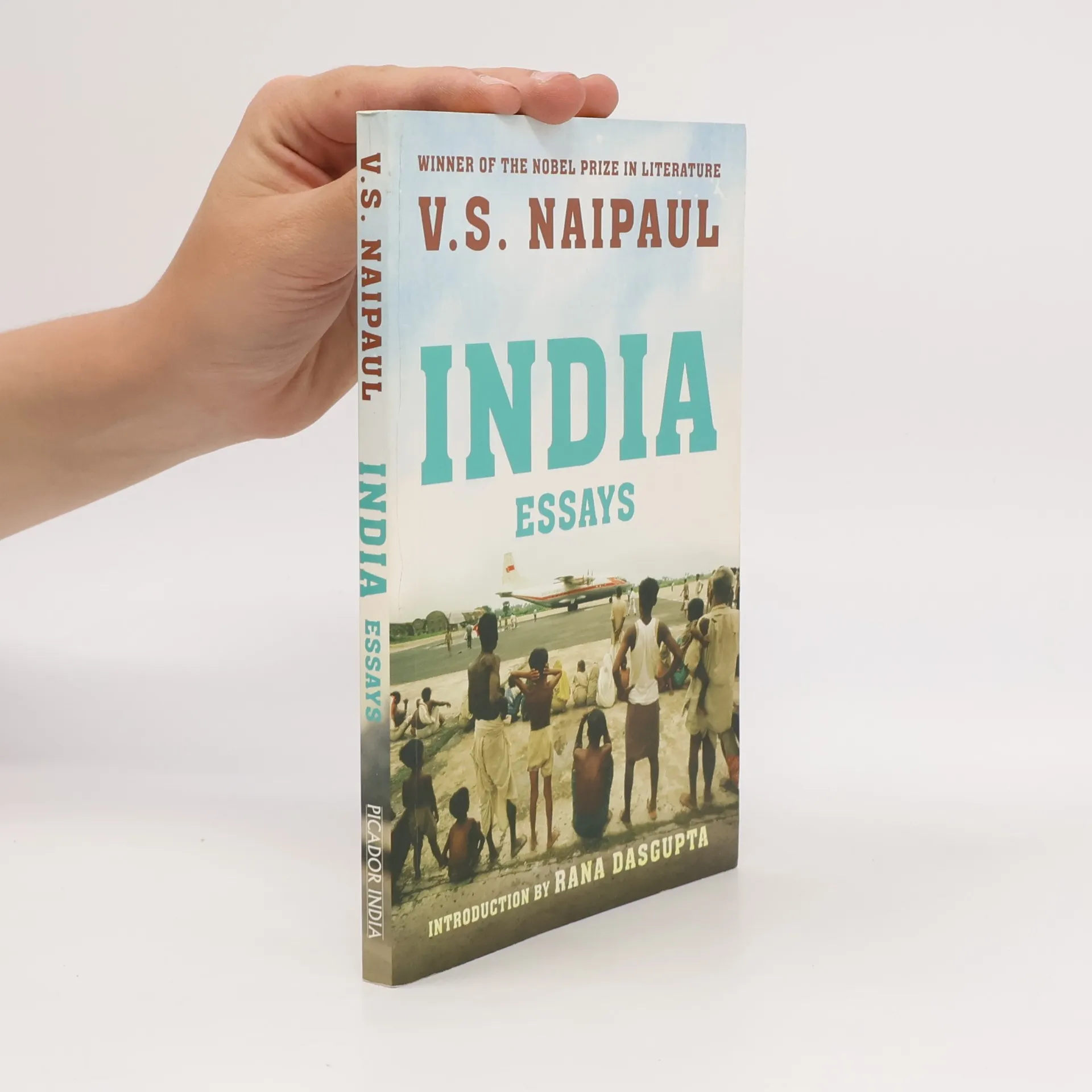
India Essays
- 141 pages
- 5 hours of reading
Between 1962 and 2006, V. S. Naipaul wrote six essays about his travels in India, some of his finest pieces of reflection and reportage. Approaching India through the residue of Indian culture and the scattered memories of nineteenth-century immigrants, eventually leading to a special understanding of Mahatma Gandhi, Naipaul offers an exceptional and sustained meditation on the country that was never his. These are essays, full of gentleness, humour and feeling, that take us into the mind of one of our greatest writers.
Trägt jeder Mensch ein verborgenes Wissen in sich, das der Welt von Nutzen sein könnte? Auf der Suche nach einer Antwort auf diese Frage blickt Ulrich auf sein Leben zurück, das beinahe das gesamte turbulente zwanzigste Jahrhundert umfasst. Er erinnert sich an seine Leidenschaft für die Chemie und die Musik, eine starke Freundschaft und eine große Liebe. Doch seine Talente konnte er nicht ausleben, sein bester Freund starb jung, seine Frau verließ ihn und ging mit dem gemeinsamen Sohn nach Amerika. Der erblindete, nun fast hundertjährige Ulrich bricht noch einmal aus und lässt seine trostlose Plattenbauwohnung in Sofia hinter sich - zumindest in seiner Fantasie: In einem Tagtraum überwindet er politische und private Zwänge und erfindet sich ein neues Leben, das nicht im Bulgarien des zwanzigsten, sondern im New York des einundzwanzigsten Jahrhunderts angesiedelt ist - ein schnelles, buntes Leben voller Möglichkeiten und kreativer Energie. Rauschhaft erzählt Solo die zwei großen Lebensgeschichten eines Mannes und ergründet so den Nutzen einer jeden menschlichen Existenz. Ein episches Meisterwerk voller lebendiger Figuren und ihrer ungewöhnlichen Geschichten, voller wundersamer Mythen und historischer Begebenheiten.
In der Menschheitsgeschichte ist der Nationalstaat eine neue Erfindung. Erst im 20. Jahrhundert wurde er zur weltweiten Norm. Heute ist er womöglich schon wieder ein Auslaufmodell. Ökologische Katastrophen, globale Migrationsbewegungen, die wachsende Macht der Tech-Konzerne und transnationale Finanzströme stellen die Annahme infrage, dass Politik innerhalb fester Landesgrenzen stattfinden muss – und kann. Rana Dasgupta zeichnet die Entstehung und den Aufstieg des Staatensystems nach, um die Ursachen für sein vielfältiges Scheitern zu ergründen. Ausgehend von vier Machtzentren – Frankreich, Großbritannien, USA und China – erzählt er die globale Geschichte einer politischen Form, die heute an den Bedingungen zerbricht, die sie einst ermöglicht haben. Elegant und mit Blick für vergessene Details führt uns der preisgekrönte Autor vom Untergang alter Imperien und von der Ausbreitung europäischer Geld- und Rechtskonzepte bis hin zur epochalen Wiederherstellung chinesischer Macht. Dasgupta fragt: Wie könnte eine flexible Ordnung im planetaren Zeitalter aussehen? Und welche Rolle spielt die Religion in einer Welt nach den Nationen? Eine beeindruckende Reise zu den Ursprüngen der Nation, um Antworten für die Zukunft zu finden.