

This investigation of the transformative religious changes of the 16th and 17th centuries in England, arise from Patrick Collinson's 1986 Anstey Memorial Lectures at the University of Kent. The book examines the effects of these changes on the nation, the town and family and their culture. It is about the birth of a new and in some ways different England, the one that we know and about the painful complications attending that birth, including the English Civil War. It looks at the implications of the Protestant Reformation for English national self-consciousness.
Patrick Collinson Books
Patrick Collinson was a distinguished historian of the early modern period whose work profoundly shaped the understanding of the English Reformation. Through his seminal scholarship, he demonstrated that Puritanism was a significant force within the Elizabethan Church, rather than merely a radical fringe group. His research laid the groundwork for what is now termed the 'Calvinist Consensus' in English Reformation studies. Collinson's approach challenged prevailing views on the religious radicalism of Puritanism within British culture.



Richard Bancroft and Elizabethan Anti-Puritanism
- 252 pages
- 9 hours of reading
A major study of the Elizabethan Puritan movement, as seen through the eyes of its most determined opponent, Richard Bancroft.
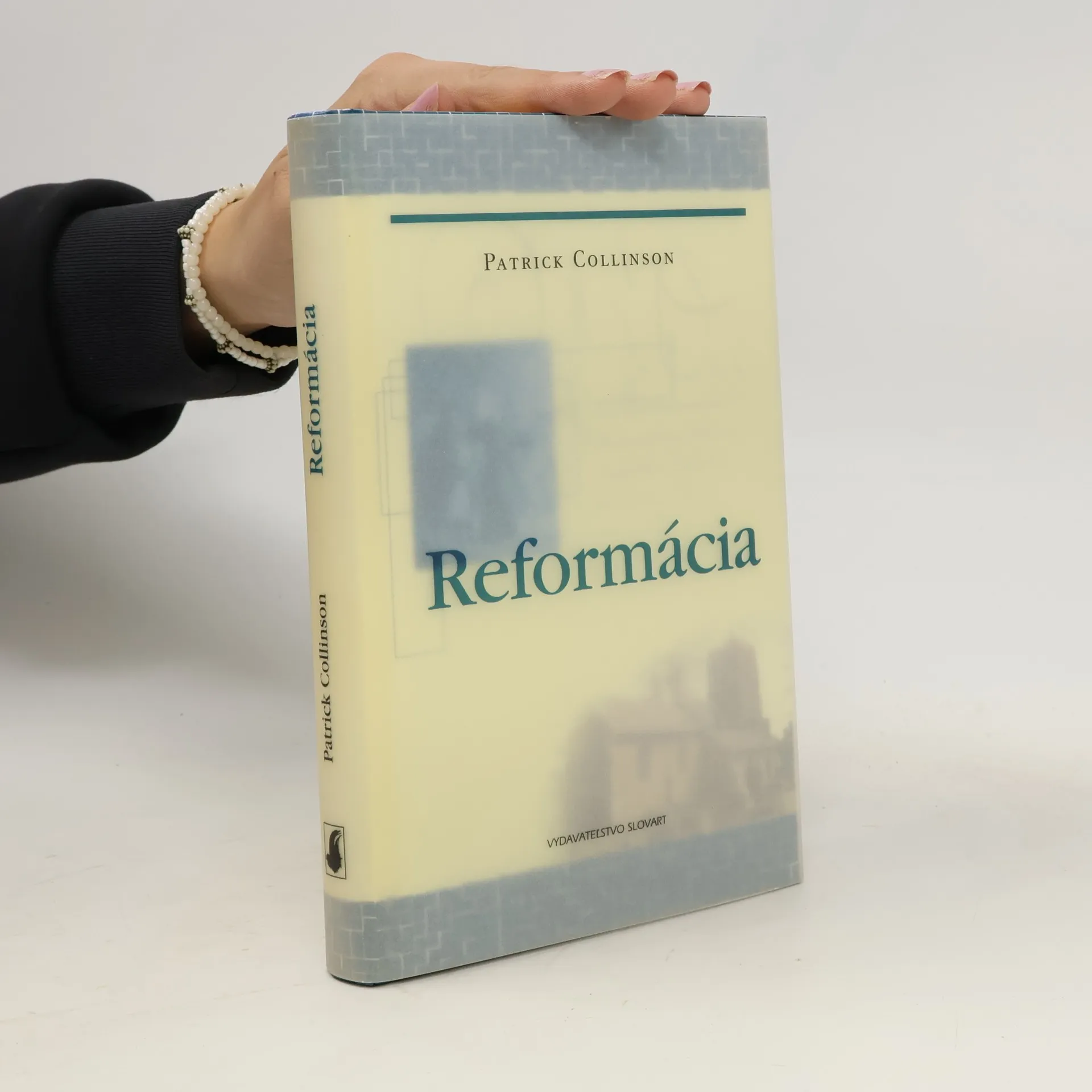
Reformácia
- 208 pages
- 8 hours of reading
Reformné hnutie v 16. storočí, z ktorého vzišli luteráni, kalvinisti, hugenoti, presbyteriáni a anglikánska cirkev, zásadným spôsobom zmenilo identitu vznikajúcich národných štátov Európy. Patrick Collinson, jeden z najvýznamnejších historikov tohto obdobia, nachádza príčiny reformácie v cirkvi neskorého stredoveku. V tomto zmysle sa zamýšľa nad významom slov, jazyka a kníh, nad príspevkom Erazma Rotterdamského, nad významom kníhtlače, vďaka ktorej sa Biblia písaná materinským jazykom stala najdôležitejším prostriedkom šírenia kultúrneho nacionalizmu (napriek tomu, že väčšina obyvateľstva bola negramotná). Pozornosť venuje úlohe Martina Luthera, približuje Zwingliho Zürich, Kalvínovu Ženevu, Jana Husa a jeho reformy v Čechách, Kostnický koncil, zamýšľa sa nad hlavnými rozdielmi medzi evanjelickou (luteránskou) a reformovanou (kalvínskou) cirkvou. Skúma tiež hybné sily katolíckej reformácie či protireformácie, reformáciu na Britských ostrovoch – revolučnú škótsku reformáciu, nikdy neuskutočnenú írsku reformáciu a ťažko vybojovanú anglickú reformáciu, kde kráľovná Alžbeta významným spôsobom zmierňovala radikálny protestantizmus – i najväčší holokaust náboženského umenia v dejinách. Táto kniha je krátkym, ale hlbokým pohľadom na jeden z najväčších medzníkov európskych dejín.