
Explore the latest books of this year!
Bookbot

Jean-Pierre Vernant

    January 4, 1914 – January 9, 2007

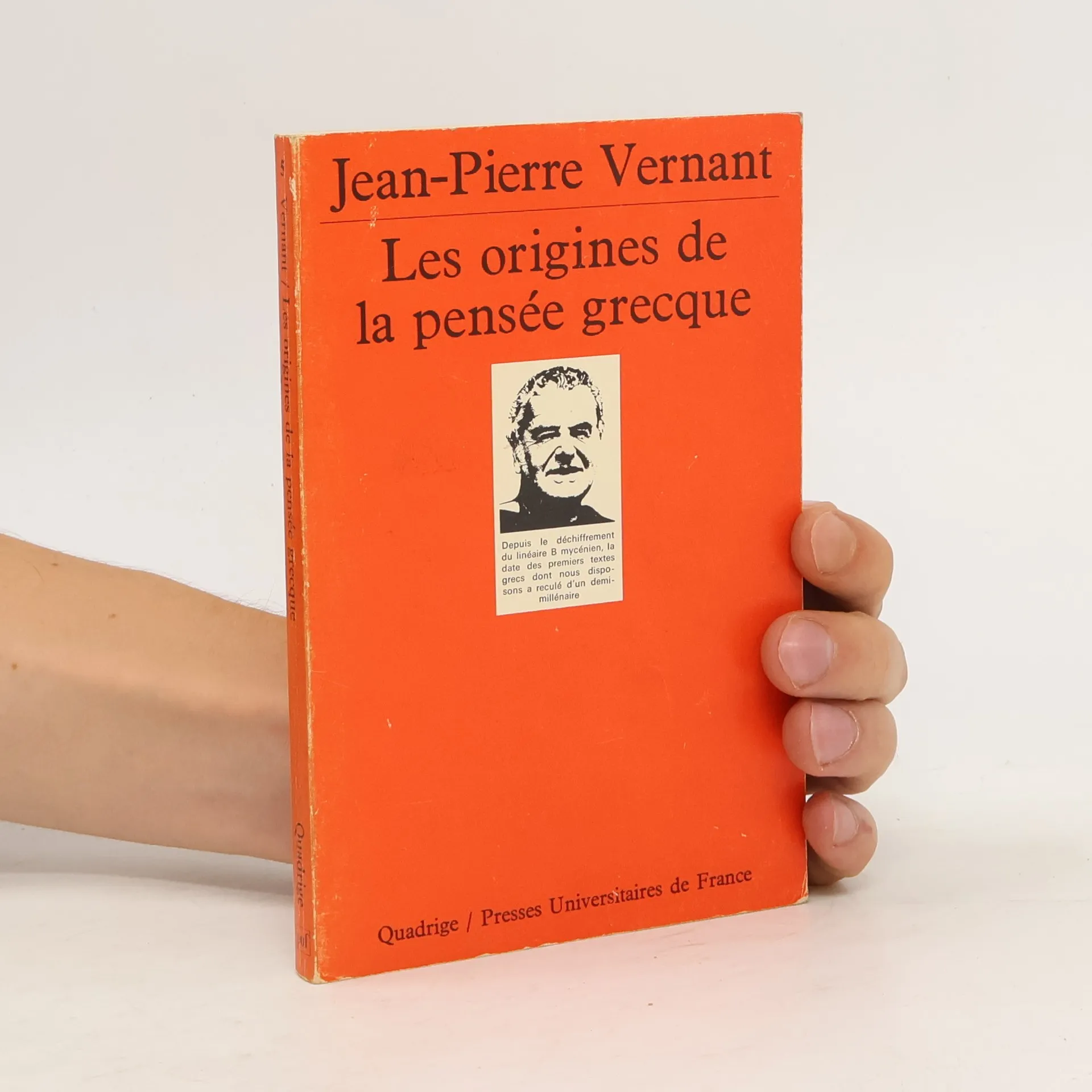
    Jean-Pierre Vernant, a French historian and anthropologist, specialized in ancient Greece, drawing heavily on structuralist thought. He developed an influential structuralist approach to Greek myth, tragedy, and society that profoundly shaped classical scholarship. Vernant's work delves into the fundamental structures of ancient Greek thought and social organization, revealing how these elements shaped their worldview. His rigorous analysis uncovers the deep patterns and mentalities that defined their culture and identity.

    Jean-Pierre Vernant
    Tragedy and Myth in Ancient Greece
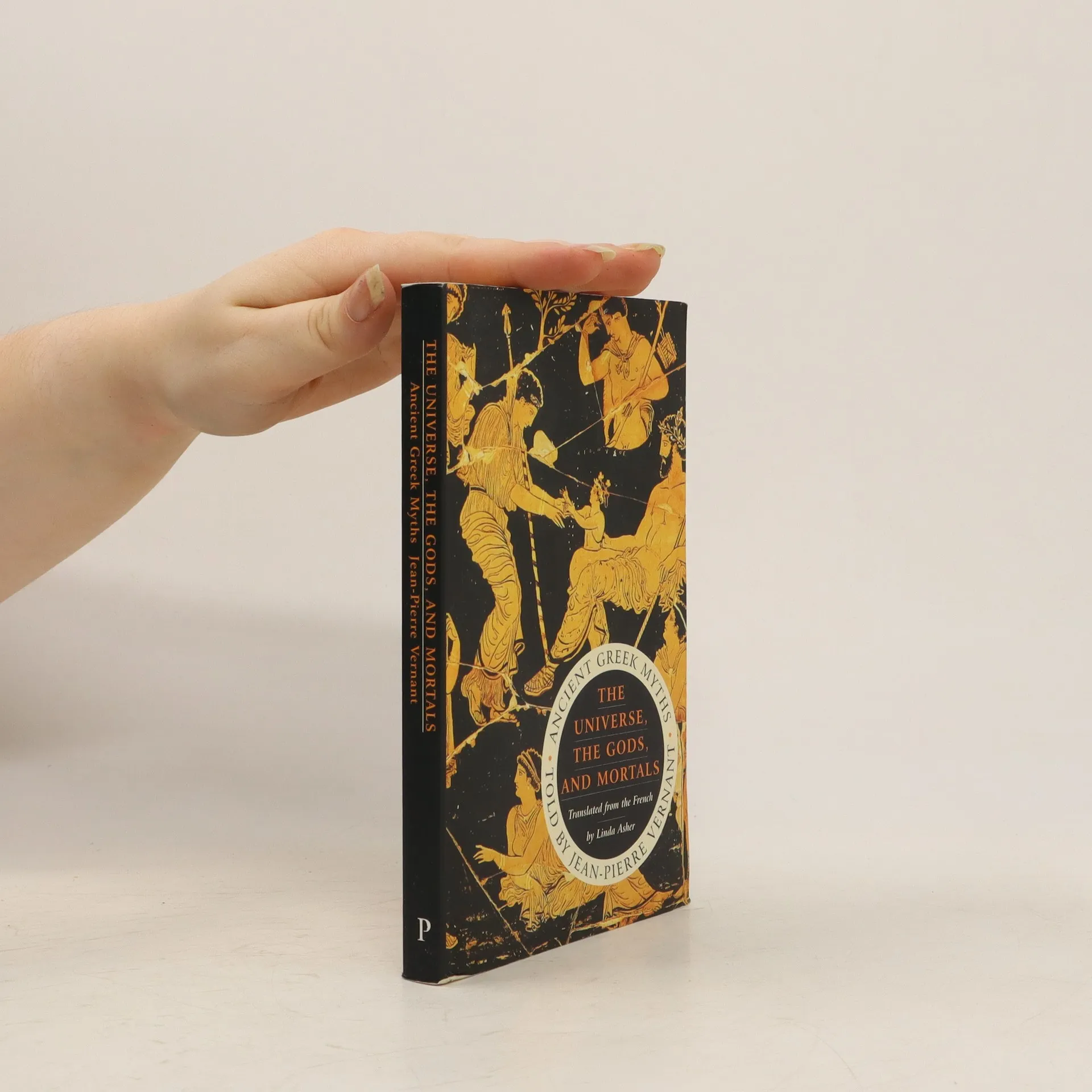
    The Universe, the Gods, and Mortals
    The Origins of Greek Thought
    The Universe, the Gods, and Men
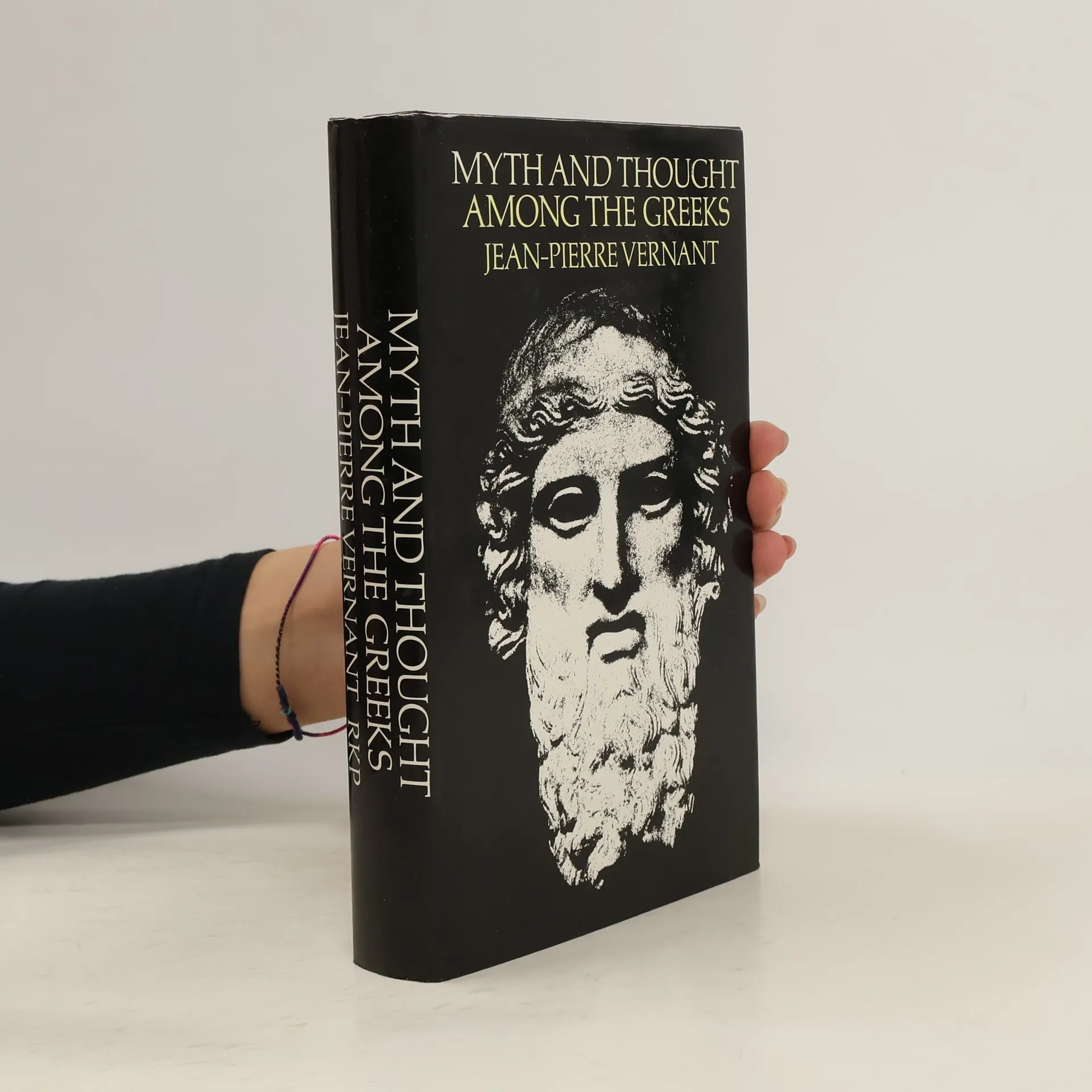
    Myth and Thought Among the Greeks
    Myth and Tragedy in Ancient Greece
    • 2013

      The Universe, the Gods, and Men

      Ancient Greek Myths Told by Jean-Pierre Vernant

      • 224 pages
      • 8 hours of reading
      3.9(31)Add rating

      Exploring the rich tapestry of Greek mythology, Vernant's retelling begins with the Earth's creation from Chaos and unfolds through pivotal events such as Uranus's castration and the Titan-Olympian conflict. The narrative highlights memorable figures like Prometheus, Zeus, and Pandora, alongside epic tales from the Trojan War to Odysseus's journey, and the fates of Dionysus and Oedipus. Vernant's unique storytelling style brings these ancient myths to life, making them accessible and engaging for modern readers.

      The Universe, the Gods, and Men
    • 2006

      Myth and Thought Among the Greeks

      • 512 pages
      • 18 hours of reading
      4.3(71)Add rating

      Exploring the interplay between mythos and logos, this classic work delves into their significance across various contexts. It challenges readers to reconsider traditional concepts and encourages a deeper understanding of narrative and reason. Through its multifaceted approach, the book invites an examination of how these elements shape human thought and culture, making it a thought-provoking read for those interested in philosophy and literary analysis.

      Myth and Thought Among the Greeks
    • 2005

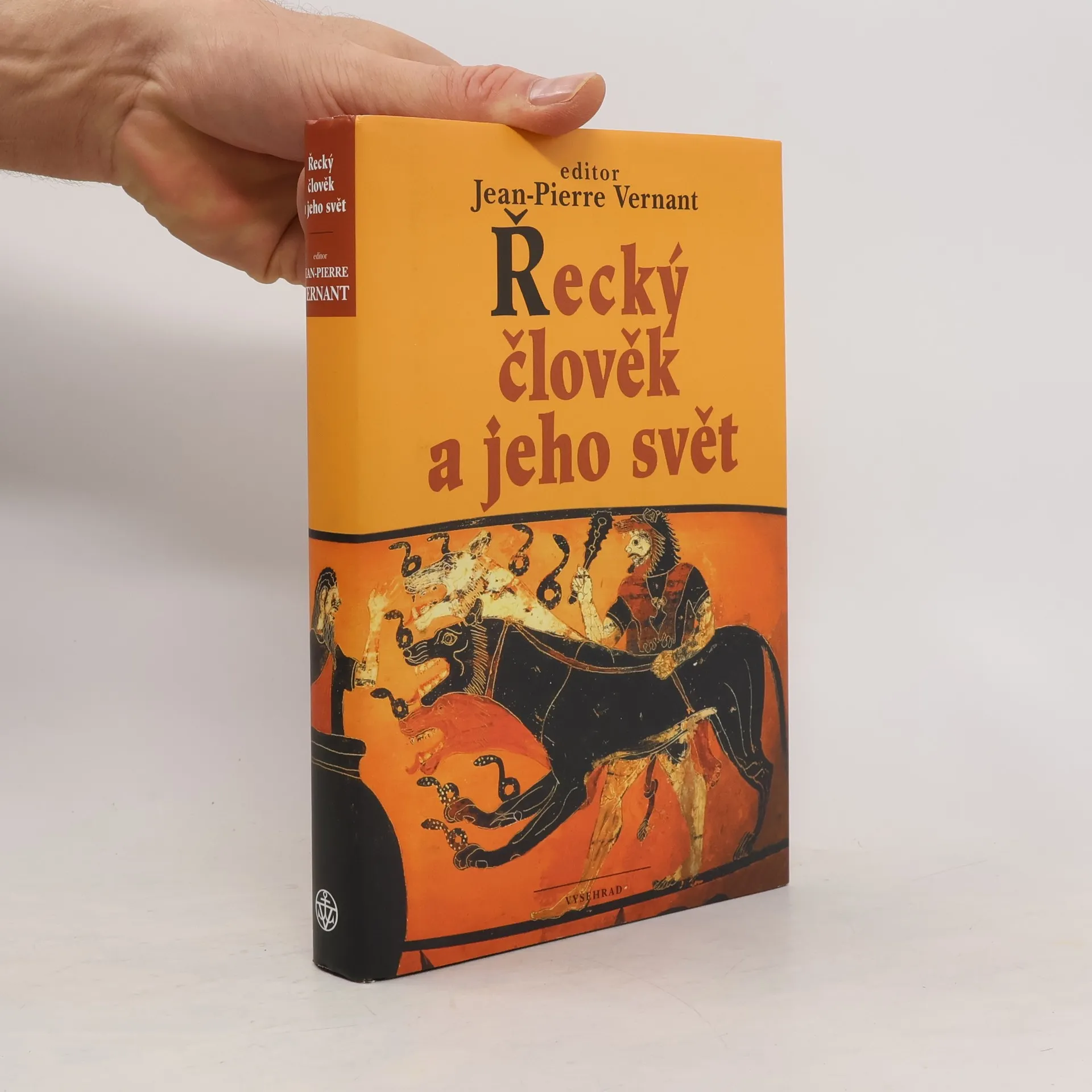
      Řecký člověk a jeho svět

      • 272 pages
      • 10 hours of reading
      4.1(16)Add rating

      Další svazek řady Člověk a jeho svět se vydává do světa lidí a bohů antického Řecka. Významný francouzský autor, dobře známý i českému čtenáři, sestavil soubor esejů od předních odborníků z celého světa, které pronikají do hloubky struktur kultury, jež tak výrazně ovlivnila vývoj kultury evropské. V jednotlivých esejích se autoři věnují ekonomickému životu, zemědělství, válce a míru, výchově a dospívání, pojmu občana, rodinnému a domácímu životu, strukturám společnosti. Stranou nezůstává ani fenomén divadla i vztah Řeků k panteonu jejich bohů. Kniha, která byla již přeložena do řady jazyků, seznamuje čtenáře s životem v antickém Řecku zcela nově: uvádí na správnou míru informace, které si pamatujeme ze školních lavic i z „historických“ filmů.

      Řecký člověk a jeho svět
    • 2004

      Es war einmal – die Geschichte der alten Griechen, die Mythen von den Ursprüngen der Menscheit erzählte Jean-Pierre Vernant seinem Enkelsohn und verfasste dazu Jahre später diesen wunderbaren Band. Hier treffen wir auf alte Bekannte: Mutter Erde oder Prometheus, die Helden aus dem Trojanischen Krieg, Odysseus, Dionysos, Ödipus und Perseus. Der griechische Mythos wird in einer ebenso klaren wie spannungsvollen Geschichte vor uns ausgebreitet.

      Griechische Mythen
    • 2004

      Soubor statí předního francouzského hellénisty, věnovaných náboženství, filosofii, umění a politice, podává všestranný obraz řeckého myšlení a mentality.

      Hestia a Hermés
    • 2001

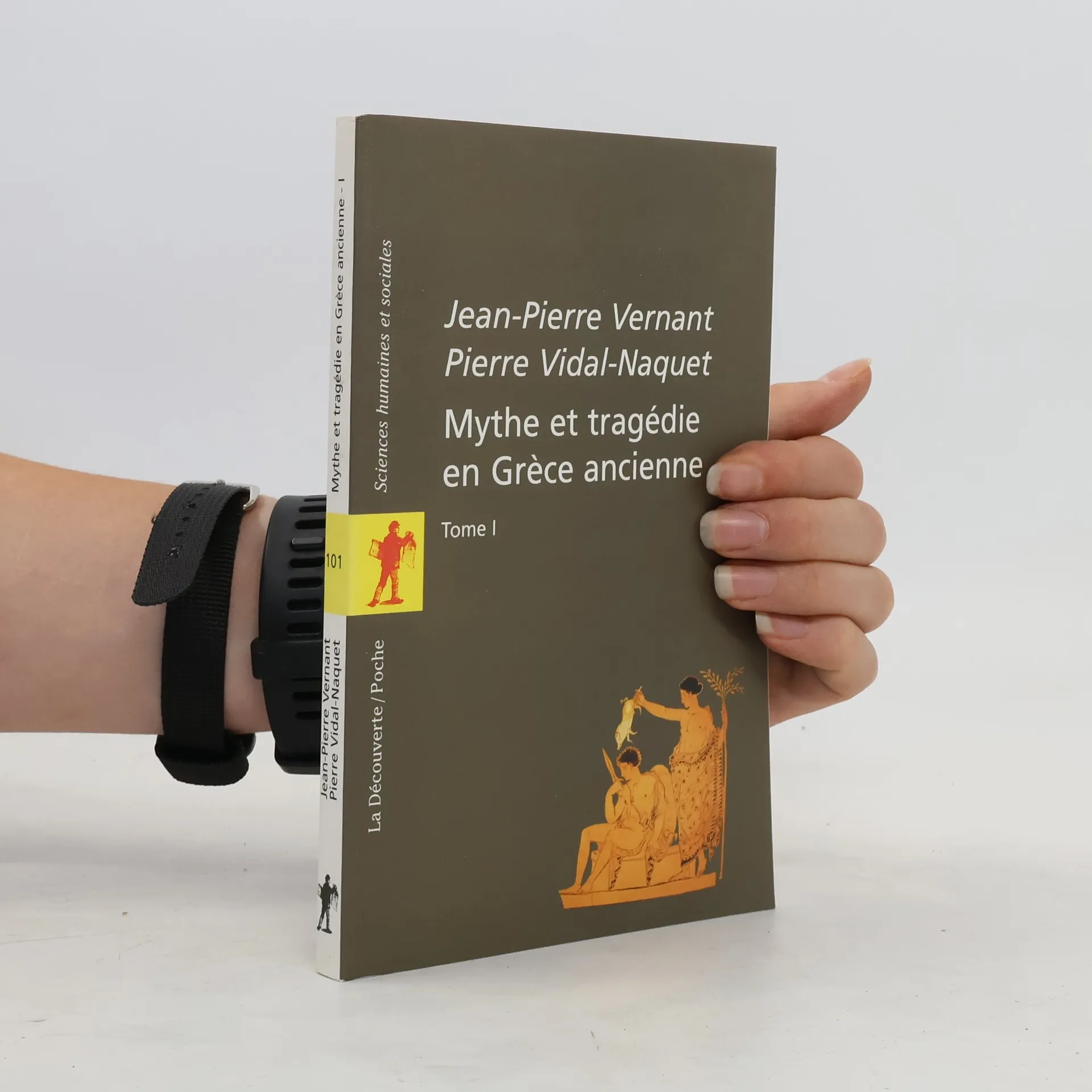
      Un recueil de sept études qui s'efforcent de soumettre les textes antiques à l'analyse structurale, à une recherche de l'intention littéraire et au démontage sociologique. Cette triple approche est appliquée aux tragédies en ce que chacune a de singulier, considérée comme un phénomène indissolublement social, esthétique et psychologique

      Mythe et tragédie en Grece ancienne. Tome 1
    • 2001

      Mythe et tragédie en Grèce ancienne II

      • 298 pages
      • 11 hours of reading

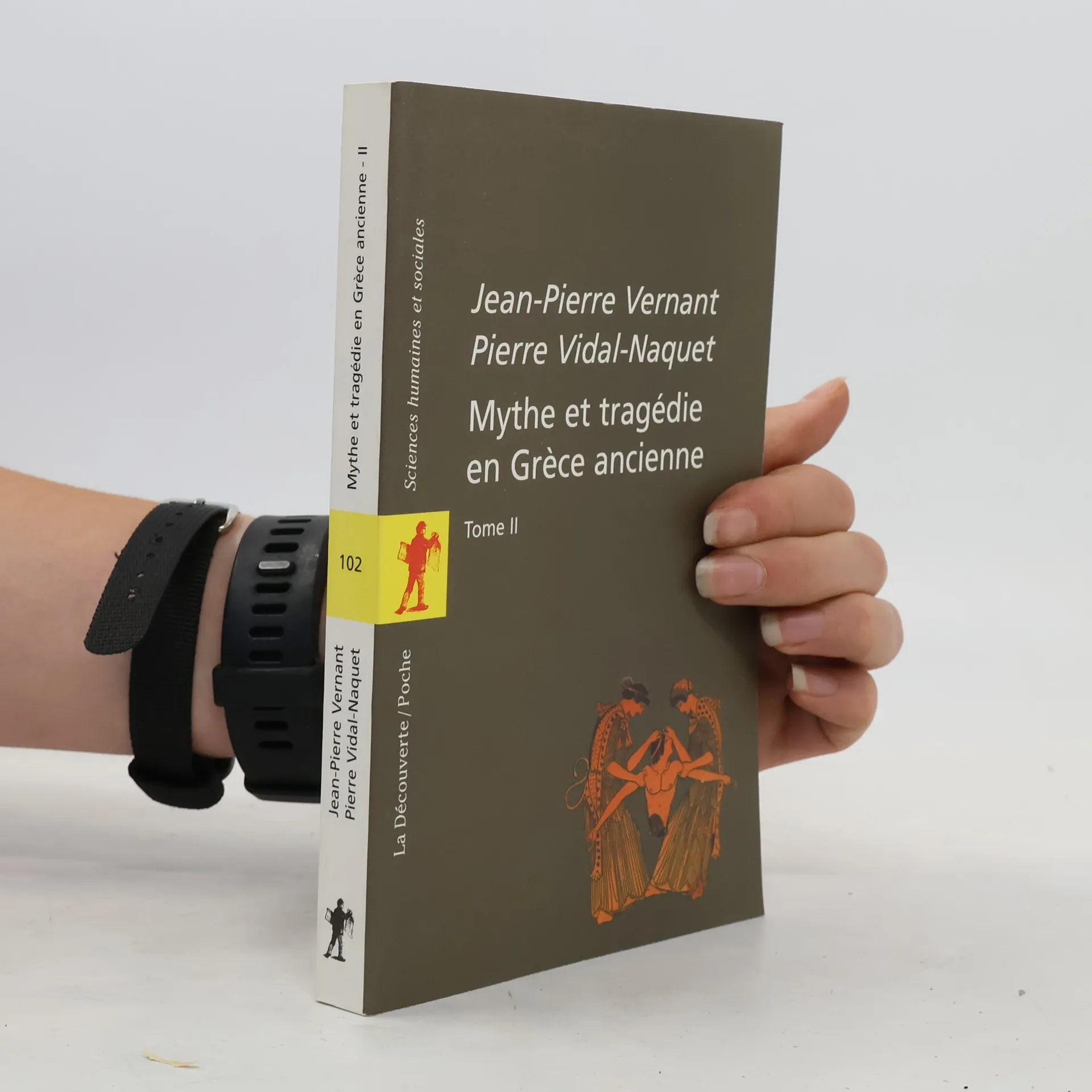
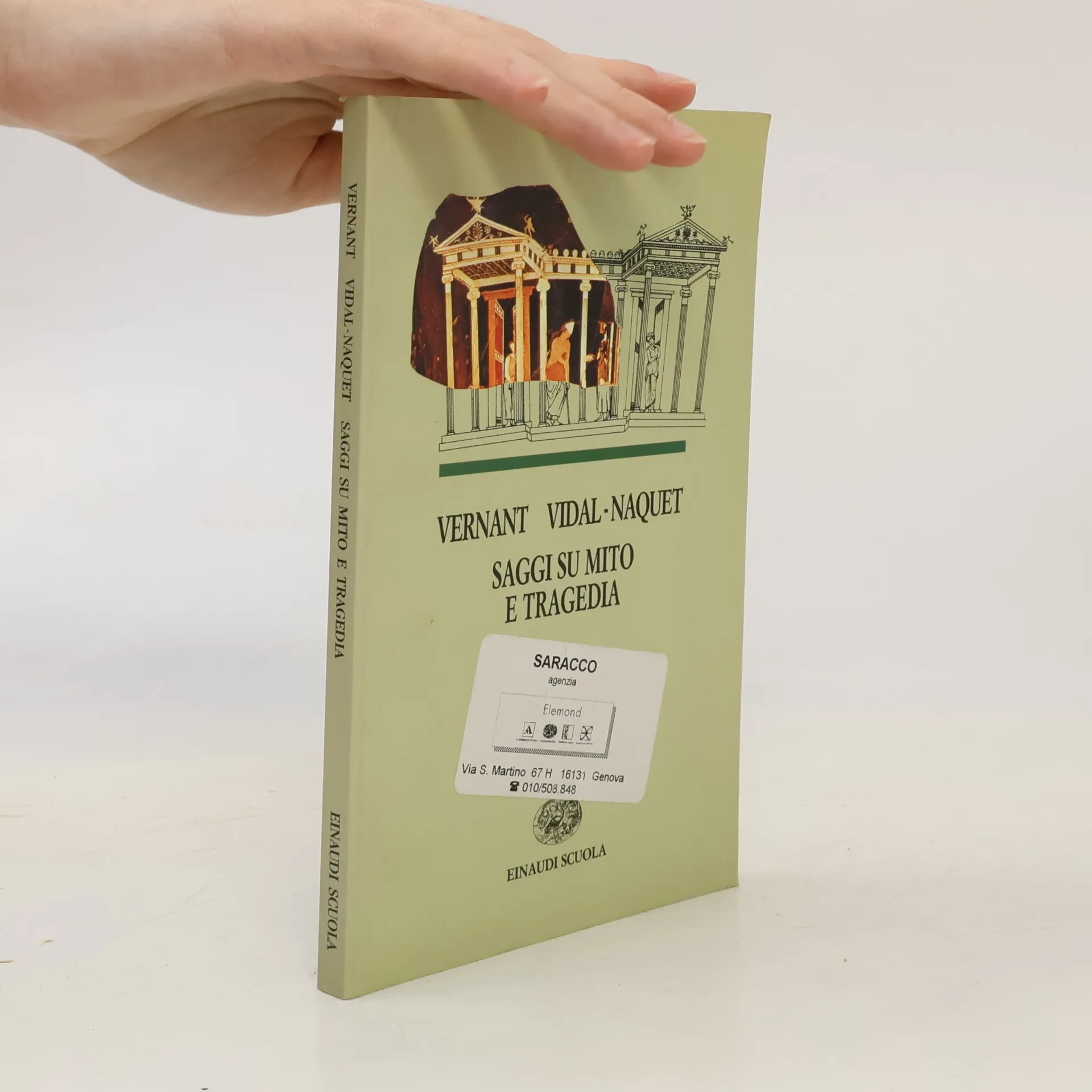
      En 1972, Jean-Pierre Vernant et Pierre Vidal-Naquet faisaient paraître Mythe et tragédie en Grèce ancienne, un recueil de sept études qui s'efforce de soumettre les textes antiques à l'analyse structurale, à une recherche de l'intention littéraire et au démontage sociologique. Cette triple approche n'est pas appliquée au mythe lui-même, mais aux tragédies en ce que chacune a de singulier, considérée comme " phénomène indissolublement social, esthétique et psychologique ". Paru quatorze ans plus tard, Mythe et tragédie II élargit la perspective choisie et centre l'analyse sur les dieux de la tragédie du Ve siècle, et en particulier sur le dieu du théâtre, le dieu au masque : Dionysos. Au-delà du théâtre classique, les auteurs se demandent pourquoi ce classicisme est devenu notre classicisme. Ces deux ouvrages sont aujourd'hui devenus des références incontournables pour tous les étudiants et les chercheurs en histoire ancienne, et au-delà, pour tous ceux qui s'intéressent aux rôles et aux structures des mythes.

      Mythe et tragédie en Grèce ancienne II
    • 2000

      Ancestor of the West

      Writing, Reasoning, and Religion in Mesopotamia, Elam, and Greece

      • 194 pages
      • 7 hours of reading

      With Ancestor of the West , three distinguished French historians reveal the story of the birth of writing and reason, demonstrating how the logical religious structures of Near Eastern and Mesopotamian cultures served as precursors to those of the West. "Full of matter for anyone interested in language, religion, and politics in the ancient world."—R. T. Ridley, Journal of Religious History "In this accessible introduction to the ancient world, three leading French scholars explore the emergence of rationality and writing in the West, tracing its development and its survival in our own traditions. . . . Jean Bottero focuses on writing and religion in ancient Mesopotamia, Clarisse Herrenschmidt considers a broader history of ancient writing, and Jean-Pierre Vernant examines classical Greek civilization in the context of Near Eastern history."— Translation Review

      Ancestor of the West
    • 2000

      The Universe, the Gods, and Mortals

      • 244 pages
      • 9 hours of reading
      3.8(78)Add rating

      In this engrossing retelling of Greek myth, Jean-Pierre Vernant combines his profound knowledge of the subject with brilliant and original story-telling. Beginning with the creation of Earth out of Chaos, Vernant continues with the castration of Uranus, the war between the Titans and the gods of Olympus, the wily ruses of Prometheus and Zeus, and the creation of Pandora, the first woman. His narrative takes us from the Trojan War to the voyage of Odysseus, from the story of Dionysus to the terrible destiny of Oedipus and to Perseus's confrontation with the Gorgons. Jean-Pierre Vernant has devoted himself to the study of Greek mythology. In recounting these tales, he unravels for us their multiple meanings and brings to life cherished figures of legend whose stories lie at the origin of our civilization.

      The Universe, the Gods, and Mortals
    • 1996

      L'individu, la mort, l'amour

      • 232 pages
      • 9 hours of reading

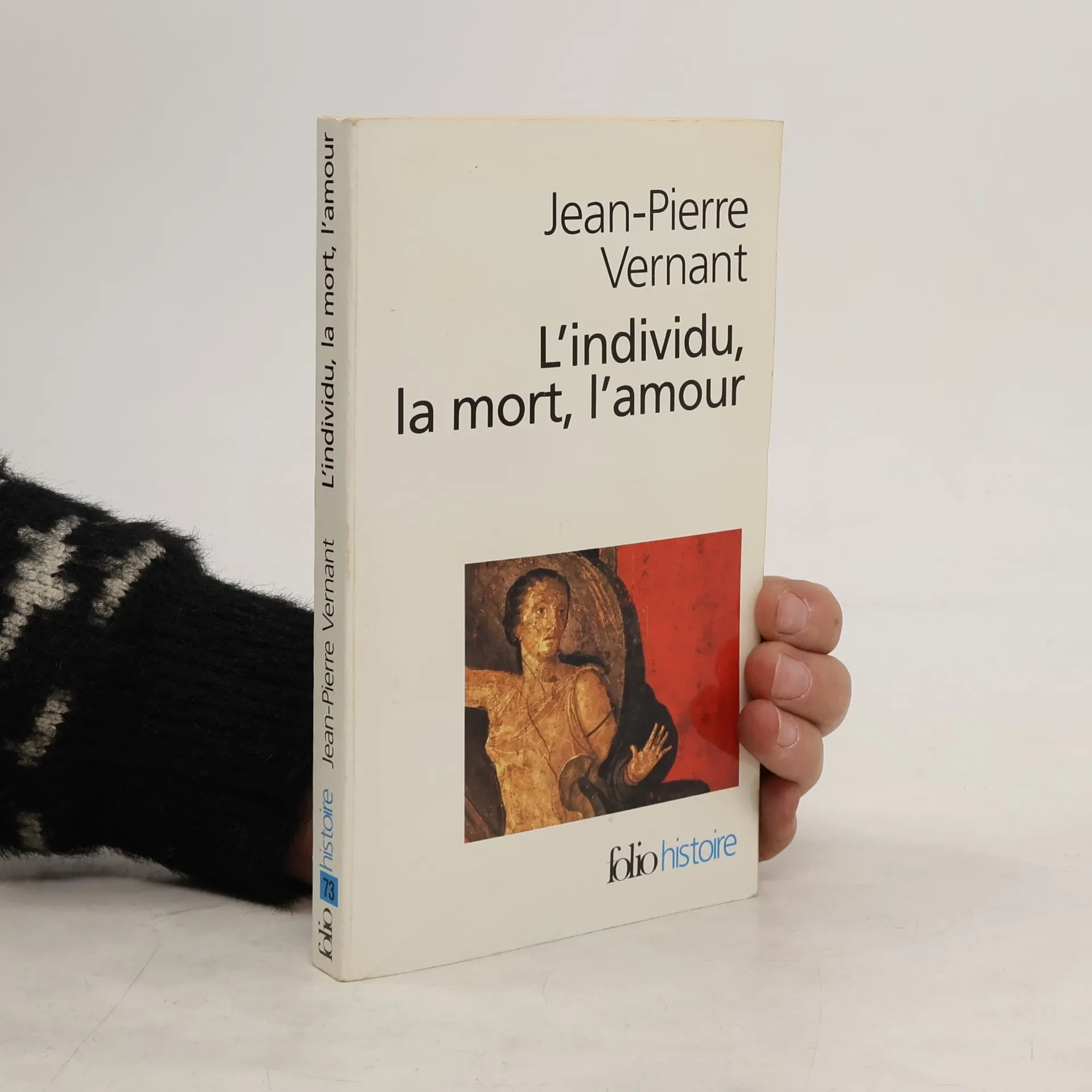
      Pour un Grec de l'Antiquité, qu'est-ce qu'être soi-même ? La Grèce des cités a largement ouvert la voie au développement de l'individu dans la vie sociale ; pourtant l'être humain n'y apparaît pas encore comme une personne, au sens moderne, une conscience de soi dont le secret reste inaccessible à tout autre que le sujet lui-même. La religion civique n'a pas non plus doté chaque individu d'une âme immortelle qui prolongerait son identité dans l'au-delà.C'est que dans une société de face à face, une culture de la honte et de l'honneur, l'existence de chacun est sans cesse placée sous le regard d'autrui. Pour se connaître il faut contempler son image reflétée dans l'œil de son vis-à-vis.Parmi les formes diverses que l'autre a revêtues aux yeux des Grecs, il en est trois qu'en raison de leur position extrême dans le champ de l'altérité J.-P. Vernant a retenues pour focaliser sur elles son enquête : la figure des dieux, le masque de la mort, le visage de l'être aimé. Ces trois types d'affrontement à l'autre servent comme de révélateurs pour dégager les traits de l'identité telle que les Grecs l'ont conçue et assumée.

      L'individu, la mort, l'amour