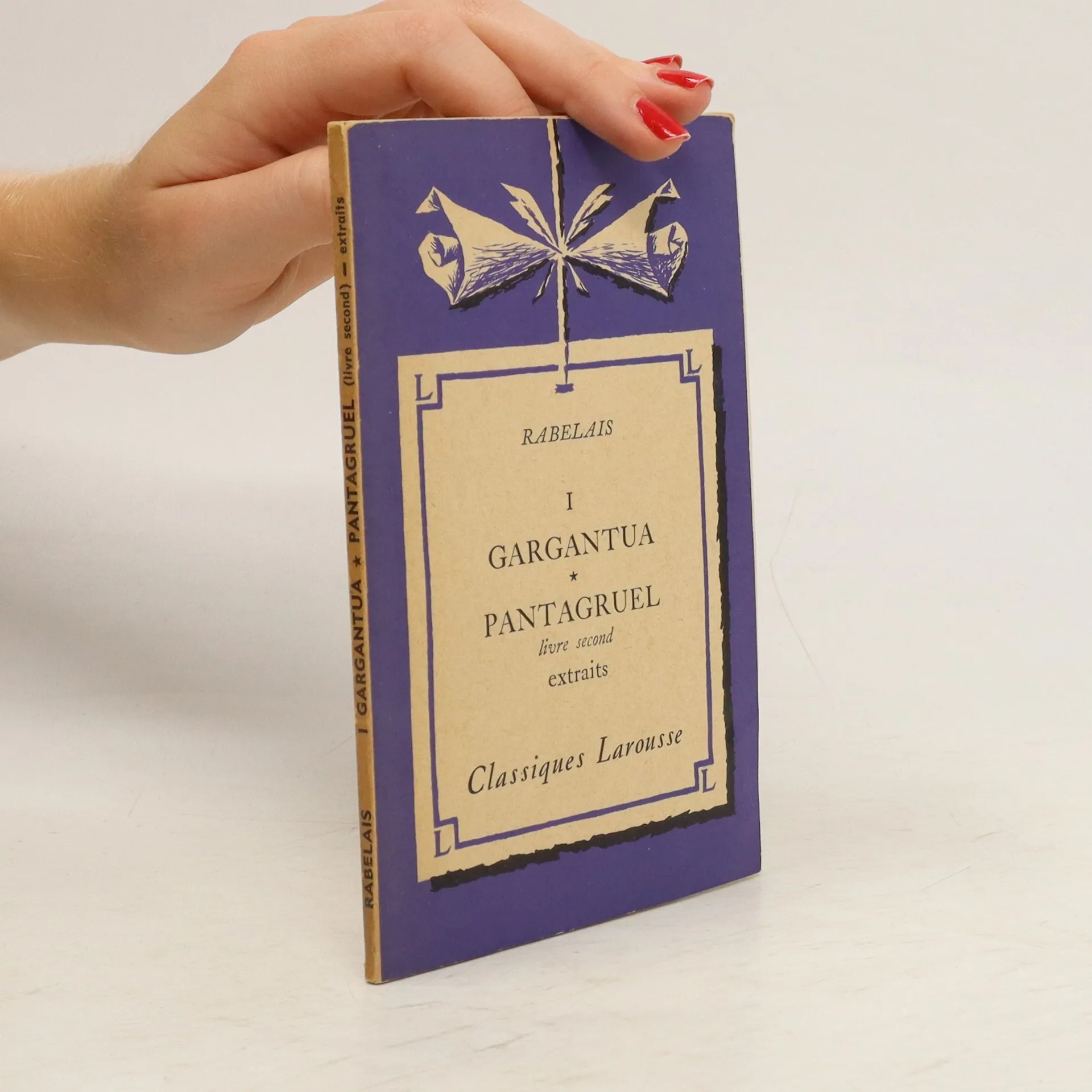
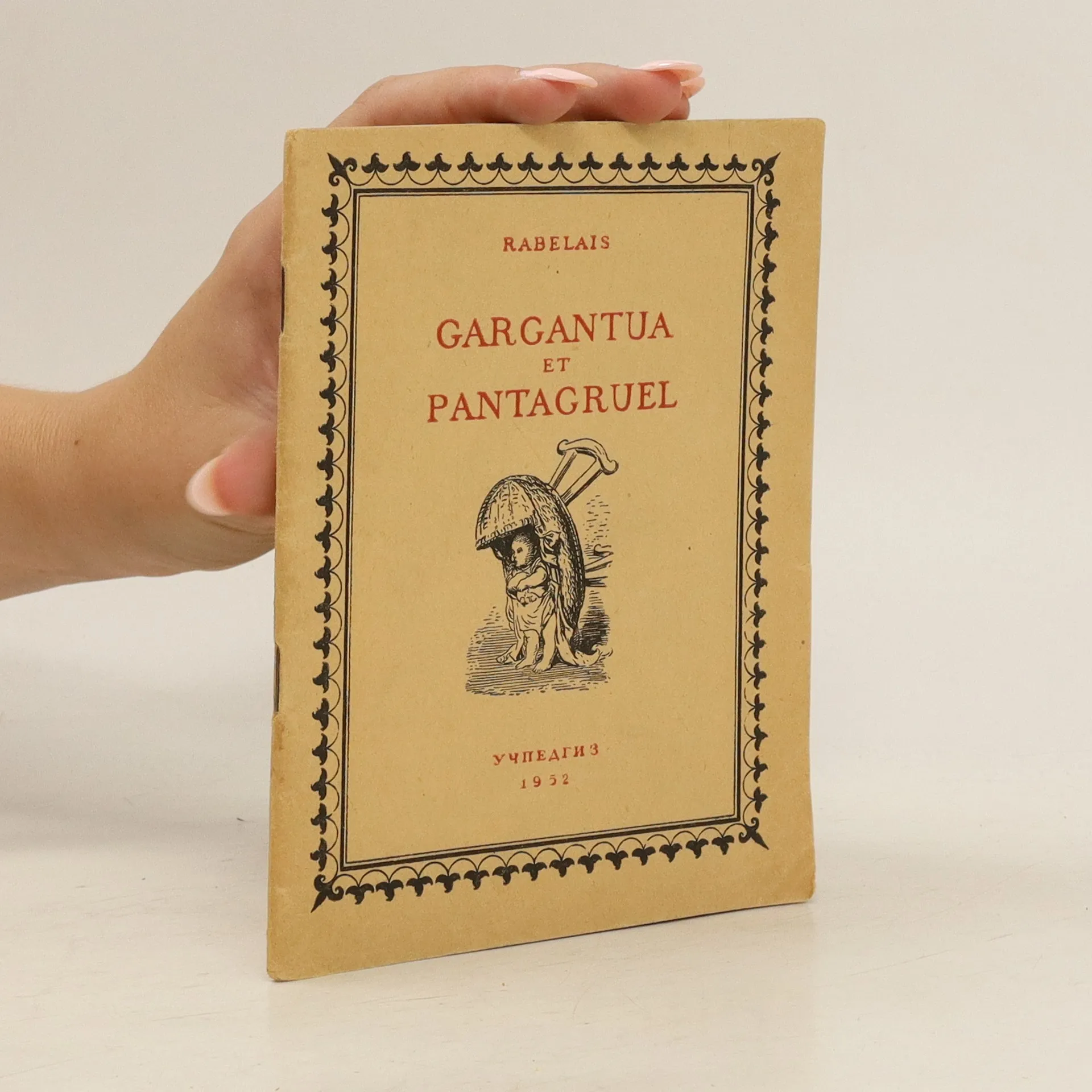
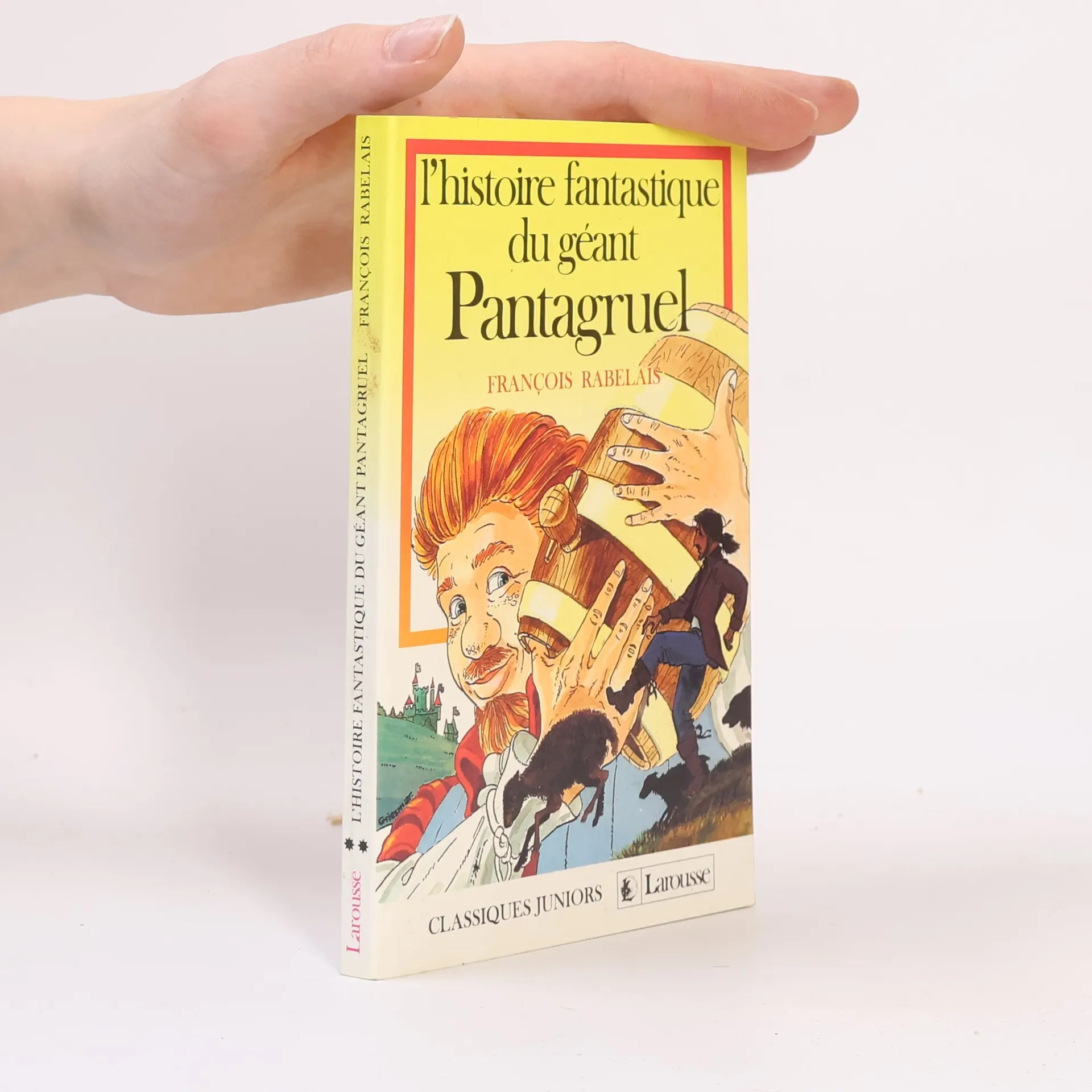
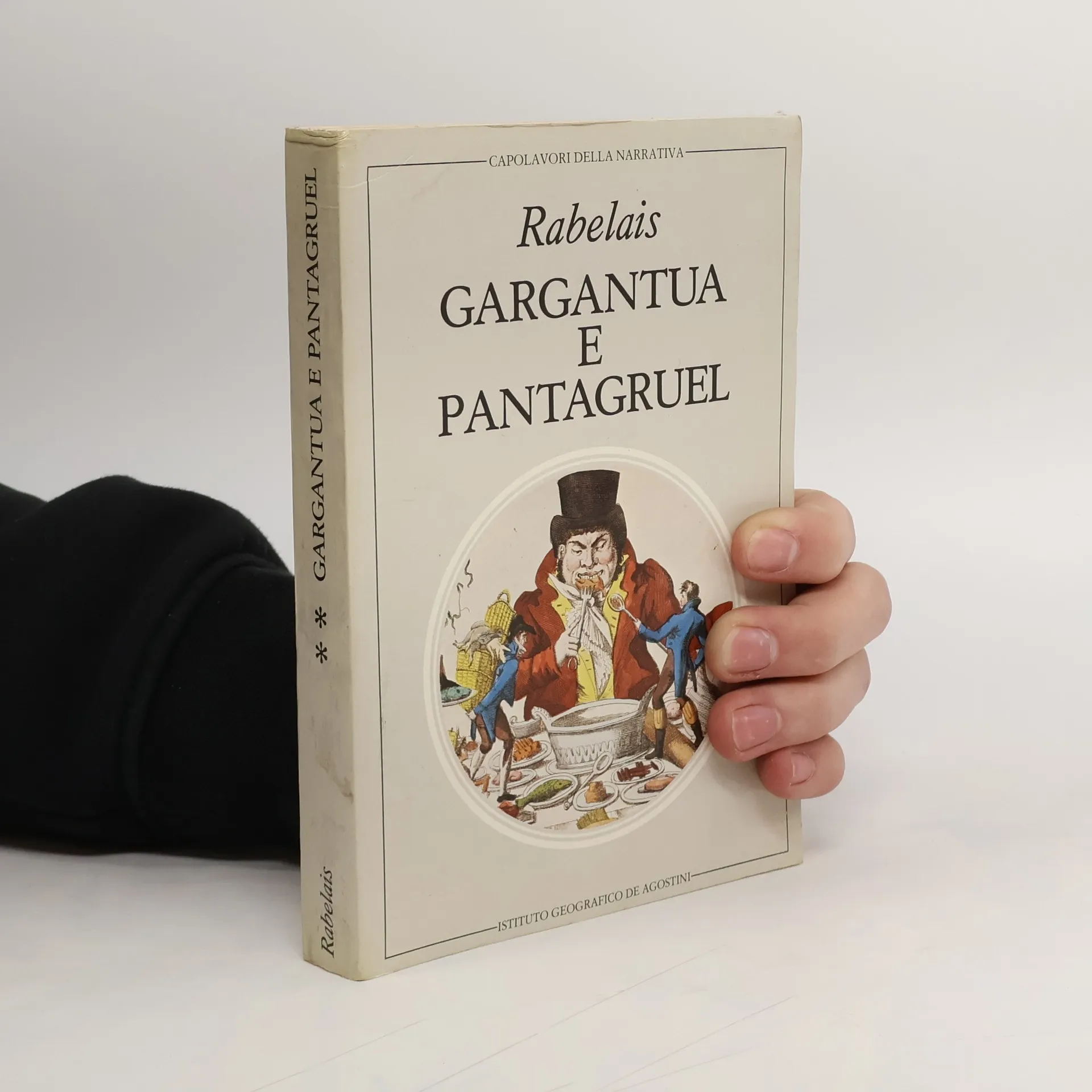
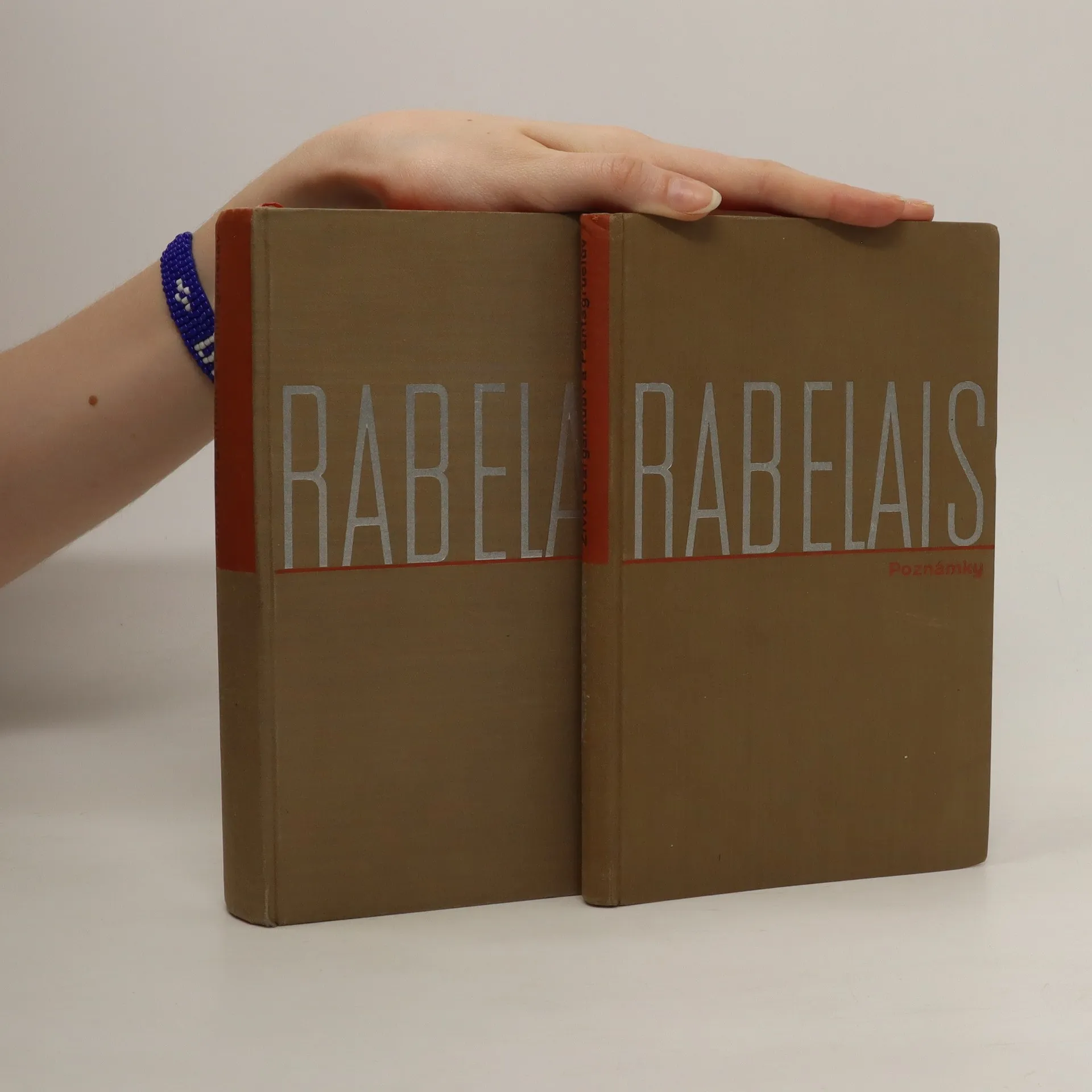
François Rabelais Books
François Rabelais was a towering figure of French Renaissance literature, a physician, and a humanist scholar. His writing is celebrated for its vibrant fantasy, sharp satire, and the grotesque, often infused with bawdy humor and song. He is recognized as one of the titans of world literature and a foundational voice in the development of modern European writing.

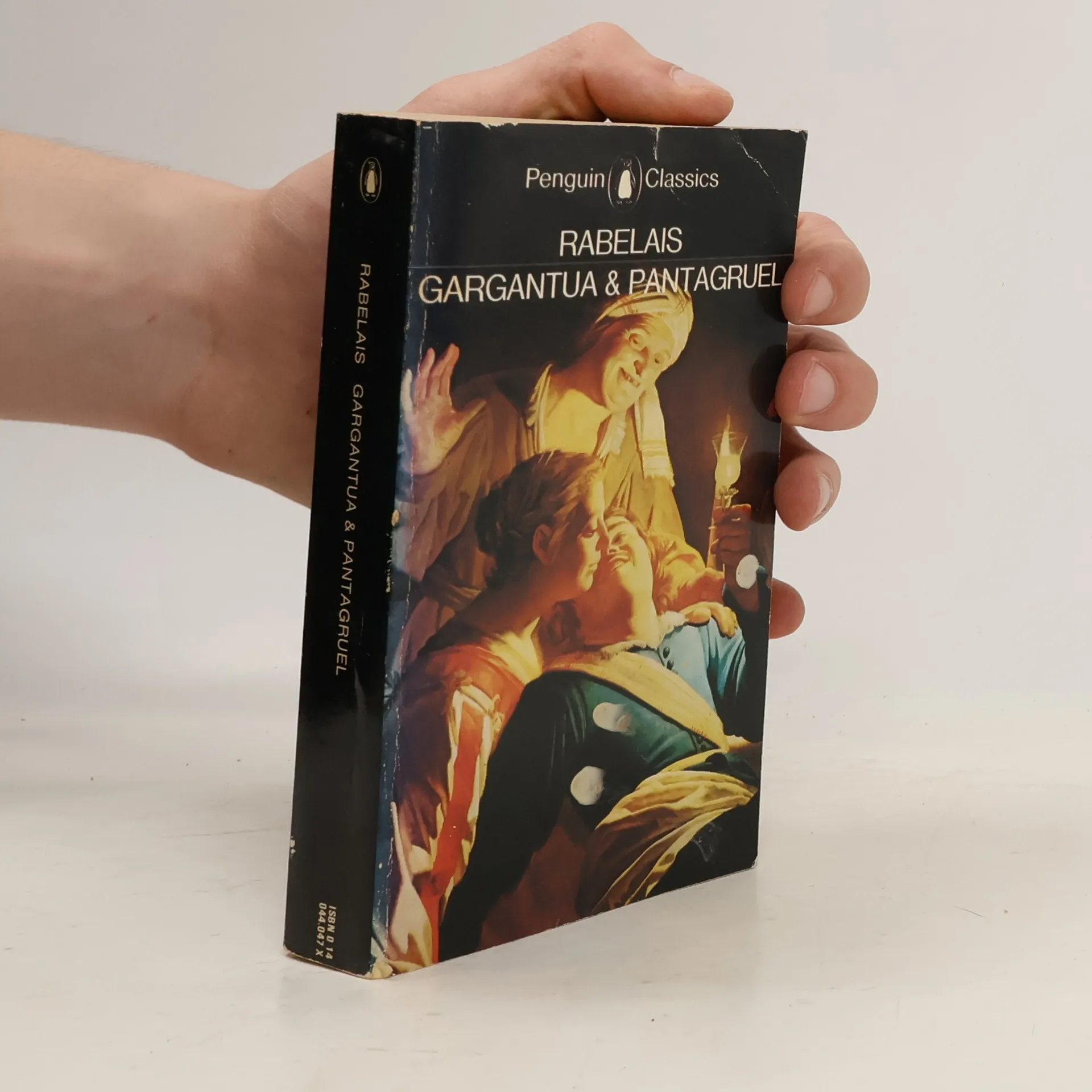
Gargantua & Pantagruel
- 720 pages
- 26 hours of reading
Francios Rabelais (c. 1494-1553), a Franciscan monk who also qualified as a Bachelor of Medicine, was at the centre of the humanist movement and had absorbed a vast amount of learning. Gargantua and Pantagruel parodies everyone from eminent classical authors and schoolmen to Rabelais's own acquaintances. But the brilliance of the book lies not merely in these learned references, but in the seamless story into which they are woven, and in the passion and swiftness of language of an acknowledged master of satire.
The Five Books of Gargantua and Pantagruel
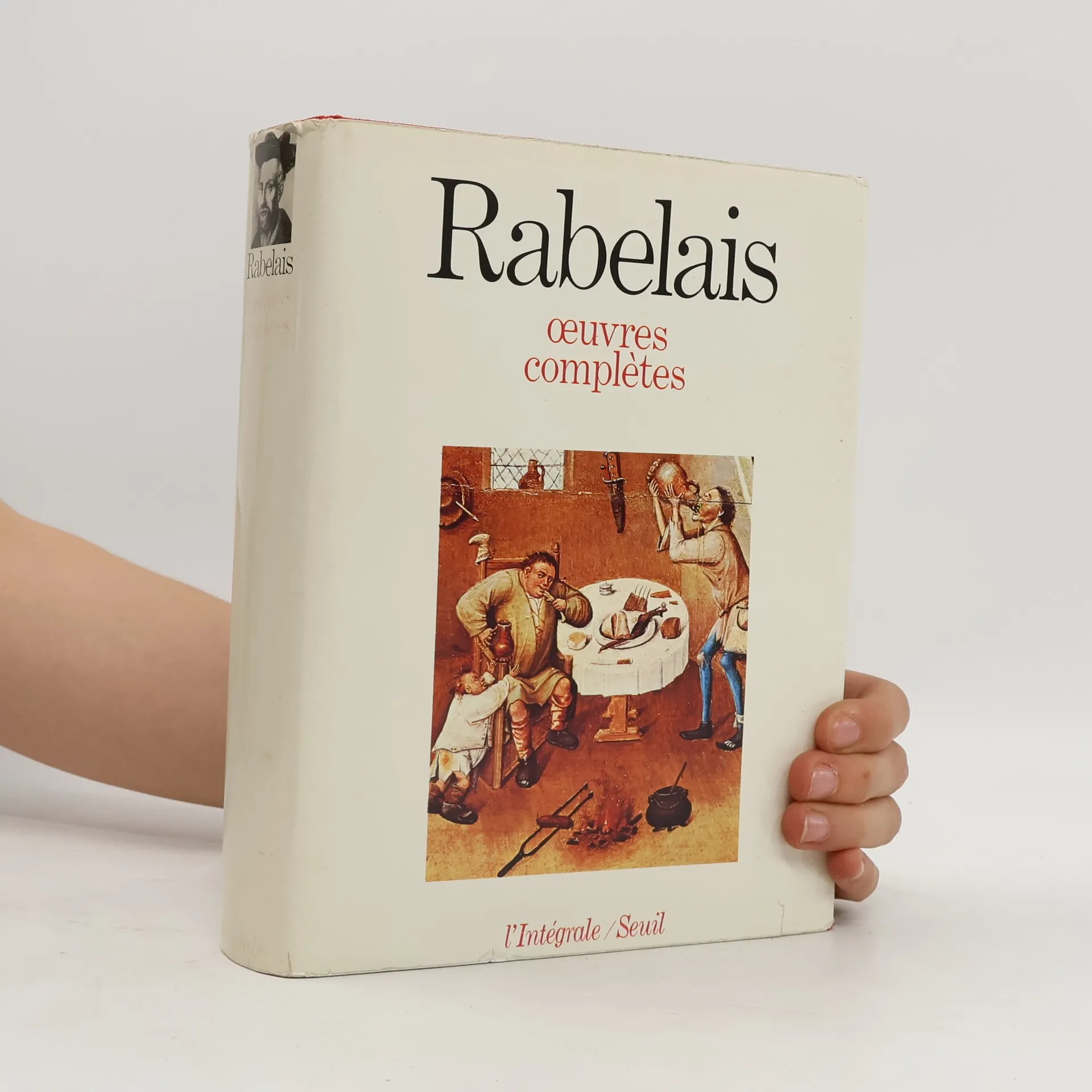
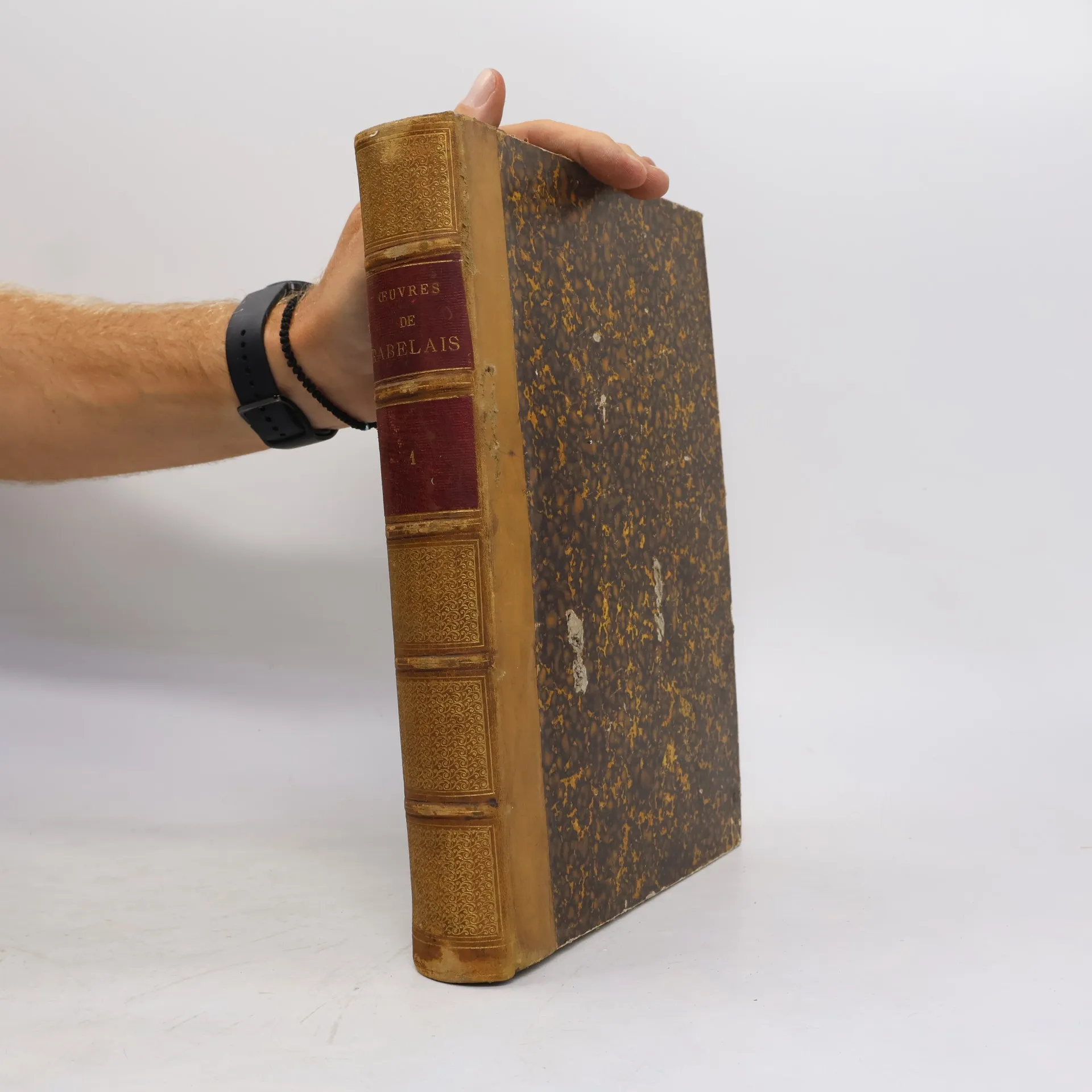
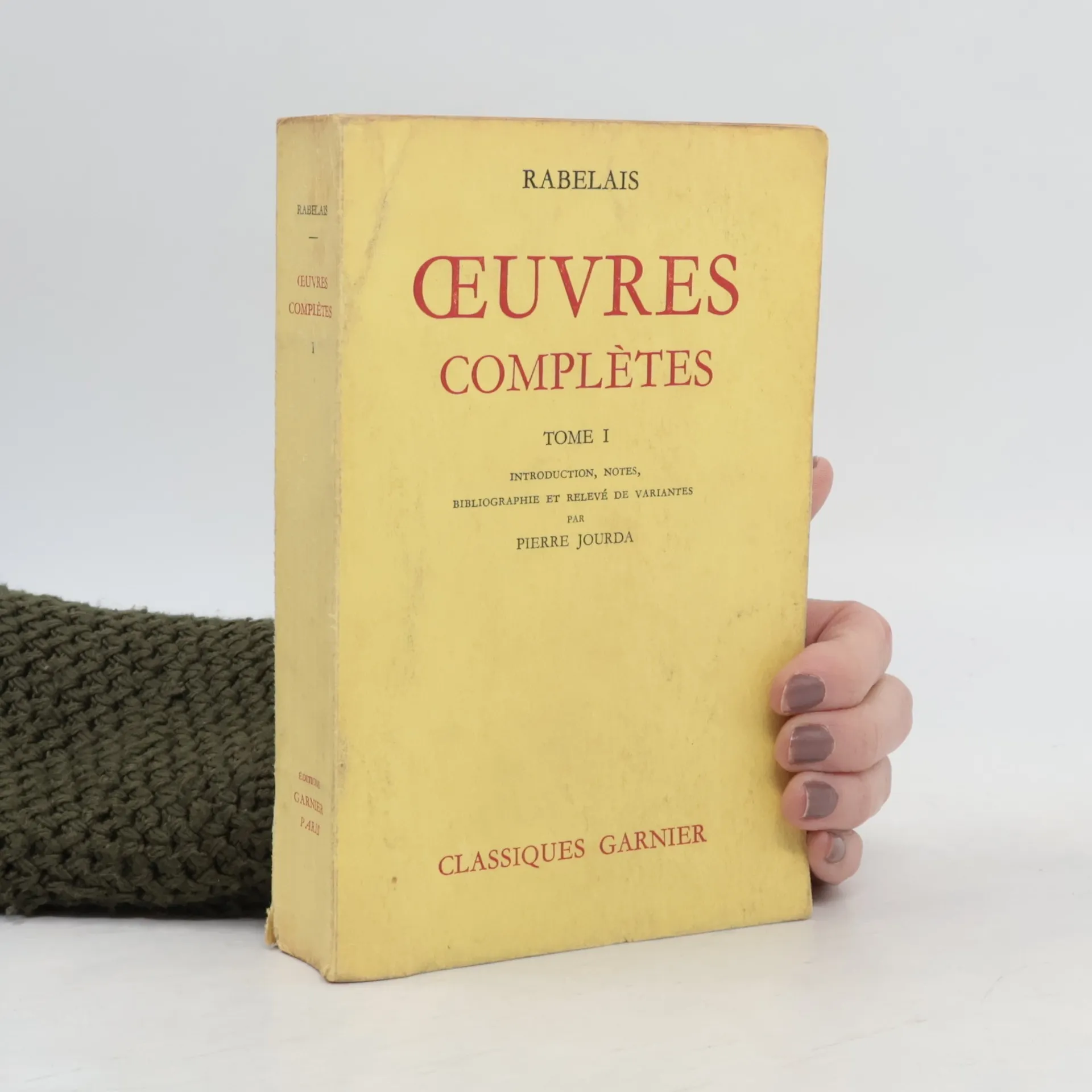
The Complete works of Rabelais
Gargantua and Pantagruel; Five Books Of The Lives, Heroic Deeds And Sayings Of Gargantua And His Son Pantagruel
Book 5 - in large print
- 216 pages
- 8 hours of reading
This book is a reproduction of a historical work, presented in large print to enhance accessibility for readers with impaired vision. The publishing house Megali focuses on making classic texts more readable, ensuring that important literature remains available to a wider audience.
Gargantua and Pantagruel; Five Books Of The Lives, Heroic Deeds And Sayings Of Gargantua And His Son Pantagruel
Book 4 - in large print
- 276 pages
- 10 hours of reading
The book is a reproduction of a historical work, published by Megali, a company dedicated to producing large print editions. This initiative aims to enhance accessibility for readers with impaired vision, ensuring that classic literature remains available to a wider audience.
Gargantua and Pantagruel; Five Books Of The Lives, Heroic Deeds And Sayings Of Gargantua And His Son Pantagruel
Book 1 - in large print
- 272 pages
- 10 hours of reading
Focusing on accessibility, this book is a reproduction of an original historical work published by Megali, which specializes in large print editions. This initiative aims to enhance the reading experience for individuals with impaired vision, ensuring that important historical texts remain accessible to a wider audience.
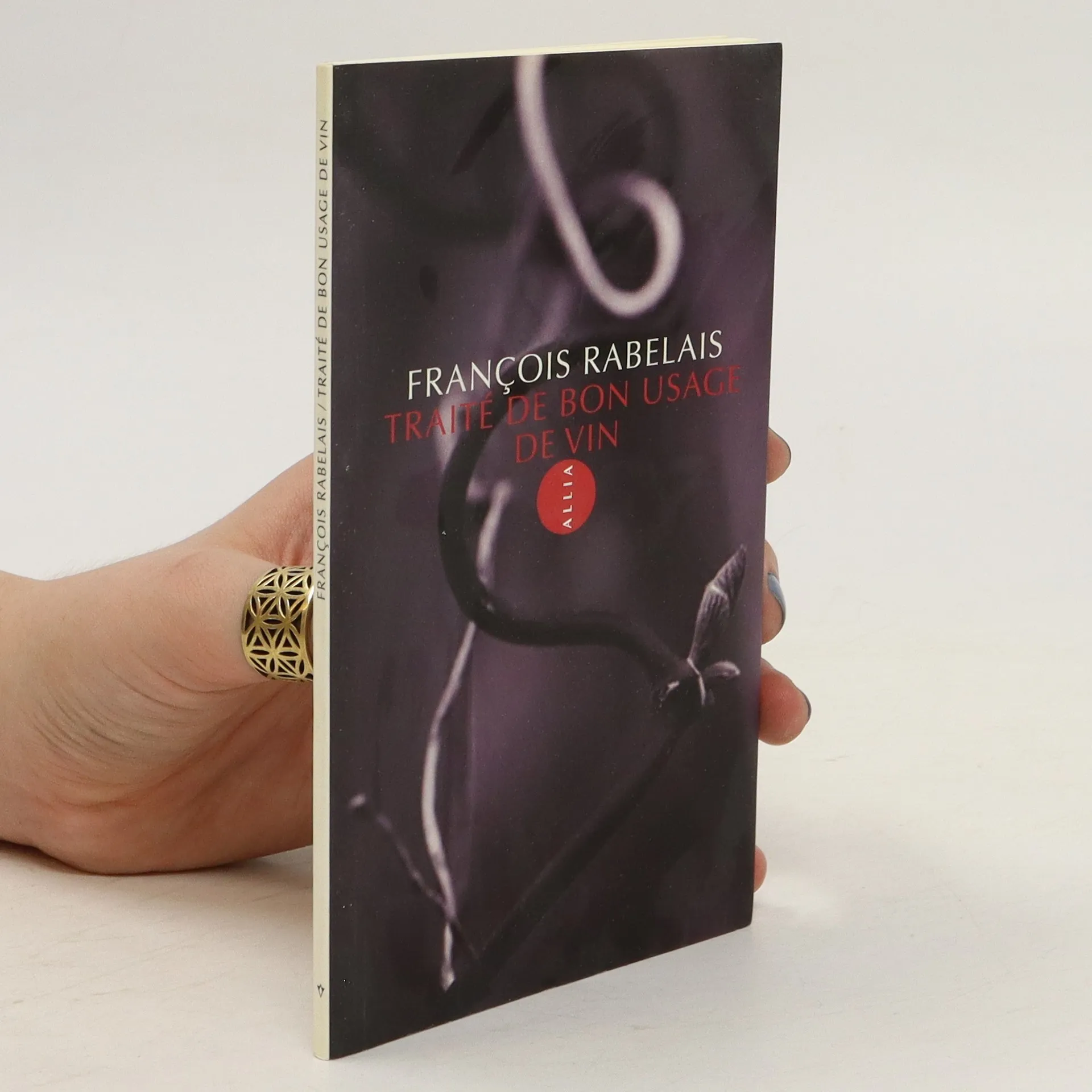
La découverte d’un inédit de François Rabelais au XXIe siècle. Une célébration truculente du vin et de ses vertus.
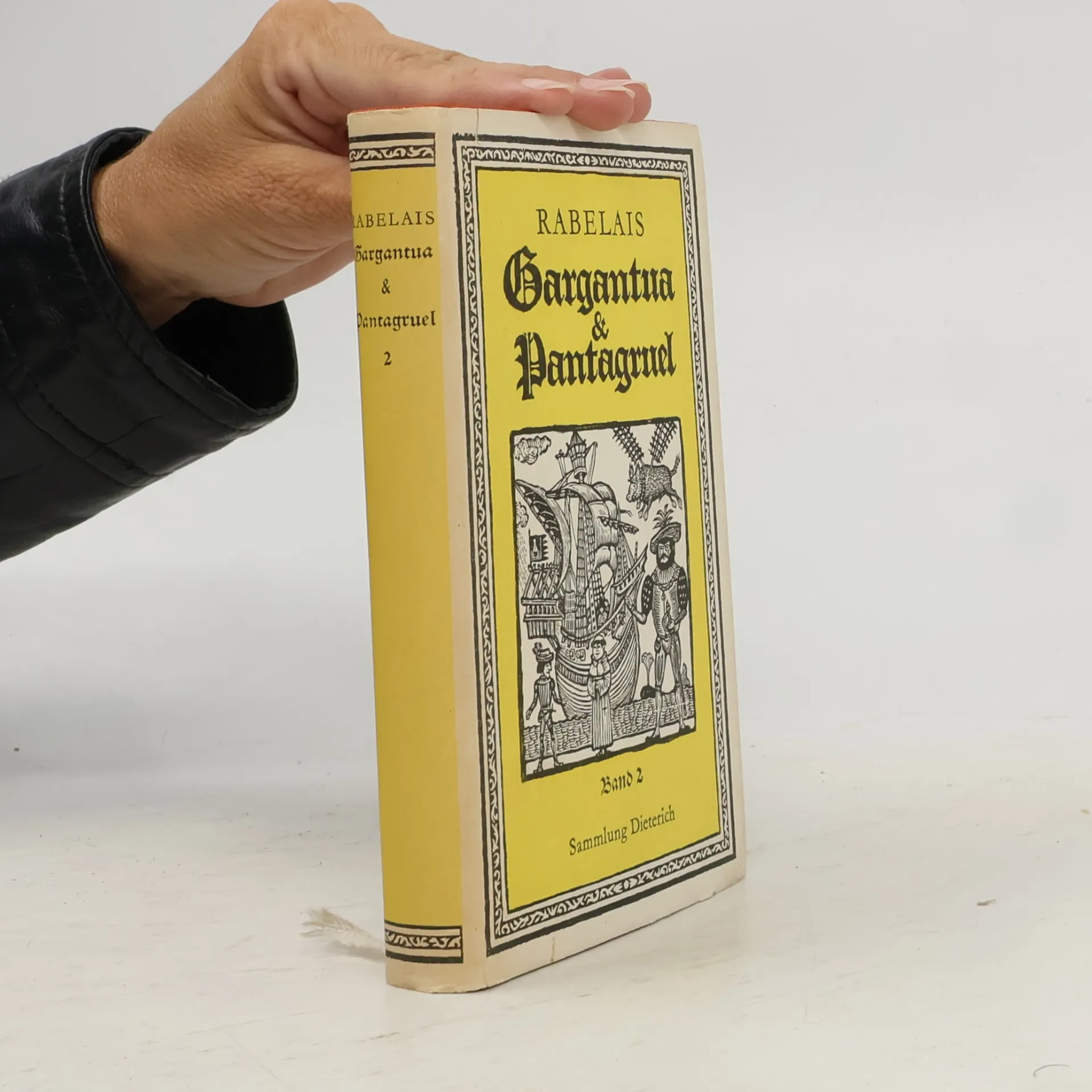
Bissig und derb, klug und schlüpfrig, hochtrabend und niedrig, Gargantua und Pantagruel ist Fantasie in grandiosestem Maßstab, erzählt mit einem unstillbaren Durst nach allen menschlichen Erfahrungen. Rabelais' lebendige Untersuchung des Lebens seiner Zeit - von bizarren Kämpfen bis zu großen Trinkgelagen, von Satire auf Religion und Bildung bis hin zu sachlichen Beschreibungen von Körperfunktionen und -wünschen - ist eines der großen komischen Meisterwerke der Literatur.
Quart livre
- 682 pages
- 24 hours of reading
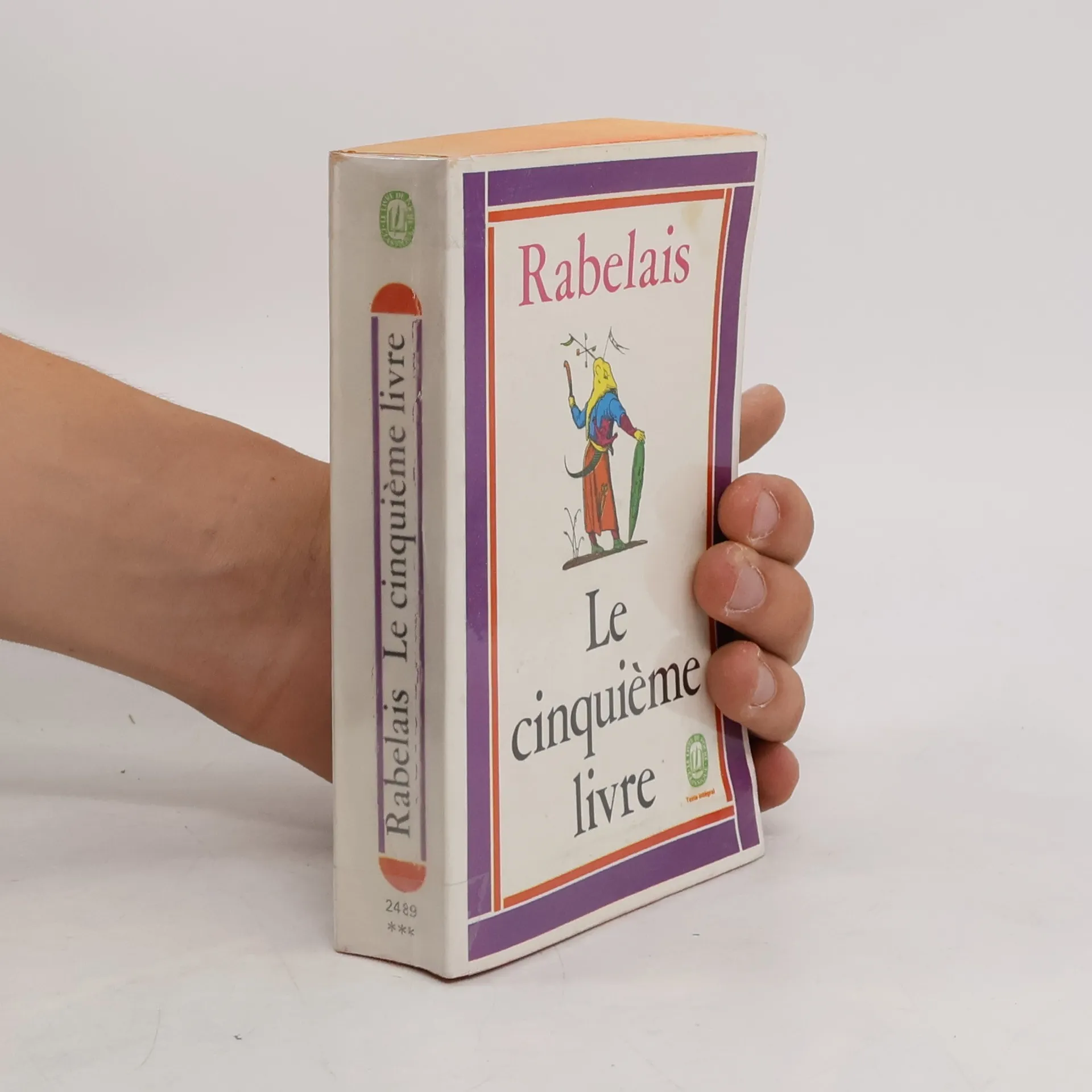
Le Quart livre est le plus satirique et le plus audacieux des quatre livres de la geste de Pantagruel. En apparence, il raconte le voyage maritime de Pantagruel (à l'image des Argonautes et de Jacques Cartier). Il aborde à de nombreuses îles, des Chicanous (satire des gens de justice), de Tapinois, où règne Quaresmeprenant, l'île Farouche (où se déroule la guerre entre les Andouilles et les Cuisiniers), l'île des Papefigues (protestants), celle des Papimanes (catholiques). Mais c'est aussi un texte sur la religion : Rabelais attaque les superstitions, le culte du pape, les vices du clergé, les prétentions de la Curie romaine. Il condamne, dans cette Odyssée allégorique, toutes les Eglises, au profit de la liberté de l'Esprit. La galerie de monstres que l'on parcourt dans un prodigieux carnaval symbolise en même temps un combat politique et religieux, de son temps et de tous les temps.
Gargantua
- 338 pages
- 12 hours of reading
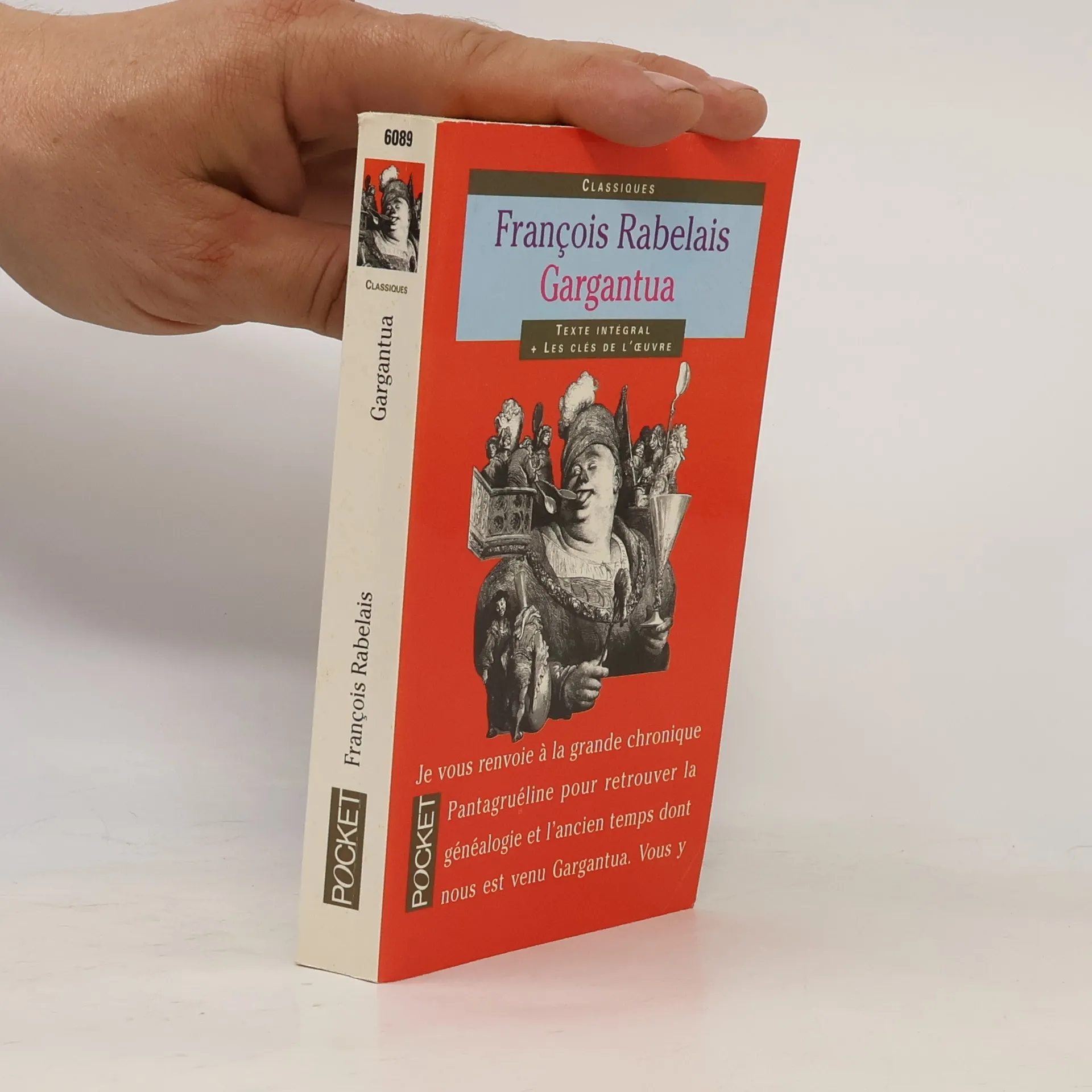
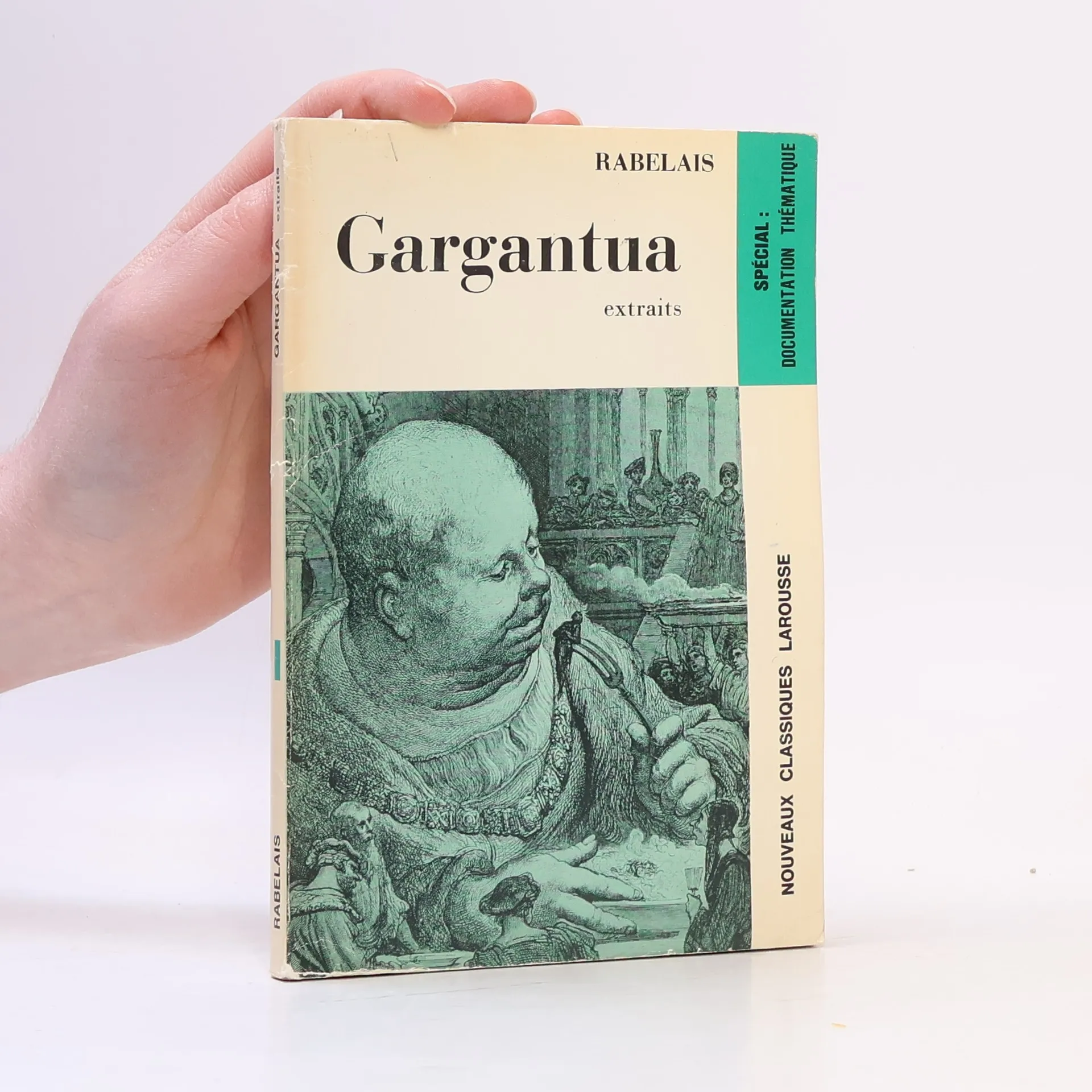
L'œuvre de Rabelais est en France " notoirement méconnue ", ou connue seulement pour ce qu'elle n'est pas, et l'épithète de "rabelaisien" ne s'applique bien souvent qu'aux plaisirs de la digestion ou aux éructations d'ivrogne. On trouvera ici le Gargantua et le Pantagruel rendus à leur modernité grâce à une écriture rajeunie. Un livre tout entier voué au plaisir de lire, et de rire, bien sûr, "pour ce que rire est le propre de l'homme."
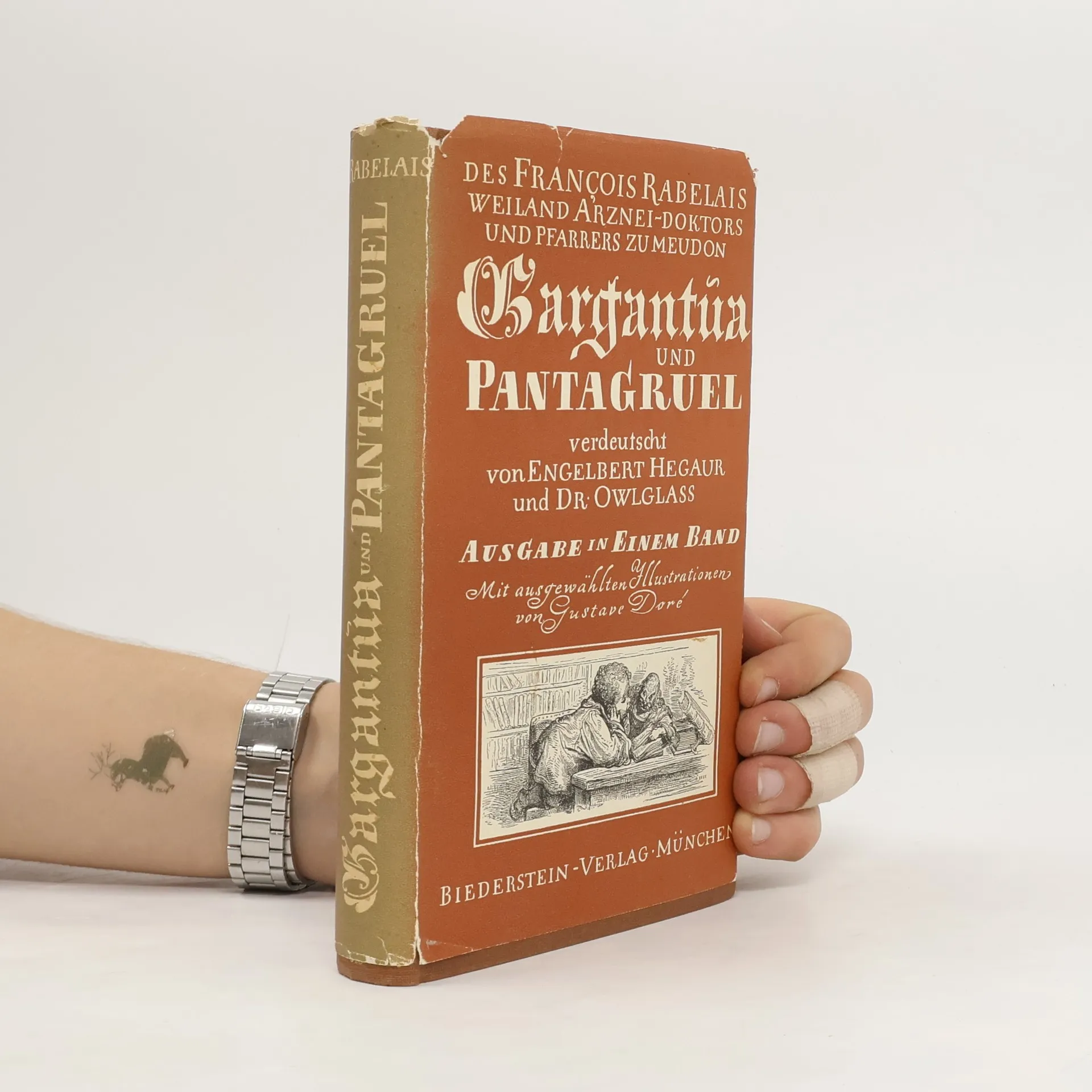
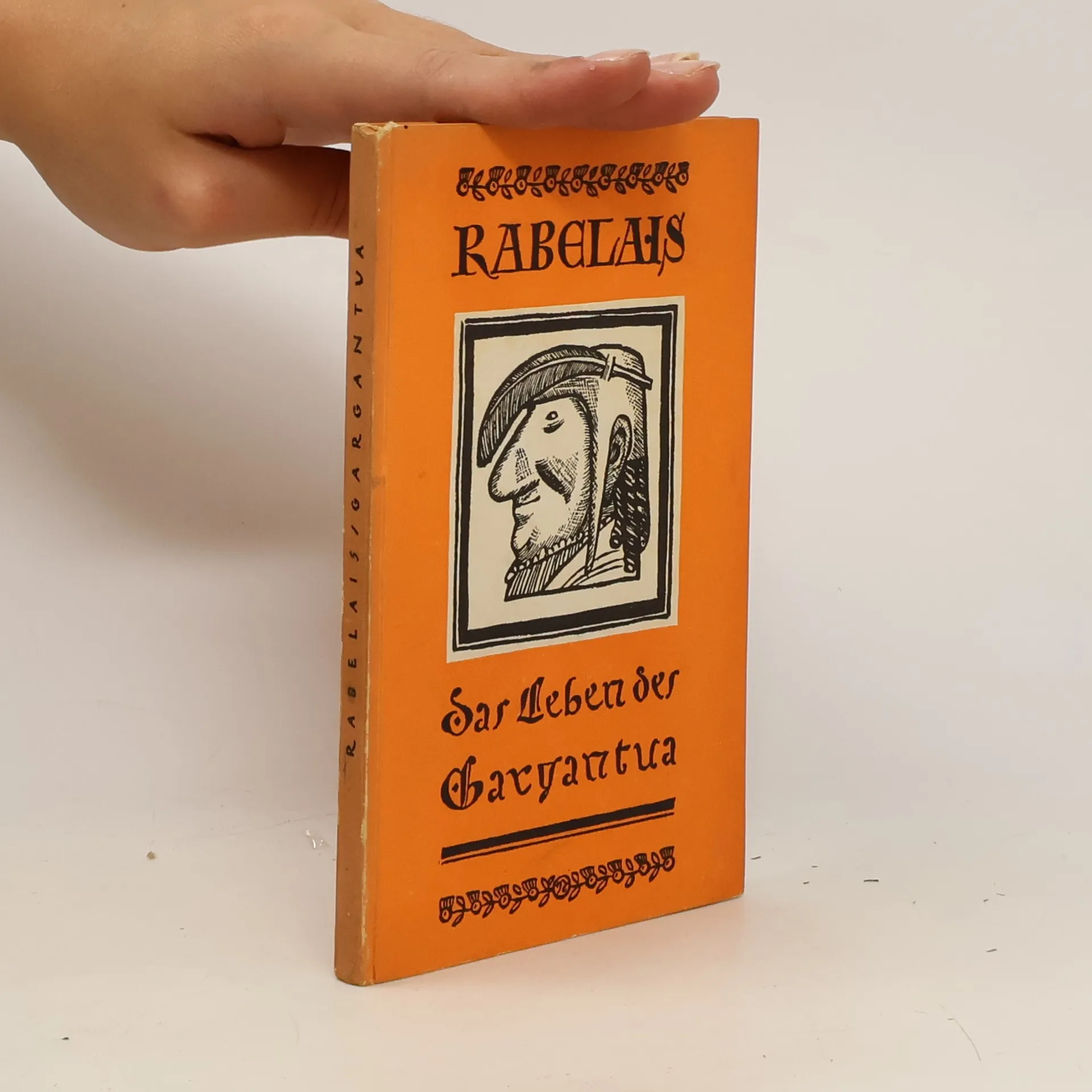
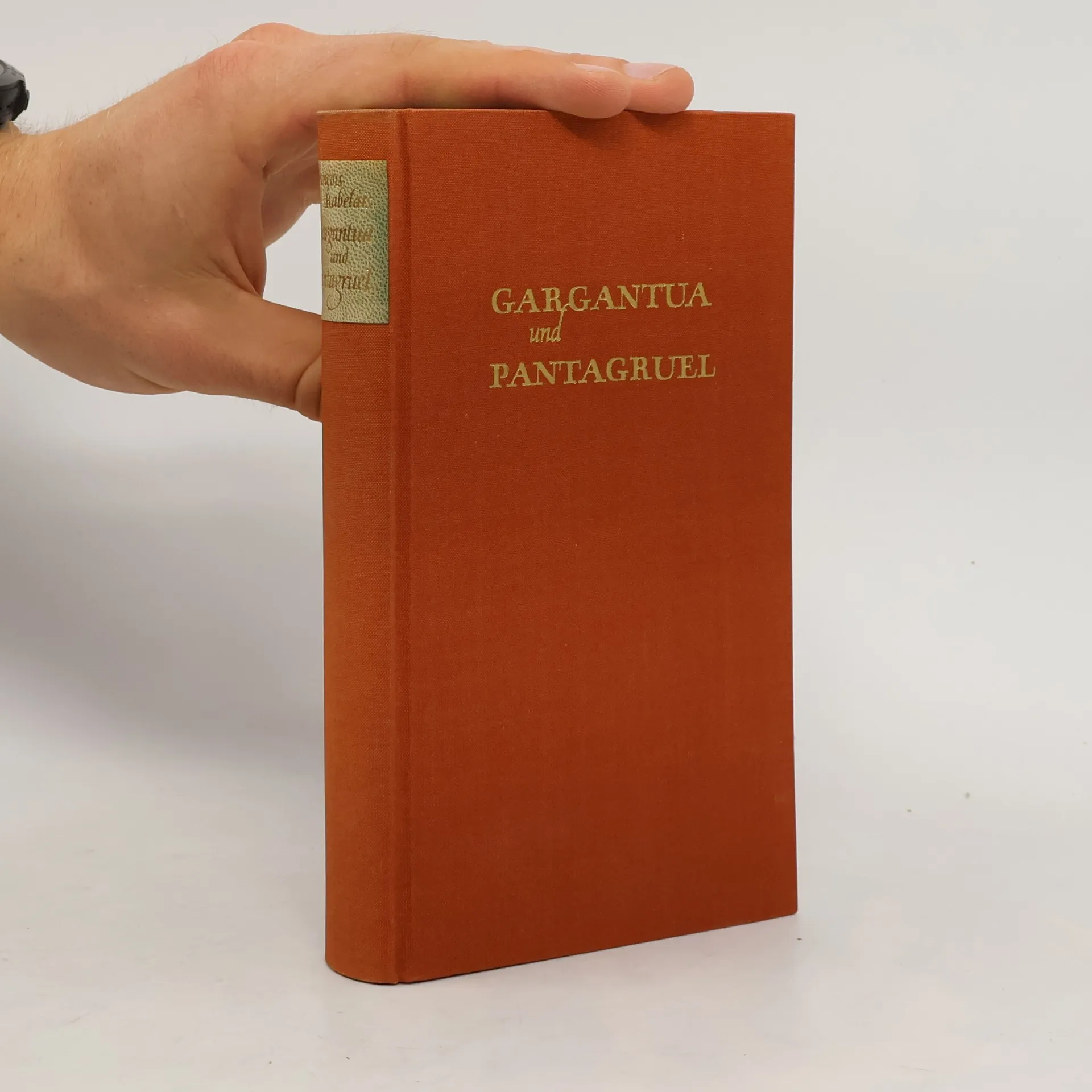
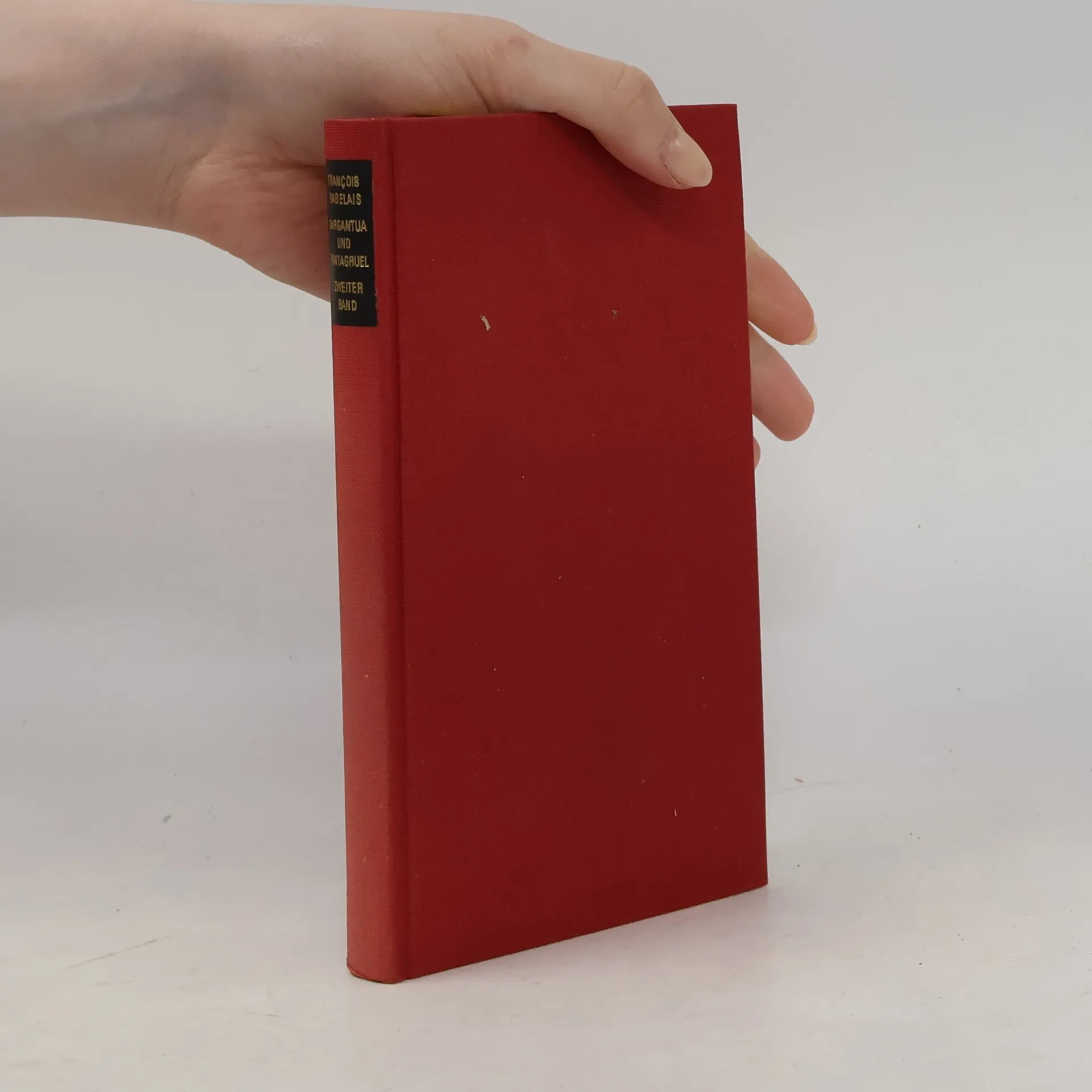
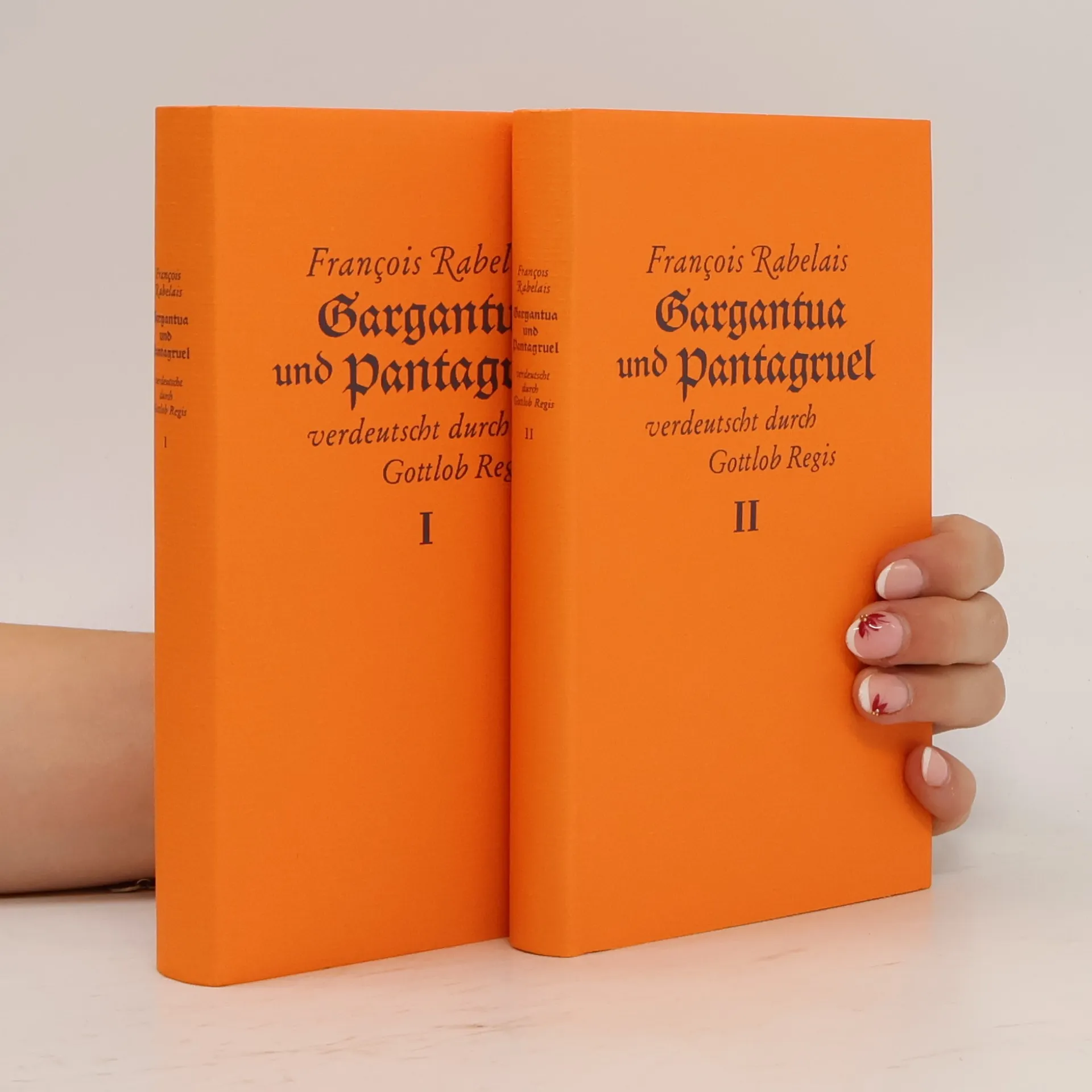
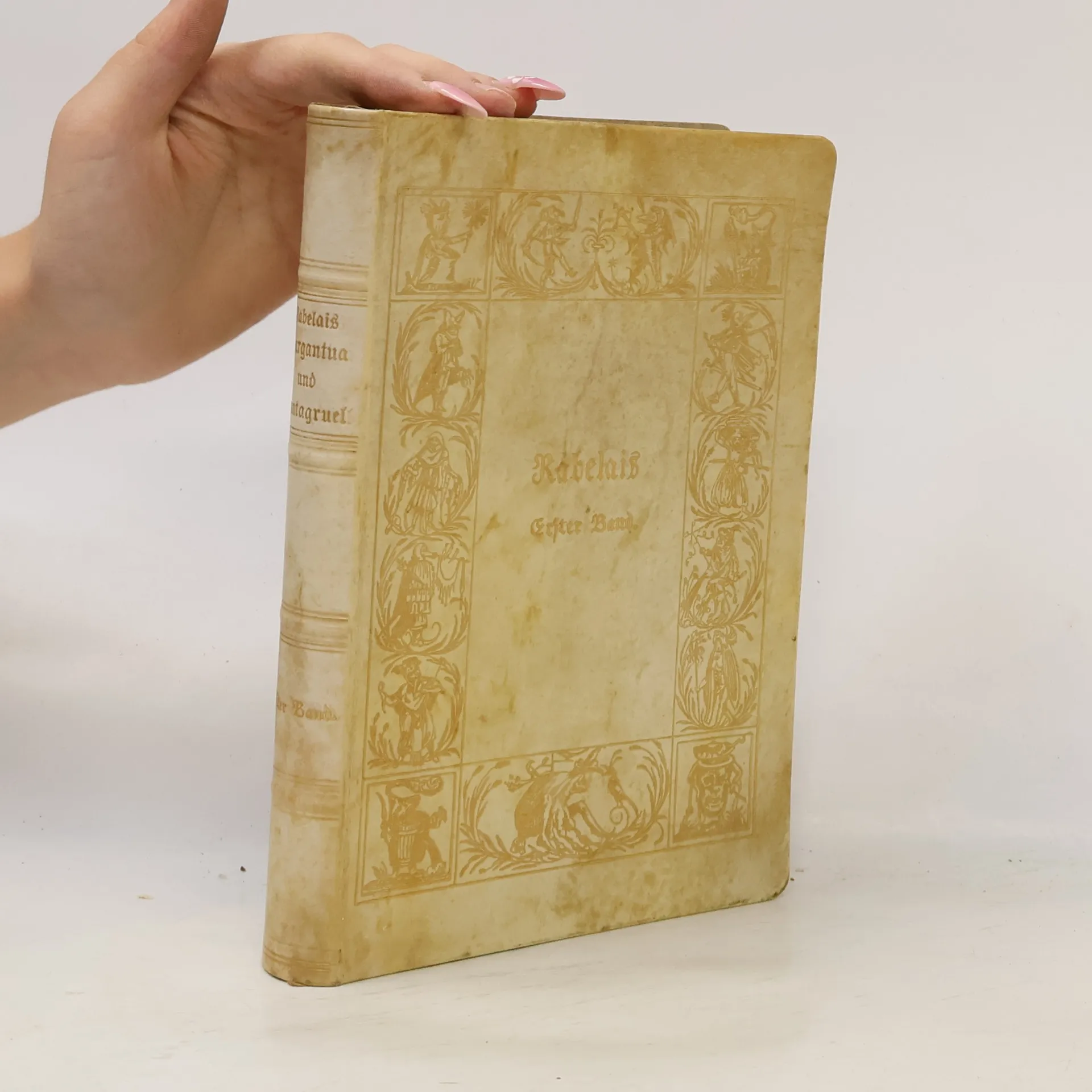
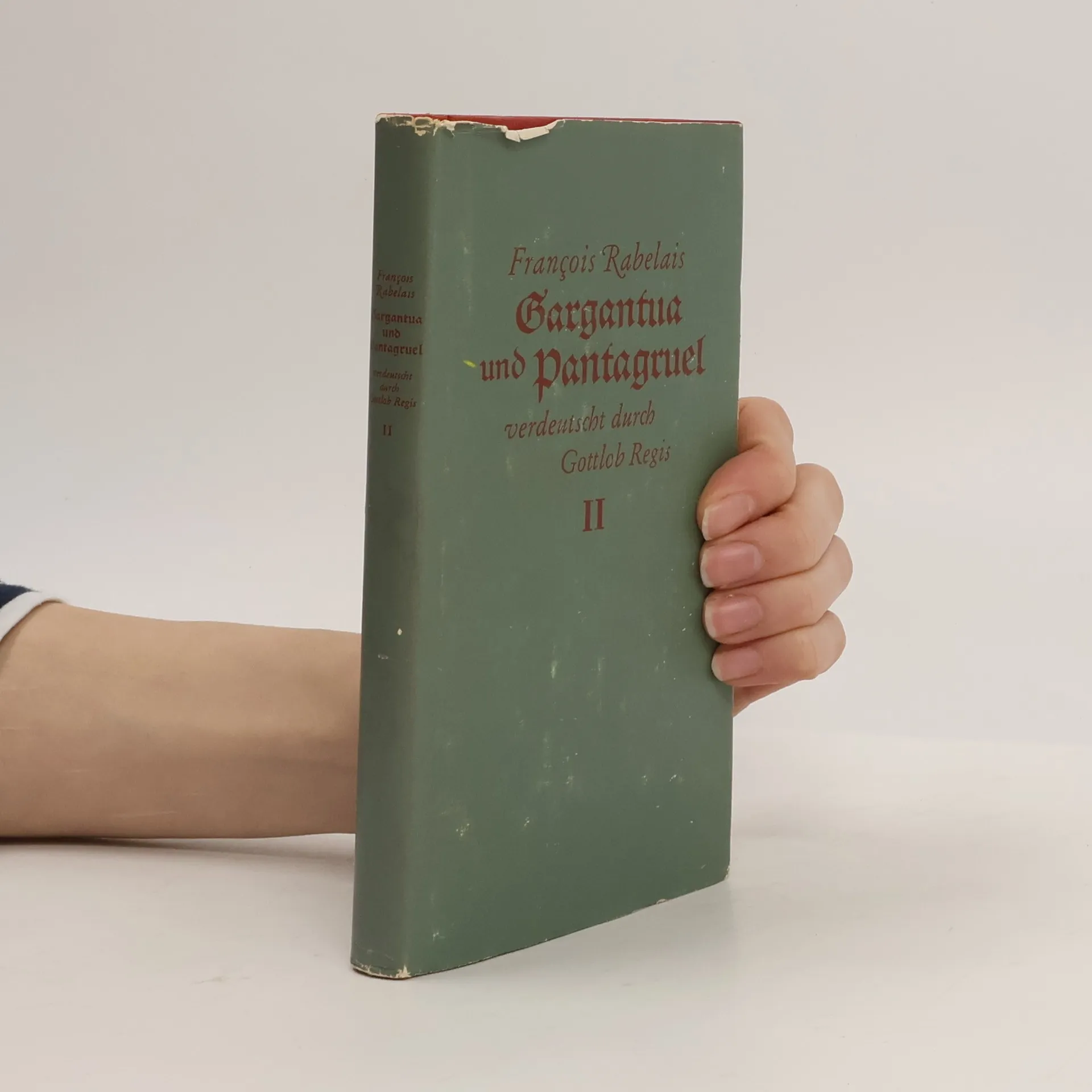
Gargantua und Pantagruel
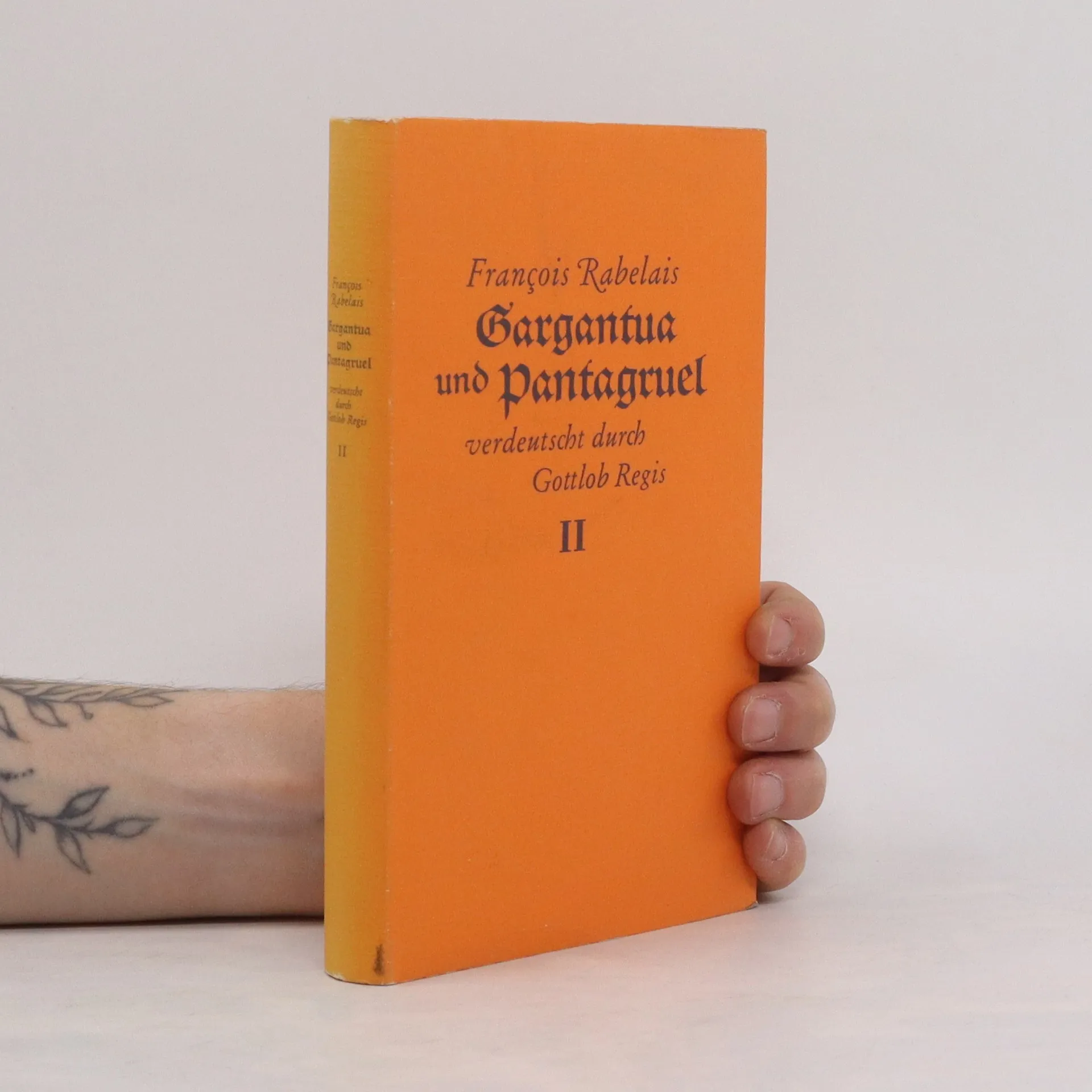
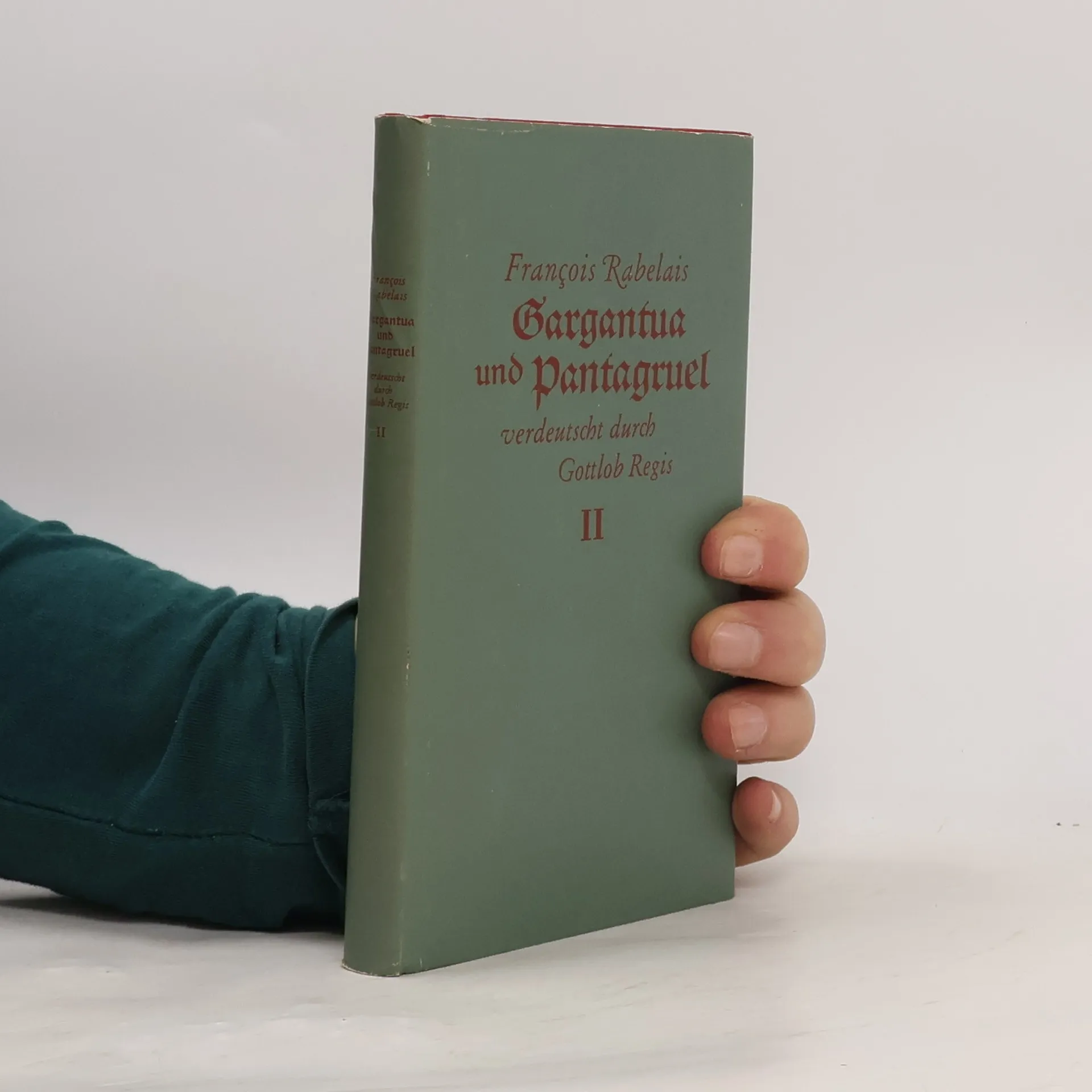
Verdeutscht durch Gottlob Regis I
Gargantua und Pantagruel
Ausgabe in einem Band
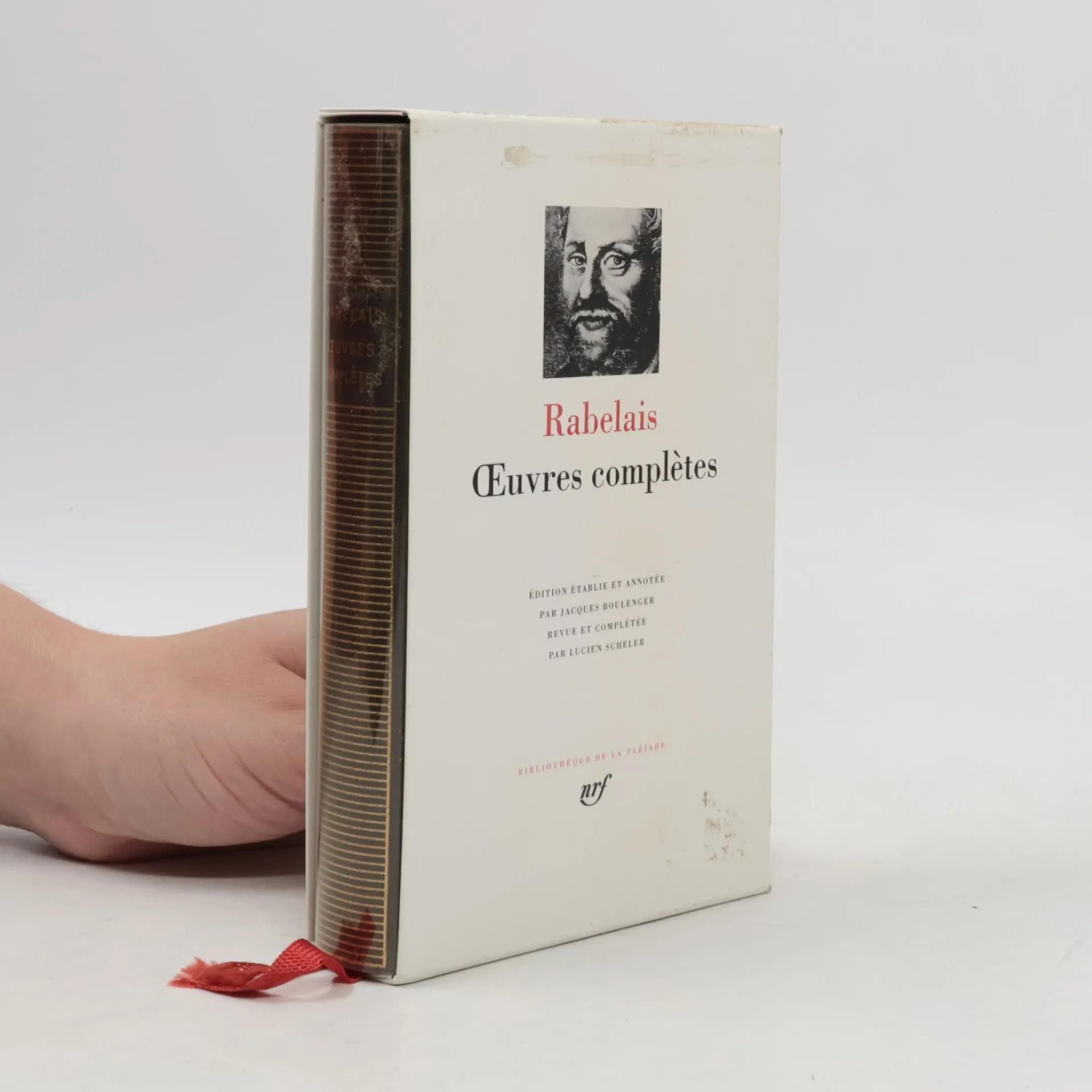
Bibliothèque de la Pléiade - 15: Œuvres complètes
Édition établie et annotée par Jacques Boulenger revue et complétée par Lucien Scheler
- 1072 pages
- 38 hours of reading
Rip-roaring and rib-tickling, François Rabelais's irreverent story of the giant Gargantua, his giant son Pantagruel, and their companion Panurge is a classic of the written word. This complete translation by Donald Frame, helpfully annotated for the nonspecialist, is a masterpiece in its own right, bringing to twentieth-century English all the exuberance and invention of the original sixteenth-century French. A final part containing all the rest of Rabelais's known writings, including his letters, supplements the five books traditionally known as Gargantua and Pantagruel . This great comic narrative, written in hugely popular installments over more than two decades, was unsparingly satirical of scholarly pomposity and the many abuses of religious, legal, and political power. The books were condemned at various times by the Sorbonne and narrowly escaped being banned. Behind Rabelais's obvious pleasure in lampooning effete erudition and the excesses of society is the humanist's genuine love of knowledge and belief in the basic goodness of human nature. The bawdy wit and uninhibited zest for life that characterize his unlikely trio of travelers have delighted readers and inspired other writers ever since the exploits of Gargantua and Pantagruel first appeared.
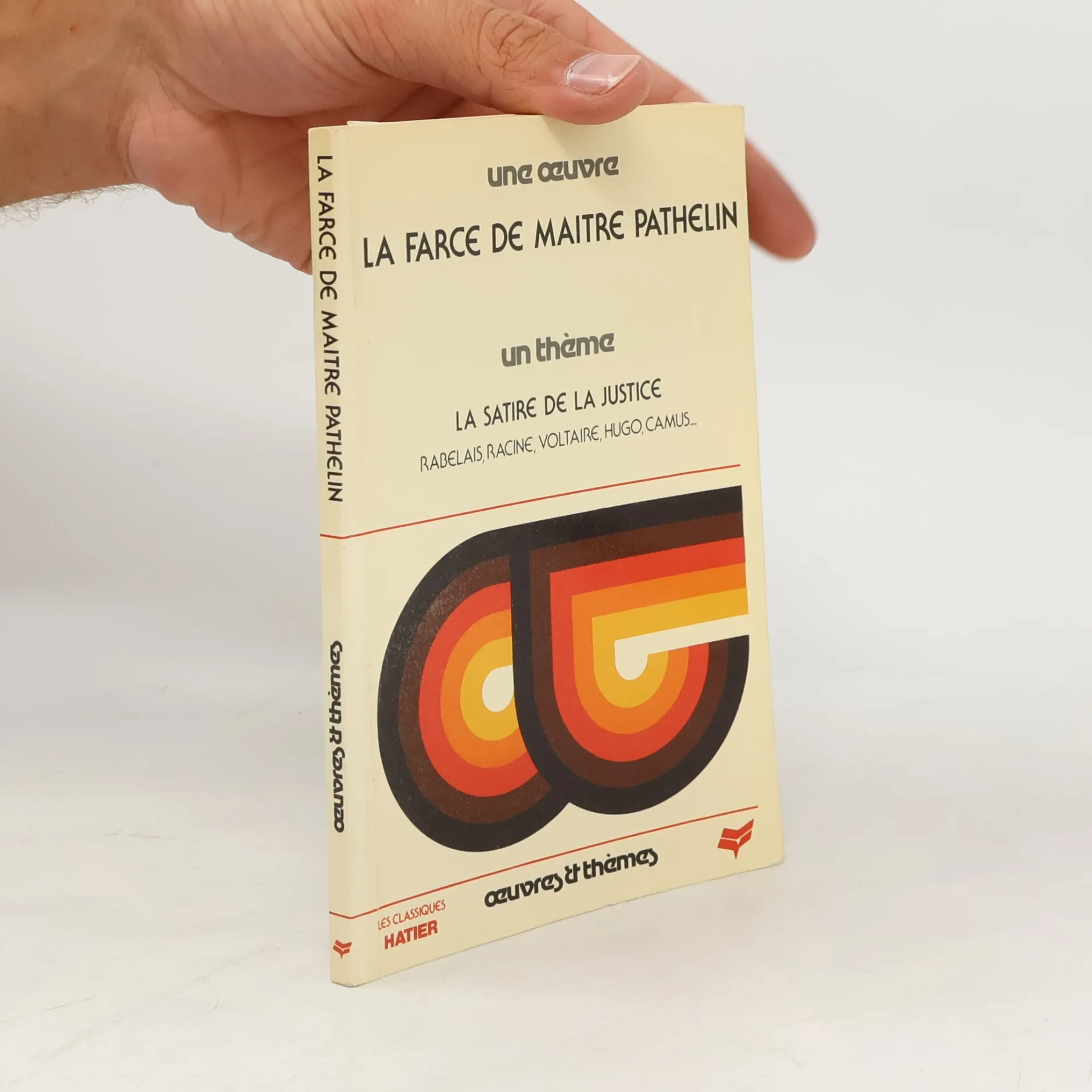
Les Classiques illustrés Hatier. Œuvres et thèmes: La Farce de maître Pathelin
- 127 pages
- 5 hours of reading
French
Œuvres intégrales - Carrés Classiques: Gargantua
Parcours associé : Rire et savoir
- 260 pages
- 10 hours of reading
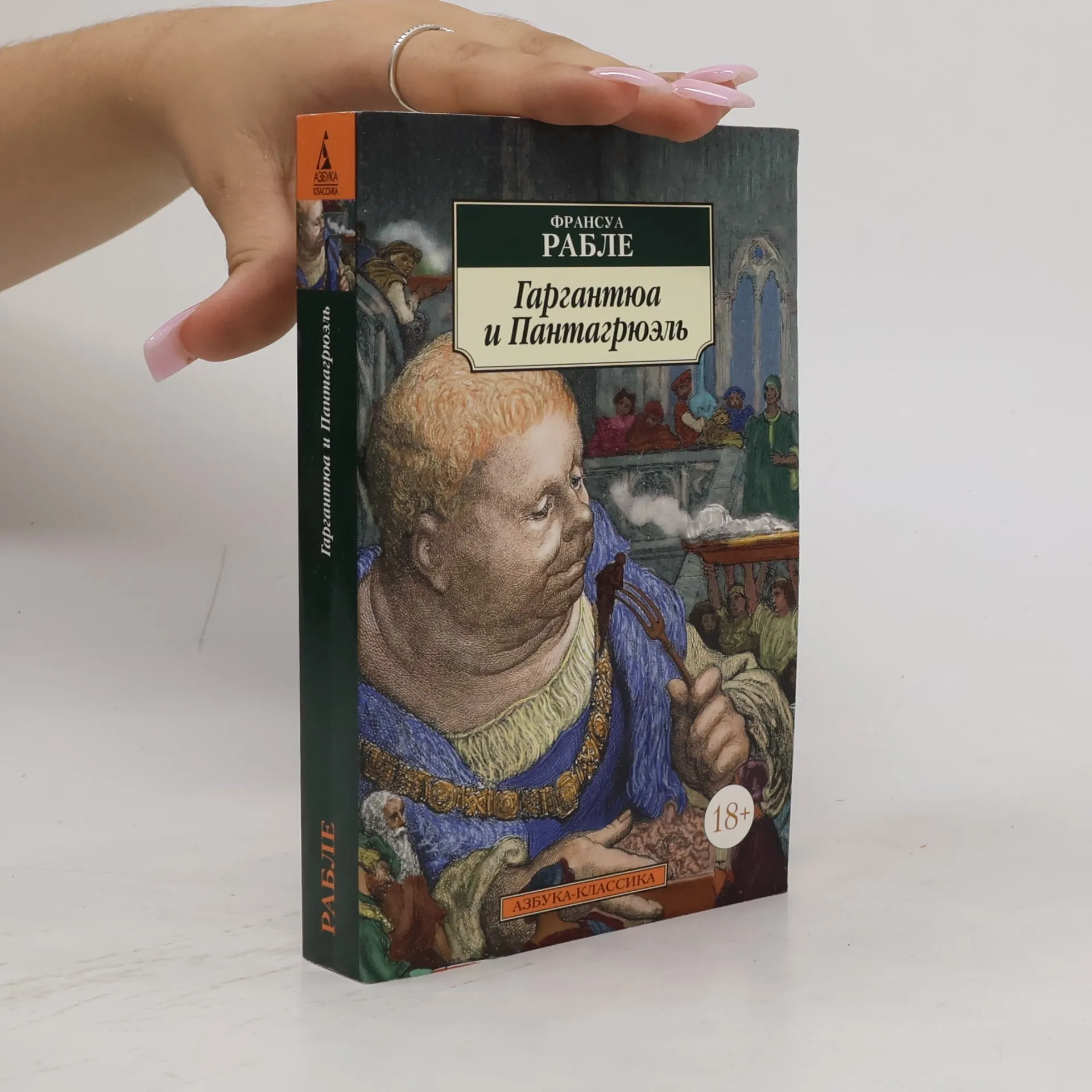
Азбука Классика: Гаргантюа и Пантагрюэль
- 704 pages
- 25 hours of reading
Foreign Language Book
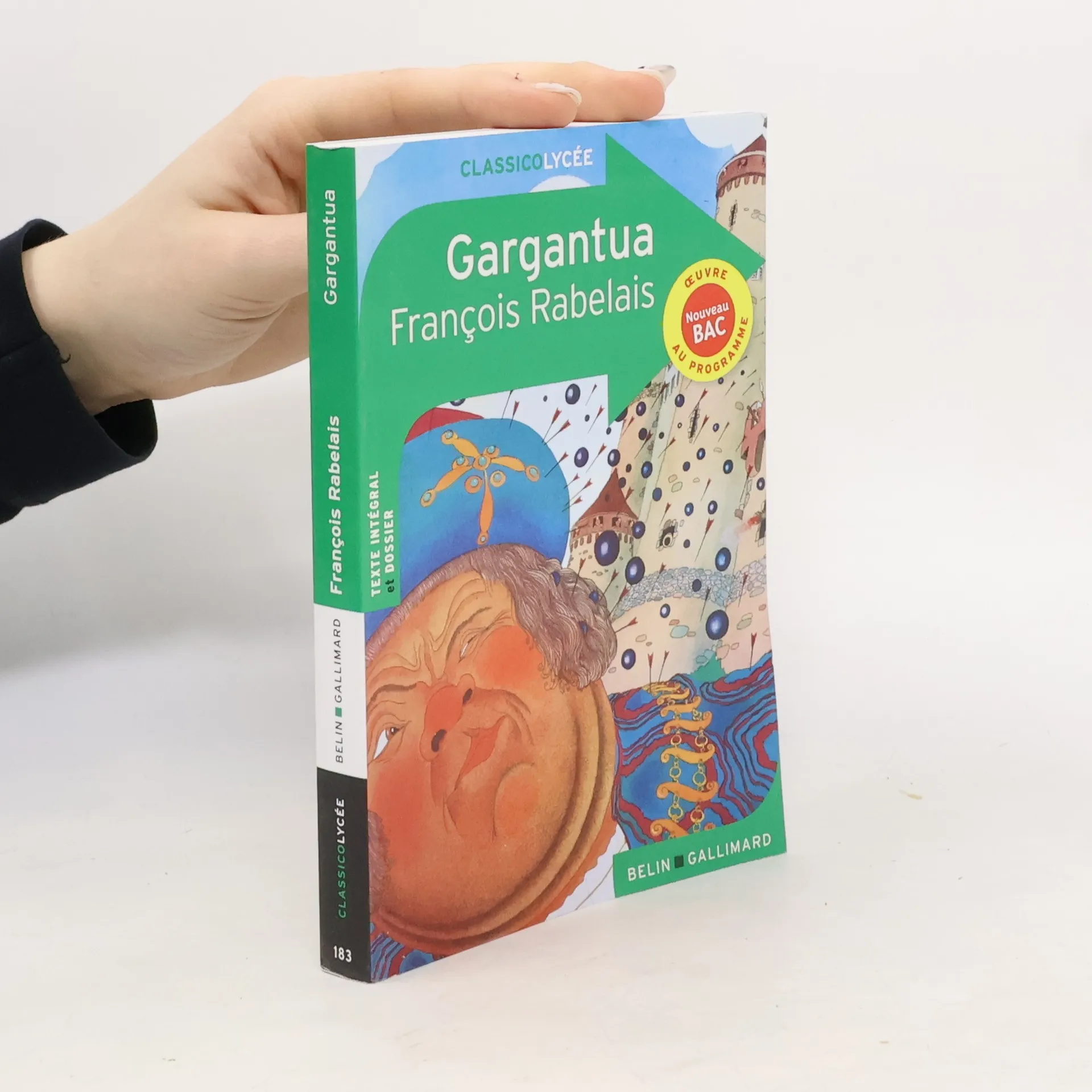
Gargantua: Texte intégral et dossier - Œuvre nouveau BAC au programme
- 300 pages
- 11 hours of reading
" "Chantons, buvons!" C'est par cette formule que Gargantua, personnage hors norme et bon vivant, invite le lecteur à le suivre dans ses "très horrifiques" aventures. Elles le conduiront de Paris à l'abbaye de Thélème et le feront évoluer au fil du récit. De sa naissance à l'âge adulte, en passant par son éducation, découvrez ou redécouvrez ce personnage bouffon, devenu mythique sous la plume amusée et satirique de François Rabelais." [Résumé de la quatrième de couverture].
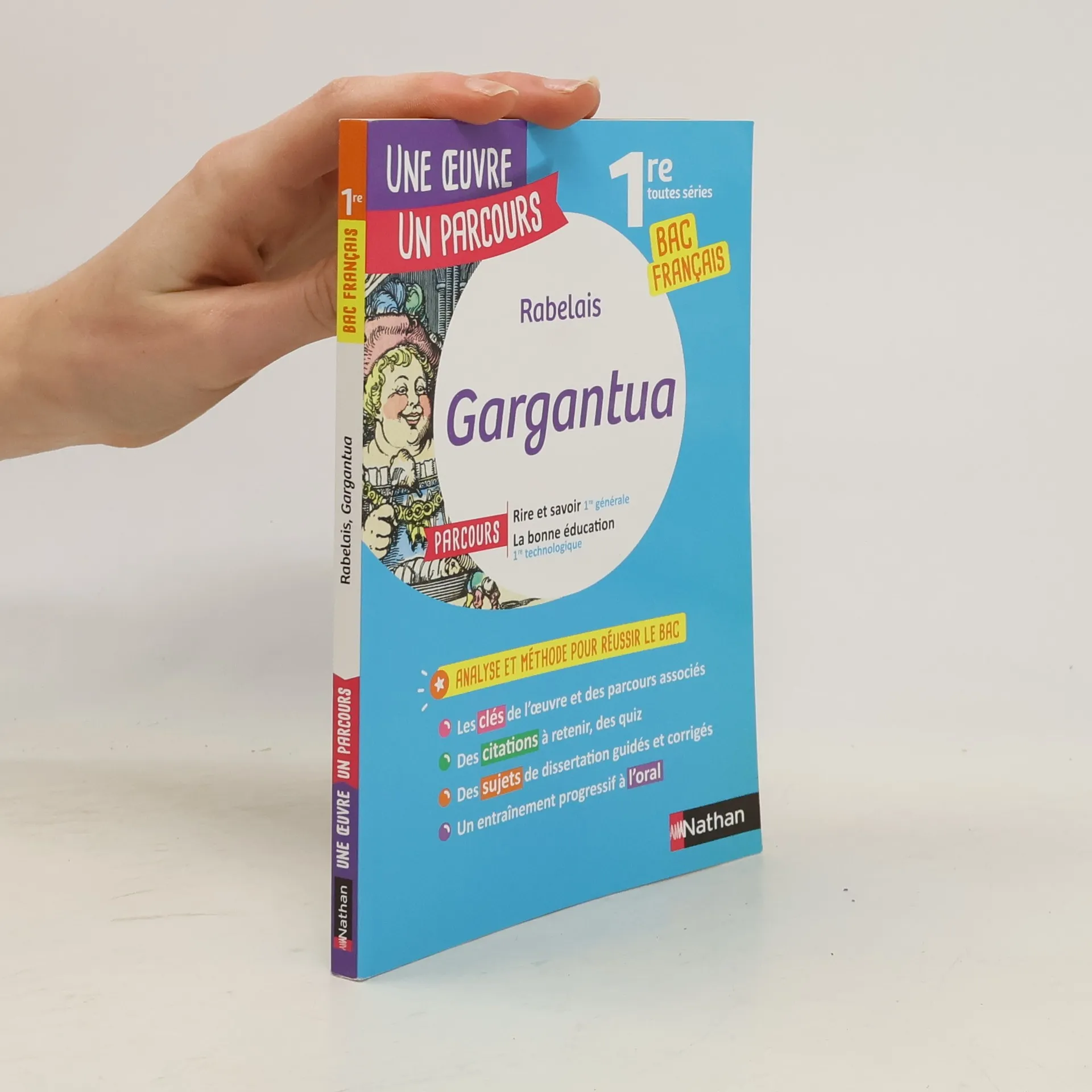
Rabelais, Gargantua: Avec le parcours 'Rire et savoir 1re générale ; La bonne éducation 1re technologique'
- 136 pages
- 5 hours of reading
Des ouvrages clairs, concis et accessibles destinés aux élèves pour leur fournir l'essentiel sur l'œuvre et le parcours associé pour le Bac de français 1reGargantua... à la loupeSous forme de fiches en couleurs, ils proposent :- Repères sur l'auteur et le contexte historique de l'œuvre- Résumés de textes et des repères dans l'œuvre- Thèmes expliqués et commentaires linéaires- Le parcours associé explicité- Astuces pour comprendre et réviser vite et efficacement- Exemples de dissertations corrigées et expliquées pas à pas- Explications de texte complémentaires et guide pour l'entretien à l'oral- Citations incontournables à retenir et quiz de révision
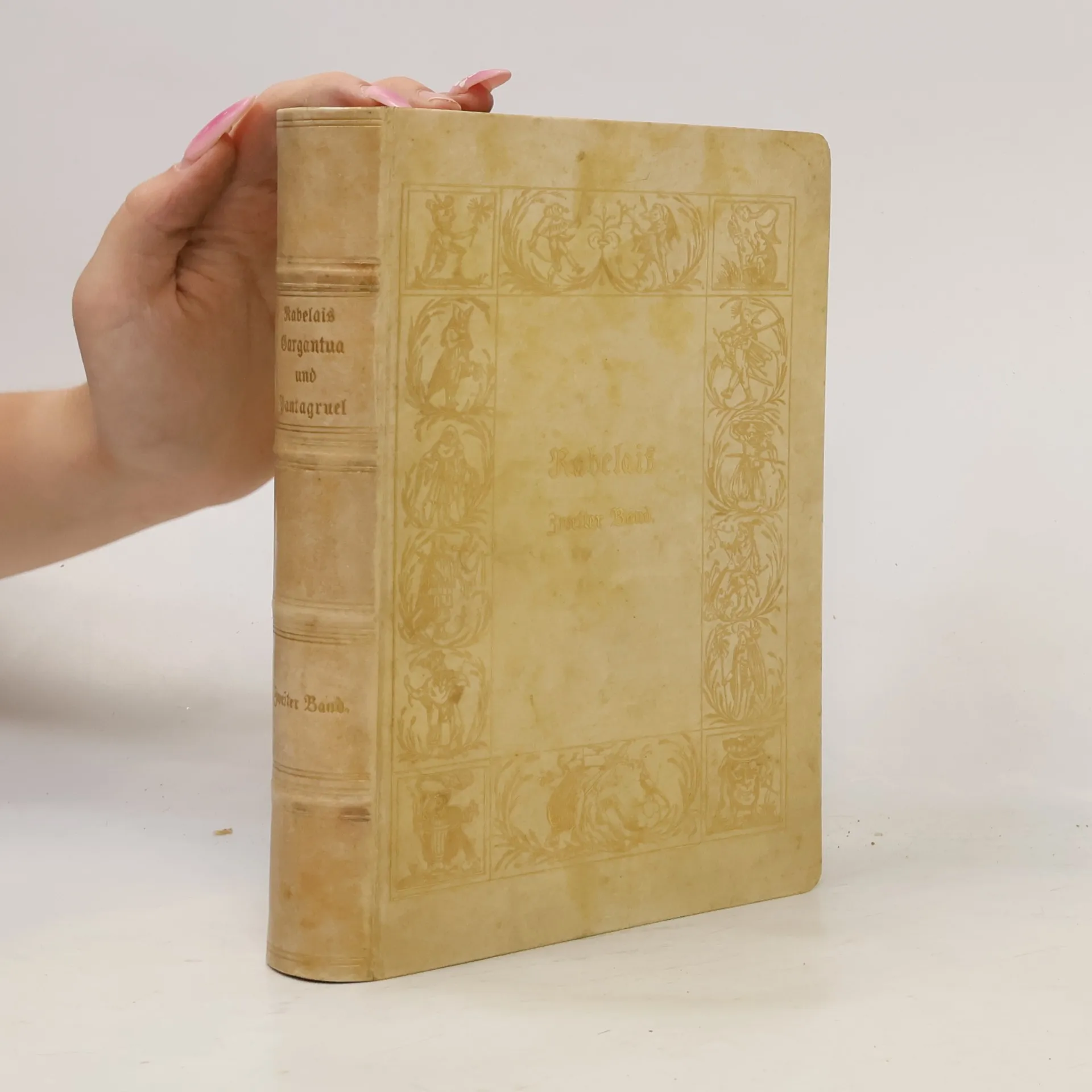
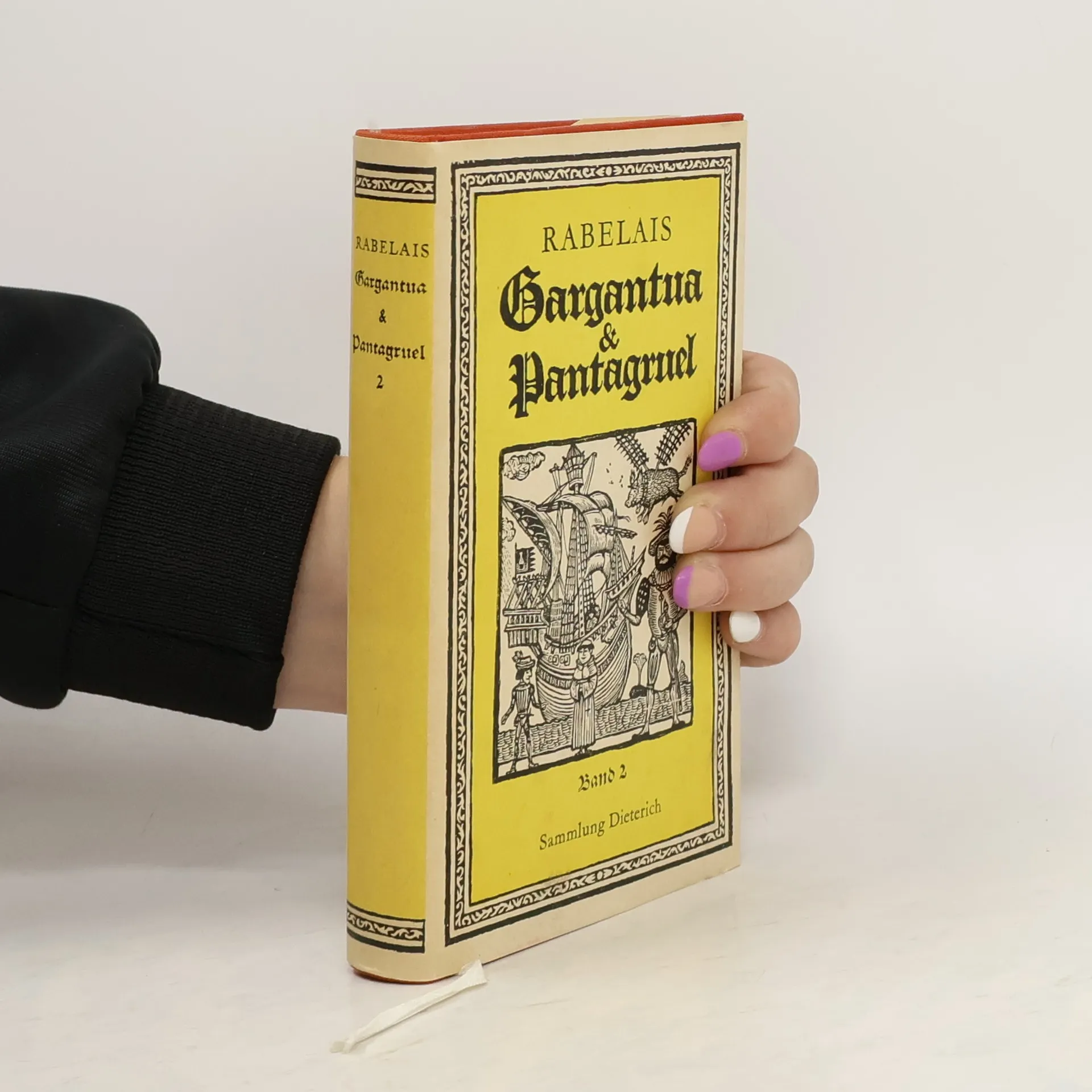
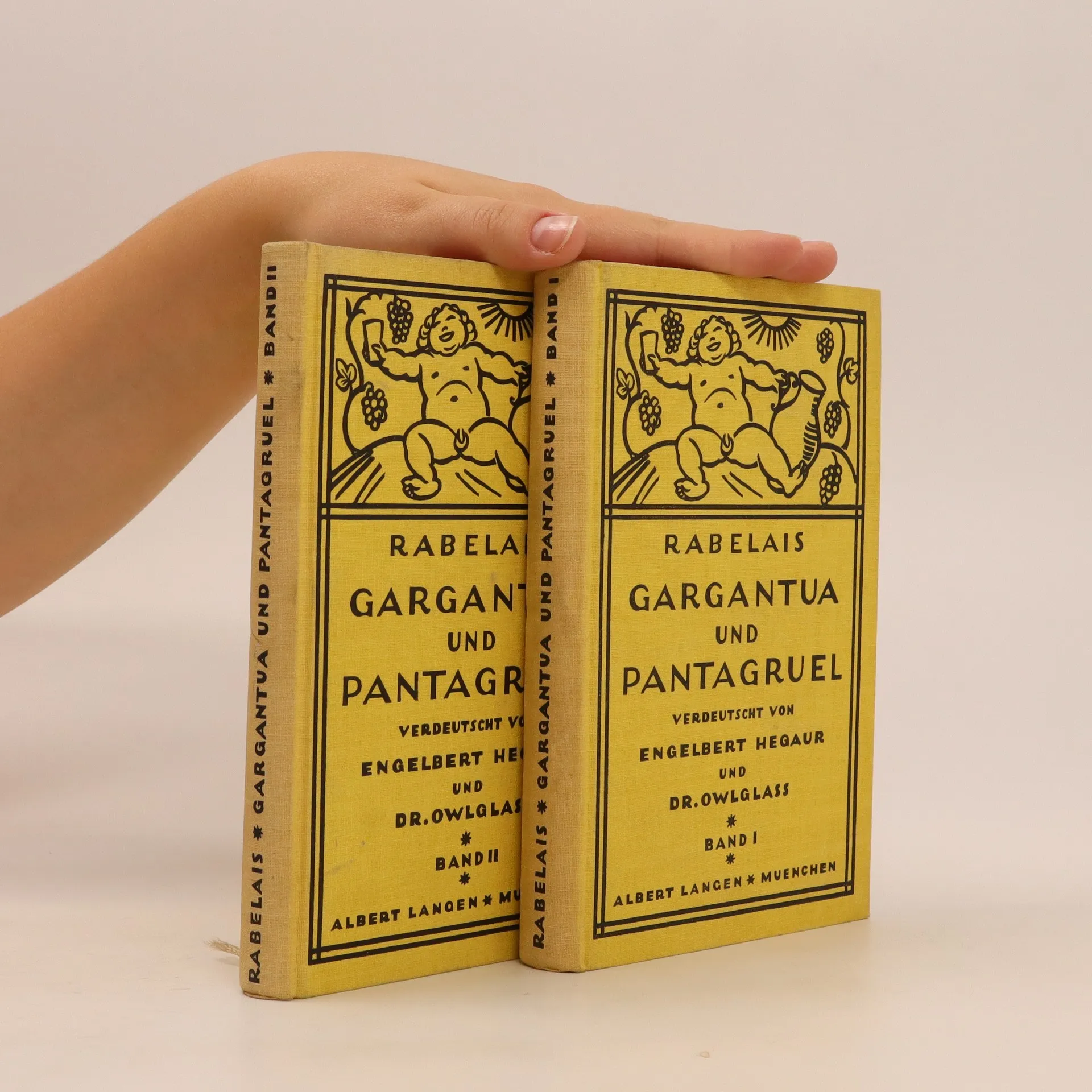
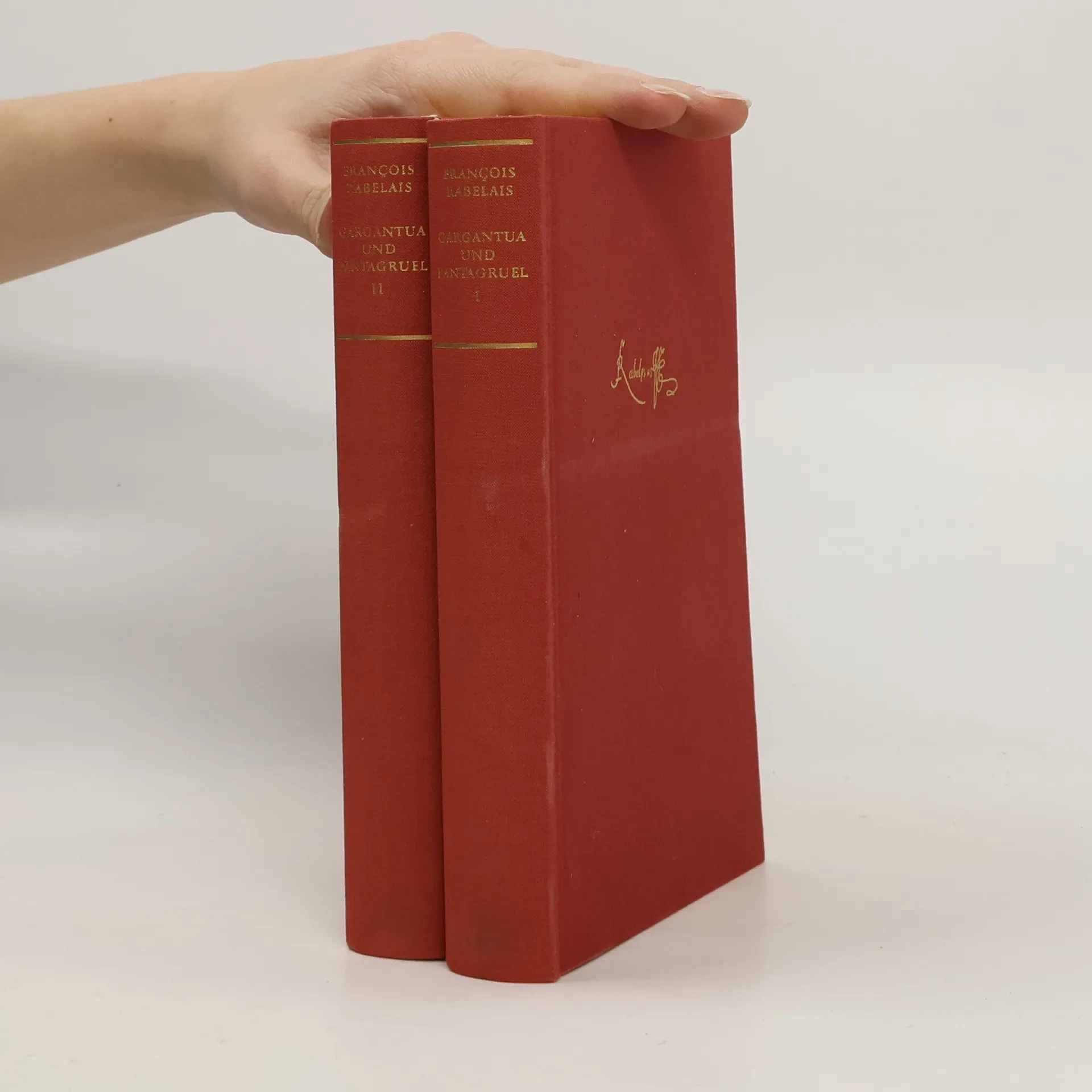
Gargantua und Pantagruel I-II
- 2 volumes
- 1582 pages
- 56 hours of reading
Gargantua und Pantagruel I.-II.
- 2 volumes
In dieser zweibändigen Ausgabe von François Rabelais' Werk werden die Abenteuer und Erlebnisse der Giganten Gargantua und Pantagruel erzählt. Die Geschichte beginnt mit Gargantua, einem riesenhaften Wesen, dessen Geburt und Kindheit von außergewöhnlichen Ereignissen geprägt sind. Er wird von seinem Vater Grandgousier erzogen und zeichnet sich durch seine Liebe zur Bildung und zur Philosophie aus. Die Erzählungen umfassen eine Vielzahl von Themen, darunter die Kritik an der Gesellschaft, die Erziehung, die Religion und die menschliche Natur. Pantagruel, Gargantuas Sohn, setzt die Tradition seines Vaters fort und begibt sich auf eine Reise, die ihn mit verschiedenen Kulturen und Charakteren in Kontakt bringt. Die Werke sind durch einen satirischen Ton gekennzeichnet und enthalten zahlreiche groteske und komische Elemente, die sowohl unterhalten als auch zum Nachdenken anregen. Wichtige Charaktere sind neben Gargantua und Pantagruel auch ihre Freunde, wie Panurge, ein schelmischer und cleverer Begleiter, der oft in Schwierigkeiten gerät. Die Erzählungen sind reich an allegorischen Inhalten und reflektieren die Renaissance-Ideale der Humanität und des Wissens. Rabelais' Stil kombiniert Humor mit philosophischen Überlegungen, was zu einer vielschichtigen Lektüre führt.
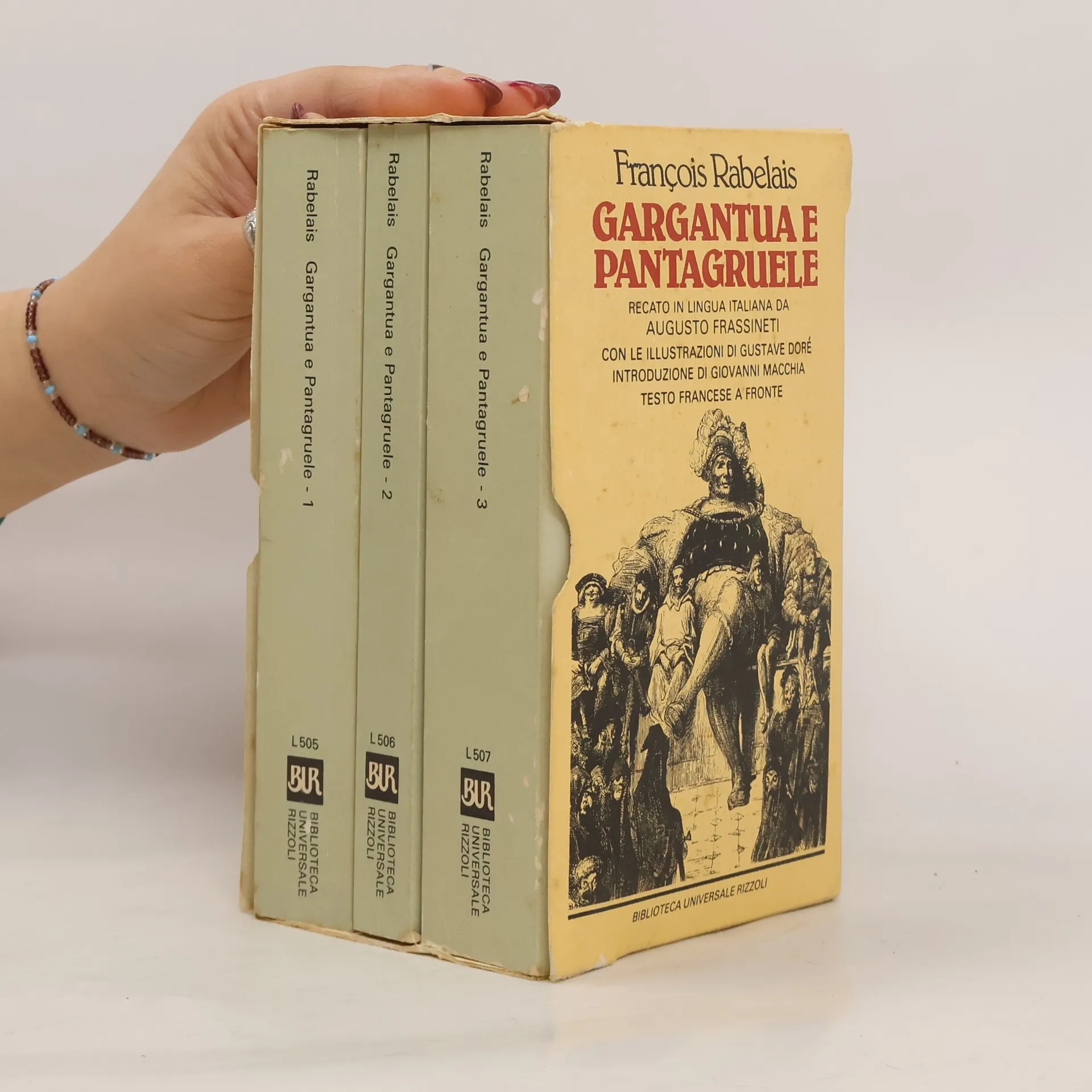
Gargantua e Pantagruele 1-3
- 3 volumes
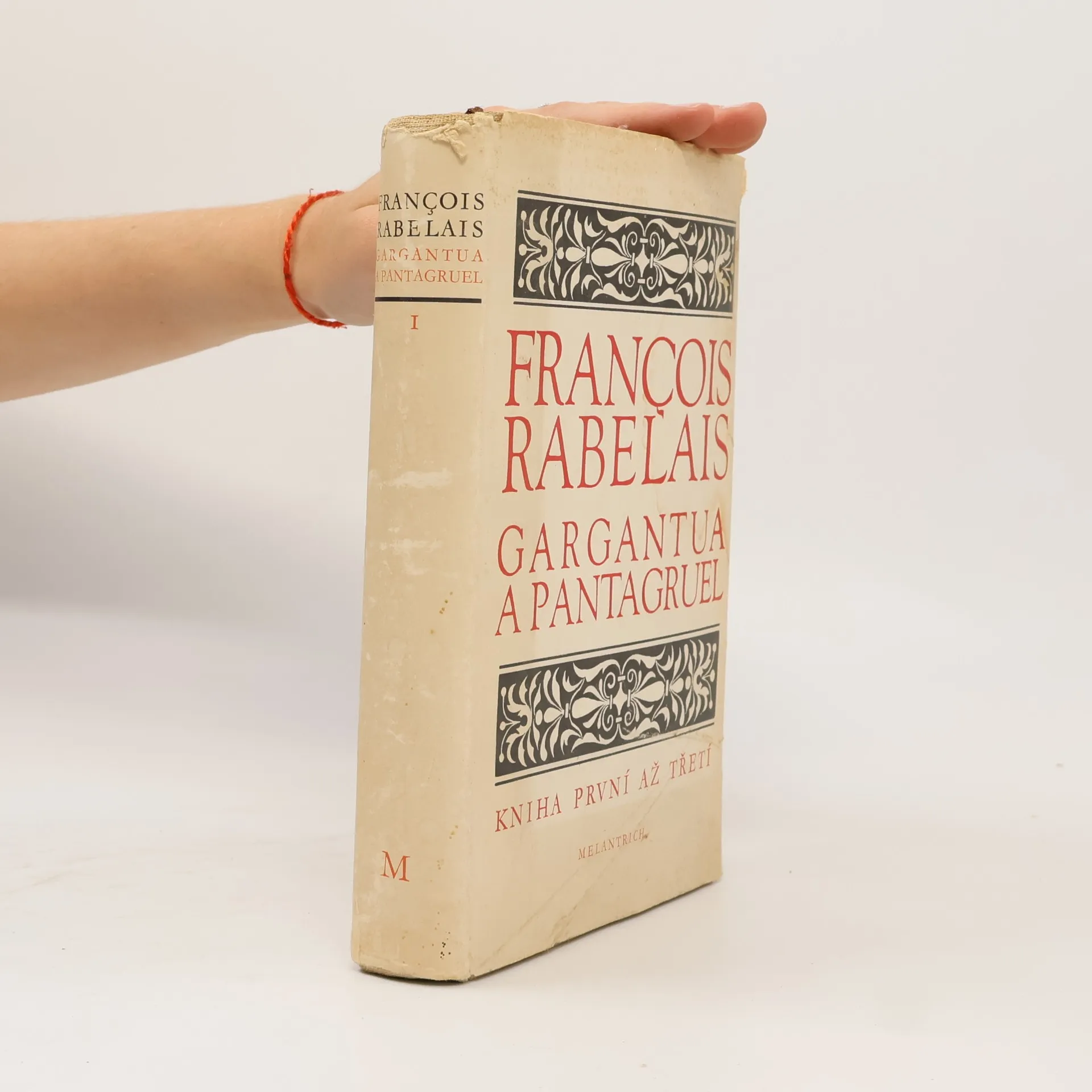
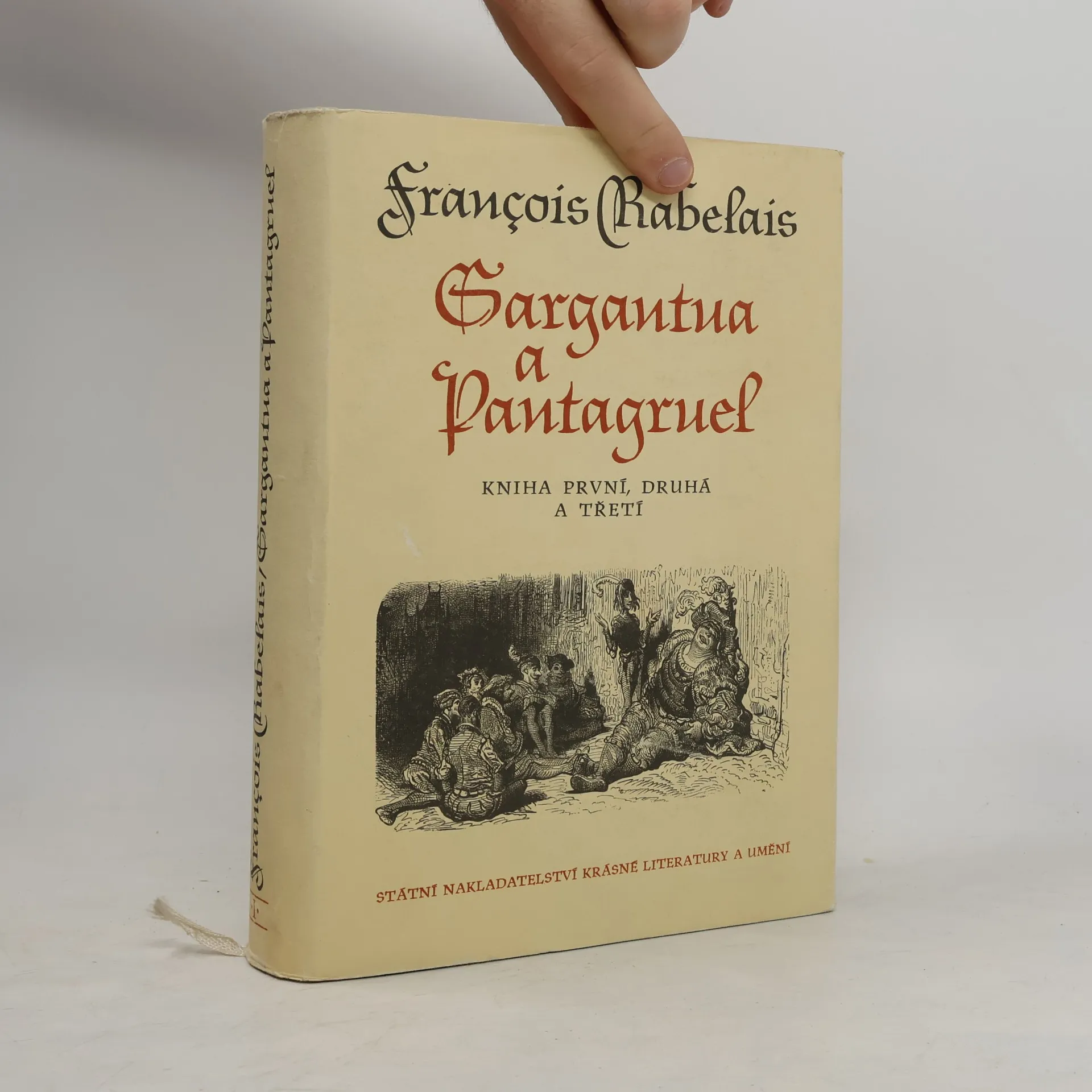
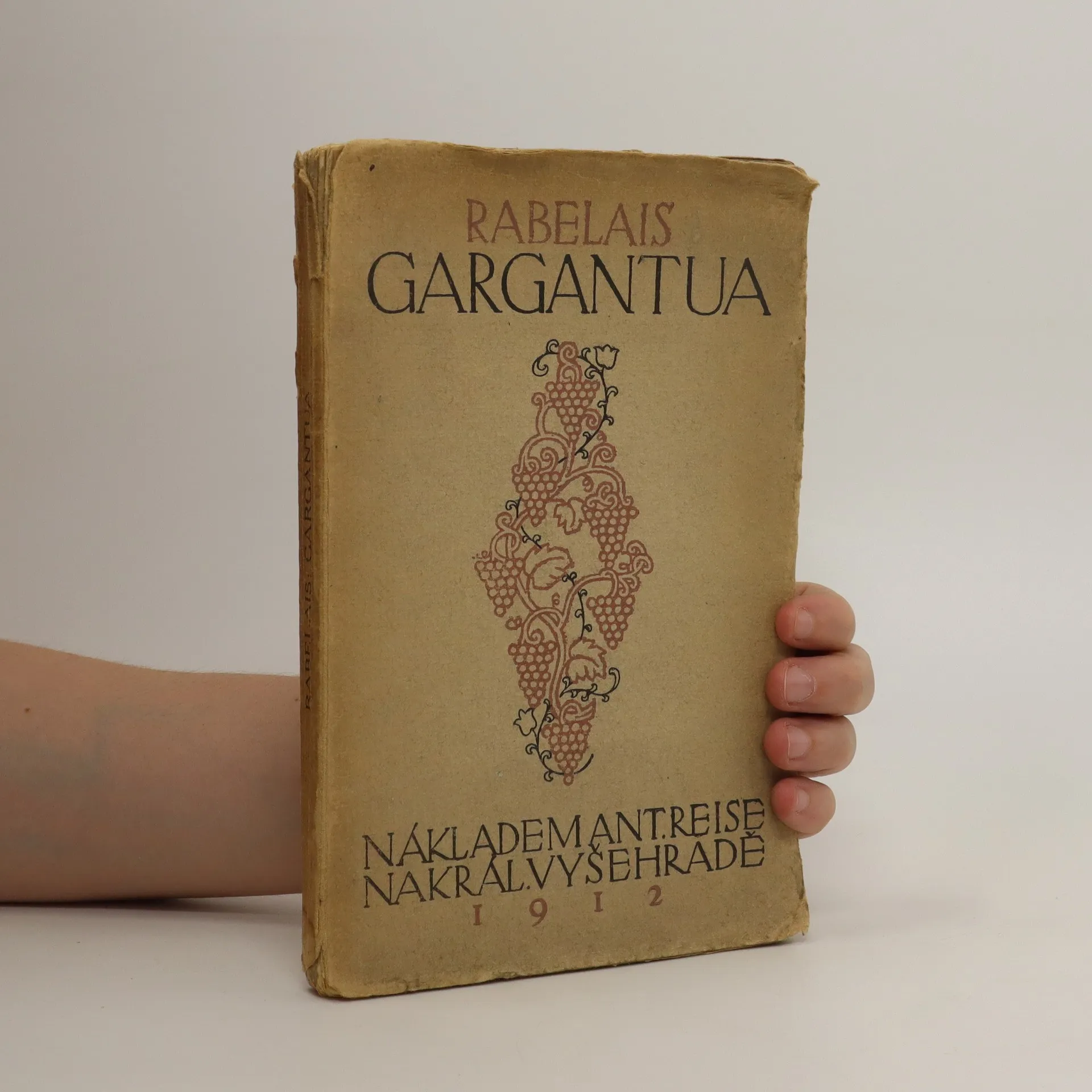
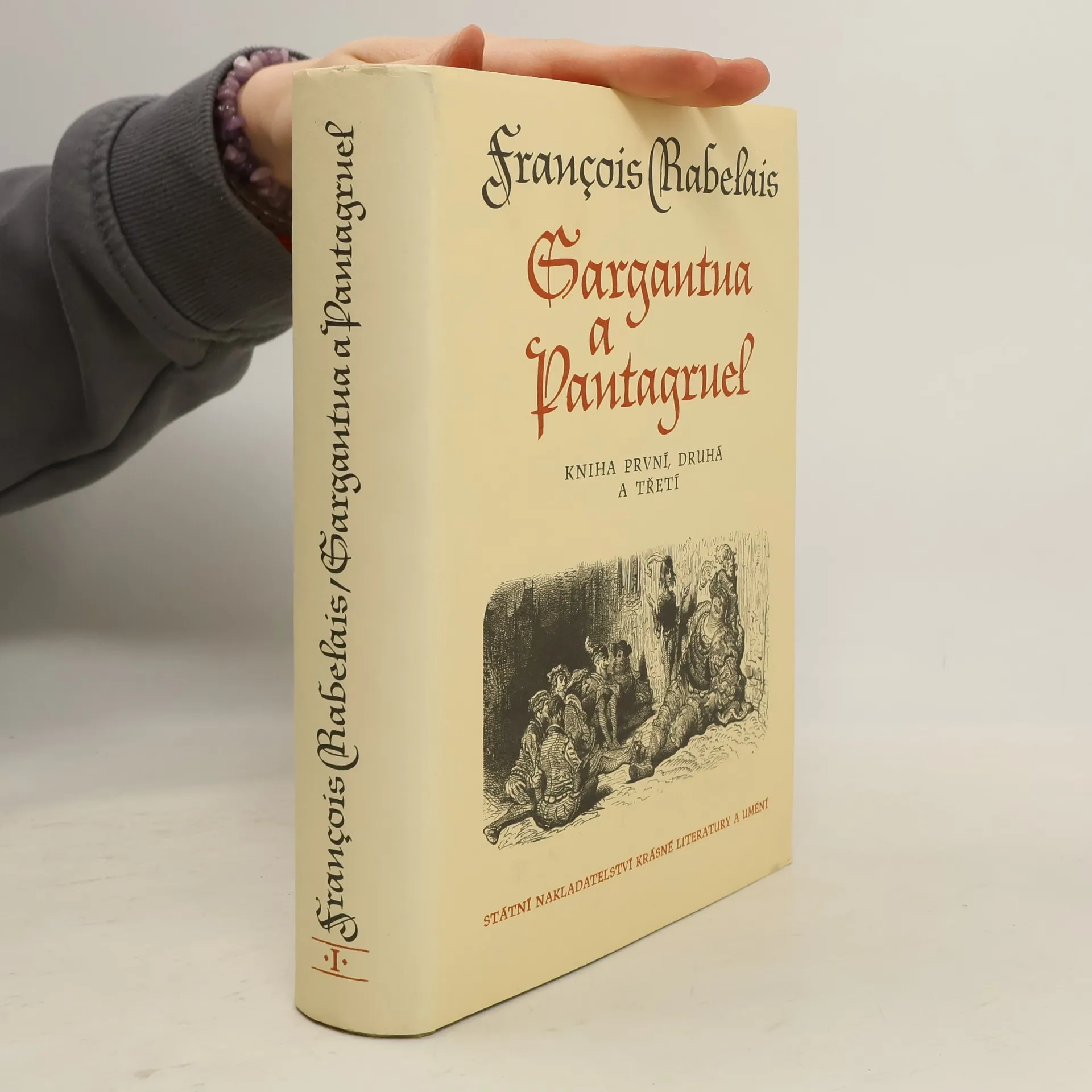
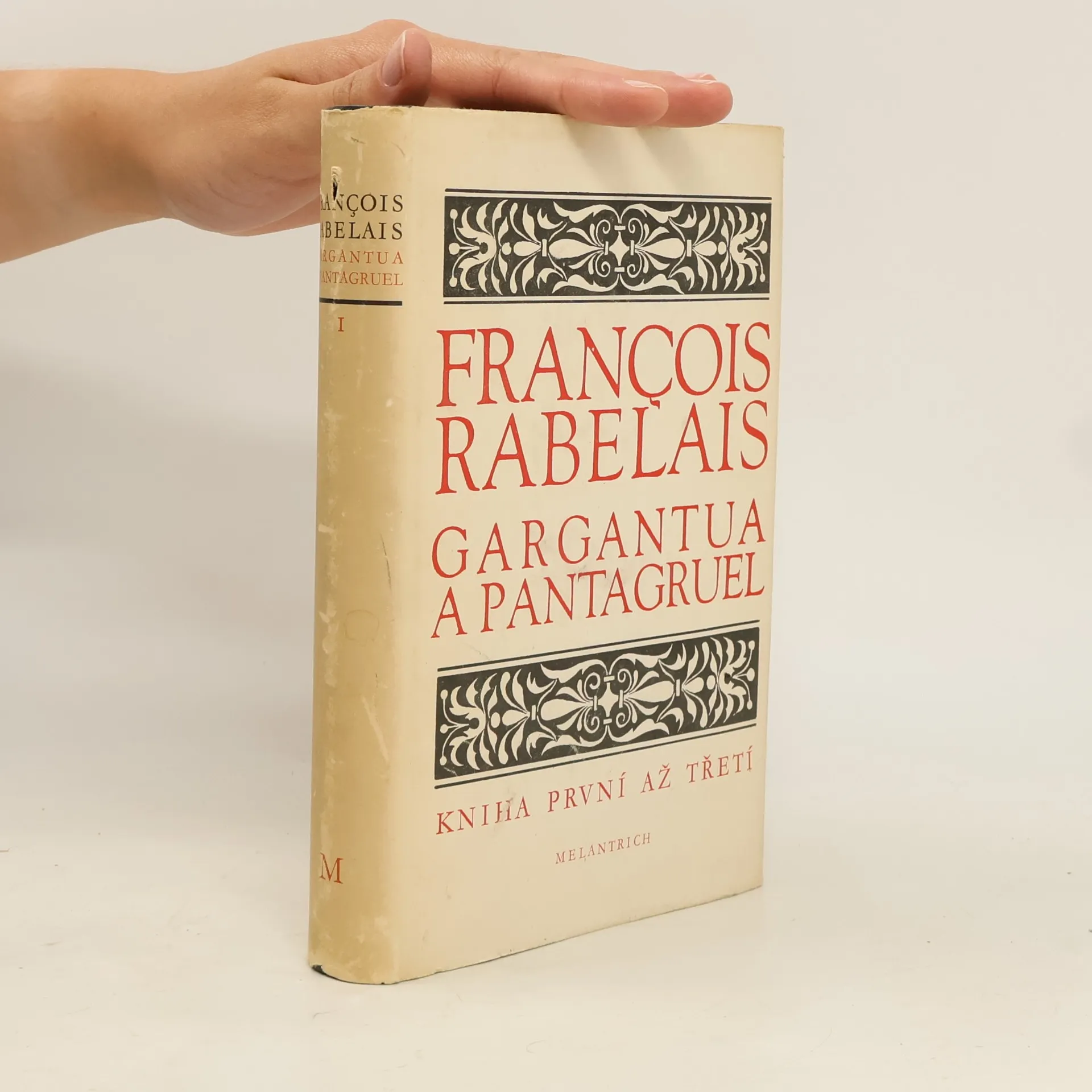
Slavné renesanční dílo francouzského autora je v podobě burleskní epopeje života dvou obrů, Gargantuy a jeho syna Pantagruela, ostrou satirou soudobých poměrů. Román je rozdělen do pěti částí, věnovaných jednotlivým obdobím života autorových fantastických hrdinů. Skladba je záminkou k ostré, nelítostné kritice soudobých společenských nešvarů: scholastické výchovy mládeže, nestřídmého života církve, pokrytectví a zkorumpovanosti justice, sociálních poměrů i malicherných záminek, které jsou příčinami ničivých válek. Nejznámější Rabelaisovo dílo je dokladem jeho neobyčejně bohatého slovníku, nesoucího ještě známky středověku, ale zároveň již silně ovlivněného humanismem, a představuje dnes jeden z nejslavnějších titulů světového literárního dědictví.
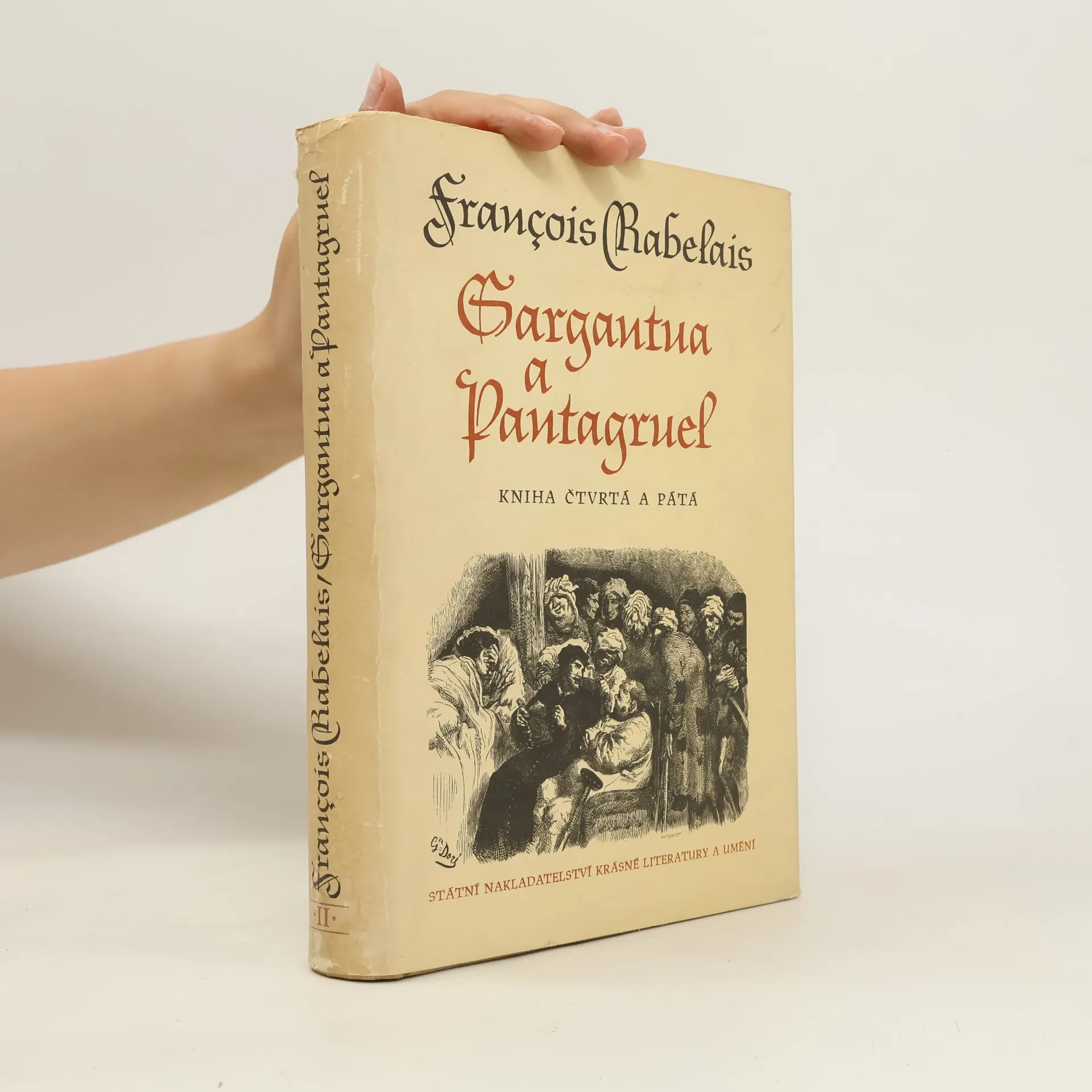
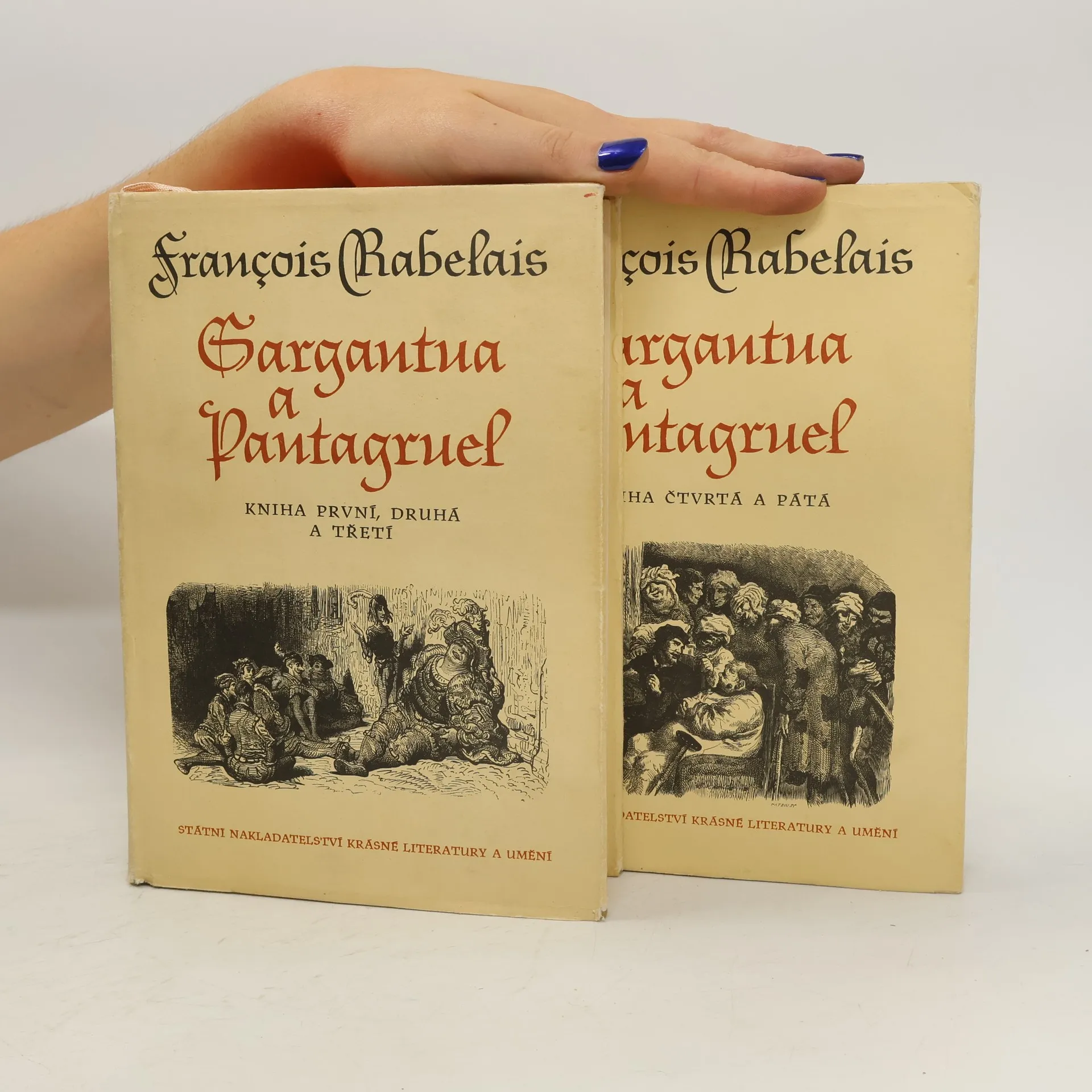
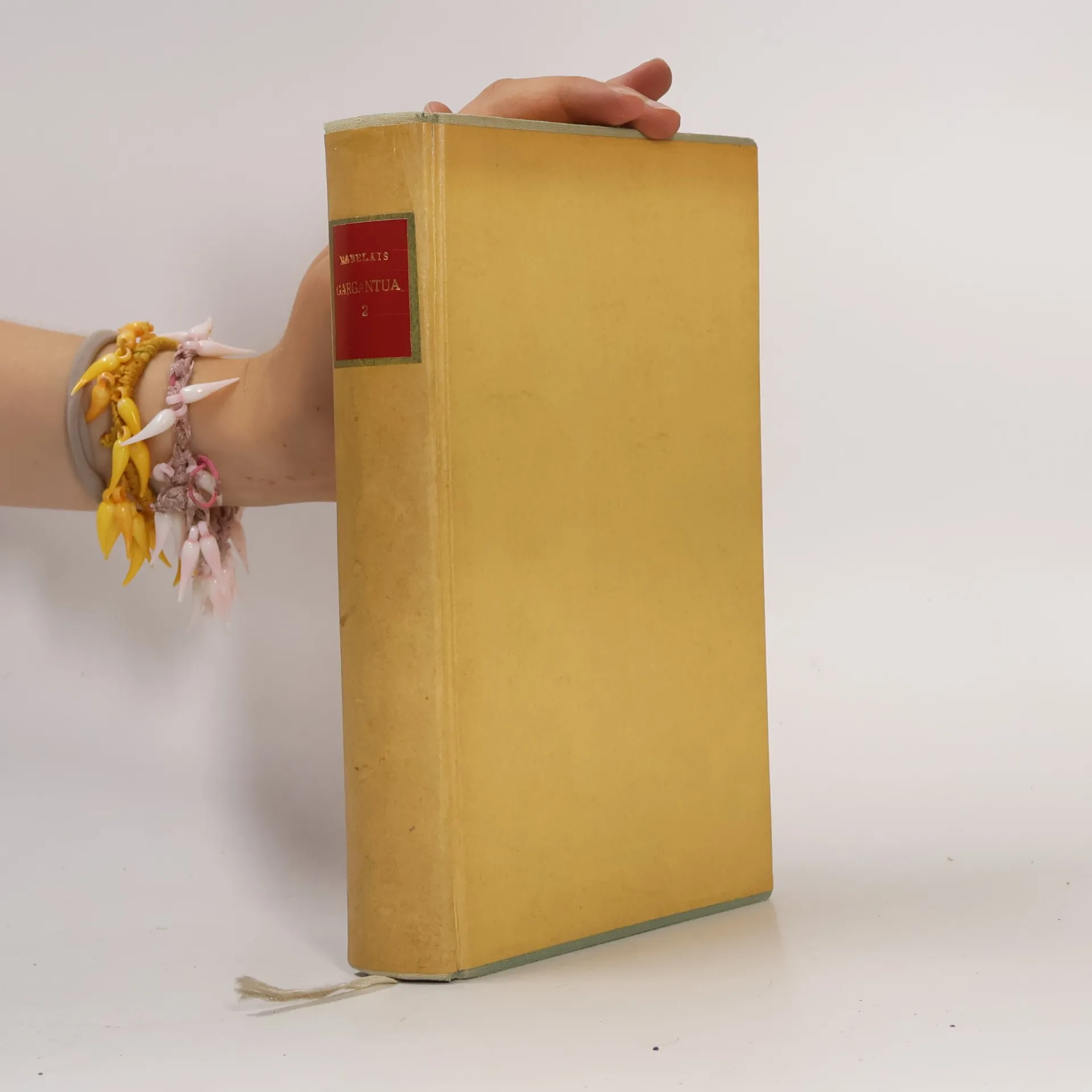
Gargantua a Pantagruel 2
kniha čtvrtá a pátá
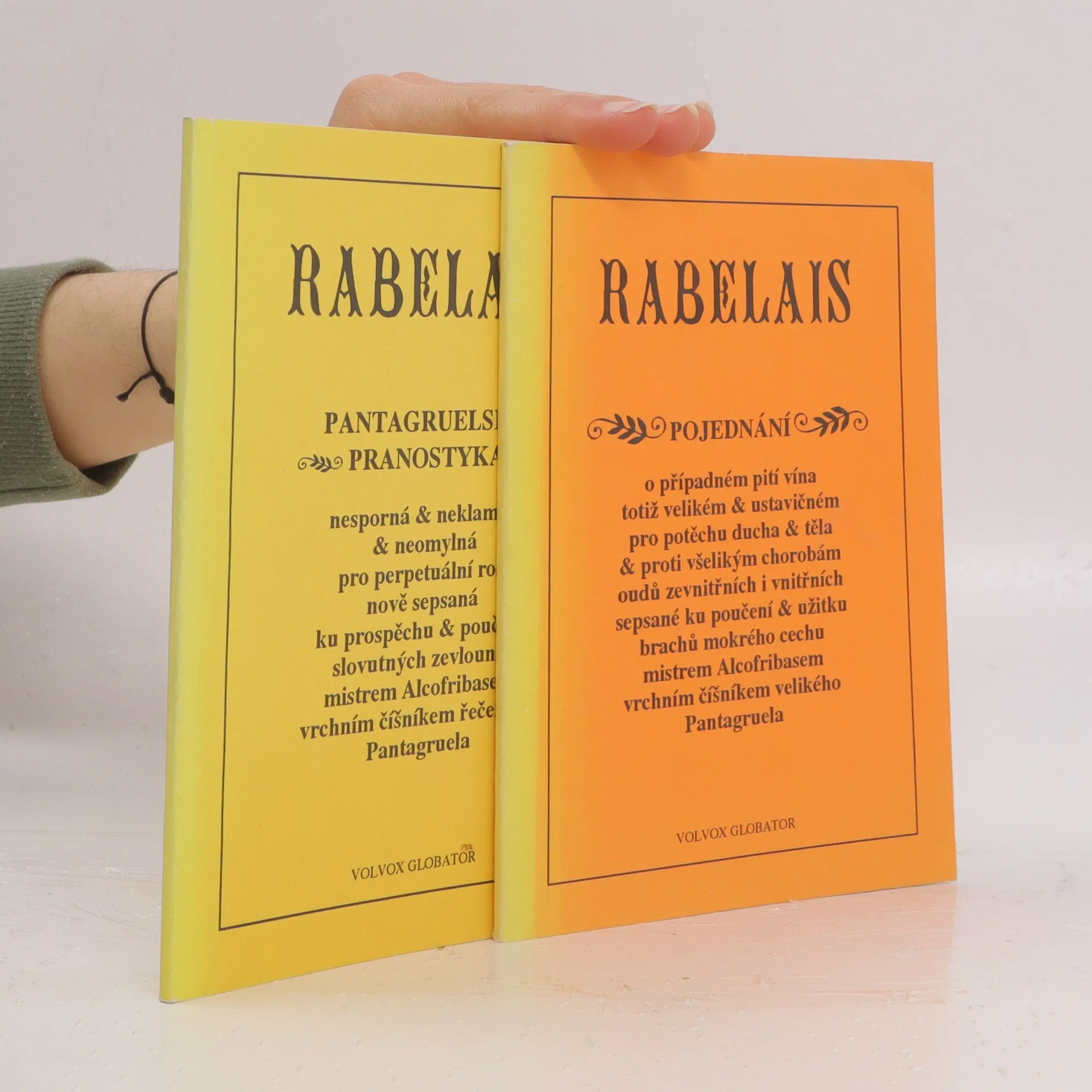
Pojednání, Pantagruelská pranostyka
- 2 volumes