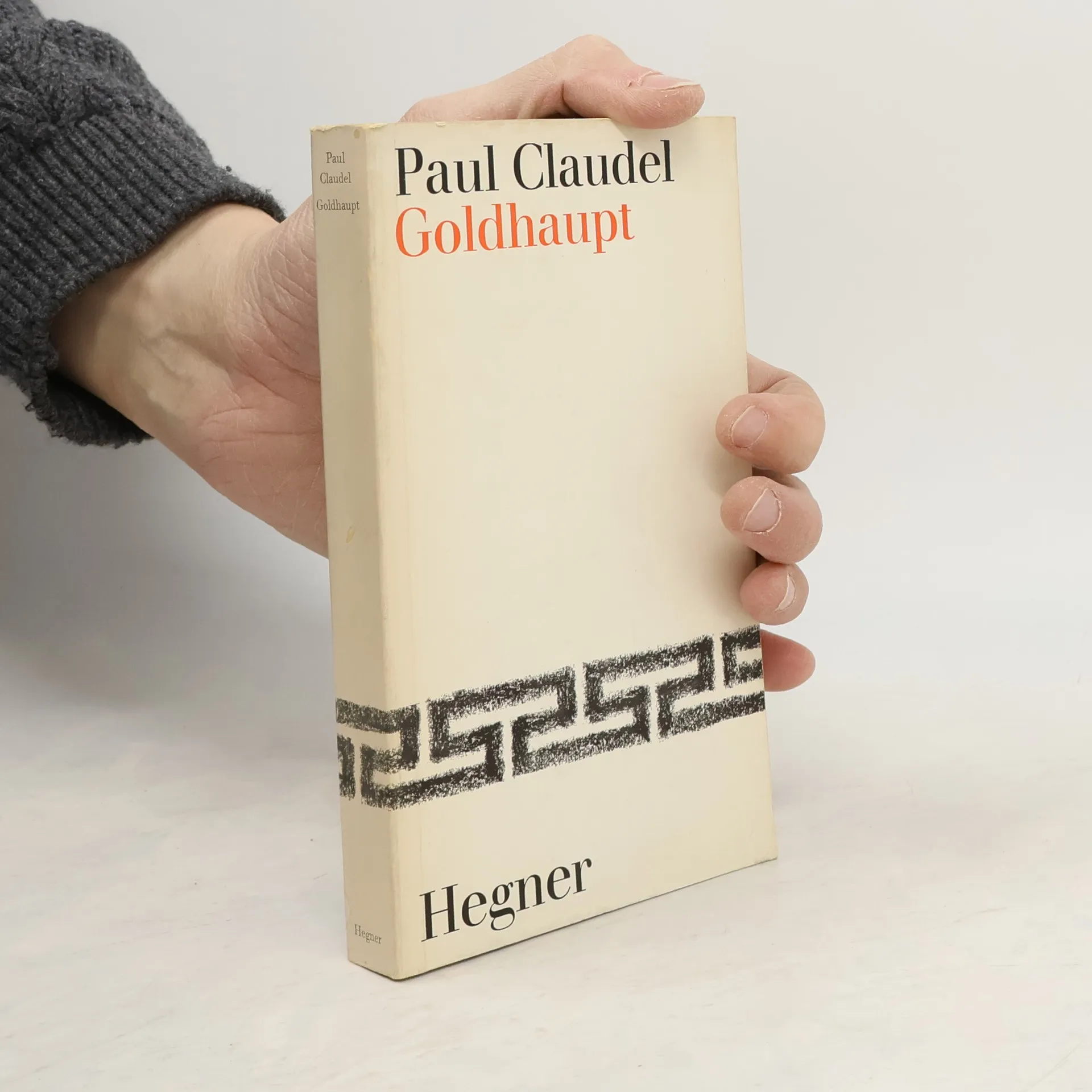
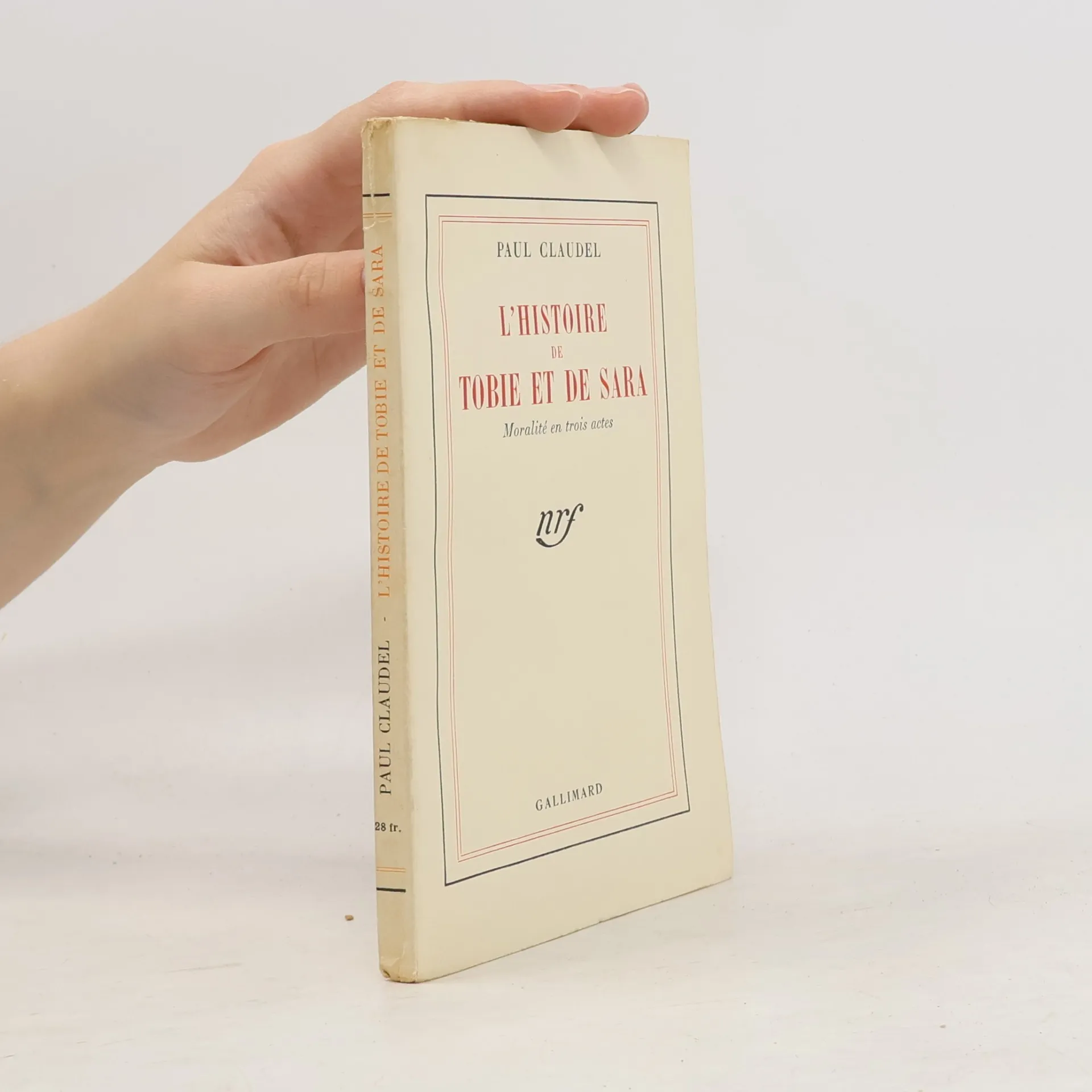
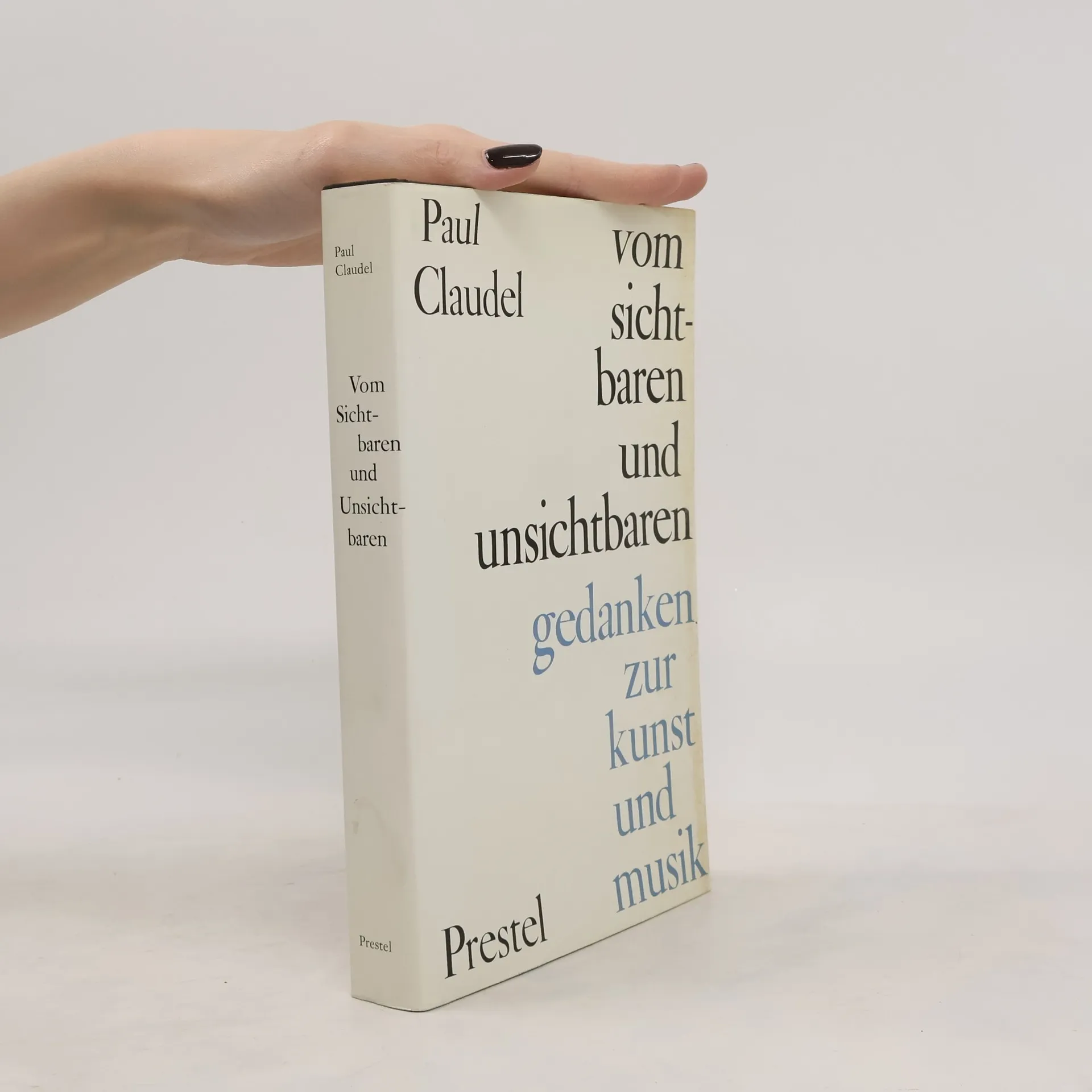
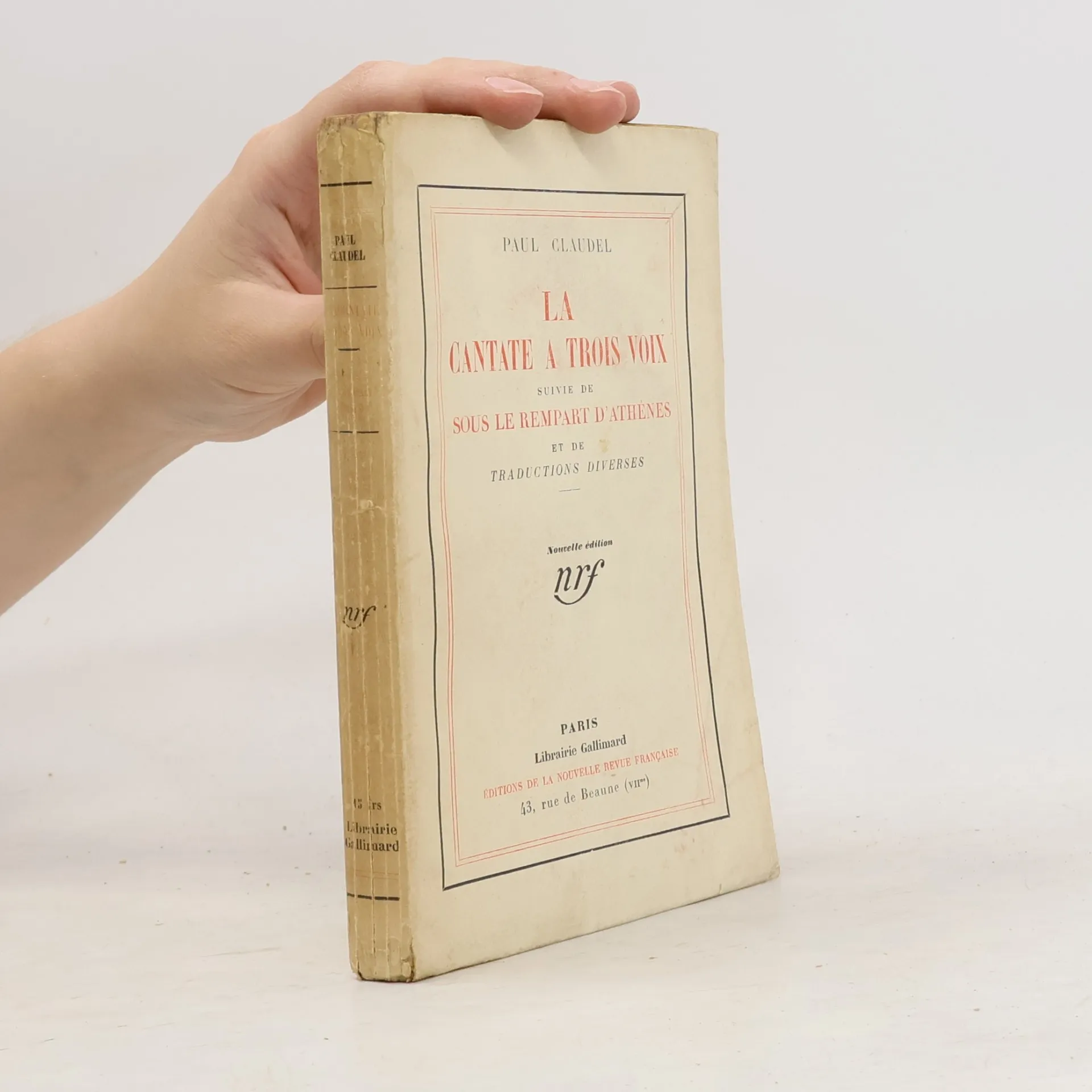
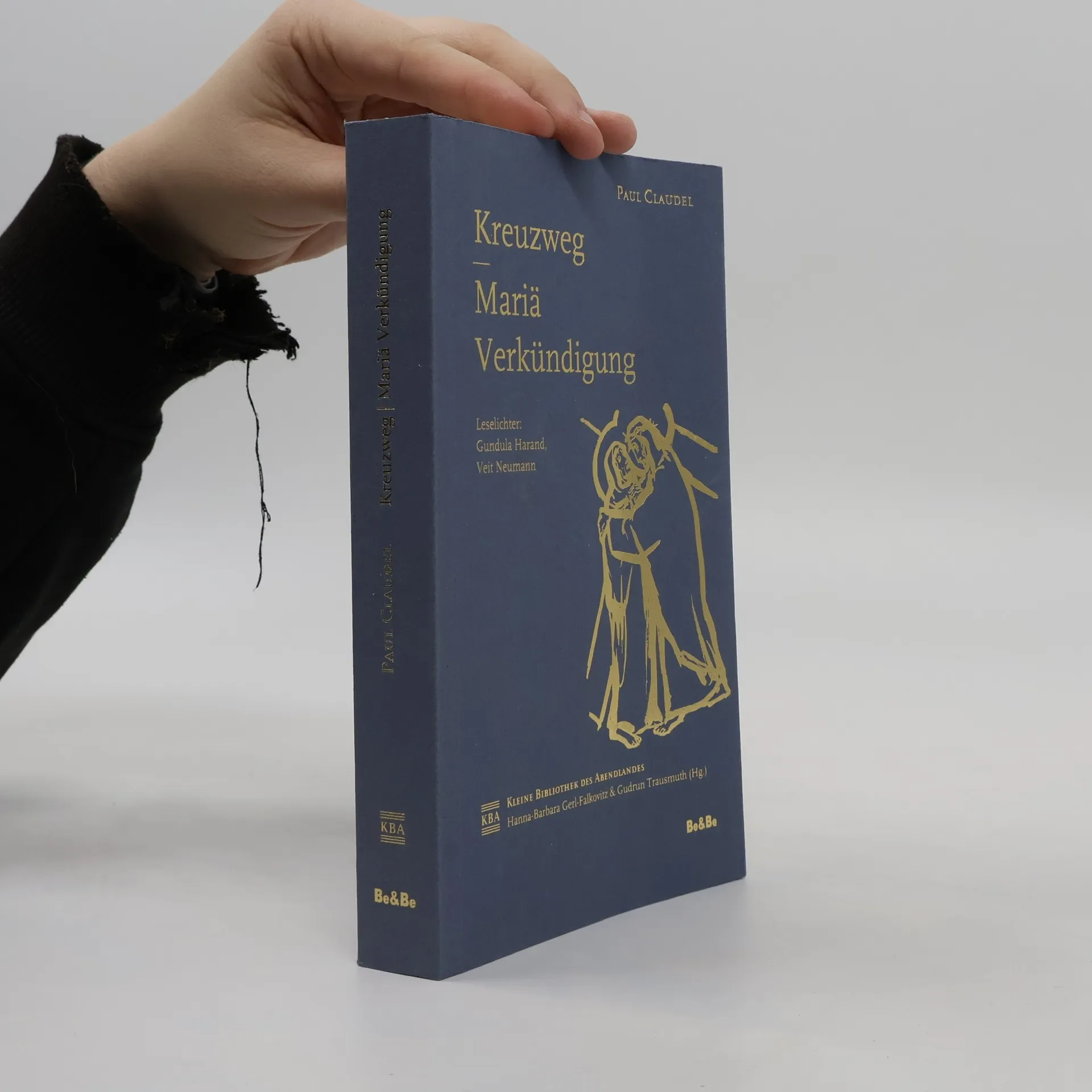
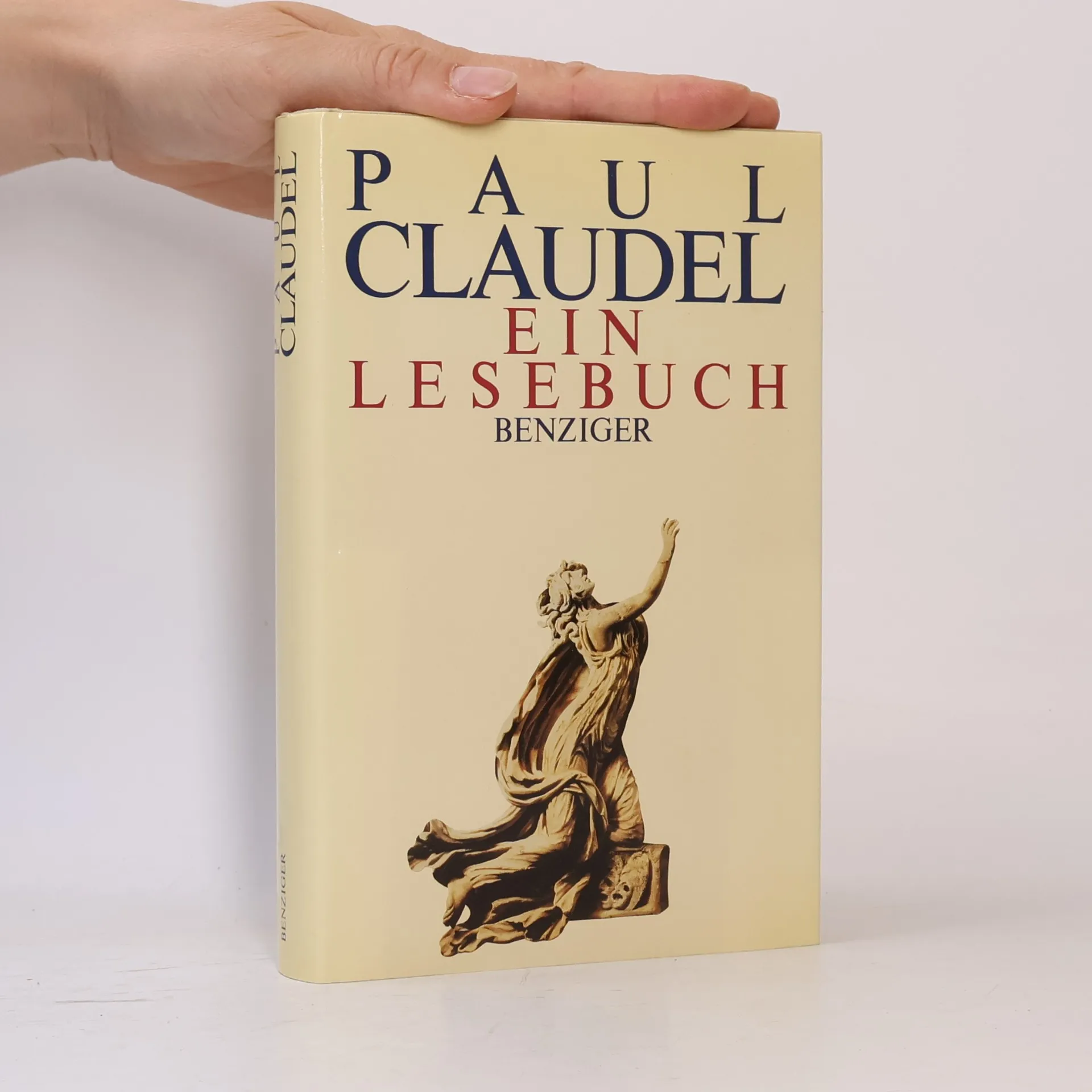
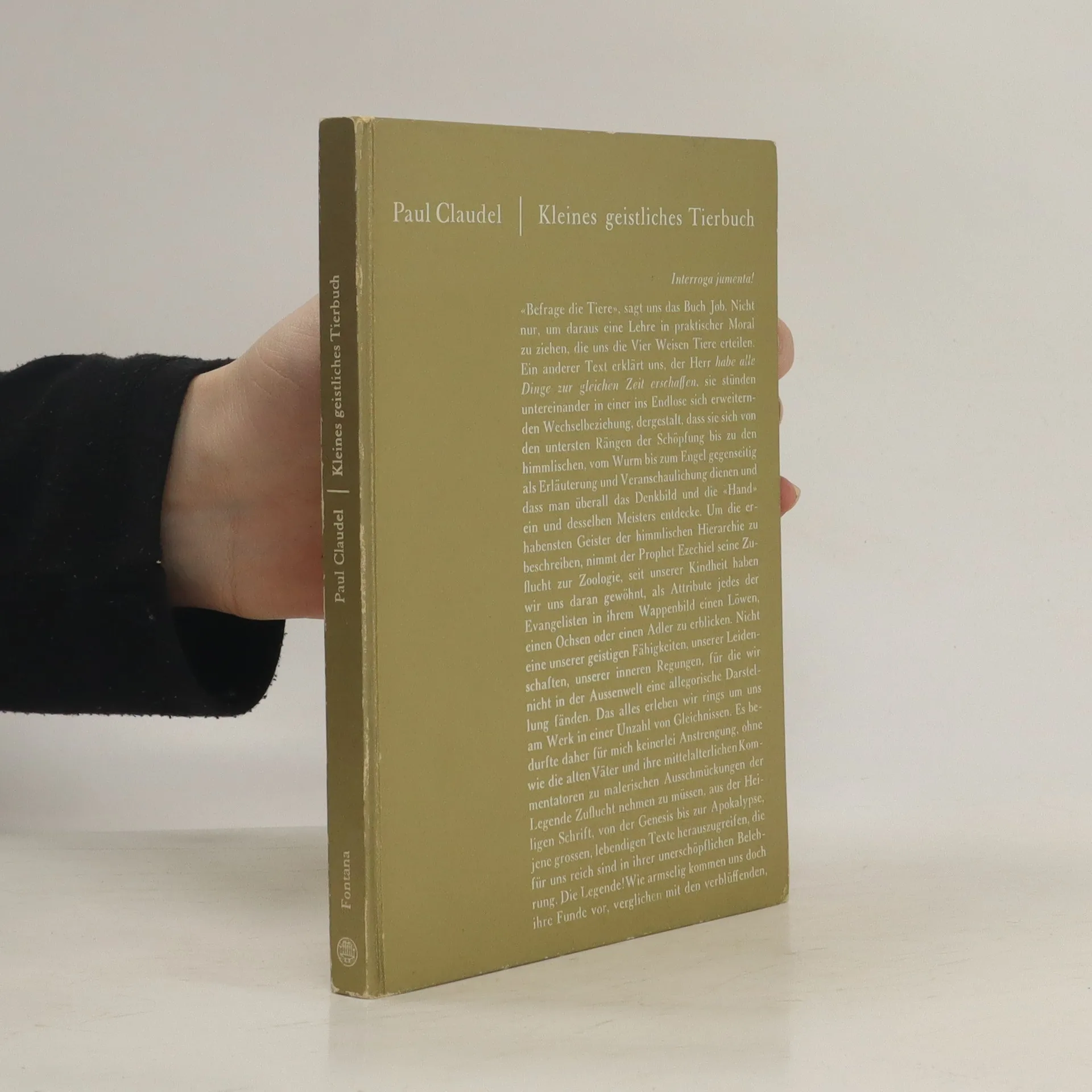
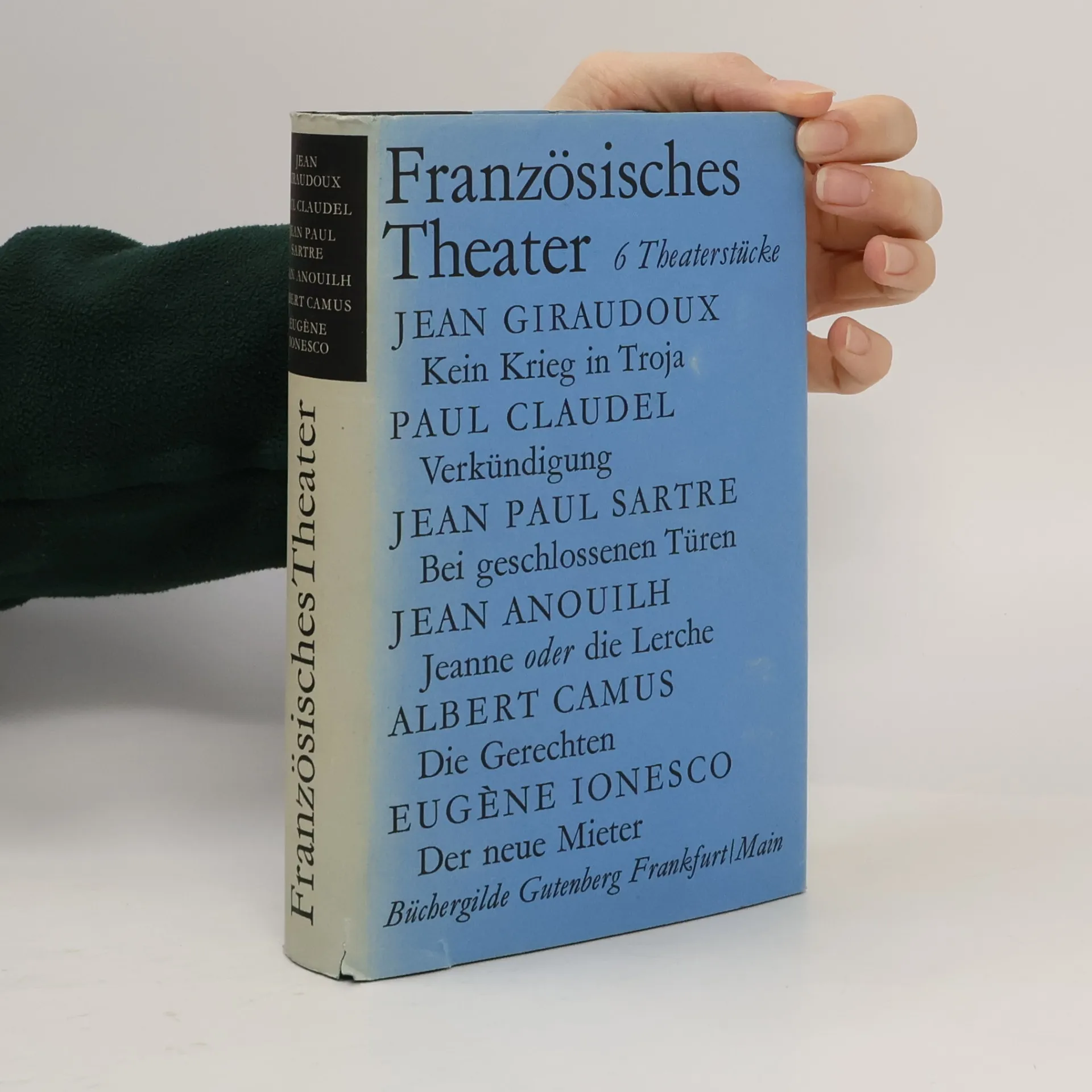
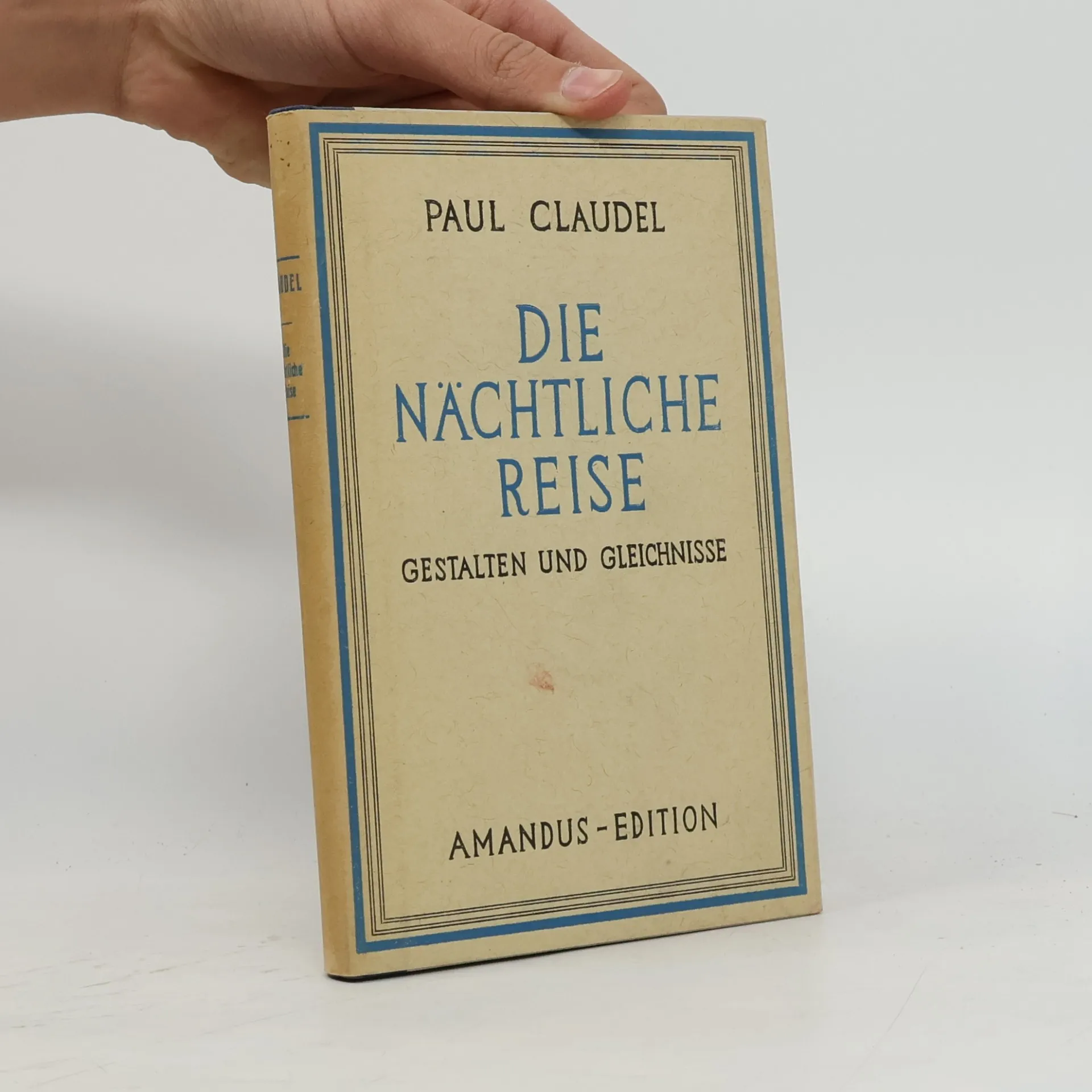
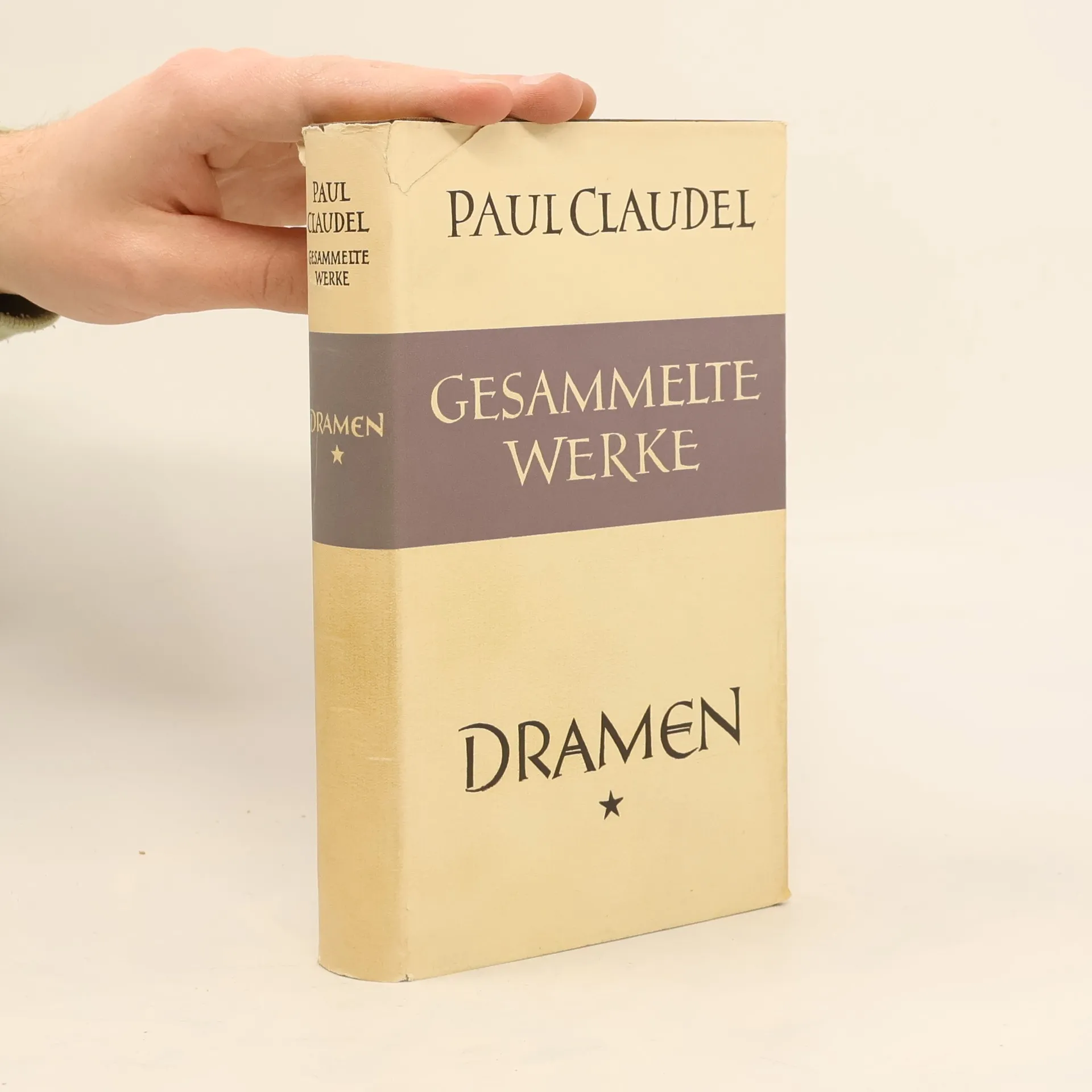
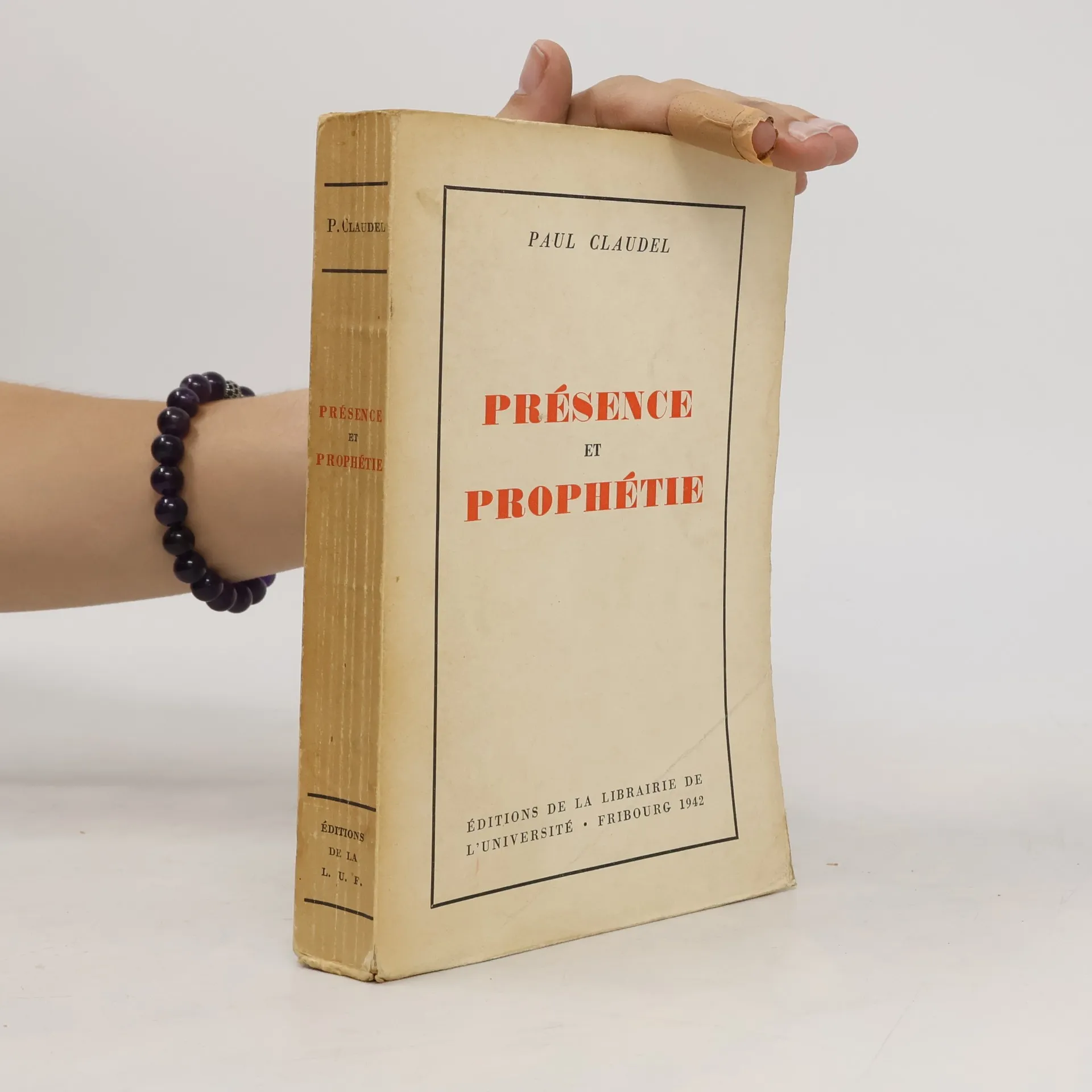
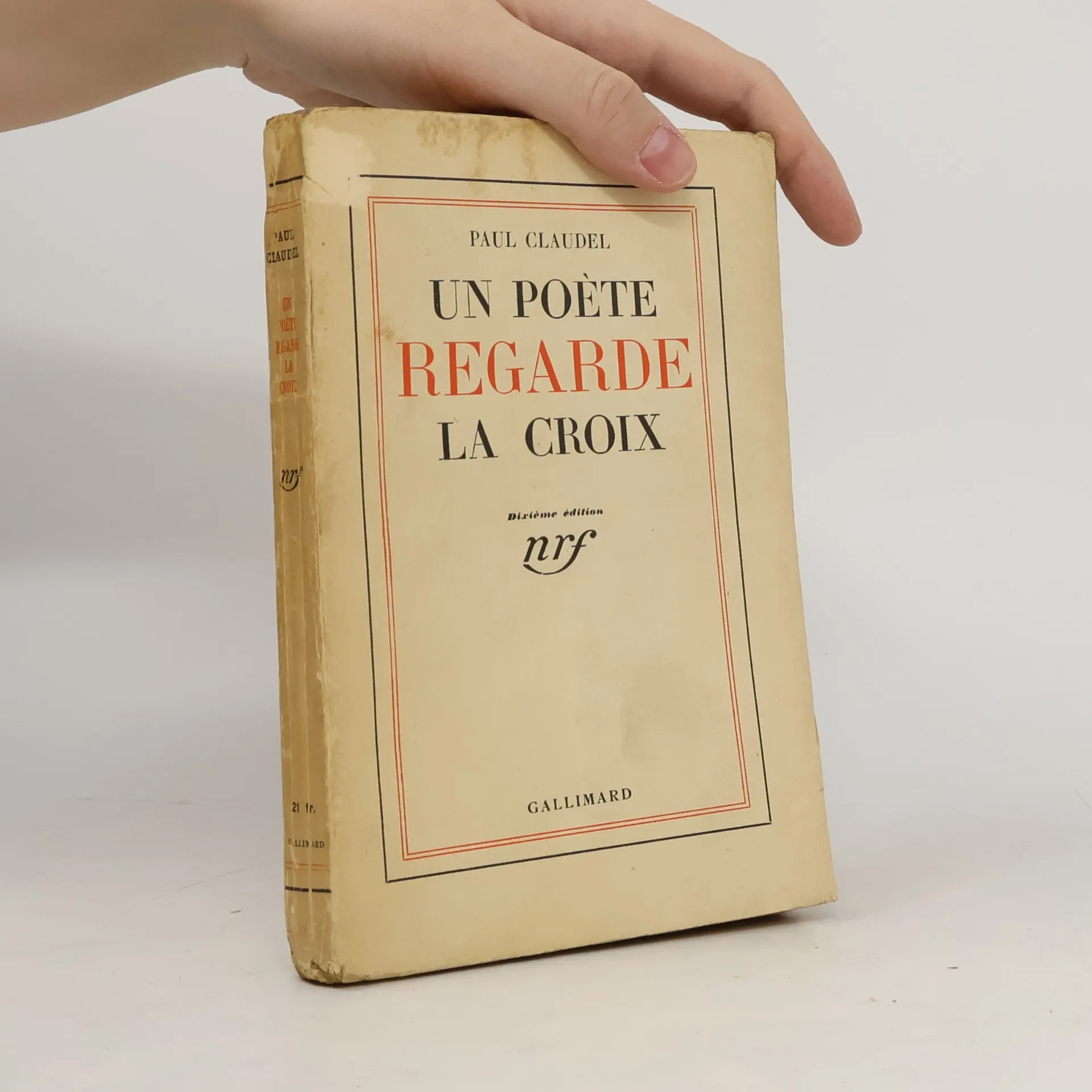
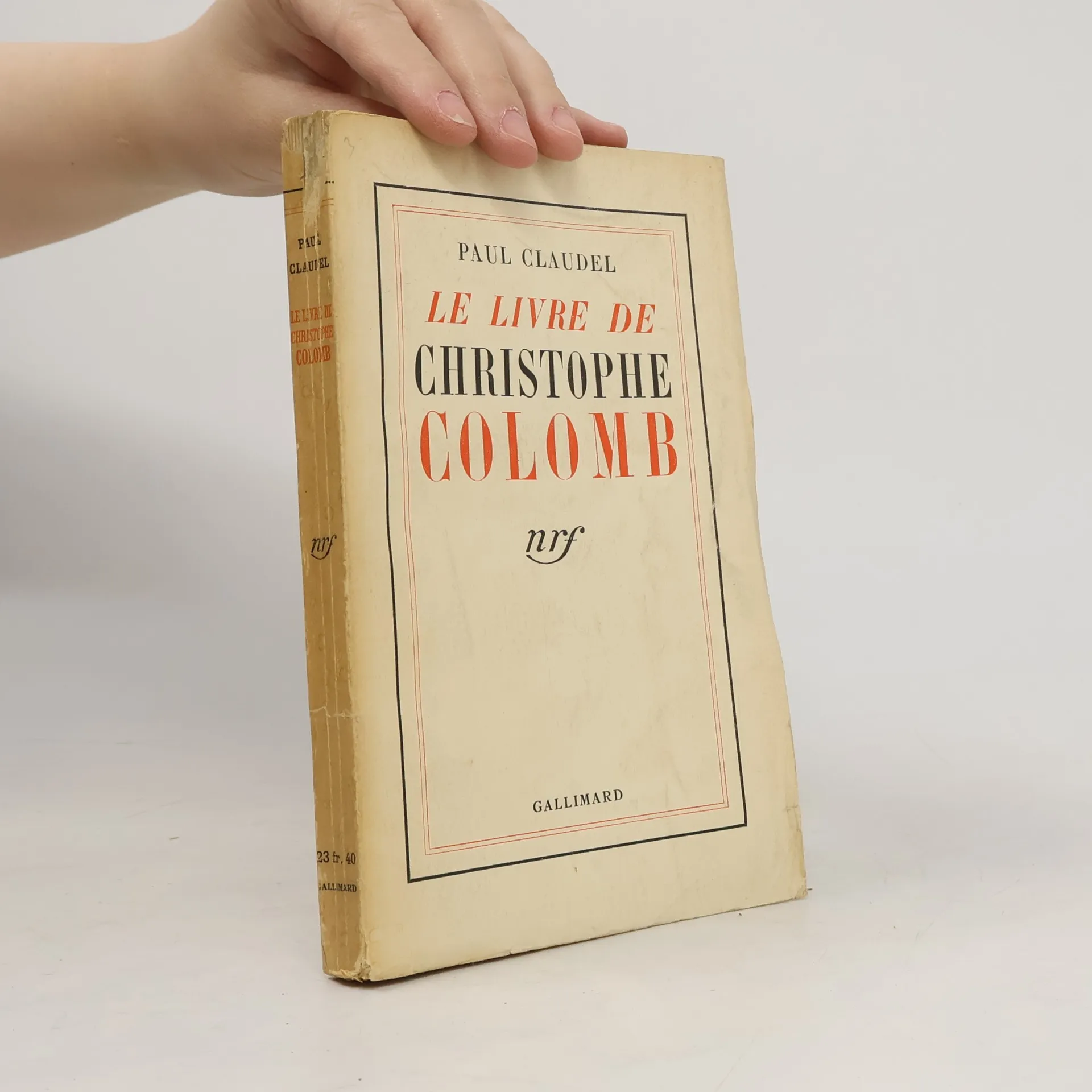
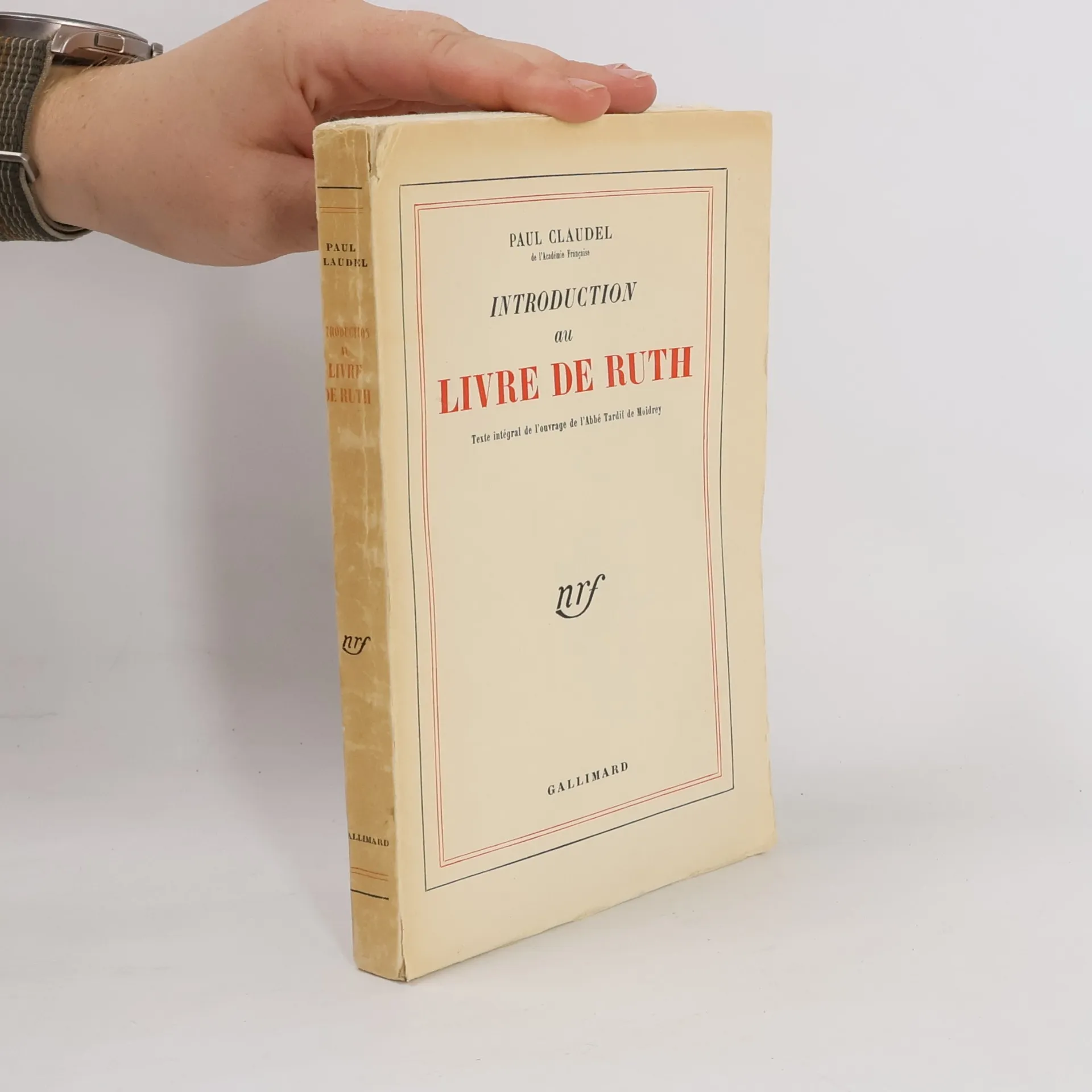
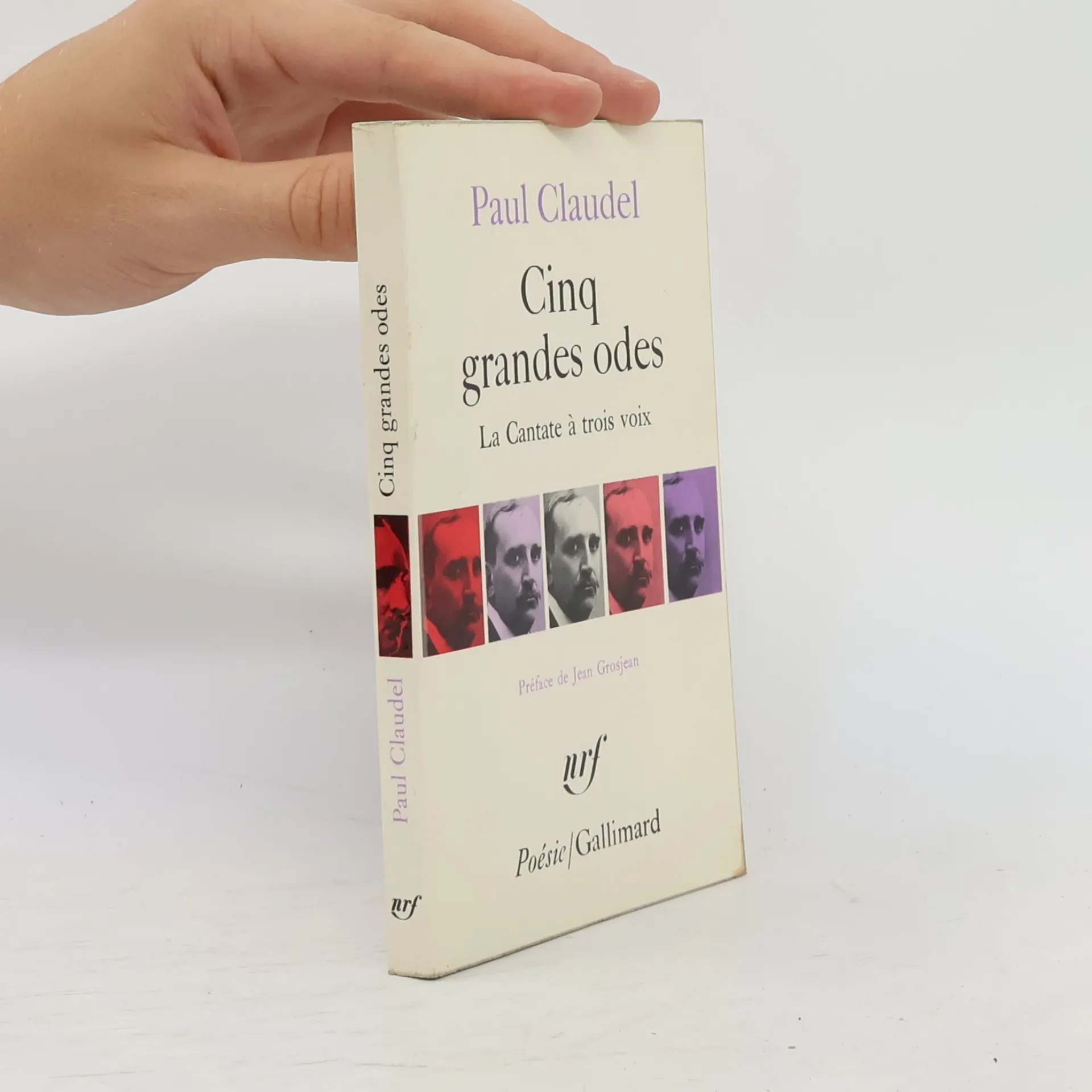
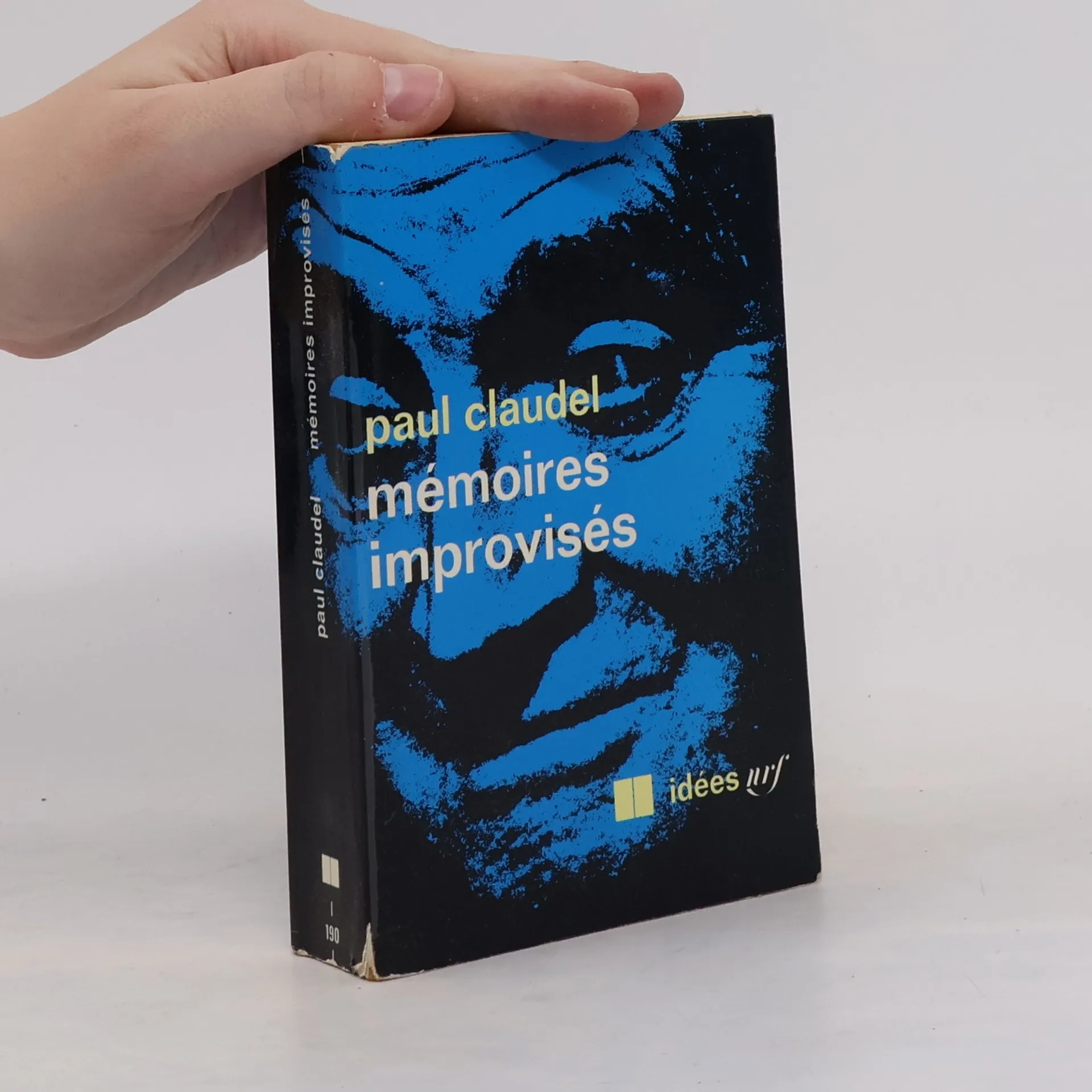
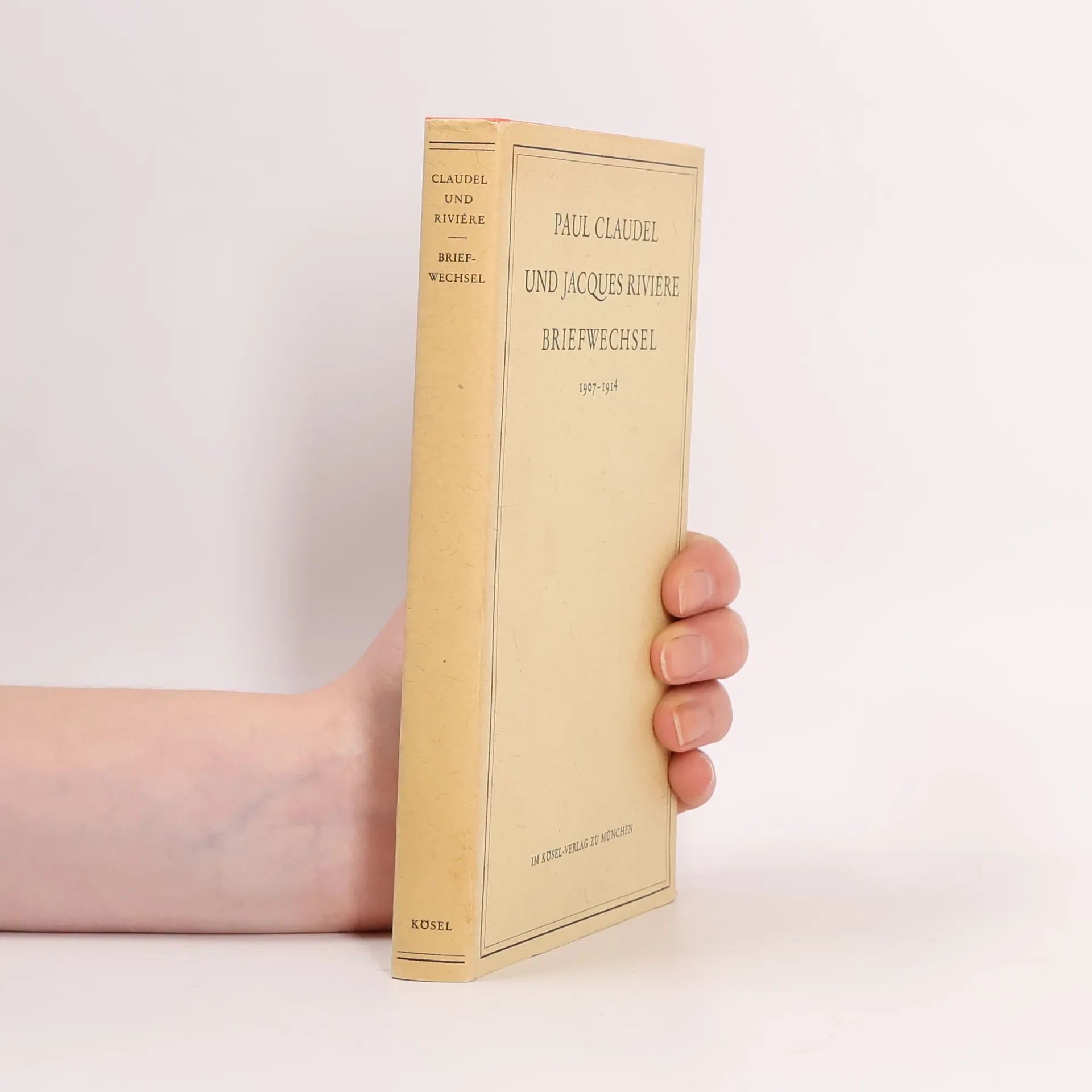
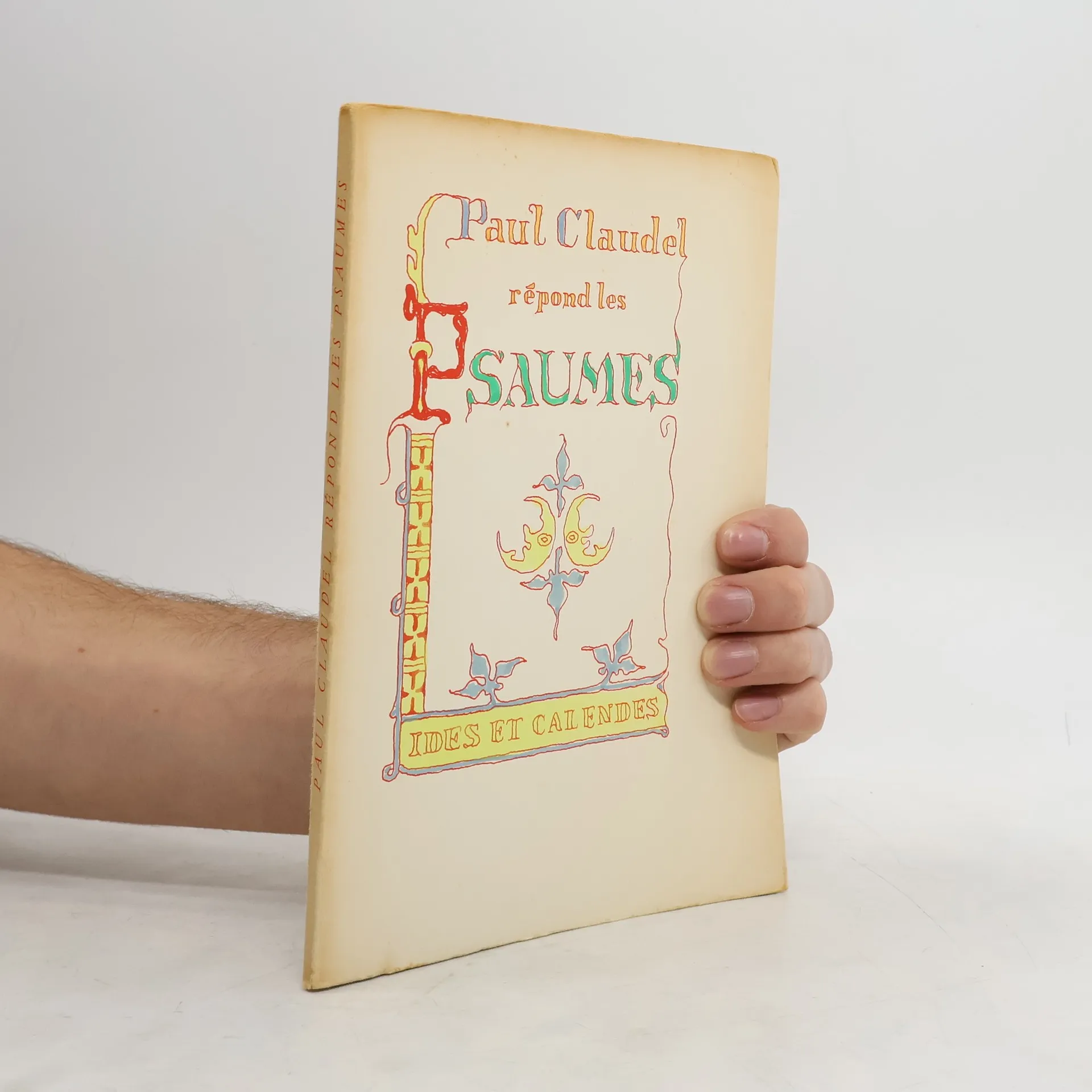
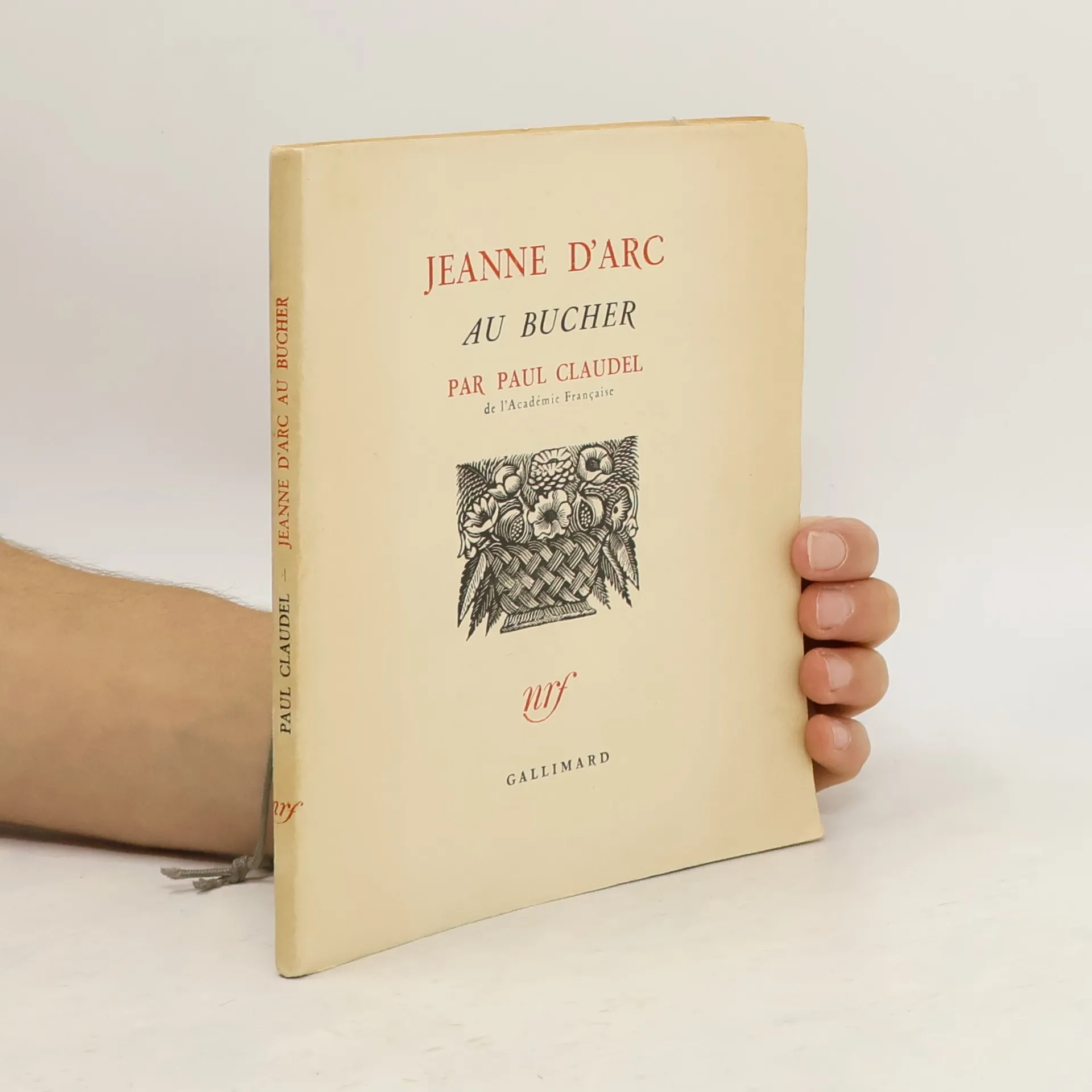
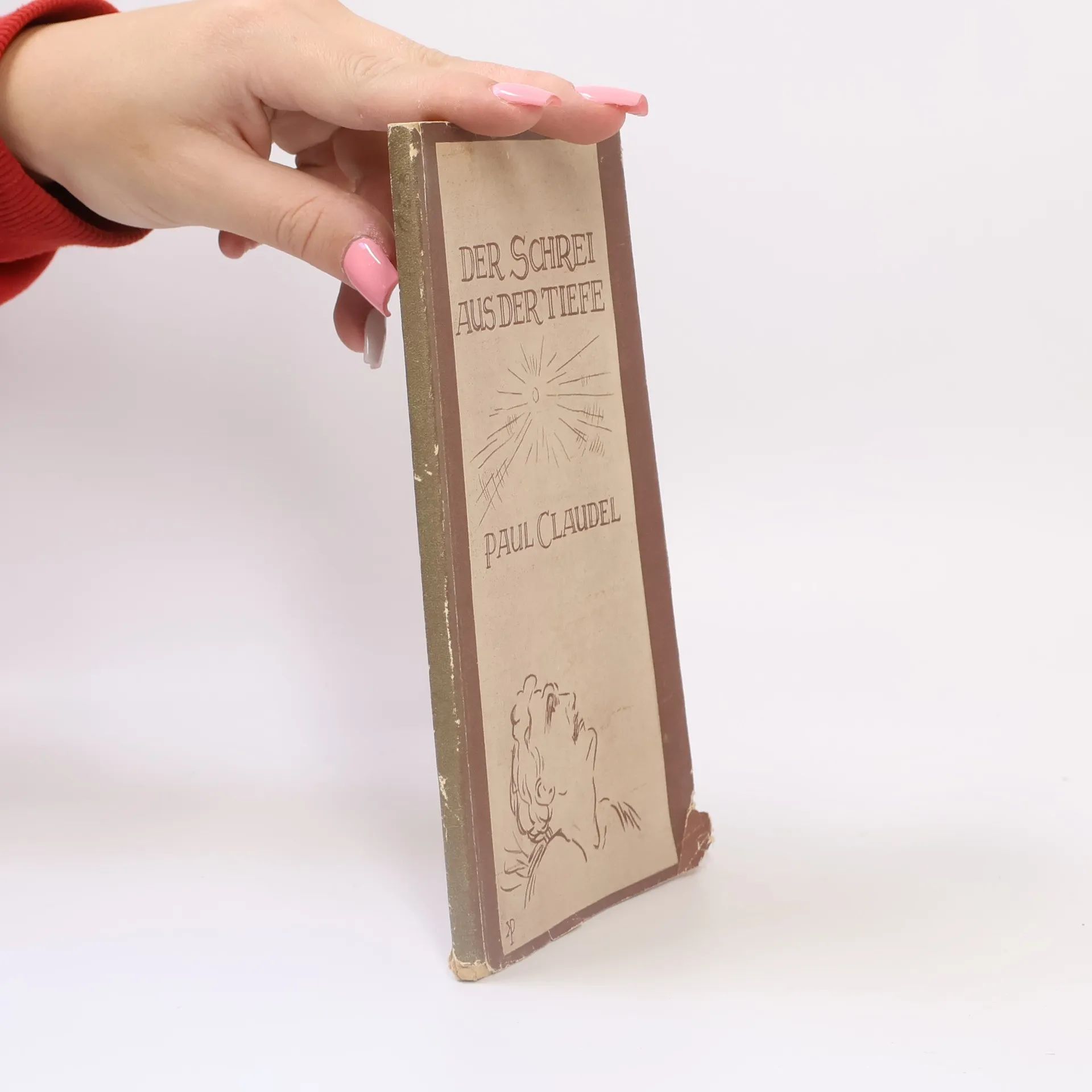
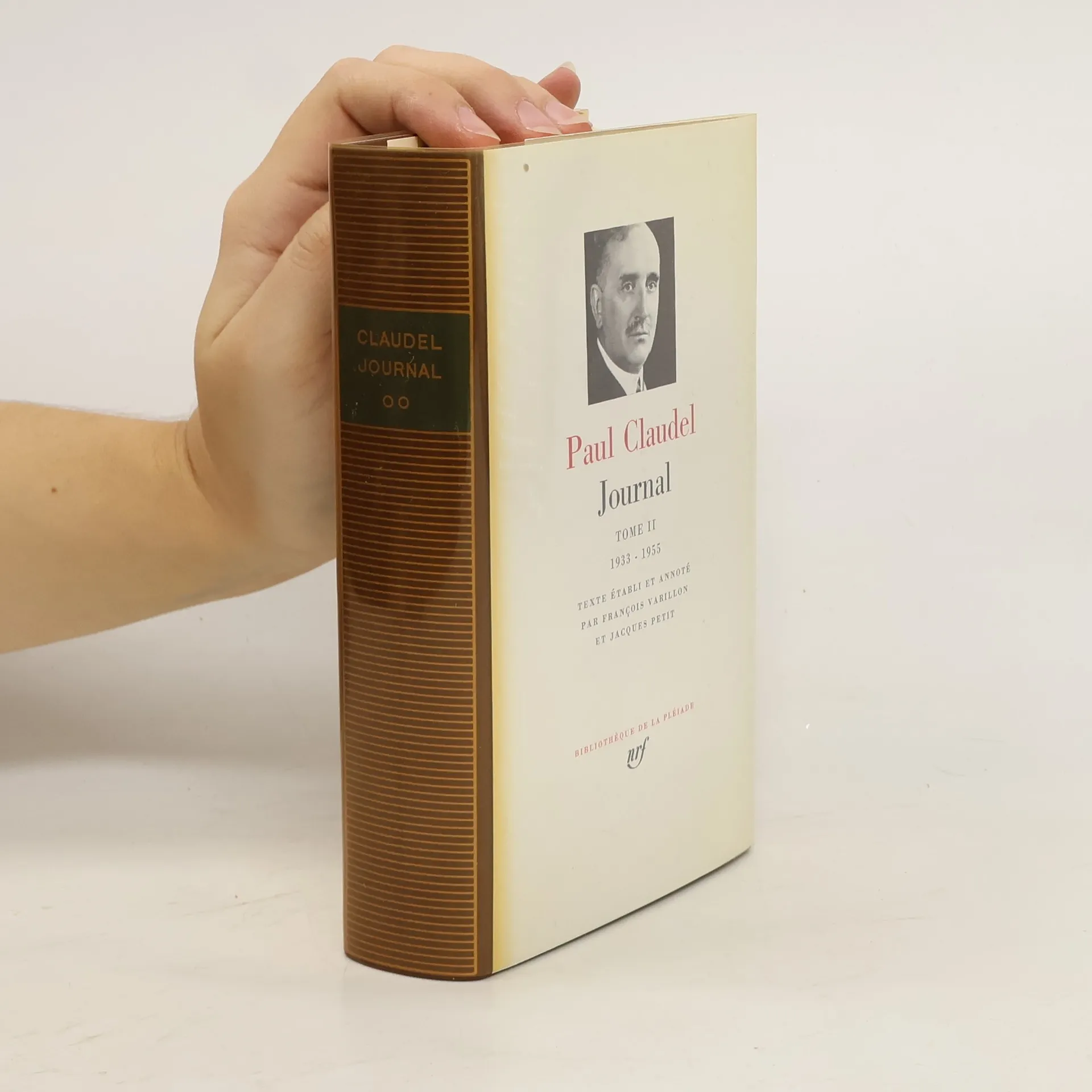
Paul Claudel was a French poet, dramatist, and diplomat, most renowned for his verse dramas. These works often convey his profound Catholic faith, weaving it into compelling narratives. Claudel's style is marked by its majestic quality and spiritual depth, resonating with themes of faith, destiny, and the human condition. His plays offer evocative imagery and powerful emotional experiences, drawing readers and audiences into a world of symbolism and transcendent concerns.
The collection features deeply resonant lyric poetry that blends earthly themes with spiritual reflection. Celebrated for its ecological and sacramental vision, Claudel's work stands alongside the likes of T. S. Eliot and Rainer Maria Rilke, showcasing its enduring relevance and artistic achievement in the twentieth century.
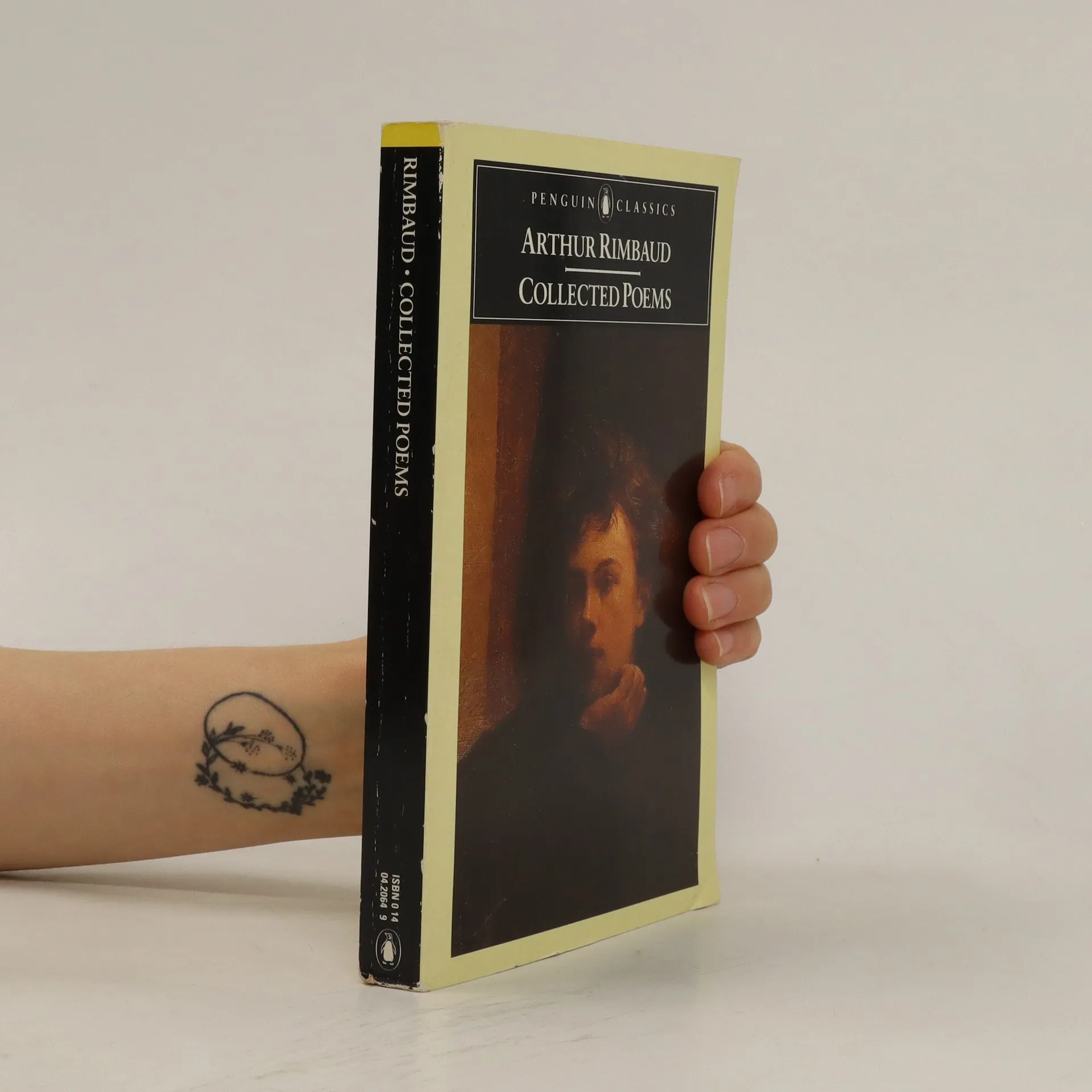
'The poet makes himself a seer by a long, prodigious, and rational disordering of all the senses. . .' Rimbaud was sixteen when he made this famous declaration. By 1886, then thirty-two and an explorer, trader and slave-trader on the Red Sea, he had absolutely no interest in the fate or success of the poetry infused with mysticism, alchemy and magic that he had written in his teens. That same year, in Paris, Les Illuminations was being published as the work of 'the late' Arthur Rimbaud, first in a Symbolist periodical and then in book form, with an Introduction by his former lover, Verlaine. Seldom has a writer's vision of changing the world through words failed so spectacularly as did Rimbaud's. That failure turned him into an incomparable tragic poet: not only 'a wild undisciplined genius, a mystic philosopher and thinker, an inspired poet' but also, according to Enid Starkie, 'one of the most finished artists . . . a supreme master of prosody and style'. This Penguin Classic reproduces the text of the Pléiade edition, 1954, with selected letters and prose translations that have been highly acclaimed.
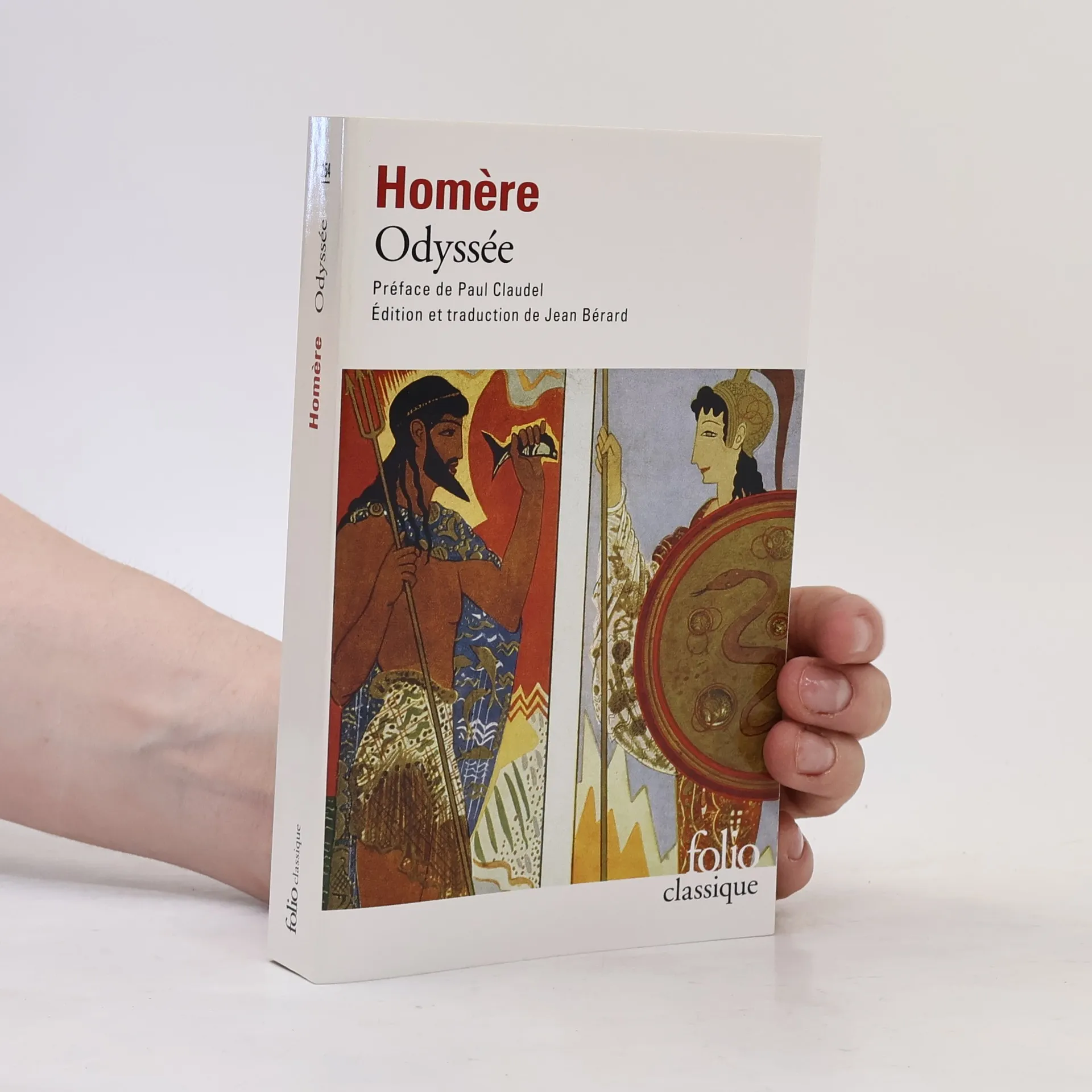
Dans la petite île d'Ithaque, Pénélope et son fils Télémaque attendent Ulysse, leur époux et père. Voilà vingt ans qu'il est parti pour Troie et qu'ils sont sans nouvelles de lui. De l'autre côté des mers, Ulysse a pris le chemin du retour depuis longtemps déjà. Mais les tempêtes, les monstres, les géants, les dieux parfois, l'arrêtent ou le détournent de sa route. Premier grand voyageur, Ulysse découvre l'Inconnu où naissent les rêves et les peurs des hommes depuis la nuit des temps ; l'Odyssée nous dit cette aventure au terme de laquelle le héros retrouve enfin, aux côtés de Pénélope, "la joie du lit ancien".
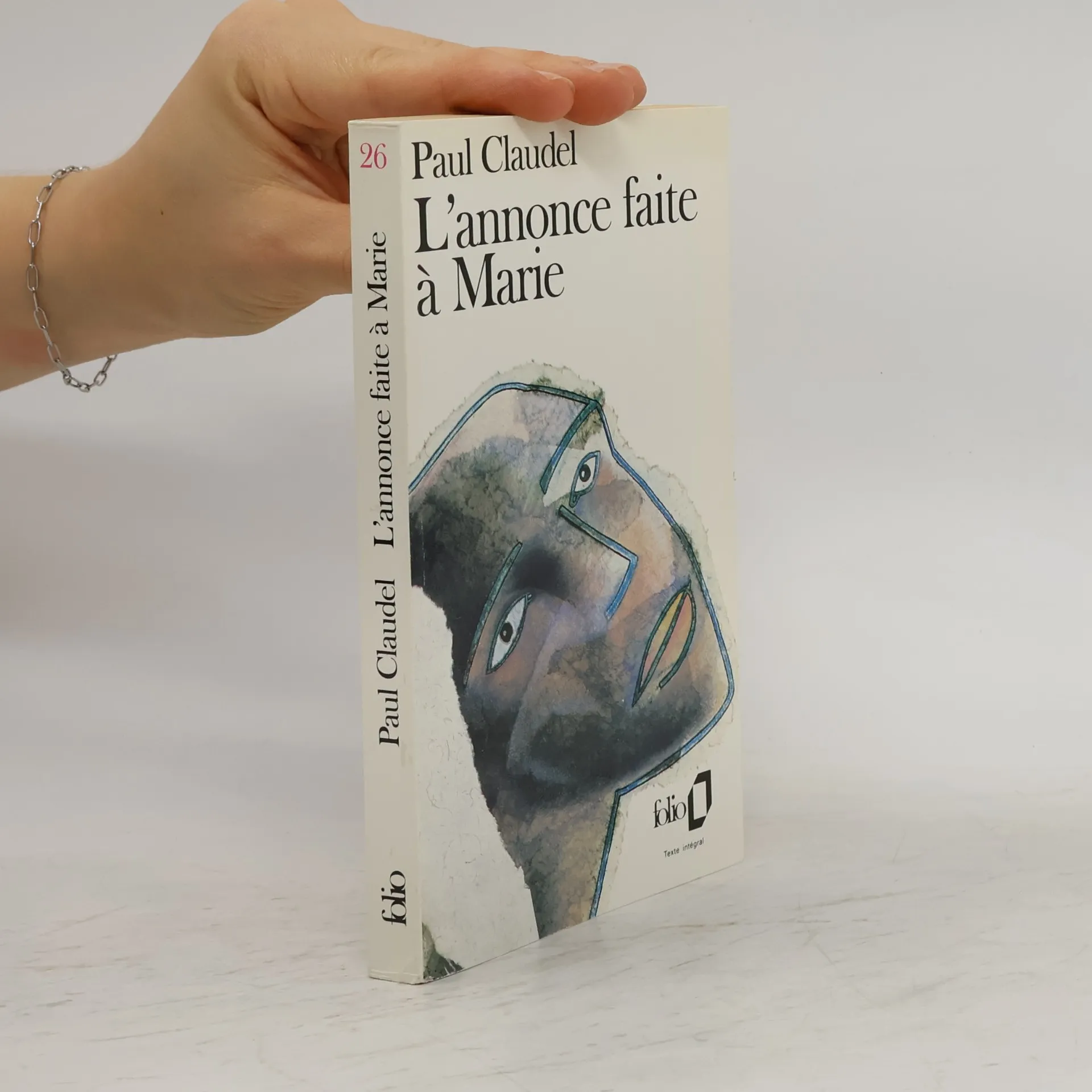
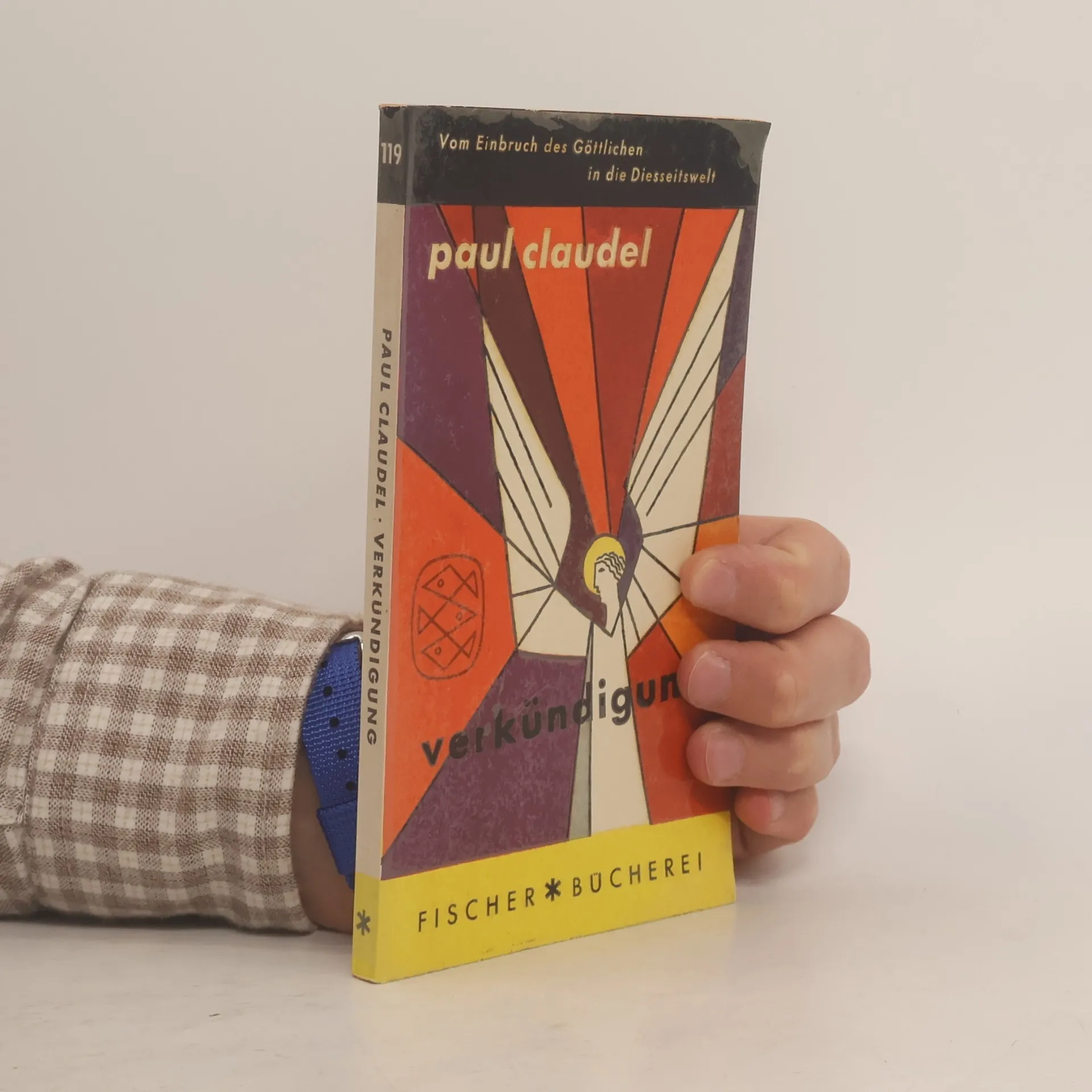
Après deux premières versions sous le titre La Jeune Fille Violaine, L'Annonce faite à Marie (1912) a encore été reprise par son auteur tard dans sa vie. Ce «Mystère en quatre actes et un prologue», à l'action touffue, mystérieuse, raconte l'ascension vers la sainteté de Violaine, lépreuse par charité (c'est le baiser à l'architecte Pierre de Craon), persécutée par les siens, et notamment par sa sœur Mara, abandonnée par son fiancé, et qui accomplit un miracle, sauver l'enfant de sa sœur, sans échapper pour autant à sa haine. La jeune fille, imitation de la Vierge Marie, exprime le mystère de la souffrance et de la destinée. Claudel y a mis son expérience de l'amour impossible, de la foi, et du rythme à la fois poétique et théâtral.
«Es ist vielleicht das Eigenartigste an Claudels Dichtung, daß alle großen Szenen, in denen das individuelle Schicksal der Haupthelden eine Entwicklung erfährt, immer in eine ethnologische, geographische, astronomische Schau ausmünden, wie umgekehrt alle großpolitische und kosmische Überlegung immer an die individuellen Schicksale geknüpft bleibt. Denn Rodrigo ‹gehört zu denen, die sich nicht retten können, als indem sie das ganze Gewimmel miterlösen, das hinter ihnen von ihrer Gestalt geprägt wird›. ... So gibt es hier überhaupt kein individuelles Schicksal, das nicht zugleich sozial und welthistorisch wäre.»
Dieses Heft hat als Thema Tête d'Or und die literarischen Anfänge. Man findet darin keine umfassende Studie über diese Anfänge, sondern, gruppiert um das erste große Drama und den ersten Meister, Briefe, Texte und Dokumente. Die Korrespondenz mit Stéphane Mallarmé eröffnet den Band. Pierre Moreau führt uns dann in die Freundschaft zwischen Claudel und Pottecher ein und offenbart ein intimeres Bild von Claudel. Claudels Vater teilt seinem Sohn seine Meinung zu dessen dramatischer Versuch mit; Jean Amrouche notiert, was ihm dasselbe Tête d'Or suggeriert; Jacques Petit schließlich versammelt die wichtige Korrespondenz, die rund um das Werk entstanden ist. Eine Studie von R. P. Varillon über den Symbolismus der Tür und eine weitere von Jean Wahl schließen diese erste Ausgabe ab.
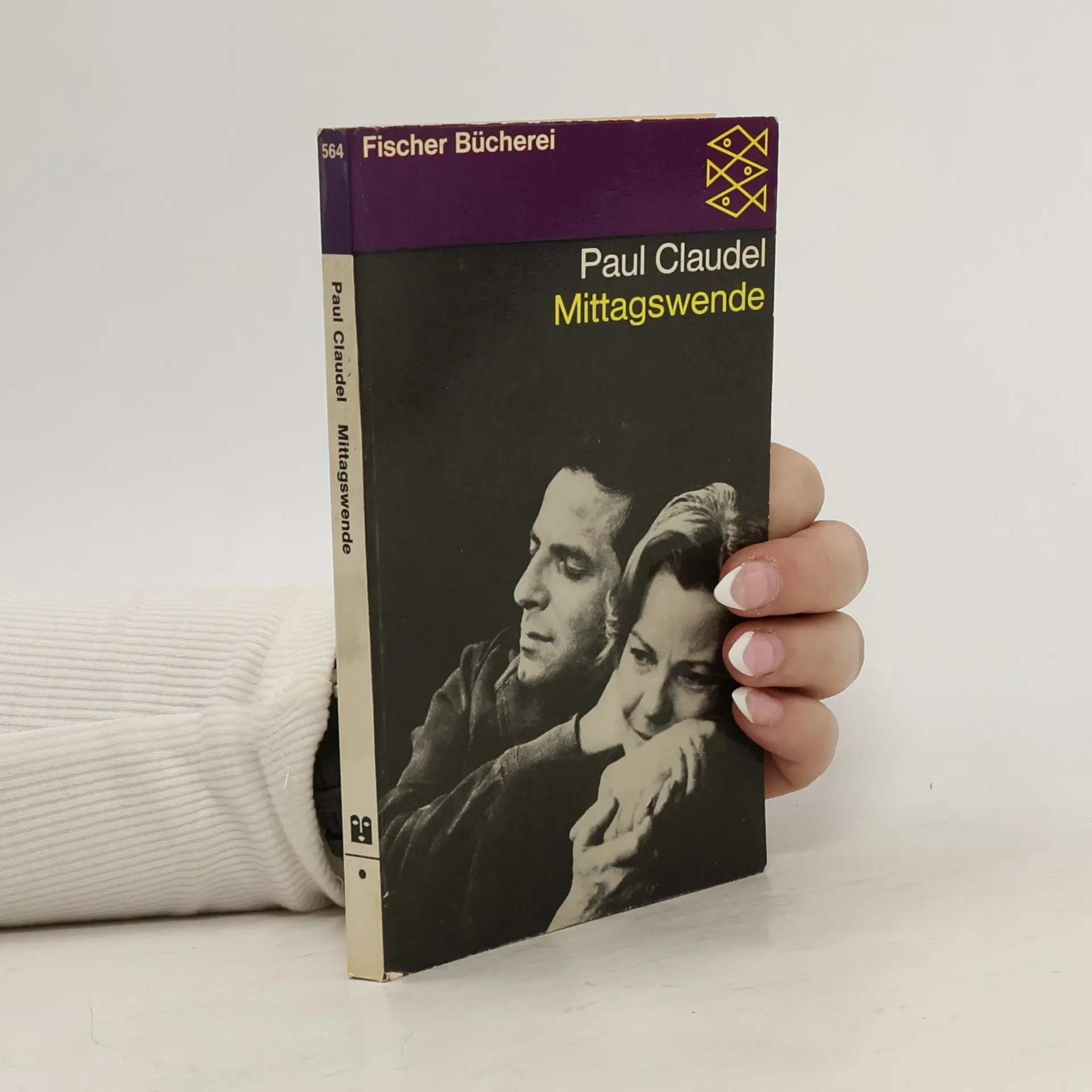
Dieses Werk ist ein Meisterwerk von Claudel aus dem Jahr 1906. In einem brennenden und poetischen Stil, eine Verbindung von Shakespeare und Rimbaud, wird das Glück und das Drama seines Lebens dargestellt. Ysé hat ihren Mann verlassen, um mit Mesa zu leben; sie verlässt diesen für einen dritten Mann, der sie nicht erfüllt. Die beiden Protagonisten sind miteinander verbunden. Der Mann, der nach dem Absoluten und Gott strebt, kann weder von der Frau befriedigt werden noch sich von ihr lösen. Die Frau liebt diesen Mann, der sie übersteigt und sie zu ihrem Unglück führt, bis „der siegreiche Geist in der Transfiguration der Mittagsstunde triumphiert“. Zum Originaltext kommen neue Elemente hinzu: zwei unveröffentlichte Versionen, die dem Text von 1906 vorausgehen und von Claudel inmitten des Dramas der Trennung und des Verlassens geschrieben wurden, sowie ebenfalls unbekannte Briefe, die der Dichter an das reale Vorbild von Ysé (und der Prouhèze aus dem Satin-Schuh) schrieb.
Sie spricht kein Wort und schaut Jesus an, wie er da kommt.Sie nimmt hin. Sie nimmt noch einmal hin. Streng unterdrückt sie jeden Schrei in ihrem starken, graden Herzen.Sie spricht kein Wort und schaut Jesus Christus an.Die Mutter betrachtet ihren Sohn, die Kirche ihren Erlöser. Heftig geht ihre Seele ihm entgegen, gleich dem Schrei des sterbenden Soldaten. Aufrecht steht sie vor Gott und hält ihm ihre Seele hin, daß er darin lese.Kreuzweg, 4. Station
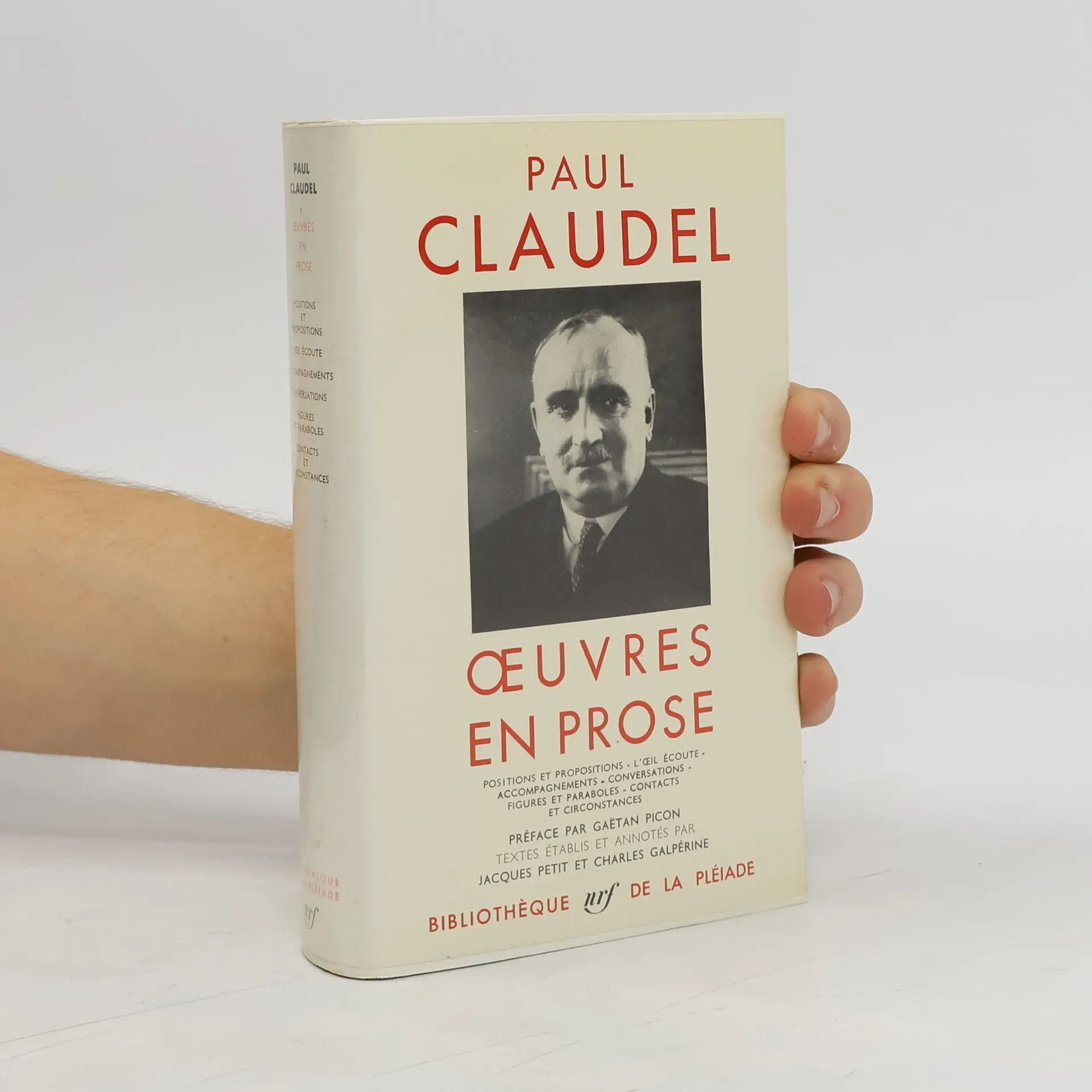
Positions et propositions - L'Œil écoute - Accompagnements - [Conversations] - Figures et paraboles - Contacts et Circonstances. Positions et propositions, L'Œil écoute, Contacts et circonstances... toute une série de recueils dans lesquels l'œuvre en prose, non religieuse, de Claudel se trouvait dispersée ; certains textes, même importants, n'avaient paru que dans des journaux ou des périodiques ; l'un ou l'autre demeurait inédit. Jacques Petit et Charles Galpérine ont regroupé et ordonné cette œuvre ; les grands recueils ont été repris avec de nombreux textes nouveaux. Une chronologie, des notes bibliographiques et historiques complètent cette publication.