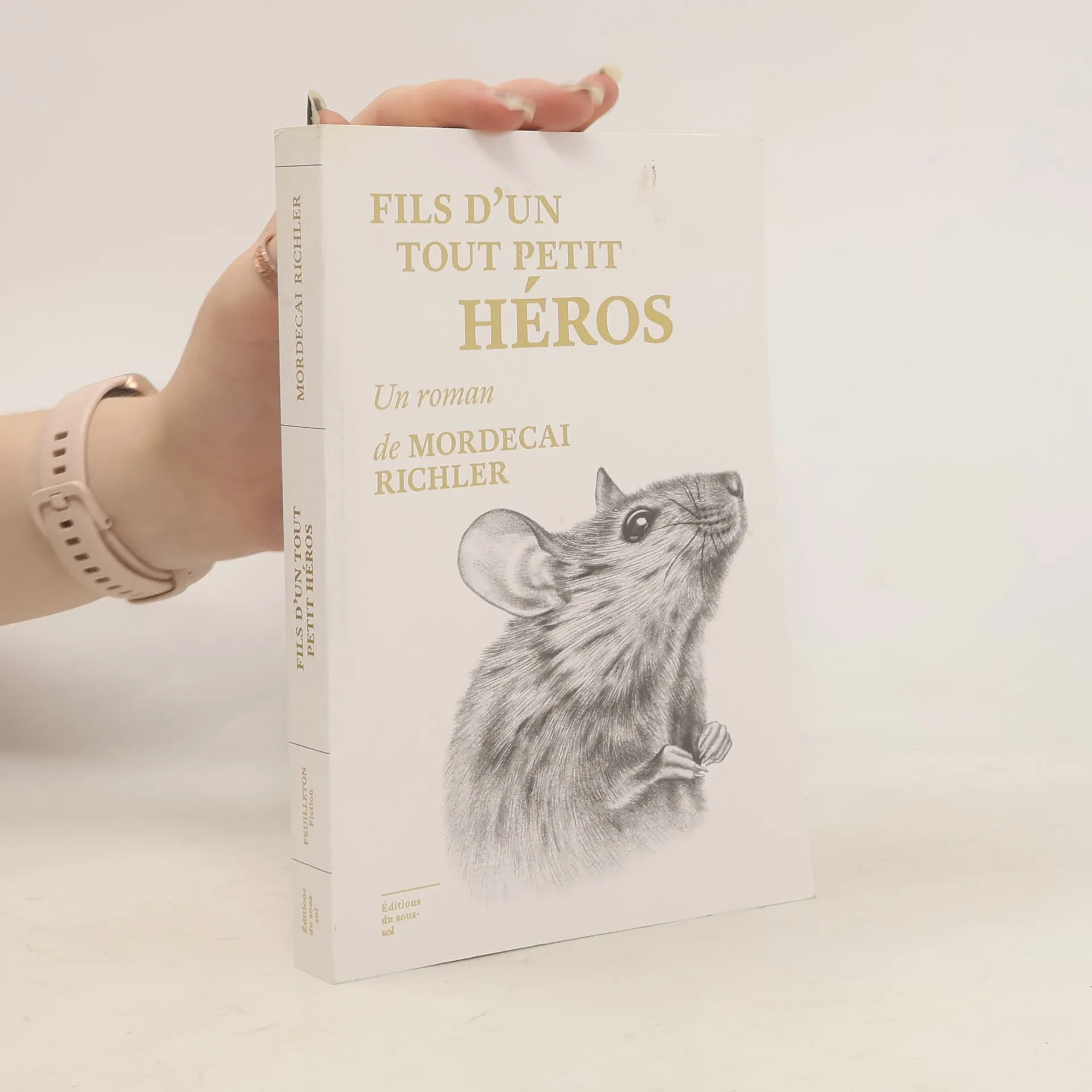

Fils d'un tout petit héros
- 305 pages
- 11 hours of reading
Mordecai Richler was a Canadian author renowned for his incisive and often satirical novels that frequently centered on Montreal's Jewish community. His writing was characterized by sharp wit, cynical humor, and a focus on the outsider and the marginalized. Richler explored themes of identity, assimilation, and the complexities of diaspora life. His style, marked by keen irony and unsparing honesty, garnered a dedicated readership and critical acclaim.


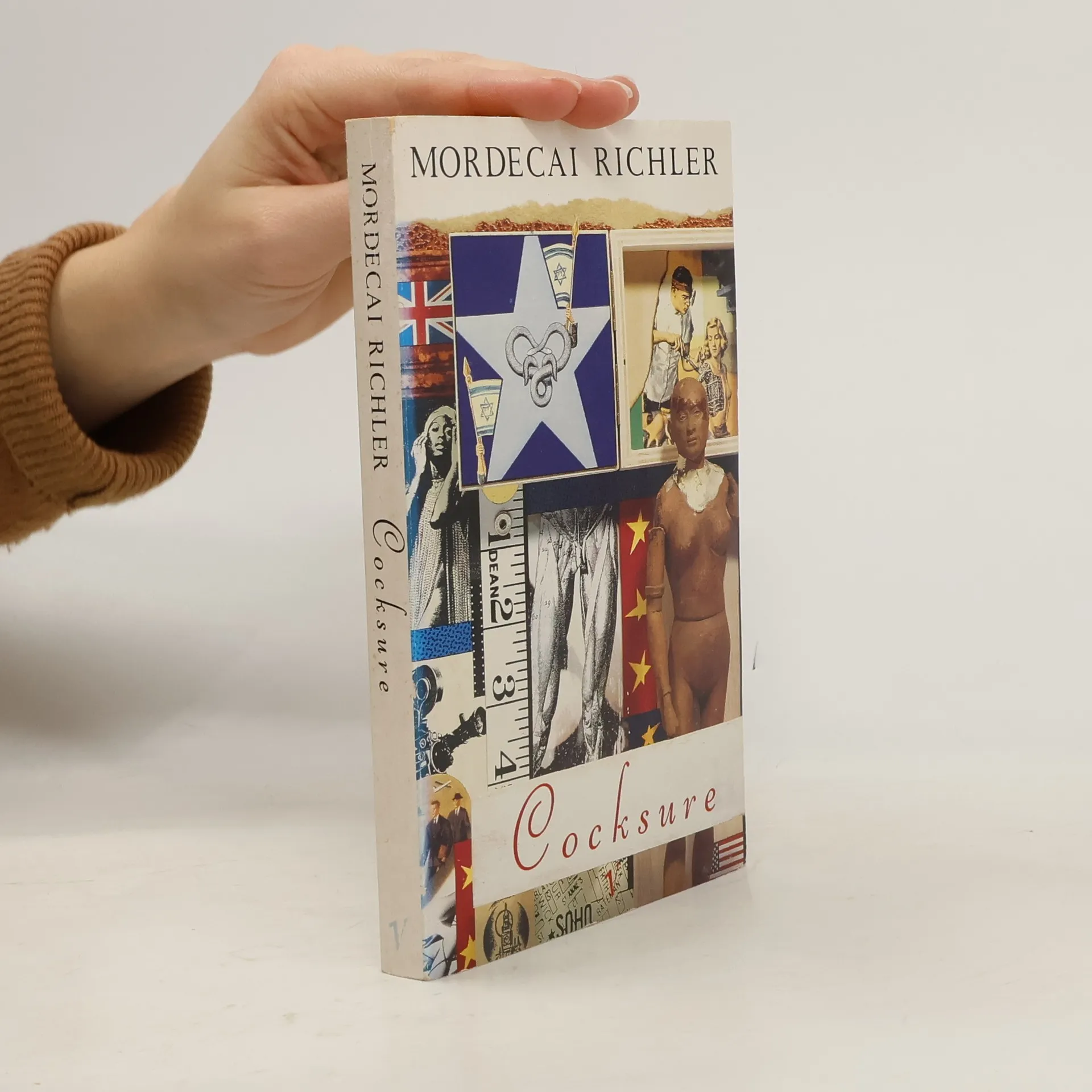
Mortimer Griffin, ein Lektor in London, erlebt die Umbrüche der sexuellen Revolution der 60er Jahre. Er muss seine Frau Joyce mit seinem besten Freund teilen, während sein Sohn Douglas frühzeitig mit Sexualität konfrontiert wird. Zudem steht sein Job in Gefahr, als ein Hollywood-Tycoon seinen Verlag übernimmt. Mortimer sucht nach dem Geheimnis des »Star-Maker«.
Im Jahre 1967, als in England mindestens 18% der Bevölkerung unter dem Existenzminimum vegetierten, erhält Jakob Hersch, aus dem Hause David, 15.000 Pfund dafür, dass er einen Unterhaltungsfilm nicht inszeniert. Er liebt seine Frau auf frischen, sauberen Laken, schickt seine Sprösslinge auf Privatschulen und beschwert sich über die steigenden Rotweinpreise. Bislang ging es für ihn stets aufwärts: von der engen St. Urbain Street im jüdischen Getto von Montreal hoch bis in die weltläufigen Intellektuellenkreise Londons. Doch dann wird er vom Schicksal ereilt und findet sich von einem auf den anderen Tag vor Gericht wieder. Ihm wird vorgeworfen, sich an einem deutschen Au-pair-Mädchen vergangen zu haben, nach Auffassung der britischen Ordnungsbehörden eine ebenso bizarre wie unbotmäßige Art der Vergangenheitsbewältigung. 'Der Traum des Jakob Hersch' ist ein vielschichtiger, respektloser und vor allem hochkomischer Roman über die Abenteuer eines neurotischen Filmregisseurs und gilt vielen schon heute als Klassiker der englischsprachigen Gegenwartsliteratur.
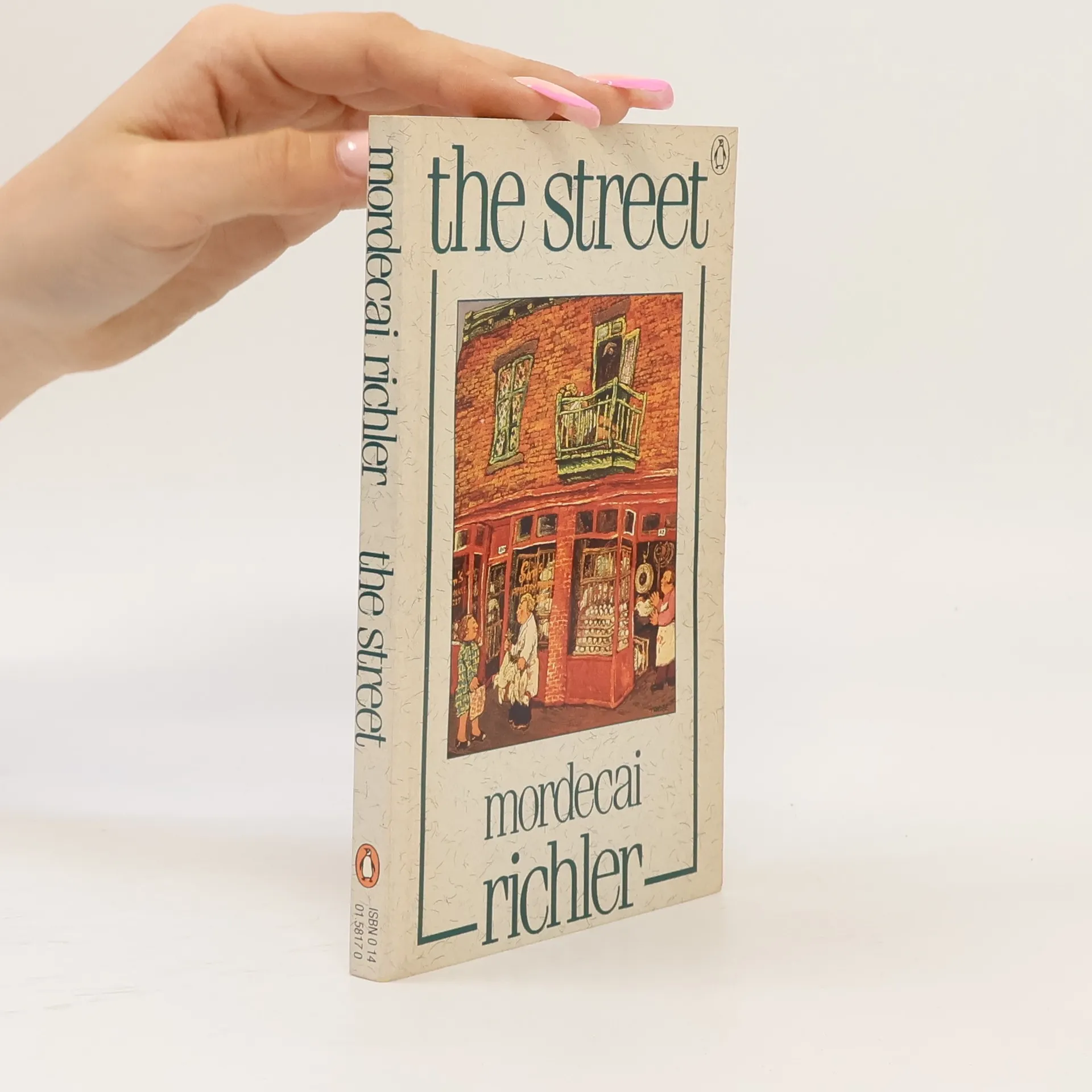
"Among the wonders of St. Urbain, our St. Urbain, there was a man who ran for alderman on a one-plank platform - provincial speed cops were anti-Semites. There was a semi-pro whore, Cross-Eyed Yetta, and a gifted cripple, Pomerantz, who had a poem published in "transition" before he shriveled and died at the age of twenty-seven. A boxer who once made the "Ring" magazine ratings. Lazar of Best Grade Fruit who raked in twenty-five hundred dollars for being knocked down by a No. 43 streetcar. A woman who actually called herself a divorcee. A man, A.D.'s father, who was bad luck to have in your house. And more, many more."
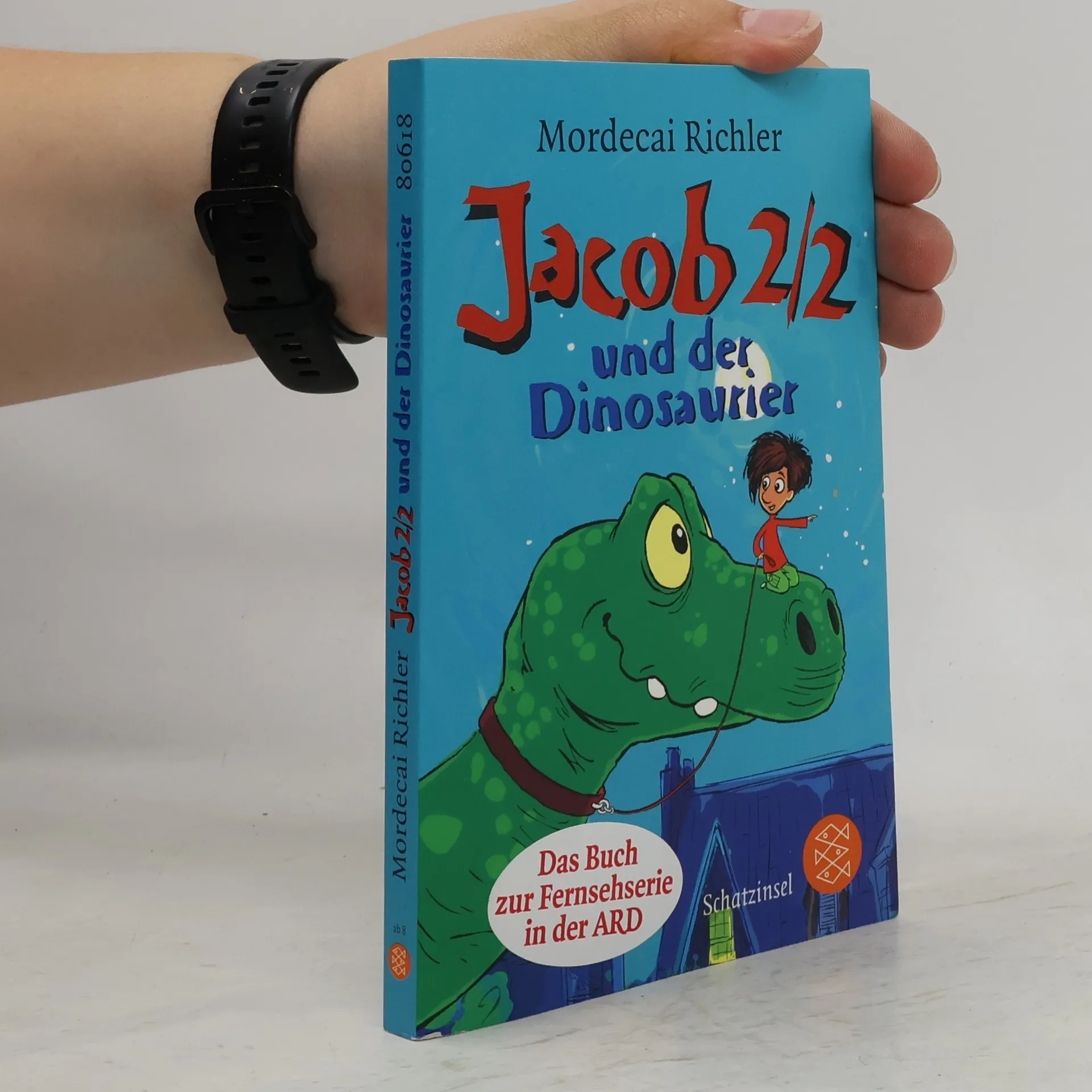
Dippy, so heißt Jacobs kleine grüne Eidechse, entpuppt sich innerhalb weniger Monate als echter Dinosaurier, der durch einen Zufall die Jahrmillionen im Eis überlebt hat. Der Dinosaurier mit dem Erbsenhirn will zwar keinem etwas zuleide tun, aber ungeschickt wie er ist, passiert ihm dauernd etwas. Bei einer Verfolgung flüchtet Jacob Two-Two mit Dippy vor seinen Angreifern in die Berge, wo Dippys Heißhunger auf Pizza die Verfolger schnell auf ihre Spuren bringt.
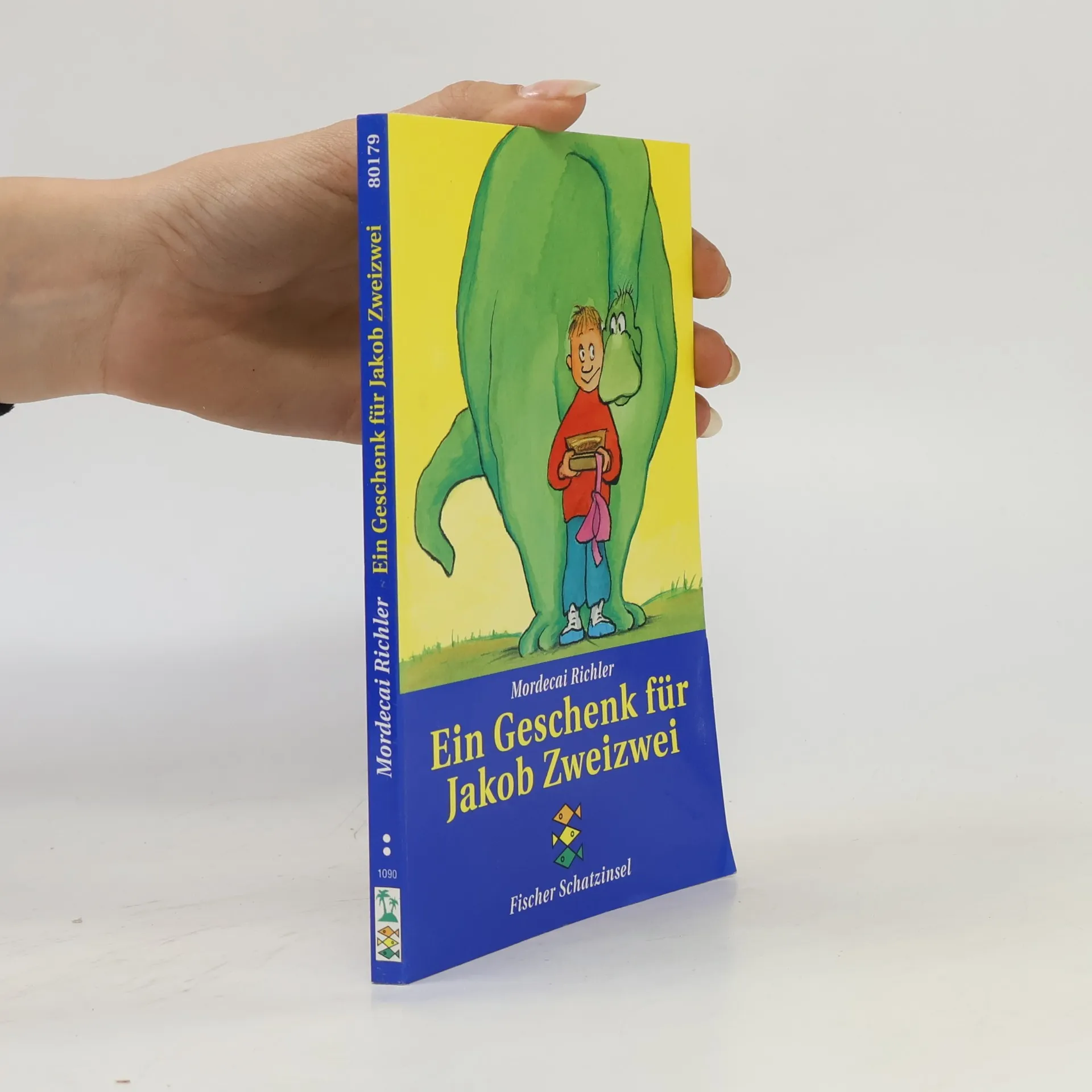
Jacob heißt Jacob Two-Two, weil er als Jüngster der Familie immer alles zweimal sagen muss, damit ihm überhaupt jemand zuhört. Diese Angewohnheit bringt ihn eines Tages ganz schön in Schwierigkeiten, denn er gerät in die Fänge des Fiesen Fletscher, der ihn auf seiner geheimnisvollen Insel gefangen nimmt. Jacob Two-Two ist zwar noch klein, aber es gelingt ihm trotzdem, den Fiesen Fletscher zu überlisten.
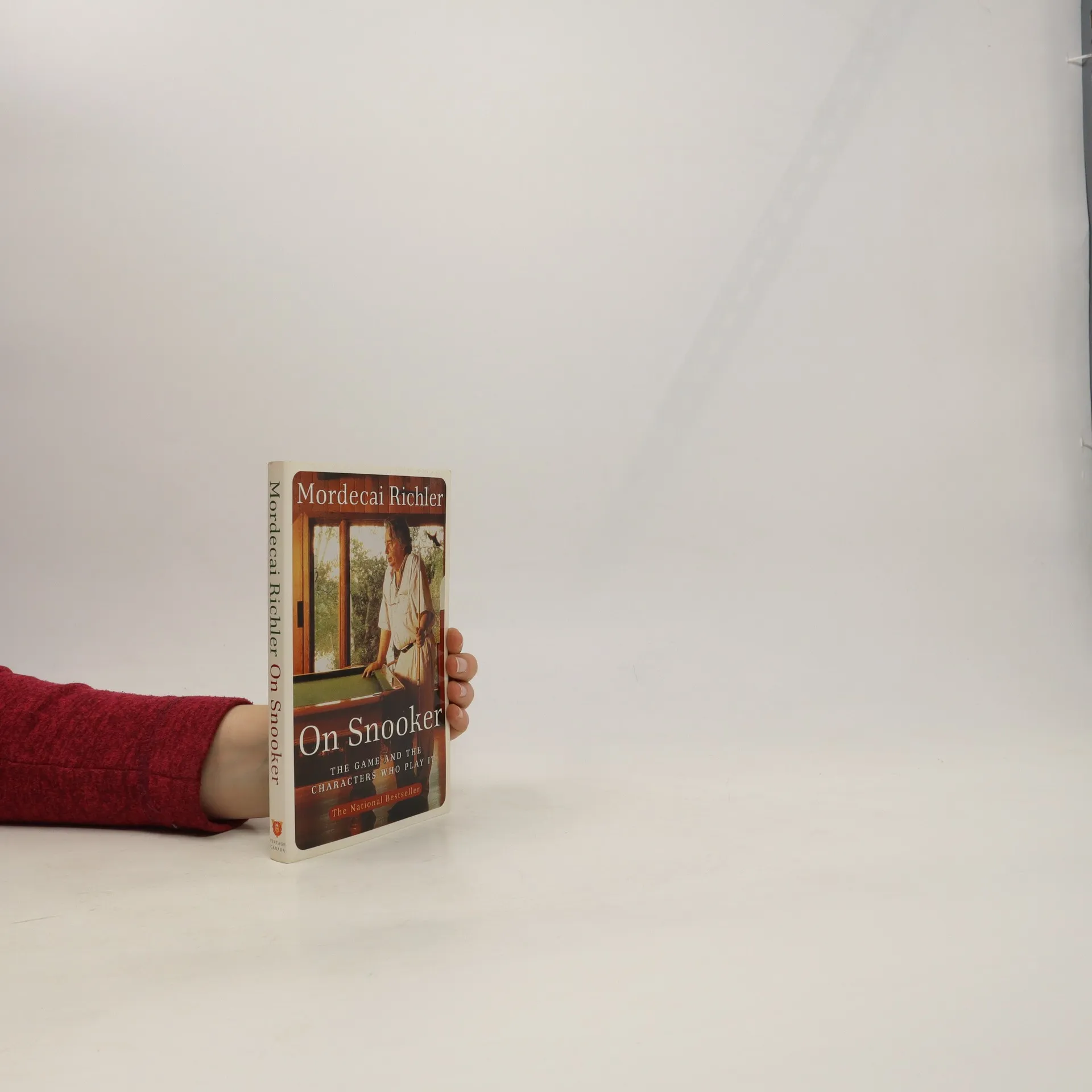
From his youthful days as a poolroom hustler, playing truant from Baron Byng High School, Mordecai Richler remained a snooker devotee. Here, in his inimitable style, he delves into that eccentric world with pith and perception. Outrageously funny, passionate and thoroughly researched on snooker tables from Montreal to Dublin, On Snooker takes us on an entertaining journey through the story and world of snooker, and introduces us to the game’s great players and bad boy champions. It is a book that lovers of great sports writing will cherish, from a masterful storyteller.
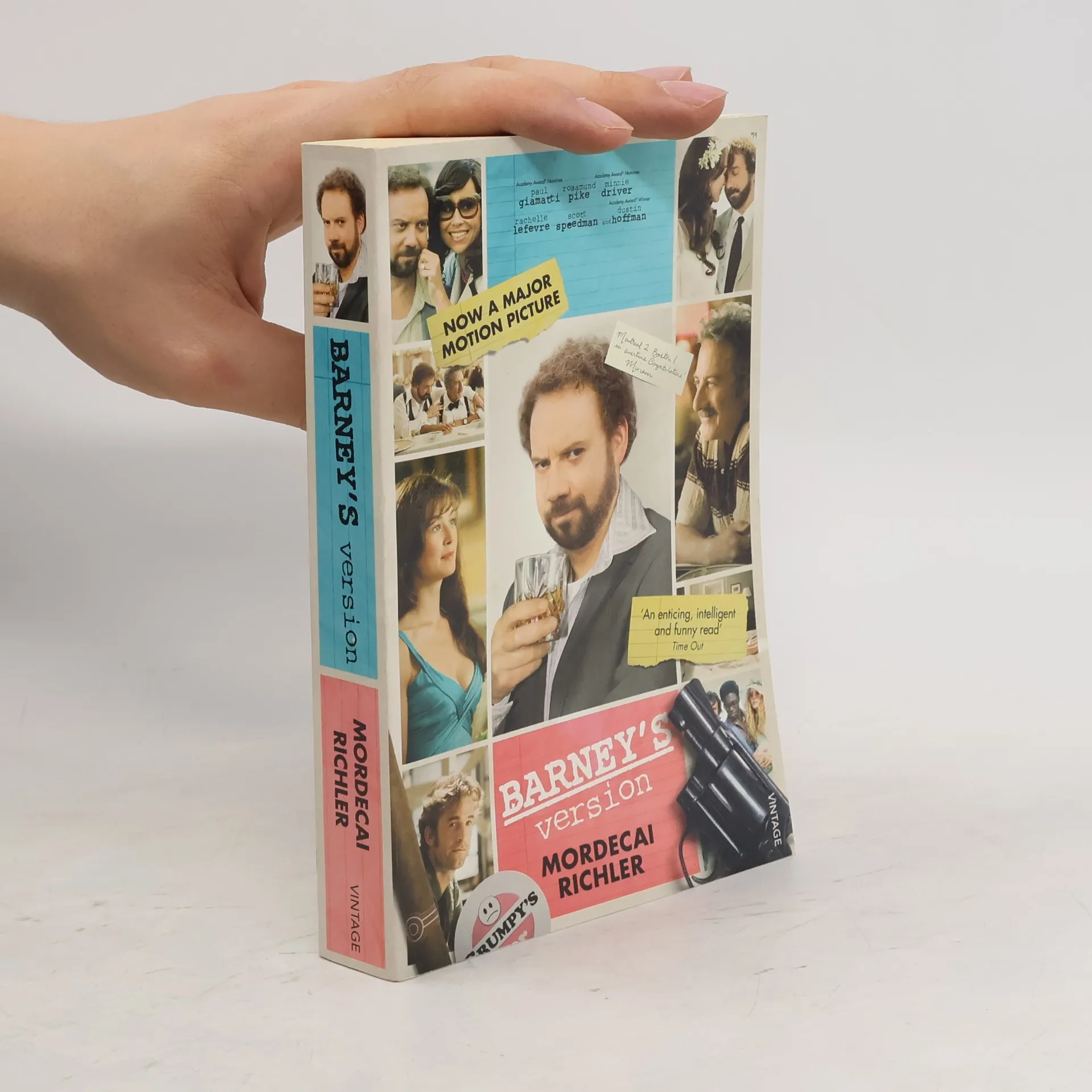
Even Barney Panofsky's friends tend to agree that he is 'a wife-abuser, an intellectual fraud, a purveyor of pap, a drunk with a penchant for violence and probably a murderer'.
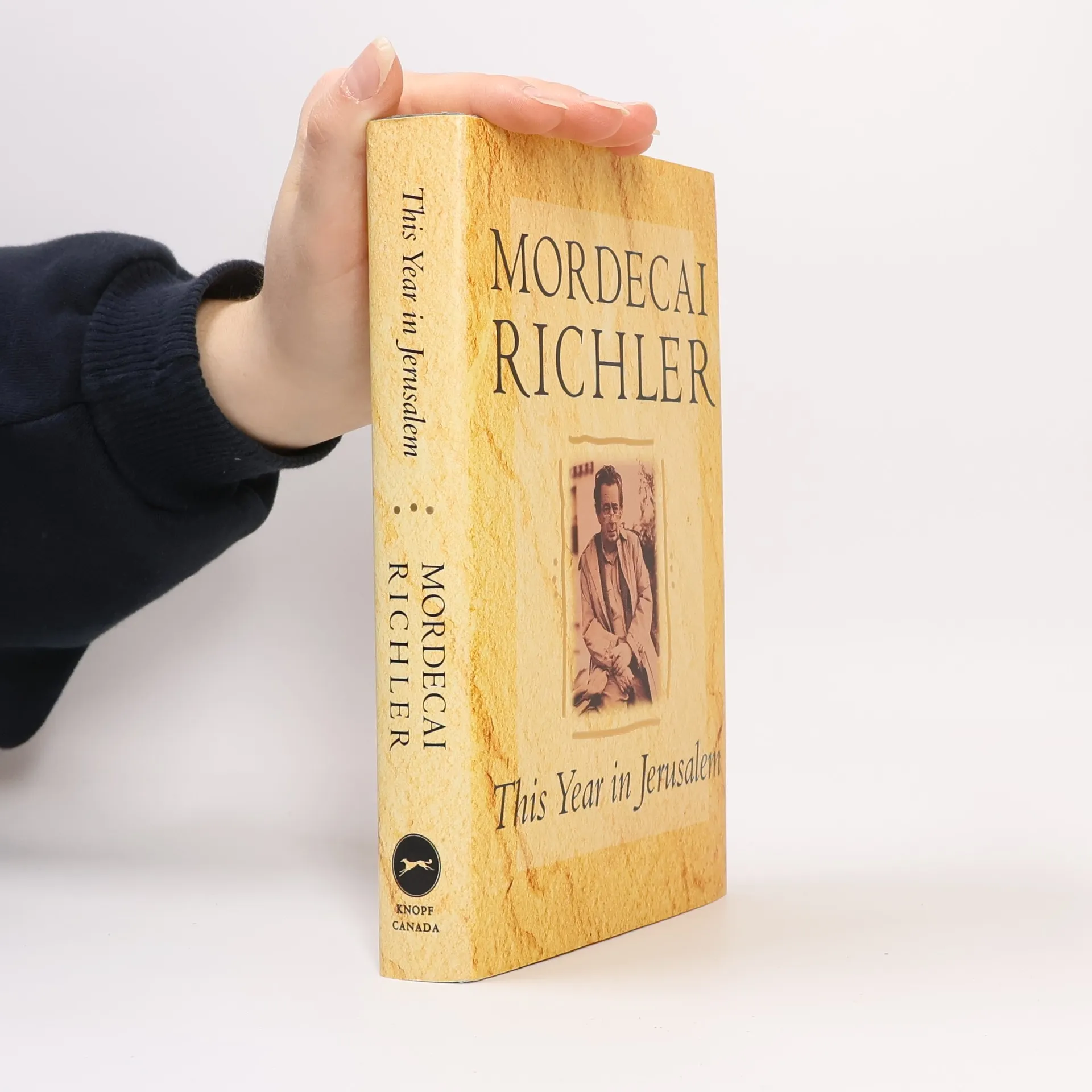
In 1944, three youth groups were dedicated to the idea of an independent Jewish state: Hashomer Hatza'ir, Young Judaea, and Habonim. Hashomer Hatza'ir was firmly Marxist, with reports suggesting that boys and girls under eighteen showered together on their kibbutzim in Palestine. A notable member in Montreal was Shloime Schneiderman, my high-school classmate, who gained brief fame for leading a demonstration against a price hike in chocolate bars. Members of Hashomer Hatza'ir wore blue uniforms at meetings and conducted court martials, as noted by Marion Magid in her memoir about Habonim in the Bronx. In contrast, the girls from Young Judaea preferred pearls and cashmere, living in affluent neighborhoods with homes featuring heated towel racks and playrooms. I joined Habonim, the youth group of a Zionist political party with socialist roots, shortly after my bar mitzvah and during my first year at Baron Byng High School, having been recruited by a classmate named Jerry Greenfeld.
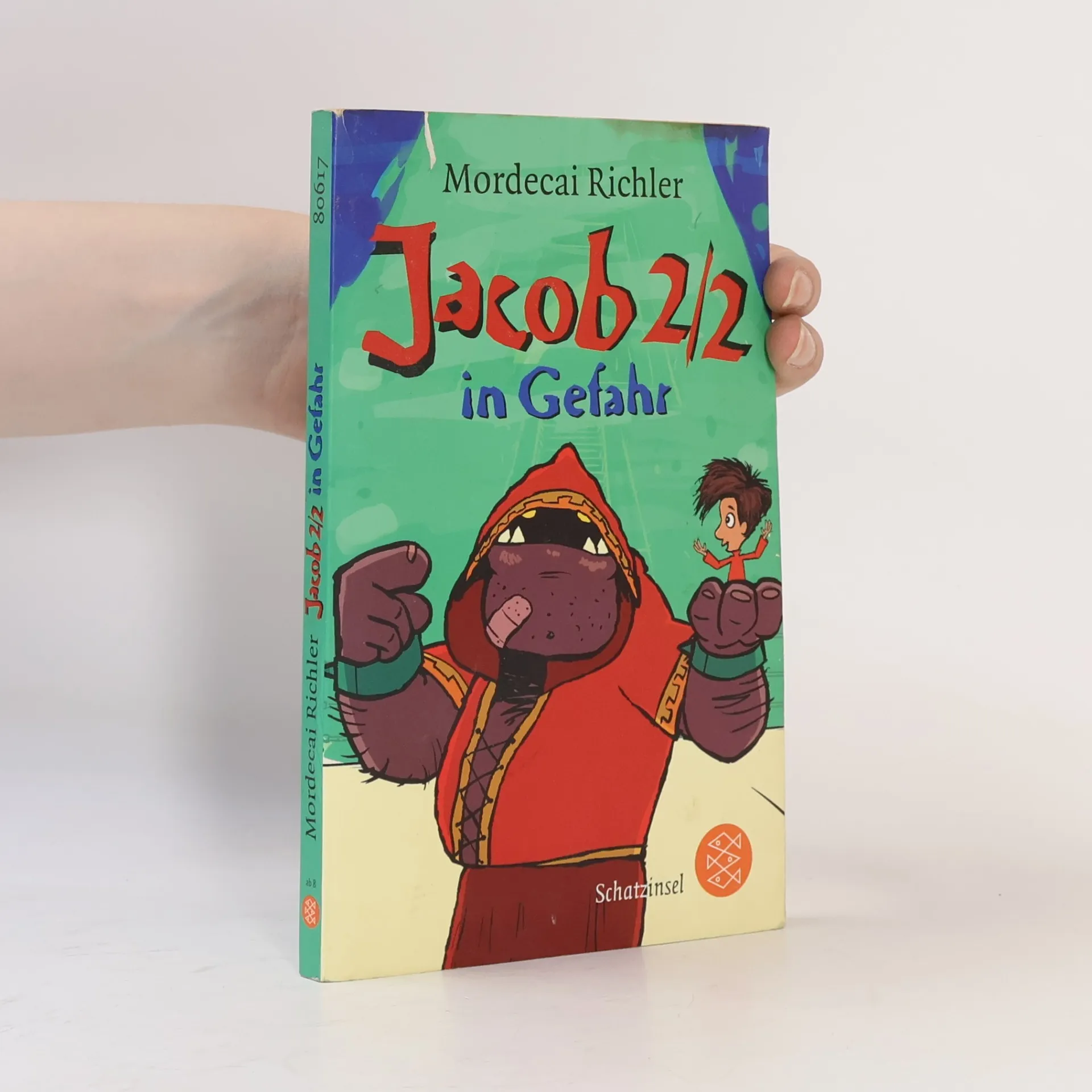
At just six years old, Jacob Two-Two finds himself imprisoned by The Hooded Fang for the grave offense of insulting an adult. This whimsical tale explores themes of childhood innocence, the absurdity of adult authority, and the power of imagination as Jacob navigates his bizarre predicament. His adventure unfolds in a fantastical world where he must confront challenges and outsmart his captor, ultimately highlighting the resilience and creativity of a young mind facing unjust punishment.