In this major book, Honneth argues that the 'struggle for recognition' is and should be at the center of social conflicts. Honneth examines the arguments put forward by Hegel in his Jena writings and situates them against the background of modern philosophy's conception of human life as a struggle for existence. He shows how the notion of the struggle for recognition changes in Hegel's work as he moves from an intersubjective paradigm to one based on consciousness. Drawing on Marx, Sorel and Sartre, he examines the importance of the struggle for recognition and of the moral basis of interaction in human conflicts. Finally, he discusses the relation between the recognition model and conceptions of modernity, the normative basis of social theory, and the possibility of mediating between Kant and Hegel. "The Struggle for Recognition "draws together a wide variety of themes and concerns, moving smoothly between moral philosophy and social theory. It will be essential reading for anyone interested in this central aspect of Hegel's thought and, more broadly, in critical theory and social philosophy.
Axel Honneth Books
Axel Honneth's work centers on social-political and moral philosophy, particularly exploring relations of power, recognition, and respect. A core argument is the primacy of intersubjective relationships of recognition for understanding social dynamics. He posits that non-recognition and misrecognition serve as fundamental sources of social and interpersonal conflict. Ultimately, Honneth views grievances concerning the distribution of societal goods as struggles for recognition.





Pathologies of Reason
- 236 pages
- 9 hours of reading
Axel Honneth has been instrumental in advancing the work of the Frankfurt School of critical theorists. His essays, collected here, address the possibilities of continuing this tradition through radically changed theoretical and social conditions.
Theodor W. Adorno, negative Dialektik
- 218 pages
- 8 hours of reading
In einem Brief nennt Adorno die „Negative Dialektik“ kurz nach ihrem Erscheinen unter seinen Schriften „das philosophische Hauptwerk, wenn ich so sagen darf“. Dieser herausgehobenen Bedeutung, die das Werk für Adorno hatte, entspricht nicht nur die lange Zeit, die er mit der Abfassung des Buchs beschäftigt war, sondern auch die lange Geschichte, die ihre zentralen Motive in seinem Denken haben. Philosophische Begriffsklärung, die Arbeit an “Begriff und Kategorien“ einer negativen Dialektik, versteht Adorno dabei als dialektischen Übergang in inhaltliches Denken – und so betreibt er sie auch hier. Das hat Konsequenzen für die Form des kooperativen Kommentars, der in diesem Band versucht wird. Adornos „Negative Dialektik“ zu kommentieren, kann nur in dem Bewußtsein der unüberbrückbaren Kluft gelingen, die den Kommentar von diesem Text trennt.
Suhrkamp Taschenbuch Wissenschaft - 1959: Das Ich im Wir
Studien zur Anerkennungstheorie
- 308 pages
- 11 hours of reading
In den Aufsätzen dieses Bandes verfolgt Axel Honneth seine Überlegungen zu einer Theorie der Anerkennung weiter, vertieft klassische Fragestellungen und erschließt neue Forschungsfelder. Im Vordergrund steht dabei die Absicht, die ursprünglich von Hegel entwickelten Ideen für eine zeitgenössische Konzeption der Gerechtigkeit fruchtbar zu machen. Es soll aber auch gezeigt werden, daß von einem normativen Begriff der Anerkennung aus eine Brücke zu sozialwissenschaftlichen Themen zu schlagen ist, wie sie in der soziologischen Gegenwartsdiagnose oder der Psychoanalyse verhandelt werden.
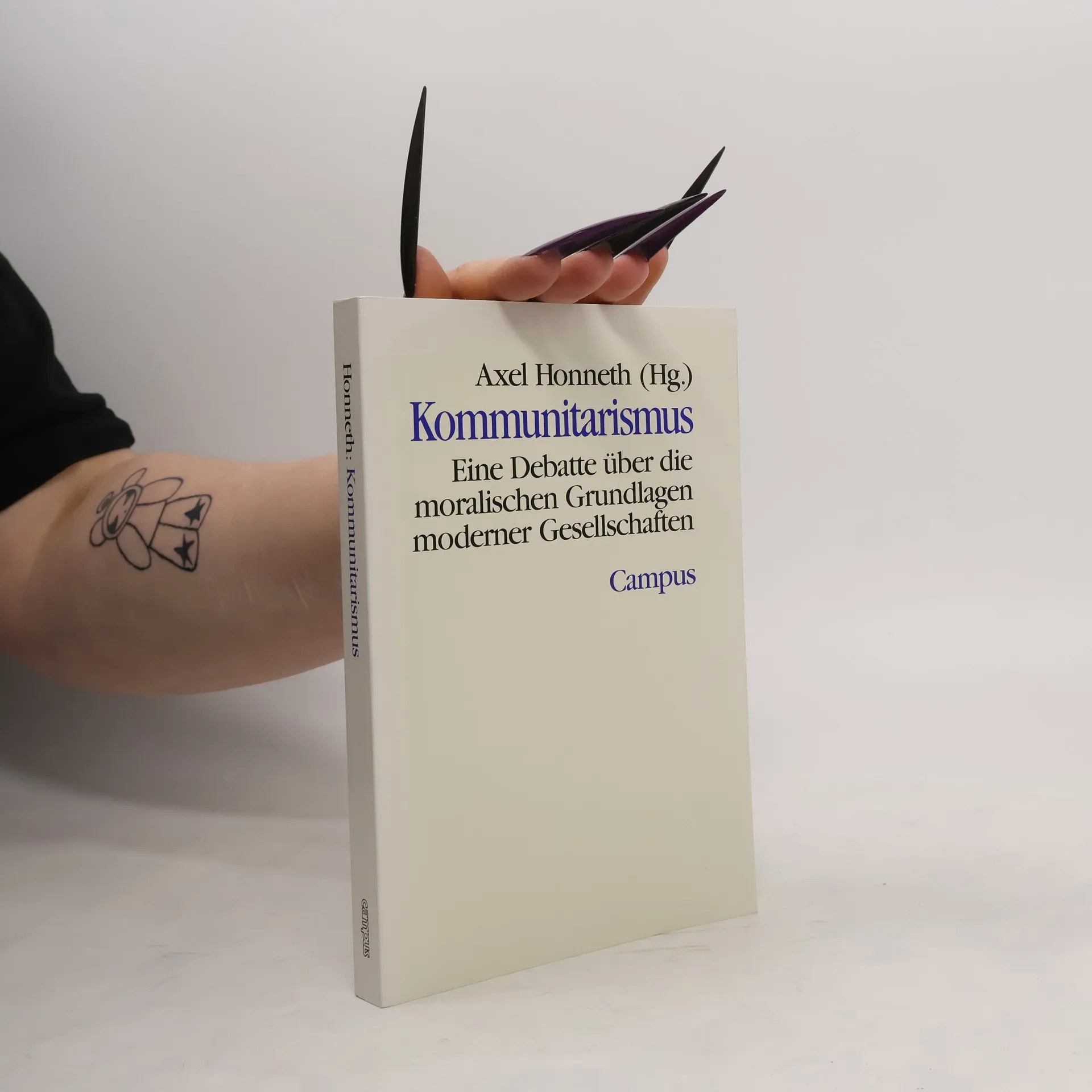
Kommunitarismus
Eine Debatte über die moralischen Grundlagen moderner Gesellschaften
- 226 pages
- 8 hours of reading
Kaum eine Kontroverse innerhalb der politischen Philosophie hat in den letzten Jahren größere Aufmerksamkeit auf sich gezogen als die in den USA zwischen Liberalen und den sogenannten Kommunitaristen. Die Vertreter des Kommunitarismus, zu denen Charles Taylor, Michael Sandel, Alasdair MacIntyre und Michael Walzer gehören, wenden gegenüber der liberalen, heute vor allem von John Rawls repräsentierten Theorietradition ein, dass sie der unhintergehbaren Bedeutung der partikularen, gemeinschaftsgebundenen Wertüberzeugungen weder politisch noch moraltheoretisch gerecht werden kann, weil sie von vereinzelten Subjekten ausgeht. Von diesem theoretischen Schlüsselproblem aus eröffnen sich alternative Zugänge zu einer Reihe von Fragen, die die Begriffe der Gerechtigkeit, der Moral und der Demokratie betreffen.
Die Theorie der Gerechtigkeit ist ein zentrales Thema der zeitgenössischen Philosophie, doch viele bestehende Theorien erreichen ihr hohes Begründungsniveau oft auf Kosten eines erheblichen Defizits: Sie verlieren den Bezug zur gesellschaftlichen Realität durch ihre Fokussierung auf abstrakte, normative Prinzipien. Axel Honneth verfolgt einen anderen Ansatz, indem er die Kriterien sozialer Gerechtigkeit direkt aus den normativen Ansprüchen westlicher, liberaldemokratischer Gesellschaften ableitet. Diese Ansprüche bilden zusammen das, was er als „demokratische Sittlichkeit“ bezeichnet – ein System von Handlungsnormen, die sowohl rechtlich verankert als auch institutionell verankert sind und moralische Legitimität besitzen. Honneth argumentiert, dass alle wesentlichen Handlungssphären in westlichen Gesellschaften den gemeinsamen Anspruch haben, verschiedene Aspekte individueller Freiheit zu verwirklichen. In Anlehnung an Hegels Rechtsphilosophie und unter dem Gesichtspunkt der Anerkennung analysiert das zentrale Kapitel, wie in persönlichen Beziehungen, im wirtschaftlichen Handeln und in der politischen Öffentlichkeit Prinzipien individueller Freiheit entstehen, die die Grundlage für Gerechtigkeit bilden. Das Buch hat das ambitionierte Ziel, die Gerechtigkeitstheorie als Gesellschaftsanalyse neu zu begründen.
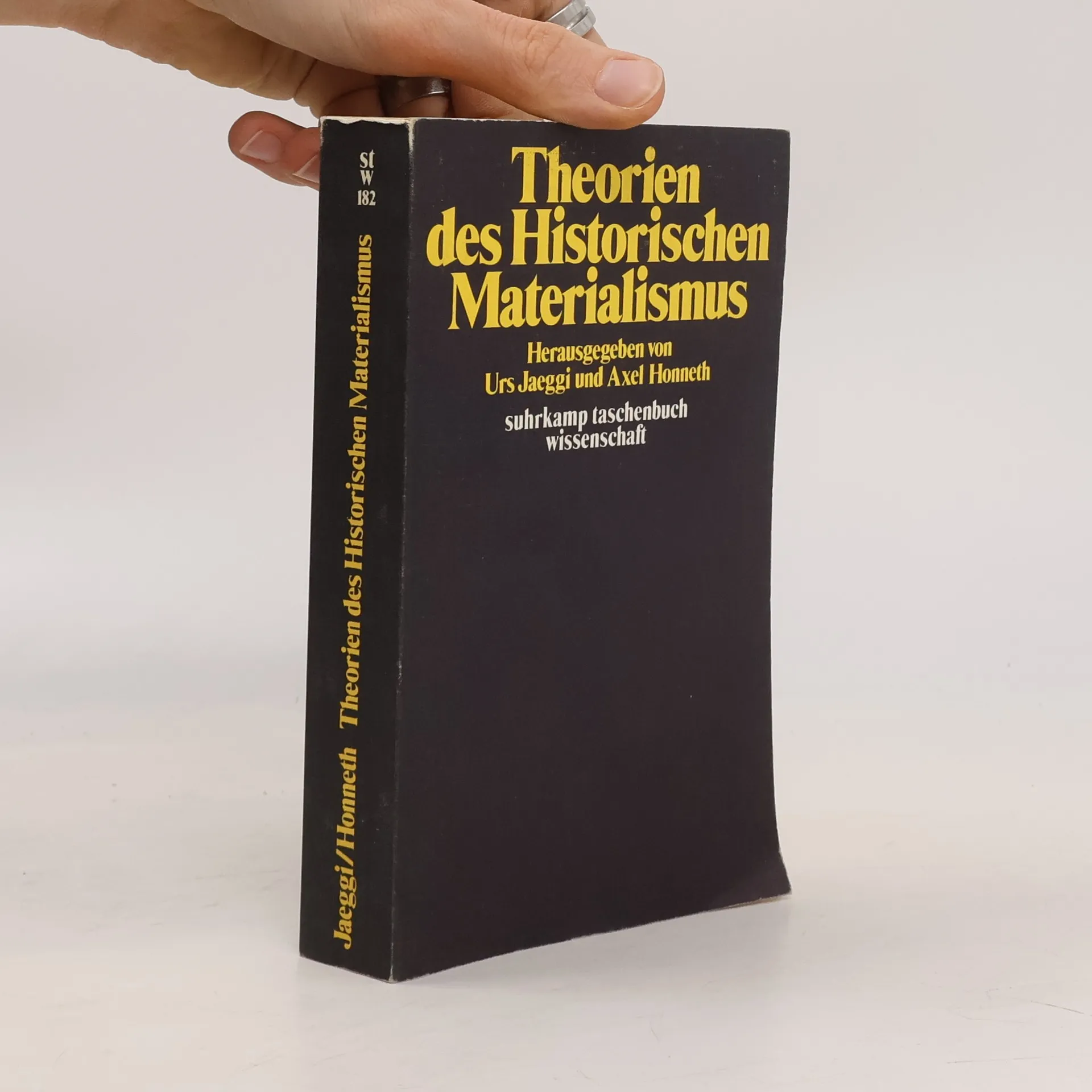
Suhrkamp Taschenbuch Wissenschaft - 182: Theorien des Historischen Materialismus
- 578 pages
- 21 hours of reading
German
Schlüsseltexte der kritischen Theorie
- 414 pages
- 15 hours of reading
In einem bemerkenswerten Konvolut von Notizen äußert Theodor W. Adorno seine Bedenken gegenüber der Erstellung von Lexika für philosophische Werke. Er erkennt zwar die „unschätzbare“ Erleichterung an, die Lexika bieten, ist jedoch unzufrieden mit der Idee, komplexe Theorien von Autoren wie Marx, Hegel oder Kant auf stichwortartige Einträge zu reduzieren. Adorno fragt sich, wie die Substanz solcher tiefgreifenden Überlegungen in einzelne Begriffe zerlegt und durch knappe, summarische Eintragungen erfasst werden kann. Er befürchtet, dass viele wichtige Gedanken durch die Maschen der Begriffsregistrierungen fallen, da sie nicht unter ein Stichwort passen. Seiner Meinung nach zwingt die „lexikalische Vernunft“ zur Vergegenständlichung von etwas, das nicht gegenständlich ist. Der vorliegende Band widerspricht Adornos Kritik in vielerlei Hinsicht. Er versucht nicht nur, die von Adorno mitgeschaffene Theorietradition lexikalisch zu erfassen, sondern geht darüber hinaus, indem er alle zentralen Schriften und Aufsätze umfassend und nicht nur symptomatisch vorstellt.
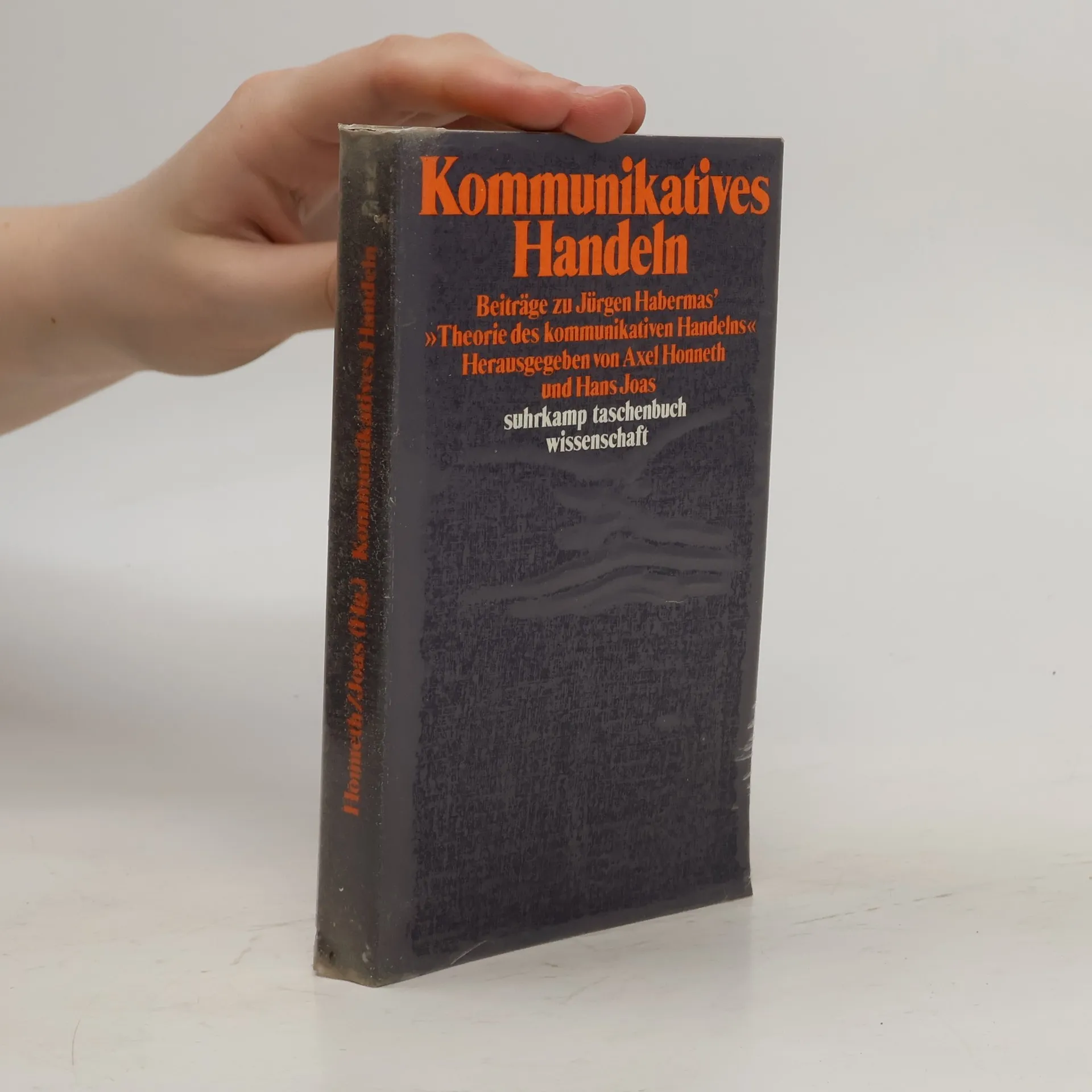
Kommunikatives Handeln
Beiträge zu Jürgen Habermas' »Theorie des kommunikativen Handelns«
- 419 pages
- 15 hours of reading
Jürgen Habermas' systematisches Hauptwerk hat seit seinem Erscheinen eine Fülle von Reaktionen und Debatten ausgelöst. Viele Stellungnahmen sind deutlich geprägt von der Schwierigkeit, auf ein so überaus komplexes und anspruchsvolles, gedankliche Ansätze verschiedenster Herkunft bündelndes Werk angemessen einzugehen. Dieser Materialband versucht, eine Bilanz des philosophischen und soziologischen Ertrags zu ziehen. Die Neuausgabe bietet weitere Aufsätze und eine aktualisierte Bibliographie.
»Soziale Freiheit ist die eigentliche Idee des Sozialismus.« Die Idee des Sozialismus, die der Empörung über die kapitalistischen Lebensbedingungen für mehr als 150 Jahre normativen Halt und geschichtliche Orientierung gegeben hat, scheint heute jegliche Zugkraft verloren zu haben. Trotz eines wachsenden Unbehagens lässt sich gegenwärtig jedenfalls kaum jemand dazu hinreißen, in ihrem Namen noch einmal Vorstellungen einer Lebensform jenseits des Kapitalismus zu entwerfen. Wie ist das rapide Veralten dieser einst so faszinierenden Idee zu erklären? Und was müssen wir tun, wenn wir sie für unsere Zeit retten wollen? Die Idee des Sozialismus hat ihren Glanz verloren, so Axel Honneth in seinem luziden politisch-philosophischen Essay, weil in ihr theoretische Hintergrundannahmen am Werk sind, die aus der Zeit des Industrialismus stammen, nun aber, im 21. Jahrhundert, keinerlei Überzeugungskraft mehr besitzen. Sie müssen ersetzt werden, und zwar durch Bestimmungen von Geschichte und Gesellschaft, die unserem heutigen Erfahrungsstand angemessen sind. Nur wenn das gelingt, kann das Vertrauen in ein Projekt zurückgewonnen werden, das nach wie vor zeitgemäß ist und auch einschließt, die Wirtschaft nach Maßgabe einer solidarisch verstandenen Freiheit zu gestalten.
Die in diesem Band enthaltenen theoriegeschichtlichen – zumeist in Form von Autorenportraits angelegten – Studien versuchen, einen Überblick über die sozialphilosophischen Schwierigkeiten zu gewinnen, mit denen heute der Entwurf einer kritischen Gesellschaftstheorie systematisch konfrontiert ist.
Eine der größten Schwächen vieler Demokratietheorien ist das Versäumnis, zu berücksichtigen, dass die Mitglieder des Souveräns auch arbeitende Subjekte sind. Axel Honneth untersucht in seiner Monographie die Rolle der Organisation von Arbeitsverhältnissen für die Stabilität demokratischer Gemeinschaften. Er argumentiert, dass die Teilnahme an der demokratischen Willensbildung von einer transparenten und fairen Arbeitsteilung abhängt. Honneth begründet, warum es wichtig ist, Arbeitsverhältnisse auf ihre Vereinbarkeit mit demokratischen Prinzipien zu prüfen. Er analysiert die Entwicklung der Arbeitsbedingungen seit dem 19. Jahrhundert, illustriert durch eindrucksvolle literarische Zeugnisse, und beleuchtet die Lebensrealitäten von Landarbeitern, Dienstboten und frühen Industriearbeitern. Dabei stellt er die These auf, dass gegenwärtige Arbeitsverhältnisse die Möglichkeiten zur aktiven Teilnahme an der demokratischen Meinungs- und Willensbildung zunehmend gefährden. Im abschließenden Teil skizziert Honneth, an welchen Punkten eine zeitgemäße Arbeitsmarktpolitik ansetzen sollte, um den bestehenden Missständen entgegenzuwirken und die dringend benötigte Wiederbelebung demokratischer Partizipation zu fördern.
Pathologien des Sozialen
- 383 pages
- 14 hours of reading
Verdinglichung
- 109 pages
- 4 hours of reading
Im frühen 20. Jahrhundert erweiterte der ungarische Theoretiker Georg Lukács die marxistische Theorie durch das Konzept der Verdinglichung. Dieses Konzept identifiziert die Transformation historischer Prozesse in ahistorische Entitäten und menschliche Handlungen in Dinge, die Teil einer unveränderlichen "zweiten Natur" erscheinen. Trotz der Hoffnungen auf De-Verdinglichung als Werkzeug revolutionärer Emanzipation erwiesen sich diese als vergeblich. In den originellen Essays, die 2005 als Tanner Lectures an der University of California, Berkeley, gehalten wurden, versucht der angesehene Philosoph Axel Honneth, das Konzept der Verdinglichung zu retten, indem er es im Rahmen seiner Philosophie der Anerkennung neu interpretiert. Drei prominente politische und soziale Theoretiker – Judith Butler, Raymond Geuss und Jonathan Lear – stellen kritische Fragen zu Honneths zentraler anthropologischer Prämisse, der Annahme, dass es vor der Kognition eine grundlegende Erfahrung intersubjektiver Anerkennung gibt. Diese Erfahrung könnte einen normativen Standard bieten, um aktuelle soziale Beziehungen zu beurteilen. Honneth hört ihren Kritiken aufmerksam zu und liefert eine kraftvolle Verteidigung seiner Position.
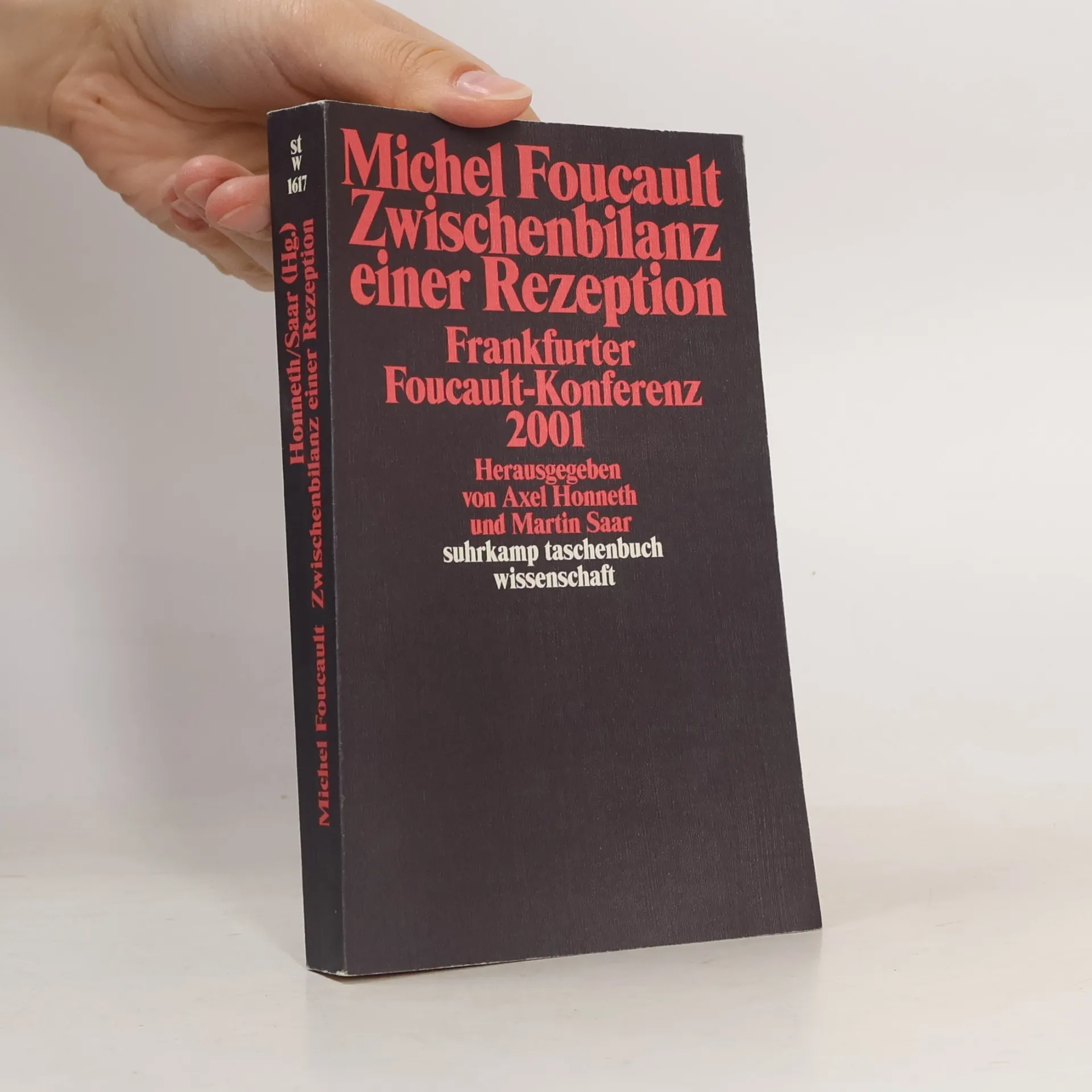
Michel Foucault - Zwischenbilanz einer Rezeption
- 380 pages
- 14 hours of reading
Fast zwanzig Jahre nach Michel Foucaults Tod ist die Debatte über sein Werk so lebendig wie noch nie. Neue Editionen, übersetzungen und originelle Interpretationen sorgen für neue Perspektiven und Kurskorrekturen der Rezeption. Der Band dokumentiert die außerordentlich erfolgreiche Konferenz, die im September 2001 am Frankfurter Institut für Sozialforschung stattfand. Die Beiträge (u. a. von Judith Butler, Nancy Fraser, Raymond Geuss, Thomas Lemke, Christoph Menke und Paul Veyne) nähern sich dem facettenreichen Werk Foucaults aus verschiedenen Disziplinen und theoretischen Traditionen. Im Vordergrund stehen neue Formen sozialer Kontrolle, methodologische Fragen der Analytik der Politik und der historischen Erforschung der Ordnungen des Wissens, die Frage nach der kritischen Funktion von Genealogie und das Verhältnis von Ethik und Ästhetik.
"In seinem neuen Buch zeigt Axel Honneth, was es aus der philosophischen Tradition über einen vernünftigen Begriff der Freiheit noch zu lernen gibt, was sich heute der Realisierung einer solchen Freiheit in den Weg stellt und woher schließlich die Anregungen für eine weitere Verwirklichung von Freiheit stammen können. In einem ersten Schritt unternimmt er eine zwischen Hegel und Marx vermittelnde Begriffsklärung, während sich der zweite Teil sozialen Problemfeldern zuwendet, in denen die gegenwärtigen Hindernisse einer Realisierung von Freiheit besonders deutlich ins Auge fallen. Abschließend wird der Versuch unternommen, Triebkräfte zu bestimmen, die dem Kampf für die Freiheit heute neuen Aufschwung verleihen könnten." -- Information provided by publisher
Zwischenbetrachtungen
Im Prozeß der Aufklärung. Jürgen Habermas zum 60. Geburtstag
- 528 pages
- 19 hours of reading
Über einen Zeitraum von mehreren Jahren hat der Autor Tendenzen innerhalb der Soziologie untersucht, die zur Diagnose des Zustandes unserer Gesellschaft beitragen. Auf diesem Weg ist eine Sammlung von Essays entstanden, die zusammengenommen ein Mosaik ergeben, das die entscheidenden Krisen der sozialen Lebenswelt zu erkennen gibt: ein Anwachsen von Individualisierung und Vereinzelung, die Auflösung traditioneller Familienformen, neue Tendenzen sozialer Armut, die explosive Ausbreitung konsumistischer Einstellungen. Im Gegenzug werden aber auch die theoretischen Bedingungen erörtert, unter denen die moderne Gesellschaftstheorie wieder Anschluß an soziale Veränderungsmöglichkeiten finden kann.
Vivisektionen eines Zeitalters
Porträts zur Ideengeschichte des 20. Jahrhunderts
- 308 pages
- 11 hours of reading
Der Begriff Vivisektionen bezeichnet Eingriffe an lebenden Organismen, die dem Zweck dienen, mehr über ihre Funktionsweise herauszufinden. In gewisser Weise wenden ein solches Verfahren auch die Theoretiker an, die Axel Honneth hier porträtiert: Sie greifen mit ihren Entwürfen in den Fluss der Ereignisse ein, um ihm Erkenntnisse abzuringen, die sie für ihre Theorien fruchtbar machen können. Ob nun Franz Rosenzweig zu Beginn des Jahrhunderts, Siegfried Kracauer während der Weimarer Republik oder Judith Shklar im Schatten des Holocaust, sie alle ziehen aus ihren Vivisektionen der Gegenwart Rückschlüsse auf einen angemessenen Begriff der Geschichte, der Gesellschaft oder der Politik.
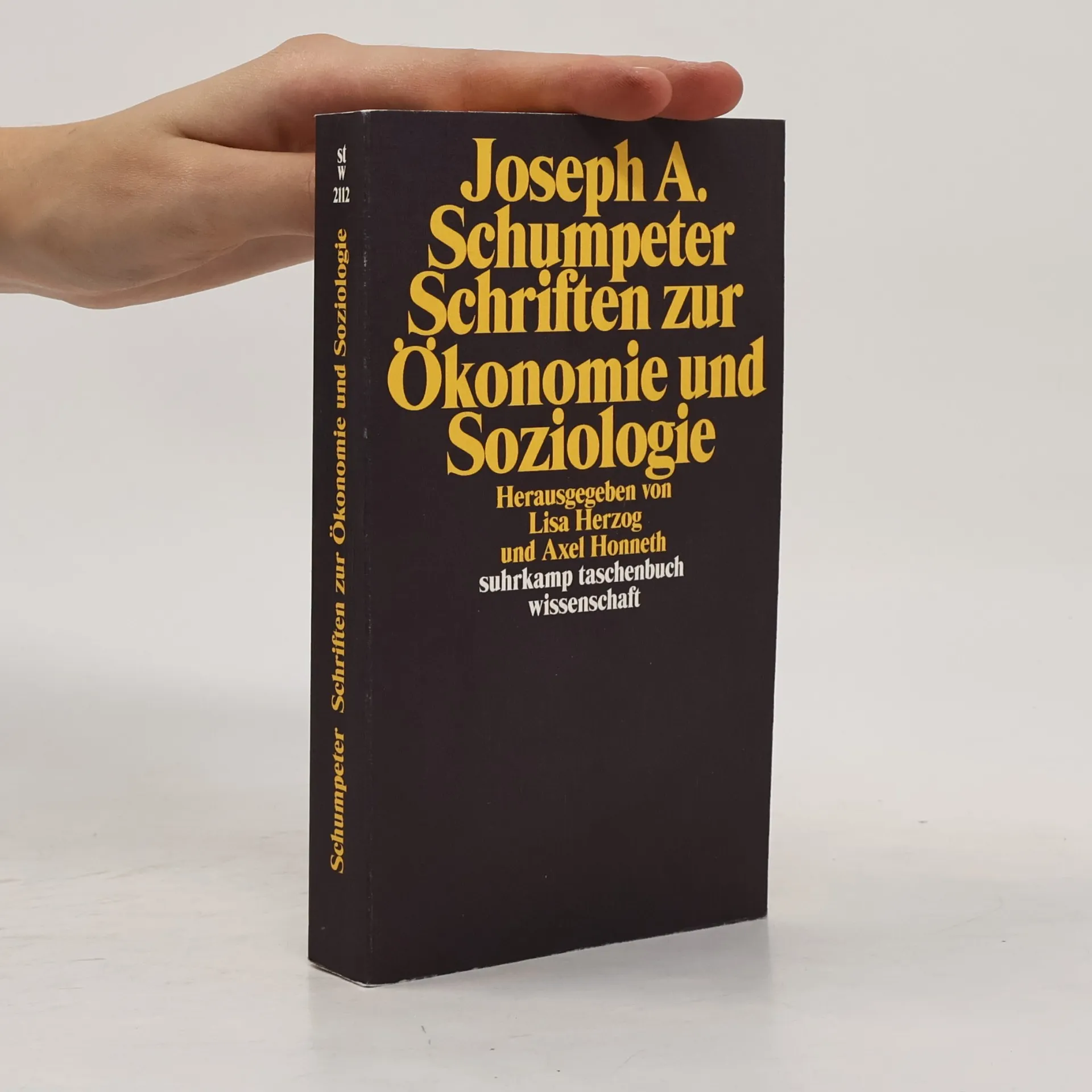
Suhrkamp Taschenbuch Wissenschaft - 2112: Schriften zur Ökonomie und Soziologie
- 300 pages
- 11 hours of reading
Joseph Schumpeter zählt unbestritten zu den bedeutendsten Ökonomen des 20. Jahrhunderts. Seine These, der Kapitalismus beruhe auf »schöpferischer Zerstörung«, ist mittlerweile zu einem geflügelten Wort geworden und mit seinem Buch Kapitalismus, Sozialismus und Demokratie hat er die Schule der »ökonomischen Theorie der Politik« begründet. Weniger bekannt sind bisher Schumpeters Aufsätze zu Fragen der Ökonomie und Soziologie, unter denen sich einige bahnbrechende Studien befinden, die gerade im Rahmen der neueren Auseinandersetzung um das Verhältnis von Wirtschaft, Gesellschaft und Politik im Zuge der globalen Finanzkrise von erneuter Relevanz sind. Der Band versammelt eine Auswahl dieser Aufsätze, teilweise zum ersten Mal in deutscher Übersetzung, und wird von Lisa Herzog und Axel Honneth mit einem Nachwort begleitet.
Hegel und der Staat
- 582 pages
- 21 hours of reading
Franz Rosenzweig entwickelte sein »Neues Denken«, dessen Entdeckung in der zeitgenössischen Philosophie gerade erst begonnen hat, in beständiger Auseinandersetzung mit den großen idealistischen Entwürfen Hegels und Schellings. 1920 veröffentlichte er mit Hegel und der Staat die erste umfassende kritische Analyse der politischen Philosophie Hegels. Das Buch folgt allen Wendungen von Hegels Denkweg und mündet in eine große Analyse der Rechtsphilosophie, die an kritischer Sachkenntnis nach wie vor ihresgleichen sucht. Souverän verbindet Rosenzweig die Auslegung der Texte mit der wechselhaften politischen Biographie Hegels. Seine Analyse des christologischen Kerns der Rede von der Wirklichkeit des Vernünftigen harrt ebenso der Wiederentdeckung wie seine politische Situierung Hegels zwischen Revolution und Reaktion.
Suhrkamp Taschenbuch Wissenschaft - 738: Kritik der Macht
Reflexionsstufen einer kritischen Gesellschaftstheorie
- 407 pages
- 15 hours of reading
Suhrkamp Taschenbuch Wissenschaft - 1491: Das Andere der Gerechtigkeit
Aufsätze zur praktischen Philosophie
- 339 pages
- 12 hours of reading
In den Aufsätzen des vorliegenden Bandes wird versucht, die Grenzen einer prozeduralistisch orientierten Gerechtigkeitstheorie in verschiedenen Richtungen zu erkunden. Dabei tritt in den Blick, was jeweils das »Andere« der Gerechtigkeit in unterschiedlichen Feldern der praktischen Philosophie heißen kann. Im Kontext dieser Problemfelder werden zugleich die Schwierigkeiten mitverhandelt, die sich heute für die praktische Philosophie im Spannungsfeld von Kantianismus, Kommunitarismus und post-strukturalistischer Ethik stellen.
Suhrkamp Taschenbuch Wissenschaft: Der Wert des Marktes
Ein ökonomisch-philosophischer Diskurs . vom 18. Jahrhundert bis zur Gegenwart
- 670 pages
- 24 hours of reading
Die Frage nach dem moralischen Wert des Marktes stellt sich nach den Finanzkrisen der jüngsten Zeit mit besonderem Nachdruck. Sie ist aber nicht neu. Der Band beleuchtet das spannungsreiche Verhältnis zwischen Markt und Moral in Texten des politischen, ökonomischen und soziologischen Denkens von 1700 bis in die Gegenwart. Das Spektrum der Autoren reicht von Mandeville und Smith über Marx und Durkheim bis hin zu Cohen und Sen; kurze Essays skizzieren jeweils den historischen und systematischen Kontext. Ein Buch voller Argumente, die helfen, die Marktwirtschaft besser zu verstehen.
Il diritto della libertà
- 576 pages
- 21 hours of reading
Zbavovat se svéprávnosti. Paradoxy současného kapitalismu
- 334 pages
- 12 hours of reading
Kniha předkládá čtenářům aktuální výsledky zkoumání kritické teorie společnosti. Práce dokládá narůstající tendenci více se v souvislosti s výkladem novějšího vývoje kapitalistických společností zabývat pojmy jako protichůdnost nebo paradox. Ukazuje, že v přítomnosti můžeme pozorovat krajně paradoxní procesy změn.
Sociální filosofie a postmoderní etika
- 143 pages
- 6 hours of reading
Profesor filosofie na Freie Universität v Berlíně zaměřil svoje statě na normativní teorii moderny, která je odůvodněna na základě postmetafyzického a formálního konceptu mravnosti. Z německých originálů přeložila Alena Bakešová a Josef Velek.
Kniha dvou významných současných teoretiků se vyznačuje interdisciplinární povahou a pohybuje se především na rozmezí filozofie, sociologie, politologie a psychologie.