

Explore the latest books of this year!
Bookbot

Khālid Khalïfah

    Keiner betete an ihren Gräbern
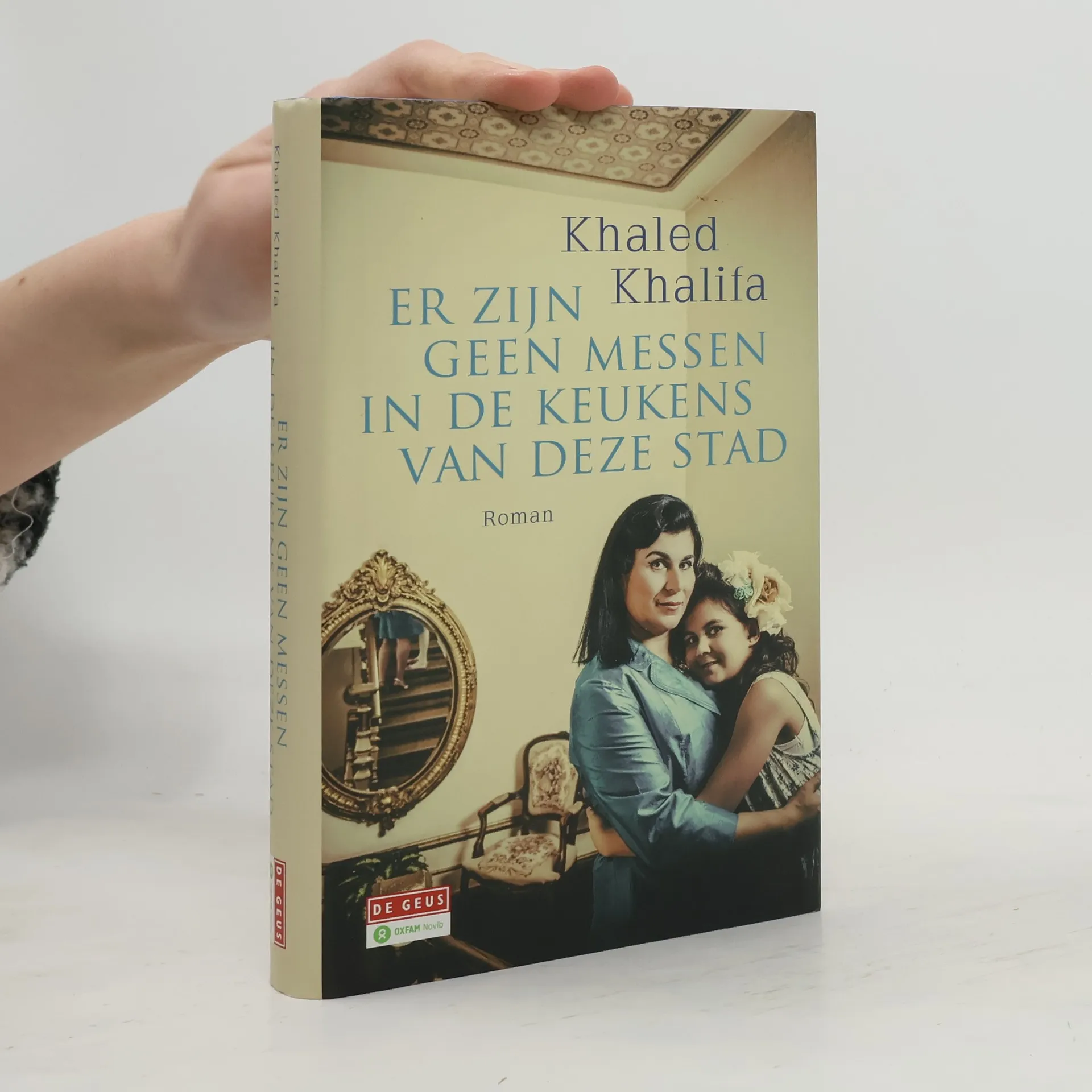
    Non ci sono coltelli nelle cucine di questa città
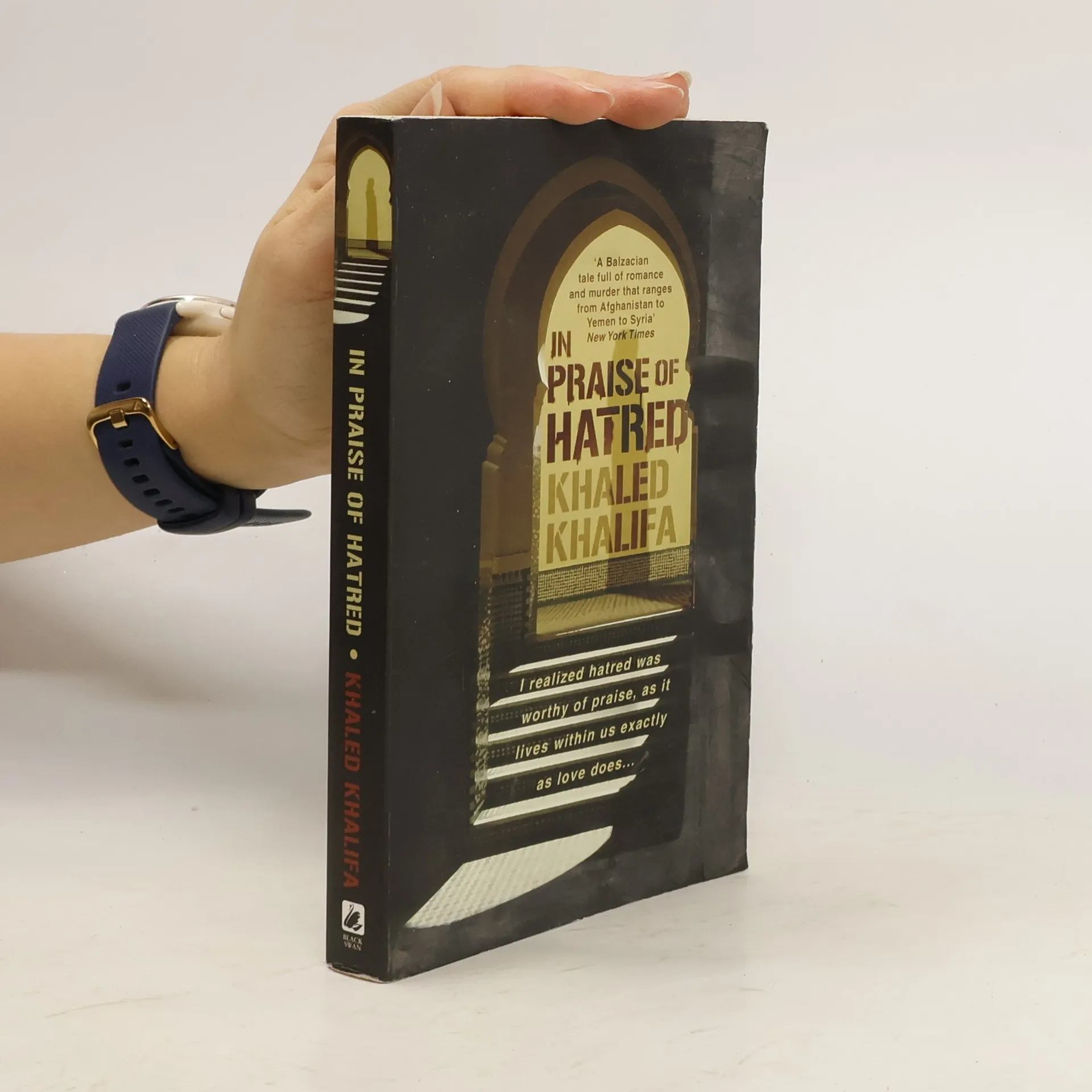
    In Praise of Hatred
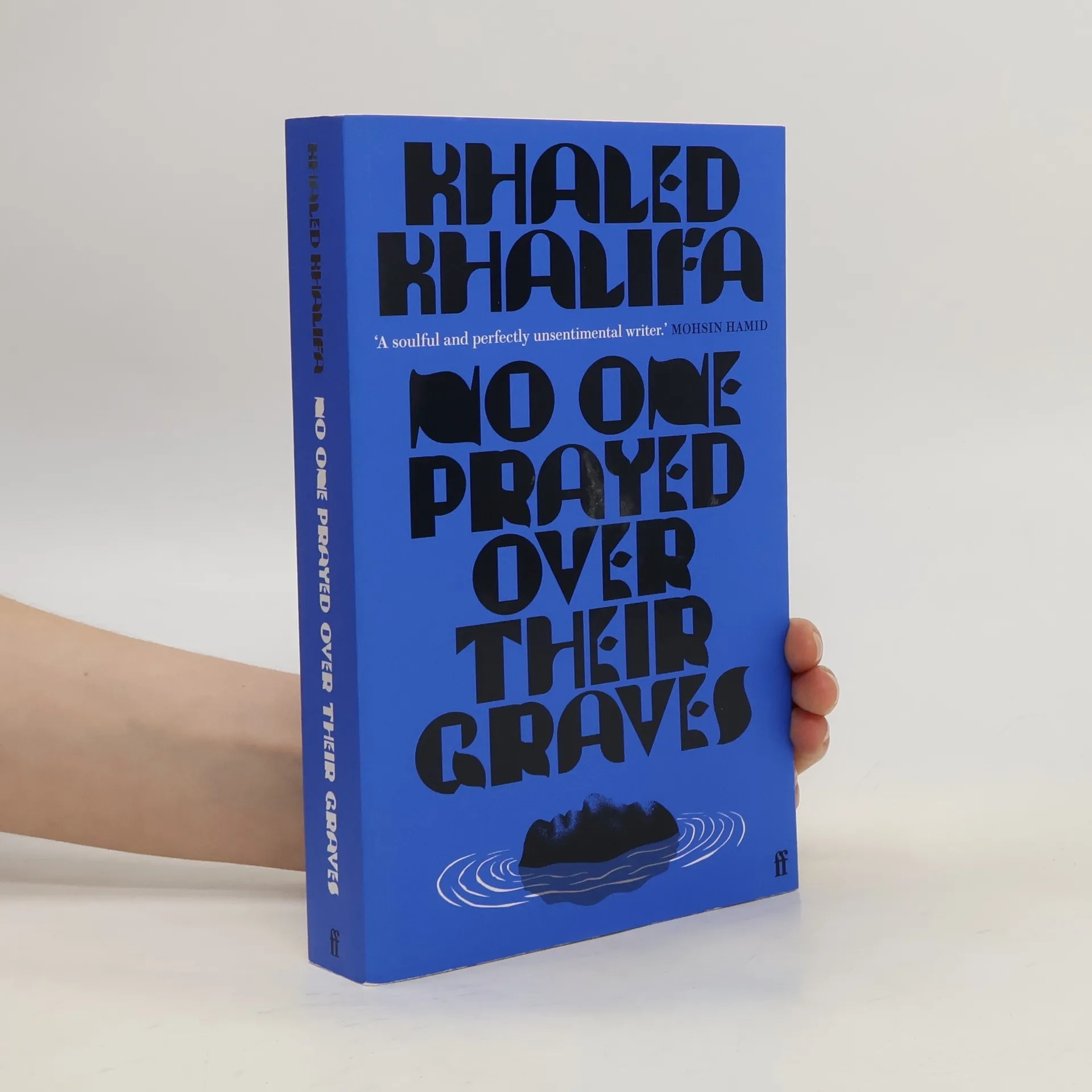
    No One Prayed Over Their Graves
    Death Is Hard Work
    • Death Is Hard Work

      • 192 pages
      • 7 hours of reading
      3.7(2408)Add rating

      "Searing . . . Khalifa is a soulful and perfectly unsentimental writer . . . The most amazing thing about this book is that it managed to exist, that it came to us out of the fire with its pages intact." Hisham Matar, Guardian Death Is Hard Work is a tale of three people embarking on an absurd quest - an unforgettable journey into a contemporary heart of darkness. At a hospital in Damascus, Syria, Abdel Latif's final wish is to be buried in the family plot near Aleppo - just a two-hour drive away. Bolbol, his youngest son, persuades his estranged brother and sister to accompany him and their father's body to the ancestral village. But Syria is a war zone, and the trials that confront the family on their journey will have enormous consequences for them all. A GUARDIAN BOOK OF THE YEAR WINNER OF THE SAIF GHOBASH BANIPAL PRIZE A FINALIST FOR THE NATIONAL BOOK AWARDS IN TRANSLATED LITERATURE A FINALIST FOR THE PREMIO GREGOR VON REZZORI AWARD

      Death Is Hard Work
    • From the National Book Award finalist Khaled Khalifa, the story of two friends whose lives are altered by a 1907 flood that devastates their Syrian village. On a terrible December morning in 1907, two close friends, Hanna and Zakariya, return to their village near Aleppo after a night of drunken carousing in the city, only to discover that there has been a massive flood. Their neighbors, families, children—nearly all of them are dead. Their homes, shops, and places of worship are leveled. Their lives will never be the same. Hanna was once a wealthy libertine landowner who had built a famed citadel devoted to the pursuit of pleasure and excess. But with the loss of his home, wife, and community, he transforms, becoming an ascetic mystic obsessed with investigating the meaning of life. In No One Prayed Over Their Graves, we follow Hanna's life before and after the flood, tracing friendships, loves and lusts, family and business, until he is just one thread in the rich tapestry of Aleppo. Khaled Khalifa weaves a sweeping tale of life and death in the hubbub of Aleppine society at the turn of the twentieth century. No One Prayed Over Their Graves is a portrait of a people on the verge of great change: from the provincial village to the burgeoning modernity of the city, where Christians, Muslims, and Jews live and work together, united in their love for Aleppo and their dreams for the future.

      No One Prayed Over Their Graves
    • 1980s Syria. Our young narrator is living a secluded life behind the veil in the vast and perfumed house of her grandparents. Her three aunts bring her up with the aid of their ever-devoted blind servant. Soon the high walls of the family home are unable to protect her from the social and political upheavals outside.

      In Praise of Hatred
    • Aleppo ha una storia antichissima, oltre cinque millenni di umanità hanno percorso le sue strade e le hanno anche distrutte. E' l'8 marzo 1963 e un nuovo colpo di Stato militare porta al potere il partito Baath, anticamera del regime di Hafez al-Asad. Quello stesso giorno nasce la voce narrante di questo romanzo che percorre la storia della città e del paese fino agli anni Duemila, una storia che, come quella della sua famiglia, si trasforma in tragedia. Il narratore, suo fratello Rashìd e le sue sorelle Sawsan e Suad sono figli di un'epoca in cui il confine tra pubblico e privato si assottiglia al punto che persino parlare può mettere a repentaglio la vita dei cittadini, la religione non è un conforto o un rifugio ma un'arma potente e la vita è possibile solo per chi viene a patti con il Partito, cedendo qualcosa di sé. Una saga familiare in cui con maestria e feroce onestà Khaled Khalifa parla della persecuzione che da decenni ormai si consuma contro un'intera società.

      Non ci sono coltelli nelle cucine di questa città
    • Über fast hundert Jahre lang beschreibt Khalifa die Entwicklung Syriens, indem er die Geschichten mehrerer Familien erzählt. Der Christ Hanna wächst am Ufer des Euphrat in einer muslimischen Familie auf, gemeinsam mit deren Sohn Zakaria. In die Tochter Suad mit den schönen langen Wimpern verliebt er sich. Doch Hanna und Zakaria sehnen sich nach einem freien Leben, das der gläubigen Muslimin Suad nicht gefällt. Mit ihren besten Freunden, dem Juden Azar und dem Christ William, ziehen Hanna und Zakaria nach Aleppo und errichten ein Freudenhaus, zu dem nur auserwählte Persönlichkeiten Zugang haben. Dort befinden sie sich auch an dem Tag im Jahr 1907, als der Fluss aus den Ufern tritt. Viele ihrer Familienmitglieder ertrinken in den Fluten. Es ist eine Zeit, in der Christen und Muslime noch nebeneinander auf dem Dorffriedhof begraben werden. Aber mit der Hochwasserkatastrophe setzen Veränderungen ein, die nicht nur das Leben der vier Freunde betreffen, sondern das ganze Land erfassen. Rückblenden und Erinnerungen brechen die chronologische Erzählweise auf, die Geschichten verzweigen sich. Hier ist ein großer Erzähler am Werk, der den Bilderreichtum der arabischen Sprache gekonnt mit Reflexionen über Leben und Tod verbindet und an die bedeutende kulturelle Vergangenheit Syriens erinnert, die heute so weit weg scheint.

      Keiner betete an ihren Gräbern