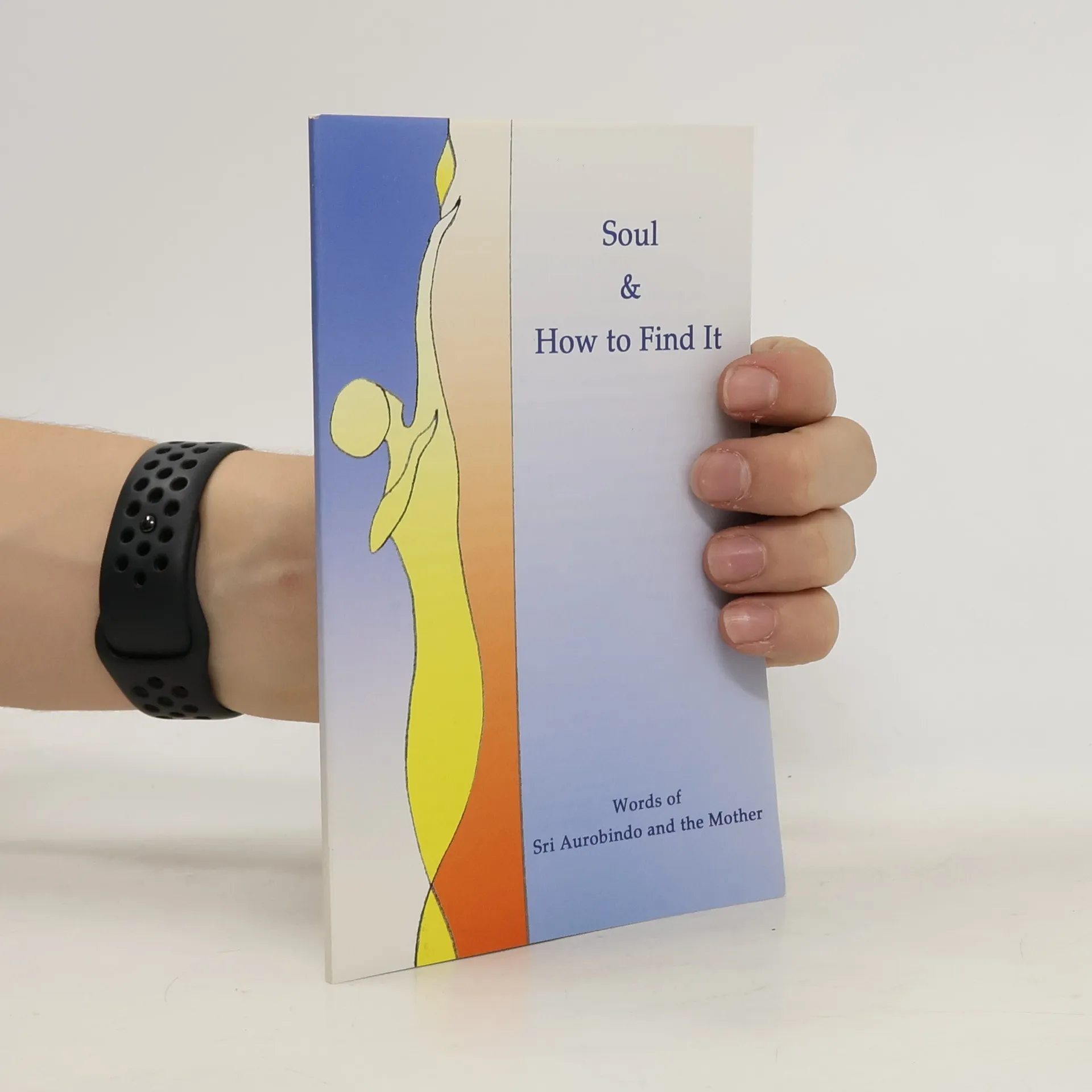
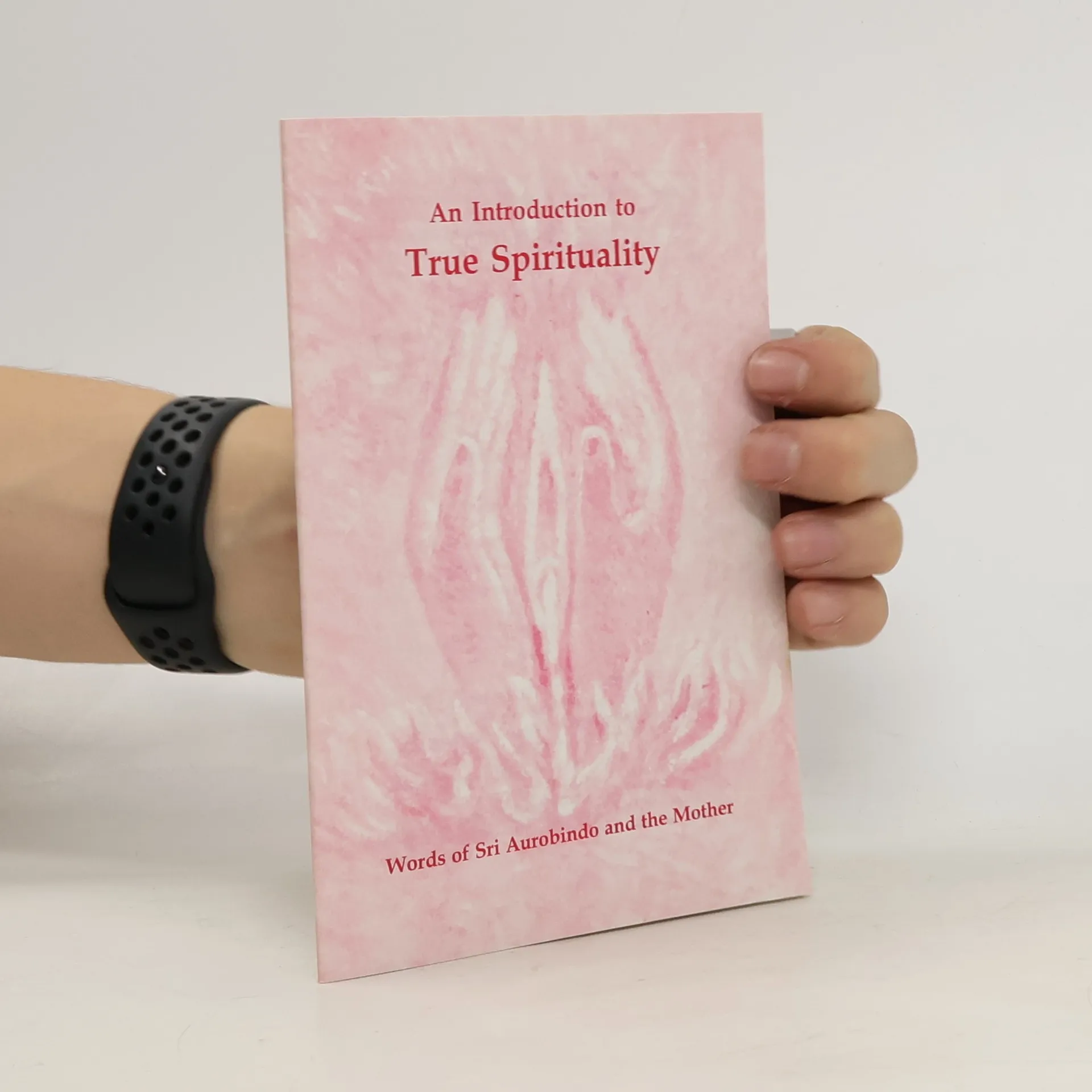
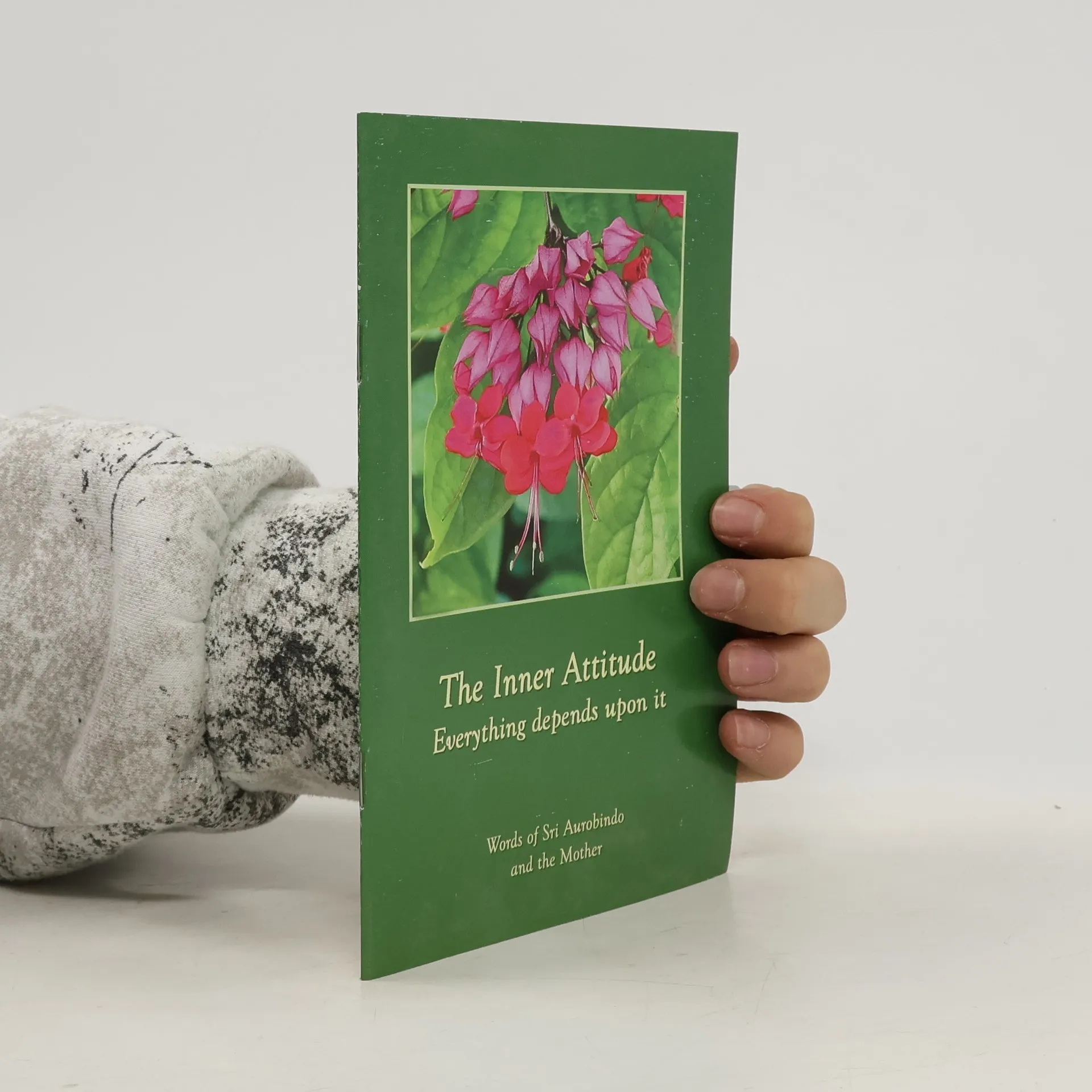
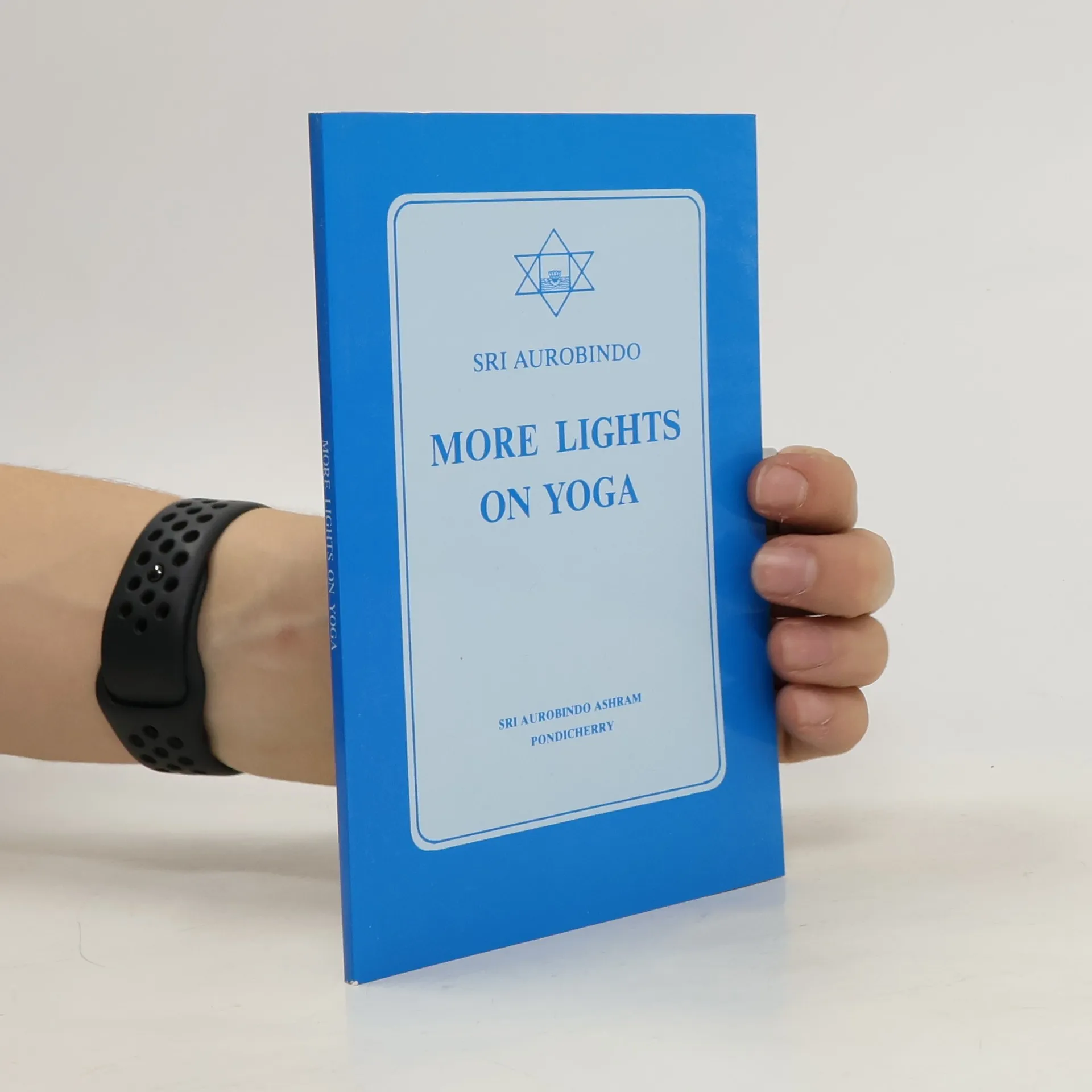
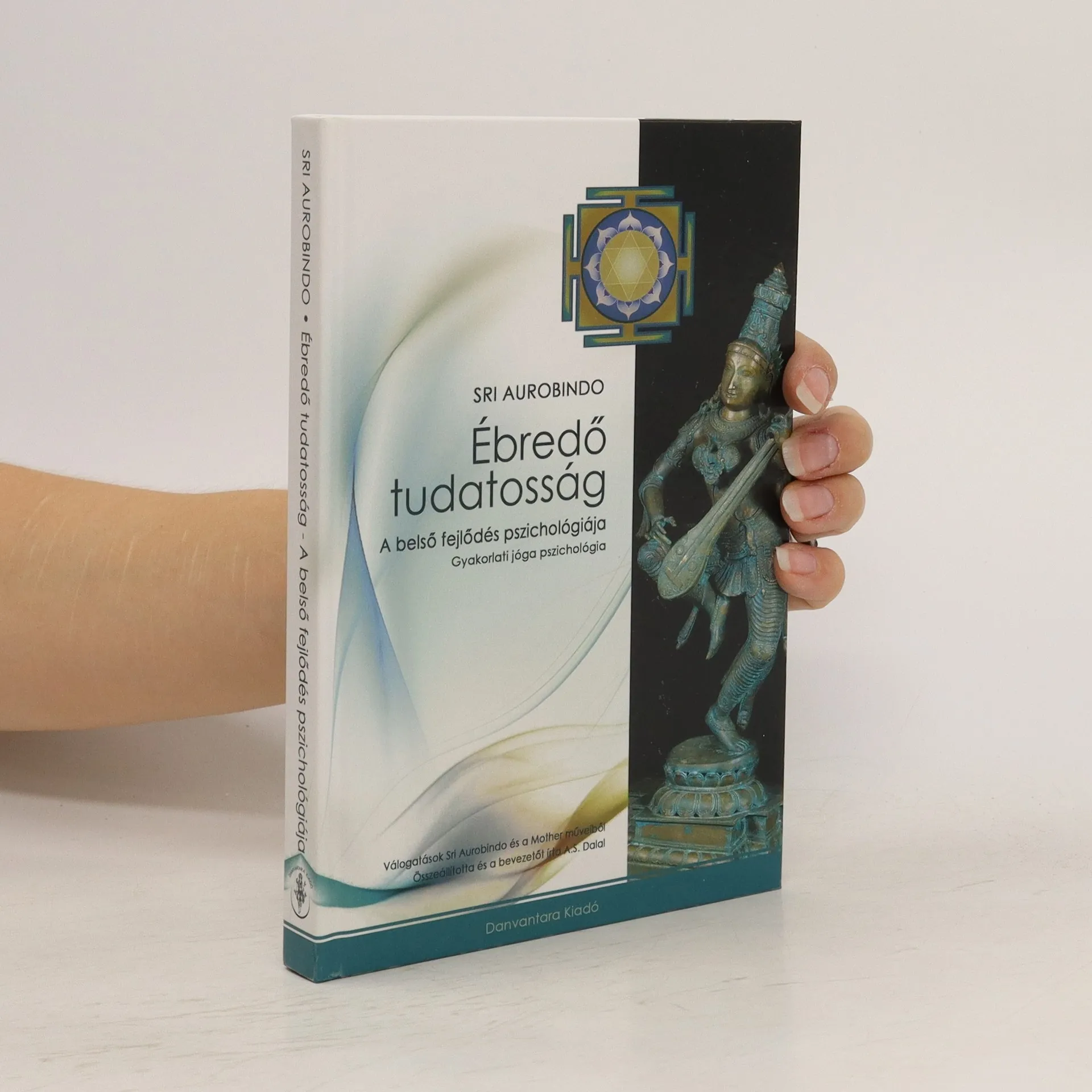
Sri Aurobindo was a pivotal figure in Indian nationalism and a profound thinker. Transitioning from a freedom fighter to a philosopher, he dedicated himself to articulating a vision of human progress and spiritual evolution. Central to his thought is the concept of evolving life into a 'life divine,' viewing humanity as a transitional stage towards a 'superman.' His extensive writings delve into metaphysics, the synthesis of yoga, and the ideal of human unity, while his poetry explores themes of spiritual transformation.
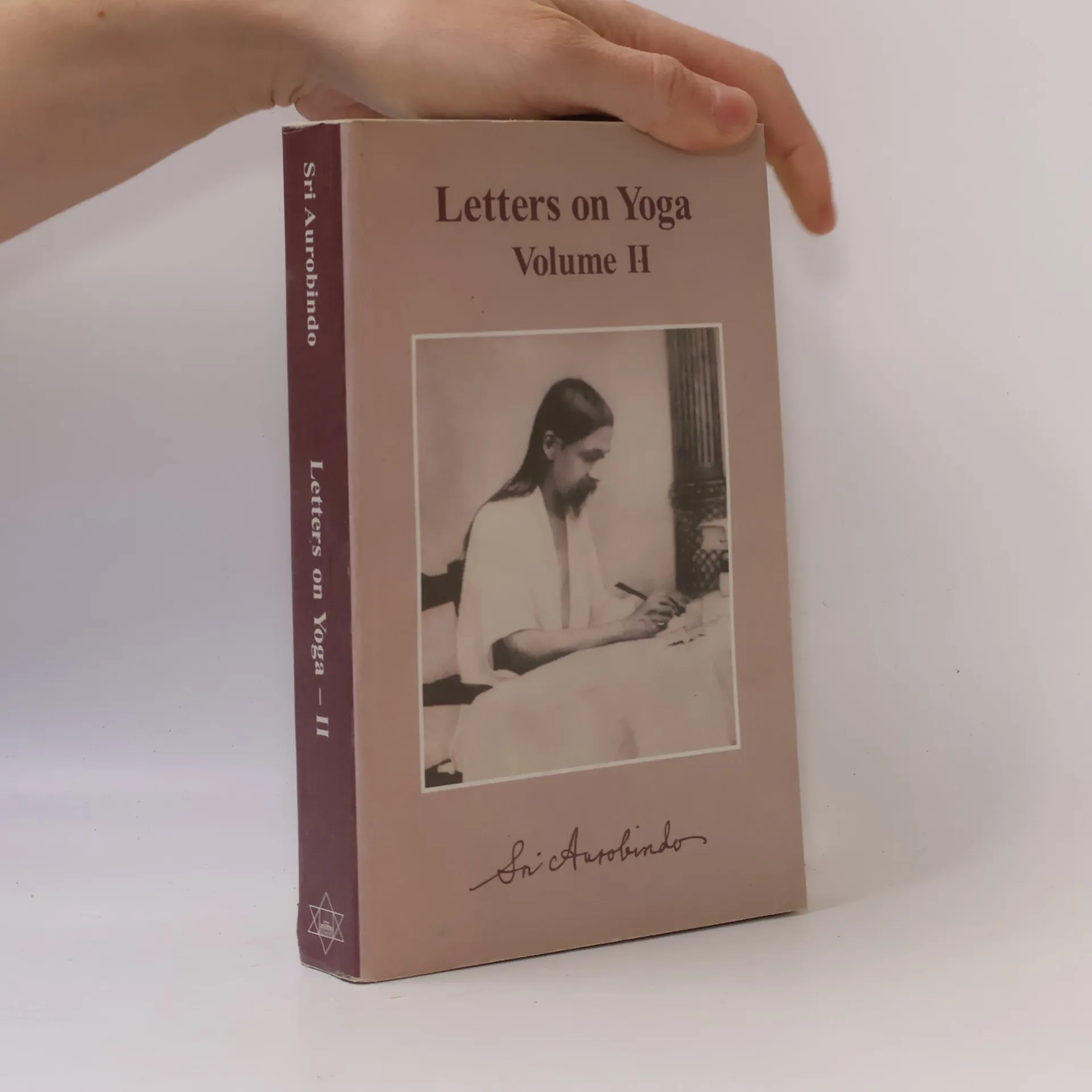
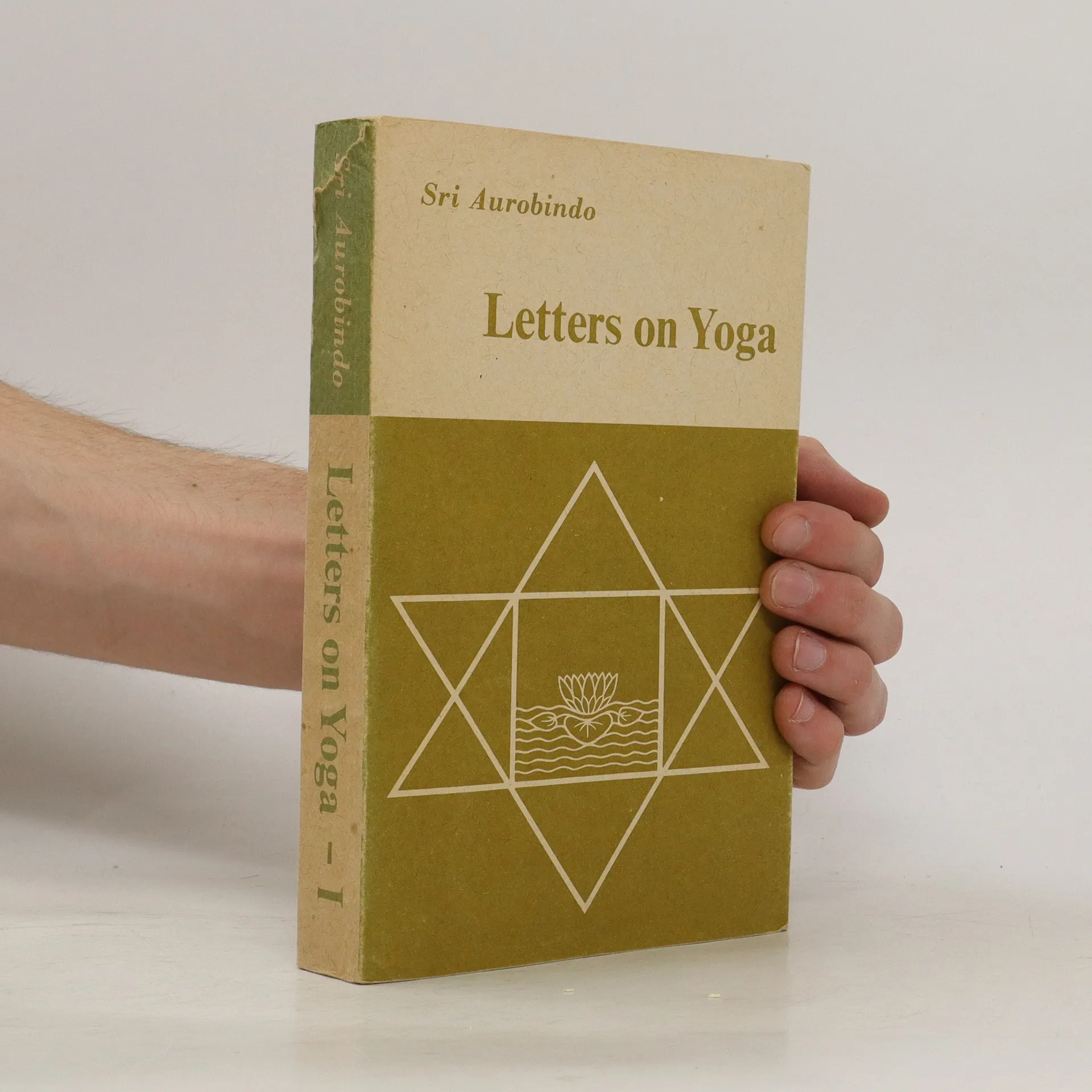
"Letters on Yoga" explores Integral Yoga, covering its objectives, methods, essential practices, the foundation of spiritual discipline, human relationships in yoga, and insights into inner and cosmic consciousness. It serves as a comprehensive guide for those on the spiritual path.
This book contains Sri Aurobindo s final translation and analysis of the Isha Upanishad. In his definitive commentary on this important Vedantic scripture, he presents its central idea, which is a reconciliation and harmony of fundamental opposites, and shows how in its verses one can discover the resolution of such pairs of opposites such as God and Nature, renunciation and enjoyment, action and freedom, the active and inactive Brahman, and works and knowledge.
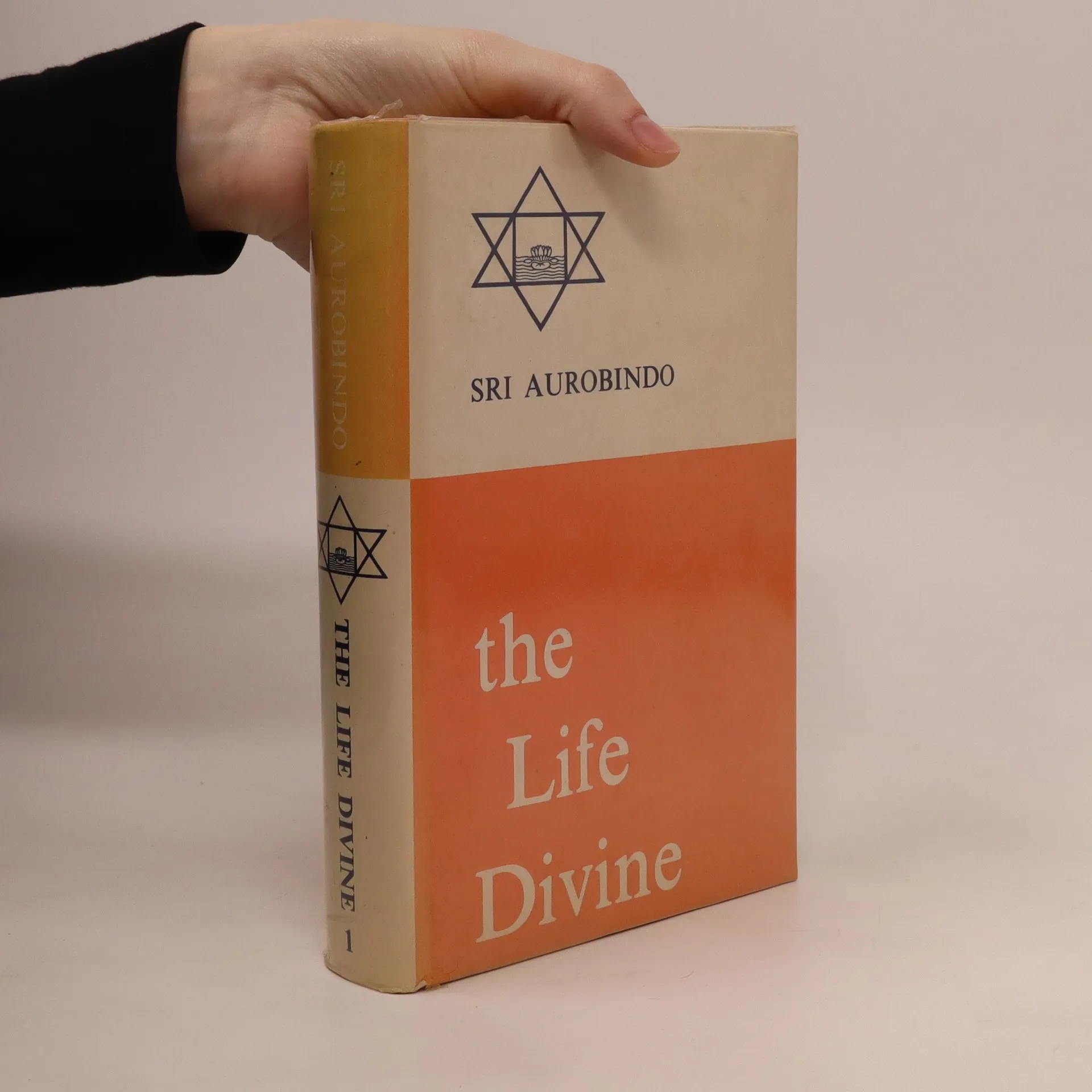
The Life Divine explores for the Modern mind the great streams of Indian metaphysical thought, reconciling the truths behind each and from this synthesis extends in terms of consciousness the concept of evolution. The unfolding of Earth's and man's spiritual destiny is illuminated, pointing the way to a Divine Life on Earth. Index.
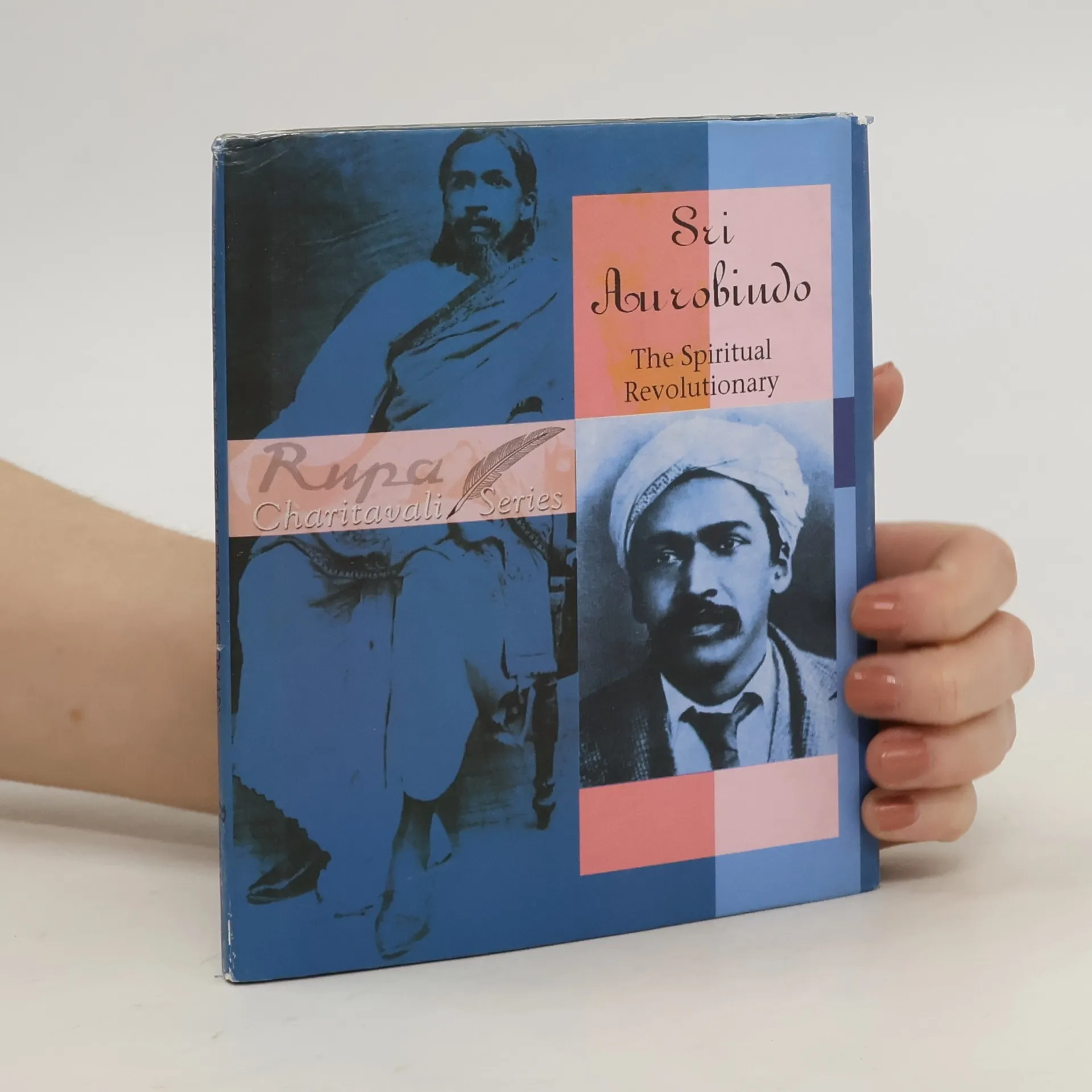
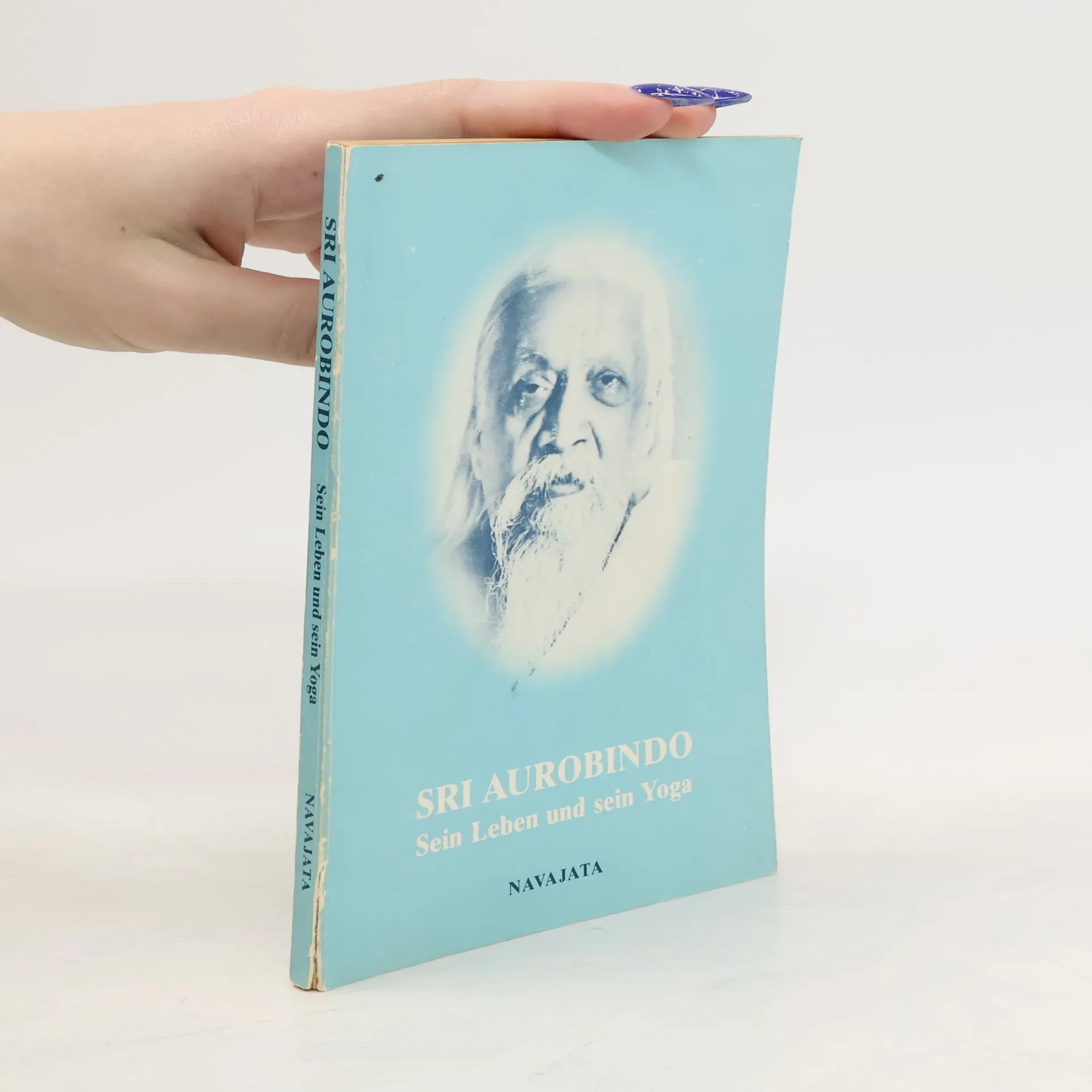
Poet, philosopher, revolutionary and mystic, Sri Aurobindo was one of India's most extraordinary leaders. He inspired the revolutionary movement, transformed the Congress from an elite to a mass organisation and propagated a vision of an India proud of her past, and ready to face the future. This book traces the development of Sri Aurobindo as a spiritual revolutionary and rational mystic who combined in himself the best of East and West.
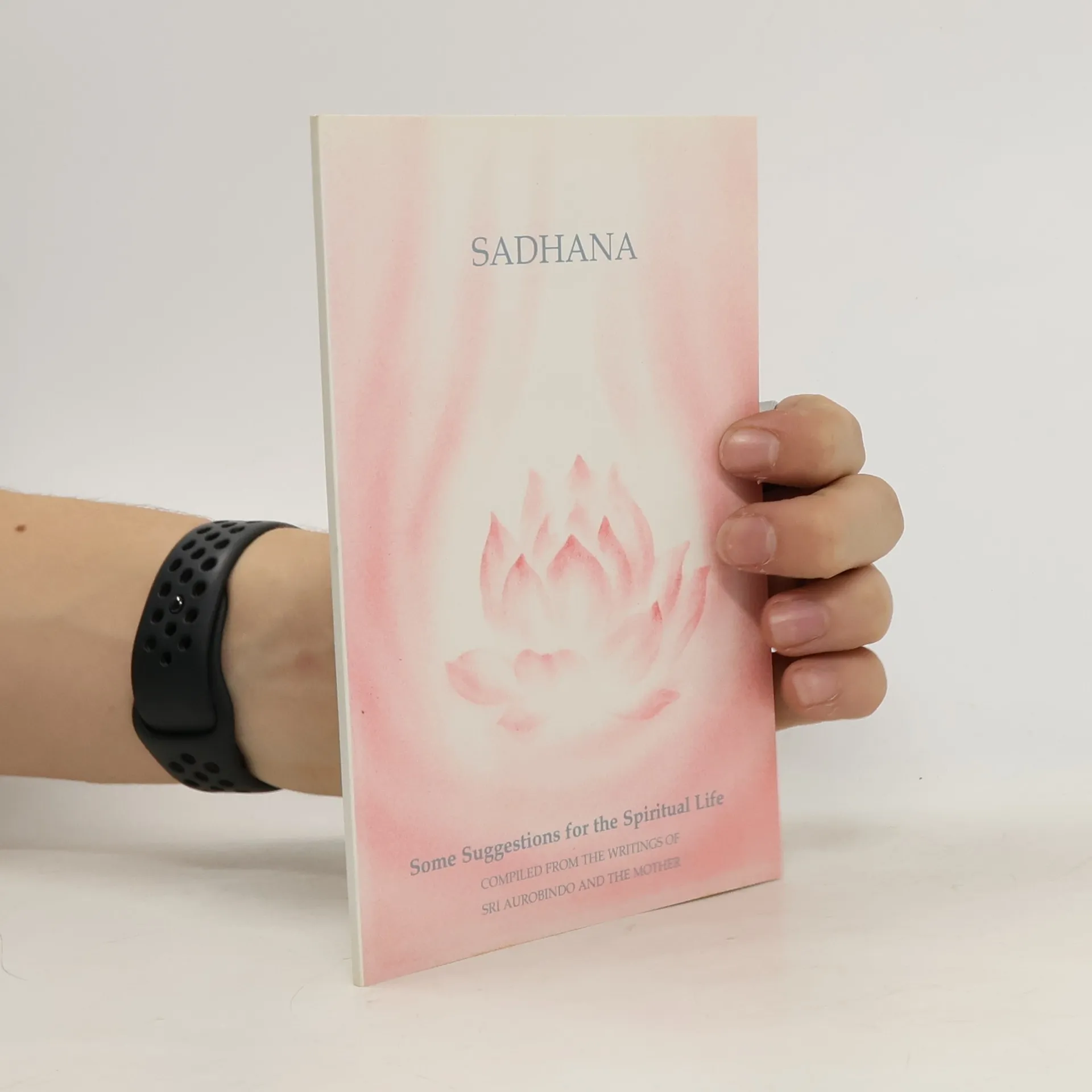
The writings of Sri Aurobindo collected in this book were originally composed in answer to questions raised by disciples and others interested in the integral Yoga. They touch on problems often raised in relation to spiritual truth and experiences, such as the reason for this creation's disharmony full of division and ego, the nature of doubt and faith, and the discernment of different planes and movements in the sadhana.
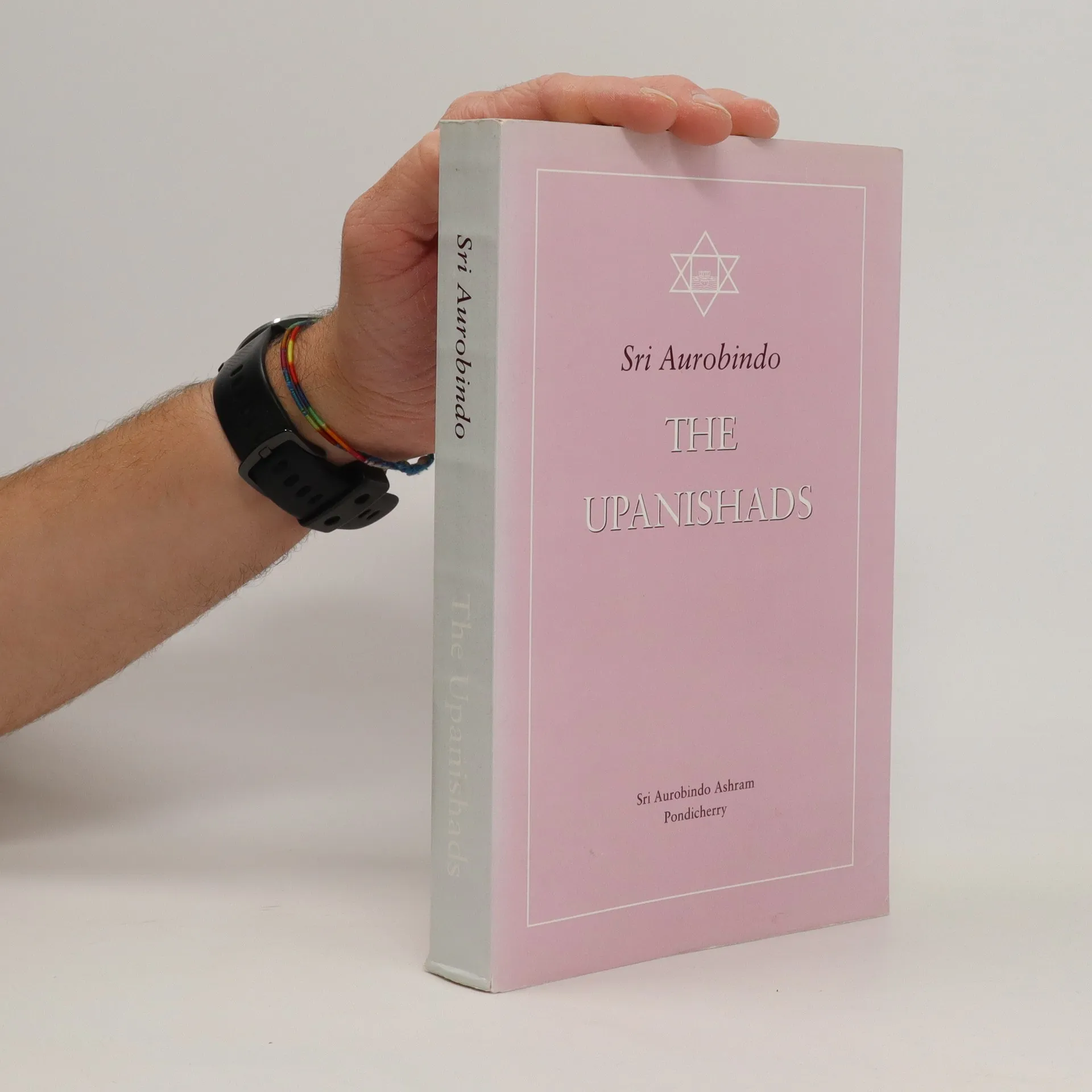
The Upanishads explore profound spiritual truths as interpreted by India's ancient sages. This collection features Sri Aurobindo's final translations and commentaries, providing insights into each Upanishad and Vedantic text he engaged with. His interpretations illuminate the philosophical depth and spiritual wisdom inherent in these ancient writings, making them accessible to contemporary readers.
Exploring the nature of inner powers, this book reveals both the abilities we unconsciously utilize and the latent potential waiting to be developed. It appeals to a wide audience, including those interested in personal growth and spiritual exploration, offering insights that encourage readers to tap into their inherent strengths.
Between 1927 and 1950, Sri Aurobindo--one of the foremost Indian philosophersof the 20th century--perfected a new kind of spiritual practice he called the"Integral Yoga." This volume brings together a comprehensive selection of SriAurobindo's letters pertaining to the practice of this discipline.
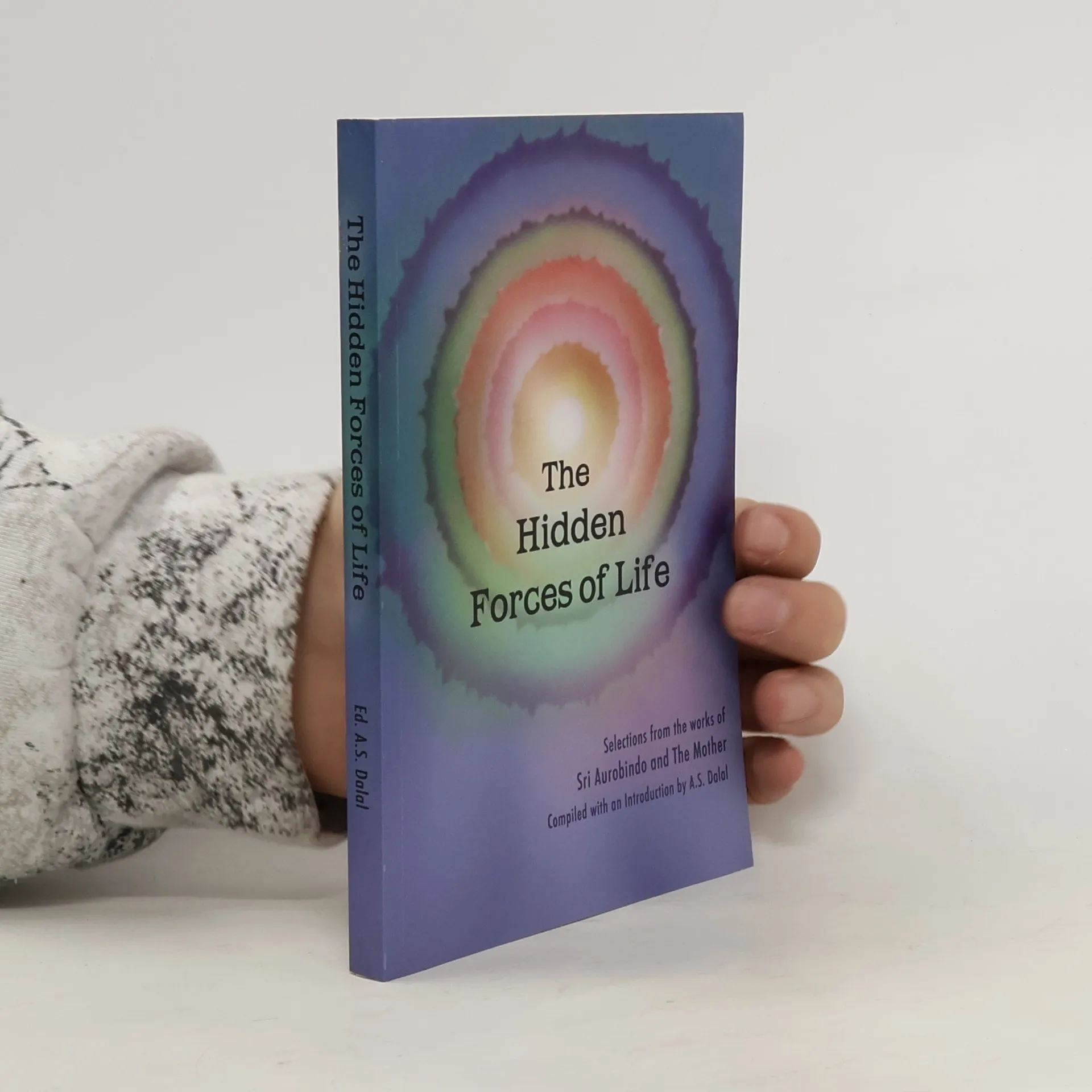
Dealt with herein are the diverse forces which act on us, determining the course of events, influencing our thoughts, feelings and actions, affecting our moods, health and level of energy, pulling the human being to nether depths or beckoning him towards lofty heights. Also shown are the hidden forces behind evolution and the universal action.
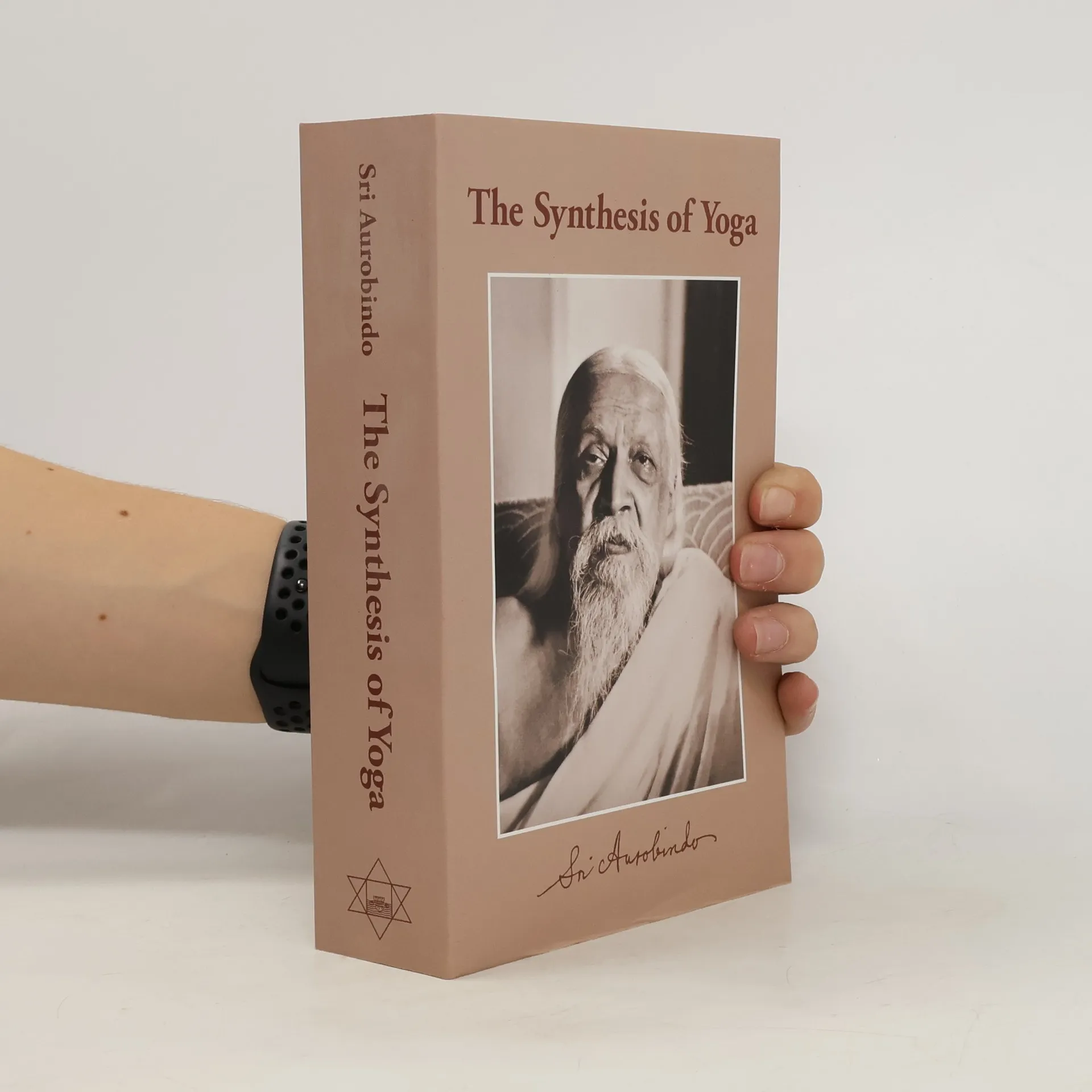
"Truth of philosophy is of a merely theoretical value unless it can be lived, and we have therefore tried in The Synthesis of Yoga to arrive at a synthetical view of the principles & methods of the various lines of spiritual self-discipline & the way in which they can lead to an integral divine life in the human existence". Publisher's Note Introduction. The Conditions of the Synthesis 1. The yoga of divine works 2. The yoga of integral knowledge 3. The yoga of divine love 4. The yoga of self-perfection
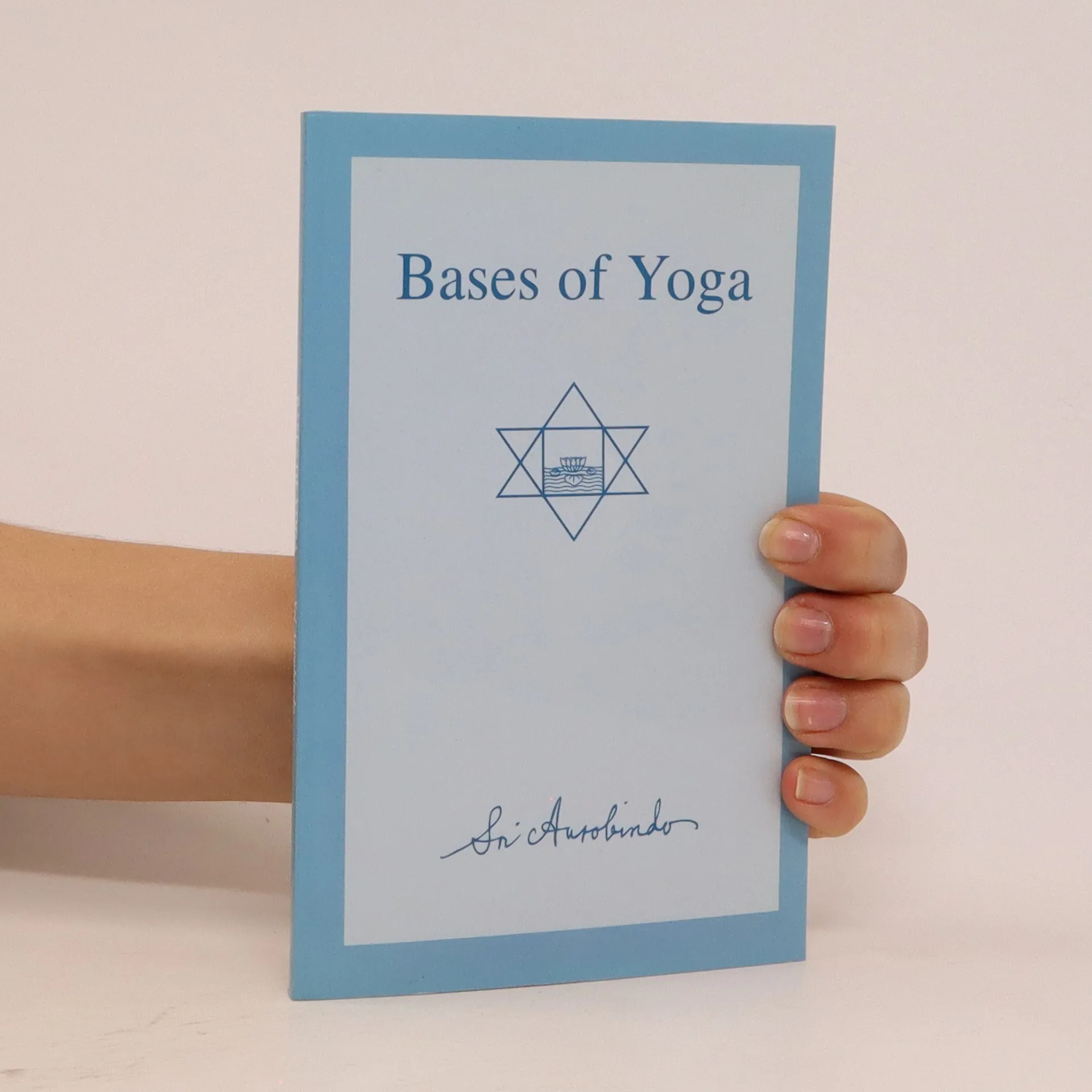
In this collection of 156 extracts from letters to disciples, Sri Aurobindo explains the central principles and practices of his integral Yoga and sheds light on problems that confront the spiritual seeker. The extracts are organised under headings such as calm, peace, and equality; faith, aspiration, and surrender; desire, food, and sex; and the physical consciousness, the subconscient, sleep and dreams, and illness.
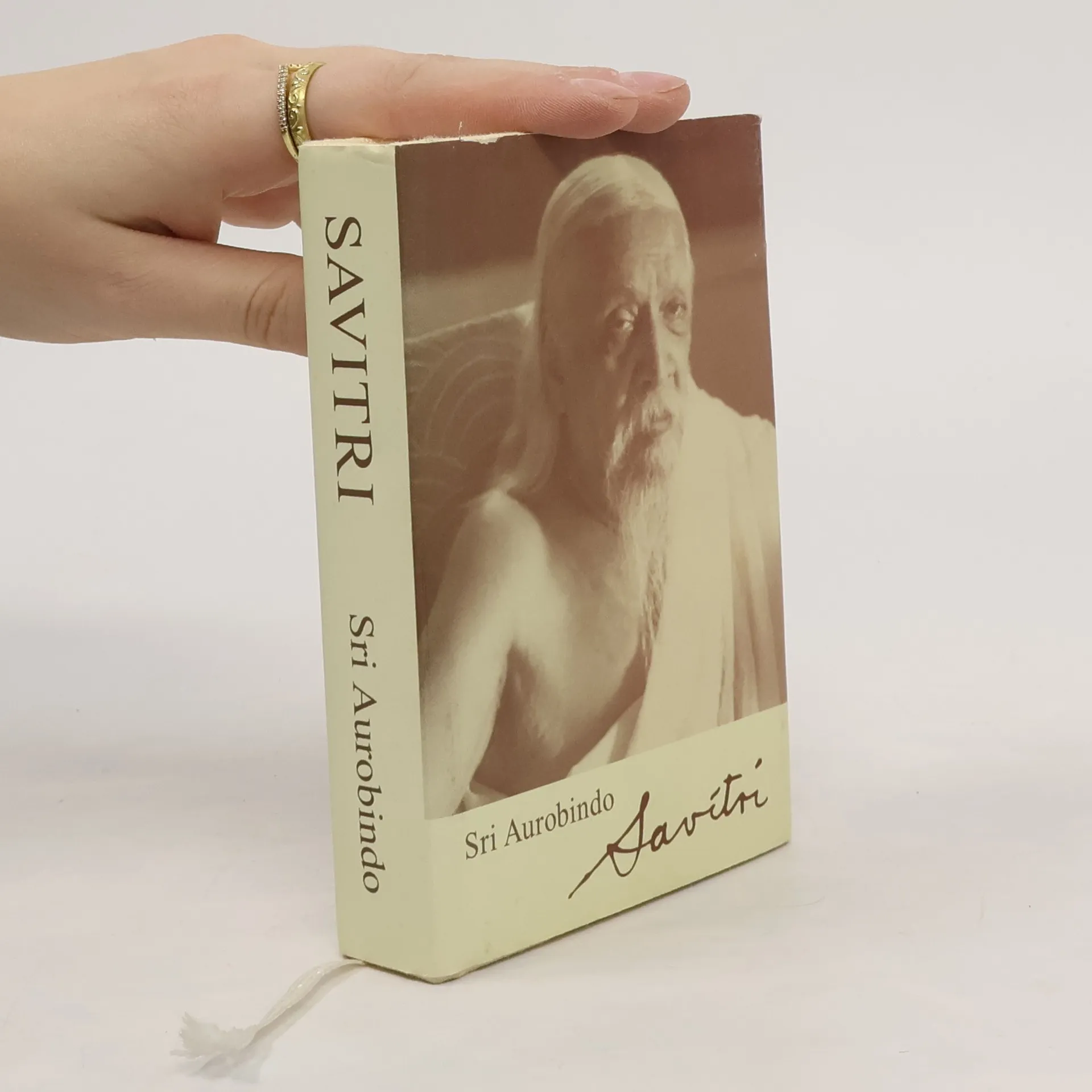
One of the largest epics in English, Savitri is an account of Sri Aurobindo's own Yoga allegorically narrated through an actual story from the great Indian epic Mahabharata. It actually began as an experiment in writing mantric poetry in English, and is the only book that he devoted so much time to over a span of 40 years.In this epic spiritual poem, Sri Aurobindo reveals his vision of mankind's destiny within the universal evolution. He sets forth the optimistic view that life on earth has a purpose, and he places our travail within the context of this purpose: to participate in the evolution of consciousness that represents the secret thread behind life on Earth.
A study of the way of writing of the Vedic mystics, their philosophic system, their system of symbols, and the truths they figure; and translations of selected hymns of the Rigveda.
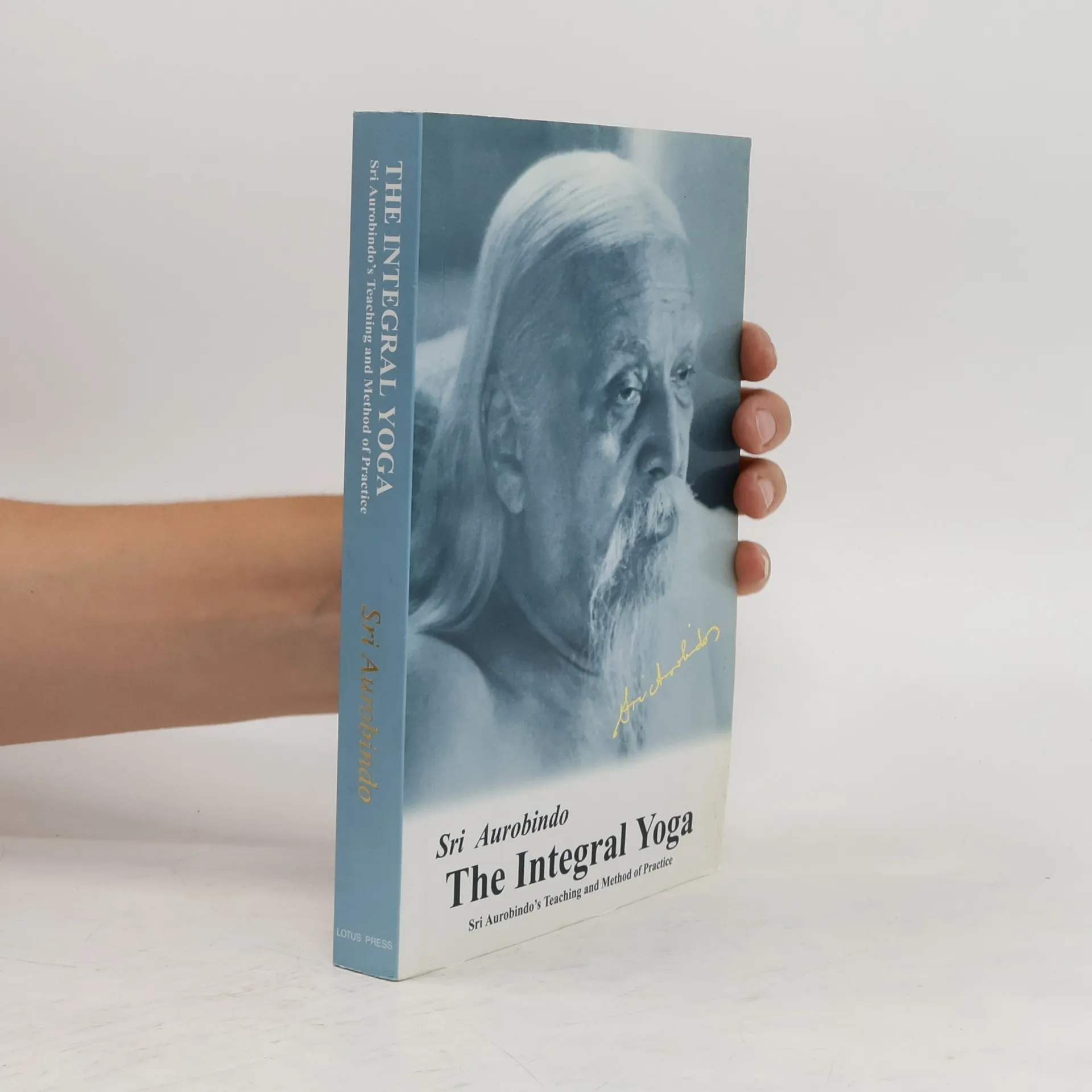
A compilation of letters written by Sri Aurobindo to disciples during the 1930s, this book presents the major aspects of his spiritual teaching. The first parts deal with the psychological and philosophical foundations of his teaching and relate them to other systems of yoga and philosophy. The next sections deal with the method of practice, starting with the bases of yoga and continuing with the different types of sadhana, descriptions of experiences and realisations, the triple transformation that defines the essence of the yoga, and the difficulties in transforming the nature. A glossary of the terminology used by Sri Aurobindo completes the volume.
An authoritative compilation of writings by the noted Indian philosopher and teacher provides an overview of Aurobindo's writings on psychology and the workings of the human mind.
The Life Divine explores for the modern mind the great streams of Indian metaphysical thought, reconciling the truths behind each and from this synthesis extends in terms of consciousness the concept of evolution. The unfolding of Earth's and man's spiritual destiny is illuminated pointing the way to a Divine life on Earth. Index.
Sri Aurobindo's answers to basic questions about the practice of yoga, along with Mother's commentary. Questions about Yoga put to him during the years 1933-36. It is compiled from her talks in the ""Wednesday Classes"" during 21 April 1954 30 June 1954.
Sri Aurobindo has unlocked the secret of the Rig Veda and in this book he has provided the translations for all hymns to Agni, the mystic fire, from the Rig Veda. Included for reference are the actual Sanskrit texts for each hymn. The "Doctrine of the Mystics" reveals the underlying philosophical, psychological and spiritual truths experienced by the sages. This book for the seeker, the yogi, and the sage as well as the philosopher or student of comparative religion.
This collection features a comprehensive array of works by Sri Aurobindo, exploring themes of spirituality, yoga, and philosophy. Key texts include "Life Divine," which delves into the nature of existence, and "Synthesis of Yoga," outlining his unique approach to spiritual practice. Other notable works such as "Essays on the Gita" and "Secret of the Veda" provide insights into ancient scriptures, while "Savitri" presents a poetic narrative of transformation. The anthology also includes practical guides to Integral Yoga and a dictionary for deeper understanding.
The Upanishads is a collection of Sri Aurobindo's final translations of and commentaries on every Upanishad or other Vedantic text he worked on. Upanishads are the ancient treatises on spiritual truths as envisioned by the seers, sages and rishis of the civilization of India. Index.
Profound Thoughts and Aphorisms on the paths of Knowledge, Works and Devotion. Truths expressed in succinct sentences for contemplation and meditation.
When the full heart of Love is tranquillised by knowledge into a calm ecstasy and vibrates with strength, when the strong hands of Power labour for the world in a radiant fullness of joy and light, when the luminous brain of knowledge accepts and transforms the heart's obscure inspirations and lends itself to the workings of the high-seated Will, when all these gods are founded together on a soul of sacrifice that lives in unity with all the world and accepts all things to transmute them, then is the condition of man's integral self-transcendence. This and not a haughty, strong and brilliant egoistic self-culture enthroning itself upon an enslaved humanity is the divine way of supermanhood.
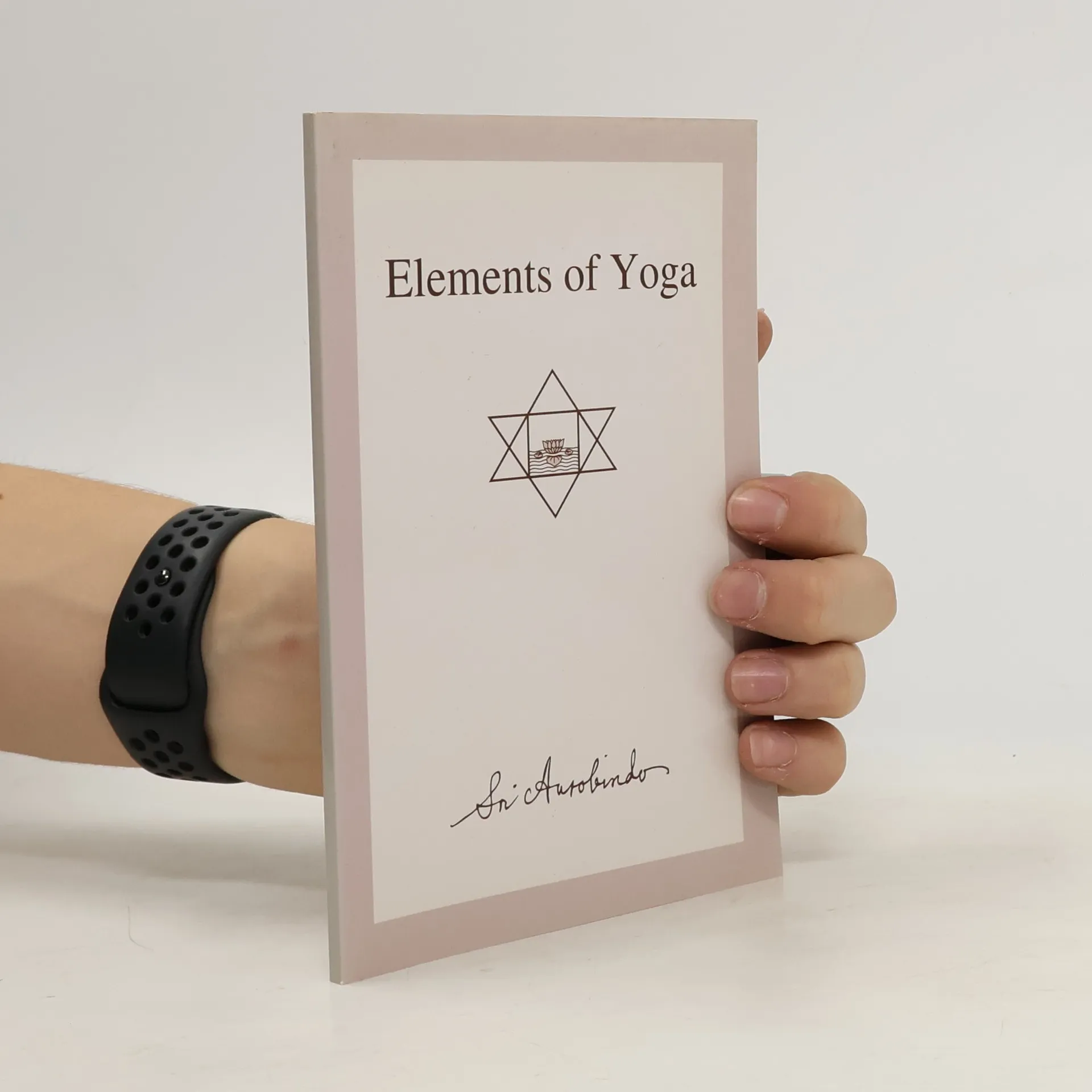
The Yoga Approach to Psychological Health and Growth
179 pages
7 hours of reading
Mental health is generally understood as an absence of marked psychological disturbances such as fear, anxiety, depression, insecurity, restlessness, anger, jealousy, suspicion, etc. However it is increasingly felt that it is not the mere absence of these elements, but the presence of certain positive characteristics imparting a sense of psychological well-being such as peace, inner security, confidence, a sense of mastery, that should denote mental health. Moreover, the constant chatter and distractibility of the mind, the perpetual hankering for different objects of desire, and the recurrent pull of inertia are also states of psychological disturbance which mar inner well-being. Yoga is a psychological approach which aims at a radical change of consciousness so as to lead to a state of peace, freedom and joy. This book presents some of the principles and methods of Sri Aurobindo's integral yoga for overcoming psychological disturbances and for attaining positive mental health.
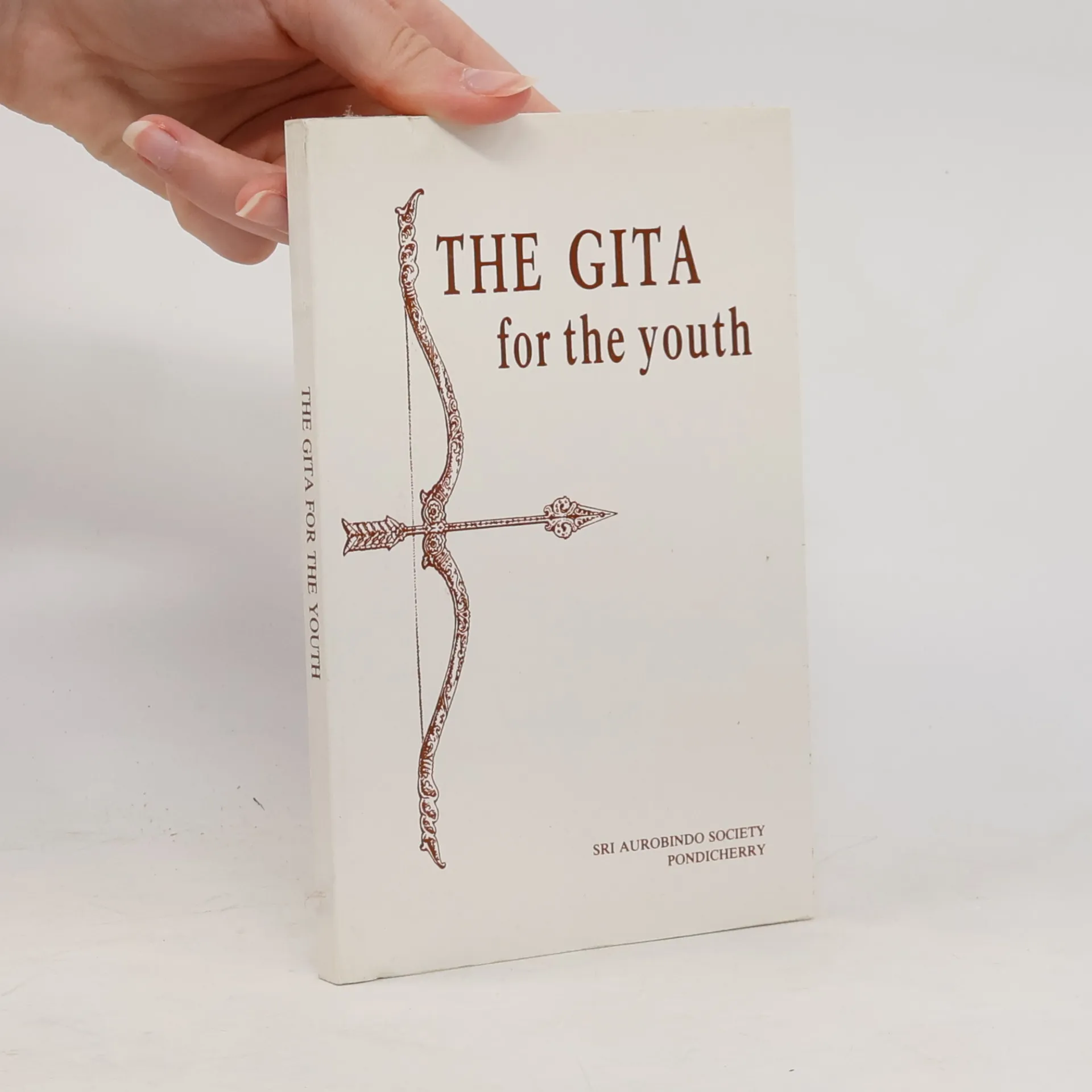
Youth is the embodiment of energy,enthusiasm and dynamism.This youthful energy has to be inspired and guided by ideals,values and attitudes which lead to inner and outer growth,for the individual and the collectivity. The Gita is one of those rare books,which can provide such an inspiration and guidance for converting the youthful energy of a community or nation into transformative and constructive force. This book,compiled from Sri Aurobindo's luminous writings on the Gita.is specially intended for the Youth. The compilation has been done by Guru Pershad. Compiled entirely of selections from Sri Aurobindo's Essays on the Gita, this book is designed to appeal to the younger generation; to help today s youth better understand life in the light of the profound spiritual philosophy of the Bhagavad Gita.
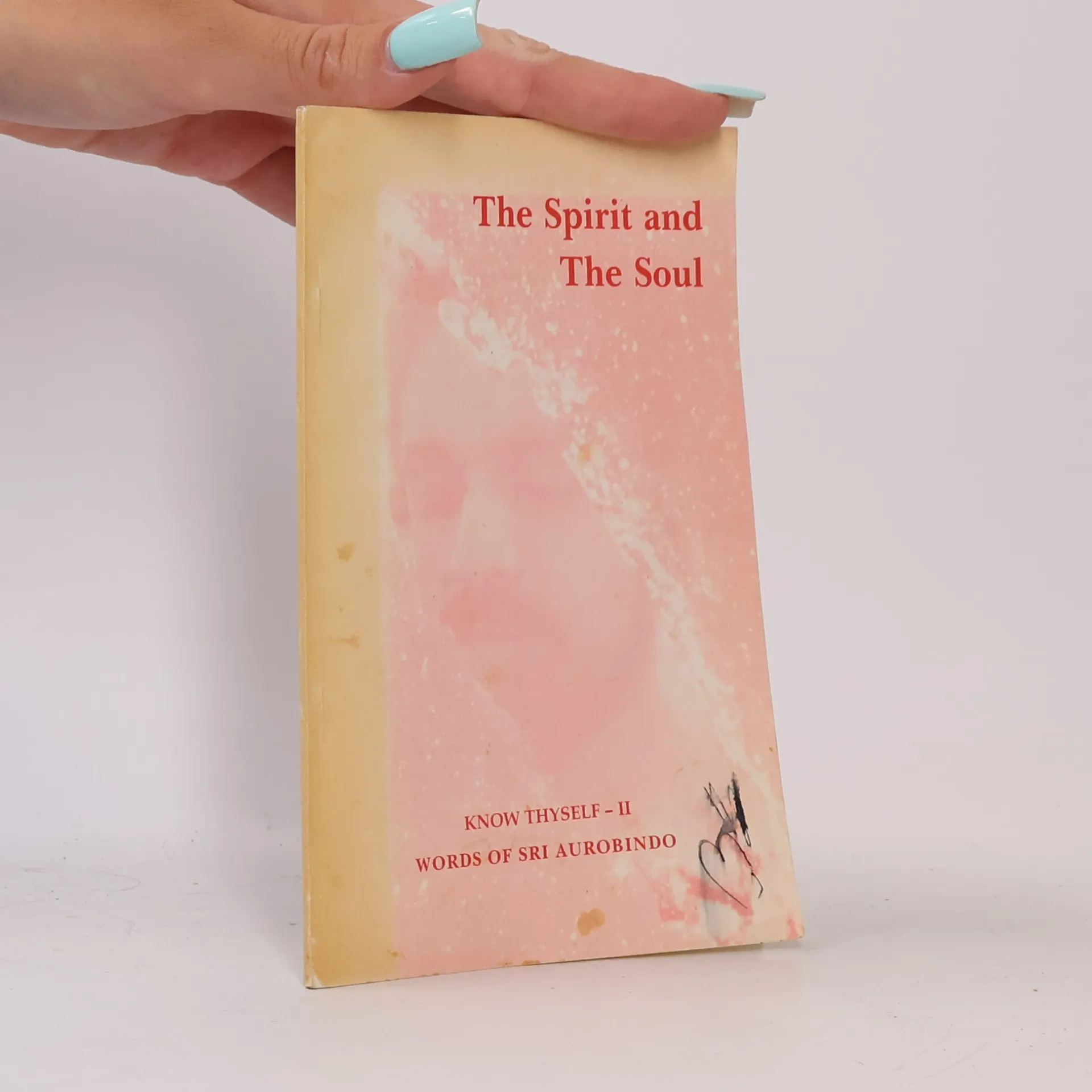
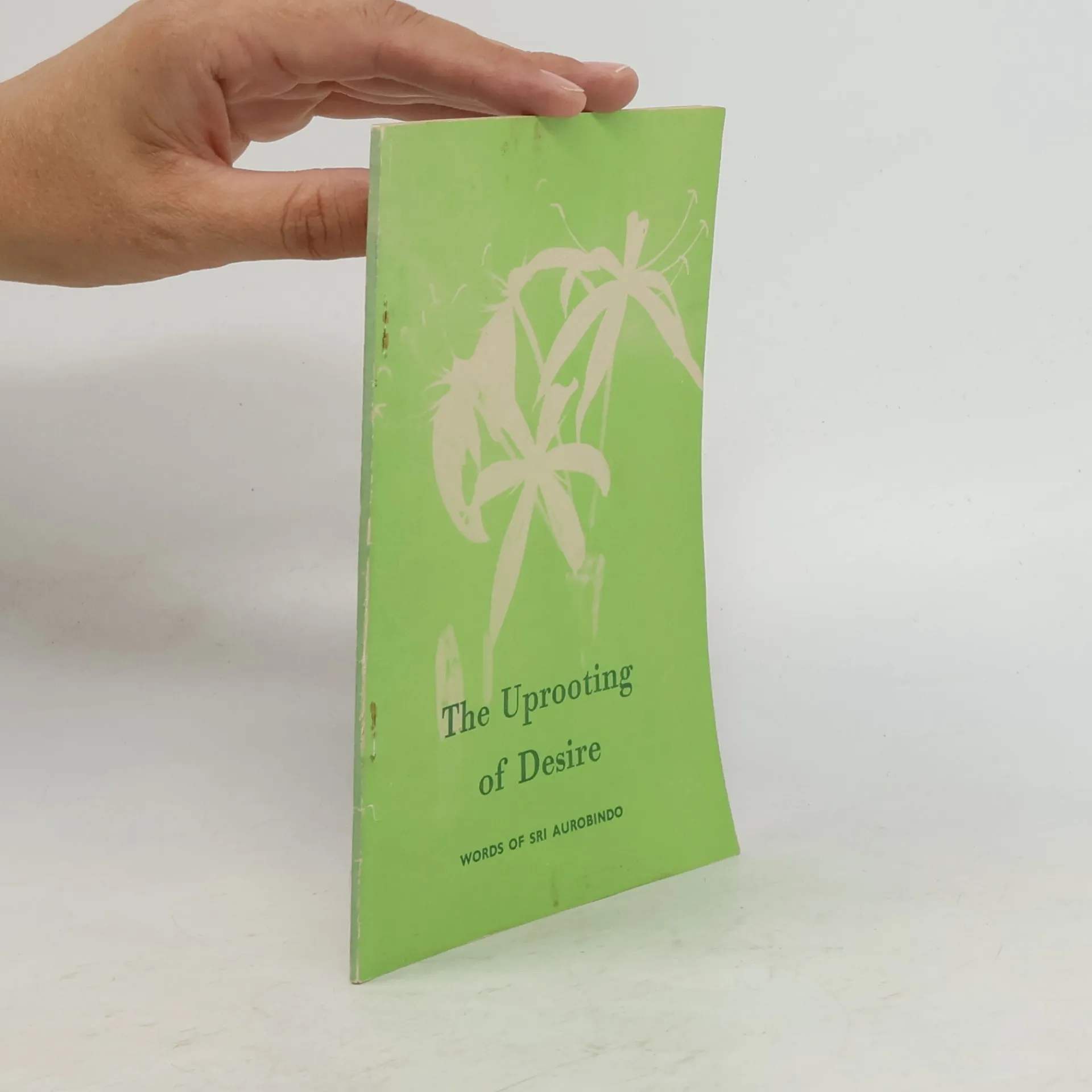
Desire is the necessary lever for self-affirmation; but eventually Desire has to grow out of the law of Hunger into the law of Love. When we have passed beyond enjoyings, then we shall have Bliss. Desire was the helper; Desire is the bar.
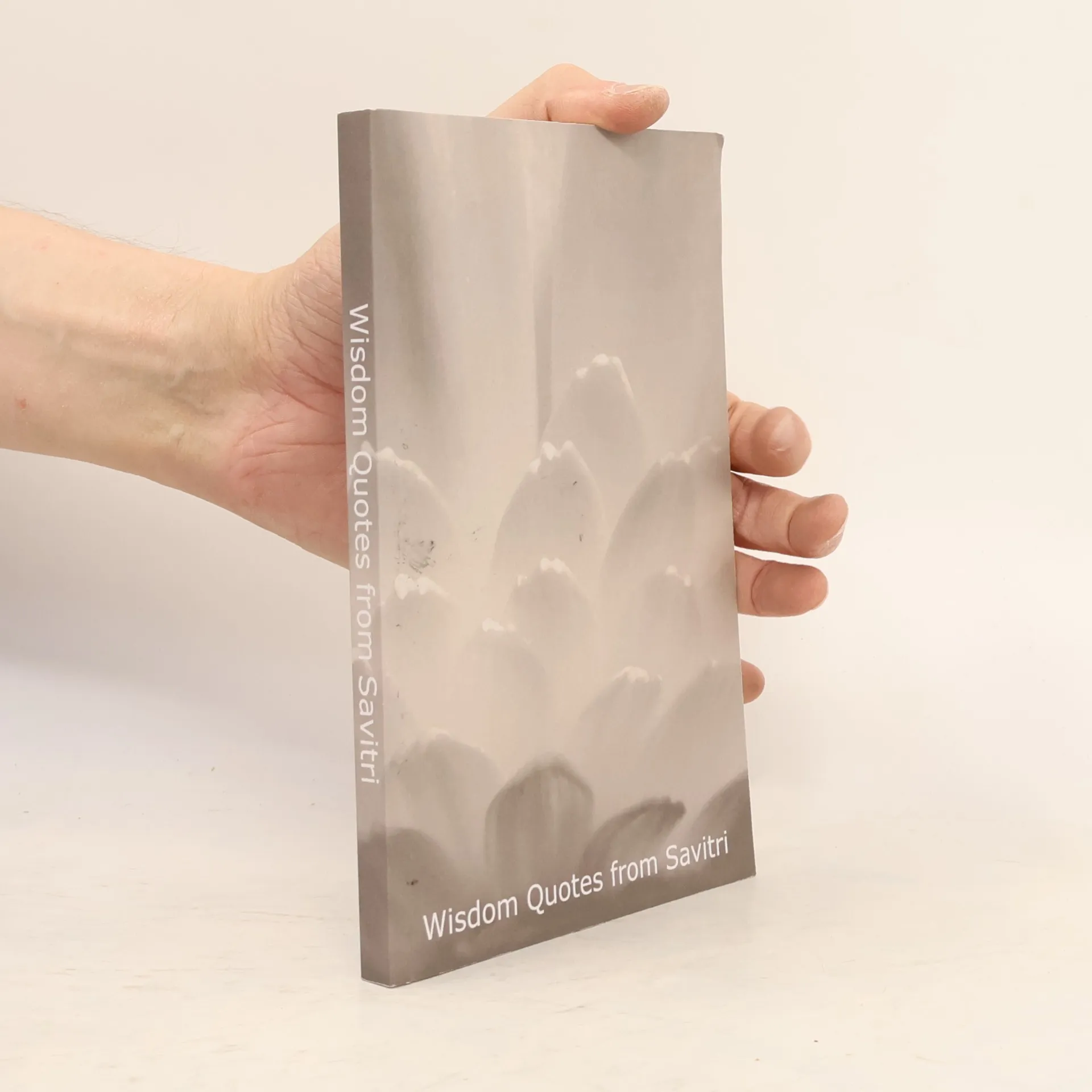
Discussing Wisdom Quotes based on Sri Aurobindo's epic Savitri is a complex endeavor, as it transcends conventional interpretation. Savitri represents a profound revelation and the luminous vision of a Yogi-Poet, embodying the omniscient Word from a high transcendental Source. Reducing it to mere quotes risks trivialization, yet there are exceptional lines that can inspire new life, truth, beauty, power, light, and joy. This selection features aphoristic quotations, single lines, unrhymed couplets, and stanzas, all sourced from the poem's rich context. While isolating these lines may seem unusual, they possess a universality that aligns with the nature of aphorisms. Presented in the order they appear in the poem, these selections highlight the essence of Savitri. Some lines, due to their pronominal references, were excluded from this collection, even though they could enrich a representative book of quotations. Examples illustrate their depth, such as the exploration of creation's futility and the transformative journey towards light and truth. These concise statements carry universal implications, offering guidance for shaping one's life. Our focus remains on adhering closely to the original text, with few exceptions.
Many of the earliest books, particularly those dating back to the 1900s and before, are now extremely scarce and increasingly expensive. We are republishing these classic works in affordable, high quality, modern editions, using the original text and artwork.
Die Mutter bezeichnete „Savitri“ als die höchste Offenbarung Sri Aurobindos und als prophetisches Gedicht, das der Menschheit als Wegweiser dient. Sri Aurobindo beschreibt es als Aufzeichnung außergewöhnlicher Erfahrungen, während die Mutter betont, dass das Lesen von „Savitri“ Yoga und spirituelle Konzentration fördert.
Sri Aurobindo und die Mutter betonen die Bedeutung von Sport und Körper-Erziehung im Integralen Yoga. Sie sehen das spirituelle Leben nicht als Ablehnung der Materie, sondern als deren Vergöttlichung, wobei die Körpererziehung eine direkte Methode zur Transformation des Körpers darstellt.
Die Anmerkung beschreibt die Erfahrung der Einkehr in die Natur bei Sonnenuntergang. Man soll die tiefen Wurzeln der Bäume und die Sehnsucht nach Licht und Glück spüren. Diese Verbindung zur Göttlichen Liebe führt zu einem innigen Gebet für Frieden und zeigt, wie menschliche Begierde diese Liebe herabsetzt.
Sri Aurobindo betont die Wichtigkeit von täglicher Meditation im Integralen Yoga. Eine halbe Stunde täglich hilft, das Bewusstsein zu konzentrieren, die Außenorientierung zu verringern und die Empfangsbereitschaft zu fördern, was auch in der Arbeit vorteilhaft sein kann.
Wahre Führungskraft erfordert Selbstvergessenheit und das Streben nach dem Wohl der Gruppe. Eine Führungskraft sollte eigennützige Interessen meiden und sich auf die Gemeinschaft konzentrieren. Im Ashram wird versucht, Verantwortung zu übertragen, um Selbstlosigkeit und Ego-Beherrschung zu fördern.
Sri Aurobindo und die Mutter betonen die Bedeutung von Sport und Körper-Erziehung im Integralen Yoga. Sie sehen das spirituelle Leben nicht als Ablehnung der Materie, sondern als deren Vergöttlichung, wobei die Körpererziehung eine direkte Methode zur Transformation des Körpers darstellt.
In der physischen Welt drückt Schönheit das Göttliche aus und ist Ausdruck des Ewigen. Sie verbindet die manifestierte Natur mit dem Ewigen durch die Vollkommenheit der Form, Harmonie und das Streben nach einem höheren Ideal.
Die Menschen kritisieren oft die Fehler anderer, während sie ihre eigenen nicht erkennen. Diese Unkenntnis über die eigenen Mängel ist weit verbreitet. Yoga hilft, sich dieser inneren Fehler bewusst zu werden und das eigene Bewusstsein zu erweitern.
Sprache drückt oft die oberflächliche Natur aus. Übermäßiges Sprechen kann Energie verschwenden und das innere Hören, das wahres Wissen vermittelt, behindern. (Sri Aurobindo)
Sri Aurobindos spirituelle Literatur zielt darauf ab, die gemeinsamen Wurzeln östlicher und westlicher Kulturen in Mystik, Sprache, Symbolen und Märchen zu entdecken.
Egoismus führt zu Streitigkeiten, da er die eigene Meinung über alles stellt und andere als falsch ansieht. Dies verursacht Ärger und Verletztheit, die nicht toleriert werden sollten und sofort zurückgewiesen werden müssen.
Geld ist eine mächtige Lebensressource, die für göttliche Zwecke genutzt werden sollte. Man sollte weder daran gebunden sein noch Verachtung empfinden. Alle Reichtümer gehören dem Göttlichen und müssen letztlich zu Ihm zurückkehren.
Das innere Wesen ist mit der äußeren Persönlichkeit durch Bewusstseinszentren verbunden, die im Yoga bewusst gemacht werden. Nur wenig dringt von diesem inneren Wesen ins äußere Leben, was unsere besten Eigenschaften wie Kunst und Ideale ausmacht. Yoga zielt darauf ab, diese Zentren zu öffnen und zu aktivieren.
Die Gnade und der Schutz sind stets bei dir. In schwierigen Zeiten suche die Göttliche Kraft, die dich beschützt. Mit Glauben und Aufrichtigkeit wirst du inneren Frieden finden, der trotz äußerer Störungen bleibt.
Sri Aurobindo und die Mutter erörtern die Rolle von Zahlen und Astrologie im Integralen Yoga und deren Bedeutung für das spirituelle Wachstum und das Verständnis des Lebens.
In einer frühen Phase seines Aufenthalts in Pondicherry beschäftigte sich Sri Aurobindo intensiv mit dem Rig Veda und seiner tieferen Bedeutung. In verschiedenen Studien zeigte er auf, dass die Autoren der Verse Seher waren, die ihre Erfahrungen und Erkenntnisse in eine bestimmte bildhafte Sprache kleideten. Im vorliegenden Buch werden erstmals die wichtigsten Abschnitte aus dem Titel "Hymns to the Mystic Fire" in deutscher Übersützung abgedruckt, worin Sri Aurobindo die Symbolik erläutert, welche die Seher verwendeten. 0Im zweiten Teil legt er freie Übertragungen von Hymnen an Agni vor, "das mystische Feuer", und wählt dafür u.a. Verse von vier verschiedenen bekannten Rishis, die hier wiedergegeben werden. In seinen Texten versucht er, durch tiefe Einfühlung die ursprüngliche spirituelle Bedeutung der Hymnen durchscheinen zu lassen, und stellt fest: ?So wie die Lehre des Rig Veda der Keim der Lehre des Vedanta ist, so ist seine innere Praxis und Disziplin ein Keim der späteren Praxis und Disziplin des Yoga.? 0Zur weiteren Erhellung des Inhalts wurden in der deutschen Ausgabe den Übertragungen Sri Aurobindos die mehr wörtlichen Übersetzungen des Indologen und Veda-Experten Karl Friedrich Geldner gegenübergestellt, die sich an die ritualistischen Interpretationen des indischen Gelehrten Sayana (14. Jh.) anlehnen. Zudem wurde im Anhang ein kleines Lexikon der vedischen Symbolik hinzugefügt
Savitri ist Sri Aurobindos poetisches Hauptwerk in knapp 24 000 mantrischen Versen. Im vorliegenden Buch erscheint der abschließende Zweite Teil einer neuen Übersetzung von Wilfried Huchzermeyer mit der Zielsetzung, den teils sehr schwierigen Text inhaltlich korrekt und in ansprechender, zeitgemäßer Sprache wiederzugeben. Sri Aurobindos spirituelle Mitarbeiterin, die Mutter, nannte Savitri „dieses wundervolle prophetische Gedicht, das die Menschheit zu ihrer künftigen Verwirklichung führen wird.“ Als Grundlage diente die Legende von Savitri und Satyavan im indischen Epos Mahabharata. Mittels einer symbolischen Deutung und Ausarbeitung dieser alten Sage schildert Sri Aurobindo die tiefe spirituelle Suche und Transformation der aufstrebenden Seele des Menschen.
Шри Ауробиндо был человеком Востока по рождению и Запада по образованию. Его учение можно считать философией будущего, когда человечество сможет достичь самых высоких вершин человеческого сознания - уровней Сверхразума.