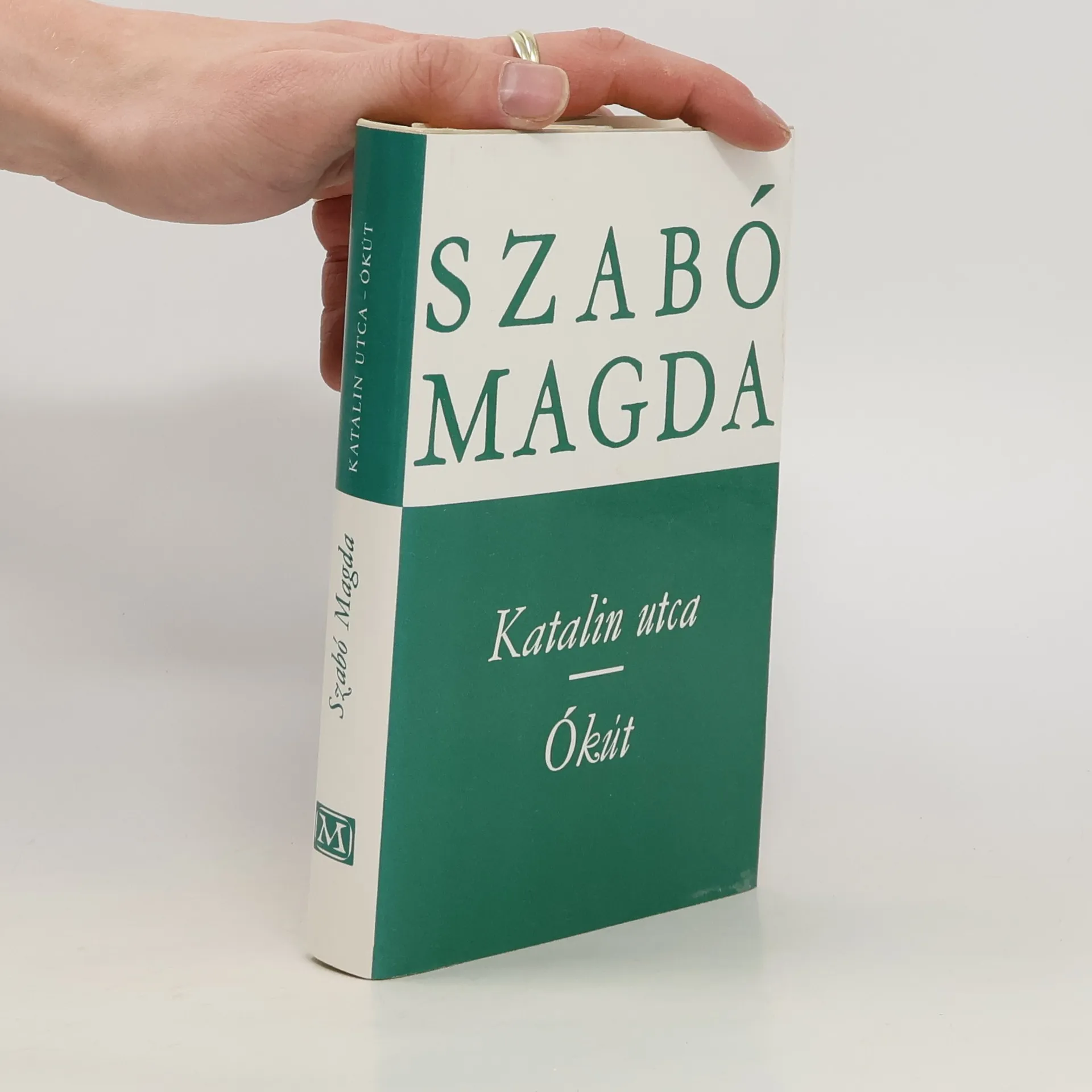
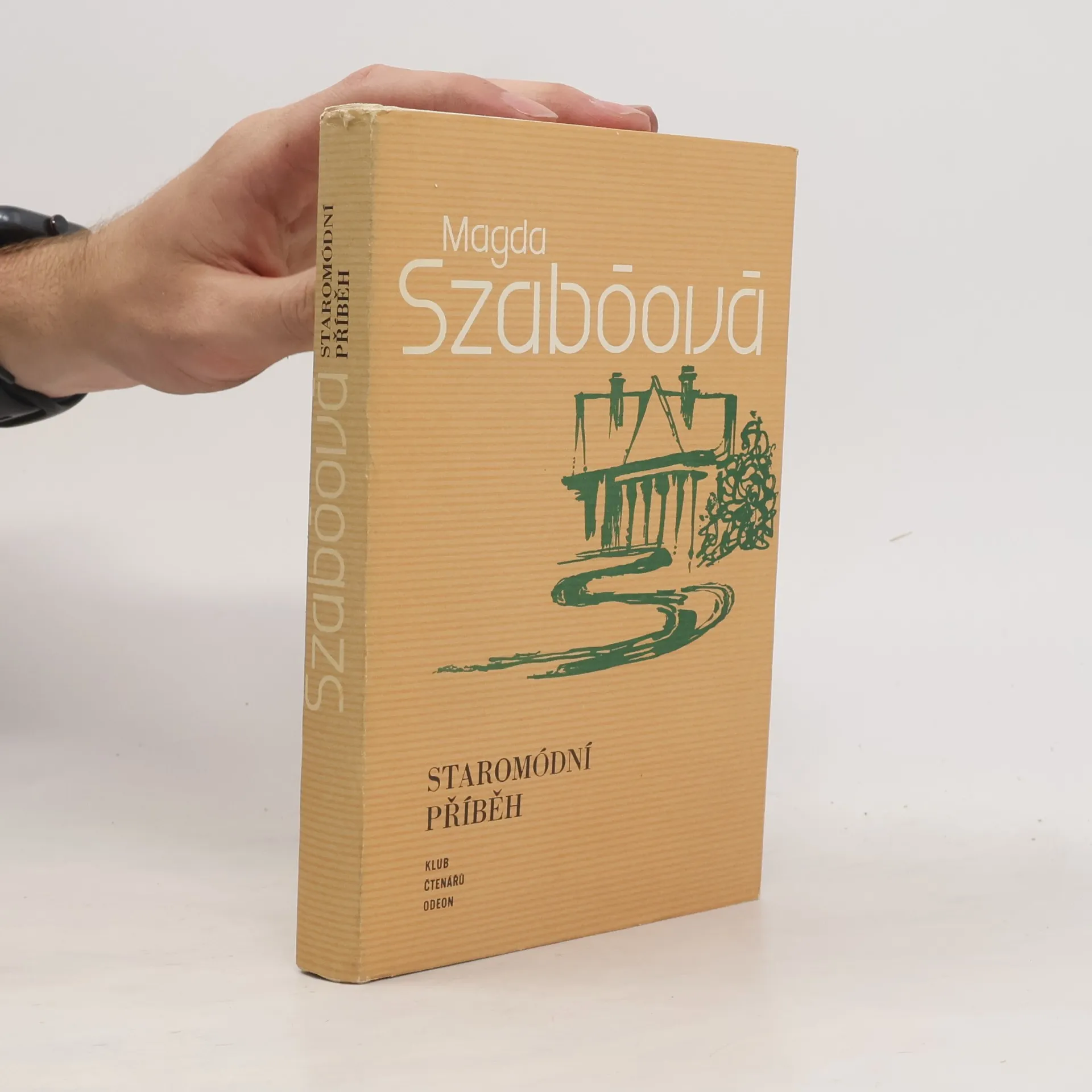
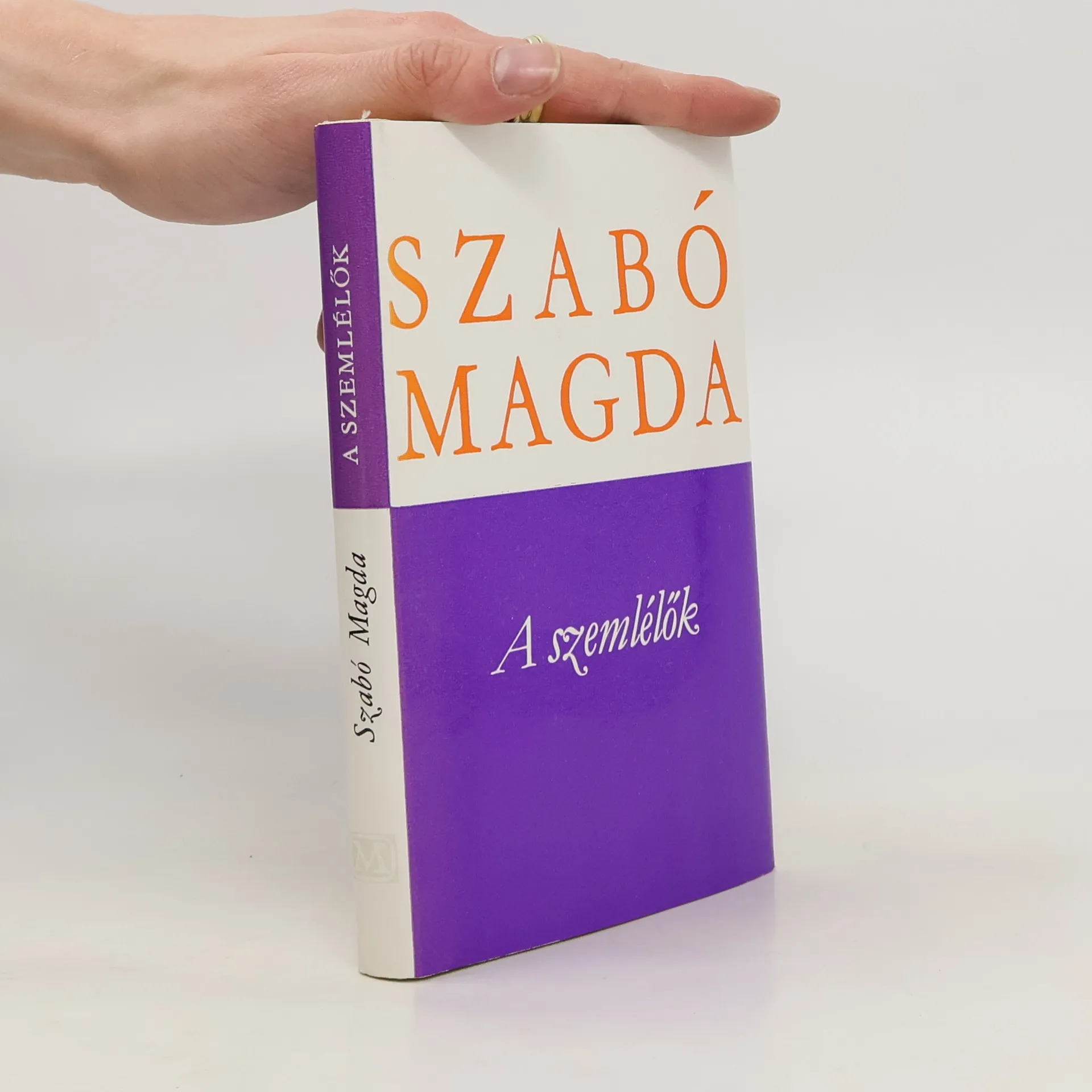
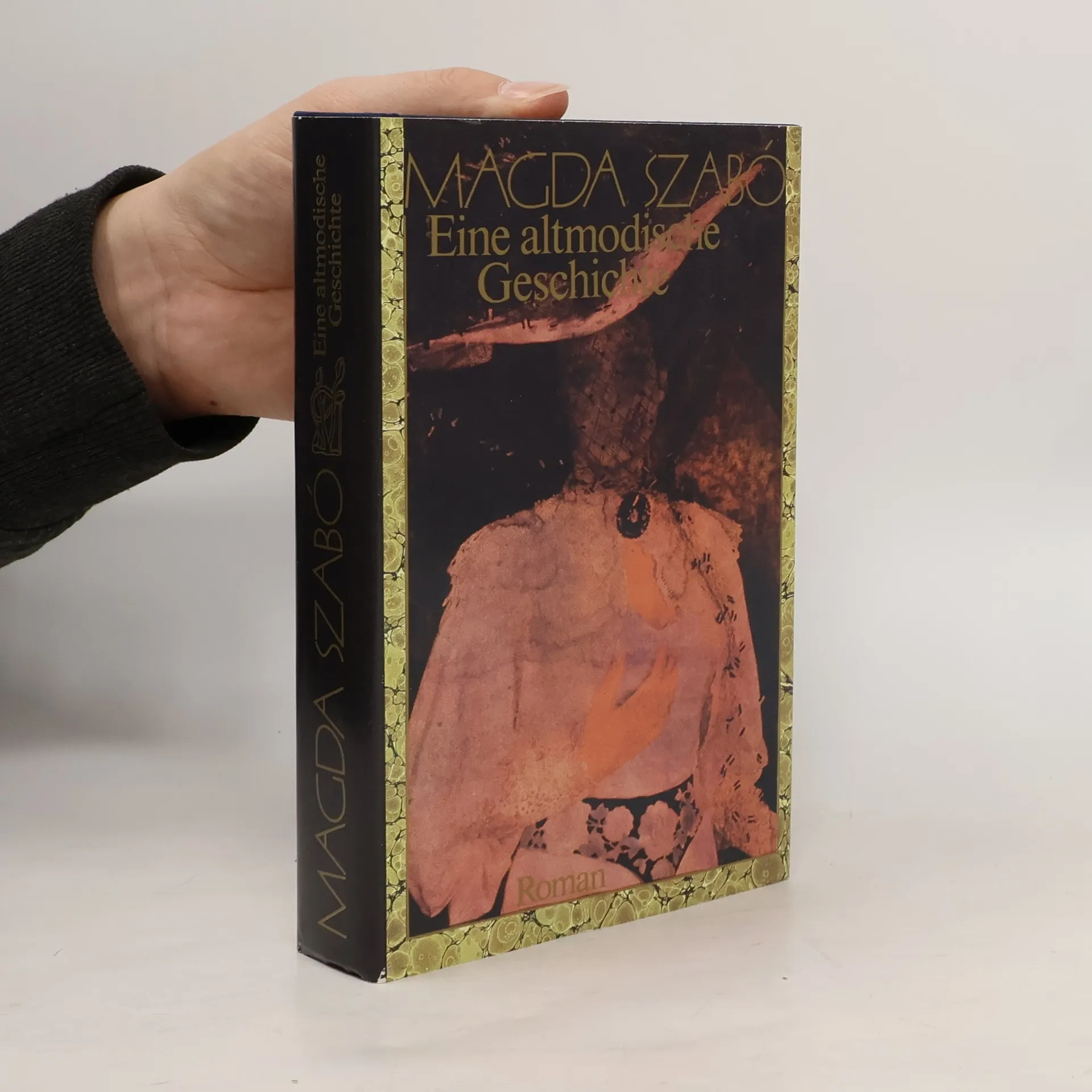
Daloljanak itt angyalok
- 242 pages
- 9 hours of reading
Igazán különleges, ünnepi olvasmány ez a Szabó Magda karácsonyi írásait - novelláit, verseit - tartalmazó kötet, melynek egy része most először lát könyvben napvilágot.


Magda Szabó was a Hungarian writer, arguably her nation's foremost female novelist, who also penned dramas, essays, and poetry. Her work delves into the complexities of human relationships and the societal pressures that shape individuals. Szabó possessed a keen psychological insight, crafting prose that captured the nuanced landscape of human experience. Despite her roots in Hungarian culture, her narratives explore universal themes, earning her widespread international acclaim and readership.


Igazán különleges, ünnepi olvasmány ez a Szabó Magda karácsonyi írásait - novelláit, verseit - tartalmazó kötet, melynek egy része most először lát könyvben napvilágot.
Levelek a szomszédba
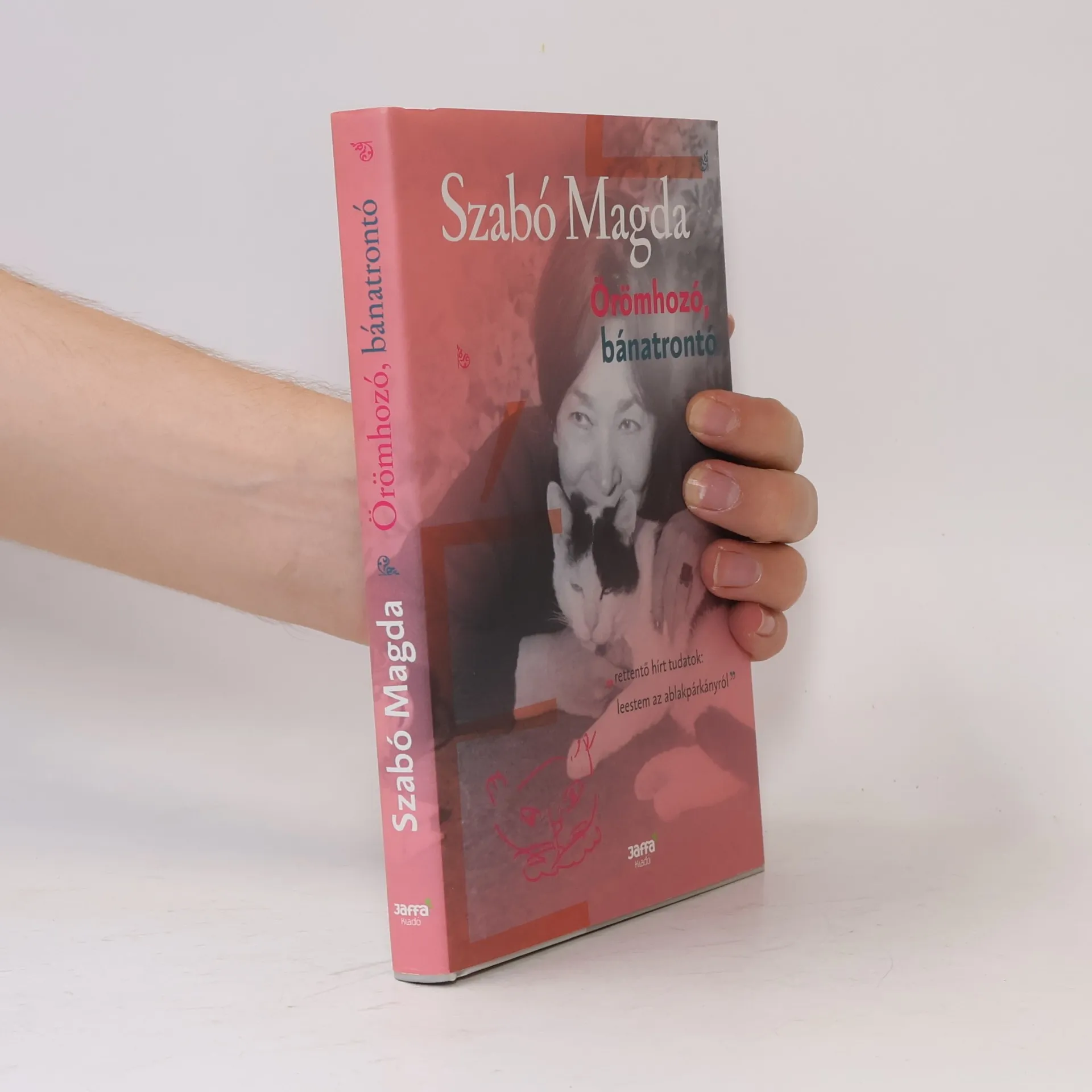
"Ember és állat alakja, igénye, teljesítménye teljesen azonos volt a számomra, magamat vagy magunkat se gondoltam többnek, másnak, mint egy civilizált, este fogat mosó farkast vagy hivatalba járó galambot. Heves, soha nem szűnő, inkább erősödő szánalmat éreztem e néma testvérek iránt, akik a maguk sajátos nyelvét beszélték, és nem tudtak megszólalni emberi hangon, nem tudtak védekezni sem, teljesen ki voltak szolgáltatva az emberek jó- vagy rosszkedvének, emberségének vagy embertelenségének. Külsejüket, tollruhájukat vagy a pikkelyeket, vagy az irhát, amelyből szemük rám pillantott, úgy néztem, mint színészen a jelmezt, s meg voltam róla győződve, egyszer majd leveszik, akkor nem marad, csak a húsuk, azonos, mint az enyém, s lesz egy pont, egy pillanat, amikor emberi hangon is megszólalnak majd, csak ki kell várni, meg kell érdemelni" - írta Szabó Magda az Ókút-ban. Az írónőnek ezt a minden élőlény iránti szeretetét kívánta megmutatni örököse, Tasi Géza, közreadván a hagyatékban fennmaradt - sokszor rajzokkal kísért - leveleket, amelyekben egy csíkos kiscica meséli el emberi hangon a szomszédoknak, milyen is íróéknál a macskaélet.
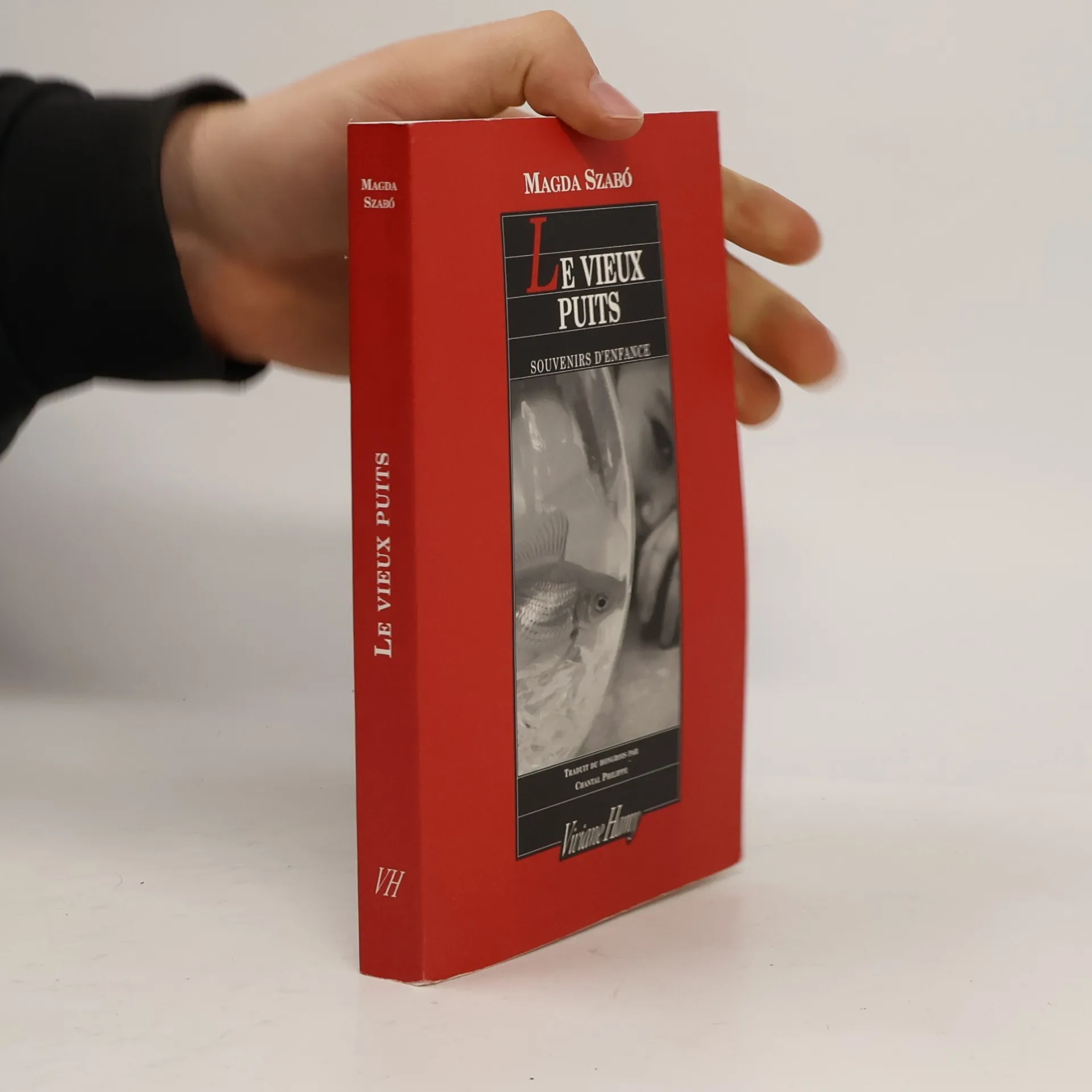
Magda Szabô nous offre une clé pour la suivre au pays de son enfance émerveillée : Le Vieux Puits se trouvait dans le jardin de la petite fille, l'adulte qu'elle est devenue s'y laisse glisser, telle Alice, pour retrouver, intacts et vivants, sa ville natale, ses amis, ses parents... Les pierres ont conservé les voix, les rires, les joies, et restituent les êtres...
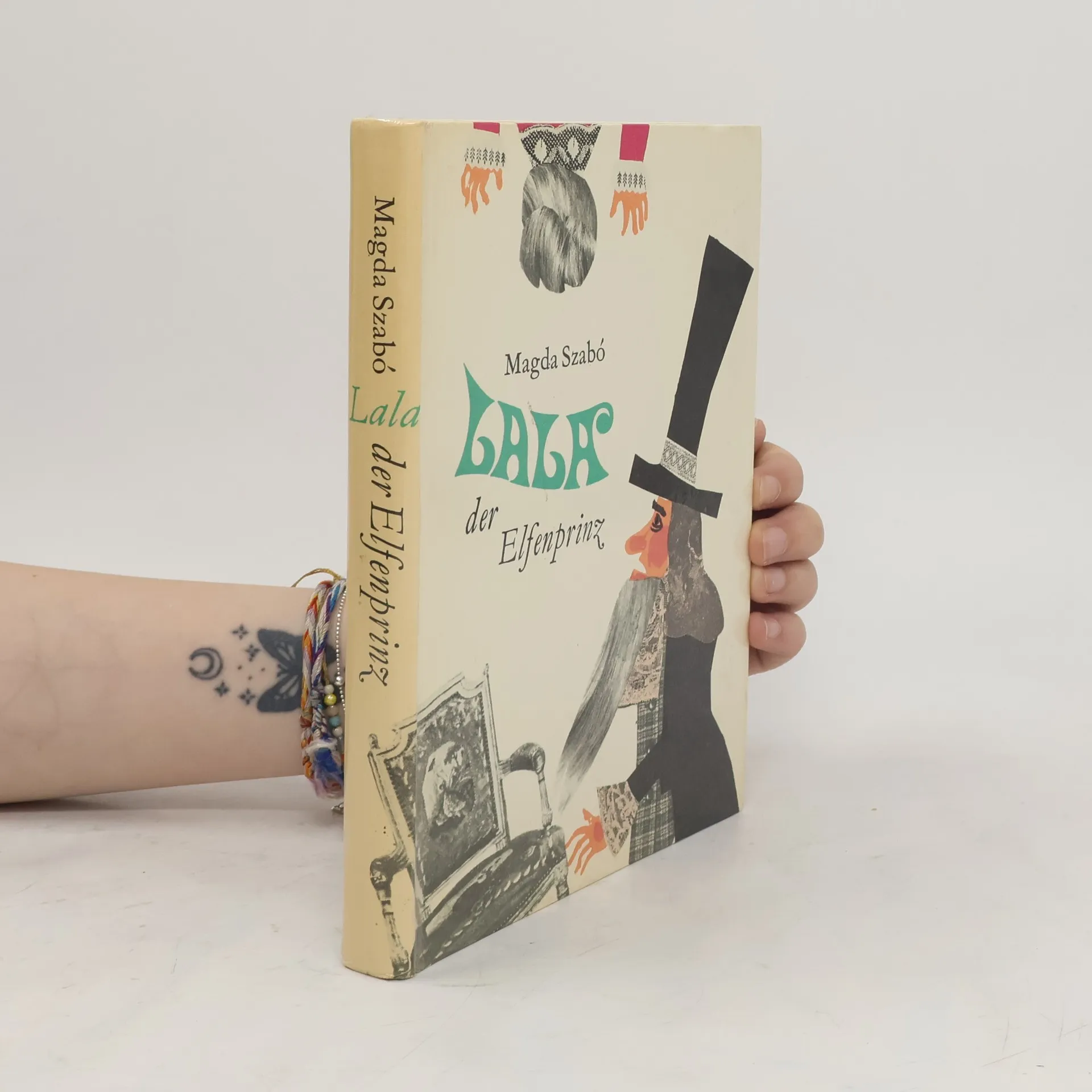
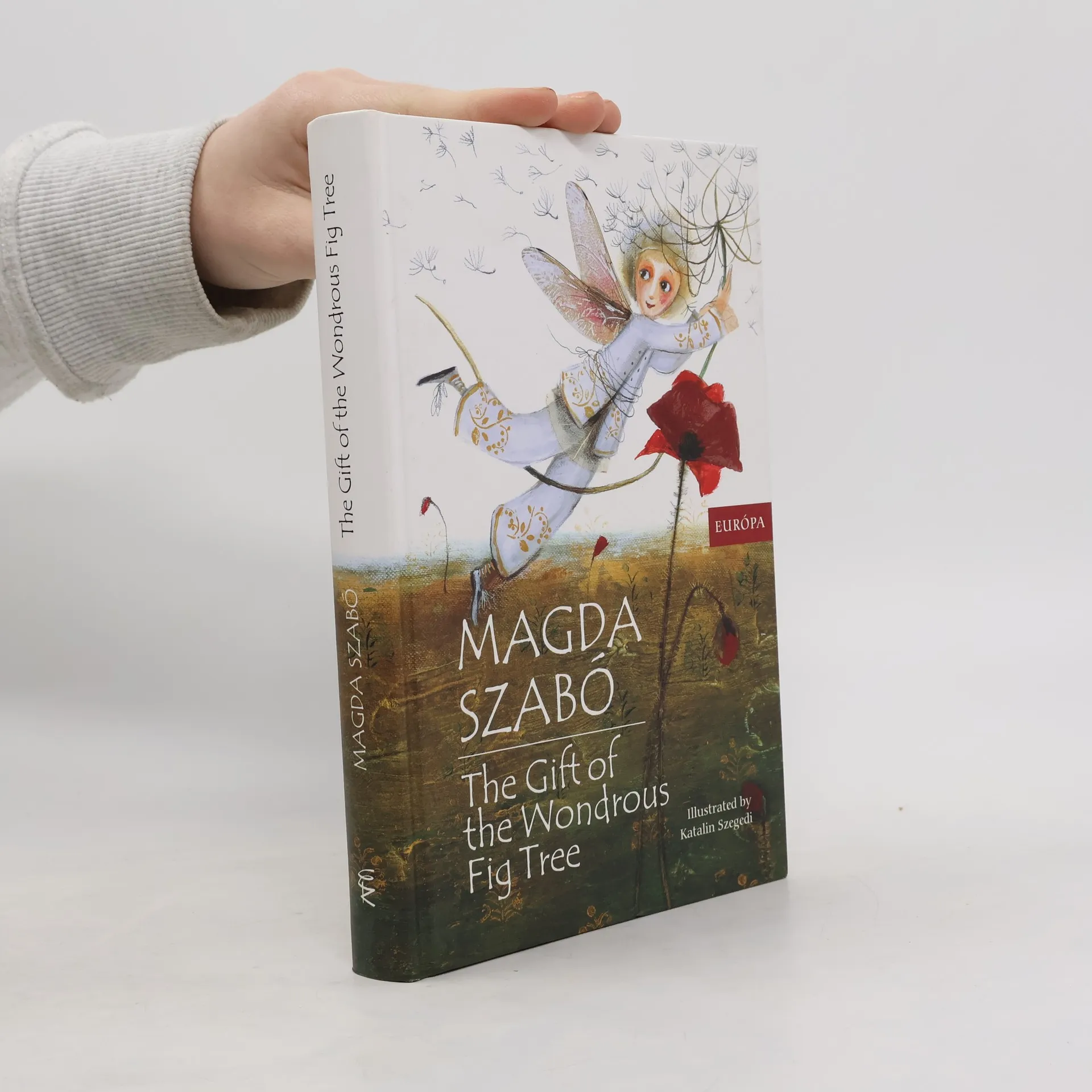
Queen Iris is delighted when the all-knowing wondrous fig tree, which stands in the middle of Fairyland, gives her Lala on her coronation day. But Lala is no ordinary fairy child. He shows very little interest in the spells he learns in fairy school and prefers the company of humans, befriending a recently orphaned girl, Beata, and her uncle. The queen hopes her sons behavior will improve after she marries Amalfi, the captain of the palace guard, who already loves the prince as his own.Meanwhile the power-hungry Adderpater, wizard, scholar, and coregent of the land, identifies the cause of the princes strange behavior: Lala has a human heart. The punishment for having a human organ is cruel in Fairyland. Iris will do anything to save her son, even marry the ancient wizard and banish Gigi, the truth-telling unicorn. Will the lights of Fairyland go out forever? Or will Lalas human heart give him the courage to restore justice and happiness?
Parodie op het klassieke heldenepos Aeneïs van Vergilius, waarin het verhaal wordt verteld vanuit het perspectief van de vrouw van Aeneas, Creüsa.
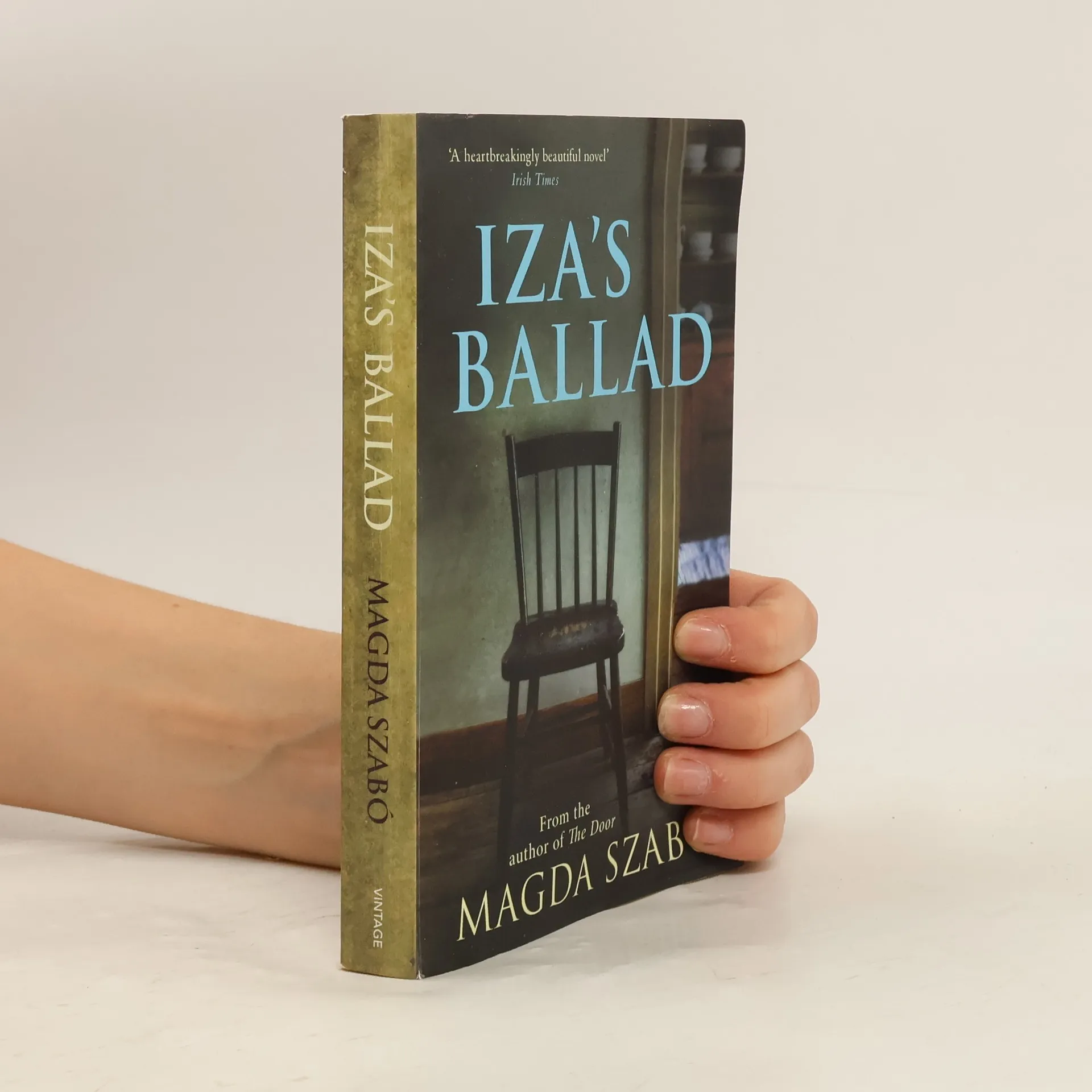
When Ettie's husband dies, her daughter Iza insists that her mother give up the family house in the countryside and move to Budapest. Displaced from her community and her home, Ettie tries to find her place in this new life, but can't seem to get it right. She irritates the maid, hangs food outside the window because she mistrusts the fridge and, in her naivety and loneliness, invites a prostitute in for tea. Iza’s Ballad is the story of a woman who loses her life’s companion and a mother trying to get close to a daughter whom she has never truly known. It is about the meeting of the old-fashioned and the modern worlds and the beliefs we construct over a lifetime.
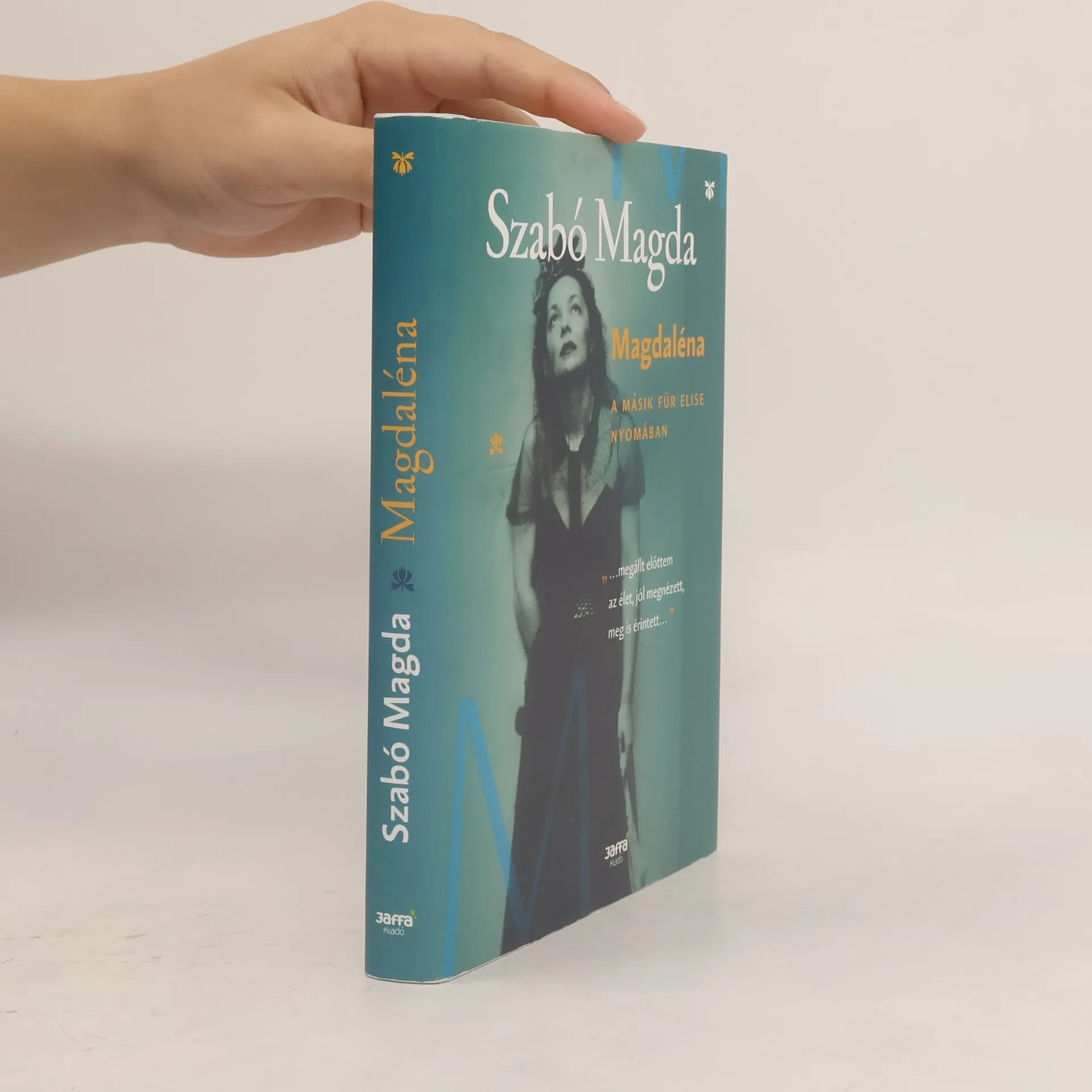
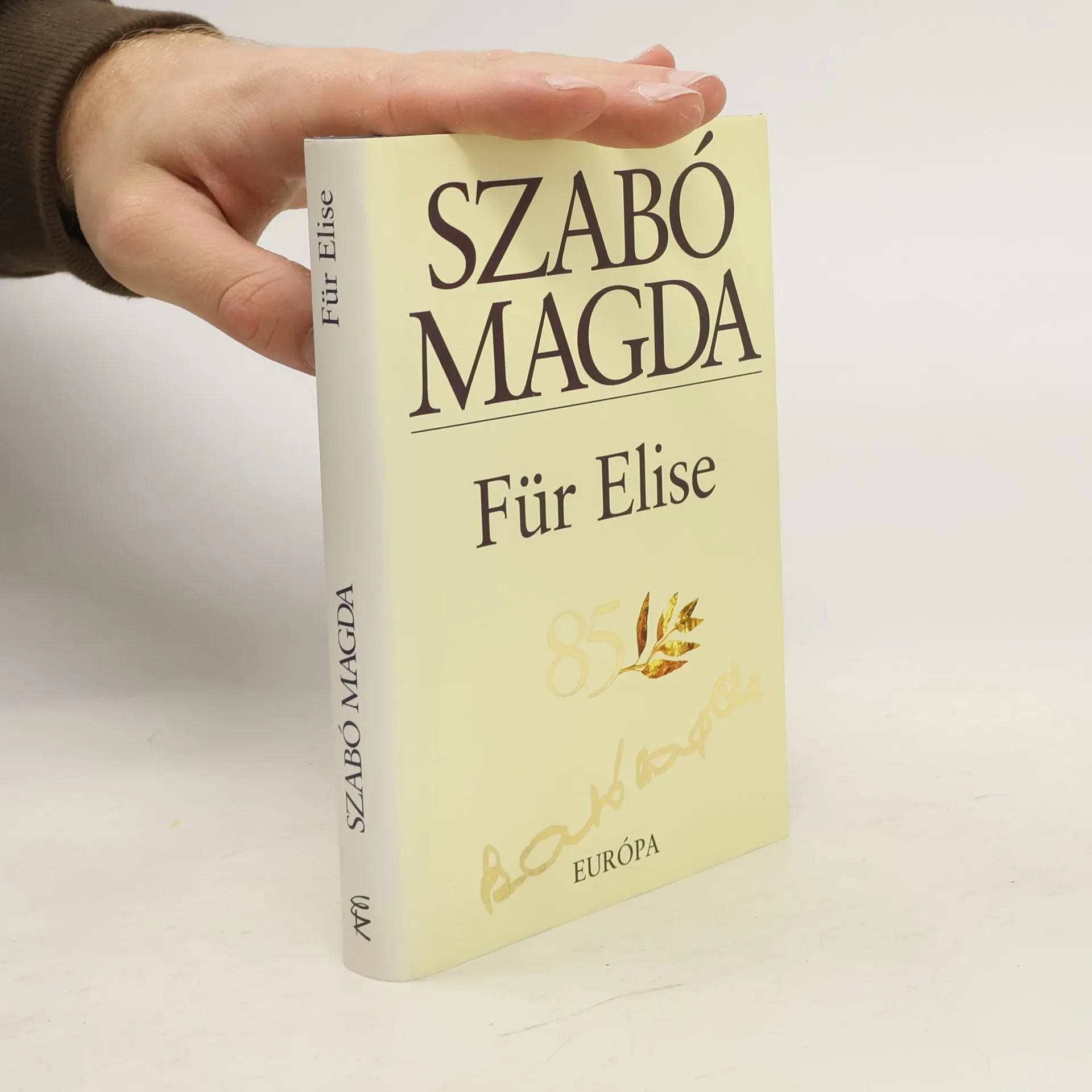
The lives of three intertwined families in prewar Budapest are shattered in the German occupation - by the bestselling author of THE DOOR.
Nyilvánvalóan azonban a fiatal koráról szóló leírások hiányoztak önéletrajzi munkáiból. Most végre egy egyedülálló vallomás született: Szabó Szent Ágoston és Rousseau szellemében megnyitja az összes zárat, és éles történetet tár fel életéről - családjáról, barátairól és tanárokról - valamint a környező világról 1927-től 1935-ig.
Een schrijfster in Boedapest kijkt terug op het leven van haar excentrieke huishoudster.
Schöne gebundene Ausgabe ohne Schutzumschlag. K 30.
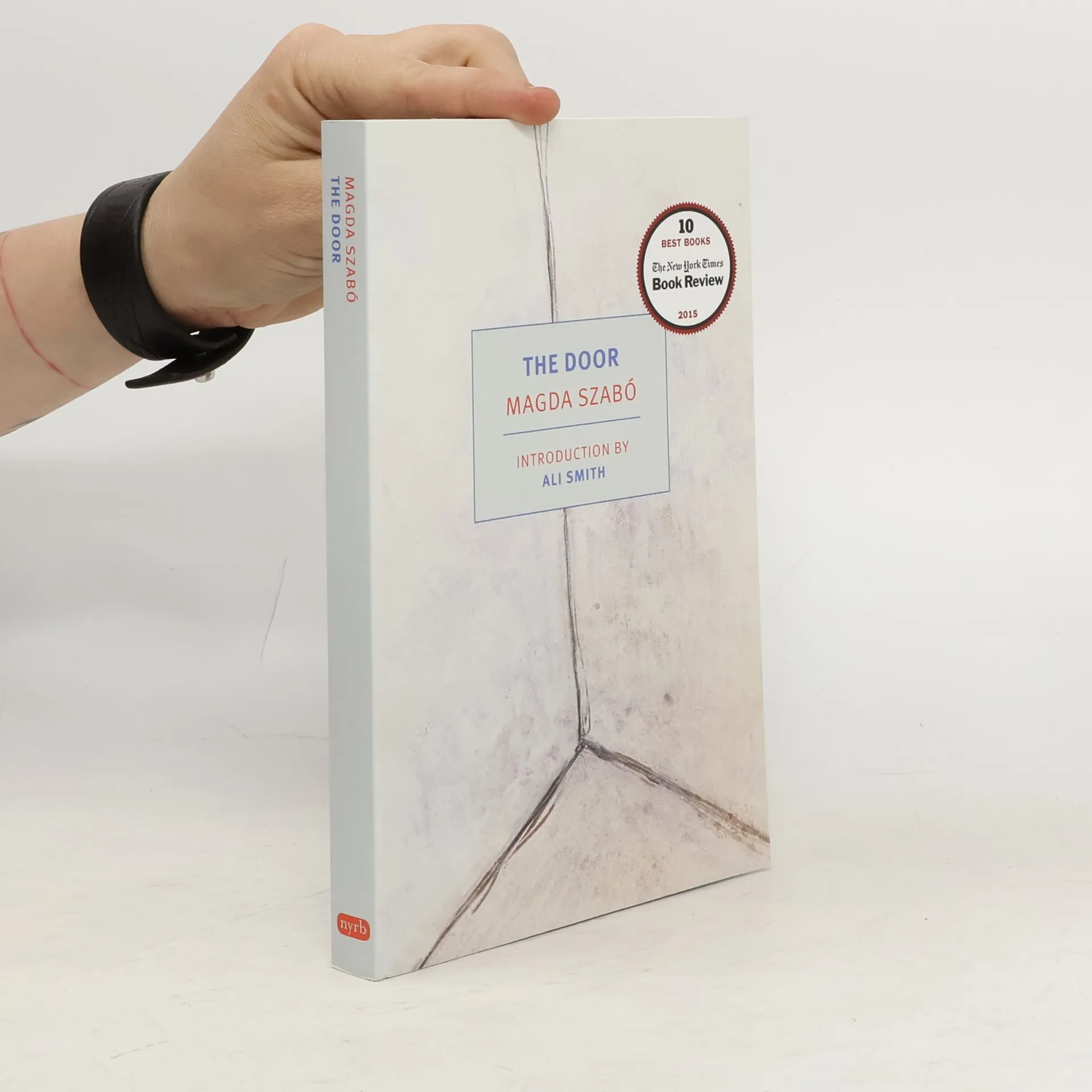
One of The New York Times Book Review's "10 Best Books of 2015" An NYRB Classics Original The Door is an unsettling exploration of the relationship between two very different women. Magda is a writer, educated, married to an academic, public-spirited, with an on-again-off-again relationship to Hungary’s Communist authorities. Emerence is a peasant, illiterate, impassive, abrupt, seemingly ageless. She lives alone in a house that no one else may enter, not even her closest relatives. She is Magda’s housekeeper and she has taken control over Magda’s household, becoming indispensable to her. And Emerence, in her way, has come to depend on Magda. They share a kind of love—at least until Magda’s long-sought success as a writer leads to a devastating revelation. Len Rix’s prizewinning translation of The Door at last makes it possible for American readers to appreciate the masterwork of a major modern European writer.
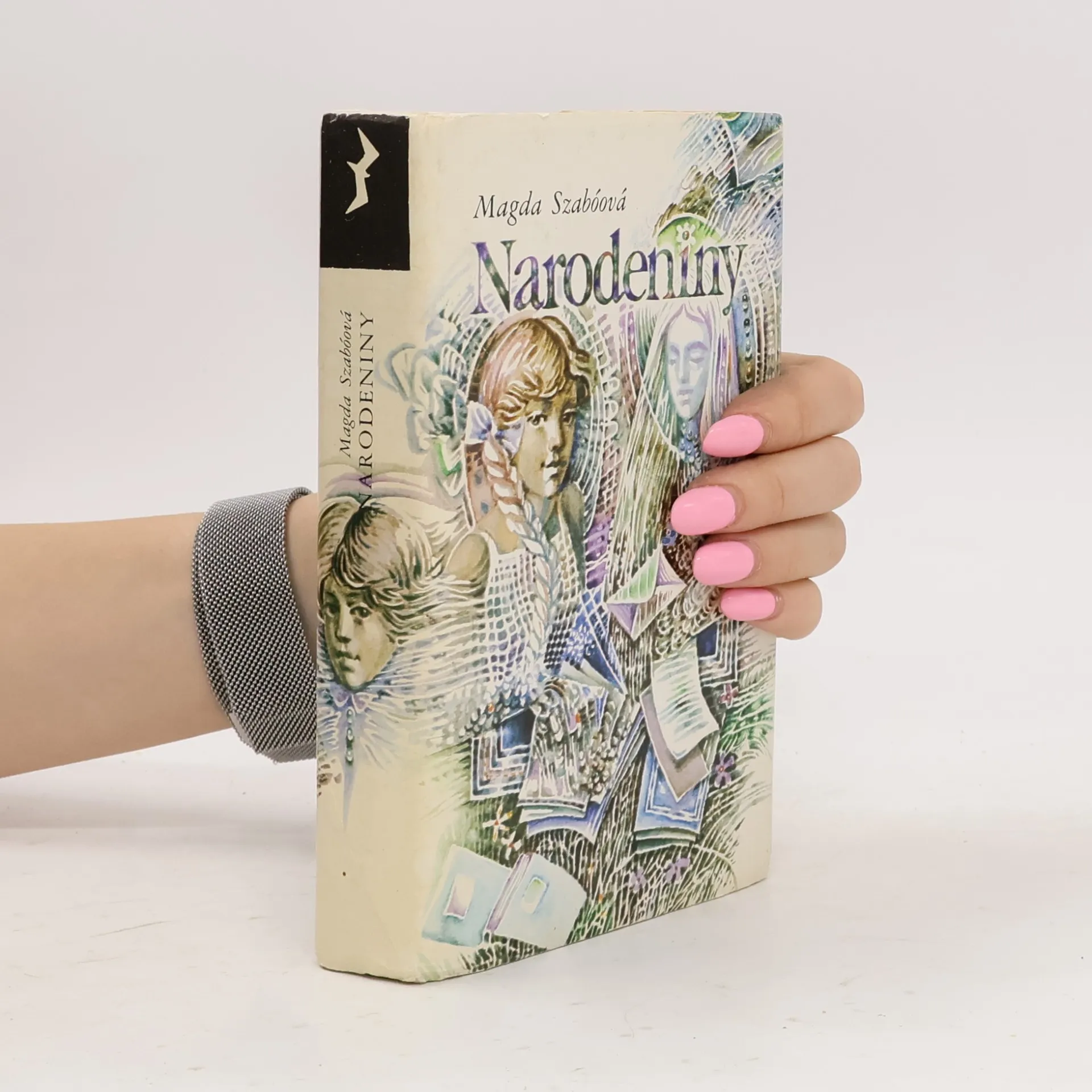
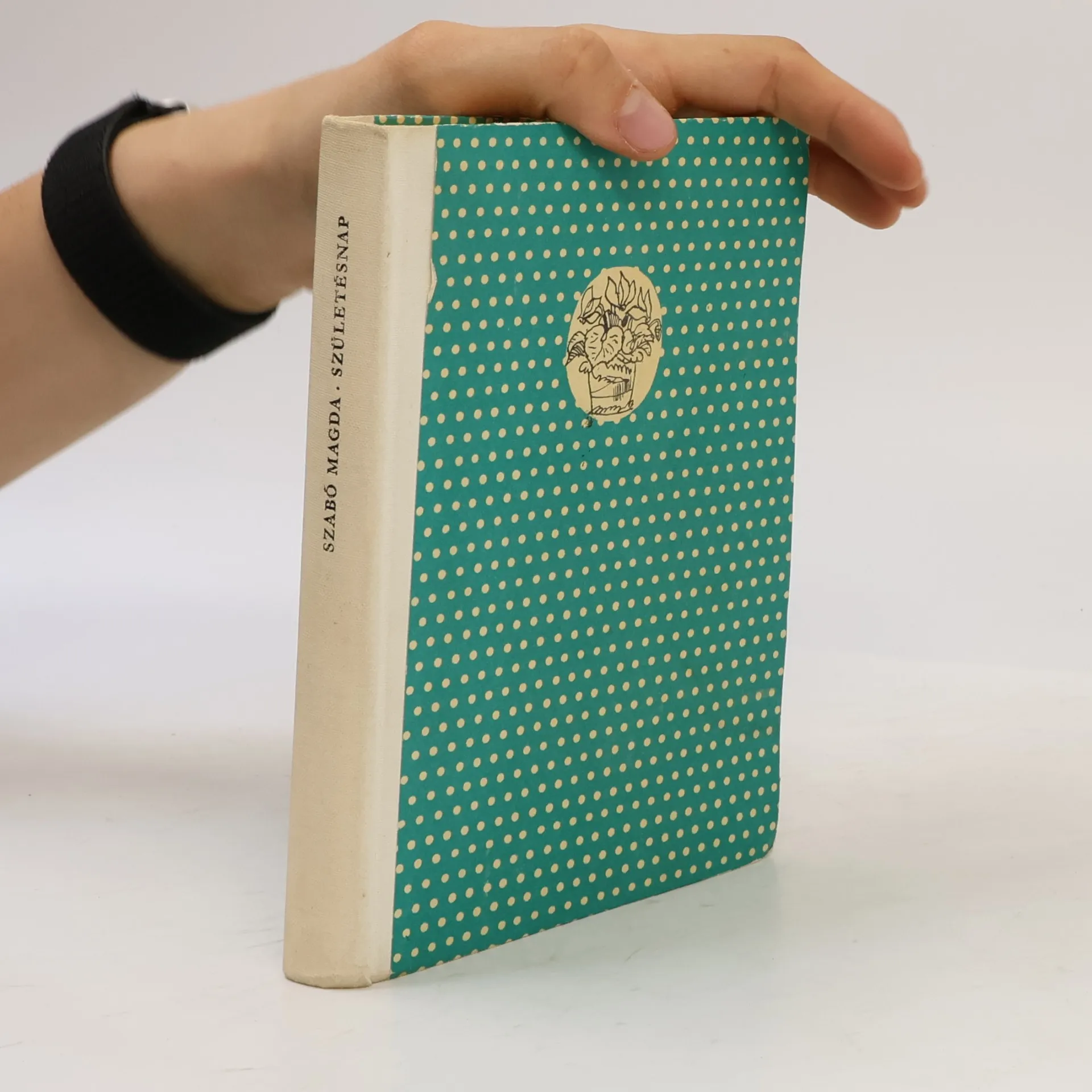
V knihe Narodeniny rozpráva autorka o Borke Illésovej, dcére budapeštianskeho vodiča trolejbusov a domovníčky. Pred blížiacimi sa štrnástimi narodeninami nárokuje si pekná, nie veľmi nadaná Borka pozornosť a uznanie rodičov a okolia. Chce, aby štrnáste narodeniny boli dôležitým medzníkom v jej živote. Nasilu chce byť dospelá. Keď namiesto očakávaných parádnych šiat a topánok s vysokými podpätkami dostane obyčajný zimník, je sklamaná. Borka musí prežiť mnoho nepríjemných a ťažkých chvíľ, kým si uvedomí, že dospelým sa nestáva človek svojím oblečením a že hodnotu ľudí nesmie merať vábnym zovňajškom, ale mierou, akou sa vedia zriekať sebectva a obetovať sa pre druhých. Autorka je výborným psychológom a z každého riadku tejto jej knihy cítiť lásku k ľuďom a nevtieravú vôľu nenásilne vychovávať a formovať dušu mladého človeka. Významná maďarská prozaička Magda Szabó, laureátka ceny Attilu Józsefa, sa narodila roku 1917 v Debrecíne. Do literatúry vstúpila ako poetka roku 1947. Po dlhej odmlke začala publikovať opäť. Roku 1958 upozornila na seba veľmi úspešným románom Freska, ktorý predtavuje jej autorskú zrelosť. Za hlavnú silu jej rozprávačského umenia považujeme prenikavosť jej psychologického postrehu. Svet, ktorý vo svojich románoch pre mládež i pre dospelých, vo svojich hrách i vo filmových a televíznych scenároch opisuje, je plný mravného idealizmu premietnutého do všedných životných situácií.
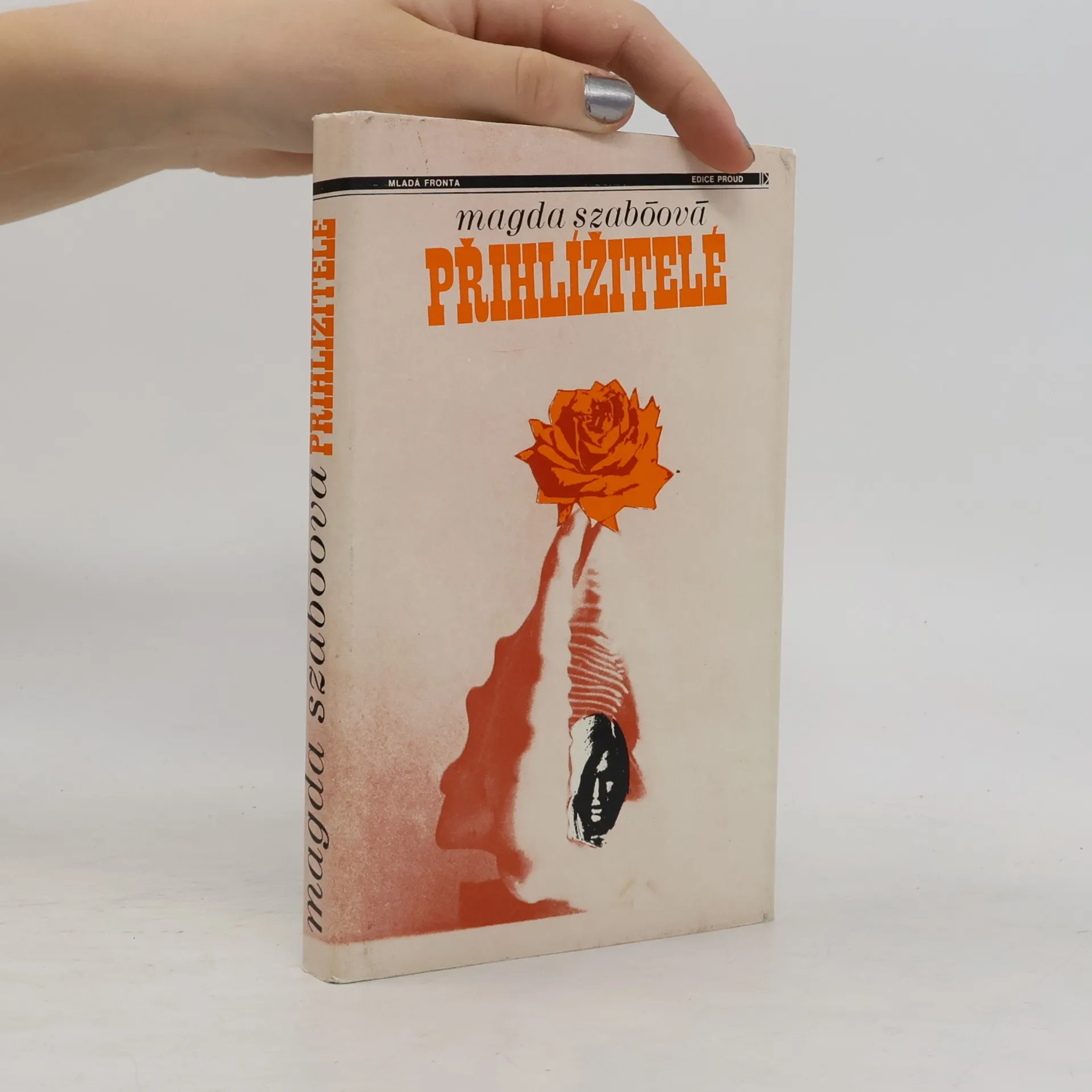
Příhlížitelé můžeme chápat jako milostný román, avšak jeho dva nepříliš mladí hrdinové, kteří se do sebe zamilují, nemohou pro svůj postoj jít stejnou cestou nejen navěky, ale dokonce ani po delší dobu. Jejich vzpomínky, pozadí jejich minulosti, někdejší radosti nebo tragédie a všechno to, co oba od života ještě očekávají, jsou tak protichůdné, že současní Montek a Capuletová pobudou spolu jen krátký čas, ako když stěhovaný pták na své pouti slétne do koruny stromu, aby si odpočinul. Není to ovšem pouze milostný román. Neexistují vypreparovatelné city, jež by se projevovaly jen samy o sobě, protože všecho souvisí se vším. I v této knize. Magda Szabó
Románová kronika několika generací autorčiny rodiny, sestavená po rozsáhlém bádání na základě písemných pramenů, vzpomínek pamětníků i autorky samotné, která se o svých kořenech mnohé dozvěděla až ve zralém věku. Největší plochu zaujímá životní příběh spisovatelčiny matky Lenky Jablonczayové, přesněji její mládí před Magdiným narozením.
A cult coming-of-age novel by the multi-award winning author of THE DOOR and KATALIN STREET.
Dieser Roman, der auf einer gründlichen Erforschung der Familiengeschichte fußt, stellt über das persönliche Anliegen seiner Verfasserin hinaus ein authentisches Zeitdokument dar, das weniger durch dramatische Handlungsführung als durch genaue Milieuschilderung und Charakterzeichnung besticht.
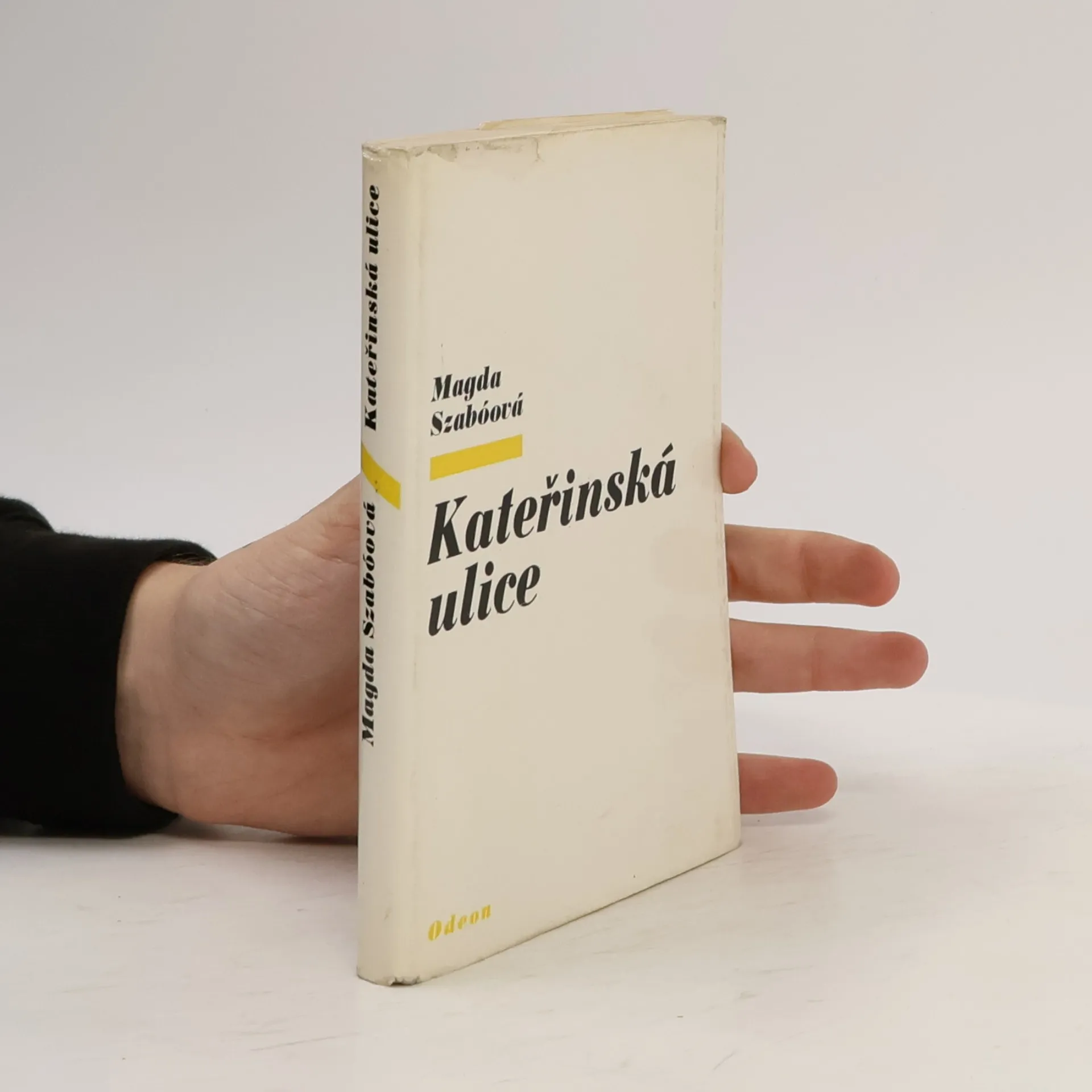
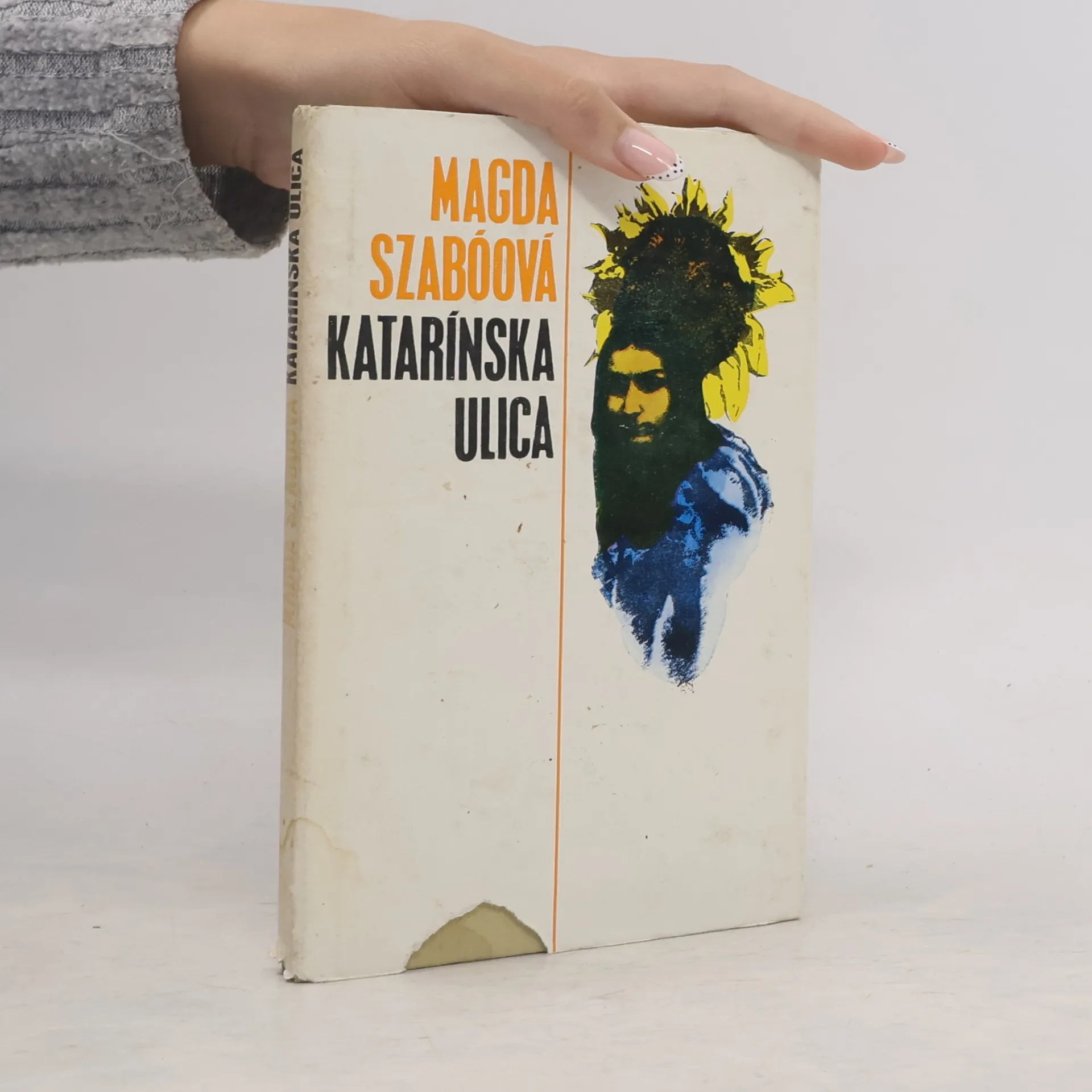
Psychologický román o osudech tří rodin v Kateřinské ulici pod budapešťským hradem ve vzrušené době od r. 1934 do r. 1968. Autorka s velkým vypravěčským uměním líčí, jak první válečné události roztřídily příslušníky rodin, kteří doposud názorově i celým životním stylem tvořili harmonický celek, a zejména co všechno v každém z těch, kdo válku přežili, válka a doba poválečná narušily.
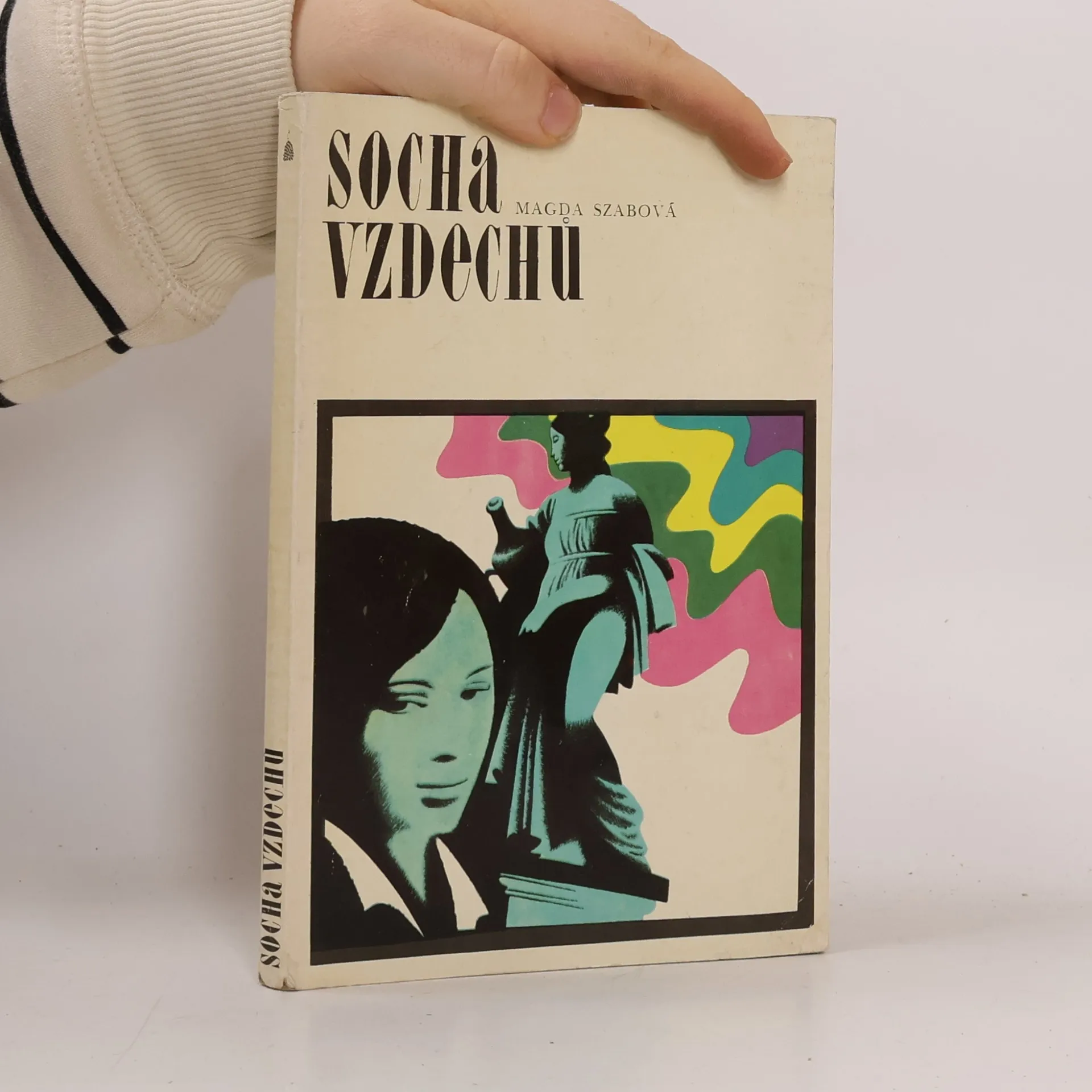
Dívčí román zavádí do maďarské církevní školy v době druhé světové války. Vypráví o životě patnáctiletých dívek, které si přísný školní řád zpestřují různými žertíky se sochami a obrazy velikánů ze školního inventáře, přičemž významnou úlohu hraje legenda o soše Abigail. Do příběhu zasahuje i životní osud nové žačky, která netuší, že její otec bojuje na tajné frontě proti hitlerovskému gestapu. Kniha vyniká humorem a dramatickým vyprávěním.
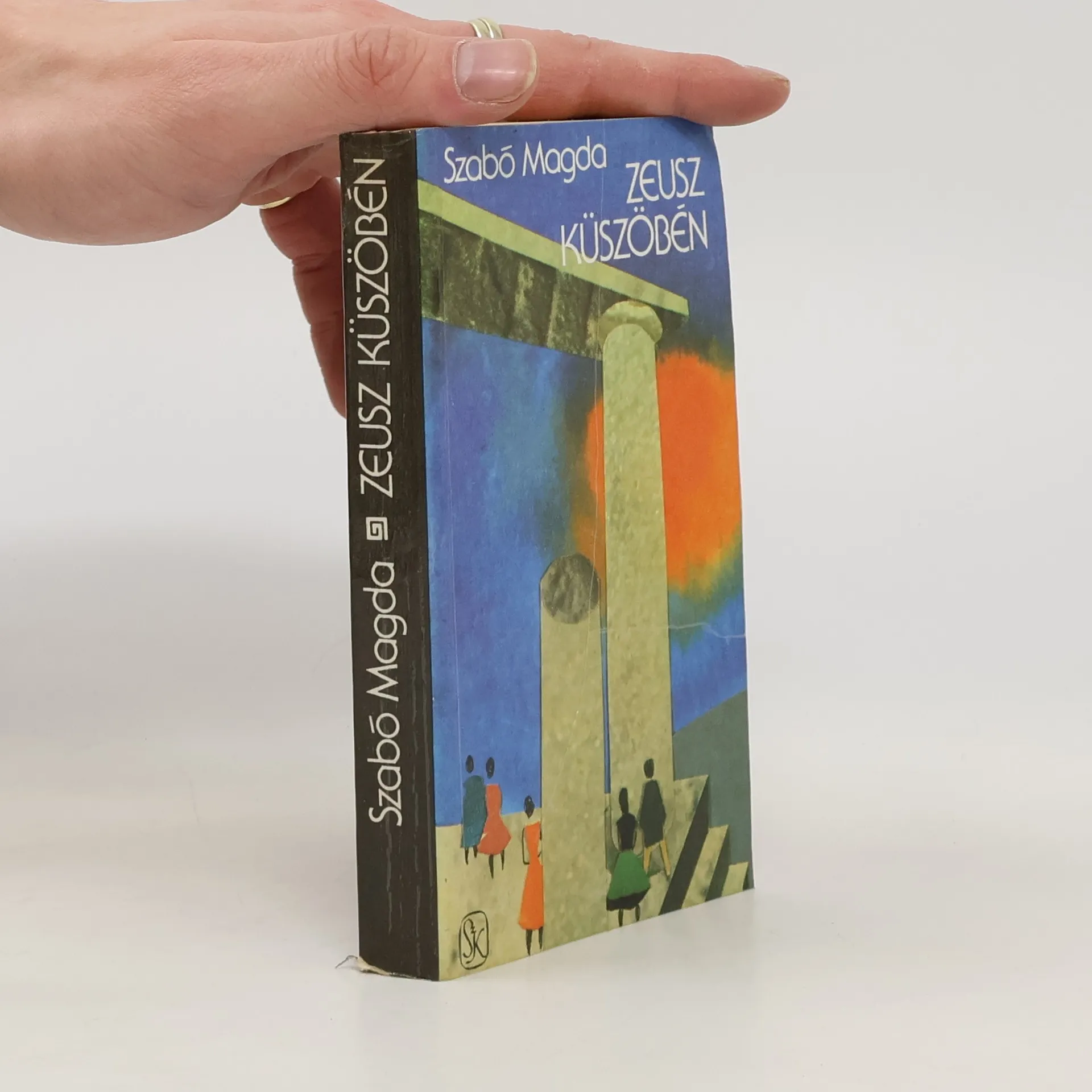
A Mózes egy, huszonkettő napjainkban játszódó társadalmi regény. Fő problémája az egymást váltó két nemzedék szemléletbeli különbsége. A modern regénytechnika más Szabó Magda-regényekből is jól ismert eszközei alkalmat adnak az írónő intellektuális elmélkedő hajlama és biztos formakészsége kibontására.
Psychologický román o osudech tří rodin v Kateřinské ulici pod budapešťským hradem ve vzrušené době od r. 1934 do r. 1968. Autorka s velkým vypravěčským uměním líčí, jak první válečné události roztřídily příslušníky rodin, kteří doposud názorově i celým životním stylem tvořili harmonický celek, a zejména co všechno v každém z těch, kdo válku přežili, válka a doba poválečná narušily.
Po úspěšném dívčím románu Karneval se seznamujeme s další prací populární maďarské autorky píšící pro mládež. Českým vrstevnicím Boriky je určen příběh čtrnáctileté Budapešťanky, která se cítí dospělou, ale brzy poznává, ževěk dospělosti se neřídí jen podle kalendáře.Spisovatelka využívá ve své literární činnosti cenných poznatků získaných stykem s mladými v průběhu pedagogické praxe. Pro čtenářky od 12 let.
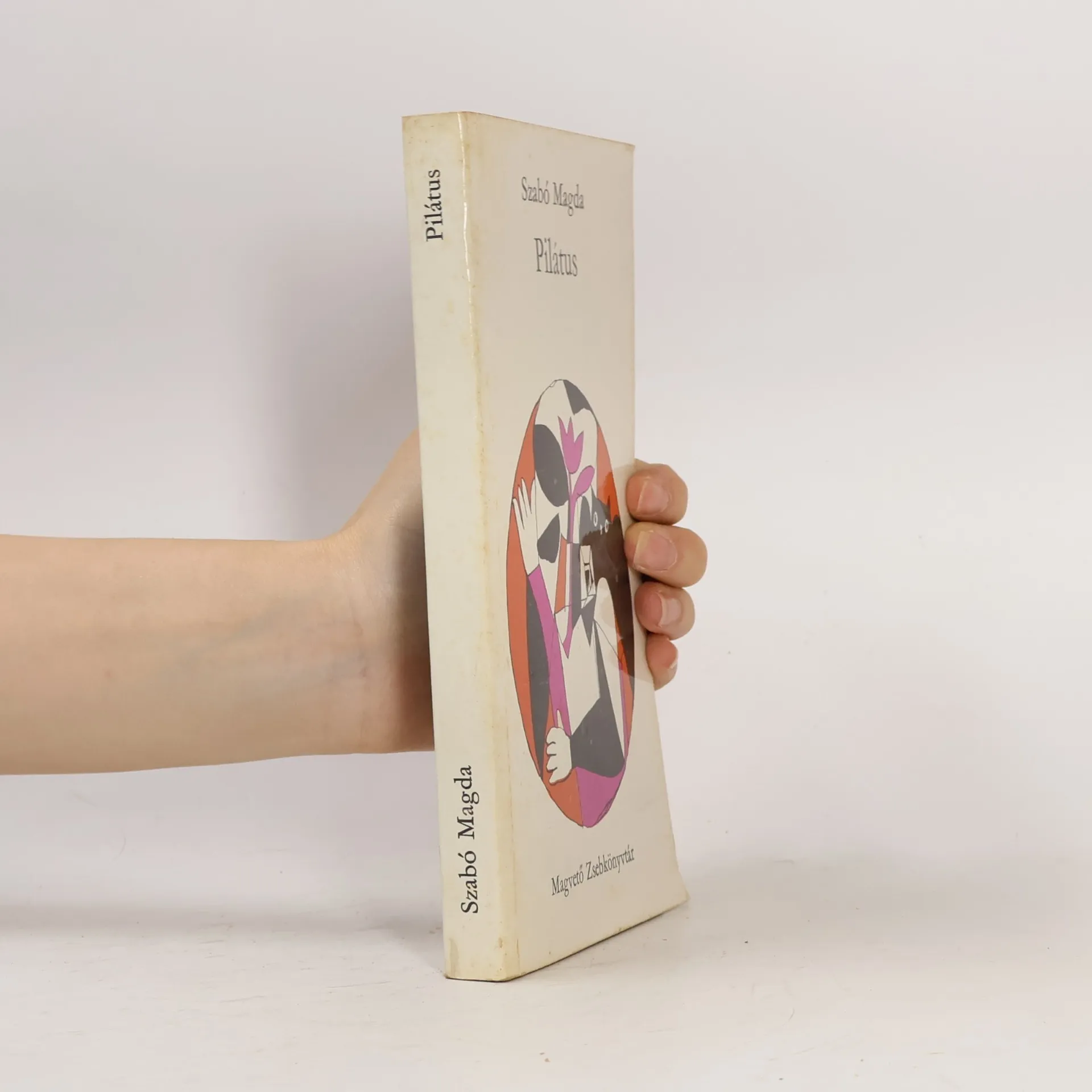
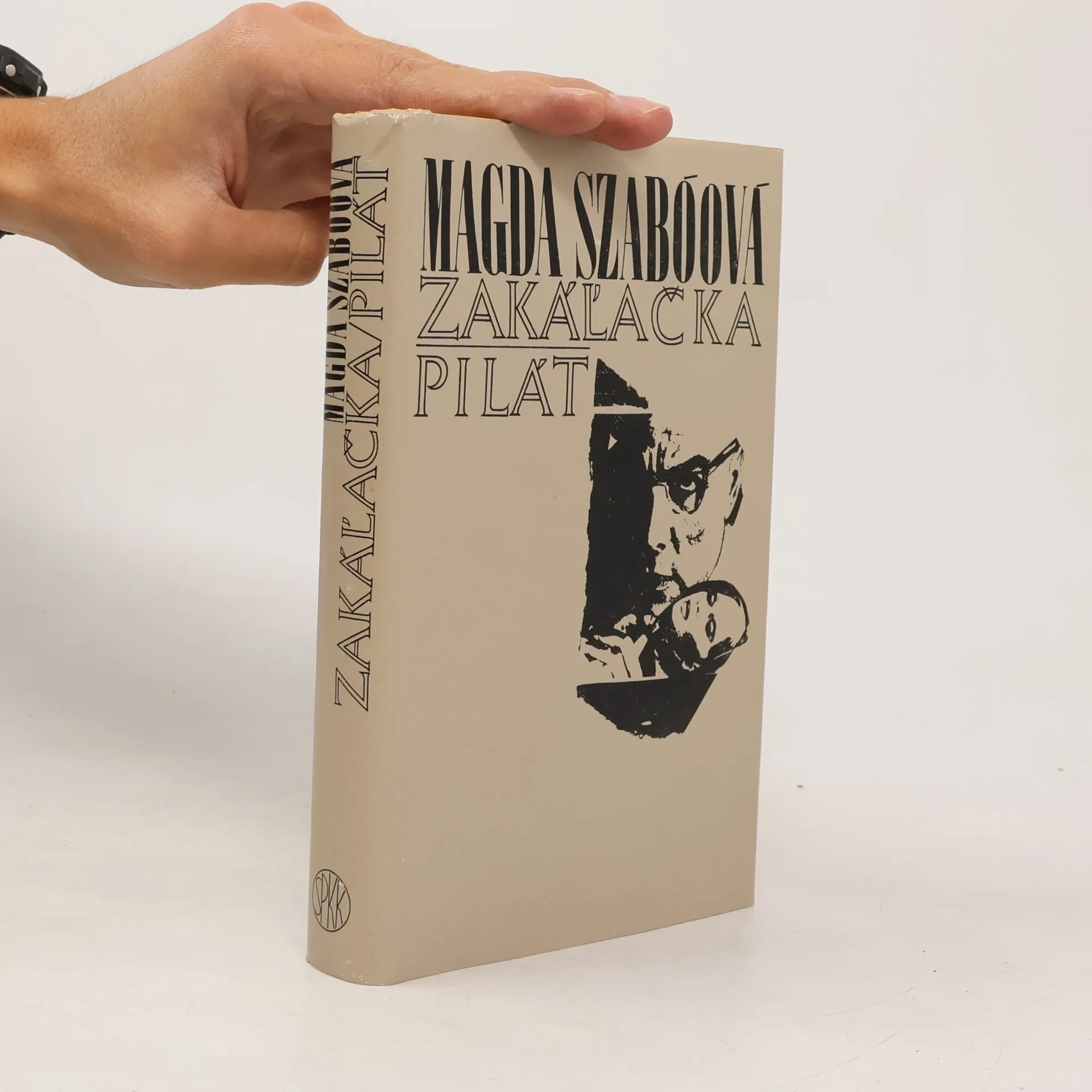
Kniha ponúka dva romány: Zakáľačka - portrét rodiny, ktorej osudy siahajú do 20-tych rokov horthyovského Maďarska. Pilát - sugestívny román o vzťahu dvoch generácií
Najvýznamnejší román maďarskej spisovateľky. Tragický príbeh osudovej lásky ženy, v občianskom živote úspešnej a bohatej herečky, rozprávaný formou tichého monológu pri hrobu mŕtveho milenca. Príbeh ženy, ktorá sa nedokáže zbaviť následkov ťažkej a neradostnej mladosti, naplnenej lžoua pretvárkou, a to ani vtedy, keď sa stane slávnou herečkou, a ktorá sa predovšetkým nedokáže nad ne povzniesť vo vzťahu k mužom. Román získal autorke meno na celom svete. Maďarský názov: Az őz.
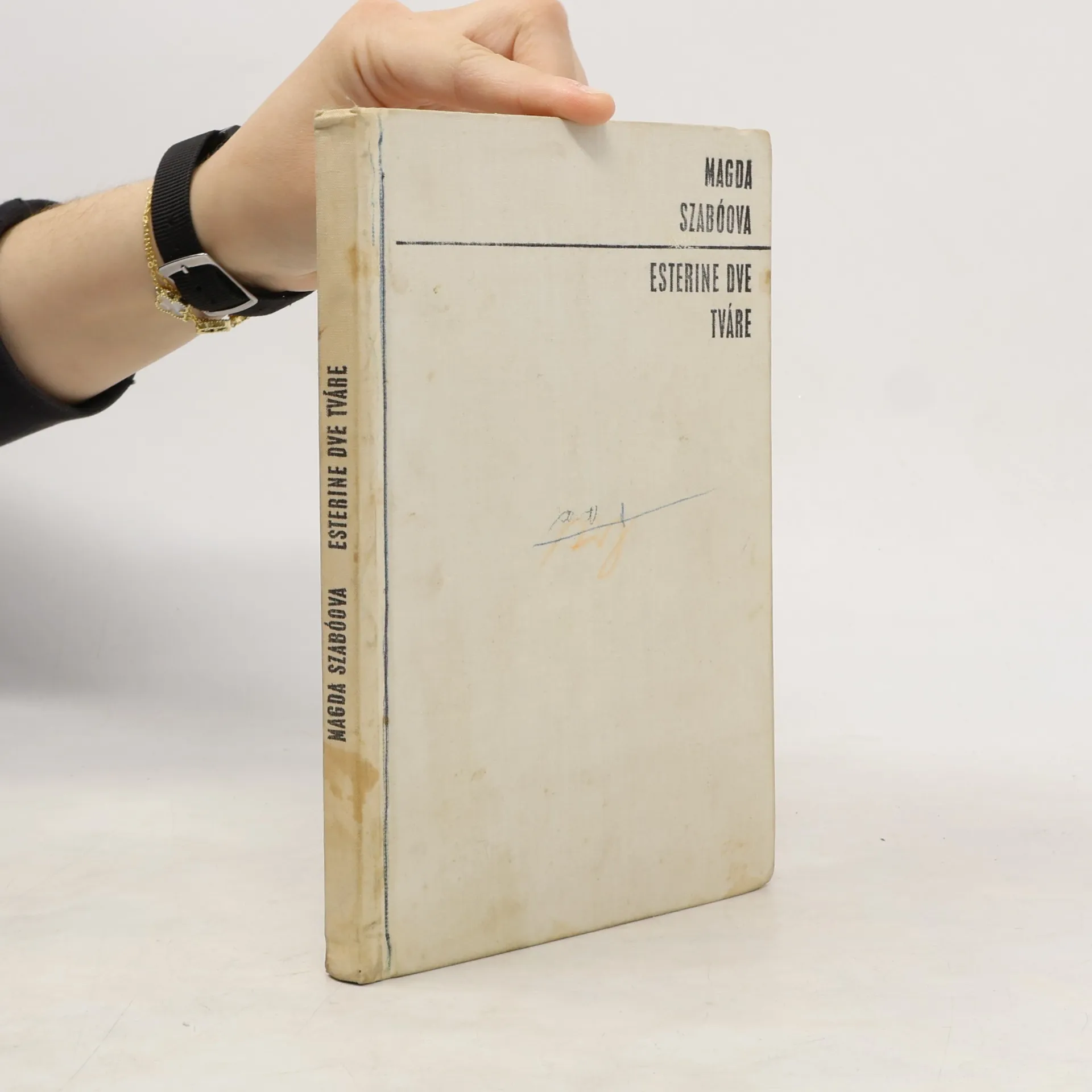
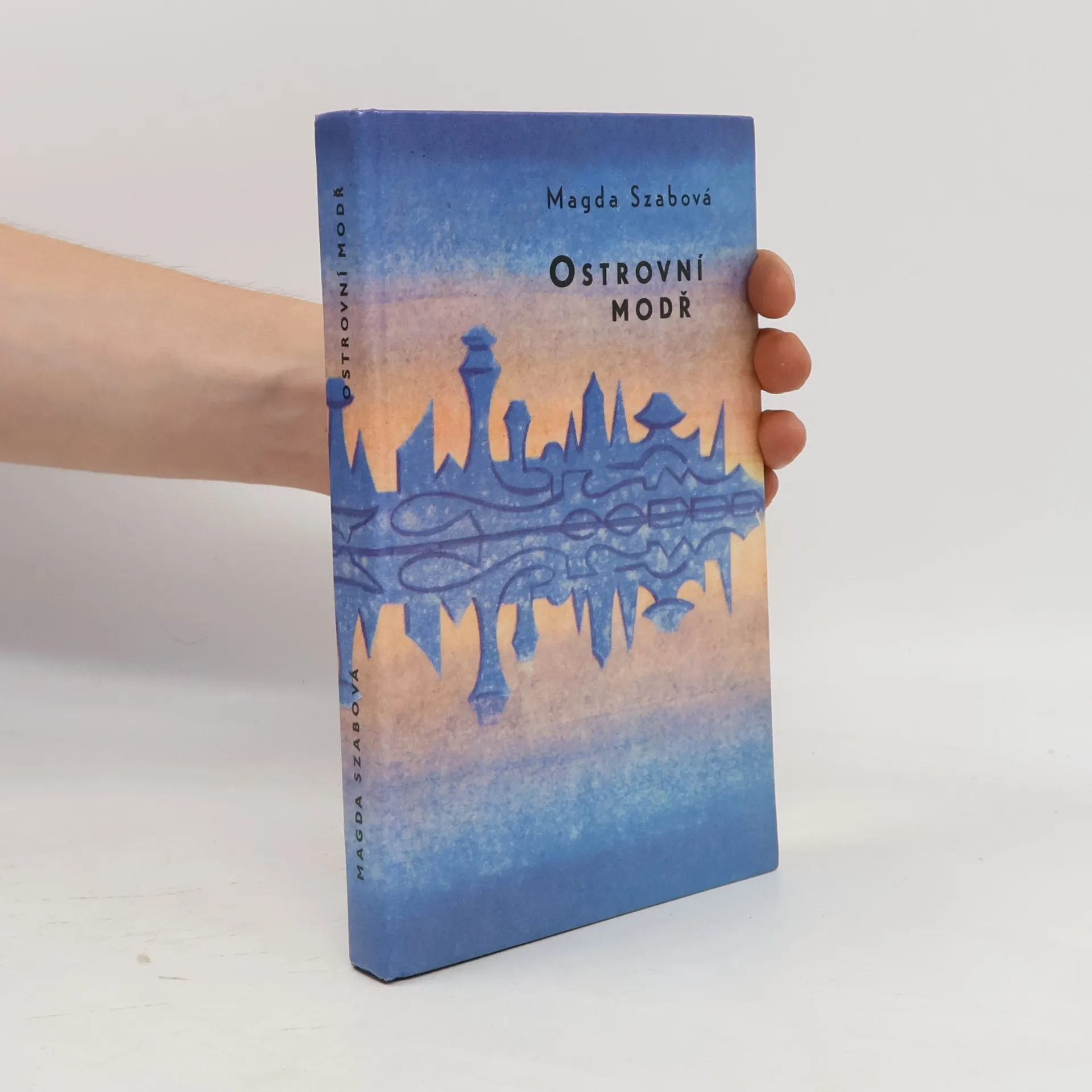
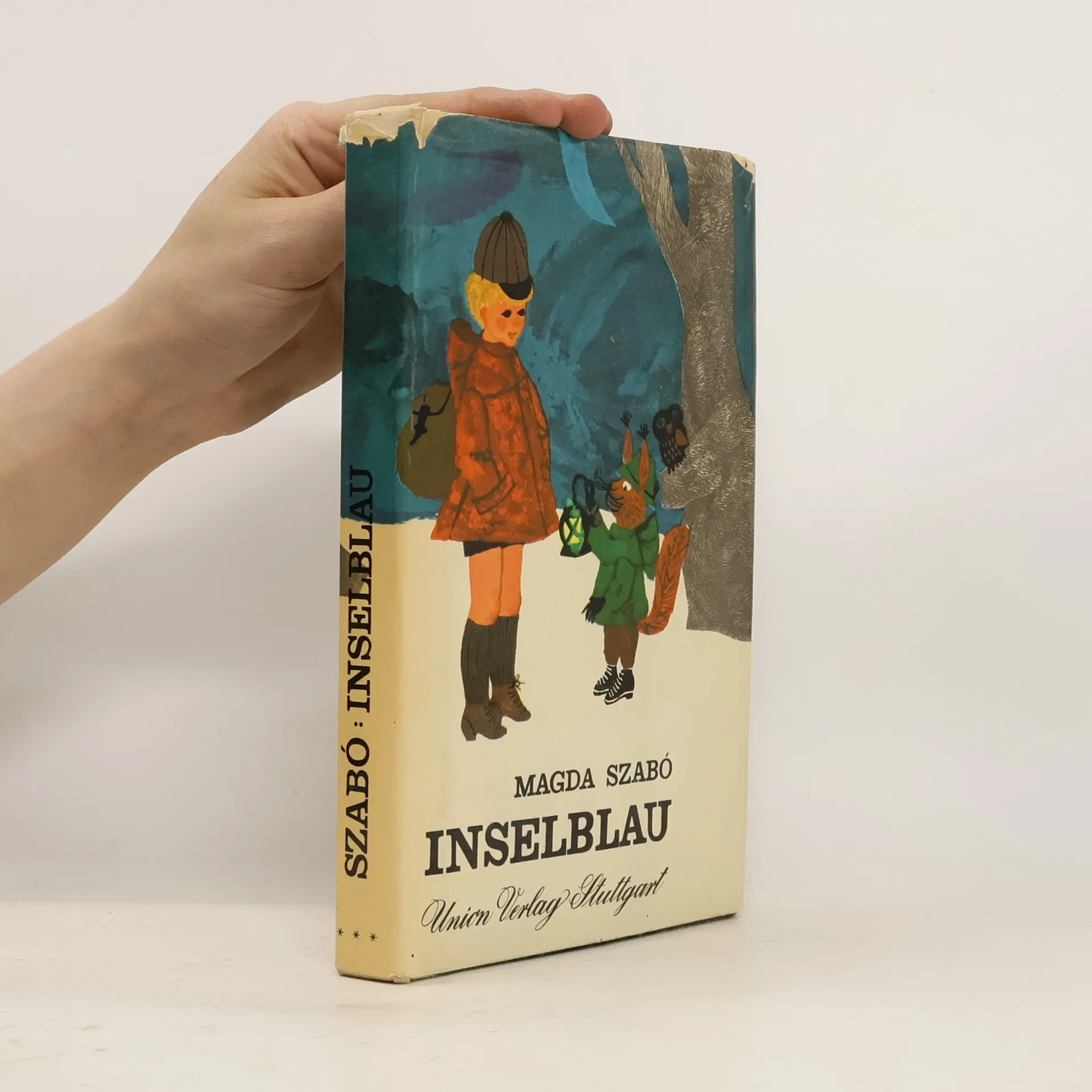
Pohádkový příběh devítiletého chlapce, který uslyšel večer doma telefonický rozhovor, že se nedaleko jeho domova zřítil kůň do dolu a na jeho okamžitou záchranu se nepomýšlí, a jde ho v noci zachránit. Tento čin umožní chlapci porozumět řeči zvířat a stromů, spřátelit se a žít snimi v jejich říši, na jakémsi pohádkovém ostrově, plném modři.
Příběh patnáctileté Kristy. Dívčí román autorky úspěšné knihy Řekněte Žofince... Jeho hrdinka, dívka, které matka zahynula při obléhání Budapešti r. 1945, se mimoděk stane spojovacím článkem mezi svým otcem a svou profesorkou.
Nezvykle komponovaný román maďarské spisovatelky o nepodařeném a tragicky skončivším manželství ženy a muže rozdílného společenského původu i myšlení. Na scénu uvádí i řadu dalších, přímých i nepřímých účastníků dramatu a ve svém konečném vyznění je zobrazením sváru nejenlidských duší, ale i světových názorů
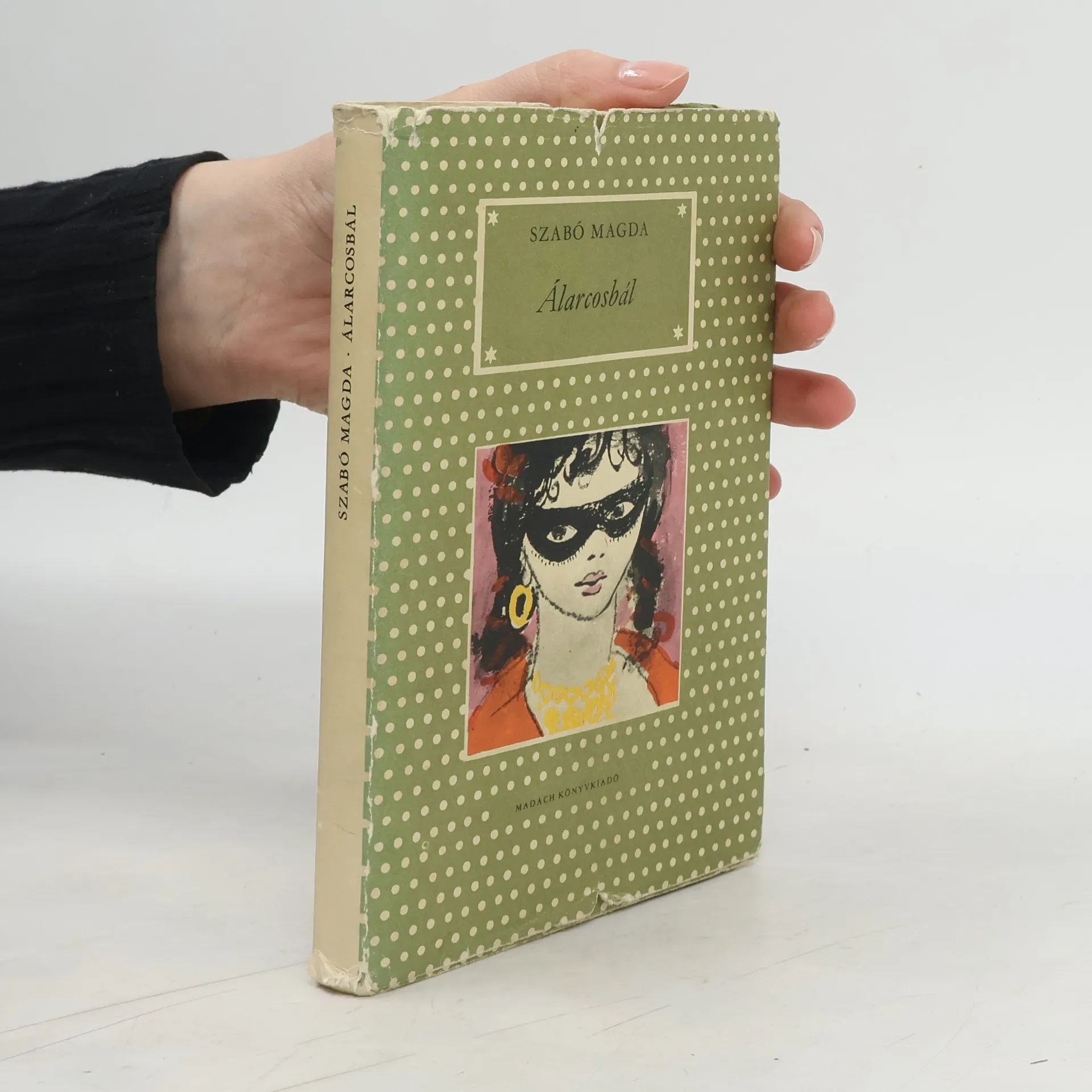
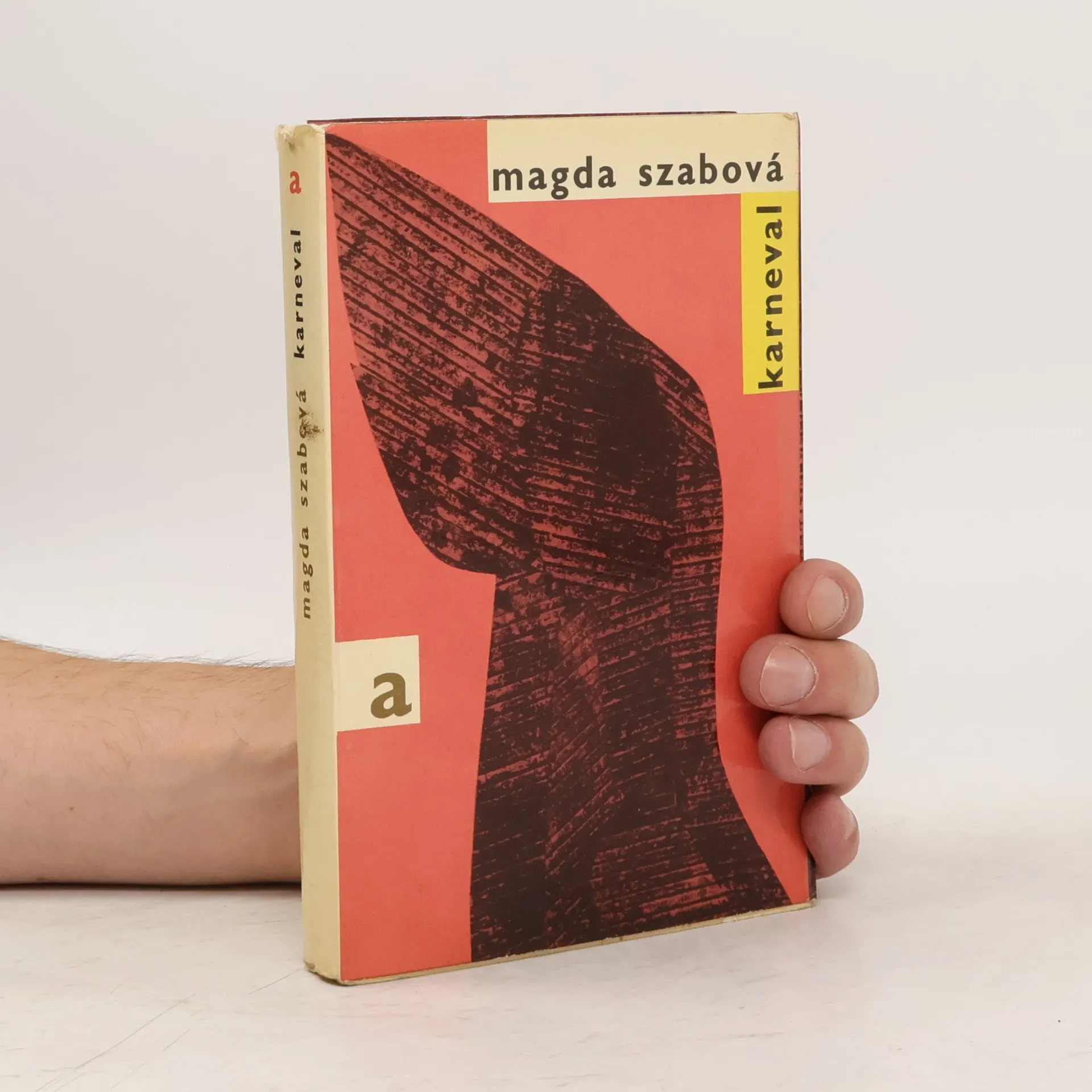
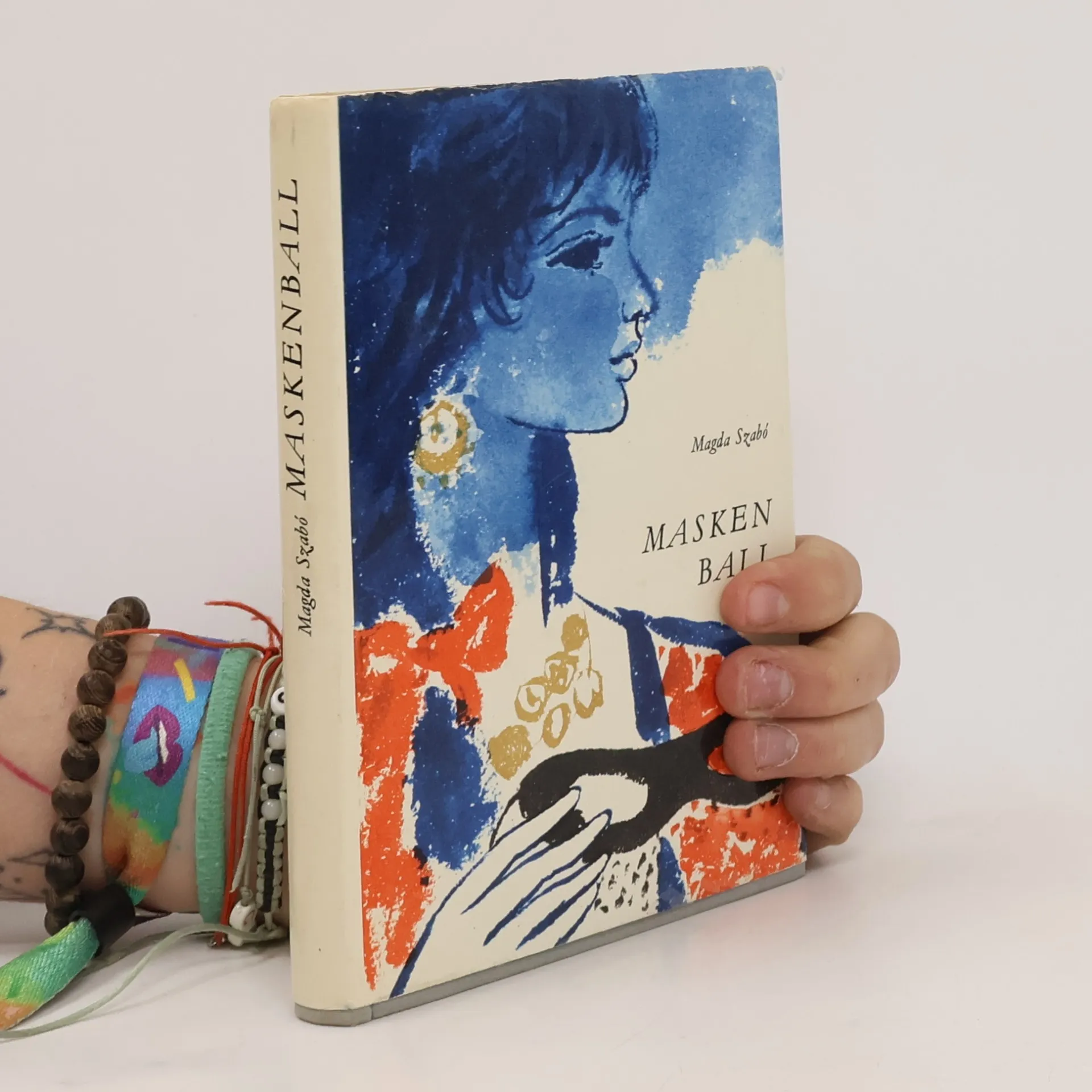
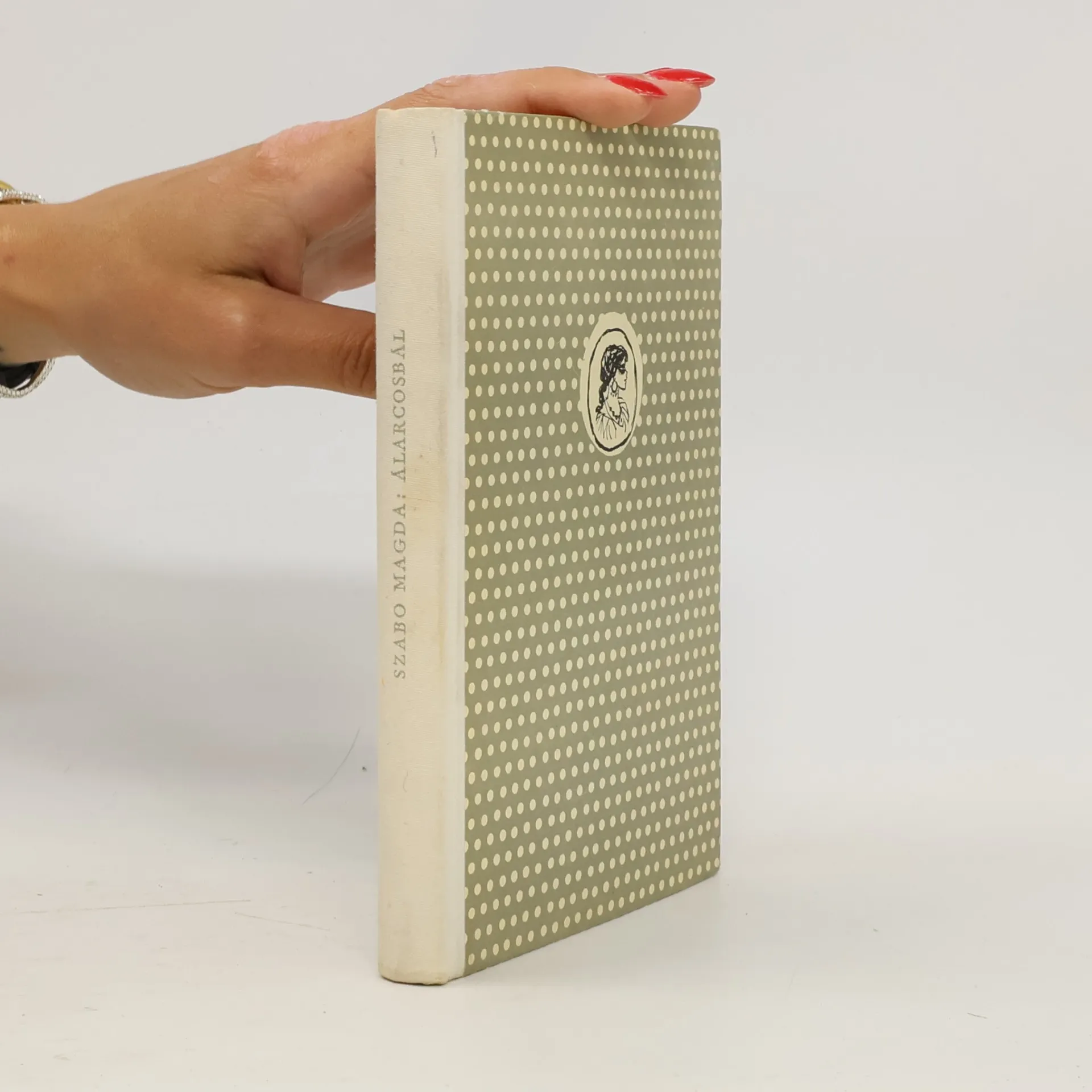
Az iskolai álarcosbál vidám forgatagában mindenki táncol, szórakozik. Csak ketten kuporognak a tornaterem sarkában, az alacsony padon:az Álarcos KISZ-es és a Cigánylány. Ugyan miről beszélgetnek órákon át, miért szökik könny a szemükben, miért érzik mindketten úgy, hogy ez életük legboldogabb délutánja? Mire az olvasó végére ér Szabó Magda lebilincselően érdekes lányregényének, lekerül az álarc a két rejtélyes beszélgetőről, s fény derül a Boros család titkára is.
Novela čelné představitelky soudobé maďarské prózy. Na různých životních osudech příslušníků několika generačních vrstev, kteří se shromáždili na pohřbu pastorovy ženy v malém městečku, zachycuje autorka ústup starého a nástup nového světa pod vlivem změny společenského zřízení
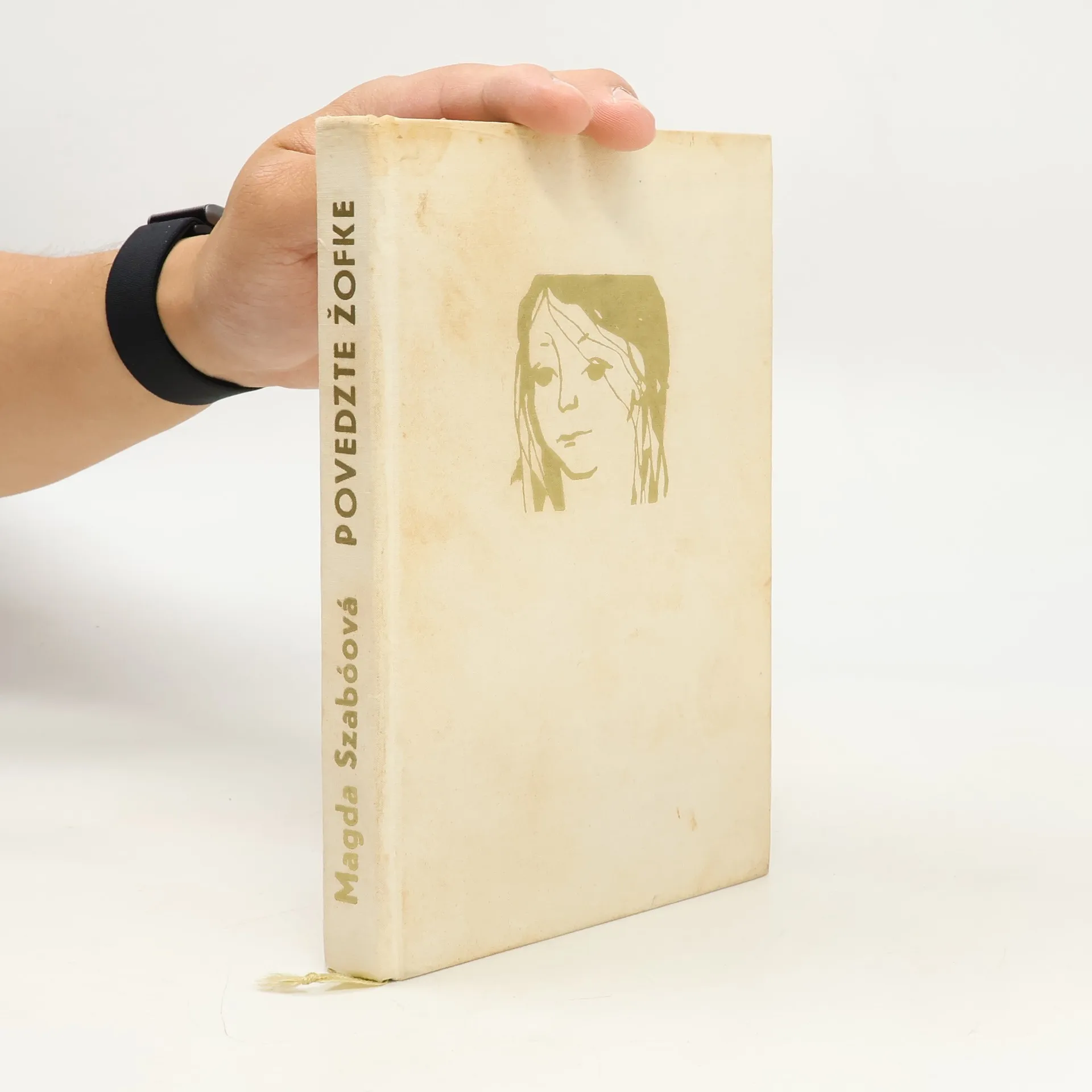
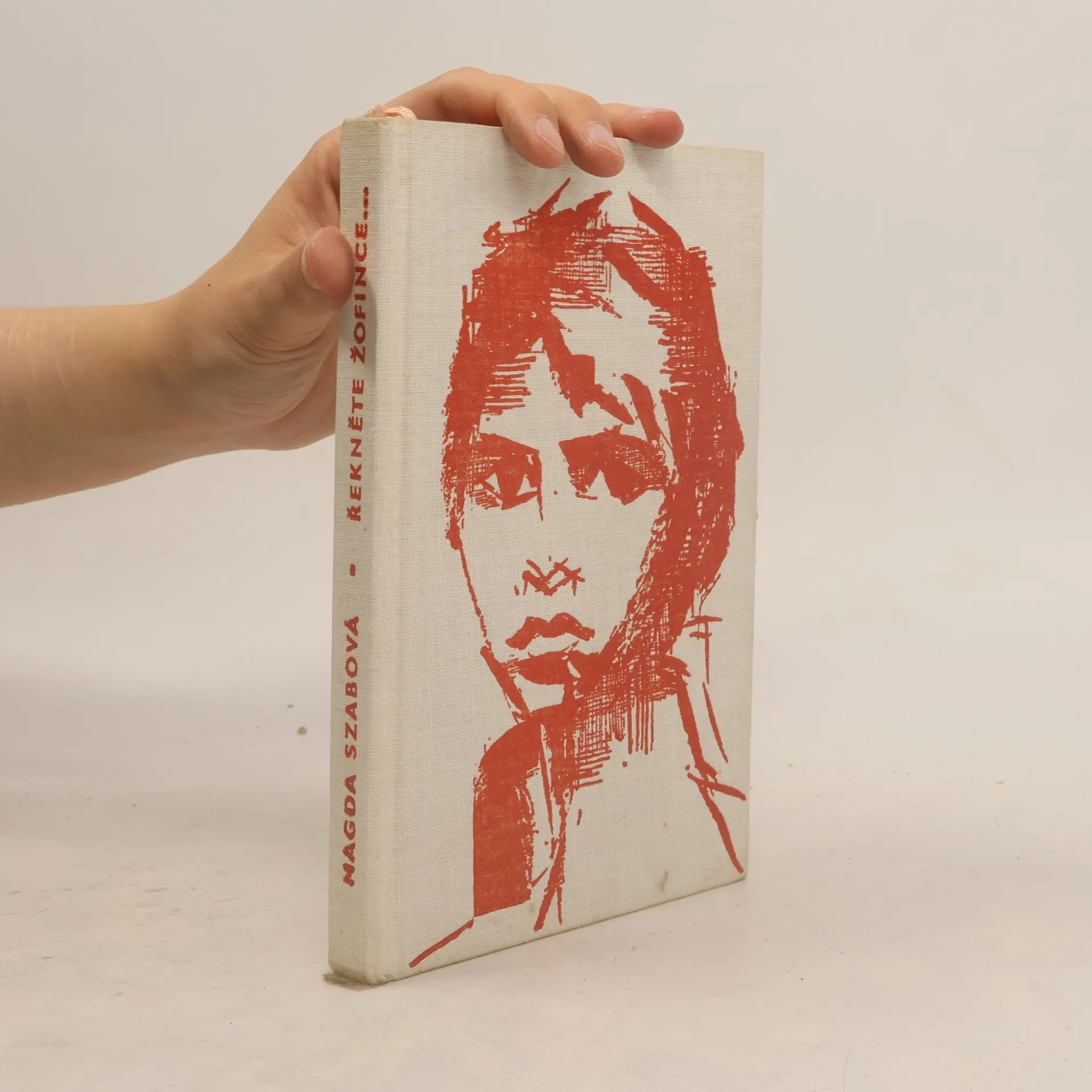
Hrdinkou románu je jedenáctiletá dívenka. Žofinka je dítě s průměrným prospěchem, je hodná, plachá, citlivá, ale jakoby zakřiknutá. V nervózním a uspěchaném prostředí dospělých jí nikdo nerozumí a všechny její projevy se vykládají v opak: důkladnost jako těžkopádnost, charakter jako umíněnost, zvídavost jako lenost a upřímnost jako hloupost. Maminka je vědecká pracovnice v pedagogickém ústavu, ale své dcerušce nerozumí. Otec, lékař, jediný, s nímž si Žofinka rozumí beze slov, umírá náhle ve své ordinaci s jedinou nedopověděnou větou: "Řekněte Žofince..." A Žofinka se vydává na pouť za posledním otcovým vzkazem.
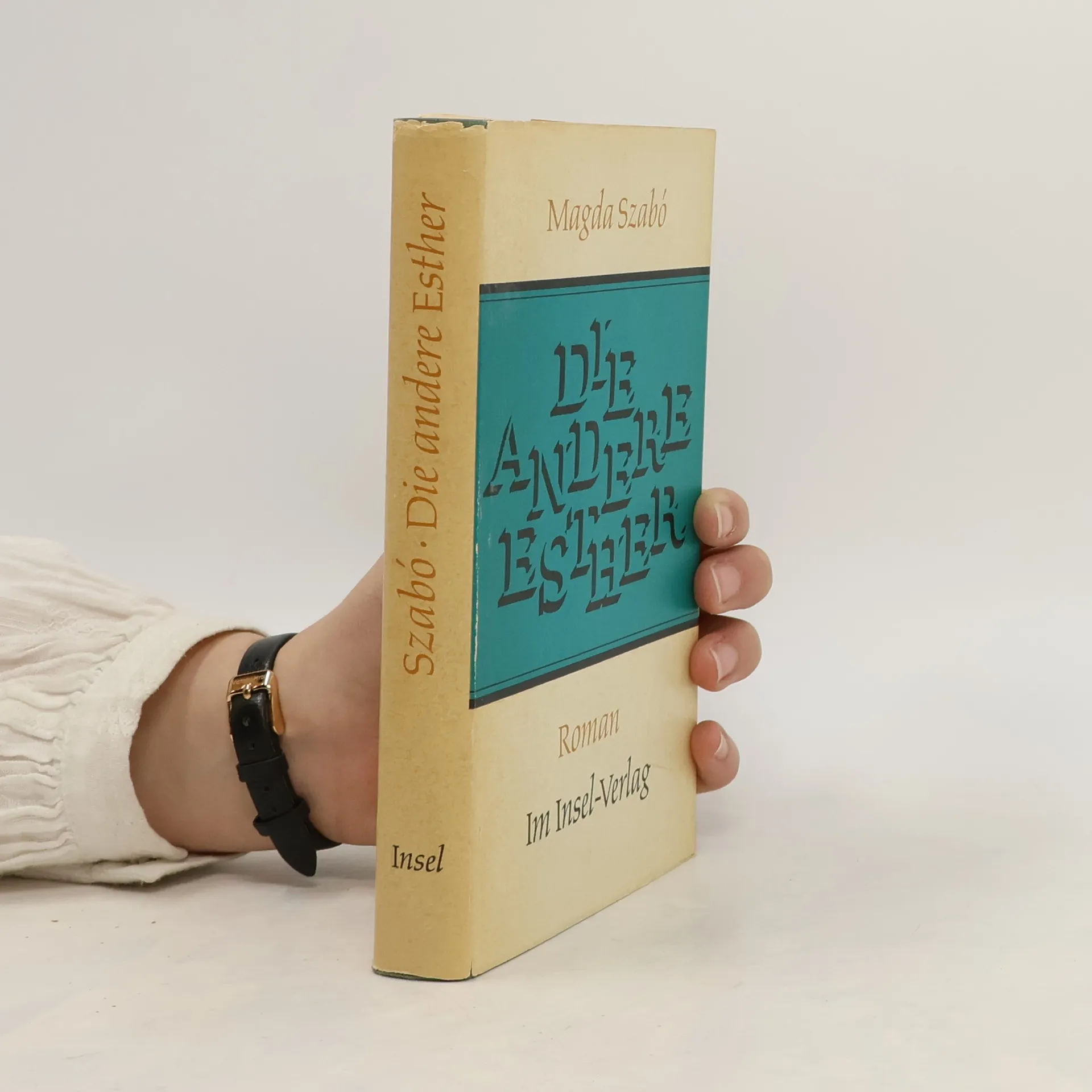
By Hungary's most celebrated woman writer, a novel about how little we understand ourselves, let alone others, and in consequence how easily we fail, or even betray, those we love.