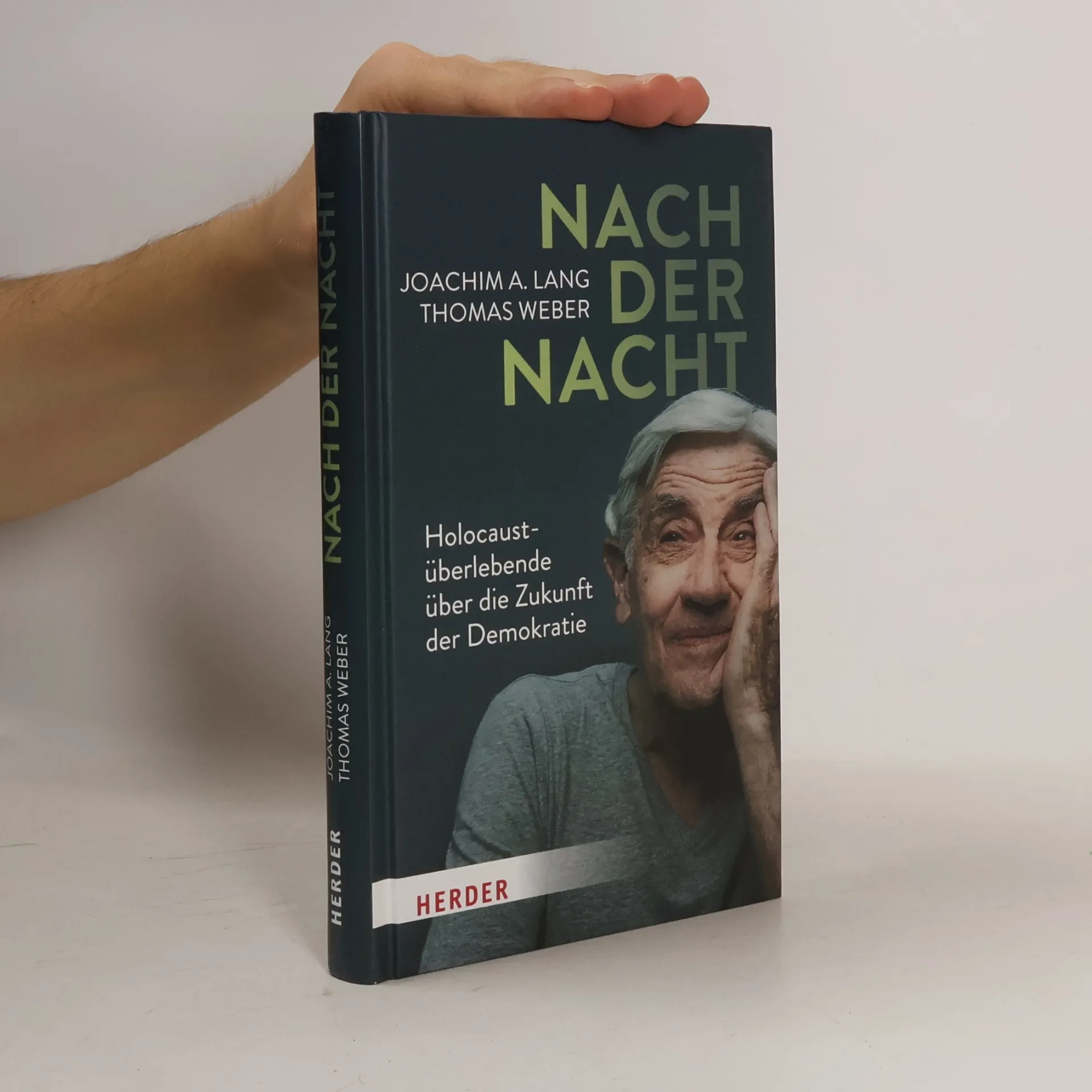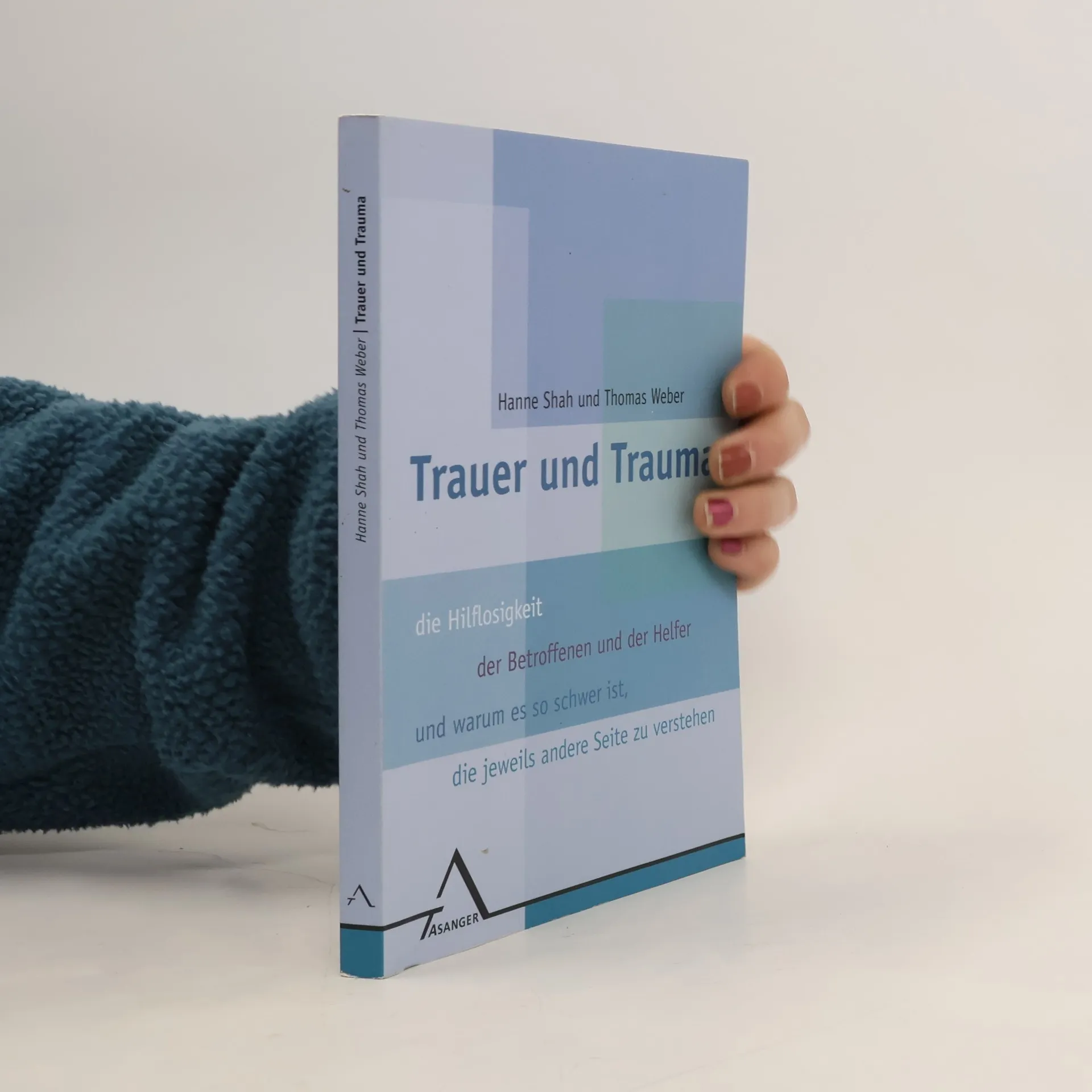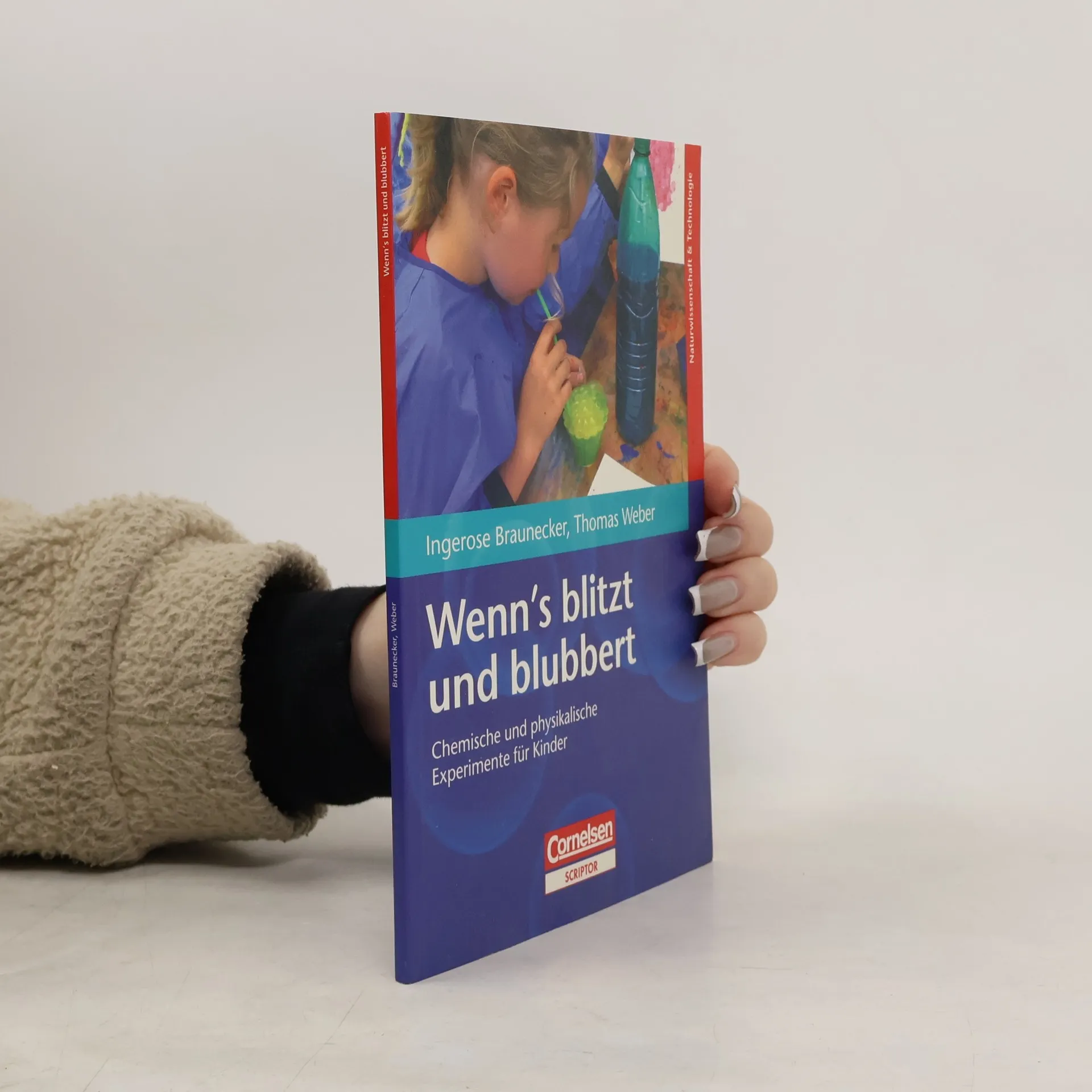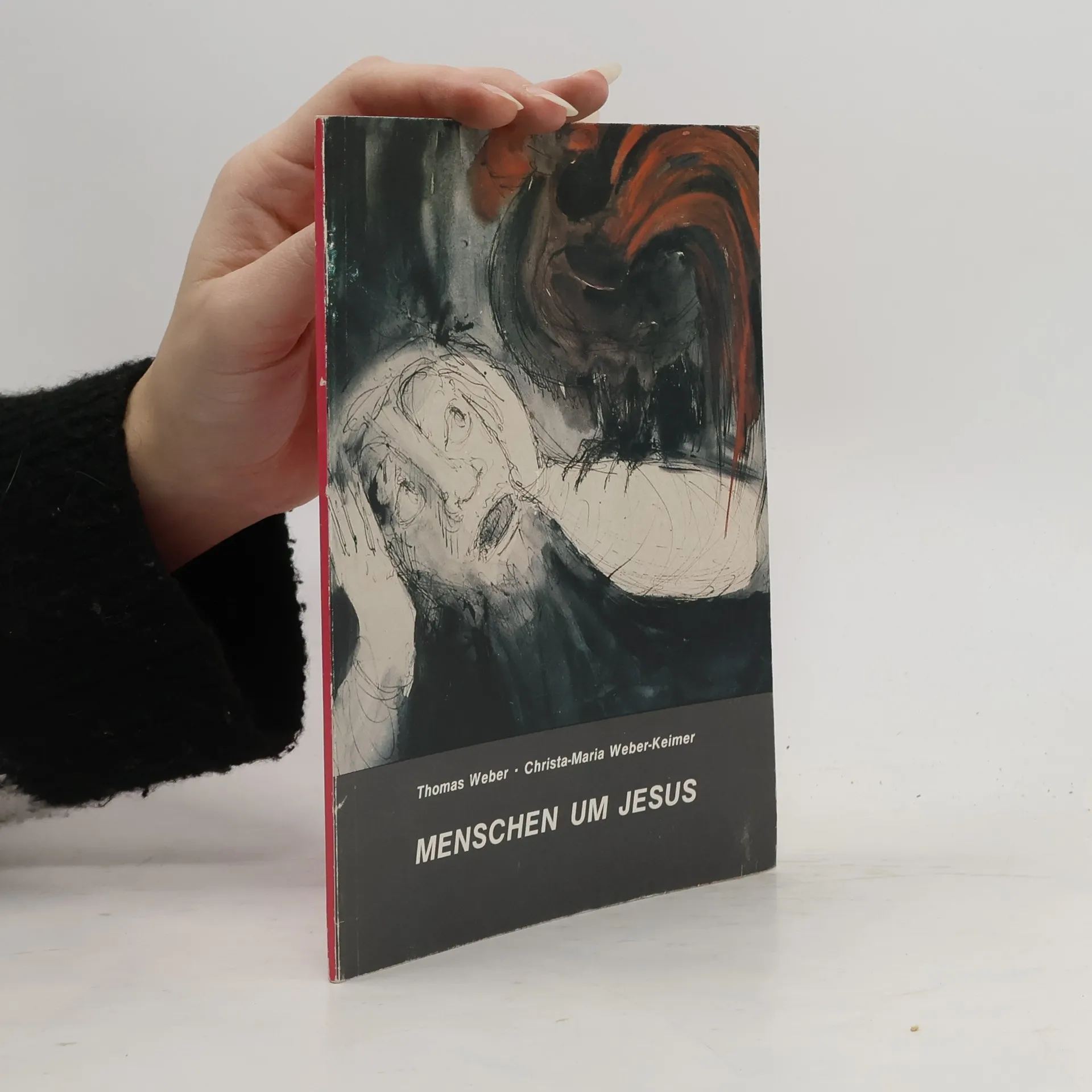
Explore the latest books of this year!
Bookbot

Thomas Weber

    April 29, 1974

    An award-winning author, Weber is a professor of history and international affairs whose work delves into significant historical moments and their global repercussions. His writings explore complex international dynamics with a deep historical perspective. He shares his insights through engaging and acclaimed publications.

    Gandhi as Disciple and Mentor
    The Northern Railroads in the Civil War 18611865
    Gandhi at First Sight
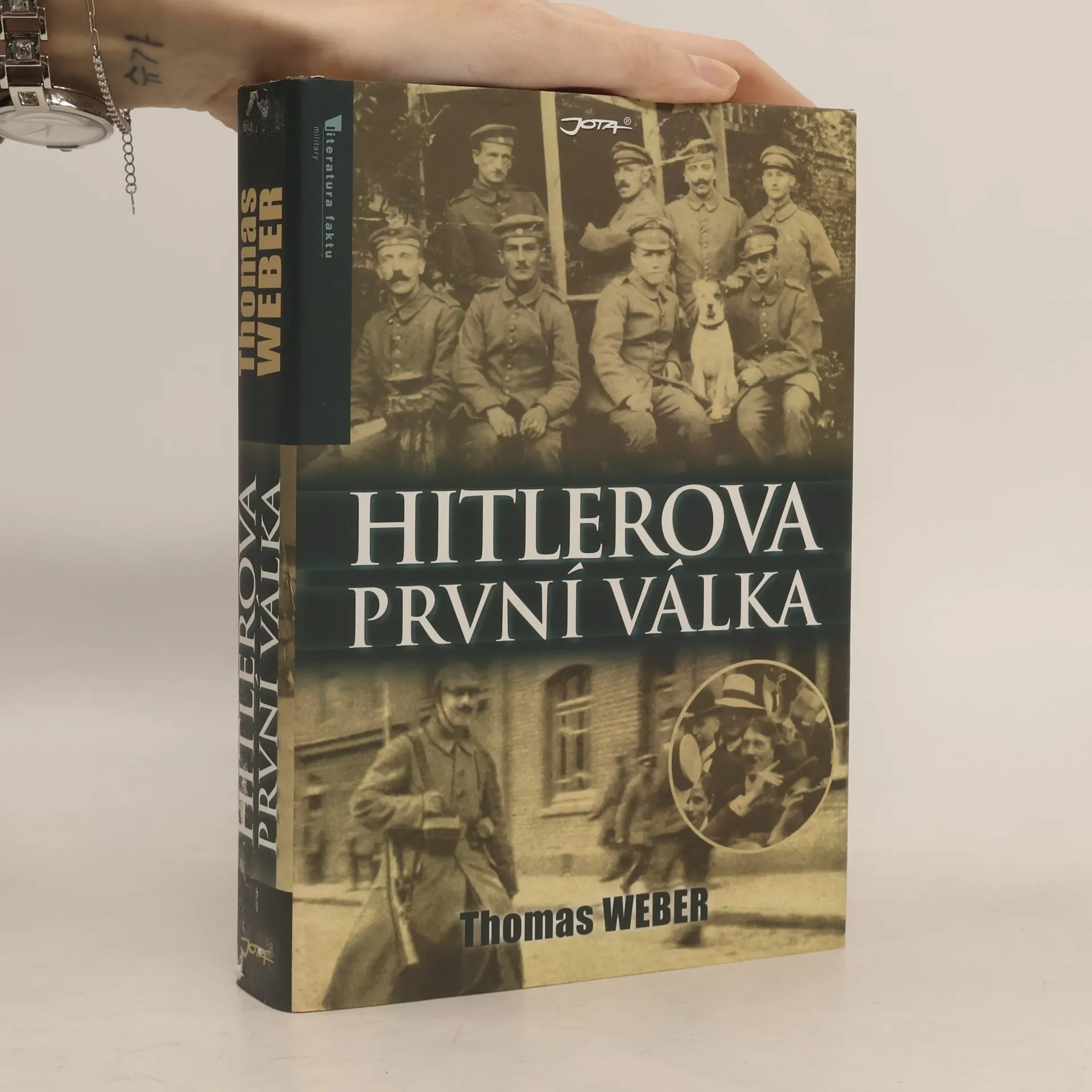
    Hitler's First War
    Becoming Hitler
    Becoming Hitler: The Making of a Nazi
    • Becoming Hitler

      • 422 pages
      • 15 hours of reading
      4.0(209)Add rating

      An award-winning historian charts Hitler's radical transformation after World War I from a directionless loner into a powerful National Socialist leader In Becoming Hitler, award-winning historian Thomas Weber examines Adolf Hitler's time in Munich between 1918 and 1926, the years when Hitler shed his awkward, feckless persona and transformed himself into a savvy opportunistic political operator who saw himself as Germany's messiah. The story of Hitler's transformation is one of a fateful match between man and city. After opportunistically fluctuating between the ideas of the left and the right, Hitler emerged as an astonishingly flexible leader of Munich's right-wing movement. The tragedy for Germany and the world was that Hitler found himself in Munich; had he not been in Bavaria in the wake of the war and the revolution, his transformation into a National Socialist may never have occurred. In Becoming Hitler, Weber brilliantly charts this tragic metamorphosis, dramatically expanding our knowledge of how Hitler became a lethal demagogue.

      Becoming Hitler
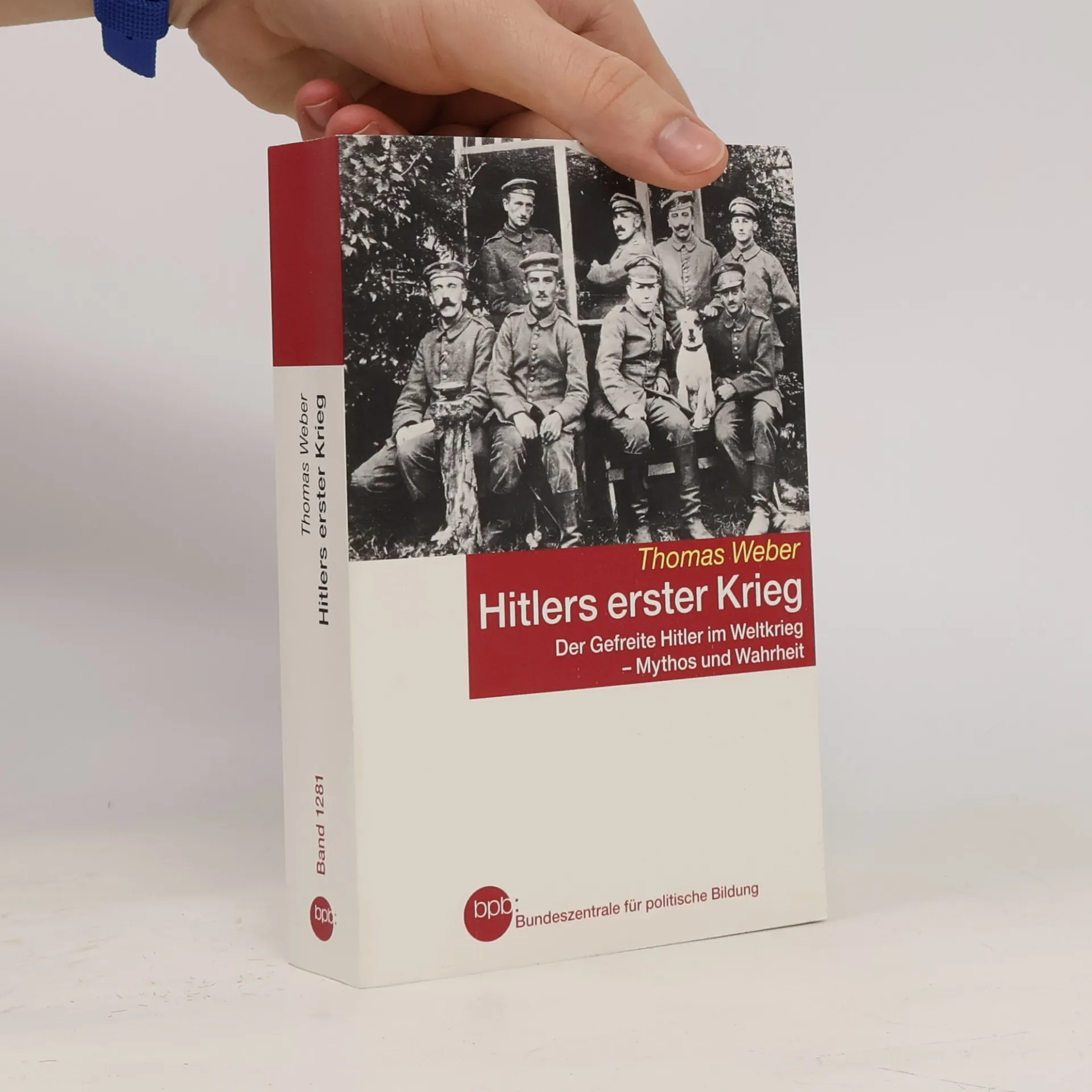
    • Hitler's First War

      • 464 pages
      • 17 hours of reading
      3.9(123)Add rating

      The story of Hitler's formative experiences as a soldier on the Western Front - now told in full for the first time, presenting a radical revision of Hitler's own account of this time in Mein Kampf.

      Hitler's First War
    • Gandhi as Disciple and Mentor

      • 294 pages
      • 11 hours of reading

      The book presents a collection of biographical reflections that explore the lives of individuals who both shaped and were shaped by Gandhi's philosophy. It delves into the interconnected relationships and the profound impact of Gandhi's teachings on diverse figures, illustrating a tapestry of influence that spans various contexts and ideologies. Through these narratives, readers gain insight into the lasting legacy of Gandhi and the ripple effects of his ideals on personal and societal transformation.

      Gandhi as Disciple and Mentor
    • Gandhi's Australia

      Australia's Gandhi

      • 348 pages
      • 13 hours of reading

      The author explores the profound impact of his philosophy and teachings on various Australian movements, including peace, environmental advocacy, religious initiatives, and humanitarian aid. By detailing these influences, he highlights the interconnectedness of his ideas with significant social and political changes in Australia, showcasing a legacy that extends beyond individual teachings to inspire collective action and transformation in society.

      Gandhi's Australia
    • Christian Filk macht in seinem Aufsatz über den wenig bekannten Schweizer Schriftsteller und Kulturphilosophen Max Picard deutlich, dass die aktuelle Medienforschung auch das (historische) Wissen der Kulturwissenschaften bzw. der Medienphilosophie berücksichtigen sollte, statt sich nur auf sozial- und kommunikationswissenschaftliche Ansätze stützen. Max Picard ist heute umstritten. Sein Ton konservativ-christlich, seine Ansichten vergangenheitsverhaftet, seine Position kulturpessimistisch. Filk richtet seinen Blick auf diesen Autor hinsichtlich der „aktuelle[n] historische[n] Rekonstruktionsbemühungen medien(kultur)wissenschaftlicher Diskurse“. Sein Beitrag befasst sich mit dem Motiv der medialisierten Flucht im Werk Picards. Federführend waren dabei Themen wie die Medienkritik oder Zeitphilosophie, und Fragen nach der Verwissenschaftlichung, Technisierung und Urbanisierung der Lebenswelt oder – damit eng verbunden – der Spaltung und Auflösung der Innerlichkeit des modernen Subjekts. Der Aufsatz lenkt den Blick auf eine bisher von der Medienwissenschaft übersehene bzw. vernachlässigte Quelle der Mediengeschichte und regt einen Diskurs an.

      The Hybridization of German documentary formats since the 1990s
    • Freddy, frisch von seiner Freundin Melissa verlassen, wird von der unattraktiven Cindy Crow um Hilfe gebeten. Sie möchte ihr unvollendetes Märchen mit Freddy als Held vollenden. Plötzlich findet sich Freddy in einer Traumwelt wieder, wo er mit einem sprechenden Wolf und einer drohenden Gefahr für die Märchenwelt konfrontiert wird.

      Der Tod der Märchenmacher
    • Hitler, kiedy stał się osobą publiczną, głosił, że lata, które spędził na froncie zachodnim podczas pierwszej wojny światowej w pułku Lista, ukształtowały jego poglądy, postawę i całe życie. Thomas Weber raz jeszcze przekopał materiały archiwalne, wspomnienia i korespondencję żołnierzy pułku Lista, krytycznie przeanalizował Mein Kampf i doszedł do wniosku, że o okresie uznawanym za formatywne lata Hitlera nie wiemy prawie nic pewnego. Dlatego uznał, że najlepszym sposobem na wypełnienie białej plamy w życiu dyktatora będzie spojrzenie na pułk, w którym służył, jako całość. Podążając tą ścieżką, koncentruje się na odpowiedzi na następujące fundamentalne pytania: Czy wojna zmieniła Hitlera i żołnierzy pułku w nazistów in spe (którzy nie musieli zostać nazistami, lecz których łatwo było nimi uczynić? Czy w ogóle większość ludzi z pułku zdobyła świadomość polityczną wskutek doświadczeń wojennych i powojennych? Jaką rolę odegrali żołnierze pułku i ich mityczny obraz w ustanowieniu Trzeciej Rzeszy i trwaniu hitlerowskich Niemiec? I być może najważniejsze: jak typowy dla swego pułku był Hitler? „Poparte solidnymi badaniami rozważania autora podnoszą wiele interesujących kwestii dotyczących przekonań i postawy Hitlera podczas pierwszej wojny światowej”. Ian Kershaw, autor monumentalnej biografii Hitler Thomas Weber jest historykiem. Doktoryzował się na Uniwersytecie Oksfordzkim. Wykłada gościnnie na wielu uczelniach, m.in. Harvard University, Princeton i University of Chicago, na stałe zaś pracuje na University of Aberdeen. Jego pierwsza książka, Lodz Ghetto Album, zdobyła w 2004 roku Golden Light Award i w 2005 roku Infinity Award, natomiast druga, Our Friend „The Enemy” , uzyskała Duc d’Arenberg History Prize.

      Pierwsza wojna Hitlera