


Explore the latest books of this year!
Bookbot

Karl Lagerfeld

    September 10, 1933 – February 19, 2019

    A German artist and visionary, Karl Lagerfeld left an indelible mark on the worlds of fashion and art. His creative genius extended beyond mere garment design, manifesting in his work as a photographer and artist. Lagerfeld masterfully blended timeless elegance with contemporary trends, and his influence continues to resonate in the fashion sphere.

    Choupette
    The little black jacket
    Konkret abstrakt gesehen
    Dreams
    Karl Lagerfeld
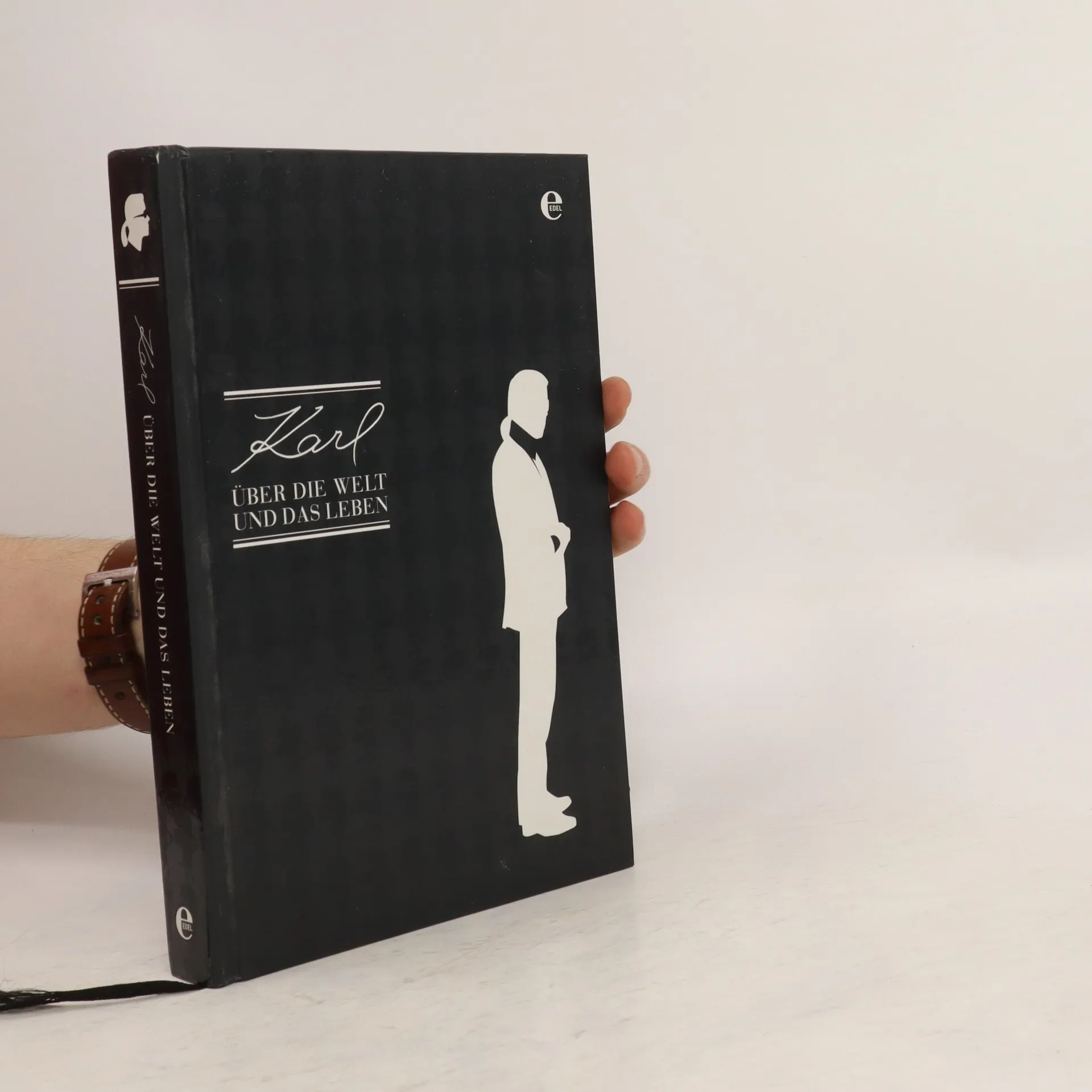
    The World According to Karl
    • The World According to Karl

      • 172 pages
      • 7 hours of reading

      The ultimate repertoire of wit and wisdom from fashion's sharpest pin Karl Lagerfeld is a modern master of couture. He is also famously outspoken: his wise, surprising statements pop up like offbeat news flashes. This collection of quotations pays homage to the legendary éminence grise of the fashion world. Lagerfeld's pronouncements - on fashion, women, art, politics, love, and life high and low - are famously oracular, seized upon by fashionistas, acolytes and sages around the world. Created with the full approval of the designer himself, this cornucopia of Lagerfeld's maxims is required reading for us all today as we negotiate the trickiest curves of modern life. Cultivated, unpredictable, provocative, sometimes shocking, Lagerfeld's 'bons mots' are always impossible to ignore. Jean-Christophe Napias is an author, translator and editor of books on dandies, dance music and camp culture. Sandrine Gulbenkian is director of Parigramme, a Parisian publishing house. Patrick Mauriès is a writer and publisher of many notable titles on fashion and design, including Jewelry by Chanel, also published by Thames & Hudson.
      The World According to Karl
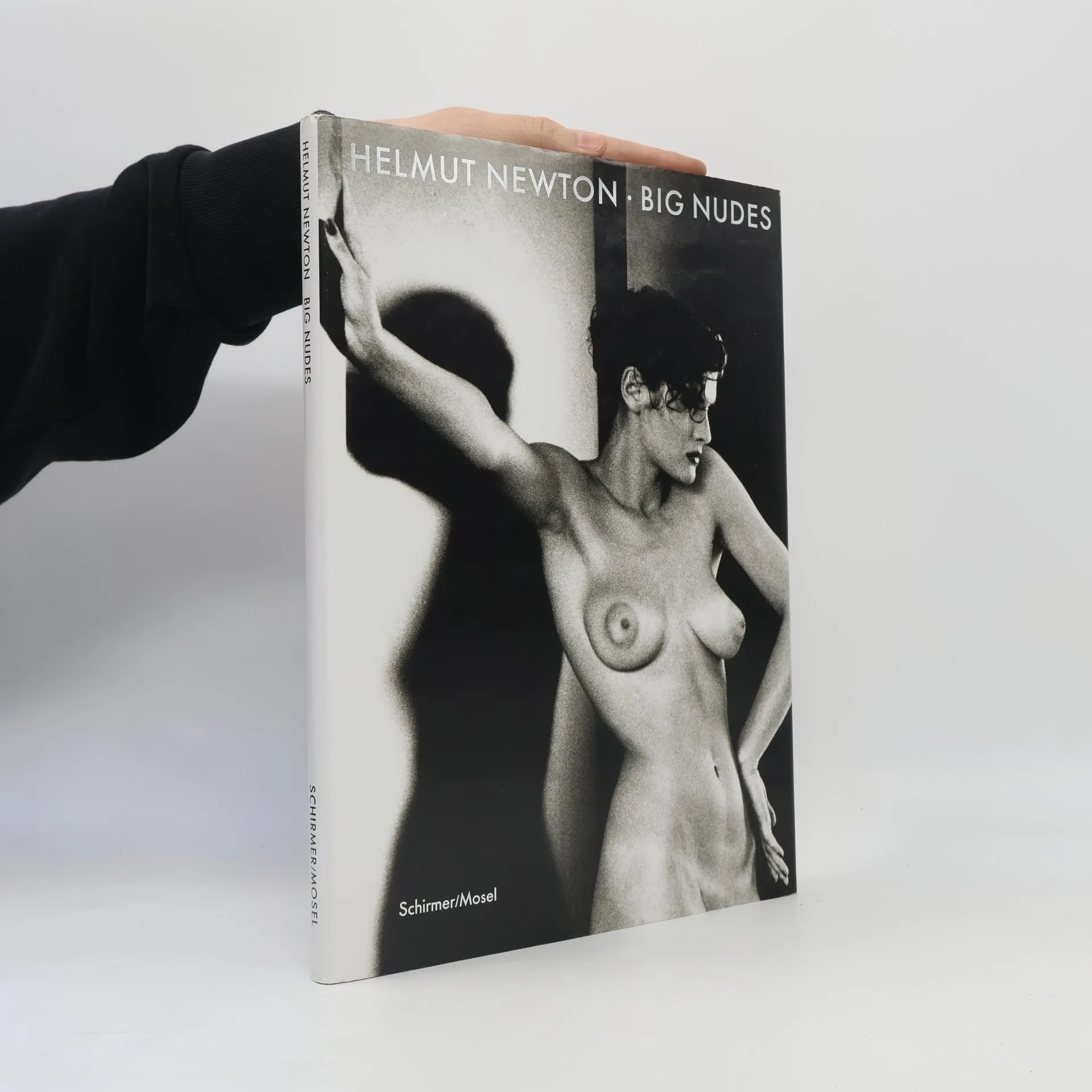
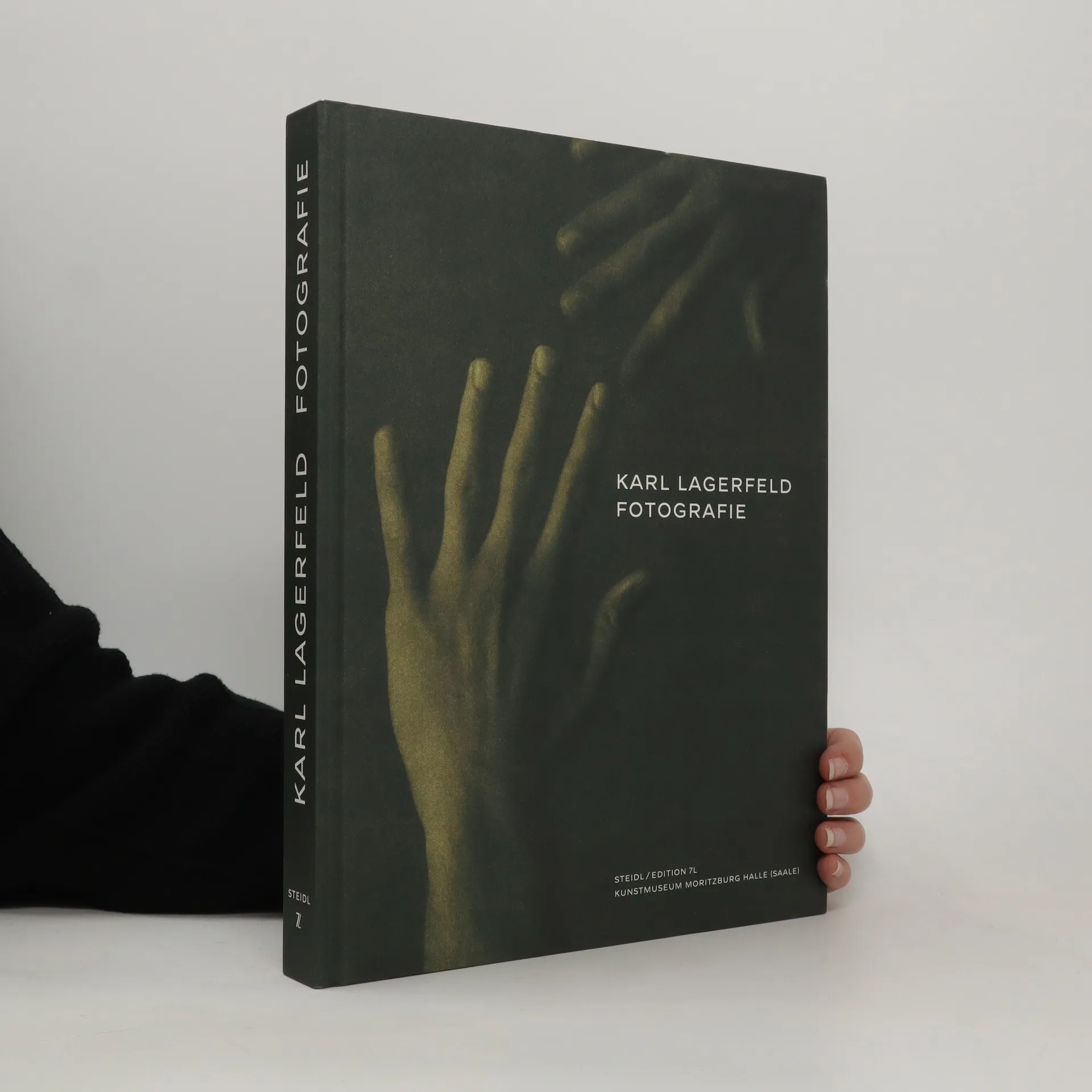
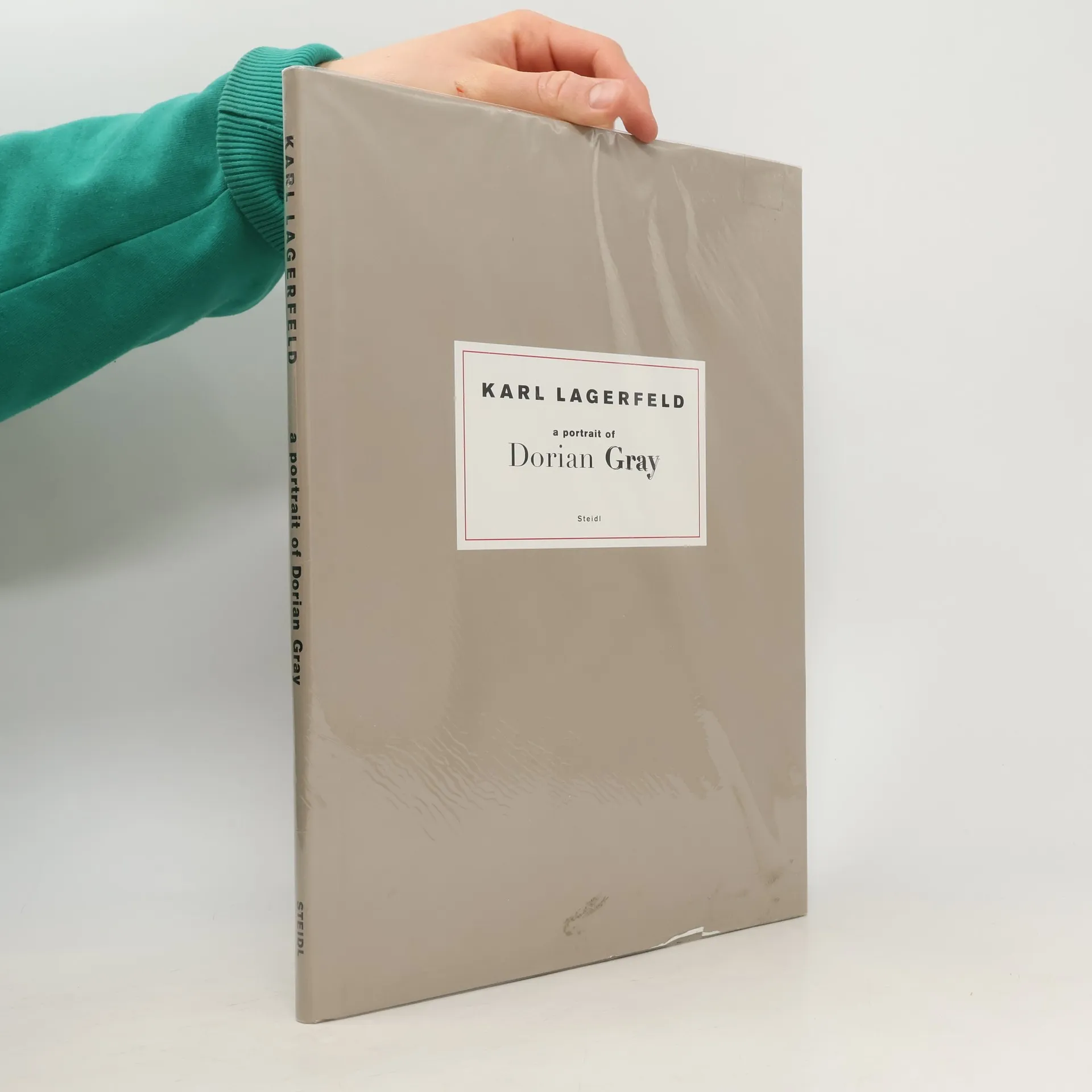
    • For decades the king of Paris fashion, Karl Lagerfeld is an artist whose work comes to life in front of the camera. But what happens when this legendary designer steps behind the lens? Magic, mystery, and more, as is evidenced by this volume of beautiful, sensual, and imaginative images that reveals an entirely new dimension to Lagerfeld’s genius. Spanning all aspects of the genre from classic to avant-garde, these photographs—many of which have never before been published—recall the work of Atget, Richter, and Peter Lindbergh. Scenes of Paris streets and buildings, fashion models, celebrities, nudes, still-lives, and other objects of beauty provide insight into Lagerfeld’s aesthetic. And his discerning eye captures the life of high fashion, while also possessing a reverence for the unexpected moment. Known for his exacting demands when designing and producing clothing, Lagerfeld is an equally precise photographer. His technical skills, use of lighting, and sense of composition rival that of his most accomplished contemporaries. Anyone new to the talents of Karl Lagerfeld will discover a practiced and often surprising sensibility, while his many fans will delight in the designer’s newest collection, one that exposes him truly to be a man of many talents.

      Dreams
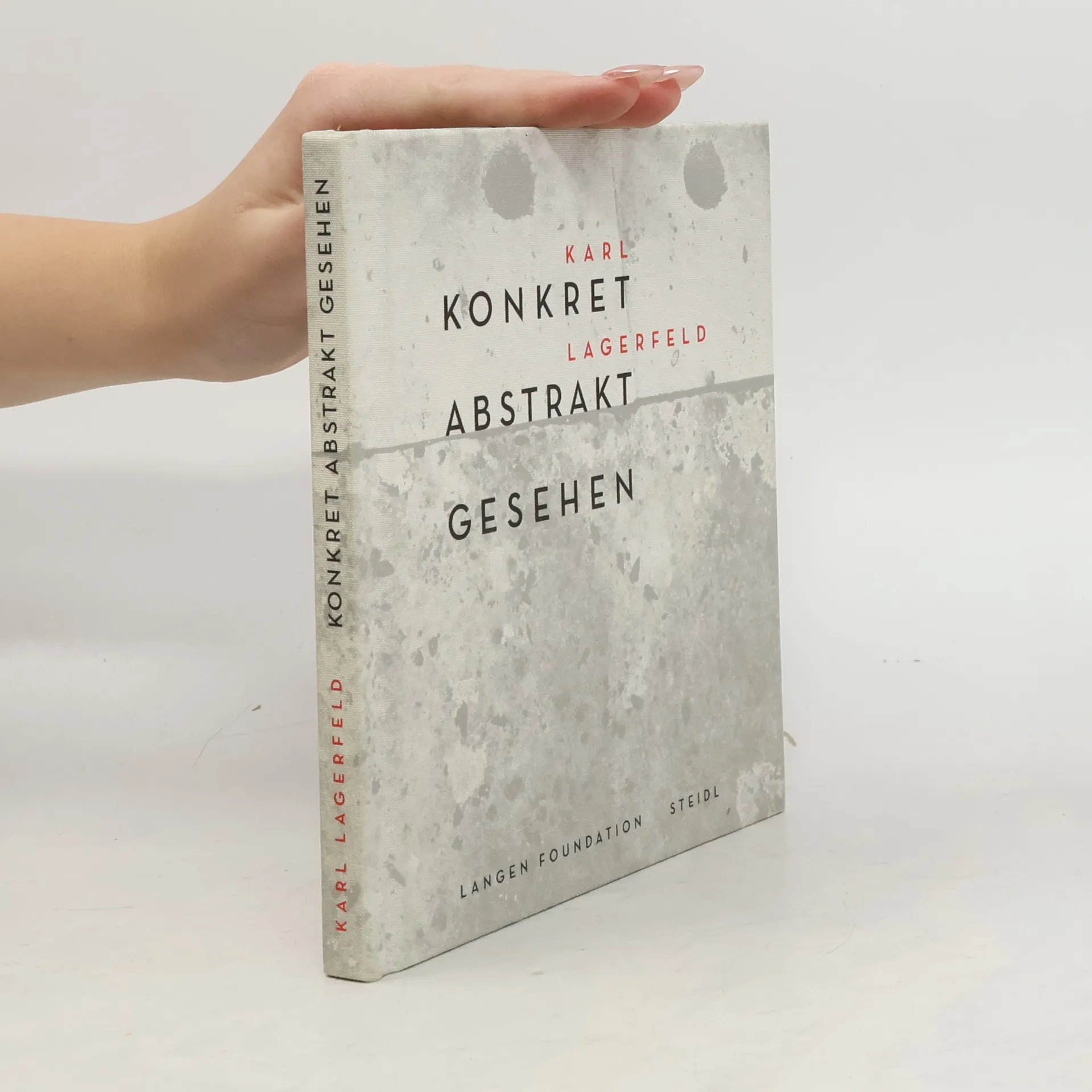
    • This volume collects new architectural photographs by Karl Lagerfeld, who has now amassed a spectacular oeuvre in this field, including, among others, his superb images of recent and celebrated buildings by Zaha Hadid (one of his favorite architects working today) and Tadao Ando. Central to Lagerfeld's approach are the architectonic details of these buildings; the title Konkret Abstrakt Gesehen ( Concrete Seen Abstractly ) conveys this guiding premise of his vision. For he sees architecture as not only functional, but as a source of abstract pattern, forms, lines and textures, defined by light in space, and as an epitome of durability. As Lagerfeld has stated, "We need houses as we need clothes, but even more so and they have to last longer. That is why the cycles of architecture's evolutions are so much longer." In photographing the buildings he loves, however, Lagerfeld's ultimate aim is not primarily to document the structures he surveys, but to re-conceive them for and in photographic form. Konkret Abstrakt Gesehen is the latest chapter in Lagerfeld's ongoing photographic interpretation of architecture, previously documented in such books as Schlo hotel , Modern Italian Architecture and Villa Jako , all published by Steidl.

      Konkret abstrakt gesehen
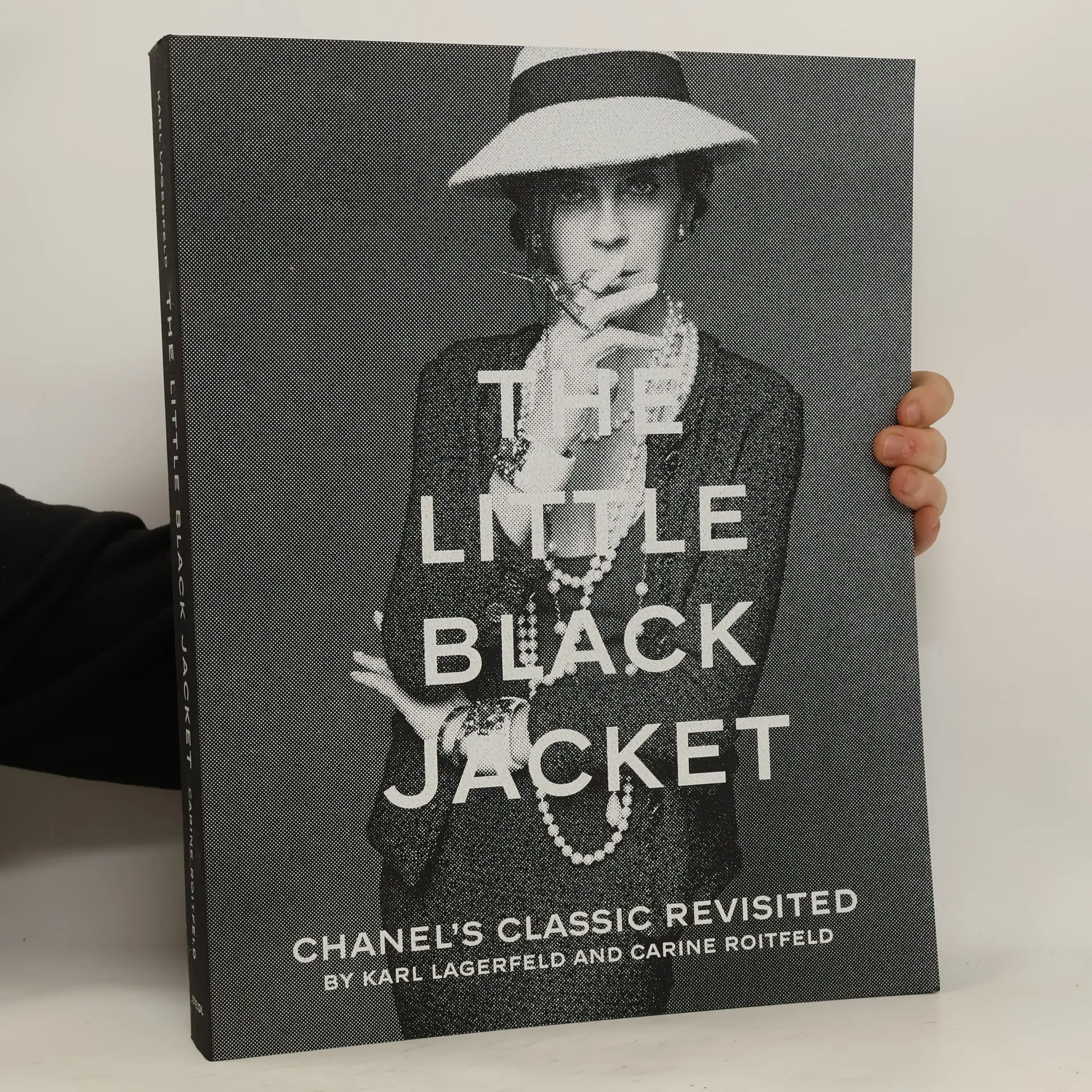
    • This work is a reinterpretation of Chanel’s iconic little black jacket by Karl Lagerfeld and Carine Roitfeld. Lagerfeld has modernized the jacket, making it a versatile piece suitable for all genders and ages. The book features Lagerfeld’s photographs of various celebrities showcasing the jacket with their unique styles—sometimes classic, sometimes irreverent, but always embodying Chanel. Notable figures include Claudia Schiffer, Uma Thurman, Kanye West, Tilda Swinton, Baptiste Giabiconi, Yoko Ono, and Sarah Jessica Parker. This collection highlights the remarkable adaptability of Chanel’s vision under Lagerfeld's artistry, ensuring the little black jacket remains a timeless classic. Karl Lagerfeld, a renowned fashion designer and photographer, started his photography career in 1987 and has received numerous accolades, including the Lucky Strike Design Award and the ICP Trustees Award at the International Center of Photography’s Infinity Awards in 2007. His exhibitions include “Konkret Abstrakt Gesehen” and “Metamorphoses of an American.” Steidl has published many of his works, such as Casa Malaparte and The Beauty of Violence. Carine Roitfeld, a prominent fashion writer and stylist, served as editor-in-chief of French Vogue from 2001 to 2011 and has collaborated with various designers, including Tom Ford. Her book Irreverent was published in 2011.

      The little black jacket
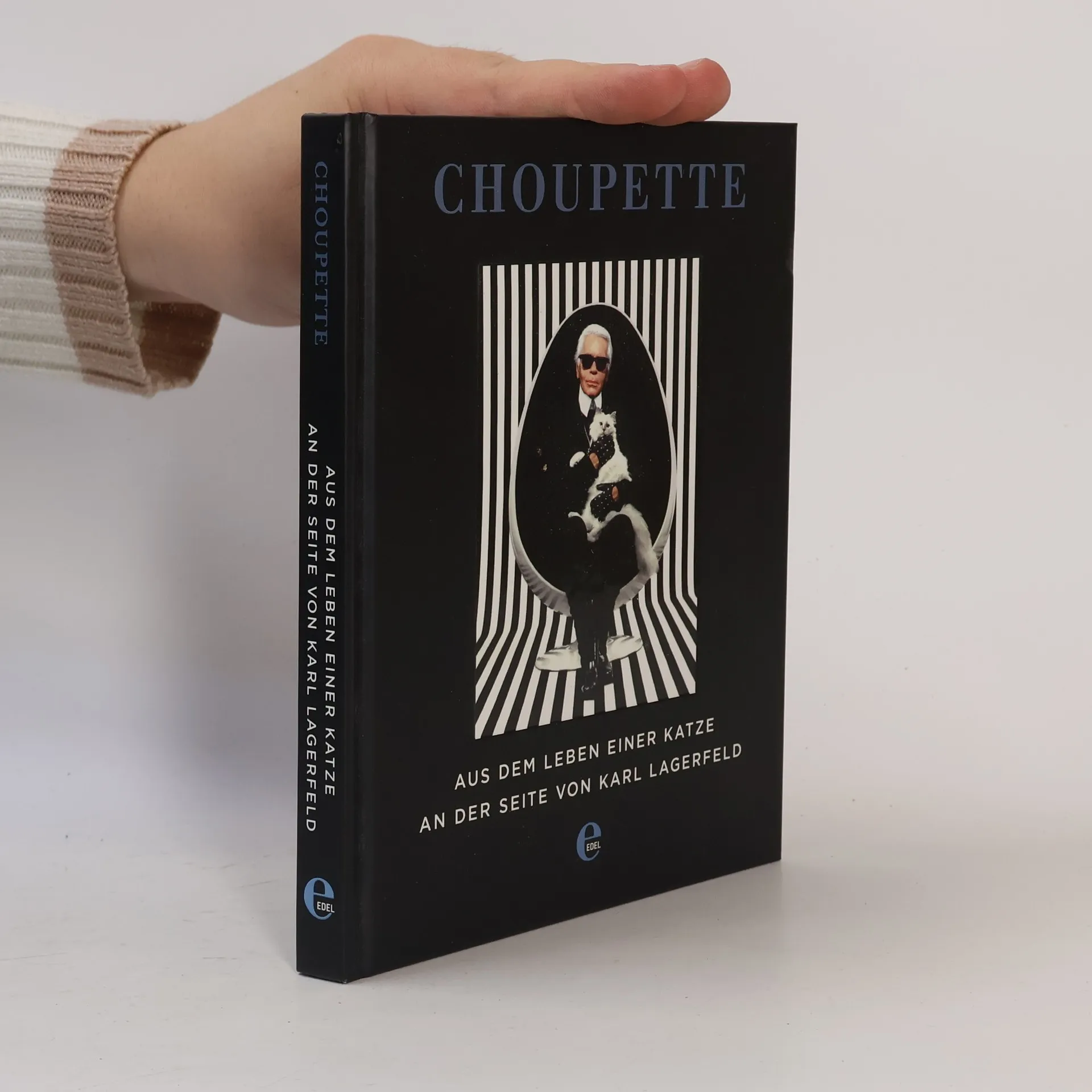
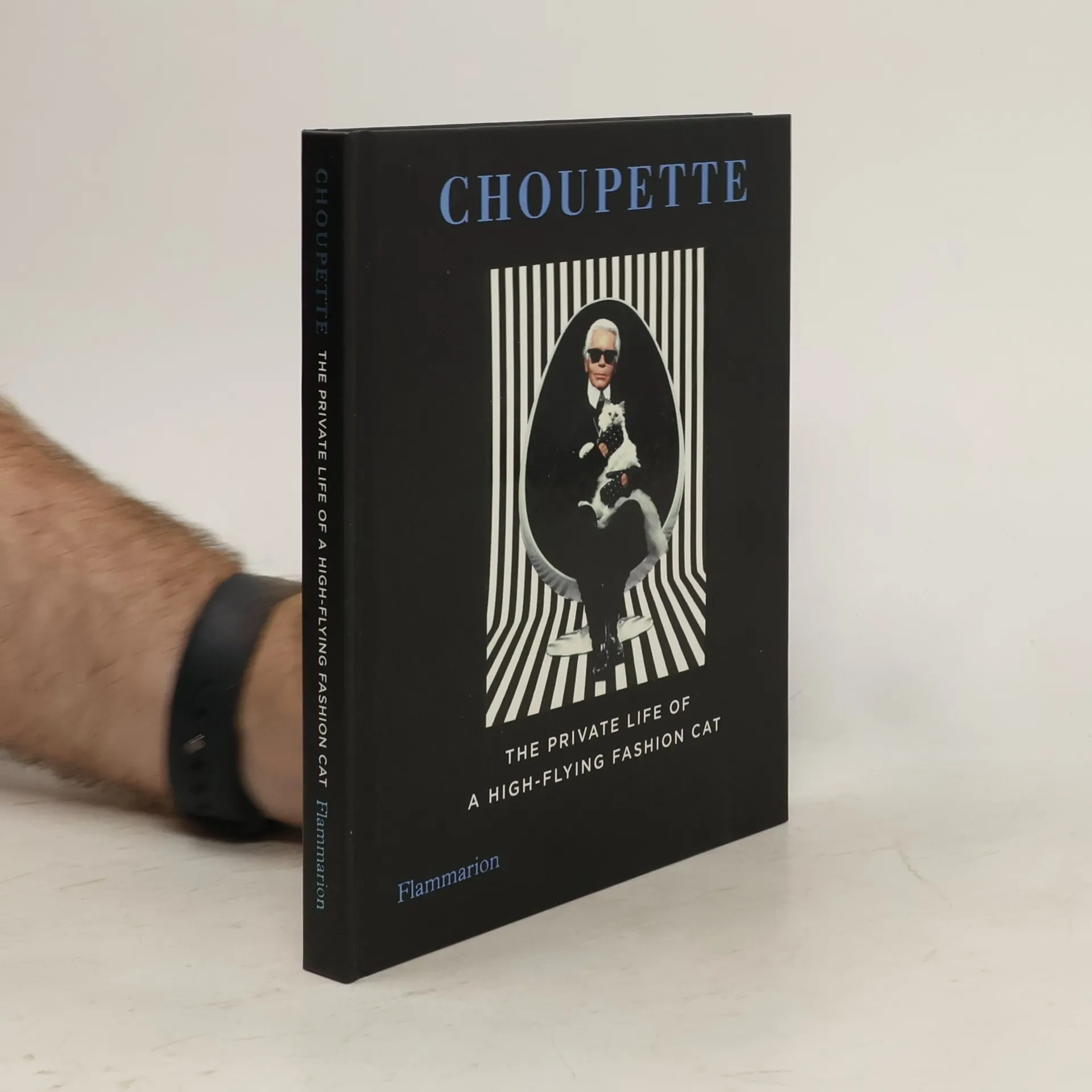
    • Choupette

      The Private Life of a High-Flying Fashion Cat

      • 128 pages
      • 5 hours of reading

      'I never thought that I would fall in love like this with a cat.' - Karl Lagerfeld

      Choupette
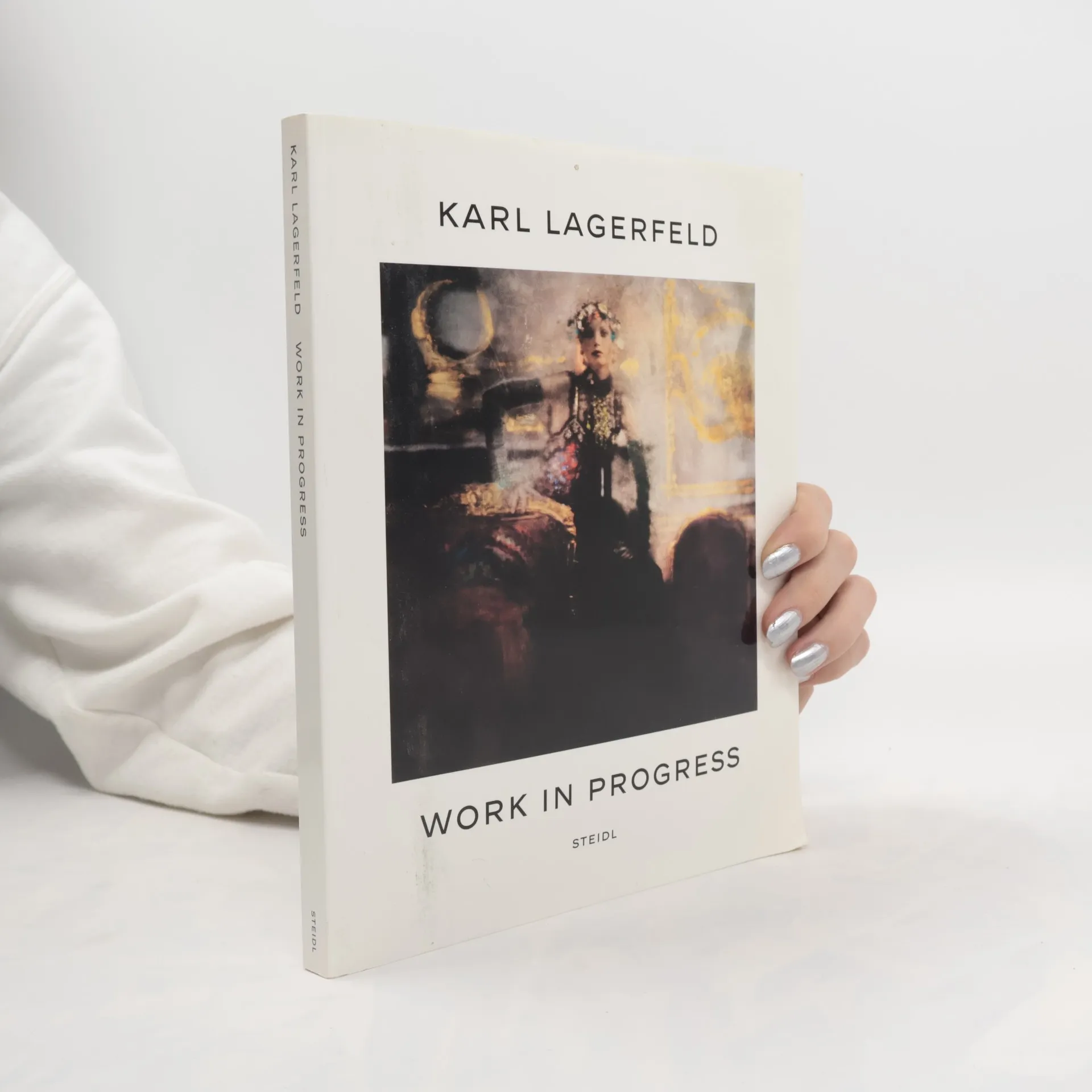
    • Work in progress

      • 192 pages
      • 7 hours of reading

      Work in Progress is a comprehensive survey of Karl Lagerfeld’s photography, highlighting his remarkable range from his start in 1987 to his latest works. This English edition follows the sold-out Parcours de Travail, which accompanied a 2010 exhibition at the Maison européenne de la photographie in Paris. The book illustrates Lagerfeld's fluid transition between genres like portraiture, architecture, and landscape, showcasing his adventurous use of various photographic techniques, including algraphy, serigraphy, resinotypes, and sepia prints. A constant theme in his work is the reinterpretation of other artists and writers, including figures like Oskar Schlemmer and Fritz Lang. This collection stands as a testament to Lagerfeld’s exceptional achievements in photography, while also hinting at future innovations. Lagerfeld, a renowned fashion designer, began his photography career in 1987 and has been honored with several prestigious awards, including the Lucky Strike Design Award and the ICP Trustees Award. His recent exhibitions include ‘Konkret Abstrakt Gesehen’ at the Langen Foundation and ‘Metamorphoses of an American’ at Pace/MacGill in New York. Most of his photography books have been published by Steidl, with notable titles such as Casa Malaparte and The Beauty of Violence.

      Work in progress
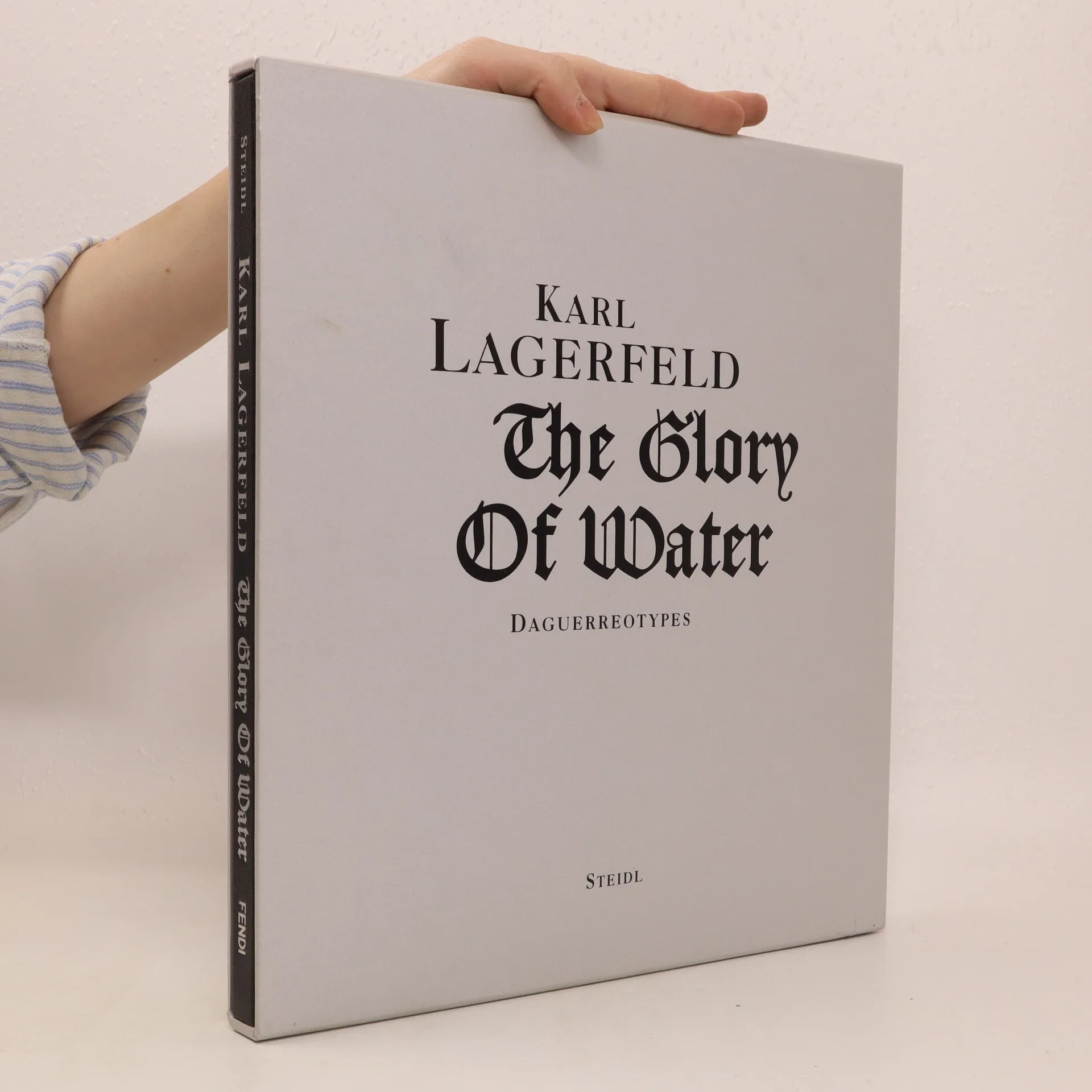
    • Each Roman fountain reflects human experience, revealing insights into origins, locations, and beauty across centuries. Fountains are integral to Rome's history, from the early Empire to iconic moments like Anita Ekberg at the Fontana di Trevi, a hallmark of Roman Baroque splendor. Today, the Fontana di Trevi remains a must-visit for tourists, while many lesser-known fountains, equally beautiful, await discovery. Rome invites us to explore what makes us sensitive to beauty. While knowledge of Roman history and Italian art is valuable, emotional awareness is key to appreciating Rome's allure. Fountains significantly contribute to this beauty, evoking aesthetic reactions that transcend mere reflection. Water symbolizes physical pleasure, intertwined with history, art, and beauty. Schopenhauer viewed beauty as a good, born from the suppression of will, a notion that resonates in Rome. The city's charm and its renowned fountains are irresistible; analysis of this feeling is unnecessary. As George Santayana noted, "Beauty not perceived is a pleasure not felt." Thus, immerse yourself in the beauty of Rome’s countless fountains—capturing them all in photographs is a daunting, if not impossible, task.

      The Glory of Water