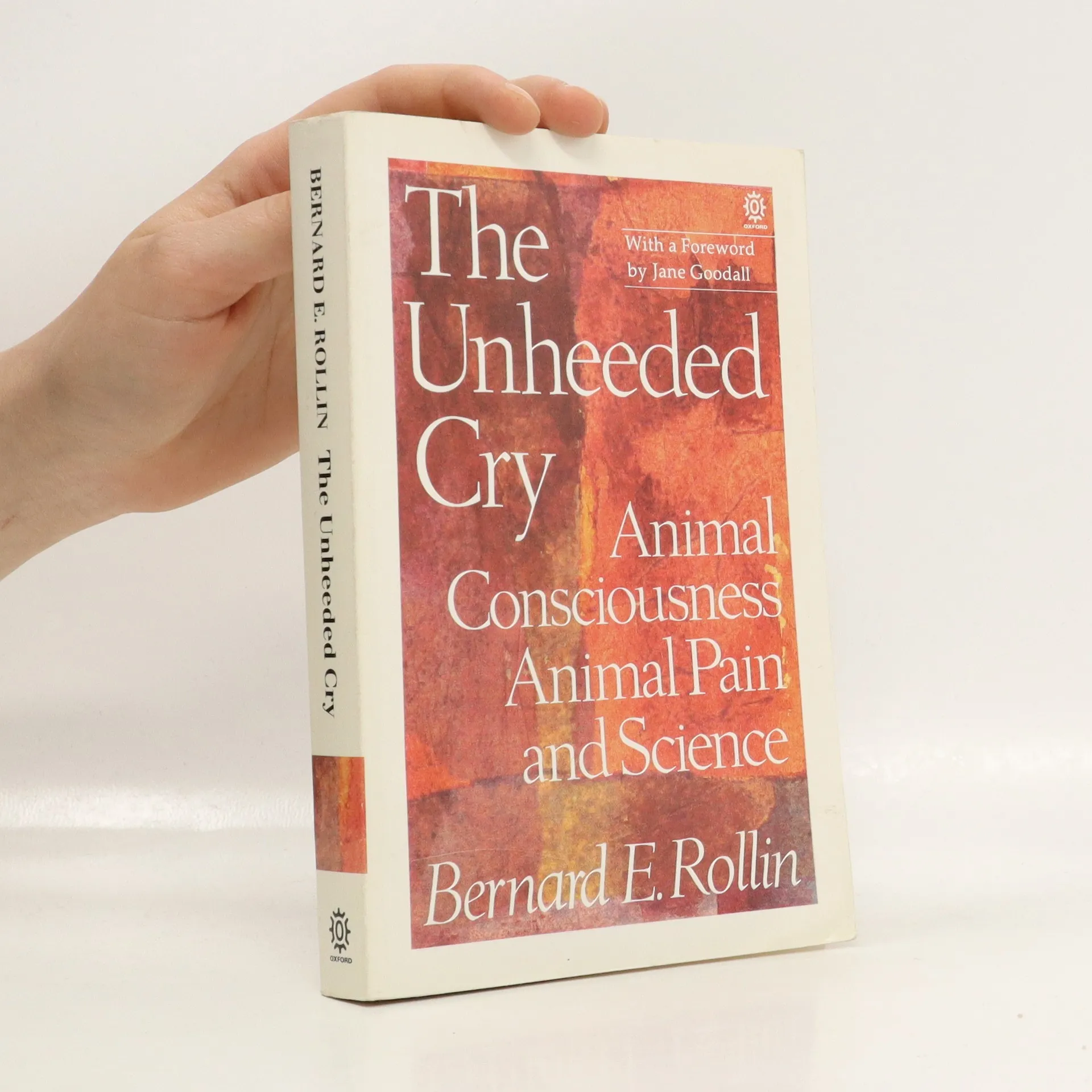
Bernard E. Rollin delves into the ethical considerations surrounding animals and their living conditions. His work bridges traditional philosophy with applied ethics, emphasizing animal welfare and ethical treatment. He challenges the Cartesian duality that hierarchically divides humans from other animals, seeking to dismantle perceived boundaries between species. His extensive scholarship and active engagement in discussions about animal concerns highlight his profound commitment to these issues.
When philosopher Bernard Rollin was six years old, he visited an animal shelter and learned that unwanted dogs are put to sleep. That event shaped his moral outlook and initiated his concern for how animals are treated. In his irreverent memoir, Putting the Horse before Descartes, Rollin relates how he came to educate himself and others about the ethical treatment of animals and dedicate his life to improving animal welfare
Common sense has never doubted that animals can think, feel and suffer. For most of the 20th century, however, science has denied that we can know what animals are experiencing. Why has science taken this position? Can it be justified? What effect has it had on the treatment of animals? Bernard Rollin explains why and how scientists have been so cavalier about animal use, animal pain, and the moral questions they raise. He explores the damage caused by this position, both morally and scientifically; for it is not only the animals used in research which have suffered, but science itself, given that failure to take animal feelings into account has been shown to distort experimental results. In this book, the author traces the development of changing attitudes towards animals and shows how growing social concern about the way in which we treat them is forcing science to turn back to the common-sense view. The author's previous book "Animal Rights and Human Morality" won the Outstanding Book of the Year Award of the American Association of University Libraries.