

Explore the latest books of this year!
Bookbot

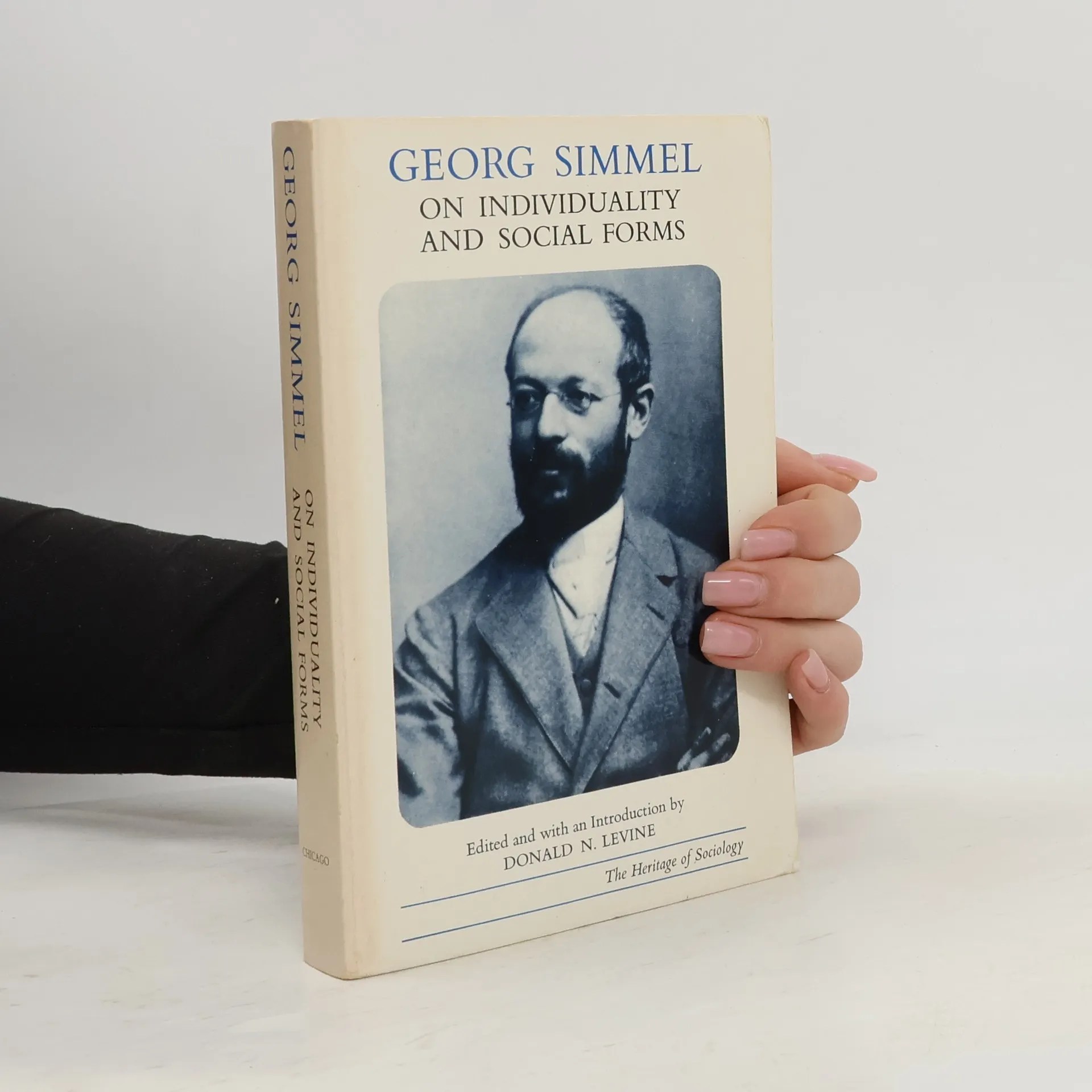
Georg Simmel

    March 1, 1858 – September 26, 1918

    Georg Simmel was a pivotal German sociologist and philosopher who explored social individuality and fragmentation in modern society. His neo-Kantian approach investigated the nature of society, introducing concepts of 'forms' and 'contents' to analyze social and cultural phenomena. Simmel pioneered urban sociology and social network analysis, with his ideas influencing critical theory. He also delved into philosophical topics such as emotion and romantic love, offering a unique perspective on the human experience.

    Georg Simmel
    Aufsätze und Abhandlungen 1894-1900
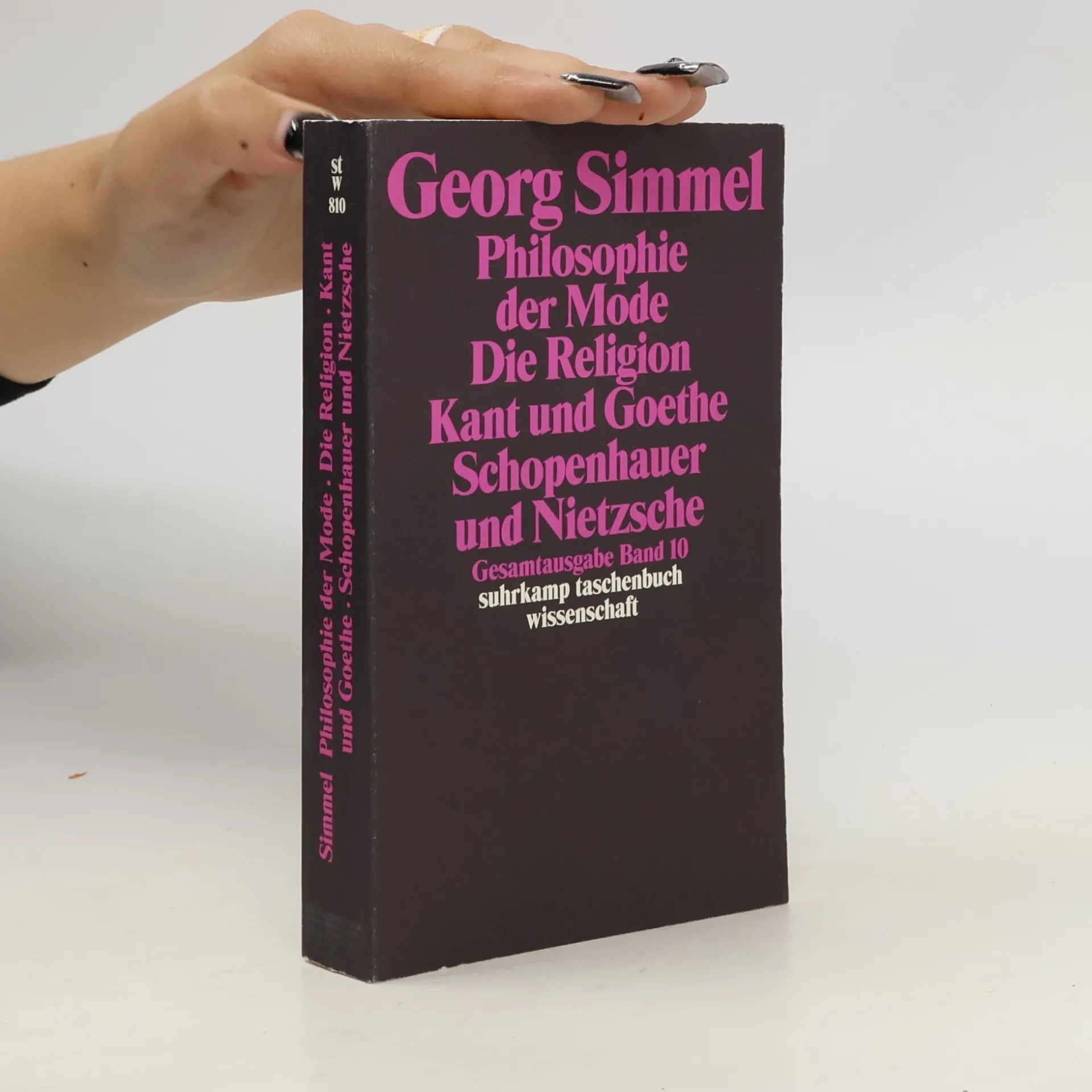
    Schopenhauer und Nietzsche
    How is society possible?
    A Chapter in the Philosophy of Value
    Schopenhauer and Nietzsche
    Georg Simmel
    • Georg Simmel

      Essays on Art and Aesthetics

      • 392 pages
      • 14 hours of reading

      Georg Simmel's writings on art and aesthetics are compiled in this groundbreaking collection, featuring many essays translated into English for the first time. Renowned as a founding figure of modern sociology, Simmel's insights into various cultural aspects, including aesthetics, landscape, theater, and literature, are showcased. Edited and translated by Austin Harrington, the volume includes his insightful introduction, which adds depth to the understanding of Simmel’s influence on early 20th-century cultural theory.
      Georg Simmel
    • Anticipating contemporary deconstructive readings of philosophical texts, Georg Simmel pits the two German masters of philosophy of life against each other in a play of opposition and supplementation. This first English translation of Simmel's work includes an extensive introduction, providing the reader with ready access to the text by mapping its discursive strategies.

      Schopenhauer and Nietzsche
    • Exploring the intricacies of value, this work delves into philosophical questions surrounding ethics, aesthetics, and the nature of worth. It offers a critical examination of how values shape human experience and decision-making. By analyzing various philosophical perspectives, the author invites readers to reflect on their own beliefs and the implications of value systems in society. The text serves as both a theoretical exploration and a practical guide for understanding the complexities of value in everyday life.

      A Chapter in the Philosophy of Value
    • Georg Simmel explores the interplay between individuality and society, arguing that personal development is achieved through social interaction. However, he posits that individuals retain a core essence that remains distinct and cannot be fully assimilated into the social fabric. This essay delves into the complexities of socialization and the inherent tension between the self and societal influences.

      How is society possible?
    • Schopenhauer und Nietzsche

      Ein Vortragszyklus

      • 216 pages
      • 8 hours of reading

      In diesem Vortragszyklus untersucht Georg Simmel die Philosophien von Arthur Schopenhauer und Friedrich Nietzsche und deren Einfluss auf das moderne Denken. Simmel beleuchtet zentrale Themen wie den Willen, die Existenz und die Rolle des Individuums in der Gesellschaft. Er analysiert die Gegensätze und Gemeinsamkeiten der beiden Denker und zeigt auf, wie ihre Ideen in der Kunst und Kultur des 19. Jahrhunderts widerhallen. Durch eine prägnante und tiefgründige Auseinandersetzung mit ihren Konzepten bietet Simmel wertvolle Einblicke in die philosophischen Strömungen seiner Zeit.

      Schopenhauer und Nietzsche
    • Georg Simmel wurde am 1. März 1858 in Berlin als jüngstes von sieben Kindern des Fabrikanten Edward Simmel und seiner Frau Flora geboren und starb am 26. September 1918 in Straßburg. Die Familie war jüdischer Herkunft, konvertierte jedoch früh zum Christentum. Simmel wurde evangelisch getauft und studierte von 1876 bis 1881 an der Berliner Universität Geschichte, Völkerpsychologie und Philosophie. Seine erste Promotionsschrift wurde abgelehnt, während seine Dissertation über Kants Ansichten über Materie anerkannt wurde. 1885 habilitierte er sich mit der Schrift Kantische Studien und wurde Privatdozent. Seine Antrittsvorlesung über das ethische Ideal fand große Resonanz. Trotz seines akademischen Erfolgs sah sich Simmel antisemitischen Ressentiments ausgesetzt. 1898 wurde sein Antrag auf ein Extraordinariat abgelehnt, und 1908 scheiterte seine Berufung auf eine Professur in Heidelberg aufgrund eines antisemitischen Gutachtens. Heute gilt Simmel als einer der bedeutendsten Vertreter der Soziologie des 20. Jahrhunderts, der maßgeblich zur Etablierung dieser Disziplin als eigenständige Wissenschaft beigetragen hat.

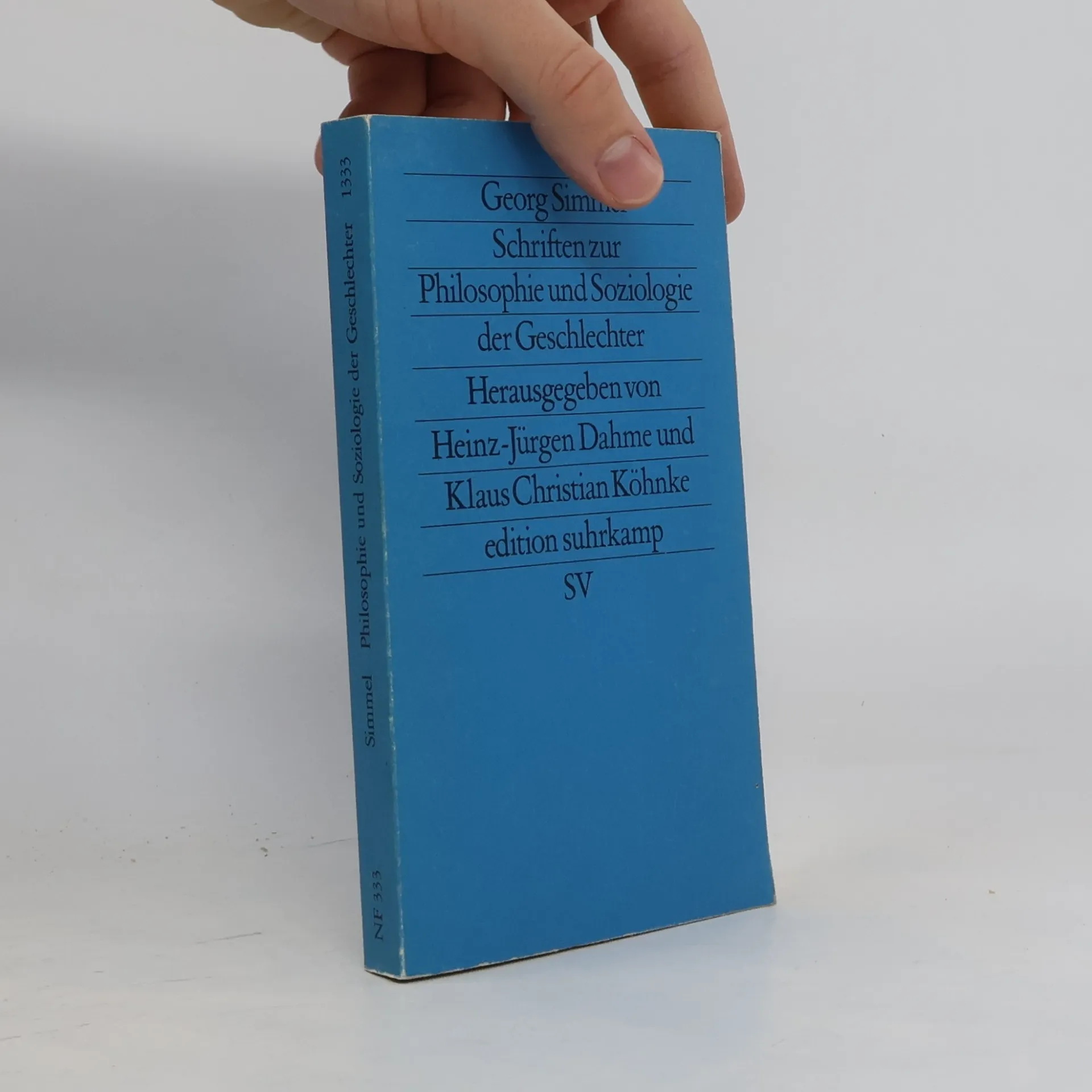
      Schriften zur Philosophie und Soziologie der Geschlechter