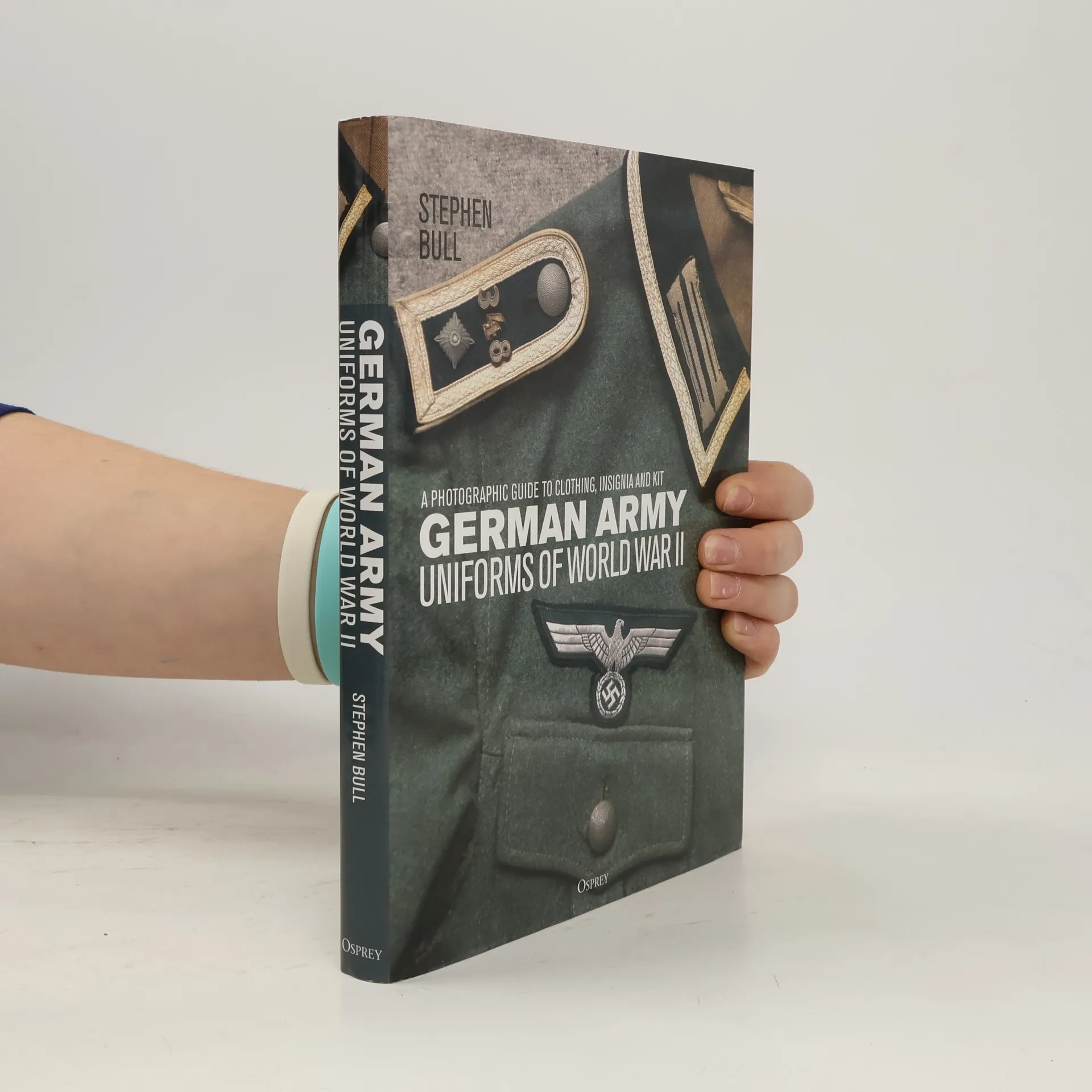
A photographic guide to clothing, insignia and kit
256 pages
9 hours of reading
Set against the backdrop of post-World War I Germany, the book explores the evolution of military uniforms and equipment in response to lessons learned from trench warfare. It details the transition to standardized uniforms under Nazi influence in the 1930s, adaptations prompted by the 1939 war outbreak, and the incorporation of camouflage. As the war progressed, new medals and specialized uniforms emerged for various troops, while material shortages led to simplifications and the use of substitutes, reflecting the diverse climates and conditions faced by the German Army.
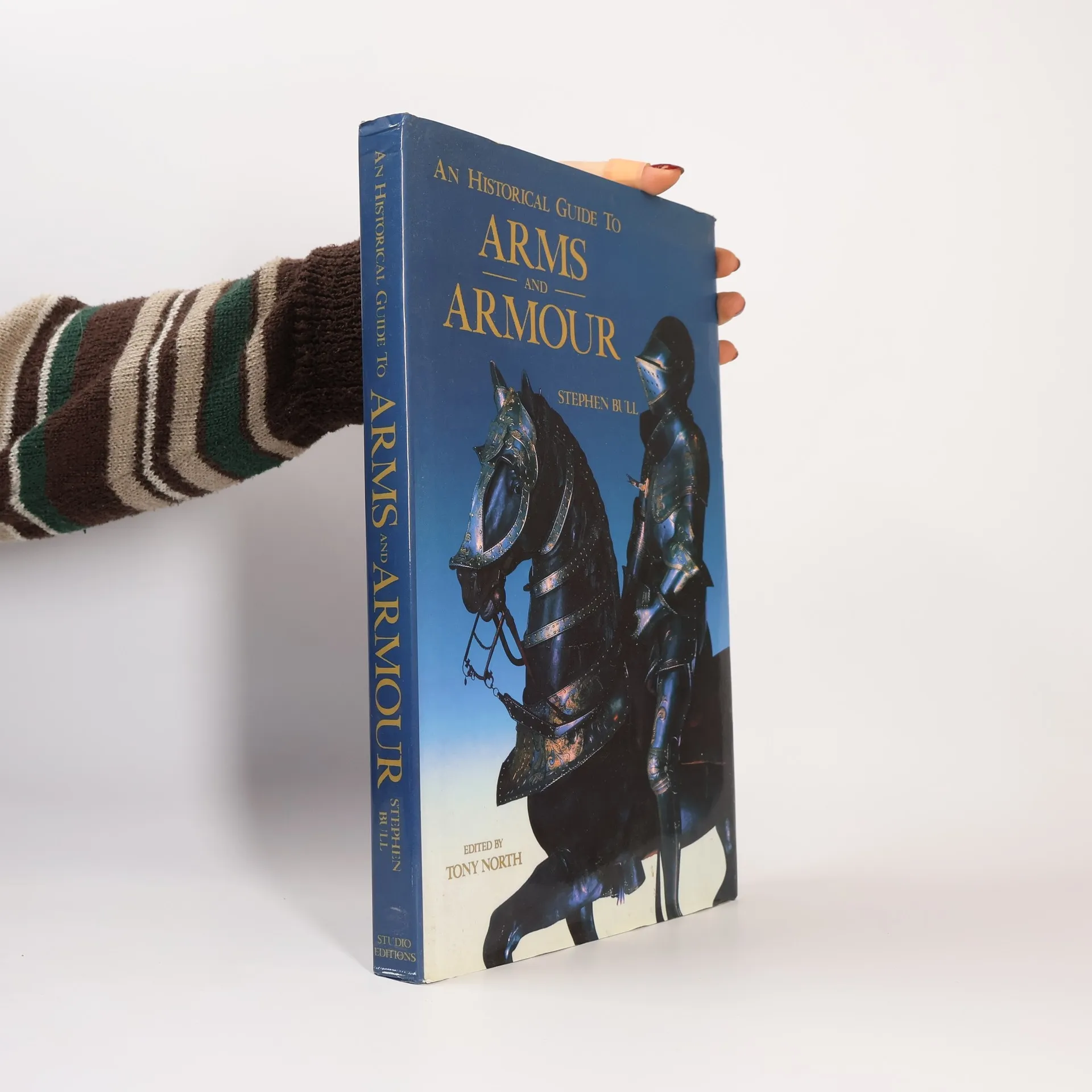
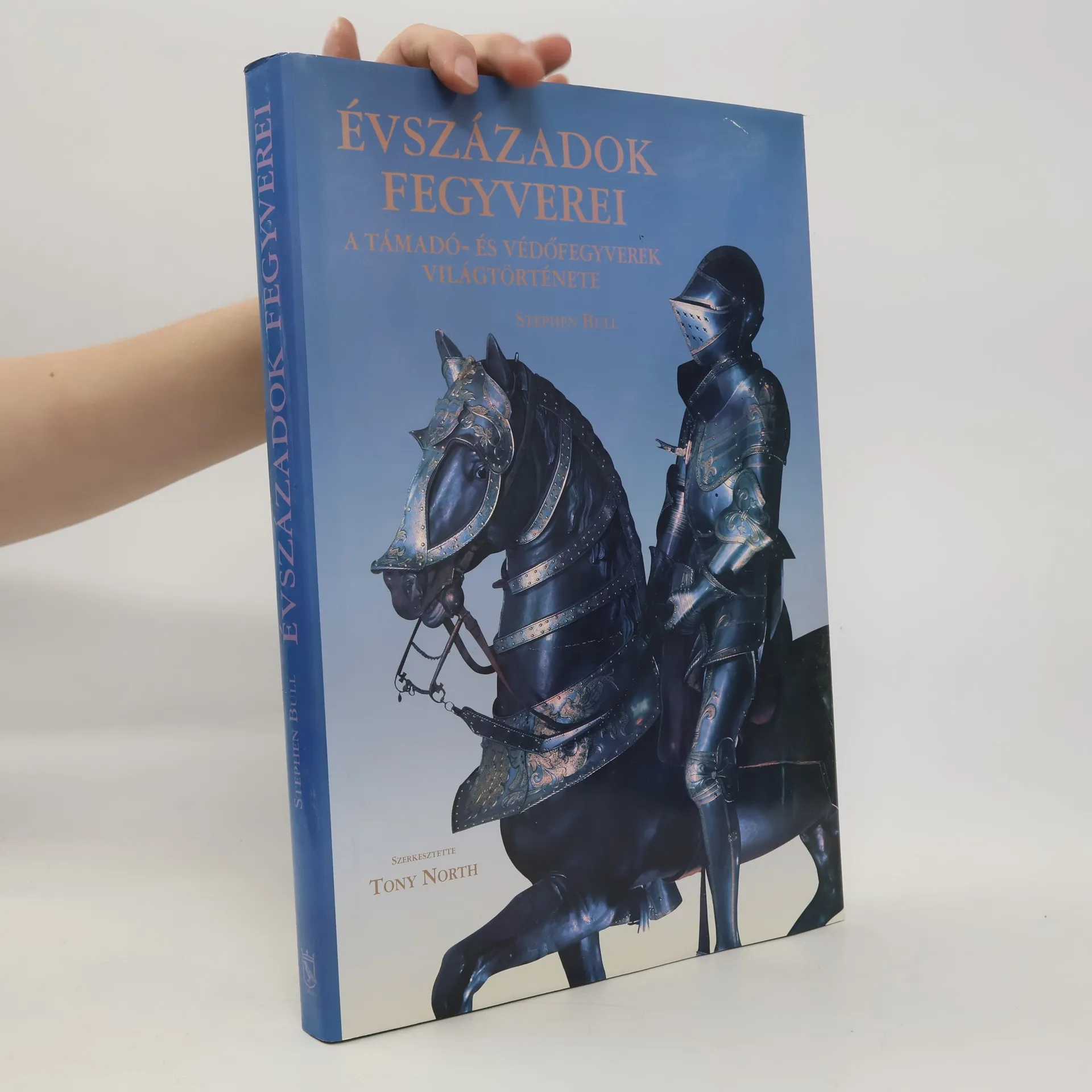
An illustrated history of the development of arms and armour, this work traces how advances in weaponry determined how men dressed for battle, from the earliest protective dress of the Greeks and Romans, through the heavy armour of the knights of the Crusades, to the 19th-century military costumes.
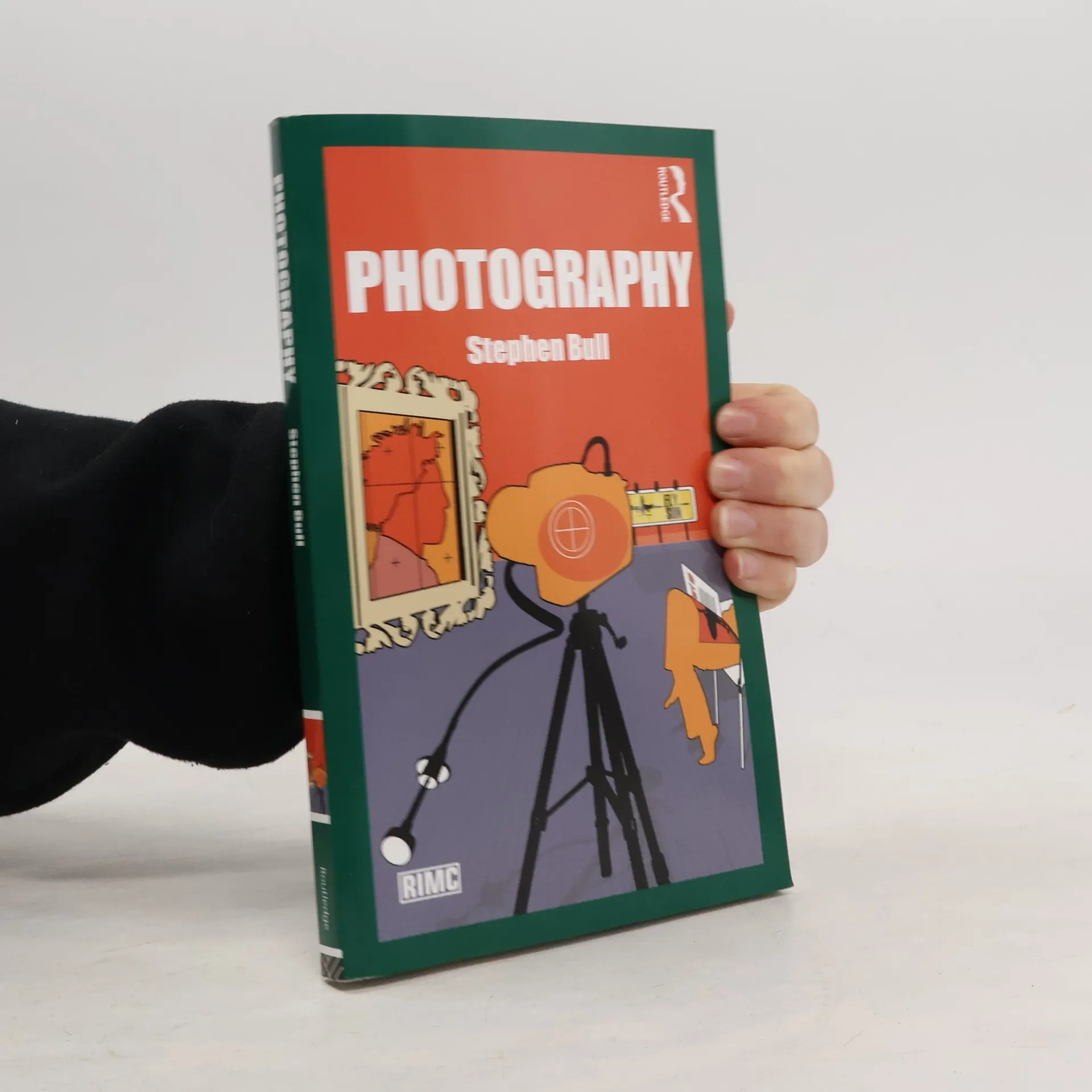
Exploring the art and science of photography, this book delves into various techniques, styles, and the evolution of photographic practices. It covers essential concepts such as composition, lighting, and post-processing, while also highlighting the work of influential photographers. The text serves both beginners and seasoned professionals, providing practical tips and inspiring insights to enhance creative expression through the lens. Whether capturing landscapes or portraits, readers will discover ways to elevate their photography skills.
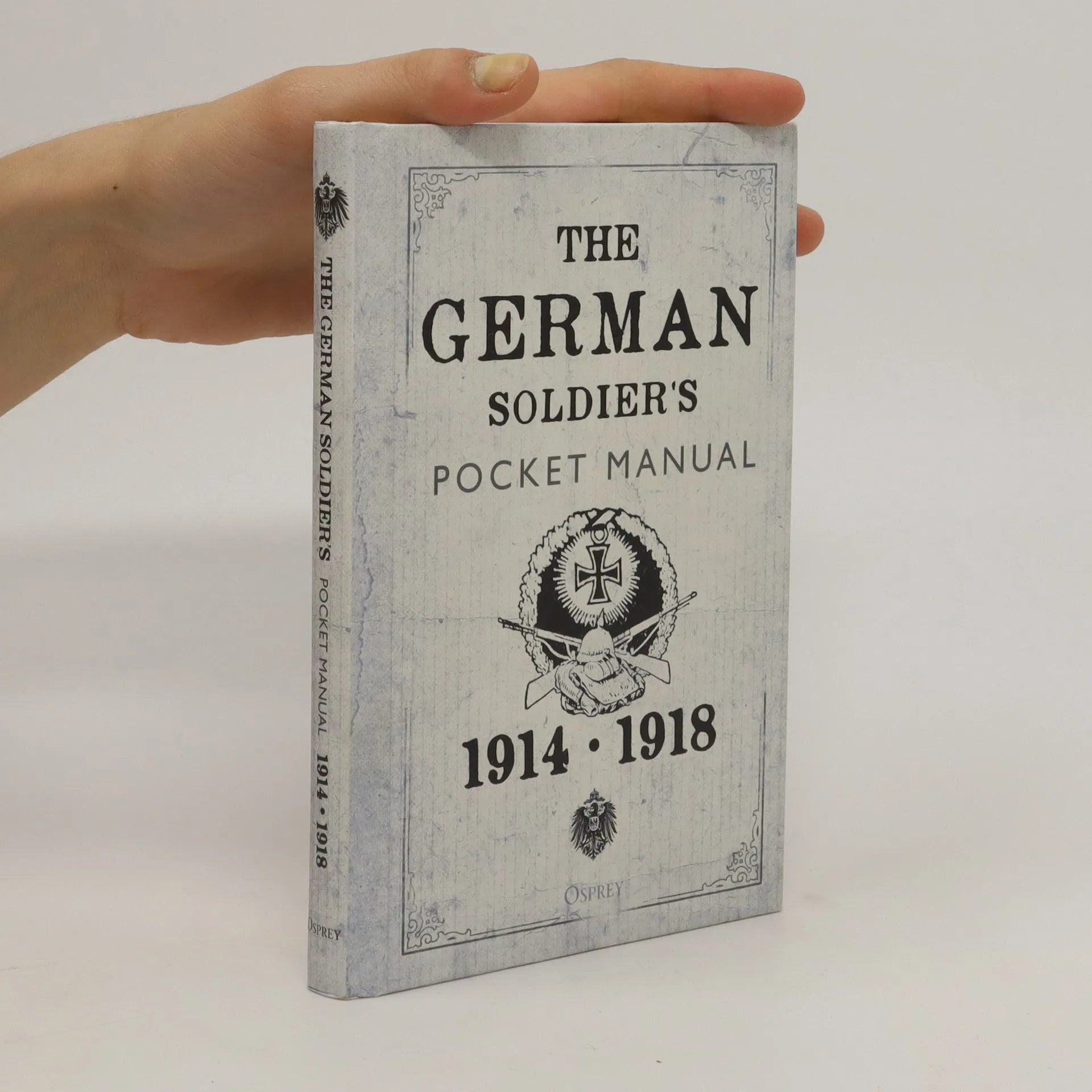
This is the first Pocket Manual to be dedicated to the German Army in the First World War, with chapters comprising of complete documents or extracts drawn from two major sources: the German Army of 1914 - 1918 itself, or the intelligence sections of other armies. It describes the new tactics and units developed by the German army during the war, including the myths surrounding Stormtrooper units. These new methods used were a result of interaction between the opposing forces and incremental in their appearance. Nevertheless the new ideas were hugely influential and important not only to the German army but to others as well, including British and American forces. Utilising a wide range of sources, including various pamphlets and manuals that were produced throughout World War I, this fascinating pocket manual gives a German perspective to World War I.
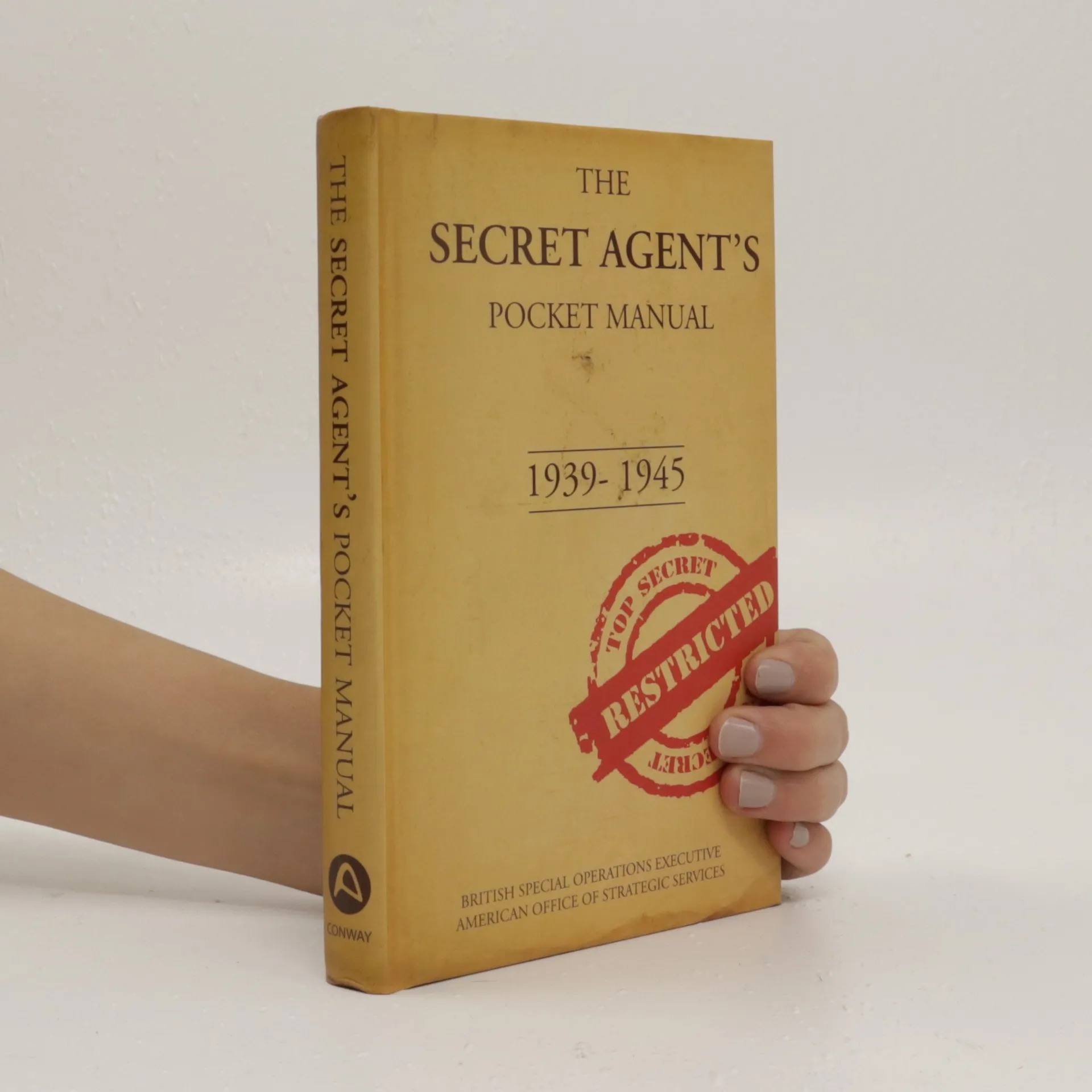
Most wars have had some element of espionage and subterfuge, but few have included as much as the Second World War, where the all-embracing nature of the conflict, new technology, and the battle of ideologies conspired to make almost everywhere a war zone. The occupation of much of Europe in particular left huge areas that could be exploited. Partisans, spies and saboteurs risked everything in a limbo where the normal rules of war were usually suspended. Concealment of oneself, one's weapons and equipment, was vital, and so were the new methods and hardware which were constantly evolving in a bid to stay ahead of the Gestapo and security services. Silent killing, disguise, covert communications and the arts of guerrilla warfare were all advanced as the war progressed. With the embodiment and expansion of organisations such as the British SOE and the American OSS, and the supply of special forces units which operated behind enemy lines, clandestine warfare became a permanent part of the modern military and political scene. Perhaps surprisingly many of these hitherto secret techniques and pieces of equipment were put into print at the time and many examples are now becoming available. This manual brings together a selection of these dark arts and extraordinary objects and techniques in their original form, under one cover to build up an authentic picture of the Allied spy.
This book charts the development of modern weaponry from 1900 through to the present day, discussing both close combat and high-tech warfare. In addition other types of arms, such as those used in sport and civil defence, are fully explored.