Focusing on the countryside surrounding Paris, the narrative offers a unique historical perspective through the lens of Marc Bloch. It explores the region's origins, geographical characteristics, archaeological significance, and local histories, providing an in-depth study of the Ile-de-France. Through Bloch's insights, readers gain a deeper understanding of the area's rich past and its impact on the present.
Marc Bloch Book order (chronological)
July 6, 1886 – June 16, 1944
Marc Bloch was a pivotal figure in the Annales School, renowned for his profound explorations of medieval history. His scholarship delves deeply into the social fabric of rural life and feudal structures, offering a distinctive lens on the past. Bloch fundamentally reshaped historical inquiry by emphasizing long-term societal and cultural currents. His influential work also critically examined the very nature of historical writing, leaving a lasting legacy.


La strana disfatta. Con gli scritti della clandestinità 1942-1944
- 212 pages
- 8 hours of reading
March Bloch non è stato solo uno storico, con una grande capacità di ricostruzione e di rievocazione, è stato anche un uomo del suo tempo. La strana disfatta è la personale testimonianza della tragica crisi dell'Europa, atterrita dalla potenza nazista. Il grande storico francese rintraccia nelle viscere di questo mondo allo sbando i germi di una crisi più profonda, morale e culturale, che non tarderà a mostrare i suoi frutti peggiori. Fra le pieghe di una riflessione quasi privata, emerge l'energica esortazione a riempire il vuoto dei valori di nuovi significati.
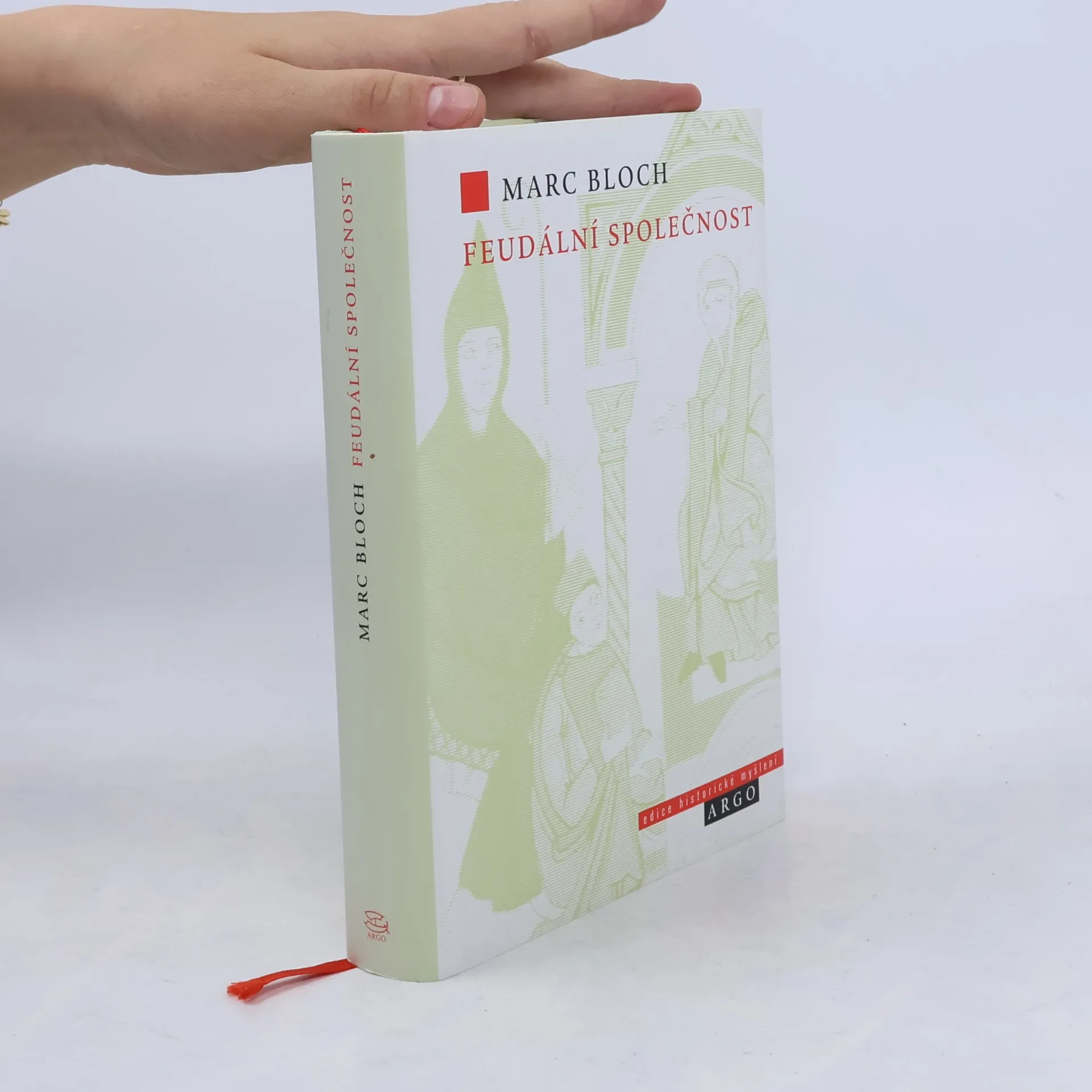
Blochova Feudální společnost představuje dnes již klasický pokus o postižení totálních dějin středověké společnosti. Na rozdíl od Králů divotvůrců zde autor předkládá syntetický výklad dějin západní Evropy od pozdní antiky po ranou renesanci. Důsledně přitom vychází z jím formulované a prosazované komparativní metody. Jeho komparativní pohled na středověké dějiny se však nesoustředí na vývoj v jednotlivých teritoriích, nýbrž naopak na sledování konkrétních jevů (lenní vztahy, obchod, intelektuální inovace, proměny zemědělství, rytířská kultura, zrození měšťanstva) v různých prostorových a časových souřadnicích, s důrazem na neustálou dynamiku středověkých dějinných procesů.
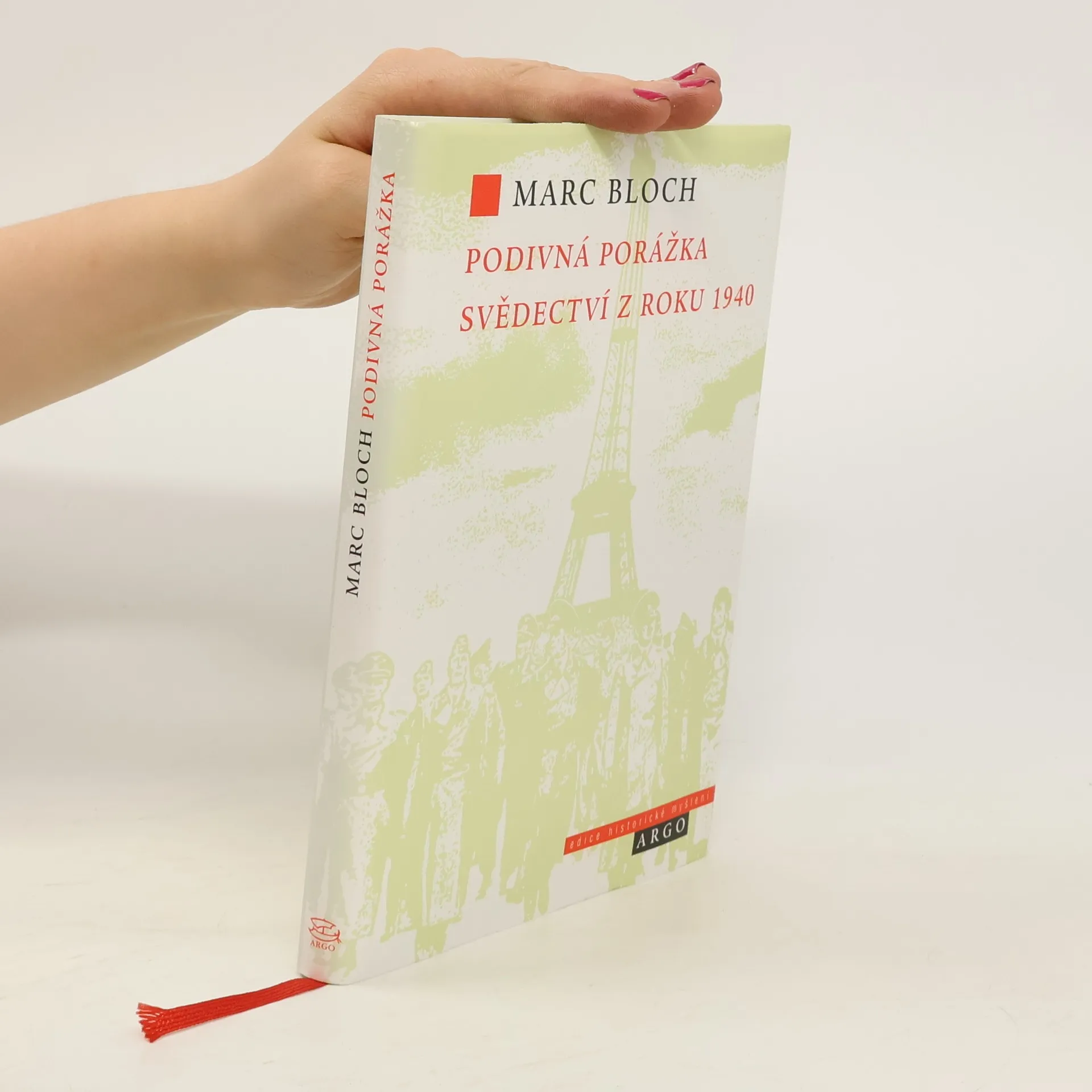
V Podivné porážce Marc Bloch nevystupuje jako historik, nýbrž jako kritický pozorovatel francouzského politického a intelektuálního selhání za druhé světové války. Jeho kniha je tvrdou, přitom však trefnou obžalobou nejen kolaborace obyčejných Francouzů, ale i anatomickým rozborem jejich falešných předválečných iluzí. Podivná porážka však rovněž reprezentuje téměř heroický postoj univerzitního profesora, který na vrcholu své vědecké slávy neváhal obětovat vlastní kariéru a v konečném důsledku i život za vlast, kterou miloval. Ačkoli byl přesvědčen, že si „podivnou porážku“ Francouzi přivodili především sami, bez váhání se aktivně zapojil do odboje. Ani ve válečné vřavě však neztratil schopnost analyzovat současnost stejně kriticky a stejně prozíravě jako středověké prameny, čímž sám na sobě demonstroval, jak je myšlení o dějinách vždy bytostně provázáno s historikovou současností.
Thailand
- 108 pages
- 4 hours of reading
Aus der Werkstatt des Historikers
- 361 pages
- 13 hours of reading
Marc Bloch (1886 -1944) war einer der bedeutendsten Historiker des 20. Jahrhunderts. Gemeinsam mit Lucien Febvre gründete er 1929 die berühmte Zeitschrift Annales.
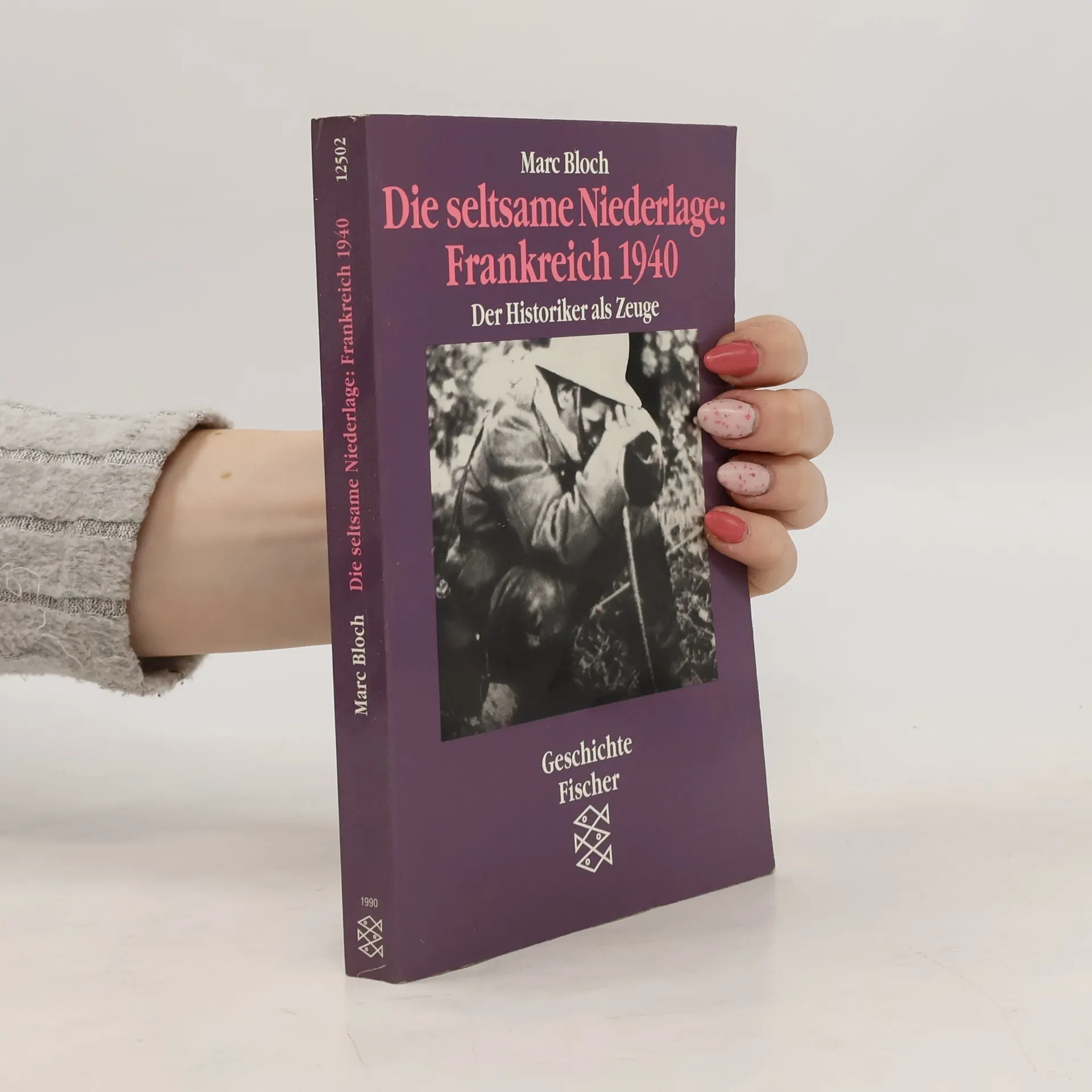
Die seltsame Niederlage
- 283 pages
- 10 hours of reading
Marc Bloch, Mitbegründer der „Neuen Geschichtswissenschaft“, verfasste 1940, vier Jahre vor seiner Ermordung durch die Gestapo, eine Analyse der Niederlage Frankreichs im Zweiten Weltkrieg. Diese Untersuchung ist ein bedeutendes Beispiel moderner Kriegsforschung und eine scharfe Kritik an der Inkompetenz der französischen Militärführung. Bloch analysiert die „inneren Ursachen“ des Debakels, dessen Vorgeschichte und geistige Bedingungen. Als Offizier, verantwortlich für die Treibstoffversorgung der 1. Armee, wusste er um die politischen und militärischen Mängel und prangerte die Unfähigkeit der Führung an, den Krieg zu begreifen. Der erste Teil des Werkes widmet sich der Darstellung und Analyse des Feldzugs, während der zweite Teil Blochs „Testament“ enthält. Im dritten Teil sind wichtige Schriften aus seiner Zeit des aktiven Widerstands (1943-1944) versammelt, die militärische und politisch-historische Wurzeln des Zusammenbruchs der Dritten Republik beleuchten. Dieses Buch ist nicht nur ein lebendiges Beispiel historiographischer Scharfsicht, sondern auch ein Dokument geistiger Integrität eines kämpferischen Gelehrten. Die deutsche Ausgabe wurde von der Kritikerjury der Süddeutschen Zeitung mit dem ersten Platz ausgezeichnet.
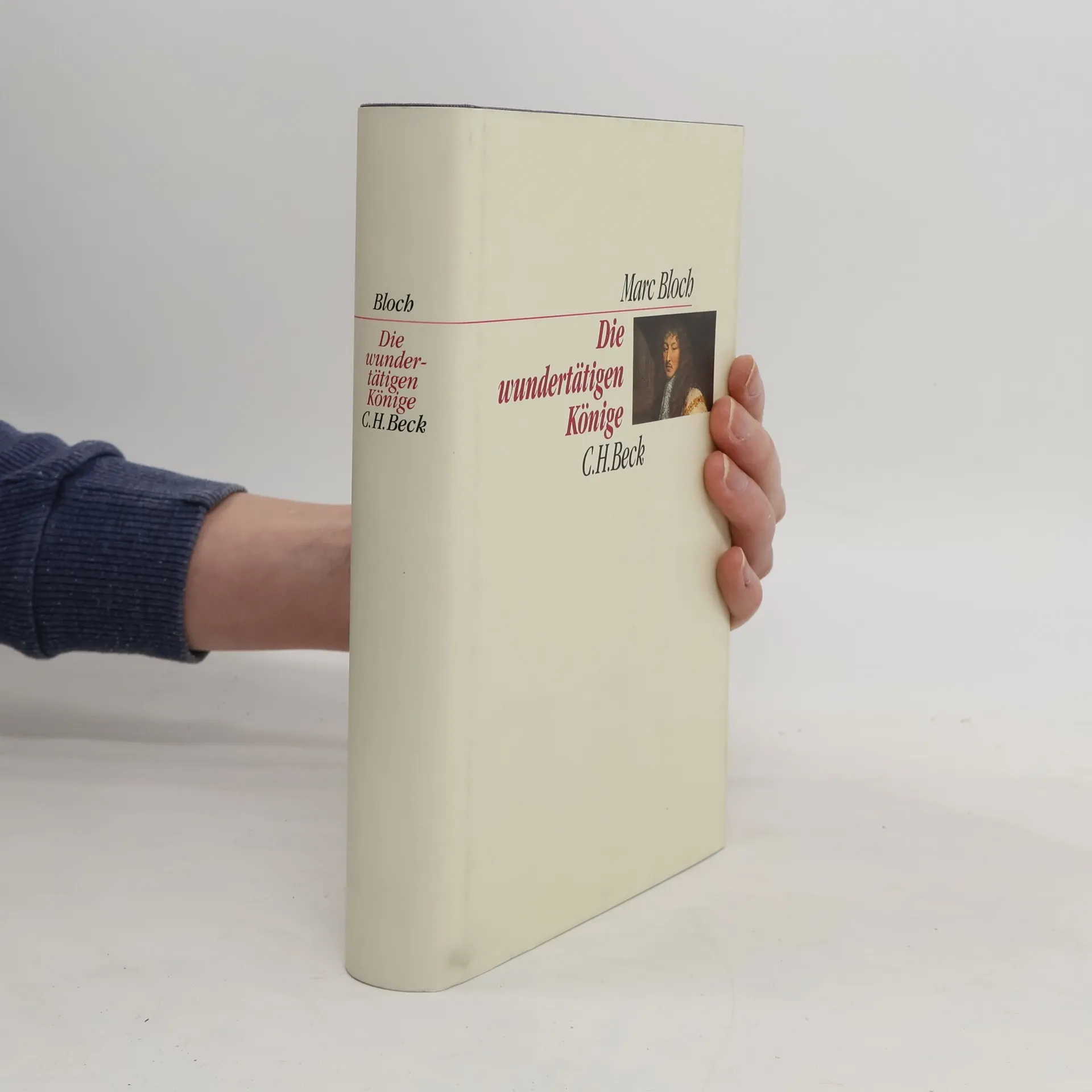
Die wundertätigen Könige
- 555 pages
- 20 hours of reading
In diesem Buch geht es um die Vorstellung, die Könige Frankreichs und Englands könnten durch Berührung eine tuberkulöse Krankheit, die Skrofeln, heilen. In einem weitgespannten Überblick von der Antike bis zum 19. Jahrhundert untersucht Marc Bloch die mentalen Voraussetzungen, historischen Hintergründe und unterschiedlichen Ausprägungen des Glaubens an die Heilkraft der Könige und erschließt ihre historische - und politische - Bedeutung. Das Buch ist ein Klassiker der historischen Anthropologie geworden, ja eines der bedeutendsten Werke der modernen Geschichtswissenschaft.
Feudal Society
- 570 pages
- 20 hours of reading
In this outstanding and magisterial work, which has introduced generations of readers to the feudal period, Marc Bloch treats feudalism as living, breathing force in Western Europe from the ninth to the thirteenth century. Bloch said that his goal in writing Feudal Society was to go beyond the technical study a medievalist would typically write and 'dismantle a social structure.' For Bloch, history is a process of constant evolution and he brilliantly describes the slow process by which feudal societies turned into what would become nation states. A tour de force of historical writing, Feudal Society is essential reading for anyone interested in both Western Europe's past and present. With a new foreword by Geoffrey Koziol
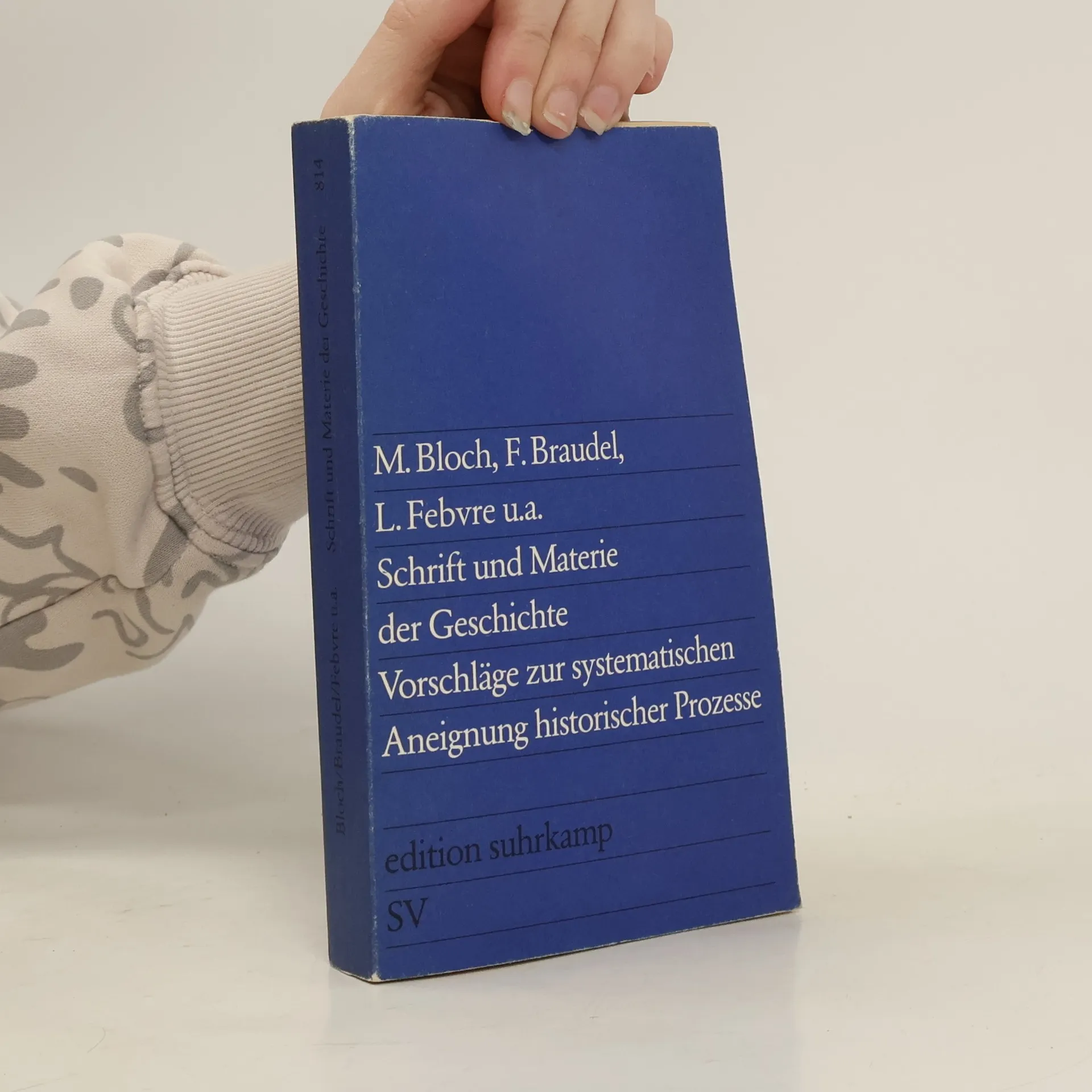
Schrift und Materie der Geschichte
- 450 pages
- 16 hours of reading
Biblioteca di cultura storica: I re taumaturghi
- 424 pages
- 15 hours of reading
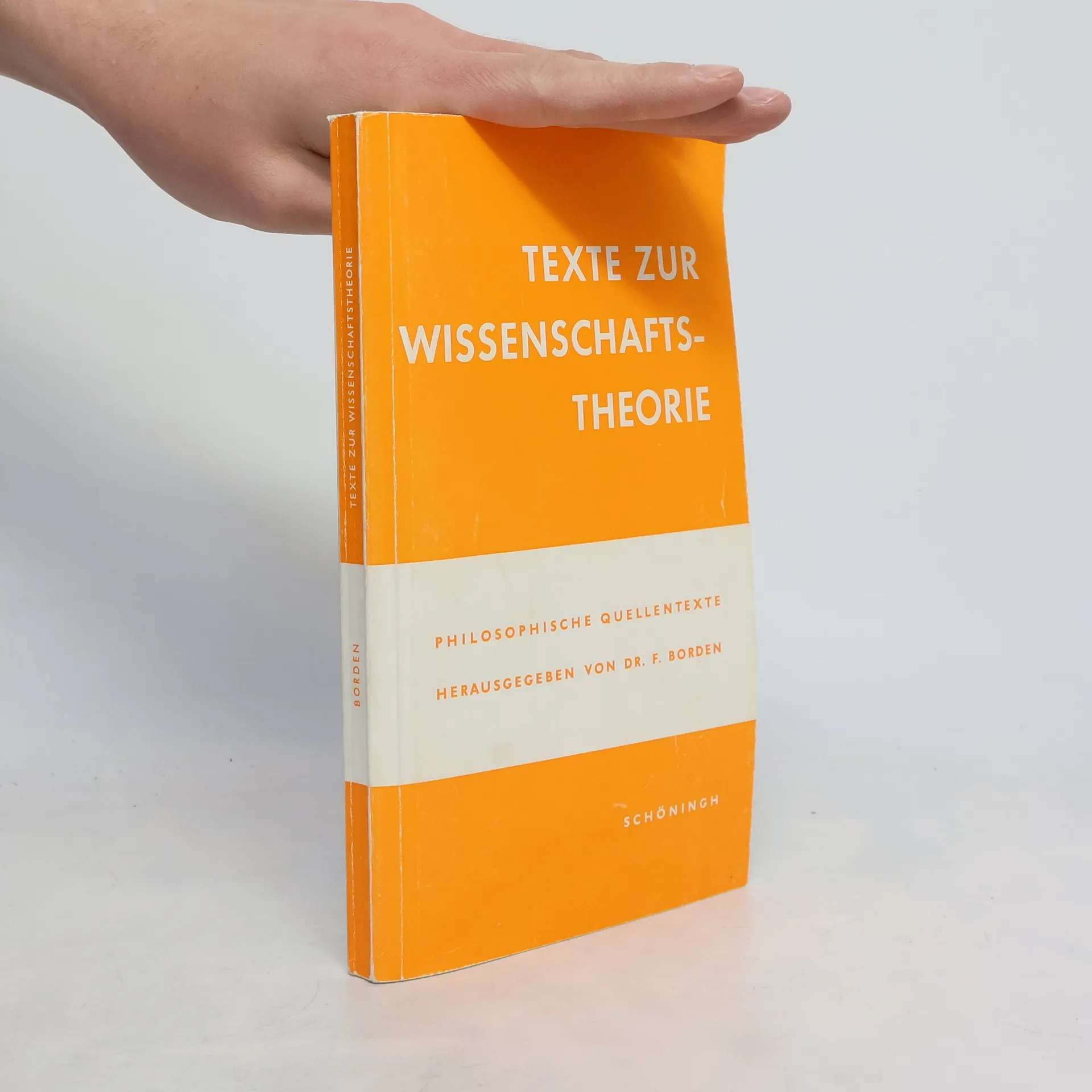
Schöninghs Philosophische Quellenhefte: Texte zur Wissenschaftstheorie
- 135 pages
- 5 hours of reading
The Historian's Craft
- 220 pages
- 8 hours of reading
This book explains that the history based on judgemental aspect is something not to be done, and provides a wider explanation rather than providing in normative terms.
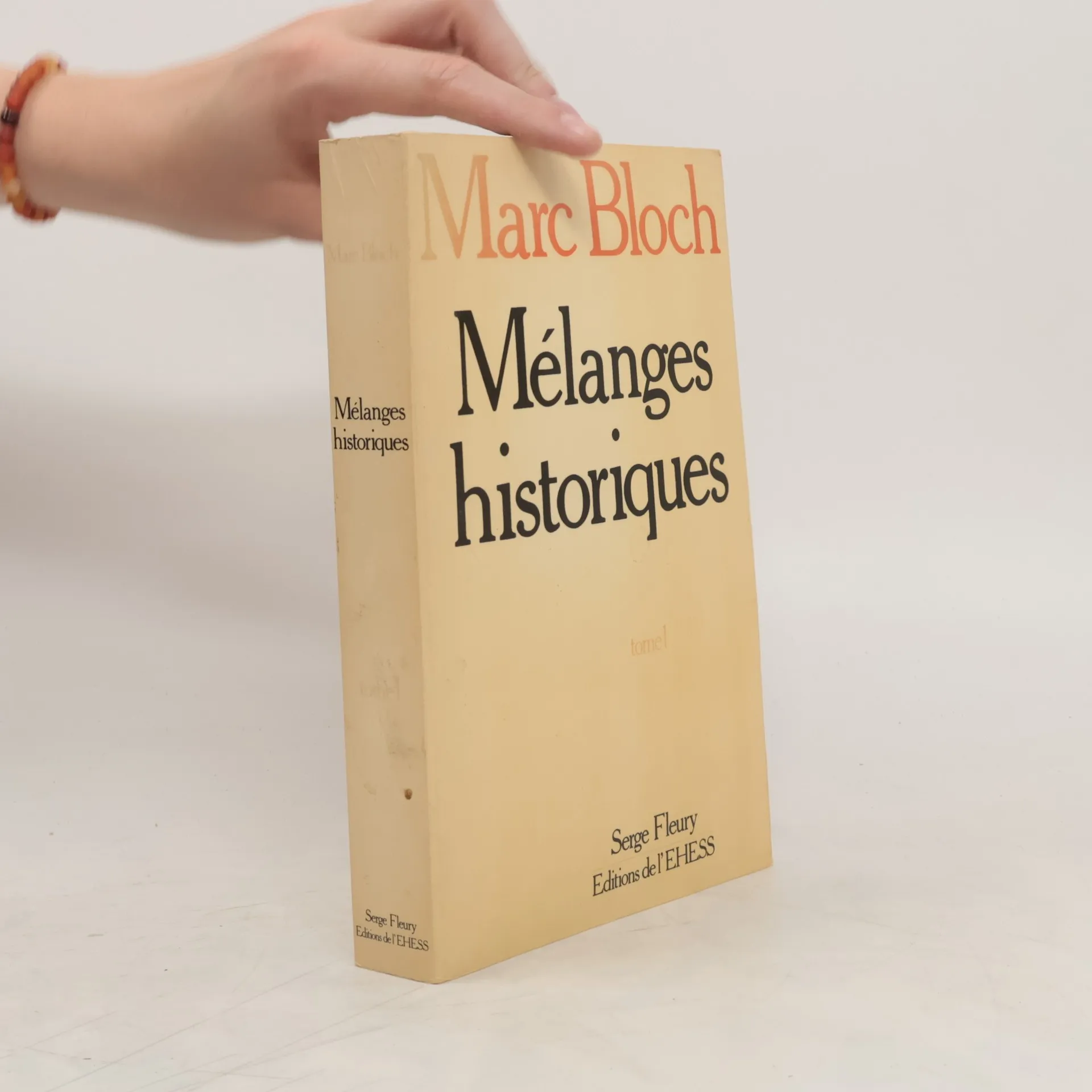
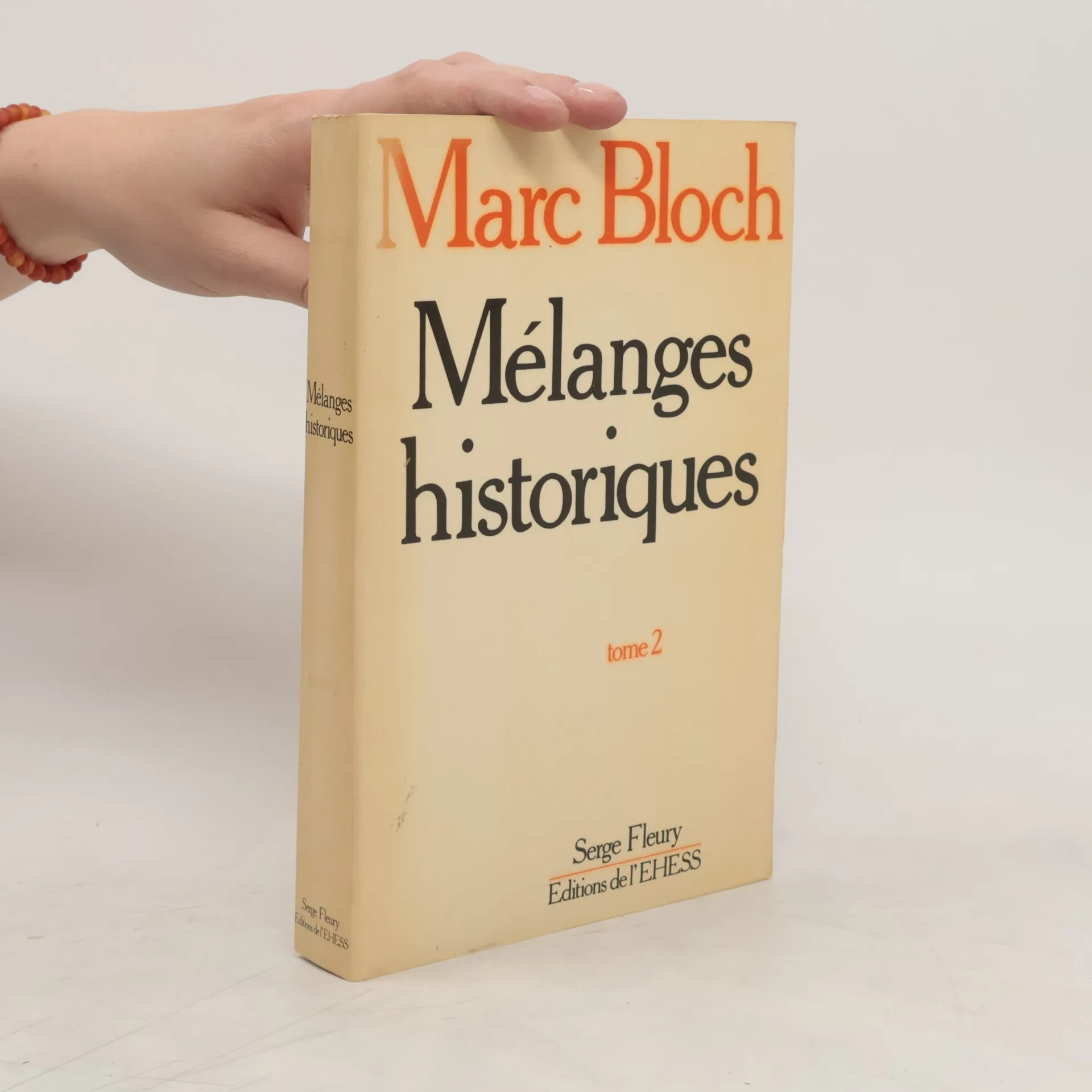
Mélanges historiques
- 1108 pages
- 39 hours of reading